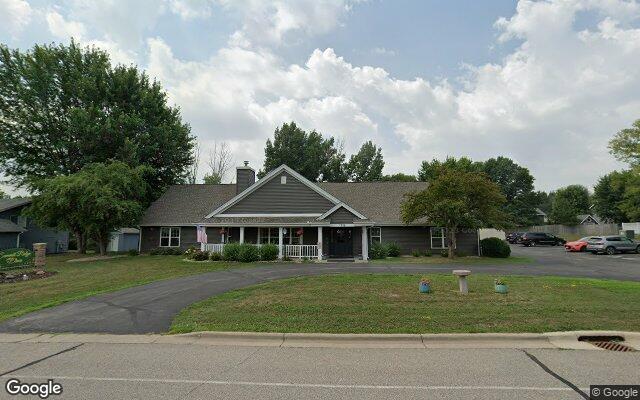
Ridgeview Senior Living.
A large home, reviewed on public record.
Compared to 187 Minnesota facilities with a similar number of beds.
ALF memory care · 36-month window. Higher percentile = better performance on inspection record. Source: Minnesota Dept. of Health · Health Regulation Division.
Rankings based on 36-month MDH inspection data. Severity and frequency: fewer citations = higher percentile. Repeat rate: lower repeat citation share = higher percentile.
Citation history, plotted month by month.
3 deficiencies on record. Each bar is a month with a citation.
Finding distribution
3 total · 36 monthsScope × Severity (CMS A–L)
Questions to ask before you visit.
A short pre-tour checklist tailored to Ridgeview Senior Living's record and state requirements.
The most recent inspection on April 23, 2025 reported zero deficiencies across seven surveys on file — can you walk us through how the community maintains compliance with Minnesota Statutes Chapter 144G dementia care requirements, and what internal audits or training protocols support that record?
Ask the operator on tour. Take notes and compare answers across facilities you visit.
Five complaints were filed with the Minnesota Department of Health during the inspection period on file — were any of those complaints substantiated, and can you share the facility's written response or corrective action documentation for any findings?
Ask the operator on tour. Take notes and compare answers across facilities you visit.
Minnesota's Assisted Living Facility with Dementia Care license requires specific policies for person-centered dementia care — can you provide a copy of the written dementia care program and explain how staff demonstrate competency in implementing those policies across all shifts?
Ask the operator on tour. Take notes and compare answers across facilities you visit.
Every inspection visit, verbatim.
7 inspections in the public record, most recent first. Plain-language summaries open first — click into any row for the full citation text.
2026-09-22Complaint InvestigationNo findings
2026-03-31Complaint InvestigationSubstantiated Finding · 1 finding
Plain-language summary
A complaint investigation substantiated that an unlicensed staff member sexually abused a resident by grabbing his buttocks in a sexual manner, making unwanted sexual comments, and hovering over him in his recliner; the resident and his wife both witnessed and reported the incident, and the staff member's account of events changed during questioning. The resident, who has cerebral palsy and anxiety disorder but is cognitively able to report concerns, experienced anxiety and sleep problems following the incident but had no physical injuries. The facility investigation confirmed the inappropriate conduct occurred.
Read full citation text (1)Hide full citation text
“MDH substantiated maltreatment or licensing violation finding”
Read raw inspector notesClose inspector notes
Finding: Substantiated, individual responsibility Nature of Investigation: The Minnesota Department of Health investigated an allegation of maltreatment, in accordance with the Minnesota Reporting of Maltreatment of Vulnerable Adults Act, Minn. Stat. 626.557, and to evaluate compliance with applicable licensing standards for the provider type. Initial Investigation Allegation(s): The alleged perpetrator (AP) abused the resident when she grabbed the resident on his buttocks and made inappropriate comments that made the resident feel uncomfortable. Investigative Findings and Conclusion: The Minnesota Department of Health determined abuse was substantiated. The AP was responsible for sexual abuse. The resident stated the AP straddled his legs and hovered over him in his recliner while making comments about wanting to sleep with the resident which made him feel uncomfortable. Then the AP reached into the recliner, grabbed the resident’s buttocks in a sexual manner and squeezed while stating, “there, that ought to make you smile”. The resident’s wife witnessed the incident and her statement aligned with the resident’s. The AP denied the allegation. The investigator conducted interviews with facility staff members, including administrative staff, nursing staff, and unlicensed staff. The investigator contacted law enforcement, and the resident’s provider. The investigation included review of the resident record(s), medical records, facility internal investigation, personnel files, staff schedules, and related facility policy and procedures. Also, the investigator observed residents and staff at the facility. The resident resided in an assisted living facility with diagnoses including Cerebral Palsy, generalized anxiety disorder, and colon cancer. The resident’s assessment indicated he was cognitively intact and able to report concerns of abuse. A concern arose when the facility received reports the AP, an unlicensed personnel, made inappropriate sexual comments to the resident and touched is buttocks in a sexual way. The resident’s progress notes indicated reported the resident had an inappropriate encounter with another staff member [the AP] the previous day when the resident’s spouse was present. The progress notes indicated the resident had no bruising or physical signs of abuse but reported anxiety and inability to sleep following the incident. The resident’s medication administration record (MAR) indicated the AP documented providing medication administration to the resident at 6:50 p.m. the day the incident occurred. A facility investigation indicated the AP had flirtatious inappropriate conduct including standing over the resident with unnecessary close contact then touched, grabbed, and squeezed the resident’s buttocks. The investigation indicated when interviewed about the incident the resident stated while he was resting in his recliner the AP got close to him and said, “you haven’t smiled for me all shift, where is your smile for me?” Then proceeded to reach down and grab the resident’s hip and buttocks area and squeezed stating, “well that will give you a smile!” The resident stated the AP then said something “creepy” like “you look pretty cozy and warm in your chair; I’m going to crawl up next to you and take a nap”. The resident stated he responded, “my wife would not appreciate that”, and the AP shrugged then left the room. The investigation indicated the resident’s wife witnessed the incident and stated she saw the AP reach into the resident’s recliner and “grabbed his ass” and said, “that will make you smile”. The resident’s wife stated the resident’s eyes got wide like what just happened. The resident’s wife stated the AP made a comment about wanting to cuddle up and sleep with the resident in his chair which was creepy and made them both feel uncomfortable. The investigation indicated during a facility interview the AP admitted she “tried to get the resident to smile by touching his leg” and said “that ought to make you smile” but denied grabbing and squeezing the resident’s buttocks. The investigation indicated the AP stated she had not intended to make the resident feel uncomfortable and was not trying to be inappropriate and apologized. When interviewed facility leadership stated the resident was a reliable reporter of abuse and had no history or pattern of abuse allegations. During an interview, a unlicensed personnel (ULP) stated when she was in the resident’s room the following morning the resident’s wife asked if the resident had told her what happened with the AP last evening. The resident’s wife stated when the AP entered the room to pass evening medications, she mentioned how the resident had not smiled for her shift and touched him inappropriately and said, “that will give you a smile”. The staff stated she then asked the resident to tell her what happened and the resident reported the AP grasped his buttocks and said, “that should make you smile”. The resident stated the AP then said she wanted to snuggle up and take a nap with him to which the resident responded, “my wife would not appreciate that”, then the AP left. The resident stated the interaction made him feel very uncomfortable and they did not want the AP in their room anymore. When interviewed the AP denied the allegation and stated she only touched the resident on the knee but did not grab or squeeze his bottom, which did not align with her previous statement to facility leadership. The AP denied making inappropriate statements, then stated she had a friendly relationship with the resident, and they had made mutually inappropriate jokes and statements during casual conversations. The AP did not elaborate on what inappropriate jokes/statements were made and stated she did not recall. When interviewed the resident stated the day of the incident he had just returned from having chemotherapy and was resting in his recliner when the AP entered his room and straddled his legs in the recliner, hovered over him, and asked, “what was wrong, why aren’t you smiling”. The resident stated then AP made comments about wanting to crawl into the chair with him, to which he responded, “my wife would not like that”, and the AP left the room. The resident stated the interaction made him feel very uncomfortable but indicated it was not the first time the AP’s interactions and statements had made him feel uncomfortable. The resident stated when the AP returned, she sat on the arm of his recliner chair, reached down into the left side of his recliner chair, grabbed his left buttocks cheek, and ran her hand down his leg toward his groin in a sexual manner and said “there, that ought to make you smile”. The resident stated the incident had caused increased anxiety and difficulty sleeping related to nightmares about the incident with the AP. When interviewed the resident’s wife stated she observed the AP’s inappropriate interactions toward the resident and demonstrated how the AP straddled the resident’s legs and leaned over his body in the recliner, then made sexual advances when she reached into the chair to grab the resident’s buttocks. The resident’s wife stated they were shocked by what had happened and reported the incident. When interviewed the resident’s provider indicated the resident was struggling with anxiety and depression following a cancer diagnosis at the time the incident with the AP occurred. The provider stated the incident with the AP had affected the resident’s mood adversely and indicated the resident was receiving services to help manage his symptoms. In conclusion, the Minnesota Department of Health determined abuse was substantiated. Substantiated: Minnesota Statutes, section 626.5572, Subdivision 19. “Substantiated” means a preponderance of evidence shows that an act that meets the definition of maltreatment occurred. Abuse: Minnesota Statutes section 626.5572, subdivision 2. "Abuse" means: (b) Conduct which is not an accident or therapeutic conduct as defined in this section, which produces or could reasonably be expected to produce physical pain or injury or emotional distress including, but not limited to, the following: (c) Any sexual contact or penetration as defined in section 609.341, between a facility staff person or a person providing services in the facility and a resident, patient, or client of that facility. Section 609.341 Subd. 5.Intimate parts. "Intimate parts" includes the primary genital area, groin, inner thigh, buttocks, or breast of a human being. Section 609.341 Subd. 11.Sexual contact. (a) "Sexual contact," for the purposes of sections 609.343, subdivision 1, clauses (a) to (e), and subdivision 1a, clauses (a) to (f) and (i), and 609.
2025-04-23Annual Compliance VisitNo findings
Plain-language summary
A standard inspection of Ridgeview Senior Living was conducted April 21–23, 2025, when the facility had 41 residents, 39 receiving dementia care services. State correction orders were issued for at least one violation, including noncompliance with tuberculosis prevention and control requirements under Minnesota statute 144G.42. No immediate fines were assessed, and the facility was directed to document corrective actions within the timeframe specified on the state form.
Read full citation textHide full citation text
Read raw inspector notesClose inspector notes
correction orders and document the actions taken to comply in the facility's records. The Department reserves the right to return to the facility at any time should the Department receive a complaint or deem it necessary to ensure the health, safety, and welfare of residents in your care. STATE CORRECTION ORDERS The enclosed State Form documents the state correction orders. MDH documents state licensing correction orders using federal software. Tag numbers are assigned to Minnesota state statutes for Assisted Living Facilities. The assigned tag number appears in the far left column entitled "ID Prefix Tag." The state statute number and the corresponding text of the state statute out of compliance are listed in the "Summary Statement of Deficiencies" column. This column also includes the findings that are in violation of the state statute after the statement, "This MN Requirement is not met as evidenced by . . ." In accordance with Minn. Stat. § 144G.31 Subd. 4, MDH may assess fines based on the level and scope of the violations; h owever, no immediate fines are assessed for this survey of your facility. DOCUMENTATION OF ACTION TO COMPLY In accordance with Minn. Stat. § 144G.30, Subd. 5(c), the licensee must document actions taken to comply with the correction orders within the time period outlined on the state form; however, plans of correction are not required to be submitted for approval. The correction order documentation should include the following: Identify how the area(s) of noncompliance was corrected related to the An equal opportunity employer. Letter ID: IS7N REVISED 09/13/2021 Ridgeview Senior Living May 30, 2025 Page 2 resident(s)/employee(s) identified in the correction order. Identify how the area(s) of noncompliance was corrected for all of the provider’s resident(s)/employees that may be affected by the noncompliance. Identify what changes to your systems and practices were made to ensure compliance with the specific statute(s). CORRECTION ORDER RECONSIDERATION PROCESS In accordance with Minn. Stat. § 144G.32, Subd. 2, you may challenge the correction order(s) issued, including the level and scope, and any fine assessed through the correction order reconsideration process. The request for reconsideration must be in writing and received by MDH within 15 calendar days of the correction order receipt date. To submit a reconsideration request, please visit: https://forms.web.health.state.mn.us/form/HRDAppealsForm The MDH Health Regulation Division (HRD) values your feedback about your experience during the survey and/or investigation process. Please fill out this anonymous provider feedback questionnaire at your convenience at this link: h ttps://forms.office.com/g/Bm5uQEpHVa. Your input is important to us and will enable MDH to improve its processes and communication with providers. If you have any questions regarding the questionnaire, please contact Susan Winkelmann at susan.winkelmann@state.mn.us or call 651-201-5952. You are encouraged to retain this document for your records. It is your responsibility to share the information contained in the letter and state form with your organization’s Governing Body. If you have any questions, please contact me. Sincerely, Kelly Thorson, Supervisor State Evaluation Team Email: Kelly.Thorson@state.mn.us Telephone: 320-223-7336 Fax: 1-866-890-9290 KKM PRINTED: 05/30/2025 FORM APPROVED STATEMENT OF DEFICIENCIES (X1) PROVIDER/SUPPLIER/CLIA (X2) MULTIPLE CONSTRUCTION (X3) DATE SURVEY AND PLAN OF CORRECTION IDENTIFICATION NUMBER: COMPLETED A. BUILDING: ______________________ B. WING _____________________________ 20619 04/23/2025 NAME OF PROVIDER OR SUPPLIER STREET ADDRESS, CITY, STATE, ZIP CODE 1009 10TH AVENUE NE RIDGEVIEW SENIOR LIVING SAUK RAPIDS, MN 56379 SUMMARY STATEMENT OF DEFICIENCIES PROVIDER'S PLAN OF CORRECTION (X4) ID ID (X5) PREFIX (EACH DEFICIENCY MUST BE PRECEDED BY FULL PREFIX (EACH CORRECTIVE ACTION SHOULD BE COMPLETE REGULATORY OR LSC IDENTIFYING INFORMATION) CROSS-REFERENCED TO THE APPROPRIATE DATE TAG TAG DEFICIENCY) 0 000 Initial Comments 0 000 ASSISTED LIVING PROVIDER LICENSING Minnesota Department of Health is CORRECTION ORDER(S) documenting the State Correction Orders using federal software. Tag numbers have In accordance with Minnesota Statutes, section been assigned to Minnesota State 144G.08 to 144G.95, these correction orders are Statutes for Assisted Living Facilities. The issued pursuant to a survey. assigned tag number appears in the far left column entitled "ID Prefix Tag." The Determination of whether violations are corrected state Statute number and the requires compliance with all requirements corresponding text of the state Statute out provided at the Statute number indicated below. of compliance is listed in the "Summary When Minnesota Statute contains several items, Statement of Deficiencies" column. This failure to comply with any of the items will be column also includes the findings which considered lack of compliance. are in violation of the state requirement after the statement, "This Minnesota INITIAL COMMENTS: requirement is not met as evidenced by." Following the evaluators ' findings is the SL#20619016 Time Period for Correction. On April 21, 2025, through April 23, 2025, the PLEASE DISREGARD THE HEADING OF survey at the above provider. At the time of the STATES,"PROVIDER'S PLAN OF survey, there were 41 residents; 39 receiving CORRECTION." THIS APPLIES TO services under the Assisted Living Facility with FEDERAL DEFICIENCIES ONLY. THIS Dementia Care license. WILL APPEAR ON EACH PAGE. THERE IS NO REQUIREMENT TO SUBMIT A PLAN OF CORRECTION FOR VIOLATIONS OF MINNESOTA STATE STATUTES. THE LETTER IN THE LEFT COLUMN IS USED FOR TRACKING PURPOSES AND REFLECTS THE SCOPE AND LEVEL ISSUED PURSUANT TO 144G.31 SUBDIVISION 1-3. 0 660 144G.42 Subd. 9 Tuberculosis prevention and 0 660 SS=F control LABORATORY DIRECTOR'S OR PROVIDER/SUPPLIER REPRESENTATIVE'S SIGNATURE TITLE (X6) DATE STATE FORM 6899 6TLH11 If continuation sheet 1 of 20 PRINTED: 05/30/2025 FORM APPROVED STATEMENT OF DEFICIENCIES (X1) PROVIDER/SUPPLIER/CLIA (X2) MULTIPLE CONSTRUCTION (X3) DATE SURVEY AND PLAN OF CORRECTION IDENTIFICATION NUMBER: COMPLETED A. BUILDING: ______________________ B. WING _____________________________ 20619 04/23/2025 NAME OF PROVIDER OR SUPPLIER STREET ADDRESS, CITY, STATE, ZIP CODE 1009 10TH AVENUE NE RIDGEVIEW SENIOR LIVING SAUK RAPIDS, MN 56379 SUMMARY STATEMENT OF DEFICIENCIES PROVIDER'S PLAN OF CORRECTION (X4) ID ID (X5) PREFIX (EACH DEFICIENCY MUST BE PRECEDED BY FULL PREFIX (EACH CORRECTIVE ACTION SHOULD BE COMPLETE REGULATORY OR LSC IDENTIFYING INFORMATION) CROSS-REFERENCED TO THE APPROPRIATE DATE TAG TAG DEFICIENCY) 0 660 Continued From page 1 0 660 (a) The facility must establish and maintain a comprehensive tuberculosis infection control program according to the most current tuberculosis infection control guidelines issued by the United States Centers for Disease Control and Prevention (CDC), Division of Tuberculosis Elimination, as published in the CDC's Morbidity and Mortality Weekly Report. The program must include a tuberculosis infection control plan that covers all paid and unpaid employees, contractors, students, and regularly scheduled volunteers. The commissioner shall provide technical assistance regarding implementation of the guidelines. (b) The facility must maintain written evidence of compliance with this subdivision. This MN Requirement is not met as evidenced by: Based on interview and record review, the licensee failed to maintain a tuberculosis (TB) prevention and control program, based on the most current guidelines issued by the Centers for Disease Control and Prevention (CDC), which included a facility TB risk assessment, a two-step tuberculin skin test (TST) or other evidence of TB screening such as a blood test, for one of three employees (licensed practical nurse (LPN)-D), a completed health history and symptom screening for two of three employees (LPN-D and unlicensed personnel (ULP)-E), and initial TB training for one of three employees (LPN)-D. This practice resulted in a level two violation (a violation that did not harm a resident's health or safety but had the potential to have harmed a resident's health or safety) and was issued at a widespread scope (when problems are pervasive or represent a systemic failure that has affected or has the potential to affect a large portion or all STATE FORM 6899 6TLH11 If continuation sheet 2 of 20 PRINTED: 05/30/2025 FORM APPROVED STATEMENT OF DEFICIENCIES (X1) PROVIDER/SUPPLIER/CLIA (X2) MULTIPLE CONSTRUCTION (X3) DATE SURVEY AND PLAN OF CORRECTION IDENTIFICATION NUMBER: COMPLETED A. BUILDING: ______________________ B. WING _____________________________ 20619 04/23/2025 NAME OF PROVIDER OR SUPPLIER STREET ADDRESS, CITY, STATE, ZIP CODE 1009 10TH AVENUE NE RIDGEVIEW SENIOR LIVING SAUK RAPIDS, MN 56379 SUMMARY STATEMENT OF DEFICIENCIES PROVIDER'S PLAN OF CORRECTION (X4) ID ID (X5) PREFIX (EACH DEFICIENCY MUST BE PRECEDED BY FULL PREFIX (EACH CORRECTIVE ACTION SHOULD BE COMPLETE REGULATORY OR LSC IDENTIFYING INFORMATION) CROSS-REFERENCED TO THE APPROPRIATE DATE TAG TAG DEFICIENCY) 0 660 Continued From page 2 0 660 the residents). The findings include: During the entrance conference on April 21, 2025, at 10:18 a.m., licensed assisted living director (LALD)-A and clinical nurse supervisor (CNS)-B stated the licensee was familiar with current minimum assisted living requirements.
2025-02-24Complaint InvestigationSubstantiated Finding · 1 finding
Plain-language summary
A complaint investigation substantiated neglect by the facility after a resident with dementia fell in the bathroom and required emergency room evaluation for bruising and a head injury; the facility had failed to reassess the resident's care plan after she began using a wheelchair, continued using a wheelchair with a non-functioning brake despite staff reporting the problem to management, and left the resident unattended in the bathroom contrary to her need for supervision. The resident's service plan did not reflect her increased mobility needs or the use of the wheelchair, and no documentation existed regarding when the wheelchair was obtained or its condition. The facility was found in noncompliance and no corrective action was taken by the facility at the time of the investigation.
Read full citation text (1)Hide full citation text
“MDH substantiated maltreatment or licensing violation finding”
Read raw inspector notesClose inspector notes
Finding: Substantiated, facility responsibility Nature of Investigation: The Minnesota Department of Health investigated an allegation of maltreatment, in accordance with the Minnesota Reporting of Maltreatment of Vulnerable Adults Act, Minn. Stat. 626.557, and to evaluate compliance with applicable licensing standards for the provider type. Initial Investigation Allegation(s): The facility neglected the resident when supervision was not provided in accordance with the resident’s service plan. The resident was left unattended in the bathroom when she fell, requiring her to be evaluated in the emergency room. Investigative Findings and Conclusion: The Minnesota Department of Health determined neglect was substantiated. The facility was responsible for the maltreatment. The facility failed to reassess the resident after she began requiring additional assistance with transfers and required the use of a wheelchair for mobility. Facility staff noted a brake on the wheelchair was not locking properly but continued to use the wheelchair. The resident tried to self-transfer out of the wheelchair and fell on the floor. The investigator conducted interviews with facility staff members, including administrative staff, nursing staff, and unlicensed staff. The investigator contacted the primary care provider. The investigation included review of the resident record, hospital records, facility internal investigation documentation, facility incident reports, staff schedules, and related facility policy and procedures. Also, the investigator observed the resident’s room and location where she fell. The resident resided in an assisted living facility. The resident’s diagnoses included dementia. The resident’s service plan included assistance with mobility, transfers, toileting, and activities of daily living. The resident’s assessment indicated the resident used a walker and needed redirection due to being disoriented to person, place, and time. The resident’s record lacked documentation to show when she began using a wheelchair, who provided the wheelchair, or what condition the wheelchair was in. The service plan was not updated to reflect the resident using a wheelchair. An assessment was not completed to reflect the resident’s change in condition when she began using a wheelchair. The facility did not have any records related to the wheelchair being used by the resident. The incident report indicated the resident had been set up in front of the bathroom sink in her wheelchair with brakes on for independent grooming. When staff returned, the resident was on the floor next to the cupboard, with the wheelchair “located with brakes on next to resident.” Hospital records indicated the resident had bruising and a laceration on her right thumb, right ankle pain, and a scalp contusion/hematoma. After evaluation in the emergency room, she was discharged back to the facility with a cam walker, a type of orthopedic boot. During an interview, an unlicensed personel (ULP) working the day the resident fell, stated she helped get the resident up and ready and the resident only required set-up assistance. Another resident called for assistance so the ULP left the room to answer the call light and asked a housekeeper to go check on the resident in a few minutes. The ULP stated the housekeeper later called on the walkie talkie for her to return to the room as the resident had fallen. The ULP stated the resident’s care plan at that time did not require staff to stay with her at all times. The ULP stated the resident was using a wheelchair provided by the facility and that staff had told facility management that the locks on the wheelchair didn’t lock. The ULP stated they were told by management they were going to get the wheelchair fixed or find another one, but it was “too little, too late” and it never got fixed. During an interview, another ULP working the day the resident fell, stated the resident’s care plan did not require anyone to stay with her in the bathroom at the time she fell. The ULP stated she was called into the room after the resident fell and was told the resident was alone in the bathroom at the time of the fall. The ULP stated the resident had been using a facility wheelchair and it was “not in good condition.” The ULP stated one brake was not working and people had talked to management about it, but nothing got fixed. The ULP stated there was some turnover with management around the time concerns were brought forward so that may have been why it was never addressed. In conclusion, the Minnesota Department of Health determined neglect was substantiated. Substantiated: Minnesota Statutes, section 626.5572, Subdivision 19. “Substantiated” means a preponderance of evidence shows that an act that meets the definition of maltreatment occurred. Neglect: Minnesota Statutes, section 626.5572, subdivision 17 “Neglect” means neglect by a caregiver or self-neglect. (a) "Caregiver neglect" means the failure or omission by a caregiver to supply a vulnerable adult with care or services, including but not limited to, food, clothing, shelter, health care, or supervision which is: (1) reasonable and necessary to obtain or maintain the vulnerable adult's physical or mental health or safety, considering the physical and mental capacity or dysfunction of the vulnerable adult; and (2) which is not the result of an accident or therapeutic conduct. Vulnerable Adult interviewed: No, deceased. Family/Responsible Party interviewed: Yes Alleged Perpetrator interviewed: Not Applicable Action taken by facility: No action taken. Action taken by the Minnesota Department of Health: The facility was found to be in noncompliance. To view a copy of the Statement of Deficiencies and/or correction orders, please visit: https://www.health.state.mn.us/facilities/regulation/directory/provcompselect.html If you are viewing this report on the MDH website, please see the attached Statement of Deficiencies. You may also call 651-201-4200 to receive a copy via mail or email The responsible party will be notified of their right to appeal the maltreatment finding. If the maltreatment is substantiated against an identified employee, this report will be submitted to the nurse aide registry for possible inclusion of the finding on the abuse registry and/or to the Minnesota Department of Human Services for possible disqualification in accordance with the provisions of the background study requirements under Minnesota 245C. cc: The Office of Ombudsman for Long Term Care The Office of Ombudsman for Mental Health and Developmental Disabilities Benton County Attorney Sauk Rapids City Attorney Sauk Rapids Police Department PRINTED: 02/25/2025 FORM APPROVED STATEMENT OF DEFICIENCIES (X1) PROVIDER/SUPPLIER/CLIA (X2) MULTIPLE CONSTRUCTION (X3) DATE SURVEY AND PLAN OF CORRECTION IDENTIFICATION NUMBER: COMPLETED A. BUILDING: ______________________ C B. WING _____________________________ 20619 02/03/2025 NAME OF PROVIDER OR SUPPLIER STREET ADDRESS, CITY, STATE, ZIP CODE 1009 10TH AVENUE NE RIDGEVIEW SENIOR LIVING SAUK RAPIDS, MN 56379 SUMMARY STATEMENT OF DEFICIENCIES PROVIDER'S PLAN OF CORRECTION (X4) ID ID (X5) PREFIX (EACH DEFICIENCY MUST BE PRECEDED BY FULL PREFIX (EACH CORRECTIVE ACTION SHOULD BE COMPLETE REGULATORY OR LSC IDENTIFYING INFORMATION) CROSS-REFERENCED TO THE APPROPRIATE DATE TAG TAG DEFICIENCY) 0 000 Initial Comments 0 000 ******ATTENTION****** Minnesota Department of Health is documenting the State Correction Orders ASSISTED LIVING PROVIDER CORRECTION using federal software. Tag numbers have ORDER been assigned to Minnesota State Statutes for Assisted Living Facilities. The In accordance with Minnesota Statutes, section assigned tag number appears in the 144G.08 to 144G.95, these correction orders are far-left column entitled "ID Prefix Tag." The issued pursuant to a complaint investigation. state Statute number and the corresponding text of the state Statute out Determination of whether a violation is corrected of compliance is listed in the "Summary requires compliance with all requirements Statement of Deficiencies" column. This provided at the statute number indicated below. column also includes the findings which When a Minnesota Statute contains several are in violation of the state requirement items, failure to comply with any of the items will after the statement, "This Minnesota be considered lack of compliance. requirement is not met as evidenced by." Following the evaluators ' findings is the INITIAL COMMENTS: Time Period for Correction. #HL206196328M/ #HL206199568C PLEASE DISREGARD THE HEADING OF THE FOURTH COLUMN WHICH On February 3, 2025, the Minnesota Department STATES,"PROVIDER'S PLAN OF of Health conducted a complaint investigation at CORRECTION." THIS APPLIES TO the above provider, and the following correction FEDERAL DEFICIENCIES ONLY. THIS order is issued. At the time of the complaint WILL APPEAR ON EACH PAGE. investigation, there were 57 residents receiving services under the provider's Assisted Living with THERE IS NO REQUIREMENT TO Dementia Care license. SUBMIT A PLAN OF CORRECTION FOR VIOLATIONS OF MINNESOTA STATE The following correction order is issued for STATUTES. #HL206196328M/ #HL206199568C, tag identification 2360.
2024-07-02Complaint InvestigationSubstantiated Finding · 1 finding
Plain-language summary
A complaint investigation substantiated that a staff member abused a resident with Alzheimer's disease by following her closely in a way that agitated her, then grabbing her, forcing her onto a couch, and physically restraining her with a bear hug for several minutes while the resident fought to escape, until another staff member intervened. Video surveillance confirmed the incident, and the staff member admitted to restraining the resident. The resident was hospitalized by ambulance following the incident after becoming aggressive.
Read full citation text (1)Hide full citation text
“MDH substantiated maltreatment or licensing violation finding”
Read raw inspector notesClose inspector notes
Finding: Substantiated, individual responsibility Nature of Investigation: The Minnesota Department of Health investigated an allegation of maltreatment, in accordance with the Minnesota Reporting of Maltreatment of Vulnerable Adults Act, Minn. Stat. 626.557, and to evaluate compliance with applicable licensing standards for the provider type. Initial Investigation Allegation(s): The resident was abused when the alleged perpetrator (AP) was observed on video surveillance following the resident in close proximity causing agitation. The AP grabbed the resident and pulled the resident to the couch and then the ground, and physically restrained the resident using the weight of her body and a bear hug for several minutes while the resident fought to get away. Investigative Findings and Conclusion: The Minnesota Department of Health determined abuse was substantiated. The AP was responsible for the maltreatment. The AP was observed on video pursuing the resident in close proximity causing agitation as the resident repeatedly tried to get away from the AP. Then, the AP grabbed the resident and forced the resident onto the couch where the AP physically restrained the resident for several minutes using her arms, legs, and weight of her body causing the resident distress. The AP continued to restrain the resident until separated by another staff. The AP admitted to restraining the resident. The investigator conducted interviews with facility staff members, including administrative staff, nursing staff, and unlicensed staff. The investigator contacted law enforcement and the resident’s family member. The investigation included review of the resident record(s), hospital records, facility internal investigation, facility incident reports, facility video surveillance, personnel files, law enforcement report, and related facility policy and procedures. Also, the investigator observed resident’s and staff in the facility. The resident resided in an assisted living facility memory care unit with diagnoses including Alzheimer's disease, impaired memory, and generalized anxiety disorder. The resident’s assessment indicated the resident had severe cognitive impairment, wandered, and required a secure memory care unit. The assessment indicated due to advanced dementia the resident did not always understand what was being asked and was not able to respond or answer appropriately. The assessment identified the resident showed signs of distress by having tense body language, pacing, and fidgeting. The resident’s care plan/service agreement indicated the resident was ambulatory but needed redirection, reorientation, and reminders as needed. The care plan indicated staff completed behavior monitoring for verbal aggression and directed staff to provide non pharmalogical interventions including music, redirect to her room, television, and give her a stuffed dog. The care plan indicated if non pharmalogical interventions failed staff should administer as needed (PRN) medications. The care plan indicated if the resident was resistant staff should reapproach. The resident’s service delivery record indicated staff were directed to monitor the residents behavior each shift. The behavior monitoring documentation the day of the incident lacked documentation of behavioral concerns for the resident prior to the incident and indicated the resident had done lots of wandering that day but was in good spirits. The resident’s medication administration record (MAR) indicated the AP documented administering PRN Risperidone 0.25 at 3:46 p.m. for behavioral disturbance and documented the results were effective at 7:50 p.m. (almost 2 hours after the incident occurred). The resident’s MAR included other PRN medication for behavioral disturbances including Depakote 100 mg every 4 hours PRN, but the MAR indicated the medication was not utilized the day of the incident. The progress notes included documentation the resident wandered and had verbally aggressive behaviors after admission to the facility. The progress notes indicated the resident’s behaviors had been improving after admission with one episode of striking out at staff in response to being startled which was an isolated incident. The resident’s progress notes the day of the incident lacked documentation of behaviors or interventions provided prior to the resident being restrained by the AP. Following the incident, a progress note indicated the resident was transferred to the hospital by ambulance for becoming aggressive and violent towards staff posing a safety risk to staff and residents. A facility incident report indicated the AP reported the resident became increasingly agitated for no apparent reason. The incident report indicated the AP tried to calm the resident down and keep her away from other residents, but the resident swore at the AP, bit the AP, and threatened the AP’s life. The incident report indicated the AP called 911 and the resident’s family member. The incident report lacked documentation the AP restrained the resident. A facility investigation indicated at 6:06 p.m. the AP was observed on video following the resident in very close proximity around the common space for approximately 4 minutes. During that time the AP was observed toe to toe with the resident and stepped in front of the resident preventing the resident from moving freely through the common space. The investigation indicated during the encounter the AP was observed forming a fist by her side. The AP was observed aggressively forcing the resident to sit on the couch, where the AP began physically restraining the resident using a bear hug-type hold at 6:10 p.m. The resident was observed resisting the AP’s restraint by pushing at the AP’s arms, kicking at the AP, and bit the AP as the resident struggled to get away. The situation escalated, resulting in both the AP and resident falling to the floor, at which point another staff member intervened and separated them. The investigation indicated the AP restrained the resident until 6:14 p.m. (approximately 4 minutes). The investigation indicated the AP reported the resident made threats against her life justifying her actions as necessary to protect herself and other residents. However, the investigation indicated the video footage did not support the AP’s claim because the resident possessed no weapons, and the other residents appeared unaffected. When the investigator reviewed the video footage (no audio) the AP was observed closely follow the resident in the common area for several minutes prior to the incident which appeared to cause agitation for the resident. The resident was observed repeatedly trying to get away from the AP, and motioned/pointed for the AP to go away, but the AP refused and persistently pursued the resident in an intimidating manner. The AP was observed to have threatening body language with an expression of anger on her face and clenched fists at her side while standing toe to toe as she appeared to get in the resident’s face. Then the AP aggressively grabbed the resident by the arms and forced the resident to a seated position on the couch. The AP was observed physically restraining the resident by wrapping her arms and legs around the resident and used the weight of her body on top of the resident to hold the resident down against her will as the resident struggled and fought against the AP to get away. The AP continued to restrain the resident until both the resident and the AP fell onto the floor where the AP continued to restrain the resident until separated by another staff. When the resident was released from the AP’s restraint, she made no attempt of physical aggression toward residents or staff, wandered off, and then calmly sat in a recliner in the corner of the room. At no point was the resident observed to be physically aggressive or a danger toward other residents of the facility. The resident was not observed to be physically aggressive toward the AP until after the AP restrained the resident. An email statement from the AP to facility leadership indicated when the AP’s coworker left the unit to bring back a food cart the resident spoke aggressively and made threats toward the AP, so the AP had the resident “sit down on the sofa to calm down.” Then, the resident began hitting the AP, and bit the AP’s hand, while the AP held the resident’s arms to keep the resident contained. The AP’s statement indicated she restrained the resident to prevent the resident from possibly hitting another resident. However, the AP’s statement indicated there was no physical aggression prior to being restrained by the AP, and the resident had made no attempts to harm another resident. When interviewed unlicensed personnel (ULP) working with the AP at the time of the incident stated the resident had verbal behaviors but was not physically aggressive and was able to be redirected.
2024-01-30Complaint InvestigationNo findings
Plain-language summary
A complaint investigation at Ridgeview Senior Living in Sauk Rapids was completed on January 18, 2024, following a complaint filed on December 1, 2023. No correction orders were issued as a result of this investigation.
Read full citation textHide full citation text
Read raw inspector notesClose inspector notes
STATE LICENSING COMPLIANCE REPORT Report #: HL206198555C Date Concluded: January 18, 2024 Name, Address, and County of Facility Investigated: Ridgeview Senior Living 1009 10TH Ave NE Sauk Rapids, MN 56379 Benton County Facility Type: Assisted Living Facility with Evaluator’s Name: Erin Johnson-Crosby, RN Dementia Care (ALFDC) Special Investigator The Minnesota Department of Health conducted a complaint investigation to determine compliance with state laws and rules governing the provision of care under Minnesota Statutes, Chapter 144G. The purpose of this complaint investigation was to review if facility policies and practices comply with applicable laws and rules. No maltreatment under Minnesota Statutes, Chapter 626 was alleged. To view a copy of the correction orders, if any, please visit: https://www.health.state.mn.us/facilities/regulation/directory/provcompselect.html, or call MDH website, please see the attached state form. PRINTED: 01/30/2024 FORM APPROVED STATEMENT OF DEFICIENCIES (X1) PROVIDER/SUPPLIER/CLIA (X2) MULTIPLE CONSTRUCTION (X3) DATE SURVEY AND PLAN OF CORRECTION IDENTIFICATION NUMBER: COMPLETED A. BUILDING: ______________________ C B. WING _____________________________ 20619 12/01/2023 NAME OF PROVIDER OR SUPPLIER STREET ADDRESS, CITY, STATE, ZIP CODE 1009 10TH AVENUE NE RIDGEVIEW SENIOR LIVING SAUK RAPIDS, MN 56379 SUMMARY STATEMENT OF DEFICIENCIES PROVIDER'S PLAN OF CORRECTION (X4) ID ID (X5) PREFIX (EACH DEFICIENCY MUST BE PRECEDED BY FULL PREFIX (EACH CORRECTIVE ACTION SHOULD BE COMPLETE REGULATORY OR LSC IDENTIFYING INFORMATION) CROSS-REFERENCED TO THE APPROPRIATE DATE TAG TAG DEFICIENCY) 0 000 Initial Comments 0 000 On December 1, 2023, the Minnesota Department of Health initiated an investigation of complaint # HL206198555C and HL206196106C/#HL206198684M. No correction orders are issued. LABORATORY DIRECTOR'S OR PROVIDER/SUPPLIER REPRESENTATIVE'S SIGNATURE TITLE (X6) DATE STATE FORM 6899 CND111 If continuation sheet 1 of 1
2024-01-18Complaint InvestigationNo findings
Plain-language summary
A complaint investigation found the allegation of neglect to be inconclusive — the facility could not recall details of the incident and available documentation did not show evidence of a observed change in the resident's condition, though video and hospital records indicated the resident may have experienced a stroke while in the dining room that morning and was later transported to the hospital after the family reported concerns and requested emergency services. The facility staff had offered the resident toileting assistance and made periodic checks throughout the day, and contacted EMS per the family's request when the family reported the resident was not acting normally. Hospital imaging showed the resident had an acute stroke but was admitted too late in the therapeutic window to receive blood clot prevention medications.
Read full citation textHide full citation text
Read raw inspector notesClose inspector notes
Finding: Inconclusive Nature of Investigation: The Minnesota Department of Health investigated an allegation of maltreatment, in accordance with the Minnesota Reporting of Maltreatment of Vulnerable Adults Act, Minn. Stat. 626.557, and to evaluate compliance with applicable licensing standards for the provider type. Initial Investigation Allegation(s): The facility neglected the resident when the resident experienced a change in condition and was left in the dining room all day. The facility did not notify a registered nurse or emergency services. Investigative Findings and Conclusion: The Minnesota Department of Health determined neglect was inconclusive. It was unable to be determined if neglect occurred. Facility staff interviewed could not recall details of the incident and documentation available provided no evidence of an observed change in the resident’s condition. When the resident’s family reported a concern with a change in the resident’s behavior, facility staff contacted emergency medical services (EMS) per the family’s request and the resident was transported to the hospital for further evaluation. An equal opportunity employer. The investigator conducted interviews with facility staff members, including administrative staff, nursing staff, and unlicensed staff. The investigation included review of resident, facility, and hospital records. The resident resided in an assisted living memory care unit. The resident’s diagnoses included dementia with behavioral disturbance, coronary artery disease, and a heart murmur. The resident’s service plan included assistance with dressing, grooming, safety checks, medication administration, and escort assistance to meals. The resident’s assessment indicated the resident had a history of agitation and resistance towards care. The assessment indicated the resident was independent with transfers and walking. The resident’s medical record indicated the resident was transferred out of the facility via ambulance. The medical record indicated a family member reported to staff the resident was not acting normal and requested EMS be contacted. Facility staff contacted EMS per the family’s request, then contacted the nurse to report the incident. Review of staff documentation from the day of the incident included no additional notes detailing a change in the resident’s condition. Staff documented the resident received assistance with morning cares and an escort to breakfast. Staff also documented the resident was checked on at 10:00 a.m., refused toileting assistance at 11:00 a.m., and was escorted to the noon meal. The resident’s Medication Administration Record (MAR) from the day of the incident indicated the resident’s 8:00 a.m. and 2:00 p.m. medications were “held” and not administered. The medication notes section did not specify why the scheduled medications were not administered. Video surveillance from the day of the incident displayed a staff member assisted the resident to the dining room at 8:09 a.m. The video showed the staff member take the resident by the hands to guide the resident into the dining room; it appeared the resident had difficulty lifting her right leg. The video showed staff enter and exit the dining room multiple times throughout the video. The video did not show the resident leave the dining room area after breakfast; however, a bathroom was located near the dining room that was not visible by the camera. At 4:21 p.m., the resident’s family member was seen assisting the resident out of the dining room. The resident appeared to walk without difficulty. A short time later, the ambulance crew arrived and took the resident to the hospital. The hospital records indicated the resident was admitted for generalized and right leg weakness. The initial computerized tomography (CT) scan (imaging) of the head was negative. The next day a magnetic resonance imaging (MRI) was completed and revealed evidence of an acute stroke. The resident did not receive antithrombotic (to prevent or reduce the formation of blood clots) medications as the resident was outside the therapeutic window and was at risk for bleeding. The resident was discharged to a skilled nursing facility 23 days later. During an interview, the unlicensed personnel (ULP) assigned to administer medications the morning of the incident stated she did not know what there would have been a “H” on the resident’s MAR. The ULP stated if the resident refused the medications, it would be marked as refused. The ULP did not recall any further details of the incident. During an interview, another ULP who worked the day of the incident stated the resident did not speak English, so communication was very difficult. The ULP was told the resident had been sitting in the dining room since the noon meal. The ULP stated she tried to get the resident to come out of the dining room, but the resident refused. The ULP checked on the resident multiple times. The ULP stated the resident appeared tired and was playing with her food. The ULP stated the resident refused toileting assistance offered at 3:00 p.m. The ULP stated it was not abnormal for the resident to sit in the same place for hours and refuse cares. The ULP stated the family member (FM) assisted the resident back to the resident’s room and had the ULP contact EMS. During an interview, the previous clinical supervisor stated he had only worked at the facility for two months around the time of the incident and did not recall the details of the incident. During an interview, the family member stated he arrived at the facility around 4:20 p.m. and the ULP told him the resident had been sitting at the dining room table since breakfast. The family member saw food on the floor and tears in the resident’s right eye and the resident was not able to move. The family member stated the resident was not able to move her right leg, so he had to assist her to her room. The family member instructed the ULP to call 911 because something was not right. The family member was upset that his mother was left in the dining room all day, and no one called him. The family member stated the resident suffered a severe stroke. The family member indicated they requested documentation from the facility multiple times regarding the incident but received no information. In conclusion, the Minnesota Department of Health determined neglect was inconclusive. Inconclusive: Minnesota Statutes, section 626.5572, Subdivision 11. "Inconclusive" means there is less than a preponderance of evidence to show that maltreatment did or did not occur. Neglect: Minnesota Statutes, section 626.5572, subdivision 17 “Neglect” means neglect by a caregiver or self-neglect. (a) "Caregiver neglect" means the failure or omission by a caregiver to supply a vulnerable adult with care or services, including but not limited to, food, clothing, shelter, health care, or supervision which is: (1) reasonable and necessary to obtain or maintain the vulnerable adult's physical or mental health or safety, considering the physical and mental capacity or dysfunction of the vulnerable adult; and (2) which is not the result of an accident or therapeutic conduct. Vulnerable Adult interviewed: No; unavailable for interview Family/Responsible Party interviewed: Yes Alleged Perpetrator interviewed: Not Applicable he Action taken by facility: No action taken. Action taken by the Minnesota Department of Health: No further action taken at this time. cc: The Office of Ombudsman for Long Term Care The Office of Ombudsman for Mental Health and Developmental Disabilities PRINTED: 01/30/2024 FORM APPROVED STATEMENT OF DEFICIENCIES (X1) PROVIDER/SUPPLIER/CLIA (X2) MULTIPLE CONSTRUCTION (X3) DATE SURVEY AND PLAN OF CORRECTION IDENTIFICATION NUMBER: COMPLETED A. BUILDING: ______________________ C B. WING _____________________________ 20619 12/01/2023 NAME OF PROVIDER OR SUPPLIER STREET ADDRESS, CITY, STATE, ZIP CODE 1009 10TH AVENUE NE RIDGEVIEW SENIOR LIVING SAUK RAPIDS, MN 56379 SUMMARY STATEMENT OF DEFICIENCIES PROVIDER'S PLAN OF CORRECTION (X4) ID ID (X5) PREFIX (EACH DEFICIENCY MUST BE PRECEDED BY FULL PREFIX (EACH CORRECTIVE ACTION SHOULD BE COMPLETE REGULATORY OR LSC IDENTIFYING INFORMATION) CROSS-REFERENCED TO THE APPROPRIATE DATE TAG TAG DEFICIENCY) 0 000 Initial Comments 0 000 On December 1, 2023, the Minnesota Department of Health initiated an investigation of complaint # HL206198555C and HL206196106C/#HL206198684M. No correction orders are issued. LABORATORY DIRECTOR'S OR PROVIDER/SUPPLIER REPRESENTATIVE'S SIGNATURE TITLE (X6) DATE STATE FORM 6899 CND111 If continuation sheet 1 of 1
1 older inspection from 2023 are not shown above.
Get the complete record, translated into plain language — emailed to you.
Other facilities in Sauk Rapids.
Other memory care facilities near Sauk Rapids with similar care offerings.
Contract Decoder
Family reviews
No reviews yet — be the first to share your experience