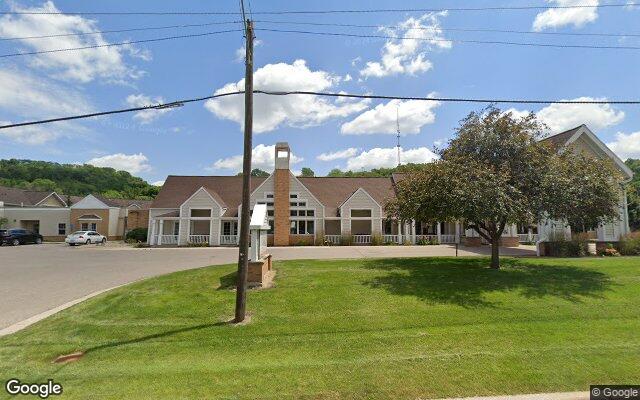
New Perspective Mankato.
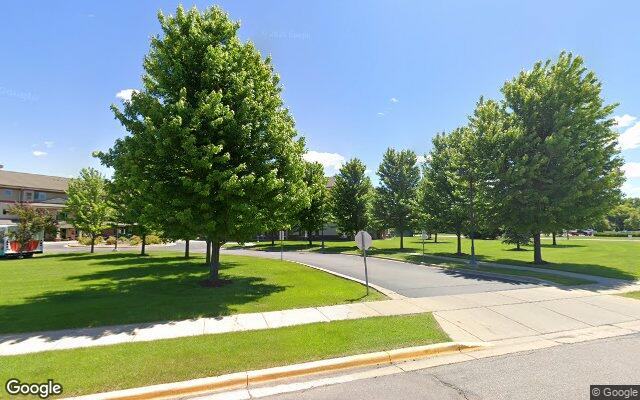
A large home, reviewed on public record.
Compared to 139 Minnesota facilities with a similar number of beds.
ALF memory care · 36-month window. Higher percentile = better performance on inspection record. Source: Minnesota Dept. of Health · Health Regulation Division.
Rankings based on 36-month MDH inspection data. Severity and frequency: fewer citations = higher percentile. Repeat rate: lower repeat citation share = higher percentile.
Citation history, plotted month by month.
3 deficiencies on record. Each bar is a month with a citation.
Finding distribution
3 total · 36 monthsScope × Severity (CMS A–L)
Questions to ask before you visit.
A short pre-tour checklist tailored to New Perspective Mankato's record and state requirements.
The Minnesota Department of Health roster shows 140 licensed beds and an Assisted Living Facility with Dementia Care designation under Minn. Stat. ch. 144G — can you walk us through your written dementia care program and explain how staff competency in dementia care is assessed and documented?
Ask the operator on tour. Take notes and compare answers across facilities you visit.
Four complaints were filed with MDH during the inspection period on record — were any of those complaints substantiated, and can you share the facility's written response or corrective action documentation for any substantiated findings?
Ask the operator on tour. Take notes and compare answers across facilities you visit.
MDH records show four inspection reports on file but zero deficiencies cited — can you provide copies of the most recent inspection reports so families can verify the scope of review and confirm no findings were noted?
Ask the operator on tour. Take notes and compare answers across facilities you visit.
Every inspection visit, verbatim.
8 inspections in the public record, most recent first. Plain-language summaries open first — click into any row for the full citation text.
2026-02-26Annual Compliance VisitNo findings
Plain-language summary
A standard inspection of New Perspective - Mankato on February 26, 2026 resulted in three correction orders with fines totaling $2,000: $500 for infection control program deficiencies, $500 for fire protection and physical environment violations, and $1,000 for background studies required violations. The facility must document actions taken to correct these areas and has the right to request reconsideration or a hearing within 15 days of receiving the correction order.
Read full citation textHide full citation text
Read raw inspector notesClose inspector notes
correction orders. MDH documents state licensing correction orders using federal software. Tag numbers are assigned to Minnesota state statutes for Assisted Living Facilities. The assigned tag number appears in the far left column entitled "ID Prefix Tag." The state statute number and the corresponding text of the state statute out of compliance are listed in the "Summary Statement of Deficiencies" column. This column also includes the findings that are in violation of the state statute after the statement, "This MN Requirement is not met as evidenced by . . ." IMPOSITION OF FINES In accordance with Minn. Stat. § 144G.31, Subd. 4, fines and enforcement actions may be imposed based on the level and scope of the violations and may be imposed immediately with no opportunity to correct the violation first as follows: Level 1: no fines or enforcement; Level 2: a fine of $500 per violation, in addition to any enforcement mechanism authorized in § 144G.20; Level 3: a fine of $1,000 per incident, in addition to any enforcement mechanism authorized in § 144G.20; Level 4: a fine of $3,000 per incident, in addition to any enforcement mechanism authorized in § 144G.20; Level 5: a fine of $5,000 per violation, in addition to any enforcement mechanism authorized in § 144G.20. Therefore, in accordance with Minn. Stat. §§ 144G.01 to 144G.9999, the following fines are assessed An equal opportunity employer. Letter ID: IS7N REVISE D09/13/2021 New Perspective - Mankato March 24, 2026 Page 2 pursuant to this survey: St - 0 - 0510 - 144g.41 Subd. 3 - Infection Control Program - $500.00 St - 0 - 0775 - 144g.45 Subd. 2. (a) - Fire Protection And Physical Environment - $500.00 St - 0 - 1290 - 144g.60 Subdivision 1 - Background Studies Required - $1,000.00 The refor e, in accor danc e wit h Minn. Sta t. §§ 144G.01 to 144G.999 9, the total amount you are assessed is $2,000.00. You will be invoiced approximately 30 days after receipt of this notice, subject to appeal . DOCUMENTATIO ONF ACTION TO COMPLY In accorda nce with Min n. Stat. § 144G.30, Sub d. 5(c), th e lic ens ee mus t docum ent ac tions taken t o comply with the correction orders within the time period outlined on the state form; however, plans of correction are not required to be submitted for approval. The correction order documentation should include the following: Identify how the area( s) of noncompliance was corrected related to the · resident( s)/ employee( s) identified in the correction order. Identify how the area( s) of noncompliance was corrected for all of the provider’s · resident( s)/ employees that may be affected by the noncompliance. Identify what changes to your systems and practices were made to ensure compliance with · the specific statute( s). CORRECTIO NORDER RECONSIDERATIO PNROCESS In accordance with Minn. Stat. § 144G.32, Subd. 2, you may challenge the correction order( s) issued, including the level and scope, and any fine assessed through the correction order reconsideration process. The request for reconsideration must be in writing and received by MDH within 15 calendar days of the correction order receipt date. To submit a reconsideration request, please visit: https: / / forms. web. health. state. mn.us/ form/ HRDAppealsForm REQUESTIN GA HEARING Alternatively, in accordance with Minn. Stat. § 144G.31, Subd. 5(d), an assisted living provider that has been assessed a fine under this subdivision has a right to a reconsideration or a hearing under this section and chapter 14. Pursuant to Minn. Stat. § 144G.20, Subd. 14 and Subd. 18, a request for a hearing must be in writing and received by the Department of Health within 15 business days of the correction order receipt date. The request must contain a brief and plain statement describing each matter or issue contested and any new information you believe constitutes a defense or mitigating factor. To submit a hearing request, please visit: https: / / forms. web. health. state. mn. us/ form/ HRDAppealsForm New Perspective - Mankato March 24, 2026 Page 3 To appe al fi nes via re cons iderat ion , pl ease follow the procedu r e outl ined abo ve. Plea se no te tha t you may re que st a rec onside rati on or a hearing, bu t not bot h. If you wish to cont est ta gs with out fine s in a reconsideration and tags with the fines at a hearing, please submit two separate appeals forms at the website listed above. The MDH Health Regulation Division (HRD )values your feedback about your experience during the survey and/ or investigation process. Please fill out this anonymous provider feedback questionnaire at your conv enien ce at thi s link: https: / / forms. office.com/ g/ Bm5uQEpHVa. Your inpu t is import ant to us and will enable MDH to improve its processes and communication with providers. If you have any questions regarding the questionnaire, please contact Susan Winkelmann at susan. winkelmann@state. mn.us or call 651-201-5952. You are encouraged to retain this document for your records. It is your responsibility to share the information contained in the letter and state form with your organization’s Governing Body. If you have any questions, please contact me. Sincerely, Jodi Johnson, Supervisor State Evaluation Team Email: Jodi.Johnson@state. mn.us Telephone: 507-344-2730 Fax: 1-866-890-9290 CLN PRINTED: 03/ 24/ 2026 FORM APPROVED STATEMENT OF DEFICIENCIES (X1) PROVIDER/ SUPPLIER/ CLIA (X2) MULTIPLE CONSTRUCTION (X3) DATE SURVEY AND PLAN OF CORRECTION IDENTIFICATION NUMBER: COMPLETED A. BUILDING: ______________________ B. WING _____________________________ 24718 02/ 26/ 2026 NAME OF PROVIDER OR SUPPLIER STREET ADDRESS, CITY, STATE, ZIP CODE 100 DUBLIN ROAD NEW PERSPECTIVE - MANKATO MANKATO, MN 56001 SUMMARY STATEMENT OF DEFICIENCIES PROVIDER' S PLAN OF CORRECTION (X4) ID ID (X5) PREFIX (EACH DEFICIENCY MUST BE PRECEDED BY FULL PREFIX (EACH CORRECTIVE ACTION SHOULD BE COMPLETE REGULATORY OR LSC IDENTIFYING INFORMATION) CROSS- REFERENCED TO THE APPROPRIATE DATE TAG TAG DEFICIENCY) 0 000 Initial Comments 0 000 *****ATTENTION***** Minnesota Department of Health is documenting the State Correction Orders ASSISTED LIVING PROVIDER LICENSING using federal software. Tag numbers have CORRECTION ORDER( S) been assigned to Minnesota State Statutes for Assisted Living Facilities. The In accordance with Minnesota Statutes, section assigned tag number appears in the 144G. 08 to 144G. 95, these correction orders are far-left column entitled "ID Prefix Tag. " The issued pursuant to a survey. state Statute number and the corresponding text of the state Statute out Determination of whether violations are corrected of compliance is listed in the "Summary requires compliance with all requirements Statement of Deficiencies" column. This provided at the Statute number indicated below. column also includes the findings which When Minnesota Statute contains several items, are in violation of the state requirement failure to comply with any of the items will be after the statement, "This Minnesota considered lack of compliance. requirement is not met as evidenced by." Following the evaluators' findings is the INITIAL COMMENTS: Time Period for Correction. SL24718017- 0 PLEASE DISREGARD THE HEADING OF THE FOURTH COLUMN WHICH On February 23, 2026, through February 26, STATES, "PROVIDER' S PLAN OF 2026, the Minnesota Department of Health CORRECTION. " THIS APPLIES TO conducted a full survey at the above provider and FEDERAL DEFICIENCIES ONLY. THIS the following correction orders are issued. At the WILL APPEAR ON EACH PAGE. time of the survey, there were 115 residents; 88 receiving services under the Assisted Living THERE IS NO REQUIREMENT TO Facility with Dementia Care license. SUBMIT A PLAN OF CORRECTION FOR VIOLATIONS OF MINNESOTA STATE STATUTES. 1290: An immediate correction order was issed on February 24, 2026, at a level 3/Widespread (I). THE LETTER IN THE LEFT COLUMN IS The licensee took imediate action; however, the USED FOR TRACKING PURPOSES AND scope and level remains at I. REFLECTS THE SCOPE AND LEVEL ISSUED PURSUANT TO 144G. 31 SUBDIVISION 1-3. 0 480 144G. 41 Subdivision 1 Subd. 1a (a-b) Minimum 0 480 SS= F requirements; required food services LABORATORY DIRECTOR' S OR PROVIDER/ SUPPLIER REPRESENTATIVE' S SIGNATURE TITLE (X6) DATE STATE FORM 6899 084L11 If continuation sheet 1 of 46 PRINTED: 03/ 24/ 2026 FORM APPROVED STATEMENT OF DEFICIENCIES (X1) PROVIDER/ SUPPLIER/ CLIA (X2) MULTIPLE CONSTRUCTION (X3) DATE SURVEY AND PLAN OF CORRECTION IDENTIFICATION NUMBER: COMPLETED A. BUILDING: ______________________ B.
2025-06-03Complaint InvestigationNo findings
Plain-language summary
The Minnesota Department of Health investigated a complaint at New Perspective Mankato on June 3, 2025, to review whether the facility's policies and practices complied with state laws governing assisted living facilities with dementia care. The investigation found no violations, and no correction orders were issued.
Read full citation textHide full citation text
Read raw inspector notesClose inspector notes
STATE LICENSING COMPLIANCE REPORT Report #: HL247183732C Date Concluded: August 12, 2025 Name, Address, and County of Facility Investigated: New Perspective Mankato 100 Dublin Road Mankato, MN 56001 Blue Earth County Facility Type: Assisted Living Facility with Evaluator’s Name: Julie Serbus, RN Dementia Care (ALFDC) The Minnesota Department of Health conducted a complaint investigation to determine compliance with state laws and rules governing the provision of care under Minnesota Statutes, Chapter 144G. The purpose of this complaint investigation was to review if facility policies and practices comply with applicable laws and rules. No maltreatment under Minnesota Statutes, Chapter 626 was alleged. To view a copy of the correction orders, if any, please visit: https://www.health.state.mn.us/facilities/regulation/directory/provcompselect.html Or call 651-201-4201 to be provided a copy via mail or email. If you are viewing this report on the MDH website, please see the attached state form. PRINTED: 08/13/2025 FORM APPROVED STATEMENT OF DEFICIENCIES (X1) PROVIDER/SUPPLIER/CLIA (X2) MULTIPLE CONSTRUCTION (X3) DATE SURVEY AND PLAN OF CORRECTION IDENTIFICATION NUMBER: COMPLETED A. BUILDING: ______________________ C B. WING _____________________________ 24718 06/03/2025 NAME OF PROVIDER OR SUPPLIER STREET ADDRESS, CITY, STATE, ZIP CODE 100 DUBLIN ROAD NEW PERSPECTIVE - MANKATO MANKATO, MN 56001 SUMMARY STATEMENT OF DEFICIENCIES PROVIDER'S PLAN OF CORRECTION (X4) ID ID (X5) PREFIX (EACH DEFICIENCY MUST BE PRECEDED BY FULL PREFIX (EACH CORRECTIVE ACTION SHOULD BE COMPLETE REGULATORY OR LSC IDENTIFYING INFORMATION) CROSS-REFERENCED TO THE APPROPRIATE DATE TAG TAG DEFICIENCY) 0 000 Initial Comments 0 000 On June 3, 2025, the Minnesota Department of Health initiated an investigation of complaint #HL247183732C. No correction orders are issued. LABORATORY DIRECTOR'S OR PROVIDER/SUPPLIER REPRESENTATIVE'S SIGNATURE TITLE (X6) DATE STATE FORM 6899 5RS711 If continuation sheet 1 of 1
2025-04-11Complaint InvestigationNo findings
Plain-language summary
A complaint investigation found that two unlicensed caregivers neglected a resident with Alzheimer's disease and a history of falls by failing to use required equipment during a bathroom transfer, resulting in the resident falling and sustaining a tibial plateau fracture to her knee. Video evidence showed the resident remained on the floor for over a minute while staff manually lifted her back onto the toilet without proper equipment, contradicting the caregivers' accounts of what happened. Both caregivers were no longer employed at the facility at the time of the investigation.
Read full citation textHide full citation text
Read raw inspector notesClose inspector notes
Finding: Substantiated, individual responsibility Nature of Investigation: The Minnesota Department of Health investigated an allegation of maltreatment, in accordance with the Minnesota Reporting of Maltreatment of Vulnerable Adults Act, Minn. Stat. 626.557, and to evaluate compliance with applicable licensing standards for the provider type. Initial Investigation Allegation(s): The facility neglected the resident when the resident fell while being assisted in the bathroom. Investigative Findings and Conclusion: The Minnesota Department of Health determined neglect was substantiated. Two alleged perpetrator (AP #1 and AP #2) were responsible for the maltreatment. Both AP#1 and AP#2, who were unlicensed caregivers, were in the room and failed to follow the care plan by not using the required equipment to assist the resident to the bathroom, resulting in the resident falling on her knee and sustaining a tibial plateau fracture. A video recorded showed inconsistencies between what AP #1 and AP #2 stated occurred. The investigator conducted interviews with facility staff members, including administrative staff, and unlicensed staff. The investigation included review of the resident’s records, incident reports, personnel files, staff schedules, policies, and procedures. The resident resided in an assisted living secured memory care building. The resident’s diagnoses include Alzheimer’s disease, history of falling, and restless leg syndrome. The resident’s comprehensive assessment indicated that assistance from two persons and a sit-to-stand lift were required for transfers. The resident’s comprehensive assessment, conducted 11 days before the incident, indicated the resident had severe limitations in her right upper and lower extremities as well as her left lower extremity. The resident’s progress notes indicated AP #1 reported the resident slipped out of the sit-to-stand lift, twisting her left knee. The triage nurse was contacted, and interventions were initiated; however, the left knee remained painful and swollen. The same documented indicated the triage nurse instructed staff to call 911, and the resident was transferred to the emergency room for further evaluation. During an interview, AP #1 stated that she was assigned to the resident on the day of the incident. She asked AP #2 to help her transfer the resident to the bathroom. She said that while she was trying to assist the resident, AP #2 went to another room to get something for the resident. As soon as AP #2 left, the resident told AP #1 that she could stand, so AP #1 helped her stand up. As soon as the resident stood, she slipped. AP #1 stated that she supported the resident with her leg, and AP #2 returned to help her guide the resident back to the toilet. She said the resident did not fall completely to the ground because she was holding onto the resident from behind. She said that she should have used the sit-to-stand lift and not relied on the resident’s ability to stand independently. During an interview, AP #2 stated that he helped AP #1 assist the resident to the bathroom. He left the room to retrieve something for the resident, and when he returned, AP #1 had already begun helping the resident stand. At that point, the resident was slipping, so he stepped in and assisted in getting her back to the toilet. He stated the resident did not fall to the floor or at least he did not see her fall. He stated the resident required a sit-to-stand or Easy Stand lift, and staff were supposed to use it with two-person assistance. He said that since the resident did not appear to fall, he did not report the incident to anyone. However, a video recording device in the resident’s apartment was reviewed and inconsistencies between the description provided by AP #1 and AP #2 and what the video showed. The video reviewed was divided into three segments. At 8:04 AM, video recording segment #1 showed the resident was standing and leaning against the wall, with her left hand holding the doorknob while AP #1 was pulling up her pants. At the same time, AP #2 was seen removing the sit-to-stand lift from the bathroom and bringing in the wheelchair. At 8:05 AM video recording segment #2 showed AP #2 walked out of the bathroom, and the resident was already on the floor, kneeling with her left hand still holding the doorknob. AP #1 was attempting to assist the resident by supporting her from behind. AP #2 tried to bring in the sit-to-stand lift, but there was not enough space, so both APs manually lifted the resident back onto the toilet without using equipment. The resident remained on her knees on the ground for over a minute. At 8:06 AM, video recording segment #3 showed the resident was assisted back to the toilet seat. During an interview, the manager stated that she was new at the time of the incident. She said that a staff member was attempting to assist the resident with a transfer, but the resident insisted she could stand without help. The staff member trusted the resident and proceeded without using proper equipment, which resulted in the resident falling. The manager said she was unsure if the resident actually ended up on the floor. She said that the staff reported the incident to the triage line and that, at the time, the resident did not appear to have any injuries but was later sent to the hospital due to pain. The manager also said that she did not conduct the staff interviews herself but was aware that AP#1 and AP#2 were no longer employed at the facility. During an interview, a family member stated that the resident was in her room and needed to use the bathroom. Two unlicensed caregivers [AP #1 and AP #2] were in the room with her. The caregivers used the sit-to-stand to transfer her to the toilet but did not use it to assist her to stand. Instead, they had the resident stand and hold onto the doorknob while they pulled up her pants. However, the resident was unable to hold onto the doorknob and stand for long, causing her to fall onto her knee. In the process, she also knocked over the toilet paper holder. The family member stated the resident sustained bruises and was in significant pain. The caregivers told the manager and the family member that the resident did not fall and never touched the ground, but due to her level of pain, the family member reviewed the video and discovered what actually happened. In conclusion, the Minnesota Department of Health determined neglect was substantiated. Substantiated: Minnesota Statutes, section 626.5572, Subdivision 19. “Substantiated” means a preponderance of evidence shows that an act that meets the definition of maltreatment occurred. Neglect: Minnesota Statutes, section 626.5572, subdivision 17 “Neglect” means neglect by a caregiver or self-neglect. (a) "Caregiver neglect" means the failure or omission by a caregiver to supply a vulnerable adult with care or services, including but not limited to, food, clothing, shelter, health care, or supervision which is: (1) reasonable and necessary to obtain or maintain the vulnerable adult's physical or mental health or safety, considering the physical and mental capacity or dysfunction of the vulnerable adult; and (2) which is not the result of an accident or therapeutic conduct. Vulnerable Adult interviewed: No, the resident no longer resided at the facility. Family/Responsible Party interviewed: Yes. Alleged Perpetrator interviewed: Yes. Action taken by facility: The facility assessed the resident and transferred her to the hospital for further evaluation. An internal investigation was initiated, and AP#1 and AP#2 ‘s employment was terminated. Action taken by the Minnesota Department of Health: The facility was issued a correction order regarding the vulnerable adult’s right to be free from maltreatment. To view a copy of the Statement of Deficiencies and/or correction orders, please visit: https://www.health.state.mn.us/facilities/regulation/directory/provcompselect.html You may also call 651-201-4200 to receive a copy via mail or email. The responsible party will be notified of their right to appeal the maltreatment finding. If the maltreatment is substantiated against an identified employee, this report will be submitted to the nurse aide registry for possible inclusion of the finding on the abuse registry and/or to the Minnesota Department of Human Services for possible disqualification in accordance with the provisions of the background study requirements under Minnesota 245C.
2024-11-22Annual Compliance VisitNo findings
Plain-language summary
A routine inspection of New Perspective - Mankato on November 22, 2024, found a violation related to appropriate care and services under Minnesota Statutes chapter 144G. The facility was assessed a $3,000 fine and issued a correction order requiring the facility to document how it corrected the deficiency and made changes to prevent future violations.
Read full citation textHide full citation text
Read raw inspector notesClose inspector notes
CORRECTION ORDERS The enclosed State Form documents the state correction orders. MDH documents state licensing correction orders using federal software. Tag numbers are assigned to Minnesota state statutes for Assisted Living Facilities. The assigned tag number appears in the far left column entitled "ID Prefix Tag." The state statute number and the corresponding text of the state statute out of compliance are listed in the "Summary Statement of Deficiencies" column. This column also includes the findings that are in violation of the state statute after the statement, "This MN Requirement is not met as evidenced by . . ." IMPOSITION OF FINES In accordance with Minn. Stat. § 144G.31, Subd. 4, fines and enforcement actions may be imposed based on the level and scope of the violations and may be imposed immediately with no opportunity to correct the violation first as follows: Level 1: no fines or enforcement. Level 2: a fine of $500 per violation, in addition to any enforcement mechanism authorized in § 144G.20 for widespread violations; Level 3: a fine of $3,000 per violation per incident, in addition to any enforcement mechanism authorized in § 144G.20. Level 4: a fine of $5,000 per incident, in addition to any enforcement mechanism authorized in § 144G.20. Therefore, in accordance with Minn. Stat. §§ 144G.01 to 144G.9999, the following fines are assessed pursuant to this survey: An equal opportunity employer. Letter ID: IS7N REVISED 09/13/2021 New Perspective - Mankato January 2, 2025 Page 2 St - 0 - 2310 - 144g.91 Subd. 4 (a) - Appropriate Care And Services - $3,000.00 Therefore, in accordance with Minn. Stat. §§ 144G.01 to 144G.9999, t he total amount you are assessed is $3,000.00. You will be invoiced approximately 30 days after receipt of this notice, subject to appeal. DOCUMENTATION OF ACTION TO COMPLY In accordance with Minn. Stat. § 144G.30, Subd. 5(c), the licensee must document actions taken to comply with the correction orders within the time period outlined on the state form; however, plans of correction are not required to be submitted for approval. The correction order documentation should include the following: Identify how the area(s) of noncompliance was corrected related to the resident(s)/employee(s) identified in the correction order. Identify how the area(s) of noncompliance was corrected for all of the provider’s resident(s)/employees that may be affected by the noncompliance. Identify what changes to your systems and practices were made to ensure compliance with the specific statute(s). CORRECTION ORDER RECONSIDERATION PROCESS In accordance with Minn. Stat. § 144G.32, Subd. 2, you may challenge the correction order(s) issued, including the level and scope, and any fine assessed through the correction order reconsideration process. The request for reconsideration must be in writing and received by MDH within 15 calendar days of the correction order receipt date. To submit a reconsideration request, please visit: https://forms.web.health.state.mn.us/form/HRDAppealsForm REQUESTING A HEARING Alternatively, in accordance with Minn. Stat. § 144G.31, Subd. 5(d), an assisted living provider that has been assessed a fine under this subdivision has a right to a reconsideration or a hearing under this section and chapter 14. Pursuant to Minn. Stat. § 144G.20, Subd. 14 and Subd. 18, a request for a hearing must be in writing and received by the Department of Health within 15 business days of the correction order receipt date. The request must contain a brief and plain statement describing each matter or issue contested and any new information you believe constitutes a defense or mitigating factor. To submit a hearing request, please visit: https://forms.web.health.state.mn.us/form/HRDAppealsForm To appeal fines via reconsideration, please follow the procedure outlined above. P lease note that you may request a reconsideration o r a hearing, but not both. If you wish to contest tags without fines in a reconsideration and tags with the fines at a hearing, please submit two separate appeals forms at New Perspective - Mankato January 2, 2025 Page 3 the website listed above. The MDH Health Regulation Division (HRD) values your feedback about your experience during the survey and/or investigation process. Please fill out this anonymous provider feedback questionnaire at your convenience at this link: h ttps://forms.office.com/g/Bm5uQEpHVa. Your input is important to us and will enable MDH to improve its processes and communication with providers. If you have any questions regarding the questionnaire, please contact Susan Winkelmann at susan.winkelmann@state.mn.us or call 651-201-5952. You are encouraged to retain this document for your records. It is your responsibility to share the information contained in the letter and state form with your organization’s Governing Body. If you have any questions, please contact me. Sincerely, Jodi Johnson, Supervisor State Evaluation Team Email: Jodi.Johnson@state.mn.us Telephone: 507-344-2730 Fax: 1-866-890-9290 HHH PRINTED: 01/02/2025 FORM APPROVED STATEMENT OF DEFICIENCIES (X1) PROVIDER/SUPPLIER/CLIA (X2) MULTIPLE CONSTRUCTION (X3) DATE SURVEY AND PLAN OF CORRECTION IDENTIFICATION NUMBER: COMPLETED A. BUILDING: ______________________ B. WING _____________________________ 24718 11/22/2024 NAME OF PROVIDER OR SUPPLIER STREET ADDRESS, CITY, STATE, ZIP CODE 100 DUBLIN ROAD NEW PERSPECTIVE - MANKATO MANKATO, MN 56001 SUMMARY STATEMENT OF DEFICIENCIES PROVIDER'S PLAN OF CORRECTION (X4) ID ID (X5) PREFIX (EACH DEFICIENCY MUST BE PRECEDED BY FULL PREFIX (EACH CORRECTIVE ACTION SHOULD BE COMPLETE REGULATORY OR LSC IDENTIFYING INFORMATION) CROSS-REFERENCED TO THE APPROPRIATE DATE TAG TAG DEFICIENCY) 0 000 Initial Comments 0 000 ASSISTED LIVING PROVIDER LICENSING Minnesota Department of Health is CORRECTION ORDER(S) documenting the State Correction Orders using federal software. Tag numbers have In accordance with Minnesota Statutes, section been assigned to Minnesota State 144G.08 to 144G.95, these correction orders are Statutes for Assisted Living Facilities. The issued pursuant to a survey. assigned tag number appears in the far left column entitled "ID Prefix Tag." The Determination of whether violations are corrected state Statute number and the requires compliance with all requirements corresponding text of the state Statute out provided at the Statute number indicated below. of compliance is listed in the "Summary When Minnesota Statute contains several items, Statement of Deficiencies" column. This failure to comply with any of the items will be column also includes the findings which considered lack of compliance. are in violation of the state requirement after the statement, "This Minnesota INITIAL COMMENTS: requirement is not met as evidenced by." Following the evaluators ' findings is the SL24718016 Time Period for Correction. On November 18, 2024, through November 22, PLEASE DISREGARD THE HEADING OF 2024, the Minnesota Department of Health THE FOURTH COLUMN WHICH conducted a full survey at the above provider. At STATES,"PROVIDER'S PLAN OF the time of the survey, there were 120 residents; CORRECTION." THIS APPLIES TO 80 receiving services under the Assisted Living FEDERAL DEFICIENCIES ONLY. THIS Facility with Dementia Care license. WILL APPEAR ON EACH PAGE. THERE IS NO REQUIREMENT TO SUBMIT A PLAN OF CORRECTION FOR 2310: An immediate correction order was issued VIOLATIONS OF MINNESOTA STATE on November 20, 2024, at a level 3/Isolated (G). STATUTES. The licensee took action during the survey to mitigate the risk; however, the citation remains at THE LETTER IN THE LEFT COLUMN IS a G. USED FOR TRACKING PURPOSES AND REFLECTS THE SCOPE AND LEVEL ISSUED PURSUANT TO 144G.31 SUBDIVISION 1-3. 0 480 144G.41 Subdivision 1 Subd. 1a (a-b) Minimum 0 480 SS=F requirements; required food services LABORATORY DIRECTOR'S OR PROVIDER/SUPPLIER REPRESENTATIVE'S SIGNATURE TITLE (X6) DATE STATE FORM 6899 5K8F11 If continuation sheet 1 of 39 PRINTED: 01/02/2025 FORM APPROVED STATEMENT OF DEFICIENCIES (X1) PROVIDER/SUPPLIER/CLIA (X2) MULTIPLE CONSTRUCTION (X3) DATE SURVEY AND PLAN OF CORRECTION IDENTIFICATION NUMBER: COMPLETED A. BUILDING: ______________________ B. WING _____________________________ 24718 11/22/2024 NAME OF PROVIDER OR SUPPLIER STREET ADDRESS, CITY, STATE, ZIP CODE 100 DUBLIN ROAD NEW PERSPECTIVE - MANKATO MANKATO, MN 56001 SUMMARY STATEMENT OF DEFICIENCIES PROVIDER'S PLAN OF CORRECTION (X4) ID ID (X5) PREFIX (EACH DEFICIENCY MUST BE PRECEDED BY FULL PREFIX (EACH CORRECTIVE ACTION SHOULD BE COMPLETE REGULATORY OR LSC IDENTIFYING INFORMATION) CROSS-REFERENCED TO THE APPROPRIATE DATE TAG TAG DEFICIENCY) 0 480 Continued From page 1 0 480 (a) Except as provided in paragraph (b), food must be prepared and served according to the Minnesota Food Code, Minnesota Rules, chapter 4626. (b) For an assisted living facility with a licensed capacity of ten or fewer residents: (1) notwithstanding Minnesota Rules, part 4626.
2024-06-12Complaint InvestigationSubstantiated Finding · 1 finding
Plain-language summary
A complaint investigation found the facility neglected a resident with dementia who experienced multiple falls over seven weeks without adequate fall-prevention measures in place; during one documented incident, the resident yelled for help for 40 minutes before staff responded, and she sustained a laceration and broken finger. The facility failed to update the resident's service plan with fall interventions after multiple falls, did not conduct scheduled safety checks as required, and staff did not document how often they checked on the resident despite claiming they did so. The resident also fell post-surgery, re-fractured her hip, and pulled out her catheter during an unmonitored period at night.
Read full citation text (1)Hide full citation text
“MDH substantiated maltreatment or licensing violation finding”
Read raw inspector notesClose inspector notes
Finding: Substantiated, facility responsibility Nature of Investigation: The Minnesota Department of Health investigated an allegation of maltreatment, in accordance with the Minnesota Reporting of Maltreatment of Vulnerable Adults Act, Minn. Stat. 626.557, and to evaluate compliance with applicable licensing standards for the provider type. Initial Investigation Allegation(s): The facility neglected the resident when the resident had a fall resulting in a laceration. The resident was seen on camera by a family member yelling for help for 40 minutes before a staff member came to assist. Investigative Findings and Conclusion: The Minnesota Department of Health determined neglect was substantiated. The facility was responsible for the maltreatment. The resident has multiple falls over the course of approximately seven weeks during which the facility did not put interventions in place to prevent future falls. Additionally, on one occasion the facility did not perform safety checks per the service agreement and the resident fell on the floor yelling for help. The resident sustained a laceration and a broken finger. The investigator conducted interviews with facility staff members, including administrative staff, and nursing staff. The investigator contacted the resident's family member. The investigation included review of resident's records, facility's policies and procedures, incident reports, and the resident's external medical record. The investigation included an onsite visit, observations, and interactions between residents and facility staff. The resident resided in an assisted living but moved to the secured memory care building during the events described below. The resident’s diagnoses include dementia. The resident’s service plan included assistance with all activities of daily living which included hygiene, dressing, toileting, medications, meals, and housekeeping. The service plan also included cueing four to six times a day. The resident’s assessment indicated the resident was assisted of one person with stand-assist (EZ) lift for transfers. Week One: One day the progress notes indicated the resident had an unwitnessed fall. 911 was called, and she was sent to the hospital where a hip fracture was identified. The hip fracture was deemed non-operative. The facility notified the resident’s medical provider of the fall by fax. Three days later the progress notes indicated the resident returned to the facility and was moved to the secured memory care unit. Later that same evening she had an unwitnessed fall. Week Two: A week later the progress notes indicated the resident was found on the floor. Under Falls Management, a review the resident’s service plan did not identify an intervention after this fall. Three days later the progress notes indicated there was a note in the 24 hour shift log that the resident called 911 herself and was transported to the emergency room. The same document indicated the resident sustained a left hip fracture and the resident’s family had stated the resident required surgery. Week Three: Five days later the progress notes indicated the resident returned to the facility and needed assistance from two persons with an EZ stand. Two days later the progress notes indicated the resident was found sitting on the floor in her living room with her back against the couch by a caregiver. Under Falls Management, a review the resident’s service plan did not identify an intervention after this fall. Week Six: One night two weeks later, the resident was found on the floor by the door in her room. She had a cut on her left middle finger and had pulled out her catheter. The resident had a laceration, a fracture of her left middle finger, and a left femur fracture. She was admitted to the hospital. Under Falls Management, a review the resident’s service plan did not identify an intervention after this fall. Interviews: During an interview, nurse #1 stated the resident was moved to memory care after the fall. The staff members tried to keep the resident in the common area as long as she tolerated it to keep an eye on her. She also said the staff did not document how often they checked on the resident even though she claimed they did do it. During an interview, nurse #2 stated the resident had a couple more falls and re-fractured her hip in the memory care unit. She said the family was pretty upset because the call light took so long to answer, and they ended up having to come and help her. She said the facility had one medication passer and one caregiver. She said the resident started using a standing (EZ) lift when she moved to memory care, and the staff tried to keep her out in a day room and offered activities to keep her busy. At shift change, she said the staffs were supposed to verbalize about the last check, but there was never any specific check scheduled or documented. During an interview, family member #1 stated the resident was living on the assisted living side and had a couple of falls. She broke her hip, had surgery, and returned to the memory care side. She was placed in memory care unit and within one or two days, she fell again post-hip surgery. The family had installed a ring camera, so they knew whether staff came to help her or not. No one had come to assist the resident. She was yelling, and the family ended up driving to the facility to help her to the bathroom. Within 24 hours, the resident was sitting on the edge of the bed and scooting on the floor for two hours at 3:00 a.m., and no one had come to help her. She ended up ripping her catheter out. The family talked to the director, and their only response was that they were short-staffed. During an interview, family member #2 stated the camera they installed showed that at night, the resident would yell for help, and no one came to assist her. There was a button to push, but the resident had dementia and did not know how to use it. She fell, broke her finger, and pulled out her catheter. At night, the facility did not have enough staff to check on people, and the night staff did not check on the resident as often as they said they would. The facility told her that they were short-staffed. She said the resident often fell either at night or early in the morning. During an interview, an employee stated the facility only had two staff members: a caregiver and one medication passer at night for the entire building, and no one was stationed in the memory care unit. During an interview, manager #1 stated at night the facility only had one med passer and one care giver working for the whole building. In conclusion, the Minnesota Department of Health determined neglect was substantiated. Substantiated: Minnesota Statutes, section 626.5572, Subdivision 19. “Substantiated” means a preponderance of evidence shows that an act that meets the definition of maltreatment occurred. Neglect: Minnesota Statutes, section 626.5572, subdivision 17 “Neglect” means neglect by a caregiver or self-neglect. (a) "Caregiver neglect" means the failure or omission by a caregiver to supply a vulnerable adult with care or services, including but not limited to, food, clothing, shelter, health care, or supervision which is: (1) reasonable and necessary to obtain or maintain the vulnerable adult's physical or mental health or safety, considering the physical and mental capacity or dysfunction of the vulnerable adult; and (2) which is not the result of an accident or therapeutic conduct. Vulnerable Adult interviewed: Attempted but unsuccessful. The resident was confused. Family/Responsible Party interviewed: Yes. Alleged Perpetrator interviewed: Not Applicable. Action taken by facility: No action taken. Action taken by the Minnesota Department of Health: The responsible party will be notified of their right to appeal the maltreatment finding. The facility was found to be in noncompliance. To view a copy of the Statement of Deficiencies and/or correction orders, please visit: https://www.health.state.mn.us/facilities/regulation/directory/provcompselect.html If you are viewing this report on the MDH website, please see the attached Statement of Deficiencies. You may also call 651-201-4200 to receive a copy via mail or email. cc: The Office of Ombudsman for Long Term Care The Office of Ombudsman for Mental Health and Developmental Disabilities Blue Earth County Attorney Mankato City Attorney Mankato Police Department PRINTED: 06/13/2024 FORM APPROVED STATEMENT OF DEFICIENCIES (X1) PROVIDER/SUPPLIER/CLIA (X2) MULTIPLE CONSTRUCTION (X3) DATE SURVEY AND PLAN OF CORRECTION IDENTIFICATION NUMBER: COMPLETED A. BUILDING: ______________________ C B.
2024-06-11Complaint InvestigationSubstantiated Finding · 1 finding
Plain-language summary
A complaint investigation found the facility neglected a resident with dementia who fell repeatedly over nine weeks by failing to implement fall prevention measures, despite the resident falling multiple times weekly, sustaining injuries including a compression fracture, and staff and medical providers recognizing the need for one-on-one supervision that the facility did not provide. The resident's service plan was not updated with fall interventions after numerous documented falls, and facility management rejected recommendations for higher-level care placement despite a care conference where therapy and staff indicated the resident required direct supervision at all times. The Minnesota Department of Health substantiated the neglect and determined the facility was responsible for the maltreatment.
Read full citation text (1)Hide full citation text
“MDH substantiated maltreatment or licensing violation finding”
Read raw inspector notesClose inspector notes
Finding: Substantiated, facility responsibility Nature of Investigation: The Minnesota Department of Health investigated an allegation of maltreatment, in accordance with the Minnesota Reporting of Maltreatment of Vulnerable Adults Act, Minn. Stat. 626.557, and to evaluate compliance with applicable licensing standards for the provider type. Initial Investigation Allegation(s): The facility neglected the resident when the resident had numerous falls but the facility did not put interventions in place to address the risk of falls. Investigative Findings and Conclusion: The Minnesota Department of Health determined neglect was substantiated. The facility was responsible for the maltreatment. During the course of approximately nine weeks, the resident fell on multiple occasions, but the facility did not implement interventions to reduce the risk of increased falls. The investigator conducted interviews with facility staff members, including administrative staff, and nursing staff. The investigator contacted the resident's family member. The investigation included review of resident's records, facility's policies and procedures, incident reports, and the resident's external medical record. The investigation included an onsite visit, observations, and interactions between residents and facility staff. The resident resided in an assisted living memory care unit. The resident’s diagnoses included dementia. The resident's service plan indicated the resident required cues to stay seated in a wheelchair due to imbalance. The resident’s assessment indicated the resident was confused at times and did not respond to cues. The assessment also indicated she had a history of falls and would receive toileting assistance up to three times a day. Week One The progress notes indicated the resident was sent to the hospital due to a fifth fall within 36 hours. The same document indicated the resident would require "1:1" supervision if she returned to the facility. The same document indicated the family stated they would not be providing one-on-one care. Week Two The progress notes indicated the facility went to the hospital, conducted an assessment, and accepted the resident back to the facility. The resident’s medical record included a note from the medical provider who wrote "Unable to prevent falls related to resident having a diagnosis of dementia; resident will continue to fall." The same document did not include how the medical provider made this determination. Week Four The resident’s progress notes indicated the resident had an unwitnessed fall in the dining room in the evening around 6:30 p.m. Under Falls Management, a review of the resident’s service plan did not identify an intervention after this fall. Week Six The resident’s progress notes indicated these falls occurred: The resident was found lying on her back in her apartment around 5:00 p.m. o The resident fell in the dining room while using her wheelchair around noon. o Under Falls Management, a review of the resident’s service plan did not identify an intervention after these falls. Week Seven The resident’s progress notes indicated these falls occurred: The resident was found lying on her back at approximately 2:20 a.m. o The resident was found on the floor with a "positive head strike" at o approximately 1:20 p.m. During this same week, the progress notes indicated the resident was sent to the hospital after a fall and came back the same day with diagnosis of T11-T12 compression fracture. Later that same evening the progress notes indicated this fall occurred: The resident fell while attempting to get from her wheelchair and walk at o approximately 7:00 p.m. Later that same week the progress notes indicated the facility consulted with "therapy" and determined R2 required "long term care" placement due to ongoing falls. Later that same week the progress notes indicated: The resident had an unwitnessed fall in her room at approximately 12:30 a.m. o Under Falls Management, a review of the resident’s service plan did not identify an intervention after these falls. During week seven the progress notes indicated a care conference was held with the resident’s family to address the frequent falls and therapy recommendations for "direct supervision with close proximity at all times". The same document indicated neither the family nor the facility would provide "1:1" supervision and "there will continue to be falls". The same document indicated the care plan will be increased to a "custom level". During interviews, multiple employees stated the resident fell frequently during a period covering about two months and that a care conference was held with the family with the recommendation that the resident transfer to a nursing home setting. Multiple employees stated that during the care conference a member of the management team presented a different perspective, and that the resident did not need such extensive care, which conflicted with the understanding of the caregivers. Multiple employees stated the facility management decided the resident could stay at the facility with increased services. Later during week seven the progress notes indicated the following occurred: The resident had an unwitnessed fall next to her bed at 12:12 a.m., 2:13 a.m. and o 4:58 a.m. for one night shift. The resident had an unwitnessed fall with a "head strike" one evening. o Under Falls Management, a review of the resident’s service plan did not identify an intervention after these falls. Week Eight The resident’s progress notes indicated these falls occurred: The resident was found on the floor in her bathroom around 7 p.m. o The resident was found on the floor in her room around 11:00 p.m. o A fellow resident reported to a caregiver that R2 had fallen in the dining room o around 11:30 a.m. Under Falls Management, a review of the resident’s service plan did not identify an intervention after these falls. Week Nine The resident’s progress notes indicated this fall occurred: The resident was found sitting on the floor, leaning against her bed 12:50 a.m. o Under Falls Management, a review of the resident’s service plan did not identify an intervention after these falls. Interviews During an interview, an employee stated the facility only had two staff members for the entire building during the overnight shift covering more than 120 residents and that no one was stationed in the memory care unit. During an interview, the manager #1 stated at night the facility only had one med passer and one care giver working for the whole building. During an interview, the resident’s family member stated the staff kept resident out in the common area all the time and just left her sitting there without anything to do. The family member stated that even with that the resident still fell more than 20 times, mostly unwitnessed in the last two months. The family member said the facility suggested family member to sit with the resident all day to prevent the resident from falling because they were short staffed. Additionally, the family member said that the facility would put the resident to bed at 6 p.m. each evening and only checked on her 2-3 times throughout the night. The family member said the facility's claim that they could not prevent the resident from falling, yet they were raising their prices. The family member stated that as a result of these falls the resident fractured her T11 and T12. She also said there were only two staffs working at night and it was very hard to find help. The resident’s family decided to move her to a different facility. In conclusion, the Minnesota Department of Health determined neglect was substantiated. Substantiated: Minnesota Statutes, section 626.5572, Subdivision 19. “Substantiated” means a preponderance of evidence shows that an act that meets the definition of maltreatment occurred. Neglect: Minnesota Statutes, section 626.5572, subdivision 17 “Neglect” means neglect by a caregiver or self-neglect. (a) "Caregiver neglect" means the failure or omission by a caregiver to supply a vulnerable adult with care or services, including but not limited to, food, clothing, shelter, health care, or supervision which is: (1) reasonable and necessary to obtain or maintain the vulnerable adult's physical or mental health or safety, considering the physical and mental capacity or dysfunction of the vulnerable adult; and (2) which is not the result of an accident or therapeutic conduct. Vulnerable Adult interviewed: attempted but un-successful. The resident was confused. Family/Responsible Party interviewed: Yes. Alleged Perpetrator interviewed: Not Applicable. Action taken by facility: Care conference was held to increase the level of care. Action taken by the Minnesota Department of Health: The responsible party will be notified of their right to appeal the maltreatment finding. The facility was found to be in noncompliance.
2024-06-10Complaint InvestigationSubstantiated Finding · 1 finding
Plain-language summary
A complaint investigation found that the facility neglected a resident with dementia by not calling emergency medical services after finding her on the floor with a television on top of her; instead, staff contacted the family and let them decide whether to call 911 or take her to urgent care. The resident was taken to urgent care but transferred to the hospital where she was diagnosed with an intracranial hemorrhage and died ten days later from injuries sustained in the fall. The facility also failed to notify the resident's medical provider about the fall on the day it occurred.
Read full citation text (1)Hide full citation text
“MDH substantiated maltreatment or licensing violation finding”
Read raw inspector notesClose inspector notes
Finding: Substantiated, facility responsibility Nature of Investigation: The Minnesota Department of Health investigated an allegation of maltreatment, in accordance with the Minnesota Reporting of Maltreatment of Vulnerable Adults Act, Minn. Stat. 626.557, and to evaluate compliance with applicable licensing standards for the provider type. Initial Investigation Allegation(s): The facility neglected the resident when the facility did not call emergency medical services (EMS) after finding the resident fallen on the floor with a television set on top of her. Instead, the facility contacted the family and offered the family a choice of 911 or family-provided transport to urgent care. Investigative Findings and Conclusion: The Minnesota Department of Health determined neglect was substantiated. The facility was responsible for the maltreatment. The facility found the resident on the floor with a television set on top of her. The facility contacted the family and offered them a choice of 911 or family-transport to an urgent care. When family arrived, the resident was alone in her room and lethargic. The family took her to urgent care but was redirected to the emergency room where she was diagnosed with an intracranial hemorrhage (bleeding that occurs within the skull or brain). The resident died ten days later due to the injuries from the fall. The investigator conducted interviews with facility staff members, including administrative staff, and nursing staff. The investigator contacted the resident's family member. The investigation included review of resident's records, facility's policies and procedures, incident reports, and the resident's external medical record. The investigation included an onsite visit, observations, and interactions between residents and facility staff. The resident resided in an assisted living memory care unit. The resident’s diagnoses included dementia. The resident's service plan included four to seven toileting checks and four to six cues per day. The resident’s assessment indicated she had history of falls and confused. The progress notes indicated the resident was found in another resident's room on the floor with a flat screen television on top of her. The same document indicated the resident had no bumps on her head but did have an injury to her left thumb and a skin tear on the back of her neck. The facility contacted the family and offered them a choice of 911 or family could take her to an urgent care. While the resident did go to an urgent care clinic, she was transferred from there to a hospital for treatment. The hospital records indicated diagnostic imaging showed scan intracranial hemorrhage and obtunded (a reduced level of alertness). A review of the resident’s records did not identify documentation the facility contacted the resident’s medical provider regarding the fall on the day it occurred. A further review of the records kept by the resident’s medical provider did not identify documentation that the facility notified the medical provider of the resident’s fall on the day it occurred. According to the fall assessment, the resident wandered on the unit and went into another resident’s room. The same documented indicated there was no suspected impact to the head or face of the resident during the cognition test but stated in the root cause section that the TV fell onto the resident. In the referral section, it listed urgent care. The resident’s death record indicated the resident passed away ten days later and the cause of death was complications from intracranial head injury resulting from a fall onto the floor and being struck by a falling television. During an interview, a nurse stated she worked on the day the incident happened. She said the facility’s manager was rounding in the memory care unit and found the resident on the floor in another resident’s unit. The nurse stated the resident's family was notified but she could not remember whether the doctor was notified or not. She said she called the family, and they decided to take the resident to the emergency room (ER). The nurse also said she did an assessment and remembered the resident had a couple of lacerations and her vital signs were normal. The nurse stated if there was an obvious wound, or the resident hit their head, was on blood thinners, had abnormal vital signs, pain, or anything not at their baseline, then the resident would be sent to the ER. She confirmed that staff did not have any specific time to check on the resident unless it was specified in their care plan. During an interview, family member #1 stated he got a call from a nurse informing him that the resident had fallen, and a TV set had fallen on top of her. He inquired about her condition, to which the nurse said she had a cut on her fingers and complained of leg pain. When he asked if an ambulance was necessary, the nurse indicated she did not believe so but suggested taking the resident to urgent care. Family member #1 stated the decision to seek medical attention was left to family members. Being out of town, he had to contact his sister to arrange for the resident's urgent care visit. He noted that the call from the caregiver occurred around noon on the same day as the incident. During an interview, family member #2 said she received a call from family member #1 around 1: 30 p.m. asked her to take the resident to urgent care after a TV set fell on her head because he was out of town. Upon arriving at the resident's room straight from work later that day, around 4:30 p.m., she found the resident seated on the couch, slouching over with food on her lap and scattered on the floor. She observed the resident appeared lethargic and noticed a bruise on her ear. She sought out staff members, who informed her that the resident had fallen and was put back to the room to rest because she seemed tired. Family member #2 stated she asked the facility why the resident had been left alone; she was told that the resident appeared fine. Upon returning to the room, she had difficulty rousing the resident but did transport the resident to urgent care, but the resident ended up going to the ER where she was admitted with a brain bleed and died 10 days later. A facility-provided policy titled Falls Management indicated that if a nurse is onsite the nurse will assess the resident and determine if emergency services should be called. If a nurse is not onsite the facility will contact the on-call nurse to determine if it safe to move the resident. The same document indicated the facility would determine if emergency services should be called. The same document indicated a “team member” was to remain with the resident until emergency services arrived. In conclusion, the Minnesota Department of Health determined neglect was substantiated. Substantiated: Minnesota Statutes, section 626.5572, Subdivision 19. “Substantiated” means a preponderance of evidence shows that an act that meets the definition of maltreatment occurred. Neglect: Minnesota Statutes, section 626.5572, subdivision 17 “Neglect” means neglect by a caregiver or self-neglect. (a) "Caregiver neglect" means the failure or omission by a caregiver to supply a vulnerable adult with care or services, including but not limited to, food, clothing, shelter, health care, or supervision which is: (1) reasonable and necessary to obtain or maintain the vulnerable adult's physical or mental health or safety, considering the physical and mental capacity or dysfunction of the vulnerable adult; and (2) which is not the result of an accident or therapeutic conduct. Vulnerable Adult interviewed: No. The resident was deceased. Family/Responsible Party interviewed: Yes. Alleged Perpetrator interviewed: Not Applicable. Action taken by facility: The facility did an assessment after the fall and notified family. Action taken by the Minnesota Department of Health: The responsible party will be notified of their right to appeal the maltreatment finding. The facility was found to be in noncompliance. To view a copy of the Statement of Deficiencies and/or correction orders, please visit: https://www.health.state.mn.us/facilities/regulation/directory/provcompselect.html If you are viewing this report on the MDH website, please see the attached Statement of Deficiencies. You may also call 651-201-4200 to receive a copy via mail or email.
2023-12-18Complaint InvestigationNo findings
Plain-language summary
A complaint investigation was conducted at New Perspectives Mankato on November 30, 2023, to review facility policies and practices for compliance with state laws governing assisted living facilities with dementia care. No correction orders were issued as a result of the investigation.
Read full citation textHide full citation text
Read raw inspector notesClose inspector notes
STATE LICENSING COMPLIANCE REPORT Report #: HL247181965C Date Concluded: November 30, 2023 Name, Address, and County of Facility Investigated: New Perspectives Mankato 100 Dublin Rd Mankato, MN 56001 Blue Earth County Facility Type: Assisted Living Facility with Evaluator’s Name: Lissa Lin, RN Dementia Care (ALFDC) Special Investigator The Minnesota Department of Health conducted a complaint investigation to determine compliance with state laws and rules governing the provision of care under Minnesota Statutes, Chapter 144G. The purpose of this complaint investigation was to review if facility policies and practices comply with applicable laws and rules. No maltreatment under Minnesota Statutes, Chapter 626 was alleged. To view a copy of the correction orders, if any, please visit: https://www.health.state.mn.us/facilities/regulation/directory/provcompselect.html, or call MDH website, please see the attached state form. PRINTED: 12/18/2023 FORM APPROVED STATEMENT OF DEFICIENCIES (X1) PROVIDER/SUPPLIER/CLIA (X2) MULTIPLE CONSTRUCTION (X3) DATE SURVEY AND PLAN OF CORRECTION IDENTIFICATION NUMBER: COMPLETED A. BUILDING: ______________________ C B. WING _____________________________ 24718 11/30/2023 NAME OF PROVIDER OR SUPPLIER STREET ADDRESS, CITY, STATE, ZIP CODE 100 DUBLIN ROAD NEW PERSPECTIVE - MANKATO MANKATO, MN 56001 SUMMARY STATEMENT OF DEFICIENCIES PROVIDER'S PLAN OF CORRECTION (X4) ID ID (X5) PREFIX (EACH DEFICIENCY MUST BE PRECEDED BY FULL PREFIX (EACH CORRECTIVE ACTION SHOULD BE COMPLETE REGULATORY OR LSC IDENTIFYING INFORMATION) CROSS-REFERENCED TO THE APPROPRIATE DATE TAG TAG DEFICIENCY) 0 000 Initial Comments 0 000 On November 30, 2023, the Minnesota Department of Health initiated an investigation of complaint #HL247181965C. No correction orders are issued. LABORATORY DIRECTOR'S OR PROVIDER/SUPPLIER REPRESENTATIVE'S SIGNATURE TITLE (X6) DATE STATE FORM 6899 LFWB11 If continuation sheet 1 of 1
Other facilities in Blue Earth County.
Other memory care facilities in Blue Earth County with similar care offerings.
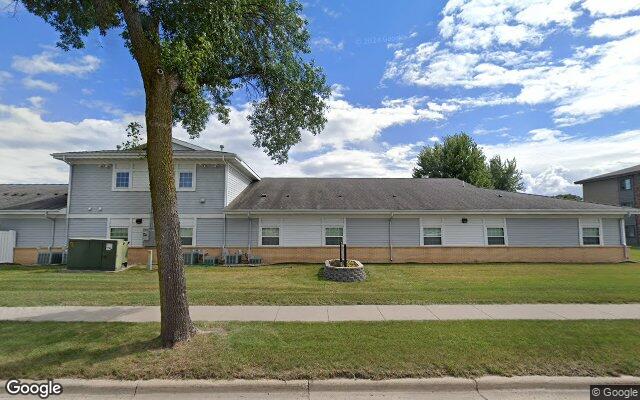
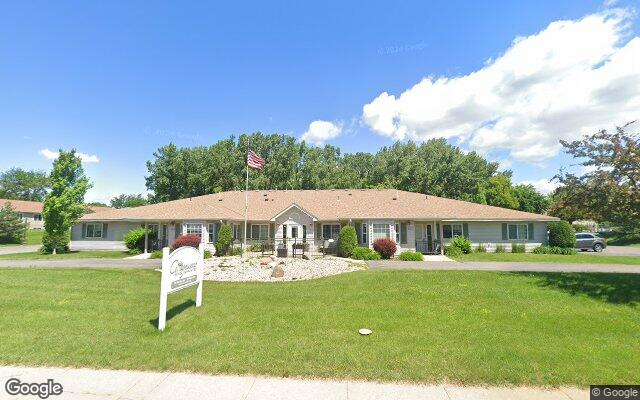
Full Inspection Record
Family reviews
No reviews yet — be the first to share your experience
Other memory care options nearby.
More options in neighboring cities
Licensed memory care in other cities within this county region — useful when your search radius crosses city limits.