The Harbors Senior Living of F.
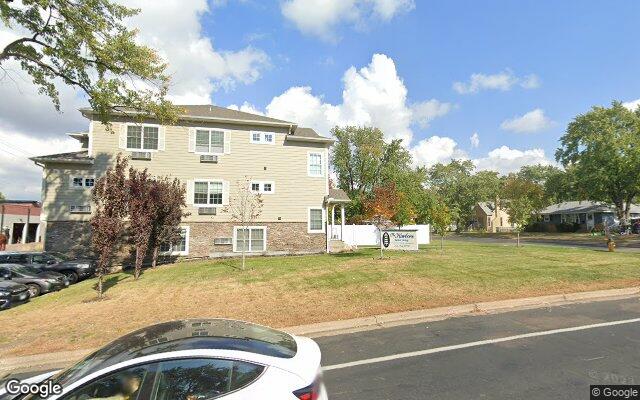
A large home, reviewed on public record.
Compared to 187 Minnesota facilities with a similar number of beds.
ALF memory care · 36-month window. Higher percentile = better performance on inspection record. Source: Minnesota Dept. of Health · Health Regulation Division.
among peers to rank.
Rankings based on 36-month MDH inspection data. Severity and frequency: fewer citations = higher percentile. Repeat rate: lower repeat citation share = higher percentile.
Citation history, plotted month by month.
2 deficiencies on record. Each bar is a month with a citation.
Finding distribution
2 total · 36 monthsScope × Severity (CMS A–L)
Questions to ask before you visit.
A short pre-tour checklist tailored to The Harbors Senior Living of F's record and state requirements.
The most recent inspection on May 1, 2025 resulted in zero deficiencies — can you walk us through how your community prepares for Minnesota Department of Health surveys, and can we review the written policies that support your dementia care program under Minn. Stat. ch. 144G?
Ask the operator on tour. Take notes and compare answers across facilities you visit.
Four complaints were filed with MDH during the inspection period on record — were any of those complaints substantiated, and what documentation can you share with families about how the facility responded to each complaint?
Ask the operator on tour. Take notes and compare answers across facilities you visit.
With 50 licensed beds and an Assisted Living Facility with Dementia Care designation, what written materials describe your memory care programming, and can we see examples of how individual care plans are tailored for residents with dementia?
Ask the operator on tour. Take notes and compare answers across facilities you visit.
Every inspection visit, verbatim.
4 inspections in the public record, most recent first. Plain-language summaries open first — click into any row for the full citation text.
2026-02-13Complaint InvestigationNo findings
Plain-language summary
A complaint alleged the facility neglected a resident by not following the care plan, which caused the resident's skin and wounds to worsen, but the Minnesota Department of Health found the allegation was not substantiated—there was insufficient evidence that staff failures caused the worsening wounds, and the resident's wounds actually improved after the incident. The investigation included interviews with facility and hospice staff, review of medical records, and observation of the facility, and found that while documentation had gaps on the date in question, staff provided various care services and worked with hospice to monitor and treat the resident's skin and wound concerns. The facility took corrective steps including re-education of staff on documentation, wound care, and repositioning.
Read full citation textHide full citation text
Read raw inspector notesClose inspector notes
Finding: Not Substantiated Nature of Investigation: The Minnesota Department of Health investigated an allegation of maltreatment, in accordance with the Minnesota Reporting of Maltreatment of Vulnerable Adults Act, Minn. Stat. 626.557, and to evaluate compliance with applicable licensing standards for the provider type. Initial Investigation Allegation(s): The facility neglected the resident when staff did not follow the resident’s plan of care and the resident’s skin condition and wounds worsened. Investigative Findings and Conclusion: The Minnesota Department of Health determined neglect was not substantiated. There was not a preponderance of evidence to attribute the resident’s worsening wounds to staff not following the resident’s care plan. In addition, the resident’s wounds improved after the incident and other concerns related to services received, failed to rise to the level of neglect. The investigator conducted interviews with facility staff members, including administrative staff and nursing staff. The investigator contacted the resident’s hospice agency staff. The investigation included review of the resident record(s), facility internal investigation, facility incident reports, personnel files, staff schedules and related facility policy and procedures. Also, the investigator observed the facility environment, medication and treatment administration, cares and staff interactions with the resident. The resident resided in an assisted living memory care unit. The resident’s diagnoses included senile degeneration, rhabdomyolysis (a serious condition where damaged skeletal muscle tissue breaks down, releasing harmful substances into the bloodstream which can lead to kidney failure), and hydrocephalus (excess cerebral spinal fluid in the brain leading to problems with cognition and mobility). The resident’s service plan included weekly bathing, linen changes, laundry, medication management, dressing, grooming, mobility, transfers, toileting, skin treatments, catheter care and repositioning. The resident’s wound dressings were monitored, and wound care was provided as needed. Additionally, the resident received hospice services for bathing, wound care, and catheter care. The resident’s assessment indicated the resident was oriented to self, had a Foley catheter (a flexible tube inserted through the urethra into the bladder to drain urine continuously), used a mechanical lift with assistance of two staff, had a history of falls, used positioning pillows, an air mattress, heel protectors, and a reclining chair for skin pressure reduction and edema. A complaint report indicated the resident was found lying on his catheter with feces on his catheter tubing and heel protectors. The complaint report also indicated the resident was not bathed, had socks that were hard and stuck to the resident’s feet and when staff attempted to remove the socks, dry skin was ripped off. Additionally, the complaint report indicated staff were not cleaning the resident’s perineal area properly, and staff had not repositioned the resident properly which caused the resident’s leg wounds. Although care was not fully documented on the date of the incident, documentation available indicated that the following cares on the date of the incident were provided: dressing, repositioning, catheter care, incontinent care, safety checks, skin treatment and wound care. The resident’s medical records indicated the resident had a history of skin and wound issues that affected the resident’s buttocks and lower extremities. The resident’s medical records indicated the resident was admitted with lower extremity edema and later developed lower extremity blisters that would open, heal and reappear on various areas of the lower extremities. The resident also had a history of refusing cares such as baths, transfers out of bed and wearing heel protectors. Facility staff monitored the resident’s skin and wounds, reported changes in condition, assessed skin and wound concerns and provided treatment as ordered. The resident’s medical records indicated staff monitored the resident for changes in condition, reported the changes, assessed the resident, treated and/or transported the resident to the hospital for evaluation. Facility records indicated facility administrative nursing staff provided re-education to nursing staff that included the documentation process, provision of wound care and repositioning. During an interview, a facility administrative nurse stated that although there were challenges regarding staff documentation, the facility worked on interventions that included: on-the-spot audits, education, change in processes and exploration of new devices that would make real time documentation more convenient for staff. The facility administrative nurse stated hospice monitored and assessed the resident’s wounds and provided catheter care. Hospice also changed the resident’s wound dressings at least twice per week and facility staff completed cares as needed. The facility administrative nurse stated the facility monitored the resident’s skin and catheter care daily, reported any changes in condition and continued to collaborate with the resident’s hospice agency and followed recommendations regarding the resident’s care. During an interview, facility administrative staff stated the facility met with staff to educate on documentation of catheter output collection. Facility administrative staff stated that staff were instructed to always put a measurement of output in documentation even if the measurement equals zero. In addition, facility administration staff stated staff re-education was on-going in the facility. During interview, hospice administrative staff stated although there were concerns with the facility staff delivering proper care to the resident, care had improved and there was improved collaboration with facility staff and the hospice agency. The hospice administrative staff stated the resident’s wounds improved, facility staff were now providing cares that kept the resident clean and following hospice recommendations. The hospice administrative staff stated facility staff were very professional and prepared with a developed plan of care at the resident’s most recent care conference. During an interview, the resident’s family member stated the resident had skin concerns regarding the buttocks and lower extremity edema upon admission as this was one of the reasons for admitting to the facility. The family member stated the resident had a history of refusals for care and refused to wear heel protectors. The family member stated the resident’s wounds had improved and felt the services in place are aiding in the improvements. The family member recalled the resident’s right ankle wound getting infected but stated the wound improved with the collaboration of facility and hospice staff. The resident’s family stated, although there was always room for improvement, she had no concerns regarding any of the care the resident had received throughout his stay at the facility. The family member stated the facility overall did a good job. In conclusion, the Minnesota Department of Health determined neglect was not substantiated. “Not Substantiated” means: An investigatory conclusion indicating the preponderance of evidence shows that an act meeting the definition of maltreatment did not occur. Neglect: Minnesota Statutes, section 626.5572, subdivision 17 “Neglect” means neglect by a caregiver or self-neglect. (a) "Caregiver neglect" means the failure or omission by a caregiver to supply a vulnerable adult with care or services, including but not limited to, food, clothing, shelter, health care, or supervision which is: (1) reasonable and necessary to obtain or maintain the vulnerable adult's physical or mental health or safety, considering the physical and mental capacity or dysfunction of the vulnerable adult; and (2) which is not the result of an accident or therapeutic conduct. Vulnerable Adult interviewed: Yes or explanatory comment Family/Responsible Party interviewed: Yes or explanatory comment Alleged Perpetrator interviewed: Yes, Not Applicable, or explanatory comment the Action taken by facility: The facility developed and implemented turning and repositioning documentation. Documentation, wound care and repositioning re-education and training was provided after the incident. The facility hired additional staff to facilitate with audits, and to identify and correct concerns regarding care. Action taken by the Minnesota Department of Health: No further action taken at this time. cc: The Office of Ombudsman for Long Term Care The Office of Ombudsman for Mental Health and Developmental Disabilities PRINTED: 02/ 20/ 2026 FORM APPROVED STATEMENT OF DEFICIENCIES (X1) PROVIDER/ SUPPLIER/ CLIA (X2) MULTIPLE CONSTRUCTION (X3) DATE SURVEY AND PLAN OF CORRECTION IDENTIFICATION NUMBER: COMPLETED A. BUILDING: ______________________ C B. WING _____________________________ 33169 01/ 07/ 2026 NAME OF PROVIDER OR SUPPLIER STREET ADDRESS, CITY, STATE, ZIP CODE 5300 4TH STREET NE THE HARBORS SENIOR LIVING FRID FRIDLEY, MN 55421 SUMMARY STATEMENT OF DEFICIENCIES PROVIDER' S PLAN OF CORRECTION (X4) ID ID (X5) PREFIX (EACH DEFICIENCY MUST BE PRECEDED BY FULL PREFIX (EACH CORRECTIVE ACTION SHOULD BE COMPLETE REGULATORY OR LSC IDENTIFYING INFORMATION) CROSS- REFERENCED TO THE APPROPRIATE DATE TAG TAG DEFICIENCY) 0 000 Initial Comments 0 000 On January 7, 2026, the Minnesota Department of Health initiated an investigation of complaint #HL331695124C/ #HL331696382M. No correction orders are issued. LABORATORY DIRECTOR' S OR PROVIDER/ SUPPLIER REPRESENTATIVE' S SIGNATURE TITLE (X6) DATE STATE FORM 6899 93NJ11 If continuation sheet 1 of 1
2025-05-01Annual Compliance VisitNo findings
Plain-language summary
On July 28, 2025, the Minnesota Department of Health conducted a follow-up survey at The Harbors Senior Living in Fridley to check on corrections from a May 1, 2025 inspection. The facility was found to be in substantial compliance with state requirements for assisted living with dementia care.
Read full citation textHide full citation text
Read raw inspector notesClose inspector notes
STATEMENT OF DEFICIENCIES (X1) PROVIDER/SUPPLIER/CLIA (X2) MULTIPLE CONSTRUCTION (X3) DATE SURVEY AND PLAN OF CORRECTION IDENTIFICATION NUMBER: COMPLETED A. BUILDING: ______________________ R B. WING _____________________________ 33169 07/28/2025 NAME OF PROVIDER OR SUPPLIER STREET ADDRESS, CITY, STATE, ZIP CODE 5300 4TH STREET NE THE HARBORS SENIOR LIVING FRID FRIDLEY, MN 55421 SUMMARY STATEMENT OF DEFICIENCIES PROVIDER'S PLAN OF CORRECTION (X4) ID ID (X5) PREFIX (EACH DEFICIENCY MUST BE PRECEDED BY FULL PREFIX (EACH CORRECTIVE ACTION SHOULD BE COMPLETE REGULATORY OR LSC IDENTIFYING INFORMATION) CROSS-REFERENCED TO THE APPROPRIATE DATE TAG TAG DEFICIENCY) {0 000} Initial Comments {0 000} *****ATTENTION****** Minnesota Department of Health is documenting the State Correction Orders ASSISTED LIVING PROVIDER FOLLOW UP using federal software. Tag numbers have SURVEY been assigned to Minnesota State Statutes for Assisted Living Facilities. The INITIAL COMMENTS assigned tag number appears in the far-left column entitled "ID Prefix Tag." The SL40044015-1 state Statute number and the corresponding text of the state Statute out On July 28, 2025, the Minnesota Department of of compliance is listed in the "Summary Health conducted a follow-up survey at the above Statement of Deficiencies" column. This provider to follow-up on orders issued pursuant to column also includes the findings which a survey completed on May 1, 2025. As a result are in violation of the state requirement of the follow-up survey, the licensee is in after the statement, "This Minnesota substantial compliance. requirement is not met as evidenced by." Following the evaluators ' findings is the Time Period for Correction. PLEASE DISREGARD THE HEADING OF THE FOURTH COLUMN WHICH STATES,"PROVIDER'S PLAN OF CORRECTION." THIS APPLIES TO FEDERAL DEFICIENCIES ONLY. THIS WILL APPEAR ON EACH PAGE. THERE IS NO REQUIREMENT TO SUBMIT A PLAN OF CORRECTION FOR VIOLATIONS OF MINNESOTA STATE STATUTES. THE LETTER IN THE LEFT COLUMN IS USED FOR TRACKING PURPOSES AND REFLECTS THE SCOPE AND LEVEL ISSUED PURSUANT TO 144G.31 SUBDIVISION 1-3. {0 500} 144G.41 Subd. 2 Policies and procedures {0 500} SS=F Each assisted living facility must have policies LABORATORY DIRECTOR'S OR PROVIDER/SUPPLIER REPRESENTATIVE'S SIGNATURE TITLE (X6) DATE STATE FORM 6899 2ZEW12 If continuation sheet 1 of 18 PRINTED: 09/03/2025 FORM APPROVED STATEMENT OF DEFICIENCIES (X1) PROVIDER/SUPPLIER/CLIA (X2) MULTIPLE CONSTRUCTION (X3) DATE SURVEY AND PLAN OF CORRECTION IDENTIFICATION NUMBER: COMPLETED A. BUILDING: ______________________ R B. WING _____________________________ 33169 07/28/2025 NAME OF PROVIDER OR SUPPLIER STREET ADDRESS, CITY, STATE, ZIP CODE 5300 4TH STREET NE THE HARBORS SENIOR LIVING FRID FRIDLEY, MN 55421 SUMMARY STATEMENT OF DEFICIENCIES PROVIDER'S PLAN OF CORRECTION (X4) ID ID (X5) PREFIX (EACH DEFICIENCY MUST BE PRECEDED BY FULL PREFIX (EACH CORRECTIVE ACTION SHOULD BE COMPLETE REGULATORY OR LSC IDENTIFYING INFORMATION) CROSS-REFERENCED TO THE APPROPRIATE DATE TAG TAG DEFICIENCY) {0 500} Continued From page 1 {0 500} and procedures in place to address the following and keep them current: (1) requirements in section 626.557, reporting of maltreatment of vulnerable adults; (2) conducting and handling background studies on employees; (3) orientation, training, and competency evaluations of staff, and a process for evaluating staff performance; (4) handling complaints regarding staff or services provided by staff; (5) conducting initial evaluations of residents' needs and the providers' ability to provide those services; (6) conducting initial and ongoing resident evaluations and assessments of resident needs, including assessments by a registered nurse or appropriate licensed health professional, and how changes in a resident's condition are identified, managed, and communicated to staff and other health care providers as appropriate; (7) orientation to and implementation of the assisted living bill of rights; (8) infection control practices; (9) reminders for medications, treatments, or exercises, if provided; (10) conducting appropriate screenings, or documentation of prior screenings, to show that staff are free of tuberculosis, consistent with current United States Centers for Disease Control and Prevention standards; (11) ensuring that nurses and licensed health professionals have current and valid licenses to practice; (12) medication and treatment management; (13) delegation of tasks by registered nurses or licensed health professionals; (14) supervision of registered nurses and licensed health professionals; and STATE FORM 6899 2ZEW12 If continuation sheet 2 of 18 PRINTED: 09/03/2025 FORM APPROVED STATEMENT OF DEFICIENCIES (X1) PROVIDER/SUPPLIER/CLIA (X2) MULTIPLE CONSTRUCTION (X3) DATE SURVEY AND PLAN OF CORRECTION IDENTIFICATION NUMBER: COMPLETED A. BUILDING: ______________________ R B. WING _____________________________ 33169 07/28/2025 NAME OF PROVIDER OR SUPPLIER STREET ADDRESS, CITY, STATE, ZIP CODE 5300 4TH STREET NE THE HARBORS SENIOR LIVING FRID FRIDLEY, MN 55421 SUMMARY STATEMENT OF DEFICIENCIES PROVIDER'S PLAN OF CORRECTION (X4) ID ID (X5) PREFIX (EACH DEFICIENCY MUST BE PRECEDED BY FULL PREFIX (EACH CORRECTIVE ACTION SHOULD BE COMPLETE REGULATORY OR LSC IDENTIFYING INFORMATION) CROSS-REFERENCED TO THE APPROPRIATE DATE TAG TAG DEFICIENCY) {0 500} Continued From page 2 {0 500} (15) supervision of unlicensed personnel performing delegated tasks. This MN Requirement is not met as evidenced by: No further action required. {0 660} 144G.42 Subd. 9 Tuberculosis prevention and {0 660} SS=F control (a) The facility must establish and maintain a comprehensive tuberculosis infection control program according to the most current tuberculosis infection control guidelines issued by the United States Centers for Disease Control and Prevention (CDC), Division of Tuberculosis Elimination, as published in the CDC's Morbidity and Mortality Weekly Report. The program must include a tuberculosis infection control plan that covers all paid and unpaid employees, contractors, students, and regularly scheduled volunteers. The commissioner shall provide technical assistance regarding implementation of the guidelines. (b) The facility must maintain written evidence of compliance with this subdivision. This MN Requirement is not met as evidenced by: No further action required. {0 680} 144G.42 Subd. 10 Disaster planning and {0 680} SS=F emergency preparedness (a) The facility must meet the following requirements: (1) have a written emergency disaster plan that contains a plan for evacuation, addresses elements of sheltering in place, identifies STATE FORM 6899 2ZEW12 If continuation sheet 3 of 18 PRINTED: 09/03/2025 FORM APPROVED STATEMENT OF DEFICIENCIES (X1) PROVIDER/SUPPLIER/CLIA (X2) MULTIPLE CONSTRUCTION (X3) DATE SURVEY AND PLAN OF CORRECTION IDENTIFICATION NUMBER: COMPLETED A. BUILDING: ______________________ R B. WING _____________________________ 33169 07/28/2025 NAME OF PROVIDER OR SUPPLIER STREET ADDRESS, CITY, STATE, ZIP CODE 5300 4TH STREET NE THE HARBORS SENIOR LIVING FRID FRIDLEY, MN 55421 SUMMARY STATEMENT OF DEFICIENCIES PROVIDER'S PLAN OF CORRECTION (X4) ID ID (X5) PREFIX (EACH DEFICIENCY MUST BE PRECEDED BY FULL PREFIX (EACH CORRECTIVE ACTION SHOULD BE COMPLETE REGULATORY OR LSC IDENTIFYING INFORMATION) CROSS-REFERENCED TO THE APPROPRIATE DATE TAG TAG DEFICIENCY) {0 680} Continued From page 3 {0 680} temporary relocation sites, and details staff assignments in the event of a disaster or an emergency; (2) post an emergency disaster plan prominently; (3) provide building emergency exit diagrams to all residents; (4) post emergency exit diagrams on each floor; and (5) have a written policy and procedure regarding missing residents. (b) The facility must provide emergency and disaster training to all staff during the initial staff orientation and annually thereafter and must make emergency and disaster training annually available to all residents. Staff who have not received emergency and disaster training are allowed to work only when trained staff are also working on site. (c) The facility must meet any additional requirements adopted in rule. This MN Requirement is not met as evidenced by: No further action required. {0 775} 144G.45 Subd. 2. (a) Fire protection and physical {0 775} SS=F environment Each assisted living facility must comply with the State Fire Code in Minnesota Rules, chapter 7511, and: This MN Requirement is not met as evidenced by: No further action required. {0 790} 144G.45 Subd. 2 (a) (2-3) Fire protection and {0 790} SS=C physical environment STATE FORM 6899 2ZEW12 If continuation sheet 4 of 18 PRINTED: 09/03/2025 FORM APPROVED STATEMENT OF DEFICIENCIES (X1) PROVIDER/SUPPLIER/CLIA (X2) MULTIPLE CONSTRUCTION (X3) DATE SURVEY AND PLAN OF CORRECTION IDENTIFICATION NUMBER: COMPLETED A. BUILDING: ______________________ R B.
2025-04-24Complaint InvestigationSubstantiated Finding · 1 finding
Plain-language summary
A complaint investigation found the facility neglected a hospice resident by failing to follow her care plan for repositioning every 4 hours and incontinence care every 2 hours; staff did not provide any care for 7 hours, resulting in the resident becoming incontinent and developing a coccyx pressure ulcer with multiple other pressure areas. The facility failed to schedule these required care tasks with specific times for staff to implement, did not update the service plan when a hospice order changed the repositioning frequency, and facility leadership attributed the failure to staff shortages. The resident died 5 days after the incident.
Read full citation text (1)Hide full citation text
“MDH substantiated maltreatment or licensing violation finding”
Read raw inspector notesClose inspector notes
Finding: Substantiated, facility responsibility Nature of Investigation: The Minnesota Department of Health investigated an allegation of maltreatment, in accordance with the Minnesota Reporting of Maltreatment of Vulnerable Adults Act, Minn. Stat. 626.557, and to evaluate compliance with applicable licensing standards for the provider type. Initial Investigation Allegation(s): The resident was neglected when facility staff failed to follow the residents plan of care and the resident was not repositioned or provided incontinence care for 7 hours causing a coccyx pressure ulcer. Investigative Findings and Conclusion: The Minnesota Department of Health determined neglect was substantiated. The facility was responsible for the maltreatment. The resident was actively dying and dependent on staff for repositioning every 4 hours and incontinence care every 2 hours. The resident’s plan of care and services failed to indicate the resident utilized an air mattress and lacked direction for settings to reduce the resident’s risk for pressure ulcers. The facility failed to ensure incontinence care and repositioning were scheduled on the resident’s service tasks for staff to implement. Facility staff failed to provide the resident care for 7 hours. The resident was found incontinent of stool and urine, and the air mattress on the residents bed was set at a hard static setting. The resident had multiple reddened pressure areas and developed a coccyx pressure ulcer. The investigator conducted interviews with facility staff members, including administrative staff, nursing staff, and unlicensed staff. The investigator contacted the resident’s family member. The investigation included review of the resident record(s), death record, facility incident reports, call light logs, staff schedules, and related facility policy and procedures. Also, the investigator observed resident’s and staff at the facility. The resident resided in an assisted living dementia care facility with diagnoses including Alzheimer’s Disease, Adult failure to thrive, and moderate protein calorie malnutrition. The resident’s change of condition hospice admission assessment completed prior to the incident indicated the resident was severely cognitively impaired, unable to report pain, or respond to questions, and received hospice for end-of-life care. The assessment indicated the resident was dependent on staff for incontinence care and repositioning every 2 hours. The assessment identified the resident had no skin wounds or pressure ulcers present. The resident’s service plan at the time of the incident included assistance with incontinence care and bed mobility 3 times daily. The service plan failed to direct staff on the frequency repositioning and incontinence care were to be provided. The resident’s care plan at the time of the incident indicated the resident was dependent on staff for incontinence care and repositioning every 2 hours. A review of hospice nursing progress notes prior to the incident included documentation indicating the resident’s skin integrity was good with no signs or symptoms of pressure, shearing, or breakdown present. A hospice provider order 2 days prior to the incident included orders to reposition the resident every 4 hours for comfort. There was no indication the order was updated on the resident’s plan of care or scheduled in the resident service tasks for staff to implement. The orders failed to include a change in the frequency of incontinence care, indicating staff should have continued to provide incontinence care every 2 hours as assessed and as indicated in the resident’s plan of care. A hospice nursing progress note the day of the incident indicated at 10:00 a.m. the resident was unresponsive, actively dying, laying on her left side, with blankets bunched up under her body and the air bed on the hardest setting. The resident’s family reported staff had not been in the resident’s room to provide incontinence care or repositioning since 3:00 a.m. (7 hours prior). The nurse documented when she pulled the covers back the resident was saturated with dark foul-smelling urine through her brief, gown, and bedding. The nurse documented when she changed the resident’s brief there was a baseball sized hard stool hanging out of the resident’s rectum. The nurse documented the resident had 2 deep dark red purple pressure areas from the resident’s buttocks to her left sacrum measuring 5 centimeters (cm) by 5 cm, and multiple reddened pressure areas on the resident ’s hip, scapula, and 4 ribs on her left side. The note indicated the nurse applied a dressing to the resident’s coccyx pressure ulcers, and reported the concerns to facility nursing leadership who indicated repositioning was not provided due to shortage of staffing. The resident’s service delivery record at the time of the incident included assigned tasks to provide incontinence care and repositioning in the AM, PM, bedtime, and overnight. The tasks failed to include the scheduled frequency with specific times for repositioning for staff to implement as assessed, ordered, and according to the resident’s plan of care. As a result, the service delivery record lacked documentation to show incontinence care was provided every 2 hours, or repositioning every 4 hours prior to the incident. In addition, the service delivery record indicated the hospice order was not implemented, and the services were not updated to reposition the resident every 4 hours until the day after the incident occurred (3 days after the order was written). The resident’s record of death indicated she died 5 days after the incident occurred of natural causes. When interviewed facility and nursing leadership verified the resident had no skin issues or pressure ulcers prior to the incident, and indicated the resident’s services and plan of care for repositioning were not followed when the resident developed the coccyx pressure ulcer. Leadership staff denied staffing issues were the cause of the incident and stated repositioning and incontinence care were not provided because there was a lack of shift-to-shift communication about when the resident was last repositioned. Leadership explained day shift staff assumed the resident was repositioned during last rounds, which typically occurred between 5:00 a.m. and 6:00 a.m. but she was not. Nursing leadership verified staff were unaware the resident had not received incontinence care or been repositioned until after the hospice nurse arrived and the family reported staff had not provided the services since 3:00 a.m. (7 hours prior). When interviewed several unlicensed staff who provided care and services to the resident indicated the resident needed repositioning and incontinence care which should have been scheduled a specific time on their assigned task list to complete. Staff indicated if incontinence care and repositioning wasn't scheduled with specific time for staff to complete on the assigned service task list it could be missed. When interviewed the hospice nurse stated when she entered the resident room that day the family said no one had repositioned or changed the resident since 3:00 a.m. The nurse stated the resident was laying on her left side and appeared to be in discomfort with a furrowed brow. When the nurse pulled the covers back to assess the resident, she was soaked with dark foul-smelling urine that saturated her brief, gown, and bedding. The nurse indicated the resident had a towel and bedding bunched up under her body and the resident’s bed was on the hardest static setting that was not appropriate for her size or weight increasing the risk for pressure ulcers. The nurse stated when she turned the resident over, she saw 2 non blanchable dark red purple pressure ulcers on the resident’s coccyx. The nurse stated the resident’s left side had blanchable redness on 4 ribs, scapula, and hip as a result of prolong pressure and not being repositioned. The resident’s family stated they were with the resident continuously during the last week of her life. The family stated staff routinely did not provide repositioning especially during the overnight shift. In conclusion, the Minnesota Department of Health determined neglect was substantiated. Substantiated: Minnesota Statutes, section 626.5572, Subdivision 19. “Substantiated” means a preponderance of evidence shows that an act that meets the definition of maltreatment occurred. Neglect: Minnesota Statutes, section 626.5572, subdivision 17 “Neglect” means neglect by a caregiver or self-neglect. (a) "Caregiver neglect" means the failure or omission by a caregiver to supply a vulnerable adult with care or services, including but not limited to, food, clothing, shelter, health care, or supervision which is: (1) reasonable and necessary to obtain or maintain the vulnerable adult's physical or mental health or safety, considering the physical and mental capacity or dysfunction of the vulnerable adult; and (2) which is not the result of an accident or therapeutic conduct. Vulnerable Adult interviewed: No, deceased.
2024-07-31Complaint InvestigationSubstantiated Finding · 1 finding
Plain-language summary
The Minnesota Department of Health investigated a complaint that an unlicensed caregiver recorded videos of a resident with dementia, posted them on social media with mocking captions, and continued to follow and record the resident even after he asked to be left alone — conduct the department determined constituted abuse. The facility terminated the caregiver and issued a correction order requiring staff retraining on cell phone and social media policies and the resident's right to be free from maltreatment.
Read full citation text (1)Hide full citation text
“MDH substantiated maltreatment or licensing violation finding”
Read raw inspector notesClose inspector notes
Finding: Substantiated, individual responsibility Nature of Investigation: The Minnesota Department of Health investigated an allegation of maltreatment, in accordance with the Minnesota Reporting of Maltreatment of Vulnerable Adults Act, Minn. Stat. 626.557, and to evaluate compliance with applicable licensing standards for the provider type. Initial Investigation Allegation(s): The alleged perpetrator (AP) abused the resident when she took multiple videos of herself taunting and agitating the resident and posted these videos on social media websites. Investigative Findings and Conclusion: The Minnesota Department of Health determined abuse was substantiated. The AP was responsible for the maltreatment. The AP recorded herself, which included both video and audio, interacting with the resident while the resident asked to be left alone, but she continued to follow and record him. The AP also posted videos of these interactions on social media. The investigator conducted interviews with facility staff members, including administrative staff, nursing staff, and unlicensed staff. The investigator contacted family members, witnesses, and the AP. The investigation included review of medical records, facility records, personnel files, facility education and training records and social media postings. Also, the investigator observed staff interactions with other staff, residents, and visitors. An equal opportunity employer. The resident resided in an assisted living memory care unit. The resident’s diagnoses included Alzheimer’s dementia with agitation, impulse control disorder, and was hard of hearing. The resident’s service plan included assistance with all activities of daily living including dressing, bathing, grooming, meal set up and medication management. The resident’s assessment indicated the resident had impulse control problems and with wandering and exit-seeking behaviors. The facility’s internal investigation indicated the facility was informed by an employee the AP, who worked as an unlicensed caregiver, had posted three videos showing interactions between her and the resident on social media. The same document indicated the videos clearly showed both the AP and resident. Furthermore, the AP was agitating the resident while offering assistance and recording him simultaneously. The facility’s internal investigation included still images with the AP’s name appearing as the name of the account and the one responsible identified as posting the videos. Still images from another video Another video shows the VA on one side of a locked door, trying to get in, with the AP capturing this on her device, and the caption on this video shows four laughing face emoji and states “dumb f*&^ing b@#ch”. Another video obtained clearly shows the AP approaching the resident from behind and getting his attention while he walked down the hallway. The resident turned around while the camera view backs away from him, and the resident tells the AP to stay away from him. the video included captioning saying, “He’s making it a long a** shift”. The recording shows the AP continuing to follow the resident even as he walks away. The facility policies indicated use of personal cell phone to take photos of residents or work-related items or events was not permissible. During an interview, an acquaintance of the AP’s stated she found video posted under the AP’s social media accounts featuring the resident and the AP. She stated the video showed the AP following the resident and it seemed like the AP was annoying him. During an interview, a manager stated that every employee is trained about the cell phone policy and social media policy. During an interview, a nurse stated they had trained the AP in the facility expectations on providing compassionate care to residents. The nurse stated that this event was a demeaning way to treat the resident. In conclusion, the Minnesota Department of Health determined abuse was substantiated. Substantiated: Minnesota Statutes, section 626.5572, Subdivision 19. “Substantiated” means a preponderance of evidence shows that an act that meets the definition of maltreatment occurred. Abuse: Minnesota Statutes section 626.5572, subdivision 2. "Abuse" means: (b) Conduct which is not an accident or therapeutic conduct as defined in this section, which produces or could reasonably be expected to produce physical pain or injury or emotional distress including, but not limited to, the following: (1) hitting, slapping, kicking, pinching, biting, or corporal punishment of a vulnerable adult; (2) use of repeated or malicious oral, written, or gestured language toward a vulnerable adult or the treatment of a vulnerable adult which would be considered by a reasonable person to be disparaging, derogatory, humiliating, harassing, or threatening; Vulnerable Adult interviewed: No, advanced dementia Family/Responsible Party interviewed: Yes Alleged Perpetrator interviewed: No, attempted multiple times with no response Action taken by facility: The facility terminated the AP and re-educated all staff of vulnerable adults and cell phone and social media use. Action taken by the Minnesota Department of Health: The facility was issued a correction order regarding the vulnerable adult’s right to be free from maltreatment. You may also call 651-201-4200 to receive a copy via mail or email The responsible party will be notified of their right to appeal the maltreatment finding. If the maltreatment is substantiated against an identified employee, this report will be submitted to the nurse aide registry for possible inclusion of the finding on the abuse registry and/or to the Minnesota Department of Human Services for possible disqualification in accordance with the provisions of the background study requirements under Minnesota 245C. cc: The Office of Ombudsman for Long Term Care The Office of Ombudsman for Mental Health and Developmental Disabilities Fridley City Police Department Fridley City Attorney Anoka County Attorney PRINTED: 08/01/2024 FORM APPROVED STATEMENT OF DEFICIENCIES (X1) PROVIDER/SUPPLIER/CLIA (X2) MULTIPLE CONSTRUCTION (X3) DATE SURVEY AND PLAN OF CORRECTION IDENTIFICATION NUMBER: COMPLETED A. BUILDING: ______________________ C B. WING _____________________________ 33169 06/05/2024 NAME OF PROVIDER OR SUPPLIER STREET ADDRESS, CITY, STATE, ZIP CODE 5300 4TH STREET NE THE HARBORS SENIOR LIVING FRID OF LEY FRIDLEY, MN 55421 SUMMARY STATEMENT OF DEFICIENCIES PROVIDER'S PLAN OF CORRECTION (X4) ID ID (X5) PREFIX (EACH DEFICIENCY MUST BE PRECEDED BY FULL PREFIX (EACH CORRECTIVE ACTION SHOULD BE COMPLETE REGULATORY OR LSC IDENTIFYING INFORMATION) CROSS-REFERENCED TO THE APPROPRIATE DATE TAG TAG DEFICIENCY) 0 000 Initial Comments 0 000 ******ATTENTION****** Minnesota Department of Health is documenting the State Correction Orders ASSISTED LIVING PROVIDER CORRECTION using federal software. Tag numbers have ORDER been assigned to Minnesota State Statutes for Assisted Living Facilities. The In accordance with Minnesota Statutes, section assigned tag number appears in the far 144G.08 to 144G.95, these correction orders are left column entitled "ID Prefix Tag." The issued pursuant to a complaint investigation. state Statute number and the corresponding text of the state Statute out Determination of whether a violation is corrected of compliance is listed in the "Summary requires compliance with all requirements Statement of Deficiencies" column. This provided at the statute number indicated below. column also includes the findings which When a Minnesota Statute contains several are in violation of the state requirement items, failure to comply with any of the items will after the statement, "This Minnesota be considered lack of compliance. requirement is not met as evidenced by." Following the evaluators ' findings is the INITIAL COMMENTS: Time Period for Correction. #HL331691019C/#HL331692140M PLEASE DISREGARD THE HEADING OF THE FOURTH COLUMN WHICH On June 5, 2024, the Minnesota Department of STATES,"PROVIDER'S PLAN OF Health conducted a complaint investigation at the CORRECTION." THIS APPLIES TO above provider, and the following correction FEDERAL DEFICIENCIES ONLY. THIS orders are issued. At the time of the complaint WILL APPEAR ON EACH PAGE. investigation, there were 43 residents receiving services under the provider' Assisted Living with THERE IS NO REQUIREMENT TO Dementia Care license. SUBMIT A PLAN OF CORRECTION FOR VIOLATIONS OF MINNESOTA STATE The following correction order is issued/orders STATUTES. are issued for #HL331691019C/#HL331692140M , tag identification 2360. THE LETTER IN THE LEFT COLUMN IS USED FOR TRACKING PURPOSES AND REFLECTS THE SCOPE AND LEVEL ISSUED PURSUANT TO 144G.31 SUBDIVISION 1-3. Please note Correction Order 2360 is used to document the occurrence of maltreatment; please see the public report LABORATORY DIRECTOR'S OR PROVIDER/SUPPLIER REPRESENTATIVE'S SIGNATURE TITLE (X6) DATE STATE FORM 6899 LPFF11 If continuation sheet 1 of 2 PRINTED: 08/01/2024 FORM APPROVED STATEMENT OF DEFICIENCIES (X1) PROVIDER/SUPPLIER/CLIA (X2) MULTIPLE CONSTRUCTION (X3) DATE SURVEY AND PLAN OF CORRECTION IDENTIFICATION NUMBER: COMPLETED A. BUILDING: ______________________ C B.
2 older inspections from 2022 are not shown above.
Get the complete record, translated into plain language — emailed to you.
Other facilities in Anoka County.
Other memory care facilities in Anoka County with similar care offerings.
Tour Prep
Family reviews
No reviews yet — be the first to share your experience
Other memory care options nearby.
More options in neighboring cities
Licensed memory care in other cities within this county region — useful when your search radius crosses city limits.