Mill City Senior Living.
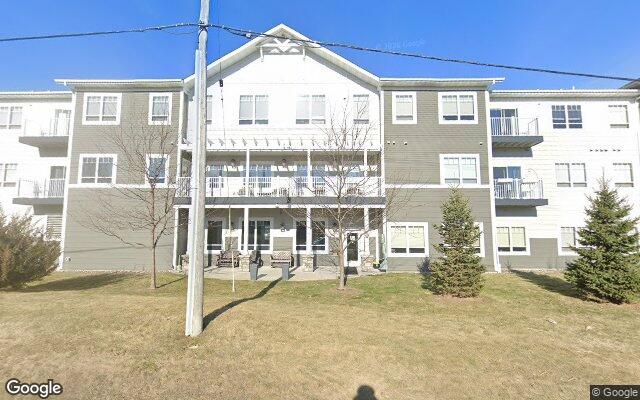
A large home, reviewed on public record.
Compared to 139 Minnesota facilities with a similar number of beds.
ALF memory care · 36-month window. Higher percentile = better performance on inspection record. Source: Minnesota Dept. of Health · Health Regulation Division.
among peers to rank.
Rankings based on 36-month MDH inspection data. Severity and frequency: fewer citations = higher percentile. Repeat rate: lower repeat citation share = higher percentile.
Citation history, plotted month by month.
No citations in the last 36 months.
Finding distribution
none · 36 monthsScope × Severity (CMS A–L)
Questions to ask before you visit.
A short pre-tour checklist tailored to Mill City Senior Living's record and state requirements.
The most recent inspection on October 22, 2025 found zero deficiencies across all standards — can you walk us through the written policies and staff training protocols that support your dementia care program under Minnesota Statutes chapter 144G?
Ask the operator on tour. Take notes and compare answers across facilities you visit.
Two complaints were filed with the Minnesota Department of Health during the inspection period on file — can you tell us whether those complaints were substantiated, and if so, what corrective actions the facility documented in response?
Ask the operator on tour. Take notes and compare answers across facilities you visit.
With 110 licensed beds and a dementia care designation under chapter 144G, how does Mill City Senior Living organize its memory care programming, and can families review the written care plans that describe daily routines and behavioral support strategies?
Ask the operator on tour. Take notes and compare answers across facilities you visit.
Every inspection visit, verbatim.
3 inspections in the public record, most recent first. Plain-language summaries open first — click into any row for the full citation text.
2025-10-22Annual Compliance VisitNo findings
Plain-language summary
During a standard inspection completed on October 22, 2025, Mill City Senior Living received three correction orders related to resident assessments and monitoring, medication documentation, and appropriate care and services. The facility was assessed a total fine of $3,000.00 and must document within a specified timeframe how it corrected these violations and made changes to prevent future noncompliance.
Read full citation textHide full citation text
Read raw inspector notesClose inspector notes
correction orders. MDH documents state licensing correction orders using federal software. Tag numbers are assigned to Minnesota state statutes for Assisted Living Facilities .The assigned tag number appears in the far left column entitled "ID Prefix Tag". The state statute number and the corresponding text of the state statute out of compliance are listed in the "Summary Statemen tof Deficiencies "column. This column also includes the findings that are in violation of the state statute after the statement ,"This MN Requiremen its not met as evidenced by . . ." IMPOSITION OF FINES In accordanc ewith Minn. Stat. § 144G3. 1, Subd .4, fines and enforcemen tactions may be imposed based on the level and scope of the violations and may be imposed immediately with no opportunity to correct the violation first as follows: Leve l1: no fines or enforcement; Leve l2: a fine of $500 per violation, in addition to any enforcemen tmechanism authorized in § 144G2. 0; Leve l3: a fine of $1,000 per incident, in addition to any enforcemen tmechanism authorized in § 144G2. 0; Leve l4: a fine of $3,000 per incident, in addition to any enforcemen tmechanism authorized in § 144G2. 0; Leve l5: a fine of $5,000 per violation, in addition to any enforcemen tmechanism authorized in § 144G2. 0. Therefore ,in accordanc ewith Minn. Stat. §§ 144G0. 1 to 144G9. 999, the following fines are assessed pursuan tto this survey: An equal opportunity employer . Letter ID: IS7N REVISED 09/13/2021 Mill City Senio rLiving Novembe r17, 2025 Page 2 1620 - 144g.70 Subd. 2 (c-E) - Initial Reviews ,Assessments A, nd Monitoring - $1,000.00 1760 - 144g.71 Subd. 8 - Documentation Of Administration Of Medication - $1,000.00 2310 - 144g.91 Subd. 4 (a) - Appropriate Care And Services - $1,000.00 Therefore ,in accordanc ewith Minn. Stat. §§ 144G0. 1 to 144G9. 999, the total amount you are assesse dis $3,000.00. You will be invoiced approximately 30 days after receipt of this notice, subject to . appeal DOCUMENTATIO ONF ACTION TO COMPLY In accordance with Minn. Stat. § 144G3. 0, Subd .5(c), the licensee must documen tactions taken to comply with the correction orders within the time period outlined on the state form; however ,plans of correction are not required to be submitted for approval. The correction order documentation should include the following: x Identify how the area(s) of noncomplianc ewas corrected related to the resident(s)/ employees() identified in the correction order. x Identify how the area(s) of noncomplianc ewas corrected for all of the provider’s resident(s)/ employees that may be affected by the noncompliance. x Identify what changes to your systems and practices were made to ensure compliance with the specific statute(s). CORRECTIO ONRDER RECONSIDERATI PORNOCESS In accordanc ewith Minn. Stat. § 144G3. 2, Subd .2, you may challenge the correction order(s) issued, including the level and scope ,and any fine assesse dthrough the correction order reconsideration process T. he request for reconsideration must be in writing and received by MDH within 15 calendar days of the correction order receipt date. To submit a reconsideration request ,please visit: https:/ / forms.web.health.state.mn.us/form/ HRDAppealsForm REQUESTIN AG HEARING Alternatively ,in accordanc ewith Minn. Stat. § 144G3. 1, Subd .5(d), an assisted living provider that has been assesse da fine under this subdivision has a right to a reconsideration or a hearing under this section and chapter 14. Pursuan tto Minn. Stat. § 144G2. 0, Subd .14 and Subd .18, a request for a hearing must be in writing and received by the Departmen tof Health within 15 busines sdays of the correction order receipt date. The request must contain a brief and plain statement describing each matter or issue contested and any new information you believe constitutes a defense or mitigating factor. To submit a hearing request ,please visit: https:/ / forms.web.health.state.mn.us/form/ HRDAppealsForm Mill City Senio rLiving Novembe r17, 2025 Page 3 To appea lfines via reconsideration p, lease follow the procedure outlined above .Please note that you may request a reconsideration or a hearing ,but not both. If you wish to contest tags without fines in a reconsideration and tags with the fines at a hearing ,please submit two separate appeals forms at the website listed above. The MDH Health Regulation Division (HRD )values your feedback about your experience during the survey and/or investigation process .Please fill out this anonymou sprovider feedback questionnaire at your convenienc eat this link: https:/ / forms.office.com/g/Bm5uQEpHV.a Your input is important to us and will enable MDH to improve its processe sand communication with providers .If you have any questions regarding the questionnaire p, lease contact Susan Winkelmann at susanw. inkelmann@state.mn.us or call 651-201-5952. You are encouraged to retain this documen tfor your records .It is your responsibility to share the information contained in the letter and state form with your organizations’ Governing Body. If you have any questions ,please contact me. Sincerely, Jod iJohnson S, upervisor State Evaluation Team Email :jodi.johnson@state.mn.us Telephone 5: 07-344-2730 Fax :1-866-890-9290 JMD PRINTED: 11/17/2025 FORM APPROVED STATEMENT OF DEFICIENCIES (X1) PROVIDER/SUPPLIER/CLIA (X2) MULTIPLE CONSTRUCTION (X3) DATE SURVEY AND PLAN OF CORRECTION IDENTIFICATION NUMBER: COMPLETED A. BUILDING: ______________________ B. WING _____________________________ 34320 10/22/2025 NAME OF PROVIDER OR SUPPLIER STREET ADDRESS, CITY, STATE, ZIP CODE 1520 17TH STREET NW MILL CITY SENIOR LIVING FARIBAULT, MN 55021 SUMMARY STATEMENT OF DEFICIENCIES PROVIDER'S PLAN OF CORRECTION (X4) ID ID (X5) (EACH DEFICIENCY MUST BE PRECEDED BY FULL (EACH CORRECTIVE ACTION SHOULD BE COMPLETE PREFIX PREFIX REGULATORY OR LSC IDENTIFYING INFORMATION) CROSS-REFERENCED TO THE APPROPRIATE DATE TAG TAG DEFICIENCY) 0 000 Initial Comments 0 000 *****ATTENTION***** Minnesota Department of Health is documenting the State Correction Orders ASSISTED LIVING PROVIDER LICENSING using federal software. Tag numbers have CORRECTION ORDER(S) been assigned to Minnesota State Statutes for Assisted Living Facilities. The In accordance with Minnesota Statutes, section assigned tag number appears in the 144G.08 to 144G.95, these correction orders are far-left column entitled "ID Prefix Tag." issued pursuant to a survey. The state Statute number and the corresponding text of the state Statute out Determination of whether violations are corrected of compliance is listed in the "Summary requires compliance with all requirements Statement of Deficiencies" column. This provided at the Statute number indicated below. column also includes the findings which When Minnesota Statute contains several items, are in violation of the state requirement failure to comply with any of the items will be after the statement, "This Minnesota considered lack of compliance. requirement is not met as evidenced by." Following the evaluators ' findings is the INITIAL COMMENTS: Time Period for Correction. SL34320016-0 PLEASE DISREGARD THE HEADING OF THE FOURTH COLUMN WHICH On October 20, 2025, through October 22, 2025, STATES,"PROVIDER'S PLAN OF the Minnesota Department of Health conducted a CORRECTION." THIS APPLIES TO full survey at the above provider and the FEDERAL DEFICIENCIES ONLY. THIS following correction orders are issued. At the time WILL APPEAR ON EACH PAGE. of the survey, there were 83 residents; 73 receiving services under the Assisted Living THERE IS NO REQUIREMENT TO Facility with Dementia Care license. SUBMIT A PLAN OF CORRECTION FOR VIOLATIONS OF MINNESOTA STATE STATUTES. 1760: An immediate order was issued on October 22, 2025, at a level 3/Isolated (G) THE LETTER IN THE LEFT COLUMN IS The licensee took action on October 22, 2025; USED FOR TRACKING PURPOSES AND however, the scope and level remain at G. REFLECTS THE SCOPE AND LEVEL ISSUED PURSUANT TO 144G.31 2310: An immediate order was issued on SUBDIVISION 1-3. October 22, 2025, at a level 3/Isolated (I) The licensee took action on October 22, 2025; however, the scope and level remain at G. LABORATORY DIRECTOR'S OR PROVIDER/SUPPLIER REPRESENTATIVE'S SIGNATURE TITLE (X6) DATE STATE FORM 6899 NJMY11 If continuation sheet 1 of 61 PRINTED: 11/17/2025 FORM APPROVED STATEMENT OF DEFICIENCIES (X1) PROVIDER/SUPPLIER/CLIA (X2) MULTIPLE CONSTRUCTION (X3) DATE SURVEY AND PLAN OF CORRECTION IDENTIFICATION NUMBER: COMPLETED A. BUILDING: ______________________ B. WING _____________________________ 34320 10/22/2025 NAME OF PROVIDER OR SUPPLIER STREET ADDRESS, CITY, STATE, ZIP CODE 1520 17TH STREET NW MILL CITY SENIOR LIVING FARIBAULT, MN 55021 SUMMARY STATEMENT OF DEFICIENCIES PROVIDER'S PLAN OF CORRECTION (X4) ID ID (X5) (EACH DEFICIENCY MUST BE PRECEDED BY FULL (EACH CORRECTIVE ACTION SHOULD BE COMPLETE PREFIX PREFIX REGULATORY OR LSC IDENTIFYING INFORMATION) CROSS-REFERENCED TO THE APPROPRIATE DATE TAG TAG DEFICIENCY) 0 480 Continued From page 1 0 480 0 480 144G.41 Subdivision 1 Subd.
2025-02-07Complaint InvestigationNo findings
Plain-language summary
A complaint investigation found that a resident did not receive meals for several days following a care plan change from meal delivery to escorted dining; however, the allegation of neglect was not substantiated because the facility had instructed staff to offer escort assistance to meals and, if refused, to provide a meal tray or Ensure drink. The investigation included review of medical records, staff interviews, and family contact, and determined the resident refused some meals rather than being denied food, and the facility made adjustments to its implementation plan during the period in question.
Read full citation textHide full citation text
Read raw inspector notesClose inspector notes
Finding: Not Substantiated Nature of Investigation: The Minnesota Department of Health investigated an allegation of maltreatment, in accordance with the Minnesota Reporting of Maltreatment of Vulnerable Adults Act, Minn. Stat. 626.557, and to evaluate compliance with applicable licensing standards for the provider type. Initial Investigation Allegation(s): The facility neglected the resident when meals were not provided in room per care plan. Investigative Findings and Conclusion: The Minnesota Department of Health determined neglect was not substantiated. The resident had a change in her care plan from meal delivery to escort assistance to meals although the communication plan for this transition took some adjustment to implement. The facility instructed the unlicensed caregivers to offer escort to the meal and, if refused, to offer a meal tray. After initial implementation, the facility made an adjustment in the plan included that if the meal tray was refused, the unlicensed caregivers were to offer an Ensure drink (meal replacement). The investigator conducted interviews with facility staff members, including administrative staff, nursing staff, and unlicensed staff. The investigator contacted the resident’s family member. The investigation included review of the resident record, death record, hospital records, facility internal investigation, facility incident reports, staff schedules, and related facility policy and procedures. Also, the investigator observed interactions between residents and staff during an onsite visit. The resident resided in an assisted living facility unit. The resident’s diagnoses included Lambert-Eaton syndrome (an auto-immune disorder that causes muscle weakness) and skin breakdown. The resident’s service plan included assistance with medication management and assistance with activities of daily living including dressing, bathing, and toileting. The resident’s assessment indicated the resident used a wheelchair for mobility, frequently refused care and services from facility caregivers and was cognitively impaired. The resident also received care from an outside home health care service for wound care. One weekend, a concern arose that the resident did not receive food from the facility for four days after care plan changes were made that changed from “meal tray delivery” to “escort assist” on unlicensed caregiver’s task list. An additional concern arose that the resident’s brief was often soiled and was not having bowel movements or urine output. Saturday The resident’s medical record indicated that for breakfast and lunch the resident received meal trays in her room, and for the evening meal the resident went to the dining room. The same document indicated the resident received “Toileting/Incontinent Assist” six times and refused two times. Sunday The resident’s medical record indicated that for breakfast and lunch, the task notes indicated “was told we are not doing meal deliveries anymore after moving downstairs”, and the evening meal task was documented as completed with a note stating “brought her a room tray” The same document indicated the resident received “Toileting/Incontinent Assist” six times and refused care three times. Monday The resident’s medical record had no documentation of breakfast. For lunch, a note indicated “Does not get meal delivery” and for the evening meal it was documented that the resident refused. A progress note indicated the resident was out with the family member around the noon mealtime. After the resident returned from this outing, the facility identified a skin tear and sustained a skin tear to her left hand returning to the facility. The same document indicated the resident received “Toileting/Incontinent Assist” six times, was out of the building for the before lunch task and refused cares two times. Tuesday The resident’s medical record indicated that for breakfast the meal was refused, lunch indicated a note “not supposed to say delivering anymore”, and the evening meal task was changed to "escort assist" changed from " Meal tray delivery" and documented the resident refused the evening meal. The same document indicated the resident received “Toileting/Incontinent Assist” seven times and refused care two times. A progress note indicated the medical provider was updated of the situation, and an order was obtained to provide an Ensure if the resident refuses a meal. Wednesday The resident’s medical record indicated that for breakfast the escort to the dining room was refused, lunch indicated a note “refused – did not want to go and meal tray brought in by nurse”, and the evening meal task was refused with a note “staff brought in meal tray”. The same document indicated the resident received “Toileting/Incontinent Assist” six times and refused care three times. The resident’s progress notes indicated the facility provided education regarding safety risks of eating meal alone in room and refusal of incontinent care, which may lead to skin breakdown. During an interview, a nurse stated a conversation was held with the resident and family member regarding concern for the resident’s safety while eating alone in her room and the increased need for assistance with cares. The nurse stated the facility offered the option of the resident moving to an area in the facility with a higher staffing ratio, so the resident’s needs could be better met. It was explained the resident then would be escorted to the dining room by staff to eat meals or the resident could be served a meal to take back to her apartment. During the same interview, the nurse stated the resident was not denied food, although the resident did refuse some meals. The nurse stated the resident had a “snack box” provided by family with the resident’s favorite snacks and was provided Ensure when the resident refused meals. The nurse stated a meeting was held with the resident, the resident’s family, and the facility to address these concerns with the outcome the facility caregivers would continue to encourage the resident to attend meals in dining room, however if the resident refused to go to the dining room, a meal tray would be provided. During an interview, unlicensed staff member #1 stated the resident was encouraged to go to the dining room for meals for safety and socialization. Caregiver #1 stated when the resident refused meals, the staff did not deny her food and the resident always had snacks and Ensure available to her. During an interview, unlicensed staff member #2 stated she received instructions to wake the resident up at mealtime and offer to assist her to the dining area where she could eat her meal or take the meal back to her room. Caregiver #2 stated the resident was able to make her needs known and facility staff would not have denied food to the resident. Caregiver #2 stated there was not a time where the resident was left in her room and denied food for several days. In conclusion, the Minnesota Department of Health determined neglect was not substantiated. “Not Substantiated” means: An investigatory conclusion indicating the preponderance of evidence shows that an act meeting the definition of maltreatment did not occur. Neglect: Minnesota Statutes, section 626.5572, subdivision 17 “Neglect” means neglect by a caregiver or self-neglect. (a) "Caregiver neglect" means the failure or omission by a caregiver to supply a vulnerable adult with care or services, including but not limited to, food, clothing, shelter, health care, or supervision which is: (1) reasonable and necessary to obtain or maintain the vulnerable adult's physical or mental health or safety, considering the physical and mental capacity or dysfunction of the vulnerable adult; and (2) which is not the result of an accident or therapeutic conduct. (5) an individual makes an error in the provision of therapeutic conduct to a vulnerable adult that results in injury or harm, which reasonably requires the care of a physician, and: (i) the necessary care is provided in a timely fashion as dictated by the condition of the vulnerable adult; (ii) if after receiving care, the health status of the vulnerable adult can be reasonably expected, as determined by the attending physician, to be restored to the vulnerable adult's preexisting condition; (iii) the error is not part of a pattern of errors by the individual; (iv) if in a facility, the error is immediately reported as required under section 626.557, and recorded internally in the facility; (v) if in a facility, the facility identifies and takes corrective action and implements measures designed to reduce the risk of further occurrence of this error and similar errors; and (vi) if in a facility, the actions required under items (iv) and (v) are sufficiently documented for review and evaluation by the facility and any applicable licensing, certification, and ombudsman agency.
2023-12-20Complaint InvestigationNo findings
Plain-language summary
A complaint investigation found that a resident with Parkinson's disease sustained a leg injury requiring 23 stitches when her leg became caught in her wheelchair during a self-transfer, but the Minnesota Department of Health determined the allegation of neglect was not substantiated because staff did responded to her call light, and the injury resulted from an accident rather than a failure to provide necessary care. The facility took appropriate follow-up actions including wound care, discussion with the resident about wheelchair concerns, and contact with the wheelchair company for evaluation of a different chair. No violations were cited and no further action was taken.
Read full citation textHide full citation text
Read raw inspector notesClose inspector notes
Finding: Not Substantiated Nature of the Investigation: The Minnesota Department of Health investigated an allegation of maltreatment, in accordance with the Minnesota Reporting of Maltreatment of Vulnerable Adults Act, Minn. Stat. 626.557, and to evaluate compliance with applicable licensing standards for the provider type. Initial Investigation Allegation(s): The facility neglected a resident when staff did not answer the resident's call light in a timely manner. The resident's leg got stuck in the wheelchair, and in an attempt to free herself, she pulled her leg, resulting in a lower leg injury that required 23 stitches in the emergency room (ER). Investigative Findings and Conclusion: The Minnesota Department of Health determined neglect was not substantiated. While the resident sustained a leg injury during an attempt to self-transfer, the facility staff members did respond to her call light, but the injury had already occurred. The investigator conducted interviews with the resident's family member and case manager. The investigation included review of resident's records. The investigation included an onsite visit, observations, and interactions between residents and facility staff. An equal opportunity employer. The resident resided in an assisted living building. The resident’s diagnoses include Parkinson’s disease. The resident’s service plan indicated the resident used a wheelchair for mobility and required assistance with transfers. The resident used the call light to summon caregivers for assistance as needed. The resident’s assessment indicated she was required to use assistive devices for mobility and depended on others to walk or push wheelchair. The assessment also indicated the resident was alert and oriented. On the day of the incident, the resident self-transferred and accidentally got her left leg caught underneath her wheelchair, resulting in a laceration on her left shin. The resident pushed the pendant for help, and coincidentally, her family member arrived. She took the resident to the ER, where she received 23 stitches for the injury. Based on the resident's progress notes, the nursing staff attended to the wound post-incident and maintained follow-up with the healthcare provider as required. Additionally, the nursing staff engaged in a discussion with the resident regarding her concerns about the wheelchair, given that her leg was frequently caught in it. The facility staff proactively contacted the wheelchair company to arrange an evaluation for a potential switch to a different chair. The facility underwent a management change and was unable to provide the staff schedule on the day the incident occurred. Consequently, no staff members who worked that day could be conducted. During an interview, a case manager reported being informed about the incident from the resident. According to her account, she attempted a self-transfer and inadvertently got her leg trapped in a part of her wheelchair. The resident mentioned calling for staff assistance, but they did not respond promptly; however, she did not specify the duration of the wait. Eventually, she pulled her leg out of the wheelchair, resulting in a significant injury and bleeding on her lower leg. Subsequently, a family member arrived and transported her to the emergency room, where she received a total of 23 stitches for the lower leg injury. During an interview, a family member reported she visited the resident on that day. She mentioned the resident was not supposed to transfer herself and should have waited for assistance. The resident's leg got caught in the wheelchair, resulting in a cut. The family member confirmed it was an isolated incident, pointing out that the facility had another incident upstairs and failed to respond promptly. Despite this, she expressed satisfaction with the care the resident received and had no additional concerns. In conclusion, the Minnesota Department of Health determined neglect was not substantiated. “Not Substantiated” means: An investigatory conclusion indicating the preponderance of evidence shows that an act meeting the definition of maltreatment did not occur. Neglect: Minnesota Statutes, section 626.5572, subdivision 17 “Neglect” means neglect by a caregiver or self-neglect. (a) "Caregiver neglect" means the failure or omission by a caregiver to supply a vulnerable adult with care or services, including but not limited to, food, clothing, shelter, health care, or supervision which is: (1) reasonable and necessary to obtain or maintain the vulnerable adult's physical or mental health or safety, considering the physical and mental capacity or dysfunction of the vulnerable adult; and (2) which is not the result of an accident or therapeutic conduct. Vulnerable Adult interviewed: No. The resident was unable to reach. Family/Responsible Party interviewed: Yes. Alleged Perpetrator interviewed: Not Applicable. Action taken by facility: No action required. Action taken by the Minnesota Department of Health: No further action taken at this time. cc: The Office of Ombudsman for Long Term Care The Office of Ombudsman for Mental Health and Developmental Disabilities PRINTED: 12/21/2023 FORM APPROVED STATEMENT OF DEFICIENCIES (X1) PROVIDER/SUPPLIER/CLIA (X2) MULTIPLE CONSTRUCTION (X3) DATE SURVEY AND PLAN OF CORRECTION IDENTIFICATION NUMBER: COMPLETED A. BUILDING: ______________________ C B. WING _____________________________ 34320 11/13/2023 NAME OF PROVIDER OR SUPPLIER STREET ADDRESS, CITY, STATE, ZIP CODE 1520 17TH STREET NW MILL CITY SENIOR LIVING FARIBAULT, MN 55021 SUMMARY STATEMENT OF DEFICIENCIES PROVIDER'S PLAN OF CORRECTION (X4) ID ID (X5) PREFIX (EACH DEFICIENCY MUST BE PRECEDED BY FULL PREFIX (EACH CORRECTIVE ACTION SHOULD BE COMPLETE REGULATORY OR LSC IDENTIFYING INFORMATION) CROSS-REFERENCED TO THE APPROPRIATE DATE TAG TAG DEFICIENCY) 0 000 Initial Comments 0 000 On November 13, 2023, the Minnesota Department of Health initiated an investigation of complaints #HL343206304M/HL343201961C. No correction orders are issued. LABORATORY DIRECTOR'S OR PROVIDER/SUPPLIER REPRESENTATIVE'S SIGNATURE TITLE (X6) DATE STATE FORM 6899 0FGF11 If continuation sheet 1 of 1
1 older inspection from 2023 are not shown above.
Get the complete record, translated into plain language — emailed to you.
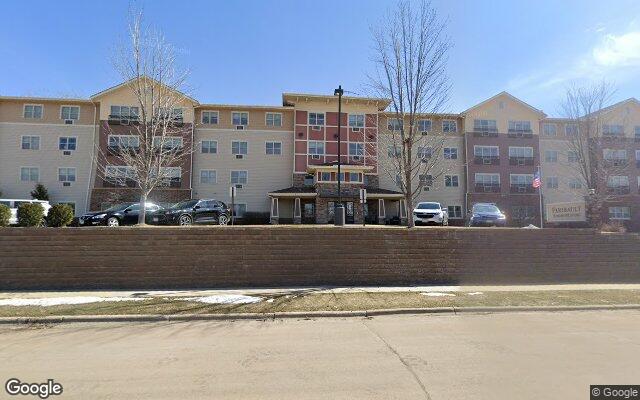
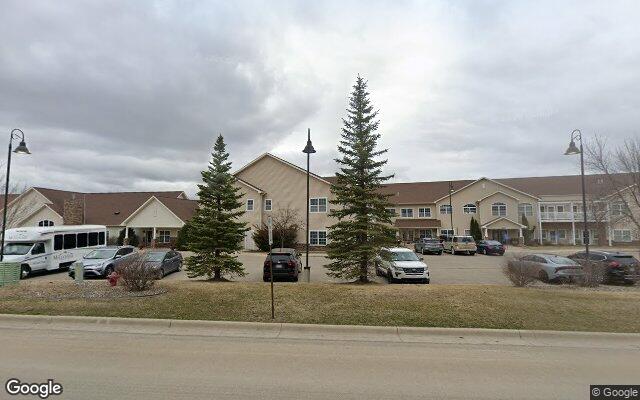
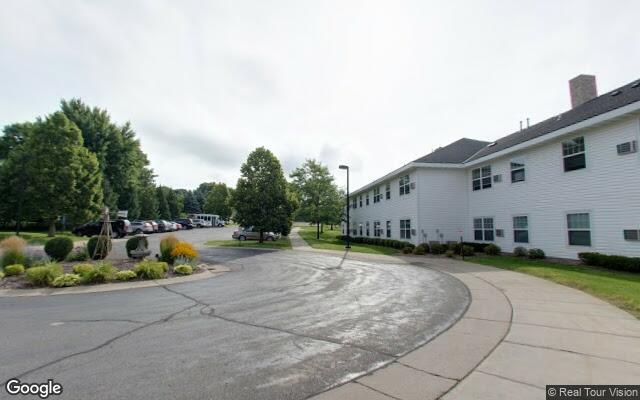
Other facilities in Faribault.
Other memory care facilities near Faribault with similar care offerings.
Facility Watch · Premium
Family reviews
No reviews yet — be the first to share your experience