New Perspective Eagan.
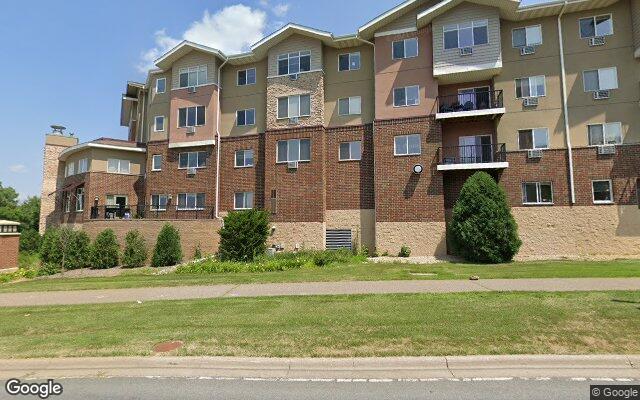
A large home, reviewed on public record.
Compared to 139 Minnesota facilities with a similar number of beds.
ALF memory care · 36-month window. Higher percentile = better performance on inspection record. Source: Minnesota Dept. of Health · Health Regulation Division.
among peers to rank.
Rankings based on 36-month MDH inspection data. Severity and frequency: fewer citations = higher percentile. Repeat rate: lower repeat citation share = higher percentile.
Citation history, plotted month by month.
1 deficiency on record. Each bar is a month with a citation.
Finding distribution
1 total · 36 monthsScope × Severity (CMS A–L)
Questions to ask before you visit.
A short pre-tour checklist tailored to New Perspective Eagan's record and state requirements.
Minnesota Department of Health records show 5 inspection reports on file with 0 deficiencies and 0 serious citations — can you walk us through how the community maintains compliance with Minn. Stat. ch. 144G dementia care requirements, and do you have written policies families can review that describe your dementia-specific programming?
Ask the operator on tour. Take notes and compare answers across facilities you visit.
The most recent MDH inspection was conducted on June 22, 2023 — can you share the full inspection report from that visit and explain what areas the surveyors reviewed during their time on-site?
Ask the operator on tour. Take notes and compare answers across facilities you visit.
Four complaints were filed with the Minnesota Department of Health during the inspection period on file — were any of those complaints substantiated, and if so, what corrective action plans did the facility implement in response?
Ask the operator on tour. Take notes and compare answers across facilities you visit.
Every inspection visit, verbatim.
4 inspections in the public record, most recent first. Plain-language summaries open first — click into any row for the full citation text.
2026-08-05Annual Compliance VisitNo findings
2025-02-11Complaint InvestigationNo findings
Plain-language summary
A complaint alleged the facility neglected a resident by failing to provide eating assistance and proper care, resulting in significant weight loss. The Minnesota Department of Health investigated and found the allegation not substantiated—the resident's weight was stable over seven months and there was no evidence of weight loss due to neglect, though the investigation did find inconsistencies in meal tracking and eating assistance and issued licensing orders for non-compliance with the resident's care plan regarding showering, grooming, dressing, and apartment cleaning. Staff interviews and observations confirmed the resident required multiple attempts to encourage eating and assistance with various daily activities, but the preponderance of evidence did not support that neglect occurred.
Read full citation textHide full citation text
Read raw inspector notesClose inspector notes
Finding: Not Substantiated Nature of Investigation: The Minnesota Department of Health investigated an allegation of maltreatment, in accordance with the Minnesota Reporting of Maltreatment of Vulnerable Adults Act, Minn. Stat. 626.557, and to evaluate compliance with applicable licensing standards for the provider type. Initial Investigation Allegation(s): The facility neglected the resident when the facility failed to follow multiple aspects of the resident’s plan of care, including eating assistance, which resulted in the resident losing a significant amount of weight. Investigative Findings and Conclusion: The Minnesota Department of Health determined neglect was not substantiated. The resident’s meal intake was not consistently tracked and the amount of eating assistance provided to the resident varied between staff. However, there was no indication the resident lost weight due to neglect. Additional concerns including lack of staff assistance with showering, grooming, dressing, and apartment cleaning were reviewed. Corresponding licensing orders were issued regarding the facility’s non-compliance. The investigator conducted interviews with facility staff members, including administrative staff, nursing staff, and unlicensed staff. The investigator contacted the case worker, ombudsman, and provider. The investigation included review of resident photos and video, the resident records, facility internal investigation, facility incident reports, staff schedules, and related facility policy and procedures. Also, the investigator observed eating assistance, scheduled unit activity, apartments for appearance of cleanliness, and staff providing care to the resident and other residents. The resident resided in an assisted living memory care unit. The resident’s diagnoses included dementia, depression, and insomnia. The resident’s service plan included assistance with activities, weekly bathing, cues, extensive eating assistance, dressing twice per day, upper denture assistance, monthly weights, and medication. The resident’s assessment indicated the resident had impaired speech and verbal expression, was forgetful, wandered, and could be uncooperative with care. Review of recent monthly facility weights over a seven-month period indicated the resident weighed 173.2 pounds, 171.2 pounds, 173 pounds, 173.6 pounds, 175.4 pounds, 179 pounds, and 178 pounds. During an onsite observation the resident was first observed participating in a unit painting activity. During mealtime, staff were observed guiding the resident back to the dining table three separate times and handed the resident a drink while waiting for his food. The resident waved away the first plate of food, and a staff brought out a cut of sandwich and encouraged the resident to eat. The resident pushed the sandwich away and put up his hands and declined the sandwich. The resident sat at the table and another staff member brought the resident a different type of sandwich and handed the resident a piece of the sandwich, the resident declined to eat it and set the portion down. A third staff member then approached the resident, handed him a portion of the sandwich and asked him to eat. The resident ate the first half of the sandwich and the third staff member returned and sat with the resident. The third staff encouraged the resident to eat and handed food to the resident. The resident finished the sandwich, ate a cookie, and drank a glass of juice. After lunch, the resident stayed in the common area and used colored pencils to color pictures of birds. Observation of the resident’s apartment indicated the resident’s floor and toilet appeared dirty. No foul odors were noted in the apartment. During interview, several unlicensed staff stated the resident needed to be encouraged to eat and at times he would not want to eat meals. When that happened, staff would attempt to provide the resident other options to eat. The unlicensed staff stated there were times staff were able to encourage the resident to eat or get dressed, but at other times encouragement did not work. During interview, a leadership member stated it often took five to seven attempts to get the resident to sit and eat a meal. The leadership member stated the resident was difficult to redirect at times, and the resident was very active and protective of his space which could be intimidating to staff. The leadership member stated meetings and educations sessions were held with staff to implement better ways to redirect and assist the resident. During interview, a provider stated in the prior four months the resident was seen twice by the provider. The provider stated concerns were reported about the resident’s lack of variety and amount of food the resident received. However, the resident’s weights were stable and there were no specific nutritional concerns the provider was aware of. During interview, the resident’s family members stated the resident’s clothing was becoming too large for him. Family also stated the facility staff did not ensure the residents cares were completed so family had to assist the resident with cares which included feeding, showering, grooming, dressing, and apartment cleaning. In conclusion, the Minnesota Department of Health determined neglect was not substantiated. “Not Substantiated” means: An investigatory conclusion indicating the preponderance of evidence shows that an act meeting the definition of maltreatment did not occur. Neglect: Minnesota Statutes, section 626.5572, subdivision 17 “Neglect” means neglect by a caregiver or self-neglect. (a) "Caregiver neglect" means the failure or omission by a caregiver to supply a vulnerable adult with care or services, including but not limited to, food, clothing, shelter, health care, or supervision which is: (1) reasonable and necessary to obtain or maintain the vulnerable adult's physical or mental health or safety, considering the physical and mental capacity or dysfunction of the vulnerable adult; and (2) which is not the result of an accident or therapeutic conduct. Vulnerable Adult interviewed: Yes. Family/Responsible Party interviewed: Yes. Alleged Perpetrator interviewed: Not Applicable. Action taken by facility: Review of care concerns, education of care staff. Action taken by the Minnesota Department of Health: The facility was found to be in noncompliance. To view a copy of the Statement of Deficiencies and/or correction orders, please visit: https://www.health.state.mn.us/facilities/regulation/directory/provcompselect.html If you are viewing this report on the MDH website, please see the attached Statement of Deficiencies. You may also call 651-201-4200 to receive a copy via mail or email. cc: The Office of Ombudsman for Long Term Care The Office of Ombudsman for Mental Health and Developmental Disabilities PRINTED: 02/11/2025 FORM APPROVED STATEMENT OF DEFICIENCIES (X1) PROVIDER/SUPPLIER/CLIA (X2) MULTIPLE CONSTRUCTION (X3) DATE SURVEY AND PLAN OF CORRECTION IDENTIFICATION NUMBER: COMPLETED A. BUILDING: ______________________ C B. WING _____________________________ 23505 12/18/2024 NAME OF PROVIDER OR SUPPLIER STREET ADDRESS, CITY, STATE, ZIP CODE 3810 ALDER LANE NEW PERSPECTIVE - EAGAN EAGAN, MN 55122 SUMMARY STATEMENT OF DEFICIENCIES PROVIDER'S PLAN OF CORRECTION (X4) ID ID (X5) PREFIX (EACH DEFICIENCY MUST BE PRECEDED BY FULL PREFIX (EACH CORRECTIVE ACTION SHOULD BE COMPLETE REGULATORY OR LSC IDENTIFYING INFORMATION) CROSS-REFERENCED TO THE APPROPRIATE DATE TAG TAG DEFICIENCY) 0 000 Initial Comments 0 000 ******ATTENTION****** Minnesota Department of Health is documenting the State Correction Orders ASSISTED LIVING PROVIDER CORRECTION using federal software. Tag numbers have ORDER been assigned to Minnesota State Statutes for Assisted Living Facilities. The In accordance with Minnesota Statutes, section assigned tag number appears in the 144G.08 to 144G.95, these correction orders are far-left column entitled "ID Prefix Tag." The issued pursuant to a complaint investigation. state Statute number and the corresponding text of the state Statute out Determination of whether a violation is corrected of compliance is listed in the "Summary requires compliance with all requirements Statement of Deficiencies" column. This provided at the statute number indicated below. column also includes the findings which When a Minnesota Statute contains several are in violation of the state requirement items, failure to comply with any of the items will after the statement, "This Minnesota be considered lack of compliance. requirement is not met as evidenced by." Following the evaluators' findings is the INITIAL COMMENTS: Time Period for Correction. #HL235051146C/#HL235056706M PLEASE DISREGARD THE HEADING OF THE FOURTH COLUMN WHICH On December 18, 2024, the Minnesota STATES,"PROVIDER'S PLAN OF Department of Health conducted a complaint CORRECTION." THIS APPLIES TO investigation at the above provider, and the FEDERAL DEFICIENCIES ONLY. THIS following correction orders are issued. At the time WILL APPEAR ON EACH PAGE. of the complaint investigation, there were 134 residents receiving services under the provider's THERE IS NO REQUIREMENT TO Assisted Living with Dementia Care license. SUBMIT A PLAN OF CORRECTION FOR VIOLATIONS OF MINNESOTA STATE The following correction orders are issued for STATUTES.
2024-04-04Complaint InvestigationSubstantiated Finding · 1 finding
Plain-language summary
A complaint investigation found that the facility neglected a resident by failing to check on him or enter his apartment for three days, during which he fell and lay on the floor, sustaining a closed head injury, muscle damage, skin infection, and various wounds that required seven days of hospitalization. Staff documented completing required daily room refreshes, bedrail checks, and other services without actually seeing the resident or entering his apartment, and the facility failed to ensure staff understood the resident's individualized care plan and what actions were needed to carry out those services. The resident was discharged to a transitional care center to recover from his injuries.
Read full citation text (1)Hide full citation text
“MDH substantiated maltreatment or licensing violation finding”
Read raw inspector notesClose inspector notes
Finding: Substantiated, facility responsibility Nature of Investigation: The Minnesota Department of Health investigated an allegation of maltreatment, in accordance with the Minnesota Reporting of Maltreatment of Vulnerable Adults Act, Minn. Stat. 626.557, and to evaluate compliance with applicable licensing standards for the provider type. Initial Investigation Allegation(s): The facility neglected the resident when staff failed to check on the resident or enter his apartment for multiple days. The resident was found on the floor and taken to the hospital. Investigative Findings and Conclusion: The Minnesota Department of Health determined neglect was substantiated. The facility was responsible for the maltreatment. The facility failed to ensure staff were directed on the residents individualized plan of care. Staff failed to check on the resident or enter his apartment for three days. The resident was found lying on the floor in his apartment. The resident was transferred to the hospital and diagnosed with traumatic rhabdomyolysis (a serious condition resulting from the death of muscle fibers releasing their contents into the blood stream after a traumatic event), closed head injury, facial skin infection, right arm weakness, head and right elbow wounds, and multiple scrapes. The resident’s medical record indicated the resident resided in an assisted living facility with diagnoses including a mental disorder that caused the resident to isolate and at times self-barricade in his apartment, weakness that required the resident to use a cane or walker when walking, eye disease that affected the resident’s central vision causing lack of ability to see things directly in front of him, and foot numbness. The facility internal investigation indicated a physical therapist found the resident on the floor of his bedroom in the early afternoon. Staff could not enter the resident’s bedroom because his body was blocking access. The resident indicated a toolbox fell on his head and he was on the floor for a few days. The resident had a cut to the back of his head, was incontinent, and had bruises to his right knee, elbow, and toes. The facility contacted emergency services and the resident was taken to the hospital. A staff member recalled interacting with the resident approximately three days prior to him being found on the floor. Staff assigned to the resident during the three days in question indicated they had not seen the resident or gone into the resident’s apartment, but had documented cares as completed. Hospital documentation indicated the resident was admitted to the hospital for seven days and treated for traumatic rhabdomyolysis, closed head injury, facial skin infection, right arm weakness, head and right elbow wounds, and multiple scrapes. The resident discharged to a transitional are center to improve weakness. The resident’s service plan consisted of individualized services with a description of the service and an assigned frequency for each service. The service plan included assistance with weekly skin checks and daily room refreshes and bedrail checks. Three times daily falls management services instructing staff, “Resident is at risk for falls. Encourage resident to wear properly fitting foot ware or non-slip socks, keep walkways within the apartment free of clutter, participate in community exercise activities to support physical endurance and strength, keep call pendant, if in use, within reach, place pull cord, if available, within reach when in their bedroom; and drink fluids in-between meals and at mealtime.” Three times daily risk for self-harm services instructing staff, “Notify nurse of signs of self-harm or self-neglect.” Four to six times daily cueing services that did not describe needed interventions. Once weekly skin checks instructing staff, “Promptly report to a nurse any observed skin issues or changes in skin condition.” Individual abuse prevention plan documentation indicated the resident was at risk of harm to self, had visual and hearing deficits, and was unable to ambulate safely with or without a device and was at risk for falls. The document indicated, “caregivers are trained to follow the care plan and ensure that resident is safe went [when] ambulating.” The document indicated “resident requires assistant to maintain safe and clean environments. Caregivers perform room refresh daily and resident receives housekeeping services from the facility.” In written communication, a leadership member indicated services of “cues/prompts” would typically contain verbiage regarding the resident’s cueing needs and this was not present on the resident’s service during the time in question. During separate interviews, two leadership members and two nurses had differing responses concerning actions unlicensed personnel needed to take to document the resident’s services as completed. During separate interviews, three unlicensed staff stated services of bedrail checks and room refreshes required staff to enter the resident’s apartment. Services of cues, falls management, risk of self-harm, and skin checks required staff to see the resident. The unlicensed personnel stated they were assigned to the resident during the time in question and documented providing services to the resident, however, they did not see the resident or enter his apartment. During interview, a leadership staff stated the resident’s fall incident brought to light issues that caregivers did not have a good understanding of the services a resident needed and how to complete those services. The leader also stated the resident had a history of barricading himself in his apartment and needed staff cues, which create a financial charge to the resident, as a reminder to not dig through the garbage for items that could be used to block doorways. During interview a family member stated the resident had very high social anxiety and did not like people in his apartment and had a history of barricading himself in his apartment with boards and a toolbox. The family member stated the resident’s tendency to self-isolate created further risk and detriment to himself. In conclusion, the Minnesota Department of Health determined neglect was substantiated. Substantiated: Minnesota Statutes, section 626.5572, Subdivision 19. “Substantiated” means a preponderance of evidence shows that an act that meets the definition of maltreatment occurred. Neglect: Minnesota Statutes, section 626.5572, subdivision 17 “Neglect” means neglect by a caregiver or self-neglect. (a) "Caregiver neglect" means the failure or omission by a caregiver to supply a vulnerable adult with care or services, including but not limited to, food, clothing, shelter, health care, or supervision which is: (1) reasonable and necessary to obtain or maintain the vulnerable adult's physical or mental health or safety, considering the physical and mental capacity or dysfunction of the vulnerable adult; and (2) which is not the result of an accident or therapeutic conduct. Vulnerable Adult interviewed: Yes. Family interviewed: Yes. Alleged Perpetrators interviewed: Yes. Action taken by facility: Facility conducted an internal investigation, conducted service education with care staff, and coached staff that had erroneously documented completing services. Action taken by the Minnesota Department of Health: The responsible party will be notified of their right to appeal the maltreatment finding. The facility was found to be in noncompliance. To view a copy of the Statement of Deficiencies and/or correction orders, please visit: https://www.health.state.mn.us/facilities/regulation/directory/provcompselect.html If you are viewing this report on the MDH website, please see the attached Statement of Deficiencies. You may also call 651-201-4200 to receive a copy via mail or email cc: The Office of Ombudsman for Long Term Care The Office of Ombudsman for Mental Health and Developmental Disabilities Dakota County Attorney Eagan City Attorney Eagan Police Department PRINTED: 04/08/2024 FORM APPROVED STATEMENT OF DEFICIENCIES (X1) PROVIDER/SUPPLIER/CLIA (X2) MULTIPLE CONSTRUCTION (X3) DATE SURVEY AND PLAN OF CORRECTION IDENTIFICATION NUMBER: COMPLETED A. BUILDING: ______________________ C B. WING _____________________________ 23505 03/06/2024 NAME OF PROVIDER OR SUPPLIER STREET ADDRESS, CITY, STATE, ZIP CODE 3810 ALDER LANE NEW PERSPECTIVE - EAGAN EAGAN, MN 55122 SUMMARY STATEMENT OF DEFICIENCIES PROVIDER'S PLAN OF CORRECTION (X4) ID ID (X5) PREFIX (EACH DEFICIENCY MUST BE PRECEDED BY FULL PREFIX (EACH CORRECTIVE ACTION SHOULD BE COMPLETE REGULATORY OR LSC IDENTIFYING INFORMATION) CROSS-REFERENCED TO THE APPROPRIATE DATE TAG TAG DEFICIENCY) 0 000 Initial Comments 0 000 ******ATTENTION****** ASSISTED LIVING PROVIDER CORRECTION ORDER In accordance with Minnesota Statutes, section 144G.08 to 144G.95, these correction orders are issued pursuant to a complaint investigation. Determination of whether a violation is corrected requires compliance with all requirements provided at the statute number indicated below. When a Minnesota Statute contains several items, failure to comply with any of the items will be considered lack of compliance. INITIAL COMMENTS: #HL235058542C/#HL235051140M On March 6, 2024, the Minnesota Department of Health conducted a complaint investigation at the above provider, and the following correction orders are issued.
2023-12-04Complaint InvestigationNo findings
Plain-language summary
A complaint was investigated after a resident with Parkinson's disease and known high fall risk fell from his wheelchair while being assisted by staff and sustained a neck fracture; the resident reported his foot caught on the wheelchair wheel and the wheelchair flipped. The investigation found conflicting accounts of whether foot pedals were on the wheelchair at the time—staff who responded immediately could not recall, a nurse later noted pedals were absent, but the staff member involved and a family member stated pedals were typically in place—resulting in a finding that neglect could not be conclusively determined. The facility re-educated staff on proper wheelchair foot pedal use and no further action was taken by the Department of Health.
Read full citation textHide full citation text
Read raw inspector notesClose inspector notes
Finding: Inconclusive Nature of Investigation: The Minnesota Department of Health investigated an allegation of maltreatment, in accordance with the Minnesota Reporting of Maltreatment of Vulnerable Adults Act, Minn. Stat. 626.557, and to evaluate compliance with applicable licensing standards for the provider type. Initial Investigation Allegation(s): The alleged perpetrator (AP) neglected a resident when the AP failed to place foot pedals on the resident’s wheelchair before pushing the resident’s wheelchair. The resident sustained a neck fracture when his foot caught under the wheelchair, and he fell. Investigative Findings and Conclusion: The Minnesota Department of Health determined neglect was inconclusive. There was inconsistent information as to if the resident’s foot pedals were in place on the wheelchair at the time of the incident. The investigator conducted interviews with facility staff members, including administrative staff, nursing staff, and unlicensed staff. The investigation included review of medical records, employee files, and policy and procedure. Also, the investigator observed staff providing assistance to residents in wheelchairs. An equal opportunity employer. The resident resided in an assisted living memory care unit. The resident’s diagnoses included Parkinson’s disease (a condition affecting the brain, nerves, and body parts controlled by nerves that causes issues with movement, balance, and coordination) and a history of bone fractures. The resident’s care plan included assistance with mobility and transfers. and the resident used an assistive device for mobility. The resident’s assessment indicated the resident required an assist of one person for transfers and used a wheelchair. Progress notes approximately two weeks before the fall indicated the resident was a high fall risk and used a wheelchair with assistance of one person. Progress notes from the day of the fall indicated the resident was lying on the floor, bleeding from the nose with visible injuries to his face and reported pain when the nurse arrived at the incident. The resident reported he fell because his foot hit the wheelchair wheel while he was being pushed and the wheelchair flipped. The nurse contacted emergency services and the resident went to the hospital. Progress notes also indicated the hospital updated the facility later the same day and reported the resident had a neck fracture. During interviews, three unlicensed staff members who assisted the resident directly after the incident could not recall if the resident’s foot pedals were on his wheelchair. During interview, a nurse stated staff members called her to come assist after the resident fell from his wheelchair. The nurse stated after reviewing the scene she noted foot pedals were not on the resident’s wheelchair. During an interview, the AP stated she received training foot pedals should always be in place when assisting residents in wheelchairs. The AP stated she always made sure foot pedals were in place before assisting a resident in a wheelchair but did not recall if the resident had foot pedals on his wheelchair at the time of the incident. The AP stated the resident was in the common area when she went to assist him to wheel him to the dining room for lunch. When the AP began moving the resident’s wheelchair, the resident toppled out of the wheelchair. The AP stated she did not know why the resident fell. Review of the AP’s file indicated she completed education regarding wheelchair use and residents. During interview a family member stated the resident usually had foot pedals on his wheelchair and that the resident needed assistance positioning his feet on the pedals. In conclusion, the Minnesota Department of Health determined neglect was inconclusive. Inconclusive: Minnesota Statutes, section 626.5572, Subdivision 11. "Inconclusive" means there is less than a preponderance of evidence to show that maltreatment did or did not occur. Neglect: Minnesota Statutes, section 626.5572, subdivision 17 “Neglect” means neglect by a caregiver or self-neglect. (a) "Caregiver neglect" means the failure or omission by a caregiver to supply a vulnerable adult with care or services, including but not limited to, food, clothing, shelter, health care, or supervision which is: (1) reasonable and necessary to obtain or maintain the vulnerable adult's physical or mental health or safety, considering the physical and mental capacity or dysfunction of the vulnerable adult; and (2) which is not the result of an accident or therapeutic conduct. Vulnerable Adult interviewed: No, unable due to cognition. Family/Responsible Party interviewed: Yes. Alleged Perpetrator interviewed: Yes. Action taken by facility: Care staff re-educated regarding the use of foot pedals when assisting residents in wheelchairs. Action taken by the Minnesota Department of Health: No further action taken at this time. cc: The Office of Ombudsman for Long Term Care The Office of Ombudsman for Mental Health and Developmental Disabilities PRINTED: 12/06/2023 FORM APPROVED STATEMENT OF DEFICIENCIES (X1) PROVIDER/SUPPLIER/CLIA (X2) MULTIPLE CONSTRUCTION (X3) DATE SURVEY AND PLAN OF CORRECTION IDENTIFICATION NUMBER: COMPLETED A. BUILDING: ______________________ C B. WING _____________________________ 23505 10/30/2023 NAME OF PROVIDER OR SUPPLIER STREET ADDRESS, CITY, STATE, ZIP CODE 3810 ALDER LANE NEW PERSPECTIVE - EAGAN EAGAN, MN 55122 SUMMARY STATEMENT OF DEFICIENCIES PROVIDER'S PLAN OF CORRECTION (X4) ID ID (X5) PREFIX (EACH DEFICIENCY MUST BE PRECEDED BY FULL PREFIX (EACH CORRECTIVE ACTION SHOULD BE COMPLETE REGULATORY OR LSC IDENTIFYING INFORMATION) CROSS-REFERENCED TO THE APPROPRIATE DATE TAG TAG DEFICIENCY) 0 000 Initial Comments 0 000 On October 30, 2023, the Minnesota Department of Health initiated an investigation of complaint #HL235052066C/#HL235056344M. No correction orders are issued. LABORATORY DIRECTOR'S OR PROVIDER/SUPPLIER REPRESENTATIVE'S SIGNATURE TITLE (X6) DATE STATE FORM 6899 R2DB11 If continuation sheet 1 of 1
2 older inspections from 2023 are not shown above.
Get the complete record, translated into plain language — emailed to you.
Other facilities in Dakota County.
Other memory care facilities in Dakota County with similar care offerings.
Contract Decoder
Family reviews
No reviews yet — be the first to share your experience
Other memory care options nearby.
More options in neighboring cities
Licensed memory care in other cities within this county region — useful when your search radius crosses city limits.