Diamond Willow Assisted Living.
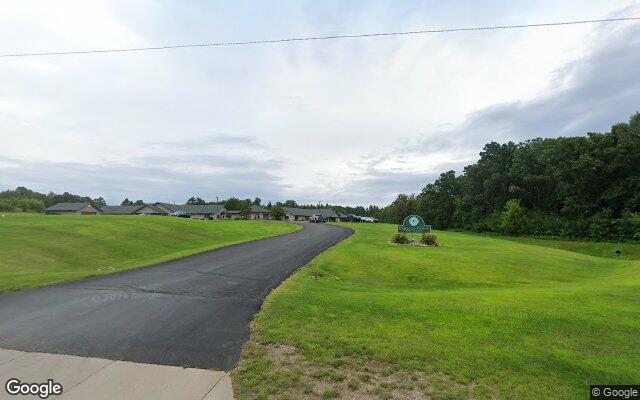
A medium home, reviewed on public record.
Compared to 187 Minnesota facilities with a similar number of beds.
ALF memory care · 36-month window. Higher percentile = better performance on inspection record. Source: Minnesota Dept. of Health · Health Regulation Division.
Rankings based on 36-month MDH inspection data. Severity and frequency: fewer citations = higher percentile. Repeat rate: lower repeat citation share = higher percentile.
Citation history, plotted month by month.
3 deficiencies on record. Each bar is a month with a citation.
Finding distribution
3 total · 36 monthsScope × Severity (CMS A–L)
Every inspection visit, verbatim.
4 inspections in the public record, most recent first. Plain-language summaries open first — click into any row for the full citation text.
2025-12-10Annual Compliance VisitNo findings
Plain-language summary
A standard licensing survey was conducted at Diamond Willow Assisted Living on December 8–10, 2025, and state correction orders were issued for violations of Minnesota statutes; no immediate fines were assessed. The facility must document within the required timeframe how it corrected the areas of noncompliance for the affected residents and implemented system changes to prevent future violations. The facility may request reconsideration of the correction orders in writing within 15 calendar days of receiving the orders.
Read full citation textHide full citation text
Read raw inspector notesClose inspector notes
correction orders and document the actions taken to comply in the facility's records. The Department reserves the right to return to the facility at any time should the Department receive a complaint or deem it necessary to ensure the health, safety, and welfare of residents in your care. STATE CORRECTIO NORDERS The enclosed State Form documents the state correction orders. MDH documents state licensing correction orders using federal software. Tag numbers are assigned to Minnesota state statutes for Assisted Living Facilities. The assigned tag number appears in the far left column entitled "ID Prefix Tag." The state statute number and the corresponding text of the state statute out of compliance are listed in the "Summary Statement of Deficiencies" column. This column also includes the findings that are in violation of the state statute after the statement, "This MN Requirement is not met as evidenced by . . ." In accordance with Minn. Stat. § 144G.31 Subd. 4, MDH may assess fines based on the level and scope of t he violati ons ; however, no immediate fines are assessed for this survey of your facility. DOCUMENTATIO ONF ACTION TO COMPLY In accorda nce with Min n. Stat. § 144G.30, Sub d. 5(c), th e lic ens ee mus t docum ent ac tions taken t o comply with the correction orders within the time period outlined on the state form; however, plans of correction are not required to be submitted for approval. The correction order documentation should include the following: An equal opportunity employer. Letter ID: IS7N REVISE D09/13/2021 Diamond Willow Assisted Living December 29, 2025 Page 2 Identify how the area( s) of noncompliance was corrected related to the · resident( s)/ employee( s) identified in the correction order. Identify how the area( s) of noncompliance was corrected for all of the provider’s · resident( s)/ employees that may be affected by the noncompliance. Identify what changes to your systems and practices were made to ensure compliance with · the specific statute( s). CORRECTIO NORDER RECONSIDERATIO PNROCESS In accordance with Minn. Stat. § 144G.32, Subd. 2, you may challenge the correction order( s) issued, including the level and scope, and any fine assessed through the correction order reconsideration process. The request for reconsideration must be in writing and received by MDH within 15 calendar days of the correction order receipt date. To submit a reconsideration request, please visit: https: / / forms. web. health. state. mn.us/ form/ HRDAppealsForm The MDH Health Regulation Division (HRD )values your feedback about your experience during the survey and/ or investigation process. Please fill out this anonymous provider feedback questionnaire at your conv enien ce at thi s link: https: / / forms. office.com/ g/ Bm5uQEpHVa. Your inpu t is import ant to us and will enable MDH to improve its processes and communication with providers. If you have any questions regarding the questionnaire, please contact Susan Winkelmann at susan. winkelmann@state. mn.us or call 651-201-5952. You are encouraged to retain this document for your records. It is your responsibility to share the information contained in the letter and state form with your organization’s Governing Body. If you have any questions, please contact me. Sincerely, Jessie Chenze, Supervisor State Evaluation Team Email: Jessie.Chenze@state. mn.us Telephone: 218-332-5175 Fax: 1-866-890-9290 CLN PRINTED: 12/ 29/ 2025 FORM APPROVED STATEMENT OF DEFICIENCIES (X1) PROVIDER/ SUPPLIER/ CLIA (X2) MULTIPLE CONSTRUCTION (X3) DATE SURVEY AND PLAN OF CORRECTION IDENTIFICATION NUMBER: COMPLETED A. BUILDING: ______________________ B. WING _____________________________ 25380 12/ 10/ 2025 NAME OF PROVIDER OR SUPPLIER STREET ADDRESS, CITY, STATE, ZIP CODE 1558 RANDOLPH ROAD DIAMOND WILLOW ASSISTED LIVING DETROIT LAKES, MN 56501 SUMMARY STATEMENT OF DEFICIENCIES PROVIDER' S PLAN OF CORRECTION (X4) ID ID (X5) PREFIX (EACH DEFICIENCY MUST BE PRECEDED BY FULL PREFIX (EACH CORRECTIVE ACTION SHOULD BE COMPLETE REGULATORY OR LSC IDENTIFYING INFORMATION) CROSS- REFERENCED TO THE APPROPRIATE DATE TAG TAG DEFICIENCY) 0 000 Initial Comments 0 000 *****ATTENTION***** Minnesota Department of Health is documenting the State Correction Orders ASSISTED LIVING PROVIDER LICENSING using federal software. Tag numbers have CORRECTION ORDER( S) been assigned to Minnesota State Statutes for Assisted Living Facilities. The In accordance with Minnesota Statutes, section assigned tag number appears in the 144G. 08 to 144G. 95, these correction orders are far-left column entitled "ID Prefix Tag. " The issued pursuant to a survey. state Statute number and the corresponding text of the state Statute out Determination of whether violations are corrected of compliance is listed in the "Summary requires compliance with all requirements Statement of Deficiencies" column. This provided at the Statute number indicated below. column also includes the findings which When Minnesota Statute contains several items, are in violation of the state requirement failure to comply with any of the items will be after the statement, "This Minnesota considered lack of compliance. requirement is not met as evidenced by." Following the evaluators ' findings is the INITIAL COMMENTS: Time Period for Correction. SL25380016- 0 PLEASE DISREGARD THE HEADING OF THE FOURTH COLUMN WHICH On December 8, 2025, through December 10, STATES, "PROVIDER' S PLAN OF 2025, the Minnesota Department of Health CORRECTION. " THIS APPLIES TO conducted a full survey at the above provider and FEDERAL DEFICIENCIES ONLY. THIS the following correction orders are issued. At the WILL APPEAR ON EACH PAGE. time of the survey, there were 22 residents; 22 receiving services under the Assisted Living THERE IS NO REQUIREMENT TO Facility with Dementia Care license. SUBMIT A PLAN OF CORRECTION FOR VIOLATIONS OF MINNESOTA STATE STATUTES. THE LETTER IN THE LEFT COLUMN IS USED FOR TRACKING PURPOSES AND REFLECTS THE SCOPE AND LEVEL ISSUED PURSUANT TO 144G. 31 SUBDIVISION 1-3. 0 480 144G. 41 Subdivision 1 Subd. 1a (a-b) Minimum 0 480 SS= F requirements; required food services LABORATORY DIRECTOR' S OR PROVIDER/ SUPPLIER REPRESENTATIVE' S SIGNATURE TITLE (X6) DATE STATE FORM 6899 KR0311 If continuation sheet 1 of 38 PRINTED: 12/ 29/ 2025 FORM APPROVED STATEMENT OF DEFICIENCIES (X1) PROVIDER/ SUPPLIER/ CLIA (X2) MULTIPLE CONSTRUCTION (X3) DATE SURVEY AND PLAN OF CORRECTION IDENTIFICATION NUMBER: COMPLETED A. BUILDING: ______________________ B. WING _____________________________ 25380 12/ 10/ 2025 NAME OF PROVIDER OR SUPPLIER STREET ADDRESS, CITY, STATE, ZIP CODE 1558 RANDOLPH ROAD DIAMOND WILLOW ASSISTED LIVING DETROIT LAKES, MN 56501 SUMMARY STATEMENT OF DEFICIENCIES PROVIDER' S PLAN OF CORRECTION (X4) ID ID (X5) PREFIX (EACH DEFICIENCY MUST BE PRECEDED BY FULL PREFIX (EACH CORRECTIVE ACTION SHOULD BE COMPLETE REGULATORY OR LSC IDENTIFYING INFORMATION) CROSS- REFERENCED TO THE APPROPRIATE DATE TAG TAG DEFICIENCY) 0 480 Continued From page 1 0 480 (a) Except as provided in paragraph (b), food must be prepared and served according to the Minnesota Food Code, Minnesota Rules, chapter 4626. (b) For an assisted living facility with a licensed capacity of ten or fewer residents: (1) notwithstanding Minnesota Rules, part 4626. 0033, item A, the facility may share a certified food protection manager (CFPM) with one other facility located within a 60- mile radius and under common management provided the CFPM is present at each facility frequently enough to effectively administer, manage, and supervise each facility's food service operation; (2) notwithstanding Minnesota Rules, part 4626. 0545, item A, kick plates that are not removable or cannot be rotated open are allowed unless the facility has been issued repeated correction orders for violations of Minnesota Rules, part 4626. 1565 or 4626. 1570; (3) notwithstanding Minnesota Rules, part 4626. 0685, item A, the facility is not required to provide integral drainboards, utensil racks, or tables large enough to accommodate soiled and clean items that may accumulate during hours of operation provided soiled items do not contaminate clean items, surfaces, or food, and clean equipment and dishes are air dried in a manner that prevents contamination before storage; (4) notwithstanding Minnesota Rules, part 4626. 1070, item A, the facility is not required to install a dedicated handwashing sink in its existing kitchen provided it designates one well of a two-compartment sink for use only as a handwashing sink; (5) notwithstanding Minnesota Rules, parts 4626. 1325, 4626. 1335, and 4626. 1360, item A, existing floor, wall, and ceiling finishes are STATE FORM 6899 KR0311 If continuation sheet 2 of 38 PRINTED: 12/ 29/ 2025 FORM APPROVED STATEMENT OF DEFICIENCIES (X1) PROVIDER/ SUPPLIER/ CLIA (X2) MULTIPLE CONSTRUCTION (X3) DATE SURVEY AND PLAN OF CORRECTION IDENTIFICATION NUMBER: COMPLETED A. BUILDING: ______________________ B.
2025-01-14Complaint InvestigationSubstantiated Finding · 1 finding
Plain-language summary
A complaint investigation substantiated that facility staff neglected a resident by failing to reassess the resident's ability to safely transfer after the resident's condition changed—including increased lethargy and shallow breathing from new pain medications—and by continuing to use a standing lift instead of a safer mechanical lift, which resulted in the resident falling from the lift and being hospitalized. Licensed staff had not updated the care plan despite the resident's declining strength and staff reports that the resident could not hold on to the standing lift. The facility was held responsible for the maltreatment.
Read full citation text (1)Hide full citation text
“MDH substantiated maltreatment or licensing violation finding”
Read raw inspector notesClose inspector notes
Finding: Substantiated, facility responsibility Nature of Investigation: The Minnesota Department of Health investigated an allegation of maltreatment, in accordance with the Minnesota Reporting of Maltreatment of Vulnerable Adults Act, Minn. Stat. 626.557, and to evaluate compliance with applicable licensing standards for the provider type. Initial Investigation Allegation(s): The alleged perpetrator (AP), facility staff, neglected the resident when the AP did not follow the resident’s plan of care, falsely documented services were completed, and the resident fell from a mechanical lift. Investigative Findings and Conclusion: The Minnesota Department of Health determined neglect was substantiated. The facility was responsible for the maltreatment. Facility licensed staff failed to accurately assess and care plan in order to provide the resident with appropriate transfer assistance following the resident’s change in condition. As a result, the resident fell from a standing lift. The investigator conducted interviews with facility staff members, including administrative staff, nursing staff, and unlicensed staff. The investigator contacted a hospice agency and a family member. The investigation included review of the resident record, death record, hospital records, pharmacy records, facility incident reports, personnel files, staff schedules, and related facility policy and procedures. Also, the investigator observed facility staff provide cares and transfer a resident. The resident resided in an assisted living memory care unit. The resident’s diagnoses included dementia. The resident’s service plan included assistance with medication administration and activities of daily living (ADL’s). The resident’s assessment indicated the resident was disoriented daily, had a lumbar (low back) fracture, was a full code (CPR), was dependent on staff for wheelchair mobility, and oxygen assistance. The resident’s record indicated the resident was hospitalized for pain from a compression fracture (break in the bones of the back causing a collapse) and returned to the facility. Discharge instructions from the first hospitalization included a specialized orthopedic back brace, several new pain medications, supplemental oxygen, and two staff for all transfers. The resident’s record indicated the resident had received the new pain medications for three days when licensed staff observed the resident with increased lethargy, shallow breathing, and leaning to one side. The resident’s record indicated licensed staff had not reassessed the resident’s ability to safely transfer and interventions were not implemented with the change in the resident’s condition. The resident’s plan of care for transfers had not changed from a standing lift (utilizes hydraulic arms and a sling requiring participation from the resident to stand and hold on) and three days after the observation by licensed staff the resident fell from the lift. The resident was hospitalized for two days. Hospital records indicated the resident was seen at the emergency room after falling from the standing lift. An emergency room physician diagnosed the resident with acute hypoxic (inadequate supply of oxygen) respiratory failure due to sedation, somnolence (excessive sleepiness), and possible restriction to breathing caused by the resident’s back brace. The physician immediately discontinued the resident’s new pain medications that caused the heavy sedation. The resident was hospitalized for two nights and discharged back to the facility with hospice orders. Hospice records indicated the resident was admitted after a hospitalization from a fall from a standing lift. Hospice records indicated the resident experienced pain, decreased activity, increased confusion, and lethargy likely from sedating medications. Physical therapy and occupational therapy attempted to evaluate the resident; however, the resident was unable to stay alert long enough to complete therapy. Hospice records indicated the resident fell from the mechanical standing lift because the resident was unable to hang on. During an interview, unlicensed staff stated she and a second unlicensed staff had started to transfer the resident with a standing lift when the resident was not able to hang on and fell. Unlicensed staff stated the resident’s ability to assist staff with using the standing lift had declined and the standing lift “didn’t seem like the proper transfer equipment”. During an interview, the AP stated she and a second unlicensed staff had started to transfer the resident in the standing lift when the resident could not hold on and fell from the lift. The AP stated transfer concerns had been reported to two licensed staff several times and the AP was unsure if anything had been done about the reports. The AP stated she was uncomfortable with the directives given by licensed staff for the transfers and the transfers were difficult with two unlicensed staff. During an interview, licensed staff stated the resident had many changes and two hospitalizations a couple weeks apart. Licensed staff stated the resident had several pain medications added after the first hospitalization. Licensed staff stated the second hospitalization occurred when the resident fell out of a standing lift. Licensed staff stated unlicensed staff had reported the resident had increased weakness and difficulty hanging on to the standing lift, however, it was the facility policy that each resident provide their own Hoyer lift (mechanical lift utilizes a body sling for transfers). Licensed staff stated she observed the resident’s lethargy, leaning to one side and shallow breathing, however, had not changed transfer directives to a Hoyer lift because therapy had not made a recommendation for a Hoyer lift. Licensed staff stated she left for vacation two days prior to the fall and was unable to observe every transfer. Licensed staff stated a second licensed staff shared the responsibility of overseeing transfers and updating care plans. During an interview, a family member stated licensed staff had voiced concerns to the family about the facility’s ability to continue providing care for the resident because the facility did not have the proper equipment to meet the resident’s needs. A family member stated unlicensed staff told the family they were uncomfortable transferring the resident with the standing lift the day the resident fell because the resident had almost slipped out of the standing lift earlier that day. In conclusion, the Minnesota Department of Health determined neglect was substantiated. Substantiated: Minnesota Statutes, section 626.5572, Subdivision 19. “Substantiated” means a preponderance of evidence shows that an act that meets the definition of maltreatment occurred. Neglect: Minnesota Statutes, section 626.5572, subdivision 17 “Neglect” means neglect by a caregiver or self-neglect. (a) "Caregiver neglect" means the failure or omission by a caregiver to supply a vulnerable adult with care or services, including but not limited to, food, clothing, shelter, health care, or supervision which is: (1) reasonable and necessary to obtain or maintain the vulnerable adult's physical or mental health or safety, considering the physical and mental capacity or dysfunction of the vulnerable adult; and (2) which is not the result of an accident or therapeutic conduct. Vulnerable Adult interviewed: Deceased Family/Responsible Party interviewed: Yes. Alleged Perpetrator interviewed: Yes the Action taken by facility: The facility collaborated with an outside agency to provide services for the resident. Action taken by the Minnesota Department of Health: The facility was found to be in noncompliance. To view a copy of the Statement of Deficiencies and/or correction orders, please visit: https://www.health.state.mn.us/facilities/regulation/directory/provcompselect.html If you are viewing this report on the MDH website, please see the attached Statement of Deficiencies. You may also call 651-201-4200 to receive a copy via mail or email. The responsible party will be notified of their right to appeal the maltreatment finding. If the maltreatment is substantiated against an identified employee, this report will be submitted to the nurse aide registry for possible inclusion of the finding on the abuse registry and/or to the Minnesota Department of Human Services for possible disqualification in accordance with the provisions of the background study requirements under Minnesota 245C. cc: The Office of Ombudsman for Long Term Care The Office of Ombudsman for Mental Health and Developmental Disabilities Becker County Attorney Detroit Lakes City Attorney Detroit Lakes Police Department PRINTED: 01/14/2025 FORM APPROVED STATEMENT OF DEFICIENCIES (X1) PROVIDER/SUPPLIER/CLIA (X2) MULTIPLE CONSTRUCTION (X3) DATE SURVEY AND PLAN OF CORRECTION IDENTIFICATION NUMBER: COMPLETED A. BUILDING: ______________________ C B. WING _____________________________ 25380 12/17/2024 NAME OF PROVIDER OR SUPPLIER STREET ADDRESS, CITY, STATE, ZIP CODE 1558 RANDOLPH ROAD DIAMOND WILLOW ASSISTED LIVING DETROIT LAKES, MN 56501 SUMMARY STATEMENT OF DEFICIENCIES PROVIDER'S PLAN OF CORRECTION (X4) ID ID (X5) PREFIX (EACH DEFICIENCY MUST BE PRECEDED BY FULL PREFIX (EACH CORRECTIVE ACTION SHOULD BE COMPLETE REGULATORY OR LSC IDENTIFYING INFORMATION) CROSS-REFERENCED TO THE APPROPRIATE DATE TAG TAG DEFICIENCY) 0 000 Initial Comments 0 000 ASSISTED LIVING LICENSING CORRECTION Minnesota Department of Health is ORDER(S) documenting the State Correction Orders using federal software.
2024-08-02Complaint InvestigationSubstantiated Finding · 1 finding
Plain-language summary
A complaint investigation found that the facility substantiated neglect and was responsible for failing to provide consistent toileting and incontinence care, with the resident observed multiple times over several months wearing soiled clothing and saturated incontinence briefs despite the care plan requiring toileting every 2-3 hours. The investigation did not substantiate the abuse allegations regarding chemical restraints or denture insertion, finding that the medications and bed rails used were appropriate for the resident's needs. Staff interviews confirmed the facility had not consistently provided the required toileting and incontinence care as documented in the resident's service plan.
Read full citation text (1)Hide full citation text
“MDH substantiated maltreatment or licensing violation finding”
Read raw inspector notesClose inspector notes
Finding: Substantiated, facility responsibility Not Substantiated Nature of Investigation: The Minnesota Department of Health investigated an allegation of maltreatment, in accordance with the Minnesota Reporting of Maltreatment of Vulnerable Adults Act, Minn. Stat. 626.557, and to evaluate compliance with applicable licensing standards for the provider type. Initial Investigation Allegation(s): The resident was abused when facility staff restrained the resident using chemical restraints, bed railings, and other objects. Then, staff forced dentures into the resident’s mouth causing the resident to cry and be visibly shaken. In addition, the resident was neglected when staff failed to provide the resident assistance with cares and the resident was observed wearing food encrusted clothing and smelling of urine with a saturated brief. Investigative Findings and Conclusion: The Minnesota Department of Health determined neglect was substantiated. The facility was responsible for the neglect. The facility failed to ensure toileting and incontinence care was consistently provided. The resident was observed multiple times over several months in soiled clothing with a saturated incontinence brief. The allegation of abuse was not substantiated. The residents medications, side rails, and body pillow was reviewed and no restraints were identified. The investigator conducted interviews with facility staff members, including administrative staff, nursing staff, and unlicensed staff. The investigator contacted the resident’s family members, and hospice providers. The investigation included review of the resident record(s), facility incident reports, complaints, grievances, personnel files, staff schedules, and related facility policy and procedures. Also, the investigator observed the resident and staff at the facility. The resident resided in an assisted living facility memory care unit with diagnoses including dementia with behavioral disturbance, cognitive deficits, delusional disorder, and hallucinations. The resident’s assessment, service plan, and care plan indicated the resident required full assistance from staff with dressing, grooming, and assistance from 2 staff with transfers, toileting, incontinence care, and repositioning every 2-3 hours and PRN. The resident assessment indicated the resident utilized a hospital bed with half side rails for mobility and repositioning which met FDA guidelines to prevent entrapment. The resident’s individual abuse prevention plan (IAPP) identified the resident was at risk to be abused, and indicated staff were trained to identify and report abuse and neglect. The resident’s medication administration record (MAR) was reviewed and indicated the resident was prescribed lorazepam 0.5 mg every 4 hours PRN. The resident record showed the medication was utilized appropriately 1-2 times a day, 12 out of 30 days, for resistance of cares, aggression with cares, anxiety, restlessness, repeatedly yelling out for help, and indicated the medication was effective. The facility complaints and grievances indicated the resident’s family had reported staff refused to provide toileting when the resident requested to use the bathroom. The report indicated the resident was to be toileted every 2 hours, but staff told the resident that was what his brief was for. The resident’s toileting service recap report from April to June indicated the resident’s every 2-hour toileting service was scheduled only one time each 8-hour shift, and instructed staff to check, change, and reposition the resident every 2 to 3 hours, assist the resident with incontinence cares, and take the resident to the bathroom as he requested. The documentation indicated staff had not consistently provided toileting or incontinence care as indicated in the resident’s service plan/agreement. The report identified the resident was either not provided any toileting or incontinence care, or the service was only provided one time during an 8-hour shift 48 out of 90 shifts in April, 40 out of 93 shifts in May, and 36 out of 90 shifts in June. In addition, multiple staff on numerous occasions documented completing the toileting service at the beginning of their shift, and prior to providing the service. When interviewed a unlicensed personnel (ULP) staff stated she observed the resident in his bed saturated through his brief, soaker, and bedding. The staff stated it appeared the resident had not received cares for some time. The staff stated recently the facility had implemented change of shift rounding and if the resident was found soaked like that on rounds the previous staff had to stay and clean him up and change his bedding. The ULP staff stated some staff refuse to do the rounding, but she reported the concern to nursing. Another ULP staff stated the resident was saturated with urine in his bed a few days ago, appeared uncomfortable, and his blankets were soaked, and all messed up. The ULP staff stated it appeared as though staff had not provided care to the resident “for a while.” The ULP staff indicated she had repeatedly observed the resident soaked like that several times in the last month. The ULP staff indicated she observed the resident left in food crusted soiled clothing from the previous day. The ULP stated she reported the concerns to facility leadership. Another ULP staff stated she had concerns staff were not toileting or changing the resident as they should and had found the resident soaked in urine. The staff stated the facility implemented a new system recently and if the resident was found soaked in urine the previous shift had to stay and change the resident. The ULP staff indicated the resident was frequently observed soaking wet with urine at the start of her shift. Another ULP staff stated the resident had not been toileted or changed and was soaked when she came on shift in the evening. The staff indicated she reported the concern to leadership. Another ULP staff stated the resident was not being toileted, checked, or changed every 2-3 hours, and stated some staff are not good about changing the resident as often as he should be. When interviewed leadership staff stated the resident received frequent checks and scheduled toileting. Leadership staff indicated the facility had implemented a change of shift walk through to ensure cares were provided to resident’s the end of April. Although the facility implemented a process for staff to complete change of shift rounding, there was no indication the process ensured services were provided to the resident. Staff reported the resident continued to be soaked at the start of their shift, and documentation indicated the resident continued to not receive toileting or incontinence cares as indicated on his service plan. Multiple staff stated they reported ongoing concerns to the facility, but no action was taken to ensure the resident received toileting services needed. When interviewed the resident’s hospice staff indicated the resident had been observed on numerous occasions uncared for by facility staff, soaked in urine through his brief, clothing, soaker, and bedding, with food encrusted clothing unchanged from the previous day, and a strong smell of urine. When interviewed the resident’s family stated the resident was not toileted, checked, or changed as he should be. The family indicated they had observed the resident soiled, saturated, and smelling of urine on numerous occasions. The family stated some staff do not want to toilet the resident and told the resident to go in his brief when he had asked to use the toilet. The family indicated the care the resident received varied day to day depending on which staff was working. The family denied any concerns with restraints at this time. In conclusion, the Minnesota Department of Health determined neglect was substantiated and abuse was not substantiated. Substantiated: Minnesota Statutes, section 626.5572, Subdivision 19. “Substantiated” means a preponderance of evidence shows that an act that meets the definition of maltreatment occurred. Neglect: Minnesota Statutes, section 626.5572, subdivision 17 Neglect means neglect by a caregiver or self-neglect. (a) "Caregiver neglect" means the failure or omission by a caregiver to supply a vulnerable adult with care or services, including but not limited to, food, clothing, shelter, health care, or supervision which is: (1) reasonable and necessary to obtain or maintain the vulnerable adult's physical or mental health or safety, considering the physical and mental capacity or dysfunction of the vulnerable adult; and (2) which is not the result of an accident or therapeutic conduct. “Not Substantiated” means: An investigatory conclusion indicating the preponderance of evidence shows that an act meeting the definition of maltreatment did not occur. Abuse: Minnesota Statutes section 626.5572, subdivision 2. "Abuse" means: (a) An act against a vulnerable adult that constitutes a violation of, an attempt to violate, or aiding and abetting a violation of: (1) assault in the first through fifth degrees as defined in sections 609.221 to 609.
2024-06-17Complaint InvestigationSubstantiated Finding · 1 finding
Plain-language summary
A complaint investigation found the facility substantiated neglected a resident with dementia who fell nine times in the month he died, including seven falls in the week before his death, yet staff failed to investigate the causes, reassess his needs, or implement new fall prevention measures after each fall. The facility also failed to ensure a system was in place for proper medication administration, resulting in the resident missing ten doses of scheduled pain and anxiety medications due to a transcription error. The facility was determined to be responsible for the maltreatment.
Read full citation text (1)Hide full citation text
“MDH substantiated maltreatment or licensing violation finding”
Read raw inspector notesClose inspector notes
Finding: Substantiated, facility responsibility Nature of Investigation: The Minnesota Department of Health investigated an allegation of maltreatment, in accordance with the Minnesota Reporting of Maltreatment of Vulnerable Adults Act, Minn. Stat. 626.557, and to evaluate compliance with applicable licensing standards for the provider type. Initial Investigation Allegation(s): The facility neglected the resident when the resident sustained multiple falls and staff failed to assess and develop new interventions to prevent further falls. In addition the facility failed to ensure medication was administered as prescribed and the resident was not administered scheduled morphine and lorazepam. Investigative Findings and Conclusion: The Minnesota Department of Health determined neglect was substantiated. The facility was responsible for the maltreatment. The resident sustained multiple falls and the facility failed to investigate the cause, reassess the resident and failed to create and implement new fall interventions following each fall. The resident fell nine times in the month that he died; seven of the falls occurred in the days leading up to his death. In addition, the facility failed to ensure a system was in place to ensure medications were transcribed and administered in accordance with physician’s orders and the resident did not receive scheduled pain and anxiety medications. The investigator conducted interviews with facility staff members, including administrative staff, nursing staff, and unlicensed staff. The investigator also contacted the resident’s family, hospice agency staff, and the facility’s corporate leadership staff. The investigation included review of the resident records, death record, autopsy report, hospice records, facility incident reports, personnel files, and related facility policies and procedures. Also, the investigator observed medication administration and care and services provided in the facility. The resident resided in an assisted living memory care unit. The resident’s diagnoses included Alzheimer's dementia with anxiety and hypertension (high blood pressure.) The resident’s service plan included assistance with dressing, grooming, bathing, repositioning, transfers with a mechanical lift, fall coordination ten times per day, safety checks eight times per day, and medication administration. The resident’s assessment indicated had impaired judgment, anxiety, and agitation. The RN was responsible for the resident's medication management, including ordering medications. The assessment failed to include the resident's risk of falls. The resident’s record contained an order for Morphine (an opioid pain medication) 4 mg every 4 hours around the clock and Lorazepam (an anti-anxiety medication) 1 mg every 4 hours around the clock. Due to a transcription error, the order was not processed correctly, and the medication was only scheduled to be given four times per day, not six as initially prescribed. Approximately one month before the resident died, he fell in his room and was hospitalized for one week. After returning from the hospital, the resident admitted to hospice services. The day he returned, he fell in his room and the intervention of frequent checks was put into place the next day. The resident’s medical record lacked evidence to support that the intervention of frequent checks were completed by nursing staff. Seven days before he died, the resident fell but interventions were not put in place until two days later, following a subsequent fall. Nursing staff implemented an intervention of a fall alarm. However, the next day, the resident fell in his room. The alarm did not go off as it was not attached properly, and the resident was observed removing the alarm. Nursing staff failed to assess if an alarm was an appropriate intervention after the resident was able to remove it himself and failed to develop new fall interventions. Following these falls, the resident was not administered four individual doses of Morphine (for pain) and four individual doses of Lorazepam (for anxiety) over a two-day period due to a transcription error. The week of the resident’s death, the resident fell seven times. Fall incident reports were completed but not reviewed by the nurse until after the resident’s death. Fall interventions were not assessed or evaluated for appropriateness and no new interventions were created or implemented by facility staff. Nursing staff contacted the hospice agency five days prior to the resident’s death due to the resident’s behaviors, frequent falls, and concern for his safety. Nursing staff informed the hospice agency that the facility had provided as much intervention as they could support, and they felt that the resident required a higher level of care. Later that evening, a hospice nurse visited the resident and discovered that the resident’s pain and anxiety medications were not being administered as prescribed. The order was transcribed incorrectly, and the resident missed 10 doses of medication for pain and anxiety. Two days before he died, the resident fell while trying to get out of bed. An incident report was created but not reviewed by the nurse until after the resident died. Staff documented that the resident’s bed broke, so they placed the resident’s mattress on the floor. Staff interviewed indicated the resident was a frequent faller with behaviors that were hard to control. Staff stated that the resident’s mattress was put on the floor to keep him from falling out of bed but he continued to roll off the mattress so they were directed to get foam pads to put on the floor so the resident wouldn't be able to roll off anything. Staff stated that they used barriers to prevent him from being restless which included pillows, body pillows, blankets, and found anything they could to put underneath him. During an interview, the resident’s power of attorney (POA) stated the resident was at the facility for eight months and "he never really had any care from them as far as meeting his needs or what we were expecting him to get there." The POA stated once the resident went on hospice, it seemed like he got even less care from the facility as they expected hospice to manage his care from that point. The POA stated the resident had countless falls in the days leading up to his death. The POA stated that the night before the resident died, she was in his room when another resident fell. The staff working handed her a syringe of Morphine and told her to administer it so they could attend to the resident who fell. The POA told them she could not administer the medication and they should just give it quick and then go help the resident who fell but they left the room, leaving her with the Morphine. The POA stated staff came two days before the resident died to clean up his room so he would have less fall hazards in his room and "everything was broken. The recliner he broke, he broke a TV stand, the nightstand, a lamp, his Christmas tree, almost everything was broken in that room. How was he able to do so much damage, if they knew he did that, why did they leave him alone?" The POA stated that the resident did not have a bed in the last few days of his life and was left to sleep on a mattress on the floor. The POA stated staff told her the resident fell off the bed, rolled under the bed, and somehow got caught under the cords and pulled them and broke the hospital bed. The POA put a camera in the resident's room after that because they were concerned about what was going on at the facility. The POA stated that not even four minutes after we left the facility, he fell forward, hit his head on the floor and died less than 48 hours later. The POA stated the resident was covered in bruising and provided the investigator with photographs and videos taken two days before his death. The photos showed the resident had significant bruising, scrapes, and abrasions in various stages of healing. During review of video footage, the resident could be heard moaning out in pain. During an interview, the facility nurse confirmed incident reports were not reviewed per facility policy, new interventions were not implemented following each fall, and there was no root cause analysis completed. The nurse was not aware that the resident’s alarms were not functioning properly and were being unclipped by the resident at the time of several of his falls. The nurse stated the resident kept falling and falling and the facility couldn’t provide one on one care, so they felt it was appropriate to discharge the resident.
1 older inspection from 2023 are not shown above.
Get the complete record, translated into plain language — emailed to you.
Other facilities in Detroit Lakes.
Other memory care facilities near Detroit Lakes with similar care offerings.
Full Inspection Record
Family reviews
No reviews yet — be the first to share your experience