Riley Crossing Senior Living.
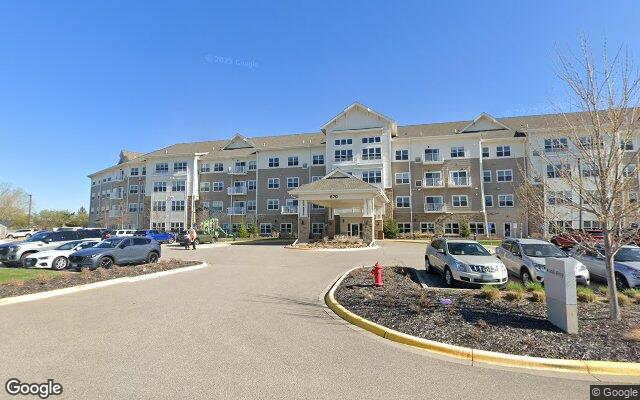
A large home, reviewed on public record.
Compared to 139 Minnesota facilities with a similar number of beds.
ALF memory care · 36-month window. Higher percentile = better performance on inspection record. Source: Minnesota Dept. of Health · Health Regulation Division.
among peers to rank.
Rankings based on 36-month MDH inspection data. Severity and frequency: fewer citations = higher percentile. Repeat rate: lower repeat citation share = higher percentile.
Citation history, plotted month by month.
1 deficiency on record. Each bar is a month with a citation.
Finding distribution
1 total · 36 monthsScope × Severity (CMS A–L)
Questions to ask before you visit.
A short pre-tour checklist tailored to Riley Crossing Senior Living's record and state requirements.
The Minnesota Department of Health conducted its most recent inspection on August 27, 2025, and found zero deficiencies across all standards — can you walk us through the written policies and staff training protocols that support your Assisted Living Facility with Dementia Care license under Minn. Stat. ch. 144G?
Ask the operator on tour. Take notes and compare answers across facilities you visit.
Three complaints were filed with MDH during the inspection period on record — were any of those complaints substantiated, and can you share the facility's internal corrective action plans or response documentation for any substantiated findings?
Ask the operator on tour. Take notes and compare answers across facilities you visit.
With 165 licensed beds and a dementia care designation, how does Riley Crossing organize its physical environment and daily programming to meet the specific needs of residents with memory loss, and can you provide written documentation of your dementia care program?
Ask the operator on tour. Take notes and compare answers across facilities you visit.
Every inspection visit, verbatim.
4 inspections in the public record, most recent first. Plain-language summaries open first — click into any row for the full citation text.
2025-08-27Annual Compliance VisitNo findings
Plain-language summary
A routine inspection was conducted at Riley Crossing Senior Living on August 25–27, 2025, and state correction orders were issued for violations of Minnesota statutes governing assisted living facilities with dementia care. No immediate fines were assessed, and the facility must document the actions it takes to comply with the correction orders within the timeframe specified on the state form.
Read full citation textHide full citation text
Read raw inspector notesClose inspector notes
correction orders and document the actions taken to comply in the facility's records. The Department reserves the right to return to the facility at any time should the Department receive a complaint or deem it necessar yto ensure the health, safety, and welfare of residents in your care. STATE CORRECTIO ONRDERS The enclosed State Form documents the state correction orders. MDH documents state licensing correction orders using federal software. Tag numbers are assigned to Minnesota state statutes for Assisted Living Facilities .The assigned tag number appears in the far left column entitled "ID Prefix Tag". The state statute number and the corresponding text of the state statute out of compliance are listed in the "Summary Statemen tof Deficiencies "column. This column also includes the findings that are in violation of the state statute after the statement, "This MN Requiremen tis not met as evidenced by . . ." In accordance with Minn. Stat. § 144G3. 1 Subd .4, MDH may asses sfines based on the level and scope of the violations; however, no immediate fines are assesse dfor this survey of your facility. DOCUMENTATIO ONF ACTION TO COMPLY In accordance with Minn. Stat. § 144G3. 0, Subd .5(c), the licensee must docum ent actions taken to comply with the correction orders within the time period outlined on the state form; however, plans of correction are not required to be submitted for approval. The correction order documentation should include the following: x Identify how the area(s) of noncompliance was corrected related to the An equal opportunity employer . Letter ID: IS7N REVISE 0D9/13/2021 Riley Crossing Senio rLiving October 8, 2025 Page 2 resident(s)/ employees( ) identified in the correction order. x Identify how the area(s) of noncompliance was corrected for all of the provider’s resident(s)/ employees that may be affected by the noncompliance. x Identify what changes to your systems and practices were made to ensure compliance with the specific statute(s). CORRECTIO ONRDER RECONSIDERATI OPRNOCESS In accordance with Minn. Stat. § 144G3. 2, Subd .2, you may challenge the correction order(s) issued, including the level and scope ,and any fine assesse dthrough the correction order reconsideration process .The request for reconsideration must be in writing and received by MDH within 15 calendar days of the correction order receipt date. To submit a reconsideration request, please visit: https:/ / forms.web.health.state.mn.us/form/ HRDAppealsForm The MDH Health Regulation Division (HRD )values your feedback about your experience during the survey and/or investigation process .Please fill out this anonymous provider feedback questionnaire at your convenience at this link: https:/ / forms.office.com/g/ Bm5uQEpHV.a Your input is important to us and will enable MDH to improve its processe sand communication with providers . If you have any questions regarding the questionnaire ,please contact Susan Winkelmann at susanw. inkelmann@state.mn.us or call 651-201-5952. You are encouraged to retain this document for your records . It is your responsibility to share the information contained in the letter and state form with your organizations’ Governing Body. If you have any questions ,please contact me. Sincerely, Kelly Thorson ,Supervisor State Evaluation Team Email: kelly.thorson@state.mn.us Telephone :320-223-7336 Fax :1-866-890-9290 JMD PRINTED: 10/08/2025 FORM APPROVED STATEMENT OF DEFICIENCIES (X1) PROVIDER/SUPPLIER/CLIA (X2) MULTIPLE CONSTRUCTION (X3) DATE SURVEY AND PLAN OF CORRECTION IDENTIFICATION NUMBER: COMPLETED A. BUILDING: ______________________ B. WING _____________________________ 35195 08/27/2025 NAME OF PROVIDER OR SUPPLIER STREET ADDRESS, CITY, STATE, ZIP CODE 620 ALDRICH DR RILEY CROSSING SENIOR LIVING CHANHASSEN, MN 55317 SUMMARY STATEMENT OF DEFICIENCIES PROVIDER'S PLAN OF CORRECTION (X4) ID ID (X5) (EACH DEFICIENCY MUST BE PRECEDED BY FULL (EACH CORRECTIVE ACTION SHOULD BE COMPLETE PREFIX PREFIX REGULATORY OR LSC IDENTIFYING INFORMATION) CROSS-REFERENCED TO THE APPROPRIATE DATE TAG TAG DEFICIENCY) 0 000 Initial Comments 0 000 *****ATTENTION***** Minnesota Department of Health is documenting the State Licensing ASSISTED LIVING PROVIDER LICENSING Correction Orders using federal software. CORRECTION ORDER(S) Tag numbers have been assigned to Minnesota State Statutes for Assisted In accordance with Minnesota Statutes, section Living License Providers. The assigned 144G.08 to 144G.95, these correction orders are tag number appears in the far-left column issued pursuant to a survey. entitled "ID Prefix Tag." The state Statute number and the corresponding text of the Determination of whether violations are corrected state Statute out of compliance is listed in requires compliance with all requirements the "Summary Statement of Deficiencies" provided at the Statute number indicated below. column. This column also includes the When Minnesota Statute contains several items, findings which are in violation of the state failure to comply with any of the items will be requirement after the statement, "This considered lack of compliance. Minnesota requirement is not met as evidenced by." Following the surveyors' INITIAL COMMENTS: findings is the Time Period for Correction. SL35195016 PLEASE DISREGARD THE HEADING OF THE FOURTH COLUMN WHICH On August 25, 2025, through August 27, 2025, STATES,"PROVIDER'S PLAN OF the Minnesota Department of Health conducted a CORRECTION." THIS APPLIES TO full survey at the above provider and the FEDERAL DEFICIENCIES ONLY. THIS following correction orders are issued. At the time WILL APPEAR ON EACH PAGE. of the survey, there were 153 residents; 76 receiving services under the Assisted Living THERE IS NO REQUIREMENT TO Facility with Dementia Care license. SUBMIT A PLAN OF CORRECTION FOR VIOLATIONS OF MINNESOTA STATE STATUTES. The letter in the left column is used for tracking purposes and reflects the scope and level issued pursuant to 144G.31 subd. 1, 2, and 3. 01440 144G.62 Subd. 4 Supervision of staff providing 01440 SS=F delegated nurs LABORATORY DIRECTOR'S OR PROVIDER/SUPPLIER REPRESENTATIVE'S SIGNATURE TITLE (X6) DATE STATE FORM 6899 DG8U11 If continuation sheet 1 of 13 PRINTED: 10/08/2025 FORM APPROVED STATEMENT OF DEFICIENCIES (X1) PROVIDER/SUPPLIER/CLIA (X2) MULTIPLE CONSTRUCTION (X3) DATE SURVEY AND PLAN OF CORRECTION IDENTIFICATION NUMBER: COMPLETED A. BUILDING: ______________________ B. WING _____________________________ 35195 08/27/2025 NAME OF PROVIDER OR SUPPLIER STREET ADDRESS, CITY, STATE, ZIP CODE 620 ALDRICH DR RILEY CROSSING SENIOR LIVING CHANHASSEN, MN 55317 SUMMARY STATEMENT OF DEFICIENCIES PROVIDER'S PLAN OF CORRECTION (X4) ID ID (X5) (EACH DEFICIENCY MUST BE PRECEDED BY FULL (EACH CORRECTIVE ACTION SHOULD BE COMPLETE PREFIX PREFIX REGULATORY OR LSC IDENTIFYING INFORMATION) CROSS-REFERENCED TO THE APPROPRIATE DATE TAG TAG DEFICIENCY) 01440 Continued From page 1 01440 (a) Staff who perform delegated nursing or therapy tasks must be supervised by an appropriate licensed health professional or a registered nurse according to the assisted living facility's policy where the services are being provided to verify that the work is being performed competently and to identify problems and solutions related to the staff person's ability to perform the tasks. Supervision of staff performing medication or treatment administration shall be provided by a registered nurse or appropriate licensed health professional and must include observation of the staff administering the medication or treatment and the interaction with the resident. (b) The direct supervision of staff performing delegated tasks must be provided within 30 calendar days after the date on which the individual begins working for the facility and first performs the delegated tasks for residents and thereafter as needed based on performance. This requirement also applies to staff who have not performed delegated tasks for one year or longer. This MN Requirement is not met as evidenced by: Based on observation, interview, and record review, the licensee failed to ensure a registered nurse (RN) conducted direct supervision of staff performing a delegated task within 30 days of providing services for one of two employees (unlicensed personnel (ULP)-C). This practice resulted in a level two violation (a violation that did not harm a resident's health or safety but had the potential to have harmed a resident's health or safety, but was not likely to cause serious injury, impairment, or death), and STATE FORM 6899 DG8U11 If continuation sheet 2 of 13 PRINTED: 10/08/2025 FORM APPROVED STATEMENT OF DEFICIENCIES (X1) PROVIDER/SUPPLIER/CLIA (X2) MULTIPLE CONSTRUCTION (X3) DATE SURVEY AND PLAN OF CORRECTION IDENTIFICATION NUMBER: COMPLETED A. BUILDING: ______________________ B.
2024-05-02Complaint InvestigationNo findings
Plain-language summary
A Minnesota Department of Health investigation into a complaint that the facility neglected a resident by allowing him access to food not prescribed for his diet found no violation of licensing standards. The resident, who was on hospice and required a pureed diet due to swallowing difficulties, took another resident's regular food while in the dining room one evening and subsequently developed aspiration pneumonia, passing away six days later; however, investigators determined this was an isolated incident that had not happened before and concluded it did not constitute neglect. Following the incident, the facility implemented new practices including seating residents with similar dietary restrictions together and providing staff training on meal supervision.
Read full citation textHide full citation text
Read raw inspector notesClose inspector notes
Finding: Not Substantiated Nature of Investigation: The Minnesota Department of Health investigated an allegation of maltreatment, in accordance with the Minnesota Reporting of Maltreatment of Vulnerable Adults Act, Minn. Stat. 626.557, and to evaluate compliance with applicable licensing standards for the provider type. Initial Investigation Allegation(s): The facility neglected the resident when he got another resident’s regular food in the dining room. As a result, he aspirated, developed pneumonia, and passed away a week later. Investigative Findings and Conclusion: The Minnesota Department of Health determined neglect was not substantiated. Although the resident did gain access to food from a regular diet, this was an isolated event which had not occurred before with this resident. The investigator conducted interviews with facility staff members, including administrative staff, nursing staff, and unlicensed staff. The investigation included review of the resident’s records, internal investigation documentation, hospice records, incident reports, death certificate, policies, and procedures. The resident resided in an assisted living secured memory care building. The resident’s diagnoses include dementia and chronic pain. The resident’s service plan included assistance with medication and meals. The resident was on hospice services. One evening, the resident was in the dining room eating dinner, and it was discovered by the unlicensed caregivers he had taken the meal of other residents which was not his prescribed diet. The next morning, when an unlicensed caregiver went to wake him up for breakfast, it was observed that he was very tired and having difficulty breathing. The nursing staff assessed the resident, and hospice was updated. The resident was diagnosed with aspiration pneumonia and was prescribed two oral antibiotics at that time. Unfortunately, he passed away six days later. According to hospice records, the resident was prescribed a pureed diet and nectar-thick liquids due to swallowing issues and aspiration pneumonia. The records also indicated that the resident found joy in food. A review of the resident’s medical record did not identify a similar incident occurring before this occasion. During an interview, the manager stated the resident was at the table with other residents who had regular food, and he took their food when one of them left the table. The unlicensed caregivers intervened when the realized this and notified nursing. Unfortunately, he aspirated. He returned to meals after the incident but sat at a different table with people who had a similar diet order where caregivers assisted him with meals. Over the course of about a week he began to decline and passed away. Following the incident, caregivers were instructed to seat all residents with the same diet together and the facility educated all staff members through verbal huddles during mealtimes. During an interview, a family member stated she was aware of the incident and said she did not view it as the facility's fault when the resident took his neighbor’s regular food. She stated the facility provided him with the soft food as per the doctor’s orders, and unfortunately, the incident occurred, contributed to his passing. During an interview, the registered nurse stated the resident did not like pureed diet and refused to eat it. While sitting at the table, at the end of the meal, he grabbed someone else's plate and ate their meal. The nurse was notified by caregivers about this incident, and he went to assess the situation. He then arranged for the resident to sit with others who had the same dietary restrictions to reduce the risk of this recurring. The resident was under hospice care, and both the family and hospice were notified of the situation. During an interview, an unlicensed caregiver stated the physician ordered the resident to be on a pureed diet, which he did not like. The resident sat at a table with others who had regular food and he ate some of the regular food at the table. Following the incident, he was placed with individuals who had similar diet restrictions. In conclusion, the Minnesota Department of Health determined neglect was not substantiated. “Not Substantiated” means: An investigatory conclusion indicating the preponderance of evidence shows that an act meeting the definition of maltreatment did not occur. Neglect: Minnesota Statutes, section 626.5572, subdivision 17 “Neglect” means neglect by a caregiver or self-neglect. (a) "Caregiver neglect" means the failure or omission by a caregiver to supply a vulnerable adult with care or services, including but not limited to, food, clothing, shelter, health care, or supervision which is: (1) reasonable and necessary to obtain or maintain the vulnerable adult's physical or mental health or safety, considering the physical and mental capacity or dysfunction of the vulnerable adult; and (2) which is not the result of an accident or therapeutic conduct. Vulnerable Adult interviewed: No. The resident was deceased. Family/Responsible Party interviewed: Yes. Alleged Perpetrator interviewed: Not Applicable. Action taken by facility: The family and hospice were notified of the situation, and an internal investigation was initiated. The facility provided dietary training update caregivers on dietary changes during daily huddles and review the communication plan regarding diets and liquid types which was posted in the kitchen cabinets and caregiver’s workspaces. Furthermore, the facility implemented a practice seating residents with similar diets together in the dining room to reduce the risk of recurrence of this type of incident. Action taken by the Minnesota Department of Health: No further action taken at this time. cc: The Office of Ombudsman for Long Term Care The Office of Ombudsman for Mental Health and Develo pmental Disabilities PRINTED: 05/08/2024 FORM APPROVED STATEMENT OF DEFICIENCIES (X1) PROVIDER/SUPPLIER/CLIA (X2) MULTIPLE CONSTRUCTION (X3) DATE SURVEY AND PLAN OF CORRECTION IDENTIFICATION NUMBER: COMPLETED A. BUILDING: ______________________ C B. WING _____________________________ 35195 04/03/2024 NAME OF PROVIDER OR SUPPLIER STREET ADDRESS, CITY, STATE, ZIP CODE 620 ALDRICH DR RILEY CROSSING SENIOR LIVING CHANHASSEN, MN 55317 SUMMARY STATEMENT OF DEFICIENCIES PROVIDER'S PLAN OF CORRECTION (X4) ID ID (X5) PREFIX (EACH DEFICIENCY MUST BE PRECEDED BY FULL PREFIX (EACH CORRECTIVE ACTION SHOULD BE COMPLETE REGULATORY OR LSC IDENTIFYING INFORMATION) CROSS-REFERENCED TO THE APPROPRIATE DATE TAG TAG DEFICIENCY) 0 000 Initial Comments 0 000 On April 3rd 2024, the Minnesota Department of Health initiated an investigation of complaints #HL351958826M/HL351956424C and #HL351958544M/HL351955922C. No correction orders are issued. LABORATORY DIRECTOR'S OR PROVIDER/SUPPLIER REPRESENTATIVE'S SIGNATURE TITLE (X6) DATE STATE FORM 6899 R7ZQ11 If continuation sheet 1 of 1
2024-04-30Complaint InvestigationSubstantiated Finding · 1 finding
Plain-language summary
A complaint investigation found that an unlicensed caregiver failed to perform a scheduled 8 pm toileting and safety check, and the resident was discovered on the floor at 10 pm with a hip fracture that required surgery; security footage confirmed the caregiver had not returned to the resident's room between 6 pm and 10 pm despite the required two-hour check schedule. The Minnesota Department of Health substantiated neglect as a violation of the vulnerable adult protection statute, and the facility terminated the caregiver's employment. The resident had Alzheimer's disease and a documented history of falls, making the scheduled checks essential to his safety plan.
Read full citation text (1)Hide full citation text
“MDH substantiated maltreatment or licensing violation finding”
Read raw inspector notesClose inspector notes
Finding: Substantiated, individual responsibility Nature of Investigation: The Minnesota Department of Health investigated an allegation of maltreatment, in accordance with the Minnesota Reporting of Maltreatment of Vulnerable Adults Act, Minn. Stat. 626.557, and to evaluate compliance with applicable licensing standards for the provider type. Initial Investigation Allegation(s): The alleged perpetrator (AP) neglected the resident by failing to perform a toileting and safety check at 8 pm. Consequently, the resident was found on the floor with a hip fracture, requiring surgery. Investigative Findings and Conclusion: The Minnesota Department of Health determined neglect was substantiated. The AP was responsible for the maltreatment. The AP, an unlicensed caregiver, assisted the resident around 6 pm but did not return until 10 pm, when he was found on the floor. The AP did not provide the resident a toileting and safety check scheduled for 8pm. As a result of the fall, the resident sustained a hip fracture and required surgery. The investigator conducted interviews with facility administrative staff. The investigator contacted the resident's family member. The investigation included review of the resident’s records, internal investigation documentation, incident reports, personnel files, staff schedules, policies, and procedures. The resident resided in an assisted living memory care unit. The resident’s diagnoses included Alzheimer’s disease. The resident’s service plan included assistance of one person for toileting and routine safety check every two hours 12AM, 2AM, 4AM, 6AM, 8AM, 10AM, 12PM, 2PM, 4PM, 6PM, 8PM, 10PM. The resident’s assessment indicated the resident had a history of falls and confusion. The facility’s internal investigation indicated the resident was found on the floor by the AP one evening around 10:00 PM. The resident was as unable to communicate what he was doing when he fell and denied experiencing pain at that time. However, the nurse noted a skin tear on his right forearm the next morning. A day later, the resident grimaced with any movement of the right leg. He then was sent to the hospital and diagnosed with a right hip fracture, requiring surgical repair. The internal investigation indicated the facility manager reviewed security footage from the evening of the resident’s fall which showed the AP went to the resident's room around 6 pm but did not return until 10:06 pm, despite being scheduled for a check at 8 pm. Based on the schedule on the day of the incident, the facility was fully staffed. The AP had worked at the facility for about six months and had worked with the resident multiple times in the past. During an interview, the manager stated that the resident was found on the floor around 10:10 pm by the AP and was assisted to bed at that time. The resident had a history of falls; therefore, a toileting and safety check were scheduled for every two hours. The manager said the AP had entered the resident's room around 6 pm but did not return until 10:06 pm, thus missing the 8 pm toileting. The manager also stated that she interviewed the AP, who provided a conflicting information. According to the AP, she entered the room between 7 and 8 pm, then returned around 9 pm, and finally came back around 10 pm to find the resident already on the floor. The information contradicted the manager's observation from the camera footage. The manager stated that the resident appeared fine that night but experienced excruciating pain two days later while sitting in a chair. The physician was notified, and an X-ray was ordered. Due to the weekend, there was a delay in obtaining an X-ray. The decision was made to send the resident to the hospital, where it was discovered that he had a hip fracture and underwent surgery. During an interview, the AP stated she fell behind with the care because on that night, there were multiple call lights on simultaneously. She could not recall the exact time she found the resident on the floor, but she said it was toward the end of her shift, around 9 or 10 pm. Additionally, she said that the last time she checked on him was around 7 pm. She peeked into his room and saw him sleeping on the recliner chair, so she decided to let him rest and proceeded with passing medications for other residents. She admitted to being behind on toileting him, acknowledging that she knew he required toileting every 2 hours, having worked with him before. She stated that due to short staffing, she did not call for help until she found him on the floor. Furthermore, she noted that it took around 15 minutes for the agency staff to arrive and assist her. In conclusion, the Minnesota Department of Health determined neglect was substantiated. Substantiated: Minnesota Statutes, section 626.5572, Subdivision 19. “Substantiated” means a preponderance of evidence shows that an act that meets the definition of maltreatment occurred. Neglect: Minnesota Statutes, section 626.5572, subdivision 17 “Neglect” means neglect by a caregiver or self-neglect. (a) "Caregiver neglect" means the failure or omission by a caregiver to supply a vulnerable adult with care or services, including but not limited to, food, clothing, shelter, health care, or supervision which is: (1) reasonable and necessary to obtain or maintain the vulnerable adult's physical or mental health or safety, considering the physical and mental capacity or dysfunction of the vulnerable adult; and (2) which is not the result of an accident or therapeutic conduct. Vulnerable Adult interviewed: Attempted but not successful. Family/Responsible Party interviewed: Yes. Alleged Perpetrator interviewed: Yes. Action taken by facility: The resident was assessed, and both the family and physician were notified. The resident was transferred to the hospital for evaluation and underwent hip surgery. An internal investigation was initiated, leading to the termination of the AP. Action taken by the Minnesota Department of Health: The facility was issued a correction order regarding the vulnerable adult’s right to be free from maltreatment. You may also call 651-201-4200 to receive a copy via mail or email. The responsible party will be notified of their right to appeal the maltreatment finding. If the maltreatment is substantiated against an identified employee, this report will be submitted to the nurse aide registry for possible inclusion of the finding on the abuse registry and/or to the Minnesota Department of Human Services for possible disqualification in accordance with the provisions of the background study requirements under Minnesota 245C. cc: The Office of Ombudsman for Long Term Care The Office of Ombudsman for Mental Health and Developmental Disabilities Carver County Attorney Chanhassen City Attorney Chanhassen Police Department PRINTED: 05/02/2024 FORM APPROVED STATEMENT OF DEFICIENCIES (X1) PROVIDER/SUPPLIER/CLIA (X2) MULTIPLE CONSTRUCTION (X3) DATE SURVEY AND PLAN OF CORRECTION IDENTIFICATION NUMBER: COMPLETED A. BUILDING: ______________________ C B. WING _____________________________ 35195 04/03/2024 NAME OF PROVIDER OR SUPPLIER STREET ADDRESS, CITY, STATE, ZIP CODE 620 ALDRICH DR RILEY CROSSING SENIOR LIVING CHANHASSEN, MN 55317 SUMMARY STATEMENT OF DEFICIENCIES PROVIDER'S PLAN OF CORRECTION (X4) ID ID (X5) PREFIX (EACH DEFICIENCY MUST BE PRECEDED BY FULL PREFIX (EACH CORRECTIVE ACTION SHOULD BE COMPLETE REGULATORY OR LSC IDENTIFYING INFORMATION) CROSS-REFERENCED TO THE APPROPRIATE DATE TAG TAG DEFICIENCY) 0 000 Initial Comments 0 000 On April 3rd, 2024, the Minnesota Department of Minnesota Department of Health is Health initiated an investigation of complaint documenting the State Correction Orders HL351952560M/HL351951686C. The following using federal software. Tag numbers have correction order is issued, tag identification 2360. been assigned to Minnesota State Statutes for Assisted Living Facilities. The assigned tag number appears in the far-left column entitled "ID Prefix Tag." The state Statute number and the corresponding text of the state Statute out of compliance is listed in the "Summary Statement of Deficiencies" column. This column also includes the findings which are in violation of the state requirement after the statement, "This Minnesota requirement is not met as evidenced by." Following the evaluators ' findings is the Time Period for Correction. PLEASE DISREGARD THE HEADING OF THE FOURTH COLUMN WHICH STATES,"PROVIDER'S PLAN OF CORRECTION." THIS APPLIES TO FEDERAL DEFICIENCIES ONLY. THIS WILL APPEAR ON EACH PAGE. 02360 144G.91 Subd. 8 Freedom from maltreatment 02360 Residents have the right to be free from physical, sexual, and emotional abuse; neglect; financial exploitation; and all forms of maltreatment covered under the Vulnerable Adults Act. This MN Requirement is not met as evidenced by: The facility failed to ensure one of one resident No plan of correction is required for this reviewed (R1) was free from maltreatment. tag.
2024-04-29Complaint InvestigationNo findings
Plain-language summary
A complaint investigation found that a resident did not receive his gabapentin medication for six days due to a pharmacy transition, but the allegation of neglect was not substantiated because facility staff provided alternative pain medications that managed his pain and he did not require hospitalization. The facility responded by implementing a new medication tracking binder system where caregivers flag medications when supplies reach five days or less, and nurses check the binder daily to request refills from the pharmacy.
Read full citation textHide full citation text
Read raw inspector notesClose inspector notes
Finding: Not Substantiated Nature of Investigation: The Minnesota Department of Health investigated an allegation of maltreatment, in accordance with the Minnesota Reporting of Maltreatment of Vulnerable Adults Act, Minn. Stat. 626.557, and to evaluate compliance with applicable licensing standards for the provider type. Initial Investigation Allegation(s): The facility neglected the resident by failing to administer his gabapentin for six days, resulting in increased pain. Investigative Findings and Conclusion: The Minnesota Department of Health determined neglect was not substantiated. Although the gabapentin was missed for six day the facility used other medications the resident had available to treat his pain. The occurrence was isolated. The investigator conducted interviews with facility staff members, including administrative staff, nursing staff, and unlicensed staff. The investigation included review of the resident’s records, internal investigation documentation, incident reports, personnel files, staff schedules, policies, and procedures. The resident resided in an assisted living secured memory care building. The resident’s diagnoses include dementia and chronic pain. The resident’s service plan included assistance with all activities of daily living, medications, meals, and housekeeping. One day the manager visited the memory care unit when the resident expressed pain to her. She instructed the unlicensed caregiver to administer pain medication to the resident. At that time, the unlicensed caregiver informed her that the resident was out of gabapentin and had been for six days. During an interview, the manager, who was a nurse, stated the resident had been without his gabapentin for six days while in hospice care. Initially, the resident received all his medications from one outside pharmacy, however it became necessary to change to a new pharmacy and the hospice pharmacy which led to confusion and the resident ran out of gabapentin. Despite the medication oversight, the resident did not require hospitalization. However, he experienced increasing pain so in response the facility caregivers gave him provided alternative “as needed” medications like Tylenol, Dilaudid, a lidocaine patch, and tramadol which helped to address his pain. The manager stated the resident reported suicidal thoughts, prompting nursing staff to send him to the hospital for evaluation, but he was discharged back to the facility on the same day. To address medication management issues, the manager initiated a refill medications binder system. This involved a pharmacy refill page, where the unlicensed caregiver would place stickers, which the nursing staff checked daily and submitted to the pharmacy. The nurses also conducted weekly cart checks. During an interview, the registered nurse stated he no longer worked at the facility and did not remember anything about the incident. However, when he worked at facility, he said that he used to audit the entire medication cart every Wednesday to ensure that medications were filled. He stated that the unlicensed caregiver would often call him on his work cell to request medication refills. Alternatively, they would return the old card to him and inform him to reorder medications. Typically, he would reorder medications if the supply was less than 7 days. During an interview, unlicensed caregiver #1 stated she could not remember the incident. However, she said there was a medication refill log, which the nurse checked daily. In instances where the nurse was unavailable, unlicensed caregivers would inform the triage. She also noted that the nurse frequently audited the medication cart. During an interview, unlicensed caregiver #2 said she remembered the incident. She said at the time, the resident was receiving medications from the outside pharmacy and caregivers would contact the pharmacy three days prior to the resident’s supply running low, but there was a delay in filling the prescription. She also stated when medication levels were low, she informed the nurses to reorder. Unlicensed caregiver #2 stated following the incident the facility implemented a binder system with refill pages. When medications reached five days or less, unlicensed caregivers were instructed to remove the label and place it in the binder or write it down. Nurses were responsible for checking the binder daily to refill medications. In conclusion, the Minnesota Department of Health determined neglect was not substantiated. “Not Substantiated” means: An investigatory conclusion indicating the preponderance of evidence shows that an act meeting the definition of maltreatment did not occur. Neglect: Minnesota Statutes, section 626.5572, subdivision 17 “Neglect” means neglect by a caregiver or self-neglect. (a) "Caregiver neglect" means the failure or omission by a caregiver to supply a vulnerable adult with care or services, including but not limited to, food, clothing, shelter, health care, or supervision which is: (1) reasonable and necessary to obtain or maintain the vulnerable adult's physical or mental health or safety, considering the physical and mental capacity or dysfunction of the vulnerable adult; and (2) which is not the result of an accident or therapeutic conduct. Vulnerable Adult interviewed: No. The resident was deceased. Family/Responsible Party interviewed: Yes. Alleged Perpetrator interviewed: Not Applicable. Action taken by facility: Staff promptly ordered medication to arrive right away from the pharmacy to address the situation. A medication error was processed, and an action plan was created. The manager reviewed the medication dashboard daily and followed up with support nurses regarding the status of all missed medications. Additionally, the nurse conducted daily checks with medication passers to obtain verbal reports on medications running low. Education was provided to unlicensed caregivers on completing re-order forms for the pharmacy and creating a binder for them to submit refill requests, ensuring medications could be ordered in a timely manner. Action taken by the Minnesota Department of Health: No further action taken at this time. cc: The Office of Ombudsman for Long Term Care The Office of Ombudsman for Mental Health and Developmental Disabilities PRINTED: 05/08/2024 FORM APPROVED STATEMENT OF DEFICIENCIES (X1) PROVIDER/SUPPLIER/CLIA (X2) MULTIPLE CONSTRUCTION (X3) DATE SURVEY AND PLAN OF CORRECTION IDENTIFICATION NUMBER: COMPLETED A. BUILDING: ______________________ C B. WING _____________________________ 35195 04/03/2024 NAME OF PROVIDER OR SUPPLIER STREET ADDRESS, CITY, STATE, ZIP CODE 620 ALDRICH DR RILEY CROSSING SENIOR LIVING CHANHASSEN, MN 55317 SUMMARY STATEMENT OF DEFICIENCIES PROVIDER'S PLAN OF CORRECTION (X4) ID ID (X5) PREFIX (EACH DEFICIENCY MUST BE PRECEDED BY FULL PREFIX (EACH CORRECTIVE ACTION SHOULD BE COMPLETE REGULATORY OR LSC IDENTIFYING INFORMATION) CROSS-REFERENCED TO THE APPROPRIATE DATE TAG TAG DEFICIENCY) 0 000 Initial Comments 0 000 On April 3rd 2024, the Minnesota Department of Health initiated an investigation of complaints #HL351958826M/HL351956424C and #HL351958544M/HL351955922C. No correction orders are issued. LABORATORY DIRECTOR'S OR PROVIDER/SUPPLIER REPRESENTATIVE'S SIGNATURE TITLE (X6) DATE STATE FORM 6899 R7ZQ11 If continuation sheet 1 of 1
1 older inspection from 2023 are not shown above.
Get the complete record, translated into plain language — emailed to you.
Other facilities in Carver County.
Other memory care facilities in Carver County with similar care offerings.
Facility Watch · Premium
Family reviews
No reviews yet — be the first to share your experience
Other memory care options nearby.
More options in neighboring cities
Licensed memory care in other cities within this county region — useful when your search radius crosses city limits.