Ksms Our House LLC.
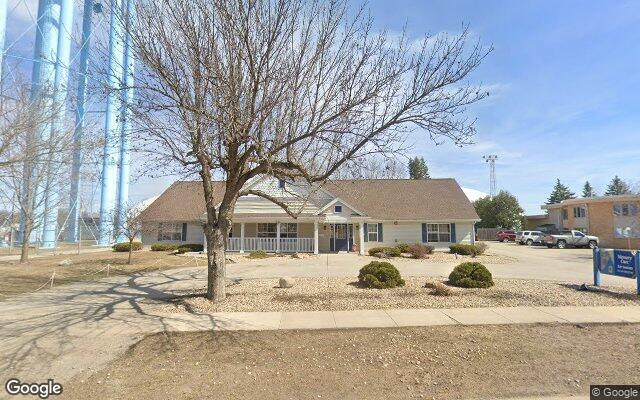
A medium home, reviewed on public record.
Compared to 84 Minnesota facilities with a similar number of beds.
ALF memory care · 36-month window. Higher percentile = better performance on inspection record. Source: Minnesota Dept. of Health · Health Regulation Division.
among peers to rank.
Rankings based on 36-month MDH inspection data. Severity and frequency: fewer citations = higher percentile. Repeat rate: lower repeat citation share = higher percentile.
Citation history, plotted month by month.
No citations in the last 36 months.
Finding distribution
none · 36 monthsScope × Severity (CMS A–L)
Questions to ask before you visit.
A short pre-tour checklist tailored to Ksms Our House LLC's record and state requirements.
The facility holds an Assisted Living Facility with Dementia Care license under Minnesota Statute Chapter 144G — can you walk us through the written dementia care program and show how it differs from the general assisted living protocols?
Ask the operator on tour. Take notes and compare answers across facilities you visit.
Six complaints were filed with the Minnesota Department of Health during the inspection period on file — can you share which of those complaints were substantiated and what corrective action plans the facility implemented in response?
Ask the operator on tour. Take notes and compare answers across facilities you visit.
The most recent inspection occurred on November 6, 2025, with zero deficiencies cited — can you provide families with a copy of that inspection report and explain how the facility prepares for unannounced MDH surveys?
Ask the operator on tour. Take notes and compare answers across facilities you visit.
Every inspection visit, verbatim.
10 inspections in the public record, most recent first. Plain-language summaries open first — click into any row for the full citation text.
2026-08-12Complaint InvestigationNo findings
2026-03-23Complaint InvestigationNo findings
Plain-language summary
A complaint investigation was conducted at KSMS Our House Assisted Living on February 11, 2026, and concluded on March 18, 2026. No violations were found and no correction orders were issued.
Read full citation textHide full citation text
Read raw inspector notesClose inspector notes
STATE LICENSING COMPLIANCE REPORT Report #: HL240972961C Date Concluded: March 18, 2026 Name, Address, and County of Facility Investigated: KSMS Our House Assisted Living 1313 15th Ave NW Austin, MN 55912 Mower County Facility Type: Assisted Living Facility (ALF) Evaluator’s Name: Christine Bluhm, RN The Minnesota Department of Health conducted a complaint investigation to determine compliance with state laws and rules governing the provision of care under Minnesota Statutes, Chapter 144G. The purpose of this complaint investigation was to review if facility policies and practices comply with applicable laws and rules. No maltreatment under Minnesota Statutes, Chapter 626 was alleged. To view a copy of the correction orders, if any, please visit: https://www.health.state.mn.us/facilities/regulation/directory/provcompselect.html, or call website, please see the attached state form. PRINTED: 03/ 23/ 2026 FORM APPROVED STATEMENT OF DEFICIENCIES (X1) PROVIDER/ SUPPLIER/ CLIA (X2) MULTIPLE CONSTRUCTION (X3) DATE SURVEY AND PLAN OF CORRECTION IDENTIFICATION NUMBER: COMPLETED A. BUILDING: ______________________ C B. WING _____________________________ 24097 02/ 11/2026 NAME OF PROVIDER OR SUPPLIER STREET ADDRESS, CITY, STATE, ZIP CODE 1313 15TH AVENUE NW KSMS OUR HOUSE LLC AUSTIN, MN 55912 SUMMARY STATEMENT OF DEFICIENCIES PROVIDER' S PLAN OF CORRECTION (X4) ID ID (X5) PREFIX (EACH DEFICIENCY MUST BE PRECEDED BY FULL PREFIX (EACH CORRECTIVE ACTION SHOULD BE COMPLETE REGULATORY OR LSC IDENTIFYING INFORMATION) CROSS- REFERENCED TO THE APPROPRIATE DATE TAG TAG DEFICIENCY) 0 000 Initial Comments 0 000 On February 11, 2026, the Minnesota Department of Health initiated an investigation of complaint #HL240972961C. No correction orders are issued. LABORATORY DIRECTOR' S OR PROVIDER/ SUPPLIER REPRESENTATIVE' S SIGNATURE TITLE (X6) DATE STATE FORM 6899 U9ZS11 If continuation sheet 1 of 1
2026-01-06Complaint InvestigationNo findings
Plain-language summary
A complaint investigation was conducted at KSMS Our House LLC on December 17, 2025. No correction orders were issued as a result of the investigation.
Read full citation textHide full citation text
Read raw inspector notesClose inspector notes
STATE LICENSING COMPLIANCE REPORT Report #: Date Concluded: December 26, 2025 #HL306308143C Name, Address, and County of Facility Investigated: KSMS Our House LLC 204 14th street NW Austin, MN 55912 Mower County Facility Type: Assisted Living Facility with Evaluator’s Name: Erin Johnson-Crosby, RN Dementia Care (ALFDC) Special Investigator The Minnesota Department of Health conducted a complaint investigation to determine compliance with state laws and rules governing the provision of care under Minnesota Statutes, Chapter 144G. The purpose of this complaint investigation was to review if facility policies and practices comply with applicable laws and rules. No maltreatment under Minnesota Statutes, Chapter 626 was alleged. To view a copy of the correction orders, if any, please visit: https://www.health.state.mn.us/facilities/regulation/directory/provcompselect.html, or call website, please see the attached state form. PRINTED: 01/ 06/ 2026 FORM APPROVED STATEMENT OF DEFICIENCIES (X1) PROVIDER/ SUPPLIER/ CLIA (X2) MULTIPLE CONSTRUCTION (X3) DATE SURVEY AND PLAN OF CORRECTION IDENTIFICATION NUMBER: COMPLETED A. BUILDING: ______________________ C B. WING _____________________________ 30630 12/ 17/ 2025 NAME OF PROVIDER OR SUPPLIER STREET ADDRESS, CITY, STATE, ZIP CODE 204 14TH ST NW KSMS OUR HOUSE LLC AUSTIN, MN 55912 SUMMARY STATEMENT OF DEFICIENCIES PROVIDER' S PLAN OF CORRECTION (X4) ID ID (X5) PREFIX (EACH DEFICIENCY MUST BE PRECEDED BY FULL PREFIX (EACH CORRECTIVE ACTION SHOULD BE COMPLETE REGULATORY OR LSC IDENTIFYING INFORMATION) CROSS- REFERENCED TO THE APPROPRIATE DATE TAG TAG DEFICIENCY) 0 000 Initial Comments 0 000 On December 17, 2025, the Minnesota Department of Health initiated an investigation of complaint #HL306308143C. No correction orders are issued. LABORATORY DIRECTOR' S OR PROVIDER/ SUPPLIER REPRESENTATIVE' S SIGNATURE TITLE (X6) DATE STATE FORM 6899 GLNY11 If continuation sheet 1 of 1
2025-11-17Complaint InvestigationNo findings
Plain-language summary
A complaint investigation found that a resident with dementia fell in her bathroom and fractured her arm, but the Department of Health determined neglect was not substantiated—the resident lost her footing while attempting to use the toilet (not showering) with a staff member present who tried to break the fall, and facility staff had followed the resident's care plan. The resident was treated at the emergency department for a displaced fracture and returned to the facility the same day. No violations were found and no further action was taken.
Read full citation textHide full citation text
Read raw inspector notesClose inspector notes
Finding: Not Substantiated Nature of Investigation: The Minnesota Department of Health investigated an allegation of maltreatment, in accordance with the Minnesota Reporting of Maltreatment of Vulnerable Adults Act, Minn. Stat. 626.557, and to evaluate compliance with applicable licensing standards for the provider type. Initial Investigation Allegation(s): The facility neglected the resident when the resident fell while taking a shower resulting in a fracture of her right arm. Investigative Findings and Conclusion: The Minnesota Department of Health determined neglect was not substantiated. While it was true the resident experienced a fall, she was not taking a shower at the time of the fall but was attempting to use the bathroom when she lost her footing and fell partially into the shower located in front of the toilet. Facility staff present at the time of the fall had followed the service plan. The investigator conducted interviews with facility staff members, including administrative staff, nursing staff, and unlicensed staff. The investigator contacted a family member. The investigation included review of the resident record(s), hospital records, facility internal investigation, staff schedules, and related facility policy and procedures. Also, the investigator observed the resident’s bathroom where the fall had occurred. The resident resided in an assisted living memory care unit. The resident’s diagnoses included dementia and was enrolled in hospice. The resident’s service plan included one staff assistance with showering, scheduled toileting, and dressing. The resident’s assessment indicated the resident was independent with all transfers and mobility. The resident did not use a walker or cane but did have a wheelchair family used for long outings out of the facility if needed. The resident did not have a history of falls but exhibited impaired cognition which may increase the risk of falls. The resident medical record indicated the resident was with a caregiver when she entered the bathroom in her apartment, lost her footing, and fell landing on the bathroom floor with her upper body in the shower. The resident was in pain and was sent the emergency department. The resident’s discharge emergency department record indicated the resident was evaluated and diagnosed with a displaced fracture of the right proximal humerus (long bone in the arm that runs from shoulder to the elbow). The same document indicated the resident was treated with splint and a sling and returned to the facility the same day. During an interview, an unlicensed caregiver stated resident had been walking with the resident back to her room to use the bathroom. The caregiver stated the resident did not use an assisted device to walk but instead put her hand out to be held and seems to feel more comfortable holding onto someone’s hand. Upon entering the bathroom, the resident lost her footing and began to fall. The caregiver attempted to break the fall but could not and the resident landed with her upper body in the shower, which was in front of the toilet. The caregiver stated she used the call light to call another caregiver to help as the resident was in pain. After reaching out to the resident’s contacts, the resident transferred to the emergency department. The caregiver stated the resident was wearing proper footwear (tennis shoes) at the time of the fall. She noticed a few droplets of water between the sink and toilet area but no significant amount or puddle. During an interview, a nurse stated the resident was care planned for independent with walking, but caregivers were aware the resident would either raise her hand or use the call light and ask for someone to hold her hand while she walked. The nurse stated the morning of the fall the resident asked to use the bathroom and when walking back to her room resident had reported to staff, she was feeling kind of wobbly. The nurse stated when hospice aid gives weekly shower, they are very good at ensuring bathroom is cleaned up and bathroom floor is dry. the resident’s clothes were reported wet after she fell, and this was due to the floor of the shower being wet however the resident was not taking a shower at the time of the fall nor was the actual bathroom floor wet. In conclusion, the Minnesota Department of Health determined neglect was not substantiated. “Not Substantiated” means: An investigatory conclusion indicating the preponderance of evidence shows that an act meeting the definition of maltreatment did not occur. Neglect: Minnesota Statutes, section 626.5572, subdivision 17 “Neglect” means neglect by a caregiver or self-neglect. (a) "Caregiver neglect" means the failure or omission by a caregiver to supply a vulnerable adult with care or services, including but not limited to, food, clothing, shelter, health care, or supervision which is: (1) reasonable and necessary to obtain or maintain the vulnerable adult's physical or mental health or safety, considering the physical and mental capacity or dysfunction of the vulnerable adult; and (2) which is not the result of an accident or therapeutic conduct. Vulnerable Adult interviewed: No; deceased. Family/Responsible Party interviewed: Yes Alleged Perpetrator interviewed: NA Action taken by facility: No action required. Action taken by the Minnesota Department of Health: No further action taken at this time. cc: The Office of Ombudsman for Long Term Care The Office of Ombudsman for Mental Health and Developmental Disabilities PRINTED: 11/24/2025 FORM APPROVED STATEMENT OF DEFICIENCIES (X1) PROVIDER/SUPPLIER/CLIA (X2) MULTIPLE CONSTRUCTION (X3) DATE SURVEY AND PLAN OF CORRECTION IDENTIFICATION NUMBER: COMPLETED A. BUILDING: ______________________ C B. WING _____________________________ 30630 10/22/2025 NAME OF PROVIDER OR SUPPLIER STREET ADDRESS, CITY, STATE, ZIP CODE 204 14TH ST NW KSMS OUR HOUSE LLC AUSTIN, MN 55912 SUMMARY STATEMENT OF DEFICIENCIES PROVIDER'S PLAN OF CORRECTION (X4) ID ID (X5) (EACH DEFICIENCY MUST BE PRECEDED BY FULL (EACH CORRECTIVE ACTION SHOULD BE COMPLETE PREFIX PREFIX REGULATORY OR LSC IDENTIFYING INFORMATION) CROSS-REFERENCED TO THE APPROPRIATE DATE TAG TAG DEFICIENCY) 0 000 Initial Comments 0 000 On October 22, 2025, the Minnesota Department of Health initiated an investigation of complaint #HL306305128C/#HL306306443M. No correction orders are issued. LABORATORY DIRECTOR'S OR PROVIDER/SUPPLIER REPRESENTATIVE'S SIGNATURE TITLE (X6) DATE STATE FORM 6899 JU9S11 If continuation sheet 1 of 1
2025-11-06Annual Compliance VisitNo findings
Plain-language summary
During a standard licensing inspection on November 6, 2025, the Minnesota Department of Health found that the facility was not in compliance with fire protection and physical environment requirements under state law, and assessed a fine of $500. The facility must document the actions it took to correct this violation within the timeframe specified by the state.
Read full citation textHide full citation text
Read raw inspector notesClose inspector notes
correction orders and document the actions taken to comply in the facility's records. The Department reserves the right to return to the facility at any time should the Department receive a complaint or deem it necessar yto ensure the health, safety, and welfare of residents in your care. STATE CORRECTIO ONRDERS The enclosed State Form documents the state correction orders. MDH documents state licensing correction orders using federal software. Tag numbers are assigned to Minnesota state statutes for Assisted Living Facilities .The assigned tag number appears in the far left column entitled "ID Prefix Tag". The state statute number and the corresponding text of the state statute out of compliance are listed in the "Summary Statemen tof Deficiencies "column. This column also includes the findings that are in violation of the state statute after the statement, "This MN Requiremen tis not met as evidenced by . . ." IMPOSITION OF FINES In accordance with Minn. Stat. § 144G3. 1, Subd .4, fines and enforcement actions may be imposed based on the level and scope of the violations and may be imposed immediately with no opportunity to correct the violation first as follows: Leve l1: no fines or enforcement; Leve l2: a fine of $500 per violation, in addition to any enforcement mechanism authorized in § 144G2. 0; Leve l3: a fine of $1,000 per incident, in addition to any enforcement mechanism authorized in § 144G2. 0; An equal opportunity employer . Letter ID: IS7N REVISE 0D9/13/2021 KSMS Our House LLC Novembe r20, 2025 Page 2 Leve l4: a fine of $3,000 per incident, in addition to any enforcement mechanism authorized in § 144G2. 0; Leve l5: a fine of $5,000 per violation, in addition to any enforcement mechanism authorized in § 144G2. 0. Therefore ,in accordance with Minn. Stat. §§ 144G0. 1 to 144G9. 999, the following fines are assessed pursuant to this survey: St - 0 - 0775 - 144g.45 Subd. 2. (a) - Fire Protection And Physica lEnvironment - $500.00 Therefore ,in accordance with Minn. Stat. §§ 144G0. 1 to 144G9. 999, the total amount you are assesse dis $500.00. You will be invoiced approximately 30 days after receipt of this notice, subject to . appeal DOCUMENTATIO ONF ACTION TO COMPLY In accordance with Minn. Stat. § 144G3. 0, Subd .5(c), the licensee must docum ent actions taken to comply with the correction orders within the time period outlined on the state form; however, plans of correction are not required to be submitted for approval. The correction order documentation should include the following: x Identify how the area(s) of noncompliance was corrected related to the resident(s)/ employees( ) identified in the correction order. x Identify how the area(s) of noncompliance was corrected for all of the provider’s resident(s)/ employees that may be affected by the noncompliance. x Identify what changes to your systems and practices were made to ensure compliance with the specific statute(s). CORRECTIO ONRDER RECONSIDERATI OPRNOCESS In accordance with Minn. Stat. § 144G3. 2, Subd .2, you may challenge the correction order(s) issued, including the level and scope ,and any fine assesse dthrough the correction order reconsideration process .The request for reconsideration must be in writing and received by MDH within 15 calendar days of the correction order receipt date. To submit a reconsideration request, please visit: https:/ / forms.web.health.state.mn.us/form/ HRDAppealsForm REQUESTIN AG HEARING Alternatively ,in accordance with Minn. Stat. § 144G3. 1, Subd .5(d), an assisted living provider that has been assesse da fine under this subdivision has a right to a reconsideration or a hearing under this section and chapter 14. Pursuan tto Minn. Stat. § 144G2. 0, Subd .14 and Subd .18, a request for a hearing must be in writing and received by the Department of Health within 15 business days of the correction order receipt date. The request must contain a brief and plain statement describing each matter or issue contested and any new information you believe constitutes a defense or mitigating factor. KSMS Our House LLC Novembe r20, 2025 Page 3 To submit a hearing request, please visit: https:/ / forms.web.health.state.mn.us/form/ HRDAppealsForm To appea lfines via reconside ration, please follow the pr ocedur e outlined above. Plea se note that you may request a reconsideration or a hearing, but not both. If you wish to contest tags without fines in a reconsideration and tags with the fines at a hearing, please submit two separate appeals forms at the website listed above. The MDH Health Regulation Division (HRD )values your feedback about your experience during the survey and/or investigation process .Please fill out this anonymous provider feedback questionnaire at your convenience at this link: https:/ / forms.office.com/g/ Bm5uQEpHV.a Your input is important to us and will enable MDH to improve its processe sand communication with providers . If you have any questions regarding the questionnaire ,please contact Susan Winkelmann at susanw. inkelmann@state.mn.us or call 651-201-5952. You are encouraged to retain this document for your records . It is your responsibility to share the information contained in the letter and state form with your organizations’ Governing Body. If you have any questions ,please contact me. Sincerely, Jod iJohnson ,Supervisor State Evaluation Team Email: Jodi.Johnson@state.mn.us Telephone :507-344-2730 Fax :1-866-890-9290 CLN PRINTED: 11/20/2025 FORM APPROVED STATEMENT OF DEFICIENCIES (X1) PROVIDER/SUPPLIER/CLIA (X2) MULTIPLE CONSTRUCTION (X3) DATE SURVEY AND PLAN OF CORRECTION IDENTIFICATION NUMBER: COMPLETED A. BUILDING: ______________________ B. WING _____________________________ 24097 11/06/2025 NAME OF PROVIDER OR SUPPLIER STREET ADDRESS, CITY, STATE, ZIP CODE 1313 15TH AVENUE NW KSMS OUR HOUSE LLC AUSTIN, MN 55912 SUMMARY STATEMENT OF DEFICIENCIES PROVIDER'S PLAN OF CORRECTION (X4) ID ID (X5) (EACH DEFICIENCY MUST BE PRECEDED BY FULL (EACH CORRECTIVE ACTION SHOULD BE COMPLETE PREFIX PREFIX REGULATORY OR LSC IDENTIFYING INFORMATION) CROSS-REFERENCED TO THE APPROPRIATE DATE TAG TAG DEFICIENCY) 0 000 Initial Comments 0 000 *****ATTENTION***** Minnesota Department of Health is documenting the State Correction Orders ASSISTED LIVING PROVIDER LICENSING using federal software. Tag numbers have CORRECTION ORDER(S) been assigned to Minnesota State Statutes for Assisted Living Facilities. The In accordance with Minnesota Statutes, section assigned tag number appears in the 144G.08 to 144G.95, these correction orders are far-left column entitled "ID Prefix Tag." issued pursuant to a survey. The state Statute number and the corresponding text of the state Statute out Determination of whether violations are corrected of compliance is listed in the "Summary requires compliance with all requirements Statement of Deficiencies" column. This provided at the Statute number indicated below. column also includes the findings which When Minnesota Statute contains several items, are in violation of the state requirement failure to comply with any of the items will be after the statement, "This Minnesota considered lack of compliance. requirement is not met as evidenced by." Following the evaluators ' findings is the INITIAL COMMENTS: Time Period for Correction. SL24097016-0 PLEASE DISREGARD THE HEADING OF THE FOURTH COLUMN WHICH On November 3, 2025, through November 6, STATES,"PROVIDER'S PLAN OF 2025, the Minnesota Department of Health CORRECTION." THIS APPLIES TO conducted a full survey at the above provider and FEDERAL DEFICIENCIES ONLY. THIS the following correction orders are issued. At the WILL APPEAR ON EACH PAGE. time of the survey, there were 50 residents; 43 receiving services under the Assisted Living THERE IS NO REQUIREMENT TO Facility with Dementia Care license. SUBMIT A PLAN OF CORRECTION FOR VIOLATIONS OF MINNESOTA STATE STATUTES. THE LETTER IN THE LEFT COLUMN IS USED FOR TRACKING PURPOSES AND REFLECTS THE SCOPE AND LEVEL ISSUED PURSUANT TO 144G.31 SUBDIVISION 1-3. 0 480 144G.41 Subdivision 1 Subd. 1a (a-b) Minimum 0 480 SS=F requirements; required food services LABORATORY DIRECTOR'S OR PROVIDER/SUPPLIER REPRESENTATIVE'S SIGNATURE TITLE (X6) DATE STATE FORM 6899 02GP11 If continuation sheet 1 of 36 PRINTED: 11/20/2025 FORM APPROVED STATEMENT OF DEFICIENCIES (X1) PROVIDER/SUPPLIER/CLIA (X2) MULTIPLE CONSTRUCTION (X3) DATE SURVEY AND PLAN OF CORRECTION IDENTIFICATION NUMBER: COMPLETED A. BUILDING: ______________________ B.
2025-11-04Complaint InvestigationNo findings
Plain-language summary
A complaint investigation found that a resident with Alzheimer's disease sustained multiple bruises and injuries from unwitnessed falls, complicated by her use of blood thinners and a recent urinary tract infection with an allergic medication reaction, but the Minnesota Department of Health determined the facility did not neglect the resident and that staff took appropriate steps to address the injuries and reduce fall risk. The facility's response included documenting injuries, contacting medical professionals and family members, arranging hospital evaluation, and making environmental modifications such as lowering the resident's bed. The allegation of neglect was not substantiated.
Read full citation textHide full citation text
Read raw inspector notesClose inspector notes
Finding: Not Substantiated Nature of Investigation: The Minnesota Department of Health investigated an allegation of maltreatment, in accordance with the Minnesota Reporting of Maltreatment of Vulnerable Adults Act, Minn. Stat. 626.557, and to evaluate compliance with applicable licensing standards for the provider type. Initial Investigation Allegation(s): The facility neglected the resident when she had sustained bruising of an unknown origin. Investigative Findings and Conclusion: The Minnesota Department of Health determined neglect was not substantiated. The resident did have multiple injuries apparently from unwitnessed falls. The facility took appropriate steps to address the injuries and to reduce the risk of falls. The resident’s bruising was complicated by the use of blood thinner. The investigator conducted interviews with facility staff members, including administrative staff, nursing staff, and unlicensed staff. The investigator contacted a family member. The investigation included review of the resident record(s), hospital records, facility internal investigation, facility incident reports, staff schedules, related facility policy and procedures. Also, the investigator observed interactions with the facility staff and resident during an onsite visit. The resident resided in an assisted living memory care unit. The resident’s diagnoses included Alzheimer’s disease. The care plan indicated the resident was independent with transfers, ambulation and encouraged to use a walker and, if using a wheelchair, could self-propel. The resident required cueing and standby assist with toileting. One Friday evening the resident came out of her room for the evening meal when an unlicensed caregiver noticed and documented some discoloration around the resident’s left eye, a purple bruise on top of right hand, and the resident complained of both knees hurting. No witnesses were identified regarding how the injuries nor pain occurred. The next morning, Saturday, an unlicensed caregiver documented in the resident’s progress note when the resident had come out for breakfast the resident’s eye was not black. However, at 9:30 a.m. when caregiver saw the resident again noticed she had a black eye. The caregiver asked the resident if she knew what happened and resident denied falling and did not know what had happened. The caregiver called both the on-call nurse to report as well as a family member. On Sunday, a progress note indicated further changes with the resident’s skin not only was her left eye black but also now her right eye was black. The progress note indicated a family member noticed resident’s right knee had a bruise as well. On Monday, a progress note indicated nursing completed a skin check as well as measurements of each bruise. The same document indicated the resident denied pain. The daughter transported the resident to the emergency department for evaluation. After being evaluated the resident returned the same day to the facility. On Wednesday at 7:40 a.m., a progress note indicated an unlicensed caregiver went into the resident’s room for a safety check and discovered her laying on her back on the floor between the bed and recliner. The resident was complaining of pain and unable to get up. The on-call nurse was notified, 911 called to transport, and family member contacted. Hospital records indicated resident was diagnosed with multiple right sided mildly displaced rib fractures, a small right pneumothorax, a small pleural effusion, and mild consolidation within the right lung base. The hospital records indicated the resident had been diagnosed with a urinary tract infection a day prior to when staff noticed skin changes and was prescribed an antibiotic for which she ended up having an allergic reaction. Hospital records indicated the resident had been on a blood thinner prior to hospitalization. Resident progress note indicated resident returned to the facility after a hospital stay. During an interview, an unlicensed caregiver stated the resident was independent with walking and the morning of the incident had gone into the resident’s room for a safety check. The resident did not know how she fell but was laying on her side asking for help to get up. The caregiver asked the resident if she was in pain, did some light range of motion, and determined resident was injured and contacted nurse prior to calling emergency medical services for a transport and then contacted family member. During an interview, family member stated resident uses a walker but at times forgot where she placed it and required assistance to locate it. The family member stated prior to staff noticing skin changes and prior to the fall the resident had been diagnosed with a urinary tract infection and order antibiotics and while hospitalized found to have an allergic reaction to the antibiotic previously ordered. The facility felt the bed was too high for the resident and now family has purchased a bed that is about three inches lower, and the head of the bed can be slightly elevated. The family member stated the resident has a habit of locking her room but is unable to unlock it herself and staff do have the key for the room. Family stated it is difficult to prevent falls even with interventions in place as the resident moves around the room herself. In conclusion, the Minnesota Department of Health determined neglect was not substantiated. “Not Substantiated” means: An investigatory conclusion indicating the preponderance of evidence shows that an act meeting the definition of maltreatment did not occur. Neglect: Minnesota Statutes, section 626.5572, subdivision 17 “Neglect” means neglect by a caregiver or self-neglect. (a) "Caregiver neglect" means the failure or omission by a caregiver to supply a vulnerable adult with care or services, including but not limited to, food, clothing, shelter, health care, or supervision which is: (1) reasonable and necessary to obtain or maintain the vulnerable adult's physical or mental health or safety, considering the physical and mental capacity or dysfunction of the vulnerable adult; and (2) which is not the result of an accident or therapeutic conduct. Vulnerable Adult interviewed: NA, related to cognitive status Family/Responsible Party interviewed: Yes Alleged Perpetrator interviewed: NA the Action taken by facility: Increased safety checks to hourly, removed some furniture from her room to make it easier for resident to move around, medical provider requested physical and occupational therapy, and blood thinner was discontinued prior to hospital discharge. Action taken by the Minnesota Department of Health: No further action taken at this time. cc: The Office of Ombudsman for Long Term Care The Office of Ombudsman for Mental Health and Developmental Disabilities PRINTED: 11/06/2025 FORM APPROVED STATEMENT OF DEFICIENCIES (X1) PROVIDER/SUPPLIER/CLIA (X2) MULTIPLE CONSTRUCTION (X3) DATE SURVEY AND PLAN OF CORRECTION IDENTIFICATION NUMBER: COMPLETED A. BUILDING: ______________________ C B. WING _____________________________ 24097 09/09/2025 NAME OF PROVIDER OR SUPPLIER STREET ADDRESS, CITY, STATE, ZIP CODE 1313 15TH AVENUE NW KSMS OUR HOUSE LLC AUSTIN, MN 55912 SUMMARY STATEMENT OF DEFICIENCIES PROVIDER'S PLAN OF CORRECTION (X4) ID ID (X5) (EACH DEFICIENCY MUST BE PRECEDED BY FULL (EACH CORRECTIVE ACTION SHOULD BE COMPLETE PREFIX PREFIX REGULATORY OR LSC IDENTIFYING INFORMATION) CROSS-REFERENCED TO THE APPROPRIATE DATE TAG TAG DEFICIENCY) 0 000 Initial Comments 0 000 On September 9, 2025, the Minnesota Department of Health initiated an investigation of complaint #HL240971148C/#HL240974923M. No correction orders are issued. LABORATORY DIRECTOR'S OR PROVIDER/SUPPLIER REPRESENTATIVE'S SIGNATURE TITLE (X6) DATE STATE FORM 6899 S9L411 If continuation sheet 1 of 1
2025-03-20Annual Compliance VisitNo findings
Plain-language summary
During a follow-up inspection on June 3, 2025, the facility was found in substantial compliance but had one uncorrected fire protection and physical environment violation from a prior March 20, 2025 survey, resulting in a $500 fine. The facility must document the actions it takes to correct this violation and may request reconsideration or a hearing within 15 days if it wishes to contest the fine.
Read full citation textHide full citation text
Read raw inspector notesClose inspector notes
correction orders issued pursuant to the March 20, 2025 survey. The Department of Health concludes the licensee is in substantial compliance. State law requires the facility must take action to correct the state correction orders and document the actions taken to comply in the facility's records. The Department reserves the right to return to the facility at any time should the Department receive a complaint or deem it necessary to ensure the health, safety, and welfare of residents in your care. In accordance with Minn. Stat. § 144G.31 Subd. 4 (a), state correction orders issued pursuant to the last survey, completed on March 20, 2025, found not corrected at the time of the June 3, 2025, follow-up survey and/or subject to penalty assessment are as follows: 0775-Fire Protection And Physical Environment- 144g.45 Subd. 2. (a) - $500.00 The details of the violations noted at the time of this follow-up survey completed on June 3, 2025 (listed above), are on the attached State Form. Brackets around the ID Prefix Tag in the left hand column, e.g., {2 ----} will identify the uncorrected tags. Therefore, in accordance with Minn. Stat. §§ 144G.01 to 144G.9999, the total amount you are assessed is $500.00. You will be invoiced approximately 30 days after receipt of this notice, subject to appeal. DOCUMENTATION OF ACTION TO COMPLY In accordance with Minn. Sta t. § 144 G.30, Subd. 5(c), the licensee must document actions taken to comply with the correction orders outlined on the state form; however, plans of correction are not required to be submitted for approval. IMPOSITION OF FINES: Level 1: no fines or enforcement. Level 2: a fine of $500 per violation, in addition to any enforcement mechanism authorized in §144G.20 for widespread violations; Level 3: a fine of $3,000 per violation per incident, in addition to any enforcement mechanism authorized in §144G.20. Level 4: a fine of $5,000 per incident, in addition to any enforcement mechanism authorized in An equal opportunity employer. Lette r ID : 8GKP Revised 04/14/2023 KSMS Our House LLC July 31, 2025 Page 2 §144G.20. CORRECTION ORDER RECONSIDERATION PROCESS In accordance with Minn. Stat. § 144G.32, Subd. 2, you may challenge the correction order(s) issued, including the level and scope, and any fine assessed through the correction order reconsideration process. The request for reconsideration must be in writing and received by MDH within 15 calendar days of the correction order receipt date. To submit a reconsideration request, please visit: https://forms.web.health. state.mn.us/form/HRDAppealsForm REQUESTING A HEARING Alternatively, in accordance with Minn. Stat. § 144G.31, Subd. 5(d), an assisted living provider that has been assessed a fine under this subdivision has a right to a reconsideration or a hearing under this section and chapter 14. Pursuant to Minn. Stat. § 144G.20, Subd. 14 and Subd. 18, a request for a hearing must be in writing and received by the Department of Health within 15 business days of the correction order receipt date. The request must contain a brief and plain statement describing each matter or issue contested and any new information you believe constitutes a defense or mitigating factor. To submit a hearing request, please visit: https://forms.web.health.state.mn.us/form/ HRDAppealsForm To appeal fines via reconsideration, please follow the procedure outlined above. Please note that you may request a reconsidera tion or a hearing, but not both . If you wish to contest tags without fines in a reconsideration and tags with the fines at a hearing, please submit two separate appeals forms at the website listed above. We urge you to review these orders carefully. If you have questions, please contact Benjamin Zwart at You are encouraged to retain this document for your records. It is your responsibility to share the information contained in the letter and/or state form with your organization’s Governing Body. Sincerely, Benjamin Zwart, Supervisor State Engineering Services Section Email: Benjamin.Zwart@state.mn.us Telephone: 651-201-3715 Fax: 1-866-890-9290 KKM PRINTED: 07/31/2025 FORM APPROVED STATEMENT OF DEFICIENCIES (X1) PROVIDER/SUPPLIER/CLIA (X2) MULTIPLE CONSTRUCTION (X3) DATE SURVEY AND PLAN OF CORRECTION IDENTIFICATION NUMBER: COMPLETED A. BUILDING: ______________________ R B. WING _____________________________ 30630 06/03/2025 NAME OF PROVIDER OR SUPPLIER STREET ADDRESS, CITY, STATE, ZIP CODE 204 14TH ST NW KSMS OUR HOUSE LLC AUSTIN, MN 55912 SUMMARY STATEMENT OF DEFICIENCIES PROVIDER'S PLAN OF CORRECTION (X4) ID ID (X5) PREFIX (EACH DEFICIENCY MUST BE PRECEDED BY FULL PREFIX (EACH CORRECTIVE ACTION SHOULD BE COMPLETE REGULATORY OR LSC IDENTIFYING INFORMATION) CROSS-REFERENCED TO THE APPROPRIATE DATE TAG TAG DEFICIENCY) {0 000} Initial Comments {0 000} ******ATTENTION****** Minnesota Department of Health is documenting the State Correction Orders ASSISTED LIVING PROVIDER FOLLOW UP using federal software. Tag numbers have SURVEY WITH RE-ISSUE OF ORDERS been assigned to Minnesota State Statutes for Assisted Living Facilities. The INITIAL COMMENTS assigned tag number appears in the SL30630016-1 far-left column entitled "ID Prefix Tag." The state Statute number and the On July 2, 2025, the Minnesota Department of corresponding text of the state Statute out Health conducted a follow-up survey at the above of compliance is listed in the "Summary provider to follow-up on orders issued pursuant to Statement of Deficiencies" column. This a survey completed on March 20, 2025. At the column also includes the findings which time of the survey, there were 19 residents; 19 are in violation of the state requirement receiving services under the Assisted Living after the statement, "This Minnesota License. As a result of the follow-up survey, the requirement is not met as evidenced by." following orders were reissued. Following the evaluators ' findings is the Time Period for Correction. PLEASE DISREGARD THE HEADING OF THE FOURTH COLUMN WHICH STATES,"PROVIDER'S PLAN OF CORRECTION." THIS APPLIES TO FEDERAL DEFICIENCIES ONLY. THIS WILL APPEAR ON EACH PAGE. THERE IS NO REQUIREMENT TO SUBMIT A PLAN OF CORRECTION FOR VIOLATIONS OF MINNESOTA STATE STATUTES. THE LETTER IN THE LEFT COLUMN IS USED FOR TRACKING PURPOSES AND REFLECTS THE SCOPE AND LEVEL ISSUED PURSUANT TO 144G.31 SUBDIVISION 1-3. {0 470} 144G.41 Subdivision 1 Minimum requirements {0 470} SS=F (11) develop and implement a staffing plan for LABORATORY DIRECTOR'S OR PROVIDER/SUPPLIER REPRESENTATIVE'S SIGNATURE TITLE (X6) DATE STATE FORM 6899 YFBW12 If continuation sheet 1 of 12 PRINTED: 07/31/2025 FORM APPROVED STATEMENT OF DEFICIENCIES (X1) PROVIDER/SUPPLIER/CLIA (X2) MULTIPLE CONSTRUCTION (X3) DATE SURVEY AND PLAN OF CORRECTION IDENTIFICATION NUMBER: COMPLETED A. BUILDING: ______________________ R B. WING _____________________________ 30630 06/03/2025 NAME OF PROVIDER OR SUPPLIER STREET ADDRESS, CITY, STATE, ZIP CODE 204 14TH ST NW KSMS OUR HOUSE LLC AUSTIN, MN 55912 SUMMARY STATEMENT OF DEFICIENCIES PROVIDER'S PLAN OF CORRECTION (X4) ID ID (X5) PREFIX (EACH DEFICIENCY MUST BE PRECEDED BY FULL PREFIX (EACH CORRECTIVE ACTION SHOULD BE COMPLETE REGULATORY OR LSC IDENTIFYING INFORMATION) CROSS-REFERENCED TO THE APPROPRIATE DATE TAG TAG DEFICIENCY) {0 470} Continued From page 1 {0 470} determining its staffing level that: (i) includes an evaluation, to be conducted at least twice a year, of the appropriateness of staffing levels in the facility; (ii) ensures sufficient staffing at all times to meet the scheduled and reasonably foreseeable unscheduled needs of each resident as required by the residents' assessments and service plans on a 24-hour per day basis; and (iii) ensures that the facility can respond promptly and effectively to individual resident emergencies and to emergency, life safety, and disaster situations affecting staff or residents in the facility; (12) ensure that one or more persons are available 24 hours per day, seven days per week, who are responsible for responding to the requests of residents for assistance with health or safety needs. Such persons must be: (i) awake; (ii) located in the same building, in an attached building, or on a contiguous campus with the facility in order to respond within a reasonable amount of time; (iii) capable of communicating with residents; (iv) capable of providing or summoning the appropriate assistance; and (v) capable of following directions; This MN Requirement is not met as evidenced by: Not reviewed during this survey. {0 480} 144G.41 Subdivision 1 Subd. 1a (a-b) Minimum {0 480} SS=F requirements; required food services (a) Except as provided in paragraph (b), food must be prepared and served according to the Minnesota Food Code, Minnesota Rules, chapter 4626. STATE FORM 6899 YFBW12 If continuation sheet 2 of 12 PRINTED: 07/31/2025 FORM APPROVED STATEMENT OF DEFICIENCIES (X1) PROVIDER/SUPPLIER/CLIA (X2) MULTIPLE CONSTRUCTION (X3) DATE SURVEY AND PLAN OF CORRECTION IDENTIFICATION NUMBER: COMPLETED A. BUILDING: ______________________ R B.
2025-02-21Complaint InvestigationNo findings
Plain-language summary
The Minnesota Department of Health investigated a complaint that a resident fell and remained on the floor for about an hour without assistance, but determined the allegation of neglect was inconclusive because accounts of what happened were incomplete and conflicting, and there was not enough evidence to prove staff failed to provide necessary care. The facility had investigated the incident and provided staff education, and no correction orders were issued by the state.
Read full citation textHide full citation text
Read raw inspector notesClose inspector notes
Finding: Inconclusive Nature of Investigation: The Minnesota Department of Health investigated an allegation of maltreatment, in accordance with the Minnesota Reporting of Maltreatment of Vulnerable Adults Act, Minn. Stat. 626.557, and to evaluate compliance with applicable licensing standards for the provider type. Initial Investigation Allegation(s): The facility neglected the resident when the resident had a fall and laid on the floor for approximately an hour before receiving assistance. Investigative Findings and Conclusion: The Minnesota Department of Health determined neglect was inconclusive. Due to incomplete and conflicting accounts of the incident, it could not be determined if maltreatment occurred. There was not a preponderance of evidence that staff failed provide necessary cares or services. The investigator conducted interviews with facility staff members, including administrative staff, nursing staff, and unlicensed staff. The investigator contacted law enforcement and the case worker. The investigation included review of the resident records, hospital records, facility internal investigation, facility incident reports, personnel files, staff schedules, law enforcement report, and related facility policy and procedures. Also, the investigator observed interactions between staff and residents. The resident resided in an assisted living memory care unit. The resident’s diagnoses included dementia and major depressive disorder. The resident’s service plan included assistance with medication management, dressing, grooming and every 30 minute safety checks. The resident’s assessment indicated the resident had impaired decision making and was forgetful. Video footage showed the resident moving through the frame of the video. The video had an obstructed view, but outside of the video frame the resident was heard saying "owww, owww" with additional unintelligible speaking. The medical record indicated facility staff documented the resident was sleeping in her bed when safety checks were completed. Police report indicated police arrived at the facility with reports the resident was seen on video footage by the family laying on the floor in her apartment. The resident was in her apartment responsive on the floor. The resident had no obvious injuries, and the resident was transported to the hospital for evaluation. Hospital records indicated the resident was on the floor for an unknown period of time, no injuries noted. The resident was treated for a bladder infection and was discharged to a new facility. During an interview, facility staff stated she worked the night of the incident but left her shift early. A coworker had completed the safety checks and documented with her name. During an interview, facility management stated the facility was not provided the video footage from the incident however through medical record review and interviews the staff completed the cares scheduled for the resident. After the incident the resident did not return to the facility. During an interview, a family member stated she had several concerns with the care her mom received at the facility and had five cameras throughout the apartment. A family member stated the night of the incident the resident laid on the floor for almost two hours and was saturated in urine when arriving to the hospital. A family member stated the resident moved to a different facility and was doing well at the new facility. Attempts made to interview facility staff working the night of the incident were not successful. In conclusion, the Minnesota Department of Health determined neglect was inconclusive. Inconclusive: Minnesota Statutes, section 626.5572, Subdivision 11. "Inconclusive" means there is less than a preponderance of evidence to show that maltreatment did or did not occur. Neglect: Minnesota Statutes, section 626.5572, subdivision 17 “Neglect” means neglect by a caregiver or self-neglect. (a) "Caregiver neglect" means the failure or omission by a caregiver to supply a vulnerable adult with care or services, including but not limited to, food, clothing, shelter, health care, or supervision which is: (1) reasonable and necessary to obtain or maintain the vulnerable adult's physical or mental health or safety, considering the physical and mental capacity or dysfunction of the vulnerable adult; and (2) which is not the result of an accident or therapeutic conduct. Vulnerable Adult interviewed: No, resident no longer lived at the facility. Family/Responsible Party interviewed: Yes. Alleged Perpetrator interviewed: Not Applicable. the Action taken by facility: The facility investigated the incident when it occurred and provided education to facility staff. Action taken by the Minnesota Department of Health: No further action taken at this time. cc: The Office of Ombudsman for Long Term Care The Office of Ombudsman for Mental Health and Developmental Disabilities PRINTED: 02/24/2025 FORM APPROVED STATEMENT OF DEFICIENCIES (X1) PROVIDER/SUPPLIER/CLIA (X2) MULTIPLE CONSTRUCTION (X3) DATE SURVEY AND PLAN OF CORRECTION IDENTIFICATION NUMBER: COMPLETED A. BUILDING: ______________________ C B. WING _____________________________ 30630 01/22/2025 NAME OF PROVIDER OR SUPPLIER STREET ADDRESS, CITY, STATE, ZIP CODE 204 14TH ST NW KSMS OUR HOUSE LLC AUSTIN, MN 55912 SUMMARY STATEMENT OF DEFICIENCIES PROVIDER'S PLAN OF CORRECTION (X4) ID ID (X5) PREFIX (EACH DEFICIENCY MUST BE PRECEDED BY FULL PREFIX (EACH CORRECTIVE ACTION SHOULD BE COMPLETE REGULATORY OR LSC IDENTIFYING INFORMATION) CROSS-REFERENCED TO THE APPROPRIATE DATE TAG TAG DEFICIENCY) 0 000 Initial Comments 0 000 On January 22, 2025, the Minnesota Department of Health initiated an investigation of complaint #HL306309131C/#HL306306222M and #HL306309129C/HL306306221M. No correction orders are issued. LABORATORY DIRECTOR'S OR PROVIDER/SUPPLIER REPRESENTATIVE'S SIGNATURE TITLE (X6) DATE STATE FORM 6899 PWEU11 If continuation sheet 1 of 1
2024-10-01Complaint InvestigationNo findings
Plain-language summary
A complaint investigation found no evidence of neglect when a resident became unresponsive and was hospitalized with a systemic infection. The facility had assessed the resident appropriately on the day of the incident, found her responsive and eating earlier that same day, and contacted emergency medical services when staff discovered a fever and change in condition that evening. The resident had experienced multiple urinary tract infections and emergency department visits in the weeks before this event.
Read full citation textHide full citation text
Read raw inspector notesClose inspector notes
Finding: Not Substantiated Nature of Investigation: The Minnesota Department of Health investigated an allegation of maltreatment, in accordance with the Minnesota Reporting of Maltreatment of Vulnerable Adults Act, Minn. Stat. 626.557, and to evaluate compliance with applicable licensing standards for the provider type. Initial Investigation Allegation(s): The facility neglected the resident when the facility failed to seek medical evaluation earlier for a change in condition including being unresponsive. The resident was hospitalized and found to be septic. Investigative Findings and Conclusion: The Minnesota Department of Health determined neglect was not substantiated. While the resident did become septic (a systemic infection), the facility had assessed the resident appropriately and sent her to the hospital. The medical record indicated the resident had been responsive earlier that same day. Additionally, the facility sent the resident to the hospital on multiple occasions and the resident had been on multiple courses of antibiotics for urinary tract infection in the weeks leading up to this event. The investigator conducted interviews with facility staff members, including administrative staff, nursing staff, and unlicensed staff. The investigator contacted a family member and emergency responder staff. The investigation included review of the resident’s assessment, plan of care, progress notes, hospital records, facility internal investigation, and related facility policies and procedures. Also, the investigator conducted an onsite visit to the facility and observed staff to resident interactions. The resident resided in an assisted living memory care unit. The resident’s diagnoses included history of urinary tract infections, severe intellectual disabilities, multiple mental illness diagnoses, and dementia. The resident’s service plan included assistance with toileting, showering, and medication administration. Service plan included interventions when resident displayed periods of refusals, behaviors, and outbursts. The resident’s assessment indicated the resident was alert, oriented to person but was forgetful, unable to provide accurate information consistently and had impaired decision-making. The resident was independent with ambulation and transfers. The resident’s level of cognitive function and behaviors fluctuated. The resident’s medical record indicated she had periods of crawling on the floor, lying on the floor in common areas, standing on tables, and refusing medications and cares. One day the resident was transported to the emergency room due to a change in her level of consciousness. A concern arose that the resident had not been responsive for three days prior to hospitalization. On the evening the facility sent the resident to the hospital, the resident’s medical record indicated an unlicensed caregiver entered the resident’s apartment to check on the resident and found the resident was not responding, her face was flush and reddened. The caregiver took the resident’s temperature, called the on-call nurse, and was directed to call for emergency medical services. The same document indicated the resident had been sleeping throughout the day but had eaten, conversed with staff, and took her medications also. The resident’s progress notes indicated the evening staff discovered the resident’s condition has changed and transferred to the hospital unresponsive. However, the same documents indicated staff members had been in the resident’s room multiple times throughout the day, resident was verbal with staff directing staff to leave her room, and the resident refused to get out of bed. In the weeks prior to this hospitalization, the resident’s medical record also indicated the resident had multiple emergency department visits for urinary tract infections and uncontrolled behaviors. A review of medical provider notes indicated the resident was noncompliant with prescribed medications, within the recent months had numerous recent visits to the emergency department for urinary tract infections, agitation, and escalated behaviors. The provider notes also indicated medication changes had also been attempted and the resident had been followed by her medical provider in person at least twice a month. During an interview, an unlicensed caregiver stated the day prior to the incident the resident had been out of her room and watching TV in the back commons area. On the day of the incident the caregiver was working in the building when another caregiver came out of the resident’s room and said the resident had a fever, so the on-call nurse was contacted who directed that emergency medical services be contacted. Caregiver #1 stated when emergency medical service arrived, she was in the resident’s room but left the room as there was not enough space in the room. The caregiver stated she reentered the room when she heard an emergency medical service personnel verbally call out to come assist transfer the resident from her bed to a gurney. During an interview manager #1, who was also a nurse, stated the resident was care planned as independent for transfers. Manager #1 stated staff are trained to use a mechanical Hoyer lift as needed for resident transfers. Management stated on the day emergency medical services were called the resident had been verbally responding throughout the day. During an interview management #2 stated the resident had been sent to the emergency department five or six times in the past few months. Manager #2 stated the resident was responsive and alert and had last seen the resident alert prior to leaving the facility earlier that same day. During an interview manager #3 stated towards the end of the residents stay at the facility the resident had been refusing medications. During an interview, the nurse stated the resident had been having numerous urinary tract infections prior to this hospitalization and had been prescribed multiple courses of antibiotics. Nurse stated the resident was seen by her medical provider at least once every two weeks with several medication changes. During an interview, a family member stated in the recent six months it seemed as if the resident’s urinary tract infections never completely resolved. The family member stated the resident’s behaviors had also increased when she had urinary tract infections. The family member stated the resident would often not allow staff to assist her with hygiene and toileting. In conclusion, the Minnesota Department of Health determined neglect was not substantiated. “Not Substantiated” means: An investigatory conclusion indicating the preponderance of evidence shows that an act meeting the definition of maltreatment did not occur. Neglect: Minnesota Statutes, section 626.5572, subdivision 17 “Neglect” means neglect by a caregiver or self-neglect. (a) "Caregiver neglect" means the failure or omission by a caregiver to supply a vulnerable adult with care or services, including but not limited to, food, clothing, shelter, health care, or supervision which is: (1) reasonable and necessary to obtain or maintain the vulnerable adult's physical or mental health or safety, considering the physical and mental capacity or dysfunction of the vulnerable adult; and Page 3 of 3 (2) which is not the result of an accident or therapeutic conduct. Vulnerable Adult interviewed: No Family/Responsible Party interviewed: Yes Alleged Perpetrator interviewed: NA the Action taken by facility: Facility investigated the incident and collected interviews from staff who were scheduled that evening. Action taken by the Minnesota Department of Health: No further action taken at this time. cc: The Office of Ombudsman for Long Term Care The Office of Ombudsman for Mental Health and Developmental Disabilities PRINTED: 10/02/2024 FORM APPROVED STATEMENT OF DEFICIENCIES (X1) PROVIDER/SUPPLIER/CLIA (X2) MULTIPLE CONSTRUCTION (X3) DATE SURVEY AND PLAN OF CORRECTION IDENTIFICATION NUMBER: COMPLETED A. BUILDING: ______________________ C B. WING _____________________________ 24097 08/28/2024 NAME OF PROVIDER OR SUPPLIER STREET ADDRESS, CITY, STATE, ZIP CODE 1313 15TH AVENUE NW KSMS OUR HOUSE LLC AUSTIN, MN 55912 SUMMARY STATEMENT OF DEFICIENCIES PROVIDER'S PLAN OF CORRECTION (X4) ID ID (X5) PREFIX (EACH DEFICIENCY MUST BE PRECEDED BY FULL PREFIX (EACH CORRECTIVE ACTION SHOULD BE COMPLETE REGULATORY OR LSC IDENTIFYING INFORMATION) CROSS-REFERENCED TO THE APPROPRIATE DATE TAG TAG DEFICIENCY) 0 000 Initial Comments 0 000 On August 28, 2024, the Minnesota Department of Health initiated an investigation of complaint #HL240974247C/#HL240973801M. No correction orders are issued. LABORATORY DIRECTOR'S OR PROVIDER/SUPPLIER REPRESENTATIVE'S SIGNATURE TITLE (X6) DATE STATE FORM 6899 HLI111 If continuation sheet 1 of 1
2024-01-22Complaint InvestigationNo findings
Plain-language summary
MDH investigated a complaint that the facility neglected a resident by not following her care plan, which allegedly led to a fall and hip fracture, but determined the allegation was not substantiated. The resident fell in the dining room while attempting to sit on her walker, and although she was injured and hospitalized with a hip fracture, MDH found the facility had reasonable fall prevention measures in place and staff responded appropriately after the fall occurred. No further action was taken.
Read full citation textHide full citation text
Read raw inspector notesClose inspector notes
Finding: Not Substantiated Nature of Investigation: The Minnesota Department of Health investigated an allegation of maltreatment, in accordance with the Minnesota Reporting of Maltreatment of Vulnerable Adults Act, Minn. Stat. 626.557, and to evaluate compliance with applicable licensing standards for the provider type. Initial Investigation Allegation(s): The facility neglected the client when she did not follow the resident’s plan of care resulting in the resident falling and fracturing her hip. Investigative Findings and Conclusion: The Minnesota Department of Health determined neglect was not substantiated. Although the resident did fall and break her hip when she got up on her own, the facility did have reasonable interventions in place to prevent falls. Additionally, the facility responded appropriately in providing cares after the fall occurred. The investigator conducted interviews with facility staff members, including administrative staff, nursing staff, and unlicensed staff. The investigator also contacted the resident’s representative. The investigation included review of facility medical records, staff training and education, and facility policies and procedures. The investigator conducted an onsite visit, toured the facility, and observed staff interactions with the resident. The resident resided in an assisted living memory care unit. The resident’s diagnoses included Alzheimer’s Disease, osteoporosis, anxiety, insomnia, fall history, restlessness, and generalized muscle weakness. The resident’s service plan indicated assistance of one person with transfers, walking, and toileting. The resident’s assessment indicated she was alert and oriented to self and required redirection from caregivers. The facility investigation summary indicated the resident was walking in the dining room when she attempted to sit on her walker, which did not have a seat, and fell onto the floor with caregivers present and watching. During an interview, the unlicensed caregiver who was working with the resident the day of the incident stated she was assisting the resident to find a location in the dining room to sit down. Once the resident appeared content, the caregiver walked to the opposite side of the dining room to speak to her co-workers about another work-related concern. The caregiver stated as she turned around to walk back, she witnessed the resident falling to the floor. The caregiver stated facility protocol was followed with a set of vital signs (blood pressure, pulse, respiration, and temperature) obtained. The resident denied of pain at the time, and two caregivers assisted resident up off the floor and into a chair. The caregiver stated each resident has a plan of care which can be found in the medication room and listed on the computer and that caregivers document in the resident’s record when assigned tasks are completed. During an interview, the nurse stated the resident has a history being impulsive and unaware of her safety. Later during the same day of the incident, the unlicensed caregivers requested assistance when the resident complained of pain, and she noticed one of the resident’s legs was shorter than the other leg, which was concerning for an injury, so the resident was sent to the hospital emergently. At the hospital, the resident was diagnosed with a right hip fracture and hospitalized. The nurse stated the resident was reassessed after she returned, and her care plan was updated. During an interview, the power of attorney for the resident stated the care the facility provides is good. She stated staff attempts interventions when the resident is restless which include facility activities, visual checks by leaving the resident’s door open when she was in her room, and staff providing time visiting when resident when she is restless. Prior to her admission to the facility the resident had experienced falls at her home with multiple broken bones. The power attorney stated the resident is very fragile. During investigative interviews, multiple unlicensed caregivers stated the resident was a one person assist with cares and this was communicated to the staff through their electronic computer system and will flag the staff with a message if a change has been made to a care plan. Caregivers stated she was a one person assist with cares including stand by assistance with transfers and ambulation. If caregivers were to see her walking or transferring on her own, they were to intervene and assist the resident. Caregivers stated the resident’s cognitive status fluctuated as does the residents activity level. During an interview, facility nurses stated the resident was at high risk for falls. The resident’s care plan reflected the care the staff were to provide which included interventions staff were to provide during periods of restlessness or agitation. In conclusion, the Minnesota Department of Health determined neglect was not substantiated. Not Substantiated means: An investigatory conclusion indicating the preponderance of evidence shows that an act meeting the definition of maltreatment did not occur. Neglect: Minnesota Statutes, section 626.5572, subdivision 17 “Neglect” means neglect by a caregiver or self-neglect. (a) "Caregiver neglect" means the failure or omission by a caregiver to supply a vulnerable adult with care or services, including but not limited to, food, clothing, shelter, health care, or supervision which is: (1) reasonable and necessary to obtain or maintain the vulnerable adult's physical or mental health or safety, considering the physical and mental capacity or dysfunction of the vulnerable adult; and (2) which is not the result of an accident or therapeutic conduct. Vulnerable Adult interviewed: not a reliable reporter Family/Responsible Party interviewed: Yes Alleged Perpetrator interviewed: Yes the Action taken by facility: No action taken. Action taken by the Minnesota Department of Health: No further action taken at this time. cc: The Office of Ombudsman for Long Term Care The Office of Ombudsman for Mental Health and Developmental Disabilities PRINTED: 01/24/2024 FORM APPROVED STATEMENT OF DEFICIENCIES (X1) PROVIDER/SUPPLIER/CLIA (X2) MULTIPLE CONSTRUCTION (X3) DATE SURVEY AND PLAN OF CORRECTION IDENTIFICATION NUMBER: COMPLETED A. BUILDING: ______________________ C B. WING _____________________________ 24097 12/06/2023 NAME OF PROVIDER OR SUPPLIER STREET ADDRESS, CITY, STATE, ZIP CODE 1313 15TH AVENUE NW KSMS OUR HOUSE LLC AUSTIN, MN 55912 SUMMARY STATEMENT OF DEFICIENCIES PROVIDER'S PLAN OF CORRECTION (X4) ID ID (X5) PREFIX (EACH DEFICIENCY MUST BE PRECEDED BY FULL PREFIX (EACH CORRECTIVE ACTION SHOULD BE COMPLETE REGULATORY OR LSC IDENTIFYING INFORMATION) CROSS-REFERENCED TO THE APPROPRIATE DATE TAG TAG DEFICIENCY) 0 000 Initial Comments 0 000 On December 6, 2023,, the Minnesota Department of Health initiated an investigation of complaint #HL240971451C/HL240976084M. No correction orders are issued LABORATORY DIRECTOR'S OR PROVIDER/SUPPLIER REPRESENTATIVE'S SIGNATURE TITLE (X6) DATE STATE FORM 6899 WVB511 If continuation sheet 1 of 1
3 older inspections from 2022 are not shown above.
Get the complete record, translated into plain language — emailed to you.
Other facilities in Austin.
Other memory care facilities near Austin with similar care offerings.
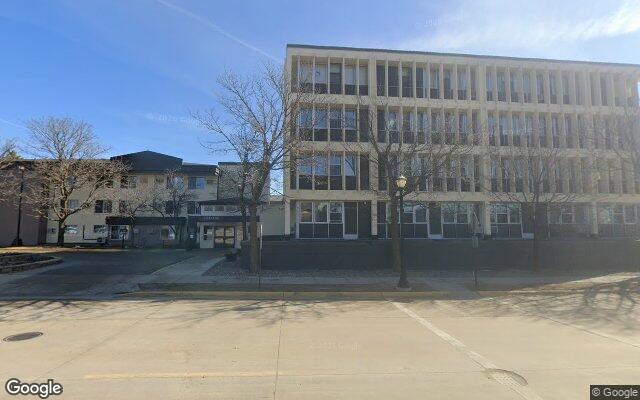
Full Inspection Record
Family reviews
No reviews yet — be the first to share your experience