Cedars of Austin.
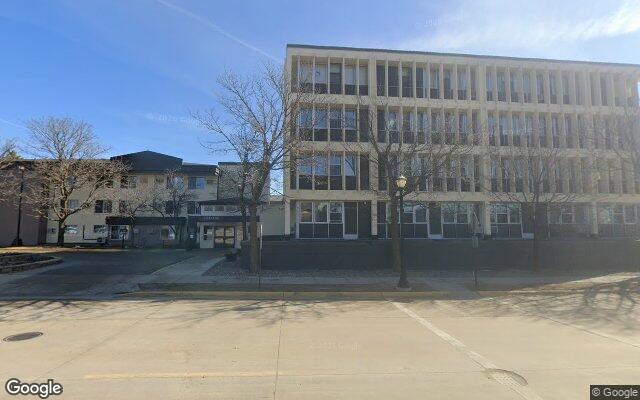
A large home, reviewed on public record.
Compared to 139 Minnesota facilities with a similar number of beds.
ALF memory care · 36-month window. Higher percentile = better performance on inspection record. Source: Minnesota Dept. of Health · Health Regulation Division.
among peers to rank.
Rankings based on 36-month MDH inspection data. Severity and frequency: fewer citations = higher percentile. Repeat rate: lower repeat citation share = higher percentile.
Citation history, plotted month by month.
2 deficiencies on record. Each bar is a month with a citation.
Finding distribution
2 total · 36 monthsScope × Severity (CMS A–L)
Questions to ask before you visit.
A short pre-tour checklist tailored to Cedars of Austin's record and state requirements.
The most recent Minnesota Department of Health inspection on March 26, 2026 found zero deficiencies across all areas — can you walk us through the specific dementia care practices that MDH reviewers evaluated during that visit, and share any documentation of the inspection findings?
Ask the operator on tour. Take notes and compare answers across facilities you visit.
Three complaints were filed with MDH over the inspection period on record — can you tell us whether any of those complaints were substantiated, and provide written summaries of how the facility responded to each complaint?
Ask the operator on tour. Take notes and compare answers across facilities you visit.
This facility holds an Assisted Living Facility with Dementia Care license under Minn. Stat. ch. 144G — can you show us the written dementia care program that describes how staff are trained to support residents with cognitive impairment, and confirm that all direct care staff have completed that training?
Ask the operator on tour. Take notes and compare answers across facilities you visit.
Every inspection visit, verbatim.
4 inspections in the public record, most recent first. Plain-language summaries open first — click into any row for the full citation text.
2026-03-26Annual Compliance VisitNo findings
Plain-language summary
A routine state inspection of Cedars of Austin on March 26, 2026 identified violations in fire protection and physical environment, background studies for staff, and appropriate care and services, resulting in three correction orders and total fines of $2,500. The facility must document how it corrected these areas and can request reconsideration or a hearing within 15 days of receiving this notice.
Read full citation textHide full citation text
Read raw inspector notesClose inspector notes
correction orders. MDH documents state licensing correction orders using federal software. Tag numbers are assigned to Minnesota state statutes for Assisted Living Facilities. The assigned tag number appears in the far left column entitled "ID Prefix Tag." The state statute number and the corresponding text of the state statute out of compliance are listed in the "Summary Statement of Deficiencies" column. This column also includes the findings that are in violation of the state statute after the statement, "This MN Requirement is not met as evidenced by . . ." IMPOSITION OF FINES In accordance with Minn. Stat. § 144G.31, Subd. 4, fines and enforcement actions may be imposed based on the level and scope of the violations and may be imposed immediately with no opportunity to correct the violation first as follows: Level 1: no fines or enforcement; Level 2: a fine of $500 per violation, in addition to any enforcement mechanism authorized in § 144G.20; Level 3: a fine of $1,000 per incident, in addition to any enforcement mechanism authorized in § 144G.20; Level 4: a fine of $3,000 per incident, in addition to any enforcement mechanism authorized in § 144G.20; Level 5: a fine of $5,000 per violation, in addition to any enforcement mechanism authorized in § 144G.20. Therefore, in accordance with Minn. Stat. §§ 144G.01 to 144G.9999, the following fines are assessed An equal opportunity employer. Letter ID: IS7N REVISE D09/13/2021 Cedars of Austin April 15, 2026 Page 2 pursuant to this survey: St - 0 - 0775 - 144g.45 Subd. 2. (a) - Fire Protection And Physical Environment - $500.00 St - 0 - 1290 - 144g.60 Subdivision 1 - Background Studies Required - $1,000.00 St - 0 - 2310 - 144g.91 Subd. 4 (a) - Appropriate Care And Services - $1,000.00 The refor e, in accor danc e wit h Minn. Sta t. §§ 144G.01 to 144G.999 9, the total amount you are assessed is $2,500.00. You will be invoiced approximately 30 days after receipt of this notice, subject to appeal . DOCUMENTATIO ONF ACTION TO COMPLY In accorda nce with Min n. Stat. § 144G.30, Sub d. 5(c), th e lic ens ee mus t docum ent ac tions taken t o comply with the correction orders within the time period outlined on the state form; however, plans of correction are not required to be submitted for approval. The correction order documentation should include the following: Identify how the area( s) of noncompliance was corrected related to the · resident( s)/ employee( s) identified in the correction order. Identify how the area( s) of noncompliance was corrected for all of the provider’s · resident( s)/ employees that may be affected by the noncompliance. Identify what changes to your systems and practices were made to ensure compliance with · the specific statute( s). CORRECTIO NORDER RECONSIDERATIO PNROCESS In accordance with Minn. Stat. § 144G.32, Subd. 2, you may challenge the correction order( s) issued, including the level and scope, and any fine assessed through the correction order reconsideration process. The request for reconsideration must be in writing and received by MDH within 15 calendar days of the correction order receipt date. To submit a reconsideration request, please visit: https: / / forms. web. health. state. mn.us/ form/ HRDAppealsForm REQUESTIN GA HEARING Alternatively, in accordance with Minn. Stat. § 144G.31, Subd. 5(d), an assisted living provider that has been assessed a fine under this subdivision has a right to a reconsideration or a hearing under this section and chapter 14. Pursuant to Minn. Stat. § 144G.20, Subd. 14 and Subd. 18, a request for a hearing must be in writing and received by the Department of Health within 15 business days of the correction order receipt date. The request must contain a brief and plain statement describing each matter or issue contested and any new information you believe constitutes a defense or mitigating factor. To submit a hearing request, please visit: https: / / forms. web. health. state. mn. us/ form/ HRDAppealsForm Cedars of Austin April 15, 2026 Page 3 To appe al fi nes via re cons iderat ion , pl ease follow the procedu r e outl ined abo ve. Plea se no te tha t you may re que st a rec onside rati on or a hearing, bu t not bot h. If you wish to cont est ta gs with out fine s in a reconsideration and tags with the fines at a hearing, please submit two separate appeals forms at the website listed above. The MDH Health Regulation Division (HRD )values your feedback about your experience during the survey and/ or investigation process. Please fill out this anonymous provider feedback questionnaire at your conv enien ce at thi s link: https: / / forms. office.com/ g/ Bm5uQEpHVa. Your inpu t is import ant to us and will enable MDH to improve its processes and communication with providers. If you have any questions regarding the questionnaire, please contact Susan Winkelmann at susan. winkelmann@state. mn.us or call 651-201-5952. You are encouraged to retain this document for your records. It is your responsibility to share the information contained in the letter and state form with your organization’s Governing Body. If you have any questions, please contact me. Sincerely, Jodi Johnson, Supervisor State Evaluation Team Email: Jodi.Johnson@state. mn.us Telephone: 507-344-2730 Fax: 1-866-890-9290 CLN PRINTED: 04/ 15/ 2026 FORM APPROVED STATEMENT OF DEFICIENCIES (X1) PROVIDER/ SUPPLIER/ CLIA (X2) MULTIPLE CONSTRUCTION (X3) DATE SURVEY AND PLAN OF CORRECTION IDENTIFICATION NUMBER: COMPLETED A. BUILDING: ______________________ B. WING _____________________________ 30438 03/ 26/ 2026 NAME OF PROVIDER OR SUPPLIER STREET ADDRESS, CITY, STATE, ZIP CODE 700 1ST DRIVE NW CEDARS OF AUSTIN AUSTIN, MN 55912 SUMMARY STATEMENT OF DEFICIENCIES PROVIDER' S PLAN OF CORRECTION (X4) ID ID (X5) PREFIX (EACH DEFICIENCY MUST BE PRECEDED BY FULL PREFIX (EACH CORRECTIVE ACTION SHOULD BE COMPLETE REGULATORY OR LSC IDENTIFYING INFORMATION) CROSS- REFERENCED TO THE APPROPRIATE DATE TAG TAG DEFICIENCY) 0 000 Initial Comments 0 000 *****ATTENTION***** Minnesota Department of Health is documenting the State Correction Orders ASSISTED LIVING PROVIDER LICENSING using federal software. Tag numbers have CORRECTION ORDER( S) been assigned to Minnesota State Statutes for Assisted Living Facilities. The In accordance with Minnesota Statutes, section assigned tag number appears in the 144G. 08 to 144G. 95, these correction orders are far-left column entitled "ID Prefix Tag. " The issued pursuant to a survey. state Statute number and the corresponding text of the state Statute out Determination of whether violations are corrected of compliance is listed in the "Summary requires compliance with all requirements Statement of Deficiencies" column. This provided at the Statute number indicated below. column also includes the findings which When Minnesota Statute contains several items, are in violation of the state requirement failure to comply with any of the items will be after the statement, "This Minnesota considered lack of compliance. requirement is not met as evidenced by." Following the evaluators' findings is the INITIAL COMMENTS: Time Period for Correction. SL30438016- 0 PLEASE DISREGARD THE HEADING OF THE FOURTH COLUMN WHICH On March 23, 2026, through March 26, 2026, the STATES, "PROVIDER' S PLAN OF survey at the above provider and the following FEDERAL DEFICIENCIES ONLY. THIS correction orders are issued. At the time of the WILL APPEAR ON EACH PAGE. survey, there were 114 residents; 89 receiving services under the Assisted Living Facility with THERE IS NO REQUIREMENT TO Dementia Care license. SUBMIT A PLAN OF CORRECTION FOR VIOLATIONS OF MINNESOTA STATE 1290: An immediate correction order was issued STATUTES. on March 24, 2026, at a level 3/Widespread (I). The licensee took immediate action; however, the THE LETTER IN THE LEFT COLUMN IS scope and level remain at I. USED FOR TRACKING PURPOSES AND REFLECTS THE SCOPE AND LEVEL 2310: An immediate correction order was issued ISSUED PURSUANT TO 144G. 31 on March 25, 2026, at a level 3/Isolated (G). The SUBDIVISION 1-3. licensee took immediate action; however, the scope and level remain at G. LABORATORY DIRECTOR' S OR PROVIDER/ SUPPLIER REPRESENTATIVE' S SIGNATURE TITLE (X6) DATE STATE FORM 6899 L0EX11 If continuation sheet 1 of 16 PRINTED: 04/ 15/ 2026 FORM APPROVED STATEMENT OF DEFICIENCIES (X1) PROVIDER/ SUPPLIER/ CLIA (X2) MULTIPLE CONSTRUCTION (X3) DATE SURVEY AND PLAN OF CORRECTION IDENTIFICATION NUMBER: COMPLETED A. BUILDING: ______________________ B.
2025-11-05Complaint InvestigationNo findings
Plain-language summary
The Minnesota Department of Health investigated a complaint that the facility neglected a resident when she fell down stairs and sustained a head laceration after exiting a locked memory care unit door. The investigation found that the resident pushed on a door that automatically released after several seconds in compliance with fire safety rules, fell down the stairwell, and staff responded promptly and transported her to the hospital; the allegation of neglect was not substantiated. Following the incident, the facility installed monitoring devices near the exit door, increased staff education on responding to alarms immediately, and added personal alarms for the resident.
Read full citation textHide full citation text
Read raw inspector notesClose inspector notes
Finding: Not Substantiated Nature of Investigation: The Minnesota Department of Health investigated an allegation of maltreatment, in accordance with the Minnesota Reporting of Maltreatment of Vulnerable Adults Act, Minn. Stat. 626.557, and to evaluate compliance with applicable licensing standards for the provider type. Initial Investigation Allegation(s): The facility neglected the resident when she fell down the steps in the entryway and hit the back of her head, causing a laceration. Investigative Findings and Conclusion: The Minnesota Department of Health determined neglect was not substantiated. The resident attempted to exit the secured memory care unit by pushing on a locked door that released after several seconds in compliance with fire safety regulations. The resident exited the door and fell down the stairwell, sustaining a head laceration. Staff members responded promptly, and the resident was transported to the hospital for evaluation and returned within 24 hours. The investigator conducted interviews with facility staff members, including administrative staff, and family member. The investigation included review of the resident’s records, incident reports, staff schedules, policies, and procedures. The resident resided in an assisted living secured memory care building. The resident’s diagnoses include acute delirium. The resident’s service plan included assistance with all activities of daily living which included hygiene, dressing, toileting, medications, meals, and housekeeping. The resident’s assessment indicated she was using a walker with transfer and mobility. The incident report indicated the resident was found lying on the floor at the bottom of the stairwell. The facility transported the resident to the hospital for evaluation and treatment. She returned to the facility within 24 hours with a laceration to her head. During an interview, a manager stated the resident had moved into the facility approximately one month prior to the incident. The manager said the resident frequently wandered because she did not want to reside in the memory care unit and expressed a desire to return to her previous home. She stated the resident was generally steady and ambulated with a four-wheeled walker. The manager also said she reviewed the surveillance footage, which showed a double door leading to a stairway of approximately five steps down to the lobby. Although the door was locked and required a key fob to open, it would automatically release if held for several seconds, in accordance with fire code requirements. The resident approached the door, pushed it open, and fell down the stairs. Following the incident, the facility purchased two baby monitors to ensure staff could hear alarms even if one device were not functioning or had a depleted battery. During an interview, the nurse stated all exit doors in the unit were equipped with alarms, locks, and keypads. Staff were required to enter a code to open the doors. She said the resident attempted to exit through one of the doors to reach the main entrance. Although the nurse was not present on the day of the incident, she was aware that the door alarm had been activated. She stated she was uncertain whether staff did not hear the alarm or did not respond in time. The nurse stated the resident opened the door, exited the unit with her walker, and fell down the stairs. During an interview, a family member stated the exit door had a push-button release mechanism leading to the stairwell. The family member said the resident opened the door, fell down the stairs, and sustained injuries requiring transfer to the emergency room. She also said the facility placed a baby monitor near the door following the incident to ensure staff could hear the door alarm even when they were not in the immediate area. In conclusion, the Minnesota Department of Health determined neglect was not substantiated. “Not Substantiated” means: An investigatory conclusion indicating the preponderance of evidence shows that an act meeting the definition of maltreatment did not occur. Neglect: Minnesota Statutes, section 626.5572, subdivision 17 “Neglect” means neglect by a caregiver or self-neglect. (a) "Caregiver neglect" means the failure or omission by a caregiver to supply a vulnerable adult with care or services, including but not limited to, food, clothing, shelter, health care, or supervision which is: (1) reasonable and necessary to obtain or maintain the vulnerable adult's physical or mental health or safety, considering the physical and mental capacity or dysfunction of the vulnerable adult; and (2) which is not the result of an accident or therapeutic conduct. Vulnerable Adult interviewed: No, Unable to be interviewed due to dementia. Family/Responsible Party interviewed: Yes. Alleged Perpetrator interviewed: Not Applicable. Action taken by facility: Monitor in place at entrance to exit memory care unit and go to the main entrance. Staff have been educated to respond to alarms immediately. Resident has alarm in bed and in chair. Reassurance checks increased. Action taken by the Minnesota Department of Health: No further action taken at this time. cc: The Office of Ombudsman for Long Term Care The Office of Ombudsman for Mental Health and Developmental Disabilities PRINTED: 11/07/2025 FORM APPROVED STATEMENT OF DEFICIENCIES (X1) PROVIDER/SUPPLIER/CLIA (X2) MULTIPLE CONSTRUCTION (X3) DATE SURVEY AND PLAN OF CORRECTION IDENTIFICATION NUMBER: COMPLETED A. BUILDING: ______________________ C B. WING _____________________________ 30438 09/10/2025 NAME OF PROVIDER OR SUPPLIER STREET ADDRESS, CITY, STATE, ZIP CODE 700 1ST DRIVE NW CEDARS OF AUSTIN AUSTIN, MN 55912 SUMMARY STATEMENT OF DEFICIENCIES PROVIDER'S PLAN OF CORRECTION (X4) ID ID (X5) (EACH DEFICIENCY MUST BE PRECEDED BY FULL (EACH CORRECTIVE ACTION SHOULD BE COMPLETE PREFIX PREFIX REGULATORY OR LSC IDENTIFYING INFORMATION) CROSS-REFERENCED TO THE APPROPRIATE DATE TAG TAG DEFICIENCY) 0 000 Initial Comments 0 000 On September 10, 2025, the Minnesota Department of Health initiated an investigation of complaints #HL304385342M/HL304382462C. No correction orders are issued. LABORATORY DIRECTOR'S OR PROVIDER/SUPPLIER REPRESENTATIVE'S SIGNATURE TITLE (X6) DATE STATE FORM 6899 GSIE11 If continuation sheet 1 of 1
2025-10-31Complaint InvestigationSubstantiated Finding · 1 finding
Plain-language summary
A complaint investigation found that an unlicensed caregiver substantiated for neglect when she silenced the memory care unit's door alarm without checking on a resident's whereabouts; the resident eloped and was found outside after approximately one hour, having fallen and sustained a neck fracture that required hospitalization and contributed to her death one month later. The investigation reviewed facility records, interviewed staff, and examined video footage showing the resident left through the main entrance while the caregiver disabled the alarm without following protocol to verify the resident's location.
Read full citation text (1)Hide full citation text
“MDH substantiated maltreatment or licensing violation finding”
Read raw inspector notesClose inspector notes
Finding: Substantiated, individual responsibility Nature of Investigation: The Minnesota Department of Health investigated an allegation of maltreatment, in accordance with the Minnesota Reporting of Maltreatment of Vulnerable Adults Act, Minn. Stat. 626.557, and to evaluate compliance with applicable licensing standards for the provider type. Initial Investigation Allegation(s): The alleged perpetrator (AP) neglected the resident when she silenced a door alarm without verifying the resident’s whereabouts. As a result, the resident eloped from the facility and was later found outside, in the grass, on her knees. Investigative Findings and Conclusion: The Minnesota Department of Health determined neglect was substantiated. The AP was responsible for the maltreatment. The AP, an unlicensed caregiver (ULP), silenced the memory care door alarm without following the facility protocol to ensure a resident had not eloped from the unit. The resident left the facility and wandered around outside for approximately one hour until a community member saw the resident fall and called emergency services (911). The resident had pain in her neck at the time of the incident, then later discovered to have a broken bone of her neck. The investigator conducted interviews with facility staff members, including administrative staff, nursing staff, and unlicensed staff. The investigation included review of the resident records, death record, hospital records, facility internal investigation, facility incident reports, personnel files, staff schedules, and related facility policy and procedures. Also, the investigator toured the facility and observed alarm systems, staff response to alarm systems, and the facility staffing structure. The resident resided in an assisted living memory care unit. The resident’s diagnoses included Alzheimer disease. The resident’s service plan included assistance with medication administration, housekeeping, laundry, bathing, and toileting. The resident’s nursing assessment indicated the resident had severe memory impairment and required staff to provide safety checks. The nursing assessment indicated the resident walked independently and wandered around the common areas. The assessment indicated the resident was a risk for elopement. A facility incident report indicated the resound was found in the facility back parking lot around 7:00 p.m. The AP had last seen the resident in the memory care until wandering into another resident’s room. The activity staff person report she came to the facility following a family picnic event and there were a lot of people present, coming and going from the building. The activity person reported a stranger had seen the resident fall and the resident was either hugging a tree to get up or holding on to prevent another fall. Emergency services was checking out the resident. The nurse assessed the resident. She had stable vitals and an abrasion to her nose. The facility verified the door alarms were working. The medication administration records (MARs) indicated the resident did not receive Tylenol during the evening, but did receive it during the nighttime for neck pain after the incident. The MAR indicated the staff continued to give the resident Tylenol for neck pain. Progress notes indicated four days after the incident staff observed the resident holding her neck and crying so they sent her into the emergency room. Hospital records indicated the resident had a neck fracture. She required pain medication and a neck brace. Medical records indicated the resident’s health continued to decline and she passed away approximately one month later from complications of dementia. The medical examiner report indicated blunt force injuries of the head (from a fall) contributed to her death. During an interview, an activities director said she left the facility for the evening and was driving her car out of the parking lot when she noticed the resident with people (community members) around her. The activities director said she parked her car and went to the resident. Local community members told her the resident fell, and they had called 911. The activities director said the resident had an injury above her eye, but she told emergency responders she did not want to go to the hospital. The activities director said while she was outside with the resident, she called the nurse manager and told her what happened. The activities director said she stayed with the resident until other facility staff members arrived with a wheelchair and took her back into the facility. During an interview, a nurse manager said she called the AP and informed her the resident was outside. The AP was not aware the resident eloped from the unit. The AP told the nurse manger the door alarm did not work, so the nurse manger asked another staff member (ULP #1) to check the door alarms, but they discovered the alarms were working properly. The nurse manager said she reviewed video footage the next morning and discovered the resident left the unit through the main entrance, but the AP responded almost immediately (within less than one minute) and shut off the alarm with her key. The nurse manager said video footage showed the resident just outside the door, in the facility entrance for “awhile” before she walked out of the front door and around the side of the building. The nurse manger said the video footage showed the resident “loose her footing,” hold onto a tree, swing around, fall to her knees, then to the ground. The nurse manger said the resident was outside of the building for one hour. The nurse manager said the security doors automatically unlock when someone applies pressure for fifteen seconds. (This is because of fire code regulations.) The nurse manger said the facility trained all their staff how to respond to an alarm. The nurse manager said their policy required staff to open the doors and look around for anyone, then count all the residents inside the unit to ensure no one eloped. The nurse manager said the AP did not follow this process. During an interview, ULP #1 said she worked at a different unit during the time the resident eloped, however she brought the wheelchair outside to get her. ULP #1 said the resident complained of neck pain and rubbed the back of her neck, but 911 responders assessed her and thought the pain was from a pulled muscle. ULP #1 brought the resident back to the unit and checked the door alarm system. ULP #1 said the door alarms functioned properly and informed the AP. The AP told her she knew the door alarms were functioning, but she thought the alarm sounded because a visitor pushed the door. ULP #1 said she told the AP she should have followed the facility procedure and opened the doors to check if someone eloped, then counted all the residents. ULP #1 said she told the AP the resident had neck pain and to give her Tylenol (pain medication), then she left the unit. During an interview, the AP said she was walking out of another resident’s room with soiled laundry in her hands, when she heard the door alarm. The AP said she silenced the alarm with her key, but it did not cross her mind someone went out the door. The AP said she thought it was a visitor who must have triggered the alarm. The AP said this was around suppertime in the evening, and she continued to tend to the suppertime duties. The AP said she received a phone call from the nurse manager who told her the resident was outside. The AP said the nurse manager asked her about the door alarm, however at this time she had been in the dining/lounge area and did not hear any alarm, so she told the nurse manager the alarm had not sounded. The AP said she forgot she silenced an alarm earlier in the evening. The AP said when the resident arrived back on the unit she complained her neck hurt. The AP could not remember if she gave the resident Tylenol. The AP said staff members were supposed to check outside the door if the door alarm triggered. The AP said she wished she would have checked on everybody. The AP’s file indicated she participated in an elopement drill/test two months prior to this incident. The AP completed various dementia (memory loss) trainings throughout her employment including trainings on resident wandering and elopement. In conclusion, the Minnesota Department of Health determined neglect was substantiated. Substantiated: Minnesota Statutes, section 626.5572, Subdivision 19. “Substantiated” means a preponderance of evidence shows that an act that meets the definition of maltreatment occurred. Neglect: Minnesota Statutes, section 626.
2023-12-26Complaint InvestigationSubstantiated Finding · 1 finding
Plain-language summary
A complaint investigation found that a staff member stole a blank check from a resident's room during the resident's move-in and forged it to deposit $1,500 into his own bank account; the staff member later admitted to police that he stole the check and was convicted of check forgery. The facility manager terminated the staff member's employment immediately upon learning of the theft from police, changed building access codes, and sent a no-trespass notice. The resident recovered the $1,500 from the staff member's frozen bank account.
Read full citation text (1)Hide full citation text
“MDH substantiated maltreatment or licensing violation finding”
Read raw inspector notesClose inspector notes
Finding: Substantiated, individual responsibility Nature of Investigation: The Minnesota Department of Health investigated an allegation of maltreatment, in accordance with the Minnesota Reporting of Maltreatment of Vulnerable Adults Act, Minn. Stat. 626.557, and to evaluate compliance with applicable licensing standards for the provider type. Initial Investigation Allegation(s): The alleged perpetrator (AP) financially exploited a resident when he stole $1500 from the resident. Investigative Findings and Conclusion: The Minnesota Department of Health determined financial exploitation was substantiated. The AP was responsible for the maltreatment. The AP told law enforcement while he worked at the facility, he stole and forged a blank check from the resident. The AP deposited the $1500 dollar check to his bank account. The investigator conducted interviews with facility staff members, including administrative staff, nursing staff and unlicensed staff. The investigator contacted law enforcement. The investigation included review of policies, procedures, the AP’s personnel record, and resident records. Also, the investigator observed staff members entering resident rooms to clean or provide direct cares. An equal opportunity employer. The resident resided in an assisted living facility. The resident’s diagnoses included Parkinson’s disease and age-related macular degeneration of both eyes. The resident’s service plan included assistance with medication management and administration, toileting, transfer assistance and escorts to the memory care unit to visit his wife. The resident’s assessment indicated he could communicate clearly and was easily understood. On the resident’s move-in day, his furniture did not arrive, so management let him use a guest room. The resident stored some of his personal belongings in the guest room, and some belongs in his intended room. The resident stayed in the guest room a few days until his furniture arrived. The AP was scheduled to work during that time. A police report, shortly after the resident’s admission, indicated a police officer from another city received a phone call from the resident reporting a stolen and fraudulently cashed check. The resident told police he balanced his checkbook and saw a $1500 check cashed that he did not write. The resident called his bank and had a copy of the forged check ready for police. The check was written out to the AP. The AP’s credit union froze the $1500 in funds which were still in the AP’s account. A few days later, the AP called police about his frozen bank account and the forged check. The police report indicated the AP wanted to return the money to the resident and not have the police involved. When pressed by the police, the AP said he deposited a forged check in his name. The AP said he found the check, then said “I grabbed it from his living quarters. So essentially, I did steal it. Well, I did steal it. I am going to own up to that. I shouldn’t have grabbed it in the first place.” The AP said he had no money and was trying to figure out a way to get money. The AP did not recall what day he stole the check but told police the resident lived at the facility, and he was not in the room when the AP stole the check. The police forwarded the information to the local police department for review follow up and prosecution. Review of the AP’s personnel file indicated he completed training on Vulnerable Adult Compliance and Reporting. During an interview, the manager said the resident’s move in day was a “fiasco” due to bad weather and his furniture delivery delay. She said the resident used a guest room, so he had some place to sleep. There was a lot of staff back and forth between rooms with the resident’s belongings, assisting with the move in. That was when the resident believed the blank check was stolen. The AP was the primary person who helped the resident. The resident discovered the missing $1500 while balancing his checkbook. He called police but did not notify facility staff about the theft. The manager said she found out when police called her and said a facility staff member admitted to stealing and forging the check. The manager said she immediately notified the corporate office, terminated the AP’s employment, changed the building access code, sent the AP a no trespass notice and termination letter. During an interview, the facility’s compliance officer said the resident told the manager he was unable to pay his rent because of bank fraud but did not tell her someone had stolen a check from his room. During an interview, the nurse said the AP had completed orientation and was a newer employee. The AP did not respond to interview requests by phone and subpoena. Court records indicated the AP was convicted of a gross misdemeanor for check forgery and placed on supervised probation for one year. The resident declined an interview, but said he got the $1500 back and showed the investigator where he had stored the leather attaché case containing financial documents when the check went missing. In conclusion, the Minnesota Department of Health determined financial exploitation was substantiated. Substantiated: Minnesota Statutes, section 626.5572, Subdivision 19. “Substantiated” means a preponderance of evidence shows that an act that meets the definition of maltreatment occurred. Financial exploitation: Minnesota Statutes, section 626.5572, subdivision 9 "Financial exploitation" means: (b) In the absence of legal authority a person: (1) willfully uses, withholds, or disposes of funds or property of a vulnerable adult; (3) acquires possession or control of, or an interest in, funds or property of a vulnerable adult through the use of undue influence, harassment, duress, deception, or fraud; or Vulnerable Adult interviewed: Declined a recorded interview. Family/Responsible Party interviewed: Not Applicable. Alleged Perpetrator interviewed: No, did not respond to phone calls and subpoena. Action taken by facility: The facility completed an internal investigation and changed door codes to the building. The AP is no longer employed by the facility. Action taken by the Minnesota Department of Health: The facility was found to be in noncompliance. To view a copy of the Statement of Deficiencies and/or correction orders, please visit: https://www.health.state.mn.us/facilities/regulation/directory/provcompselect.html If you are viewing this report on the MDH website, please see the attached Statement of Deficiencies. You may also call 651-201-4200 to receive a copy via mail or email The responsible party will be notified of their right to appeal the maltreatment finding. If the maltreatment is substantiated against an identified employee, this report will be submitted to the nurse aide registry for possible inclusion of the finding on the abuse registry and/or to the Minnesota Department of Human Services for possible disqualification in accordance with the provisions of the background study requirements under Minnesota 245C. cc: The Office of Ombudsman for Long Term Care The Office of Ombudsman for Mental Health and Developmental Disabilities Mower County Attorney Austin City Attorney Austin Police Department PRINTED: 12/29/2023 FORM APPROVED STATEMENT OF DEFICIENCIES (X1) PROVIDER/SUPPLIER/CLIA (X2) MULTIPLE CONSTRUCTION (X3) DATE SURVEY AND PLAN OF CORRECTION IDENTIFICATION NUMBER: COMPLETED A. BUILDING: ______________________ C B. WING _____________________________ 30438 11/13/2023 NAME OF PROVIDER OR SUPPLIER STREET ADDRESS, CITY, STATE, ZIP CODE 700 1ST DRIVE NW CEDARS OF AUSTIN AUSTIN, MN 55912 SUMMARY STATEMENT OF DEFICIENCIES PROVIDER'S PLAN OF CORRECTION (X4) ID ID (X5) PREFIX (EACH DEFICIENCY MUST BE PRECEDED BY FULL PREFIX (EACH CORRECTIVE ACTION SHOULD BE COMPLETE REGULATORY OR LSC IDENTIFYING INFORMATION) CROSS-REFERENCED TO THE APPROPRIATE DATE TAG TAG DEFICIENCY) 0 000 Initial Comments 0 000 ******ATTENTION****** Minnesota Department of Health is documenting the State Correction Orders ASSISTED LIVING PROVIDER CORRECTION using federal software. Tag numbers have ORDER been assigned to Minnesota State Statutes for Assisted Living Facilities. The In accordance with Minnesota Statutes, section assigned tag number appears in the far 144G.08 to 144G.95, these correction orders are left column entitled "ID Prefix Tag." The issued pursuant to a complaint investigation. state Statute number and the corresponding text of the state Statute out Determination of whether a violation is corrected of compliance is listed in the "Summary requires compliance with all requirements Statement of Deficiencies" column. This provided at the statute number indicated below. column also includes the findings which When a Minnesota Statute contains several are in violation of the state requirement items, failure to comply with any of the items will after the statement, "This Minnesota be considered lack of compliance. requirement is not met as evidenced by." Following the evaluators' findings is the INITIAL COMMENTS: Time Period for Correction.
1 older inspection from 2023 are not shown above.
Get the complete record, translated into plain language — emailed to you.
Other facilities in Austin.
Other memory care facilities near Austin with similar care offerings.
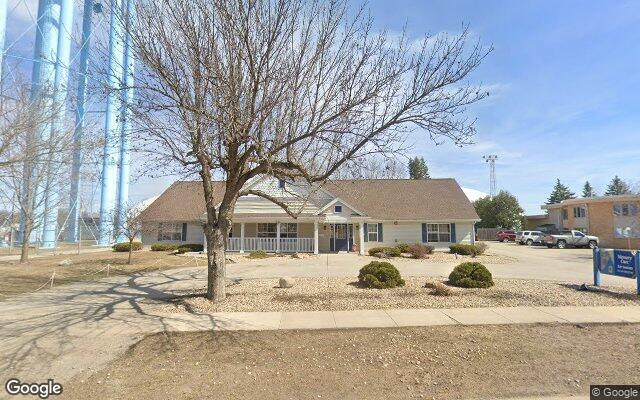
Full Inspection Record
Family reviews
No reviews yet — be the first to share your experience