Personal Care Senior Living Ll.
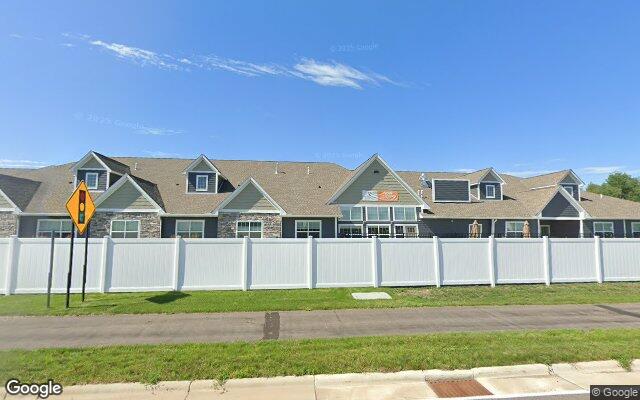
A medium home, reviewed on public record.
Compared to 187 Minnesota facilities with a similar number of beds.
ALF memory care · 36-month window. Higher percentile = better performance on inspection record. Source: Minnesota Dept. of Health · Health Regulation Division.
Rankings based on 36-month MDH inspection data. Severity and frequency: fewer citations = higher percentile. Repeat rate: lower repeat citation share = higher percentile.
Citation history, plotted month by month.
3 deficiencies on record. Each bar is a month with a citation.
Finding distribution
3 total · 36 monthsScope × Severity (CMS A–L)
Questions to ask before you visit.
A short pre-tour checklist tailored to Personal Care Senior Living Ll's record and state requirements.
Minnesota Department of Health records show 3 complaints on file through the December 12, 2024 inspection — can you share which of those complaints were substantiated and provide copies of any corrective action plans or follow-up documentation the facility prepared in response?
Ask the operator on tour. Take notes and compare answers across facilities you visit.
The facility holds an Assisted Living Facility with Dementia Care license under Minn. Stat. ch. 144G — can you walk us through the written dementia care program and show how it differs from the general assisted living programming for residents without cognitive impairment?
Ask the operator on tour. Take notes and compare answers across facilities you visit.
MDH conducted its most recent inspection on December 12, 2024, and no deficiencies were cited — can you share the full inspection report and explain how the facility prepares for unannounced state surveys to maintain compliance?
Ask the operator on tour. Take notes and compare answers across facilities you visit.
Every inspection visit, verbatim.
4 inspections in the public record, most recent first. Plain-language summaries open first — click into any row for the full citation text.
2026-03-26Complaint InvestigationSubstantiated Finding · 1 finding
Plain-language summary
A Minnesota Department of Health investigation substantiated neglect by an unlicensed staff member who failed to provide scheduled safety checks and toileting to a resident in the memory care unit, then failed to report a fall or the resident's pain when he was found on the floor; video surveillance showed the staff member did not complete the documented checks and put the resident back in bed without notifying nursing or hospice of the incident. The resident sustained a hip fracture from the fall, was transferred to the hospital for surgery, and died a few days later. The investigation concluded the staff member was individually responsible for the maltreatment.
Read full citation text (1)Hide full citation text
“MDH substantiated maltreatment or licensing violation finding”
Read raw inspector notesClose inspector notes
Finding: Substantiated, individual responsibility Nature of Investigation: The Minnesota Department of Health investigated an allegation of maltreatment, in accordance with the Minnesota Reporting of Maltreatment of Vulnerable Adults Act, Minn. Stat. 626.557, and to evaluate compliance with applicable licensing standards for the provider type. Initial Investigation Allegation(s): The resident was neglected when the alleged perpetrator (AP) failed to provide care and services for falls prevention, then failed to report the fall or resident’s complaint of pain. Investigative Findings and Conclusion: The Minnesota Department of Health determined neglect was substantiated. The AP was responsible for the maltreatment. Although the AP, an unlicensed personnel (ULP) documented completing safety checks and scheduled toileting, she admitted those services were not provided. A facility investigation indicated video surveillance showed the AP failed to provide scheduled toileting and supervision to ensure his safety. The resident was found on the floor with complaints of pain, but the AP put the resident back into bed and closed the door without providing pain management or reporting the fall to ensure the resident’s pain and injuries were addressed. The resident record indicated he sustained a hip fracture with uncontrolled pain requiring transfer to the emergency department (ED), hospitalization, and surgical repair. The resident’s record of death indicated he died a few days later from the fracture sustained during the fall. The investigator conducted interviews with facility staff members, including administrative staff, nursing staff, and unlicensed staff. The investigator contacted the resident’s family. The investigation included review of the resident record(s), death record, hospital records, hospice records, facility internal investigation, facility incident reports, personnel files, staff schedules, and related facility policy and procedures. Also, the investigator observed residents and staff in the secure memory care unit. The resident resided in an assisted living facility secure memory care unit with diagnoses including dementia, and prostate cancer. The resident’s assessment and plan of care indicated the resident had moderately impaired cognition and was disoriented to person, place, and time and received hospice for end of life care. The assessment and care plan indicated the resident was not able to walk and was dependent on staff assistance with transfers toileting and incontinence care and mobilized using a wheelchair. The assessment and plan of care indicated the resident was at a risk for falls, with no falls in the last 3 months using interventions including visual hourly safety checks scheduled at 11:00 p.m., 12:00 a.m., 1:00 a.m., 2:00 a.m., 3:00 a.m., 4:00 a.m., 5:00 a.m., and 6:00 a.m. and toileting scheduled at 3:30 a.m. during the night shift. The plan of care directed staff to bring the resident to a common area to provide supervision if he was restless or agitated. A concern arose when unlicensed personnel tried to get the resident up for the day, but he was in pain and unable to bear weight, which was a change for him. The resident was transferred to ED, and the facility began looking into how this change occurred. A facility investigation indicated after interviewing multiple staff including the AP and reviewing video surveillance from 11:00 p.m. to 6:30 a.m. (the night shift when the fall incident occurred) showed the AP put the resident into bed and closed the resident’s door around 11:00 p.m. The AP remained seated on the couch for the majority of her shift with the exception of providing limited rounds on some of the residents around 4:20 a.m., however the AP did not open the resident’s door. Near the end of her shift the AP documented completing the resident’s hourly safety checks on the resident, and when interviewed the AP stated that the safety checks were completed for the resident, however video surveillance showed the AP had not provided any of the safety checks or toileting she had documented as complete. It was further determined after another staff member found the resident on the floor of his room, screaming in pain around 5:00 a.m. when the staff went to get help, the AP put the resident back into bed without waiting for assistance and closed his door. The AP did not report the fall or pain to triage nursing before getting the resident off the floor, failed to report the fall and pain to hospice, management, or oncoming staff to ensure the resident’s needs were met. Additionally, the AP did not complete an incident report or administer any pain medication and did not check on the residents again. The resident’s service delivery of care record included the scheduled toileting and safety checks. The AP documented completing all of the hourly safety checks and toileting at the same time at 5:43 a.m. (after the resident fell). However, the service delivery record indicated when day shift staff went to get the resident up for the day, he was unable to get out of bed and complained of hip pain. A review of the incident reports indicated the AP did not complete an incident report regarding the resident’s fall. An incident report was filled out a day later by someone other than the AP. The incident report indicated the resident had an unwitnessed fall after transferring himself to the bathroom without staff assistance and was found lying on the floor near his bed. The incident report indicated vitals were taken (not recorded in the resident record) and the resident was put back into bed, but the fall was not reported to the nurse. The incident report indicated the resident’s sustained a hip fracture from the fall. A review of the progress notes did not identify documentation by the AP of the resident’s fall nor complaint of pain. Additionally, the same review found no indication the AP informed the triage nurse nor hospice of the fall. The progress indicated the day shift caregivers found the resident in pain and unable to get out of bed. When a hospice RN assessed the resident in the morning the resident had pain and abnormal internal rotation of his hip. The progress notes indicated an Xray was ordered, and pain management was provided but the resident’s pain was unable to be managed at the facility. At around 1 p.m. the X-ray results came back and indicated the resident sustained an acute intertrochanter fracture of the left hip. The resident’s hospital record indicated the resident’s required transfer to the ED/hospital for pain management and indicated the resident’s pain remained unmanageable despite intravenous pain medication. Although the ED/hospital record mentioned the residents’ hip fracture was possibly a pathological fracture (a fracture caused by disease processes weakening the bone structure) there was no evidence of or other mention of a pathological fracture in the resident’s record, radiology reports, or surgical notes reviewed. The ED/hospital record indicated the resident had surgical repair (internal fixation) to stabilize his hip fracture and was readmitted to the facility with hospice services. After approximately four days, the resident returned to the facility. Three days after that the resident died. The resident’s record of death indicated the resident’s immediate cause of death was a left hip fracture from an unwitnessed fall at the facility. When interviewed facility leadership stated the AP admitted she knew the resident needed to be checked on, toileted, and the resident was in pain after he fell and should have reported the incident but did not. When interviewed, unlicensed personnel (ULP) #1 stated she went to the resident’s room at 5:00 a.m. to borrow an incontinence brief for another hospice resident and the resident was laying on the floor screaming in pain. ULP#1 stated she notified the AP of the fall and instructed her to call triage while she went to get another staff to ensure they had enough help to get the resident off the floor. ULP#1 stated when she returned the AP had put the resident back in bed and closed his door. ULP#1 indicated she thought the AP had called triage to report the fall. During an interview, ULP#2 stated when she came on shift in the morning the AP reported to her, she had “No falls”, which she thought was strange because normally staff would only report if a fall occurred. ULP#2 stated as she settled in for her shift the resident was heard in his room making loud noises, which was not normal for him, so she immediately went to check on him.
2024-12-12Annual Compliance VisitNo findings
Plain-language summary
A standard inspection was conducted at this facility on December 9-12, 2024, and state correction orders were issued for violations of Minnesota assisted living regulations; no immediate fines were assessed. The facility is required to document within specified timeframes how it corrected the deficiencies identified during the survey and what changes were made to prevent future violations. The facility may request reconsideration of the correction orders in writing within 15 calendar days of receiving the inspection report.
Read full citation textHide full citation text
Read raw inspector notesClose inspector notes
correction orders and document the actions taken to comply in the facility's records. The Department reserves the right to return to the facility at any time should the Department receive a complaint or deem it necessary to ensure the health, safety, and welfare of residents in your care. STATE CORRECTION ORDERS The enclosed State Form documents the state correction orders. The Department of Health documents state correction orders using federal software. Tag numbers are assigned to Minnesota state statutes for Home Care Providers. The assigned tag number appears in the far left column entitled "ID Prefix Tag." The state statute number and the corresponding text of the state statute out of compliance are listed in the "Summary Statement of Deficiencies" column. This column also includes the findings that are in violation of the state statute after the statement, "This MN Requirement is not met as evidenced by . . ." In accordance with Minn. Stat. § 144G.31 Subd. 4, MDH may assess fines based on the level and scope of the violations; h owever, no immediate fines are assessed for this survey of your facility. DOCUMENTATION OF ACTION TO COMPLY Per Minn. Stat. § 144G.30, Subd. 5(c), the licensee must document actions taken to comply with the An equal opportunity employer. Letter ID: 9GJX Revise d04/20/2023 Personal Care Senior Living LLC January 23, 2025 Page 2 correction orders within the time period outlined on the state form; however, plans of correction are not required to be submitted for approval. The correction order documentation should include the following: Identify how the area(s) of noncompliance was corrected related to the resident(s)/employee(s) identified in the correction order. Identify how the area(s) of noncompliance was corrected for all of the provider’s residents/employees that may be affected by the noncompliance. Identify what changes to your systems and practices were made to ensure compliance with the specific statute(s). CORRECTION ORDER RECONSIDERATION PROCESS In accordance with Minn. Stat. § 144G.32, Subd. 2, you may challenge the correction order issued, including the level and scope, and any fine assessed through the correction order reconsideration process. The request for reconsideration must be in writing and received by the Department of Health within 15 calendar days of the correction order receipt date. To submit a reconsideration request, please visit: https://forms.web.health.state.mn.us/form/HRDAppealsForm The MDH Health Regulation Division (HRD) values your feedback about your experience during the survey and/or investigation process. Please fill out this anonymous provider feedback questionnaire at your convenience at this link: h ttps://forms.office.com/g/Bm5uQEpHVa. Your input is important to us and will enable MDH to improve its processes and communication with providers. If you have any questions regarding the questionnaire, please contact Susan Winkelmann at susan.winkelmann@state.mn.us or call 651-201-5952. You are encouraged to retain this document for your records. It is your responsibility to share the information contained in the letter and state form with your organization’s Governing Body. If you have any questions, please contact me. Sincerely, Kelly Thorson, Supervisor State Evaluation Team Email: Kelly.Thorson@state.mn.us Telephone: 320-223-7336 Fax: 1-866-890-9290 HHH PRINTED: 01/23/2025 FORM APPROVED STATEMENT OF DEFICIENCIES (X1) PROVIDER/SUPPLIER/CLIA (X2) MULTIPLE CONSTRUCTION (X3) DATE SURVEY AND PLAN OF CORRECTION IDENTIFICATION NUMBER: COMPLETED A. BUILDING: ______________________ B. WING _____________________________ 39312 12/12/2024 NAME OF PROVIDER OR SUPPLIER STREET ADDRESS, CITY, STATE, ZIP CODE 14209 INCA STREET NW PERSONAL CARE SENIOR LIVING LLC ANDOVER, MN 55304 SUMMARY STATEMENT OF DEFICIENCIES PROVIDER'S PLAN OF CORRECTION (X4) ID ID (X5) PREFIX (EACH DEFICIENCY MUST BE PRECEDED BY FULL PREFIX (EACH CORRECTIVE ACTION SHOULD BE COMPLETE REGULATORY OR LSC IDENTIFYING INFORMATION) CROSS-REFERENCED TO THE APPROPRIATE DATE TAG TAG DEFICIENCY) 0 000 Initial Comments 0 000 ASSISTED LIVING PROVIDER LICENSING Minnesota Department of Health is CORRECTION ORDER(S) documenting the State Correction Orders using federal software. Tag numbers have In accordance with Minnesota Statutes, section been assigned to Minnesota State 144G.08 to 144G.95, these correction orders are Statutes for Assisted Living Facilities. The issued pursuant to a survey. assigned tag number appears in the far left column entitled "ID Prefix Tag." The Determination of whether violations are corrected state Statute number and the requires compliance with all requirements corresponding text of the state Statute out provided at the Statute number indicated below. of compliance is listed in the "Summary When Minnesota Statute contains several items, Statement of Deficiencies" column. This failure to comply with any of the items will be column also includes the findings which considered lack of compliance. are in violation of the state requirement after the statement, "This Minnesota INITIAL COMMENTS: requirement is not met as evidenced by." Following the evaluators ' findings is the SL#39312015 Time Period for Correction. On December 9, 2024, through December 12, PLEASE DISREGARD THE HEADING OF 2024, the Minnesota Department of Health THE FOURTH COLUMN WHICH conducted a full survey at the above provider. At STATES,"PROVIDER'S PLAN OF the time of the survey, there were 29 resident(s); CORRECTION." THIS APPLIES TO 27 receiving services under the Provisional FEDERAL DEFICIENCIES ONLY. THIS Assisted Living Facility with Dementia Care WILL APPEAR ON EACH PAGE. license. THERE IS NO REQUIREMENT TO SUBMIT A PLAN OF CORRECTION FOR VIOLATIONS OF MINNESOTA STATE STATUTES. THE LETTER IN THE LEFT COLUMN IS USED FOR TRACKING PURPOSES AND REFLECTS THE SCOPE AND LEVEL ISSUED PURSUANT TO 144G.31 SUBDIVISION 1-3. 0 480 144G.41 Subdivision 1 Subd. 1a (a-b) Minimum 0 480 SS=F requirements; required food services LABORATORY DIRECTOR'S OR PROVIDER/SUPPLIER REPRESENTATIVE'S SIGNATURE TITLE (X6) DATE STATE FORM 6899 2H7411 If continuation sheet 1 of 15 PRINTED: 01/23/2025 FORM APPROVED STATEMENT OF DEFICIENCIES (X1) PROVIDER/SUPPLIER/CLIA (X2) MULTIPLE CONSTRUCTION (X3) DATE SURVEY AND PLAN OF CORRECTION IDENTIFICATION NUMBER: COMPLETED A. BUILDING: ______________________ B. WING _____________________________ 39312 12/12/2024 NAME OF PROVIDER OR SUPPLIER STREET ADDRESS, CITY, STATE, ZIP CODE 14209 INCA STREET NW PERSONAL CARE SENIOR LIVING LLC ANDOVER, MN 55304 SUMMARY STATEMENT OF DEFICIENCIES PROVIDER'S PLAN OF CORRECTION (X4) ID ID (X5) PREFIX (EACH DEFICIENCY MUST BE PRECEDED BY FULL PREFIX (EACH CORRECTIVE ACTION SHOULD BE COMPLETE REGULATORY OR LSC IDENTIFYING INFORMATION) CROSS-REFERENCED TO THE APPROPRIATE DATE TAG TAG DEFICIENCY) 0 480 Continued From page 1 0 480 (a) Except as provided in paragraph (b), food must be prepared and served according to the Minnesota Food Code, Minnesota Rules, chapter 4626. (b) For an assisted living facility with a licensed capacity of ten or fewer residents: (1) notwithstanding Minnesota Rules, part 4626.0033, item A, the facility may share a certified food protection manager (CFPM) with one other facility located within a 60-mile radius and under common management provided the CFPM is present at each facility frequently enough to effectively administer, manage, and supervise each facility's food service operation; (2) notwithstanding Minnesota Rules, part 4626.0545, item A, kick plates that are not removable or cannot be rotated open are allowed unless the facility has been issued repeated correction orders for violations of Minnesota Rules, part 4626.1565 or 4626.1570; (3) notwithstanding Minnesota Rules, part 4626.0685, item A, the facility is not required to provide integral drainboards, utensil racks, or tables large enough to accommodate soiled and clean items that may accumulate during hours of operation provided soiled items do not contaminate clean items, surfaces, or food, and clean equipment and dishes are air dried in a manner that prevents contamination before storage; (4) notwithstanding Minnesota Rules, part 4626.1070, item A, the facility is not required to install a dedicated handwashing sink in its existing kitchen provided it designates one well of a two-compartment sink for use only as a handwashing sink; (5) notwithstanding Minnesota Rules, parts 4626.1325, 4626.1335, and 4626.1360, item A, existing floor, wall, and ceiling finishes are STATE FORM 6899 2H7411 If continuation sheet 2 of 15 PRINTED: 01/23/2025 FORM APPROVED STATEMENT OF DEFICIENCIES (X1) PROVIDER/SUPPLIER/CLIA (X2) MULTIPLE CONSTRUCTION (X3) DATE SURVEY AND PLAN OF CORRECTION IDENTIFICATION NUMBER: COMPLETED A. BUILDING: ______________________ B. WING _____________________________ 39312 12/12/2024 NAME OF PROVIDER OR SUPPLIER STREET ADDRESS, CITY, STATE, ZIP CODE 14209 INCA STREET NW PERSONAL CARE SENIOR LIVING LLC ANDOVER, MN 55304 SUMMARY STATEMENT OF DEFICIENCIES PROVIDER'S PLAN OF CORRECTION (X4) ID ID (X5) PREFIX (EACH DEFICIENCY MUST BE PRECEDED BY FULL PREFIX (EACH CORRECTIVE ACTION SHOULD BE COMPLETE REGULATORY OR LSC IDENTIFYING INFORMATION) CROSS-REFERENCED TO THE APPROPRIATE DATE TAG TAG DEFICIENCY) 0 480 Continued From page 2 0 480 allowed provided the facility keeps them clean and in good condition; (6) notwithstanding Minnesota Rules, part 4626.
2024-10-17Complaint InvestigationSubstantiated Finding · 1 finding
Plain-language summary
A complaint investigation found the facility substantiated neglect when staff failed to provide required stand-by assistance, a gait belt, and walker to a resident with dementia and Parkinson's disease during ambulation, resulting in a fall that reopened a previous head wound. The resident bled for 60 to 90 minutes before staff called 911, and facility staff did not notify the on-call triage nurse a second time or ensure hospital evaluation for the head injury as required for a hospice resident. Both the individual staff member and the facility were held responsible for the neglect.
Read full citation text (1)Hide full citation text
“MDH substantiated maltreatment or licensing violation finding”
Read raw inspector notesClose inspector notes
Finding: Substantiated, facility and individual responsibility Nature of Investigation: The Minnesota Department of Health investigated an allegation of maltreatment, in accordance with the Minnesota Reporting of Maltreatment of Vulnerable Adults Act, Minn. Stat. 626.557, and to evaluate compliance with applicable licensing standards for the provider type. Initial Investigation Allegation(s): The facility neglected a resident when they failed to ensure the resident received care, services, and supervision according to the resident’s assessed needs. The resident fell and injured her head while walking unassisted. The resident bled for over 60 minutes before the resident was transported to a hospital where she received treatment for her head injury. Investigative Findings and Conclusion: The Minnesota Department of Health determined neglect was substantiated. The alleged perpetrator (AP) and the facility were responsible for the neglect. The AP failed to follow the resident’s care planned needs of providing stand-by assistance, a gait belt, and walker during ambulation. The resident fell and reopened a pre-existing closed head wound causing the resident unnecessary pain and suffering. In addition, facility staff failed to notify the on-call triage nurse a second time when the resident continued to profusely bleed from the head wound for 60 to 90 minutes. Also, the facility failed to have a system in place for the resident with hospice services, to be evaluated at a hospital following a head injury. The investigator conducted interviews with facility staff members, including administrative staff, nursing staff, and unlicensed staff. The investigator contacted the resident’s family member and hospice staff. The investigation included review of law enforcement reports, ambulance report, the resident’s facility record, hospital records, hospice records, provider’s records, facility incident reports, staff schedules, personnel files, and related policies and procedures. Also, the investigator observed residents and staff in the facility. The resident resided in the assisted living side of an assisted living with dementia care facility. The resident’s diagnoses included Lewy body dementia, Parkinson’s disease, neurogenic orthostatic hypotension (a condition that causes light headedness when standing), and frequent falls. The resident received hospice services. The resident required assistance with transfers, toileting, activities of daily living, and safety. The resident had balance problems when standing, was able to walk independently inside her apartment only if she used her walker but required staff supervision, a gait belt, and stand-by assistance when walking in the facility. The resident was oriented to person, place, and time. The resident’s hospice record indicated the resident’s fall interventions included a perimeter mattress to define the edges of the resident’s bed, educating the resident to call for assistance before attempting to walk or transfer, stand-by assistance of one staff using a gait belt and a walker to ambulate outside the resident’s apartment, and proper footwear. The resident’s provider note indicated the resident required ongoing, close monitoring due to increased severity and progression of the resident’s diagnoses. The resident remained at high risk for falls, hospitalization, and mortality and required 24-hour care and monitoring. A progress note indicated just before an overnight shift; the AP called the facility triage nurse to report they observed the resident walking outside her apartment pushing her wheelchair from behind. The AP left the resident unassisted to administer medications in another resident's apartment. Moments later, the AP found the resident on the common area floor, screaming, yelling, and refusing to let anyone touch or apply pressure to her bleeding head. The facility triage nurse contacted the on-call hospice nurse who advised staff to administer Tylenol for pain and lorazepam (antianxiety) medication. The triage nurse told staff the hospice nurse was on her way to the facility but was unsure of the arrival time. The hospice note indicated the resident was actively bleeding when the on-call hospice nurse arrived at the facility. The hospice nurse documented the resident was "bleeding a lot." The resident wore a shower cap staff placed on the resident’s head to the control bleeding. The hospice nurse observed multiple paper towels in a garbage can covered with blood. The hospice nurse called for emergency services. Law enforcement and emergency medical services arrived and measured the resident’s wound as 1.5 inches x 1 inch gouged out area with a protruding flap of skin on the back of the resident’s head. Facility staff were unable to provide information or details to law enforcement of what occurred or the exact time the resident fell. The law enforcement report indicated they observed a chunk the size of a dollar coin missing from the back of the resident’s head. The resident’s wound consistently pulsated and spewed blood. Law enforcement attempted to speak to the resident, but staff stated the resident was normally confused and would not be able to answer law enforcement questions. Staff told law enforcement the resident bled for approximately 60-90 minutes before the hospice nurse arrived at the facility. Overnight staff stated they believed the resident may have fallen in the common area of the facility. A staff member stated the resident was attempting to clean her head wound when staff found her. Law enforcement asked staff why they did not call 911 when they observed the extent of the resident’s injuries. Overnight staff repeatedly stated they did not know what happened since the resident’s incident did not occur during their shift and stated they were waiting for the hospice nurse to arrive. The report indicated the hospice nurse was visibly upset when staff did not call 911 prior to her arrival due to the extent of the resident’s injuries. The resident was transported to the hospital. The resident’s hospital record indicated the resident required six staples to close her head wound. Hours later the resident was discharged back to the facility. When interviewed, the AP stated the resident always injured her head at the same place, stating it always reopened. The AP stated the resident pushed her wheelchair around the facility by herself stating, “she was very unstable.” The AP stated the resident fell in the hallway sometime between 9:00 p.m. and 9:30 p.m. stating, "she was not stable.” The AP stated another unlicensed staff assisted her with the resident after the fall by applying pressure and ice to the head wound. The AP stated the resident “bled so bad, I've never seen blood like that." The AP stated she left the facility at 10:45 p.m. before the hospice nurse arrived. No additional attempts were made to contact the triage nurse regarding the amount of bleeding from the resident’s head injury. When interviewed, a hospice nurse stated when she arrived at the facility, she observed the resident wearing a shower cap on her head, blood streaming down the resident’s back stating, there was "blood all over the floor.” The hospice nurse stated "I took one look at her and knew immediately I was calling 911. I was angry no one called 911." The hospice nurse stated she was grateful the resident did not die that night stating, "that was the gnarliest head wound I've ever seen." When interviewed, the facility’s on-call triage nurse stated the AP called her stating she saw the resident walk out of her room pushing her wheelchair from behind. The AP left the resident to administer medications to another resident. The triage nurse stated facility staff did not report the resident’s bleeding was uncontrolled. The triage nurse stated because she was off-site, the triage nurse relied highly on what staff reported to her along with questions she would ask them. The triage nurse stated most facilities where she covers call after hours, have a head strike policy to direct on-call staff to arrange for an evaluation at a hospital for a resident receiving hospice services with any head injury. The triage nurse stated the facility did not have a policy on residents with hospice services and no direction was provided by the facility to have a resident with hospice services automatically evaluated after a head injury. During an interview, the facility nurse stated the resident loved to walk but was impulsive and unsafe to be left alone. The nurse stated the resident often walked around the facility pushing her wheelchair. The nurse stated she knew the resident "very well," stating "I've seen this wound reopen and reopen over and over and over and I don't feel the need to call 911 at that moment like she was having a life-threatening emergency over it.
2023-10-12Complaint InvestigationSubstantiated Finding · 1 finding
Plain-language summary
On October 12, 2023, the Minnesota Department of Health conducted a complaint investigation and found that Personal Care Senior Living LLC operated without the required Assisted Living Facility with Dementia Care license between June 12, 2023, and October 12, 2023, serving as many as 23 residents during that unlicensed period. A correction order was issued, and the facility was required to immediately correct this violation if it operates in the future.
Read full citation text (1)Hide full citation text
“MDH substantiated maltreatment or licensing violation finding”
Read raw inspector notesClose inspector notes
findings which are in violation of the state items, failure to comply with any of the items will requirement after the statement, "This be considered lack of compliance. Minnesota requirement is not met as evidenced by." Following the surveyors' INITIAL COMMENTS: findings is the Time Period for Correction. #HL393126028C PLEASE DISREGARD THE HEADING OF THE FOURTH COLUMN WHICH On October 12, 2023, the Minnesota Department STATES,"PROVIDER'S PLAN OF of Health conducted a complaint investigation at CORRECTION." THIS APPLIES TO the above facility, and the following correction FEDERAL DEFICIENCIES ONLY. THIS order is issued. At the time of the complaint WILL APPEAR ON EACH PAGE. investigation, there were 18 residents receiving services. THERE IS NO REQUIREMENT TO SUBMIT A PLAN OF CORRECTION FOR The following correction order is issued for VIOLATIONS OF MINNESOTA STATE #HL393126028C, tag identification 0100. STATUTES. At the time of the investigation, the entity The letter in the left column is used for "Personal Care Senior Living" did not hold an tracking purposes and reflects the scope Assisted Living Facility with Dementia Care and level issued pursuant to 144G.31 license. As a result, the enclosed violations do subd. 1, 2, and 3. not include a time period for correction. In the event that the entity is licensed or permitted to operate in the future, it is required to immediately correct these violations. LABORATORY DIRECTOR'S OR PROVIDER/SUPPLIER REPRESENTATIVE'S SIGNATURE TITLE (X6) DATE STATE FORM 6899 FYS811 If continuation sheet 1 of 7 PRINTED: 11/15/2023 FORM APPROVED STATEMENT OF DEFICIENCIES (X1) PROVIDER/SUPPLIER/CLIA (X2) MULTIPLE CONSTRUCTION (X3) DATE SURVEY AND PLAN OF CORRECTION IDENTIFICATION NUMBER: COMPLETED A. BUILDING: ______________________ C B. WING _____________________________ 39312 10/12/2023 NAME OF PROVIDER OR SUPPLIER STREET ADDRESS, CITY, STATE, ZIP CODE 14209 INCA STREET NW PERSONAL CARE SENIOR LIVING LLC ANDOVER, MN 55304 SUMMARY STATEMENT OF DEFICIENCIES PROVIDER'S PLAN OF CORRECTION (X4) ID ID (X5) PREFIX (EACH DEFICIENCY MUST BE PRECEDED BY FULL PREFIX (EACH CORRECTIVE ACTION SHOULD BE COMPLETE REGULATORY OR LSC IDENTIFYING INFORMATION) CROSS-REFERENCED TO THE APPROPRIATE DATE TAG TAG DEFICIENCY) 0 100 Continued From page 1 0 100 0 100 144G.10 Subdivision 1 License required 0 100 SS=I (a)(1)?Beginning August 1, 2021, no assisted living facility may operate in Minnesota unless it is licensed under this chapter.? (2) No facility or building on a campus may provide assisted living services until obtaining the required license under paragraphs (c) to (e).? (b)?The licensee is legally responsible for the management, control, and operation of the facility, regardless of the existence of a management agreement or subcontract. Nothing in this chapter shall in any way affect the rights and remedies available under other law.? (c) Upon approving an application for an assisted living facility license, the commissioner shall issue a single license for each building that is operated by the licensee as an assisted living facility and is located at a separate address, except as provided under paragraph (d) or (e).? (d) Upon approving an application for an assisted living facility license, the commissioner may issue a single license for two or more buildings on a campus that are operated by the same licensee as an assisted living facility. An assisted living facility license for a campus must identify the address and licensed resident capacity of each building located on the campus in which assisted living services are provided.? (e) Upon approving an application for an assisted living facility license, the commissioner may:? (1) issue a single license for two or more buildings on a campus that are operated by the same licensee as an assisted living facility with dementia care, provided the assisted living facility for dementia care license for a campus identifies the buildings operating as assisted living facilities with dementia care; or? (2) issue a separate assisted living facility with STATE FORM 6899 FYS811 If continuation sheet 2 of 7 PRINTED: 11/15/2023 FORM APPROVED STATEMENT OF DEFICIENCIES (X1) PROVIDER/SUPPLIER/CLIA (X2) MULTIPLE CONSTRUCTION (X3) DATE SURVEY AND PLAN OF CORRECTION IDENTIFICATION NUMBER: COMPLETED A. BUILDING: ______________________ C B. WING _____________________________ 39312 10/12/2023 NAME OF PROVIDER OR SUPPLIER STREET ADDRESS, CITY, STATE, ZIP CODE 14209 INCA STREET NW PERSONAL CARE SENIOR LIVING LLC ANDOVER, MN 55304 SUMMARY STATEMENT OF DEFICIENCIES PROVIDER'S PLAN OF CORRECTION (X4) ID ID (X5) PREFIX (EACH DEFICIENCY MUST BE PRECEDED BY FULL PREFIX (EACH CORRECTIVE ACTION SHOULD BE COMPLETE REGULATORY OR LSC IDENTIFYING INFORMATION) CROSS-REFERENCED TO THE APPROPRIATE DATE TAG TAG DEFICIENCY) 0 100 Continued From page 2 0 100 dementia care license for a building that is on a campus and that is operating as an assisted living facility with dementia care. This MN Requirement is not met as evidenced by: Based on observation, interview, and document review, the entity known as Personal Care Senior Living LLC, failed to obtain assisted living facility with dementia care (ALDFC) licensure and operated without a license providing assisted living with dementia care services to residents between June 12, 2023, and October 12, 2023. During the time without licensure, twenty-three residents received services. On October 12, 2023, there were eighteen (18) residents receiving services from the entity known as Personal Care Senior Living LLC. This practice resulted in a level three violation (a violation that harmed a resident's health or safety, not including serious injury, impairment, or death, or a violation that has the potential to lead to serious injury, impairment, or death) and was issued at a widespread scope (when problems are pervasive or represent a systemic failure that has affected or has potential to affect a large portion or all of the residents). The findings include: Minnesota statute 144G.10 Subdivision 1 identifies beginning August 1, 2021, no assisted living facility may operate in Minnesota unless it is licensed under this chapter and no facility or building on a campus may provide assisted living services until obtaining the required license. On October 12, 2023, a review of Personal Care Senior Living LLC's website STATE FORM 6899 FYS811 If continuation sheet 3 of 7 PRINTED: 11/15/2023 FORM APPROVED STATEMENT OF DEFICIENCIES (X1) PROVIDER/SUPPLIER/CLIA (X2) MULTIPLE CONSTRUCTION (X3) DATE SURVEY AND PLAN OF CORRECTION IDENTIFICATION NUMBER: COMPLETED A. BUILDING: ______________________ C B. WING _____________________________ 39312 10/12/2023 NAME OF PROVIDER OR SUPPLIER STREET ADDRESS, CITY, STATE, ZIP CODE 14209 INCA STREET NW PERSONAL CARE SENIOR LIVING LLC ANDOVER, MN 55304 SUMMARY STATEMENT OF DEFICIENCIES PROVIDER'S PLAN OF CORRECTION (X4) ID ID (X5) PREFIX (EACH DEFICIENCY MUST BE PRECEDED BY FULL PREFIX (EACH CORRECTIVE ACTION SHOULD BE COMPLETE REGULATORY OR LSC IDENTIFYING INFORMATION) CROSS-REFERENCED TO THE APPROPRIATE DATE TAG TAG DEFICIENCY) 0 100 Continued From page 3 0 100 (https://personalcareseniorliving.com/andover/) was completed which included "Personal Care Senior Living of Andover is now officially open and accepting new resident applications!" The website identified Personal Care Senior Living LLC offered memory care and assisted living services. There was no date included on when the facility opened. On October 12, 2023, at 11:37 a.m., The a complaint investigation to address allegations Personal Care Senior Living LLC, located in Andover, MN, operated an assisted living facility with dementia care (ALFDC) without a license. Upon entrance, the MDH investigator was unable to locate evidence of appropriate licensure displayed in a prominent location within the facility as required by statute. During an interview, on October 12, 2023, at 11:49 a.m., the housing manager, (ADM)-I, confirmed the facility housed current residents and provided assisted living services. ADM-I stated the facility did not have a license and but they were waiting for it to arrive. On October 12, 2023, at 11:55 a.m., a current resident roster was provided to the investigator which identified 18 residents were currently receiving services. The roster also included "Intake Date" (admission date) with two resident intake dates of June 12, 2023. During an interview on October 12, 2023, at 12:39 p.m., corporate nurse consultant/licensed practical nurse (LPN)-F stated the facility opened on June 12, 2023, and she assumed the facility's license was on its way after the MDH engineer and environmental health surveyor completed STATE FORM 6899 FYS811 If continuation sheet 4 of 7 PRINTED: 11/15/2023 FORM APPROVED STATEMENT OF DEFICIENCIES (X1) PROVIDER/SUPPLIER/CLIA (X2) MULTIPLE CONSTRUCTION (X3) DATE SURVEY AND PLAN OF CORRECTION IDENTIFICATION NUMBER: COMPLETED A. BUILDING: ______________________ C B.
Other facilities in Anoka County.
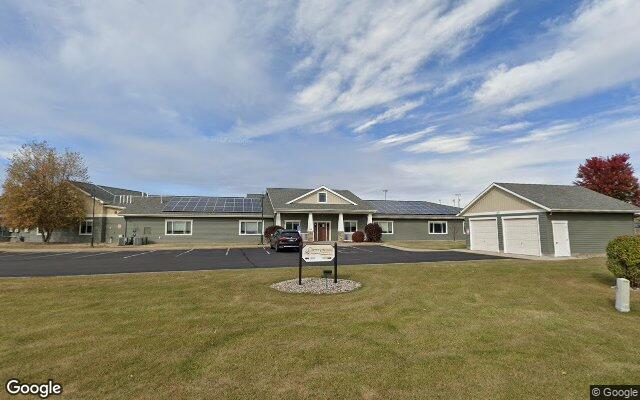
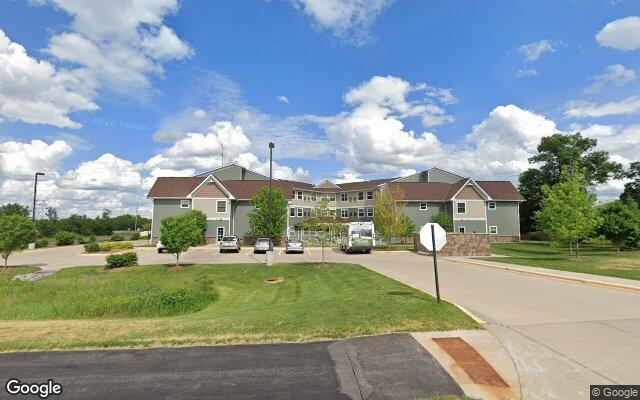
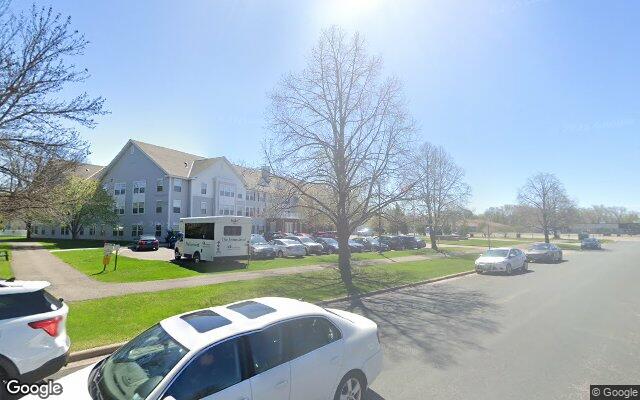
Other memory care facilities in Anoka County with similar care offerings.
Contract Decoder
Family reviews
No reviews yet — be the first to share your experience
Other memory care options nearby.
More options in neighboring cities
Licensed memory care in other cities within this county region — useful when your search radius crosses city limits.