Eskaton Gold River Lodge.
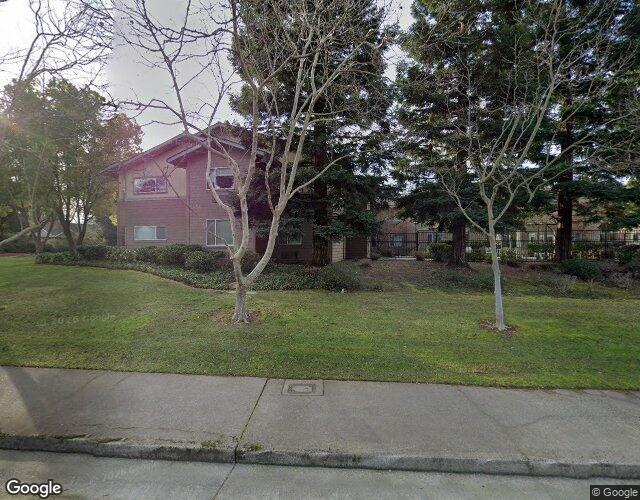
A large home, reviewed on public record.
© Google Street View
Compared to 160 California facilities with a similar number of beds.
RCFE · 36-month window. Higher percentile = better performance on inspection record. Source: California Dept. of Social Services · Community Care Licensing.
among peers to rank.
Rankings based on 36-month CDSS inspection data. Severity and frequency: fewer citations = higher percentile. Repeat rate: lower repeat citation share = higher percentile.
Citation history, plotted month by month.
20 deficiencies on record. Each bar is a month with a citation.
Finding distribution
20 total · 36 monthsScope × Severity (CMS A–L)
The rules that apply to this facility.
State requirements with the exact regulation citation, plain-language explanation, and a question to ask on tour. Rules this facility has been cited for appear first.
Plain language
Because a facility markets dementia or Alzheimer's care, state law mandates higher training standards: 12 hours of initial dementia training (6 hours before a staff member works independently with residents, 6 more within the first 4 weeks), 8 hours of annual dementia in-service every year thereafter, and an administrator must include 8 hours of dementia-specific continuing education in every 2-year recertification cycle. Training must cover individualized care plans, behavioral expressions, appropriate supervision, and the facility's dementia care philosophy.
Ask on tour
“Can you show me each direct-care staffer's most recent dementia training certificate, and tell me when their next refresher is due?”
Questions to ask before you visit.
A short pre-tour checklist tailored to Eskaton Gold River Lodge's record and state requirements.
The facility has 16 serious citations on file across all inspections — can you provide your corrective-action plan for each cited item, and show families any documentation of remediation steps taken?
Ask the operator on tour. Take notes and compare answers across facilities you visit.
The March 5, 2026 inspection is the most recent on file — can you provide the deficiency notice from that visit and walk families through the specific corrective actions implemented in response?
Ask the operator on tour. Take notes and compare answers across facilities you visit.
20 complaints are on file with CDSS — were any substantiated, and what remediation did the facility take in response to substantiated findings?
Ask the operator on tour. Take notes and compare answers across facilities you visit.
Every inspection visit, verbatim.
26 inspections in the public record, most recent first. Plain-language summaries open first — click into any row for the full citation text.
2026-07-24Complaint InvestigationNo findings
Read raw inspector notesClose inspector notes
Licensing Program Analyst (LPA) Christina Valerio arrived unannounced to conduct an annual required inspection. LPA Valerio met with Business Office Manager (BOM) Maha Larach, and explained the purpose of the visit. LPA Valerio and BOM toured the facility to ensure compliance with Title 22 regulations. The facility is a two-story building composed of an assisted living area and a memory care living space. On 02/20/2026, LPA Valerio was notified that the facility would be undergoing a renovation project. LPA Valerio was provided a timeline along with a phase map. The project is estimated to be a year in length. LPA Valerio observed the back lobby area and second floor administrative offices to be under construction. LPA Valerio did not observe any hazardous items accessible to residents in care. LPA Valerio observed the facility to have plans in place to address open areas and construction debris. LPA Valerio did not observe any resident rooms to be impacted by the construction. The lobby area was observed to have an area for residents to lounge near the library and/or fire place. The lobby had a snack and drink bar, which was stocked with ice water, tea, coffee, chips, cereal, cookies, and fresh fruit. The hallways on the first floor were observed to be free from odors or obstructions of emergency exits. The thermostat in the hallway was observed to be set at a comfortable temperature of 71 degrees Fahrenheit. The fire extinguisher and fire pull alarm system was observed to be working condition. The dates of the last fire drilled were conducted on 04/03/2026 and 04/23/2026. LPA Valerio inspected six (6) resident bedrooms; two on the first floor, two on the second floor, and two in the memory care living area. All resident bedrooms were observed to be free from odors, fully furnished, personalized to each resident's interest, and free from hazardous items. Continues on LIC 809 - C... 1 2 3 4 5 6 7 8 9 10 11 12 13 14 15 16 17 18 19 20 21 22 23 24 25 26 27 28 29 30 31 32 LPA Valerio observed the elevators to be in working condition. Wooden hand rails located in all hallways were observed to be sturdy, free from chipped wood, and recently refinished. The dinning hall area was observed to have plenty of dining tables and was cleaned after breakfast service. LPA Valerio observed kitchen staff meal prepping for lunch service, putting away food delivery items, and cleaning up from breakfast service. LPA Valerio observed kitchen staff wearing hair nets and handling food safely. LPA Valerio observed the facility to have an adequate food supply, in addition to an emergency supply of food and water. LPA Valerio did not observe any expired food items. LPA Valerio observed a wall with resident pictures along with any dietary restrictions/or allergies to ensure resident's care plan/preferences are met. LPA Valerio and BOM Larach observed the memory care area. LPA Valerio observed residents participating in chair exercises. LPA Valerio observed the hallways to be free from odors. The kitchen area was being cleaned up by a direct care staff. Food and drinks were properly stored in the refrigerator and/or pantry area. LPA Valerio and BOM Larach observed holes in the wall due to the electrical work being done by the construction team. The holes were covered by a thin plastic lining and secured with construction staples. LPA Valerio observed one piece ripped from one corner and informed BOM to have the construction team secure it before the hole becomes accessible to residents. LPA Valerio observed medication rooms to be locked and inaccessible to residents in care. LPA Valerio observed activities rooms to be free from sharps and hazardous items. LPA Valerio observed exterior courtyard areas to have proper door alert signals and to have exit walk ways clear from any obstructions. LPA Valerio observed six (6) resident files and six (6) staff files. LPA Valerio requested the following annual documentation be sent to christina.valerio@dss.ca.gov: LIC 500, LIC 308, LIC 309, LIC 610D, and copy of liability insurance. Per California Code of Regulations (CCR) - Title 22 - No deficiencies were cited during today's visit. An exit interview was held, and a copy of this report was provided.
2026-05-21Complaint InvestigationUnsubstantiatedNo findings
2026-03-09Complaint InvestigationNo findings
Plain-language summary
On March 9, 2026, inspectors visited the facility to enforce an immediate exclusion order for a staff member. The administrator confirmed the staff member had not worked at the facility and agreed to remove them from the roster. No deficiencies were found during the facility walk-through.
Read full citation textHide full citation text
Read raw inspector notesClose inspector notes
On 3/9/26 at 9:45am, Licensing Program Analyst (LPA) Kevin Gould conducted an unannounced Case Management inspection to issue and Immediate exclusion for staff Member S1 (see confidential names list, LIC 811 dated 3/9/26). LPA met with Administrator Alfredo Cruz and together discussed the purpose of today's visit. LPA provided facility administrator with a copy of the immediate exclusion. Administrator states the staff has not been working at this facility since they have been appointed administrator and has agreed to remove the S1 from the facility list of associated individuals. LPA conducted a walk through of the facility and no deficiencies were observed during today's inspection. Exit interview conducted and a copy of this report was left at the facility.
2026-03-05Other VisitType B · 1 finding
Plain-language summary
This was an investigation into two complaints: that staff were not providing food to memory care residents when requested, and that staff were not responding to residents' needs promptly. The investigator observed residents receiving meals on schedule and staff responding to residents' needs (including toileting and redirection) within ten minutes, and found no evidence supporting either complaint.
Read full citation text (1)Hide full citation text
“Based on interviews and record review, Licensee did not ensure a dignified relation between a staff member and resident in care regarding care procedures. This posed a potential health, safety, and resident rights risk to residents in care.”
Read raw inspector notesClose inspector notes
Allegation: Staff not providing food to residents in memory care when requested. LPA conducted interviews, record reviews, and observations as noted above. Based on observations and record reviews, it was revealed that residents in memory care received food items during mealtimes as well as through special requests of residents. LPA observed various residents in memory care served timely and in accordance with diet orders. Additionally, interviews conducted did not reveal any corroborated statements or evidence supporting the allegation noted above. As a result, the preponderance of evidence standard is not met, and this allegation is UNSUBSTANTIATED. Allegation: Staff not responding to memory care resident needs as required. LPA conducted interviews, record reviews, and observations as noted above. LPA observed residents in memory care attended to timely including toileting needs, redirection as necessary, and general supervision of residents. Additional observations in memory care revealed timely assisting of residents in under ten minutes. Interviews conducted revealed that staff are attending to resident needs timely and adequately, with no further corroborated evidence to support the allegation noted above. As a result, the preponderance of evidence standard is not met, and this allegation is UNSUBSTANTIATED. A finding of unsubstantiated means the allegation may have happened or is valid, but there is not a preponderance of the evidence to prove that the alleged violation occurred. An exit interview was conducted with Administrator and a copy of this report was provided. Appeal rights and LIC 811 provided.
2026-02-20Other VisitNo findings
Plain-language summary
An investigation looked into three complaints at the facility: whether staff responded slowly to residents' call buttons, whether unqualified staff were giving injections to residents, and whether resident records were kept secure. The investigator found no evidence to support any of these complaints—residents can self-administer their own injections based on their care plans, and resident records are kept locked with limited staff access.
Read full citation textHide full citation text
Read raw inspector notesClose inspector notes
Based on facility records, interviews with staff, and resident’s in care on the information provided, it was unclear if due to lack of staff, staff are not answering residents calls for assistance timely, therefore the allegation was deemed UNSUBSTANTIATED. Unqualified staff giving injections to resident's - LPA Lund reviewed facility records and interviewed, Staff, and Resident’s in care. The facility hasn’t done injections for resident’s in care since approximately 2022. The facility has three residents who need injections and are able to do own injections based on needs and service plan. LPA Lund reviewed the Eskaton Diabetic Resident Guidelines for residents in care. Based on facility records review interviews with staff and residents in care on the information provided, it was unclear if unqualified staff giving injections to resident's, therefore the allegation was deemed UNSUBSTANTIATED. Staff do not safeguard resident records - LPA Lund interviewed Staff, and Administrator Alfredo Cruz. On 2/20/2026 LPA Lund observed in three different locations that resident’s records are secured with a locked door with a pin number to get into the records. Administrator Alfredo Cruz stated that only staff who need access to the residents’ records have the pin number to gain access to the records. Based on interviews with Staff, Administrator Alfredo Cruz and LPA Lund’s observation on the information provided, it was unclear if staff do not safeguard resident records, therefore the allegation was deemed UNSUBSTANTIATED. As a result of this investigation, this Department finds the allegation to be UNSUBSTANTIATED. A complaint allegation finding of Unsubstantiated means that although the allegation may have happened or is valid, there is not a preponderance of the evidence to prove that the alleged violation occurred. Exit interview conducted and report left.
2025-12-09Other VisitNo findings
Plain-language summary
This was a follow-up inspection regarding how the facility handled two residents who showed signs of scabies. The facility treated both residents based on their doctors' orders, communicated promptly with the residents' family members and health department officials, conducted staff training on infection control, and followed all public health guidance—the inspector found no violations.
Read full citation textHide full citation text
Read raw inspector notesClose inspector notes
According to an interview with S1, the facility has taken a proactive approach with R1 and R2. Both residents did not get a skin scrape to confirm a diagnosis for scabies; however, they are underwent treatment for scabies based on their doctors orders. S1 stated the facility has been in constant communication with CDPH, CCL, and the resident's responsible party. S1 stated the facility has followed proper infection control protocols by having a PPE station in front of the resident's room, conducting an in-service with all staff regarding procedures, and following doctor and CDPH orders. S1 stated if they did not communicate with the POA, they would not have been able to successfully treat R1 and R2. S1 stated they have proof of communication with all necessary parties. S1 stated that the facility wanted to send R1 to the emergency room via Alpha One due to the rash on R1's arm spreading to other areas of R1. Alpha One assessed the resident and was going to take R1; however, R1 and the POA of R1 declined R1 to be taken. S1 provided LPA proof of the AMA along with correspondence with POA. LPA Valerio interviewed R1's POA. The POA confirmed that the facility has been in constant communication with the POA and did not want R1 to be transported to the emergency room as it may expose R1 to additional risk. The POA stated that with Eskaton's prompt communication, they were able to get treatment for R1 within, if not less than, 24 hours of being notified. POA stated they are happy with the care Eskaton has provided to R1. LPA Valerio reviewed facility documentation. LPA Valerio observed the facility received doctor's orders for R1 and R2. LPA Valerio reviewed the orders and copies of the Electronic Medication Administration Record. Records confirmed that staff provided medications based on doctors order for R1 on 12/03/25 and R2 on 12/04/25. LPA observed the facility conducted an in-service training with all staff on 12/03/2025 on the topic Scabies - Best Safety Practices + Prevention. LPA Valerio observed a record from Alpha One, a medical transportation company. The record shows the facility contacted Alpha One on 12/02/2025. LPA Valerio reviewed and confirmed that the facility has been in communication with CDPH and has followed CDPH's Prevention and Control of Scabies Guidance. Based on the aforementioned information, the allegation is unfounded. A finding of unfounded means the allegation is false, could not have happened, or is without a reasonable basis. Per California Code of Regulations (CCR) - Title 22 - no deficiencies are being cited today. An exit interview was held with ED Alfredo Cruz, and copy of this report was provided.
2025-08-21Annual Compliance VisitNo findings
Plain-language summary
During a July 2025 inspection, the facility was found to have issues with how medications were being stored and managed for residents, specifically regarding whether residents should be handling their own medications and keeping them secure. The facility developed a plan to reassess these residents' medication management practices and ensure medications were kept locked and inaccessible to others. The deficiency was cleared during a follow-up visit on August 21, 2025.
Read full citation textHide full citation text
Read raw inspector notesClose inspector notes
The following deficiencies, initially cited during a visit on 07/17/2025, have been cleared: Section Cited: 87466 Date Due: 07/18/2025 Plan of Correction: The facility will reassess R1 and R2 for self administration of their medication including keeping medication locked and not accessible to others. Corrections: Cleared By Visit Clearance Date: 08/21/2025 Section Cited: 87466 Date Due: 07/18/2025 Plan of Correction: The facility will reassess R1 and R2 for self administration of their medication including keeping medication locked and not accessible to others. Corrections: Cleared By Visit Clearance Date: 08/21/2025 Section Cited: 87466 Date Due: 07/18/2025 Plan of Correction: The facility will reassess R1 and R2 for self administration of their medication including keeping medication locked and not accessible to others. Corrections: Cleared By Visit Clearance Date: 08/21/2025
2025-08-20Complaint InvestigationMixedIJ · 2 findings
Plain-language summary
A complaint investigation found that the facility failed to contact the resident's primary care doctor when staff noticed the resident became weak and confused on November 5, 2024, which led to the resident being hospitalized with sepsis; the facility also refused to readmit the resident after hospitalization without following proper procedures like reassessing the resident's needs or notifying regulators before discharge. The investigation could not determine whether the delayed medical attention directly caused the sepsis because the resident had also refused treatment when paramedics arrived. The facility was cited for not reporting the change in condition to the doctor and for improperly refusing readmission without following required procedures.
Read full citation text (2)Hide full citation text
“Based on a review of records and interviews, staff became aware of R1 having a change in condition on 11/5/2024 and staff did not contact R1’s (PCP) when the change of condition was noted. This posed an immediate threat to the health, safety and personal rights of residents in care.”
“Based on a review of records and interviews, on 11/19/24, the RCC did not allow R1 to return to the facility when the hospital tried to discharge R1 so R1 could return home. This posed an immediate risk to the health, safety, and personal rights of residents in care.”
Read raw inspector notesClose inspector notes
presented in the emergency room (ER) with an “altered mental status, fatigue and generalized weakness…” R1 was diagnosed with sepsis. Interviews with staff noted that R1 would refuse treatment. Facility documentation notes that staff checked on R1 when they observed a change in condition. It was unclear if R1 developing sepsis was due to staff not obtaining timely medical attention or due to R1’s refusal for treatment. Due to these inconsistencies, there was not a preponderance of evidence to substantiate that hospitalization was a result of lack of care and supervision. The allegation was UNSUBSTANTIATED and no deficiencies were cited. Exit interview was conducted with Executive Director and a copy of this report was provided. 1 2 3 4 5 6 7 8 9 10 11 12 13 14 15 16 17 18 19 20 21 22 23 24 25 26 27 28 29 30 31 32 well, experiencing weakness, confusion and runny nose. On 11/06/2024, at 6:30 PM, R1 was seen by paramedic due to weakness and back pain. R1 refused to go to the ER. On 11/07/2024 at 12:29 PM the home health agency providing services to R1 called 911 due to R1’s weakness and confusion. Staff became aware of R1 having a change in condition on 11/5/2024. Staff interviews and facility notes do not show that staff contacted R1’s primary care provider (PCP) when the change of condition was noted. Based on documentation and information provided through interviews there was a preponderance of evidence to show that the facility did not properly assess resident and did not report the change in condition to PCP as required and therefore this allegation is SUBSTANTIATED. It was alleged that “Facility did not allow resident to come back to the facility after being hospitalized.” Per facility documentation dated 11/18/2024 at 3:18PM, the facility was notified that R1 would be discharged back to Eskaton Gold River the following day on 11/19/2024. On 11/19/2024, the Resident Care Coordinator (RCC) for the facility called the hospital requesting that R1 be transferred to a skilled nursing facility for rehabilitation, stating that R1 has to be able to bare weight otherwise R1 is not appropriate for the facility. The facility should have allowed R1 to return home as the hospital stated that R1 needed a 2-person assist, and not any mechanical interventions/accommodations. The facility refused. The facility should have allowed R1 to return home, re-assessed R1's needs, and updated R1's care plan. If after a thorough assessment, it was determined that the facility could not continue to meet R1's needs, the responsible party should have been notified. An updated care plan should have been created and a draft of a 30-day eviction letter stating that the resident required a higher level of care, along with supporting documentation, should have been submitted to Community Care Licensing for review. The facility should have also assisted the resident and their responsible party in locating an appropriate placement, as required. Based on documentation and information provided through interviews there was a preponderance of evidence to show that the "Facility did not allow resident to come back to the facility after being hospitalized," and therefore this allegation is SUBSTANTIATED. Exit interview was conducted with AD Alfredo Cruz and a copy of this report was provided along with APPEAL RIGHTS.
2025-07-17Complaint InvestigationUnsubstantiatedNo findings
Plain-language summary
A complaint alleged that staff were using medical lifting equipment on residents without a doctor's order. The facility's records, family interviews, and staff statements all showed proper documentation and procedures were followed, though inspectors could not definitively prove the allegation true or false due to limited evidence. No violation was found.
Read full citation textHide full citation text
Read raw inspector notesClose inspector notes
that R1, R2 and R3 needed assistance with as found on their 602, matched what was shared by F1, F2 and F3. This also aligned with the Services History Log updated by staff. F1 was also able to recite R2's limitations which matched R2's Capacity for Self Care from their 602. Regarding the allegation that staff are using medical equipment on residents without a doctors order, of the three staff interviewed (S1, S2, S3) were asked when they had used the lift alone, all staff interviewed stated that had not and would not use it alone because it was a two person procedure. The community reported that there was only one person (R4) actively using a Hoyer lift and they were in Memory Care. The resident is non-verbal as stated in their 602 and could not be interviewed. Due to the above noted information, although the allegation may have happened or is valid, there is not a preponderance of evidence to prove the alleged violation(s) did or did not occur, and therefore this allegation is UNSUBSTANTIATED. Per California Code of Regulations (CCRs) - Title 22, Division 6 Chapter 8, no deficiencies cited. Exit interview was held and a copy of report was given to Alfredo Cruz.
2025-07-08Complaint InvestigationUnsubstantiatedNo findings
Plain-language summary
This was a complaint investigation into whether staff were failing to follow the facility's activity schedule. The investigator found that staff made three changes to planned outings—substituting McDonald's for an ice cream shop due to long wait times and heat, going to Cold Stone Creamery instead of a museum due to lack of parking, and moving a picnic to a nearby park because of an unexpected entrance fee—but determined these changes were reasonable adjustments made for residents' safety and comfort rather than violations of policy.
Read full citation textHide full citation text
Read raw inspector notesClose inspector notes
S1 said the ice cream shop was completely packed, and it was not safe to try to assist residents inside. S1 said that residents were taken to a neighboring McDonald's to get ice cream instead. LPA Moleski observed that this trip to Baskin Robbins was scheduled for memory care and Day Spring on June 10. The facility's primary driver to and from outings, S4, said that residents were waiting for over 30 minutes to get a table at the Baskin Robbins on that date due to the long line. S4 said it was also very hot that day, and residents were getting agitated, so they went next door so residents could get their ice cream quicker. LPA Moleski interviewed two Day Spring residents who were listed as attendees on the outing attendance log. (R1-R2). R1 could not remember the outing, but said they had not experienced any last minute changes. R2 did not understand questions pertaining to outings and did not seem oriented to their current location. S4 also said that plans were altered for an outing scheduled for assisted living assisted living residents for the California Museum on May 29. S4 said when they arrived at the museum, there was no parking available nearby, and the residents would have to walk too far to get to the museum. S4 said that they went to Cold Stone Creamery instead. S4 said that a resident in attendance had suggested they go for ice cream, although S4 could not remember who. LPA Moleski interviewed two residents whose names were listed on a receipt from Cold Stone (R3-R4). R3 did not remember going on the outing, but said that they have gone on outings and do not experience last minute changes to planned outing destinations. When asked about this outing, R4 said that they could not remember the details, but they remembered they had to go somewhere else. R4 said that changes to the outings calendar are made only when necessary. Both R3 and R4 voiced satisfaction with this facility's outings program. LPA Moleski interviewed two other activities staff who sometimes drive residents to and from outings (S2-S3) and they were not aware of any other alterations to the planned outing calendars. Both S1 and S4 said that changes are made only when necessary due to emergent conditions. LPA Moleski reviewed GPS location data from the outings planned for the months of April, May and June, plus interior surveillance camera phots showing parking locations. LPA Moleski did observe a memory care picnic scheduled for Black Miner's Bar was relocated to nearby Hagan Park on May 13, based on GPS location data. S4, the driver on this outing, said that they were not aware that Black Miner's Bar would charge them for entrance, so they did not have the company card to pay. S4 said they still wanted to give the residents a picnic experience, so they brought them to Hagan Park instead. [continued on 9099-C] 1 2 3 4 5 6 7 8 9 10 11 12 13 14 15 16 17 18 19 20 21 22 23 24 25 26 27 28 29 30 31 32 Two days later, on May 15, a picnic was scheduled with assisted living and Day Spring for Black Miner's Bar. GPS data shows that this destination was visited as planned. S4 said they knew after their prior trip they would have to pay for entrance. LPA Moleski did not observe additional significant deviations in outing destinations based on GPS data except as already described above. Title 22 of the California Code of Regulations Section 87219 requires this facility to have a written program of activities which shall be "planned in advance, kept up-to-date, and made available to all residents." This requires that activities be pre-planned, but should not preclude minor changes in the actual execution of activities which may necessary to preserve the health and safety of clients in care or otherwise necessary due to extenuating circumstances. Additionally, residents have the right to safe and comfortable accommodations per 22 CCR Section 87468.1(a)(2) and other reasonable accommodations per Section 87468.2(a)(14). The changes made to planned activities as described above appear reasonable based on the circumstances and do not appear to infringe upon the rights of residents. The department has determined the following as it relates to the allegation that staff are not following facility's activity schedule: Based on interviews and record review, the above allegation is UNSUBSTANTIATED, which means that although the allegation may have happened or is valid, there is not a preponderance of the evidence to prove that a violation occurred. No deficiencies were cited regarding the above allegation. An exit interview was held and a copy of this report was left with Cruz.
2025-05-29Complaint InvestigationSubstantiatedType B · 1 finding
Plain-language summary
During a complaint investigation on November 14, 2024, inspectors found that staff members were not wearing masks as required by infection control rules. Staff interviews confirmed that at least two employees had not been wearing masks properly, and the inspector directly observed another staff member on the first floor without a mask during the visit. The facility was cited for this violation and stated that the employees involved received coaching on infection control requirements.
Read full citation text (1)Hide full citation text
“Based on interviews with S2 and S3 along with this LPA's observations on 11/14/25, 3 staff members were not following the infection control protocol and were not wearing masks/PPE. This posed a potential threat to the health, safety, and/or personal rights of residents in care.”
Read raw inspector notesClose inspector notes
LPA learned from interviews that staff members (S3 and S4) were reviewing video footage to ensure that all staff were wearing their masks and utilizing their PPE as directed. Both S3 and S4 stated that they saw 2 employees not wearing their masks as directed. S3 informed this LPA that those employees were coached and counseled on the importance of following infection control protocols. In addition, when this LPA conducted her visit on 11/14/24, she also observed a staff member (S5) on the first floor not wearing a mask. The standard for the preponderance of evidence has been met and the Department finds the allegation, "Staff are not following infection control protocols," to be SUBSTANTIATED. This deficiency has been cited on the LIC 9099D page. According to the California Code of Regulations, Title 22, no other deficiencies were observed or cited during today's visit. A copy of this report was provided and an exit interview was conducted with Alfredo Cruz.
2025-01-02Complaint InvestigationUnsubstantiatedNo findings
Plain-language summary
This was a complaint investigation into allegations of transportation discrimination and medication mismanagement. Investigators interviewed 10 residents about transportation and found no problems reported; they also reviewed medication records for six residents over July and August 2024 and found them in compliance with no evidence of mismanagement. No violations were found.
Read full citation textHide full citation text
Read raw inspector notesClose inspector notes
Interviews were conducted with 10 residents; R1-R10. All were asked questions about their transportation needs and destinations. None reported having any problems getting services. None reported feeling discriminated by staff. As there was no preponderance of evidence, this department found the two allegations to be UNFOUNDED. According to the California Code of Regulations, Title 22, no deficiencies were observed or cited during today's visit. A copy of this report was provided. Exit interview. 1 2 3 4 5 6 7 8 9 10 11 12 13 14 15 16 17 18 19 20 21 22 23 24 25 26 27 28 29 30 31 32 In 5 out of 6 files, this was the case. The 6th file was for a resident who was undergoing a re-appraisal to be moved into memory care so documentation was in the process of being updated. The standard for the preponderance of evidence has not been met and the department finds the above allegation to be UNSUBSTANTIATED. A finding of unsubstantiated means that although the allegation(s) may have happened or is valid, there is not a preponderance of the evidence to prove that the alleged violation(s) occurred. Regarding the allegation: Staff are mismanaging residents' medication. This LPA reviewed a sample of electronic medication records (EMAR) for 6 residents: R13, R14, R15, R16, R19, and R20 over the months of July and August of 2024 (the time period of this complaint) and found it to be in compliance at the time of this inspection. This LPA also conducted interviews with S1 and S2 and learned that the EMAR system implemented in March of 2024 has assisted with the tracking and administration of medications. The standard for the preponderance of evidence was not met and the department found this allegation to be UNSUBSTANTIATED. A finding of unsubstantiated means that although the allegation(s) may have happened or is valid, there is not a preponderance of the evidence to prove that the alleged violation(s) occurred. According to the California Code of Regulations, Title 22, there were no deficiencies observed of cited during today's visit. A copy of this report was provided along with APPEAL RIGHTS and an exit interview was conducted with the Designee.
2024-10-08Other VisitNo findings
Plain-language summary
This was a follow-up visit on October 8, 2024, to check on improvements the facility had made since a non-compliance meeting in October 2023. Inspectors found no violations and observed residents engaged in activities, dining, and receiving care; the facility reported adding a resident care coordinator and wellness nurse, providing additional training to nursing and medication staff, implementing a new medication tracking system, extending front desk coverage, and launching quality improvement programs. The state plans to continue quarterly visits to monitor the facility's progress.
Read full citation textHide full citation text
Read raw inspector notesClose inspector notes
On 10/08/24, Licensing Program Analyst (LPA) Kimberly Viarella and Licensing Program Manager (LPM) Stephen Richardson, made an unannounced visit to this facility as a follow-up to a non-compliance meeting that was conducted on 10/23/23. LPA Viarella identified herself upon arrival, stated the purpose of the visit, and asked to meet with the Designated Facility Administrator. LPA/LPM met with the Designee, Tina Riley, LVN, and Senior Executive Director, Tristin Benjamin. The four conducted a walkthrough of the facility. The group toured all interior areas including assisted living, memory care, 4 medication rooms, the dining room and the kitchen. The group also visited a model room and recently vacated room and observed that both contained pull cords by the bedsides as well in the bathrooms. During the walkthrough, the LPA/LPM observed 5 residents participating in a staff led painting activity in one of the assisted living lounges and 8 residents in memory care playing Family Feud led by a staff member in their activity room. Toward the end of the tour the LPA/LPM observed 26 residents in the assisted living dining room having lunch with 2 servers in attendance. Throughout the tour, LPA/LPM observed staff providing care to the residents in different areas of the facility along with housekeeping servicing rooms in both memory care and assisted living. At the conclusion of the walkthrough, the four met to review the concerns that were discussed on 10/23/23. At this meeting the Designee and the Executive Director provided the following updates. Since that meeting the facility has done the following: The facility now has a Resident Care Coordinator and Wellness nurse in place. In addition, all nurses and medication technicians have had additional training on passing techniques, policies and systems. Eskaton Central Support and Senior RCFE quality and compliance nurse conducted additional audits, record review, 1 2 3 4 5 6 7 8 9 10 11 12 13 14 15 16 17 18 19 20 21 22 23 24 25 26 27 28 29 30 31 32 training and competency checks. Trainings were updated regarding insulin and diabetes management. The facility has ceased to accept residents who cannot manage their own blood sugar monitoring and insulin administration. Front desk coverage was extended to 10:00 PM 7 days a week. The front door lock was replaced with a keyed system to ensure only authorized staff can lock and unlock doors. The facility has also implemented Care Coordination Meetings (CCMs) with an emphasis on those residents who have experienced recent changes in condition or care needs and were intended to be proactive and preventative. The facility also launched its own Eskaton Academy in June 2023 which trains all new care staff and many existing staff. The Designee, Tina Riley, highlighted that they were developing an effective method for tracking all necessary training which would include the hours of each training, the credentials of the trainer as well as the name of the person a trainee shadowed. A new Electronic Medication Administration Record system (EMAR) was launched on 03/01/24. The LPA/LPM were also told in this meeting that the "Great Catch" pilot program was launched in November and has been successful in encouraging staff to communicate things across departments in order to improve resident care and safety. The meeting ended with Community Care Licensing stating that they were looking forward to being a resource and assisting the facility as they work toward achieving and maintaining compliance with their new staff. Quarterly visits will continue until further notice from the regional office. According to the California Code of Regulations, Title 22, no deficiencies were observed or cited during today's visit. A copy of this report was provided and an exit interview was conducted.
2024-09-17Complaint InvestigationSubstantiatedIJ · 2 findings
Plain-language summary
A complaint investigation found that Eskaton Gold River Lodge failed to follow its own COVID-19 safety plan when residents transferred from another Eskaton facility in February 2024, one of whom had tested positive for COVID-19. The facility did not test the new arrivals upon move-in, did not inform staff of the exposure, seated them together with other residents in the dining room, and delayed testing a resident who complained of a sore throat until a family member requested a test kit—which came back positive. Staff were not required to wear masks in common areas, and the resident wandered out of their room while infectious, resulting in six residents testing positive for COVID-19 across the facility in February and March 2024.
Read full citation text (2)Hide full citation text
“Based on interviews and records review, the Administrator did not ensure that the COVID-19 Preparedness and Response Plan was implemented. Residents were not tested upon move-in, additional testing was not conducted immediately on those who were in proximity of infected residents, and staff did not wear masks in communal areas. This posed an immediate risk to the heath, safety, and personal rights of residents in care.”
“This requirement was not met as evidenced by: Based on interviews and a review of records, R1 was denied medical assistance when they requested a COVID test. This posed an immediate risk to the health, safety and personal rights of residents in care.”
Read raw inspector notesClose inspector notes
LPA received a document from a staff member (S4) dated 2/22/24. It confirmed that a resident at Eskaton Village tested positive for Covid. It also confirmed that this information was communicated from Eskaton Village to Eskaton Gold River prior to the transfer of residents. The Memory Care Coordinator at Eskaton Gold River stated that she was not informed that a resident had tested positive for Covid at the Eskaton Village facility and therefore had not taken any special precautions. Additional care staff were not brought in, however another Enrichment Assistant was added to help the newcomers engage with the community and to decrease any anxiety they might have felt over their sudden change in environment. During a review of the Coronavirus/COVID-19 Preparedness and Response Plan, (the Plan ) dated 09/14/2022 by Eskaton Gold River Lodge, page 17 stated that, "New move-ins should be tested at the time of move-in. This can be done with a PCR or rapid antigen test." This was not done. 3 out of 3 staff interviewed stated that there was no mention of these residents potentially being exposed to COVID-19 and they were not screened, isolated, or masked. In an interview with S4, this LPA learned that the newcomers were seated together for meals in the communal dining room with the other residents in care. This was done in order to assist them with acclimating to their new surroundings. According to a review of records, on 02/27/24 at 4:30 PM, one of the Eskaton residents (R1) complained of a sore throat and an inability to swallow. R1's temperature was taken and was recorded as 97.4 degrees Fahrenheit . Hospice was notified. At 2:00 PM, when the responsible party (F1) was visiting R1, R1 complained of a sore throat again. F1 requested that R1 be tested for COVID. The med tech on duty denied the request and responded that wasn't policy and that they only tested when symptoms were present. F1 replied that there were symptoms, i.e. the sore throat. When the med tech refused to test R1, F1 requested a test kit so that they could test R1. The med tech provided the test kit. R1 test positive for COVID. Hospice was notified and the resident was then isolated to prevent the spread of COVID. Upon further review of the Plan, this LPA found that the staff at the facility did not follow their mitigation protocols. Per this plan, on page 5 it stated, for confirmed Covid - 19 cases, "Reported illnesses have ranged from mild symptoms to severe illness and death. Symptoms may appear 2-14 days after exposure to 1 2 3 4 5 6 7 8 9 10 11 12 13 14 15 16 17 18 19 20 21 22 23 24 25 26 27 28 29 30 31 32 the virus. People with these symptoms or combinations of these symptoms may have Covid- 19: Fever or chills Cough Shortness of breath Fatigue Muscle or body aches Headache New loss of taste or smell Sore throat Congestion or runny nose Nausea or vomiting Diarrhea" On page 40 , number 6 of this plan, it also stated, " Test residents and staff who had known exposure to the individual. Additional testing should be done based on guidance from the health department and the level of exposure." According to interviews with S2, this was not done; at a minimum, the residents who transferred from Eskaton Village should have all been tested as they previously lived in the same facility and had been grouped together in communal areas after arriving. On page 58 of this document it went on to state precautions in memory care specifically: 8. " Suspected or Confirmed cases of COVID-19 - If it is necessary to isolate a resident in memory care due to suspected or known COVID -19, consider these steps in addition to normal COVID-19 policies: As it may be challenging to restrict residents to their rooms, implement universal use of eye protection and N95 or other respirators (or facemasks if respirators are not available) for all personnel when on the unit to address potential for encountering a wandering resident who might have Covid-19. Moving residents with confirmed COVID-19 to a designated COVID-19 care unit can help to decrease the exposure risk of residents and staff. Additionally, at the time a resident with COVID-19 or asymptomatic infection has been identified, other residents and personnel on the unit may have already been exposed or infected, and additional testing may be needed. 1 2 3 4 5 6 7 8 9 10 11 12 13 14 15 16 17 18 19 20 21 22 23 24 25 26 27 28 29 30 31 32 d. If due to cognitive impairments it is not possible to isolate the resident, it may be necessary to treat the entire memory care area/unit as isolated. This would include not allowing staff to work in other areas of the community, and implementing droplet/contact precautions throughout the memory care area/unit. " When this LPA conducted interviews, 5 out of 5 respondents stated that staff were not required to wear masks while working in the memory care communal areas, only upon entering the room of a resident who had been confirmed COVID positive. S2, S6, and F1 all stated that R1 would wander out of their room looking for their friend and had the opportunity to come in contact with unmasked residents and staff. This LPA learned that Eskaton Gold River did not follow its own Covid-19 Preparedness and Response Plan on multiple occasions. Residents from Eskaton Village were potentially exposed and were not tested upon move-in. R1 was not tested for COVID-19 symptoms even though they were complaining of a sore throat. The other residents who had been in close proximity to R1 were not immediately tested for COVID-19, as directed by the Plan . R1 exhibited wandering behavior when the attempt was made to isolate them. Masks were not required for staff in the common areas and both residents and staff were potentially exposed to COVID when R1 left their room. A total of 6 residents were reported to have tested positive for COVID-19. in the February/ March time frame of this complaint. The standard for the preponderance of evidence has been met and the allegation, "Staff did not follow protocols to prevent the spread of illness," has been SUBSTANTIATED. Regarding: Staff did not assist resident in a timely manner. R1 should have been tested for COVID-19 upon move-in. They were not. R1 should have been tested for COVID-19 when they complained of a sore throat. According to interviews both S2 and F1 confirmed that R1's temperature was checked and because it was normal, R1 was told that they were not exhibiting COVID 1 2 3 4 5 6 7 8 9 10 11 12 13 14 15 16 17 18 19 20 21 22 23 24 25 26 27 28 29 30 31 32 symptoms and would not be tested. According to the facility's own Plan, a sore throat is a COVID symptom and testing should have been done. The standard for the preponderance of evidence has been met and the allegation, "Staff did not assist resident in a timely manner, has been SUBSTANTIATED. According to the California Code of Regulations, Title 22, all deficiencies are listed on the LIC 9099 D page. A copy of this report was provided along with the APPEAL RIGHTS and an exit interview was conducted with the Administrator, Neal Torres.
2024-07-17Complaint InvestigationMixedType B · 1 finding
Plain-language summary
A complaint alleged that food was being served at improper temperatures, and investigators confirmed this was happening—caused by a cooling fan above the kitchen hood, staff not spacing out courses properly, and broken kitchen equipment that made it hard to keep food warm. The facility has since repaired the oven, purchased a new warming box, hired a culinary lead to train staff on meal pacing, and changed when food is placed under the hood. Two additional complaints about dirty floors were investigated across six facility visits and found to have no evidence of violations.
Read full citation text (1)Hide full citation text
“Based on interviews, food was not being served at the appropriate temperature due to equipment malfunction, the placement of a fan over the hood in the kitchen, and staff not being trained to pace meals. This posed a potential threat to the health, safety and/or personal rights to residents in care.”
Read raw inspector notesClose inspector notes
party stated that food was being served at improper temperatures. Through interviews and observation, this LPA learned that there was a fan located above the kitchen hood where food would be placed for staff to carry out to the residents. This fan kept the kitchen and the staff form getting too warm, but it would also cool the food down quickly. This was one reason why residents were receiving food that was not at its proper serving temperature. This LPA also learned that some of the staff at the time did not know how to pace the meals. The staff might bring out the soup, salad, and entree at the same time. By the time the resident finished their first course, the entree would be cold. In addition to these reasons, this LPA also learned that there had been issues with kitchen equipment during the time frame of this complaint. The top oven broke and therefore staff had to cook in batches and use a hot box to keep meals warm. At one point, the hot box broke too. Since the time of the complaint, the facility has had the oven repaired and purchased a new hot box. The Kitchen Manager has implemented a new role, Culinary Lead, to assist with training staff. Food is not put up under the hood for delivery until just before it is to be delivered and the staff has been trained to pace the delivery of each course. The standard for the preponderance of evidence has been met and the department finds this allegation to be SUBSTANTIATED. According to the California Code of Regulations, Title 22, the citation may be found on the LIC 9099 D page. A copy of this report was provided, along with APPEAL RIGHTS. Exit interview. 1 2 3 4 5 6 7 8 9 10 11 12 13 14 15 16 17 18 19 20 21 22 23 24 25 26 27 28 29 30 31 32 the facility floors were clean," this LPA has toured this facility 6 times. This LPA has completed a walkthrough of the facility on the following dates: 03/29/24, 06/10/24, 06/11/24, 06/24/24, 07/10/24, and 07/17/24. The LPA did not observe the kitchen or facility floors to be unclean. The standard for the preponderance of evidence has not been met and the department finds these two allegations to be UNSUBSTANTIATED. A finding of unsubstantiated means that although the allegation(s) may have happened or is valid, there is not a preponderance of the evidence to prove that the alleged violation(s) occurred. According to the California Code of Regulations, Title 22, this LPA did not observe or cite any deficiencies during today's visit. A copy of this report was provided along with APPEAL RIGHTS. Exit Interview.
2024-06-24Complaint InvestigationSubstantiatedType B · 1 finding
Plain-language summary
An investigator looked into a complaint that staff were transferring residents unsafely and found it was true: care workers were using the mechanical lift device by themselves instead of with a partner, which violates the requirement that two people must operate it together. The facility was cited for this violation. No other problems were found during the visit.
Read full citation text (1)Hide full citation text
“2 out of 9 staff interviewed stated that employees were using the Hoyer lift by themselves and not requesting a second person to assist.”
Read raw inspector notesClose inspector notes
This LPA was told Memory Care was staffed with the following: the AM shift had 3 care staff and 1 med tech plus the Memory Care Coordinator (MCC). The PM shift was staffed with 2 care staff plus 1 floater and a med tech. The NOC shift was staffed by 1 care staff and a med tech. As part of this investigation, this LPA interviewed 9 staff members. 2 of the 9 confirmed that staff were not consistently transferring residents properly. This LPA learned that care staff were using the Hoyer lift by themselves (1 person instead of a 2 person assist). Operation of a Hoyer lift requires 2 people. The standard for the preponderance of evidence has been met and the department finds the allegation, "Staff are transferring resident(s) in an unsafe manner." to be substantiated. This deficiency was cited on the LIC 9099D page. No other deficiencies were observed or cited during today's visit. A copy of this report was provided along with Appeal Rights. Exit interview.
2024-06-11Annual Compliance VisitType A · 6 findings
Plain-language summary
During a routine annual inspection on June 11, 2024, inspectors found that staff training records were incomplete—three staff members were missing required annual training documentation, including medication training for two medication assistants, and the facility's training logs did not include trainer names, credentials, or specific course content as required. Inspectors also noted that two violations resulted in civil penalties: a missing background check and missing transfer associations. The facility's medication storage, medication room procedures, emergency response times, and building exterior were found to be in acceptable condition.
Read full citation text (6)Hide full citation text
“Based on observation, the licensee did not comply with the section cited above when the LPA observed a sharp 6 inch serrated knife in a memory care kitchenette cabinet and when she observed scissors in kitchenette drawer. These items posed/poses an immediate health, safety or personal rights risk to persons in care. POC Due Date: 06/12/2024 Plan of Correction 1 2 3 4 Designated Facility Administrator immediately removed prohibited items and has stated they will do daily checks of the common areas in memory care which will be logged. This log template will be submitted by 6/13/24 close of business and the logs themselves will be submitted to kimberly.viarella@dss.ca.gov by 6/20/24.”
“Based on record review and an interview with the Facility Administrator, the licensee did not comply with the section cited above as observed by they LPA during a review of staff files. In 2 of the 3 staff files, there was no proof of initial training documented. This posed a potential threat to the health, safety or personal rights risk to persons in care. POC Due Date: 07/11/2024 Plan of Correction 1 2 3 4 Designated Facility Administrator stated that he will provide an audit of all missing training for care staff and med techs and will also update Eskaton Academy materials to provide regulation references. This information will be submitted to kimberly.viarella@dss.ca.gov by 7/11/24.”
“Based on a records a review and an interview with the Designated Facility Administrator, the licensee did not comply with the section cited above when 2 out of 3 staff files were missing required annual training components. This poses/posed a potential health, safety or personal rights risk to persons in care. POC Due Date: 06/30/2024 Plan of Correction 1 2 3 4 Designated Facility Administrator stated that he will provide an audit of all missing training for care staff and med techs and will also update Eskaton Academy materials to provide regulation references. This information will be submitted to kimberly.viarella@dss.ca.gov by 7/11/24.”
“Based on a records review and interview with the Designated Facility Administrator, the licensee did not comply with the section cited above when 2 out of 3 staff files reviewed staff did not have a current first aid/CPR certification. This poses/posed a potential health, safety or personal rights risk to persons in care. POC Due Date: 07/11/2024 Plan of Correction 1 2 3 4 The Designated Facility Administrator stated he will have all care staff /medtechs First Aid/CPR certified by 07/11/24. Copies of certifications will be submitted to kimberly.viarella@dss.ca.gov.”
“Based on record review and interview with the Designated Facility Administrator, the licensee did not comply with the section cited above when a minor hired to work as a server turned 18 last summer and the licensee did not obtain a background check clearance for them. This posed / poses an immediate health, safety or personal rights risk to persons in care. POC Due Date: 06/12/2024 Plan of Correction 1 2 3 4 Facility sent the staff member to be fingerprinted and they will not return to work until they have been cleared. THis POC has been cleared. As follow up, proof of clearance will be sent to kimberly.viarella@dss.ca.gov.”
“Based on a record review and an interview with the Business Office Manager, the licensee did not comply with the section cited above when 4 employees transfered to this facility but requests for them to be associated were not completed. This posed / poses an immediate health, safety or personal rights risk to persons in care. POC Due Date: 06/12/2024 Plan of Correction 1 2 3 4 These transfer requests have been completed. This POC has been cleared.”
Read raw inspector notesClose inspector notes
On 6/11/24, Licensing Program Analyst (LPA) Kimberly Viarella arrived at this facility to continue the annual inspection. LPA identified herself upon arrival, stated the purpose of her visit and asked to meet with the Designated Facility Administrator (DFA). LPA met with Neal Torres and a brief meeting followed. LPA provided materials to assist with future file reviews. LPA then returned to reviewing staff files to ensure proper background clearances, health checks and training were all in compliance. LPA reviewed 4 resident files. All were complete and up-to date at the present time. LPA observed that the DFA's certificate (# 6032067740) expires on 01/02/2025 and was in compliance at the time of the visit. LPA reviewed 3 staff files and found that they were missing annual training. In 2 of 3 files, the files did not contain the required number of annual hours of training and the training did not include the name and credentials of the trainer or the regulations that the training pertained to. 2 out of 3 were Medication Assistants but the training logged and presented did not include annual medication training. 1 of the 3 staff files did not meet the annual training requirements and had repeated course content listed. The DFA produced a binder with in-services that were conducted and signature sheets of attendees, however, these did not meet regulation requirements. The DFA also produced an excel spreadsheet to demonstrate that training was implemented, however, the log sheet did not include the duration of the trainings, the trainer, or specific content. It also did not include the topics required as mandatory for annual training. LPA provided technical assistance and handouts which referred to the regulation requirements in order to assist the DFA in establishing a more efficient system for implementing and tracking required trainings. 1 2 3 4 5 6 7 8 9 10 11 12 13 14 15 16 17 18 19 20 21 22 23 24 25 26 27 28 29 30 31 32 As part of this annual inspection the LPA visited 2 of the 4 medication rooms at this facility, one in memory care and the main one in assisted living. LPA inspected med carts, checked for expired medications and reviewed dosing, storage, destruction, and PRN procedures with the Medication Assistants in each area. LPA tested the response time for staff on two occasions in different parts of the facility. LPA activated the pull cord in the restroom of a resident in one wing of the facility. Care staff arrived in 13 minutes and 39 seconds. After visiting the medication room, the LPA observed a resident in another wing of the building activate their pendant and care staff arrived in 1 minute and 3 seconds. LPA concluded the inspection of the building by walking the perimeter with the DFA. There were no outbuildings or water features present. The exterior of the facility and the grounds surrounding it were in good repair at the present time. According to California Code of Regulations, Title 22, the following deficiencies were observed during this inspection. They were cited on the LIC 809D page. Civil penalties were also assessed for the missing background check and lack of transfer associations. A copy of this report was provided along with Appeal Rights. Exit interview.
2024-06-10Other VisitType A · 1 finding
Plain-language summary
During a routine annual inspection on June 10, 2024, inspectors found that opened food items in freezers and refrigerators were not properly dated or repackaged, including chicken tenders, mozzarella sticks, ice cream, and peanut butter, creating potential food safety concerns. The facility had adequate food supplies, properly functioning safety equipment, appropriate furniture and bathroom safety features in resident rooms, and hot water at safe temperatures. The inspection was not yet complete at the time of the visit.
Read full citation text (1)Hide full citation text
“Based on [(observation) (interview) (record review)], the licensee did not comply with the section cited above in [count] out of [total count] [(objects) (persons)] [identifiers] which poses an immediate health, safety or personal rights risk to persons in care. POC Due Date: Plan of Correction 1 2 3 4”
Read raw inspector notesClose inspector notes
On 06/10/24, Licensing Program Analyst (LPA) Kimberly Viarella made an unannounced visit to this facility to conduct an annual inspection. LPA identified herself upon arrival, stated the purpose of the visit and asked to meet with the Designated Facility Administrator (DFA). LPA met with DFA / Executive Director, Neal Torres, and a brief interview followed. The tour began in the kitchen. LPA inspected pantry as well as the chest freezer adjacent to the prep area and then walk-in refrigerator and freezer. LPA pulled a sample of items from each and found none to be expired. LPA observed opened packages of chicken tenders and mozzarella sticks were not properly repackaged or dated in the chest freezer. LPA observed 3 opened lidless containers of ice cream and an undated, unboxed, leftover cake. LPA took pictures for reference. LPA observed that there were no food items stored on the floor, prep stations were clear of debris and organized. LPA observed food supplies of staple nonperishable foods for a minimum of one week and fresh perishable foods for a minimum of two days. The fire extinguisher was last inspected on 08/14/23 by Fire Code Safety Equipment. The hood was last inspected on 10/20/23 by Braun and Son's. The tour continued into Memory Care. LPA inspected the 2 kitchenettes in this area. LPA opened all drawers and cabinets to ensure that there were no sharp objects or toxic chemicals present. LPA also inspected the refrigerator and found food items in plastic containers that were not labeled or dated. LPA also observed a large container of peanut butter that had an order date, but no expiration date or date when the container was first opened. LPA visited a sample of resident rooms in Assisted Living, Memory Care and Pre-Memory Care. All rooms had 1 2 3 4 5 6 7 8 9 10 11 12 13 14 15 16 17 18 19 20 21 22 23 24 25 26 27 28 29 30 31 32 the required furniture, furnishings and lighting to be in compliance at the present time. All resident bathrooms in assisted living had grab bars, non-slip surfaces in the showers and trash cans. Bathrooms in memory care had locked cabinets for toiletries or other restricted items. LPA measured hot water to ensure it was between 105 and 120 degrees Fahrenheit. Hot water measured 113.1 and was in compliance at the time. LPA began file reviews but due to time constraints, this LPA will have to return at a later date to complete this annual inspection.
2024-04-22Other VisitNo findings
Plain-language summary
A state inspector conducted an unannounced case management visit on April 22, 2024, to review how the facility manages insulin injections for four diabetic residents, including checking medication records and staff qualifications. The inspector found that medication administration records were properly signed by licensed nurses and medication technicians, and that residents' medical documentation supported their current care arrangements, though the inspector asked the facility to clarify with one resident's doctor about self-administration capabilities. No violations were found.
Read full citation textHide full citation text
Read raw inspector notesClose inspector notes
Licensing Program Analyst (LPA) Vincent Moleski arrived unannounced to conduct a case management visit. LPA Moleski met with facility administrator Neal Torres and explained the purpose of the visit. LPA Moleski concluded an investigation regarding medication injections on 4/22/24. During the course of that investigation, LPA Moleski interviewed Torres, three residents (R1-R3), seven medication technicians (S2-S8), and one licensed nurse (S1). According to Torres, four diabetic residents were taking injectable insulin (R1-R4) at the onset of the investigation. LPA Moleski reviewed four months' worth of medication administration records (MARs) for R1-R4’s injectable medications. LPA Moleski compared employee initials in these records to a list of employees and observed that initials for these injectable medications corresponded with the initials of licensed nurses, and with medication technicians. LPA Moleski reviewed LIC 602s for R1-R4. All four have diabetes. R1 is not able to perform R1’s own injections due to dementia, according to the most recent LIC 602, which is dated 5/3/23. However, R1 has a doctor's note on file dated 2/14/24 granting approval for R1 to self-administer injections. R4 "needs assistance" with injections, according to the most recent LIC 602, dated 12/6/23. LPA Moleski requested Torres to seek clarity from R4's doctor with regard to self-administration of injections. No deficiencies were cited during this visit. An exit interview was held and a copy of this report was left with Torres.
2024-04-18Complaint InvestigationUnsubstantiatedNo findings
Plain-language summary
A complaint alleged that unlicensed staff members were administering injectable medications to residents instead of allowing residents or licensed professionals to do so. Inspectors interviewed staff and residents and reviewed training records but found no evidence to support the complaint—while some staff had heard rumors, no one could provide specific details, and all trained medication technicians denied performing injections. No violations were cited.
Read full citation textHide full citation text
Read raw inspector notesClose inspector notes
In interviews, Torres and S1 said that medication technicians had been trained to provide hand-over-hand assistance for residents who self-inject medications starting in mid-January. LPA Moleski reviewed training records for all medication technicians. All completed their training around the end of January. During interviews, S2-S8 said that they had provided varying degrees of assistance to residents who self-inject medications. All staff members interviewed were able to adequately describe proper medication assistance techniques. S2-S8 all denied having performed an injection for any resident. None of these staff members had personally witnessed another medication technician or other unlicensed person administering medication injections to residents. Staff members S2, S3, S4, S5, and S7 had heard rumors of an unlicensed staff member or staff members having done so, but did not provide any specific details. In an interview, S1 said S1 was not aware of any unlicensed persons administering medication injections to residents. In an interview, R1 was not aware of receiving injections, and was not able to articulate how R1 receives their injectable medications. In an interview, R2 said R2 is able to insert the syringe, and receives assistance pushing down the plunger. In an interview, R3 said R3 is able to insert the syringe. R3 was not able to provide further detail, but was confident that R3 was able to “do it.” The department has determined the following as it relates to the allegation that the licensee does not ensure injections are administered by a resident or an appropriately skilled professional: Based on interviews and record review, the above allegation is UNSUBSTANTIATED, which means that although the allegation may have happened or is valid, there is not a preponderance of the evidence to prove that the alleged violation occurred. No deficiencies were cited during this visit. An exit interview was held and a copy of this report was left with Torres.
2024-02-21Other VisitNo findings
Plain-language summary
An unannounced follow-up visit was conducted to verify the facility had corrected problems identified at a previous meeting in October 2023, including medication handling, staff training, record-keeping, and resident monitoring. The inspector reviewed audit documentation and meeting notes showing the facility's improvements and found no violations. The facility was in compliance with all areas reviewed.
Read full citation textHide full citation text
Read raw inspector notesClose inspector notes
Licensing Program Analyst (LPA) Vincent Moleski arrived unannounced to follow up on corrections made following a non-compliance conference on 10/31/23. LPA Moleski met with facility administrator Neal Torres and explained the purpose of the visit. LPA Moleski and Torres discussed systems currently place to address areas of concern expressed during the non-compliance conference, including but not limited to: medication administration, training programs, medication storage, medication administration record-keeping, changes in condition, and observation of residents. LPA Moleski reviewed documentation pertaining to a compliance nurse audit of medications and medication records, and notes from weekly care coordination meetings held by facility leadership. No deficiencies were cited during this visit. An exit interview was held and a copy of this report was left with Torres.
2024-02-07Complaint InvestigationSubstantiatedType A · 1 finding
Plain-language summary
A complaint investigation found that staff failed to check on a resident during a 2.5-hour gap in the evening (7:30pm to 10pm), violating the facility's own two-hour check schedule, even though there was an agreement to skip checks later at night to avoid disturbing the resident's dog. The resident, who had left the facility that evening, was found dead; the coroner determined the cause was hypothermia. The state substantiated the complaint and issued an immediate civil penalty, with additional penalties under review.
Read full citation text (1)Hide full citation text
“was still outside walking their dog. As a result, the resident was not noticed as missing and was not discovered by staff until the following morning. The coroner’s determination of death for the resident is hypothermia. Per the facility plan of operation, supervision would include health checks for all residents at a minimum of every two hours. R1 and the facility had a no check agreement from 10pm until 6am. Per the facility’s plan of operation, R1 should have been checked on between the time they exited the facility until R1’s agreed upon no check time that exceed two hours and was not consistent with the facility’s own plan of operation which poses an immediate health safety and personal rights risk to residents in care.”
Read raw inspector notesClose inspector notes
Although the facility had an agreement in place with the family and resident for no room overnight checks for the resident to not disturb the resident’s dog, the department has identified the facility did not meet their own requirements of two hour room checks that should have been conducted per facility’s plan of operation. Resident left the facility at approximately 7:30pm and there were no checks on the resident after that time. Per the family and facility there was an agreement for no checks from 10:00pm to 6:00am. As a result, no staff checked on the resident to ensure their health safety or whereabouts for the resident from the time period of 7:30pm to 10:00pm which exceeds the time limit identified in the facilities plan of operation. The department has also obtained a copy of the coroner’s report regarding the death of former resident. The coroner’s determination of death for the resident is hypothermia. The Department has determined, based on the preponderance of the evidence obtained during this investigation, that the allegation of Questionable Death is substantiated. The following deficiency is cited per California Code of Regulations, TITLE 22 and an immediate civil penalty has been issued. The circumstances of this complaint are being evaluated for additional civil penalties. Exit interview was conducted with the facility Administrator. Appeal Rights were issued, and a copy of this report was left at the facility.
2024-02-01Other VisitNo findings
Plain-language summary
An inspector made an unannounced case management visit on February 1, 2024, to correct a previous report, but was unable to complete the work due to technology problems. The facility will receive a follow-up visit at a later date to finish the amended report.
Read full citation textHide full citation text
Read raw inspector notesClose inspector notes
LPA Gould conducted an unannounced Case Management inspection at Eskaton Gold River Lodge RCFE on 2/1/24 at 11:00 to amend a previous report. LPA met with facility administrator Neal Torres to explain the purpose of todays visit. Due to technology issues beyond LPAs control, LPA was unable to complete the amended report. LPA will conduct a follow up visit on a later date to complete the report that was to be issued today. End of report.
2023-11-16Other VisitType A · 2 findings
Plain-language summary
This is a case management inspection following a complaint investigation at an assisted living facility. The department found that staff did not adequately supervise a resident who was experiencing cognitive decline—the resident's dog was found unattended in the parking lot at 4:58 a.m., and staff did not discover the resident outside the building until 5:23 a.m., about 25 minutes later. The department concluded that staff lacked competency in providing proper care and supervision for this resident's needs.
Read full citation text (2)Hide full citation text
“and care as required in Section 87608, Postural Supports. Additional staff shall be employed as necessary to perform office work, cooking, house cleaning, laundering, and maintenance of buildings, equipment and grounds. The licensing agency may require any facility to provide additional staff whenever it determines through documentation that the needs of the particular residents, the extent of services provided, or the physical arrangements of the facility require such additional staff for the provision of adequate services. This requirement was not met as evidenced by staff actions when encountering a known resident’s dog unattended, no staff member checked on resident for over 20 minutes prior to being discovered in the front of the building and did not display competency in their job performance by not checking on resident who was in a stated of distress which poses an immediate health, safety and personal rights risk to residents in care.”
“gains or losses or deterioration of mental ability or a physical health condition are observed, the licensee shall ensure that such changes are documented and brought to the attention of the resident's physician and the resident's responsible person, if any. This requirement was not met as evidenced by statements by facility and outside care providers and documentation of concerns of Resident cognitive decline prior to the last resident care meeting with authorized provider and the resident’s death which poses a potential health, safety, and personal rights risk for residents in care.”
Read raw inspector notesClose inspector notes
This report is being amended to include required information that was omitted by LPA in order to meet department standards of required information including who LPA met with during the inspection. Licensing Program Analyst (LPA) Kevin Gould made an unannounced Case Management inspection to the Eskaton Gold River Lodge (RCFE) on 11/16/23 at 9:00am to address concerns observed during a complaint investigation. LPA met with Lynn Perena and together discussed the department’s concerns and observations. Based on statements obtained during the department’s investigation of an assigned complaint the department has determined there is a preponderance of evidence to support multiple staff members including outside caregivers discussed or expressed concerns with a decline in resident’s cognitive abilities, short term memory and orientation of time and place. Three care providers who interacted with R1 on a regular basis provided statements to the department observing confusion and cognitive decline of R1. Two of the three interviewed described confusion related to facility orientation. Two staff members interviewed provided statements that R1’s mental decline was a topic of discussion in “stand up” meetings among staff members. The latest Physician report dated October 2022 did not include any mention of dementia or MCI. Other documentation observed post physicians report include: additional confusion, wandering and looking for 5 dogs (resident only had one at the facility). All documentation and statements were given prior to the resident care meeting with authorized representatives where memory care placement was discussed but no evaluation was conducted to ensure resident’s needs were met by facility staff. Department interviews and review of surveillance footage with morning shift staff present on the date Resident was discovered outside the building, observed resident’s dog in the parking lot unattended at approximately 4:58am. Facility staff interview indicate facility staff were not notified by arriving staff member until 5:20am and resident was discovered outside the building at approximately 5:23am. The department has concluded the staff members present did not display competency in the required duties for care and supervision of resident as resident’s animal was observed unsupervised and resident was not checked on immediately to ensure the resident’s health and safety. 1 2 3 4 5 6 7 8 9 10 11 12 13 14 15 16 17 18 19 20 21 22 23 24 25 26 27 28 29 30 31 32 Per California Code of Regulations, Title 22, the following deficiencies are cited. Exit interview conducted and a copy of this report and appeal rights were left at the facility.
2023-11-16Complaint InvestigationMixedType A · 2 findings
Plain-language summary
An investigator visited the facility on July 6, 2023 to look into a complaint about a resident's bathroom being dirty and found the bathroom was clean and well-maintained, so that allegation could not be proven. However, the facility failed to report suspected elder abuse involving serious bodily injury to law enforcement within the required two hours—law enforcement was not notified until July 7, 2023. The facility also did not adjust the resident's care plan when medical needs increased and did not offer an eviction notice as required when unable to meet those higher care needs.
Read full citation text (2)Hide full citation text
“Appraisal and providing the other basic services specified below, either directly or through outside resources. This requirement was not met as evidenced by a care meeting taking place with resident, their authorized representatives and facility staff where resident’s increased medical needs and physical decline was discussed. Despite the admission of a change of condition and increased medical needs, no changes to the resident’s care plan or increased supervision were established which poses an immediate health, safety, or personal rights risk to residents in care.”
“Code Section 15630(b)(1) Which poses a potential Health, safety and personal rights risk to residents in care.”
Read raw inspector notesClose inspector notes
The department could not corroborate the allegations regarding the cleanliness of R1's bathroom. LPA Gould made an unannounced inspection on 7/6/23 and conducted a tour of the facility to ensure health and safety of residents and observed the resident's bedroom and bathroom to be clean and well maintained. Interviews with housekeepers at the facility did not reveal any pattern or documentation of the bathroom being dirty. The department could not obtain any evidence to support the facility not being clean, sanitary and in an odorless condition. Although the allegation may have happened or is valid, there is not a preponderance of the evidence to prove that the alleged violation occurred. The Department has determined that the allegation of Physical Plant is unsubstantiated but if any additional information is received this complaint can be amended and the finding can be changed. There are no deficiencies noted or cited per California Code Regulation, TITLE 22. Exit interview was conducted with the facility staff. Appeal Rights were issued, and a copy of this report was left at the facility. 1 2 3 4 5 6 7 8 9 10 11 12 13 14 15 16 17 18 19 20 21 22 23 24 25 26 27 28 29 30 31 32 Although there were several directives for reduced care and supervision prior to the meeting, the department has concluded the facility made no changes or alterations to the supervision agreement once it was determined the resident had increased medical needs requiring care and supervision. The department has determined the facility should have developed a plan for a higher level of care and if the resident’s needs could not be met, served the resident with an eviction notice due to needing a higher level of care. Additionally, The department has determined based on record review the facility did follow all reporting requirements in terms of reporting suspected abuse. Facility did write and submit a report of suspected elder abuse to the department and law enforcement. However, the department has determined that the facility did not report the suspected abuse in a timely manner that meet the requirements of Title 22 regulations and the Welfare Institutions Code (WIC) that requires suspected elder abuse with serious bodily injury to be reported to law enforcement within two hours of knowledge of the suspected abuse and per documentation received law enforcement was not notified until 7/7/23. This is also corroborated by family reports to law enforcement with no other pending report prior to their report given to police on or before 7/5/23. Per California Code of Regulations, Title 22, the following deficiencies are cited during today's inspection. Exit interview conducted and a copy of this report and appeal rights were left at the facility.
2023-10-31Annual Compliance VisitNo findings
Plain-language summary
This was a regulatory meeting held on October 31, 2023, where state inspectors and facility leadership discussed medication administration errors, staffing concerns, a resident-on-resident assault, and suicide risk management. The facility agreed to multiple changes including stopping admission of diabetic residents who cannot self-manage insulin, enhanced supervision and staffing, mandatory retraining for nurses and medication technicians, and creation of care coordination meetings to proactively address residents' changing needs. The facility also implemented new front desk coverage until 10 p.m. and installed a keyed door lock system to control facility access.
Read full citation textHide full citation text
Read raw inspector notesClose inspector notes
On 10/31/23 at 1:00pm, Department representatives Kevin Gould (LPA), Kim Viarella (LPA), Czarrina Camilon-Lee (LPM), Stephen Richardson (LPM) and Stephenie Doub (RM) met with representatives from Eskaton Gold River Lodge to discuss recent compliance issues at the facility and the steps the facility is taking to address the department's concerns. Representing Eskaton Gold River Lodge is Sheri Peifer - President & CEO, Neal Torres - Administrator, Tighe Hammam - Senior VP of Operations, Jennifer Marlette - Executive director of Quality and Compliance, Tina Riley - Quality and Compliance Nurse, Tom Garberson - General Counsel, Scott Winans - SVP Resident Services and Joel Goldman - Outside Counsel. Department and facility representatives discussed medication administration errors documented in complaint and case management inspections. Department and facility discussed the proposed changes made by the facility including changes to acceptance of diabetic residents who cannot manage their own blood glucose testing and insulin administration. Department addressed concerns with staffing and potential staffing changes to ensure staff are not overworked and overtired that could potentially result in medication administration errors. Separate MAR for Insulin dependent residents. Distinguish between long acting and short acting insulin to assist residents and reduce errors. Department and facility representatives discussed re-evaluation of residents with a change in condition including residents who may express suicidal ideation. Facility provided statements regarding the training and interventions in place for residents who may have a change in condition or make statements or actions of self harm. Department provided feedback including calling 911 when or if a resident presents a danger to themselves. Facility has a plan in place for 1 to 1 staff for any resident who makes statements of self harm or suicidal ideation. Report continued on LIC 9099-C. 1 2 3 4 5 6 7 8 9 10 11 12 13 14 15 16 17 18 19 20 21 22 23 24 25 26 27 28 29 30 31 32 Department and facility discussed facility training for staff members ensuring they are empowered and aware of when they are required to call 911 to ensure timely medical care for residents in care. the facility presented steps the facility has taken to address training and supporting staff members to be empowered and call 911 when there is an emergency. Department and Facility discussed facility changes to ensure the health and safety of residents in memory care from reported incident where a resident was targeted by another resident and physically assaulted. Facility representatives discussed the steps the facility has taken to address the health and safety to ensure there are additional visuals on all residents in areas that may be outside the view of most common areas. Ensure staff make appropriate rounds and ensure all residents are accounted for and supervised. Facility steps for enhanced supervision and safety include additional staffing at front desk and changes to facility accessibility. Department and facility discussed education of residents to facility access changes and "campus safety". Facility and Department discussed the evaluation and retraining of Med Tech and Nurses including monthly competency checks. Consultants make routine audits and inspections at the facility to ensure compliance with title 22 regulations. Quality and compliance nurses have been activated to review medication administration and ensure retraining at a minimum of once per month. Revision of admission agreement for potential insulin administration residents. Facility agreed to provide department written policies and procedures for re-valuation or residents, a detailed description of new Eskaton training academy and a description of policies and implementation for Care Coordination Meetings. Report continued on LIC 9099-C2 1 2 3 4 5 6 7 8 9 10 11 12 13 14 15 16 17 18 19 20 21 22 23 24 25 26 27 28 29 30 31 32 In summary the facility agreed to the following and will provide the department of documentation of policy and procedure changes. Attracted new staff to oversee positions such as resident care coordinator and wellness nurse. Eskaton central support and senior RCFE quality and compliance nurse supplied facility with enhanced support including audits, record review, training and competency checks. Retraining of all nurses and med tech on medication passing techniques, policies and systems. Updated training on insulin administration, diabetes management. Quality and competency checks for all nurses in focused areas. Service changes: facility has ceased accepting new residents who cannot manage their own blood glucose monitoring and insulin administration. Current residents on diabetes management program will continue but the program will be discontinued once all residents in placement move out. Front desk coverage and facility locks: front desk is now staffed until 10pm seven days a week. Front door lock has been replaced with keyed system to ensure only authorized staff can lock and unlock doors. Implementation of Care Coordination Meetings (CCMs) with an emphasis on reviews of residents with an emphasis on those residents who have experienced recent changes in condition or care needs. These meetings are intended to be proactive and preventative, identifying opportunities to meet residents’ changing needs or emerging issues and ensuring that all departments are aware of those needs. New Training Academy: Eskaton opened the centralized Eskaton Academy in June 2023. The Academy is required for all new direct care staff, and many existing staff have also completed it. The program is five days of intensive training that meets the requirements for RCFE caregivers. Integration of new EMAR system with estimated roll out early 2024. The Great Catch pilot is now fully developed. It will be implemented on November 1 with an initial pilot at one community in the Bay Area. We plan to refine and expand it based on learnings from the pilot, and roll it out organization-wide in Q1 of 2024. Per California Code of Regulations, Title 22 there were no deficiencies cited during today's meeting. An exit interview was conducted, and a copy of this report was mailed to the facility for signature.
17 older inspections from 2021 are not shown above.
Get the complete record, translated into plain language — emailed to you.
Tour Prep
Family reviews
No reviews yet — be the first to share your experience
More options in neighboring cities
Licensed memory care in other cities within this county region — useful when your search radius crosses city limits.