The Citadel Assisted Living Facility.
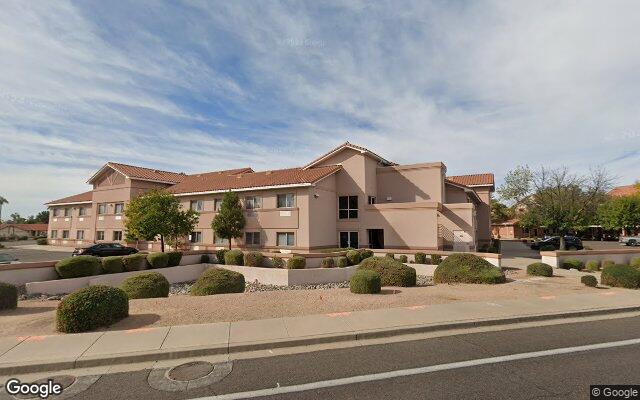
A large home, reviewed on public record.
© Google Street View
Compared to 116 Arizona facilities with a similar number of beds.
Care · 36-month window. Higher percentile = better performance on inspection record. Source: Arizona Dept. of Health Services · Bureau of Residential Facilities Licensing.
Rankings based on 36-month ADHS inspection data. Severity and frequency: fewer citations = higher percentile. Repeat rate: lower repeat citation share = higher percentile.
Citation history, plotted month by month.
44 deficiencies on record. Each bar is a month with a citation.
Finding distribution
44 total · 36 monthsScope × Severity (CMS A–L)
Every inspection visit, verbatim.
36 inspections in the public record, most recent first. Plain-language summaries open first — click into any row for the full citation text.
2026-09-21Other VisitNo findings
2026-09-10Complaint InvestigationNo findings
2026-08-04Complaint InvestigationNo findings
2026-07-16Complaint InvestigationNo findings
2026-06-16Other VisitNo findings
2026-06-16Complaint InvestigationNo findings
2026-04-03Complaint InvestigationEnforcement · 2 findings
“Based on record review, observation, and interview, the manager failed to ensure that a bell, intercom, or other mechanical means to alert employees to a resident’s needs or emergencies was available and accessible in a bedroom or residential unit being used by a resident receiving personal care services. The deficient practice posed a risk if the facility was unable to meet a resident's needs. Findings include: 1. A review of R5's medical record revealed R5 received personal care services. 2. During the environmental inspection with E6, the Compliance Officer visited residents to interview. In R5’s apartment, the Compliance Officer observed a pendant. The Compliance Officer pressed the button on the pendant. The pendant never lit up, and no caregivers responded. 3. In an interview, E6 reported that the pendant was not working and E6 was not aware the pendant needed a new battery. 4. In an exit interview, the findings were reviewed with E6, E7, E8, and E9, and no additional information was provided. 5. This is a repeat citation from the complaint inspection conducted on February 6, 2024.”
“Based on record review, observation, and interview, the manager failed to ensure that a bell, intercom, or other mechanical means to alert employees to a resident's needs or emergencies was available in a bedroom used by a resident receiving directed care services for two of three residents sampled. The deficient practice posed a risk to the physical health and safety of a resident. Findings include: 1. A review of R2's medical record revealed R2 received directed care services and was non-ambulatory. 2. During an environmental inspection with E6, the Compliance Officer observed R2 lying in bed. The Compliance Officer observed a bell on the kitchenette counter across the room from R2's bed. 3. In an interview, E6 acknowledged that the bell was across the room, and R2 did not have another means of alerting employees of needs or emergencies. 4. During an environmental inspection with E6, the Compliance Officer observed no bell or other means to alert employees in R3’s room. 5. In an interview, E6 acknowledged that there was no bell in the room, and R3 did not have another means of alerting employees of needs or emergencies. 6. In an exit interview, the findings were reviewed with E6, E7, E8, and E9, and no additional information was provided.”
2026-03-19Complaint InvestigationEnforcement · 2 findings
“Based on documentation review, record review, and interview, the manager failed to ensure that a resident's medical record contained documentation of the resident's refusal of a medication. Findings include: 1. A review of the facility's policies and procedures revealed a policy titled "Administration of Medications." The policy stated, "Should a drug be withheld, refused, or given other than at the scheduled time, the staff administering must indicate the reason on the MAR. For those utilizing eMARs, the appropriate code must be entered with any follow-up documentation as appropriate for the situation." 2. A review of R2's medical record revealed signed medication orders dated February 20, 2026, for the following medications: “Toujeo SoloStar Subcutaneous Solution Pen-injector 300 UNIT/ML - Inject 30 unit subcutaneously at bedtime related to Type 2 diabetes.” “NovoLOG FlexPen Subcutaneous Solution Pen-injector 100 UNIT/ML - Inject as per sliding scale.” 3. A review of R2's medication administration record (MAR) for March 2026 revealed the following: “Toujeo SoloStar Subcutaneous Solution Pen-injector 300 UNIT/ML” was not administered on: March 1, 2026, to March 2, 2026 March 5, 2026, to March 18, 2026 “NovoLOG FlexPen Subcutaneous Solution Pen-injector 100 UNIT/ML” was not administered on: March 1, 2026; March 10, 2026; March 14, 2026, to March 16, 2026 at 7:00 am March 1, 2026, to March 2, 2026; March 10, 2026, to March 11, 2026; March 13, 2026, to March 18, 2026 at 11:00 am March 2, 2026, to March 18, 2026, at 4:00 pm 4. In an interview, E4 reported that R2 refused medication administration for the following medications on the following days: “Toujeo SoloStar Subcutaneous Solution Pen-injector 300 UNIT/ML” was not administered on: March 1, 2026, to March 2, 2026 March 5, 2026, to March 18, 2026 “NovoLOG FlexPen Subcutaneous Solution Pen-injector 100 UNIT/ML” was not administered on: March 1, 2026; March 10, 2026; March 14, 2026, to March 16, 2026 at 7:00 am March 1, 2026, to March 2, 2026; March 10, 2026, to March 11, 2026; March 13, 2026, to March 18, 2026 at 11:00 am March 2, 2026, to March 18, 2026, at 4:00 pm 5. A review of R2's medical record revealed no further documentation on R2’s medication refusal. Based on the facility's policy, further documentation would be needed. 6. A review of R3's medical record revealed signed medication orders dated December 4, 2025, for “Januvia 100 mg Tab - 1 tablet orally daily.” 7. A review of R3's medical record revealed signed medication orders dated December 11, 2025, for “Triamcinolone acetonide 0.1% topical cream - Topically apply thin layer to affected areas of skin, 2x daily, for itching and rash.” 8. A review of R3's medical record revealed signed medication orders dated December 19, 2025, for the following medications: “Atorvastatin Calcium Tablet 40 mg - Give 1 tablet by mouth one time a day for cholesterol.” “Citalopram Hydrobromide Tablet 40 mg - Give 1 tablet by mouth one time a day for depression.” “Jardiance Oral Tablet 10 mg - Give 1 tablet by mouth one time a day for DM.” “levETIRAcetam Oral Tablet 250 mg - Give 1 tablet by mouth one time a day for seizures.” “Lisinopril Tablet 10 mg - Give 1 tablet by mouth one time a day for hypertension.” “Metoprolol Succinate ER Tablet Extended Release 24 - Give 1 tablet by mouth one time a day for HTN.” “Ammonium Lactate External Cream 12% - Apply to dry skin topically two times a day for Dermatological.” “busPIRone HCI Oral Tablet 10 mg - Give 1 tablet by mouth two times a day for depression.” “Insulin Glargine Solution 100 UNIT/ML - Inject 16 unit subcutaneously every morning and at bedtime for diabetes.” 9. A review of R3's medical record revealed signed medication orders dated January 13, 2026, for “Tamsulosin 0.4 mg Cap - 1 capsule orally in the evening.” 10. A review of R3's MAR for March 2026 revealed the following: “Januvia 100 mg Tab” was not administered on the following days: March 1, 2026 March 8, 2026 March 14, 2026 March 16, 2026 “Triamcinolone acetonide 0.1% topical cream” was not administered on the following days: March 1, 2026, to March 8, 2026 March 10, 2026, to March 19, 2026 Atorvastatin Calcium Tablet 40 mg” was not administered on the following days: March 1, 2026 March 7, 2026, to March 8, 2026 March 14, 2026 March 16, 2026 “Citalopram Hydrobromide Tablet 40 mg” was not administered on the following days: March 3, 2026, to March 4, 2026 March 7, 2026 March 10, 2026, to March 12, 2026 March 17, 2026, to March 18, 2026 “Jardiance Oral Tablet 10 mg” was not administered on the following days: March 1, 2026 March 7, 2026, to March 8, 2026 March 14, 2026, to March 16, 2026 “levETIRAcetam Oral Tablet 250 mg” was not administered on the following days: March 1, 2026 March 7, 2026, to March 8, 2026 March 14, 2026 March 16, 2026 “Lisinopril Tablet 10 mg” was not administered on the following days: March 3, 2026, March 4, 2026 March 7, 2026 March 10, 2026, to March 12, 2026 March 17, 2026, to March 18, 2026 “Metoprolol Succinate ER Tablet Extended Release 24” was not administered on the following days: March 1, 2026 March 7, 2026, to March 8, 2026 March 14, 2026 March 16, 2026 “Ammonium Lactate External Cream 12%” was not administered on the following days: March 1, 2026, to March 8, 2026 March 10, 2026, to March 19, 2026 “busPIRone HCI Oral Tablet 10 mg” was not administered on the following days: March 1, 2026; March 7, 2026, to March 8, 2026; March 14, 2026; March 16, 2026 at 7:00 am March 3, 2026, to March 4, 2026; March 7, 2026; March 10, 2026, to March 11, 2026; March 17, 2026, to March 18, 2026 at 4:00 pm “Insulin Glargine Solution 100 UNIT/ML” was not administered on the following days: March 1, 2026; March 7, 2026, to March 8, 2026; March 14, 2026; March 16, 2026 at 7:00 am March 1, 2026; March 7, 2026, to March 8, 2026; March 10, 2026, to March 12, 2026; March 16, 2026, to March 18, 2026, at 4:00 pm “Tamsulosin 0.4 mg Cap” was not administered on the following days: March 3, 2026, to March 4, 2026 March 7, 2026 March 10, 2026, to March 12, 2026 March 17, 2026, to March 18, 2026 11. In an interview, E4 reported that R3 constantly refuses R3’s medication. E4 reported that R3 sees E4 coming to administer medication and refuses when E4 approaches R3. 12. A review of R3's medical record revealed no further documentation on R3’s medication refusal. Based on the facility's policy, further documentation would be needed. 13. In an exit interview, the findings were reviewed with E1, E2, and E3, and no additional information was provided.”
“Based on documentation review, record review, and interview, the manager failed to ensure that a medication administered to a resident was administered in compliance with a medication order for one of four residents sampled. The deficient practice posed a risk if the resident experienced a change in condition due to improper medication administration. Findings include: 1. A review of R2's medical record revealed signed medication orders dated February 20, 2026, for “Paliperidone ER Oral Tablet Extended Release 24 Hour 1.5 mg - Give 1 tablet by mouth one time a day.” 2. A review of R2's medication administration record (MAR) for March 2026 revealed that “Paliperidone ER Oral Tablet Extended Release 24 Hour 1.5 mg - Give 1 tablet by mouth one time a day” was being administered daily. 3. During the inspection, the Compliance Officers observed a bubble pack for “Paliperidone ER Oral Tablet Extended Release 24 Hour 1.5 mg.” The bubble pack had two pills per bubble. The drug label with the fill date of March 8, 2026, stated “Paliperidone ER Oral Tablet Extended Release 24 Hour 1.5 mg - Give 2 tablets by mouth one time a day.” 4. In an interview, E2 reported not being aware that the bubble pack came with two pills per bubble. 5. In an interview, O1 reported that O1 was unaware of the change, and it is very hard to get a hold of the medical practitioner who prescribes the medication. 6. A review of the facility's policies and procedures revealed a policy titled "Administration of Medications." The policy stated, "Prior to administering the resident’s medication, the nurse or medication technician should compare the drug and dosage schedule on the resident’s MAR with the drug label. NOTE: If there is any reason to question the dosage or the schedule, the nurse or med tech should check the physician’s order." 7. A review of R2's medical record revealed no documentation that E6, E2, or O1 were notified of the differences between the drug label and the MAR. Based on the policy, this documentation is required. 8. In an exit interview, the findings were reviewed with E1, E2, and E3, and no additional information was provided. 9. This is a repeat deficiency from the complaint inspection on August 7, 2023; the complaint inspection on August 30, 2023; the compliance and complaint inspection on October 21, 2024; the complaint inspection on December 18, 2024; the compliance and complaint inspection on September 18, 2025; and the complaint inspection on November 17, 2025.”
2026-03-03Complaint InvestigationNo findings
2026-02-06Other VisitNo findings
2026-02-02Complaint InvestigationNo findings
2026-01-09Complaint InvestigationNo findings
2025-12-10Other VisitR9-10-807.A · 2 findings
“Based on documentation review, record review, and interview, the manager failed to ensure a resident provided evidence of freedom from infectious tuberculosis (TB) as specified in R9-10-113, for three of four residents sampled. The deficient practice posed a TB exposure risk to residents. Findings include: 1. R9-10-113.A states "If a health care institution is subject to the requirements of this Section, as specified in an Article in this Chapter, the health care institution's chief administrative officer shall ensure that the health care institution establishes, documents, and implements tuberculosis infection control activities that...2. Include: a. For each individual who is employed by the health care institution, provides volunteer services for the health care institution, or is admitted to the health care institution and who is subject to the requirements of this Section, screening, on or before the date specified in the applicable Article of this Chapter, that consists of: i. Assessing risks of prior exposure to infectious tuberculosis, ii. Determining if the individual has signs or symptoms of tuberculosis, ... according to subsection (B)(1)..." 2. A review of R2’s medical records showed documentation of a TB risk assessment for prior exposure to infectious tuberculosis and a determination of whether the residents had signs or symptoms of TB, which were electronically signed by O1; however, the document was not signed twelve months before or within seven calendar days after the resident’s date of occupancy and a review of the National Council of State Boards of Nursing website revealed that O1 was a Licensed Practical Nurses (LPNs), and the documentation was required to have been signed by a registered nurse, medical practitioner, or the local health department. Based on R2’s admission dates, this documentation was required. 3. A review of R3’s medical records showed documentation of a TB risk assessment for prior exposure to infectious tuberculosis and a determination of whether the resident had signs or symptoms of TB, which were electronically signed by O1; however, the document was not signed twelve months before or within seven calendar days after the resident’s date of occupancy and a review of the National Council of State Boards of Nursing website revealed that O1 was a Licensed Practical Nurse (LPN), and the documentation was required to have been signed by a registered nurse, medical practitioner, or the local health department. Based on R3’s admission date, this documentation was required. 4. A review of R4’s medical records showed documentation of a TB risk assessment for prior exposure to infectious tuberculosis and a determination of whether the residents had signs or symptoms of TB, which O2 electronically signed; however, a review of the National Council of State Boards of Nursing website revealed no search results for O2, and the documentation was required to have been signed by a registered nurse, medical practitioner, or the local health department. Based on R4’s admission date, this documentation was required. 5. In an exit interview, the findings were reviewed with E1, E2, E3, and E4, and no additional information was provided. Technical assistance was provided on this Rule during the inspections conducted on May 04, 2023, August 07, 2023, October 21, 2024, February 24, 2025, April 21, 2025, and this is an uncorrected deficiency from the compliance/complaint inspection conducted on September 18, 2025.”
“Based on observation, interview, and record review, the manager failed to ensure the facility premises were cleaned and disinfected in one of four residents’ rooms observed. This deficient practice posed a health risk as the presence of cockroaches indicated an unsanitary condition that could increase the risk of infection by exposing residents to potential pathogens and compromising resident health and safety. Findings include: 1. During the environmental tour with E1 and E2, the Compliance Officers observed evidence of both live and dead cockroaches in R4’s room inside a kitchen cabinet used for food storage and on a bookshelf, including visible debris and multiple small dark spots consistent with cockroach droppings along corners, edges, and surfaces, indicating the areas were not clean and showed evidence of pest presence. 2. In an interview, R4 reported noticing cockroaches and R4 had informed facility staff, but was unable to recall to whom the concern was reported. 3. A review of R4's service plan for personnal care services stated the following services were provided, "Housekeeping: Provide Housekeeping and Laundry Service weekly and PRN; and Pick up Trash Daily." 4. In an interview, E2 reported that the facility was not aware of the situation. 5. In an exit interview, the findings were reviewed with E1, E2, E3, and E4, and no additional information was provided. This is a repeat deficiency from the inspections conducted on May 5, 2023, August 30, 2023, July 01, 2025, and an uncorrected deficiency from the complaint inspection conducted on November 17, 2025.”
2025-12-01Complaint InvestigationNo findings
2025-11-17Complaint InvestigationR9-10-806.A.10 · 6 findings
“Based on observation, record review and interview, the manager failed to ensure before providing personal care services or directed care services to a resident, a caregiver provided documentation of valid cardiopulmonary resuscitation (CPR) training certification specific to adults, for one of three caregivers sampled. The deficient practice posed a risk if an employee was unable to meet a resident's needs during an emergency. Findings include: 1. A review of E2's personnel record revealed CPR training certification dated June 30, 2025, from the NationalCPRFoundation. However, this was an online-only course that did not include a return demonstration of the employee's ability to perform CPR as required in A.A.C. R9-10-803.C.1.e.i. This training was therefore invalid. 2. In an interview, E1 acknowledged E2's CPR training certification was from the NationalCPRFoundation, and there was no additional documentation available for review. This is a repeat deficiency from the compliance inspection and complaint investigation conducted on September 18, 2025.”
“Based on record review and interview, the manager failed to ensure a resident had a service plan that was established, documented, and implemented, which included the amount, type, and frequency of assisted living services being provided to the resident. Findings include: 1. A review of R2’s medical record contained a service plan dated September 16, 2025, which reflected that R2 required assistance with incontinence care, hygiene service, and dressing services; however, the amount, type, and frequency of the above services were not established and documented on R2’s service plan. In an interview, E1 reviewed and acknowledged that R2’s established and documented service plan did not include the amount, type, and frequency of the above assisted living services. This is a repeat deficiency from the complaint investigations conducted on January 19, 2024, and April 21, 2025.”
“Based on record review, observation and interview, the manager failed to ensure a caregiver or assistant caregiver provided a resident with the assisted living services in the resident’s service plan, assisted with activities of daily living according to the resident’s service plan, and provided assistance with, supervised, or directed a resident’s personal hygiene according to the resident’s service plan, for one of three residents sampled. The deficient practice posed a risk as the service plan to direct services was not followed, and the Department was provided false and misleading information. Findings include: 1. A review of R2’s medical record contained a service plan dated September 9, 2024, which reported R2 would be provided the following assistance: "incontinence of bladder requires assistance from staff, requires daily assistance with oral care, skin care, grooming, and dressing, house keeping weekly, pick up trash daily, provided three meals daily and snack, and meal trays per resident request". R2’s service plan reported that R2 required the assistance of two for transfer via Hoyer lift. 2. A review of R2’s medical record contained “Schedule for November 2025” and “Schedule for October 2025,” which stated, “I attest to providing services in accordance with the resident’s individualized service plan," which reflected that all assistance was provided according to R2’s service plan. 3. In an interview, R2 reported lying in R2’s feces for hours, and reported going weeks without showers. R2 reported attempting to clean the floors because housekeeping does not sweep and mop the floors. R2 reported that the caregivers often did not escort R2 to meals, and R2 often did not eat. R2 reported often not being assisted with meals and was not provided with three meals daily. 4. In a review of documentation, a report was submitted to the Department, which alleged that [R2] was found to be soiled with urine and stool, with old stains of urine on the sheets. [R2] cried and asked for help, but no one came to help. [R2] stated [R2] has not eaten since Friday and [caregivers] left a box of cereal, but [R2] was not able to eat it without help. 5. The compliance officer observed R2’s flooring throughout the residential unit was heavily soiled, with visible layers of dirt and debris. The shower area exhibited significant accumulation of grime, dirt, and residue. The toilet was unclean and contained various unknown stains and colors. Various types of trash and discarded items were scattered across multiple areas of the floor. 6. In an interview, E1 acknowledged the documentation provided for review, attested to providing services in accordance with R2’s individualized service plan.”
“Based on record review, observation, and interview, the manager failed to ensure a resident is treated with dignity, respect, and consideration for one of three residents. Findings include: 1. The compliance officer observed R2’s flooring throughout the residential unit was heavily soiled, with visible layers of dirt and debris. The shower area exhibited significant accumulation of grime, dirt, and residue. The toilet was unclean and contained various unknown stains and colors. Various types of trash and discarded items were scattered across multiple areas of the floor. 2. In a review of documentation, a report was submitted to the Department, which alleged that [R2] was found to be soiled with urine and stool, with old stains of urine on the sheets. [R2] cried and asked for help, but no one came to help. [R2] stated [R2] has not eaten since Friday and [caregivers] left a box of cereal, but [R2] was not able to eat it without help. 3. In an interview, R2 reported lying in R2’s feces for hours, and reported going weeks without showers. R2 reported attempting to clean the floors because housekeeping does not sweep and mop the floors. R2 reported that the caregivers often did not escort R2 to meals, and R2 often did not eat. R2 reported often not being assisted with meals and was not provided with three meals daily. R2 confirmed not being treated with dignity, respect, and consideration. 4. In an interview, E1 acknowledged that the above information presented reflected that R2 was not treated with dignity, respect, and consideration. This is a repeat deficiency from the compliance inspections and complaint investigations conducted on May 5, 2023, and September 18, 2025.”
“Based on record review and interview, the manager failed to ensure medication administered to a resident was administered in compliance with a medication order, for one of three sampled residents. Findings include: 1. A review of R1’s, R2’s and R3’s medical records contained service plans that reflected R1, R2, and R3 received medication administration services. 2. A review of R1’s medical record contained medication orders dated September 17, 2025 for Atorvastatin Calcium one tablet daily at bedtime, Quetiapine Fumarate 400 mg one tablet at bedtime, Insulin Glargine 100 unit/ml inject 20 unit subcutaneously at bedtime; Senna 8.6-50 mg two tablets at bedtime; Tizanidine 2 mg one tablet at bedtime, Trazadone 150 mg one tablet at bedtime, Tresiba subcutaneous pen injector 100 unit/ml inject 25 units at bedtime, Buspirone 30 mg one tablet twice daily, Glipizide 5mg two tablets twice daily; Metformin 1000 mg one tablet twice daily; Oxybutynin 5mg one tablet twice daily; Pepcid 20mg one tablet twice daily; Triamcinolone cream apply twice daily; and Hydroxyzine tablet 25 mg one tablet four times daily. There were no stipulations reported on R1’s medication orders to hold any of the above-listed medications. 3. A review of R1’s medical record contained a November 2025 medication administration record (MAR) which reported R1’s Atorvastatin 20 mg, Tizanidine 2 mg, Trazadone 150 mg, Tresiba subcutaneous pen injector 100 unit/ml inject 25 units, Buspirone 30 mg, Glipizide 5 mg, Metformin 1000 mg, Oxybutynin 5 mg were held on November 3, 2025, November 9, 2025, and November 16, 2025; and R1’s Atorvastatin 20 mg was held on November 2, 2025, November 9, 2025, and November 16, 2025. 4. R1’s 2025 November MAR reflected Senna was out of stock on November 2, 2025, November 4, 2025, November 8, 2025, November 12, 2025, and November 15, 2025; and was held on November 3, 2025, November 9, 2025, and November 16, 2025. However, R1’s November 2025 MAR reflected that R1 was administered Senna on November 3, 2025, November 5 through 7, 2025; November 9 through November 11, 2025; November 13 through November 14, 2025, despite R1’s Senna being reported as unavailable. 5. R1’s progress note reported R1’s Senna 8.6-50 mg was not stocked at the facility on November 3, 2025, November 6, 2025, and on November 11, 2025, the progress note reported “last dose of medication given to [R1]. [R1] will have [R1's] medication pick up from CVS". 6. A review of R1’s medical record revealed that a document titled “Progress Notes” did not report the reasons R1’s Atorvastatin, Tizanidine 2 mg, Trazadone 150 mg, Tresiba subcutaneous pen injector 100 unit/ml inject 25 units, Buspirone 30 mg, Glipizide 5 mg, Metformin 1000 mg, Oxybutynin 5 mg were withheld from administration. 7. R1’s progress note reported that R1’s Pepcid 20mg was not administered for the following reasons: · November 13, 2025, medication not being at the facility; · November 15, 2025, medication not being at the facility; However, R1’s November 2025 MAR reflected R1 was administered Pepcid on November 14, 2025, despite the medication being unavailable the day prior or after. 8. In an interview, E1 reviewed R1’s medical record and acknowledged that there was no additional documentation available for review that reflected R1’s medication was administered according to R1’s medication orders. This is a repeat deficiency from the complaint investigations conducted on October 7, 2022, August 7, 2023, August 30, 2023, and October 21, 2024, and the compliance inspection and complaint investigation conducted on September 18, 2025.”
“Based on observation and interview, the manager failed to ensure the premises at the assisted living facility were cleaned. Findings include: 1. The compliance officer observed R2’s flooring throughout the residential unit was heavily soiled, with visible layers of dirt and debris. The shower area exhibited significant accumulation of grime, dirt, and residue. The toilet was unclean and contained various unknown stains and colors. Various types of trash and discarded items were scattered across multiple areas of the floor. 2. In an interview, R2 reported attempting to clean R2’s room despite R2’s inability to walk or bear R2’s own weight. R2 acknowledged that the premises were not cleaned. 3. In an interview, E1 acknowledged that R2’s residential unit was observed to have R2’s flooring throughout the residential unit that was heavily soiled, with visible layers of dirt and debris. This is a repeat deficiency from the compliance inspection and complaint investigation conducted on May 5, 2023, and the complaint investigations conducted on August 30, 2023, and July 01, 2025.”
2025-11-04Other VisitNo findings
2025-09-18Complaint InvestigationR9-10-806.A.8 · 9 findings
“Based on documentation review, record review, and interview, the manager failed to ensure a personnel record for each employee or volunteer included documentation of evidence of freedom from infectious tuberculosis (TB), as specified in R9-10-113, for one of ten personnel sampled. The deficient practice posed a potential TB exposure risk to residents. Findings include: 1. R9-10-113.A states "If a health care institution is subject to the requirements of this Section, as specified in an Article in this Chapter, the health care institution's chief administrative officer shall ensure that the health care institution establishes, documents, and implements tuberculosis infection control activities that...2. Include: a. For each individual who is employed by the health care institution, provides volunteer services for the health care institution, or is admitted to the health care institution and who is subject to the requirements of this Section, screening, on or before the date specified in the applicable Article of this Chapter, that consists of: i. Assessing risks of prior exposure to infectious tuberculosis, ii. Determining if the individual has signs or symptoms of tuberculosis, and iii. Obtaining documentation of the individual's freedom from infectious tuberculosis according to subsection (B)(1)..." 2. A review of the Centers for Disease Control and Prevention (CDC) website revealed a web page titled, "Guidelines for Preventing the Transmission of Mycobacterium tuberculosis in Health-Care Settings, 2005." The web page stated, "If TST (Mantoux Skin Test) is used for baseline testing, two-step testing is recommended for HCWs (Health Care Workers) whose initial TST results are negative..." 3. A review of E8's personnel records revealed a negative TB skin test that was less than 12 months old; however, no documentation of a second negative TB skin test was available for review. Based on E8's hire date, this documentation was required. 4. In an exit interview, the findings were reviewed with E1, E11, E12, and E13, and no additional information was provided.”
“Based on record review and interview, the manager failed to ensure that a personnel record for each employee included documentation of cardiopulmonary resuscitation (CPR) training for three of ten employees sampled. The deficient practice posed a risk if an employee was unable to meet the needs of residents. Findings include: 1. A review of E6’s, E7’s, and E9’s personnel records, who were hired as caregivers, revealed no documentation of current CPR training cards. 2. In an interview, the Compliance Officers requested the current CPR certifications, and the facility staff were unsure if E6, E7, and E9 had valid CPR training. E12 went online using their phone to locate the current CPR records for E6, E7, and E9. E12 acknowledged that the CPR was not documented in the personnel record at the time of the inspection. 3. In an exit interview, the findings were reviewed with E1, E11, E12, and E13, and no additional information was provided.”
“Based on record review and interview, the manager failed to ensure a resident provided evidence of freedom from infectious tuberculosis (TB) as specified in R9-10-113, for two of ten residents sampled. The deficient practice posed a TB exposure risk to residents and the Department was unable to determine substantial compliance as the documentation was not provided during the inspection. Findings include: 1. R9-10-113.A states "If a health care institution is subject to the requirements of this Section, as specified in an Article in this Chapter, the health care institution's chief administrative officer shall ensure that the health care institution establishes, documents, and implements tuberculosis infection control activities that...2. Include: a. For each individual who is employed by the health care institution, provides volunteer services for the health care institution, or is admitted to the health care institution and who is subject to the requirements of this Section, screening, on or before the date specified in the applicable Article of this Chapter, that consists of: i. Assessing risks of prior exposure to infectious tuberculosis, ii. Determining if the individual has signs or symptoms of tuberculosis, and iii. Obtaining documentation of the individual's freedom from infectious tuberculosis according to subsection (B)(1)..." 2. A review of R3's and R5's medical records revealed no documentation of a risk assessment of prior exposure to infectious TB or a determination of whether these residents had signs or symptoms of TB, signed by a registered nurse, medical practitioner, or local health department. Based on R3's and R5's admission dates, this documentation was required. 3. In an interview, E11 reported that the documentation had been completed; however, it could not be found at the time of the inspection because the facility maintained all electronic records, and the requested document might not have been scanned in. E11 acknowledged that R3's and R5's medical records did not contain complete documentation of TB requirements at the time of the inspection. 4. In an exit interview, the findings were reviewed with E1, E11, E12, and E13, and no additional information was provided.”
“Based on record review, and interview, for one resident who stored medication in their residential unit, the manager failed to ensure the service plan included how the medication was stored and controlled. The deficient practice posed a health and safety risk if medications were not stored in a safe manner, as indicated on the resident's service plan. Findings include: 1. A review of R6's record revealed a written service plan dated March 26, 2025. This service plan stated R6 was receiving "personal care services and self-medication administration." However, this service plan did not indicate how the medication would be stored and controlled. 2. In an interview, E6 reported that R6 had stored medications in the bedroom, the facility had not provided medication to R6, and the service plan was inaccurate. 3. In an exit interview, the findings were reviewed with E1, E11, E12, and E13, and no additional information was provided. This is a repeat deficiency from the complaint inspection conducted on August 30, 2023.”
“Based on documentation review and interview, the manager failed to ensure a resident was treated with dignity, respect, and consideration. The deficient practice posed a risk to the health and safety of a resident. Findings include: 1. A review of facility incident reports revealed an incident report for R1, dated September 7, 2025. and the report type was "Allegation of sexual abuse." The report stated, "On 09/07/25 it was reported by family that had informed daughter that [R1] had stated that a caregiver [E3] had tried to have sex with her." 2. In an interview, R1 reported E6 had gone to R1’s room during the night, which is when E6 worked. R1 was able to describe who the caregiver was. R1 also reported E6 had touched R1’s breast and tried to put their hand down R1’s pants. R1 reported E6 had done this more than once. 3. In an exit interview, the findings were reviewed with E1, E11, E12, E13, and no additional information was provided. ”
“Based on record review and interview, the manager failed to ensure a service plan included cognitive stimulation and activities to maximize functioning for four of four residents reviewed, receiving directed care services. The deficient practice posed a risk as the service plan did not reinforce and clarify the services to be provided to a resident. Findings include: 1. A review of R1's, R5's, R8's, and R9's medical records revealed a current service plan for directed care service. The service plans stated "Activities and Socialization: Provide Activity Calendar Monthly; Provide Reminders and Assist to Activities of Choice; Encourage resident to participate in activities; Cognitive stimulation and activities to maximize functioning." The service plan did not include documentation of any specific details specifying what cognitive stimulation or activities to maximize functioning would be provided. 2. During an interview, E11 acknowledged that R1's, R5's, R8's, and R9's service plans did not include documentation of any specific details specifying what cognitive stimulation or activities to maximize functioning would be provided. 3. In an exit interview, the findings were reviewed with E1, E11, E12, E13, and no additional information was provided.”
“Based on record review and interview, the manager failed to ensure that a medication administered to a resident was administered in compliance with a medication order, for two of ten residents sampled. The deficient practice posed a risk if the resident experienced a change in condition due to improper administration of medication. Findings include: 1. A review of R3's record revealed a current service plan for personal care services dated April 2025. This service plan indicated R3 received medication administration. 2. A review of R3's medical record revealed a signed medication order. This order stated "Metoprolol Tartrate Tablet 100 MG Give 0.5 tablet by mouth two times a day for HTN [hypertension]. HOLD FOR SBP [systolic blood pressure] LOWER THAN 100 OR PULSE LOWER THAN 55." 3. A review of R3's electronic medication administration record (eMAR) revealed "Metoprolol Tartrate Tablet 100 MG Give 0.5 tablet by mouth two times a day for HTN. HOLD FOR SBP LOWER THAN 100 OR PULSE LOWER THAN 55" was administered July 1st - present. However, R3’s MAR did not include documentation of the resident’s systolic blood pressure (SBP) reading before each administration of the medication. 4. A review of R5's record revealed a current service plan for directed care services dated August 2025. This service plan indicated R5 received medication administration. 5. A review of R5's medical record revealed a signed medication order. This order stated "Losartan Potassium Oral Tablet 25 MG (Losartan Potassium) Give 0.5 tablet by mouth one time a day HTN HOLD FOR SBP <110." 6. A review of R5's eMAR revealed "Losartan Potassium Oral Tablet 25 MG (Losartan Potassium) Give 0.5 tablet by mouth one time a day, related to ESSENTIAL (PRIMARY) HYPERTENSION (I10) HOLD FOR SBP <110" was administered July 1st - present. However, the SBP reading was only documented on the following days; -09/01/2025 17:07 117/78 mmHg (Sitting r/arm) -08/01/2025 17:06 123/73 mmHg (Sitting r/arm) -07/29/2025 11:37 106/65 mmHg -06/30/2025 15:59 106/65 mmHg (Sitting r/arm) However, R5’s eMAR did not include documentation of the resident’s SBP reading before each administration of the medication. The Losartan Potassium should not have been administered on June 30, or on July 29, since the resident's SBP was below 110. 7. In an interview, E11 reported that R3’s and R5’s SBP readings were not obtained before each administration of the medication, and that the Losartan Potassium should not have been administered to R5 on June 30, or on July 29, since the resident's SBP was below 110. 8. In an exit interview, the findings were reviewed with E1, E11, E12, and E13, and no additional information was provided. This is a repeat deficiency from the inspections conducted on October 7, 2022, August 7, 2023, August 30, 2023, October 21, 2024, and December 18, 2024.”
“Based on record review, observation, and interview, the manager failed to ensure a medication administered to a resident was accurately documented in the resident's medical record for one of ten residents sampled. The deficient practice posed a risk as the medical record inaccurately indicated a medication was administered. Findings include: 1. A review of R2's medical record revealed a current service plan that included personal care services and medication administration. 2. A review of R2's medical record revealed documentation of a signed medication order dated September 02, 2025, for "Rosuvastatin Calcium Oral Tablet 40 MG Give 1 tablet by mouth at bedtime." 3. A review of R2's medical record revealed a September 2025 electronic medication administration record (eMAR). The eMAR had documented the following medications as administered; -Rosuvastatin Calcium Oral Tablet 40 MG (Rosuvastatin Calcium) Give 1 tablet by mouth at bedtime for cholesterol. Order Date: 09/07/2025. Administered September 7th to present. -Rosuvastatin Calcium Oral Tablet 40 MG (Rosuvastatin Calcium) Give 1 tablet by mouth at bedtime related to HYPERLIPIDEMIA, UNSPECIFIED. Order Date: 05/29/2025. Administered September 1st to present. A further review of R2’s eMARs from July and August 2025 revealed that ‘Rosuvastatin Calcium Oral Tablet 40 MG’ was ordered to be administered once daily; however, the September 2025 eMAR incorrectly documented the medication as given twice a day at the same time. 4. In an interview, E11 reported that the above-mentioned medication was administered to R2 according to the medication order; however, the administrations were not properly documented. 5. In an exit interview, the findings were reviewed with E1, and no additional information was provided. This is a repeat deficiency from the inspections conducted on October 07, 2022, August 7, 2023, and May 05, 2023.”
“Based on observation and interview, the manager failed to ensure the resident's bathroom provided privacy when in use. The deficient practice posed a risk to a resident's right to privacy, per R9-10-810.C.3.a. Findings include: 1. The Compliance Officers observed a shared living space for R9 and R11 in Room 204A and 204B (Residential Unit). R9 resided in the actual bedroom, which was separated by a door from the living area, while R11 resided in the living area itself. If R9 needed to access the bathroom, R11 would pass through R9’s bedroom. The shared bathroom included a toilet, a shower, and a sink; however, there was no door or curtain at the bathroom entrance to ensure privacy while using the shower or toilet. 2. A review of Department documentation revealed the facility had provided a plan of correction (POC) with a correction date of June 6, 2025. The POC stated, “Long-Term: Privacy curtains will be installed in all shared units no later than 06/06/25. Monitoring System Going Forward: The Manager or designee will continue to have members of the Maintenance Department complete regular random quarterly audits of the facility going forward to ensure curtains are in place, clean and in in good condition. The facility’s compliance with this rule will be tracked by the Quality Management Program on an ongoing basis.” However, during the inspection, the Compliance Officers observed that no privacy curtain was in place at the time of the inspection. 3. In an exit interview, the findings were reviewed with E1, and no additional information was provided. This is a repeat citation from the complaint inspection conducted on April 21, 2025.”
2025-08-05Complaint InvestigationNo findings
2025-07-21Complaint InvestigationNo findings
2025-07-15Complaint InvestigationNo findings
2025-07-01Complaint InvestigationR9-10-819.D.1 · 3 findings
“Based on record review and interview, the manager failed to ensure when a resident had an incident that resulted in the resident needing medical services, a caregiver immediately notified the resident's emergency contact and primary care provider, for one of two residents reviewed who had an incident that resulted in the resident needing medical services. The deficient practice posed a health and safety risk. Findings include: 1. A review of R1's medical record revealed an incident report dated July 09, 2025. This incident report stated, “I was paged to resident room when I got to the resident [R1] was pale, and stated that [R1] had been throwing up for 3 days. residents throw up was black. I advised resident that [R1] was going to be sent out.... 911 came and transported resident to the hospital banner baywood.” However, documentation was not available that showed R1's emergency contact and primary care provider were notified Immediately. 2. In an interview, E1 and E2 acknowledged that R1’s medical record did not contain documentation showing the caregiver had immediately notified the resident’s emergency contact and primary care provider.”
“Based on record review and interview, the manager failed to ensure when a resident had an incident that resulted in the resident needing medical services, a caregiver documented any action taken to prevent the incident from occurring in the future, for two of four residents sampled who had an incident that resulted in the resident needing medical services. The deficient practice posed a health and safety risk. Findings include: 1. A review of R1's medical record revealed an incident report dated July 09, 2025. This incident report stated, “I was paged to resident room when I got to the resident [R1] was pale, and stated that [R1] had been throwing up for 3 days. residents throw up was black. I advised resident that [R1] was going to be sent out.... 911 came and transported resident to the hospital banner baywood.” However, the documentation did not include any action taken to prevent the incident from occurring in the future. 2. A review of R2's medical record revealed an incident report dated May 11, 2025. This incident report stated, “caregiver found resident on floor. with bleeding from head. took vitals contacted 911. applied pressure on wound to stop bleeding... sent to banner gateway.” However, the documentation did not include any action taken to prevent the incident from occurring in the future. 3. In an interview, E1 and E2 reported that R1 and R2 were sent out to the hospital and acknowledged that R1's and R2's medical records did not include documentation of any action taken to prevent the incident from occurring in the future. This is a repeat deficiency from the inspection conducted on October 7, 2022, May 5, 2023 and April 21, 2025.”
“Based on observation and interview, the manager failed to ensure the facility premises were cleaned and disinfected for two of four residents' rooms observed. The deficient practice posed a health risk to residents if the environment was not kept clean. Findings include: 1. The Compliance Officers arrived at the facility around 11:00 AM. 2. During the environmental inspection, the Compliance Officers observed feces in the bathroom of R2 (Room 149). The bathroom had a strong feces odor, and dried feces were present on the rim of the toilet seat. 3. During the environmental inspection, the Compliance Officers observed an odor of urine in the hallway, which led the Compliance Officers to R5’s (room 157). The compliance officers observed a sticky floor with dried urine. 4. During the environmental inspection, E1 contacted housekeeping, and the rooms were cleaned immediately. 5. In an interview, E1 reported that R5 urinates on the floor and acknowledged that the facility was not maintained in a clean manner.”
2025-06-18Complaint InvestigationNo findings
2025-06-16Other VisitNo findings
2025-05-19Complaint InvestigationNo findings
2025-05-02Complaint InvestigationNo findings
2025-04-21Complaint InvestigationR9-10-120.F.4 · 8 findings
“Based on documentation review, record review, and interview, the manager failed to ensure an individual authorized to administer opioids documented in the resident's medical record an identification of the resident's need for the opioid before the opioid was administered, and the effect of the opioid administered, for two of two resident sampled who received an opioid. Findings include: 1. A review of facility documentation revealed a policy and procedure titled "Opioid Medication Administration, Policy Number: 7A.2." The Policy stated "5. Prior to administering the opioid medication, the Caregiver or Licensed Nurse will request the resident identify the pain they are experiencing. This will be entered into the eMAR as the resident described. 6. One to two hours after receiving the opioid medication, staff will return to the resident and ask them to identify their current pain. This will be entered into the eMAR as the resident described." 2. A review of R1's medical record revealed a medication order dated April 2025 for "Tramadol HCl Oral Tab 100 mg, three times a day." The April 2025 medication administration record (MAR) documented Tramadol as administered three times daily. However, documentation identifying R1’s need for the opioid prior to administration was only recorded on some days, and there was no documentation available showing the effectiveness of the opioid after administration. 3. A review of R4’s medical record revealed a medication order dated March 2025 for “Oxycodone HCl Oral Tab 15 mg.” The March 2025 MAR documented the administration of Oxycodone. However, documentation identifying R4’s need for the opioid prior to administration, as well as the effectiveness of the medication afterward, was not available for review. 4. A review of R1's and R4's medical records revealed no documentation stating either resident had an end-of-life condition or an active malignancy. 5. In an interview, E1 acknowledged R1's and R4's medical records did not contain documentation of identification of the need for the opioid before the opioid was administered, and the effectiveness of the opioid administered.”
“Based on interview and documentation review, after having a reasonable basis to believe exploitation occurred on the premises, the manager failed to initiate an investigation of the suspected exploitation within five working days and documented the information. The deficient practice posed a risk to the resident’s financial well-being. Findings include: 1. In an interview, E1 reported believing that exploitation occurred on the premises and stated that R3's daughter was exploiting R3 by not making any payments toward rent. E1 also reported that the concern was reported to Adult Protective Services (APS) around August 2024. 2. The Compliance Officer requested the investigation related to the suspected exploitation; however, no documentation was available for review. 3. This is a repeat deficiency from the inspection conducted on October 3, 2023.”
“Based on record review and interview, the manager failed to ensure a resident's written service plan included the amount, type, and frequency of assisted living services being provided to the resident, for two of two residents sampled who were nonambulatory. The deficient practice posed a risk as the service plans did not reinforce and clarify services to be provided to a resident. Findings include: 1. A review of R1's medical record revealed a service plan dated March 01, 2025. The service plan stated, "Requires assist of 2 for transfer via Hoyer lift." However, there was no documentation of the need for repositioning. 2. A review of R2's medical record revealed a service plan dated February 08, 2025. The service plan stated, "Requires assist of 1 or 2 for transfers. Requires assistance to propel wheelchair." However, there was no documentation of the need for repositioning. 3. In an interview, E2 reported that the staff repositioned R1 and R2 every 2 hours and as needed. E1 and E2 acknowledged R1's and R2's written service plans did not include the amount, type, and frequency of the services provided to the residents. 4. This is a repeat deficiency from the inspection conducted on January 19, 2024.”
“Based on documentation review, observation, and interview, for a facility authorized to provide directed care services, the manager failed to ensure there was a means of exiting the facility that provided access to an outside area from which a resident could exit to a location at least 30 feet away from the facility and controlled or alerted employees of the egress of a resident from the facility. The deficient practice posed a risk if the facility was unaware of the general or specific whereabouts of a resident. Findings include: 1. A review of Department records revealed the facility was licensed to provide directed care services. 2. The Compliance Officer observed multiple ambulatory residents. 3. During the environmental tour with E1, the Compliance Officer observed multiple unsecured exit doors that led directly to unprotected exterior areas, including the front parking lot, side roads, and main roads. The Compliance Officer opened each door and waited to see if any employees would respond to the potential elopement risk; however, no employees responded or approached to investigate. Some of the doors had alert systems that were not functioning. As a result, any resident could exit the facility without triggering an alert or notifying employees of the egress. 4. In an interview, E1 acknowledged that there were ways to exit the facility to an outside area that did not control or alert employees of a resident's egress.”
“Based on observation and interview, the manager failed to ensure a food menu was prepared at least one week in advance, conspicuously posted at least one calendar day before the first meal on the food menu was served, and included any food subsitution no later than the morning of the day of meal service with a food subsitution. The deficient practice posed a risk of not meeting a resident's dietary needs. Findings include: 1. During an environmental tour of the secured memory care unit, the Compliance Officer did not observe a conspicuously posted food menu. 2. In an interview, E1 acknowledged that the current food menu was not conspicuously posted the secured memory care unit.”
“Based on record review and interview, the manager failed to ensure when a resident had an incident that resulted in the resident needing medical services, a caregiver documented any action taken to prevent the incident from occurring in the future, for two of two residents sampled who had an incident that resulted in the resident needing medical services. The deficient practice posed a risk if the facility did not take action to prevent an accident, emergency, or injury from occurring in the future to ensure the health and safety of residents. Findings include: 1. A review of R2's medical record revealed an incident report dated February 24, 2025. This incident report stated, "R2 states that R2 has been in pain since Saturday, and it has increased over the last few days. R2 says R2 is in a terrible amount of pain and wants it to stop and wants to be checked out at the ER. " However, the documentation did not include any action taken to prevent the incident from occurring in the future. 2. In an interview, E1 and E2 reported R2 was sent out to the hospital. E1 and E2 acknowledged R2's medical record did not include documentation of any action taken to prevent the incident from occurring in the future. 3. This is a repeat deficiency from the inspection conducted on October 7, 2022 and May 5, 2023.”
“Based on observation, documentation review, and interview, the manager failed to ensure poisonous or toxic materials stored by the assisted living facility were maintained in a locked area, labeled, and inaccessible to residents. The deficient practice posed a risk to the physical health and safety of a resident. Findings include: 1. A review of Department records revealed the facility was licensed to provide directed care services. 2. During the environmental tour, the Compliance Officer observed the following poisonous and toxic materials unlocked in the secured memory care unit: - Gallon jug Cloralen Splash Bleach - Gallon jug Great Value Lavender Scent Multi-Purpose Cleaner - Spray bottle Bright Solutions Tropical Mist 3. In an interview, E1 and E2 acknowledged that poisonous and toxic materials stored by the assisted living facility were not maintained in a locked area inaccessible to residents.”
“Based on observation and interview, the manager failed to ensure the resident's bathroom provided privacy when in use. The deficient practice posed a risk to a resident's right to privacy, per R9-10-810.C.3.a. Findings include: 1. The Compliance Officer observed a shared living space for R2 and R5 in Room 112 (Residential Unit). R5 resided in the actual bedroom, which was separated by a door from the living area, while R2 resided in the living area itself. If R2 needed to access the bathroom, R2 would pass through R5’s bedroom. The shared bathroom included a toilet, a shower, and a sink; however, there was no door or curtain at the bathroom entrance to ensure privacy while using the shower or toilet. Upon further investigation, the Compliance Officer identified that multiple residents resided in shared units with similar privacy concerns. 2. In an interview, E1 reported that privacy concerns had not been raised during previous inspections and stated that the facility was originally licensed with that layout. E1 and E2 acknowledged that the shared bathroom used by R2 and R5 did not provide privacy when in use, and that multiple other residents resided in shared units with similar privacy concerns.”
2025-04-17Complaint InvestigationA.A.C. · 1 finding
“B. If an assisted living facility provides medication administration, a manager shall ensure that: 3. A medication administered to a resident: b. Is administered in compliance with a medication order, and”
2025-02-24Complaint InvestigationNo findings
2024-12-24Complaint InvestigationNo findings
2024-12-02Complaint InvestigationA.A.C. · 3 findings
“B. A manager shall ensure that before or at the time of acceptance of an individual, the individual submits documentation that is dated within 90 calendar days before the individual is accepted by an assisted living facility and: 1. If an individual is requesting or is expected to receive supervisory care services, personal care services, or directed care services: a. Includes whether the individual requires: i. Continuous medical services, ii. Continuous or intermittent nursing services, or iii. Restraints; and b. Is dated and signed by a: i. Physician, ii. Registered nurse practitioner, iii. Registered nurse, or iv. Physician assistant; and”
“C. A manager shall ensure that: 1. A caregiver or an assistant caregiver: g. Documents the services provided in the resident's medical record; and”
“Based on record review and interview, the manager failed to ensure that a medication administered to a resident was administered in compliance with a medication order, for four of seven residents sampled. The deficient practice posed a risk if the resident experienced a change in condition due to improper administration of medication. Findings include: 1. A review of R2's, R3's, R5's and R6's medical records revealed R2, R3, R5, and R6 received medication administration. 2. A review of R2's medical record revealed a signed medication list, dated November 19, 2024, which included Lantus SoloStar 100 unit/milliliter (mL), inject 35 units subcutaneously (sq) one time a day (qd). 3. A review of R2's medical record revealed a discontinue (d/c) order, dated November 19, 2024, for Triamcinolone Acetonide Cream 0.1%, apply to affected areas topically bid. 4. A review of R2's medication administration record (MAR), for December 2023, revealed the administration of the following medications: - Lantus SoloStar 100 unit/mL, inject 25 units sq qd; and indicated 25 units were administered qd December 1, 2024 - December 10, 2024; and - Triamcinolone Acetonide Cream 0.1% , apply to the affected areas topically bid, and indicated it was applied topically bid December 1, 2024 - December 10, 2024. 5. A review of R3's medical record revealed a signed medication list which included a d/c order, dated November 20, 2024, for Diclofenac Sodium External Gel 1%, apply to affected areas four times a day. 6. A review of R3's MAR, for December 2024, revealed the administration of Diclofenac Sodium External Gel 1%, apply to affected areas four times a day and indicated it was applied topically four times a day December 1, 2024 - December 13, 2024. 7. A review of R5's medical record revealed a signed medication list, dated November 27, 2024, which included the following medications: - Trulicity 1.5 milligrams (mg)/0.5 mL, inject 1.5 mg sq once a week (q1w); - Claritin 10 mg, 1 tablet by mouth (po) qd; and - Escitalopram 10 mg, 1 tablet po qd. 8. A review of R5's medical record did not include a signed order for Erythromycin Ophthalmic Ointment 5 mg/gram (gm), 1 application in the left eye three times a day (tid). 9. A review of R5's MAR, for December 2024, revealed the administration of the following medications: - Trulicity 0.75 mg/0.5 mL, inject 0.75 mg sq q1w and indicated 0.75 mg was injected on December 6, 2024 and December 13, 2024; and - Erythromycin Ophthalmic Ointment 5 mg/gm, 1 application in left eye tid and indicated it was administered December 1, 2024 - current. 10. A review of R5's MAR, for December 2024, did not include documentation of administration of the following medications: - Claritin 10 mg, 1 tablet po qd; and - Escitalopram 10 mg, 1 tablet po qd. However, documentation of d/c orders were not available for review. 11. A review of R6's medical record revealed signed orders, dated May 8, 2024, for the following medications: - Insulin Lispro 100 units/mL, administered per sliding scale; - Senna 8.6 mg, 2 tablets po bid; and - Hydrochlorothiazide 25 mg, 0.5 tablet po qd. 12. A review of R6's medical record revealed a signed medication list, dated November 22, 2024, which included the following medications: - Farxiga 10 mg, 1 tablet po qd; - Pantoprazole Sodium 40 mg, 1 tablet po 30 minutes - 1 hour before morning meal qd; - Tradjenta 5 mg, 1 tablet po qd; - Admelog SoloStar 100 unit/mL, inject 4 units sq tid; and - Furosemide 20 mg, 1 tablet po qd. 13. A review of R6's medical record did not include signed orders for the following medications: - Clotrimozole Cream 1%, apply to affected areas topically qd; - Dapaglifozin Propanediol 10 mg, 1 tablet po qd; and - Ketoconazole External Cream 2%, apply to skin qd. 14. A review of R6's MAR, for December 2024, revealed the administration of the following medications: - Clotrimozole Cream 1%, apply to affected areas topically qd and indicated it was applied topically qd December 1, 2024 - present; - Dapaglifozin Propanediol 10 mg, 1 tablet po qd and indicated 1 tablet was administered qd December 1, 2024 - present; and - Ketoconazole External Cream 2%, apply to skin qd and indicated it was applied qd December 1, 2024 - present. 15. A review of R6's MAR, for December 2024, did not include documentation of the administration of the following medications: - Insulin Lispro 100 units/mL, administered per sliding scale; - Senna 8.6 mg, 2 tablets po bid; - Hydrochlorothiazide 25 mg, 0.5 tablet po qd; - Farxiga 10 mg, 1 tablet po qd; - Pantoprazole Sodium 40 mg, 1 tablet po 30 minutes - 1 hour before morning meal qd; - Tradjenta 5 mg, 1 tablet po qd; - Admelog SoloStar 100 unit/mL, inject 4 units sq tid; and - Furosemide 20 mg, 1 tablet po qd. However, documentation of d/c orders were not available for review. 16. In an interview, E1 acknowledged medications administered to R2, R3, R5, and R6 were not administered in compliance with a medication order.”
2024-11-04Complaint InvestigationNo findings
2024-10-21Complaint InvestigationA.A.C. · 3 findings
“Based on record review and interview, the manager failed to ensure that before or at the time of acceptance of an individual, the individual submitted documentation that was dated within 90 calendar days before the individual was accepted by the assisted living facility and included whether the individual requires continuous medical services, continuous or intermittent nursing services, or restraints and was dated and signed by a physician, registered nurse practitioner, registered nurse, or physician assistant for three of ten residents sampled. The deficient practice posed a risk if the facility was unable to meet a resident's needs. Findings include: 1. A review of R3's medical record revealed documentation of R3's need for continuous medical services, continuous or intermttent nursing services, or restraints signed by a medical practitioner. However, the document was not dated. 2. A review of R4's and R5's medical records revealed no documentation to indicate whether R4 and R5 required continuous medical services, continuous or intermittent nursing services, or restraints, dated and signed by a physician, registered nurse practitioner, registered nurse, or physician assistant. 3. In an interview E1 acknowledged the medical records for R3, R4, and R5 did not include the required documentation dated within 90 calendar days before the individuals were accepted by the assisted living facility. This is a repeat deficiency from the copliance inspection conducted on May 4, 2023 - May 5, 2023.”
“Based on record review and interview the manager failed to ensure a caregiver or an assistant caregiver documented the services provided in the resident ' s medical record. The deficient practice posed a risk as services could not be verified as provided against a service plan. Findings include: 1. A review of R4 ' s medical record revealed a current written service plan, for personal care services, dated April 30, 2024, which reported R4 would receive the following services: - Encouragement to drink fluids of choice; - Meals provided three times daily; - Escorting to and from meals; - Allowable assistance with indwelling catheter; - Bowel incontinence care; - Monitor skin for redness, openings, or abnormalities; - Bathing two times per week; - Encouragement with oral, skin, and daily grooming; - Assistance with dressing; - Medication administration - Bed safety checks one time per night; and - Housekeeping and laundry services weekly and as needed. 2. A review of R4 ' s ADL documentation for the month of October 2024, revealed R4 was provided assistance with the following services: - Meal attendance; and - Encouragement to drink fluids of choice. However, no other documentation of additional services provided was available. 3. A review of R7 ' s service plan, dated August 8, 2024, revealed R7 would receive assistance with the following ADLs: - Encouragement to drink fluids of choice; - Meals provided three times daily; - Escort to and from meals; - Assistance with a mechanical soft diet; - Assistance to propel the wheelchair; - Medication administration - Assistance with prompting to verbalize toileting needs and with incontinence care; - Ensuring skin is clean and dried after incontinence; - Assistance with bathing daily; - Application of lotion after bathing; - Monitor skin for redness, openings, or abnormalities; - Assistance with all dressing including zippers, buttons, and laying out clothing; - Frequent incontinence checks throughout the night; and - Housekeeping and laundry services weekly. 4. A review of R7 ' s ADL documentation for the month of October 2024, revealed R7 was provided assistance with the following services: - Encouragement for fluids of R7 ' s choice - Meal attendance However, no other documentation of additional services provided was available. 5. A review of R10 ' s medical record revealed a current written service plan, for personal care services, dated April 15, 2024, which reported R10 would receive the following services: - Encourage R10 to drink fluids of choice; - Meals provided three times daily; - One time bed safety check / assistance per night; - Medication Administration - Assistance with R10 ' s glasses; - Providing housekeeping and laundry service weekly and as needed; and - Assist with skin maintenance by offering a cup of water with each medication pass and minimum one glass of fluid is offered with each meal. 6. A review of R10 ' s ADL documentation for the month of October 2024, revealed R10 was provided with assistance for meal attendance three times per day. However, no other documentation of additional services provided was available. 7. During an interview E1 reported that R4, R7, and R10 received assistance with all ADLs during October 2024. E1 acknowledged a caregiver or an assistant caregiver did not document the services provided in the resident's medical record. This is a repeat deficiency from the complaint inspections conducted on January 18, 2024, August 7, 2023, and the compliance inspection conducted on May 4, 2023- May 5, 2023.”
“Based on record review and interview, the manager failed to ensure that if an assisted living facility provides medication administration, a medication administered to a resident is administered in compliance with a medication order. The deficient practice posed a risk if the resident experienced a change in condition due to improper administration of medication. Findings include: 1. A review of R7's and R10's medical records revealed R7 and R10 received medication administration. 2. A review of R7's medical record revealed documentation of a verbal order dated October 1, 2024, for Levaquin Oral Tablet 750 milligrams (mg). This order was documented by a Licensed Practical Nurse (LPN); however, the medication order was not verified by a medical practitioner as required. No other orders for Levaquin Oral Tablet 750 milligrams (mg) were available for review. 3. A review of R7's medication administration record (MAR) revealed Levaquin Oral Tablet 750mg was administered once daily October 3 - October 21, 2024. 4. A review of R10's medical record revealed an unsigned medication list, titled "Order Summary Report", however, this list was not a signed medication order. 5. A review of R10's medication administration record (MAR) for October, 2024 revealed R10 was administered the following medications: - Acetaminophen Tablet 325 milligram (MG), two tablets three times per day administered in the morning, afternoon, and evening October 1 - October 21, 2024; -NovoLOG FlexPen Subcutaneous Solution Pen-injector 100 UNIT/ML, inject 12 unit subcutaneously two times a day in the morning, and in the evening October 1 - October 21, 2024; - Toujeo SoloStar Subcutaneous Solution Pen-Injector 300 UNIT/ML, twenty unit two times a day in the morning, and evening October 1 - October 21, 2024; - CycloSPORINE Emulsion 0.05%, instill one drop in both eyes two times a day in the morning, and evening October 1 - October 21, 2024; - MetFORMIN HCl Tablet 1000 MG, one tablet two times a day in the morning, and evening October 1 - October 21, 2024; - Metoprolol Tartrate Tablet 25 MG, one tablet two times a day in the morning, and evening October 1 - October 21, 2024; - Trulicity Subcutaneous Solution Pen-injector 0.75 MG/0.5 ML, 0.75 mg one time a day every Friday administered on October 4, October 11, and October 18; - Vitamin D3 Tablet 25 MCG, one tablet one time a day at 8:00AM October 1 - October 21, 2024; - CloNIDine HCl Tablet 0.1 MG, one tablet two times a day in the morning, and evening October 1 - October 21, 2024; - Clotrimazole Vaginal Cream 2% (Clotrimazole Vaginai), apply to folds and vaginal area topically two time a day documented as self administered October 1 - October 21, 2024; - Losartan Potassium Tablet 100 MG, one tablet one time a day at 8:00AM October 1 - October 21, 2024; - Multivitamin Tablet (Multiple Vitamin), one tablet one time a day at 8:00AM October 1 - October 21, 2024; - Solifenacin Succinate Tablet 10 MG, one tablet one time a day in the morning October 1 - October 21, 2024; - Tradjenta Tablet 5 MG, one tablet one time a day at 8:00AM October 1 - October 21, 2024; - Ferrous Sulfate Oral Tablet 325 (65Fe) MG (Ferrous Sulfate), one tablet one time a day in the morning October 1 - October 21, 2024; - Fluticasone Propionate Suspension 50 MCG/ACT, two spray in both nostrils one time a day at 8:00AM October 1 - October 21, 2024t; - Glimepiride Tablet 4mg, one tablet one time a day at 8:00AM October 1 - October 21, 2024t; - Levothyroxine Sodium Tablet 125MCG, one tablet in the morning at 5:00AM October 1 - October 21, 2024t; - amlodipine Besylate Oral Tablet 2.5 MG (Amlodipine Besylate), one tablet one time a day in the morning October 1 - October 21, 2024; and - Atorvastatin Calcium Tablet 20 MG, give one tablet at bedtime at 8:00PM October 1 - October 20, 2024. 6. During an interview E1 acknowledged R7's and R10's medication was not administered in compliance with a medication order. This is a repeat deficiency from the compliant inspection conducted on August 7, 2023.”
2024-05-09Complaint InvestigationNo findings
2024-03-29Complaint InvestigationNo findings
2024-02-06Complaint InvestigationA.A.C. · 1 finding
“Based on record review and interview, the manager failed to ensure that a bell, intercom, or other mechanical means to alert employees to a resident's needs or emergencies was available in a bedroom being used by a resident receiving personal care services. The deficient practice posed a risk to the physical health and safety of a resident. Findings include: 1. Review of R2's medical record revealed a document dated February 2, 2024. This document stated "...HWD [Health and Wellness Director] received a call from (R2's family) stating (R2) called (HWD) around 1am stating (R2) had been sitting on the toilet for 3 hours and no one came to check on (R2). Resident stated, "I pushed my pendant and sat for hours." 2. In an interview, E1 reported the call pendant system went down in the afternoon of February 1, 2024 and returned to functioning the morning of February 2, 2024. 3. In an interview E2 reported staff was instructed to conduct safety checks every two hours. 4. Review of facility documents revealed R2 received safety/room checks at 6:24pm and 8:12pm February 1, 2024 and at 12:09am and 6:42am February 2, 2024. 5. Review of R2's medical record revealed a current written service plan for personal care services dated February 2, 2024. This service plan indicated R2 required assistance of one of two for transfers and was incontinent of bladder/bowel and required assistance from staff. 6. In an interview, E1 and E2 acknowledge R2's bedroom did not contain a bell, intercom, or other mechanical means available to alert employees to R2's needs February 1-2nd, 2024.”
2024-01-19Complaint InvestigationA.A.C. · 4 findings
“Based on record review and interview, the manager failed to ensure a resident had a written service plan to include the frequency of assisted living services being provided to the resident, for three of seven residents sampled. Findings include 1. A review of R1's medical record revealed a service plan for directed care services dated January 15, 2024. The service plan indicated R1 required "Routine Planned Frequent Checks for Safety" at night. However, the service plan did not include the frequency of safety checks to be provided. 2. A review of R4's medical record revealed a service plan for directed care services dated November 21, 2023. The service plan stated, "Resident is visually checked on frequently through the day and night to promote safety and to encourage participation in activities." However, the service plan did not include the frequency of visual checks to be provided. 3. A review of R6's medical record revealed a service plan for personal care services dated September 18, 2023. The service plan indicated R6 required "Routine Planned Frequent Checks for Safety" at night. However, the service plan did not include the frequency of safety checks to be provided.. 4. In an interview, E1 and E2 acknowledged the service plans did not include the frequency of safety checks provided to R1, R4, and R6.”
“Based on record review and interview, the manager failed to ensure a caregiver documented the services provided in the resident's medical record , for three of seven residents sampled. The deficient practice posed a risk as services could not be verified as provided against a service plan. Findings include: 1. A review of R2's medical record revealed a service plan dated October 24, 2023 for personal care services. The service plan indicated R2 required a "one time bed safety check/assistance per night." 2. A review of R2's activities of daily living documentation revealed an "X" from December 1, 2023-December 31, 2023, indicating the safety checks were not provided. 3. A review of R3's medical record revealed a service plan dated October 24, 2023 for personal care services. The service plan indicated R3 required a "one time bed safety check/assistance per night." 4. A review of R3's activities of daily living documentation revealed an "X" from December 1, 2023-December 31, 2023 and January 1, 2024-January 31, 2024, indicating the safety checks were not provided. 5. A review of R7's medical record revealed a service plan dated September 24, 2023 for personal care services. The service plan indicated R7 required a "one time bed safety check/assistance per night." 6. A review of R7's activities of daily living documentation revealed the safety checks were not documented as performed on the following nights: -December 9, 2023-December 13, 2023; and -December 19, 2023. 7. In an interview, E1 and E2 acknowledged the services were not documented as required. This is an uncorrected deficiency from the complaint inspection conducted on August 7, 2023.”
“Based on documentation review, observation, and interview, the manager failed to ensure the premises at the assisted living facility were free from a condition or situation that may cause a resident or other individual to suffer physical injury. The deficient practice posed a risk to the physical health and safety of a resident. Findings include: 1. A review of facility documentation revealed an incident report dated January 16, 2024. The incident report revealed R1 could not be located in the memory care area and a room search of memory care was conducted. While conducting the room search, a family member (visiting another resident) asked the resident care coordinator (RCC) if the RCC was looking for someone. The RCC confirmed, and the family member stated, "Tall male was leaving out the door as we were coming in." 2. In an on-site complaint investigation, the Compliance Officer observed the memory care area of the facility. On the door leading into the memory care area, the Compliance Officer observed a red sign that stated, "Dear visitors, your kindness is appreciated. Our secured unit ensures resident safety. We kindly ask that you avoid letting anyone out without notifying staff. Thank you for your understanding and cooperation." 3. The Compliance Officer observed there was no control or alert on the door leading into the memory care area. E2 and the Compliance Officer were able to walk freely into the memory care area. When exiting the memory care area, the Compliance Officer observed a keypad combination was necessary to open the door from the inside. 4. In an interview, E1 and E2 reported it was believed R1 left the memory care area as other visitors were coming in from outside the memory care area. Security camera footage was reviewed and R1 was seen outside the locked memory care area and also walking out the front door of the facility. 5. In an interview, E1 and E2 acknowledged the memory care door was not controlled on both sides, resulting in R1 eloping and potentially causing R1 to suffer physical injury.”
“Based on observation and interview, the manager failed to ensure garbage and refuse were stored in covered containers lined with plastic bags. Findings include: 1. During a facility tour, the Compliance Officer observed the garbage containers were not covered in R4 and R8's rooms. 2. In an interview, E1 and E2 acknowledged the garbage containers were uncovered. This is an uncorrected deficiency from the complaint inspection conducted on August 30, 2023.”
3 older inspections from 2023 are not shown above.
Get the complete record, translated into plain language — emailed to you.
Other facilities in Mesa.
Other memory care facilities near Mesa with similar care offerings.
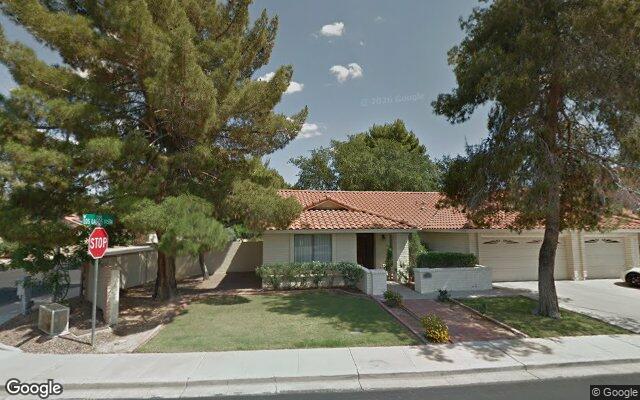
Facility Watch · Premium
Family reviews
No reviews yet — be the first to share your experience