Maxcare Assisted Living Home.
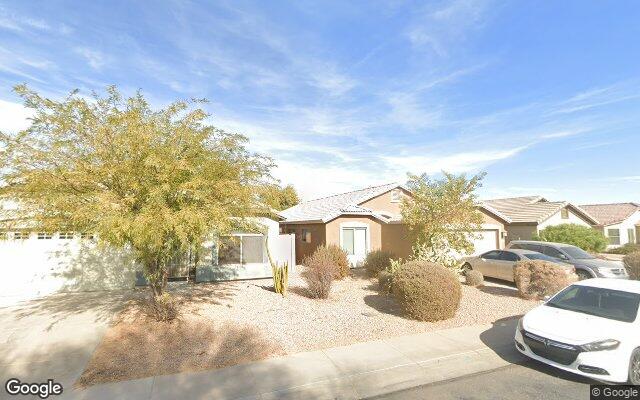
A small home, reviewed on public record.
© Google Street View
Compared to 1,661 Arizona facilities with a similar number of beds.
Care · 36-month window. Higher percentile = better performance on inspection record. Source: Arizona Dept. of Health Services · Bureau of Residential Facilities Licensing.
among peers to rank.
Rankings based on 36-month ADHS inspection data. Severity and frequency: fewer citations = higher percentile. Repeat rate: lower repeat citation share = higher percentile.
Citation history, plotted month by month.
6 deficiencies on record. Each bar is a month with a citation.
Finding distribution
6 total · 36 monthsScope × Severity (CMS A–L)
Every inspection visit, verbatim.
2 inspections in the public record, most recent first. Plain-language summaries open first — click into any row for the full citation text.
2026-05-26Annual Compliance VisitNo findings
2025-03-21Complaint InvestigationR9-10-807.B.1 · 6 findings
“Based on record review and interview, the manager failed to ensure a resident accepted by the assisted living facility submitted documentation signed by a medical practitioner or a registered nurse that stated whether the individual required continuous medical services, continuous or intermittent nursing services, or restraints, for two of two residents reviewed. The deficient practice posed a risk if the facility was unable to meet a resident's needs. Findings include: 1. A review of R1's medical record revealed no documentation that stated whether the resident required continuous medical services, continuous or intermittent nursing services, or restraints. Based on R1's acceptance date, this document was required. 2. A review of R2's medical record revealed documentation that stated whether the resident required continuous medical services, continuous or intermittent nursing services, or restraints. However, this documentation was not signed and dated by a medical practitioner or a registered nurse. 3. In an interview, E1 acknowledged R1's and R2's medical records did not contain documentation signed by a medical practitioner or a registered nurse that stated whether the resident required continuous medical services, continuous or intermittent nursing services, or restraints.”
“Based on record review and interview, the manager failed to ensure a resident's written service plan included the amount, type, and frequency of assisted living services provided, for one of three residents sampled. The deficient practice posed a risk as the service plans did not reinforce and clarify services to be provided to a resident. Findings include: 1. A review of R1's medical record revealed a service plan dated December 14, 2024. The service plan stated, "[R2] cannot bear weight, Night care needs turning and repositioning.” However, there was no documentation of the frequency of repositioning R1. 2. In an interview, E1 and E2 reported R1 was unable to ambulate and the staff repositioned R1 every 2 hours. E1 and E2 acknowledged R1's written service plan did not include the frequency of the turning and repositioning provided to R1.”
“Based on record review and interview, the manager failed to ensure a written service plan included the signature and date from the resident or representative, for one of three residents sampled. The deficient practice posed a health and safety risk if the resident or representative did not acknowledge the services that were to be provided. Findings include: 1. A review of R1's medical record revealed a written service plan for personal care services dated December 14, 2024. However, the service plan did not include a signature and date from the resident or representative. 2. In an interview, E1 and E2 acknowledged R1's service plan did not include a signature and date from the resident or representative.”
“Based on record review and interview, the manager failed to ensure a written service plan included the signature and date from a nurse or medical practitioner, for one of three residents sampled. The deficient practice posed a risk if the service plan was not developed to articulate decisions and agreements. Findings include: 1. A review of R2's medical record revealed written service plans for personal care services dated for September 09, 2024 and February 25, 2025. The service plans indicated R2 received medication administration including opioids; however, these service plans were not signed and dated by a nurse or medical practitioner. 2. In an interview, E1 and E2 acknowledged R2's service plans did not include a signature and date from a nurse or medical practitioner.”
“Based on record review and interview, the manager failed to ensure a caregiver or an assistant caregiver documented the services provided to a resident in the resident's medical record, for one of three residents sampled. The deficient practice posed a risk as services could not be verified as provided against a service plan. Findings include: 1. A review of R1's medical record revealed a service plan dated December 14, 2024. The service plan stated, "[R2] cannot bear weight, Night care needs turning and repositioning.” However, the March 2025 activities of daily living (ADL) sheet revealed no documentation of turning and repositioning R1. 2. In an interview, E1 and E2 reported R1 was unable to ambulate and the staff repositioned R1 every 2 hours. E1 and E2 acknowledged R1's medical record did not include documentation of turning and repositioning R1.”
“Based on documentation review, record review, and interview, for three of three residents sampled, the facility failed to maintain a standardized form for each resident that included the information prescribed in A.R.S. 36-420.04. The deficient practice posed a risk as required patient information was not prepared in case of an emergency. Findings include: 1. A.R.S. 36-420.04.A states, "A. An assisted living center or assisted living home that contacts an emergency responder on behalf of a resident shall provide to the emergency responder a written document that includes all of the following: 1. The reason or reasons the emergency responder was requested on behalf of the resident. 2. Whether the resident receives medication services and, if the resident has provided this information to the assisted living center or assisted living home, a list of all the resident's prescription and over-the-counter medications, their dosages and how frequently they are administered. 3. The name, address and telephone number of the resident's current pharmacy. 4. A list of any known allergies to any medications, additives, preservatives or materials like latex or adhesive. 5. The name and contact information for the resident's primary care physician and power of attorney or authorized representative. 6. Basic information about the resident's physical and mental conditions and basic medical history, such as having diabetes or a pacemaker or experiencing frequent falls or cardiovascular and cerebrovascular events, as well as dates of recent episodes, if known. 7. The point-of-contact information for the assisted living center or assisted living home, including the telephone number, if available, cell phone number and email address. A point of contact must be available to respond to questions regarding the information provided twenty-four hours a day, seven days a week. 8. A copy of the resident's health insurance portability and accountability act (HIPAA) release authorizing a receiving hospital to communicate with the assisted living center or assisted living home to plan for the resident's discharge. This paragraph does not preclude a resident from revoking the resident's health insurance portability and accountability act release authorization. 9. A copy of the resident's advance directives, if any, on file at the assisted living center or assisted living home. This paragraph does not preclude a resident from revoking or modifying the resident's advance directives." 2. A review of R1's, R2's, and R3's medical records revealed no documentation of the completed emergency responder patient information documentation required in Arizona Revised Statute (A.R.S.) § 36-420.04(A)(1) through (9). 3. In an interview, E1 and E2 acknowledged the information required in A.R.S. § 36-420.04 was not prepared in a standardized emergency responder patient information form as required.”
Other facilities in Maricopa.
Other memory care facilities near Maricopa with similar care offerings.
Facility Watch · Premium
Family reviews
No reviews yet — be the first to share your experience