Bes Assisted Living LLC.
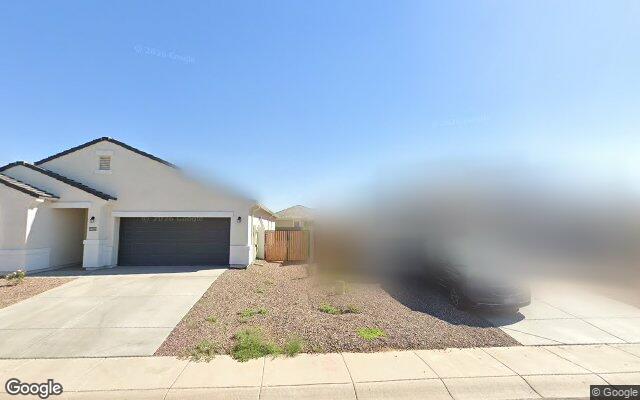
A small home, reviewed on public record.
© Google Street View
Compared to 1,661 Arizona facilities with a similar number of beds.
Care · 36-month window. Higher percentile = better performance on inspection record. Source: Arizona Dept. of Health Services · Bureau of Residential Facilities Licensing.
among peers to rank.
Rankings based on 36-month ADHS inspection data. Severity and frequency: fewer citations = higher percentile. Repeat rate: lower repeat citation share = higher percentile.
Citation history, plotted month by month.
2 deficiencies on record. Each bar is a month with a citation.
Finding distribution
2 total · 36 monthsScope × Severity (CMS A–L)
Every inspection visit, verbatim.
2 inspections in the public record, most recent first. Plain-language summaries open first — click into any row for the full citation text.
2026-08-12Annual Compliance VisitNo findings
2024-06-11Annual Compliance VisitA.A.C. · 2 findings
“Based on observation and interview, the manager failed to ensure that medication was stored in a separate locked room, closet, cabinet, or self-contained unit used only for medication storage. Findings include: 1. During a tour of the facility, the Compliance Officer observed a non-resident bedroom door which was open. In plain sight, on a desk inside the bedroom, the Compliance Officer observed a bottle containing "Atorvastatin 40MG." A second medication bottle was observed to contain "Metformin 1000MG." The medication label on each bottle indicated the medications were prescribed to E1. 2. A bathroom was attached to the non-resident bedroom. Inside the bathroom medicine cabinet, the Compliance Officer observed "Lidocaine 4%" patches, "Clobetasol Propionate Ointment USP, 0.05%," and a bottle of "Guaifenesin Oral Solution." 3. In an interview, E1 advised the bedroom was hers and the medications on the desk belonged to E1. E1 acknowledged the medications on the desk and in the bathroom medicine cabinet were not stored in a separate locked room.”
“Based on documentation review and interview, the manager failed to ensure a disaster drill for employees was conducted on each shift at least once every three months and documented. The deficient practice posed a risk if employees were unable to implement a disaster drill in the event of an emergency. Findings include: 1. A review of facility staffing schedules revealed the facility had two shifts, day: 7:00 a.m. - 7:00 p.m. and night: 7:00 p.m.-7:00 a.m. 2. A review of facility documentation revealed evidence of documentation of disaster drills conducted was not available for review. 3. In an interview, E1 acknowledged a disaster drill for employees was not conducted on each shift at least once every three months and documented as required.”
Other facilities in Maricopa.
Other memory care facilities near Maricopa with similar care offerings.
Contract Decoder
Family reviews
No reviews yet — be the first to share your experience