Parkview Drive Homecare LLC.
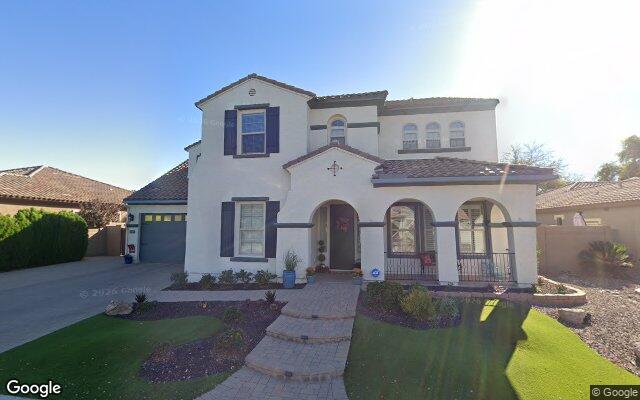
A medium home, reviewed on public record.
© Google Street View
Compared to 1,661 Arizona facilities with a similar number of beds.
Care · 36-month window. Higher percentile = better performance on inspection record. Source: Arizona Dept. of Health Services · Bureau of Residential Facilities Licensing.
among peers to rank.
on file.
Rankings based on 36-month ADHS inspection data. Severity and frequency: fewer citations = higher percentile. Repeat rate: lower repeat citation share = higher percentile.
Citation history, plotted month by month.
19 deficiencies on record. Each bar is a month with a citation.
Finding distribution
19 total · 36 monthsScope × Severity (CMS A–L)
Every inspection visit, verbatim.
5 inspections in the public record, most recent first. Plain-language summaries open first — click into any row for the full citation text.
2026-03-02Complaint InvestigationNo findings
2026-02-27Complaint InvestigationA.A.C. · 10 findings
“Based on documentation review and interview, the manager failed to ensure the health care institution administered a training program for all staff regarding fall prevention and fall recovery that included initial training and continued competency training, for two of three personnel sampled. The deficient practice posed a health and safety risk for residents. Findings include: 1. A review of E2’s personnel record revealed documentation of E2’s completed training for fall prevention and fall recovery dated April 23, 2024. However, no further documentation of additional training was available for review. 2. A review of E3’s personnel record revealed documentation of E3’s completed training for fall prevention and fall recovery dated December 2, 2024. However, no further documentation of additional training was available for review. 3. In an exit interview, the findings were reviewed with E2 and E3 and no additional information was provided.”
“Based on documentation review and interview, the manager of an assisted living center who contacted emergency responders on behalf of a resident failed to provide to the emergency responders a written document that included all information required in A.R.S. § 36-420.04, for three of three applicable residents sampled. The deficient practice posed a risk if the emergency responder was not aware of critical health information for the resident. Findings include: 1. A.R.S. 36-420.04.A states, "A. An assisted living center or assisted living home that contacts an emergency responder on behalf of a resident shall provide to the emergency responder a written document that includes all of the following: 1. The reason or reasons the emergency responder was requested on behalf of the resident. 2. Whether the resident receives medication services and, if the resident has provided this information to the assisted living center or assisted living home, a list of all the resident's prescription and over-the-counter medications, their dosages and how frequently they are administered. 3. The name, address and telephone number of the resident's current pharmacy. 4. A list of any known allergies to any medications, additives, preservatives or materials like latex or adhesive. 5. The name and contact information for the resident's primary care physician and power of attorney or authorized representative. 6. Basic information about the resident's physical and mental conditions and basic medical history, such as having diabetes or a pacemaker or experiencing frequent falls or cardiovascular and cerebrovascular events, as well as dates of recent episodes, if known. 7. The point-of-contact information for the assisted living center or assisted living home, including the telephone number, if available, cell phone number and email address. A point of contact must be available to respond to questions regarding the information provided twenty-four hours a day, seven days a week. 8. A copy of the resident's health insurance portability and accountability act release authorizing a receiving hospital to communicate with the assisted living center or assisted living home to plan for the resident's discharge. This paragraph does not preclude a resident from revoking the resident's health insurance portability and accountability act release authorization. 9. A copy of the resident's advance directives, if any, on file at the assisted living center or assisted living home. This paragraph does not preclude a resident from revoking or modifying the resident's advance directives." 1. A review of Department documentation revealed a report that documented the facility contacted emergency medical services on November 23, 2025, for R3, who was transported to the hospital for medical services. 2. A review of R3's medical record revealed no documentation of a standardized form for R3 that included the information prescribed in subsection A of A.R.S. § 36-420.04. 3. A review of Department documentation revealed a report that documented the facility contacted emergency medical services on January 23, 2026, for R4, who was transported to the hospital for medical services. 4. A review of R4's medical record revealed a document titled "Emergency Forms Transfer." However, the form was missing the following information: -Diagnosis; -The name, address, and telephone number of the resident's current pharmacy; and -A copy of the resident's health insurance portability and accountability act release authorizing a receiving hospital to communicate with the assisted living center or assisted living home to plan for the resident's discharge. 5. A review of Department documentation revealed a report that documented the facility contacted emergency medical services (EMS) on January 2, 2026, for R5, who was transported to the hospital for medical services. 6. A review of R5's medical record revealed a document titled "Emergency Forms Transfer." However, the form was missing the following information: -Diagnosis; -The name, address, and telephone number of the resident's current pharmacy; -Medication allergies; -Food allergies; -The name, address, and telephone number of the resident's current primary care provider; and -A copy of the resident's health insurance portability and accountability act release authorizing a receiving hospital to communicate with the assisted living center or assisted living home to plan for the resident's discharge. 7. In an exit interview, the findings were reviewed with E2 and E3 and no additional information was provided.”
“Based on record review and interview, the manager of an assisted living home failed to maintain a copy of the document provided to the emergency responder which included the items listed in Arizona Revised Statutes (A.R.S.) § 36-420.04(A)(1) through (9) for one of three applicable residents reviewed. Findings include: 1. A review of Department documentation revealed a report that documented the facility contacted emergency medical services on November 23, 2025, for R3, who was transported to the hospital for medical services. 2. A review of the facility's documentation revealed the facility did not have a copy of the documentation provided to the emergency responder that included all of the required documentation for R3. 3. In an exit interview, the findings were reviewed with E2 and E3 and no additional information was provided.”
“Based on documentation review and interview, the health care institution failed to implement tuberculosis (TB) infection control activities, including providing annual training and education related to recognizing the signs and symptoms of TB to individuals employed by the health care institution, for two of three personnel records reviewed. The deficient practice posed a risk as the caregiver received no recurrent, organized instruction or information related to TB surveillance. Findings include: 1. A review of E2’s personnel record revealed documentation of a completed tuberculosis screening training dated April 22, 2024. However, no additional training documentation was available for review. 2. A review of E3’s personnel record revealed documentation of a completed tuberculosis screening and infection control training completed on December 2, 2024. However, no additional training documentation was available for review. 3. In an exit interview, the findings were reviewed with E2 and E3 and no additional information was provided.”
“Based on record review and interview, the manager failed to ensure that before or at the time of acceptance of an individual, the individual submitted documentation that was dated within 90 calendar days before the individual was accepted by the assisted living facility and included whether the individual required continuous medical services, continuous or intermittent nursing services, or restraints and was dated and signed by a medical practitioner or registered nurse, for one of five residents reviewed. The deficient practice posed a risk if the facility was unable to meet a resident's needs. Findings include: 1. A review of R2’s medical record revealed a document titled "Determination for Residency or Continued Residency." However, the document was not signed and dated by a physician, registered nurse practitioner, or registered nurse within 90 calendar days before the individual was accepted by the assisted living facility to indicate whether the individual required continuous medical services, continuous or intermittent nursing services, or restraints. 2. In an exit interview, the findings were reviewed with E2 and E3 and no additional information was provided.”
“Based on record review and interview, the manager failed to ensure a resident had a written service plan which was signed and dated by the resident or resident's representative, the manager, and if a review was required, by the nurse or medical practitioner who reviewed the service plan for two of five residents sampled. This posed a health and safety risk if the resident or resident's representative, the manager, and the nurse or medical practitioner did not acknowledge the services that were to be provided. Findings include: 1. A review of R1's medical record contained a service plan dated November 11, 2025 for directed care services. The service plan was not signed and dated as reviewed by the resident or resident's representative and manager. 2. A review of R2's medical record contained a service plan dated August 5, 2025 for personal care services. The service plan was not signed and dated as reviewed by the manager. 3. In an exit interview, the findings were reviewed with E2 and E3 and no additional information was provided.”
“Based on record review and interview, the manager failed to ensure a caregiver or assistant caregiver documented the services provided in the resident's medical record for three of five residents sampled. The deficient practice posed a risk as the documentation did not accurately reflect the services provided. Findings include: 1. A review of R1's medical record revealed a directed care service plan dated November 11, 2025, that indicated R1 would receive the following services: -Hydration: Water is offered to each resident with every meal -Encourage sufficient fluids to maintain hydration; -Dressing-Full Assist with socks/shoes, clothing, and picking out; -Grooming-Dependent; comb hair; daily; -Hygiene- Brushing Teeth Dependent; daily; PRN; -Nails-clean and check with bed bath; -Room maintenance & Laundry Services- dependent: make bed; change linen 1xwk/prn; -Skin Care-PRN lotion- apply cream/ointment per doctor order; monitor skin integrity; monitor bony areas; Peri-care as needed with every brief change; -Toileting- needs help with transfers, undressing, wiping, and dressing; -Undergarments-Dependent- tape briefs- check brief every two to three hours; -Mobility Ambulation Transfer- non-ambulatory- One caregiver assist transfer to wheelchair and assist to bed or recliner 2. A review of R1's activities of daily living (ADL) documentation, for February 2026, revealed the ADL chart did not include documentation of the following services provided: -Hydration: water is offered to each resident with every meal; -Encourage sufficient fluids to prevent dehydration; -Dressing-Full Assist with socks/shoes, clothing, and picking out; -Grooming -Skin Care- apply cream/ointment per doctor's order; -Monitor Skin Integrity- Peri Care as needed with every brief change -Nails- clean and check with bed bath; -Toileting; -Undergarments: Check the brief every two to three hours; and -Mobility. 3. A review of R2's medical record revealed a service plan for personal care services, dated August 5, 2025, that indicated R2 would receive the following services: -Hydration- Encourage sufficient fluids to maintain hydration; -Encourage Sufficient fluids to maintain hydration; -Bathing done by training caregiver-Shower 3 weekly for showers; Partial Bath PRN; -Dressing-Full assist with socks/shoes, clothing, and picking out; -Grooming-Dependent; Comb hair; daily; -Hygiene; Brush Teeth; daily; nails- clean and check with showers; -Room maintenance and Laundry Services; dependent; make bed; change linen one time per week/prn; -Skin care; PRN lotion; monitor skin integrity; maintain good nutrition and fluid intake; -Toileting- dependent; one care caregiver; and -Undergarments- dependent; pull-ups; check brief every two to three hours; change brief PRN. 4. A review of R2's activities of daily living documentation for February 2026 revealed the ADL chart did not include documentation of the following services provided: -Hydration- Encourage sufficient fluids to maintain hydration; -Dressing-Full assist with socks/shoes, clothing, and picking out; -Grooming-Dependent; Comb hair; daily; -Hygiene; Brush Teeth; daily; nails- clean and check with showers; -Skin care; PRN lotion; monitor skin integrity; maintain good nutrition and fluid intake; -Toileting- dependent; one care caregiver; -Undergarments- dependent; pull-ups; check brief every two to three hours; change brief PRN; and -Mobility. 5. A review of R5’s medical record revealed a service plan for directed care services dated August 5, 2025, that indicated R5 would receive the following services: -Bathing done by trained caregiver: Shower; 2 times weekly; partial bath PRN; -Dressing: Full Assist with socks/shoes, clothing, and picking out; -Grooming-Dependent, comb hair, daily; -Hygiene: Brushing teeth; Dependent; Daily and PRN; -Nails- clean and check with showers; -Room maintenance & Laundry Services: Make Bed, change linen once per week/prn; -Skin care; PRN lotion; -Toileting: incontinent; and -Undergarments- dependent; pull-ups; check brief every two to three hours; change brief PRN. 6. A review of R5’s activities of daily living documentation for January 2026 revealed the ADL chart did not include documentation of the following services provided: -Dressing: Full Assist with socks/shoes, clothing, and picking out; -Grooming-Dependent, comb hair, daily; -Nails- clean and check with showers; -Skin care; PRN lotion; -Toileting: incontinent; and -Undergarments- dependent; pull-ups; check brief every two to three hours; change brief PRN. 7. In an interview, E2 and E3 reported R1, R2, and R5 received all assisted living services within the month of February 2026. 8. In an exit interview, the findings were reviewed with E2 and E3 and no additional information was provided. This is a repeat deficiency from the inspection conducted on December 20, 2024.”
“Based on record review and interview, the manager failed to ensure that the service plan for a resident receiving directed care services included documentation of the resident’s weight or documentation from a medical practitioner indicating that weighing the resident was contraindicated, for two of five residents sampled. Findings include: 1. A review of R1’s medical record revealed a service plan dated November 11, 2025, for directed care services. However, R1’s service plan did not include R1’s weight or documentation from R1’s medical practitioner stating that weighing R1 was contraindicated. 2. A review of R5's medical record revealed a service plan dated August 5, 2025, for directed care services. However, R5's service plan did not include R5's weight or documentation from R5's medical practitioner stating that weighing R5 was contraindicated. 3. In an exit interview, the findings were reviewed with E2 and E3 and no additional information was provided.”
“Based on documentation review, observation, and interview, the manager failed to ensure there was a means of exiting the facility for a resident who does not have a key, special knowledge for egress, or the ability to expend increased physical effort that provided access to an outside area from which a resident may exit to a location at least 30 feet away from the facility and controlled or alerted employees of the egress of a resident from the facility. The deficient practice posed a risk if the facility was unaware of the general or specific whereabouts of a resident. Findings include: 1. A review of the facility's license issued by the Department revealed the facility was authorized to provide directed care services. 2. During the environmental inspection of the facility, the Compliance Officer observed the front door of the facility had an alert. However, the alert was not turned on at the time of the inspection. 3. During the environmental inspection of the facility, the Compliance Officer observed no alert or control located on the door leading to the backyard. 4. In an exit interview, the findings were reviewed with E2 and E3 and no additional information was provided.”
“Based on record review and interview, the manager failed to ensure a medication administered to a resident was documented in the resident's medical record for two of five residents sampled. The deficient practice posed a risk as the medication could not be verified as administered against a medication order. Findings include: 1. A review of R1's medical record revealed a current service plan that indicated R1 received medication administration. 2. A review of R1's medical record revealed signed medication orders for the following medications: -Quetiapine (Seroquel) 50mg/tab, give 2 tabs PO at bedtime- 60 tabs x 5 refills; -Pantoprazole 40mg/tab PO twice a day- 30 tabs x 5 refills; -Sertraline 100 mg/tab PO daily in AM- 30 tabs x 5 refills; -Trazodone 50 mg/tab PO at bedtime PRN for sleeplessness- 30 tabs x 5 refills; -Lorazepam 0.5mg/tab PO at bedtime and every 6hrs PRN for Increased agitation- 90 tabs x 5 refills; -Albuterol 0.083%/3ml inhalation via SVN BID PRN for SOB/Wheezing- 1 box x 5 refills; -O2@2-3L/min via NC PRN for SOB; -Lisinopril 2.5 mg/tab PO daily- 30 tabs x 5 refills; -Metoprolol 25mg/tab, give 1/2 tab PO twice a day - 30 tabs x 5 refills; -Atorvastatin 80 mg/tab PO daily at bedtime- 30 tabs x 5 refills; -Ezetimibe 100 mg/tab PO daily at bedtime- 30 tabs x 5 refills; and -Ticagrelor 90 mg/tab PO twice a day- 30 tabs x 5 refills. 3. A review of R1's medication administration record (MAR) for February 2026 revealed missing documentation of the administration of the following medications, on the following dates: -Lisinopril 2.5 mg in the morning on February 27, 2026; -Sertraline 100 mg in the morning on February 27, 2026; -Ticagrelor 90 mg in the morning on February 27, 2026; -Metoprolol 25mg in the morning on February 27, 2026; -Pantoprazole 40mg at bedtime on February 26, 2026, and in the morning on February 27, 2026; -Atorvastatin 80 mg at bedtime on February 26, 2026; -Ezetimibe 100 mg at bedtime on February 26, 2026; -Quetiapine 50 mg at bedtime on February 26, 2026; and -Lorazepam 0.5mg at bedtime on February 26, 2026. 4. A review of R2's medical record revealed R2 received medication administration. 5. A review of R2's medical record revealed signed medication orders for the following medications: -Lisinopril 2.5 mg tablet; 1 tablet PO in the morning; -Sertraline 100 mg tablet; 1 tablet PO QD; -Ticagrelor 90 mg Tablet; 1 tab PO at bedtime; -Metoprolol 25 mg tablet; 1/2 tablet PO BID; -Prednisone 10 mg tablets, take one tablet by mouth daily as scheduled for wheezing/SOB; -Budesonide 0.5 mg/2cc, take on vital via nebulizer two times a day as scheduled for wheezing/SOB; -Levothyroxine 50 mg tablet 1 tablet PO QD; -Nitrofur Mac 50 mg capsule; 1 capsule PO QD; -Gabapentin; 600 mg tablet; 1 tablet at AM, 2 tablet at PM; -Prozac 40 mg capsule; 1 cap at bedtime; and -Triamcinolone 0.1% topical cream 2x per day. 5. A review of R2's medication administration record (MAR) for February 2026 revealed missing documentation of the administration of the following medications, on the following dates: -Levothyroxine 50 mg in the morning on February 27, 2026; -Nitrofur Mac 50 mg in the morning on February 27, 2026; -Gabapentin 600 mg in the evening on February 26, 2026, and the morning on February 27, 2026; -Prozac 40 mg at bedtime on February 26, 2026; -Triamcinolone 0.1% in the evening on February 26, 2026, and in the morning on February 27, 2026; -Lisinopril 2.5 mg tablet in the morning on February 27, 2026; and -Prednisone 10 mg tablet in the morning on February 27, 2026. 6. In an interview, E2 reported the medications were administered per the medication orders but the documentation on the MAR was forgotten or missed. 7. In an exit interview, the findings were reviewed with E2 and E3 and no additional information was provided.”
2025-07-22Complaint InvestigationR9-10-806.C.1 · 2 findings
“Based on observation, record review, and interview, the manager failed to ensure a personnel record was established and maintained for one of two personnel records sampled. The deficient practice posed a risk to resident health and safety if the facility did not obtain documentation showing an employee met the requirements to provide services for the residents. Findings include: 1. Upon arrival at the facility, the Compliance Officer observed E3 working at the facility. 2. A personnel record was not available for review for E3. 3. In an exit interview, the findings were reviewed with E2 and no additional information was provided.”
“Based on documentation review, record review, and interview, the manager failed to ensure a medical record was maintained for each resident according to A.R.S. Title 12, Chapter 13, Article 7.1, for one of three residents sampled. The deficient practice posed a risk as required information could not be verified for the sampled resident. Findings include: 1. A.R.S. § 12, Chapter 13, Article 7.1 states, "Unless otherwise required by statute or by federal law, a health care provider shall retain the original or copies of a patient's medical records as follows: 1. If the patient is an adult, for at least six years after the last date the adult patient received medical or health care services from that provider." 2. The surveyor requested R3’s medical record for review. However, R3’s medical record was unavailable for review at the time of the survey. 3. In an exit interview, the findings were reviewed with E2 and E3 and no additional information was provided.”
2024-12-20Complaint InvestigationA.A.C. · 5 findings
“Based on record review and interview, the manager failed to ensure the assisted living home maintained a standardized form for each resident that included the information prescribed in subsection A of this section for two of two residents reviewed. Findings include: 1. Review of R1's and R2's medical record revealed a resident information document. This document contained spaces designated for the information required in subsection A of ARS 36-420.04, however it was missing the following: - The name, address and telephone number of the resident's current pharmacy; and - A copy of the resident's health insurance portability and accountability act release authorizing a receiving hospital to communicate with the assisted living center or assisted living home to plan for the resident's discharge. 2. A review of the facility's emergency documentation revealed a form titled "Assisted Living Resident Transfer Checklist." However, the form was blank at the time of review and was not completed for each individual resident. 3. In an interview, E4 reported that the resident information document with a medication list was the documentation provided to first responders when entering the home. E4 acknowledged that the assisted living home did not maintain a standardized form for each resident.”
“Based on record review, observation, and interview, the manager failed to ensure the caregiver documented the services provided in the resident's medical record, for one of two residents reviewed. The deficient practice posed a risk as services could not be verified as provided against a service plan. The deficient practice posed a risk as false or misleading documentation was provided to the department. Findings include: 1. A review of R1's medical record revealed a personal care service plan, dated September 26, 2024, that indicated R1 would receive the following services: - Hydration: Water is offered to each resident with every meal - Encourage sufficient fluids to prevent dehydration; - Dressing - Full Assist with socks/shoes, clothing, and picking out; - Nails - Clean and check with showers; - Bathing - Shower two times weekly with sponge bath on non shower days; - Skin Care - PRN lotion - Apply cream/ointment per Doctor's Order - Monitor Skin Integrity - Peri Care as needed with every brief change - Float Heals PRN - "Presure releaving devices PRN"; - Toileting - Incontinent of bladder and bowel; - Undergarments - Dependant - tape briefs - check brief every two to three hours; and - Mobility - One caregiver assist transfer to wheelchair and assist to bed or recliner. 2. A review of R1's activities of daily living (ADL) documentation, for December 2024, revealed the ADL chart did not include documentation of the following services provided: - Hydration: Water is offered to each resident with every meal - Encourage sufficient fluids to prevent dehydration; - Dressing - Full Assist with socks/shoes, clothing, and picking out; - Skin Care - PRN lotion - Apply cream/ointment per Doctor's Order - Monitor Skin Integrity - Peri Care as needed with every brief change - Float Heals PRN - "Presure releaving devices PRN"; - Nails - Clean and check with showers; and - Undergarments - Check brief every two to three hours. 3. In an interview, E4 reported R1 received all assisted living services required within the month of December 2024. E1 acknowledged a caregiver failed to document the services provided in R1's medical record.”
“Based on observation and interview, the manager failed to ensure medication was stored in a separate locked room, closet, cabinet, or self-contained unit used only for medication storage. The deficient practice posed a risk to residents who could access the medication. Findings include: 1. During an environmental inspection of the facility, the Compliance Officers observed the following on a shelf in the closet of an unlocked resident room: - Four bottles of "Amazon Basic Care 4 Hour Nasal Spray"; and - Three tubes of "Cortizone 10 Hydrocortisone Anti-itch Creme - Maximum Strength." 2. In an interview, E1 reported the medication was given to the family and they had left it in R2's room. E1 acknowledged the medication was not stored in a separate locked room, closet, cabinet, or self-contained unit used only for medication storage.”
“Based on documentation review, observation, and interview, the manager failed to ensure poisonous or toxic materials stored by the assisted living facility were maintained in a locked area, labeled and inaccessible to residents. The deficient practice posed a risk to the physical health and safety of a resident. Findings include: 1. A review of Department records revealed the facility was licensed to provide directed care services. 2. During an environmental inspection, Compliance Officer observed ambulatory residents in the home. 3. During the environmental tour, the Compliance Officers observed the following poisonous or toxic material in the unlocked cabinet of a common area bathroom accessible to residents: - One container of "PeriFresh Perineal Cleanser"; - One can of "Febreze Air Mist"; and - One can of "Pantene Hairspray. 4. During the environmental tour, the Compliance Officers observed the following poisonous or toxic material in the unlocked kitchen cabinet accessible to residents: - One container of "Clorox Disinfecting Wipes"; - One can of "Lysol Disinfectant spray"; - One bottle of "Dawn Platinum Plus Powerwash"; - One container of "Ajax Dish Soap"; and - One container of "Fabuloso Multi-purpose Cleaner" 5. In an interview, E4 acknowledged poisonous or toxic materials stored by the assisted living facility were not maintained in a locked area, labeled and inaccessible to residents.”
“Based on observation and interview, the manager failed to ensure a resident bathroom contained a window that opened or another means of ventilation. The deficient practice posed a risk to the health and safety of the residents. Findings include: 1. During an environmental inspection, the Compliance Officer observed a private bathroom, shared by two residents, the exhaust fan was not operable and the bathroom did not contain a window or other means of ventilation. 2. In an interview, E4 reported the exhaust fan is not operable. E4 acknowledged the bathroom did not have a window or other means of ventilation.”
2024-04-22Complaint InvestigationA.A.C. · 2 findings
“Based on documentation review, record review and interview, the health care institution failed to administer a training program regarding fall prevention and fall recovery, for four of four personnel members sampled. The deficient practice posed a risk as organized instruction and information related to resident care and safety was not implemented. Findings include: 1. A review of facility documentation failed to reveal that the health care institution had developed a training program for all staff regarding fall prevention and fall recovery as required in A.R.S. \'a7 36-420.01. 2. A review of E1, E2, E3 and E4's personnel records revealed a certificate for continued competency training titled "Preventing Falls," however the training did not include fall recovery. 3. In an interview, E2 reported the facility had developed a fall prevention and fall recovery training program, however, the Department was not provided that documentation for review. 4. In an interview, E2 acknowledged personnel records for E1, E2, E3, and E4 only indicated continued competency training for fall prevention and the facility was not in compliance with A.R.S. \'a7 36-420.01. Technical assistance was provided on this rule during the compliance inspection conducted August 16, 2023.”
“Based on documentation review and interview, the governing authority failed to designate a certified manager, in writing, a manager who has either a certificate as an assisted living facility manager issued under A.R.S. \'a7 36-446.04(C), or a temporary certificate as an assisted living facility manager issued under A.R.S. \'a7 36-446.06. The deficient practice posed a risk as the assisted living facility was unable to ensure compliance with applicable Rules. Findings include: 1. A review of the Department's records for the facility revealed that E1 was the current manager; no information was received from the governing authority to indicate that a new manager had been appointed. 2. During the environmental tour, the Compliance Officer observed E1's manager certificate (ALM-009575) conspicuously posted. 3. A review of the Board of Examiners for Nursing Care Institution Administrators and Assisted Living Facility Managers (NCIA Board) website revealed E1's manager certificate (ALM-009575) was revoked on February 28, 2024. 4. In an interview, E2 reported E2 was unaware E1's manager certificate (ALM-009575) was revoked on February 28, 2024. 5. In an interview, E2 acknowledged E1's manager certificate (ALM-009575) was revoked on February 28, 2024 and the facility was not in compliance with A.R.S. \'a7 36-446.04(C) or A.R.S. \'a7 36-446.06.”
1 older inspection from 2023 are not shown above.
Get the complete record, translated into plain language — emailed to you.
Other facilities in Gilbert.
Other memory care facilities near Gilbert with similar care offerings.
Facility Watch · Premium
Family reviews
No reviews yet — be the first to share your experience