Solterra Senior Living.
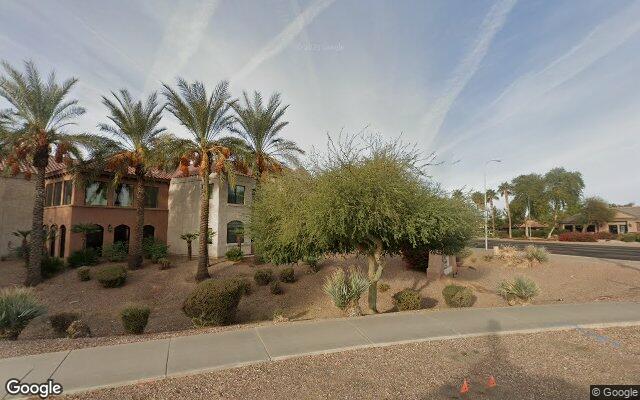
A large home, reviewed on public record.
© Google Street View
Compared to 116 Arizona facilities with a similar number of beds.
Care · 36-month window. Higher percentile = better performance on inspection record. Source: Arizona Dept. of Health Services · Bureau of Residential Facilities Licensing.
on file.
Rankings based on 36-month ADHS inspection data. Severity and frequency: fewer citations = higher percentile. Repeat rate: lower repeat citation share = higher percentile.
Citation history, plotted month by month.
48 deficiencies on record. Each bar is a month with a citation.
Finding distribution
48 total · 36 monthsScope × Severity (CMS A–L)
Every inspection visit, verbatim.
29 inspections in the public record, most recent first. Plain-language summaries open first — click into any row for the full citation text.
2026-09-02Complaint InvestigationNo findings
2026-07-16Complaint InvestigationNo findings
2026-06-24Complaint InvestigationNo findings
2026-06-08Complaint InvestigationNo findings
2026-05-14Complaint InvestigationEnforcement · 4 findings
“Based on observation and interview, the manager failed to ensure policies and procedures were available to employees of the assisted living facility. The deficient practice posed a risk as policies and procedures reinforce and clarify standards expected of employees. Findings include: 1. The Compliance Officers did not observe a physical copy of the policy and procedures or an electronic version of the policies and procedures on site at the facility. 2. In an interview, E1 reported that the policies and procedures were being sent from the regional team located outside of Arizona. When the Compliance Officers asked to see a specific policy, the Compliance Officers were provided the wrong policy. 3. In an interview, E1 acknowledged E1 and E2 were waiting for the regional team to send over the policies and procedures to provide for the inspection. 4. In an exit interview, the findings were reviewed with E1 and E2, and no additional information was provided.”
“Based on documentation review and interview, the manager failed to ensure that a disaster drill for employees was conducted on each shift at least once every three months and documented. The deficient practice posed a risk if employees were unable to implement a disaster plan. Findings include: 1. A review of the facility's personnel schedule revealed there were three shifts: -1st shift: 6 am-2 pm; -2nd shift: 2 pm-10 pm; and -3rd shift: 10 pm-6 am. 2. A review of the facility's disaster drills revealed documentation of a disaster drill conducted on January 3, 2025, during all three shifts. However, documentation of additional drills was not available for review at the time of inspection. 3. In an exit interview, the findings were reviewed with E1 and E2 and no additional information was provided.”
“Based on documentation review and interview, the manager failed to ensure an evacuation drill for employees and residents was conducted at least once every six months and included all individuals on the premises except for a resident whose medical record contains documentation that evacuation from the assisted living facility would cause harm to the resident. The deficient practice posed a risk if employees were unable to implement the evacuation plan. Findings include: 1. A review of the facility's evacuation drills for employees and residents revealed no documentation of evacuation drills conducted at least once every six months for the past 12 months. 2. In an exit interview, the findings were reviewed with E1 and E2 and no additional information was provided.”
“Based on documentation review and interview, the manager failed to ensure that for an assisted living facility authorized to provide directed care services, an elopement drill for employees was conducted every six months on each shift. Findings include: 1. A review of facility documentation revealed no documentation of elopement drills. 2. In an exit interview, the findings were reviewed with E1 and E2, and no additional information was provided.”
2026-05-04Complaint InvestigationR9-10-821.D.6.c · 1 finding
“Based on observation and interview, the manager failed to ensure that a resident's sleeping area that is in the residential unit had a bathroom that provided privacy when in use and contained a window that opens or another means of ventilation. The deficient practice posed a health and safety risk to the residents. Findings include: 1. During a tour of the facility, the Compliance Officer observed an exhaust fan in R3's bathroom, but the exhaust fan did not work when the Compliance Officer attempted to turn it on, nor was there a window in R3's bathroom. 2. In an exit interview, the findings were reviewed with E1 and E3, and no additional information was provided.”
2026-01-16Complaint InvestigationNo findings
2025-12-22Complaint InvestigationNo findings
2025-12-11Complaint InvestigationR9-10-803.A.10 · 4 findings
“Based on record review and interview, the manager failed to ensure the health, safety, or welfare of a resident was not placed at risk of harm. The deficient practice posed a risk to health and safety. Findings include: 1. Review of the R2’s medical record revealed an incident report dated November 11, 2025. This incident report stated, “Resident accidently drove [R2’s] electric wheelchair into the door frame, which caused the controller to move forward unexpectedly. This resulted in the wheelchair accelerating and colliding with [R2’s] dresser and then [R2’s] bed, pinning [R2’s] left foot between the bed and wheelchair. Resident was assisted and the wheelchair was powered off assessment completed: bruising swelling, redness, pain level- 8, unable to bear weight. Vital signs obtained. Ice applied/ elevated as appropriate. Resident instructed to report any increased pain of changes. Provider hospice per protocol. Will continue to monitor.” 2. Review of R2’s medical record revealed a document titled, “Progress Note” which stated the following: - “11/12/25 - Resident is bedridden right now from [R2’s] leg injury. [R2] needs to be fed meals and changed every 2 hours.” - “11/13/25 - … Resident just wanted jello and lemonade for lunch and [R2] refused breakfast due to not wanting to move. Resident needs help with drinking water and food.” - “11/14/25 - Resident was feeling unwell this morning [R2] was very confused with where [R2] was, [R2] was also very scared about why [R2] can’t move. Resident was reassured that is safe is in Solterra senior living. Resident did eat breakfast but small portions. Water was being given every 30 minutes through morning shift. Resident family has requested [R2] and encourage [R2] to go to the hospital for x ray for [R2’s] legs. Resident has left to the hospital to chandler regional at 12:45 pm.” - “12/09/2025 - Talked to staff at Tempe Post Acute. They mentioned this resident is unable to stand and using a hoyer lift. I (E1) told them that is out of our scope.” 3. In an interview, E1 reported R2’s hospice provider was called and the facility was given instructions on what to do. E1 reported that after R2’s visit to the hospital R2 was admitted into rehab. E1 reported R2 required a hoyer lift and that R2 is now out of the facility’s scope of services and will not be able to return to the facility. E1 acknowledged R2 was in pain before being sent to the hospital. 4. In an exit interview, the findings were reviewed with E1, and no additional information was provided.”
“Based on documentation review and interview, the manager failed to immediately report suspected exploitation according to A.R.S. § 46-454. The deficient practice posed a risk as a peace officer or the adult protective services (APS) central intake was unable to assess if there was an immediate health and safety concern for the resident and other residents residing in the assisted living facility. Findings include: 1. A.R.S. § 46-454(A) stated "A. A health professional, emergency medical technician, home health provider, hospital intern or resident, speech, physical or occupational therapist, long-term care provider, social worker, peace officer, medical examiner, guardian, conservator, fire protection personnel, developmental disabilities provider, employee of the department of economic security or other person who has responsibility for the care of a vulnerable adult and who has a reasonable basis to believe that abuse, neglect or exploitation of the adult has occurred shall immediately report or cause reports to be made of such reasonable basis to a peace officer or to the adult protective services central intake unit. The guardian or conservator of a vulnerable adult shall immediately report or cause reports to be made of such reasonable basis to the superior court and the adult protective services central intake unit. All of the above reports shall be made immediately by telephone or online..." 2. R9-10-101.111 stated "Immediate" means without delay. 3. Review of E1’s text messages showed R3’s family member contacted E1 on November 26, 2025 at 3:49 pm which stated, “Call me, one of your employees stole my [R3’s] credit card and went to town. There’s an active investigation.” 4. Review of the facility’s email, provided by E1, revealed an email with the sent date November 27, 2025 at 11:12 AM, which stated, “Thank you for contacting Adult protective services on 11/27/2025”. 5. In an interview, E1 acknowledged R3’s family member contacted E1 on November 26, 2025 and APS was contacted on November 27, 2025. 6. In an exit interview, the findings were reviewed with E1, and no additional information was provided.”
“Based on record review and interview, the manager failed to ensure a written service plan included documentation of the resident's medical or health problems, including physical, behavioral, cognitive, or functional conditions or impairments, for three of the three residents sampled. The deficient practice posed a risk if medical or health problems were not addressed by the assisted living facility. Findings include: 1. Review of R1’s current service plan dated October 2025 did not include a list of R1's medical or health problems, including physical, behavioral, cognitive, or functional conditions or impairments. 2. Review of R2’s current service plan dated October 2025 did not include a list of R2’s medical or health problems, including physical, behavioral, cognitive, or functional conditions or impairments. 3. Review of R3’s current service plan dated October 2025 did not include a list of R3's medical or health problems, including physical, behavioral, cognitive, or functional conditions or impairments. 4. In an interview, E1 acknowledged the current service plans provided did not include a list of R1’s, R2’s, and R3’s medical or health problems, including physical, behavioral, cognitive, or functional conditions or impairments. 5. In an exit interview, the findings were reviewed with E1, and no additional information was provided.”
“Based on record review and interview, the manager failed to ensure a caregiver or an assistant caregiver documented the services provided to a resident in the resident's medical record, for two of three sampled residents. The deficient practice posed a health and safety risk as services could not be verified as provided against a service plan. Findings include: 1. Review of R2’s current service plan dated, October 2025 revealed the following services were provided to R2: - “Level of Assistance- Bathing: Total Resident is dependent on others to provide bath, including shampoo” - “Level of Assistance- Grooming/ Personal Hygiene: Total Resident is dependent on others to provide all grooming/ personal hygiene needs/ 1 time(s) per day, everyday. - “Level of Assistance- Dressing: Total Resident is dependent upon others to do all dressing/ undressing/ 2 times(s) per day, everyday.” - “Level of Assistance- Toileting: Total Resident requires physical assistance with all tasks related to toileting. May require assistance with closed drainage system/ catheter. / 2 time(s) per day, every day.” 2. Review of R2’s activities of daily living (ADL) for the month of November 2025 revealed the following services were marked with “INF” for the entire month of November: - Bathing - Grooming/ Personal Hygiene - Dressing - Toileting It is unclear if a caregiver has completed this service. 3. Review of R3’s current service plan dated October 2025 revealed the following services were provided to R3: - “Monitor resident for desires to leave community/ 3 time(s) per day, every day. 4. Review of R3’s ADL revealed for the month of November 2025 revealed the following services were marked with “INF”. - “Monitor resident for desires to leave community” is marked “INF” from 18th to the 30th. It is unclear if a caregiver has completed this service. 5. In an interview, E1 reported that “INF” means Info only. E1 also reported its a glitch in the system not allowing the caregivers to chart the services that were completed. 6. In an exit interview, the findings were reviewed with E1, and no additional information was provided.”
2025-11-20Complaint InvestigationNo findings
2025-11-03Complaint InvestigationNo findings
2025-10-01Complaint InvestigationNo findings
2025-09-26Complaint InvestigationNo findings
2025-07-23Complaint InvestigationR9-10-817.B.3.b · 1 finding
“Based on record review and interview, the manager failed to ensure that a medication administered to a resident was administered in compliance with a medication order, for one of two residents sampled. The deficient practice posed a risk if the resident experienced a change in condition due to improper administration of medication. Findings include: 1. A review of R2’s medical record revealed a medication order dated April 16, 2025, for Midodrine HCl 2.5 milligrams (mg), 1 tablet by mouth (po) twice a day (bid) if systolic blood pressure (SBP) is less than 105 millimeters of mercury (mmHg). 2. A review of R2’s medication administration record (MAR) for June 2025 and July 2025 revealed R2 was administered Midodrine HCl 2.5 mg, 1 tablet po on the following dates and times: June 24, 2025, at 8:00 AM; June 26, 2025, at 8:00 AM; June 29, 2025, at 8:00 AM and 6:00 PM; June 30, 2025, at 6:00 PM; July 6, 2025, - July 8, 2025, at 8:00 AM; July 9, 2025, at 6:00 PM; July 12, 2025, at 8:00 AM; July 14, 2025, at 6:00 PM; July 15, 2025, at 8:00 AM; July 19, 2025, at 8:00 AM; and July 20, 2025 - July 22, 2025 at 8:00 AM and 6:00 PM. 3. A review of R2's medical record revealed the following SBP readings: 156 / 63 mmHg on June 24, 2025, at 8:00 AM; 172 / 84 mmHg on June 26, 2025, at 8:00 AM; 167 / 70 mmHg on June 29, 2025, at 8:00 AM; 209 / 85 mmHg on June 29, 2025, at 6:00 PM; 144 / 82 mmHg on June 30, 2025, at 6:00 PM; No SBP reading was documented on July 6, 2025, at 8:00 AM; 193 / 69 mmHg on July 7, 2025, at 8:00 AM; 112 / 82 mmHg on July 8, 2025, at 8:00 AM; 165 / 61 mmHg on July 9, 2025, at 6:00 PM; 192 / 66 mmHg on July 12, 2025, at 8:00 AM; 165 / 79 mmHg on July 14, 2025, at 6:00 PM; 186 / 95 mmHg on July 15, 2025, at 8:00 AM; 195/80 mmHg on July 19, 2025, at 8:00 AM; 153 / 66 mmHg on July 20, 2025, at 8:00 AM; 180 / 66 mmHg on July 20, 2025, at 6:00 PM; 139 / 69 mmHg on July 21, 2025, at 8:00 AM; 150 / 86 mmHg on July 21, 2025, at 6:00 PM; 149 / 75 mmHg on July 22, 2025, at 8:00 AM; and 159 / 76 mmHg on July 22, 2025, at 6:00 PM. However, the aforementioned SBP readings did not indicate the administration of Midodrine HCl 2.5 mg to R2. 4. In an interview, the finding was reviewed with E1 and E2, and no additional information was provided.”
2025-07-14Complaint InvestigationR9-10-820.A.4 · 1 finding
“Based on observation and interview, the manager failed to ensure heating and cooling systems maintained the assisted living facility at a temperature between 70°F and 84°F at all times, unless individually controlled by a resident. Findings include: 1. During the environmental inspection of the facility, the Compliance Officer observed a thermostat on the wall in the dining room area. The thermostat read 90°F. 2. In an interview, O1 acknowledged the facility's temperature was not maintained between 70°F and 84°F at all times.”
2025-07-03Complaint InvestigationNo findings
2025-06-23Complaint InvestigationR9-10-810.B.1 · 4 findings
“Based on observation and interview, the manager failed to ensure that a resident was treated with dignity, respect, and consideration. Findings include: 1. During an environmental tour of the facility, the Compliance Officer observed R5's face and clothing to be covered in an unknown substance, which appeared dried. 2. The Compliance Officer also observed urine and feces in, on, and around the toilet in R5's bathroom. 3. In an interview, R5 reported not feeling well and reported that the care staff had recently been in to check on R5. 4. In an interview, E1 acknowledged R5 was not treated with dignity, respect, and consideration. This is an uncorrected deficiency from the compliance and complaint inspection conducted on May 15, 2025.”
“Based on documentation review, observation, and interview, the manager failed to ensure that policies were implemented that ensure the safety of the resident who may wander. Findings include: 1. A review of the facility’s policies and procedures revealed a policy titled “Safety Measures Addressing Dementia-Specific Dangers.” The policy stated, “1. Wandering … Secure Environment: The facility will be designed to minimize the risk of wandering, with secured exits and monitored entrances to prevent residents from leaving the premises unsupervised. … Identification Systems: Residents at risk for wandering will wear identification bracelets or utilize tracking devices, allowing for prompt location if they wander.” 2. During an environmental tour of the facility, the Compliance Officer observed the facility to have a secured memory care unit. However, the doors from the secured area to the facility’s outdoor patio did not contain a way to control or alert employees of the egress of a resident from the facility. 3. The Compliance Officer also did not observe a tracking system in use at the time of inspection. 4. In an interview, E1 acknowledged that policies were not implemented to ensure the safety of a resident who may wander.”
“Based on documentation review, observation, and interview, the manager failed to ensure that there was a means of exiting the facility that controlled or alerted employees of the egress of a resident from the facility. The deficient practice posed a risk if the facility was unaware of the general or specific whereabouts of a resident. Findings include: 1. A review of Department documentation revealed the facility was licensed to provide directed care services. 2. During an environmental tour of the facility, the Compliance Officer observed the facility to have a secured memory care unit. However, the doors from the secured area to the facility’s outdoor patio did not contain a way to control or alert employees of the egress of a resident from the facility. 3. In an interview, E1 acknowledged that the facility provided directed care services, and did not contain a way to control or alert employees of the egress of a resident from the facility on all exits. This is an uncorrected deficiency from the compliance and complaint inspection conducted on May 15, 2025, and the complaint investigation conducted on June 3, 2025.”
“Based on observation and interview, the manager failed to ensure that the premises and equipment used at the assisted living facility were free from a condition or situation that may cause a resident or other individual to suffer physical injury. The deficient practice poses a health and safety risk to residents. Findings include: 1. During an environmental tour of the facility, the Compliance Officer observed that the facility had a secured memory care area, with ambulatory residents, which included an outdoor patio. However, the outdoor patio area's fence was raised off the paved ground, creating approximately a 10-inch gap between the fence and the ground. 2. The Compliance Officer also observed water to be leaking from the facility's sprinkler system into a trash can in the center of a second-floor hallway. However, the Compliance Officer observed a wheelchair-bound resident residing in the room adjacent to the leaking sprinkler. 3. In an interview, E1 acknowledged that the premises and equipment used at the facility were not free from a condition or situation that may cause a resident or other individual to suffer physical injury. This is an uncorrected deficiency from the compliance and complaint inspection conducted on May 15, 2025, and the complaint investigation conducted on June 3, 2025.”
2025-06-03Complaint InvestigationHigh Risk · 4 findings
“Based on documentation review, record review, and interview, the manager failed to immediately report suspected abuse according to A.R.S. § 46-454. The deficient practice posed a risk as a peace officer or the adult protective services central intake was unable to assess if there was an immediate health and safety concern for the resident and other residents residing in the assisted living facility. Findings include: 1. A.R.S. § 46-454(A) stated "A. A health professional, emergency medical technician, home health provider, hospital intern or resident, speech, physical or occupational therapist, long-term care provider, social worker, peace officer, medical examiner, guardian, conservator, fire protection personnel, developmental disabilities provider, employee of the department of economic security or other person who has responsibility for the care of a vulnerable adult and who has a reasonable basis to believe that abuse, neglect or exploitation of the adult has occurred shall immediately report or cause reports to be made of such reasonable basis to a peace officer or to the adult protective services central intake unit. The guardian or conservator of a vulnerable adult shall immediately report or cause reports to be made of such reasonable basis to the superior court and the adult protective services central intake unit. All of the above reports shall be made immediately by telephone or online..." 2. R9-10-101.110 stated "Immediate" means without delay. 3. Review of the facility’s policy and procedures titled, “Abuse, Neglect, and Exploitation” stated, “The act of alleged abuse, neglect or exploitation must be reported within the first 24 hours or the next business day, either written or orally, to the local long term care Ombudsman Program office and the appropriate state office which will investigate reports of alleged abuse, neglect and exploitation." 4. Review of facility documentation revealed a document titled "Incident Report” dated May 30, 2025. The incident took place on May 27, 2025, and stated, “[R2] said that without saying anything [R2] got up- from a third separate table and slapped [R3] in the face,”. The incident report did not include any documentation showing the incident was reported to a peace officer or to the adult protective services central intake unit. 5. In an interview, E1 acknowledged E1 did not report the incident to a peace officer or to the adult protective services central intake unit.”
“Based on documentation review, record review, and interview, the manager failed to ensure current documentation of first aid and cardiopulmonary resuscitation (CPR) training certification specific to adults was maintained for one of two employees sampled. The deficient practice posed a risk if an employee was unable to meet a resident's needs during an emergency, and the department was provided false or misleading documentation. Findings include: 1. A review of the facility's policies and procedures revealed a policy titled “CPR Certification Policy.” The policy stated, “CPR Certification Policy … Applies to: All Direct Care Staff, Managers, and Emergency Response Personnel … Purpose… To ensure the safety and well-being of all residents by requiring staff to be trained and certified in Cardiopulmonary Resuscitation (CPR). Policy Statement … All employees providing direct care, supervision, or emergency response must maintain current CPR certification from a program that includes an in-person skills demonstration and is issued by an ADHS-recognized provider (e.g., American Red Cross, American Heart Association).” 2. A review of E1's personnel record revealed a hire date of March 21, 2025, as the Assisted Living Manager. 3. During an on-site inspection conducted on May 15-16, 2025, the department was provided with E1's personnel record, which revealed that the CPR and First Aid certification had a class completion date of May 3, 2023, and an expiration date of May 3, 2025. 4. A review of E1's personnel record revealed the same First Aid and CPR card with a class completion date of May 23, 2025, and an expiration date of May 23, 2027. However, the Compliance Officers observed that the card had been altered. The original card stated "class completion date 5/3/2023" and "expiration date 5/3/2025," but the dates had been written over and changed to "05/23/2025" and "05/23/2027." A zero and a two were added, and the digits three and five in "2023" and "2025" appeared to have been overwritten to make them look like a five and a seven. There was no other current documentation of First Aid and CPR training in E1’s personnel record. 5. In a telephonic interview, O1 reported that the CPR and First Aid certification in E1's personnel record, with an expiration date of May 3, 2025, was accurate and had been issued by O1 during E1's employment at another facility. O1 reported that no other CPR and First Aid certification was issued to E1 and reported that the expiration date of May 23, 2027, was false and not provided by O1. O1 also stated that they do not issue CPR and First Aid certifications for Solterra Senior Living. 6. In an interview, E1 acknowledged not having current documentation of First Aid and CPR training and acknowledged the card had been altered. 7. This is an uncorrected deficiency from the inspection conducted on May 15-16, 2025.”
“Based on documentation review, observation and interview, the manager failed to ensure there was a means of exiting the facility for a resident who does not have a key, special knowledge for egress, or the ability to expend increased physical effort that provided access to an outside area from which a resident may exit to a location at least 30 feet away from the facility and controlled or alerted employees of the egress of a resident from the facility. The deficient practice posed a risk if the facility was unaware of the general or specific whereabouts of a resident. Findings include: 1. Review of the license issued by the Department revealed the facility was authorized to provide directed care services. 2. Review of the facility policy and procedures, which did not have a title, stated, “4. Door Alarms and Monitoring Devices: All door alarms and monitoring devices must be fully operational and regularly maintained. Staff should follow established protocols for their use and maintenance to ensure they are effectively supporting resident safety.” 3. The Compliance Officers observed ambulatory residents in the facility. 4. The Compliance Officers observed a door leading to an outside area from the memory care unit. The door did have an alert system on it; however, when the door was opened, a chime did not sound to alert employees to the egress. The Compliance Officers were able to open the door without a key or special knowledge and observed two residents walking back into the facility from the outside area. 5. In an interview, E1 acknowledged the alarms on the door were turned off. E1 acknowledged there was a means of exiting the facility to an outside area which did not control or alert employees of the egress of a resident from the facility. 6. This is an uncorrected deficiency from the inspection conducted on May 15-16, 2025.”
“Based on observation, interview, and documentation review, the manager failed to ensure the premises were free from a condition or situation that may cause a resident or other individual to suffer physical injury. The deficient practice posed potential dangers to residents. Findings include: 1. The Compliance Officers observed R6’s bedroom. R6's closet door was hanging off the hinges. 2. In an interview, R6 reported R6’s closet door has been hanging off one of the hinges for a week. 3. The Compliance Officers observed a video that was sent to the department. The video showed flooding from R1’s room to the facility hallway. In the hallway, there was only a mop bucket and no wet floor sign. 4. In an electronic interview, O2 reported, in regards to the overflowing toilet, "The water continued all night and staff attempted to manage it until the following day. By that time water entered multiple rooms." 5. In an interview, E1 acknowledged the premises were not free from a condition or situation that may cause a resident or other individual to suffer physical injury.”
2025-05-15Complaint InvestigationA.A.C. · 23 findings
“Based on documentation review, record review, and interview, the health care institution failed to ensure the health care institution developed and administered a training program for all staff regarding fall prevention and fall recovery that included initial training and continued competency training for six of ten personnel sampled. The deficient practice posed a health and safety risk for residents. Findings include: 1. A review of the facility's policies and procedures revealed a policy titled, "Fall Prevention Policy." However, the policy did not include documentation of an established training program for all staff regarding fall prevention and fall recovery. 2. A review of E1’s personnel record did not include documentation of completed initial training on fall prevention and fall recovery. Based on E1's date of hire, this documentation was required. 3. A review of E2’s personnel record did not include documentation of completed initial training on fall prevention and fall recovery. Based on E2's date of hire, this documentation was required. 4. A review of E6’s personnel record revealed documentation of completed initial training on fall prevention and fall recovery on May 27, 2023. However, E6's record did not include documentation of continued competency training. 5. A review of E8’s personnel record did not include documentation of completed initial training on fall prevention and fall recovery. Based on E8's date of hire, this documentation was required. 6. A review of E9’s personnel record did not include documentation of completed initial training on fall prevention and fall recovery. Based on E9's date of hire, this documentation was required. 7. A review of E10’s personnel record did not include documentation of completed initial training on fall prevention and fall recovery. Based on E10's date of hire, this documentation was required. 8. In an interview, E1 acknowledged the facility failed to develop and administer a training program for all staff regarding fall prevention and fall recovery that included initial and continued competency training. This is a repeat deficiency from the complaint investigation conducted on September 20, 2022.”
“Based on record review and interview, the health care institution's chief administrative officer failed to ensure training and education related to recognizing the signs and symptoms of tuberculosis (TB) was provided annually to individuals employed by the health care institution, for six of ten personnel sampled. The deficient practice posed a potential illness risk to residents. Findings include: 1. A review of E1's personnel record did not include documentation of completed training on recognizing the signs and symptoms of TB. Based on E1's date of hire, this documentation was required. 2. A review of E2's personnel record did not include documentation of completed training on recognizing the signs and symptoms of TB. Based on E2's date of hire, this documentation was required. 3. A review of E6's personnel record did not include documentation of completed training on recognizing the signs and symptoms of TB. Based on E6's date of hire, this documentation was required. 4. A review of E8's personnel record did not include documentation of completed training on recognizing the signs and symptoms of TB. Based on E8's date of hire, this documentation was required. 5. A review of E9's personnel record did not include documentation of completed training on recognizing the signs and symptoms of TB. Based on E9's date of hire, this documentation was required. 6. A review of E10's personnel record did not include documentation of completed training on recognizing the signs and symptoms of TB. Based on E10's date of hire, this documentation was required. 7. In an interview, E1 acknowledged training and education related to recognizing the signs and symptoms of TB was not provided initially and annually to individuals employed by the health care institution. Technical assistance was provided regarding this rule during the compliance and complaint inspection conducted on May 18, 2023.”
“Based on record review and interview, the manager failed to ensure identification of the patient's need for the opioid before the opioid was administered or assistance in the self-administration of medication for a prescribed opioid was provided for two of the nine residents sampled. Findings include: 1. In a record review, R4's medication administration record (MAR) included Hydrocodone/APAP 5-325 MG, 1 tab by mouth, every six hours as needed. Documentation showed Hydrocodone was administered on the 1st-16th, 18th-20th, 22nd-23rd, and the 25th-30th of April. However, the MAR did not show documentation of the patient's need for the opioid before the opioid was administered. The patient's response to Hydrocodone/APAP was documented. 2. In an interview, E2 acknowledged there was no documentation for R4's need for the opioid before the opioid was administered, or assistance in the self-administration of medication for a prescribed opioid.”
“Based on documentation review, record review and interview, the governing authority failed to ensure compliance with A.R.S. § 36-411, for five of ten personnel sampled. The deficient practice posed a risk if E1, E4, E8, E9, and E10 were a danger to a vulnerable population. Findings include: 1. A.R.S. § 36-411(C) states, "Each residential care institution, nursing care institution and home health agency shall make documented, good faith efforts to: 1. Contact previous employers to obtain information or recommendations that may be relevant to a person’s fitness to work in a residential care institution, nursing care institution or home health agency. 2. Verify the current status of a person's fingerprint clearance card." 2. A review of E1's personnel record revealed documentation of a valid fingerprint clearance card (FPCC). However, the status of E1's FPCC was not verified as required. 3. A review of E4's personnel record revealed documentation of professional references, however, documentation of the facility's good faith effort to contact previous employers was not available. 4. A review of the E8's personnel record revealed documentation of a valid fingerprint clearance card (FPCC). However, the status of E8's FPCC was not verified as required. 5. A review of E8's personnel record revealed documentation of professional references, however, documentation of the facility's good faith effort to contact previous employers was not available. 6. A review of the E9's personnel record revealed documentation of a valid fingerprint clearance card (FPCC). However, the status of E9's FPCC was not verified as required. 7. A review of E9's personnel record revealed documentation of professional references, however, documentation of the facility's good faith effort to contact previous employers was not available. 8. A review of E10's personnel record revealed documentation of professional references, however, documentation of the facility's good faith effort to contact previous employers was not available. 9. In an interview, E1 acknowledged the facility did not ensure compliance with A.R.S. § 36-411. This is a repeat deficiency from the compliance inspection conducted on May 4-5, 2022.”
“Based on record review, documentation review, and interview, the manager failed to ensure that before providing assisted living services to a resident, a caregiver provided current documentation of first aid training and cardiopulmonary resuscitation (CPR) training specific to adults, for two of ten personnel records sampled. The deficient practice posed a risk if an employee was unable to meet a resident's needs during an emergency. Findings include: 1. A review of E1's personnel record revealed a CPR and First Aid certification with an expiration date of May 3, 2025. 2. A review of E6's personnel record revealed a CPR and First Aid certification with an expiration date of March 21, 2025. 3. A review of the facility's personnel schedules for March 2025, April 2025, and May 2025 revealed E6 was scheduled to work and provide services in the facility on the following dates: March 24, 2025, from 6:00 AM - 10:00 PM; April 1, 2025- April 2, 2025 from 6:00 AM - 10:00 PM; April 8, 2025 - April 9, 2025 from 6:00 AM - 10:00 PM; April 29, 2025 - April 30, 2025 from 6:00 AM - 10:00 PM; May 5, 2025 - May 6, 2025 from 6:00 AM - 10:00 PM; and May 12, 2025 - May 13, 2025 from 6:00 AM - 10:00 PM. 4. In an interview, E1 acknowledged E1's and E6's personnel records did not contain documentation of a current CPR and first aid training certification. This is a repeat citation from the compliance and complaint inspection conducted on May 18, 2023.”
“Based on documentation review, record review, and interview, the manager failed to ensure that a caregiver's skills and knowledge were verified and documented before the caregiver provided health services for three of ten personnel sampled. The deficient practice posed a risk if a personnel member was unable to meet a resident's needs. Findings include: 1. A review of the facility's personnel schedule for February 2025 revealed E8 was scheduled to work and provide services on the following dates: February 6, 2025 from 10:00 PM - 6:00 AM; February 7, 2025 from 10:00 PM - 6:00 AM; February 8, 2025 from 10:00 PM - 6:00 AM; and February 13, 2025 from 10:00 PM - 6:00 AM. 2. A review of E8's personnel record revealed documentation of the verification of E8's skills and knowledge on February 14, 2025. However, this documentation was not completed before E8 provided physical health services. 3. A review of the facility's employee schedule for May 2025 revealed E9 was scheduled to work and provide services on the following dates: May 5, 2025 from 10:00 PM - 6:00 AM; May 9 2025 from 6:00 AM - 10:00 PM; and May 14, 2025 from 6:00 AM - 10:00 PM. 4. A review of the facility's employee schedule for May 2025 revealed E10 was scheduled to work and provide services on the following dates: May 11, 2025 from 6:00 AM - 2:00 PM; May 12, 2025 from 6:00 AM - 2:00 PM; and May 13, 2025 from 6:00 AM - 2:00 PM. 5. A review of E9's and E10's personnel records did not include documentation of the verification of E9's and E10's skills and knowledge before E9 and E10 began providing physical health services. 6. In an interview, E1 acknowledged verification of skills and knowledge was not documented in E8's, E9's, and E10's personnel records before E8, E9, and E10 provided physical health services. This is a repeat deficiency from the compliance and complaint inspection conducted on May 18, 2023.”
“Based on documentation review, record review, and interview, the manager failed to ensure that a caregiver provided evidence of freedom from infectious tuberculosis (TB) as specified in R9-10-113, for five of ten personnel sampled. The deficient practice posed a potential illness risk to residents. Findings include: 1. R9-10-113.A states, "If a health care institution is subject to the requirements of this Section, as specified in an Article in this Chapter, the health care institution's chief administrative officer shall ensure that the health care institution establishes, documents, and implements tuberculosis infection control activities that...2. Include: a. For each individual who is employed by the health care institution, provides volunteer services for the health care institution, or is admitted to the health care institution and who is subject to the requirements of this Section, screening, on or before the date specified in the applicable Article of this Chapter, that consists of: i. Assessing risks of prior exposure to infectious tuberculosis, ii. Determining if the individual has signs or symptoms of tuberculosis, and iii. Obtaining documentation of the individual's freedom from infectious tuberculosis according to subsection (B)(1)..." 2. A review of the Centers for Disease Control and Prevention website revealed a web page titled, "Guidelines for Preventing the Transmission of Mycobacterium tuberculosis in Health-Care Settings, 2005." The web page stated, "If TST (Mantoux Skin T est) is used for baseline testing, two-step testing is recommended for HCWs (Health Care Workers) whose initial TST results are negative. If the first-step TST result is negative, the second-step TST should be administered 1-3 weeks after the first TST result was read." 3. A review of E1's personnel record revealed a negative TB skin test that was less than 12 months old; however, no additional documentation of freedom from infectious TB was available for review. Based on E1’s date of hire, this documentation was required. 4. A review of E2's personnel record revealed a negative TB skin test that was more than 12 months old; however, no additional documentation of freedom from infectious TB was available for review. Based on E2’s date of hire, this documentation was required. 5. A review of E8's personnel record revealed two negative TB skin tests that were less than 12 months old. However, no documentation of a TB signs and symptoms screening and risk assessment signed by a registered nurse (RN) was available. Based on E8’s date of hire, this documentation was required. 6. A review of E9's personnel record revealed two negative TB skin tests that were less than 12 months old. However, no documentation of a TB signs and symptoms screening and risk assessment signed by an RN was available. Based on E9’s date of hire, this documentation was required. 7. A review of E10's personnel record revealed two negative TB skin tests that were less than 12 months old. However, no documentation of a TB signs and symptoms screening and risk assessment signed by an RN was available. Based on E10’s date of hire, this documentation was required. 8. In an interview, E1 acknowledged E1, E2, E8, E9, and E10 did not provide evidence of freedom from infectious TB as specified in R9-10-113.”
“Based on record review and interview, the manager failed to ensure that a caregiver received orientation that was specific to the duties to be performed by the caregiver before providing assisted services to a resident, for three of ten personnel sampled. The deficient practice posed a risk if the employees were unable to meet residents’ needs. Findings include: 1. A review of E8's personnel record did not include documentation of E8's completed orientation. Based on E8's date of hire, this documentation was required. 2. A review of E9's personnel record did not include documentation of E9's completed orientation. Based on E9's date of hire, this documentation was required. 3. A review of E10's personnel record did not include documentation of E10's completed orientation. Based on E10's date of hire, this documentation was required. 4. In an interview, E1 reported that E8, E9, and E10 are current employees and have begun providing services to residents. E1 acknowledged E8, E9, and E10 did not receive orientation that was specific to the duties to be performed by the E8, E9, and E10 before providing assisted services to a resident.”
“Based on record review and interview, the manager failed to ensure that a resident provided evidence of freedom from infectious tuberculosis (TB) as specified in R9-10-113 for one of 11 residents sampled. The deficient practice posed a TB exposure risk to residents. 1. A review of R1's medical record revealed no evidence of documentation of a negative TB skin test or blood test. 3. In an interview, E1 acknowledged that R1's medical record did not include documentation of freedom from infectious tuberculosis before or within seven calendar days after the resident's date of occupancy, as specified in R9-10-113.”
“Based on record review and interview, the manager failed to ensure that a resident had a written service plan that included the description of the resident's medical or health problems, including physical, behavioral, cognitive, or functional conditions or impairments, level of service the resident is expected to receive, a medication administration or assistance in the self-administration of medication, a resident who requires intermittent nursing services or medication administration, review by a nurse or medical practitioner. Findings Include: 1. A record review of R5's medical record revealed no documentation of a service plan. Based on R5's date of admission, this documentation was required. 2. In an interview, E1 acknowledged R5's medical record did not include a service plan that included the description of the resident's medical or health problems, including physical, behavioral, cognitive, or functional conditions or impairments, level of service the resident is expected to receive, a medication administration or assistance in the self-administration of medication, a resident who requires intermittent nursing services or medication administration, review by a nurse or medical practitioner.”
“Based on record review and interview, the manager failed to ensure the caregiver documented the services provided in the resident's medical record for one of 11 residents reviewed. The deficient practice posed a risk as services could not be verified as provided against a service plan. Findings include: 1. A review of R5's medical record revealed no activities of daily living (ADL) documentation. E11 reported that R5 was provided the services per R5's service plan. 2. In an interview, E1 acknowledged R5's medical record did not have ADL documentation for the services provided.”
“Based on observation and interview, the manager failed to ensure that residents were treated with dignity, respect, and consideration. Findings Include: 1. During an environmental inspection of R2's room, the Compliance Officers observed urine on the bathroom floor. 2. During an environmental inspection of R3's room, the Compliance Officers observed urine dried on the kitchen floor and urine and feces in the bathroom. R3 stated, "They keep saying I made a mess". 3. During an environmental inspection of R7's room, the Compliance Officers observed feces in the bathroom. As well, the bed sheets had feces. 4. In an interview, E2 acknowledged that residents were not treated with dignity, respect, and consideration.”
“Based on record review and interview, the manager failed to ensure that a resident's medical records contain medication orders from a medical practitioner for each medication that is administered to the resident. Findings Include: 1. A record review of R10's medication administration record revealed Fexofenadine 180 mg 1 tablet daily being administered. However, Fexofenadine was not listed on the medication order. 2. In an interview, E1 acknowledged that R10's medical record did not contain a medication order from a medical practitioner for each medication that is administered to the resident.”
“Based on record review and interview, the manager failed to ensure that the service plan for a resident receiving directed care services included the resident's weight. Findings Include: 1. A record review of R2's medical record revealed a service plan dated May 12th, 2025, with no documentation of R2's weight. Further review listed R2's level of care as directed. 2. R2's medical record did not contain documentation from a medical practitioner stating that weighing R2 was contraindicated. 3. In an interview, E1 acknowledged R2 had a service plan without documentation of R2's weight or documentation from a medical practitioner stating that weighing R2 was contraindicated.”
“Based on observation and interview, the manager failed to ensure that there was a means of exiting the facility that controlled or alerted employees of the egress of a resident from the facility. The deficient practice posed a risk if the facility was unaware of the general or specific whereabouts of a resident. Findings Include: 1. During an environmental inspection, the Compliance Officers observed a door that led to an outside patio. The door was not locked, and the alarm was not functioning. 2. In an interview, E2 acknowledged there was a means of exiting the facility that did not control or alert employees of the egress of a resident from the facility.”
“Based on record review, documentation review, and interview, the manager failed to ensure medication was administered to a resident in compliance with a medication order. Findings Include: 1. A record review of R10's medication administration record revealed Fexofenadine 180 mg 1 tablet daily being administered. However, Fexofenadine was not listed on the medication order. 2. In an interview, E1 acknowledged that R10's medication administration did not comply with the medication order. This is a repeat deficiency from the complaint investigations conducted on March 27, 2024, and January 10, 2024.”
“Based on observation and interview, the manager failed to ensure medication was stored in a separate locked room, closet, cabinet, or self-contained unit used only for medication storage. Findings Include: 1. During an environmental inspection of R2's room, the Compliance Officers observed prescribed medication such as Ammonium Lactate Lotion and Ketoconazole Shampoo. 2. During an environmental inspection of R3's room, the Compliance Officers observed TUMS on the nightstand. 3. During an environmental inspection of R7's room, the Compliance Officers observed Nicotine Gum on a side table. 4. During an environmental inspection of the memory care unit, the Compliance Officers observed Thera Body Shield, TUMS, and Athlete's Foot Powder. 5. In an interview, E1 acknowledged that medication was not stored in a separate locked room, closet, cabinet, or self-contained unit used only for medication storage for R2, R3, and R7.”
“Based on observation and interview, the manager failed to ensure that food-contact surfaces were clean and in good repair. Finding Include: 1. During an environmental inspection of the memory care dining hall, the Compliance Officers observed a food warmer with grease stains and leftover food. The dining hall counters were not cleaned or in good repair. 2. In an interview, E1 acknowledged that equipment and food-contact surfaces were not cleaned and in good repair.”
“Based on documentation review, observation and interview, the manager failed to ensure the premises and equipment used at the assisted living facility are cleaned and, if applicable, disinfected according to policies and procedures designed to prevent, minimize, and control illness or infection. Findings Include: 1. A review of policies and procedures revealed a document titled "Housekeeping", which stated "A housekeeping schedule will be maintained and will identify the day, time, and type of cleaning to be performed (i.e. routine(R), month(M), quarterly(Q), or annual (A) for resident." 2. A review of policies and procedures revealed a document titled "Unit Cleaning", which stated, "Weekly cleaning should not be an option." 3. A review of policies and procedures revealed a document titled "Cleaning of Common Areas", which stated, "Any area will be cleaned if found dirty, even if it is not the specific day for cleaning." 4. A review of policies and procedures revealed a document titled "Internal Environmental Services", which stated, "The community will be kept clean and well maintained. This will be accomplished through a regular cleaning schedule..." 5. During an environmental inspection of R2's room, the Compliance Officers observed dry urine in the entryway, on shoes, and in the bathroom. 6. During an environmental inspection of the dining hall, the Compliance Officers observed food splatter on the wall and baseboard. 7. During an environmental inspection of R4's room, the Compliance Officers observed excrement smeared throughout the floor, toilet, and there was a lingering smell. There was also an unknown liquid by the cat's litter box. 8. During an environmental inspection of R7's room, the Compliance Officers observed excrement smeared on the bedroom and bathroom floor. There was also excrement smeared on the bed sheets. 9. During an environmental inspection of the courtyard, the Compliance Officers observed dog poop. 10. In an interview, E1 acknowledged that the assisted living facility was not cleaned and not disinfected according to policies and procedures designed to prevent, minimize, and control illness or infection.”
“Based on observation and interview, the manager failed to ensure that the premises and equipment used at the facility were free from conditions or situations that may cause a resident or other individual to suffer physical injury. Findings Include: 1. During an environmental inspection of the courtyard, the Compliance Officers observed a hose lying on the walkway. 2. During an environmental inspection of R1's room, the Compliance Officers observed half-bed rails on either side of R1's bed. 3. In an interview, E11 reported that R1 was not able to lower the bed rails on their own. 4. In an interview, E1 acknowledged that the premises at the facility are not free from conditions or situations that may cause a resident or other individual to suffer physical injury.”
“Based on observation and interview, the manager failed to ensure that poisonous or toxic materials stored by the assisted living facility were maintained in labeled containers in a locked area separate from food preparation and storage, dining areas, and medications, and were inaccessible to residents. Findings Include: 1. During an environmental inspection of the memory care unit, the Compliance Officers observed Fresh Scented Disinfecting Wipes (Store in original container in areas inaccessible to children). 2. In an interview, E1 acknowledged that poisonous or toxic materials stored by the assisted living facility were maintained in labeled containers in a locked area separate from food preparation and storage, dining areas, and medications, and were inaccessible to residents. This is a repeat deficiency from the complaint investigations conducted on September 20, 2022, and May 5, 2022.”
“Based on observation, record review, and interview, the manager failed to ensure that pets or animals allowed in the facility had documentation of vaccination against rabies and were licensed. 1. During an environmental inspection of a resident's room, the Compliance Officers observed a cat lying on the bed. 2. A review of the facility's records revealed no documentation of vaccinations or a pet license. 3. In an interview, E1 acknowledged that they did not have documentation showing that the cat was licensed or had their vaccinations. This is a repeat deficiency from the compliance and complaint inspection conducted on May 18, 2023.”
“Based on observation and interview, the manager failed to ensure ventilation was provided in the residents' bathrooms for ten out of ten residents sampled. Findings Include: 1. During an environmental inspection of the residents' bathrooms, the Compliance Officers tried to turn on the ventilation. However, the air ventilation switch did not turn on the ventilation. Tested by putting a sheet of paper to the vent, but there was no air flow. 2. In an interview, E1 acknowledged that ventilation was not provided in the residents' bathrooms for the residents sampled.”
2024-11-19Complaint InvestigationNo findings
2024-09-25Complaint InvestigationNo findings
2024-07-18Complaint InvestigationNo findings
2024-07-03Complaint InvestigationNo findings
2024-04-30Complaint InvestigationA.A.C. · 1 finding
“Based on documentation review, record review, and interview, the manager failed to ensure a medication administered to a resident was administered in compliance with a medication order. Findings include: 1. During the complaint investigation, E1 reported and provided written documentation of a medication error during a two month period regarding R2's Metformin. Documentation stated, "The Metformin was not transcribed on the Medication Administration Record (MAR) and administered per order... Memantine was transcribed on the MAR but was only given for six days". The provider discontinued the Memantine nineteen days later. 2. Documentation review revealed the facility took immediate action following the discovery of the medication error. 3. Review of R2's medical record revealed that the resident required personal care and medication administration services. 4. In an interview, E1 acknowledged the medication error. This is a repeat deficiency from the complaint investigation conducted on January 10, 2024.”
2024-03-26Complaint InvestigationNo findings
2024-02-15Complaint InvestigationNo findings
2024-01-25Complaint InvestigationA.A.C. · 1 finding
“Based on record review, documentation review, and interview during the complaint investigation, the manager failed to ensure the facility had sufficient caregivers with the qualifications, experience, skills, and knowledge necessary to provide the assisted living services in the facility's scope of services, to meet the needs of a resident, and ensure the health and safety of a resident. Findings include: 1. The Department received notification from O1 and O2 that the facility was "understaffed" to meet the residents' needs including medication administration services to the second floor residents on Sunday, January 14, 2024. 2. During the investigation, E1 reported the caregiver responsible for providing the second floor residents their morning routine medications did not show up for work. Someone called the emergency responders from the city. By the time management of the facility was made aware that the residents were not receiving their morning medications, it was late morning before a qualified employee started providing these required medications that should have been given at 8:00 AM give or take one hour. 3. E1 reported there were qualified caregivers in other areas of the facility who had refused to go to the second floor to help meet the residents' medication administration needs. O1 also reported that other caregivers in other areas of the facility refused to go and help with the second floor medication needs. 4. Review of R1's medical record found that R1 required personal care and medication administration services. The January 2024 Medication Administration Record (MAR) found no documentation that R1's routine medications on January 14, 2024 were given. These scheduled medications were to be given: Carbidopa-Levodopa 25-100 at 7:00 AM. Healthylax Powder, Hydrochlorothiazide 50 mg, Lisinopril 5 mg, Meclizine 25 mg, Nystatin 100,000 unit, Tamsulosin HCL 0.4 mg, Vitamin D2 were all scheduled for 8:00 AM on this day. 5. In an interview with the facility's resident care coordinator regarding the residents on second floor who required personal care, medication administration services and also required insulin, six randomly selected residents' medication records were reviewed. The January 2024 MAR for these sampled residents did include the name of the medications and the scheduled time the medications were to be given. 6. R3's MAR had no documentation for 8:00 AM that R3 received Aspirin EC 81 mg, Brilinta 90 mg, Cinacalcet HCL 30 mg, Fish Oil 1000 mg, Omega-3 1 GM, Vitamin D3, and at 7:00 AM Humalog 100 units. 7. There was no documentation on R4's MAR that BD Unifine Pen NDL 5MM/30 at 7:00 AM and Insulin Aspart 100 units was given. At 8:00 AM Dabigatran Etexilate 150 mg, Loratadine 10 mg, Metoprolol Tartrate 25 mg, Omeprazole DR 10 mg, Pantoprazole DR 20 mg, Triamcinolone 0.1% ointment, and Ziprasidone HCL 40 mg were given as scheduled. 8. There was documentation on the MAR that R5's order for BD Pen needle ulticare 32 G was scheduled on the 14th of January at 7:00 AM however was recorded at 1:53 PM, the Freestyle Libre 2 reader used to check the blood sugar at 8:00 AM was recorded at 1:53 PM. 9. In an interview, E1 acknowledged the morning of January 14, 2024 facility was lacking adequate staffing to meet the second floor residents' medication needs.”
2024-01-10Complaint InvestigationA.A.C. · 4 findings
“Based on record review and interview, the manager of an assisted living center who contacted an emergency responder on behalf of a resident failed to provide to the emergency responder a written document that included all required documentation, for one of one applicable resident sampled. Findings include: 1. A review of R1's medical record revealed an incident report dated January 4, 2023. The incident report revealed R1 had an accident, emergency, or injury, the facility contacted an emergency responder, and R1 was taken to the hospital. However, the documented form provided to the emergency responder did not include the following: -The reason or reasons the emergency responder was requested on behalf of R1; -The point-of-contact information for the assisted living center, including the cell phone number and email address; and -A copy of R1's health insurance portability and accountability act (HIPAA) release authorizing a receiving hospital to communicate with the assisted living center to plan for R1's discharge. 2. In an interview, E1 reported E1 was familiar with this statute. E1 reported the facility had standardized forms for the information in Arizona Revised Statutes (A.R.S.) \'a7 36-420.04(A)(3)-(7) and printed other documents to meet the rest of the requirements in A.R.S. \'a7 36-420.04(A) as needed. However, E1 acknowledged the form did not include all required information. E1 reported not knowing the form needed to include a copy of a resident's HIPAA release, and reported E1 would have to update the standardized forms.”
“Based on record review and interview, the manager of an assisted living center failed to maintain a copy of the document provided to the emergency responder which included the items listed in Arizona Revised Statutes (A.R.S.) \'a7 36-420.04(A)(1)-(9), for one of one applicable resident sampled. Findings include: 1. A review of R1's medical record revealed an incident report dated January 4, 2023. The incident report revealed R1 had an accident, emergency, or injury, the facility contacted an emergency responder, and R1 was taken to the hospital. 2. In an interview, E1 reported E1 was familiar with this statute. E1 reported the facility had standardized forms for the information in A.R.S. \'a7 36-420.04(A)(3)-(7) and printed other documents to meet the rest of A.R.S. \'a7 36-420.04(A) as needed. When the Compliance Officer requested documentation of compliance with this statute, E1 reported the facility did not keep a copy of the documentation provided to the emergency responder.”
“Based on record review and interview, the manager failed to ensure medication administered to a resident was administered in compliance with a medication order, for one of one resident sampled. The deficient practice posed a risk if a resident experienced a change in condition due to improper administration of medication. Findings include: 1. A review of R1's medical record revealed a current service plan which revealed R1 required medication administration services. The review revealed a medication order for "BUSPIRONE HCL 15 MG (milligrams) TABLET...TAKE 1 TABLET BY MOUTH TWICE DAILY" with a start date of March 13, 2023, and a medication order for "LIDOCAINE PAIN RELIEF 4% PA...APPLY 1 PATCH TRANSDERMALLY TO AFFECTED AREA ONCE DAILY" with a start date of March 13, 2023. The review further revealed a medication administration record (MAR) for R1 dated December 2023. The MAR indicated R1 did not receive R1's second dose of "BUSPIRONE" on December 10, 2023, because the "Medication [was] not available." The MAR also indicated R1 did not receive R1's "LIDOCAINE" on December 15, 2023, because the "Medication [was] not available." 2. In an interview, E1 reported care staff were supposed to get orders to hold medication when the medication was not available. 3. A review of R1's medical record revealed no order to hold R1's "BUSPIRONE" on December 10, 2023, or R1's "LIDOCAINE" on December 15, 2023.”
“Based on record review and interview, the manager failed to ensure when a resident had an accident, emergency, or injury that resulted in the resident needing medical services, a caregiver or an assistant caregiver documented the names of individuals who observed the accident, emergency, or injury and any action taken to prevent the accident, emergency, or injury from occurring in the future, for one of one resident sampled. The deficient practice posed a risk of potential re-injury. Findings include: 1. A review of R1's medical record revealed an incident report dated January 4, 2023. The incident report revealed R1 had an accident, emergency, or injury and was taken to the hospital. However, the document did not include the names of individuals who observed the accident, emergency, or injury or any action taken to prevent the accident, emergency, or injury from occurring in the future. 2. In an interview, E2 acknowledged the incident report did not include the aforementioned information. Technical assistance was provided on this rule during the complaint/compliance inspection conducted on May 19, 2023.”
2023-12-28Complaint InvestigationNo findings
1 older inspection from 2023 are not shown above.
Get the complete record, translated into plain language — emailed to you.
Other facilities in Chandler.
Other memory care facilities near Chandler with similar care offerings.
Contract Decoder
Family reviews
No reviews yet — be the first to share your experience