South Beach Manor.
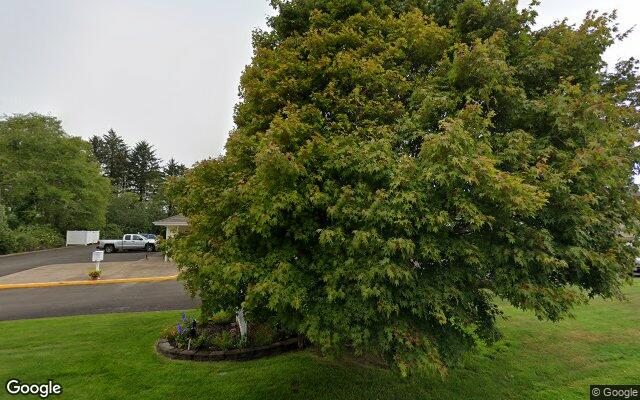
A unknown home, reviewed on public record.
© Google Street View
Compared to 38 Oregon facilities with a similar number of beds.
ALF memory care · 36-month window. Higher percentile = better performance on inspection record. Source: Oregon Dept. of Human Services · Long-Term Care Licensing.
among peers to rank.
Rankings based on 36-month OR-DHS inspection data. Severity and frequency: fewer citations = higher percentile. Repeat rate: lower repeat citation share = higher percentile.
Citation history, plotted month by month.
9 deficiencies on record. Each bar is a month with a citation.
Finding distribution
9 total · 36 monthsScope × Severity (CMS A–L)
Every inspection visit, verbatim.
4 inspections in the public record, most recent first. Plain-language summaries open first — click into any row for the full citation text.
2024-10-09Complaint InvestigationOR-cited · 2 findings
Plain-language summary
A complaint investigation conducted October 9-10, 2024 found a licensing violation: the facility failed to properly update its acuity-based staffing tool to reflect the care needs of residents, including two residents requiring two-person transfers who had no additional staffing time allocated for that assistance, and three other residents whose service plans showed needs for redirection, cueing, grooming, bathing, and housekeeping that were not reflected in the staffing calculations. The facility's staffing tool also showed it needed fewer than four caregivers on day shift and less than one caregiver on night shift based on resident acuity, yet it posted a plan to staff four caregivers on day shift and two on night shift. The facility acknowledged the findings.
Read full citation text (2)Hide full citation text
“Based on observation, interview, and record review, conducted during a site visit on 10/09/24 and 10/10/24, the facility's failure to update an acuity-based staffing tool (ABST) was substantiated. Findings include, but are not limited to: A review of the facility's ABST and resident roster indicated all 28 residents were included in the tool and had a completed ABST evaluation. A review of the facility's ABST indicated the following: The "minimum time needed based on acuity" on day shift was 3.59 direct care staff; on swing shift was 3.01 direct care staff; and less than one direct care staff on night shift. Two residents who required two person transfers had no additional time allotted for the second staff to assist with the transfers. The tool listed an "X" under two-person transfer. A review of the facility's posted staffing plan indicated the following: Day shift: Four caregivers and one med tech; Swing shift: Three caregivers and one med tech; and Night shift: Two caregivers and one med tech. A review of the facility's staff schedule and timecards dated 09/29/24 through 10/09/24, indicated the facility was staffing to their posted staffing plan except on 10/09/24. Compliance Specialist observed the following staff: Day shift: o On 10/09/24, three caregivers and one med tech. o On 10/10/24, four caregivers and one med tech. Swing shift: o On 10/09/24, three caregivers and one med tech. Night shift: o On 10/09/24, two caregivers and one med tech. A review of Resident 1, 2, and 4's records and ABST profile indicated the following: Resident 1 service plan dated 09/06/24 and ABST last updated 10/09/24 indicated the following: o Service plan indicated resident required two-person transfer; minutes are not reflected on the ABST. There was an "X" with no time allotted for the second staff to assist with transferring. o Service plan indicated resident required staff to redirect and cue resident, minutes were not reflected on the ABST. o Service plan indicated resident required assistance with grooming, minutes were not reflected on the ABST. Resident 2's service plan dated 08/30/24 and ABST last updated 09/16/24 indicated the following: o Service plan indicated resident required staff to redirect and cue resident, minutes were not reflected on the ABST. o Service plan indicated resident required assistance with grooming, minutes were not reflected on the ABST. o Service plan indicated resident required staff to laundry and housekeeping once a week, minutes were not reflected on the ABST. Resident 4's service plan dated 09/05/24 and ABST last updated 10/09/24 indicated the following: o Service plan indicated resident required assistance with grooming, minutes were not reflected on the ABST. o Service plan indicated resident required assistance with bathing, minutes were not reflected on the ABST. o Service plan indicated resident required staff to laundry and housekeeping once a week, minutes were not reflected on the ABST. Staff 1 (Executive Director) indicated the following: The facility used a proprietary ABST. The facility ABST did not account for additional time for two-person transfers. The proprietary tool had been down companywide for up to five days, all communities were unable to access and update the ABST. The company had been working to get the system back up and running. S/He was unable to explain how the points allotted in the tool converted into care time. It was determined the facility failed to update an acuity-based staffing tool. Findings were reviewed and acknowledged by Staff 1. An investigation determined a licensing violation had occurred. Based on observation, interview, and record review, conducted during a site visit on 10/09/24 and 10/10/24, the facility's failure to update an acuity-based staffing tool (ABST) was substantiated. Findings include, but are not limited to: A review of the facility's ABST and resident roster indicated all 28 residents were included in the tool and had a completed ABST evaluation. A review of the facility's ABST indicated the following: The "minimum time needed based on acuity" on day shift was 3.59 direct care staff; on swing shift was 3.01 direct care staff; and less than one direct care staff on night shift. Two residents who required two person transfers had no additional time allotted for the second staff to assist with the transfers. The tool listed an "X" under two-person transfer. A review of the facility's posted staffing plan indicated the following: Day shift: Four caregivers and one med tech; Swing shift: Three caregivers and one med tech; and Night shift: Two caregivers and one med tech. A review of the facility's staff schedule and timecards dated 09/29/24 through 10/09/24, indicated the facility was staffing to their posted staffing plan except on 10/09/24. Compliance Specialist observed the following staff: Day shift: o On 10/09/24, three caregivers and one med tech. o On 10/10/24, four caregivers and one med tech. Swing shift: o On 10/09/24, three caregivers and one med tech. Night shift: o On 10/09/24, two caregivers and one med tech. A review of Resident 1, 2, and 4's records and ABST profile indicated the following: Resident 1 service plan dated 09/06/24 and ABST last updated 10/09/24 indicated the following: o Service plan indicated resident required two-person transfer; minutes are not reflected on the ABST. There was an "X" with no time allotted for the second staff to assist with transferring. o Service plan indicated resident required staff to redirect and cue resident, minutes were not reflected on the ABST. o Service plan indicated resident required assistance with grooming, minutes were not reflected on the ABST. Resident 2's service plan dated 08/30/24 and ABST last updated 09/16/24 indicated the following: o Service plan indicated resident required staff to redirect and cue resident, minutes were not reflected on the ABST. o Service plan indicated resident required assistance with grooming, minutes were not reflected on the ABST. o Service plan indicated resident required staff to laundry and housekeeping once a week, minutes were not reflected on the ABST. Resident 4's service plan dated 09/05/24 and ABST last updated 10/09/24 indicated the following: o Service plan indicated resident required assistance with grooming, minutes were not reflected on the ABST. o Service plan indicated resident required assistance with bathing, minutes were not reflected on the ABST. o Service plan indicated resident required staff to laundry and housekeeping once a week, minutes were not reflected on the ABST. Staff 1 (Executive Director) indicated the following: The facility used a proprietary ABST. The facility ABST did not account for additional time for two-person transfers. The proprietary tool had been down companywide for up to five days, all communities were unable to access and update the ABST. The company had been working to get the system back up and running. S/He was unable to explain how the points allotted in the tool converted into care time. It was determined the facility failed to update an acuity-based staffing tool. Findings were reviewed and acknowledged by Staff 1. An investigation determined a licensing violation had occurred.”
“Based on observation, interview, and record review, conducted during a site visit on 10/09/24 and 10/10/24, the facility's failure to update an acuity-based staffing tool (ABST) was substantiated. Findings include, but are not limited to: A review of the facility's ABST and resident roster indicated all 28 residents were included in the tool and had a completed ABST evaluation. A review of the facility's ABST indicated the following: The "minimum time needed based on acuity" on day shift was 3.59 direct care staff; on swing shift was 3.01 direct care staff; and less than one direct care staff on night shift. Two residents who required two person transfers had no additional time allotted for the second staff to assist with the transfers. The tool listed an "X" under two-person transfer. A review of the facility's posted staffing plan indicated the following: Day shift: Four caregivers and one med tech; Swing shift: Three caregivers and one med tech; and Night shift: Two caregivers and one med tech. A review of the facility's staff schedule and timecards dated 09/29/24 through 10/09/24, indicated the facility was staffing to their posted staffing plan except on 10/09/24. Compliance Specialist observed the following staff: Day shift: o On 10/09/24, three caregivers and one med tech. o On 10/10/24, four caregivers and one med tech. Swing shift: o On 10/09/24, three caregivers and one med tech. Night shift: o On 10/09/24, two caregivers and one med tech. A review of Resident 1, 2, and 4's records and ABST profile indicated the following: Resident 1 service plan dated 09/06/24 and ABST last updated 10/09/24 indicated the following: o Service plan indicated resident required two-person transfer; minutes are not reflected on the ABST. There was an "X" with no time allotted for the second staff to assist with transferring. o Service plan indicated resident required staff to redirect and cue resident, minutes were not reflected on the ABST. o Service plan indicated resident required assistance with grooming, minutes were not reflected on the ABST. Resident 2's service plan dated 08/30/24 and ABST last updated 09/16/24 indicated the following: o Service plan indicated resident required staff to redirect and cue resident, minutes were not reflected on the ABST. o Service plan indicated resident required assistance with grooming, minutes were not reflected on the ABST. o Service plan indicated resident required staff to laundry and housekeeping once a week, minutes were not reflected on the ABST. Resident 4's service plan dated 09/05/24 and ABST last updated 10/09/24 indicated the following: o Service plan indicated resident required assistance with grooming, minutes were not reflected on the ABST. o Service plan indicated resident required assistance with bathing, minutes were not reflected on the ABST. o Service plan indicated resident required staff to laundry and housekeeping once a week, minutes were not reflected on the ABST. Staff 1 (Executive Director) indicated the following: The facility used a proprietary ABST. The facility ABST did not account for additional time for two-person transfers. The proprietary tool had been down companywide for up to five days, all communities were unable to access and update the ABST. The company had been working to get the system back up and running. S/He was unable to explain how the points allotted in the tool converted into care time. It was determined the facility failed to update an acuity-based staffing tool. Findings were reviewed and acknowledged by Staff 1. An investigation determined a licensing violation had occurred. Based on observation, interview, and record review, conducted during a site visit on 10/09/24 and 10/10/24, the facility's failure to update an acuity-based staffing tool (ABST) was substantiated. Findings include, but are not limited to: A review of the facility's ABST and resident roster indicated all 28 residents were included in the tool and had a completed ABST evaluation. A review of the facility's ABST indicated the following: The "minimum time needed based on acuity" on day shift was 3.59 direct care staff; on swing shift was 3.01 direct care staff; and less than one direct care staff on night shift. Two residents who required two person transfers had no additional time allotted for the second staff to assist with the transfers. The tool listed an "X" under two-person transfer. A review of the facility's posted staffing plan indicated the following: Day shift: Four caregivers and one med tech; Swing shift: Three caregivers and one med tech; and Night shift: Two caregivers and one med tech. A review of the facility's staff schedule and timecards dated 09/29/24 through 10/09/24, indicated the facility was staffing to their posted staffing plan except on 10/09/24. Compliance Specialist observed the following staff: Day shift: o On 10/09/24, three caregivers and one med tech. o On 10/10/24, four caregivers and one med tech. Swing shift: o On 10/09/24, three caregivers and one med tech. Night shift: o On 10/09/24, two caregivers and one med tech. A review of Resident 1, 2, and 4's records and ABST profile indicated the following: Resident 1 service plan dated 09/06/24 and ABST last updated 10/09/24 indicated the following: o Service plan indicated resident required two-person transfer; minutes are not reflected on the ABST. There was an "X" with no time allotted for the second staff to assist with transferring. o Service plan indicated resident required staff to redirect and cue resident, minutes were not reflected on the ABST. o Service plan indicated resident required assistance with grooming, minutes were not reflected on the ABST. Resident 2's service plan dated 08/30/24 and ABST last updated 09/16/24 indicated the following: o Service plan indicated resident required staff to redirect and cue resident, minutes were not reflected on the ABST. o Service plan indicated resident required assistance with grooming, minutes were not reflected on the ABST. o Service plan indicated resident required staff to laundry and housekeeping once a week, minutes were not reflected on the ABST. Resident 4's service plan dated 09/05/24 and ABST last updated 10/09/24 indicated the following: o Service plan indicated resident required assistance with grooming, minutes were not reflected on the ABST. o Service plan indicated resident required assistance with bathing, minutes were not reflected on the ABST. o Service plan indicated resident required staff to laundry and housekeeping once a week, minutes were not reflected on the ABST. Staff 1 (Executive Director) indicated the following: The facility used a proprietary ABST. The facility ABST did not account for additional time for two-person transfers. The proprietary tool had been down companywide for up to five days, all communities were unable to access and update the ABST. The company had been working to get the system back up and running. S/He was unable to explain how the points allotted in the tool converted into care time. It was determined the facility failed to update an acuity-based staffing tool. Findings were reviewed and acknowledged by Staff 1. An investigation determined a licensing violation had occurred.”
Read raw inspector notesClose inspector notes
Based on observation, interview, and record review, conducted during a site visit on 10/09/24 and 10/10/24, the facility's failure to update an acuity-based staffing tool (ABST) was substantiated. Findings include, but are not limited to: A review of the facility's ABST and resident roster indicated all 28 residents were included in the tool and had a completed ABST evaluation. A review of the facility's ABST indicated the following: The "minimum time needed based on acuity" on day shift was 3.59 direct care staff; on swing shift was 3.01 direct care staff; and less than one direct care staff on night shift. Two residents who required two person transfers had no additional time allotted for the second staff to assist with the transfers. The tool listed an "X" under two-person transfer. A review of the facility's posted staffing plan indicated the following: Day shift: Four caregivers and one med tech; Swing shift: Three caregivers and one med tech; and Night shift: Two caregivers and one med tech. A review of the facility's staff schedule and timecards dated 09/29/24 through 10/09/24, indicated the facility was staffing to their posted staffing plan except on 10/09/24. Compliance Specialist observed the following staff: Day shift: o On 10/09/24, three caregivers and one med tech. o On 10/10/24, four caregivers and one med tech. Swing shift: o On 10/09/24, three caregivers and one med tech. Night shift: o On 10/09/24, two caregivers and one med tech. A review of Resident 1, 2, and 4's records and ABST profile indicated the following: Resident 1 service plan dated 09/06/24 and ABST last updated 10/09/24 indicated the following: o Service plan indicated resident required two-person transfer; minutes are not reflected on the ABST. There was an "X" with no time allotted for the second staff to assist with transferring. o Service plan indicated resident required staff to redirect and cue resident, minutes were not reflected on the ABST. o Service plan indicated resident required assistance with grooming, minutes were not reflected on the ABST. Resident 2's service plan dated 08/30/24 and ABST last updated 09/16/24 indicated the following: o Service plan indicated resident required staff to redirect and cue resident, minutes were not reflected on the ABST. o Service plan indicated resident required assistance with grooming, minutes were not reflected on the ABST. o Service plan indicated resident required staff to laundry and housekeeping once a week, minutes were not reflected on the ABST. Resident 4's service plan dated 09/05/24 and ABST last updated 10/09/24 indicated the following: o Service plan indicated resident required assistance with grooming, minutes were not reflected on the ABST. o Service plan indicated resident required assistance with bathing, minutes were not reflected on the ABST. o Service plan indicated resident required staff to laundry and housekeeping once a week, minutes were not reflected on the ABST. Staff 1 (Executive Director) indicated the following: The facility used a proprietary ABST. The facility ABST did not account for additional time for two-person transfers. The proprietary tool had been down companywide for up to five days, all communities were unable to access and update the ABST. The company had been working to get the system back up and running. S/He was unable to explain how the points allotted in the tool converted into care time. It was determined the facility failed to update an acuity-based staffing tool. Findings were reviewed and acknowledged by Staff 1. An investigation determined a licensing violation had occurred. Based on observation, interview, and record review, conducted during a site visit on 10/09/24 and 10/10/24, the facility's failure to update an acuity-based staffing tool (ABST) was substantiated. Findings include, but are not limited to: A review of the facility's ABST and resident roster indicated all 28 residents were included in the tool and had a completed ABST evaluation. A review of the facility's ABST indicated the following: The "minimum time needed based on acuity" on day shift was 3.59 direct care staff; on swing shift was 3.01 direct care staff; and less than one direct care staff on night shift. Two residents who required two person transfers had no additional time allotted for the second staff to assist with the transfers. The tool listed an "X" under two-person transfer. A review of the facility's posted staffing plan indicated the following: Day shift: Four caregivers and one med tech; Swing shift: Three caregivers and one med tech; and Night shift: Two caregivers and one med tech. A review of the facility's staff schedule and timecards dated 09/29/24 through 10/09/24, indicated the facility was staffing to their posted staffing plan except on 10/09/24. Compliance Specialist observed the following staff: Day shift: o On 10/09/24, three caregivers and one med tech. o On 10/10/24, four caregivers and one med tech. Swing shift: o On 10/09/24, three caregivers and one med tech. Night shift: o On 10/09/24, two caregivers and one med tech. A review of Resident 1, 2, and 4's records and ABST profile indicated the following: Resident 1 service plan dated 09/06/24 and ABST last updated 10/09/24 indicated the following: o Service plan indicated resident required two-person transfer; minutes are not reflected on the ABST. There was an "X" with no time allotted for the second staff to assist with transferring. o Service plan indicated resident required staff to redirect and cue resident, minutes were not reflected on the ABST. o Service plan indicated resident required assistance with grooming, minutes were not reflected on the ABST. Resident 2's service plan dated 08/30/24 and ABST last updated 09/16/24 indicated the following: o Service plan indicated resident required staff to redirect and cue resident, minutes were not reflected on the ABST. o Service plan indicated resident required assistance with grooming, minutes were not reflected on the ABST. o Service plan indicated resident required staff to laundry and housekeeping once a week, minutes were not reflected on the ABST. Resident 4's service plan dated 09/05/24 and ABST last updated 10/09/24 indicated the following: o Service plan indicated resident required assistance with grooming, minutes were not reflected on the ABST. o Service plan indicated resident required assistance with bathing, minutes were not reflected on the ABST. o Service plan indicated resident required staff to laundry and housekeeping once a week, minutes were not reflected on the ABST. Staff 1 (Executive Director) indicated the following: The facility used a proprietary ABST. The facility ABST did not account for additional time for two-person transfers. The proprietary tool had been down companywide for up to five days, all communities were unable to access and update the ABST. The company had been working to get the system back up and running. S/He was unable to explain how the points allotted in the tool converted into care time. It was determined the facility failed to update an acuity-based staffing tool. Findings were reviewed and acknowledged by Staff 1. An investigation determined a licensing violation had occurred. Based on observation, interview, and record review, conducted during a site visit on 10/09/24 and 10/10/24, the facility's failure to update an acuity-based staffing tool (ABST) was substantiated. Findings include, but are not limited to: A review of the facility's ABST and resident roster indicated all 28 residents were included in the tool and had a completed ABST evaluation. A review of the facility's ABST indicated the following: The "minimum time needed based on acuity" on day shift was 3.59 direct care staff; on swing shift was 3.01 direct care staff; and less than one direct care staff on night shift. Two residents who required two person transfers had no additional time allotted for the second staff to assist with the transfers. The tool listed an "X" under two-person transfer. A review of the facility's posted staffing plan indicated the following: Day shift: Four caregivers and one med tech; Swing shift: Three caregivers and one med tech; and Night shift: Two caregivers and one med tech. A review of the facility's staff schedule and timecards dated 09/29/24 through 10/09/24, indicated the facility was staffing to their posted staffing plan except on 10/09/24. Compliance Specialist observed the following staff: Day shift: o On 10/09/24, three caregivers and one med tech. o On 10/10/24, four caregivers and one med tech. Swing shift: o On 10/09/24, three caregivers and one med tech. Night shift: o On 10/09/24, two caregivers and one med tech. A review of Resident 1, 2, and 4's records and ABST profile indicated the following: Resident 1 service plan dated 09/06/24 and ABST last updated 10/09/24 indicated the following: o Service plan indicated resident required two-person transfer; minutes are not reflected on the ABST. There was an "X" with no time allotted for the second staff to assist with transferring. o Service plan indicated resident required staff to redirect and cue resident, minutes were not reflected on the ABST. o Service plan indicated resident required assistance with grooming, minutes were not reflected on the ABST. Resident 2's service plan dated 08/30/24 and ABST last updated 09/16/24 indicated the following: o Service plan indicated resident required staff to redirect and cue resident, minutes were not reflected on the ABST. o Service plan indicated resident required assistance with grooming, minutes were not reflected on the ABST. o Service plan indicated resident required staff to laundry and housekeeping once a week, minutes were not reflected on the ABST. Resident 4's service plan dated 09/05/24 and ABST last updated 10/09/24 indicated the following: o Service plan indicated resident required assistance with grooming, minutes were not reflected on the ABST. o Service plan indicated resident required assistance with bathing, minutes were not reflected on the ABST. o Service plan indicated resident required staff to laundry and housekeeping once a week, minutes were not reflected on the ABST. Staff 1 (Executive Director) indicated the following: The facility used a proprietary ABST. The facility ABST did not account for additional time for two-person transfers. The proprietary tool had been down companywide for up to five days, all communities were unable to access and update the ABST. The company had been working to get the system back up and running. S/He was unable to explain how the points allotted in the tool converted into care time. It was determined the facility failed to update an acuity-based staffing tool. Findings were reviewed and acknowledged by Staff 1. An investigation determined a licensing violation had occurred. Based on observation, interview, and record review, conducted during a site visit on 10/09/24 and 10/10/24, the facility's failure to update an acuity-based staffing tool (ABST) was substantiated. Findings include, but are not limited to: A review of the facility's ABST and resident roster indicated all 28 residents were included in the tool and had a completed ABST evaluation. A review of the facility's ABST indicated the following: The "minimum time needed based on acuity" on day shift was 3.59 direct care staff; on swing shift was 3.01 direct care staff; and less than one direct care staff on night shift. Two residents who required two person transfers had no additional time allotted for the second staff to assist with the transfers. The tool listed an "X" under two-person transfer. A review of the facility's posted staffing plan indicated the following: Day shift: Four caregivers and one med tech; Swing shift: Three caregivers and one med tech; and Night shift: Two caregivers and one med tech. A review of the facility's staff schedule and timecards dated 09/29/24 through 10/09/24, indicated the facility was staffing to their posted staffing plan except on 10/09/24. Compliance Specialist observed the following staff: Day shift: o On 10/09/24, three caregivers and one med tech. o On 10/10/24, four caregivers and one med tech. Swing shift: o On 10/09/24, three caregivers and one med tech. Night shift: o On 10/09/24, two caregivers and one med tech. A review of Resident 1, 2, and 4's records and ABST profile indicated the following: Resident 1 service plan dated 09/06/24 and ABST last updated 10/09/24 indicated the following: o Service plan indicated resident required two-person transfer; minutes are not reflected on the ABST. There was an "X" with no time allotted for the second staff to assist with transferring. o Service plan indicated resident required staff to redirect and cue resident, minutes were not reflected on the ABST. o Service plan indicated resident required assistance with grooming, minutes were not reflected on the ABST. Resident 2's service plan dated 08/30/24 and ABST last updated 09/16/24 indicated the following: o Service plan indicated resident required staff to redirect and cue resident, minutes were not reflected on the ABST. o Service plan indicated resident required assistance with grooming, minutes were not reflected on the ABST. o Service plan indicated resident required staff to laundry and housekeeping once a week, minutes were not reflected on the ABST. Resident 4's service plan dated 09/05/24 and ABST last updated 10/09/24 indicated the following: o Service plan indicated resident required assistance with grooming, minutes were not reflected on the ABST. o Service plan indicated resident required assistance with bathing, minutes were not reflected on the ABST. o Service plan indicated resident required staff to laundry and housekeeping once a week, minutes were not reflected on the ABST. Staff 1 (Executive Director) indicated the following: The facility used a proprietary ABST. The facility ABST did not account for additional time for two-person transfers. The proprietary tool had been down companywide for up to five days, all communities were unable to access and update the ABST. The company had been working to get the system back up and running. S/He was unable to explain how the points allotted in the tool converted into care time. It was determined the facility failed to update an acuity-based staffing tool. Findings were reviewed and acknowledged by Staff 1. An investigation determined a licensing violation had occurred.
2024-07-09Annual Compliance VisitOR-cited · 1 finding
Plain-language summary
A kitchen inspection was conducted on July 9, 2024, to verify compliance with Oregon meal service and food sanitation rules. The facility was found to be in substantial compliance with all applicable regulations.
Read full citation text (1)Hide full citation text
“The findings of the kitchen inspection, conducted on 07/09/24, are documented in this report. The survey was conducted to determine compliance with the OARs 411-054-0030 for Residential Care and Assisted Living Facilities for Resident Services- Meals, and Oregon Health Service Food Sanitation Rules OARs 333-150-0000. The facility was found to be in substantial compliance. The findings of the kitchen inspection, conducted on 07/09/24, are documented in this report. The survey was conducted to determine compliance with the OARs 411-054-0030 for Residential Care and Assisted Living Facilities for Resident Services- Meals, and Oregon Health Service Food Sanitation Rules OARs 333-150-0000. The facility was found to be in substantial compliance.”
Read raw inspector notesClose inspector notes
The findings of the kitchen inspection, conducted on 07/09/24, are documented in this report. The survey was conducted to determine compliance with the OARs 411-054-0030 for Residential Care and Assisted Living Facilities for Resident Services- Meals, and Oregon Health Service Food Sanitation Rules OARs 333-150-0000. The facility was found to be in substantial compliance. The findings of the kitchen inspection, conducted on 07/09/24, are documented in this report. The survey was conducted to determine compliance with the OARs 411-054-0030 for Residential Care and Assisted Living Facilities for Resident Services- Meals, and Oregon Health Service Food Sanitation Rules OARs 333-150-0000. The facility was found to be in substantial compliance.
2024-06-12Complaint InvestigationOR-cited · 4 findings
Plain-language summary
A complaint investigation conducted on June 12 and 14, 2024, found that the facility failed to maintain its acuity-based staffing tool, with 20 of 30 residents not updated quarterly, and three residents lacking proper time allocations in the tool—including one newly admitted resident with no care time recorded and another resident with zero minutes allocated for behavioral interventions despite documented altercations. The facility's posted staffing plan showed it had four caregivers on day and swing shifts and two on night shift, which met or exceeded the minimum calculated staffing need, though the executive director was unable to explain how the tool's point system converted to actual care time. The facility acknowledged the staffing tool deficiencies on June 14, 2024.
Read full citation text (4)Hide full citation text
“Based on interview and record review, conducted during a site visit on 06/12/24 and 06/14/24, it was confirmed the facility failed to update an acuity-based staffing tool (ABST). Findings include, but are not limited to: During an interview on 06/12/24, Staff 1 (Executive Director) stated the following: ·The facility used a proprietary ABST. ·S/He was unable to explain how the points allotted in the tool converted into care time. A review of the facility's ABST indicated the following: ·There were 30 residents entered into the tool which matched the resident roster. ·Twenty of the 30 residents had not been updated quarterly. ·The "minimum time needed based on acuity" on day shift was 3.84 direct care staff; on swing shift was 3.18 direct care staff; and less than one direct care staff. A review of the facility's posted staffing plan indicated the following: ·Day shift: four CGs and one MT; ·Swing shift: four CG and one MT; and ·Night shift: two CG and one MT. A review of the facility ' s staff schedule dated 04/28/24 through 06/15/24, and timecards, dated 05/30/24 through 06/12/24, indicated the facility was consistently staffing to their posted staffing plan. A review of Resident 4, 5, and 6's records and ABST profile indicated the following: ·Resident 4 had no time added in the ABST for his/her care needs. Resident 4 moved into the facility at 06/01/24. ·Resident 5 listed an "X" with no time allotted for the second staff to assist with the transfers. ·Resident 6 had zero minutes for intervention or behaviors. During an interview on 06/14/24, Staff 1 (Executive Director) confirmed Resident 4's time had not been added into the ABST tool and Resident 6 required interventions for behaviors from resident-to-resident altercations. It was confirmed the facility failed to update an acuity-based staffing tool. On 06/14/24, the findings were reviewed with and acknowledged by Staff 1. Based on interview and record review, conducted during a site visit on 06/12/24 and 06/14/24, it was confirmed the facility failed to update an acuity-based staffing tool (ABST). Findings include, but are not limited to: During an interview on 06/12/24, Staff 1 (Executive Director) stated the following: ·The facility used a proprietary ABST. ·S/He was unable to explain how the points allotted in the tool converted into care time. A review of the facility's ABST indicated the following: ·There were 30 residents entered into the tool which matched the resident roster. ·Twenty of the 30 residents had not been updated quarterly. ·The "minimum time needed based on acuity" on day shift was 3.84 direct care staff; on swing shift was 3.18 direct care staff; and less than one direct care staff. A review of the facility's posted staffing plan indicated the following: ·Day shift: four CGs and one MT; ·Swing shift: four CG and one MT; and ·Night shift: two CG and one MT. A review of the facility ' s staff schedule dated 04/28/24 through 06/15/24, and timecards, dated 05/30/24 through 06/12/24, indicated the facility was consistently staffing to their posted staffing plan. A review of Resident 4, 5, and 6's records and ABST profile indicated the following: ·Resident 4 had no time added in the ABST for his/her care needs. Resident 4 moved into the facility at 06/01/24. ·Resident 5 listed an "X" with no time allotted for the second staff to assist with the transfers. ·Resident 6 had zero minutes for intervention or behaviors. During an interview on 06/14/24, Staff 1 (Executive Director) confirmed Resident 4's time had not been added into the ABST tool and Resident 6 required interventions for behaviors from resident-to-resident altercations. It was confirmed the facility failed to update an acuity-based staffing tool. On 06/14/24, the findings were reviewed with and acknowledged by Staff 1.”
Read raw inspector notesClose inspector notes
Based on interview and record review, conducted during a site visit on 06/12/24 and 06/14/24, it was confirmed the facility failed to update an acuity-based staffing tool (ABST). Findings include, but are not limited to: During an interview on 06/12/24, Staff 1 (Executive Director) stated the following: ·The facility used a proprietary ABST. ·S/He was unable to explain how the points allotted in the tool converted into care time. A review of the facility's ABST indicated the following: ·There were 30 residents entered into the tool which matched the resident roster. ·Twenty of the 30 residents had not been updated quarterly. ·The "minimum time needed based on acuity" on day shift was 3.84 direct care staff; on swing shift was 3.18 direct care staff; and less than one direct care staff. A review of the facility's posted staffing plan indicated the following: ·Day shift: four CGs and one MT; ·Swing shift: four CG and one MT; and ·Night shift: two CG and one MT. A review of the facility ' s staff schedule dated 04/28/24 through 06/15/24, and timecards, dated 05/30/24 through 06/12/24, indicated the facility was consistently staffing to their posted staffing plan. A review of Resident 4, 5, and 6's records and ABST profile indicated the following: ·Resident 4 had no time added in the ABST for his/her care needs. Resident 4 moved into the facility at 06/01/24. ·Resident 5 listed an "X" with no time allotted for the second staff to assist with the transfers. ·Resident 6 had zero minutes for intervention or behaviors. During an interview on 06/14/24, Staff 1 (Executive Director) confirmed Resident 4's time had not been added into the ABST tool and Resident 6 required interventions for behaviors from resident-to-resident altercations. It was confirmed the facility failed to update an acuity-based staffing tool. On 06/14/24, the findings were reviewed with and acknowledged by Staff 1. Based on interview and record review, conducted during a site visit on 06/12/24 and 06/14/24, it was confirmed the facility failed to update an acuity-based staffing tool (ABST). Findings include, but are not limited to: During an interview on 06/12/24, Staff 1 (Executive Director) stated the following: ·The facility used a proprietary ABST. ·S/He was unable to explain how the points allotted in the tool converted into care time. A review of the facility's ABST indicated the following: ·There were 30 residents entered into the tool which matched the resident roster. ·Twenty of the 30 residents had not been updated quarterly. ·The "minimum time needed based on acuity" on day shift was 3.84 direct care staff; on swing shift was 3.18 direct care staff; and less than one direct care staff. A review of the facility's posted staffing plan indicated the following: ·Day shift: four CGs and one MT; ·Swing shift: four CG and one MT; and ·Night shift: two CG and one MT. A review of the facility ' s staff schedule dated 04/28/24 through 06/15/24, and timecards, dated 05/30/24 through 06/12/24, indicated the facility was consistently staffing to their posted staffing plan. A review of Resident 4, 5, and 6's records and ABST profile indicated the following: ·Resident 4 had no time added in the ABST for his/her care needs. Resident 4 moved into the facility at 06/01/24. ·Resident 5 listed an "X" with no time allotted for the second staff to assist with the transfers. ·Resident 6 had zero minutes for intervention or behaviors. During an interview on 06/14/24, Staff 1 (Executive Director) confirmed Resident 4's time had not been added into the ABST tool and Resident 6 required interventions for behaviors from resident-to-resident altercations. It was confirmed the facility failed to update an acuity-based staffing tool. On 06/14/24, the findings were reviewed with and acknowledged by Staff 1.
2024-04-10Complaint InvestigationOR-cited · 2 findings
Plain-language summary
A complaint investigation on April 10, 2024 found two licensing violations: staff left a medication cart unattended with the computer unlocked and resident medication and medical records open to view, and the facility failed to properly implement behavioral interventions for a resident who had been having altercations with others—staff did not consistently document whether interventions were working, did not follow through with escorting the resident as planned, and had not contacted a behavioral specialist despite attempting to place the resident elsewhere. The facility acknowledged both findings and committed to locking computers before stepping away and contacting a behavioral specialist within five days.
Read full citation text (2)Hide full citation text
“Based on observation and interview, during a site visit conducted on 04/10/24, it was confirmed the facility failed to have medical and other records kept confidential. Findings include, but are not limited to: On 04/10/24, CS observed a medication cart unattended with the computer unlocked and residents MARs open as well as access to other resident records accessible. During an interview on 04/10/24, Staff 1 (ED) indicated computers on the medication carts should be locked and closed before an MT walked away from the cart. It was confirmed the facility failed to have medical and other records kept confidential. On 04/10/24, the findings were reviewed with and acknowledged by Staff 1. Verbal plan of correction: The ED will have a meeting with all staff to remind them that the computers are to be locked before walking away from the computer. Based on observation and interview, during a site visit conducted on 04/10/24, it was confirmed the facility failed to have medical and other records kept confidential. Findings include, but are not limited to: On 04/10/24, CS observed a medication cart unattended with the computer unlocked and residents MARs open as well as access to other resident records accessible. During an interview on 04/10/24, Staff 1 (ED) indicated computers on the medication carts should be locked and closed before an MT walked away from the cart. It was confirmed the facility failed to have medical and other records kept confidential. On 04/10/24, the findings were reviewed with and acknowledged by Staff 1. Verbal plan of correction: The ED will have a meeting with all staff to remind them that the computers are to be locked before walking away from the computer.”
“Based on observation, interview, and record review, during a site visit conducted on 04/10/24, it was confirmed the facility failed to ensure implementation of services for 1 of 1 sampled resident (#1). Findings include, but are not limited to: Separate interviews with Staff 1 (ED) and Staff 2 (RCC) indicated the facility had run out of options for interventions for Resident 1. Staff 1 indicated the facility had attempted to move Resident 1 to a behavioral facility, however, had not attempted to contact a behavioral specialist. Resident 1's interventions report, from 12/15/23 through 04/07/24, listed the following interventions which were put in place after altercations with other residents: · 12/15/23- Staff to escort resident to and during meals to minimize him/her wanting food from other plates. · 12/19/23- Staff to always walk with resident when seen out in the community to help redirect. · 01/21/24- Ensure a sign be placed on resident's walker which stated, "do not touch." · 02/04/24- Resident to be escorted by staff in all areas of the community, once observed outside his/her apartment. · 02/10/24- Staff to monitor and redirect. Staff to engage by offering individualized activities in-between meal times. · 02/13/24,03/09/24, and 03/11/24- Staff to monitor. · 04/07/24- Play jazz music for resident. Progress notes from 01/31/24 through 02/19/24 indicated for each intervention the following chart note, "Record observations every shift for three days to monitor the effectiveness of the following intervention." Chart notes indicated the staff would not consistently chart for three days nor state whether the intervention had been effective. After the third day the following chart note would be made, "Staff have monitored resident every shift with no further incidents reported, closing out the alert." A review of Resident 1's service plan dated 01/02/24 indicated the following; · If resident becomes agitated redirect him/her away from trigger residents. · If another resident bothers him/her try talking about horses, books, and woodworking. · Encourage resident to seek out a staff member. · Encourage to use words not hands, redirect the other resident. On 04/10/24, CS did not observe Resident 1 engage in any altercations or display any negative behaviors. Staff were not escorting resident throughout the building, however had an eye on him/her and deescalated before an altercation could occur. There was no sign observed on Resident 1's walker. It was confirmed the facility failed to ensure implementation of services. On 04/10/24, the findings were reviewed with and acknowledged by Staff 1. Verbal plan of correction: The ED will get in contact with a behavioral specialist with in five days and have more follow through with charting interventions set in place. Based on observation, interview, and record review, during a site visit conducted on 04/10/24, it was confirmed the facility failed to ensure implementation of services for 1 of 1 sampled resident (#1). Findings include, but are not limited to: Separate interviews with Staff 1 (ED) and Staff 2 (RCC) indicated the facility had run out of options for interventions for Resident 1. Staff 1 indicated the facility had attempted to move Resident 1 to a behavioral facility, however, had not attempted to contact a behavioral specialist. Resident 1's interventions report, from 12/15/23 through 04/07/24, listed the following interventions which were put in place after altercations with other residents: · 12/15/23- Staff to escort resident to and during meals to minimize him/her wanting food from other plates. · 12/19/23- Staff to always walk with resident when seen out in the community to help redirect. · 01/21/24- Ensure a sign be placed on resident's walker which stated, "do not touch." · 02/04/24- Resident to be escorted by staff in all areas of the community, once observed outside his/her apartment. · 02/10/24- Staff to monitor and redirect. Staff to engage by offering individualized activities in-between meal times. · 02/13/24,03/09/24, and 03/11/24- Staff to monitor. · 04/07/24- Play jazz music for resident. Progress notes from 01/31/24 through 02/19/24 indicated for each intervention the following chart note, "Record observations every shift for three days to monitor the effectiveness of the following intervention." Chart notes indicated the staff would not consistently chart for three days nor state whether the intervention had been effective. After the third day the following chart note would be made, "Staff have monitored resident every shift with no further incidents reported, closing out the alert." A review of Resident 1's service plan dated 01/02/24 indicated the following; · If resident becomes agitated redirect him/her away from trigger residents. · If another resident bothers him/her try talking about horses, books, and woodworking. · Encourage resident to seek out a staff member. · Encourage to use words not hands, redirect the other resident. On 04/10/24, CS did not observe Resident 1 engage in any altercations or display any negative behaviors. Staff were not escorting resident throughout the building, however had an eye on him/her and deescalated before an altercation could occur. There was no sign observed on Resident 1's walker. It was confirmed the facility failed to ensure implementation of services. On 04/10/24, the findings were reviewed with and acknowledged by Staff 1. Verbal plan of correction: The ED will get in contact with a behavioral specialist with in five days and have more follow through with charting interventions set in place.”
Read raw inspector notesClose inspector notes
Based on observation and interview, during a site visit conducted on 04/10/24, it was confirmed the facility failed to have medical and other records kept confidential. Findings include, but are not limited to: On 04/10/24, CS observed a medication cart unattended with the computer unlocked and residents MARs open as well as access to other resident records accessible. During an interview on 04/10/24, Staff 1 (ED) indicated computers on the medication carts should be locked and closed before an MT walked away from the cart. It was confirmed the facility failed to have medical and other records kept confidential. On 04/10/24, the findings were reviewed with and acknowledged by Staff 1. Verbal plan of correction: The ED will have a meeting with all staff to remind them that the computers are to be locked before walking away from the computer. Based on observation and interview, during a site visit conducted on 04/10/24, it was confirmed the facility failed to have medical and other records kept confidential. Findings include, but are not limited to: On 04/10/24, CS observed a medication cart unattended with the computer unlocked and residents MARs open as well as access to other resident records accessible. During an interview on 04/10/24, Staff 1 (ED) indicated computers on the medication carts should be locked and closed before an MT walked away from the cart. It was confirmed the facility failed to have medical and other records kept confidential. On 04/10/24, the findings were reviewed with and acknowledged by Staff 1. Verbal plan of correction: The ED will have a meeting with all staff to remind them that the computers are to be locked before walking away from the computer. Based on observation, interview, and record review, during a site visit conducted on 04/10/24, it was confirmed the facility failed to ensure implementation of services for 1 of 1 sampled resident (#1). Findings include, but are not limited to: Separate interviews with Staff 1 (ED) and Staff 2 (RCC) indicated the facility had run out of options for interventions for Resident 1. Staff 1 indicated the facility had attempted to move Resident 1 to a behavioral facility, however, had not attempted to contact a behavioral specialist. Resident 1's interventions report, from 12/15/23 through 04/07/24, listed the following interventions which were put in place after altercations with other residents: · 12/15/23- Staff to escort resident to and during meals to minimize him/her wanting food from other plates. · 12/19/23- Staff to always walk with resident when seen out in the community to help redirect. · 01/21/24- Ensure a sign be placed on resident's walker which stated, "do not touch." · 02/04/24- Resident to be escorted by staff in all areas of the community, once observed outside his/her apartment. · 02/10/24- Staff to monitor and redirect. Staff to engage by offering individualized activities in-between meal times. · 02/13/24,03/09/24, and 03/11/24- Staff to monitor. · 04/07/24- Play jazz music for resident. Progress notes from 01/31/24 through 02/19/24 indicated for each intervention the following chart note, "Record observations every shift for three days to monitor the effectiveness of the following intervention." Chart notes indicated the staff would not consistently chart for three days nor state whether the intervention had been effective. After the third day the following chart note would be made, "Staff have monitored resident every shift with no further incidents reported, closing out the alert." A review of Resident 1's service plan dated 01/02/24 indicated the following; · If resident becomes agitated redirect him/her away from trigger residents. · If another resident bothers him/her try talking about horses, books, and woodworking. · Encourage resident to seek out a staff member. · Encourage to use words not hands, redirect the other resident. On 04/10/24, CS did not observe Resident 1 engage in any altercations or display any negative behaviors. Staff were not escorting resident throughout the building, however had an eye on him/her and deescalated before an altercation could occur. There was no sign observed on Resident 1's walker. It was confirmed the facility failed to ensure implementation of services. On 04/10/24, the findings were reviewed with and acknowledged by Staff 1. Verbal plan of correction: The ED will get in contact with a behavioral specialist with in five days and have more follow through with charting interventions set in place. Based on observation, interview, and record review, during a site visit conducted on 04/10/24, it was confirmed the facility failed to ensure implementation of services for 1 of 1 sampled resident (#1). Findings include, but are not limited to: Separate interviews with Staff 1 (ED) and Staff 2 (RCC) indicated the facility had run out of options for interventions for Resident 1. Staff 1 indicated the facility had attempted to move Resident 1 to a behavioral facility, however, had not attempted to contact a behavioral specialist. Resident 1's interventions report, from 12/15/23 through 04/07/24, listed the following interventions which were put in place after altercations with other residents: · 12/15/23- Staff to escort resident to and during meals to minimize him/her wanting food from other plates. · 12/19/23- Staff to always walk with resident when seen out in the community to help redirect. · 01/21/24- Ensure a sign be placed on resident's walker which stated, "do not touch." · 02/04/24- Resident to be escorted by staff in all areas of the community, once observed outside his/her apartment. · 02/10/24- Staff to monitor and redirect. Staff to engage by offering individualized activities in-between meal times. · 02/13/24,03/09/24, and 03/11/24- Staff to monitor. · 04/07/24- Play jazz music for resident. Progress notes from 01/31/24 through 02/19/24 indicated for each intervention the following chart note, "Record observations every shift for three days to monitor the effectiveness of the following intervention." Chart notes indicated the staff would not consistently chart for three days nor state whether the intervention had been effective. After the third day the following chart note would be made, "Staff have monitored resident every shift with no further incidents reported, closing out the alert." A review of Resident 1's service plan dated 01/02/24 indicated the following; · If resident becomes agitated redirect him/her away from trigger residents. · If another resident bothers him/her try talking about horses, books, and woodworking. · Encourage resident to seek out a staff member. · Encourage to use words not hands, redirect the other resident. On 04/10/24, CS did not observe Resident 1 engage in any altercations or display any negative behaviors. Staff were not escorting resident throughout the building, however had an eye on him/her and deescalated before an altercation could occur. There was no sign observed on Resident 1's walker. It was confirmed the facility failed to ensure implementation of services. On 04/10/24, the findings were reviewed with and acknowledged by Staff 1. Verbal plan of correction: The ED will get in contact with a behavioral specialist with in five days and have more follow through with charting interventions set in place.
2 older inspections from 2023 are not shown above.
Get the complete record, translated into plain language — emailed to you.
Full Inspection Record
Family reviews
No reviews yet — be the first to share your experience