Sunset Estates.
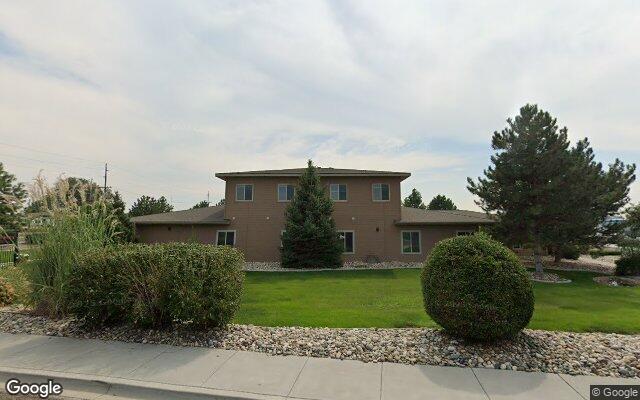
A medium home, reviewed on public record.
© Google Street View
Compared to 38 Oregon facilities with a similar number of beds.
ALF memory care · 36-month window. Higher percentile = better performance on inspection record. Source: Oregon Dept. of Human Services · Long-Term Care Licensing.
among peers to rank.
Rankings based on 36-month OR-DHS inspection data. Severity and frequency: fewer citations = higher percentile. Repeat rate: lower repeat citation share = higher percentile.
Citation history, plotted month by month.
11 deficiencies on record. Each bar is a month with a citation.
Finding distribution
11 total · 36 monthsScope × Severity (CMS A–L)
Every inspection visit, verbatim.
2 inspections in the public record, most recent first. Plain-language summaries open first — click into any row for the full citation text.
2024-06-24Annual Compliance VisitOR-cited · 1 finding
Plain-language summary
A kitchen inspection was conducted on June 24, 2024, and the facility was found in substantial compliance with Oregon's rules for meal services and food sanitation. No violations were identified.
Read full citation text (1)Hide full citation text
“The findings of the kitchen inspection, conducted 06/24/24, are documented in this report. It was determined the facility was in substantial compliance with the OARs 411-054-0030 for Residential Care and Assisted Living Facilities for Resident Services- Meals, and Oregon Health Service Food Sanitation Rules OARs 333-150-0000. The findings of the kitchen inspection, conducted 06/24/24, are documented in this report. It was determined the facility was in substantial compliance with the OARs 411-054-0030 for Residential Care and Assisted Living Facilities for Resident Services- Meals, and Oregon Health Service Food Sanitation Rules OARs 333-150-0000.”
Read raw inspector notesClose inspector notes
The findings of the kitchen inspection, conducted 06/24/24, are documented in this report. It was determined the facility was in substantial compliance with the OARs 411-054-0030 for Residential Care and Assisted Living Facilities for Resident Services- Meals, and Oregon Health Service Food Sanitation Rules OARs 333-150-0000. The findings of the kitchen inspection, conducted 06/24/24, are documented in this report. It was determined the facility was in substantial compliance with the OARs 411-054-0030 for Residential Care and Assisted Living Facilities for Resident Services- Meals, and Oregon Health Service Food Sanitation Rules OARs 333-150-0000.
2023-12-18Annual Compliance VisitOR-cited · 10 findings
Plain-language summary
A re-licensure validation survey conducted June 10-11, 2024 found the facility in substantial compliance with Oregon regulations for Residential Care, Assisted Living, and Memory Care Communities. However, a prior re-licensure survey from December 18-19, 2023 had identified a licensing violation: the facility failed to provide a daily program of social and recreational activities based on individual and group interests and residents' physical, mental, and psychosocial needs, with observations showing only 1-3 group activities daily, most residents not participating, care staff not initiating activities, and the activities director working only until mid-afternoon on weekdays.
Read full citation text (10)Hide full citation text
“The findings of the re-licensure survey, conducted 12/18/23 through 12/19/23, are documented in this report. The survey was conducted to determine compliance with the OARs 411 Division 54 for Residential Care and Assisted Living Facilities, Division 57 for Memory Care Communities and Home and Community Based Services Regulations OARs 411 Division 004. Tag numbers beginning with C refer to the Residential Care and Assisted Living Facilities rules. Tag numbers beginning with the letter Z refer to the Memory Care Community rules. Abbreviations possibly used in this document: ADL: activities of daily living bid: twice a day CBG: capillary blood glucose or blood sugar CG: caregiver cm: centimeter ED: Executive Director F: Fahrenheit HH: Home Health LPN: Licensed Practical Nurse MA: Medication Aide MAR: Medication Administration Record MCC Memory Care Community mg: milligram ml: milliliter MT: Medication Technician OT: Occupational Therapist PT: Physical Therapist PRN: as needed qd: every day or daily qid: four times a day QI: quality improvement RCC: Resident Care Coordinator RN: Registered Nurse TAR: Treatment Administration Record tid: three times a day The findings of the re-licensure survey, conducted 12/18/23 through 12/19/23, are documented in this report. The survey was conducted to determine compliance with the OARs 411 Division 54 for Residential Care and Assisted Living Facilities, Division 57 for Memory Care Communities and Home and Community Based Services Regulations OARs 411 Division 004. Tag numbers beginning with C refer to the Residential Care and Assisted Living Facilities rules. Tag numbers beginning with the letter Z refer to the Memory Care Community rules. Abbreviations possibly used in this document: ADL: activities of daily living bid: twice a day CBG: capillary blood glucose or blood sugar CG: caregiver cm: centimeter ED: Executive Director F: Fahrenheit HH: Home Health LPN: Licensed Practical Nurse MA: Medication Aide MAR: Medication Administration Record MCC Memory Care Community mg: milligram ml: milliliter MT: Medication Technician OT: Occupational Therapist PT: Physical Therapist PRN: as needed qd: every day or daily qid: four times a day QI: quality improvement RCC: Resident Care Coordinator RN: Registered Nurse TAR: Treatment Administration Record tid: three times a day The findings of the revisit to the re-licensure survey of 12/19/23, conducted 06/10/24 through 06/11/24, are documented in this report. It was determined the facility was in substantial compliance with the OARs 411 Division 54 for Residential Care and Assisted Living Facilities, OARs 411 Division 57 for Memory Care Communities and Home and Community Based Services Regulations OARs 411 Division 004. The findings of the revisit to the re-licensure survey of 12/19/23, conducted 06/10/24 through 06/11/24, are documented in this report. It was determined the facility was in substantial compliance with the OARs 411 Division 54 for Residential Care and Assisted Living Facilities, OARs 411 Division 57 for Memory Care Communities and Home and Community Based Services Regulations OARs 411 Division 004.”
“Based on observation and interview, it was determined the facility failed to ensure a daily program of social and recreational activities that was based upon individual and group interests and physical, mental, and psychosocial needs was provided for residents. Findings include, but are not limited to: During the survey, 12/18/23 through 12/19/23, observations of the facility showed 1-3 group activities. The television in the living room was on throughout the day. A small group of residents, 2-5, participated in the group activities provided. Additional residents were observed sleeping in their chairs, on the sofas or in their rooms throughout the day. The activity director was observed to provide some group activities. Care staff was not observed to initiate any large or small group activities or to sit down with residents and offer activities. In an interview on 12/18/23, Staff 7 (Activities Director) indicated she worked five days a week until around 2:30/3:00 pm. Staff 7 indicated care staff were to do activities when she was not available. There were several residents who did not enjoy group activities or needed more 1:1 assistance to participate. The posted activity calendar showed only a few days with multiple activities noted, while other days showed only 1-2 activities. The need to ensure a daily activity program was provided for residents to address their mental, physical and psychosocial needs was reviewed with Staff 1 (Acting Administrator) on 12/19/23. She acknowledged the findings. Based on observation and interview, it was determined the facility failed to ensure a daily program of social and recreational activities that was based upon individual and group interests and physical, mental, and psychosocial needs was provided for residents. Findings include, but are not limited to: During the survey, 12/18/23 through 12/19/23, observations of the facility showed 1-3 group activities. The television in the living room was on throughout the day. A small group of residents, 2-5, participated in the group activities provided. Additional residents were observed sleeping in their chairs, on the sofas or in their rooms throughout the day. The activity director was observed to provide some group activities. Care staff was not observed to initiate any large or small group activities or to sit down with residents and offer activities. In an interview on 12/18/23, Staff 7 (Activities Director) indicated she worked five days a week until around 2:30/3:00 pm. Staff 7 indicated care staff were to do activities when she was not available. There were several residents who did not enjoy group activities or needed more 1:1 assistance to participate. The posted activity calendar showed only a few days with multiple activities noted, while other days showed only 1-2 activities. The need to ensure a daily activity program was provided for residents to address their mental, physical and psychosocial needs was reviewed with Staff 1 (Acting Administrator) on 12/19/23. She acknowledged the findings. To correct the violation we have added person centered activities in the form of staff tasks for staff to execute each day. We have bulstered the Activity Calendar with additional activities for each day. The Activity calendar will show 4-5 activities daily, with a combination of group and individual activities. Moving forward, person centered activity tasks will be reviewed quarterly with care plan review/updates and at admission. The Administrator will be responsible for ensuring this remains corrected and will monitor quarterly with quality assurance checks. To correct the violation we have added person centered activities in the form of staff tasks for staff to execute each day. We have bulstered the Activity Calendar with additional activities for each day. The Activity calendar will show 4-5 activities daily, with a combination of group and individual activities. Moving forward, person centered activity tasks will be reviewed quarterly with care plan review/updates and at admission. The Administrator will be responsible for ensuring this remains corrected and will monitor quarterly with quality assurance checks. There are no detail notes for this visit.”
“Based on interview and record review, it was determined the facility failed to ensure move-in evaluations addressed all required elements prior to the resident being admitted to the facility for 1 of 1 sampled resident (#1) who was reviewed for new move in. Findings include, but are not limited to: Resident 1 was admitted to the facility in 10/2023 with diagnoses including dementia. The resident's new move in evaluation was completed on 09/25/23. The following elements were not addressed or had conflicting information in the move-in evaluation: * List of current diagnoses; * Presence of depression, thought disorders, behavioral or mood problems; * History of treatment; * Ability to use call system; * Fall risk or history; * History of dehydration or unexplained weight loss or gain; * Recent losses; * Unsuccessful prior placements; * Alcohol and drug use. The need to ensure all required elements were addressed in move-in evaluations prior to a resident being admitted, was discussed with Staff 1 (Acting Administrator) on 12/19/23. She acknowledged the findings. Based on interview and record review, it was determined the facility failed to ensure move-in evaluations addressed all required elements prior to the resident being admitted to the facility for 1 of 1 sampled resident (#1) who was reviewed for new move in. Findings include, but are not limited to: Resident 1 was admitted to the facility in 10/2023 with diagnoses including dementia. The resident's new move in evaluation was completed on 09/25/23. The following elements were not addressed or had conflicting information in the move-in evaluation: * List of current diagnoses; * Presence of depression, thought disorders, behavioral or mood problems; * History of treatment; * Ability to use call system; * Fall risk or history; * History of dehydration or unexplained weight loss or gain; * Recent losses; * Unsuccessful prior placements; * Alcohol and drug use. The need to ensure all required elements were addressed in move-in evaluations prior to a resident being admitted, was discussed with Staff 1 (Acting Administrator) on 12/19/23. She acknowledged the findings. Resident 1 had her initial evaluation completed an hour after her arrival to the facility. To correct the violation, progress notes have been notated explaining the failure to complete the initial evaluation prior to resident moving into facility. Moving forward, all initial evaluations will be completed (in total) prior to resident move-in (unless there is an urgent need which would be documented and completed with-in 8 hours of move-in). It was also determined several of the additional questions (required by the OAR) were in an area of our electronic system that we were unable to see when the information was obtained. To correct this, we have moved these questions directly to the initial evaluation screen and they will be part of the evaluation with a documented date and time when completed. This area of concern will be evaluated quarterly with quality assurance checks and the Administrator will be responsible for this. Resident 1 had her initial evaluation completed an hour after her arrival to the facility. To correct the violation, progress notes have been notated explaining the failure to complete the initial evaluation prior to resident moving into facility. Moving forward, all initial evaluations will be completed (in total) prior to resident move-in (unless there is an urgent need which would be documented and completed with-in 8 hours of move-in). It was also determined several of the additional questions (required by the OAR) were in an area of our electronic system that we were unable to see when the information was obtained. To correct this, we have moved these questions directly to the initial evaluation screen and they will be part of the evaluation with a documented date and time when completed. This area of concern will be evaluated quarterly with quality assurance checks and the Administrator will be responsible for this. There are no detail notes for this visit.”
“Based on observation, interview, and record review, it was determined the facility failed to ensure service plans were reflective of residents' needs, provided clear direction to staff regarding care and services and was consistently implemented by staff for 2 of 2 sampled residents (#s 1 and 2) whose service plans were reviewed. Findings include, but are not limited to: 1. Resident 1 was admitted to the facility in 10/2023 with diagnoses including dementia. Observations of the resident, interviews with staff and review of the service plan, dated 11/01/23, showed the service plan was not reflective of the resident's current care needs and/or did not provide clear direction to staff in the following areas: * Communication and hearing impairment; * Grooming and hygiene assistance; * Toileting schedule and nighttime checks; * Behaviors, anxiety, agitation and interventions; * 1:1 vs. small group activities; and * Foods and affection related to behaviors. The need to ensure resident service plans were reflective of current care needs and provided direction to staff was discussed with Staff 1 (Acting Administrator) and Staff 2 (Operations Manager) on 12/19/23. The staff acknowledged the findings. 2. Resident 2 was admitted to the facility in 12/2022 with diagnoses including edema and Alzheimer's disease. Observations of the resident, interviews with staff and review of the service plan, dated 09/20/23, showed the service plan was not reflective of the resident's current care needs, was not consistently implemented by staff and/or did not provide clear direction to staff in the following areas: * Grooming and hygiene assistance; * Gait belt use and 1 vs 2 person transfers; * Meal assistance, food/fluid intake and interventions; * Activity assistance and participation; * Toileting schedule and incontinent care while awake vs. sleeping; * Oxygen use and care of the concentrator; * Chronic skin issues, acute skin issues and the use of barrier cream; * Behaviors, pain, agitation and refusals of care and how/when to intervene; and * Hernia belt use. The need to ensure resident service plans were reflective of current care needs, consistently implemented by staff and provided direction to staff was discussed with Staff 1 (Acting Administrator) and Staff 2 (Operations Manager) on 11/19/23. The staff acknowledged the findings. Based on observation, interview, and record review, it was determined the facility failed to ensure service plans were reflective of residents' needs, provided clear direction to staff regarding care and services and was consistently implemented by staff for 2 of 2 sampled residents (#s 1 and 2) whose service plans were reviewed. Findings include, but are not limited to:”
“Based on interview and record review, it was determined the facility failed to ensure residents who had short term changes of condition had resident-specific instructions or interventions developed and weekly progress documented until resolution for 2 of 2 sampled residents (#s 1 and 2) who experienced changes of condition. Findings include, but are not limited to: 1. Resident 1 was admitted to the facility in 10/2023 with diagnoses including dementia. The resident's 11/01/23 service plan, 10/03/23 through 12/13/23 progress notes, alert charting notes and physician communications were reviewed. The resident experienced multiple short-term changes without noted progress at least weekly until resolved and/or lacked resident-specific directions to staff in the following areas: * Reddened abdominal folds; and * Fall. The need to ensure short-term changes of condition had documentation of weekly progress until resolution and provided clear, resident-specific directions to staff was discussed with Staff 1 (Acting Administrator) on 12/19/23. She acknowledged the findings. 2. Resident 2 was admitted to the facility in 12/2022 with diagnoses including edema and Alzheimer's disease. The resident's 09/20/23 service plan, 10/01/23 through 12/18/23 progress notes, alert charting notes and physician communications were reviewed. The resident experienced multiple short-term changes without noted progress at least weekly until resolved and/or lacked resident-specific directions to staff in the following areas: * New medications and discontinued medications; * Fall; * UTI and antibiotic use; * Resident to resident verbal altercation; * Hospice admission; * ER visit and return; and * Hernia discomfort. The need to ensure short-term changes of condition had documentation of weekly progress until resolution and provided clear, resident-specific directions to staff was discussed with Staff 1 (Acting Administrator) on 12/19/23. She acknowledged the findings. Based on interview and record review, it was determined the facility failed to ensure residents who had short term changes of condition had resident-specific instructions or interventions developed and weekly progress documented until resolution for 2 of 2 sampled residents (#s 1 and 2) who experienced changes of condition. Findings include, but are not limited to:”
“Based on observation, interview, and record review, it was determined the facility failed to ensure an RN assessment was completed timely and documented findings, resident status, and interventions made as a result of the assessment for 2 of 2 sampled residents (#s 1 and 2) who experienced significant changes of condition. Findings include, but are not limited to: 1. Resident 1 was admitted to the facility in 10/2023 with diagnoses including hypertension and dementia. Weight records, dated 10/03/23 through 12/17/23 and progress notes, dated 10/03/23 through 12/13/23, indicated the resident experienced the following: * A 9-pound loss between 10/03/23 and 10/16/23, which constituted a 5.05% significant loss in less than a month. * A 9.5-pound weight loss between 10/03/23 and 10/30/23, which constituted a 5.33% significant weight loss in less than a month. The resident had a 4.5 pound gain between 10/30/23 and 11/06/23 which was not significant. The resident continued to fluctuate 1-3 pounds until 12/4/23. The resident experienced a 6.5 pound gain between 12/04/23 and 12/17/23, which was not a significant gain. Progress notes, temporary service plans, and physician communications dated 10/03/23 through 12/13/23 indicated the resident was independent with meals. The resident was provided regular textures with some cut up items for easy chewing and swallowing. The resident could eat and drink on his/her own with minimal staff reminders. The resident had ongoing confusion and communication difficulties related to cognition and hearing impairment. Observations of the resident between 12/18/23 and 12/19/23 showed the resident asleep in his/her room for large chunks of the day. The resident was assisted to use the restroom and walk to the dining room for meals. The resident was observed to eat 100% of food and fluids provided at meals and snacks. Interviews with staff and the resident on 12/18/23 and 12/19/23, showed the following: Resident 1 was unable to be interviewed. Staff 5, 6 and 8 (MT/CGs) indicated the resident ate meals in the dining room. The resident would sometimes decline to get up and wanted to sleep. The staff stated the resident could eat on his/her own once items were delivered and normally ate well. The resident needed frequent reassurance and reminders of what s/he should be doing. Staff 5 and 6 further indicated the resident had a recent UTI, was not quite back to his/her usual self and needed more assistance to get up and ready for the day. Staff 3 (RN) indicated she saw the resident had ongoing weight changes and communicated with the physician. Staff 3 stated the physician did not have any concerns regarding the resident's weight changes. The resident had ongoing edema issues, but his/her intake had been good. Staff 3 stated the resident was on weekly weights. She was watching the monthly changes more than those weights that were less than a month. Staff 3 did not realize a significant change should be done for those weights that were less than a month or that she could do a focused assessment. No RN assessment could be located for the significant weight loss. The facility failed to ensure an RN assessment was completed for the resident's weight loss, including resident status, and interventions made as a result of the assessment. The need to ensure an RN assessment was completed which documented findings, resident status, and interventions made was discussed with Staff 1 (Acting Administrator) and Staff 3 (RN) on 12/19/23. The staff acknowledged the findings. 2. Resident 2 was admitted to the facility in 12/2022 with diagnoses including congestive heart failure and Alzheimer's disease. Weight records, dated 07/05/23 through 12/18/23 and progress notes, dated 10/01/23 through 12/18/23, indicated the resident experienced the following: * A 9.5-pound weight gain between 11/11/23 and 11/19/23, which constituted a 5.42% significant weight gain in less than a month. The resident continued to have weight fluctuations of 1-3 pound gain/loss through the most recent weight on 12/18/23 of 184 pounds. Progress notes, temporary service plans, and physician communications dated 10/03/23 through 12/18/23 indicated the resident was sometimes independent with meals. The resident did sometimes require staff assistance for intake. The resident received pureed meals and nectar thick liquids. The resident required full assistance from staff for ADL care and transfers. Observations of the resident between 12/18/23 and 12/19/23 showed the resident asleep in his/her wheelchair for large chunks of the day. The resident was assisted to use the restroom and wheeled to the dining room for meals. Staff made multiple attempts to cue the resident to eat, as well as offering bites of the food items to get the resident started. The resident would not wake up for two observed meals and refused to eat an additional meal though s/he was fully awake. The resident was observed to eat 100% of the one meal accepted. Resident 2 was able to answer a few simple questions but was unable to stay fully on the topic. The resident was able to answer s/he was hungry/thirsty but then would refuse to eat or drink. The resident indicated s/he was doing alright and ready to get up. Resident 2 was heard to tell staff s/he "would eat it when I can see it," then laugh and refuse to open his/her eyes to look at breakfast meal. Staff 5, 6 and 8 (MT/CGs) indicated the resident ate meals in the dining room. The resident could eat on his/her own but some days the resident was more tired and staff would feed the resident if s/he wasn't able to do on his/her own. The resident was recently admitted back onto hospice and had quite a bit of ongoing swelling in both the hands and the legs. Staff 3 (RN) indicated she was aware of the resident's weight gain and ongoing weight fluctuations. The resident had edema to the legs and hands. Staff 3 indicated part of the hospice admission was related to worsening congestive heart failure and the resident's ongoing edema. Staff 3 talked to the physician when the resident was admitted back to hospice but did not complete a specific assessment of the resident's weight gain. She saw hospice as part of the response to the gain and did not realize she could do a focused assessment of the weight changes. No RN significant change assessment could be located for the significant weight gain. The need to ensure an RN assessment was completed which documented findings, resident status, and interventions made was discussed with Staff 1 (Acting Administrator) and Staff 3 (RN) on 12/19/23. The staff acknowledged the findings. Based on observation, interview, and record review, it was determined the facility failed to ensure an RN assessment was completed timely and documented findings, resident status, and interventions made as a result of the assessment for 2 of 2 sampled residents (#s 1 and 2) who experienced significant changes of condition. Findings include, but are not limited to:”
“Based on interview and record review, it was determined the facility failed to ensure signed physicians orders were implemented as directed by the residents' physician for 1 of 2 sampled residents (#2) whose MARs/TARs were reviewed. Findings include, but are not limited to: Resident 2 was admitted to the facility in 12/2022 with diagnoses including edema and Alzheimer's disease. The resident's 10/01/23 through 12/18/23 progress notes, alert charting notes,12/05/23 and 12/18/23 signed hospice orders, and the 11/01/23 through 12/18/23 MAR/TAR were reviewed. The 11/01/23 through 12/18/23 physician communications, the 12/05/23 and 12/18/23 physician orders and 11/01/23 through 12/18/23 MARs/TARs showed the following: * An order for Risperidone 1 mg, take one tablet twice daily for agitation. The Risperidone was circled five times between 11/01/23 and 12/18/23 with "none" documented on the MAR. The circled medications were noted as unavailable, while the other doses were given as ordered. A count of the Risperidone in the medication cart with Staff 1 (Acting Administrator), showed the circled doses were not given as ordered and plenty of medication was available for administration. * An order for cephalexin (Keflex) 500 mg capsule, take one capsule by mouth three times a day for 10 days for a urinary tract infection. The order had a start date of 11/24/23. The MAR showed the antibiotics were given three times a day from 11/26/23 to 12/02/23, 7 days. The MAR showed one dose given on 11/25/23 at bedtime and one dose marked as "other" on 11/25/23 for the 2:00 pm dose. The MAR did not reflect any additional doses. In interview on 12/19/23, Staff 1 (Acting Administrator) indicated the resident's family gave the resident the first three doses, two on 11/24/23 and one on 11/25/23, prior to arrival of the medication to the facility. Staff 1 stated it looked like the order end date was not reflective of the 10 days of administration when entered, so it was discontinued in the system prior to completion. The resident had a urine sample sent into the lab on 12/19/23 to check for any residual sign of infection. The need to ensure the facility administered all medications and treatments as ordered by the physician was discussed with Staff 1 and Staff 2 (Operations Manager) on 12/19/23. The staff acknowledged the findings. Based on interview and record review, it was determined the facility failed to ensure signed physicians orders were implemented as directed by the residents' physician for 1 of 2 sampled residents (#2) whose MARs/TARs were reviewed. Findings include, but are not limited to: Resident 2 was admitted to the facility in 12/2022 with diagnoses including edema and Alzheimer's disease. The resident's 10/01/23 through 12/18/23 progress notes, alert charting notes,12/05/23 and 12/18/23 signed hospice orders, and the 11/01/23 through 12/18/23 MAR/TAR were reviewed. The 11/01/23 through 12/18/23 physician communications, the 12/05/23 and 12/18/23 physician orders and 11/01/23 through 12/18/23 MARs/TARs showed the following: * An order for Risperidone 1 mg, take one tablet twice daily for agitation. The Risperidone was circled five times between 11/01/23 and 12/18/23 with "none" documented on the MAR. The circled medications were noted as unavailable, while the other doses were given as ordered. A count of the Risperidone in the medication cart with Staff 1 (Acting Administrator), showed the circled doses were not given as ordered and plenty of medication was available for administration. * An order for cephalexin (Keflex) 500 mg capsule, take one capsule by mouth three times a day for 10 days for a urinary tract infection. The order had a start date of 11/24/23. The MAR showed the antibiotics were given three times a day from 11/26/23 to 12/02/23, 7 days. The MAR showed one dose given on 11/25/23 at bedtime and one dose marked as "other" on 11/25/23 for the 2:00 pm dose. The MAR did not reflect any additional doses. In interview on 12/19/23, Staff 1 (Acting Administrator) indicated the resident's family gave the resident the first three doses, two on 11/24/23 and one on 11/25/23, prior to arrival of the medication to the facility. Staff 1 stated it looked like the order end date was not reflective of the 10 days of administration when entered, so it was discontinued in the system prior to completion. The resident had a urine sample sent into the lab on 12/19/23 to check for any residual sign of infection. The need to ensure the facility administered all medications and treatments as ordered by the physician was discussed with Staff 1 and Staff 2 (Operations Manager) on 12/19/23. The staff acknowledged the findings. It was determined that resident 2 did not get one of his medications 5 times due to the med tech noting the med was unavailable. However, the med was not out, just was not located by the med tech. To correct this violation, PCP was notified of the specific error as well the error was progress noted. The system used displays the med count for each medication. Education has been provided to each med tech indicating if there is a med count, to reach out to administration if they can not locate medication. Also, a notification system wide to remind all med techs of what to do when they are unable to locate a medication. This system is checked weekly by the Administrator. It was determinded that resident 2 had an antibiotic order which reflected in the eMAR the med was not given for the full 10 days as ordered. Upon further investigation, it was determined that when the mediation was discontinued from the system by administration, the incorrect d/c date was input and it effectively removed the charting. A call was made to the software company to understand what caused this error to occur. To correct this violation, a notification was sent to the PCP and the error was progress noted. Moving forward, before accepting any medication from the pharmacy into our med system, we will thoroughly check start/end dates before accepting med. The Administrator will be responsible to monitoring the system and maintaining quality control weekly. It was determined that resident 2 did not get one of his medications 5 times due to the med tech noting the med was unavailable. However, the med was not out, just was not located by the med tech. To correct this violation, PCP was notified of the specific error as well the error was progress noted. The system used displays the med count for each medication. Education has been provided to each med tech indicating if there is a med count, to reach out to administration if they can not locate medication. Also, a notification system wide to remind all med techs of what to do when they are unable to locate a medication. This system is checked weekly by the Administrator. It was determinded that resident 2 had an antibiotic order which reflected in the eMAR the med was not given for the full 10 days as ordered. Upon further investigation, it was determined that when the mediation was discontinued from the system by administration, the incorrect d/c date was input and it effectively removed the charting. A call was made to the software company to understand what caused this error to occur. To correct this violation, a notification was sent to the PCP and the error was progress noted. Moving forward, before accepting any medication from the pharmacy into our med system, we will thoroughly check start/end dates before accepting med. The Administrator will be responsible to monitoring the system and maintaining quality control weekly. There are no detail notes for this visit.”
“Based on observation and interview, it was determined the facility failed to ensure the environment was maintained clean and in good repair. Findings include, but are not limited to: Observations of the facility on 12/18/23 showed the following areas in need of cleaning or repair: * Multiple walls, doors, and door frames in the facility had scrapes, dings, chips, missing pieces of plaster, spills and/or black streaks; * Chipped and scraped cupboards and counters were noted in the common area bathrooms; * Walls in the laundry room had scrapes and dings. Cupboards/drawers in the laundry room had stains, dings and debris; * A large section of transition strip was missing from the carpet/linoleum area between the living room and dining room; * Multiple areas of the laminate floor throughout the dining room and halls were pulling apart at the seams creating a gap in the flooring; * Stains were noted to the living room carpet, carpet stained in room 105 and carpet puckering and pulling up in rooms 118 and 121; * Common bathrooms had black/yellow discolored and/or missing caulking around the toilets; * Handrails in the back hall near room 116, had yellow/brown liquid in the reservoir of the handrail; * Two chairs in the living room had spills/stains to arms and frayed fabric on the lower edges; * Three fabric rocker/recliners on the patio, had significant stains on the seats and arms of the chairs and one patio chair seat was ripped at the seat edge; and * Cigarette butts and ashes were noted on the patio. The areas in need of cleaning and/or repair were shown to and discussed with Staff 1 (Acting Administrator) and Staff 2 (Operations Manager) on 12/19/23. They acknowledged the findings. Based on observation and interview, it was determined the facility failed to ensure the environment was maintained clean and in good repair. Findings include, but are not limited to: Observations of the facility on 12/18/23 showed the following areas in need of cleaning or repair: * Multiple walls, doors, and door frames in the facility had scrapes, dings, chips, missing pieces of plaster, spills and/or black streaks; * Chipped and scraped cupboards and counters were noted in the common area bathrooms; * Walls in the laundry room had scrapes and dings. Cupboards/drawers in the laundry room had stains, dings and debris; * A large section of transition strip was missing from the carpet/linoleum area between the living room and dining room; * Multiple areas of the laminate floor throughout the dining room and halls were pulling apart at the seams creating a gap in the flooring; * Stains were noted to the living room carpet, carpet stained in room 105 and carpet puckering and pulling up in rooms 118 and 121; * Common bathrooms had black/yellow discolored and/or missing caulking around the toilets; * Handrails in the back hall near room 116, had yellow/brown liquid in the reservoir of the handrail; * Two chairs in the living room had spills/stains to arms and frayed fabric on the lower edges; * Three fabric rocker/recliners on the patio, had significant stains on the seats and arms of the chairs and one patio chair seat was ripped at the seat edge; and * Cigarette butts and ashes were noted on the patio. The areas in need of cleaning and/or repair were shown to and discussed with Staff 1 (Acting Administrator) and Staff 2 (Operations Manager) on 12/19/23. They acknowledged the findings. To correct this violation, the facility will address the areas of the walls, doors, and door frames that need repairs and re-painting - a professional painter has been contracted to bring into compliance. For the common bathrooms, the facility will repair the cupboards and counters, clean and replace the caulking around the toilets - the facility maintenance person bring into compliance. For the laundry room, the facility will repair and paint the walls where there are scrapes and dings as well as repair the cupboards and drawers, and clean the debris - the facility maintenance person will bring into compliance. The dining room transition strip has been replaced. The laminate floor in the common area and halls will be repaired - the facility maintenance person will bring into compliance. The stained areas of the carpeting will be cleaned and the 2 rooms with carpet pucker/pulling up in 118 and 121 will be stretched and refinished - a prefessional will be contracted to bring into compliance. The handrail in the back hall near room 116 has been cleaned. The furniture in the living room that has spills/stains or frayed fabric will be cleaned, repaired, or replaced - the facility maintenance person will bring us into compliance. The patio furnature with stains or fraying has been removed. Cigarette butts/ashes have been cleaned and a task placed for staff to clean them up daily. Moving forward, the system will be corrected by adding tasks for the maintenance person when repairs are first identified. The facility will be checked monthly during safety meeting and the Operations Manager will be responsible for maintaining compliance. To correct this violation, the facility will address the areas of the walls, doors, and door frames that need repairs and re-painting - a professional painter has been contracted to bring into compliance. For the common bathrooms, the facility will repair the cupboards and counters, clean and replace the caulking around the toilets - the facility maintenance person bring into compliance. For the laundry room, the facility will repair and paint the walls where there are scrapes and dings as well as repair the cupboards and drawers, and clean the debris - the facility maintenance person will bring into compliance. The dining room transition strip has been replaced. The laminate floor in the common area and halls will be repaired - the facility maintenance person will bring into compliance. The stained areas of the carpeting will be cleaned and the 2 rooms with carpet pucker/pulling up in 118 and 121 will be stretched and refinished - a prefessional will be contracted to bring into compliance. The handrail in the back hall near room 116 has been cleaned. The furniture in the living room that has spills/stains or frayed fabric will be cleaned, repaired, or replaced - the facility maintenance person will bring us into compliance. The patio furnature with stains or fraying has been removed. Cigarette butts/ashes have been cleaned and a task placed for staff to clean them up daily. Moving forward, the system will be corrected by adding tasks for the maintenance person when repairs are first identified. The facility will be checked monthly during safety meeting and the Operations Manager will be responsible for maintaining compliance. There are no detail notes for this visit.”
“Based on observation, interview, and record review, it was determined the facility failed to follow licensing rules for Residential Care and Assisted Living Facilities. Findings include, but are not limited to: Refer to C242 and C513. Based on observation, interview, and record review, it was determined the facility failed to follow licensing rules for Residential Care and Assisted Living Facilities. Findings include, but are not limited to: Refer to C242 and C513. See correction for C242 and C513 See correction for C242 and C513 There are no detail notes for this visit.”
“Based on observation, interview, and record review, it was determined the facility failed to provide health care services in accordance with the licensing rules for Residential Care and Assisted Living Facilities. Findings include, but are not limited to: Refer to C252, C260, C270, C280 and C303. Based on observation, interview, and record review, it was determined the facility failed to provide health care services in accordance with the licensing rules for Residential Care and Assisted Living Facilities. Findings include, but are not limited to: Refer to C252, C260, C270, C280 and C303. See correction for C252, C260, C270, C280, and C303 See correction for C252, C260, C270, C280, and C303 There are no detail notes for this visit.”
Read raw inspector notesClose inspector notes
The findings of the re-licensure survey, conducted 12/18/23 through 12/19/23, are documented in this report. The survey was conducted to determine compliance with the OARs 411 Division 54 for Residential Care and Assisted Living Facilities, Division 57 for Memory Care Communities and Home and Community Based Services Regulations OARs 411 Division 004. Tag numbers beginning with C refer to the Residential Care and Assisted Living Facilities rules. Tag numbers beginning with the letter Z refer to the Memory Care Community rules. Abbreviations possibly used in this document: ADL: activities of daily living bid: twice a day CBG: capillary blood glucose or blood sugar CG: caregiver cm: centimeter ED: Executive Director F: Fahrenheit HH: Home Health LPN: Licensed Practical Nurse MA: Medication Aide MAR: Medication Administration Record MCC Memory Care Community mg: milligram ml: milliliter MT: Medication Technician OT: Occupational Therapist PT: Physical Therapist PRN: as needed qd: every day or daily qid: four times a day QI: quality improvement RCC: Resident Care Coordinator RN: Registered Nurse TAR: Treatment Administration Record tid: three times a day The findings of the re-licensure survey, conducted 12/18/23 through 12/19/23, are documented in this report. The survey was conducted to determine compliance with the OARs 411 Division 54 for Residential Care and Assisted Living Facilities, Division 57 for Memory Care Communities and Home and Community Based Services Regulations OARs 411 Division 004. Tag numbers beginning with C refer to the Residential Care and Assisted Living Facilities rules. Tag numbers beginning with the letter Z refer to the Memory Care Community rules. Abbreviations possibly used in this document: ADL: activities of daily living bid: twice a day CBG: capillary blood glucose or blood sugar CG: caregiver cm: centimeter ED: Executive Director F: Fahrenheit HH: Home Health LPN: Licensed Practical Nurse MA: Medication Aide MAR: Medication Administration Record MCC Memory Care Community mg: milligram ml: milliliter MT: Medication Technician OT: Occupational Therapist PT: Physical Therapist PRN: as needed qd: every day or daily qid: four times a day QI: quality improvement RCC: Resident Care Coordinator RN: Registered Nurse TAR: Treatment Administration Record tid: three times a day The findings of the revisit to the re-licensure survey of 12/19/23, conducted 06/10/24 through 06/11/24, are documented in this report. It was determined the facility was in substantial compliance with the OARs 411 Division 54 for Residential Care and Assisted Living Facilities, OARs 411 Division 57 for Memory Care Communities and Home and Community Based Services Regulations OARs 411 Division 004. The findings of the revisit to the re-licensure survey of 12/19/23, conducted 06/10/24 through 06/11/24, are documented in this report. It was determined the facility was in substantial compliance with the OARs 411 Division 54 for Residential Care and Assisted Living Facilities, OARs 411 Division 57 for Memory Care Communities and Home and Community Based Services Regulations OARs 411 Division 004. Based on observation and interview, it was determined the facility failed to ensure a daily program of social and recreational activities that was based upon individual and group interests and physical, mental, and psychosocial needs was provided for residents. Findings include, but are not limited to: During the survey, 12/18/23 through 12/19/23, observations of the facility showed 1-3 group activities. The television in the living room was on throughout the day. A small group of residents, 2-5, participated in the group activities provided. Additional residents were observed sleeping in their chairs, on the sofas or in their rooms throughout the day. The activity director was observed to provide some group activities. Care staff was not observed to initiate any large or small group activities or to sit down with residents and offer activities. In an interview on 12/18/23, Staff 7 (Activities Director) indicated she worked five days a week until around 2:30/3:00 pm. Staff 7 indicated care staff were to do activities when she was not available. There were several residents who did not enjoy group activities or needed more 1:1 assistance to participate. The posted activity calendar showed only a few days with multiple activities noted, while other days showed only 1-2 activities. The need to ensure a daily activity program was provided for residents to address their mental, physical and psychosocial needs was reviewed with Staff 1 (Acting Administrator) on 12/19/23. She acknowledged the findings. Based on observation and interview, it was determined the facility failed to ensure a daily program of social and recreational activities that was based upon individual and group interests and physical, mental, and psychosocial needs was provided for residents. Findings include, but are not limited to: During the survey, 12/18/23 through 12/19/23, observations of the facility showed 1-3 group activities. The television in the living room was on throughout the day. A small group of residents, 2-5, participated in the group activities provided. Additional residents were observed sleeping in their chairs, on the sofas or in their rooms throughout the day. The activity director was observed to provide some group activities. Care staff was not observed to initiate any large or small group activities or to sit down with residents and offer activities. In an interview on 12/18/23, Staff 7 (Activities Director) indicated she worked five days a week until around 2:30/3:00 pm. Staff 7 indicated care staff were to do activities when she was not available. There were several residents who did not enjoy group activities or needed more 1:1 assistance to participate. The posted activity calendar showed only a few days with multiple activities noted, while other days showed only 1-2 activities. The need to ensure a daily activity program was provided for residents to address their mental, physical and psychosocial needs was reviewed with Staff 1 (Acting Administrator) on 12/19/23. She acknowledged the findings. To correct the violation we have added person centered activities in the form of staff tasks for staff to execute each day. We have bulstered the Activity Calendar with additional activities for each day. The Activity calendar will show 4-5 activities daily, with a combination of group and individual activities. Moving forward, person centered activity tasks will be reviewed quarterly with care plan review/updates and at admission. The Administrator will be responsible for ensuring this remains corrected and will monitor quarterly with quality assurance checks. To correct the violation we have added person centered activities in the form of staff tasks for staff to execute each day. We have bulstered the Activity Calendar with additional activities for each day. The Activity calendar will show 4-5 activities daily, with a combination of group and individual activities. Moving forward, person centered activity tasks will be reviewed quarterly with care plan review/updates and at admission. The Administrator will be responsible for ensuring this remains corrected and will monitor quarterly with quality assurance checks. There are no detail notes for this visit. Based on interview and record review, it was determined the facility failed to ensure move-in evaluations addressed all required elements prior to the resident being admitted to the facility for 1 of 1 sampled resident (#1) who was reviewed for new move in. Findings include, but are not limited to: Resident 1 was admitted to the facility in 10/2023 with diagnoses including dementia. The resident's new move in evaluation was completed on 09/25/23. The following elements were not addressed or had conflicting information in the move-in evaluation: * List of current diagnoses; * Presence of depression, thought disorders, behavioral or mood problems; * History of treatment; * Ability to use call system; * Fall risk or history; * History of dehydration or unexplained weight loss or gain; * Recent losses; * Unsuccessful prior placements; * Alcohol and drug use. The need to ensure all required elements were addressed in move-in evaluations prior to a resident being admitted, was discussed with Staff 1 (Acting Administrator) on 12/19/23. She acknowledged the findings. Based on interview and record review, it was determined the facility failed to ensure move-in evaluations addressed all required elements prior to the resident being admitted to the facility for 1 of 1 sampled resident (#1) who was reviewed for new move in. Findings include, but are not limited to: Resident 1 was admitted to the facility in 10/2023 with diagnoses including dementia. The resident's new move in evaluation was completed on 09/25/23. The following elements were not addressed or had conflicting information in the move-in evaluation: * List of current diagnoses; * Presence of depression, thought disorders, behavioral or mood problems; * History of treatment; * Ability to use call system; * Fall risk or history; * History of dehydration or unexplained weight loss or gain; * Recent losses; * Unsuccessful prior placements; * Alcohol and drug use. The need to ensure all required elements were addressed in move-in evaluations prior to a resident being admitted, was discussed with Staff 1 (Acting Administrator) on 12/19/23. She acknowledged the findings. Resident 1 had her initial evaluation completed an hour after her arrival to the facility. To correct the violation, progress notes have been notated explaining the failure to complete the initial evaluation prior to resident moving into facility. Moving forward, all initial evaluations will be completed (in total) prior to resident move-in (unless there is an urgent need which would be documented and completed with-in 8 hours of move-in). It was also determined several of the additional questions (required by the OAR) were in an area of our electronic system that we were unable to see when the information was obtained. To correct this, we have moved these questions directly to the initial evaluation screen and they will be part of the evaluation with a documented date and time when completed. This area of concern will be evaluated quarterly with quality assurance checks and the Administrator will be responsible for this. Resident 1 had her initial evaluation completed an hour after her arrival to the facility. To correct the violation, progress notes have been notated explaining the failure to complete the initial evaluation prior to resident moving into facility. Moving forward, all initial evaluations will be completed (in total) prior to resident move-in (unless there is an urgent need which would be documented and completed with-in 8 hours of move-in). It was also determined several of the additional questions (required by the OAR) were in an area of our electronic system that we were unable to see when the information was obtained. To correct this, we have moved these questions directly to the initial evaluation screen and they will be part of the evaluation with a documented date and time when completed. This area of concern will be evaluated quarterly with quality assurance checks and the Administrator will be responsible for this. There are no detail notes for this visit. Based on observation, interview, and record review, it was determined the facility failed to ensure service plans were reflective of residents' needs, provided clear direction to staff regarding care and services and was consistently implemented by staff for 2 of 2 sampled residents (#s 1 and 2) whose service plans were reviewed. Findings include, but are not limited to: 1. Resident 1 was admitted to the facility in 10/2023 with diagnoses including dementia. Observations of the resident, interviews with staff and review of the service plan, dated 11/01/23, showed the service plan was not reflective of the resident's current care needs and/or did not provide clear direction to staff in the following areas: * Communication and hearing impairment; * Grooming and hygiene assistance; * Toileting schedule and nighttime checks; * Behaviors, anxiety, agitation and interventions; * 1:1 vs. small group activities; and * Foods and affection related to behaviors. The need to ensure resident service plans were reflective of current care needs and provided direction to staff was discussed with Staff 1 (Acting Administrator) and Staff 2 (Operations Manager) on 12/19/23. The staff acknowledged the findings. 2. Resident 2 was admitted to the facility in 12/2022 with diagnoses including edema and Alzheimer's disease. Observations of the resident, interviews with staff and review of the service plan, dated 09/20/23, showed the service plan was not reflective of the resident's current care needs, was not consistently implemented by staff and/or did not provide clear direction to staff in the following areas: * Grooming and hygiene assistance; * Gait belt use and 1 vs 2 person transfers; * Meal assistance, food/fluid intake and interventions; * Activity assistance and participation; * Toileting schedule and incontinent care while awake vs. sleeping; * Oxygen use and care of the concentrator; * Chronic skin issues, acute skin issues and the use of barrier cream; * Behaviors, pain, agitation and refusals of care and how/when to intervene; and * Hernia belt use. The need to ensure resident service plans were reflective of current care needs, consistently implemented by staff and provided direction to staff was discussed with Staff 1 (Acting Administrator) and Staff 2 (Operations Manager) on 11/19/23. The staff acknowledged the findings. Based on observation, interview, and record review, it was determined the facility failed to ensure service plans were reflective of residents' needs, provided clear direction to staff regarding care and services and was consistently implemented by staff for 2 of 2 sampled residents (#s 1 and 2) whose service plans were reviewed. Findings include, but are not limited to: Based on interview and record review, it was determined the facility failed to ensure residents who had short term changes of condition had resident-specific instructions or interventions developed and weekly progress documented until resolution for 2 of 2 sampled residents (#s 1 and 2) who experienced changes of condition. Findings include, but are not limited to: 1. Resident 1 was admitted to the facility in 10/2023 with diagnoses including dementia. The resident's 11/01/23 service plan, 10/03/23 through 12/13/23 progress notes, alert charting notes and physician communications were reviewed. The resident experienced multiple short-term changes without noted progress at least weekly until resolved and/or lacked resident-specific directions to staff in the following areas: * Reddened abdominal folds; and * Fall. The need to ensure short-term changes of condition had documentation of weekly progress until resolution and provided clear, resident-specific directions to staff was discussed with Staff 1 (Acting Administrator) on 12/19/23. She acknowledged the findings. 2. Resident 2 was admitted to the facility in 12/2022 with diagnoses including edema and Alzheimer's disease. The resident's 09/20/23 service plan, 10/01/23 through 12/18/23 progress notes, alert charting notes and physician communications were reviewed. The resident experienced multiple short-term changes without noted progress at least weekly until resolved and/or lacked resident-specific directions to staff in the following areas: * New medications and discontinued medications; * Fall; * UTI and antibiotic use; * Resident to resident verbal altercation; * Hospice admission; * ER visit and return; and * Hernia discomfort. The need to ensure short-term changes of condition had documentation of weekly progress until resolution and provided clear, resident-specific directions to staff was discussed with Staff 1 (Acting Administrator) on 12/19/23. She acknowledged the findings. Based on interview and record review, it was determined the facility failed to ensure residents who had short term changes of condition had resident-specific instructions or interventions developed and weekly progress documented until resolution for 2 of 2 sampled residents (#s 1 and 2) who experienced changes of condition. Findings include, but are not limited to: Based on observation, interview, and record review, it was determined the facility failed to ensure an RN assessment was completed timely and documented findings, resident status, and interventions made as a result of the assessment for 2 of 2 sampled residents (#s 1 and 2) who experienced significant changes of condition. Findings include, but are not limited to: 1. Resident 1 was admitted to the facility in 10/2023 with diagnoses including hypertension and dementia. Weight records, dated 10/03/23 through 12/17/23 and progress notes, dated 10/03/23 through 12/13/23, indicated the resident experienced the following: * A 9-pound loss between 10/03/23 and 10/16/23, which constituted a 5.05% significant loss in less than a month. * A 9.5-pound weight loss between 10/03/23 and 10/30/23, which constituted a 5.33% significant weight loss in less than a month. The resident had a 4.5 pound gain between 10/30/23 and 11/06/23 which was not significant. The resident continued to fluctuate 1-3 pounds until 12/4/23. The resident experienced a 6.5 pound gain between 12/04/23 and 12/17/23, which was not a significant gain. Progress notes, temporary service plans, and physician communications dated 10/03/23 through 12/13/23 indicated the resident was independent with meals. The resident was provided regular textures with some cut up items for easy chewing and swallowing. The resident could eat and drink on his/her own with minimal staff reminders. The resident had ongoing confusion and communication difficulties related to cognition and hearing impairment. Observations of the resident between 12/18/23 and 12/19/23 showed the resident asleep in his/her room for large chunks of the day. The resident was assisted to use the restroom and walk to the dining room for meals. The resident was observed to eat 100% of food and fluids provided at meals and snacks. Interviews with staff and the resident on 12/18/23 and 12/19/23, showed the following: Resident 1 was unable to be interviewed. Staff 5, 6 and 8 (MT/CGs) indicated the resident ate meals in the dining room. The resident would sometimes decline to get up and wanted to sleep. The staff stated the resident could eat on his/her own once items were delivered and normally ate well. The resident needed frequent reassurance and reminders of what s/he should be doing. Staff 5 and 6 further indicated the resident had a recent UTI, was not quite back to his/her usual self and needed more assistance to get up and ready for the day. Staff 3 (RN) indicated she saw the resident had ongoing weight changes and communicated with the physician. Staff 3 stated the physician did not have any concerns regarding the resident's weight changes. The resident had ongoing edema issues, but his/her intake had been good. Staff 3 stated the resident was on weekly weights. She was watching the monthly changes more than those weights that were less than a month. Staff 3 did not realize a significant change should be done for those weights that were less than a month or that she could do a focused assessment. No RN assessment could be located for the significant weight loss. The facility failed to ensure an RN assessment was completed for the resident's weight loss, including resident status, and interventions made as a result of the assessment. The need to ensure an RN assessment was completed which documented findings, resident status, and interventions made was discussed with Staff 1 (Acting Administrator) and Staff 3 (RN) on 12/19/23. The staff acknowledged the findings. 2. Resident 2 was admitted to the facility in 12/2022 with diagnoses including congestive heart failure and Alzheimer's disease. Weight records, dated 07/05/23 through 12/18/23 and progress notes, dated 10/01/23 through 12/18/23, indicated the resident experienced the following: * A 9.5-pound weight gain between 11/11/23 and 11/19/23, which constituted a 5.42% significant weight gain in less than a month. The resident continued to have weight fluctuations of 1-3 pound gain/loss through the most recent weight on 12/18/23 of 184 pounds. Progress notes, temporary service plans, and physician communications dated 10/03/23 through 12/18/23 indicated the resident was sometimes independent with meals. The resident did sometimes require staff assistance for intake. The resident received pureed meals and nectar thick liquids. The resident required full assistance from staff for ADL care and transfers. Observations of the resident between 12/18/23 and 12/19/23 showed the resident asleep in his/her wheelchair for large chunks of the day. The resident was assisted to use the restroom and wheeled to the dining room for meals. Staff made multiple attempts to cue the resident to eat, as well as offering bites of the food items to get the resident started. The resident would not wake up for two observed meals and refused to eat an additional meal though s/he was fully awake. The resident was observed to eat 100% of the one meal accepted. Resident 2 was able to answer a few simple questions but was unable to stay fully on the topic. The resident was able to answer s/he was hungry/thirsty but then would refuse to eat or drink. The resident indicated s/he was doing alright and ready to get up. Resident 2 was heard to tell staff s/he "would eat it when I can see it," then laugh and refuse to open his/her eyes to look at breakfast meal. Staff 5, 6 and 8 (MT/CGs) indicated the resident ate meals in the dining room. The resident could eat on his/her own but some days the resident was more tired and staff would feed the resident if s/he wasn't able to do on his/her own. The resident was recently admitted back onto hospice and had quite a bit of ongoing swelling in both the hands and the legs. Staff 3 (RN) indicated she was aware of the resident's weight gain and ongoing weight fluctuations. The resident had edema to the legs and hands. Staff 3 indicated part of the hospice admission was related to worsening congestive heart failure and the resident's ongoing edema. Staff 3 talked to the physician when the resident was admitted back to hospice but did not complete a specific assessment of the resident's weight gain. She saw hospice as part of the response to the gain and did not realize she could do a focused assessment of the weight changes. No RN significant change assessment could be located for the significant weight gain. The need to ensure an RN assessment was completed which documented findings, resident status, and interventions made was discussed with Staff 1 (Acting Administrator) and Staff 3 (RN) on 12/19/23. The staff acknowledged the findings. Based on observation, interview, and record review, it was determined the facility failed to ensure an RN assessment was completed timely and documented findings, resident status, and interventions made as a result of the assessment for 2 of 2 sampled residents (#s 1 and 2) who experienced significant changes of condition. Findings include, but are not limited to: Based on interview and record review, it was determined the facility failed to ensure signed physicians orders were implemented as directed by the residents' physician for 1 of 2 sampled residents (#2) whose MARs/TARs were reviewed. Findings include, but are not limited to: Resident 2 was admitted to the facility in 12/2022 with diagnoses including edema and Alzheimer's disease. The resident's 10/01/23 through 12/18/23 progress notes, alert charting notes,12/05/23 and 12/18/23 signed hospice orders, and the 11/01/23 through 12/18/23 MAR/TAR were reviewed. The 11/01/23 through 12/18/23 physician communications, the 12/05/23 and 12/18/23 physician orders and 11/01/23 through 12/18/23 MARs/TARs showed the following: * An order for Risperidone 1 mg, take one tablet twice daily for agitation. The Risperidone was circled five times between 11/01/23 and 12/18/23 with "none" documented on the MAR. The circled medications were noted as unavailable, while the other doses were given as ordered. A count of the Risperidone in the medication cart with Staff 1 (Acting Administrator), showed the circled doses were not given as ordered and plenty of medication was available for administration. * An order for cephalexin (Keflex) 500 mg capsule, take one capsule by mouth three times a day for 10 days for a urinary tract infection. The order had a start date of 11/24/23. The MAR showed the antibiotics were given three times a day from 11/26/23 to 12/02/23, 7 days. The MAR showed one dose given on 11/25/23 at bedtime and one dose marked as "other" on 11/25/23 for the 2:00 pm dose. The MAR did not reflect any additional doses. In interview on 12/19/23, Staff 1 (Acting Administrator) indicated the resident's family gave the resident the first three doses, two on 11/24/23 and one on 11/25/23, prior to arrival of the medication to the facility. Staff 1 stated it looked like the order end date was not reflective of the 10 days of administration when entered, so it was discontinued in the system prior to completion. The resident had a urine sample sent into the lab on 12/19/23 to check for any residual sign of infection. The need to ensure the facility administered all medications and treatments as ordered by the physician was discussed with Staff 1 and Staff 2 (Operations Manager) on 12/19/23. The staff acknowledged the findings. Based on interview and record review, it was determined the facility failed to ensure signed physicians orders were implemented as directed by the residents' physician for 1 of 2 sampled residents (#2) whose MARs/TARs were reviewed. Findings include, but are not limited to: Resident 2 was admitted to the facility in 12/2022 with diagnoses including edema and Alzheimer's disease. The resident's 10/01/23 through 12/18/23 progress notes, alert charting notes,12/05/23 and 12/18/23 signed hospice orders, and the 11/01/23 through 12/18/23 MAR/TAR were reviewed. The 11/01/23 through 12/18/23 physician communications, the 12/05/23 and 12/18/23 physician orders and 11/01/23 through 12/18/23 MARs/TARs showed the following: * An order for Risperidone 1 mg, take one tablet twice daily for agitation. The Risperidone was circled five times between 11/01/23 and 12/18/23 with "none" documented on the MAR. The circled medications were noted as unavailable, while the other doses were given as ordered. A count of the Risperidone in the medication cart with Staff 1 (Acting Administrator), showed the circled doses were not given as ordered and plenty of medication was available for administration. * An order for cephalexin (Keflex) 500 mg capsule, take one capsule by mouth three times a day for 10 days for a urinary tract infection. The order had a start date of 11/24/23. The MAR showed the antibiotics were given three times a day from 11/26/23 to 12/02/23, 7 days. The MAR showed one dose given on 11/25/23 at bedtime and one dose marked as "other" on 11/25/23 for the 2:00 pm dose. The MAR did not reflect any additional doses. In interview on 12/19/23, Staff 1 (Acting Administrator) indicated the resident's family gave the resident the first three doses, two on 11/24/23 and one on 11/25/23, prior to arrival of the medication to the facility. Staff 1 stated it looked like the order end date was not reflective of the 10 days of administration when entered, so it was discontinued in the system prior to completion. The resident had a urine sample sent into the lab on 12/19/23 to check for any residual sign of infection. The need to ensure the facility administered all medications and treatments as ordered by the physician was discussed with Staff 1 and Staff 2 (Operations Manager) on 12/19/23. The staff acknowledged the findings. It was determined that resident 2 did not get one of his medications 5 times due to the med tech noting the med was unavailable. However, the med was not out, just was not located by the med tech. To correct this violation, PCP was notified of the specific error as well the error was progress noted. The system used displays the med count for each medication. Education has been provided to each med tech indicating if there is a med count, to reach out to administration if they can not locate medication. Also, a notification system wide to remind all med techs of what to do when they are unable to locate a medication. This system is checked weekly by the Administrator. It was determinded that resident 2 had an antibiotic order which reflected in the eMAR the med was not given for the full 10 days as ordered. Upon further investigation, it was determined that when the mediation was discontinued from the system by administration, the incorrect d/c date was input and it effectively removed the charting. A call was made to the software company to understand what caused this error to occur. To correct this violation, a notification was sent to the PCP and the error was progress noted. Moving forward, before accepting any medication from the pharmacy into our med system, we will thoroughly check start/end dates before accepting med. The Administrator will be responsible to monitoring the system and maintaining quality control weekly. It was determined that resident 2 did not get one of his medications 5 times due to the med tech noting the med was unavailable. However, the med was not out, just was not located by the med tech. To correct this violation, PCP was notified of the specific error as well the error was progress noted. The system used displays the med count for each medication. Education has been provided to each med tech indicating if there is a med count, to reach out to administration if they can not locate medication. Also, a notification system wide to remind all med techs of what to do when they are unable to locate a medication. This system is checked weekly by the Administrator. It was determinded that resident 2 had an antibiotic order which reflected in the eMAR the med was not given for the full 10 days as ordered. Upon further investigation, it was determined that when the mediation was discontinued from the system by administration, the incorrect d/c date was input and it effectively removed the charting. A call was made to the software company to understand what caused this error to occur. To correct this violation, a notification was sent to the PCP and the error was progress noted. Moving forward, before accepting any medication from the pharmacy into our med system, we will thoroughly check start/end dates before accepting med. The Administrator will be responsible to monitoring the system and maintaining quality control weekly. There are no detail notes for this visit. Based on observation and interview, it was determined the facility failed to ensure the environment was maintained clean and in good repair. Findings include, but are not limited to: Observations of the facility on 12/18/23 showed the following areas in need of cleaning or repair: * Multiple walls, doors, and door frames in the facility had scrapes, dings, chips, missing pieces of plaster, spills and/or black streaks; * Chipped and scraped cupboards and counters were noted in the common area bathrooms; * Walls in the laundry room had scrapes and dings. Cupboards/drawers in the laundry room had stains, dings and debris; * A large section of transition strip was missing from the carpet/linoleum area between the living room and dining room; * Multiple areas of the laminate floor throughout the dining room and halls were pulling apart at the seams creating a gap in the flooring; * Stains were noted to the living room carpet, carpet stained in room 105 and carpet puckering and pulling up in rooms 118 and 121; * Common bathrooms had black/yellow discolored and/or missing caulking around the toilets; * Handrails in the back hall near room 116, had yellow/brown liquid in the reservoir of the handrail; * Two chairs in the living room had spills/stains to arms and frayed fabric on the lower edges; * Three fabric rocker/recliners on the patio, had significant stains on the seats and arms of the chairs and one patio chair seat was ripped at the seat edge; and * Cigarette butts and ashes were noted on the patio. The areas in need of cleaning and/or repair were shown to and discussed with Staff 1 (Acting Administrator) and Staff 2 (Operations Manager) on 12/19/23. They acknowledged the findings. Based on observation and interview, it was determined the facility failed to ensure the environment was maintained clean and in good repair. Findings include, but are not limited to: Observations of the facility on 12/18/23 showed the following areas in need of cleaning or repair: * Multiple walls, doors, and door frames in the facility had scrapes, dings, chips, missing pieces of plaster, spills and/or black streaks; * Chipped and scraped cupboards and counters were noted in the common area bathrooms; * Walls in the laundry room had scrapes and dings. Cupboards/drawers in the laundry room had stains, dings and debris; * A large section of transition strip was missing from the carpet/linoleum area between the living room and dining room; * Multiple areas of the laminate floor throughout the dining room and halls were pulling apart at the seams creating a gap in the flooring; * Stains were noted to the living room carpet, carpet stained in room 105 and carpet puckering and pulling up in rooms 118 and 121; * Common bathrooms had black/yellow discolored and/or missing caulking around the toilets; * Handrails in the back hall near room 116, had yellow/brown liquid in the reservoir of the handrail; * Two chairs in the living room had spills/stains to arms and frayed fabric on the lower edges; * Three fabric rocker/recliners on the patio, had significant stains on the seats and arms of the chairs and one patio chair seat was ripped at the seat edge; and * Cigarette butts and ashes were noted on the patio. The areas in need of cleaning and/or repair were shown to and discussed with Staff 1 (Acting Administrator) and Staff 2 (Operations Manager) on 12/19/23. They acknowledged the findings. To correct this violation, the facility will address the areas of the walls, doors, and door frames that need repairs and re-painting - a professional painter has been contracted to bring into compliance. For the common bathrooms, the facility will repair the cupboards and counters, clean and replace the caulking around the toilets - the facility maintenance person bring into compliance. For the laundry room, the facility will repair and paint the walls where there are scrapes and dings as well as repair the cupboards and drawers, and clean the debris - the facility maintenance person will bring into compliance. The dining room transition strip has been replaced. The laminate floor in the common area and halls will be repaired - the facility maintenance person will bring into compliance. The stained areas of the carpeting will be cleaned and the 2 rooms with carpet pucker/pulling up in 118 and 121 will be stretched and refinished - a prefessional will be contracted to bring into compliance. The handrail in the back hall near room 116 has been cleaned. The furniture in the living room that has spills/stains or frayed fabric will be cleaned, repaired, or replaced - the facility maintenance person will bring us into compliance. The patio furnature with stains or fraying has been removed. Cigarette butts/ashes have been cleaned and a task placed for staff to clean them up daily. Moving forward, the system will be corrected by adding tasks for the maintenance person when repairs are first identified. The facility will be checked monthly during safety meeting and the Operations Manager will be responsible for maintaining compliance. To correct this violation, the facility will address the areas of the walls, doors, and door frames that need repairs and re-painting - a professional painter has been contracted to bring into compliance. For the common bathrooms, the facility will repair the cupboards and counters, clean and replace the caulking around the toilets - the facility maintenance person bring into compliance. For the laundry room, the facility will repair and paint the walls where there are scrapes and dings as well as repair the cupboards and drawers, and clean the debris - the facility maintenance person will bring into compliance. The dining room transition strip has been replaced. The laminate floor in the common area and halls will be repaired - the facility maintenance person will bring into compliance. The stained areas of the carpeting will be cleaned and the 2 rooms with carpet pucker/pulling up in 118 and 121 will be stretched and refinished - a prefessional will be contracted to bring into compliance. The handrail in the back hall near room 116 has been cleaned. The furniture in the living room that has spills/stains or frayed fabric will be cleaned, repaired, or replaced - the facility maintenance person will bring us into compliance. The patio furnature with stains or fraying has been removed. Cigarette butts/ashes have been cleaned and a task placed for staff to clean them up daily. Moving forward, the system will be corrected by adding tasks for the maintenance person when repairs are first identified. The facility will be checked monthly during safety meeting and the Operations Manager will be responsible for maintaining compliance. There are no detail notes for this visit. Based on observation, interview, and record review, it was determined the facility failed to follow licensing rules for Residential Care and Assisted Living Facilities. Findings include, but are not limited to: Refer to C242 and C513. Based on observation, interview, and record review, it was determined the facility failed to follow licensing rules for Residential Care and Assisted Living Facilities. Findings include, but are not limited to: Refer to C242 and C513. See correction for C242 and C513 See correction for C242 and C513 There are no detail notes for this visit. Based on observation, interview, and record review, it was determined the facility failed to provide health care services in accordance with the licensing rules for Residential Care and Assisted Living Facilities. Findings include, but are not limited to: Refer to C252, C260, C270, C280 and C303. Based on observation, interview, and record review, it was determined the facility failed to provide health care services in accordance with the licensing rules for Residential Care and Assisted Living Facilities. Findings include, but are not limited to: Refer to C252, C260, C270, C280 and C303. See correction for C252, C260, C270, C280, and C303 See correction for C252, C260, C270, C280, and C303 There are no detail notes for this visit.
3 older inspections from 2021 are not shown above.
Get the complete record, translated into plain language — emailed to you.
Other facilities in Ontario.
Other memory care facilities near Ontario with similar care offerings.
Contract Decoder
Family reviews
No reviews yet — be the first to share your experience