Pacific Living Centers of Madras.
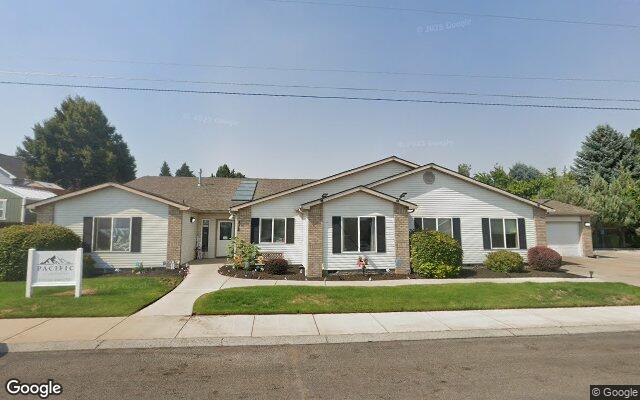
A medium home, reviewed on public record.
© Google Street View
Compared to 38 Oregon facilities with a similar number of beds.
ALF memory care · 36-month window. Higher percentile = better performance on inspection record. Source: Oregon Dept. of Human Services · Long-Term Care Licensing.
among peers to rank.
Rankings based on 36-month OR-DHS inspection data. Severity and frequency: fewer citations = higher percentile. Repeat rate: lower repeat citation share = higher percentile.
Citation history, plotted month by month.
7 deficiencies on record. Each bar is a month with a citation.
Finding distribution
7 total · 36 monthsScope × Severity (CMS A–L)
Every inspection visit, verbatim.
3 inspections in the public record, most recent first. Plain-language summaries open first — click into any row for the full citation text.
2025-11-20Annual Compliance VisitOR-cited · 2 findings
Plain-language summary
During a routine kitchen inspection on November 20, 2025, the facility was found to have violated food sanitation rules, with violations including unsanitary storage areas, damaged kitchen surfaces, staff lacking proper food handler certifications, incorrect glove and hand hygiene practices, cross-contamination during food preparation, improper thawing and reheating of food, and missing equipment. The facility has since made corrections including repairs to storage and plumbing, obtaining required staff certifications, retraining all kitchen staff on proper food handling and sanitation procedures, purchasing color-coded preparation equipment, and implementing daily and monthly audits to monitor ongoing compliance.
Read full citation text (2)Hide full citation text
“Based on observation, interview, and record review, it was determined the facility failed to ensure the kitchen was maintained in a sanitary manner and food was prepared in accordance with Food Sanitation Rules, OARs 333-150-0000. Findings include, but are not limited to: The kitchen and food storage areas were toured on 11/20/25 at 11:20 am. The following areas needed cleaning and/or repair: • Lockable chemical storage cabinet underneath the sink had misaligned doors and broken locks; • Mildewed wiping cloths underneath the sink; • There was a leak coming from the pipes underneath the sink; • Multiple cabinets and drawers in the kitchen had chipped paint with exposed wood; • The dry food storage door had exposed wood rendering the surface uncleanable; and • When not in use, the garbage can was missing a cover. The following areas needed correction during food preparation and employee infection control: • There was no documented evidence Staff 4 (MA) and Staff 6 (CG) had food handler certifications; • On multiple occasions, Staff 5 (MA) and Staff 7 (MA) were observed using gloves incorrectly and not performing hand hygiene between dirty and clean tasks; • Staff 5 was observed touching the lip edge surface of glassware with her hands; • Staff 5 was observed using the same knife and cutting board for ground beef and brussels sprouts; • Ground beef was observed thawing in the kitchen sink without being fully submerged in cold running water; and • Staff were observed using the microwave to reheat resident meals; however, they were not aware of the proper reheating temperature for food and were not taking the temperature of the food after reheating in the microwave. The need to ensure the kitchen was maintained in a sanitary manner and food was prepared in accordance with food sanitation rules was discussed with Staff 1 (ED) and Staff 2 (Regional Director of Operations) on 11/20/25 at approximately 2:00pm. They acknowledged the findings. 1 A. The chemical storage cabinet under the sink was realigned and secured. All chemicals were relocated to a locked area until repairs were completed. 1B. Mildewed cloths were discarded, and the area was cleaned and sanitized. (11/21/25) 1C. The plumbing leak under the sink was repaired, and the surrounding area was cleaned and sanitized (11/21/25), cabinets and paint to be replaced. 2 out of 3 bids have been obtained to repair cabinets, drawers, and the dry food storage door to ensure all surfaces are smooth, nonporous, and cleanable. 1D. A replacement garbage can with an automatic-opening lid was purchased and delivered on 12/5/2025 1E. Staff 4 and Staff 6 obtained their food handler certifications on 11/21/25 and 11/28/25, and documentation was placed in their personnel files. 1F. Staff 5 and Staff 7 were retrained on proper glove use and required hand hygiene between tasks; return demonstrations were completed. Staff 5 was specifically trained not to touch lip-contact surfaces of glassware. Staff 5 was also retrained on preventing cross-contamination during food prep. Designated color-coded knives and cutting boards were purchased, and staff were trained on their use. A reference chart was posted at the prep station. (12/10/25) 1G. Staff were educated on approved thawing methods and a laminated thawing guideline sheet was posted in the kitchen. (12/3/25) 1H. Staff were educated on approved reheating and temping of food after taking out of microwave before serving. (12/3/25) 2A. The kitchen sanitation and maintenance checklist was updated to include daily checks of plumbing, wiping-cloth storage, cabinet integrity, and chemical storage security. (12/5/2025) 2B. All kitchen and universal worker staff were retrained on food sanitation practices, wiping-cloth handling, leak reporting, and chemical storage requirements. (11/21/25) 2C. The maintenance reporting process was strengthened to require same-day work orders for leaks, damaged surfaces, or sanitation concerns with immediate follow-up. (11/21/25) 2D. Kitchen cabinets and paint will be audited monthly and repairs will be completed as needed. 2E. All staff will obtain food handlers cards prior to working alone on the floor. 2F. All staff re-trained on glove use, hand hygiene and cross contamination. This is also included in pre-hire training. 2G. All staff trained on sanitation and infection control this is also included in pre-hire training. 3A. Daily audits 3B. Daily audits 3C. Daily audits 3D. Monthly audits 3E. Monthly audits 3F. Prehire and Monthly audits 3G. Prehire and Monthly audits 4A. Executive Director/Maintenance 4B. Care staff/ Executive Director 4C. Executive Director/Maintenance 4D. Executive Director/Maintenance 4E. Executive Director/Assistant Executive Director 4F. Executive Director/Assistant Executive Director 4G. Executive Director/Assistant Executive Director OAR 411-054-0030 (1)(a) Resident Services Meals, Food Sanitation Rule (1) The residential care or assisted living facility must provide a minimum scope of services as follows: (a) Three daily nutritious, palatable meals with snacks available seven days a week, in accordance with the recommended dietary allowances found in the United States Department of Agriculture (USDA) guidelines, including seasonal fresh fruit and fresh vegetables; (A) Modified special diets that are appropriate to residents' needs and choices. The facility must encourage residents' involvement in developing menus. (B) Menus must be prepared at least one week in advance, and must be made available to all residents. Meal substitutions must be of similar nutritional value if a resident refuses a food that is served. Residents must be informed in advance of menu changes. (C) Food must be prepared and served in accordance with OAR 333-150-0000 (Food Sanitation Rules). This Rule is not met as evidenced by:”
“Based on observation, interview and record review, it was determined the facility failed to follow licensing rules for Residential Care and Assisted Living Facilities. Findings include, but are not limited to: Refer to: C 240. See C240 OAR 411-057-0140(2) Administration Compliance (2) The licensee of a memory care community must comply with both the licensing rules for the facility and Chapter 411, Division 57. This Rule is not met as evidenced by:”
Read raw inspector notesClose inspector notes
Based on observation, interview, and record review, it was determined the facility failed to ensure the kitchen was maintained in a sanitary manner and food was prepared in accordance with Food Sanitation Rules, OARs 333-150-0000. Findings include, but are not limited to: The kitchen and food storage areas were toured on 11/20/25 at 11:20 am. The following areas needed cleaning and/or repair: • Lockable chemical storage cabinet underneath the sink had misaligned doors and broken locks; • Mildewed wiping cloths underneath the sink; • There was a leak coming from the pipes underneath the sink; • Multiple cabinets and drawers in the kitchen had chipped paint with exposed wood; • The dry food storage door had exposed wood rendering the surface uncleanable; and • When not in use, the garbage can was missing a cover. The following areas needed correction during food preparation and employee infection control: • There was no documented evidence Staff 4 (MA) and Staff 6 (CG) had food handler certifications; • On multiple occasions, Staff 5 (MA) and Staff 7 (MA) were observed using gloves incorrectly and not performing hand hygiene between dirty and clean tasks; • Staff 5 was observed touching the lip edge surface of glassware with her hands; • Staff 5 was observed using the same knife and cutting board for ground beef and brussels sprouts; • Ground beef was observed thawing in the kitchen sink without being fully submerged in cold running water; and • Staff were observed using the microwave to reheat resident meals; however, they were not aware of the proper reheating temperature for food and were not taking the temperature of the food after reheating in the microwave. The need to ensure the kitchen was maintained in a sanitary manner and food was prepared in accordance with food sanitation rules was discussed with Staff 1 (ED) and Staff 2 (Regional Director of Operations) on 11/20/25 at approximately 2:00pm. They acknowledged the findings. 1 A. The chemical storage cabinet under the sink was realigned and secured. All chemicals were relocated to a locked area until repairs were completed. 1B. Mildewed cloths were discarded, and the area was cleaned and sanitized. (11/21/25) 1C. The plumbing leak under the sink was repaired, and the surrounding area was cleaned and sanitized (11/21/25), cabinets and paint to be replaced. 2 out of 3 bids have been obtained to repair cabinets, drawers, and the dry food storage door to ensure all surfaces are smooth, nonporous, and cleanable. 1D. A replacement garbage can with an automatic-opening lid was purchased and delivered on 12/5/2025 1E. Staff 4 and Staff 6 obtained their food handler certifications on 11/21/25 and 11/28/25, and documentation was placed in their personnel files. 1F. Staff 5 and Staff 7 were retrained on proper glove use and required hand hygiene between tasks; return demonstrations were completed. Staff 5 was specifically trained not to touch lip-contact surfaces of glassware. Staff 5 was also retrained on preventing cross-contamination during food prep. Designated color-coded knives and cutting boards were purchased, and staff were trained on their use. A reference chart was posted at the prep station. (12/10/25) 1G. Staff were educated on approved thawing methods and a laminated thawing guideline sheet was posted in the kitchen. (12/3/25) 1H. Staff were educated on approved reheating and temping of food after taking out of microwave before serving. (12/3/25) 2A. The kitchen sanitation and maintenance checklist was updated to include daily checks of plumbing, wiping-cloth storage, cabinet integrity, and chemical storage security. (12/5/2025) 2B. All kitchen and universal worker staff were retrained on food sanitation practices, wiping-cloth handling, leak reporting, and chemical storage requirements. (11/21/25) 2C. The maintenance reporting process was strengthened to require same-day work orders for leaks, damaged surfaces, or sanitation concerns with immediate follow-up. (11/21/25) 2D. Kitchen cabinets and paint will be audited monthly and repairs will be completed as needed. 2E. All staff will obtain food handlers cards prior to working alone on the floor. 2F. All staff re-trained on glove use, hand hygiene and cross contamination. This is also included in pre-hire training. 2G. All staff trained on sanitation and infection control this is also included in pre-hire training. 3A. Daily audits 3B. Daily audits 3C. Daily audits 3D. Monthly audits 3E. Monthly audits 3F. Prehire and Monthly audits 3G. Prehire and Monthly audits 4A. Executive Director/Maintenance 4B. Care staff/ Executive Director 4C. Executive Director/Maintenance 4D. Executive Director/Maintenance 4E. Executive Director/Assistant Executive Director 4F. Executive Director/Assistant Executive Director 4G. Executive Director/Assistant Executive Director OAR 411-054-0030 (1)(a) Resident Services Meals, Food Sanitation Rule (1) The residential care or assisted living facility must provide a minimum scope of services as follows: (a) Three daily nutritious, palatable meals with snacks available seven days a week, in accordance with the recommended dietary allowances found in the United States Department of Agriculture (USDA) guidelines, including seasonal fresh fruit and fresh vegetables; (A) Modified special diets that are appropriate to residents' needs and choices. The facility must encourage residents' involvement in developing menus. (B) Menus must be prepared at least one week in advance, and must be made available to all residents. Meal substitutions must be of similar nutritional value if a resident refuses a food that is served. Residents must be informed in advance of menu changes. (C) Food must be prepared and served in accordance with OAR 333-150-0000 (Food Sanitation Rules). This Rule is not met as evidenced by: Based on observation, interview and record review, it was determined the facility failed to follow licensing rules for Residential Care and Assisted Living Facilities. Findings include, but are not limited to: Refer to: C 240. See C240 OAR 411-057-0140(2) Administration Compliance (2) The licensee of a memory care community must comply with both the licensing rules for the facility and Chapter 411, Division 57. This Rule is not met as evidenced by:
2024-06-26Annual Compliance VisitOR-cited · 4 findings
Plain-language summary
A change of ownership survey conducted June 26-27, 2024, with a follow-up on September 20, 2024, found two licensing violations: the facility failed to adequately monitor and document changes in condition for a resident with dementia who experienced falls, a wound, and multiple emergency department visits for hip dislocation; and the facility failed to include specific parameters and instructions on medication administration records for as-needed medications for two residents. The facility was otherwise found to be in compliance with Oregon residential care, assisted living, and memory care regulations.
Read full citation text (4)Hide full citation text
“The findings of the Change of Ownership survey, conducted 06/26/24 through 06/27/24, are documented in this report. The survey was conducted to determine compliance with OARs 411 Division 54 for Residential Care and Assisted Living Facilities, OARs 411 Division 57 for Memory Care Communities, and OARs 411 Division 004 Home and Community Based Services Regulations. Tag numbers beginning with the letter C refer to the Residential Care and Assisted Living rules. Tag numbers beginning with the letter Z refer to the Memory Care Community rules. Abbreviations possibly used in this document: ADL: activities of daily living bid: twice a day CBG: capillary blood glucose or blood sugar CG: caregiver cm: centimeter ED: Executive Director F: Fahrenheit HH: Home Health LPN: Licensed Practical Nurse MA: Medication Aide MAR: Medication Administration Record MCC: Memory Care Community mg: milligram ml: milliliter MT: Medication Technician OT: Occupational Therapist PT: Physical Therapist PRN: as needed qd: every day or daily qid: four times a day QI: quality improvement RCC: Resident Care Coordinator RN: Registered Nurse TAR: Treatment Administration Record tid: three times a day The findings of the Change of Ownership survey, conducted 06/26/24 through 06/27/24, are documented in this report. The survey was conducted to determine compliance with OARs 411 Division 54 for Residential Care and Assisted Living Facilities, OARs 411 Division 57 for Memory Care Communities, and OARs 411 Division 004 Home and Community Based Services Regulations. Tag numbers beginning with the letter C refer to the Residential Care and Assisted Living rules. Tag numbers beginning with the letter Z refer to the Memory Care Community rules. Abbreviations possibly used in this document: ADL: activities of daily living bid: twice a day CBG: capillary blood glucose or blood sugar CG: caregiver cm: centimeter ED: Executive Director F: Fahrenheit HH: Home Health LPN: Licensed Practical Nurse MA: Medication Aide MAR: Medication Administration Record MCC: Memory Care Community mg: milligram ml: milliliter MT: Medication Technician OT: Occupational Therapist PT: Physical Therapist PRN: as needed qd: every day or daily qid: four times a day QI: quality improvement RCC: Resident Care Coordinator RN: Registered Nurse TAR: Treatment Administration Record tid: three times a day The findings of the revisit to the re-licensure survey of 06/27/24, conducted on 09/20/24, are documented in this report. It was determined the facility was in compliance with OARs 411 Division 54 for Residential Care and Assisted Living Facilities, Division 57 for Memory Care Communities, and Home and Community Based Services Regulations OARs 411 Division 004. The findings of the revisit to the re-licensure survey of 06/27/24, conducted on 09/20/24, are documented in this report. It was determined the facility was in compliance with OARs 411 Division 54 for Residential Care and Assisted Living Facilities, Division 57 for Memory Care Communities, and Home and Community Based Services Regulations OARs 411 Division 004.”
“Based on interview and record review, it was determined the facility failed to monitor residents conditions based on their evaluated needs and document on the progress of short term changes of condition at least weekly until resolved, for 1 of 2 sampled residents (#2) who experienced changes of condition. Findings include, but are not limited to: Resident 2 was admitted to the facility in November 2023 with diagnoses including dementia. The resident's 06/10/24 service plan, 03/26/24-06/24/24 progress notes, and temporary service plans were reviewed. Resident 2 was evaluated to be at risk for falls. The resident experienced multiple short term changes without evaluation of interventions and documented monitoring until resolution in the following areas: * Falls; * Wound; and * Multiple emergency department visits for hip dislocation. The need to monitor residents per their evaluated condition and monitor short term changes to resolution was discussed with Staff 1 (Regional Director of Operations) and Staff 2 (ED) on 06/26/24 and 06/27/24. They acknowledged the findings. Based on interview and record review, it was determined the facility failed to monitor residents conditions based on their evaluated needs and document on the progress of short term changes of condition at least weekly until resolved, for 1 of 2 sampled residents (#2) who experienced changes of condition. Findings include, but are not limited to: Resident 2 was admitted to the facility in November 2023 with diagnoses including dementia. The resident's 06/10/24 service plan, 03/26/24-06/24/24 progress notes, and temporary service plans were reviewed. Resident 2 was evaluated to be at risk for falls. The resident experienced multiple short term changes without evaluation of interventions and documented monitoring until resolution in the following areas: * Falls; * Wound; and * Multiple emergency department visits for hip dislocation. The need to monitor residents per their evaluated condition and monitor short term changes to resolution was discussed with Staff 1 (Regional Director of Operations) and Staff 2 (ED) on 06/26/24 and 06/27/24. They acknowledged the findings.”
“Based on interview and record review, it was determined the facility failed to ensure MARs included resident-specific parameters for PRN medications and medication specific instruction to direct non-licensed staff for 2 of 2 sampled residents (#s 1 and 2) whose medications were reviewed. Findings include, but are not limited to: Resident 1 and 2's 06/01/24 through 6/26/24 MARs and current medication orders were reviewed. 1. Resident 2's was admitted to the facility in 11/2023 with diagnoses including dementia. Resident 2 had orders for: *Lidocaine 4% patch every 12 hours as needed for pain; *Acetaminophen 325 mg two tablets as needed for pain; and *Oxycodone 5 mg every six hours as needed for severe pain. All three medications had been administered. The MAR lacked clear instructions to staff which medication to attempt first, how pain may be expressed, and where pain was located. 2. Resident 1's was admitted to the facility in 05/2023 with diagnoses including dementia. Resident 1 had orders for: *Ibuprofen 400 mg every six hours as needed for pain; and *Acetaminophen 325 mg two tablets as needed for pain - Moderate; Pain mild; pain Severe Neither medication had been administered. The MAR lacked clear instructions to staff which medication to attempt first, how pain may be expressed, and where pain was located. The need to provide clear parameters and instructions to guide non-licensed staff in the administration of PRN medications was reviewed with Staff 1 (Regional Director of Operations). She acknowledged the findings. Based on interview and record review, it was determined the facility failed to ensure MARs included resident-specific parameters for PRN medications and medication specific instruction to direct non-licensed staff for 2 of 2 sampled residents (#s 1 and 2) whose medications were reviewed. Findings include, but are not limited to: Resident 1 and 2's 06/01/24 through 6/26/24 MARs and current medication orders were reviewed.”
“Based on observation, interview, and record review, it was determined the facility failed to provide health care services in accordance with the licensing rules for Residential Care and Assisted Living Facilities. Findings include, but are not limited to: Refer to C0270 and C 310. Based on observation, interview, and record review, it was determined the facility failed to provide health care services in accordance with the licensing rules for Residential Care and Assisted Living Facilities. Findings include, but are not limited to: Refer to C0270 and C 310. Refer to C270 and C310 Refer to C270 and C310 There are no detail notes for this visit.”
Read raw inspector notesClose inspector notes
The findings of the Change of Ownership survey, conducted 06/26/24 through 06/27/24, are documented in this report. The survey was conducted to determine compliance with OARs 411 Division 54 for Residential Care and Assisted Living Facilities, OARs 411 Division 57 for Memory Care Communities, and OARs 411 Division 004 Home and Community Based Services Regulations. Tag numbers beginning with the letter C refer to the Residential Care and Assisted Living rules. Tag numbers beginning with the letter Z refer to the Memory Care Community rules. Abbreviations possibly used in this document: ADL: activities of daily living bid: twice a day CBG: capillary blood glucose or blood sugar CG: caregiver cm: centimeter ED: Executive Director F: Fahrenheit HH: Home Health LPN: Licensed Practical Nurse MA: Medication Aide MAR: Medication Administration Record MCC: Memory Care Community mg: milligram ml: milliliter MT: Medication Technician OT: Occupational Therapist PT: Physical Therapist PRN: as needed qd: every day or daily qid: four times a day QI: quality improvement RCC: Resident Care Coordinator RN: Registered Nurse TAR: Treatment Administration Record tid: three times a day The findings of the Change of Ownership survey, conducted 06/26/24 through 06/27/24, are documented in this report. The survey was conducted to determine compliance with OARs 411 Division 54 for Residential Care and Assisted Living Facilities, OARs 411 Division 57 for Memory Care Communities, and OARs 411 Division 004 Home and Community Based Services Regulations. Tag numbers beginning with the letter C refer to the Residential Care and Assisted Living rules. Tag numbers beginning with the letter Z refer to the Memory Care Community rules. Abbreviations possibly used in this document: ADL: activities of daily living bid: twice a day CBG: capillary blood glucose or blood sugar CG: caregiver cm: centimeter ED: Executive Director F: Fahrenheit HH: Home Health LPN: Licensed Practical Nurse MA: Medication Aide MAR: Medication Administration Record MCC: Memory Care Community mg: milligram ml: milliliter MT: Medication Technician OT: Occupational Therapist PT: Physical Therapist PRN: as needed qd: every day or daily qid: four times a day QI: quality improvement RCC: Resident Care Coordinator RN: Registered Nurse TAR: Treatment Administration Record tid: three times a day The findings of the revisit to the re-licensure survey of 06/27/24, conducted on 09/20/24, are documented in this report. It was determined the facility was in compliance with OARs 411 Division 54 for Residential Care and Assisted Living Facilities, Division 57 for Memory Care Communities, and Home and Community Based Services Regulations OARs 411 Division 004. The findings of the revisit to the re-licensure survey of 06/27/24, conducted on 09/20/24, are documented in this report. It was determined the facility was in compliance with OARs 411 Division 54 for Residential Care and Assisted Living Facilities, Division 57 for Memory Care Communities, and Home and Community Based Services Regulations OARs 411 Division 004. Based on interview and record review, it was determined the facility failed to monitor residents conditions based on their evaluated needs and document on the progress of short term changes of condition at least weekly until resolved, for 1 of 2 sampled residents (#2) who experienced changes of condition. Findings include, but are not limited to: Resident 2 was admitted to the facility in November 2023 with diagnoses including dementia. The resident's 06/10/24 service plan, 03/26/24-06/24/24 progress notes, and temporary service plans were reviewed. Resident 2 was evaluated to be at risk for falls. The resident experienced multiple short term changes without evaluation of interventions and documented monitoring until resolution in the following areas: * Falls; * Wound; and * Multiple emergency department visits for hip dislocation. The need to monitor residents per their evaluated condition and monitor short term changes to resolution was discussed with Staff 1 (Regional Director of Operations) and Staff 2 (ED) on 06/26/24 and 06/27/24. They acknowledged the findings. Based on interview and record review, it was determined the facility failed to monitor residents conditions based on their evaluated needs and document on the progress of short term changes of condition at least weekly until resolved, for 1 of 2 sampled residents (#2) who experienced changes of condition. Findings include, but are not limited to: Resident 2 was admitted to the facility in November 2023 with diagnoses including dementia. The resident's 06/10/24 service plan, 03/26/24-06/24/24 progress notes, and temporary service plans were reviewed. Resident 2 was evaluated to be at risk for falls. The resident experienced multiple short term changes without evaluation of interventions and documented monitoring until resolution in the following areas: * Falls; * Wound; and * Multiple emergency department visits for hip dislocation. The need to monitor residents per their evaluated condition and monitor short term changes to resolution was discussed with Staff 1 (Regional Director of Operations) and Staff 2 (ED) on 06/26/24 and 06/27/24. They acknowledged the findings. Based on interview and record review, it was determined the facility failed to ensure MARs included resident-specific parameters for PRN medications and medication specific instruction to direct non-licensed staff for 2 of 2 sampled residents (#s 1 and 2) whose medications were reviewed. Findings include, but are not limited to: Resident 1 and 2's 06/01/24 through 6/26/24 MARs and current medication orders were reviewed. 1. Resident 2's was admitted to the facility in 11/2023 with diagnoses including dementia. Resident 2 had orders for: *Lidocaine 4% patch every 12 hours as needed for pain; *Acetaminophen 325 mg two tablets as needed for pain; and *Oxycodone 5 mg every six hours as needed for severe pain. All three medications had been administered. The MAR lacked clear instructions to staff which medication to attempt first, how pain may be expressed, and where pain was located. 2. Resident 1's was admitted to the facility in 05/2023 with diagnoses including dementia. Resident 1 had orders for: *Ibuprofen 400 mg every six hours as needed for pain; and *Acetaminophen 325 mg two tablets as needed for pain - Moderate; Pain mild; pain Severe Neither medication had been administered. The MAR lacked clear instructions to staff which medication to attempt first, how pain may be expressed, and where pain was located. The need to provide clear parameters and instructions to guide non-licensed staff in the administration of PRN medications was reviewed with Staff 1 (Regional Director of Operations). She acknowledged the findings. Based on interview and record review, it was determined the facility failed to ensure MARs included resident-specific parameters for PRN medications and medication specific instruction to direct non-licensed staff for 2 of 2 sampled residents (#s 1 and 2) whose medications were reviewed. Findings include, but are not limited to: Resident 1 and 2's 06/01/24 through 6/26/24 MARs and current medication orders were reviewed. Based on observation, interview, and record review, it was determined the facility failed to provide health care services in accordance with the licensing rules for Residential Care and Assisted Living Facilities. Findings include, but are not limited to: Refer to C0270 and C 310. Based on observation, interview, and record review, it was determined the facility failed to provide health care services in accordance with the licensing rules for Residential Care and Assisted Living Facilities. Findings include, but are not limited to: Refer to C0270 and C 310. Refer to C270 and C310 Refer to C270 and C310 There are no detail notes for this visit.
2023-12-12Annual Compliance VisitOR-cited · 1 finding
Plain-language summary
A kitchen inspection conducted on December 12, 2023 found the facility in substantial compliance with Oregon rules governing meal service and food sanitation. No violations were identified.
Read full citation text (1)Hide full citation text
“The findings of the kitchen inspection, conducted 12/12/23, are documented in this report. It was determined the facility was in substantial compliance with the OARs 411-054-0030 for Residential Care and Assisted Living Facilities for Resident Services- Meals, and Oregon Health Service Food Sanitation Rules OARs 333-150-0000. The findings of the kitchen inspection, conducted 12/12/23, are documented in this report. It was determined the facility was in substantial compliance with the OARs 411-054-0030 for Residential Care and Assisted Living Facilities for Resident Services- Meals, and Oregon Health Service Food Sanitation Rules OARs 333-150-0000.”
Read raw inspector notesClose inspector notes
The findings of the kitchen inspection, conducted 12/12/23, are documented in this report. It was determined the facility was in substantial compliance with the OARs 411-054-0030 for Residential Care and Assisted Living Facilities for Resident Services- Meals, and Oregon Health Service Food Sanitation Rules OARs 333-150-0000. The findings of the kitchen inspection, conducted 12/12/23, are documented in this report. It was determined the facility was in substantial compliance with the OARs 411-054-0030 for Residential Care and Assisted Living Facilities for Resident Services- Meals, and Oregon Health Service Food Sanitation Rules OARs 333-150-0000.
2 older inspections from 2021 are not shown above.
Get the complete record, translated into plain language — emailed to you.
Facility Watch · Premium
Family reviews
No reviews yet — be the first to share your experience