Wildflower Lodge.
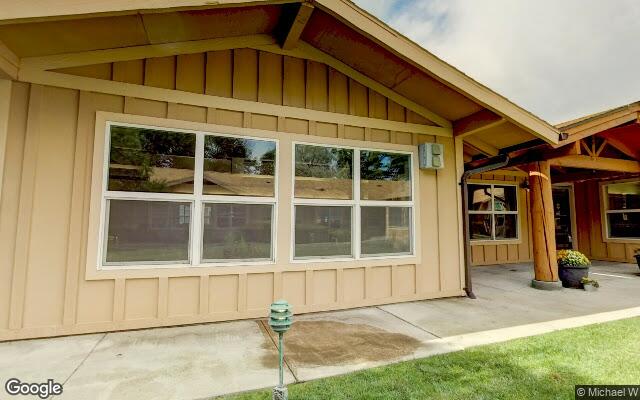
A medium home, reviewed on public record.
© Google Street View
Compared to 55 Oregon facilities with a similar number of beds.
ALF memory care · 36-month window. Higher percentile = better performance on inspection record. Source: Oregon Dept. of Human Services · Long-Term Care Licensing.
among peers to rank.
Rankings based on 36-month OR-DHS inspection data. Severity and frequency: fewer citations = higher percentile. Repeat rate: lower repeat citation share = higher percentile.
Citation history, plotted month by month.
36 deficiencies on record. Each bar is a month with a citation.
Finding distribution
36 total · 36 monthsScope × Severity (CMS A–L)
Every inspection visit, verbatim.
4 inspections in the public record, most recent first. Plain-language summaries open first — click into any row for the full citation text.
2025-09-11Annual Compliance VisitOR-cited · 4 findings
Plain-language summary
A routine inspection in September 2025 found that the facility failed to investigate or report to protective services two injuries of unknown cause—bruising around the eye in July 2025 and a cut on the hand in August 2025—as required by licensing rules. The inspection also found the facility did not follow physician orders to apply a knee immobilizer on nine occasions and did not give scheduled doses of Haldol medication on three dates because the drug was unavailable. The facility acknowledged these failures during the inspection and stated it would correct them.
Read full citation text (4)Hide full citation text
“Based on interview and record review, it was determined the facility failed to conduct investigations of injuries of unknown cause to rule-out abuse or report the injuries as suspected abuse to the local Seniors and People with Disabilities (SPD) office, for 1 of 2 sampled residents (#2) with injuries of unknown cause. Findings include, but are not limited to: Resident 2 was admitted to the Memory Care Facility in 2021 with diagnoses which included dementia and required staff assistance with ADL care needs. Facility Observation Notes, reviewed from 07/01/25 through 09/09/25, revealed the following: * On 07/30/25, staff documented that the resident had “slight bruising/swelling to the corner of brow of the right eye…"; and * On 08/28/25, the resident was found with a "small cut on the right middle knuckle of the right hand…" There was no documented evidence the facility immediately investigated and documented that the injuries were not the result of abuse or neglect, or evidence the facility reported the injuries to the local protective services office as suspected abuse/neglect. Additional information was requested from Staff 1 (MCC Administrator) on 09/10/25 at 10:15 am. On 09/10/25, Staff 1 informed the surveyor that the injuries had not been investigated to rule out abuse or neglect. The need to ensure injuries of unknown cause were investigated promptly or reported if necessary was discussed with Staff 1. She stated she would investigate the incidents and report the injuries to the local protective services office. Verification that the facility had reported the incidents to the local SPD office was received during the survey.”
“Based on interview and record review, it was determined the facility failed to ensure medication and treatment orders were carried out as prescribed for 1 of 2 sampled residents (#2) whose orders were reviewed. Findings include, but are not limited to: Resident 2 was admitted to the MCC in 2022 with diagnoses which included dementia and was receiving hospice services as of the survey. Physician orders and MARs, reviewed from 08/01/25 through 09/09/25, revealed the following orders were not followed: * Knee immobilizer, to be placed on the left knee during the day, was not applied on nine occasions; and * Haldol (for agitation) 1 mg one tablet at noon and bedtime was not administered at noon on 08/01/25, 08/02/25 and 08/03/25 because it was unavailable. However, the bedtime dose was administered during the same time frame. In an interview with Staff 2 (MCC RCC) and Staff 4 (LPN Wellness Director) on 09/10/25 at 3:00 pm, they acknowledged that staff failed to administer the noon dose of Haldol as ordered. The need to ensure orders were carried out as prescribed was reviewed with Staff 1 (MCC Administrator) and Staff 5 (Campus Administrator) on 09/11/25. They acknowledged the findings.”
“Based on interview and record review, it was determined the facility failed to ensure an accurate MAR was maintained and PRN parameters were followed for all facility administered medications for 2 of 2 sampled residents (#s 1 and 2) whose MARs were reviewed. Findings include, but are not limited to:”
“Based on interview and record review, it was determined the facility failed to provide health care services in accordance with the licensing rules for Residential Care and Assisted Living Facilities. Findings include, but are not limited to: Refer to C231, C303, and C310. This tag is referall tag to plan of correction for all other tags.”
Read raw inspector notesClose inspector notes
Based on interview and record review, it was determined the facility failed to conduct investigations of injuries of unknown cause to rule-out abuse or report the injuries as suspected abuse to the local Seniors and People with Disabilities (SPD) office, for 1 of 2 sampled residents (#2) with injuries of unknown cause. Findings include, but are not limited to: Resident 2 was admitted to the Memory Care Facility in 2021 with diagnoses which included dementia and required staff assistance with ADL care needs. Facility Observation Notes, reviewed from 07/01/25 through 09/09/25, revealed the following: * On 07/30/25, staff documented that the resident had “slight bruising/swelling to the corner of brow of the right eye…"; and * On 08/28/25, the resident was found with a "small cut on the right middle knuckle of the right hand…" There was no documented evidence the facility immediately investigated and documented that the injuries were not the result of abuse or neglect, or evidence the facility reported the injuries to the local protective services office as suspected abuse/neglect. Additional information was requested from Staff 1 (MCC Administrator) on 09/10/25 at 10:15 am. On 09/10/25, Staff 1 informed the surveyor that the injuries had not been investigated to rule out abuse or neglect. The need to ensure injuries of unknown cause were investigated promptly or reported if necessary was discussed with Staff 1. She stated she would investigate the incidents and report the injuries to the local protective services office. Verification that the facility had reported the incidents to the local SPD office was received during the survey. Based on interview and record review, it was determined the facility failed to ensure medication and treatment orders were carried out as prescribed for 1 of 2 sampled residents (#2) whose orders were reviewed. Findings include, but are not limited to: Resident 2 was admitted to the MCC in 2022 with diagnoses which included dementia and was receiving hospice services as of the survey. Physician orders and MARs, reviewed from 08/01/25 through 09/09/25, revealed the following orders were not followed: * Knee immobilizer, to be placed on the left knee during the day, was not applied on nine occasions; and * Haldol (for agitation) 1 mg one tablet at noon and bedtime was not administered at noon on 08/01/25, 08/02/25 and 08/03/25 because it was unavailable. However, the bedtime dose was administered during the same time frame. In an interview with Staff 2 (MCC RCC) and Staff 4 (LPN Wellness Director) on 09/10/25 at 3:00 pm, they acknowledged that staff failed to administer the noon dose of Haldol as ordered. The need to ensure orders were carried out as prescribed was reviewed with Staff 1 (MCC Administrator) and Staff 5 (Campus Administrator) on 09/11/25. They acknowledged the findings. Based on interview and record review, it was determined the facility failed to ensure an accurate MAR was maintained and PRN parameters were followed for all facility administered medications for 2 of 2 sampled residents (#s 1 and 2) whose MARs were reviewed. Findings include, but are not limited to: Based on interview and record review, it was determined the facility failed to provide health care services in accordance with the licensing rules for Residential Care and Assisted Living Facilities. Findings include, but are not limited to: Refer to C231, C303, and C310. This tag is referall tag to plan of correction for all other tags.
2025-05-07Complaint InvestigationOR-cited · 1 finding
Plain-language summary
A complaint investigation on May 7, 2025 found that the facility failed to accurately update its acuity-based staffing tool for two sampled residents, with the tool showing zero or drastically underestimated staff time for activities like transfers, eating, bathing, and ambulation despite service plans documenting that these residents required full assistance with these tasks. Inspectors observed that both residents needed two-person help for transfers and toileting, and one resident required cuing and hand-over-hand help during meals, indicating the facility's staffing allocations did not match actual care needs. The facility acknowledged these findings during the visit.
Read full citation text (1)Hide full citation text
“Based on observation, interview, and record review, conducted during a site visit on 05/07/25, the facility's failure to update and implement an acuity-based staffing tool (ABST) was substantiated for 2 or 3 sampled residents (#s 1 and 2). Findings include, but are not limited to: A review of the ABST Facility Entrance Questionnaire dated 05/07/25 indicated the facility used ODHS ABST. The facility had a resident census of 22. a. Resident 1's service plan dated 01/22/25 and 05/07/25 was reviewed and compared to his/her ABST profile last updated on 04/11/25. Resident 1's ABST profile did not accurately reflect Resident 1's care needs in the following areas: · In the area of transfers, the service plan indicated Resident 1 required full assistance with moving from bed to wheelchair and required two-person assistance. Resident 1's ABST indicated zero minutes of staff time was allotted to complete task. · In the area of eating, the service plan indicated Resident 1 required daily assistance and "will occasionally start crying and telling staff [s/he] can't feed [himself/herself] ". Resident 1's ABST indicated zero minutes of staff time was allotted to complete task. · In the area of ambulation and escorts, the service plan indicated Resident 1 will be escorted in their wheelchair to and from meals, activities, toileting, and other common areas by staff. Resident 1's ABST indicated zero minutes of staff time was allotted to complete task. b. Resident 2's service plan dated 04/03/25 was reviewed and compared to his/her ABST profile last updated on 04/03/25. Resident 2's ABST profile did not accurately reflect Resident 2's care needs in the following areas: · In the area of bathing, the service plan indicated Resident 2 required full assistance. Resident 2 ' s ABST indicated zero minutes of staff time was allotted to complete task. · In the area of personal hygiene, staff to provide support with all hygiene routines daily. Resident 2 ' s ABST profile indicated that ADL was provided 70 times per week. In separate interviews, Staff 1 (MC Administrator) Staff 4 (CG), Staff 6 (CG), and Staff 11 (MT) stated Resident 1 and Resident 2 required total assistance with ADLs, except meal assistance and when hospice provided services. If hospice does not provide the service, staff are to provide assistance with bathing. Compliance Specialists (CS) observed the following: · Resident 1 and Resident 2 required assistance of two-staff persons for transfers and toileting. · Resident 1 required cuing throughout his/her lunch meal and on occasion staff provided hand-over-hand assistance. The facility failed to accurately capture care time and care elements that staff are providing to each resident. On 05/07/25, those findings were reviewed with and acknowledged by Staff 1, Staff 2 (Wellness Director/LPN), and Staff 3 (Executive Director). Based on observation, interview, and record review, conducted during a site visit on 05/07/25, the facility's failure to update and implement an acuity-based staffing tool (ABST) was substantiated for 2 or 3 sampled residents (#s 1 and 2). Findings include, but are not limited to: A review of the ABST Facility Entrance Questionnaire dated 05/07/25 indicated the facility used ODHS ABST. The facility had a resident census of 22. a. Resident 1's service plan dated 01/22/25 and 05/07/25 was reviewed and compared to his/her ABST profile last updated on 04/11/25. Resident 1's ABST profile did not accurately reflect Resident 1's care needs in the following areas: · In the area of transfers, the service plan indicated Resident 1 required full assistance with moving from bed to wheelchair and required two-person assistance. Resident 1's ABST indicated zero minutes of staff time was allotted to complete task. · In the area of eating, the service plan indicated Resident 1 required daily assistance and "will occasionally start crying and telling staff [s/he] can't feed [himself/herself] ". Resident 1's ABST indicated zero minutes of staff time was allotted to complete task. · In the area of ambulation and escorts, the service plan indicated Resident 1 will be escorted in their wheelchair to and from meals, activities, toileting, and other common areas by staff. Resident 1's ABST indicated zero minutes of staff time was allotted to complete task. b. Resident 2's service plan dated 04/03/25 was reviewed and compared to his/her ABST profile last updated on 04/03/25. Resident 2's ABST profile did not accurately reflect Resident 2's care needs in the following areas: · In the area of bathing, the service plan indicated Resident 2 required full assistance. Resident 2 ' s ABST indicated zero minutes of staff time was allotted to complete task. · In the area of personal hygiene, staff to provide support with all hygiene routines daily. Resident 2 ' s ABST profile indicated that ADL was provided 70 times per week. In separate interviews, Staff 1 (MC Administrator) Staff 4 (CG), Staff 6 (CG), and Staff 11 (MT) stated Resident 1 and Resident 2 required total assistance with ADLs, except meal assistance and when hospice provided services. If hospice does not provide the service, staff are to provide assistance with bathing. Compliance Specialists (CS) observed the following: · Resident 1 and Resident 2 required assistance of two-staff persons for transfers and toileting. · Resident 1 required cuing throughout his/her lunch meal and on occasion staff provided hand-over-hand assistance. The facility failed to accurately capture care time and care elements that staff are providing to each resident. On 05/07/25, those findings were reviewed with and acknowledged by Staff 1, Staff 2 (Wellness Director/LPN), and Staff 3 (Executive Director).”
Read raw inspector notesClose inspector notes
Based on observation, interview, and record review, conducted during a site visit on 05/07/25, the facility's failure to update and implement an acuity-based staffing tool (ABST) was substantiated for 2 or 3 sampled residents (#s 1 and 2). Findings include, but are not limited to: A review of the ABST Facility Entrance Questionnaire dated 05/07/25 indicated the facility used ODHS ABST. The facility had a resident census of 22. a. Resident 1's service plan dated 01/22/25 and 05/07/25 was reviewed and compared to his/her ABST profile last updated on 04/11/25. Resident 1's ABST profile did not accurately reflect Resident 1's care needs in the following areas: · In the area of transfers, the service plan indicated Resident 1 required full assistance with moving from bed to wheelchair and required two-person assistance. Resident 1's ABST indicated zero minutes of staff time was allotted to complete task. · In the area of eating, the service plan indicated Resident 1 required daily assistance and "will occasionally start crying and telling staff [s/he] can't feed [himself/herself] ". Resident 1's ABST indicated zero minutes of staff time was allotted to complete task. · In the area of ambulation and escorts, the service plan indicated Resident 1 will be escorted in their wheelchair to and from meals, activities, toileting, and other common areas by staff. Resident 1's ABST indicated zero minutes of staff time was allotted to complete task. b. Resident 2's service plan dated 04/03/25 was reviewed and compared to his/her ABST profile last updated on 04/03/25. Resident 2's ABST profile did not accurately reflect Resident 2's care needs in the following areas: · In the area of bathing, the service plan indicated Resident 2 required full assistance. Resident 2 ' s ABST indicated zero minutes of staff time was allotted to complete task. · In the area of personal hygiene, staff to provide support with all hygiene routines daily. Resident 2 ' s ABST profile indicated that ADL was provided 70 times per week. In separate interviews, Staff 1 (MC Administrator) Staff 4 (CG), Staff 6 (CG), and Staff 11 (MT) stated Resident 1 and Resident 2 required total assistance with ADLs, except meal assistance and when hospice provided services. If hospice does not provide the service, staff are to provide assistance with bathing. Compliance Specialists (CS) observed the following: · Resident 1 and Resident 2 required assistance of two-staff persons for transfers and toileting. · Resident 1 required cuing throughout his/her lunch meal and on occasion staff provided hand-over-hand assistance. The facility failed to accurately capture care time and care elements that staff are providing to each resident. On 05/07/25, those findings were reviewed with and acknowledged by Staff 1, Staff 2 (Wellness Director/LPN), and Staff 3 (Executive Director). Based on observation, interview, and record review, conducted during a site visit on 05/07/25, the facility's failure to update and implement an acuity-based staffing tool (ABST) was substantiated for 2 or 3 sampled residents (#s 1 and 2). Findings include, but are not limited to: A review of the ABST Facility Entrance Questionnaire dated 05/07/25 indicated the facility used ODHS ABST. The facility had a resident census of 22. a. Resident 1's service plan dated 01/22/25 and 05/07/25 was reviewed and compared to his/her ABST profile last updated on 04/11/25. Resident 1's ABST profile did not accurately reflect Resident 1's care needs in the following areas: · In the area of transfers, the service plan indicated Resident 1 required full assistance with moving from bed to wheelchair and required two-person assistance. Resident 1's ABST indicated zero minutes of staff time was allotted to complete task. · In the area of eating, the service plan indicated Resident 1 required daily assistance and "will occasionally start crying and telling staff [s/he] can't feed [himself/herself] ". Resident 1's ABST indicated zero minutes of staff time was allotted to complete task. · In the area of ambulation and escorts, the service plan indicated Resident 1 will be escorted in their wheelchair to and from meals, activities, toileting, and other common areas by staff. Resident 1's ABST indicated zero minutes of staff time was allotted to complete task. b. Resident 2's service plan dated 04/03/25 was reviewed and compared to his/her ABST profile last updated on 04/03/25. Resident 2's ABST profile did not accurately reflect Resident 2's care needs in the following areas: · In the area of bathing, the service plan indicated Resident 2 required full assistance. Resident 2 ' s ABST indicated zero minutes of staff time was allotted to complete task. · In the area of personal hygiene, staff to provide support with all hygiene routines daily. Resident 2 ' s ABST profile indicated that ADL was provided 70 times per week. In separate interviews, Staff 1 (MC Administrator) Staff 4 (CG), Staff 6 (CG), and Staff 11 (MT) stated Resident 1 and Resident 2 required total assistance with ADLs, except meal assistance and when hospice provided services. If hospice does not provide the service, staff are to provide assistance with bathing. Compliance Specialists (CS) observed the following: · Resident 1 and Resident 2 required assistance of two-staff persons for transfers and toileting. · Resident 1 required cuing throughout his/her lunch meal and on occasion staff provided hand-over-hand assistance. The facility failed to accurately capture care time and care elements that staff are providing to each resident. On 05/07/25, those findings were reviewed with and acknowledged by Staff 1, Staff 2 (Wellness Director/LPN), and Staff 3 (Executive Director).
2025-04-23Annual Compliance VisitOR-cited · 3 findings
Plain-language summary
During a routine inspection on April 22-23, 2025, the facility was found to have not completed required staff training in three areas: one newly hired care partner had not received abdominal thrust training within 30 days of hire, two newly hired staff had not completed required dementia-specific pre-service training before starting work, and one long-term dining services staff member had not completed annual infectious disease training. The facility's memory care administrator and business office manager acknowledged these findings when notified by the inspector.
Read full citation text (3)Hide full citation text
“Based on observation, interview and record review, it was determined the facility failed to follow licensing rules for Residential Care and Assisted Living Facilities. Findings include, but are not limited to: Refer to C 372.”
“Based on record review and interview, it was determined the facility failed to ensure 1 of 2 sampled newly hired direct care staff (#6) completed abdominal thrust training within 30 days of hire. Findings include, but are not limited to: Staff training records were reviewed on 04/22/25. Staff 6 (Care Partner) hired 01/21/25, did not have documented evidence abdominal thrust training had been completed within 30 days of hire. The need to ensure staff completed all required training as specified in the OARs was discussed with Staff 1 (Memory Care Administrator) and Staff 5 (Business Office Manager) on 04/23/25. They acknowledged the findings.”
“Based on interview and record review, it was determined the facility failed to ensure 2 of 2 newly hired staff (#s 6 and 7) completed additional pre-service dementia training prior to beginning their job responsibilities and 1 of 1 long term, non-direct care staff (#5) completed required annual infectious disease training. Findings include, but are not limited to: Staff training records were reviewed on 04/22/25. The following was identified: a. There was no documented evidence Staff 6 (Care Partner), hired 01/21/25, and Staff 7 (MT), hired 12/23/24, completed the following additional pre-service dementia training topics: * Environmental factors that are important to a resident’s well-being (e.g. staff interactions, lightening, room temperature, noise, etc.); * Family support and the role the family may have in the care of the resident; and * Use of supportive devices with restraining qualities in memory care communities. b. Staff 5 (Dining Services Director), hired 06/22/21 lacked documented evidence of completion of annual infectious disease training. The need to ensure all staff completed the additional pre-service dementia training, and completed required infectious disease training annually, was discussed with Staff 1 (Memory Care Administrator), and Staff 4 (Business Office Manager) on 04/23/25. They acknowledged the findings.”
Read raw inspector notesClose inspector notes
Based on record review and interview, it was determined the facility failed to ensure 1 of 2 sampled newly hired direct care staff (#6) completed abdominal thrust training within 30 days of hire. Findings include, but are not limited to: Staff training records were reviewed on 04/22/25. Staff 6 (Care Partner) hired 01/21/25, did not have documented evidence abdominal thrust training had been completed within 30 days of hire. The need to ensure staff completed all required training as specified in the OARs was discussed with Staff 1 (Memory Care Administrator) and Staff 5 (Business Office Manager) on 04/23/25. They acknowledged the findings. Based on observation, interview and record review, it was determined the facility failed to follow licensing rules for Residential Care and Assisted Living Facilities. Findings include, but are not limited to: Refer to C 372. Based on interview and record review, it was determined the facility failed to ensure 2 of 2 newly hired staff (#s 6 and 7) completed additional pre-service dementia training prior to beginning their job responsibilities and 1 of 1 long term, non-direct care staff (#5) completed required annual infectious disease training. Findings include, but are not limited to: Staff training records were reviewed on 04/22/25. The following was identified: a. There was no documented evidence Staff 6 (Care Partner), hired 01/21/25, and Staff 7 (MT), hired 12/23/24, completed the following additional pre-service dementia training topics: * Environmental factors that are important to a resident’s well-being (e.g. staff interactions, lightening, room temperature, noise, etc.); * Family support and the role the family may have in the care of the resident; and * Use of supportive devices with restraining qualities in memory care communities. b. Staff 5 (Dining Services Director), hired 06/22/21 lacked documented evidence of completion of annual infectious disease training. The need to ensure all staff completed the additional pre-service dementia training, and completed required infectious disease training annually, was discussed with Staff 1 (Memory Care Administrator), and Staff 4 (Business Office Manager) on 04/23/25. They acknowledged the findings.
2024-05-13Annual Compliance VisitOR-cited · 28 findings
Plain-language summary
A follow-up inspection conducted September 23-25, 2024 found the facility in substantial compliance with Oregon regulations. However, a prior change of ownership inspection in May 2024 identified that the facility failed to implement its written policy on intimacy among residents with dementia for two residents in a relationship—specifically, no incident report was completed when a sexual encounter occurred, and the service plan lacked identifying information about the other resident and other safety details.
Read full citation text (28)Hide full citation text
“Based on observation, interview, and record review, it was determined the facility failed to follow licensing rules for Residential Care and Assisted Living Facilities. Findings include, but are not limited to: Refer to C 154, C 156, C 200, C 231, C 350, C 361, C 365, C 372, C 420, C 510, C 513, and C 555. Based on observation, interview, and record review, it was determined the facility failed to follow licensing rules for Residential Care and Assisted Living Facilities. Findings include, but are not limited to: Refer to C 154, C 156, C 200, C 231, C 350, C 361, C 365, C 372, C 420, C 510, C 513, and C 555.”
“The findings of the Change of Ownership combined with the Facility Enhanced Oversight and Supervision surveys, conducted 05/13/24 through 05/15/24, are documented in this report. The surveys were conducted to determine compliance with the OARs 411 Division 54 for Residential Care and Assisted Living Facilities, Division 57 for Memory Care Communities and Home and Community Based Services Regulations OARs 411 Division 004. Tag numbers beginning with C refer to the Residential Care and Assisted Living Facilities rules. Tag numbers beginning with the letter Z refer to the Memory Care Community rules. Tag numbers beginning with the letter H refer to the Home and Community Based Services rules. Abbreviations possibly used in this document: ADL: activities of daily living bid: twice a day CBG: capillary blood glucose or blood sugar CG: caregiver cm: centimeter ED: Executive Director F: Fahrenheit HH: Home Health LPN: Licensed Practical Nurse MA: Medication Aide MAR: Medication Administration Record MCC: Memory Care Community mg: milligram ml: milliliter MT: Medication Technician OT: Occupational Therapist PT: Physical Therapist PRN: as needed qd: every day or daily qid: four times a day QI: quality improvement RCC: Resident Care Coordinator RN: Registered Nurse TAR: Treatment Administration Record tid: three times a day The findings of the Change of Ownership combined with the Facility Enhanced Oversight and Supervision surveys, conducted 05/13/24 through 05/15/24, are documented in this report. The surveys were conducted to determine compliance with the OARs 411 Division 54 for Residential Care and Assisted Living Facilities, Division 57 for Memory Care Communities and Home and Community Based Services Regulations OARs 411 Division 004. Tag numbers beginning with C refer to the Residential Care and Assisted Living Facilities rules. Tag numbers beginning with the letter Z refer to the Memory Care Community rules. Tag numbers beginning with the letter H refer to the Home and Community Based Services rules. Abbreviations possibly used in this document: ADL: activities of daily living bid: twice a day CBG: capillary blood glucose or blood sugar CG: caregiver cm: centimeter ED: Executive Director F: Fahrenheit HH: Home Health LPN: Licensed Practical Nurse MA: Medication Aide MAR: Medication Administration Record MCC: Memory Care Community mg: milligram ml: milliliter MT: Medication Technician OT: Occupational Therapist PT: Physical Therapist PRN: as needed qd: every day or daily qid: four times a day QI: quality improvement RCC: Resident Care Coordinator RN: Registered Nurse TAR: Treatment Administration Record tid: three times a day The findings of the first re-visit to the Change of Ownership combined with the Facility Enhanced Oversight and Supervision survey of 05/15/24, conducted 09/23/24 through 09/25/24, are documented in this report. It was determined the facility was in substantial compliance with OARs 411 Division 54 for Residential Care and Assisted Living Facilities, OARs 411 Division 57 for Memory Care Communities, and OARs 411 Division 004 for Home and Community Based Services Regulations. The findings of the first re-visit to the Change of Ownership combined with the Facility Enhanced Oversight and Supervision survey of 05/15/24, conducted 09/23/24 through 09/25/24, are documented in this report. It was determined the facility was in substantial compliance with OARs 411 Division 54 for Residential Care and Assisted Living Facilities, OARs 411 Division 57 for Memory Care Communities, and OARs 411 Division 004 for Home and Community Based Services Regulations.”
“Based on interview and record review, it was determined the facility failed to implement written policies to promote high quality services, health, and safety for 2 of 2 sampled residents (#s 1 and 2) who were in an intimate relationship. Findings include, but are not limited to: 1. Resident 2 was admitted to the facility in 05/2022 with diagnoses including Alzheimer's disease. During the acuity interview, Resident 2 was identified as being in an intimate relationship with Resident 1. The resident's 02/13/24 to 05/13/24 progress notes and temporary service plans (TSPs), current service plan dated 05/02/24, and facility policy titled "Intimacy Among Residents with Dementia" were reviewed, observations of the residents were made, and interviews with staff, the family, and the resident were conducted. The following was identified: * The facility policy, "Intimacy Among Residents with Dementia" listed several procedures, including "[f]ill out an Incident Report and Administrator or designee to complete the investigation and document in electric computer program what was observed and reported," and "[u]pdate the Growth and Wellness Plans for both residents involved to reflect the relations or relationship including any pertinent details team members should know." * A 04/22/24 progress note stated, "[r]esident was engaged in a sexual encounter with another resident this afternoon." * An incident report regarding the encounter was requested from Staff 1 (Memory Care Director) at 8:00 am on 05/14/24. She stated no incident report had been completed. * The current service plan provided some information and instructions for staff, but failed to provide identifying information regarding the other resident, or other pertinent information to support the health and safety of the resident. During an interview at 4:02 pm on 5/14/24, Staff 1, Staff 2 (Health Wellness Director), and Staff 3 (Community Nurse) acknowledged the policy had not been implemented. The need to implement written policies to promote high quality services, health, and safety for residents was discussed with Staff 1, Staff 2, Staff 3, Staff 7 (Med Room Supervisor/RCC) and Staff 25 (Regional Director) on 05/15/24. They acknowledged the findings. Based on interview and record review, it was determined the facility failed to implement written policies to promote high quality services, health, and safety for 2 of 2 sampled residents (#s 1 and 2) who were in an intimate relationship. Findings include, but are not limited to:”
“Based on observation, interview, and record review, it was determined the facility failed to develop and conduct ongoing quality improvement programs that evaluated services, resident outcomes, and resident satisfaction. Findings included, but are not limited to: During the survey, conducted 05/13/24 through 05/15/24, quality improvement oversight to ensure adequate resident care, services, and satisfaction was found to be ineffective. The need to ensure the facility developed and conducted an ongoing quality improvement program that evaluated services, resident outcomes and satisfaction was discussed with Staff 1 (Memory Care Director), Staff 2 (Health Wellness Director), Staff 3 (Community Nurse) and Staff 25 (Regional Director). No additional information was provided. Refer to the deficiencies in the report. Based on observation, interview, and record review, it was determined the facility failed to develop and conduct ongoing quality improvement programs that evaluated services, resident outcomes, and resident satisfaction. Findings included, but are not limited to: During the survey, conducted 05/13/24 through 05/15/24, quality improvement oversight to ensure adequate resident care, services, and satisfaction was found to be ineffective. The need to ensure the facility developed and conducted an ongoing quality improvement program that evaluated services, resident outcomes and satisfaction was discussed with Staff 1 (Memory Care Director), Staff 2 (Health Wellness Director), Staff 3 (Community Nurse) and Staff 25 (Regional Director). No additional information was provided. Refer to the deficiencies in the report.”
“Based on observation and interview, it was determined the facility failed to ensure residents received services in a manner that promoted privacy, respect, and dignity in a homelike environment for 1 of 3 sampled residents (#3) and multiple unsampled resident. Findings include, but are not limited to: 1. The Memory Care Community was toured on 05/13/24 through 05/15/24. Resident-occupied rooms 101, 104, 106, 107, 110, 114, 115, and 117 lacked the lenses for the peephole, creating a hole with visibility directly into the residents' living area. The missing peephole lenses creating lack of privacy were observed and discussed with Staff 1 (Memory Care Director) and Staff 10 (Maintenance Director) on 05/14/24. They acknowledged the findings. Based on observation and interview, it was determined the facility failed to ensure residents received services in a manner that promoted privacy, respect, and dignity in a homelike environment for 1 of 3 sampled residents (#3) and multiple unsampled resident. Findings include, but are not limited to:”
“Based on interview and record review, it was determined the facility failed to ensure non-pharmacological interventions were attempted and documented as ineffective prior to PRN psychotropic medications being administered for 2 of 2 sampled residents (#s 1 and 3) who were prescribed as-needed psychotropic medications. Findings include, but are not limited to: 1. Resident 3 was admitted to the facility in 03/2022 with diagnoses including dementia, depression and a history of schizophrenia. The resident's 04/01/24 through 05/13/24 MAR and prescriber orders were reviewed. Resident 3 had a physician order for lorazepam, 0.5 mg tabs one tab per day as needed for anxiety, insomnia or agitation. The MAR indicated the resident received the PRN medication nine times between 04/01/24 and 05/12/24. The resident's record lacked documented evidence non-pharmacological interventions were attempted and documented as ineffective prior to administering the PRN medication. During an interview, Staff 12 (MT) verified there was no documented evidence non-pharmacological interventions had been attempted and documented as ineffective prior to administering PRN medication. The need to ensure non-pharmacological interventions were documented as attempted with ineffective results prior to the administration of PRN psychotropics was reviewed on 05/15/24 at approximately 12:30 pm with Staff 1 (Memory Care Director), Staff 2 (Health Wellness Director), Staff 3 (Community Nurse), Staff 7 (Med Room Supervisor/RCC) and Staff 25 (Regional Director). The findings were acknowledged. Based on interview and record review, it was determined the facility failed to ensure non-pharmacological interventions were attempted and documented as ineffective prior to PRN psychotropic medications being administered for 2 of 2 sampled residents (#s 1 and 3) who were prescribed as-needed psychotropic medications. Findings include, but are not limited to:”
“Based on interview and record review, it was determined the facility failed to ensure injuries of unknown cause were reported to the local Seniors and People with Disabilities (SPD) office unless an immediate facility investigation reasonably concluded and documented the physical injury was not the result of abuse for 2 of 2 sampled residents (#s 1 and 3) reviewed with injuries of unknown cause. Findings include, but are not limited to: 1. Resident 1 was admitted to facility 02/2024 with diagnoses including dementia. Review of Resident 1's progress notes noted an alert on 04/12/24 regarding a swollen hand. There was no documented evidence how the facility determined that was not the result of neglect or abuse. The incident was not reported to the local SPD office at the time of the incident. In an interview on 05/15/24 at 11:30 am, Staff 1 (Memory Care Director) stated Resident 1 injured his/her hand when he/she punched a window. The need to thoroughly investigate all incidents to rule out suspected abuse and/or neglect and report to the local SPD office if abuse/neglect could not be ruled out, was discussed with Staff 1 and Staff 2 (Health Wellness Director) on 05/16/24. They acknowledged the findings. Based on interview and record review, it was determined the facility failed to ensure injuries of unknown cause were reported to the local Seniors and People with Disabilities (SPD) office unless an immediate facility investigation reasonably concluded and documented the physical injury was not the result of abuse for 2 of 2 sampled residents (#s 1 and 3) reviewed with injuries of unknown cause. Findings include, but are not limited to:”
“Based on interview and record review, it was determined the facility failed to ensure move-in evaluations addressed all required elements and failed to indicate who was involved in the evaluation process for 1 of 1 sampled resident (#1) whose evaluation was reviewed. Findings include, but are not limited to: Resident 1's move-in evaluation, dated 01/25/24, lacked information regarding the following required elements: * Mental health issues including history of treatment and effective non-drug interventions; * Cognition including confusion and decision making abilities; * Personality: including how the person copes with change or challenging situations; * Eating; and * Ability to manage medications. There was no indication regarding who was involved in the evaluation process. In an interview on 05/15/24 at 11:30 am, Staff 1 (Memory Care Director) stated that she did not normally complete the new move-in evaluation for residents and acknowledged she missed the above noted areas. The move-in evaluation including an indication of who was involved in the evaluation process and the required elements was reviewed with Staff 1, Staff 2 (Health Wellness Director), Staff 3 (Community Nurse), Staff 7 (Medication room supervisor/RCC) and Staff 25 (Regional Director) on 05/15/24. They acknowledged the findings. Based on interview and record review, it was determined the facility failed to ensure move-in evaluations addressed all required elements and failed to indicate who was involved in the evaluation process for 1 of 1 sampled resident (#1) whose evaluation was reviewed. Findings include, but are not limited to: Resident 1's move-in evaluation, dated 01/25/24, lacked information regarding the following required elements: * Mental health issues including history of treatment and effective non-drug interventions; * Cognition including confusion and decision making abilities; * Personality: including how the person copes with change or challenging situations; * Eating; and * Ability to manage medications. There was no indication regarding who was involved in the evaluation process. In an interview on 05/15/24 at 11:30 am, Staff 1 (Memory Care Director) stated that she did not normally complete the new move-in evaluation for residents and acknowledged she missed the above noted areas. The move-in evaluation including an indication of who was involved in the evaluation process and the required elements was reviewed with Staff 1, Staff 2 (Health Wellness Director), Staff 3 (Community Nurse), Staff 7 (Medication room supervisor/RCC) and Staff 25 (Regional Director) on 05/15/24. They acknowledged the findings.”
“Based on observation, interview, and record review, it was determined the facility failed to ensure residents who had significant changes of condition were evaluated, referred to the RN for an assessment and service plan updated as needed and/or failed to determine and document what action or intervention was needed for residents, communicate actions to staff on each shift and document weekly progress through resolution for 3 of 3 sampled residents (#s 1, 2, and 3) reviewed with changes of condition. Resident 3 experienced ongoing weight loss. Findings include, but are not limited to: 1. Resident 3 was admitted to the facility in 03/2022 with diagnoses including dementia, depression and a history of schizophrenia. During the acuity interview on 05/13/24 at 1:00 pm, Resident 3 was identified to have experienced weight loss. A physician order dated 07/07/23 directed staff to weigh the resident monthly. The only documented weights available in the resident record were recorded on an After Visit Summary and noted the following weights: *09/05/23 - 215 pounds; and *02/13/24 - 187 pounds. During the six-month period between 09/2023 and 02/2024, Resident 3 lost 28 pounds or 13.02% of his/her body weight resulting in a severe weight loss and significant change of condition. There was no documented evidence the significant change of condition had been evaluated or referred to the facility RN for assessment. The resident's current service plan dated 04/03/24 noted the resident needed food to be cut up into bite-sized pieces , encouraged to take small bites, and would not eat if s/he felt like staff was "nagging" him/her. On 05/13/24 at 3:40 pm, Resident 3's lunch plate consisting of a sandwich, roll, chips and pink liquid was removed by staff from the resident's apartment and nothing had been eaten. The resident was given crab salad and water for a snack. On 05/14/24 at 9:20 am, staff delivered a breakfast tray to Resident 3 in his/her apartment. Staff removed the uneaten crab salad from the previous day and served the resident eggs, bacon, toast, juice, water and hot chocolate. The food was not cut up into bite-sized pieces. During an interview at 9:50 am Staff 22 Personal Care Associate reported the resident ate toast and hot chocolate for breakfast. Resident 3's lunch plate on 05/14/24 at 3:30 pm was removed from his/her apartment. Lunch consisted of meat balls, mashed potatoes, and gravy, all of which remained untouched on the resident's plate. Resident 3 ate a piece of cake for lunch. On 05/15/24 at 8:50 am, Resident 3 was noted to have eaten 100% of breakfast in his/her apartment and at 11:38 am, ate approximately 50% of lunch in the dining room. During interviews with caregiving staff on 05/13/24 through 05/15/24 the following was noted: *Resident ate in his/her apartment and at times came out to the dining room; *Refused food, "a lot"; *S/he was worried about gaining weight; *Was picky about food; *Often requested ham and cheese sandwich or a cheeseburger; and *Resident had lost weight related to pants fitting loosely. Resident 3 was weighed during the survey and noted to be 176 pounds, an additional 11 pounds or 5.8% of his/her body weight since the previously documented weight in 02/2024, over a three month period of time. Resident 3 was noted to have a severe weight loss without documented evidence the significant change of condition was evaluated or referred to the facility RN for assessment. The resident continued to lose weight. Resident 3's weight loss was discussed on 05/15/24 at approximately 12:30 pm with Staff 1 (Memory Care Director), Staff 2 (Health Wellness Director), Staff 3 (Community Nurse), Staff 7 (Med Room Supervisor/RCC) and Staff 25 (Regional Director). The findings were acknowledged. Based on observation, interview, and record review, it was determined the facility failed to ensure residents who had significant changes of condition were evaluated, referred to the RN for an assessment and service plan updated as needed and/or failed to determine and document what action or intervention was needed for residents, communicate actions to staff on each shift and document weekly progress through resolution for 3 of 3 sampled residents (#s 1, 2, and 3) reviewed with changes of condition. Resident 3 experienced ongoing weight loss. Findings include, but are not limited to:”
“Based on observation, interview, and record review, it was determined the facility failed to ensure an RN completed a significant change of condition assessment, including findings, resident status, and interventions made as a result of the assessment for 3 of 3 sampled residents (#s 1, 2, and 3) who experienced significant changes of condition. Resident 3 experienced on going weight loss. Findings include, but are not limited to: 1. Resident 3 was admitted to the facility in 03/2022 with diagnoses including dementia, depression and a history of schizophrenia. During the acuity interview on 05/13/24 at 1:00 pm, Resident 3 was identified to have experienced weight loss. During the six-month period between 09/2023 and 02/2024, Resident 3 lost 28 pounds or 13.02% of his/her body weight resulting in a severe weight loss and significant change of condition. There was no documented evidence the significant change of condition had been evaluated or referred to the facility RN for an assessment which included findings, resident status, and interventions made as a result. Resident 3 continued to lose weight. Refer to C 270, example 1. Based on observation, interview, and record review, it was determined the facility failed to ensure an RN completed a significant change of condition assessment, including findings, resident status, and interventions made as a result of the assessment for 3 of 3 sampled residents (#s 1, 2, and 3) who experienced significant changes of condition. Resident 3 experienced on going weight loss. Findings include, but are not limited to:”
“Based on observation, interview, and record review, it was determined the facility failed to ensure it had a trained and designated Infection Control Specialist and to maintain infection prevention and control protocols during dining service and for 1 of 1 sampled resident (#3) who received ADL care. Findings include, but are not limited to: 1. During an interview on 05/13/24 Staff 1 (Memory Care Director) stated Staff 3 (Community Nurse) was designated as the facility's Infection Control Specialist. During a subsequent interview on 05/14/24 at 11:30 am, Staff 1 verified there was no documented evidence Staff 1 had completed specialized training in infection prevention and control protocols. The requirement to have a designated Infection Control Specialist with documented evidence of specialized training in infection prevention and control was discussed on 05/15/24 at approximately 12:30 pm with Staff 1, Staff 2 (Health Wellness Director), Staff 3, Staff 7 (Med Room Supervisor/RCC) and Staff 25 (Regional Director). The findings were acknowledged. 2. Resident 3 was admitted to the facility in 03/2022 with diagnoses including dementia. The resident's current service plan dated 04/03/24 noted the resident required standby assistance with ADL care, including incontinence care. Staff 19 , Personal Care Associate, (PCA) and Staff 22 (PCA) were observed to provide incontinence care for Resident 3 on 05/14/24 from approximately 9:20 to 9:50 am. The following was noted: *Gloves were donned to provide incontinent care to the resident in the bathroom; *Soiled briefs and clothing were removed and placed on the floor; *Staff grabbed the door handle to to come out of the bathroom and grabbed clean clothing for the resident while wearing the same gloves; *The resident's hair was combed while using the same gloves; *Staff removed soiled clothing from a recliner chair to the floor while wearing the same gloves; *Staff doffed gloves after care was completed without washing hands. The need to ensure the facility maintained infection prevention and control protocols was discussed on 05/15/24 at approximately 12:30 pm with Staff 1 (Memory Care Director), Staff 2 (Health Wellness Director), Staff 3 (Community Nurse), Staff 7 (Med Room Supervisor/RCC) and Staff 25 (Regional Director). No additional information was provided. Based on observation, interview, and record review, it was determined the facility failed to ensure it had a trained and designated Infection Control Specialist and to maintain infection prevention and control protocols during dining service and for 1 of 1 sampled resident (#3) who received ADL care. Findings include, but are not limited to:”
“Based on interview and record review, it was determined the facility failed to ensure MARs were accurate, contained reasons for use, had resident-specific parameters for PRN medications and clear instructions to staff for 3 of 3 sampled residents (#s 1, 2 and 3) whose MARs were reviewed. Findings include, but are not limited to: 1. Resident 1's 05/01/24 through 05/13/24 MAR was reviewed and revealed the following: Resident 1's MAR revealed multiple medications that lacked reasons for use for the following medications; * Aspirin; * Lisinopril; * Donepezil; * Quetiapine; * Lorazepam; and * Citalopram. In an interview with Staff 1 (Memory Care Director) at 11:30 am on 05/15/24, she acknowledged the lack of reasons for use on Resident 1's medications. The need to ensure medications had reasons for use was reviewed with Staff 1, Staff 2 (Health Wellness Director), Staff 3 (Community Nurse), Staff 7 (Med Room Supervisor/RCC) and Staff 25 (Regional Director) on 05/15/24. They acknowledged the MARs were not accurate. Based on interview and record review, it was determined the facility failed to ensure MARs were accurate, contained reasons for use, had resident-specific parameters for PRN medications and clear instructions to staff for 3 of 3 sampled residents (#s 1, 2 and 3) whose MARs were reviewed. Findings include, but are not limited to:”
“Based on interview and record review, it was determined the facility failed to employ an administrator that obtained a full Residential Care Facility Administrator license. Findings include, but are not limited to: Staff 1 (Memory Care Director) was acting as the administrator of the Residential Care Facility, Endorsed Memory Care Facility. During an interview on 05/14/24 at 11:30 am, Staff 1 stated she had not yet obtained her Residential Care Facility Administrator license. In an interview on 05/15/24 at 12:30 pm, Staff 1 verified the finding. Based on interview and record review, it was determined the facility failed to employ an administrator that obtained a full Residential Care Facility Administrator license. Findings include, but are not limited to: Staff 1 (Memory Care Director) was acting as the administrator of the Residential Care Facility, Endorsed Memory Care Facility. During an interview on 05/14/24 at 11:30 am, Staff 1 stated she had not yet obtained her Residential Care Facility Administrator license. In an interview on 05/15/24 at 12:30 pm, Staff 1 verified the finding.”
“Based on interview and record review, it was determined the facility failed to review and update an Acuity-Based Staffing Tool (ABST) at least quarterly and to accurately reflect all the ADLs for 2 of 3 sampled residents (#s 2 and 3) and multiple unsampled residents. Findings include, but are not limited to: The ABST must address all the required activities of daily living for each resident and the amount of staff time per resident needed to provide care. The ABST must be reviewed and updated at least quarterly. a. The facility staffing tool was reviewed with Staff 1 (Memory Care Director) on 05/15/24. Ten residents' ABSTs lacked evidence they were reviewed at least quarterly. b. Interviews with staff, observations of the residents, review of current service plans and progress notes were completed. The facility ABST showed numerous ADL care areas which were not reflective of Resident 2 and 3's current care needs. The number of staffing minutes noted on the ABST tool did not accurately reflect the amount of time staff spent with residents providing care in the areas including: * Safety checks; * Time spent ensuring non-drug interventions for behaviors; * Monitoring behavioral conditions and symptoms; and * Dressing and undressing. The need to accurately address the amount of staff time needed to provide care for residents and to ensure all resident ABST entries were reviewed quarterly was reviewed with Staff 1 on 05/15/24. She acknowledged the findings. Based on interview and record review, it was determined the facility failed to review and update an Acuity-Based Staffing Tool (ABST) at least quarterly and to accurately reflect all the ADLs for 2 of 3 sampled residents (#s 2 and 3) and multiple unsampled residents. Findings include, but are not limited to: The ABST must address all the required activities of daily living for each resident and the amount of staff time per resident needed to provide care. The ABST must be reviewed and updated at least quarterly. a. The facility staffing tool was reviewed with Staff 1 (Memory Care Director) on 05/15/24. Ten residents' ABSTs lacked evidence they were reviewed at least quarterly. b. Interviews with staff, observations of the residents, review of current service plans and progress notes were completed. The facility ABST showed numerous ADL care areas which were not reflective of Resident 2 and 3's current care needs. The number of staffing minutes noted on the ABST tool did not accurately reflect the amount of time staff spent with residents providing care in the areas including: * Safety checks; * Time spent ensuring non-drug interventions for behaviors; * Monitoring behavioral conditions and symptoms; and * Dressing and undressing. The need to accurately address the amount of staff time needed to provide care for residents and to ensure all resident ABST entries were reviewed quarterly was reviewed with Staff 1 on 05/15/24. She acknowledged the findings.”
“Based on interview and record review, it was determined the facility failed to maintain documentation regarding each direct care staff's demonstrated competency and maintain written documentation of all training completed by each employee. Findings include, but are not limited to: During a review of staff training records on 05/14/24 and 05/15/24, Staff 4 (Business Office Manager) was unable to provide documented evidence sampled staff administering medications and providing personal care had completed pre-service orientation, pre-service dementia training, and demonstrated competency in all duties they were assigned before working independently with residents, and that sampled long term staff had completed annual training including infectious disease prevention The requirement to maintain written documentation of training completed by each employee was discussed with Staff 1 (Memory Care Director), Staff 7 (Med Room Supervisor/RCC) and Staff 24 (RCC) on 05/15/24. They acknowledged the findings. Refer to C 372 and Z 155. Based on interview and record review, it was determined the facility failed to maintain documentation regarding each direct care staff's demonstrated competency and maintain written documentation of all training completed by each employee. Findings include, but are not limited to: During a review of staff training records on 05/14/24 and 05/15/24, Staff 4 (Business Office Manager) was unable to provide documented evidence sampled staff administering medications and providing personal care had completed pre-service orientation, pre-service dementia training, and demonstrated competency in all duties they were assigned before working independently with residents, and that sampled long term staff had completed annual training including infectious disease prevention The requirement to maintain written documentation of training completed by each employee was discussed with Staff 1 (Memory Care Director), Staff 7 (Med Room Supervisor/RCC) and Staff 24 (RCC) on 05/15/24. They acknowledged the findings. Refer to C 372 and Z 155.”
“Based on record review and interview, it was determined the facility failed to ensure 2 of 3 sampled newly hired direct care staff (#s 19 and 20) completed First Aid and abdominal thrust training within 30 days of hire. Findings include, but are not limited to: Staff training records were reviewed on 05/14/24 and 05/15/24. Staff 19 Personal Care Associate (PCA) hired 02/04/24, and Staff 20 (PCA), hired on 04/03/24, did not have documented evidence First Aid and abdominal thrust training had been completed within 30 days of hire. The need to ensure staff completed all required training as specified in the OARs was discussed with Staff 1 (Memory Care Director) and Staff 24 (RCC) on 05/15/24. They acknowledged the findings. Based on record review and interview, it was determined the facility failed to ensure 2 of 3 sampled newly hired direct care staff (#s 19 and 20) completed First Aid and abdominal thrust training within 30 days of hire. Findings include, but are not limited to: Staff training records were reviewed on 05/14/24 and 05/15/24. Staff 19 Personal Care Associate (PCA) hired 02/04/24, and Staff 20 (PCA), hired on 04/03/24, did not have documented evidence First Aid and abdominal thrust training had been completed within 30 days of hire. The need to ensure staff completed all required training as specified in the OARs was discussed with Staff 1 (Memory Care Director) and Staff 24 (RCC) on 05/15/24. They acknowledged the findings.”
“Concerns were identified and the facility was provided with technical assistance in the following area: (1) When conditions under OAR 411-004-0020(2)(d) to (2)(j) may not be met due to threats to the health and safety of an individual or others, provider owned, controlled, or operated residential settings must apply individually-based limitations as described in this rule. Refer to H 1518. Concerns were identified and the facility was provided with technical assistance in the following area: (1) When conditions under OAR 411-004-0020(2)(d) to (2)(j) may not be met due to threats to the health and safety of an individual or others, provider owned, controlled, or operated residential settings must apply individually-based limitations as described in this rule. Refer to H 1518. There are no detail notes for this visit.”
“Based on interview and record review, it was determined the facility failed to provide fire and life safety training at least every other month. Findings include, but are not limited to: Fire and life safety records, reviewed between 10/2023 and 04/2024, revealed fire and life safety training was not documented as completed every other month alternating with fire drills. In an interview on 05/14/24, Staff 10 (Maintenance Director) acknowledged there was no documented fire and life safety training. On 05/14/24, the need provide fire and life safety training was reviewed with Staff 1 (Memory Care Director). She acknowledged the findings. Based on interview and record review, it was determined the facility failed to provide fire and life safety training at least every other month. Findings include, but are not limited to: Fire and life safety records, reviewed between 10/2023 and 04/2024, revealed fire and life safety training was not documented as completed every other month alternating with fire drills. In an interview on 05/14/24, Staff 10 (Maintenance Director) acknowledged there was no documented fire and life safety training. On 05/14/24, the need provide fire and life safety training was reviewed with Staff 1 (Memory Care Director). She acknowledged the findings.”
“Based on observation and interview, it was determined the facility failed to ensure all exterior pathways were made of hard, smooth material, accessible and maintained in good repair and measures were taken to prevent pests. Findings include, but are not limited to: The exterior of the facility was toured on 05/13/24 through 05/15/24. The following was identified: * Exterior concrete pathways and patios contained multiple drop-offs measuring from two to four inches from the concrete to the planting bed surface. These drop-offs created potential hazards for residents that frequently walked the pathway; and * Wasps and wasp nests were noted in eves of the north patio in the interior courtyard. The building's exterior was toured with Staff 1 (Memory Care Director) and Staff 10 (Maintenance Director) on 05/14/24 and 05/15/24 . They acknowledged the findings. Based on observation and interview, it was determined the facility failed to ensure all exterior pathways were made of hard, smooth material, accessible and maintained in good repair and measures were taken to prevent pests. Findings include, but are not limited to: The exterior of the facility was toured on 05/13/24 through 05/15/24. The following was identified: * Exterior concrete pathways and patios contained multiple drop-offs measuring from two to four inches from the concrete to the planting bed surface. These drop-offs created potential hazards for residents that frequently walked the pathway; and * Wasps and wasp nests were noted in eves of the north patio in the interior courtyard. The building's exterior was toured with Staff 1 (Memory Care Director) and Staff 10 (Maintenance Director) on 05/14/24 and 05/15/24 . They acknowledged the findings.”
“Based on observation and interview, it was determined the facility failed to ensure all interior materials and resident equipment were kept clean and in good repair. Findings include, but are not limited to: The facility was toured on 05/13/24 through 05/14/24. The following areas in disrepair and in need of cleaning were observed: * The baseboards in dining room had spills and splatters; * The handrails outside the dining room were damaged and un-cleanable; * The counter in the dining room was damaged, gouged, and un-cleanable; * The flooring in laundry room was damaged and un-cleanable; * The wall behind the toilet in the common bathroom at the back of the facility was damaged; * The toilet paper holder in back common bathroom was broken; * The door jamb of the bathroom in 107 was damaged; and * The ceiling vents in the hall and resident rooms had a build up of dust and debris. The areas were reviewed and toured with Staff 1 (Memory Care Director) and Staff 10 (Maintenance Director) who acknowledged the areas needed to be repaired and/or cleaned. Based on observation and interview, it was determined the facility failed to ensure all interior materials and resident equipment were kept clean and in good repair. Findings include, but are not limited to: The facility was toured on 05/13/24 through 05/14/24. The following areas in disrepair and in need of cleaning were observed: * The baseboards in dining room had spills and splatters; * The handrails outside the dining room were damaged and un-cleanable; * The counter in the dining room was damaged, gouged, and un-cleanable; * The flooring in laundry room was damaged and un-cleanable; * The wall behind the toilet in the common bathroom at the back of the facility was damaged; * The toilet paper holder in back common bathroom was broken; * The door jamb of the bathroom in 107 was damaged; and * The ceiling vents in the hall and resident rooms had a build up of dust and debris. The areas were reviewed and toured with Staff 1 (Memory Care Director) and Staff 10 (Maintenance Director) who acknowledged the areas needed to be repaired and/or cleaned.”
“Based on observation and interview, it was determined the facility failed to ensure a manually operated emergency call system was provided in each toilet and that exit doors were equipped with an alarming device or other acceptable system to alert staff when residents exited the building. Findings include, but are not limited to: The facility was toured on 05/13/24 through 05/15/24. Observations and interviews with staff during the survey confirmed the doors by which residents could exit the facility to the inner courtyard did not have a working alarm or other acceptable system to alert staff when residents exited the building. The emergency call system in the common bathroom at the front of the Memory Care Community had a pull string approximately six inches long and three feet above the ground. The need to ensure the emergency call system in common bathrooms were accessible and exit doors were equipped with an alarming device or other acceptable system to alert staff when residents exited the facility was discussed with Staff 1 (Memory Care Director) and Staff 10 (Maintenance Director) on 05/14/24. They acknowledged the findings. Based on observation and interview, it was determined the facility failed to ensure a manually operated emergency call system was provided in each toilet and that exit doors were equipped with an alarming device or other acceptable system to alert staff when residents exited the building. Findings include, but are not limited to: The facility was toured on 05/13/24 through 05/15/24. Observations and interviews with staff during the survey confirmed the doors by which residents could exit the facility to the inner courtyard did not have a working alarm or other acceptable system to alert staff when residents exited the building. The emergency call system in the common bathroom at the front of the Memory Care Community had a pull string approximately six inches long and three feet above the ground. The need to ensure the emergency call system in common bathrooms were accessible and exit doors were equipped with an alarming device or other acceptable system to alert staff when residents exited the facility was discussed with Staff 1 (Memory Care Director) and Staff 10 (Maintenance Director) on 05/14/24. They acknowledged the findings.”
“Concerns were identified and the facility was provided with technical assistance in the following areas: H 1517: OAR411-004-0020 (1)(c): Individual Rights Settings: Privacy, Dignity (1) Residential and non-residential HCB settings must have all of the following qualities: (c) The setting ensures individual rights of privacy, dignity, respect, and freedom from coercion and restraint. Concerns were identified and the facility was provided with technical assistance in the following areas: H 1517: OAR411-004-0020 (1)(c): Individual Rights Settings: Privacy, Dignity (1) Residential and non-residential HCB settings must have all of the following qualities: (c) The setting ensures individual rights of privacy, dignity, respect, and freedom from coercion and restraint. There are no detail notes for this visit.”
“Concerns were identified and the facility was provided with technical assistance in the following area: (2) Provider owned, controlled, or operated residential settings must have all of the following qualities: (e) Units must have entrance doors lockable by the individual, with the individual and only appropriate staff having a key to access the unit. Concerns were identified and the facility was provided with technical assistance in the following area: (2) Provider owned, controlled, or operated residential settings must have all of the following qualities: (e) Units must have entrance doors lockable by the individual, with the individual and only appropriate staff having a key to access the unit. There are no detail notes for this visit.”
“Based on interview and record review, it was determined the facility failed to ensure 3 of 3 newly hired staff (#s 13, 19, and 20) completed pre-service orientation and dementia training prior to beginning their job responsibilities and had documented evidence of demonstrated competency in all required areas within 30 days of hire, and 2 of 2 long term, non-direct care staff (#s 8 and 11) completed required annual infectious disease training. Findings include, but are not limited to: Staff training records were reviewed with Staff 4 (Business Office Manager) on 05/14/24. The following was identified: a. There was no documented evidence Staff 13 (MT), hired 04/08/24, Staff 19 Personal Care Associate (PCA), hired 02/04/24, and Staff 20 (PCA), hired 04/03/24, completed all required pre-service orientation topics and pre-service dementia training prior to beginning job duties. b. Staff 13, Staff 19, and Staff 20 lacked documented evidence they had completed all of the required training and demonstrated competency in all job duties within 30 days of hire. In an interview on 05/15/24, Staff 7 (Med Room Supervisor/RCC) acknowledged Staff 13 had not demonstrated competence in medication pass prior to working independently as a MA. Staff 7 agreed to ensure Staff 13 demonstrated competence prior to independently passing medications. c. Staff 8 (Dietary Services Director), hired 06/22/21, and Staff 11 (Housekeeper/Bus Driver), hired 09/06/22, lacked documented evidence of completion of annual infectious disease training. The need to ensure all staff completed pre-service orientation and dementia training, demonstrated competence in job duties within 30 days, and completed required infectious disease training annually, was discussed with Staff 2 (Health Wellness Director), Staff 1 (Memory Care Director), Staff 7, and Staff 24 (RCC) on 05/15/24. They acknowledged the findings. Based on interview and record review, it was determined the facility failed to ensure 3 of 3 newly hired staff (#s 13, 19, and 20) completed pre-service orientation and dementia training prior to beginning their job responsibilities and had documented evidence of demonstrated competency in all required areas within 30 days of hire, and 2 of 2 long term, non-direct care staff (#s 8 and 11) completed required annual infectious disease training. Findings include, but are not limited to: Staff training records were reviewed with Staff 4 (Business Office Manager) on 05/14/24. The following was identified: a. There was no documented evidence Staff 13 (MT), hired 04/08/24, Staff 19 Personal Care Associate (PCA), hired 02/04/24, and Staff 20 (PCA), hired 04/03/24, completed all required pre-service orientation topics and pre-service dementia training prior to beginning job duties. b. Staff 13, Staff 19, and Staff 20 lacked documented evidence they had completed all of the required training and demonstrated competency in all job duties within 30 days of hire. In an interview on 05/15/24, Staff 7 (Med Room Supervisor/RCC) acknowledged Staff 13 had not demonstrated competence in medication pass prior to working independently as a MA. Staff 7 agreed to ensure Staff 13 demonstrated competence prior to independently passing medications. c. Staff 8 (Dietary Services Director), hired 06/22/21, and Staff 11 (Housekeeper/Bus Driver), hired 09/06/22, lacked documented evidence of completion of annual infectious disease training. The need to ensure all staff completed pre-service orientation and dementia training, demonstrated competence in job duties within 30 days, and completed required infectious disease training annually, was discussed with Staff 2 (Health Wellness Director), Staff 1 (Memory Care Director), Staff 7, and Staff 24 (RCC) on 05/15/24. They acknowledged the findings.”
“Based on observation, interview, and record review, it was determined the facility failed to provide health care services in accordance with the licensing rules of the facility. Findings include, but are not limited to: Refer to C 252, C 270, C 280, C 295, C 310 and C 330. Based on observation, interview, and record review, it was determined the facility failed to provide health care services in accordance with the licensing rules of the facility. Findings include, but are not limited to: Refer to C 252, C 270, C 280, C 295, C 310 and C 330. See Plan of correction for noted violations See Plan of correction for noted violations There are no detail notes for this visit.”
“Based on observation, interview, and record review, it was determined the facility failed to provide meaningful activities that promote or help sustain the physical and emotional well-being of residents for multiple sampled and unsampled residents, and to evaluate residents for activities and develop an individualized activity plan based on the evaluation for 3 of 3 sampled residents (#s 1, 2, and 3) whose records were reviewed. Findings include, but are not limited to: a. Observations of the community were conducted from 05/13/24 to 05/15/24. A bowling activity was completed with one resident at 3:15 pm on 05/13/24. No other activities were observed. During an interview at 3:25 pm on 05/13/24, Staff 22 Personal Care Associate stated the facility Activities Director was on leave and "we try to do them if we have time." b. Residents 1, 2, and 3's most recent evaluations and service plans were reviewed. The records did not address one or more of the required elements: * Past and current interests; * Current abilities and skills; * Emotional and social needs and patterns; * Physical abilities and limitations; * Adaptations necessary for the resident to participate; and * Identification of activities for behavioral interventions. There was no individualized activity plan developed based on the evaluation that reflected the resident's activity preferences and needs for Residents 1, 2 and 3. The need to ensure the facility provided meaningful activities, evaluated each resident for activities, and developed an individualized activity plan based on the evaluation was discussed with Staff 1 (Memory Care Director), Staff 2 (Health Wellness Director), Staff 3 (Community Nurse), Staff 7 (Med Room Supervisor/RCC) and Staff 25 (Regional Director) on 05/15/24. They acknowledged the findings. Based on observation, interview, and record review, it was determined the facility failed to provide meaningful activities that promote or help sustain the physical and emotional well-being of residents for multiple sampled and unsampled residents, and to evaluate residents for activities and develop an individualized activity plan based on the evaluation for 3 of 3 sampled residents (#s 1, 2, and 3) whose records were reviewed. Findings include, but are not limited to: a. Observations of the community were conducted from 05/13/24 to 05/15/24. A bowling activity was completed with one resident at 3:15 pm on 05/13/24. No other activities were observed. During an interview at 3:25 pm on 05/13/24, Staff 22 Personal Care Associate stated the facility Activities Director was on leave and "we try to do them if we have time." b. Residents 1, 2, and 3's most recent evaluations and service plans were reviewed. The records did not address one or more of the required elements: * Past and current interests; * Current abilities and skills; * Emotional and social needs and patterns; * Physical abilities and limitations; * Adaptations necessary for the resident to participate; and * Identification of activities for behavioral interventions. There was no individualized activity plan developed based on the evaluation that reflected the resident's activity preferences and needs for Residents 1, 2 and 3. The need to ensure the facility provided meaningful activities, evaluated each resident for activities, and developed an individualized activity plan based on the evaluation was discussed with Staff 1 (Memory Care Director), Staff 2 (Health Wellness Director), Staff 3 (Community Nurse), Staff 7 (Med Room Supervisor/RCC) and Staff 25 (Regional Director) on 05/15/24. They acknowledged the findings.”
“Based on interview and record review, it was determined the facility failed to ensure behavioral symptoms which negatively impacted the resident and others in the community were evaluated and included on the service or care plan for 1 of 3 sampled residents (#3) who had documented behaviors. Findings include, but are not limited to: Resident 3 was admitted to the facility in 03/2022 with diagnoses including dementia, depression, and a history of schizophrenia. The resident's clinical record including progress notes dated 02/05/24 through 05/11/24, physician orders, evaluation and service plan dated 04/03/24 were reviewed, interviews were conducted, and observations made between 05/13/24 through 05/15/24. The following was noted: * Behaviors including screaming and yelling were noted on multiple occasions; * The MARs noted multiple refusals of medications including psychotropic medications; * Changes with psychotropic medications; * Staff reported the resident often screamed and yelled for help, felt like s/he didn't get enough attention, didn't like people looking at him/her, would get overwhelmed by lots of people and noise, was destructive to personal property at times; and * One-on-on attention, going outside, compliments, and praise helped diffuse the behaviors. Although the service planned identified the resident had behaviors and offered some interventions to attempt there was no documented evidence the behaviors were evaluated to include what agitation and anxiety looked like for the resident, triggers to behaviors, review of medications and interventions most frequently used by staff. Resident 3's behaviors were discussed on 05/15/24 at approximately 12:30 pm with Staff 1 (Memory Care Director), Staff 2 (Health Wellness Director), Staff 3 (Community Nurse), Staff 7 (Med Room Supervisor/RCC) and Staff 25 (Regional Director). The findings were acknowledged. Based on interview and record review, it was determined the facility failed to ensure behavioral symptoms which negatively impacted the resident and others in the community were evaluated and included on the service or care plan for 1 of 3 sampled residents (#3) who had documented behaviors. Findings include, but are not limited to: Resident 3 was admitted to the facility in 03/2022 with diagnoses including dementia, depression, and a history of schizophrenia. The resident's clinical record including progress notes dated 02/05/24 through 05/11/24, physician orders, evaluation and service plan dated 04/03/24 were reviewed, interviews were conducted, and observations made between 05/13/24 through 05/15/24. The following was noted: * Behaviors including screaming and yelling were noted on multiple occasions; * The MARs noted multiple refusals of medications including psychotropic medications; * Changes with psychotropic medications; * Staff reported the resident often screamed and yelled for help, felt like s/he didn't get enough attention, didn't like people looking at him/her, would get overwhelmed by lots of people and noise, was destructive to personal property at times; and * One-on-on attention, going outside, compliments, and praise helped diffuse the behaviors. Although the service planned identified the resident had behaviors and offered some interventions to attempt there was no documented evidence the behaviors were evaluated to include what agitation and anxiety looked like for the resident, triggers to behaviors, review of medications and interventions most frequently used by staff. Resident 3's behaviors were discussed on 05/15/24 at approximately 12:30 pm with Staff 1 (Memory Care Director), Staff 2 (Health Wellness Director), Staff 3 (Community Nurse), Staff 7 (Med Room Supervisor/RCC) and Staff 25 (Regional Director). The findings were acknowledged.”
“Based on observation and interview, it was determined the facility failed to individually identify residents' rooms to assist residents in recognizing their room. Findings include, but are not limited to: The facility was toured on 05/13/24 through 05/15/24. Occupied resident rooms 101, 102, 106a, 108a, 109b, and 116a lacked any individually specific means of identifying the room for the residents. Shadow boxes outside each room were empty. The need to ensure each resident room was identified to assist the resident in identifying their room was reviewed with Staff 1 (Memory Care Director) on 05/13/24. She acknowledged the findings. Based on observation and interview, it was determined the facility failed to individually identify residents' rooms to assist residents in recognizing their room. Findings include, but are not limited to: The facility was toured on 05/13/24 through 05/15/24. Occupied resident rooms 101, 102, 106a, 108a, 109b, and 116a lacked any individually specific means of identifying the room for the residents. Shadow boxes outside each room were empty. The need to ensure each resident room was identified to assist the resident in identifying their room was reviewed with Staff 1 (Memory Care Director) on 05/13/24. She acknowledged the findings.”
Read raw inspector notesClose inspector notes
The findings of the Change of Ownership combined with the Facility Enhanced Oversight and Supervision surveys, conducted 05/13/24 through 05/15/24, are documented in this report. The surveys were conducted to determine compliance with the OARs 411 Division 54 for Residential Care and Assisted Living Facilities, Division 57 for Memory Care Communities and Home and Community Based Services Regulations OARs 411 Division 004. Tag numbers beginning with C refer to the Residential Care and Assisted Living Facilities rules. Tag numbers beginning with the letter Z refer to the Memory Care Community rules. Tag numbers beginning with the letter H refer to the Home and Community Based Services rules. Abbreviations possibly used in this document: ADL: activities of daily living bid: twice a day CBG: capillary blood glucose or blood sugar CG: caregiver cm: centimeter ED: Executive Director F: Fahrenheit HH: Home Health LPN: Licensed Practical Nurse MA: Medication Aide MAR: Medication Administration Record MCC: Memory Care Community mg: milligram ml: milliliter MT: Medication Technician OT: Occupational Therapist PT: Physical Therapist PRN: as needed qd: every day or daily qid: four times a day QI: quality improvement RCC: Resident Care Coordinator RN: Registered Nurse TAR: Treatment Administration Record tid: three times a day The findings of the Change of Ownership combined with the Facility Enhanced Oversight and Supervision surveys, conducted 05/13/24 through 05/15/24, are documented in this report. The surveys were conducted to determine compliance with the OARs 411 Division 54 for Residential Care and Assisted Living Facilities, Division 57 for Memory Care Communities and Home and Community Based Services Regulations OARs 411 Division 004. Tag numbers beginning with C refer to the Residential Care and Assisted Living Facilities rules. Tag numbers beginning with the letter Z refer to the Memory Care Community rules. Tag numbers beginning with the letter H refer to the Home and Community Based Services rules. Abbreviations possibly used in this document: ADL: activities of daily living bid: twice a day CBG: capillary blood glucose or blood sugar CG: caregiver cm: centimeter ED: Executive Director F: Fahrenheit HH: Home Health LPN: Licensed Practical Nurse MA: Medication Aide MAR: Medication Administration Record MCC: Memory Care Community mg: milligram ml: milliliter MT: Medication Technician OT: Occupational Therapist PT: Physical Therapist PRN: as needed qd: every day or daily qid: four times a day QI: quality improvement RCC: Resident Care Coordinator RN: Registered Nurse TAR: Treatment Administration Record tid: three times a day The findings of the first re-visit to the Change of Ownership combined with the Facility Enhanced Oversight and Supervision survey of 05/15/24, conducted 09/23/24 through 09/25/24, are documented in this report. It was determined the facility was in substantial compliance with OARs 411 Division 54 for Residential Care and Assisted Living Facilities, OARs 411 Division 57 for Memory Care Communities, and OARs 411 Division 004 for Home and Community Based Services Regulations. The findings of the first re-visit to the Change of Ownership combined with the Facility Enhanced Oversight and Supervision survey of 05/15/24, conducted 09/23/24 through 09/25/24, are documented in this report. It was determined the facility was in substantial compliance with OARs 411 Division 54 for Residential Care and Assisted Living Facilities, OARs 411 Division 57 for Memory Care Communities, and OARs 411 Division 004 for Home and Community Based Services Regulations. Based on interview and record review, it was determined the facility failed to implement written policies to promote high quality services, health, and safety for 2 of 2 sampled residents (#s 1 and 2) who were in an intimate relationship. Findings include, but are not limited to: 1. Resident 2 was admitted to the facility in 05/2022 with diagnoses including Alzheimer's disease. During the acuity interview, Resident 2 was identified as being in an intimate relationship with Resident 1. The resident's 02/13/24 to 05/13/24 progress notes and temporary service plans (TSPs), current service plan dated 05/02/24, and facility policy titled "Intimacy Among Residents with Dementia" were reviewed, observations of the residents were made, and interviews with staff, the family, and the resident were conducted. The following was identified: * The facility policy, "Intimacy Among Residents with Dementia" listed several procedures, including "[f]ill out an Incident Report and Administrator or designee to complete the investigation and document in electric computer program what was observed and reported," and "[u]pdate the Growth and Wellness Plans for both residents involved to reflect the relations or relationship including any pertinent details team members should know." * A 04/22/24 progress note stated, "[r]esident was engaged in a sexual encounter with another resident this afternoon." * An incident report regarding the encounter was requested from Staff 1 (Memory Care Director) at 8:00 am on 05/14/24. She stated no incident report had been completed. * The current service plan provided some information and instructions for staff, but failed to provide identifying information regarding the other resident, or other pertinent information to support the health and safety of the resident. During an interview at 4:02 pm on 5/14/24, Staff 1, Staff 2 (Health Wellness Director), and Staff 3 (Community Nurse) acknowledged the policy had not been implemented. The need to implement written policies to promote high quality services, health, and safety for residents was discussed with Staff 1, Staff 2, Staff 3, Staff 7 (Med Room Supervisor/RCC) and Staff 25 (Regional Director) on 05/15/24. They acknowledged the findings. Based on interview and record review, it was determined the facility failed to implement written policies to promote high quality services, health, and safety for 2 of 2 sampled residents (#s 1 and 2) who were in an intimate relationship. Findings include, but are not limited to: Based on observation, interview, and record review, it was determined the facility failed to develop and conduct ongoing quality improvement programs that evaluated services, resident outcomes, and resident satisfaction. Findings included, but are not limited to: During the survey, conducted 05/13/24 through 05/15/24, quality improvement oversight to ensure adequate resident care, services, and satisfaction was found to be ineffective. The need to ensure the facility developed and conducted an ongoing quality improvement program that evaluated services, resident outcomes and satisfaction was discussed with Staff 1 (Memory Care Director), Staff 2 (Health Wellness Director), Staff 3 (Community Nurse) and Staff 25 (Regional Director). No additional information was provided. Refer to the deficiencies in the report. Based on observation, interview, and record review, it was determined the facility failed to develop and conduct ongoing quality improvement programs that evaluated services, resident outcomes, and resident satisfaction. Findings included, but are not limited to: During the survey, conducted 05/13/24 through 05/15/24, quality improvement oversight to ensure adequate resident care, services, and satisfaction was found to be ineffective. The need to ensure the facility developed and conducted an ongoing quality improvement program that evaluated services, resident outcomes and satisfaction was discussed with Staff 1 (Memory Care Director), Staff 2 (Health Wellness Director), Staff 3 (Community Nurse) and Staff 25 (Regional Director). No additional information was provided. Refer to the deficiencies in the report. Based on observation and interview, it was determined the facility failed to ensure residents received services in a manner that promoted privacy, respect, and dignity in a homelike environment for 1 of 3 sampled residents (#3) and multiple unsampled resident. Findings include, but are not limited to: 1. The Memory Care Community was toured on 05/13/24 through 05/15/24. Resident-occupied rooms 101, 104, 106, 107, 110, 114, 115, and 117 lacked the lenses for the peephole, creating a hole with visibility directly into the residents' living area. The missing peephole lenses creating lack of privacy were observed and discussed with Staff 1 (Memory Care Director) and Staff 10 (Maintenance Director) on 05/14/24. They acknowledged the findings. Based on observation and interview, it was determined the facility failed to ensure residents received services in a manner that promoted privacy, respect, and dignity in a homelike environment for 1 of 3 sampled residents (#3) and multiple unsampled resident. Findings include, but are not limited to: Based on interview and record review, it was determined the facility failed to ensure injuries of unknown cause were reported to the local Seniors and People with Disabilities (SPD) office unless an immediate facility investigation reasonably concluded and documented the physical injury was not the result of abuse for 2 of 2 sampled residents (#s 1 and 3) reviewed with injuries of unknown cause. Findings include, but are not limited to: 1. Resident 1 was admitted to facility 02/2024 with diagnoses including dementia. Review of Resident 1's progress notes noted an alert on 04/12/24 regarding a swollen hand. There was no documented evidence how the facility determined that was not the result of neglect or abuse. The incident was not reported to the local SPD office at the time of the incident. In an interview on 05/15/24 at 11:30 am, Staff 1 (Memory Care Director) stated Resident 1 injured his/her hand when he/she punched a window. The need to thoroughly investigate all incidents to rule out suspected abuse and/or neglect and report to the local SPD office if abuse/neglect could not be ruled out, was discussed with Staff 1 and Staff 2 (Health Wellness Director) on 05/16/24. They acknowledged the findings. Based on interview and record review, it was determined the facility failed to ensure injuries of unknown cause were reported to the local Seniors and People with Disabilities (SPD) office unless an immediate facility investigation reasonably concluded and documented the physical injury was not the result of abuse for 2 of 2 sampled residents (#s 1 and 3) reviewed with injuries of unknown cause. Findings include, but are not limited to: Based on interview and record review, it was determined the facility failed to ensure move-in evaluations addressed all required elements and failed to indicate who was involved in the evaluation process for 1 of 1 sampled resident (#1) whose evaluation was reviewed. Findings include, but are not limited to: Resident 1's move-in evaluation, dated 01/25/24, lacked information regarding the following required elements: * Mental health issues including history of treatment and effective non-drug interventions; * Cognition including confusion and decision making abilities; * Personality: including how the person copes with change or challenging situations; * Eating; and * Ability to manage medications. There was no indication regarding who was involved in the evaluation process. In an interview on 05/15/24 at 11:30 am, Staff 1 (Memory Care Director) stated that she did not normally complete the new move-in evaluation for residents and acknowledged she missed the above noted areas. The move-in evaluation including an indication of who was involved in the evaluation process and the required elements was reviewed with Staff 1, Staff 2 (Health Wellness Director), Staff 3 (Community Nurse), Staff 7 (Medication room supervisor/RCC) and Staff 25 (Regional Director) on 05/15/24. They acknowledged the findings. Based on interview and record review, it was determined the facility failed to ensure move-in evaluations addressed all required elements and failed to indicate who was involved in the evaluation process for 1 of 1 sampled resident (#1) whose evaluation was reviewed. Findings include, but are not limited to: Resident 1's move-in evaluation, dated 01/25/24, lacked information regarding the following required elements: * Mental health issues including history of treatment and effective non-drug interventions; * Cognition including confusion and decision making abilities; * Personality: including how the person copes with change or challenging situations; * Eating; and * Ability to manage medications. There was no indication regarding who was involved in the evaluation process. In an interview on 05/15/24 at 11:30 am, Staff 1 (Memory Care Director) stated that she did not normally complete the new move-in evaluation for residents and acknowledged she missed the above noted areas. The move-in evaluation including an indication of who was involved in the evaluation process and the required elements was reviewed with Staff 1, Staff 2 (Health Wellness Director), Staff 3 (Community Nurse), Staff 7 (Medication room supervisor/RCC) and Staff 25 (Regional Director) on 05/15/24. They acknowledged the findings. Based on observation, interview, and record review, it was determined the facility failed to ensure residents who had significant changes of condition were evaluated, referred to the RN for an assessment and service plan updated as needed and/or failed to determine and document what action or intervention was needed for residents, communicate actions to staff on each shift and document weekly progress through resolution for 3 of 3 sampled residents (#s 1, 2, and 3) reviewed with changes of condition. Resident 3 experienced ongoing weight loss. Findings include, but are not limited to: 1. Resident 3 was admitted to the facility in 03/2022 with diagnoses including dementia, depression and a history of schizophrenia. During the acuity interview on 05/13/24 at 1:00 pm, Resident 3 was identified to have experienced weight loss. A physician order dated 07/07/23 directed staff to weigh the resident monthly. The only documented weights available in the resident record were recorded on an After Visit Summary and noted the following weights: *09/05/23 - 215 pounds; and *02/13/24 - 187 pounds. During the six-month period between 09/2023 and 02/2024, Resident 3 lost 28 pounds or 13.02% of his/her body weight resulting in a severe weight loss and significant change of condition. There was no documented evidence the significant change of condition had been evaluated or referred to the facility RN for assessment. The resident's current service plan dated 04/03/24 noted the resident needed food to be cut up into bite-sized pieces , encouraged to take small bites, and would not eat if s/he felt like staff was "nagging" him/her. On 05/13/24 at 3:40 pm, Resident 3's lunch plate consisting of a sandwich, roll, chips and pink liquid was removed by staff from the resident's apartment and nothing had been eaten. The resident was given crab salad and water for a snack. On 05/14/24 at 9:20 am, staff delivered a breakfast tray to Resident 3 in his/her apartment. Staff removed the uneaten crab salad from the previous day and served the resident eggs, bacon, toast, juice, water and hot chocolate. The food was not cut up into bite-sized pieces. During an interview at 9:50 am Staff 22 Personal Care Associate reported the resident ate toast and hot chocolate for breakfast. Resident 3's lunch plate on 05/14/24 at 3:30 pm was removed from his/her apartment. Lunch consisted of meat balls, mashed potatoes, and gravy, all of which remained untouched on the resident's plate. Resident 3 ate a piece of cake for lunch. On 05/15/24 at 8:50 am, Resident 3 was noted to have eaten 100% of breakfast in his/her apartment and at 11:38 am, ate approximately 50% of lunch in the dining room. During interviews with caregiving staff on 05/13/24 through 05/15/24 the following was noted: *Resident ate in his/her apartment and at times came out to the dining room; *Refused food, "a lot"; *S/he was worried about gaining weight; *Was picky about food; *Often requested ham and cheese sandwich or a cheeseburger; and *Resident had lost weight related to pants fitting loosely. Resident 3 was weighed during the survey and noted to be 176 pounds, an additional 11 pounds or 5.8% of his/her body weight since the previously documented weight in 02/2024, over a three month period of time. Resident 3 was noted to have a severe weight loss without documented evidence the significant change of condition was evaluated or referred to the facility RN for assessment. The resident continued to lose weight. Resident 3's weight loss was discussed on 05/15/24 at approximately 12:30 pm with Staff 1 (Memory Care Director), Staff 2 (Health Wellness Director), Staff 3 (Community Nurse), Staff 7 (Med Room Supervisor/RCC) and Staff 25 (Regional Director). The findings were acknowledged. Based on observation, interview, and record review, it was determined the facility failed to ensure residents who had significant changes of condition were evaluated, referred to the RN for an assessment and service plan updated as needed and/or failed to determine and document what action or intervention was needed for residents, communicate actions to staff on each shift and document weekly progress through resolution for 3 of 3 sampled residents (#s 1, 2, and 3) reviewed with changes of condition. Resident 3 experienced ongoing weight loss. Findings include, but are not limited to: Based on observation, interview, and record review, it was determined the facility failed to ensure an RN completed a significant change of condition assessment, including findings, resident status, and interventions made as a result of the assessment for 3 of 3 sampled residents (#s 1, 2, and 3) who experienced significant changes of condition. Resident 3 experienced on going weight loss. Findings include, but are not limited to: 1. Resident 3 was admitted to the facility in 03/2022 with diagnoses including dementia, depression and a history of schizophrenia. During the acuity interview on 05/13/24 at 1:00 pm, Resident 3 was identified to have experienced weight loss. During the six-month period between 09/2023 and 02/2024, Resident 3 lost 28 pounds or 13.02% of his/her body weight resulting in a severe weight loss and significant change of condition. There was no documented evidence the significant change of condition had been evaluated or referred to the facility RN for an assessment which included findings, resident status, and interventions made as a result. Resident 3 continued to lose weight. Refer to C 270, example 1. Based on observation, interview, and record review, it was determined the facility failed to ensure an RN completed a significant change of condition assessment, including findings, resident status, and interventions made as a result of the assessment for 3 of 3 sampled residents (#s 1, 2, and 3) who experienced significant changes of condition. Resident 3 experienced on going weight loss. Findings include, but are not limited to: Based on observation, interview, and record review, it was determined the facility failed to ensure it had a trained and designated Infection Control Specialist and to maintain infection prevention and control protocols during dining service and for 1 of 1 sampled resident (#3) who received ADL care. Findings include, but are not limited to: 1. During an interview on 05/13/24 Staff 1 (Memory Care Director) stated Staff 3 (Community Nurse) was designated as the facility's Infection Control Specialist. During a subsequent interview on 05/14/24 at 11:30 am, Staff 1 verified there was no documented evidence Staff 1 had completed specialized training in infection prevention and control protocols. The requirement to have a designated Infection Control Specialist with documented evidence of specialized training in infection prevention and control was discussed on 05/15/24 at approximately 12:30 pm with Staff 1, Staff 2 (Health Wellness Director), Staff 3, Staff 7 (Med Room Supervisor/RCC) and Staff 25 (Regional Director). The findings were acknowledged. 2. Resident 3 was admitted to the facility in 03/2022 with diagnoses including dementia. The resident's current service plan dated 04/03/24 noted the resident required standby assistance with ADL care, including incontinence care. Staff 19 , Personal Care Associate, (PCA) and Staff 22 (PCA) were observed to provide incontinence care for Resident 3 on 05/14/24 from approximately 9:20 to 9:50 am. The following was noted: *Gloves were donned to provide incontinent care to the resident in the bathroom; *Soiled briefs and clothing were removed and placed on the floor; *Staff grabbed the door handle to to come out of the bathroom and grabbed clean clothing for the resident while wearing the same gloves; *The resident's hair was combed while using the same gloves; *Staff removed soiled clothing from a recliner chair to the floor while wearing the same gloves; *Staff doffed gloves after care was completed without washing hands. The need to ensure the facility maintained infection prevention and control protocols was discussed on 05/15/24 at approximately 12:30 pm with Staff 1 (Memory Care Director), Staff 2 (Health Wellness Director), Staff 3 (Community Nurse), Staff 7 (Med Room Supervisor/RCC) and Staff 25 (Regional Director). No additional information was provided. Based on observation, interview, and record review, it was determined the facility failed to ensure it had a trained and designated Infection Control Specialist and to maintain infection prevention and control protocols during dining service and for 1 of 1 sampled resident (#3) who received ADL care. Findings include, but are not limited to: Based on interview and record review, it was determined the facility failed to ensure MARs were accurate, contained reasons for use, had resident-specific parameters for PRN medications and clear instructions to staff for 3 of 3 sampled residents (#s 1, 2 and 3) whose MARs were reviewed. Findings include, but are not limited to: 1. Resident 1's 05/01/24 through 05/13/24 MAR was reviewed and revealed the following: Resident 1's MAR revealed multiple medications that lacked reasons for use for the following medications; * Aspirin; * Lisinopril; * Donepezil; * Quetiapine; * Lorazepam; and * Citalopram. In an interview with Staff 1 (Memory Care Director) at 11:30 am on 05/15/24, she acknowledged the lack of reasons for use on Resident 1's medications. The need to ensure medications had reasons for use was reviewed with Staff 1, Staff 2 (Health Wellness Director), Staff 3 (Community Nurse), Staff 7 (Med Room Supervisor/RCC) and Staff 25 (Regional Director) on 05/15/24. They acknowledged the MARs were not accurate. Based on interview and record review, it was determined the facility failed to ensure MARs were accurate, contained reasons for use, had resident-specific parameters for PRN medications and clear instructions to staff for 3 of 3 sampled residents (#s 1, 2 and 3) whose MARs were reviewed. Findings include, but are not limited to: Based on interview and record review, it was determined the facility failed to ensure non-pharmacological interventions were attempted and documented as ineffective prior to PRN psychotropic medications being administered for 2 of 2 sampled residents (#s 1 and 3) who were prescribed as-needed psychotropic medications. Findings include, but are not limited to: 1. Resident 3 was admitted to the facility in 03/2022 with diagnoses including dementia, depression and a history of schizophrenia. The resident's 04/01/24 through 05/13/24 MAR and prescriber orders were reviewed. Resident 3 had a physician order for lorazepam, 0.5 mg tabs one tab per day as needed for anxiety, insomnia or agitation. The MAR indicated the resident received the PRN medication nine times between 04/01/24 and 05/12/24. The resident's record lacked documented evidence non-pharmacological interventions were attempted and documented as ineffective prior to administering the PRN medication. During an interview, Staff 12 (MT) verified there was no documented evidence non-pharmacological interventions had been attempted and documented as ineffective prior to administering PRN medication. The need to ensure non-pharmacological interventions were documented as attempted with ineffective results prior to the administration of PRN psychotropics was reviewed on 05/15/24 at approximately 12:30 pm with Staff 1 (Memory Care Director), Staff 2 (Health Wellness Director), Staff 3 (Community Nurse), Staff 7 (Med Room Supervisor/RCC) and Staff 25 (Regional Director). The findings were acknowledged. Based on interview and record review, it was determined the facility failed to ensure non-pharmacological interventions were attempted and documented as ineffective prior to PRN psychotropic medications being administered for 2 of 2 sampled residents (#s 1 and 3) who were prescribed as-needed psychotropic medications. Findings include, but are not limited to: Based on interview and record review, it was determined the facility failed to employ an administrator that obtained a full Residential Care Facility Administrator license. Findings include, but are not limited to: Staff 1 (Memory Care Director) was acting as the administrator of the Residential Care Facility, Endorsed Memory Care Facility. During an interview on 05/14/24 at 11:30 am, Staff 1 stated she had not yet obtained her Residential Care Facility Administrator license. In an interview on 05/15/24 at 12:30 pm, Staff 1 verified the finding. Based on interview and record review, it was determined the facility failed to employ an administrator that obtained a full Residential Care Facility Administrator license. Findings include, but are not limited to: Staff 1 (Memory Care Director) was acting as the administrator of the Residential Care Facility, Endorsed Memory Care Facility. During an interview on 05/14/24 at 11:30 am, Staff 1 stated she had not yet obtained her Residential Care Facility Administrator license. In an interview on 05/15/24 at 12:30 pm, Staff 1 verified the finding. Based on interview and record review, it was determined the facility failed to review and update an Acuity-Based Staffing Tool (ABST) at least quarterly and to accurately reflect all the ADLs for 2 of 3 sampled residents (#s 2 and 3) and multiple unsampled residents. Findings include, but are not limited to: The ABST must address all the required activities of daily living for each resident and the amount of staff time per resident needed to provide care. The ABST must be reviewed and updated at least quarterly. a. The facility staffing tool was reviewed with Staff 1 (Memory Care Director) on 05/15/24. Ten residents' ABSTs lacked evidence they were reviewed at least quarterly. b. Interviews with staff, observations of the residents, review of current service plans and progress notes were completed. The facility ABST showed numerous ADL care areas which were not reflective of Resident 2 and 3's current care needs. The number of staffing minutes noted on the ABST tool did not accurately reflect the amount of time staff spent with residents providing care in the areas including: * Safety checks; * Time spent ensuring non-drug interventions for behaviors; * Monitoring behavioral conditions and symptoms; and * Dressing and undressing. The need to accurately address the amount of staff time needed to provide care for residents and to ensure all resident ABST entries were reviewed quarterly was reviewed with Staff 1 on 05/15/24. She acknowledged the findings. Based on interview and record review, it was determined the facility failed to review and update an Acuity-Based Staffing Tool (ABST) at least quarterly and to accurately reflect all the ADLs for 2 of 3 sampled residents (#s 2 and 3) and multiple unsampled residents. Findings include, but are not limited to: The ABST must address all the required activities of daily living for each resident and the amount of staff time per resident needed to provide care. The ABST must be reviewed and updated at least quarterly. a. The facility staffing tool was reviewed with Staff 1 (Memory Care Director) on 05/15/24. Ten residents' ABSTs lacked evidence they were reviewed at least quarterly. b. Interviews with staff, observations of the residents, review of current service plans and progress notes were completed. The facility ABST showed numerous ADL care areas which were not reflective of Resident 2 and 3's current care needs. The number of staffing minutes noted on the ABST tool did not accurately reflect the amount of time staff spent with residents providing care in the areas including: * Safety checks; * Time spent ensuring non-drug interventions for behaviors; * Monitoring behavioral conditions and symptoms; and * Dressing and undressing. The need to accurately address the amount of staff time needed to provide care for residents and to ensure all resident ABST entries were reviewed quarterly was reviewed with Staff 1 on 05/15/24. She acknowledged the findings. Based on interview and record review, it was determined the facility failed to maintain documentation regarding each direct care staff's demonstrated competency and maintain written documentation of all training completed by each employee. Findings include, but are not limited to: During a review of staff training records on 05/14/24 and 05/15/24, Staff 4 (Business Office Manager) was unable to provide documented evidence sampled staff administering medications and providing personal care had completed pre-service orientation, pre-service dementia training, and demonstrated competency in all duties they were assigned before working independently with residents, and that sampled long term staff had completed annual training including infectious disease prevention The requirement to maintain written documentation of training completed by each employee was discussed with Staff 1 (Memory Care Director), Staff 7 (Med Room Supervisor/RCC) and Staff 24 (RCC) on 05/15/24. They acknowledged the findings. Refer to C 372 and Z 155. Based on interview and record review, it was determined the facility failed to maintain documentation regarding each direct care staff's demonstrated competency and maintain written documentation of all training completed by each employee. Findings include, but are not limited to: During a review of staff training records on 05/14/24 and 05/15/24, Staff 4 (Business Office Manager) was unable to provide documented evidence sampled staff administering medications and providing personal care had completed pre-service orientation, pre-service dementia training, and demonstrated competency in all duties they were assigned before working independently with residents, and that sampled long term staff had completed annual training including infectious disease prevention The requirement to maintain written documentation of training completed by each employee was discussed with Staff 1 (Memory Care Director), Staff 7 (Med Room Supervisor/RCC) and Staff 24 (RCC) on 05/15/24. They acknowledged the findings. Refer to C 372 and Z 155. Based on record review and interview, it was determined the facility failed to ensure 2 of 3 sampled newly hired direct care staff (#s 19 and 20) completed First Aid and abdominal thrust training within 30 days of hire. Findings include, but are not limited to: Staff training records were reviewed on 05/14/24 and 05/15/24. Staff 19 Personal Care Associate (PCA) hired 02/04/24, and Staff 20 (PCA), hired on 04/03/24, did not have documented evidence First Aid and abdominal thrust training had been completed within 30 days of hire. The need to ensure staff completed all required training as specified in the OARs was discussed with Staff 1 (Memory Care Director) and Staff 24 (RCC) on 05/15/24. They acknowledged the findings. Based on record review and interview, it was determined the facility failed to ensure 2 of 3 sampled newly hired direct care staff (#s 19 and 20) completed First Aid and abdominal thrust training within 30 days of hire. Findings include, but are not limited to: Staff training records were reviewed on 05/14/24 and 05/15/24. Staff 19 Personal Care Associate (PCA) hired 02/04/24, and Staff 20 (PCA), hired on 04/03/24, did not have documented evidence First Aid and abdominal thrust training had been completed within 30 days of hire. The need to ensure staff completed all required training as specified in the OARs was discussed with Staff 1 (Memory Care Director) and Staff 24 (RCC) on 05/15/24. They acknowledged the findings. Based on interview and record review, it was determined the facility failed to provide fire and life safety training at least every other month. Findings include, but are not limited to: Fire and life safety records, reviewed between 10/2023 and 04/2024, revealed fire and life safety training was not documented as completed every other month alternating with fire drills. In an interview on 05/14/24, Staff 10 (Maintenance Director) acknowledged there was no documented fire and life safety training. On 05/14/24, the need provide fire and life safety training was reviewed with Staff 1 (Memory Care Director). She acknowledged the findings. Based on interview and record review, it was determined the facility failed to provide fire and life safety training at least every other month. Findings include, but are not limited to: Fire and life safety records, reviewed between 10/2023 and 04/2024, revealed fire and life safety training was not documented as completed every other month alternating with fire drills. In an interview on 05/14/24, Staff 10 (Maintenance Director) acknowledged there was no documented fire and life safety training. On 05/14/24, the need provide fire and life safety training was reviewed with Staff 1 (Memory Care Director). She acknowledged the findings. Based on observation and interview, it was determined the facility failed to ensure all exterior pathways were made of hard, smooth material, accessible and maintained in good repair and measures were taken to prevent pests. Findings include, but are not limited to: The exterior of the facility was toured on 05/13/24 through 05/15/24. The following was identified: * Exterior concrete pathways and patios contained multiple drop-offs measuring from two to four inches from the concrete to the planting bed surface. These drop-offs created potential hazards for residents that frequently walked the pathway; and * Wasps and wasp nests were noted in eves of the north patio in the interior courtyard. The building's exterior was toured with Staff 1 (Memory Care Director) and Staff 10 (Maintenance Director) on 05/14/24 and 05/15/24 . They acknowledged the findings. Based on observation and interview, it was determined the facility failed to ensure all exterior pathways were made of hard, smooth material, accessible and maintained in good repair and measures were taken to prevent pests. Findings include, but are not limited to: The exterior of the facility was toured on 05/13/24 through 05/15/24. The following was identified: * Exterior concrete pathways and patios contained multiple drop-offs measuring from two to four inches from the concrete to the planting bed surface. These drop-offs created potential hazards for residents that frequently walked the pathway; and * Wasps and wasp nests were noted in eves of the north patio in the interior courtyard. The building's exterior was toured with Staff 1 (Memory Care Director) and Staff 10 (Maintenance Director) on 05/14/24 and 05/15/24 . They acknowledged the findings. Based on observation and interview, it was determined the facility failed to ensure all interior materials and resident equipment were kept clean and in good repair. Findings include, but are not limited to: The facility was toured on 05/13/24 through 05/14/24. The following areas in disrepair and in need of cleaning were observed: * The baseboards in dining room had spills and splatters; * The handrails outside the dining room were damaged and un-cleanable; * The counter in the dining room was damaged, gouged, and un-cleanable; * The flooring in laundry room was damaged and un-cleanable; * The wall behind the toilet in the common bathroom at the back of the facility was damaged; * The toilet paper holder in back common bathroom was broken; * The door jamb of the bathroom in 107 was damaged; and * The ceiling vents in the hall and resident rooms had a build up of dust and debris. The areas were reviewed and toured with Staff 1 (Memory Care Director) and Staff 10 (Maintenance Director) who acknowledged the areas needed to be repaired and/or cleaned. Based on observation and interview, it was determined the facility failed to ensure all interior materials and resident equipment were kept clean and in good repair. Findings include, but are not limited to: The facility was toured on 05/13/24 through 05/14/24. The following areas in disrepair and in need of cleaning were observed: * The baseboards in dining room had spills and splatters; * The handrails outside the dining room were damaged and un-cleanable; * The counter in the dining room was damaged, gouged, and un-cleanable; * The flooring in laundry room was damaged and un-cleanable; * The wall behind the toilet in the common bathroom at the back of the facility was damaged; * The toilet paper holder in back common bathroom was broken; * The door jamb of the bathroom in 107 was damaged; and * The ceiling vents in the hall and resident rooms had a build up of dust and debris. The areas were reviewed and toured with Staff 1 (Memory Care Director) and Staff 10 (Maintenance Director) who acknowledged the areas needed to be repaired and/or cleaned. Based on observation and interview, it was determined the facility failed to ensure a manually operated emergency call system was provided in each toilet and that exit doors were equipped with an alarming device or other acceptable system to alert staff when residents exited the building. Findings include, but are not limited to: The facility was toured on 05/13/24 through 05/15/24. Observations and interviews with staff during the survey confirmed the doors by which residents could exit the facility to the inner courtyard did not have a working alarm or other acceptable system to alert staff when residents exited the building. The emergency call system in the common bathroom at the front of the Memory Care Community had a pull string approximately six inches long and three feet above the ground. The need to ensure the emergency call system in common bathrooms were accessible and exit doors were equipped with an alarming device or other acceptable system to alert staff when residents exited the facility was discussed with Staff 1 (Memory Care Director) and Staff 10 (Maintenance Director) on 05/14/24. They acknowledged the findings. Based on observation and interview, it was determined the facility failed to ensure a manually operated emergency call system was provided in each toilet and that exit doors were equipped with an alarming device or other acceptable system to alert staff when residents exited the building. Findings include, but are not limited to: The facility was toured on 05/13/24 through 05/15/24. Observations and interviews with staff during the survey confirmed the doors by which residents could exit the facility to the inner courtyard did not have a working alarm or other acceptable system to alert staff when residents exited the building. The emergency call system in the common bathroom at the front of the Memory Care Community had a pull string approximately six inches long and three feet above the ground. The need to ensure the emergency call system in common bathrooms were accessible and exit doors were equipped with an alarming device or other acceptable system to alert staff when residents exited the facility was discussed with Staff 1 (Memory Care Director) and Staff 10 (Maintenance Director) on 05/14/24. They acknowledged the findings. Concerns were identified and the facility was provided with technical assistance in the following areas: H 1517: OAR411-004-0020 (1)(c): Individual Rights Settings: Privacy, Dignity (1) Residential and non-residential HCB settings must have all of the following qualities: (c) The setting ensures individual rights of privacy, dignity, respect, and freedom from coercion and restraint. Concerns were identified and the facility was provided with technical assistance in the following areas: H 1517: OAR411-004-0020 (1)(c): Individual Rights Settings: Privacy, Dignity (1) Residential and non-residential HCB settings must have all of the following qualities: (c) The setting ensures individual rights of privacy, dignity, respect, and freedom from coercion and restraint. There are no detail notes for this visit. Concerns were identified and the facility was provided with technical assistance in the following area: (2) Provider owned, controlled, or operated residential settings must have all of the following qualities: (e) Units must have entrance doors lockable by the individual, with the individual and only appropriate staff having a key to access the unit. Concerns were identified and the facility was provided with technical assistance in the following area: (2) Provider owned, controlled, or operated residential settings must have all of the following qualities: (e) Units must have entrance doors lockable by the individual, with the individual and only appropriate staff having a key to access the unit. There are no detail notes for this visit. Concerns were identified and the facility was provided with technical assistance in the following area: (1) When conditions under OAR 411-004-0020(2)(d) to (2)(j) may not be met due to threats to the health and safety of an individual or others, provider owned, controlled, or operated residential settings must apply individually-based limitations as described in this rule. Refer to H 1518. Concerns were identified and the facility was provided with technical assistance in the following area: (1) When conditions under OAR 411-004-0020(2)(d) to (2)(j) may not be met due to threats to the health and safety of an individual or others, provider owned, controlled, or operated residential settings must apply individually-based limitations as described in this rule. Refer to H 1518. There are no detail notes for this visit. Based on observation, interview, and record review, it was determined the facility failed to follow licensing rules for Residential Care and Assisted Living Facilities. Findings include, but are not limited to: Refer to C 154, C 156, C 200, C 231, C 350, C 361, C 365, C 372, C 420, C 510, C 513, and C 555. Based on observation, interview, and record review, it was determined the facility failed to follow licensing rules for Residential Care and Assisted Living Facilities. Findings include, but are not limited to: Refer to C 154, C 156, C 200, C 231, C 350, C 361, C 365, C 372, C 420, C 510, C 513, and C 555. Based on interview and record review, it was determined the facility failed to ensure 3 of 3 newly hired staff (#s 13, 19, and 20) completed pre-service orientation and dementia training prior to beginning their job responsibilities and had documented evidence of demonstrated competency in all required areas within 30 days of hire, and 2 of 2 long term, non-direct care staff (#s 8 and 11) completed required annual infectious disease training. Findings include, but are not limited to: Staff training records were reviewed with Staff 4 (Business Office Manager) on 05/14/24. The following was identified: a. There was no documented evidence Staff 13 (MT), hired 04/08/24, Staff 19 Personal Care Associate (PCA), hired 02/04/24, and Staff 20 (PCA), hired 04/03/24, completed all required pre-service orientation topics and pre-service dementia training prior to beginning job duties. b. Staff 13, Staff 19, and Staff 20 lacked documented evidence they had completed all of the required training and demonstrated competency in all job duties within 30 days of hire. In an interview on 05/15/24, Staff 7 (Med Room Supervisor/RCC) acknowledged Staff 13 had not demonstrated competence in medication pass prior to working independently as a MA. Staff 7 agreed to ensure Staff 13 demonstrated competence prior to independently passing medications. c. Staff 8 (Dietary Services Director), hired 06/22/21, and Staff 11 (Housekeeper/Bus Driver), hired 09/06/22, lacked documented evidence of completion of annual infectious disease training. The need to ensure all staff completed pre-service orientation and dementia training, demonstrated competence in job duties within 30 days, and completed required infectious disease training annually, was discussed with Staff 2 (Health Wellness Director), Staff 1 (Memory Care Director), Staff 7, and Staff 24 (RCC) on 05/15/24. They acknowledged the findings. Based on interview and record review, it was determined the facility failed to ensure 3 of 3 newly hired staff (#s 13, 19, and 20) completed pre-service orientation and dementia training prior to beginning their job responsibilities and had documented evidence of demonstrated competency in all required areas within 30 days of hire, and 2 of 2 long term, non-direct care staff (#s 8 and 11) completed required annual infectious disease training. Findings include, but are not limited to: Staff training records were reviewed with Staff 4 (Business Office Manager) on 05/14/24. The following was identified: a. There was no documented evidence Staff 13 (MT), hired 04/08/24, Staff 19 Personal Care Associate (PCA), hired 02/04/24, and Staff 20 (PCA), hired 04/03/24, completed all required pre-service orientation topics and pre-service dementia training prior to beginning job duties. b. Staff 13, Staff 19, and Staff 20 lacked documented evidence they had completed all of the required training and demonstrated competency in all job duties within 30 days of hire. In an interview on 05/15/24, Staff 7 (Med Room Supervisor/RCC) acknowledged Staff 13 had not demonstrated competence in medication pass prior to working independently as a MA. Staff 7 agreed to ensure Staff 13 demonstrated competence prior to independently passing medications. c. Staff 8 (Dietary Services Director), hired 06/22/21, and Staff 11 (Housekeeper/Bus Driver), hired 09/06/22, lacked documented evidence of completion of annual infectious disease training. The need to ensure all staff completed pre-service orientation and dementia training, demonstrated competence in job duties within 30 days, and completed required infectious disease training annually, was discussed with Staff 2 (Health Wellness Director), Staff 1 (Memory Care Director), Staff 7, and Staff 24 (RCC) on 05/15/24. They acknowledged the findings. Based on observation, interview, and record review, it was determined the facility failed to provide health care services in accordance with the licensing rules of the facility. Findings include, but are not limited to: Refer to C 252, C 270, C 280, C 295, C 310 and C 330. Based on observation, interview, and record review, it was determined the facility failed to provide health care services in accordance with the licensing rules of the facility. Findings include, but are not limited to: Refer to C 252, C 270, C 280, C 295, C 310 and C 330. See Plan of correction for noted violations See Plan of correction for noted violations There are no detail notes for this visit. Based on observation, interview, and record review, it was determined the facility failed to provide meaningful activities that promote or help sustain the physical and emotional well-being of residents for multiple sampled and unsampled residents, and to evaluate residents for activities and develop an individualized activity plan based on the evaluation for 3 of 3 sampled residents (#s 1, 2, and 3) whose records were reviewed. Findings include, but are not limited to: a. Observations of the community were conducted from 05/13/24 to 05/15/24. A bowling activity was completed with one resident at 3:15 pm on 05/13/24. No other activities were observed. During an interview at 3:25 pm on 05/13/24, Staff 22 Personal Care Associate stated the facility Activities Director was on leave and "we try to do them if we have time." b. Residents 1, 2, and 3's most recent evaluations and service plans were reviewed. The records did not address one or more of the required elements: * Past and current interests; * Current abilities and skills; * Emotional and social needs and patterns; * Physical abilities and limitations; * Adaptations necessary for the resident to participate; and * Identification of activities for behavioral interventions. There was no individualized activity plan developed based on the evaluation that reflected the resident's activity preferences and needs for Residents 1, 2 and 3. The need to ensure the facility provided meaningful activities, evaluated each resident for activities, and developed an individualized activity plan based on the evaluation was discussed with Staff 1 (Memory Care Director), Staff 2 (Health Wellness Director), Staff 3 (Community Nurse), Staff 7 (Med Room Supervisor/RCC) and Staff 25 (Regional Director) on 05/15/24. They acknowledged the findings. Based on observation, interview, and record review, it was determined the facility failed to provide meaningful activities that promote or help sustain the physical and emotional well-being of residents for multiple sampled and unsampled residents, and to evaluate residents for activities and develop an individualized activity plan based on the evaluation for 3 of 3 sampled residents (#s 1, 2, and 3) whose records were reviewed. Findings include, but are not limited to: a. Observations of the community were conducted from 05/13/24 to 05/15/24. A bowling activity was completed with one resident at 3:15 pm on 05/13/24. No other activities were observed. During an interview at 3:25 pm on 05/13/24, Staff 22 Personal Care Associate stated the facility Activities Director was on leave and "we try to do them if we have time." b. Residents 1, 2, and 3's most recent evaluations and service plans were reviewed. The records did not address one or more of the required elements: * Past and current interests; * Current abilities and skills; * Emotional and social needs and patterns; * Physical abilities and limitations; * Adaptations necessary for the resident to participate; and * Identification of activities for behavioral interventions. There was no individualized activity plan developed based on the evaluation that reflected the resident's activity preferences and needs for Residents 1, 2 and 3. The need to ensure the facility provided meaningful activities, evaluated each resident for activities, and developed an individualized activity plan based on the evaluation was discussed with Staff 1 (Memory Care Director), Staff 2 (Health Wellness Director), Staff 3 (Community Nurse), Staff 7 (Med Room Supervisor/RCC) and Staff 25 (Regional Director) on 05/15/24. They acknowledged the findings. Based on interview and record review, it was determined the facility failed to ensure behavioral symptoms which negatively impacted the resident and others in the community were evaluated and included on the service or care plan for 1 of 3 sampled residents (#3) who had documented behaviors. Findings include, but are not limited to: Resident 3 was admitted to the facility in 03/2022 with diagnoses including dementia, depression, and a history of schizophrenia. The resident's clinical record including progress notes dated 02/05/24 through 05/11/24, physician orders, evaluation and service plan dated 04/03/24 were reviewed, interviews were conducted, and observations made between 05/13/24 through 05/15/24. The following was noted: * Behaviors including screaming and yelling were noted on multiple occasions; * The MARs noted multiple refusals of medications including psychotropic medications; * Changes with psychotropic medications; * Staff reported the resident often screamed and yelled for help, felt like s/he didn't get enough attention, didn't like people looking at him/her, would get overwhelmed by lots of people and noise, was destructive to personal property at times; and * One-on-on attention, going outside, compliments, and praise helped diffuse the behaviors. Although the service planned identified the resident had behaviors and offered some interventions to attempt there was no documented evidence the behaviors were evaluated to include what agitation and anxiety looked like for the resident, triggers to behaviors, review of medications and interventions most frequently used by staff. Resident 3's behaviors were discussed on 05/15/24 at approximately 12:30 pm with Staff 1 (Memory Care Director), Staff 2 (Health Wellness Director), Staff 3 (Community Nurse), Staff 7 (Med Room Supervisor/RCC) and Staff 25 (Regional Director). The findings were acknowledged. Based on interview and record review, it was determined the facility failed to ensure behavioral symptoms which negatively impacted the resident and others in the community were evaluated and included on the service or care plan for 1 of 3 sampled residents (#3) who had documented behaviors. Findings include, but are not limited to: Resident 3 was admitted to the facility in 03/2022 with diagnoses including dementia, depression, and a history of schizophrenia. The resident's clinical record including progress notes dated 02/05/24 through 05/11/24, physician orders, evaluation and service plan dated 04/03/24 were reviewed, interviews were conducted, and observations made between 05/13/24 through 05/15/24. The following was noted: * Behaviors including screaming and yelling were noted on multiple occasions; * The MARs noted multiple refusals of medications including psychotropic medications; * Changes with psychotropic medications; * Staff reported the resident often screamed and yelled for help, felt like s/he didn't get enough attention, didn't like people looking at him/her, would get overwhelmed by lots of people and noise, was destructive to personal property at times; and * One-on-on attention, going outside, compliments, and praise helped diffuse the behaviors. Although the service planned identified the resident had behaviors and offered some interventions to attempt there was no documented evidence the behaviors were evaluated to include what agitation and anxiety looked like for the resident, triggers to behaviors, review of medications and interventions most frequently used by staff. Resident 3's behaviors were discussed on 05/15/24 at approximately 12:30 pm with Staff 1 (Memory Care Director), Staff 2 (Health Wellness Director), Staff 3 (Community Nurse), Staff 7 (Med Room Supervisor/RCC) and Staff 25 (Regional Director). The findings were acknowledged. Based on observation and interview, it was determined the facility failed to individually identify residents' rooms to assist residents in recognizing their room. Findings include, but are not limited to: The facility was toured on 05/13/24 through 05/15/24. Occupied resident rooms 101, 102, 106a, 108a, 109b, and 116a lacked any individually specific means of identifying the room for the residents. Shadow boxes outside each room were empty. The need to ensure each resident room was identified to assist the resident in identifying their room was reviewed with Staff 1 (Memory Care Director) on 05/13/24. She acknowledged the findings. Based on observation and interview, it was determined the facility failed to individually identify residents' rooms to assist residents in recognizing their room. Findings include, but are not limited to: The facility was toured on 05/13/24 through 05/15/24. Occupied resident rooms 101, 102, 106a, 108a, 109b, and 116a lacked any individually specific means of identifying the room for the residents. Shadow boxes outside each room were empty. The need to ensure each resident room was identified to assist the resident in identifying their room was reviewed with Staff 1 (Memory Care Director) on 05/13/24. She acknowledged the findings.
6 older inspections from 2021 are not shown above.
Get the complete record, translated into plain language — emailed to you.
Contract Decoder
Family reviews
No reviews yet — be the first to share your experience