Pacific Living Centers of Hood River.
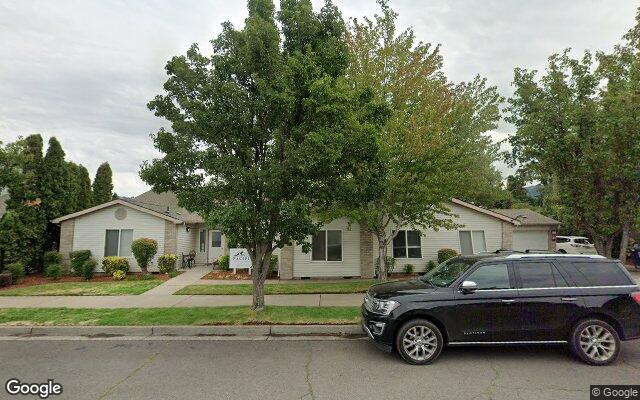
A medium home, reviewed on public record.
© Google Street View
Compared to 38 Oregon facilities with a similar number of beds.
ALF memory care · 36-month window. Higher percentile = better performance on inspection record. Source: Oregon Dept. of Human Services · Long-Term Care Licensing.
Rankings based on 36-month OR-DHS inspection data. Severity and frequency: fewer citations = higher percentile. Repeat rate: lower repeat citation share = higher percentile.
Citation history, plotted month by month.
35 deficiencies on record. Each bar is a month with a citation.
Finding distribution
35 total · 36 monthsScope × Severity (CMS A–L)
Every inspection visit, verbatim.
3 inspections in the public record, most recent first. Plain-language summaries open first — click into any row for the full citation text.
2025-07-11Annual Compliance VisitOR-cited · 2 findings
Plain-language summary
During a kitchen inspection on July 11, 2025, the facility was found to have failed to maintain a clean and sanitary kitchen in accordance with Oregon food sanitation rules, with food spills, debris, and dirt observed in cabinets, drawers, floors, and around the sink, and a leaking dishwasher and chipped cabinet paint requiring repair. The facility cleaned and repaired the identified areas between July 14 and July 16, 2025, and implemented weekly kitchen cleaning audits and monthly dishwasher checks to prevent future violations.
Read full citation text (2)Hide full citation text
“Based on observation and interview, it was determined the facility failed to follow licensing rules for Residential Care and Assisted Living Facilities. Findings include, but are not limited to: Refer to C 240. Refer to C240 OAR 411-057-0140(2) Administration Compliance (2) The licensee of a memory care community must comply with both the licensing rules for the facility and Chapter 411, Division 57. This Rule is not met as evidenced by:”
“Based on observation and interview, it was determined the facility failed to ensure the kitchen was clean and in good repair, in accordance with the Food Sanitation Rules OAR 333-150-000. Findings include, but are not limited to: On 07/11/25 at 10:00 am, the facility kitchen was observed to need cleaning and repair in the following areas: a. Food spills, splatters, debris, dirt and black matter was observed on or underneath the following: * Interior and exterior of numerous cabinets and drawers; * Floor between stove and cabinet; and * Perimeter of sink between basin and counter. b. The following areas needed repair: * The dish machine, when in use, was leaking water onto the floor. A towel was placed on the floor next to the machine to catch the dripping water; and * Several cabinet doors had chipped or worn-off paint in several areas. The areas which required cleaning and repair were observed and discussed with Staff 1 (Assistant Administrator) on 07/11/25. The findings were acknowledged. 1A.Deep clean of kitchen cabinets/drawers and floors completed on 7/15/2025 1B. Dishwasher 1 was repaired on 7/14/2025. Dishwasher 2 waiting on part to arrive will be fixed by 7/30/2025. Touch up paint completed 7/16/2025. 2A.Deep cleans of kitchen cabinets/drawers/floors to be done on Noc shift every Tuesday. Audit will be completed on Wednesdays. 2B. Dishwashers will be checked for aeras of concerns monthly. Touch up paint will be done quarterly. 3A. Weekly 3B. monthly dishwasher checks, quarterly touch up paint 4A. Care staff/Executive Director 4B. Maintenance/Executive Director OAR 411-054-0030 (1)(a) Resident Services Meals, Food Sanitation Rule (1) The residential care or assisted living facility must provide a minimum scope of services as follows: (a) Three daily nutritious, palatable meals with snacks available seven days a week, in accordance with the recommended dietary allowances found in the United States Department of Agriculture (USDA) guidelines, including seasonal fresh fruit and fresh vegetables; (A) Modified special diets that are appropriate to residents' needs and choices. The facility must encourage residents' involvement in developing menus. (B) Menus must be prepared at least one week in advance, and must be made available to all residents. Meal substitutions must be of similar nutritional value if a resident refuses a food that is served. Residents must be informed in advance of menu changes. (C) Food must be prepared and served in accordance with OAR 333-150-0000 (Food Sanitation Rules). This Rule is not met as evidenced by:”
Read raw inspector notesClose inspector notes
Based on observation and interview, it was determined the facility failed to ensure the kitchen was clean and in good repair, in accordance with the Food Sanitation Rules OAR 333-150-000. Findings include, but are not limited to: On 07/11/25 at 10:00 am, the facility kitchen was observed to need cleaning and repair in the following areas: a. Food spills, splatters, debris, dirt and black matter was observed on or underneath the following: * Interior and exterior of numerous cabinets and drawers; * Floor between stove and cabinet; and * Perimeter of sink between basin and counter. b. The following areas needed repair: * The dish machine, when in use, was leaking water onto the floor. A towel was placed on the floor next to the machine to catch the dripping water; and * Several cabinet doors had chipped or worn-off paint in several areas. The areas which required cleaning and repair were observed and discussed with Staff 1 (Assistant Administrator) on 07/11/25. The findings were acknowledged. 1A.Deep clean of kitchen cabinets/drawers and floors completed on 7/15/2025 1B. Dishwasher 1 was repaired on 7/14/2025. Dishwasher 2 waiting on part to arrive will be fixed by 7/30/2025. Touch up paint completed 7/16/2025. 2A.Deep cleans of kitchen cabinets/drawers/floors to be done on Noc shift every Tuesday. Audit will be completed on Wednesdays. 2B. Dishwashers will be checked for aeras of concerns monthly. Touch up paint will be done quarterly. 3A. Weekly 3B. monthly dishwasher checks, quarterly touch up paint 4A. Care staff/Executive Director 4B. Maintenance/Executive Director OAR 411-054-0030 (1)(a) Resident Services Meals, Food Sanitation Rule (1) The residential care or assisted living facility must provide a minimum scope of services as follows: (a) Three daily nutritious, palatable meals with snacks available seven days a week, in accordance with the recommended dietary allowances found in the United States Department of Agriculture (USDA) guidelines, including seasonal fresh fruit and fresh vegetables; (A) Modified special diets that are appropriate to residents' needs and choices. The facility must encourage residents' involvement in developing menus. (B) Menus must be prepared at least one week in advance, and must be made available to all residents. Meal substitutions must be of similar nutritional value if a resident refuses a food that is served. Residents must be informed in advance of menu changes. (C) Food must be prepared and served in accordance with OAR 333-150-0000 (Food Sanitation Rules). This Rule is not met as evidenced by: Based on observation and interview, it was determined the facility failed to follow licensing rules for Residential Care and Assisted Living Facilities. Findings include, but are not limited to: Refer to C 240. Refer to C240 OAR 411-057-0140(2) Administration Compliance (2) The licensee of a memory care community must comply with both the licensing rules for the facility and Chapter 411, Division 57. This Rule is not met as evidenced by:
2024-05-07Annual Compliance VisitOR-cited · 23 findings
Plain-language summary
A change of ownership validation survey was conducted May 7–9, 2024, followed by revisits on October 21–23, 2024, and December 26, 2024, to check compliance with Oregon regulations for residential care, assisted living, and memory care. By the final revisit on December 26, 2024, the facility was found to be in substantial compliance with all applicable regulations.
Read full citation text (23)Hide full citation text
“The findings of the change of ownership survey, conducted 05/07/24 through 05/09/24, are documented in this report. The survey was conducted to determine compliance with OARs 411 Division 54 for Residential Care and Assisted Living Facilities, OARs 411 Division 57 for Memory Care Communities and OARs 411 Division 004 for Home and Community Based Services Regulations. Tag numbers beginning with the letter C refer to the Residential Care and Assisted Living rules. Tag numbers beginning with the letter Z refer to the Memory Care Community rules. Abbreviations possibly used in this document: ADL: activities of daily living bid: twice a day CBG: capillary blood glucose or blood sugar CG: caregiver cm: centimeter ED: Executive Director F: Fahrenheit HH: Home Health LPN: Licensed Practical Nurse MA: Medication Aide MAR: Medication Administration Record MCC: Memory Care Community mg: milligram ml: milliliter MT: Medication Technician OT: Occupational Therapist PT: Physical Therapist PRN: as needed qd: every day or daily qid: four times a day QI: quality improvement RCC: Resident Care Coordinator RN: Registered Nurse TAR: Treatment Administration Record tid: three times a day The findings of the change of ownership survey, conducted 05/07/24 through 05/09/24, are documented in this report. The survey was conducted to determine compliance with OARs 411 Division 54 for Residential Care and Assisted Living Facilities, OARs 411 Division 57 for Memory Care Communities and OARs 411 Division 004 for Home and Community Based Services Regulations. Tag numbers beginning with the letter C refer to the Residential Care and Assisted Living rules. Tag numbers beginning with the letter Z refer to the Memory Care Community rules. Abbreviations possibly used in this document: ADL: activities of daily living bid: twice a day CBG: capillary blood glucose or blood sugar CG: caregiver cm: centimeter ED: Executive Director F: Fahrenheit HH: Home Health LPN: Licensed Practical Nurse MA: Medication Aide MAR: Medication Administration Record MCC: Memory Care Community mg: milligram ml: milliliter MT: Medication Technician OT: Occupational Therapist PT: Physical Therapist PRN: as needed qd: every day or daily qid: four times a day QI: quality improvement RCC: Resident Care Coordinator RN: Registered Nurse TAR: Treatment Administration Record tid: three times a day The findings of the first revisit to the Change of Ownership survey of 05/09/24, conducted 10/21/24 through 10/23/24, are documented in this report. The survey was conducted to determine compliance with the OARs 411 Division 54 for Residential Care and Assisted Living Facilities, OARs 411 Division 57 for Memory Care Communities, and OARs 411 Division 004 for Home and Community Based Services Regulations. Tag numbers beginning with the letter C refer to the Residential Care and Assisted Living Facilities rules. Tag numbers beginning with the letter Z refer to the Memory Care Community rules. Tag numbers beginning with the letter H refer to the Home and Community Based Services rules. Abbreviations possibly used in this document: ADL: activities of daily living bid: twice a day CBG: capillary blood glucose or blood sugar CG: caregiver cm: centimeter ED: Executive Director F: Fahrenheit HH: Home Health LPN: Licensed Practical Nurse MA: Medication Aide MAR: Medication Administration Record MCC: Memory Care Community mg: milligram ml: milliliter MT: Medication Technician OT: Occupational Therapist PT: Physical Therapist PRN: as needed qd: every day or daily qid: four times a day QI: quality improvement RCC: Resident Care Coordinator RN: Registered Nurse TAR: Treatment Administration Record tid: three times a day The findings of the first revisit to the Change of Ownership survey of 05/09/24, conducted 10/21/24 through 10/23/24, are documented in this report. The survey was conducted to determine compliance with the OARs 411 Division 54 for Residential Care and Assisted Living Facilities, OARs 411 Division 57 for Memory Care Communities, and OARs 411 Division 004 for Home and Community Based Services Regulations. Tag numbers beginning with the letter C refer to the Residential Care and Assisted Living Facilities rules. Tag numbers beginning with the letter Z refer to the Memory Care Community rules. Tag numbers beginning with the letter H refer to the Home and Community Based Services rules. Abbreviations possibly used in this document: ADL: activities of daily living bid: twice a day CBG: capillary blood glucose or blood sugar CG: caregiver cm: centimeter ED: Executive Director F: Fahrenheit HH: Home Health LPN: Licensed Practical Nurse MA: Medication Aide MAR: Medication Administration Record MCC: Memory Care Community mg: milligram ml: milliliter MT: Medication Technician OT: Occupational Therapist PT: Physical Therapist PRN: as needed qd: every day or daily qid: four times a day QI: quality improvement RCC: Resident Care Coordinator RN: Registered Nurse TAR: Treatment Administration Record tid: three times a day The findings of the second revisit to the Change of Ownership survey of 05/09/24, conducted on 12/26/24, are documented in this report. It was determined the facility was in substantial compliance with OARs 411 Division 54 for Residential Care and Assisted Living Facilities, OARs 411 Division 57 for Memory Care Communities and OARs 411 Division 004 for Home and Community Based Services Regulations. The findings of the second revisit to the Change of Ownership survey of 05/09/24, conducted on 12/26/24, are documented in this report. It was determined the facility was in substantial compliance with OARs 411 Division 54 for Residential Care and Assisted Living Facilities, OARs 411 Division 57 for Memory Care Communities and OARs 411 Division 004 for Home and Community Based Services Regulations.”
“Based on observation and interview, it was determined the facility failed to ensure required postings were in a routinely accessible and conspicuous location to residents and visitors. Findings include, but are not limited to: The facility was toured at 11:00 am on 05/07/24. The following were not in an accessible or conspicuous location: * Facility license; and * A copy of the most recent re-licensure survey, including all revisits and plans of correction. During an interview at 11:21 am on 05/09/24, Witness 1 stated s/he had asked several staff for a copy of the last survey and they stated there was none available. The need to ensure required postings were in a routinely accessible and conspicuous location to residents and visitors was discussed with Staff 1 (Administrator) and Staff 2 (Regional Director of Operations) on 05/09/24. They acknowledged the findings. Based on observation and interview, it was determined the facility failed to ensure required postings were in a routinely accessible and conspicuous location to residents and visitors. Findings include, but are not limited to: The facility was toured at 11:00 am on 05/07/24. The following were not in an accessible or conspicuous location: * Facility license; and * A copy of the most recent re-licensure survey, including all revisits and plans of correction. During an interview at 11:21 am on 05/09/24, Witness 1 stated s/he had asked several staff for a copy of the last survey and they stated there was none available. The need to ensure required postings were in a routinely accessible and conspicuous location to residents and visitors was discussed with Staff 1 (Administrator) and Staff 2 (Regional Director of Operations) on 05/09/24. They acknowledged the findings.”
“Based on observation, interview and record review, it was determined the facility failed to ensure the kitchen was clean and maintained in accordance with the Food Sanitation Rules OAR 333-150-000. Findings include, but are not limited to: a. On 05/08/24 at 10:08 am, the facility's kitchen was observed to need cleaning in the following areas: * Dirt and dust build-up on and surrounding baseboard next to the oven area; * The reach in refrigerators and freezers had spillage, debris and crumbs on the bottom shelves; * Stove oven had black matter on the bottom; * The caulking around the kitchen sink had black stains; * The interior of microwave had dried food splatter; * Utensil tray, pans, and equipment in drawers and cabinets had loose dirt and were greasy to the touch; and * Sticky residue on exterior drawers and cabinets. b. On 05/08/24 at 10:08 am, the facility's kitchen was observed to need repair in the following areas: * Exterior drawers and cabinets doors had chipped paint; * The wood shelves in the dry food storage area had worn on the edge, exposing raw wood materials; and * Both wood doors into/out of the kitchen had chipped paint. c. On 05/08/24 at 10:08 am, the facility's kitchen was observed to need infection prevention in the following areas: * There were no thermometers in or outside of the two free-standing refrigerators; * There were no labels or dates on open food containers including ready to eat fruits and feta cheese in the refrigerator next to the hallway; * There were no labels or dates on open cereal boxes in the dry food storage area; * Staff 7 (Universal Worker) was observed preparing meals without her waist-length hair pulled back. The surveyor requested Staff 7 tie back her hair during the observation; * There were tablets for sanitizing pots but there were no test strips to check proper level of sanitation; and * Staff 3 (Universal Worker), Staff 6 (Universal Worker), and Staff 7, who prepared and served meals to the residents as part of their job duties, had no documented evidence of food handler cards. The areas requiring cleaning, repair, and infection prevention were discussed with Staff 1 (Administrator) and Staff 2 (Regional Director of Operations) on 05/09/24. They both acknowledged the findings. Based on observation, interview and record review, it was determined the facility failed to ensure the kitchen was clean and maintained in accordance with the Food Sanitation Rules OAR 333-150-000. Findings include, but are not limited to: a. On 05/08/24 at 10:08 am, the facility's kitchen was observed to need cleaning in the following areas: * Dirt and dust build-up on and surrounding baseboard next to the oven area; * The reach in refrigerators and freezers had spillage, debris and crumbs on the bottom shelves; * Stove oven had black matter on the bottom; * The caulking around the kitchen sink had black stains; * The interior of microwave had dried food splatter; * Utensil tray, pans, and equipment in drawers and cabinets had loose dirt and were greasy to the touch; and * Sticky residue on exterior drawers and cabinets. b. On 05/08/24 at 10:08 am, the facility's kitchen was observed to need repair in the following areas: * Exterior drawers and cabinets doors had chipped paint; * The wood shelves in the dry food storage area had worn on the edge, exposing raw wood materials; and * Both wood doors into/out of the kitchen had chipped paint. c. On 05/08/24 at 10:08 am, the facility's kitchen was observed to need infection prevention in the following areas: * There were no thermometers in or outside of the two free-standing refrigerators; * There were no labels or dates on open food containers including ready to eat fruits and feta cheese in the refrigerator next to the hallway; * There were no labels or dates on open cereal boxes in the dry food storage area; * Staff 7 (Universal Worker) was observed preparing meals without her waist-length hair pulled back. The surveyor requested Staff 7 tie back her hair during the observation; * There were tablets for sanitizing pots but there were no test strips to check proper level of sanitation; and * Staff 3 (Universal Worker), Staff 6 (Universal Worker), and Staff 7, who prepared and served meals to the residents as part of their job duties, had no documented evidence of food handler cards. The areas requiring cleaning, repair, and infection prevention were discussed with Staff 1 (Administrator) and Staff 2 (Regional Director of Operations) on 05/09/24. They both acknowledged the findings.”
“Based on observation, interview and record review, it was determined the facility failed to ensure service plans were reflective of residents' care needs, included a written description of who shall provide the services and what, when, how, and how often the services shall be provided, and was implemented for 2 of 2 sampled residents (#s 1 and 2) whose service plans were reviewed. Findings include, but are not limited to: 1. Resident 1 was admitted into the facility in 06/2007 with diagnoses including traumatic brain injury with significant cognitive impairment. The resident's current service plan dated 05/06/24 was reviewed, observations were made, and interviews with caregivers were conducted between 05/07/24 and 05/09/24. Resident 1's service plan was not reflective, and did not provide clear direction to staff including how often services shall be provided in the following areas: * Conflicting information in amount of assistance needed for restroom use, shower, and dressing; * Assistance needed for personal hygiene and grooming; * Incontinence care status including how often the service shall be provided; * Activity status including how often the service shall be provided; * Mobility status including use of devices; and * Fall interventions. The need to ensure service plans were reflective of the identified needs of the resident and provided clear direction to staff including how often services shall be provided was discussed with Staff 1 (Administrator) and Staff 2 (Regional Director of Operations) on 05/09/24. The findings were acknowledged. Based on observation, interview and record review, it was determined the facility failed to ensure service plans were reflective of residents' care needs, included a written description of who shall provide the services and what, when, how, and how often the services shall be provided, and was implemented for 2 of 2 sampled residents (#s 1 and 2) whose service plans were reviewed. Findings include, but are not limited to:”
“Based on observation, interview, and record review, it was determined the facility failed to ensure short term changes of condition had actions or interventions determined and communicated to staff on each shift, and the conditions monitored with weekly progress noted until resolution for 2 of 2 sampled residents (#1 and 2) who experienced short term changes of condition. Findings include, but are not limited to: 1. Resident 1 was admitted into the facility in 06/2007 with diagnoses including traumatic brain injury with significant cognitive impairment. a. Review of the 02/07/24 through 05/07/24 progress notes, 05/06/24 service plan, weight records dated 08/2023 thru 05/03/24, and Temporary Service Plans (TSP's) revealed Resident 1 experienced the following short-term changes of condition: * 02/25/24 - Missed medications (Celexa for depression and Lipitor for high cholesterol); * 04/04/24 - Emergency room visit due to left lower leg pain and limping; * 05/03/24 - Weight loss of 4.6 pounds or 3.37 % of his/her body weight between 04/15/24 and 05/03/24. The facility lacked documented evidence actions or interventions were developed and communicated to staff on each shift, and changes of condition were monitored, with progress noted at least weekly through resolution. The need to ensure each of Resident 1's short term changes of condition had interventions developed, communicated to staff on each shift, and the conditions were monitored with progress noted at least weekly through resolution was discussed with Staff 1 (Administrator) and Staff 2 (Regional Director of Operations) on 05/09/24. They acknowledged the findings. Based on observation, interview, and record review, it was determined the facility failed to ensure short term changes of condition had actions or interventions determined and communicated to staff on each shift, and the conditions monitored with weekly progress noted until resolution for 2 of 2 sampled residents (#1 and 2) who experienced short term changes of condition. Findings include, but are not limited to:”
“Based on observation, interview, and record review, it was determined the facility failed to ensure an RN completed a significant change of condition assessment, including findings, resident status, and interventions made as a result of the assessment for 2 of 2 sampled residents (#s 1 and 4) who experienced significant changes of condition. Findings include, but are not limited to: 1. Resident 1 was admitted into the facility in 06/2007 with diagnoses including traumatic brain injury with significant cognitive impairment. During the entrance acuity interview on 05/07/24, the resident was identified to have a foot fracture and required staff assistance for transfers. A review of the resident's clinical record, including chart notes dated 02/07/24 through 05/07/24, temporary service plans (TSPs) was completed, and interviews with staff were conducted during the survey and identified the following: * 04/04/24 - Emergency room visit due to left lower leg pain and limping; and * 04/10/24 - Alert for left foot fracture. During an interview on 05/08/24 at approximately 12:43 pm, Staff 7 (Universal Worker) reported the resident had an overall decline in status after the foot fracture in the following areas: * The resident ambulated independently using a walker before the foot fracture, but now required a wheelchair and staff assistance for ambulation; and * The resident was independent with incontinence care prior to the foot fracture but now required staff assistance. The decline in functional status represented a significant change of condition and required an RN assessment. On 05/09/24, Staff 2 (Regional Director of Operations) confirmed no significant change of condition assessment had been completed by an RN, including findings, resident status, and interventions made as a result of the assessment. The need to ensure an RN assessed all significant changes of condition, including findings, resident status and interventions made as a result of the assessment was discussed with Staff 1 (Administrator) and Staff 2 on 05/09/24. They acknowledged the findings. 2. Resident 4 was admitted into the facility in 05/2023 with diagnoses including Parkinson's disease. A review of the resident's clinical record, including weight records, dated 08/21/23 through 05/03/24, was completed, and interviews with staff were conducted during the survey and identified the following: * 09/01/23 - 151.0 pounds; * 01/10/24 - 176.7 pounds; and * 03/05/24 - 170.6 pounds. From 09/2023 to 01/2024, Resident 4 had gained 25.7 pounds or 17.01 % of his/her body weight, which constituted a significant change of condition requiring an RN assessment. There was no documented evidence an RN conducted an assessment of the resident's significant weight gain which included findings, a description of resident status, and interventions made as a result of the assessment. On 05/09/24, the need to ensure the facility RN completed an assessment for the significant change of condition was discussed with Staff 1 (Administrator) and Staff 2 (Regional Director of Operations). They acknowledged the findings. Based on observation, interview, and record review, it was determined the facility failed to ensure an RN completed a significant change of condition assessment, including findings, resident status, and interventions made as a result of the assessment for 2 of 2 sampled residents (#s 1 and 4) who experienced significant changes of condition. Findings include, but are not limited to:”
“Based on interview and record review, it was determined the facility failed to ensure delegation and supervision of special tasks of nursing care was completed in accordance with Oregon State Board of Nursing (OSBN) Division 47 rules, for 1 of 1 sampled resident (# 5) who received insulin injections by unlicensed facility staff. Findings include, but are not limited to: According to OSBN Division 47 Administrative Rules, delegation means an RN authorizes an unlicensed person to perform tasks of nursing care and indicates the authorization in writing. The delegation process includes nursing assessment of the client in a specific situation, evaluation of the ability of the unlicensed persons, teaching the task, and observing the staff demonstrate the task. During the acuity interview on 05/07/24, Resident 5 was the only resident identified to receive insulin injections from staff. Resident 5's MARs, dated 04/01/24 through 05/08/24, were reviewed and revealed insulin had been given by Staff 9 (Universal Worker) and Staff 10 (Universal Worker) on multiple occasions. Delegation records for Resident 5 were reviewed on 05/09/24 and revealed the following: * Staff 9 signed the MAR on 04/01/24, 04/02/24, and 04/06/24 which indicated she administered insulin injections to Resident 5. However, Staff 9's delegation record indicated Staff 9's initial delegation was completed on 04/16/24; and * There was no documented evidence Staff 10 was delegated for the insulin administration including the staff's skills, abilities, and willingness for the delegation tasks. The need to ensure unlicensed staff who administered insulin injections were delegated in accordance with OSBN Division 47 Rules was discussed with Staff 1 (Administrator) and Staff 2 (Regional Director of Operations) on 05/09/24. They acknowledged the findings. Based on interview and record review, it was determined the facility failed to ensure delegation and supervision of special tasks of nursing care was completed in accordance with Oregon State Board of Nursing (OSBN) Division 47 rules, for 1 of 1 sampled resident (# 5) who received insulin injections by unlicensed facility staff. Findings include, but are not limited to: According to OSBN Division 47 Administrative Rules, delegation means an RN authorizes an unlicensed person to perform tasks of nursing care and indicates the authorization in writing. The delegation process includes nursing assessment of the client in a specific situation, evaluation of the ability of the unlicensed persons, teaching the task, and observing the staff demonstrate the task. During the acuity interview on 05/07/24, Resident 5 was the only resident identified to receive insulin injections from staff. Resident 5's MARs, dated 04/01/24 through 05/08/24, were reviewed and revealed insulin had been given by Staff 9 (Universal Worker) and Staff 10 (Universal Worker) on multiple occasions. Delegation records for Resident 5 were reviewed on 05/09/24 and revealed the following: * Staff 9 signed the MAR on 04/01/24, 04/02/24, and 04/06/24 which indicated she administered insulin injections to Resident 5. However, Staff 9's delegation record indicated Staff 9's initial delegation was completed on 04/16/24; and * There was no documented evidence Staff 10 was delegated for the insulin administration including the staff's skills, abilities, and willingness for the delegation tasks. The need to ensure unlicensed staff who administered insulin injections were delegated in accordance with OSBN Division 47 Rules was discussed with Staff 1 (Administrator) and Staff 2 (Regional Director of Operations) on 05/09/24. They acknowledged the findings.”
“Based on observation and interview, it was determined the facility failed to maintain infection prevention and control protocols for 2 of 2 sampled residents (#s 1 and 2) who received ADL care. Findings include, but are not limited to: 1. Resident 2 was admitted to the facility in 10/2023 with diagnoses including dementia and was identified in the acuity interview as needing assistance with toileting and incontinence care from staff. Staff 7 (Universal Worker) was observed providing toileting and incontinence care to the resident at 2:06 pm on 05/07/24. Staff 7 had been providing meal service to multiple residents. She donned gloves without first performing hand hygiene. She escorted Resident 2 via wheelchair to his/her room. She assisted the resident with pulling down pants and removing a urine-soaked brief. She placed the brief directly on the floor of the bathroom. Staff 7 then provided pericare without first doffing soiled gloves, performing hand hygiene, and donning clean gloves. She applied a clean brief with the same soiled gloves and assisted the resident with pulling his/her pants up. Staff 7 wet a washcloth and assisted the resident with wiping his/her hands, still wearing the same soiled gloves. She then assisted the resident into bed wearing the same soiled gloves. Staff 7 picked up the soiled brief and took it to the laundry room where she deposited it in the garbage and removed the gloves. Without performing hand hygiene, she went to the kitchen and opened a drawer, then moved to the med cart, and finally opened the front door of the facility. The need to ensure the facility maintained infection prevention and control protocols was discussed with Staff 1 (Administrator) and Staff 2 (Regional Director of Operations). They acknowledged the findings. Based on observation and interview, it was determined the facility failed to maintain infection prevention and control protocols for 2 of 2 sampled residents (#s 1 and 2) who received ADL care. Findings include, but are not limited to:”
“Based on interview and record review, it was determined the facility failed to ensure a safe medication and treatment system. Findings include, but are not limited to: During the change of ownership licensure survey conducted 05/07/24 through 05/09/24, the facility failed to ensure a safe medication and treatment system, and administrative oversight was found to be ineffective based on deficiencies in the following areas: C 282: RN Delegation and Teaching; C 303: Systems: Medication and Treatment Orders; C 315: Systems: Treatment Administration; C 325: Systems: Self administration of medications; and Z 155: Staff Training Requirements. The need to ensure a safe medication and treatment system was discussed with Staff 1 (Administrator) and Staff 2 (Regional Director of Operations) on 05/09/24. They acknowledged the findings. Based on interview and record review, it was determined the facility failed to ensure a safe medication and treatment system. Findings include, but are not limited to: During the change of ownership licensure survey conducted 05/07/24 through 05/09/24, the facility failed to ensure a safe medication and treatment system, and administrative oversight was found to be ineffective based on deficiencies in the following areas: C 282: RN Delegation and Teaching; C 303: Systems: Medication and Treatment Orders; C 315: Systems: Treatment Administration; C 325: Systems: Self administration of medications; and Z 155: Staff Training Requirements. The need to ensure a safe medication and treatment system was discussed with Staff 1 (Administrator) and Staff 2 (Regional Director of Operations) on 05/09/24. They acknowledged the findings.”
“Based on interview and record review, it was determined the facility failed to ensure medication orders were carried out as prescribed for 1 of 2 sampled residents (# 2) who had medications administered by the facility. Findings include, but are not limited to: Resident 2 was admitted to the facility with diagnoses including dementia. The resident's 04/01/24 to 05/07/24 MARs, 10/2023 physician orders, and 04/01/24 to 05/07/24 "Bowel Documentation" logs were reviewed, and the following was identified: The resident had an order for polyethylene glycol (for constipation), to be administered as needed after two days without a bowel movement. Day shift staff documented no bowel movement on 04/13/24, and a large bowel movement on 04/14/24 on the "Bowel Documentation" log. On 04/15/24, staff administered the polyethylene glycol. During an interview at 3:08 pm on 05/08/24, Staff 2 (Regional Director of Operations) acknowledged the medication was given in error. No further information was provided. The need to ensure medication orders were carried out as prescribed was discussed with Staff 1 (Administrator) and Staff 2. They acknowledged the findings. Based on interview and record review, it was determined the facility failed to ensure medication orders were carried out as prescribed for 1 of 2 sampled residents (# 2) who had medications administered by the facility. Findings include, but are not limited to: Resident 2 was admitted to the facility with diagnoses including dementia. The resident's 04/01/24 to 05/07/24 MARs, 10/2023 physician orders, and 04/01/24 to 05/07/24 "Bowel Documentation" logs were reviewed, and the following was identified: The resident had an order for polyethylene glycol (for constipation), to be administered as needed after two days without a bowel movement. Day shift staff documented no bowel movement on 04/13/24, and a large bowel movement on 04/14/24 on the "Bowel Documentation" log. On 04/15/24, staff administered the polyethylene glycol. During an interview at 3:08 pm on 05/08/24, Staff 2 (Regional Director of Operations) acknowledged the medication was given in error. No further information was provided. The need to ensure medication orders were carried out as prescribed was discussed with Staff 1 (Administrator) and Staff 2. They acknowledged the findings.”
“Based on interview and record review, it was determined the facility failed to ensure the physician or other legally recognized prescriber was notified when a resident refused to consent to a medication or treatment order for 2 of 2 sampled residents (#s 1 and 2) who had medications and treatments administered by the facility. Findings include, but are not limited to: 1. Resident 2 was admitted the facility in 10/2023 with diagnoses including dementia. The resident's 04/01/24 to 05/07/24 MARs and progress notes were reviewed, and the following was identified: Staff documented the resident refused the following medications and treatments: * Prevident (for dry mouth), on four occasions between 04/04/24 and 04/24/24; and * Naproxen (for pain), on one occasion on 04/11/24. There was no documented evidence staff notified the prescriber of the above refusals. The need to ensure the physician or other practitioner was notified if a resident refused consent to an order was discussed with Staff 1 (Administrator) and Staff 2 (Regional Director of Operations) on 05/09/24. They acknowledged the findings, and no further information was provided. Based on interview and record review, it was determined the facility failed to ensure the physician or other legally recognized prescriber was notified when a resident refused to consent to a medication or treatment order for 2 of 2 sampled residents (#s 1 and 2) who had medications and treatments administered by the facility. Findings include, but are not limited to:”
“Based on interview and record review, it was determined the facility failed to ensure treatment records were accurate, including resident-specific parameters for PRN treatments for 1 of 2 sampled residents (# 1) whose treatment records were reviewed. Findings include, but are not limited to: Resident 1 moved into the facility in 06/2007 with diagnoses including traumatic brain injury with significant cognitive impairment. Resident 1's 03/01/24 through 04/30/24 treatment record was reviewed, and the following PRN treatment lacked clear parameters for administration: * Baza protect cream for incontinence; and * Calmoseptine for incontinence. The need to ensure treatment records included resident specific parameters and instructions for PRN treatment was discussed with Staff 1 (Administrator) and Staff 2 (Regional Director of Operations) on 05/09/24. They acknowledged the findings. Based on interview and record review, it was determined the facility failed to ensure treatment records were accurate, including resident-specific parameters for PRN treatments for 1 of 2 sampled residents (# 1) whose treatment records were reviewed. Findings include, but are not limited to: Resident 1 moved into the facility in 06/2007 with diagnoses including traumatic brain injury with significant cognitive impairment. Resident 1's 03/01/24 through 04/30/24 treatment record was reviewed, and the following PRN treatment lacked clear parameters for administration: * Baza protect cream for incontinence; and * Calmoseptine for incontinence. The need to ensure treatment records included resident specific parameters and instructions for PRN treatment was discussed with Staff 1 (Administrator) and Staff 2 (Regional Director of Operations) on 05/09/24. They acknowledged the findings.”
“Based on observation, interview and record review, it was determined the facility failed to obtain a physician's or other legally recognized practitioner's written order of approval for self-administration of prescription medications for 1 of 1 sampled resident (# 4) who self-administered medications. Findings include, but are not limited to: Resident 4 was admitted into the facility in 05/2023 with diagnoses including Parkinson's disease. During the acuity interview on 05/07/24, the resident was identified to manage self administration of his/her medications. On 05/08/24 at approximately 9:18 am, three pill boxes were observed in Resident 4's room in the secured storage area. Resident 4 reported s/he took his/her medications four times daily. A review of the clinical record revealed there were no physician orders for self administration of the medications. On 05/08/24 at 2:01 pm, Staff 2 (Regional Director of Operations) confirmed there was no signed physician order for the self administration of all medications. The failure to obtain physician's orders for Resident 4 to self-administer medications was discussed with Staff 1 (Administrator) and Staff 2. They acknowledged the findings. Based on observation, interview and record review, it was determined the facility failed to obtain a physician's or other legally recognized practitioner's written order of approval for self-administration of prescription medications for 1 of 1 sampled resident (# 4) who self-administered medications. Findings include, but are not limited to: Resident 4 was admitted into the facility in 05/2023 with diagnoses including Parkinson's disease. During the acuity interview on 05/07/24, the resident was identified to manage self administration of his/her medications. On 05/08/24 at approximately 9:18 am, three pill boxes were observed in Resident 4's room in the secured storage area. Resident 4 reported s/he took his/her medications four times daily. A review of the clinical record revealed there were no physician orders for self administration of the medications. On 05/08/24 at 2:01 pm, Staff 2 (Regional Director of Operations) confirmed there was no signed physician order for the self administration of all medications. The failure to obtain physician's orders for Resident 4 to self-administer medications was discussed with Staff 1 (Administrator) and Staff 2. They acknowledged the findings.”
“Based on interview and record review, it was determined the facility failed to ensure 1 of 1 newly hired staff (# 3) demonstrated satisfactory performance in first aid and abdominal thrust within 30 days of hire. Findings include, but are not limited to: Training records for Staff 3 (Universal Worker), hired 03/15/24, were requested at 9:15 am on 05/08/24. During an interview at 2:00 pm on 05/08/24, Staff 2 (Regional Director of Operations) stated she was unable to locate Staff 3's training files. The need to ensure documented evidence that staff demonstrated satisfactory performance in first aid and abdominal thrust training was discussed with Staff 1 (Administrator) and Staff 2. They acknowledged the findings. Based on interview and record review, it was determined the facility failed to ensure 1 of 1 newly hired staff (# 3) demonstrated satisfactory performance in first aid and abdominal thrust within 30 days of hire. Findings include, but are not limited to: Training records for Staff 3 (Universal Worker), hired 03/15/24, were requested at 9:15 am on 05/08/24. During an interview at 2:00 pm on 05/08/24, Staff 2 (Regional Director of Operations) stated she was unable to locate Staff 3's training files. The need to ensure documented evidence that staff demonstrated satisfactory performance in first aid and abdominal thrust training was discussed with Staff 1 (Administrator) and Staff 2. They acknowledged the findings.”
“Based on interview and record review, it was determined the facility failed to ensure staff received fire and life safety training on alternate months from fire drills. Findings include, but are not limited to: Six months of fire and life safety records were requested at 10:45 am on 05/07/24. During an interview at 10:30 am on 05/08/24, Staff 2 (Regional Director of Operations) stated fire and life safety training to staff had not been conducted in the facility; therefore, there was no documentation to review. The need to ensure staff received fire and life safety training on alternate months from fire drills was discussed with Staff 1 (Administrator) and Staff 2 on 05/09/24. They acknowledged the findings. Based on interview and record review, it was determined the facility failed to ensure staff received fire and life safety training on alternate months from fire drills. Findings include, but are not limited to: Six months of fire and life safety records were requested at 10:45 am on 05/07/24. During an interview at 10:30 am on 05/08/24, Staff 2 (Regional Director of Operations) stated fire and life safety training to staff had not been conducted in the facility; therefore, there was no documentation to review. The need to ensure staff received fire and life safety training on alternate months from fire drills was discussed with Staff 1 (Administrator) and Staff 2 on 05/09/24. They acknowledged the findings.”
“Based on interview and record review, it was determined the facility failed to ensure 2 of 3 newly hired staff (#s 3 and 5) completed all preservice orientation training and 1 of 1 newly hired staff (#3) demonstrated satisfactory performance in any duty they were assigned within the first 30 days of hire. Findings include, but are not limited to: Staff training records were reviewed with Staff 2 (Regional Director of Operations) at 2:00 pm on 05/08/24. The following was identified: a. There was no documented evidence Staff 3 (Universal Worker), hired 03/15/24, and Staff 5 (Maintenance), hired 04/10/24, completed required preservice orientation training prior to beginning job duties in one or more of the following: * Infectious disease prevention; * Preservice dementia care; and * Home and Community-Based Services. b. There was no documented evidence Staff 3 demonstrated satisfactory performance in assigned job duties within 30 days of hire in the following areas: * Role of service plans; * Providing assistance with ADLs; * Changes associated with normal aging; * Identifying, documentation, and reporting changes of condition; * Conditions that require assessment, treatment, observation, and reporting; * General food safety, serving, and sanitation; and * Medication and treatment administration. At 2:00 pm on 05/08/24, survey requested Staff 3 complete medication and treatment administration demonstration prior to administering medications and treatments, and confirmation was received prior to survey exit. The need to ensure staff complete all preservice orientation training prior to beginning job duties and staff demonstrate competency in any duty they are assigned within the first 30 days of hire was discussed with Staff 1 (Administrator) and Staff 2 on 05/09/24. They acknowledged the findings. Based on interview and record review, it was determined the facility failed to ensure 2 of 3 newly hired staff (#s 3 and 5) completed all preservice orientation training and 1 of 1 newly hired staff (#3) demonstrated satisfactory performance in any duty they were assigned within the first 30 days of hire. Findings include, but are not limited to: Staff training records were reviewed with Staff 2 (Regional Director of Operations) at 2:00 pm on 05/08/24. The following was identified: a. There was no documented evidence Staff 3 (Universal Worker), hired 03/15/24, and Staff 5 (Maintenance), hired 04/10/24, completed required preservice orientation training prior to beginning job duties in one or more of the following: * Infectious disease prevention; * Preservice dementia care; and * Home and Community-Based Services. b. There was no documented evidence Staff 3 demonstrated satisfactory performance in assigned job duties within 30 days of hire in the following areas: * Role of service plans; * Providing assistance with ADLs; * Changes associated with normal aging; * Identifying, documentation, and reporting changes of condition; * Conditions that require assessment, treatment, observation, and reporting; * General food safety, serving, and sanitation; and * Medication and treatment administration. At 2:00 pm on 05/08/24, survey requested Staff 3 complete medication and treatment administration demonstration prior to administering medications and treatments, and confirmation was received prior to survey exit. The need to ensure staff complete all preservice orientation training prior to beginning job duties and staff demonstrate competency in any duty they are assigned within the first 30 days of hire was discussed with Staff 1 (Administrator) and Staff 2 on 05/09/24. They acknowledged the findings.”
“Based on observation and interview, it was determined the facility failed to maintain the interior in clean and good repair. Findings include, but are not limited to: The facility was toured at 11:18 am on 05/07/24 and the following was observed to need cleaning or repair: * Baseboards and door frames throughout the facility were scuffed with black marks, had chipped paint, or had gouges; * The windows in the common areas and resident rooms were dusty, grimy, and had brown splashes on them; * The walls throughout the facility, especially in the living room, had a buildup of dust; * The floor vent covers in resident rooms and common areas were dented and had a buildup of dust and dirt; * There was a defunct call system on the wall in Room 6 that had a 3-inch hole in it; * The wall to the left and right of the living room fireplace had black scuffs and chipped paint; and * The brown microfiber recliner, couch, and loveseat in the living room had dark stains on the headrests, arms, seats, and outer sides. The facility was toured with Staff 5 (Maintenance) at 1:30 pm on 05/08/24. He acknowledged the areas needing cleaning and/or repair. The need to ensure the interior of the facility was maintained clean and in good repair was discussed with Staff 1 (Administrator) and Staff 2 (Regional Director of Operations) on 05/09/24. They acknowledged the findings. Based on observation and interview, it was determined the facility failed to maintain the interior in clean and good repair. Findings include, but are not limited to: The facility was toured at 11:18 am on 05/07/24 and the following was observed to need cleaning or repair: * Baseboards and door frames throughout the facility were scuffed with black marks, had chipped paint, or had gouges; * The windows in the common areas and resident rooms were dusty, grimy, and had brown splashes on them; * The walls throughout the facility, especially in the living room, had a buildup of dust; * The floor vent covers in resident rooms and common areas were dented and had a buildup of dust and dirt; * There was a defunct call system on the wall in Room 6 that had a 3-inch hole in it; * The wall to the left and right of the living room fireplace had black scuffs and chipped paint; and * The brown microfiber recliner, couch, and loveseat in the living room had dark stains on the headrests, arms, seats, and outer sides. The facility was toured with Staff 5 (Maintenance) at 1:30 pm on 05/08/24. He acknowledged the areas needing cleaning and/or repair. The need to ensure the interior of the facility was maintained clean and in good repair was discussed with Staff 1 (Administrator) and Staff 2 (Regional Director of Operations) on 05/09/24. They acknowledged the findings.”
“Based on observation and interview, it was determined the facility failed to ensure an exit door alarm or other acceptable system for security purposes and to alert staff when residents exited the building. Findings include, but are not limited to: The interior and exterior of the facility was toured at 11:17 am on 05/07/24 and the following was identified: The exit door to the courtyard lacked an alarm to alert staff when residents exited. During an interview at 1:30 pm on 05/08/24, Staff 5 (Maintenance) stated he was unaware an alarm was required on the exit door to the courtyard. The need to ensure an exit door alarm or other acceptable system for security purposes and to alert staff when residents exited the building was discussed with Staff 1 (Administrator) and Staff 2 (Regional Director of Operations) on 05/09/24. They acknowledged the findings. Based on observation and interview, it was determined the facility failed to ensure an exit door alarm or other acceptable system for security purposes and to alert staff when residents exited the building. Findings include, but are not limited to: The interior and exterior of the facility was toured at 11:17 am on 05/07/24 and the following was identified: The exit door to the courtyard lacked an alarm to alert staff when residents exited. During an interview at 1:30 pm on 05/08/24, Staff 5 (Maintenance) stated he was unaware an alarm was required on the exit door to the courtyard. The need to ensure an exit door alarm or other acceptable system for security purposes and to alert staff when residents exited the building was discussed with Staff 1 (Administrator) and Staff 2 (Regional Director of Operations) on 05/09/24. They acknowledged the findings.”
“Concerns were identified and technical assistance was provided for the following: H 1510: OAR411-004-0020 (1)(c): Individual Rights Settings: Privacy, Dignity (1) Residential and non-residential HCB settings must have all of the following qualities: (c) The setting ensures individual rights of privacy, dignity, respect, and freedom from coercion and restraint. Concerns were identified and technical assistance was provided for the following: H 1510: OAR411-004-0020 (1)(c): Individual Rights Settings: Privacy, Dignity (1) Residential and non-residential HCB settings must have all of the following qualities: (c) The setting ensures individual rights of privacy, dignity, respect, and freedom from coercion and restraint. There are no detail notes for this visit.”
“Concerns were identified and technical assistance was provided for the following: H 1517: OAR411-004-0020 (2)(d) Individual Privacy: Own Unit (2)(d) Provider owned, controlled, or operated residential settings must have all of the following qualities: Each individual has privacy in his or her own unit. Concerns were identified and technical assistance was provided for the following: H 1517: OAR411-004-0020 (2)(d) Individual Privacy: Own Unit (2)(d) Provider owned, controlled, or operated residential settings must have all of the following qualities: Each individual has privacy in his or her own unit. There are no detail notes for this visit.”
“Based on observation, interview and record review, it was determined the facility failed to provide effective administrative oversight over the operation of the Memory Care Community. Findings include, but are not limited to: The licensee is responsible for the operation of the MCC and the provision of person-directed care that promotes each resident's dignity, independence and comfort. This includes the supervision and overall conduct of the staff. During the change of ownership licensing survey, conducted 05/07/24 through 05/09/24, administrative oversight to ensure adequate resident care and services was found to be ineffective based on the number and scope of citations issued during the survey. Refer to deficiencies in the report. Based on observation, interview and record review, it was determined the facility failed to provide effective administrative oversight over the operation of the Memory Care Community. Findings include, but are not limited to: The licensee is responsible for the operation of the MCC and the provision of person-directed care that promotes each resident's dignity, independence and comfort. This includes the supervision and overall conduct of the staff. During the change of ownership licensing survey, conducted 05/07/24 through 05/09/24, administrative oversight to ensure adequate resident care and services was found to be ineffective based on the number and scope of citations issued during the survey. Refer to deficiencies in the report. Refer to above POC for each section Refer to above POC for each section There are no detail notes for this visit.”
“Based on observation, interview, and record review, it was determined the facility failed to follow licensing rules for Residential Care and Assisted Living Facilities. Findings include, but are not limited to: Refer to C 152, C 372, C 420, C 513, and C 555. Based on observation, interview, and record review, it was determined the facility failed to follow licensing rules for Residential Care and Assisted Living Facilities. Findings include, but are not limited to: Refer to C 152, C 372, C 420, C 513, and C 555. Refer to C 152, C 372, C 420, C 513, and C 555 Refer to C 152, C 372, C 420, C 513, and C 555 Based on interview and record review, it was determined the facility failed to follow licensing rules for Residential Care and Assisted Living Facilities. This is a repeat citation. Findings include, but are not limited to: Refer to C 372. Based on interview and record review, it was determined the facility failed to follow licensing rules for Residential Care and Assisted Living Facilities. This is a repeat citation. Findings include, but are not limited to: Refer to C 372. Refer to C 372. Refer to C 372. There are no detail notes for this visit.”
“Based on observation, interview, and record review, it was determined the facility failed to provide health care services in accordance with the licensing rules of the facility. Findings include, but are not limited to: Refer to C 260, C 270, C 280, C 282, C 295, C 300, C 303, C 305, C 315, and C 325. Based on observation, interview, and record review, it was determined the facility failed to provide health care services in accordance with the licensing rules of the facility. Findings include, but are not limited to: Refer to C 260, C 270, C 280, C 282, C 295, C 300, C 303, C 305, C 315, and C 325. Refer to C 260, C270, C 280, C 282, C 295, C 300, C 303, C 305, C 315, and C 325 Refer to C 260, C270, C 280, C 282, C 295, C 300, C 303, C 305, C 315, and C 325 Based on observation, interview, and record review, it was determined the facility failed to provide health care services in accordance with the licensing rules for Residential Care and Assisted Living Facilities. This is a repeat citation. Findings include, but are not limited to: Refer to C 270. Based on observation, interview, and record review, it was determined the facility failed to provide health care services in accordance with the licensing rules for Residential Care and Assisted Living Facilities. This is a repeat citation. Findings include, but are not limited to: Refer to C 270. Refer to C 270. Refer to C 270. There are no detail notes for this visit.”
Read raw inspector notesClose inspector notes
The findings of the change of ownership survey, conducted 05/07/24 through 05/09/24, are documented in this report. The survey was conducted to determine compliance with OARs 411 Division 54 for Residential Care and Assisted Living Facilities, OARs 411 Division 57 for Memory Care Communities and OARs 411 Division 004 for Home and Community Based Services Regulations. Tag numbers beginning with the letter C refer to the Residential Care and Assisted Living rules. Tag numbers beginning with the letter Z refer to the Memory Care Community rules. Abbreviations possibly used in this document: ADL: activities of daily living bid: twice a day CBG: capillary blood glucose or blood sugar CG: caregiver cm: centimeter ED: Executive Director F: Fahrenheit HH: Home Health LPN: Licensed Practical Nurse MA: Medication Aide MAR: Medication Administration Record MCC: Memory Care Community mg: milligram ml: milliliter MT: Medication Technician OT: Occupational Therapist PT: Physical Therapist PRN: as needed qd: every day or daily qid: four times a day QI: quality improvement RCC: Resident Care Coordinator RN: Registered Nurse TAR: Treatment Administration Record tid: three times a day The findings of the change of ownership survey, conducted 05/07/24 through 05/09/24, are documented in this report. The survey was conducted to determine compliance with OARs 411 Division 54 for Residential Care and Assisted Living Facilities, OARs 411 Division 57 for Memory Care Communities and OARs 411 Division 004 for Home and Community Based Services Regulations. Tag numbers beginning with the letter C refer to the Residential Care and Assisted Living rules. Tag numbers beginning with the letter Z refer to the Memory Care Community rules. Abbreviations possibly used in this document: ADL: activities of daily living bid: twice a day CBG: capillary blood glucose or blood sugar CG: caregiver cm: centimeter ED: Executive Director F: Fahrenheit HH: Home Health LPN: Licensed Practical Nurse MA: Medication Aide MAR: Medication Administration Record MCC: Memory Care Community mg: milligram ml: milliliter MT: Medication Technician OT: Occupational Therapist PT: Physical Therapist PRN: as needed qd: every day or daily qid: four times a day QI: quality improvement RCC: Resident Care Coordinator RN: Registered Nurse TAR: Treatment Administration Record tid: three times a day The findings of the first revisit to the Change of Ownership survey of 05/09/24, conducted 10/21/24 through 10/23/24, are documented in this report. The survey was conducted to determine compliance with the OARs 411 Division 54 for Residential Care and Assisted Living Facilities, OARs 411 Division 57 for Memory Care Communities, and OARs 411 Division 004 for Home and Community Based Services Regulations. Tag numbers beginning with the letter C refer to the Residential Care and Assisted Living Facilities rules. Tag numbers beginning with the letter Z refer to the Memory Care Community rules. Tag numbers beginning with the letter H refer to the Home and Community Based Services rules. Abbreviations possibly used in this document: ADL: activities of daily living bid: twice a day CBG: capillary blood glucose or blood sugar CG: caregiver cm: centimeter ED: Executive Director F: Fahrenheit HH: Home Health LPN: Licensed Practical Nurse MA: Medication Aide MAR: Medication Administration Record MCC: Memory Care Community mg: milligram ml: milliliter MT: Medication Technician OT: Occupational Therapist PT: Physical Therapist PRN: as needed qd: every day or daily qid: four times a day QI: quality improvement RCC: Resident Care Coordinator RN: Registered Nurse TAR: Treatment Administration Record tid: three times a day The findings of the first revisit to the Change of Ownership survey of 05/09/24, conducted 10/21/24 through 10/23/24, are documented in this report. The survey was conducted to determine compliance with the OARs 411 Division 54 for Residential Care and Assisted Living Facilities, OARs 411 Division 57 for Memory Care Communities, and OARs 411 Division 004 for Home and Community Based Services Regulations. Tag numbers beginning with the letter C refer to the Residential Care and Assisted Living Facilities rules. Tag numbers beginning with the letter Z refer to the Memory Care Community rules. Tag numbers beginning with the letter H refer to the Home and Community Based Services rules. Abbreviations possibly used in this document: ADL: activities of daily living bid: twice a day CBG: capillary blood glucose or blood sugar CG: caregiver cm: centimeter ED: Executive Director F: Fahrenheit HH: Home Health LPN: Licensed Practical Nurse MA: Medication Aide MAR: Medication Administration Record MCC: Memory Care Community mg: milligram ml: milliliter MT: Medication Technician OT: Occupational Therapist PT: Physical Therapist PRN: as needed qd: every day or daily qid: four times a day QI: quality improvement RCC: Resident Care Coordinator RN: Registered Nurse TAR: Treatment Administration Record tid: three times a day The findings of the second revisit to the Change of Ownership survey of 05/09/24, conducted on 12/26/24, are documented in this report. It was determined the facility was in substantial compliance with OARs 411 Division 54 for Residential Care and Assisted Living Facilities, OARs 411 Division 57 for Memory Care Communities and OARs 411 Division 004 for Home and Community Based Services Regulations. The findings of the second revisit to the Change of Ownership survey of 05/09/24, conducted on 12/26/24, are documented in this report. It was determined the facility was in substantial compliance with OARs 411 Division 54 for Residential Care and Assisted Living Facilities, OARs 411 Division 57 for Memory Care Communities and OARs 411 Division 004 for Home and Community Based Services Regulations. Based on observation and interview, it was determined the facility failed to ensure required postings were in a routinely accessible and conspicuous location to residents and visitors. Findings include, but are not limited to: The facility was toured at 11:00 am on 05/07/24. The following were not in an accessible or conspicuous location: * Facility license; and * A copy of the most recent re-licensure survey, including all revisits and plans of correction. During an interview at 11:21 am on 05/09/24, Witness 1 stated s/he had asked several staff for a copy of the last survey and they stated there was none available. The need to ensure required postings were in a routinely accessible and conspicuous location to residents and visitors was discussed with Staff 1 (Administrator) and Staff 2 (Regional Director of Operations) on 05/09/24. They acknowledged the findings. Based on observation and interview, it was determined the facility failed to ensure required postings were in a routinely accessible and conspicuous location to residents and visitors. Findings include, but are not limited to: The facility was toured at 11:00 am on 05/07/24. The following were not in an accessible or conspicuous location: * Facility license; and * A copy of the most recent re-licensure survey, including all revisits and plans of correction. During an interview at 11:21 am on 05/09/24, Witness 1 stated s/he had asked several staff for a copy of the last survey and they stated there was none available. The need to ensure required postings were in a routinely accessible and conspicuous location to residents and visitors was discussed with Staff 1 (Administrator) and Staff 2 (Regional Director of Operations) on 05/09/24. They acknowledged the findings. Based on observation, interview and record review, it was determined the facility failed to ensure the kitchen was clean and maintained in accordance with the Food Sanitation Rules OAR 333-150-000. Findings include, but are not limited to: a. On 05/08/24 at 10:08 am, the facility's kitchen was observed to need cleaning in the following areas: * Dirt and dust build-up on and surrounding baseboard next to the oven area; * The reach in refrigerators and freezers had spillage, debris and crumbs on the bottom shelves; * Stove oven had black matter on the bottom; * The caulking around the kitchen sink had black stains; * The interior of microwave had dried food splatter; * Utensil tray, pans, and equipment in drawers and cabinets had loose dirt and were greasy to the touch; and * Sticky residue on exterior drawers and cabinets. b. On 05/08/24 at 10:08 am, the facility's kitchen was observed to need repair in the following areas: * Exterior drawers and cabinets doors had chipped paint; * The wood shelves in the dry food storage area had worn on the edge, exposing raw wood materials; and * Both wood doors into/out of the kitchen had chipped paint. c. On 05/08/24 at 10:08 am, the facility's kitchen was observed to need infection prevention in the following areas: * There were no thermometers in or outside of the two free-standing refrigerators; * There were no labels or dates on open food containers including ready to eat fruits and feta cheese in the refrigerator next to the hallway; * There were no labels or dates on open cereal boxes in the dry food storage area; * Staff 7 (Universal Worker) was observed preparing meals without her waist-length hair pulled back. The surveyor requested Staff 7 tie back her hair during the observation; * There were tablets for sanitizing pots but there were no test strips to check proper level of sanitation; and * Staff 3 (Universal Worker), Staff 6 (Universal Worker), and Staff 7, who prepared and served meals to the residents as part of their job duties, had no documented evidence of food handler cards. The areas requiring cleaning, repair, and infection prevention were discussed with Staff 1 (Administrator) and Staff 2 (Regional Director of Operations) on 05/09/24. They both acknowledged the findings. Based on observation, interview and record review, it was determined the facility failed to ensure the kitchen was clean and maintained in accordance with the Food Sanitation Rules OAR 333-150-000. Findings include, but are not limited to: a. On 05/08/24 at 10:08 am, the facility's kitchen was observed to need cleaning in the following areas: * Dirt and dust build-up on and surrounding baseboard next to the oven area; * The reach in refrigerators and freezers had spillage, debris and crumbs on the bottom shelves; * Stove oven had black matter on the bottom; * The caulking around the kitchen sink had black stains; * The interior of microwave had dried food splatter; * Utensil tray, pans, and equipment in drawers and cabinets had loose dirt and were greasy to the touch; and * Sticky residue on exterior drawers and cabinets. b. On 05/08/24 at 10:08 am, the facility's kitchen was observed to need repair in the following areas: * Exterior drawers and cabinets doors had chipped paint; * The wood shelves in the dry food storage area had worn on the edge, exposing raw wood materials; and * Both wood doors into/out of the kitchen had chipped paint. c. On 05/08/24 at 10:08 am, the facility's kitchen was observed to need infection prevention in the following areas: * There were no thermometers in or outside of the two free-standing refrigerators; * There were no labels or dates on open food containers including ready to eat fruits and feta cheese in the refrigerator next to the hallway; * There were no labels or dates on open cereal boxes in the dry food storage area; * Staff 7 (Universal Worker) was observed preparing meals without her waist-length hair pulled back. The surveyor requested Staff 7 tie back her hair during the observation; * There were tablets for sanitizing pots but there were no test strips to check proper level of sanitation; and * Staff 3 (Universal Worker), Staff 6 (Universal Worker), and Staff 7, who prepared and served meals to the residents as part of their job duties, had no documented evidence of food handler cards. The areas requiring cleaning, repair, and infection prevention were discussed with Staff 1 (Administrator) and Staff 2 (Regional Director of Operations) on 05/09/24. They both acknowledged the findings. Based on observation, interview and record review, it was determined the facility failed to ensure service plans were reflective of residents' care needs, included a written description of who shall provide the services and what, when, how, and how often the services shall be provided, and was implemented for 2 of 2 sampled residents (#s 1 and 2) whose service plans were reviewed. Findings include, but are not limited to: 1. Resident 1 was admitted into the facility in 06/2007 with diagnoses including traumatic brain injury with significant cognitive impairment. The resident's current service plan dated 05/06/24 was reviewed, observations were made, and interviews with caregivers were conducted between 05/07/24 and 05/09/24. Resident 1's service plan was not reflective, and did not provide clear direction to staff including how often services shall be provided in the following areas: * Conflicting information in amount of assistance needed for restroom use, shower, and dressing; * Assistance needed for personal hygiene and grooming; * Incontinence care status including how often the service shall be provided; * Activity status including how often the service shall be provided; * Mobility status including use of devices; and * Fall interventions. The need to ensure service plans were reflective of the identified needs of the resident and provided clear direction to staff including how often services shall be provided was discussed with Staff 1 (Administrator) and Staff 2 (Regional Director of Operations) on 05/09/24. The findings were acknowledged. Based on observation, interview and record review, it was determined the facility failed to ensure service plans were reflective of residents' care needs, included a written description of who shall provide the services and what, when, how, and how often the services shall be provided, and was implemented for 2 of 2 sampled residents (#s 1 and 2) whose service plans were reviewed. Findings include, but are not limited to: Based on observation, interview, and record review, it was determined the facility failed to ensure short term changes of condition had actions or interventions determined and communicated to staff on each shift, and the conditions monitored with weekly progress noted until resolution for 2 of 2 sampled residents (#1 and 2) who experienced short term changes of condition. Findings include, but are not limited to: 1. Resident 1 was admitted into the facility in 06/2007 with diagnoses including traumatic brain injury with significant cognitive impairment. a. Review of the 02/07/24 through 05/07/24 progress notes, 05/06/24 service plan, weight records dated 08/2023 thru 05/03/24, and Temporary Service Plans (TSP's) revealed Resident 1 experienced the following short-term changes of condition: * 02/25/24 - Missed medications (Celexa for depression and Lipitor for high cholesterol); * 04/04/24 - Emergency room visit due to left lower leg pain and limping; * 05/03/24 - Weight loss of 4.6 pounds or 3.37 % of his/her body weight between 04/15/24 and 05/03/24. The facility lacked documented evidence actions or interventions were developed and communicated to staff on each shift, and changes of condition were monitored, with progress noted at least weekly through resolution. The need to ensure each of Resident 1's short term changes of condition had interventions developed, communicated to staff on each shift, and the conditions were monitored with progress noted at least weekly through resolution was discussed with Staff 1 (Administrator) and Staff 2 (Regional Director of Operations) on 05/09/24. They acknowledged the findings. Based on observation, interview, and record review, it was determined the facility failed to ensure short term changes of condition had actions or interventions determined and communicated to staff on each shift, and the conditions monitored with weekly progress noted until resolution for 2 of 2 sampled residents (#1 and 2) who experienced short term changes of condition. Findings include, but are not limited to: Based on observation, interview, and record review, it was determined the facility failed to ensure an RN completed a significant change of condition assessment, including findings, resident status, and interventions made as a result of the assessment for 2 of 2 sampled residents (#s 1 and 4) who experienced significant changes of condition. Findings include, but are not limited to: 1. Resident 1 was admitted into the facility in 06/2007 with diagnoses including traumatic brain injury with significant cognitive impairment. During the entrance acuity interview on 05/07/24, the resident was identified to have a foot fracture and required staff assistance for transfers. A review of the resident's clinical record, including chart notes dated 02/07/24 through 05/07/24, temporary service plans (TSPs) was completed, and interviews with staff were conducted during the survey and identified the following: * 04/04/24 - Emergency room visit due to left lower leg pain and limping; and * 04/10/24 - Alert for left foot fracture. During an interview on 05/08/24 at approximately 12:43 pm, Staff 7 (Universal Worker) reported the resident had an overall decline in status after the foot fracture in the following areas: * The resident ambulated independently using a walker before the foot fracture, but now required a wheelchair and staff assistance for ambulation; and * The resident was independent with incontinence care prior to the foot fracture but now required staff assistance. The decline in functional status represented a significant change of condition and required an RN assessment. On 05/09/24, Staff 2 (Regional Director of Operations) confirmed no significant change of condition assessment had been completed by an RN, including findings, resident status, and interventions made as a result of the assessment. The need to ensure an RN assessed all significant changes of condition, including findings, resident status and interventions made as a result of the assessment was discussed with Staff 1 (Administrator) and Staff 2 on 05/09/24. They acknowledged the findings. 2. Resident 4 was admitted into the facility in 05/2023 with diagnoses including Parkinson's disease. A review of the resident's clinical record, including weight records, dated 08/21/23 through 05/03/24, was completed, and interviews with staff were conducted during the survey and identified the following: * 09/01/23 - 151.0 pounds; * 01/10/24 - 176.7 pounds; and * 03/05/24 - 170.6 pounds. From 09/2023 to 01/2024, Resident 4 had gained 25.7 pounds or 17.01 % of his/her body weight, which constituted a significant change of condition requiring an RN assessment. There was no documented evidence an RN conducted an assessment of the resident's significant weight gain which included findings, a description of resident status, and interventions made as a result of the assessment. On 05/09/24, the need to ensure the facility RN completed an assessment for the significant change of condition was discussed with Staff 1 (Administrator) and Staff 2 (Regional Director of Operations). They acknowledged the findings. Based on observation, interview, and record review, it was determined the facility failed to ensure an RN completed a significant change of condition assessment, including findings, resident status, and interventions made as a result of the assessment for 2 of 2 sampled residents (#s 1 and 4) who experienced significant changes of condition. Findings include, but are not limited to: Based on interview and record review, it was determined the facility failed to ensure delegation and supervision of special tasks of nursing care was completed in accordance with Oregon State Board of Nursing (OSBN) Division 47 rules, for 1 of 1 sampled resident (# 5) who received insulin injections by unlicensed facility staff. Findings include, but are not limited to: According to OSBN Division 47 Administrative Rules, delegation means an RN authorizes an unlicensed person to perform tasks of nursing care and indicates the authorization in writing. The delegation process includes nursing assessment of the client in a specific situation, evaluation of the ability of the unlicensed persons, teaching the task, and observing the staff demonstrate the task. During the acuity interview on 05/07/24, Resident 5 was the only resident identified to receive insulin injections from staff. Resident 5's MARs, dated 04/01/24 through 05/08/24, were reviewed and revealed insulin had been given by Staff 9 (Universal Worker) and Staff 10 (Universal Worker) on multiple occasions. Delegation records for Resident 5 were reviewed on 05/09/24 and revealed the following: * Staff 9 signed the MAR on 04/01/24, 04/02/24, and 04/06/24 which indicated she administered insulin injections to Resident 5. However, Staff 9's delegation record indicated Staff 9's initial delegation was completed on 04/16/24; and * There was no documented evidence Staff 10 was delegated for the insulin administration including the staff's skills, abilities, and willingness for the delegation tasks. The need to ensure unlicensed staff who administered insulin injections were delegated in accordance with OSBN Division 47 Rules was discussed with Staff 1 (Administrator) and Staff 2 (Regional Director of Operations) on 05/09/24. They acknowledged the findings. Based on interview and record review, it was determined the facility failed to ensure delegation and supervision of special tasks of nursing care was completed in accordance with Oregon State Board of Nursing (OSBN) Division 47 rules, for 1 of 1 sampled resident (# 5) who received insulin injections by unlicensed facility staff. Findings include, but are not limited to: According to OSBN Division 47 Administrative Rules, delegation means an RN authorizes an unlicensed person to perform tasks of nursing care and indicates the authorization in writing. The delegation process includes nursing assessment of the client in a specific situation, evaluation of the ability of the unlicensed persons, teaching the task, and observing the staff demonstrate the task. During the acuity interview on 05/07/24, Resident 5 was the only resident identified to receive insulin injections from staff. Resident 5's MARs, dated 04/01/24 through 05/08/24, were reviewed and revealed insulin had been given by Staff 9 (Universal Worker) and Staff 10 (Universal Worker) on multiple occasions. Delegation records for Resident 5 were reviewed on 05/09/24 and revealed the following: * Staff 9 signed the MAR on 04/01/24, 04/02/24, and 04/06/24 which indicated she administered insulin injections to Resident 5. However, Staff 9's delegation record indicated Staff 9's initial delegation was completed on 04/16/24; and * There was no documented evidence Staff 10 was delegated for the insulin administration including the staff's skills, abilities, and willingness for the delegation tasks. The need to ensure unlicensed staff who administered insulin injections were delegated in accordance with OSBN Division 47 Rules was discussed with Staff 1 (Administrator) and Staff 2 (Regional Director of Operations) on 05/09/24. They acknowledged the findings. Based on observation and interview, it was determined the facility failed to maintain infection prevention and control protocols for 2 of 2 sampled residents (#s 1 and 2) who received ADL care. Findings include, but are not limited to: 1. Resident 2 was admitted to the facility in 10/2023 with diagnoses including dementia and was identified in the acuity interview as needing assistance with toileting and incontinence care from staff. Staff 7 (Universal Worker) was observed providing toileting and incontinence care to the resident at 2:06 pm on 05/07/24. Staff 7 had been providing meal service to multiple residents. She donned gloves without first performing hand hygiene. She escorted Resident 2 via wheelchair to his/her room. She assisted the resident with pulling down pants and removing a urine-soaked brief. She placed the brief directly on the floor of the bathroom. Staff 7 then provided pericare without first doffing soiled gloves, performing hand hygiene, and donning clean gloves. She applied a clean brief with the same soiled gloves and assisted the resident with pulling his/her pants up. Staff 7 wet a washcloth and assisted the resident with wiping his/her hands, still wearing the same soiled gloves. She then assisted the resident into bed wearing the same soiled gloves. Staff 7 picked up the soiled brief and took it to the laundry room where she deposited it in the garbage and removed the gloves. Without performing hand hygiene, she went to the kitchen and opened a drawer, then moved to the med cart, and finally opened the front door of the facility. The need to ensure the facility maintained infection prevention and control protocols was discussed with Staff 1 (Administrator) and Staff 2 (Regional Director of Operations). They acknowledged the findings. Based on observation and interview, it was determined the facility failed to maintain infection prevention and control protocols for 2 of 2 sampled residents (#s 1 and 2) who received ADL care. Findings include, but are not limited to: Based on interview and record review, it was determined the facility failed to ensure a safe medication and treatment system. Findings include, but are not limited to: During the change of ownership licensure survey conducted 05/07/24 through 05/09/24, the facility failed to ensure a safe medication and treatment system, and administrative oversight was found to be ineffective based on deficiencies in the following areas: C 282: RN Delegation and Teaching; C 303: Systems: Medication and Treatment Orders; C 315: Systems: Treatment Administration; C 325: Systems: Self administration of medications; and Z 155: Staff Training Requirements. The need to ensure a safe medication and treatment system was discussed with Staff 1 (Administrator) and Staff 2 (Regional Director of Operations) on 05/09/24. They acknowledged the findings. Based on interview and record review, it was determined the facility failed to ensure a safe medication and treatment system. Findings include, but are not limited to: During the change of ownership licensure survey conducted 05/07/24 through 05/09/24, the facility failed to ensure a safe medication and treatment system, and administrative oversight was found to be ineffective based on deficiencies in the following areas: C 282: RN Delegation and Teaching; C 303: Systems: Medication and Treatment Orders; C 315: Systems: Treatment Administration; C 325: Systems: Self administration of medications; and Z 155: Staff Training Requirements. The need to ensure a safe medication and treatment system was discussed with Staff 1 (Administrator) and Staff 2 (Regional Director of Operations) on 05/09/24. They acknowledged the findings. Based on interview and record review, it was determined the facility failed to ensure medication orders were carried out as prescribed for 1 of 2 sampled residents (# 2) who had medications administered by the facility. Findings include, but are not limited to: Resident 2 was admitted to the facility with diagnoses including dementia. The resident's 04/01/24 to 05/07/24 MARs, 10/2023 physician orders, and 04/01/24 to 05/07/24 "Bowel Documentation" logs were reviewed, and the following was identified: The resident had an order for polyethylene glycol (for constipation), to be administered as needed after two days without a bowel movement. Day shift staff documented no bowel movement on 04/13/24, and a large bowel movement on 04/14/24 on the "Bowel Documentation" log. On 04/15/24, staff administered the polyethylene glycol. During an interview at 3:08 pm on 05/08/24, Staff 2 (Regional Director of Operations) acknowledged the medication was given in error. No further information was provided. The need to ensure medication orders were carried out as prescribed was discussed with Staff 1 (Administrator) and Staff 2. They acknowledged the findings. Based on interview and record review, it was determined the facility failed to ensure medication orders were carried out as prescribed for 1 of 2 sampled residents (# 2) who had medications administered by the facility. Findings include, but are not limited to: Resident 2 was admitted to the facility with diagnoses including dementia. The resident's 04/01/24 to 05/07/24 MARs, 10/2023 physician orders, and 04/01/24 to 05/07/24 "Bowel Documentation" logs were reviewed, and the following was identified: The resident had an order for polyethylene glycol (for constipation), to be administered as needed after two days without a bowel movement. Day shift staff documented no bowel movement on 04/13/24, and a large bowel movement on 04/14/24 on the "Bowel Documentation" log. On 04/15/24, staff administered the polyethylene glycol. During an interview at 3:08 pm on 05/08/24, Staff 2 (Regional Director of Operations) acknowledged the medication was given in error. No further information was provided. The need to ensure medication orders were carried out as prescribed was discussed with Staff 1 (Administrator) and Staff 2. They acknowledged the findings. Based on interview and record review, it was determined the facility failed to ensure the physician or other legally recognized prescriber was notified when a resident refused to consent to a medication or treatment order for 2 of 2 sampled residents (#s 1 and 2) who had medications and treatments administered by the facility. Findings include, but are not limited to: 1. Resident 2 was admitted the facility in 10/2023 with diagnoses including dementia. The resident's 04/01/24 to 05/07/24 MARs and progress notes were reviewed, and the following was identified: Staff documented the resident refused the following medications and treatments: * Prevident (for dry mouth), on four occasions between 04/04/24 and 04/24/24; and * Naproxen (for pain), on one occasion on 04/11/24. There was no documented evidence staff notified the prescriber of the above refusals. The need to ensure the physician or other practitioner was notified if a resident refused consent to an order was discussed with Staff 1 (Administrator) and Staff 2 (Regional Director of Operations) on 05/09/24. They acknowledged the findings, and no further information was provided. Based on interview and record review, it was determined the facility failed to ensure the physician or other legally recognized prescriber was notified when a resident refused to consent to a medication or treatment order for 2 of 2 sampled residents (#s 1 and 2) who had medications and treatments administered by the facility. Findings include, but are not limited to: Based on interview and record review, it was determined the facility failed to ensure treatment records were accurate, including resident-specific parameters for PRN treatments for 1 of 2 sampled residents (# 1) whose treatment records were reviewed. Findings include, but are not limited to: Resident 1 moved into the facility in 06/2007 with diagnoses including traumatic brain injury with significant cognitive impairment. Resident 1's 03/01/24 through 04/30/24 treatment record was reviewed, and the following PRN treatment lacked clear parameters for administration: * Baza protect cream for incontinence; and * Calmoseptine for incontinence. The need to ensure treatment records included resident specific parameters and instructions for PRN treatment was discussed with Staff 1 (Administrator) and Staff 2 (Regional Director of Operations) on 05/09/24. They acknowledged the findings. Based on interview and record review, it was determined the facility failed to ensure treatment records were accurate, including resident-specific parameters for PRN treatments for 1 of 2 sampled residents (# 1) whose treatment records were reviewed. Findings include, but are not limited to: Resident 1 moved into the facility in 06/2007 with diagnoses including traumatic brain injury with significant cognitive impairment. Resident 1's 03/01/24 through 04/30/24 treatment record was reviewed, and the following PRN treatment lacked clear parameters for administration: * Baza protect cream for incontinence; and * Calmoseptine for incontinence. The need to ensure treatment records included resident specific parameters and instructions for PRN treatment was discussed with Staff 1 (Administrator) and Staff 2 (Regional Director of Operations) on 05/09/24. They acknowledged the findings. Based on observation, interview and record review, it was determined the facility failed to obtain a physician's or other legally recognized practitioner's written order of approval for self-administration of prescription medications for 1 of 1 sampled resident (# 4) who self-administered medications. Findings include, but are not limited to: Resident 4 was admitted into the facility in 05/2023 with diagnoses including Parkinson's disease. During the acuity interview on 05/07/24, the resident was identified to manage self administration of his/her medications. On 05/08/24 at approximately 9:18 am, three pill boxes were observed in Resident 4's room in the secured storage area. Resident 4 reported s/he took his/her medications four times daily. A review of the clinical record revealed there were no physician orders for self administration of the medications. On 05/08/24 at 2:01 pm, Staff 2 (Regional Director of Operations) confirmed there was no signed physician order for the self administration of all medications. The failure to obtain physician's orders for Resident 4 to self-administer medications was discussed with Staff 1 (Administrator) and Staff 2. They acknowledged the findings. Based on observation, interview and record review, it was determined the facility failed to obtain a physician's or other legally recognized practitioner's written order of approval for self-administration of prescription medications for 1 of 1 sampled resident (# 4) who self-administered medications. Findings include, but are not limited to: Resident 4 was admitted into the facility in 05/2023 with diagnoses including Parkinson's disease. During the acuity interview on 05/07/24, the resident was identified to manage self administration of his/her medications. On 05/08/24 at approximately 9:18 am, three pill boxes were observed in Resident 4's room in the secured storage area. Resident 4 reported s/he took his/her medications four times daily. A review of the clinical record revealed there were no physician orders for self administration of the medications. On 05/08/24 at 2:01 pm, Staff 2 (Regional Director of Operations) confirmed there was no signed physician order for the self administration of all medications. The failure to obtain physician's orders for Resident 4 to self-administer medications was discussed with Staff 1 (Administrator) and Staff 2. They acknowledged the findings. Based on interview and record review, it was determined the facility failed to ensure 1 of 1 newly hired staff (# 3) demonstrated satisfactory performance in first aid and abdominal thrust within 30 days of hire. Findings include, but are not limited to: Training records for Staff 3 (Universal Worker), hired 03/15/24, were requested at 9:15 am on 05/08/24. During an interview at 2:00 pm on 05/08/24, Staff 2 (Regional Director of Operations) stated she was unable to locate Staff 3's training files. The need to ensure documented evidence that staff demonstrated satisfactory performance in first aid and abdominal thrust training was discussed with Staff 1 (Administrator) and Staff 2. They acknowledged the findings. Based on interview and record review, it was determined the facility failed to ensure 1 of 1 newly hired staff (# 3) demonstrated satisfactory performance in first aid and abdominal thrust within 30 days of hire. Findings include, but are not limited to: Training records for Staff 3 (Universal Worker), hired 03/15/24, were requested at 9:15 am on 05/08/24. During an interview at 2:00 pm on 05/08/24, Staff 2 (Regional Director of Operations) stated she was unable to locate Staff 3's training files. The need to ensure documented evidence that staff demonstrated satisfactory performance in first aid and abdominal thrust training was discussed with Staff 1 (Administrator) and Staff 2. They acknowledged the findings. Based on interview and record review, it was determined the facility failed to ensure staff received fire and life safety training on alternate months from fire drills. Findings include, but are not limited to: Six months of fire and life safety records were requested at 10:45 am on 05/07/24. During an interview at 10:30 am on 05/08/24, Staff 2 (Regional Director of Operations) stated fire and life safety training to staff had not been conducted in the facility; therefore, there was no documentation to review. The need to ensure staff received fire and life safety training on alternate months from fire drills was discussed with Staff 1 (Administrator) and Staff 2 on 05/09/24. They acknowledged the findings. Based on interview and record review, it was determined the facility failed to ensure staff received fire and life safety training on alternate months from fire drills. Findings include, but are not limited to: Six months of fire and life safety records were requested at 10:45 am on 05/07/24. During an interview at 10:30 am on 05/08/24, Staff 2 (Regional Director of Operations) stated fire and life safety training to staff had not been conducted in the facility; therefore, there was no documentation to review. The need to ensure staff received fire and life safety training on alternate months from fire drills was discussed with Staff 1 (Administrator) and Staff 2 on 05/09/24. They acknowledged the findings. Based on observation and interview, it was determined the facility failed to maintain the interior in clean and good repair. Findings include, but are not limited to: The facility was toured at 11:18 am on 05/07/24 and the following was observed to need cleaning or repair: * Baseboards and door frames throughout the facility were scuffed with black marks, had chipped paint, or had gouges; * The windows in the common areas and resident rooms were dusty, grimy, and had brown splashes on them; * The walls throughout the facility, especially in the living room, had a buildup of dust; * The floor vent covers in resident rooms and common areas were dented and had a buildup of dust and dirt; * There was a defunct call system on the wall in Room 6 that had a 3-inch hole in it; * The wall to the left and right of the living room fireplace had black scuffs and chipped paint; and * The brown microfiber recliner, couch, and loveseat in the living room had dark stains on the headrests, arms, seats, and outer sides. The facility was toured with Staff 5 (Maintenance) at 1:30 pm on 05/08/24. He acknowledged the areas needing cleaning and/or repair. The need to ensure the interior of the facility was maintained clean and in good repair was discussed with Staff 1 (Administrator) and Staff 2 (Regional Director of Operations) on 05/09/24. They acknowledged the findings. Based on observation and interview, it was determined the facility failed to maintain the interior in clean and good repair. Findings include, but are not limited to: The facility was toured at 11:18 am on 05/07/24 and the following was observed to need cleaning or repair: * Baseboards and door frames throughout the facility were scuffed with black marks, had chipped paint, or had gouges; * The windows in the common areas and resident rooms were dusty, grimy, and had brown splashes on them; * The walls throughout the facility, especially in the living room, had a buildup of dust; * The floor vent covers in resident rooms and common areas were dented and had a buildup of dust and dirt; * There was a defunct call system on the wall in Room 6 that had a 3-inch hole in it; * The wall to the left and right of the living room fireplace had black scuffs and chipped paint; and * The brown microfiber recliner, couch, and loveseat in the living room had dark stains on the headrests, arms, seats, and outer sides. The facility was toured with Staff 5 (Maintenance) at 1:30 pm on 05/08/24. He acknowledged the areas needing cleaning and/or repair. The need to ensure the interior of the facility was maintained clean and in good repair was discussed with Staff 1 (Administrator) and Staff 2 (Regional Director of Operations) on 05/09/24. They acknowledged the findings. Based on observation and interview, it was determined the facility failed to ensure an exit door alarm or other acceptable system for security purposes and to alert staff when residents exited the building. Findings include, but are not limited to: The interior and exterior of the facility was toured at 11:17 am on 05/07/24 and the following was identified: The exit door to the courtyard lacked an alarm to alert staff when residents exited. During an interview at 1:30 pm on 05/08/24, Staff 5 (Maintenance) stated he was unaware an alarm was required on the exit door to the courtyard. The need to ensure an exit door alarm or other acceptable system for security purposes and to alert staff when residents exited the building was discussed with Staff 1 (Administrator) and Staff 2 (Regional Director of Operations) on 05/09/24. They acknowledged the findings. Based on observation and interview, it was determined the facility failed to ensure an exit door alarm or other acceptable system for security purposes and to alert staff when residents exited the building. Findings include, but are not limited to: The interior and exterior of the facility was toured at 11:17 am on 05/07/24 and the following was identified: The exit door to the courtyard lacked an alarm to alert staff when residents exited. During an interview at 1:30 pm on 05/08/24, Staff 5 (Maintenance) stated he was unaware an alarm was required on the exit door to the courtyard. The need to ensure an exit door alarm or other acceptable system for security purposes and to alert staff when residents exited the building was discussed with Staff 1 (Administrator) and Staff 2 (Regional Director of Operations) on 05/09/24. They acknowledged the findings. Concerns were identified and technical assistance was provided for the following: H 1510: OAR411-004-0020 (1)(c): Individual Rights Settings: Privacy, Dignity (1) Residential and non-residential HCB settings must have all of the following qualities: (c) The setting ensures individual rights of privacy, dignity, respect, and freedom from coercion and restraint. Concerns were identified and technical assistance was provided for the following: H 1510: OAR411-004-0020 (1)(c): Individual Rights Settings: Privacy, Dignity (1) Residential and non-residential HCB settings must have all of the following qualities: (c) The setting ensures individual rights of privacy, dignity, respect, and freedom from coercion and restraint. There are no detail notes for this visit. Concerns were identified and technical assistance was provided for the following: H 1517: OAR411-004-0020 (2)(d) Individual Privacy: Own Unit (2)(d) Provider owned, controlled, or operated residential settings must have all of the following qualities: Each individual has privacy in his or her own unit. Concerns were identified and technical assistance was provided for the following: H 1517: OAR411-004-0020 (2)(d) Individual Privacy: Own Unit (2)(d) Provider owned, controlled, or operated residential settings must have all of the following qualities: Each individual has privacy in his or her own unit. There are no detail notes for this visit. Based on observation, interview and record review, it was determined the facility failed to provide effective administrative oversight over the operation of the Memory Care Community. Findings include, but are not limited to: The licensee is responsible for the operation of the MCC and the provision of person-directed care that promotes each resident's dignity, independence and comfort. This includes the supervision and overall conduct of the staff. During the change of ownership licensing survey, conducted 05/07/24 through 05/09/24, administrative oversight to ensure adequate resident care and services was found to be ineffective based on the number and scope of citations issued during the survey. Refer to deficiencies in the report. Based on observation, interview and record review, it was determined the facility failed to provide effective administrative oversight over the operation of the Memory Care Community. Findings include, but are not limited to: The licensee is responsible for the operation of the MCC and the provision of person-directed care that promotes each resident's dignity, independence and comfort. This includes the supervision and overall conduct of the staff. During the change of ownership licensing survey, conducted 05/07/24 through 05/09/24, administrative oversight to ensure adequate resident care and services was found to be ineffective based on the number and scope of citations issued during the survey. Refer to deficiencies in the report. Refer to above POC for each section Refer to above POC for each section There are no detail notes for this visit. Based on observation, interview, and record review, it was determined the facility failed to follow licensing rules for Residential Care and Assisted Living Facilities. Findings include, but are not limited to: Refer to C 152, C 372, C 420, C 513, and C 555. Based on observation, interview, and record review, it was determined the facility failed to follow licensing rules for Residential Care and Assisted Living Facilities. Findings include, but are not limited to: Refer to C 152, C 372, C 420, C 513, and C 555. Refer to C 152, C 372, C 420, C 513, and C 555 Refer to C 152, C 372, C 420, C 513, and C 555 Based on interview and record review, it was determined the facility failed to follow licensing rules for Residential Care and Assisted Living Facilities. This is a repeat citation. Findings include, but are not limited to: Refer to C 372. Based on interview and record review, it was determined the facility failed to follow licensing rules for Residential Care and Assisted Living Facilities. This is a repeat citation. Findings include, but are not limited to: Refer to C 372. Refer to C 372. Refer to C 372. There are no detail notes for this visit. Based on interview and record review, it was determined the facility failed to ensure 2 of 3 newly hired staff (#s 3 and 5) completed all preservice orientation training and 1 of 1 newly hired staff (#3) demonstrated satisfactory performance in any duty they were assigned within the first 30 days of hire. Findings include, but are not limited to: Staff training records were reviewed with Staff 2 (Regional Director of Operations) at 2:00 pm on 05/08/24. The following was identified: a. There was no documented evidence Staff 3 (Universal Worker), hired 03/15/24, and Staff 5 (Maintenance), hired 04/10/24, completed required preservice orientation training prior to beginning job duties in one or more of the following: * Infectious disease prevention; * Preservice dementia care; and * Home and Community-Based Services. b. There was no documented evidence Staff 3 demonstrated satisfactory performance in assigned job duties within 30 days of hire in the following areas: * Role of service plans; * Providing assistance with ADLs; * Changes associated with normal aging; * Identifying, documentation, and reporting changes of condition; * Conditions that require assessment, treatment, observation, and reporting; * General food safety, serving, and sanitation; and * Medication and treatment administration. At 2:00 pm on 05/08/24, survey requested Staff 3 complete medication and treatment administration demonstration prior to administering medications and treatments, and confirmation was received prior to survey exit. The need to ensure staff complete all preservice orientation training prior to beginning job duties and staff demonstrate competency in any duty they are assigned within the first 30 days of hire was discussed with Staff 1 (Administrator) and Staff 2 on 05/09/24. They acknowledged the findings. Based on interview and record review, it was determined the facility failed to ensure 2 of 3 newly hired staff (#s 3 and 5) completed all preservice orientation training and 1 of 1 newly hired staff (#3) demonstrated satisfactory performance in any duty they were assigned within the first 30 days of hire. Findings include, but are not limited to: Staff training records were reviewed with Staff 2 (Regional Director of Operations) at 2:00 pm on 05/08/24. The following was identified: a. There was no documented evidence Staff 3 (Universal Worker), hired 03/15/24, and Staff 5 (Maintenance), hired 04/10/24, completed required preservice orientation training prior to beginning job duties in one or more of the following: * Infectious disease prevention; * Preservice dementia care; and * Home and Community-Based Services. b. There was no documented evidence Staff 3 demonstrated satisfactory performance in assigned job duties within 30 days of hire in the following areas: * Role of service plans; * Providing assistance with ADLs; * Changes associated with normal aging; * Identifying, documentation, and reporting changes of condition; * Conditions that require assessment, treatment, observation, and reporting; * General food safety, serving, and sanitation; and * Medication and treatment administration. At 2:00 pm on 05/08/24, survey requested Staff 3 complete medication and treatment administration demonstration prior to administering medications and treatments, and confirmation was received prior to survey exit. The need to ensure staff complete all preservice orientation training prior to beginning job duties and staff demonstrate competency in any duty they are assigned within the first 30 days of hire was discussed with Staff 1 (Administrator) and Staff 2 on 05/09/24. They acknowledged the findings. Based on observation, interview, and record review, it was determined the facility failed to provide health care services in accordance with the licensing rules of the facility. Findings include, but are not limited to: Refer to C 260, C 270, C 280, C 282, C 295, C 300, C 303, C 305, C 315, and C 325. Based on observation, interview, and record review, it was determined the facility failed to provide health care services in accordance with the licensing rules of the facility. Findings include, but are not limited to: Refer to C 260, C 270, C 280, C 282, C 295, C 300, C 303, C 305, C 315, and C 325. Refer to C 260, C270, C 280, C 282, C 295, C 300, C 303, C 305, C 315, and C 325 Refer to C 260, C270, C 280, C 282, C 295, C 300, C 303, C 305, C 315, and C 325 Based on observation, interview, and record review, it was determined the facility failed to provide health care services in accordance with the licensing rules for Residential Care and Assisted Living Facilities. This is a repeat citation. Findings include, but are not limited to: Refer to C 270. Based on observation, interview, and record review, it was determined the facility failed to provide health care services in accordance with the licensing rules for Residential Care and Assisted Living Facilities. This is a repeat citation. Findings include, but are not limited to: Refer to C 270. Refer to C 270. Refer to C 270. There are no detail notes for this visit.
2024-03-10Complaint InvestigationOR-cited · 10 findings
Plain-language summary
A complaint investigation conducted March 10–12, 2024 found three licensing violations: the facility failed to post a staffing plan (corrected by end of day March 12), failed to keep medical records confidential with resident names and medication information left visible on an unmonitored laptop and narcotics log, and failed to follow food safety rules including a family member preparing food without handwashing, no vegetable served with lunch, and staff not taking the temperature of cooked turkey. The facility acknowledged these findings and implemented corrections including staff retraining on confidentiality and privacy.
Read full citation text (10)Hide full citation text
“Based on observation and interview, conducted during a site visit on 03/10/24 and 03/12/24, it was confirmed the facility failed to have a posted staffing plan. Findings include, but are not limited to: A posted staffing plan could not be located or observed during the site visit. During an interview on 03/12/24, Staff 4 (Regional Director of Operations) confirmed a staffing plan was not posted in the facility. The findings were reviewed with and acknowledged by Staff 3 (Administrator), Staff 4, and Staff 9 (Corporate LPN) on 03/12/24. The facility failed to have a posted staffing plan. Verbal Plan of Correction: The staffing plan was posted by end of day 03/12/24. Based on observation and interview, conducted during a site visit on 03/10/24 and 03/12/24, it was confirmed the facility failed to have a posted staffing plan. Findings include, but are not limited to: A posted staffing plan could not be located or observed during the site visit. During an interview on 03/12/24, Staff 4 (Regional Director of Operations) confirmed a staffing plan was not posted in the facility. The findings were reviewed with and acknowledged by Staff 3 (Administrator), Staff 4, and Staff 9 (Corporate LPN) on 03/12/24. The facility failed to have a posted staffing plan. Verbal Plan of Correction: The staffing plan was posted by end of day 03/12/24.”
“Based on observation and interview, conducted during a site visit on 03/10/24 and 03/12/24, it was confirmed the facility failed to have medical and other records kept confidential. Findings include, but are not limited to: On 03/10/24 at 12:23 pm, a laptop was observed, open, displaying residents names and medication orders on top of a medication cart. A narcotics log book was open, displaying resident information. The cart and laptop were not not being monitored by staff. The records were open and viewable at 12:56 pm. On 03/12/24 at 6:31 am a narcotics log was open and resident information was viewable. The log was not being monitored by staff. During an interview on 03/12/24, Staff 4 (Regional Director of Operations) stated staff were to lock the laptop and cover resident information when not in use. The facility failed to have medical and other records kept confidential. The findings were reviewed with and acknowledged by Staff 3 (Administrator), Staff 4 (Regional Director of Operations) and Staff 9 (Corporate LPN) on 03/12/24. Verbal Plan of Correction: Re-training of staff on confidentiality and privacy was to begin on 3/12/24. Spot check each day of week each shift for one week and then audit 2x/ week. Based on observation and interview, conducted during a site visit on 03/10/24 and 03/12/24, it was confirmed the facility failed to have medical and other records kept confidential. Findings include, but are not limited to: On 03/10/24 at 12:23 pm, a laptop was observed, open, displaying residents names and medication orders on top of a medication cart. A narcotics log book was open, displaying resident information. The cart and laptop were not not being monitored by staff. The records were open and viewable at 12:56 pm. On 03/12/24 at 6:31 am a narcotics log was open and resident information was viewable. The log was not being monitored by staff. During an interview on 03/12/24, Staff 4 (Regional Director of Operations) stated staff were to lock the laptop and cover resident information when not in use. The facility failed to have medical and other records kept confidential. The findings were reviewed with and acknowledged by Staff 3 (Administrator), Staff 4 (Regional Director of Operations) and Staff 9 (Corporate LPN) on 03/12/24. Verbal Plan of Correction: Re-training of staff on confidentiality and privacy was to begin on 3/12/24. Spot check each day of week each shift for one week and then audit 2x/ week.”
“Based on observation, interview and record review, conducted during a site visit on 03/10/24 and 03/12/24, it was confirmed the facility failed to prepare menus at least one week in advance, be made available to all residents, ensure any meal substitutions must be of similar nutritional value if a resident refuses a food that is served, inform residents in advance of menu changes and failed to ensure food was prepared and served in accordance with food sanitation rules. Findings include, but are not limited to: On 03/10/24, a daily menu visible to residents was observed and reviewed. The daily meals were listed as follows: Breakfast: Hot Cereal Yogurt Toast Sliced Peaches Lunch: Seasoned Pot Roast Cauliflower Homestyle Potatoes Choc\Cherry Cake The following observations and interviews were made and conducted during the noon meal: *At 1:15 pm - A family member of a resident was observed preparing food in the community's kitchen. S/he did not wash his/her hands. S/he was observed taking blueberries from the fridge, rinsing them in his/her hands in the sink, and serving a large bowl of yogurt and blueberries to a resident. S/he returned to the kitchen and got utensils out of a drawer to set the table for the residents. Staff 2 (Universal worker) was preparing turkey from the crockpot on the counter, cutting and serving it on plates. The family member got ice from counter top ice maker and added it to a resident cup. The family member stated loudly that s/he was not sure what Staff 2 was making for lunch that day. Staff 2 replied they were having turkey breast and scalloped potatoes. *At 1:30 pm - The noon meal was served to residents. Roasted turkey breast and scalloped potatoes were served. No vegetable was served with lunch. *At 1:48 pm - a resident family member served cookies to residents. S/he did not wash his/her hands and picked up cookies with bare hands, put them in a napkin and served to residents. *At 2:02 pm - Staff 1 stated s/he did not take the temperature of the turkey and did not know to what temperature it was cooked. The compliance Specialist (CS) temped the turkey that was still in the crockpot on " warm " setting and it was about 122 degrees, in the danger zone. Staff 1 said she did take the temperature of the potatoes which were about 120 degrees. Staff 1 was asked if s/he knew what temperature the potatoes should be cooked to, and s/he did not know. Then, s/he opened a cupboard which had a sheet posted of proper cooking temperatures, but still could not answer the question. CS asked if the temperatures of meals were recorded anywhere. S/he showed the CS their temperature logs which were blank for both breakfast and lunch that day. Staff 1 stated the breakfast menu was also wrong, that they didn't have pancakes, but had biscuits and gravy. Staff 2 entered the kitchen. The CS asked Staff 2 about the temperatures and s/he said the potatoes were about 180 degrees and turkey was over 160 degrees. Staff 2 was asked if there was a vegetable or fruit served with lunch and s/he said s/he had broccoli, but did't have time to make it. *At 2:17 pm Staff 1 was observed filling in the temperature logs. In review of the temperature logs, it was noted the meals for Sunday 03/10/24 were to be: Breakfast: Fluffy Pancakes Scrambled Eggs Fresh Fruit 100% Juice Beverage Choice Lunch: Seasoned Pot Roast Au Gratin Potatoes Parsley Carrots Baked Roll Pumpkin Pie During an observation and interview on 03/10/24, Resident 3 was observed to not eat the noon meal. S/he stated that s/he didn't want it. A review of Resident 3's service plan dated 02/07/24 indicated s/he was diabetic and insulin dependent. During an interview on 03/10/24, Staff 1 and Staff 2 stated Resident 3 was not offered a replacement meal, but was given a banana. Upon return to the facility on 03/12/24, the posted menu, visible to residents was the same as it was on 03/10/24. The facility failed to prepare menus at least one week in advance, be made available to all residents, ensure any meal substitutions must be of similar nutritional value if a resident refuses a food that is served, inform residents in advance of menu changes and failed to ensure food was prepared and served in accordance with food sanitation rules. The findings were reviewed with and acknowledged by Staff 3 (Administrator), Staff 4 (Regional Director of Operations) and Staff 9 (Corporate LPN) on 03/12/24. Plan of Correction: Regional Director of Operations to follow-up and train staff who worked on 03/10/24 by end of week. Facility leadership will conduct spot audits of food temperatures for next week during all three meals, ensure menus are being followed and posted for residents, and that staff offer replacement meals for residents. Regional Director of Operations will follow up with family members to ensure they have a food handlers card. Based on observation, interview and record review, conducted during a site visit on 03/10/24 and 03/12/24, it was confirmed the facility failed to prepare menus at least one week in advance, be made available to all residents, ensure any meal substitutions must be of similar nutritional value if a resident refuses a food that is served, inform residents in advance of menu changes and failed to ensure food was prepared and served in accordance with food sanitation rules. Findings include, but are not limited to: On 03/10/24, a daily menu visible to residents was observed and reviewed. The daily meals were listed as follows: Breakfast: Hot Cereal Yogurt Toast Sliced Peaches Lunch: Seasoned Pot Roast Cauliflower Homestyle Potatoes Choc\Cherry Cake The following observations and interviews were made and conducted during the noon meal: *At 1:15 pm - A family member of a resident was observed preparing food in the community's kitchen. S/he did not wash his/her hands. S/he was observed taking blueberries from the fridge, rinsing them in his/her hands in the sink, and serving a large bowl of yogurt and blueberries to a resident. S/he returned to the kitchen and got utensils out of a drawer to set the table for the residents. Staff 2 (Universal worker) was preparing turkey from the crockpot on the counter, cutting and serving it on plates. The family member got ice from counter top ice maker and added it to a resident cup. The family member stated loudly that s/he was not sure what Staff 2 was making for lunch that day. Staff 2 replied they were having turkey breast and scalloped potatoes. *At 1:30 pm - The noon meal was served to residents. Roasted turkey breast and scalloped potatoes were served. No vegetable was served with lunch. *At 1:48 pm - a resident family member served cookies to residents. S/he did not wash his/her hands and picked up cookies with bare hands, put them in a napkin and served to residents. *At 2:02 pm - Staff 1 stated s/he did not take the temperature of the turkey and did not know to what temperature it was cooked. The compliance Specialist (CS) temped the turkey that was still in the crockpot on " warm " setting and it was about 122 degrees, in the danger zone. Staff 1 said she did take the temperature of the potatoes which were about 120 degrees. Staff 1 was asked if s/he knew what temperature the potatoes should be cooked to, and s/he did not know. Then, s/he opened a cupboard which had a sheet posted of proper cooking temperatures, but still could not answer the question. CS asked if the temperatures of meals were recorded anywhere. S/he showed the CS their temperature logs which were blank for both breakfast and lunch that day. Staff 1 stated the breakfast menu was also wrong, that they didn't have pancakes, but had biscuits and gravy. Staff 2 entered the kitchen. The CS asked Staff 2 about the temperatures and s/he said the potatoes were about 180 degrees and turkey was over 160 degrees. Staff 2 was asked if there was a vegetable or fruit served with lunch and s/he said s/he had broccoli, but did't have time to make it.”
“Based on observation, interview, and record review, conducted during a site visit on 03/10/24 and 03/12/24, it was confirmed the facility failed to implement a service plan reflective of resident needs, update resident service plans quarterly, and include a written description of who shall provide the services and what, when, how, and how often the services shall be provided for 3 of 3 sampled residents (#s 1, 2 and 3). Findings include, but are not limited to: 1. Resident 1's service plan dated 02/07/24 was reviewed and was not reflective or did not provide clear direction to staff in the following areas: *Repositioning/bed mobility; *Dressing/undressing; *Toileting/incontinence care/catheter care; *Assistive devices, including hospital bed; *Evacuation assistance; *Mobility and transfers; *Meal assistance; and *Hospice and Outside Providers. During an interview on 03/10/24, Witness 1 (Family Member) stated on Super Bowl Sunday Resident 1 was only repositioned twice during a 48 hour period. S/he stated they usually have two people help Resident 1 when s/he needs his/her brief changed and sometimes there is only one person working on night shift. 2. A review of Resident 2's service plan dated 10/26/23 was reviewed and indicated the following: *Resident 2 required assistance with toileting every two hours; *Resident 2 liked to nap between meals; *Resident 2 needed cueing for fluids throughout the day; and *Resident 2 received assistance with showering on Wednesdays and Saturdays on day shift. Resident 2 was observed from approximately 12:25 pm to 4:25 pm on 03/10/24. Resident 2 was not provided toileting assistance until 4:25 pm. Resident 2 was not offered to be taken to his/her room for a nap during this time. Resident 2 was observed sitting at the dining table, drinking from an empty mug at 2:40 pm. Resident 2 was not offered more fluids until 3:03 pm when Staff 1 (Universal Worker) offered him/her more coffee. A review of the facility's shower schedule indicated Resident 2 was to receive a shower on Sunday and Wednesday. Resident 2's shower documentation from 02/07/24 through 03/09/24 was reviewed which indicated Resident 2 received only two showers during this time. 3. Resident 3's service plan dated 02/07/24 was reviewed and not reflective of needs or did not provide clear direction to staff in the following areas: *Bathing/showers; and *Behaviors Resident 3's shower documentation for 02/01/24 through 03/11/24 was reviewed which indicated Resident 3 only received a shower one time during the time period. During an interview on 03/12/24, Staff 9 (Corporate LPN) acknowledged that showers were not provided as scheduled. The findings were reviewed with and acknowledged by Staff 3 (Administrator), Staff 4 (Regional Director of Operations) and Staff 9 on 03/12/24. The facility failed to implement a service plan reflective of resident needs, update resident service plan 30 days after move-in and quarterly, and include a written description of who shall provide the services and what, when, how, and how often the services shall be provided Verbal plan of Correction: Staff identified an issue 03/11/24 with PCC (Electronic Medical Record) not tracking service plan updates. Evaluation was completed and family to be contacted today for a care conference to review new service plan for Resident 2, whose service plan was out of date. Facility to increase staffing to remedy the implementation portion of this concern. Facility to audit service plans for accuracy within 30 days. Based on observation, interview, and record review, conducted during a site visit on 03/10/24 and 03/12/24, it was confirmed the facility failed to implement a service plan reflective of resident needs, update resident service plans quarterly, and include a written description of who shall provide the services and what, when, how, and how often the services shall be provided for 3 of 3 sampled residents (#s 1, 2 and 3). Findings include, but are not limited to:”
“Based on interview and record review, conducted during a site visit on 03/10/24 and 03/12/24, it was confirmed the facility failed to have delegation and teaching provided and documented by a RN. Findings include, but are not limited to: Resident 3's Medicaction Administration Report for 03/01/24 through 03/10/24 was reviewed which revealed Staff 1 (Universal Worker) gave Resident 3 insulin and other injectectable medications on 03/01/24, 03/08/24 and 03/10/24. On 03/10/24 the following occured: At approximately 3:30 pm documentation of RN delegations was requested from Staff 5 (Administrator of Pacific Living Madras). At approximately 3:40 pm Staff 1 stated s/he had given Resident 3's insulin and other injections on 03/10/24 and thought s/he had been delegated to do so, but could not remember when. At approximately 4:00 pm a green binder containing delegation information from June 2023 and 2022 was received and reviewed. At approximately 4:45 pm Compliance Specialist (CS) placed a phone call to Staff 6 (Facility RN). During interview, Staff 6 stated s/he was on a plane about to take off and that "delegations are fine" and then hung up. Immediately following the phone call, additional delegation records were located by Staff 5, but were incomplete. There was no evidence that Staff 1 or Staff 2 (Universal Worker) were delegated for any tasks. At 4:48 pm the request for an immediate, written plan of correction was submitted. At 5:45 pm a written plan of correction was accepted. The facility failed to have delegation and teaching provided and documented by a RN. The findings were reviewed with and acknowledged by Staff 3 (Administrator), Staff 4 (Regional Director of Operations) and Staff 9 (Corporate LPN) on 03/12/24. Based on interview and record review, conducted during a site visit on 03/10/24 and 03/12/24, it was confirmed the facility failed to have delegation and teaching provided and documented by a RN. Findings include, but are not limited to: Resident 3's Medicaction Administration Report for 03/01/24 through 03/10/24 was reviewed which revealed Staff 1 (Universal Worker) gave Resident 3 insulin and other injectectable medications on 03/01/24, 03/08/24 and 03/10/24. On 03/10/24 the following occured: At approximately 3:30 pm documentation of RN delegations was requested from Staff 5 (Administrator of Pacific Living Madras). At approximately 3:40 pm Staff 1 stated s/he had given Resident 3's insulin and other injections on 03/10/24 and thought s/he had been delegated to do so, but could not remember when. At approximately 4:00 pm a green binder containing delegation information from June 2023 and 2022 was received and reviewed. At approximately 4:45 pm Compliance Specialist (CS) placed a phone call to Staff 6 (Facility RN). During interview, Staff 6 stated s/he was on a plane about to take off and that "delegations are fine" and then hung up. Immediately following the phone call, additional delegation records were located by Staff 5, but were incomplete. There was no evidence that Staff 1 or Staff 2 (Universal Worker) were delegated for any tasks. At 4:48 pm the request for an immediate, written plan of correction was submitted. At 5:45 pm a written plan of correction was accepted. The facility failed to have delegation and teaching provided and documented by a RN. The findings were reviewed with and acknowledged by Staff 3 (Administrator), Staff 4 (Regional Director of Operations) and Staff 9 (Corporate LPN) on 03/12/24.”
“Based on observation, interview, and record review, conducted during a site visit on 03/10/24 and 03/12/24, it was confirmed the facility failed to provide qualified awake direct care staff sufficient in number to meet the 24-hour scheduled and unscheduled needs of each resident for 3 of 3 sampled residents (#s 1, 2, and 3). Findings include, but are not limited to: 1. During the site visit on 03/10/24, two universal workers were observed working in the facility. No posted staffing plan was observed on 03/10/24 or 03/12/24. During the site visit, universal workers were observed preparing meals, housekeeping services and doing laundry. During an interview on 03/10/24, Staff 1 (Universal Worker) stated the facility was staffed as follows: Weekend staffing: Weekend Days: 2 Universal Workers; Weekend Evenings: 2 Universal Workers; and Weekend Nights: 1 Universal Worker. Monday - Friday Staffing Plan: Day: 3 Universal Workers; Evenings: 3 Universal Workers; and Nights: 2 Universal Workers. The facility's ABST was reviewed on 03/10/24 and revealed the need for the following staff hours: Day: 20.18 hours (3 universal workers); Evenings: 17.29 (3 universal workers); and Night: 4.64 hours (1 universal worker). Time cards for 02/23/24-02/25/24, 03/01/24-03/03/24 and 03/08/24-03/10/24 were reviewed which revealed the facility was consistently staffed significantly below what was required by their ABST on the weekends. 2. Resident 1's service plan dated 02/07/24 was reviewed and indicated Resident 1 was totally dependent for cares, but did not specify how many staff were required for each care. During an interview on 03/10/24, Witness 1 (Family Member) stated there was not enough staff on the weekend and the weekend staff were not skilled. S/he further stated on Super Bowl Sunday Resident 1 was only repositioned twice during a 48 hour period. S/he stated they usually have two people help Resident 1 when s/he needs his/her brief changed. Sometimes there is only one person working on night shift. 3. A review of Resident 2's service plan dated 10/26/23 indicated the following: *Resident 2 required assistance with toileting every two hours; *Resident 2 liked to nap between meals; *Resident 2 needed cueing for fluids throughout the day; and *Resident 2 received assistance with showering on Wednesdays and Saturdays on day shift. Resident 2 was observed from approximately 12:25 PM to 4:25 PM on 03/10/24. Resident 2 was not provided toileting assistance until 4:25 PM. Resident 2 was not offered to be taken to his/her room for a nap during this time. Resident 2 was observed sitting at the dining table, drinking from an empty mug at 2:40 PM. Resident 2 was not offered more fluids until 3:03 PM when Staff 1 offered her more coffee. A review of the facility's shower schedule indicated Resident 2 was to receive a shower on Sunday and Wednesday. Resident 2's shower documentation from 02/07/24 through 03/09/24 was reviewed which indicated Resident 2 received only two showers during this time. 4. Resident 3's service plan dated 02/07/24 was reviewed and indicated: *Resident 3 required assistance with showers on Tuesdays and Saturdays on day shift. The facility's shower schedule confirmed Resident 3 received showers on Tuesdays and Saturdays. Resident 3's shower documentation for 02/01/24 through 03/11/24 was reviewed which indicated Resident 3 only received a shower one time during the time period. 5. During an interview on 03/10/24, Staff 2 (Universal worker) stated s/he was unable to prepare a vegetable for the noon meal because s/he did not have enough time. No vegetable was served with the noon meal on 03/10/24. The findings were reviewed with and acknowledged by Staff 3 (Administrator), Staff 4 (Regional Director of Operations) and Staff 9 (Corporate LPN) on 03/12/24. It was confirmed the facility failed to provide qualified awake direct care staff sufficient in number to meet the 24-hour scheduled and unscheduled needs of each resident. Verbal Plan of Correction: Facility will staff 3 Universal Workers on day and evening shifts and 2 Universal Workers on night including the weekend. Agency is being utilized to fill in when facility staff are not available. Based on observation, interview, and record review, conducted during a site visit on 03/10/24 and 03/12/24, it was confirmed the facility failed to provide qualified awake direct care staff sufficient in number to meet the 24-hour scheduled and unscheduled needs of each resident for 3 of 3 sampled residents (#s 1, 2, and 3). Findings include, but are not limited to:”
“Based on observation, interview, and record review, conducted during a site visit on 03/10/24 and 03/12/24, it was confirmed the facility failed to fully implement an Acuity Based Staffing Tool (ABST) for 3 of 3 sampled residents (#s 1, 2, and 3). Findings include, but are not limited to: 1. During the site visit on 03/10/24, two universal workers were observed working in the facility. No posted staffing plan was observed. Universal workers were observed preparing meals, housekeeping services and doing laundry. No staff-led activities were observed. During an interview on 03/10/24, Staff 1 (Universal Worker) stated the facility was staffed as follows: Weekend staffing: Weekend Days: 2 Universal Workers; Weekend Evenings: 2 Universal Workers; and Weekend Nights: 1 Universal Worker. Monday - Friday Staffing Plan: Day: 3 Universal Workers; Evenings: 2 Universal Workers; and Nights: 2 Universal Workers. The facility's ABST was reviewed on 03/10/24 and revealed the need for the following staff hours: Day: 20.18 hours (3 universal workers); Evenings: 17.29 (3 universal workers); and Night: 4.64 hours (1 universal worker). Time cards for 02/23/24-02/25/24, 03/01/24-03/03/24 and 03/08/24-03/10/24 were reviewed which revealed the facility was consistently staffed significantly below what was required by their ABST on the weekends. 2. Resident 1's ABST Profile was not updated in the previous quarter as required by rule. Resident 1's service plan dated 02/07/24 was reviewed and indicated Resident 1 was totally dependent for cares, but did not specify how many staff were required for each care. During an interview on 03/10/24, Witness 1 (Family Member) stated there was not enough staff on the weekend and the weekend staff were not skilled. S/he further stated on Super Bowl Sunday Resident 1 was only repositioned twice during a 48 hour period. S/he stated they usually have two people help Resident 1 when s/he needs his/her brief changed. Sometimes there is only one person working on night shift. 3. Resident 2's ABST Profile was not updated in the previous quarter as required by rule. A review of Resident 2's service plan dated 10/26/23 indicated the following: *Resident 2 required assistance with toileting every two hours; *Resident 2 liked to nap between meals; *Resident 2 needed cueing for fluids throughout the day; and *Resident 2 received assistance with showering on Wednesdays and Saturdays on day shift. Resident 2 was observed from approximately 12:25 PM to 4:25 PM on 03/10/24. Resident 2 was not provided toileting assistance until 4:25 PM. Resident 2 was not offered to be taken to his/her room for a nap during this time. Resident 2 was observed sitting at the dining table, drinking from an empty mug at 2:40 PM. Resident 2 was not offered more fluids until 3:03 PM when Staff 1 offered him/her more coffee. No other fluids were offered during this time. A review of the facility's shower schedule indicated Resident 2 was to receive a shower on Sunday and Wednesday. Resident 2's shower documentation from 02/07/24 through 03/09/24 was reviewed which indicated Resident 2 received only two showers during this time. 4. Resident 3's ABST Profile was not updated in the previous quarter as required by rule. Resident 3's service plan dated 02/07/24 was reviewed and indicated: *Resident 3 required assistance with showers on Tuesdays and Saturdays on day shift. The facility's shower schedule confirmed Resident 3 received showers on Tuesdays and Saturdays. Resident 3's shower documentation for 02/01/24 through 03/11/24 was reviewed which indicated Resident 3 only received one shower during the time period. 5. During an interview on 03/10/24, Staff 2 (Universal worker) stated s/he was unable to prepare a vegetable for the noon meal because s/he did not have enough time. No vegetable was served with the noon meal on 03/10/24. The findings were reviewed with and acknowledged by Staff 3 (Administrator), Staff 4 (Regional Director of Operations) and Staff 9 (Corporate LPN) on 03/12/24. It was confirmed the facility failed to fully implement an ABST. Verbal Plan of Correction: Facility will staff 3 Universal Workers on day and evening shifts and 2 Universal Workers on night including the weekend. Agency is being utilized to fill in when facility staff are not available. Based on observation, interview, and record review, conducted during a site visit on 03/10/24 and 03/12/24, it was confirmed the facility failed to fully implement an Acuity Based Staffing Tool (ABST) for 3 of 3 sampled residents (#s 1, 2, and 3). Findings include, but are not limited to:”
“Based on observation, interview and record review, conducted during a site visit on 03/10/24 and 03/12/24, it was confined the facility failed to have a training program that includes methods to determine competency of direct care staff through evaluation, observation, or written testing for 2 of 2 sampled staff (#s 1 and 2). Findings include, but are not limited to: Training records for Staff 1 (Universal Worker) were reviewed on 03/10/24 and revealed Staff 1's 30 day orientation training checklist was completed on 09/12/23. Staff 1's training records also included medication pass competency on 09/11/23, which was not signed by Staff 1, but was signed by Staff 6 (Facility RN). Staff 1's training documents also contained another 30 day orientation training checklist which was completed on 11/12/23. Staff 1's trainer for the 11/12/23 checklist was Staff 2 (Universal Worker). Training records for Staff 2 were reviewed on 03/10/24 and revealed Staff 2's 30 day orientation training checklist was completed on 08/10/23. Staff 2's trainer was Staff 1. Staff 2's 30 day orientation training checklist was not reviewed by a manager. There was no documented evidence that Staff 2 had any training on medication pass competencies. Resident 1's MAR for 02/01/24 through 02/29/24 revealed Staff 2 had administered medications. During an interview on 03/10/24, Witness 1 (family member) described an event in which Staff 2 had given Resident 1 10 x the amount of their prescribed methadone (a narcotic pain medication) which resulted in an overdose and Staff 2 being removed from the medication cart for training. This event was reported to Adult Protective Services for investigation. During an interview on 03/12/24, Staff 4 (Regional Director of Operations) stated initially Staff 1 trained Staff 2 when Staff 1 was the administrator for a short time. S/he further explained that Staff 1 was demoted back to a universal worker and was re-trained by Staff 2. The facility failed to have a training program that includes methods to determine competency of direct care staff through evaluation, observation, or written testing The findings were reviewed with and acknowledged by Staff 3 (Administrator), Staff 4 and Staff 9 (Corporate LPN) on 03/12/24. Plan of correction: All staff members will be completing a comprehensive re-training of skills within 30 days, but beginning 03/12/24 with anyone who administers medications. Based on observation, interview and record review, conducted during a site visit on 03/10/24 and 03/12/24, it was confined the facility failed to have a training program that includes methods to determine competency of direct care staff through evaluation, observation, or written testing for 2 of 2 sampled staff (#s 1 and 2). Findings include, but are not limited to: Training records for Staff 1 (Universal Worker) were reviewed on 03/10/24 and revealed Staff 1's 30 day orientation training checklist was completed on 09/12/23. Staff 1's training records also included medication pass competency on 09/11/23, which was not signed by Staff 1, but was signed by Staff 6 (Facility RN). Staff 1's training documents also contained another 30 day orientation training checklist which was completed on 11/12/23. Staff 1's trainer for the 11/12/23 checklist was Staff 2 (Universal Worker). Training records for Staff 2 were reviewed on 03/10/24 and revealed Staff 2's 30 day orientation training checklist was completed on 08/10/23. Staff 2's trainer was Staff 1. Staff 2's 30 day orientation training checklist was not reviewed by a manager. There was no documented evidence that Staff 2 had any training on medication pass competencies. Resident 1's MAR for 02/01/24 through 02/29/24 revealed Staff 2 had administered medications. During an interview on 03/10/24, Witness 1 (family member) described an event in which Staff 2 had given Resident 1 10 x the amount of their prescribed methadone (a narcotic pain medication) which resulted in an overdose and Staff 2 being removed from the medication cart for training. This event was reported to Adult Protective Services for investigation. During an interview on 03/12/24, Staff 4 (Regional Director of Operations) stated initially Staff 1 trained Staff 2 when Staff 1 was the administrator for a short time. S/he further explained that Staff 1 was demoted back to a universal worker and was re-trained by Staff 2. The facility failed to have a training program that includes methods to determine competency of direct care staff through evaluation, observation, or written testing The findings were reviewed with and acknowledged by Staff 3 (Administrator), Staff 4 and Staff 9 (Corporate LPN) on 03/12/24. Plan of correction: All staff members will be completing a comprehensive re-training of skills within 30 days, but beginning 03/12/24 with anyone who administers medications.”
“Based on observation, interview and record review, conducted during a site visit on 03/10/24 and 03/12/24, it was confirmed the facility failed to have a meaningful activities program that promote or help sustain the physical and emotional well-being of residents. Findings include, but are not limited to: An activities calendar was observed in the dining room and reviewed, and was not for the current month. There were no activities observed to occur in the facility during the site visit. During an interview on 03/12/24, Staff 4 (Regional Director of Operations) stated that staff were to lead activities and staff was responsible for ensuring activities were offered. The findings were reviewed with and acknowledged by Staff 3 (Administrator), Staff 4 and Staff 9 (Corporate LPN) on 03/12/24. The facility failed to have a meaningful activities program that promote or help sustain the physical and emotional well-being of residents. Verbal Plan of correction: Faciltiy to Increase staffing. Updated activities calendar has been posted and residents will receive new calendars. Administrator to do audits/spot checks for charting and activities. Based on observation, interview and record review, conducted during a site visit on 03/10/24 and 03/12/24, it was confirmed the facility failed to have a meaningful activities program that promote or help sustain the physical and emotional well-being of residents. Findings include, but are not limited to: An activities calendar was observed in the dining room and reviewed, and was not for the current month. There were no activities observed to occur in the facility during the site visit. During an interview on 03/12/24, Staff 4 (Regional Director of Operations) stated that staff were to lead activities and staff was responsible for ensuring activities were offered. The findings were reviewed with and acknowledged by Staff 3 (Administrator), Staff 4 and Staff 9 (Corporate LPN) on 03/12/24. The facility failed to have a meaningful activities program that promote or help sustain the physical and emotional well-being of residents. Verbal Plan of correction: Faciltiy to Increase staffing. Updated activities calendar has been posted and residents will receive new calendars. Administrator to do audits/spot checks for charting and activities.”
Read raw inspector notesClose inspector notes
Based on observation and interview, conducted during a site visit on 03/10/24 and 03/12/24, it was confirmed the facility failed to have a posted staffing plan. Findings include, but are not limited to: A posted staffing plan could not be located or observed during the site visit. During an interview on 03/12/24, Staff 4 (Regional Director of Operations) confirmed a staffing plan was not posted in the facility. The findings were reviewed with and acknowledged by Staff 3 (Administrator), Staff 4, and Staff 9 (Corporate LPN) on 03/12/24. The facility failed to have a posted staffing plan. Verbal Plan of Correction: The staffing plan was posted by end of day 03/12/24. Based on observation and interview, conducted during a site visit on 03/10/24 and 03/12/24, it was confirmed the facility failed to have a posted staffing plan. Findings include, but are not limited to: A posted staffing plan could not be located or observed during the site visit. During an interview on 03/12/24, Staff 4 (Regional Director of Operations) confirmed a staffing plan was not posted in the facility. The findings were reviewed with and acknowledged by Staff 3 (Administrator), Staff 4, and Staff 9 (Corporate LPN) on 03/12/24. The facility failed to have a posted staffing plan. Verbal Plan of Correction: The staffing plan was posted by end of day 03/12/24. Based on observation and interview, conducted during a site visit on 03/10/24 and 03/12/24, it was confirmed the facility failed to have medical and other records kept confidential. Findings include, but are not limited to: On 03/10/24 at 12:23 pm, a laptop was observed, open, displaying residents names and medication orders on top of a medication cart. A narcotics log book was open, displaying resident information. The cart and laptop were not not being monitored by staff. The records were open and viewable at 12:56 pm. On 03/12/24 at 6:31 am a narcotics log was open and resident information was viewable. The log was not being monitored by staff. During an interview on 03/12/24, Staff 4 (Regional Director of Operations) stated staff were to lock the laptop and cover resident information when not in use. The facility failed to have medical and other records kept confidential. The findings were reviewed with and acknowledged by Staff 3 (Administrator), Staff 4 (Regional Director of Operations) and Staff 9 (Corporate LPN) on 03/12/24. Verbal Plan of Correction: Re-training of staff on confidentiality and privacy was to begin on 3/12/24. Spot check each day of week each shift for one week and then audit 2x/ week. Based on observation and interview, conducted during a site visit on 03/10/24 and 03/12/24, it was confirmed the facility failed to have medical and other records kept confidential. Findings include, but are not limited to: On 03/10/24 at 12:23 pm, a laptop was observed, open, displaying residents names and medication orders on top of a medication cart. A narcotics log book was open, displaying resident information. The cart and laptop were not not being monitored by staff. The records were open and viewable at 12:56 pm. On 03/12/24 at 6:31 am a narcotics log was open and resident information was viewable. The log was not being monitored by staff. During an interview on 03/12/24, Staff 4 (Regional Director of Operations) stated staff were to lock the laptop and cover resident information when not in use. The facility failed to have medical and other records kept confidential. The findings were reviewed with and acknowledged by Staff 3 (Administrator), Staff 4 (Regional Director of Operations) and Staff 9 (Corporate LPN) on 03/12/24. Verbal Plan of Correction: Re-training of staff on confidentiality and privacy was to begin on 3/12/24. Spot check each day of week each shift for one week and then audit 2x/ week. Based on observation, interview and record review, conducted during a site visit on 03/10/24 and 03/12/24, it was confirmed the facility failed to prepare menus at least one week in advance, be made available to all residents, ensure any meal substitutions must be of similar nutritional value if a resident refuses a food that is served, inform residents in advance of menu changes and failed to ensure food was prepared and served in accordance with food sanitation rules. Findings include, but are not limited to: On 03/10/24, a daily menu visible to residents was observed and reviewed. The daily meals were listed as follows: Breakfast: Hot Cereal Yogurt Toast Sliced Peaches Lunch: Seasoned Pot Roast Cauliflower Homestyle Potatoes Choc\Cherry Cake The following observations and interviews were made and conducted during the noon meal: *At 1:15 pm - A family member of a resident was observed preparing food in the community's kitchen. S/he did not wash his/her hands. S/he was observed taking blueberries from the fridge, rinsing them in his/her hands in the sink, and serving a large bowl of yogurt and blueberries to a resident. S/he returned to the kitchen and got utensils out of a drawer to set the table for the residents. Staff 2 (Universal worker) was preparing turkey from the crockpot on the counter, cutting and serving it on plates. The family member got ice from counter top ice maker and added it to a resident cup. The family member stated loudly that s/he was not sure what Staff 2 was making for lunch that day. Staff 2 replied they were having turkey breast and scalloped potatoes. *At 1:30 pm - The noon meal was served to residents. Roasted turkey breast and scalloped potatoes were served. No vegetable was served with lunch. *At 1:48 pm - a resident family member served cookies to residents. S/he did not wash his/her hands and picked up cookies with bare hands, put them in a napkin and served to residents. *At 2:02 pm - Staff 1 stated s/he did not take the temperature of the turkey and did not know to what temperature it was cooked. The compliance Specialist (CS) temped the turkey that was still in the crockpot on " warm " setting and it was about 122 degrees, in the danger zone. Staff 1 said she did take the temperature of the potatoes which were about 120 degrees. Staff 1 was asked if s/he knew what temperature the potatoes should be cooked to, and s/he did not know. Then, s/he opened a cupboard which had a sheet posted of proper cooking temperatures, but still could not answer the question. CS asked if the temperatures of meals were recorded anywhere. S/he showed the CS their temperature logs which were blank for both breakfast and lunch that day. Staff 1 stated the breakfast menu was also wrong, that they didn't have pancakes, but had biscuits and gravy. Staff 2 entered the kitchen. The CS asked Staff 2 about the temperatures and s/he said the potatoes were about 180 degrees and turkey was over 160 degrees. Staff 2 was asked if there was a vegetable or fruit served with lunch and s/he said s/he had broccoli, but did't have time to make it. *At 2:17 pm Staff 1 was observed filling in the temperature logs. In review of the temperature logs, it was noted the meals for Sunday 03/10/24 were to be: Breakfast: Fluffy Pancakes Scrambled Eggs Fresh Fruit 100% Juice Beverage Choice Lunch: Seasoned Pot Roast Au Gratin Potatoes Parsley Carrots Baked Roll Pumpkin Pie During an observation and interview on 03/10/24, Resident 3 was observed to not eat the noon meal. S/he stated that s/he didn't want it. A review of Resident 3's service plan dated 02/07/24 indicated s/he was diabetic and insulin dependent. During an interview on 03/10/24, Staff 1 and Staff 2 stated Resident 3 was not offered a replacement meal, but was given a banana. Upon return to the facility on 03/12/24, the posted menu, visible to residents was the same as it was on 03/10/24. The facility failed to prepare menus at least one week in advance, be made available to all residents, ensure any meal substitutions must be of similar nutritional value if a resident refuses a food that is served, inform residents in advance of menu changes and failed to ensure food was prepared and served in accordance with food sanitation rules. The findings were reviewed with and acknowledged by Staff 3 (Administrator), Staff 4 (Regional Director of Operations) and Staff 9 (Corporate LPN) on 03/12/24. Plan of Correction: Regional Director of Operations to follow-up and train staff who worked on 03/10/24 by end of week. Facility leadership will conduct spot audits of food temperatures for next week during all three meals, ensure menus are being followed and posted for residents, and that staff offer replacement meals for residents. Regional Director of Operations will follow up with family members to ensure they have a food handlers card. Based on observation, interview and record review, conducted during a site visit on 03/10/24 and 03/12/24, it was confirmed the facility failed to prepare menus at least one week in advance, be made available to all residents, ensure any meal substitutions must be of similar nutritional value if a resident refuses a food that is served, inform residents in advance of menu changes and failed to ensure food was prepared and served in accordance with food sanitation rules. Findings include, but are not limited to: On 03/10/24, a daily menu visible to residents was observed and reviewed. The daily meals were listed as follows: Breakfast: Hot Cereal Yogurt Toast Sliced Peaches Lunch: Seasoned Pot Roast Cauliflower Homestyle Potatoes Choc\Cherry Cake The following observations and interviews were made and conducted during the noon meal: *At 1:15 pm - A family member of a resident was observed preparing food in the community's kitchen. S/he did not wash his/her hands. S/he was observed taking blueberries from the fridge, rinsing them in his/her hands in the sink, and serving a large bowl of yogurt and blueberries to a resident. S/he returned to the kitchen and got utensils out of a drawer to set the table for the residents. Staff 2 (Universal worker) was preparing turkey from the crockpot on the counter, cutting and serving it on plates. The family member got ice from counter top ice maker and added it to a resident cup. The family member stated loudly that s/he was not sure what Staff 2 was making for lunch that day. Staff 2 replied they were having turkey breast and scalloped potatoes. *At 1:30 pm - The noon meal was served to residents. Roasted turkey breast and scalloped potatoes were served. No vegetable was served with lunch. *At 1:48 pm - a resident family member served cookies to residents. S/he did not wash his/her hands and picked up cookies with bare hands, put them in a napkin and served to residents. *At 2:02 pm - Staff 1 stated s/he did not take the temperature of the turkey and did not know to what temperature it was cooked. The compliance Specialist (CS) temped the turkey that was still in the crockpot on " warm " setting and it was about 122 degrees, in the danger zone. Staff 1 said she did take the temperature of the potatoes which were about 120 degrees. Staff 1 was asked if s/he knew what temperature the potatoes should be cooked to, and s/he did not know. Then, s/he opened a cupboard which had a sheet posted of proper cooking temperatures, but still could not answer the question. CS asked if the temperatures of meals were recorded anywhere. S/he showed the CS their temperature logs which were blank for both breakfast and lunch that day. Staff 1 stated the breakfast menu was also wrong, that they didn't have pancakes, but had biscuits and gravy. Staff 2 entered the kitchen. The CS asked Staff 2 about the temperatures and s/he said the potatoes were about 180 degrees and turkey was over 160 degrees. Staff 2 was asked if there was a vegetable or fruit served with lunch and s/he said s/he had broccoli, but did't have time to make it. Based on observation, interview, and record review, conducted during a site visit on 03/10/24 and 03/12/24, it was confirmed the facility failed to implement a service plan reflective of resident needs, update resident service plans quarterly, and include a written description of who shall provide the services and what, when, how, and how often the services shall be provided for 3 of 3 sampled residents (#s 1, 2 and 3). Findings include, but are not limited to: 1. Resident 1's service plan dated 02/07/24 was reviewed and was not reflective or did not provide clear direction to staff in the following areas: *Repositioning/bed mobility; *Dressing/undressing; *Toileting/incontinence care/catheter care; *Assistive devices, including hospital bed; *Evacuation assistance; *Mobility and transfers; *Meal assistance; and *Hospice and Outside Providers. During an interview on 03/10/24, Witness 1 (Family Member) stated on Super Bowl Sunday Resident 1 was only repositioned twice during a 48 hour period. S/he stated they usually have two people help Resident 1 when s/he needs his/her brief changed and sometimes there is only one person working on night shift. 2. A review of Resident 2's service plan dated 10/26/23 was reviewed and indicated the following: *Resident 2 required assistance with toileting every two hours; *Resident 2 liked to nap between meals; *Resident 2 needed cueing for fluids throughout the day; and *Resident 2 received assistance with showering on Wednesdays and Saturdays on day shift. Resident 2 was observed from approximately 12:25 pm to 4:25 pm on 03/10/24. Resident 2 was not provided toileting assistance until 4:25 pm. Resident 2 was not offered to be taken to his/her room for a nap during this time. Resident 2 was observed sitting at the dining table, drinking from an empty mug at 2:40 pm. Resident 2 was not offered more fluids until 3:03 pm when Staff 1 (Universal Worker) offered him/her more coffee. A review of the facility's shower schedule indicated Resident 2 was to receive a shower on Sunday and Wednesday. Resident 2's shower documentation from 02/07/24 through 03/09/24 was reviewed which indicated Resident 2 received only two showers during this time. 3. Resident 3's service plan dated 02/07/24 was reviewed and not reflective of needs or did not provide clear direction to staff in the following areas: *Bathing/showers; and *Behaviors Resident 3's shower documentation for 02/01/24 through 03/11/24 was reviewed which indicated Resident 3 only received a shower one time during the time period. During an interview on 03/12/24, Staff 9 (Corporate LPN) acknowledged that showers were not provided as scheduled. The findings were reviewed with and acknowledged by Staff 3 (Administrator), Staff 4 (Regional Director of Operations) and Staff 9 on 03/12/24. The facility failed to implement a service plan reflective of resident needs, update resident service plan 30 days after move-in and quarterly, and include a written description of who shall provide the services and what, when, how, and how often the services shall be provided Verbal plan of Correction: Staff identified an issue 03/11/24 with PCC (Electronic Medical Record) not tracking service plan updates. Evaluation was completed and family to be contacted today for a care conference to review new service plan for Resident 2, whose service plan was out of date. Facility to increase staffing to remedy the implementation portion of this concern. Facility to audit service plans for accuracy within 30 days. Based on observation, interview, and record review, conducted during a site visit on 03/10/24 and 03/12/24, it was confirmed the facility failed to implement a service plan reflective of resident needs, update resident service plans quarterly, and include a written description of who shall provide the services and what, when, how, and how often the services shall be provided for 3 of 3 sampled residents (#s 1, 2 and 3). Findings include, but are not limited to: Based on interview and record review, conducted during a site visit on 03/10/24 and 03/12/24, it was confirmed the facility failed to have delegation and teaching provided and documented by a RN. Findings include, but are not limited to: Resident 3's Medicaction Administration Report for 03/01/24 through 03/10/24 was reviewed which revealed Staff 1 (Universal Worker) gave Resident 3 insulin and other injectectable medications on 03/01/24, 03/08/24 and 03/10/24. On 03/10/24 the following occured: At approximately 3:30 pm documentation of RN delegations was requested from Staff 5 (Administrator of Pacific Living Madras). At approximately 3:40 pm Staff 1 stated s/he had given Resident 3's insulin and other injections on 03/10/24 and thought s/he had been delegated to do so, but could not remember when. At approximately 4:00 pm a green binder containing delegation information from June 2023 and 2022 was received and reviewed. At approximately 4:45 pm Compliance Specialist (CS) placed a phone call to Staff 6 (Facility RN). During interview, Staff 6 stated s/he was on a plane about to take off and that "delegations are fine" and then hung up. Immediately following the phone call, additional delegation records were located by Staff 5, but were incomplete. There was no evidence that Staff 1 or Staff 2 (Universal Worker) were delegated for any tasks. At 4:48 pm the request for an immediate, written plan of correction was submitted. At 5:45 pm a written plan of correction was accepted. The facility failed to have delegation and teaching provided and documented by a RN. The findings were reviewed with and acknowledged by Staff 3 (Administrator), Staff 4 (Regional Director of Operations) and Staff 9 (Corporate LPN) on 03/12/24. Based on interview and record review, conducted during a site visit on 03/10/24 and 03/12/24, it was confirmed the facility failed to have delegation and teaching provided and documented by a RN. Findings include, but are not limited to: Resident 3's Medicaction Administration Report for 03/01/24 through 03/10/24 was reviewed which revealed Staff 1 (Universal Worker) gave Resident 3 insulin and other injectectable medications on 03/01/24, 03/08/24 and 03/10/24. On 03/10/24 the following occured: At approximately 3:30 pm documentation of RN delegations was requested from Staff 5 (Administrator of Pacific Living Madras). At approximately 3:40 pm Staff 1 stated s/he had given Resident 3's insulin and other injections on 03/10/24 and thought s/he had been delegated to do so, but could not remember when. At approximately 4:00 pm a green binder containing delegation information from June 2023 and 2022 was received and reviewed. At approximately 4:45 pm Compliance Specialist (CS) placed a phone call to Staff 6 (Facility RN). During interview, Staff 6 stated s/he was on a plane about to take off and that "delegations are fine" and then hung up. Immediately following the phone call, additional delegation records were located by Staff 5, but were incomplete. There was no evidence that Staff 1 or Staff 2 (Universal Worker) were delegated for any tasks. At 4:48 pm the request for an immediate, written plan of correction was submitted. At 5:45 pm a written plan of correction was accepted. The facility failed to have delegation and teaching provided and documented by a RN. The findings were reviewed with and acknowledged by Staff 3 (Administrator), Staff 4 (Regional Director of Operations) and Staff 9 (Corporate LPN) on 03/12/24. Based on observation, interview, and record review, conducted during a site visit on 03/10/24 and 03/12/24, it was confirmed the facility failed to provide qualified awake direct care staff sufficient in number to meet the 24-hour scheduled and unscheduled needs of each resident for 3 of 3 sampled residents (#s 1, 2, and 3). Findings include, but are not limited to: 1. During the site visit on 03/10/24, two universal workers were observed working in the facility. No posted staffing plan was observed on 03/10/24 or 03/12/24. During the site visit, universal workers were observed preparing meals, housekeeping services and doing laundry. During an interview on 03/10/24, Staff 1 (Universal Worker) stated the facility was staffed as follows: Weekend staffing: Weekend Days: 2 Universal Workers; Weekend Evenings: 2 Universal Workers; and Weekend Nights: 1 Universal Worker. Monday - Friday Staffing Plan: Day: 3 Universal Workers; Evenings: 3 Universal Workers; and Nights: 2 Universal Workers. The facility's ABST was reviewed on 03/10/24 and revealed the need for the following staff hours: Day: 20.18 hours (3 universal workers); Evenings: 17.29 (3 universal workers); and Night: 4.64 hours (1 universal worker). Time cards for 02/23/24-02/25/24, 03/01/24-03/03/24 and 03/08/24-03/10/24 were reviewed which revealed the facility was consistently staffed significantly below what was required by their ABST on the weekends. 2. Resident 1's service plan dated 02/07/24 was reviewed and indicated Resident 1 was totally dependent for cares, but did not specify how many staff were required for each care. During an interview on 03/10/24, Witness 1 (Family Member) stated there was not enough staff on the weekend and the weekend staff were not skilled. S/he further stated on Super Bowl Sunday Resident 1 was only repositioned twice during a 48 hour period. S/he stated they usually have two people help Resident 1 when s/he needs his/her brief changed. Sometimes there is only one person working on night shift. 3. A review of Resident 2's service plan dated 10/26/23 indicated the following: *Resident 2 required assistance with toileting every two hours; *Resident 2 liked to nap between meals; *Resident 2 needed cueing for fluids throughout the day; and *Resident 2 received assistance with showering on Wednesdays and Saturdays on day shift. Resident 2 was observed from approximately 12:25 PM to 4:25 PM on 03/10/24. Resident 2 was not provided toileting assistance until 4:25 PM. Resident 2 was not offered to be taken to his/her room for a nap during this time. Resident 2 was observed sitting at the dining table, drinking from an empty mug at 2:40 PM. Resident 2 was not offered more fluids until 3:03 PM when Staff 1 offered her more coffee. A review of the facility's shower schedule indicated Resident 2 was to receive a shower on Sunday and Wednesday. Resident 2's shower documentation from 02/07/24 through 03/09/24 was reviewed which indicated Resident 2 received only two showers during this time. 4. Resident 3's service plan dated 02/07/24 was reviewed and indicated: *Resident 3 required assistance with showers on Tuesdays and Saturdays on day shift. The facility's shower schedule confirmed Resident 3 received showers on Tuesdays and Saturdays. Resident 3's shower documentation for 02/01/24 through 03/11/24 was reviewed which indicated Resident 3 only received a shower one time during the time period. 5. During an interview on 03/10/24, Staff 2 (Universal worker) stated s/he was unable to prepare a vegetable for the noon meal because s/he did not have enough time. No vegetable was served with the noon meal on 03/10/24. The findings were reviewed with and acknowledged by Staff 3 (Administrator), Staff 4 (Regional Director of Operations) and Staff 9 (Corporate LPN) on 03/12/24. It was confirmed the facility failed to provide qualified awake direct care staff sufficient in number to meet the 24-hour scheduled and unscheduled needs of each resident. Verbal Plan of Correction: Facility will staff 3 Universal Workers on day and evening shifts and 2 Universal Workers on night including the weekend. Agency is being utilized to fill in when facility staff are not available. Based on observation, interview, and record review, conducted during a site visit on 03/10/24 and 03/12/24, it was confirmed the facility failed to provide qualified awake direct care staff sufficient in number to meet the 24-hour scheduled and unscheduled needs of each resident for 3 of 3 sampled residents (#s 1, 2, and 3). Findings include, but are not limited to: Based on observation, interview, and record review, conducted during a site visit on 03/10/24 and 03/12/24, it was confirmed the facility failed to fully implement an Acuity Based Staffing Tool (ABST) for 3 of 3 sampled residents (#s 1, 2, and 3). Findings include, but are not limited to: 1. During the site visit on 03/10/24, two universal workers were observed working in the facility. No posted staffing plan was observed. Universal workers were observed preparing meals, housekeeping services and doing laundry. No staff-led activities were observed. During an interview on 03/10/24, Staff 1 (Universal Worker) stated the facility was staffed as follows: Weekend staffing: Weekend Days: 2 Universal Workers; Weekend Evenings: 2 Universal Workers; and Weekend Nights: 1 Universal Worker. Monday - Friday Staffing Plan: Day: 3 Universal Workers; Evenings: 2 Universal Workers; and Nights: 2 Universal Workers. The facility's ABST was reviewed on 03/10/24 and revealed the need for the following staff hours: Day: 20.18 hours (3 universal workers); Evenings: 17.29 (3 universal workers); and Night: 4.64 hours (1 universal worker). Time cards for 02/23/24-02/25/24, 03/01/24-03/03/24 and 03/08/24-03/10/24 were reviewed which revealed the facility was consistently staffed significantly below what was required by their ABST on the weekends. 2. Resident 1's ABST Profile was not updated in the previous quarter as required by rule. Resident 1's service plan dated 02/07/24 was reviewed and indicated Resident 1 was totally dependent for cares, but did not specify how many staff were required for each care. During an interview on 03/10/24, Witness 1 (Family Member) stated there was not enough staff on the weekend and the weekend staff were not skilled. S/he further stated on Super Bowl Sunday Resident 1 was only repositioned twice during a 48 hour period. S/he stated they usually have two people help Resident 1 when s/he needs his/her brief changed. Sometimes there is only one person working on night shift. 3. Resident 2's ABST Profile was not updated in the previous quarter as required by rule. A review of Resident 2's service plan dated 10/26/23 indicated the following: *Resident 2 required assistance with toileting every two hours; *Resident 2 liked to nap between meals; *Resident 2 needed cueing for fluids throughout the day; and *Resident 2 received assistance with showering on Wednesdays and Saturdays on day shift. Resident 2 was observed from approximately 12:25 PM to 4:25 PM on 03/10/24. Resident 2 was not provided toileting assistance until 4:25 PM. Resident 2 was not offered to be taken to his/her room for a nap during this time. Resident 2 was observed sitting at the dining table, drinking from an empty mug at 2:40 PM. Resident 2 was not offered more fluids until 3:03 PM when Staff 1 offered him/her more coffee. No other fluids were offered during this time. A review of the facility's shower schedule indicated Resident 2 was to receive a shower on Sunday and Wednesday. Resident 2's shower documentation from 02/07/24 through 03/09/24 was reviewed which indicated Resident 2 received only two showers during this time. 4. Resident 3's ABST Profile was not updated in the previous quarter as required by rule. Resident 3's service plan dated 02/07/24 was reviewed and indicated: *Resident 3 required assistance with showers on Tuesdays and Saturdays on day shift. The facility's shower schedule confirmed Resident 3 received showers on Tuesdays and Saturdays. Resident 3's shower documentation for 02/01/24 through 03/11/24 was reviewed which indicated Resident 3 only received one shower during the time period. 5. During an interview on 03/10/24, Staff 2 (Universal worker) stated s/he was unable to prepare a vegetable for the noon meal because s/he did not have enough time. No vegetable was served with the noon meal on 03/10/24. The findings were reviewed with and acknowledged by Staff 3 (Administrator), Staff 4 (Regional Director of Operations) and Staff 9 (Corporate LPN) on 03/12/24. It was confirmed the facility failed to fully implement an ABST. Verbal Plan of Correction: Facility will staff 3 Universal Workers on day and evening shifts and 2 Universal Workers on night including the weekend. Agency is being utilized to fill in when facility staff are not available. Based on observation, interview, and record review, conducted during a site visit on 03/10/24 and 03/12/24, it was confirmed the facility failed to fully implement an Acuity Based Staffing Tool (ABST) for 3 of 3 sampled residents (#s 1, 2, and 3). Findings include, but are not limited to: Based on observation, interview and record review, conducted during a site visit on 03/10/24 and 03/12/24, it was confined the facility failed to have a training program that includes methods to determine competency of direct care staff through evaluation, observation, or written testing for 2 of 2 sampled staff (#s 1 and 2). Findings include, but are not limited to: Training records for Staff 1 (Universal Worker) were reviewed on 03/10/24 and revealed Staff 1's 30 day orientation training checklist was completed on 09/12/23. Staff 1's training records also included medication pass competency on 09/11/23, which was not signed by Staff 1, but was signed by Staff 6 (Facility RN). Staff 1's training documents also contained another 30 day orientation training checklist which was completed on 11/12/23. Staff 1's trainer for the 11/12/23 checklist was Staff 2 (Universal Worker). Training records for Staff 2 were reviewed on 03/10/24 and revealed Staff 2's 30 day orientation training checklist was completed on 08/10/23. Staff 2's trainer was Staff 1. Staff 2's 30 day orientation training checklist was not reviewed by a manager. There was no documented evidence that Staff 2 had any training on medication pass competencies. Resident 1's MAR for 02/01/24 through 02/29/24 revealed Staff 2 had administered medications. During an interview on 03/10/24, Witness 1 (family member) described an event in which Staff 2 had given Resident 1 10 x the amount of their prescribed methadone (a narcotic pain medication) which resulted in an overdose and Staff 2 being removed from the medication cart for training. This event was reported to Adult Protective Services for investigation. During an interview on 03/12/24, Staff 4 (Regional Director of Operations) stated initially Staff 1 trained Staff 2 when Staff 1 was the administrator for a short time. S/he further explained that Staff 1 was demoted back to a universal worker and was re-trained by Staff 2. The facility failed to have a training program that includes methods to determine competency of direct care staff through evaluation, observation, or written testing The findings were reviewed with and acknowledged by Staff 3 (Administrator), Staff 4 and Staff 9 (Corporate LPN) on 03/12/24. Plan of correction: All staff members will be completing a comprehensive re-training of skills within 30 days, but beginning 03/12/24 with anyone who administers medications. Based on observation, interview and record review, conducted during a site visit on 03/10/24 and 03/12/24, it was confined the facility failed to have a training program that includes methods to determine competency of direct care staff through evaluation, observation, or written testing for 2 of 2 sampled staff (#s 1 and 2). Findings include, but are not limited to: Training records for Staff 1 (Universal Worker) were reviewed on 03/10/24 and revealed Staff 1's 30 day orientation training checklist was completed on 09/12/23. Staff 1's training records also included medication pass competency on 09/11/23, which was not signed by Staff 1, but was signed by Staff 6 (Facility RN). Staff 1's training documents also contained another 30 day orientation training checklist which was completed on 11/12/23. Staff 1's trainer for the 11/12/23 checklist was Staff 2 (Universal Worker). Training records for Staff 2 were reviewed on 03/10/24 and revealed Staff 2's 30 day orientation training checklist was completed on 08/10/23. Staff 2's trainer was Staff 1. Staff 2's 30 day orientation training checklist was not reviewed by a manager. There was no documented evidence that Staff 2 had any training on medication pass competencies. Resident 1's MAR for 02/01/24 through 02/29/24 revealed Staff 2 had administered medications. During an interview on 03/10/24, Witness 1 (family member) described an event in which Staff 2 had given Resident 1 10 x the amount of their prescribed methadone (a narcotic pain medication) which resulted in an overdose and Staff 2 being removed from the medication cart for training. This event was reported to Adult Protective Services for investigation. During an interview on 03/12/24, Staff 4 (Regional Director of Operations) stated initially Staff 1 trained Staff 2 when Staff 1 was the administrator for a short time. S/he further explained that Staff 1 was demoted back to a universal worker and was re-trained by Staff 2. The facility failed to have a training program that includes methods to determine competency of direct care staff through evaluation, observation, or written testing The findings were reviewed with and acknowledged by Staff 3 (Administrator), Staff 4 and Staff 9 (Corporate LPN) on 03/12/24. Plan of correction: All staff members will be completing a comprehensive re-training of skills within 30 days, but beginning 03/12/24 with anyone who administers medications. Based on observation, interview and record review, conducted during a site visit on 03/10/24 and 03/12/24, it was confirmed the facility failed to have a meaningful activities program that promote or help sustain the physical and emotional well-being of residents. Findings include, but are not limited to: An activities calendar was observed in the dining room and reviewed, and was not for the current month. There were no activities observed to occur in the facility during the site visit. During an interview on 03/12/24, Staff 4 (Regional Director of Operations) stated that staff were to lead activities and staff was responsible for ensuring activities were offered. The findings were reviewed with and acknowledged by Staff 3 (Administrator), Staff 4 and Staff 9 (Corporate LPN) on 03/12/24. The facility failed to have a meaningful activities program that promote or help sustain the physical and emotional well-being of residents. Verbal Plan of correction: Faciltiy to Increase staffing. Updated activities calendar has been posted and residents will receive new calendars. Administrator to do audits/spot checks for charting and activities. Based on observation, interview and record review, conducted during a site visit on 03/10/24 and 03/12/24, it was confirmed the facility failed to have a meaningful activities program that promote or help sustain the physical and emotional well-being of residents. Findings include, but are not limited to: An activities calendar was observed in the dining room and reviewed, and was not for the current month. There were no activities observed to occur in the facility during the site visit. During an interview on 03/12/24, Staff 4 (Regional Director of Operations) stated that staff were to lead activities and staff was responsible for ensuring activities were offered. The findings were reviewed with and acknowledged by Staff 3 (Administrator), Staff 4 and Staff 9 (Corporate LPN) on 03/12/24. The facility failed to have a meaningful activities program that promote or help sustain the physical and emotional well-being of residents. Verbal Plan of correction: Faciltiy to Increase staffing. Updated activities calendar has been posted and residents will receive new calendars. Administrator to do audits/spot checks for charting and activities.
3 older inspections from 2022 are not shown above.
Get the complete record, translated into plain language — emailed to you.
Facility Watch · Premium
Family reviews
No reviews yet — be the first to share your experience