Azalea Gardens Senior Living.

A unknown home, reviewed on public record.
© Google Street View
Compared to 38 Oregon facilities with a similar number of beds.
ALF memory care · 36-month window. Higher percentile = better performance on inspection record. Source: Oregon Dept. of Human Services · Long-Term Care Licensing.
Rankings based on 36-month OR-DHS inspection data. Severity and frequency: fewer citations = higher percentile. Repeat rate: lower repeat citation share = higher percentile.
Citation history, plotted month by month.
40 deficiencies on record. Each bar is a month with a citation.
Finding distribution
40 total · 36 monthsScope × Severity (CMS A–L)
Every inspection visit, verbatim.
6 inspections in the public record, most recent first. Plain-language summaries open first — click into any row for the full citation text.
2026-04-23Annual Compliance VisitOR-cited · 22 findings
Plain-language summary
During a re-licensure inspection, the facility was found to have violated licensing rules in three areas: it failed to treat one resident with dignity and respect, it failed to develop service plans that reflected the needs and preferences of all three sampled residents and provided clear direction to staff, and it failed to ensure timely nursing assessments and documentation when residents experienced significant changes in condition. For one resident admitted in February 2026 with a compression fracture and decline in consciousness, the facility did not complete a nursing assessment of the fracture and related care needs until 13 days after the resident returned from the hospital, and that assessment did not address pain management, mobility, transfers, or brace use. The facility has acknowledged these findings and implemented new processes requiring immediate notification to nursing staff when residents experience significant health changes and timely completion of nursing assessments with documented findings and interventions.
Read full citation text (22)Hide full citation text
“Based on observation and interview, it was determined the facility failed to ensure residents’ right to be treated with dignity and respect for 1 of 1 sampled resident (#1) whose care was observed. Findings include, but are not limited to: Resident 1 was admitted to the assisted living facility in 02/2026 with diagnoses including multiple sclerosis.”
“Based on the resident evaluation performed before move-in, an initial service plan must be developed before move-in that reflects the identified needs and preferences of the resident. (b) The initial service plan must be reviewed within 30-days of movein to ensure that any changes made to the plan during the initial 30- days, accurately reflect the resident's needs and preferences. (c) Staff must document and date adjustments or changes as applicable. (4) QUARTERLY SERVICE PLAN REQUIREMENTS. (a) Service plans must be completed quarterly after the resident moves into the facility. (b) The quarterly evaluation is the basis of the resident's quarterly service plan. (c) If the resident's service plan is revised and updated at the quarterly review, changes must be dated and initialed, and prior historical information must be maintained. This Rule is not met as evidenced by: Based on observation, interview, and record review, it was determined the facility failed to ensure service plans were reflective of residents’ needs and preferences and provided clear direction to staff for 3 of 3 sampled residents (#s 1, 2, and 3) whose service plans were reviewed. Findings include, but are not limited to:”
“Based on observation, interview, and record review, it was determined the facility failed to consistently determine and document what action or intervention was needed for short-term changes of condition, communicate the action or interview to staff on each shift, monitor the resident consistent with the resident’s evaluated needs, and document weekly progress until the condition was resolved for 3 of 3 sampled residents (#s 1, 2, and 3) reviewed with changes of condition. Findings include, but are not limited to:”
“Based on interview and record review, it was determined the facility failed to ensure an RN assessed a resident with a significant change of condition and documented findings, resident status, and interventions made as a result of the assessment for 1 of 1 sampled resident (#2) who experienced a significant change of condition. Findings include, but are not limited to: Resident 2 was admitted to the MCC in 04/2025 with diagnoses including dementia and Parkinson’s disease. Review of Resident 2’s clinical record, including observation notes dated 01/23/26 through 04/21/26, identified the following: Resident 2 returned to the facility on 02/03/26 with a lumbar compression fracture and ambulatory dysfunction. Staff documented on 02/04/26 that Resident 2 was sent back to the emergency room due to “decrease in level of consciousness” and being “unable to take meds, eat or drink.” Observation notes dated 02/04/26 at 4:15 pm indicated Resident 2 was being transported back to the facility and would be on hospice. Resident 2 was admitted to hospice on 02/06/26. Review of observation notes identified the initial RN significant change of condition assessment was not completed until 02/16/26, 13 days after Resident 2 returned to the facility with a lumbar compression fracture and ambulatory dysfunction. The note addressed Resident 2’s hospice-related decline but did not include an RN assessment of the lumbar compression fracture or related needs, including pain, mobility, transfers, brace use, or interventions. During an interview on 04/23/26 at 4:00 pm, Staff 3 (Regional RN) acknowledged the initial RN significant change of condition note was not completed until 02/16/26 and was not completed timely after Resident 2 returned to the facility on 02/03/26 with a lumbar compression fracture and ambulatory dysfunction. On 04/23/26 at 4:20 pm, the need to ensure an RN assessed residents with a significant change of condition and documented findings, resident status, and interventions made as a result of the assessment was discussed with Staff 1 (Administrator), Staff 3, and Staff 4 (RCC). They acknowledged the findings. 1.The facility acknowledges that documentation did not demonstrate that a timely RN significant change of condition assessment was completed following Resident’s return to the facility with a lumbar compression fracture, ambulatory dysfunction, subsequent emergency room visit, decline in condition, and hospice admission. An RN has reviewed the resident’s records, hospitalization documentation, hospice records, observation notes, and related care needs to ensure all identified needs and interventions were addressed. The resident’s service plan and clinical documentation were reviewed and updated to reflect assessed needs related to pain management, mobility, transfers, brace use, fall risk, positioning, hospice services, and staff intervention requirements. Licensed nursing staff and management were educated regarding requirements for timely RN assessment and documentation of significant changes of condition in accordance with OAR 411-054-0045. 2.The facility has implemented a process requiring immediate notification to the RN and Resident Care Coordinator when a resident experiences a significant change of condition, including but not limited to hospitalization, emergency room return, fracture, decline in mobility, altered level of consciousness, inability to eat or drink, hospice admission, or other major health status changes. The RN will complete and document a significant change assessment within required timeframes, including findings, resident status, identified risks, interventions, staff instructions, and follow-up recommendations. A clinical review checklist has been implemented to ensure assessments include all applicable areas such as pain, mobility, transfers, skin condition, equipment or brace use, nutrition, hydration, cognition, and safety interventions. Service plans will be updated promptly following assessment findings, and staff will be instructed regarding all new interventions. 3.The Resident Care Coordinator and/or designee will audit significant change of condition documentation, RN assessments, and related service plan updates weekly for a period of 90 days to ensure compliance with OAR requirements. Audits will include review of hospital returns, hospice admissions, emergency room visits, and documented resident declines to verify timely RN assessment completion and implementation of interventions. Any identified concerns will be addressed immediately through additional staff training and corrective action. 4.The Executive Director, Resident Care Coordinator, and Registered Nurse will be responsible for ensuring corrective actions are completed, monitoring ongoing compliance, conducting audits, and providing additional education or intervention as needed.”
“Based on interview and record review, it was determined the facility failed to ensure information and interventions provided by outside providers on-site were communicated to staff and service plans adjusted if necessary for 2 of 2 sampled residents (#s 1 and 2) who received outside services. Findings include, but are not limited to:”
“Based on observation and interview, it was determined the facility failed to establish and maintain infection prevention and control protocols to provide a safe, sanitary, and comfortable environment related to incontinence and personal care for 1 of 2 sampled residents (# 1) whose care was observed and for multiple unsampled residents during meal service in the MCC. Findings include but are not limited to: Observations were made during the survey to determine adherence to universal precautions for infection control.”
“Based on interview and record review, it was determined the facility failed to ensure a safe medication and treatment administration system. Findings include, but are not limited to: During the relicensure survey, conducted 04/21/26 through 04/23/26, professional oversight of the facility's medication and treatment administration system was found to be ineffective, based on deficiencies in the following areas: * C303: Systems: Treatment Orders; * C305: Systems: Resident Right to Refuse; and * C330: Systems: Psychotropic Medication. The need to ensure a safe medication and treatment system was discussed with Staff 1 (Administrator), Staff 3 (Regional RN), Staff 4 (RCC), and Staff 7 (LPN) on 04/23/26 at 3:55 pm. They acknowledged the findings.”
“Based on interview and record review, it was determined the facility failed to ensure medication and treatment orders were carried out as prescribed for 2 of 4 sampled residents (#s 1 and 2) who were administered medications and treatments. Findings include, but are not limited to:”
“Based on interview and record review, it was determined the facility failed to notify the physician or other practitioner if a resident refused consent to an order for 2 of 3 sampled residents (#s 1 and 2) who had documented refusals. Findings include, but are not limited to:”
“Based on interview and record review, it was determined the facility failed to ensure PRN psychotropic medications had written, resident-specific parameters and documentation that non-pharmacological interventions were tried with ineffective results prior to administering them for 2 of 2 sampled residents (#s 2 and 4) who had orders for PRN psychotropic medications. Findings include, but are not limited to:”
“Based on observation, interview, and record review, it was determined the facility failed to ensure a supportive device with restraining qualities was assessed by an RN, PT, or OT prior to use, caregivers were instructed on the correct use of and precautions for the device, and use of the device was included in the resident’s service plan for 2 of 2 sampled residents (#1 and 2) who used side rails. Findings include, but are not limited to:”
“Based on interview and record review, it was determined the facility failed to ensure 3 of 4 newly hired sampled direct care staff (#s 11, 13, and 17) completed first aid and abdominal thrust training within 30 days of hire. Findings include but are not limited to: Training records were reviewed with Staff 2 (Business Office Manager) on 04/22/26 and showed the following: * Training records for Staff 11 (MT) hired 12/05/25, Staff 13 (CG), hired 03/20/26, and Staff 17 (CG), hired 02/23/26, lacked documented evidence first aid and abdominal thrust training were completed within 30 days of hire. The need to ensure staff completed first aid and abdominal thrust training within 30 days of hire was reviewed with Staff 1 (Administrator), Staff 3 (Regional RN), and Staff 4 (RCC) on 04/22/26 at 10:05 am. They acknowledged the findings. 1.The facility immediately reviewed the training records for all newly hired direct care staff. Staff identified as not having documented completion of First Aid and abdominal thrust training within 30 days of hire were scheduled for the required training. Personnel files will be updated to include all supporting documentation and certificates of completion. The facility will also review current staffing records to ensure all active direct care staff meet required training timelines in accordance with OAR 411-054-0070. 2.The facility has implemented an onboarding and training tracking system to ensure all required trainings are completed within the required timeframes. A standardized orientation checklist and training compliance log will be maintained for each newly hired employee. The Administrator, Business Office Manager, and Resident Care Coordinator will review employee training requirements at hire, during orientation, and prior to the 30-day deadline to ensure compliance. Training records will be maintained in employee files and monitored routinely to verify completion all training, including First Aid and abdominal thrust training within regulatory timelines. 3. Training records and onboarding documentation for all newly hired direct care staff will be reviewed weekly for 90 days and monthly thereafter to ensure continued compliance with training requirements and completion timelines. 4.The Administrator, Business Office Manager, and Resident Care Coordinator will be responsible for ensuring required trainings are completed within 30 days of hire, documentation is maintained appropriately, and ongoing monitoring is conducted to ensure continued compliance with OAR 411-054-0070.”
“Based on observation, interview, and record review, it was determined the facility failed to follow licensing rules for Residential Care and Assisted Living Facilities. Findings include, but are not limited to: Refer to C200, C231, C372, C610, C613, and C655. OAR 411-057-0140(2) Administration Compliance (2) The licensee of a memory care community must comply with both the licensing rules for the facility and Chapter 411, Division 57. This Rule is not met as evidenced by: Based on observation, interview, and record review, it was determined the facility failed to follow licensing rules for Residential Care and Assisted Living Facilities. Findings include, but are not limited to: Refer to C200, C372, C610, C613, and C655. Refer to C200, C372, C610, C613, and C655”
“Based on observation and interview, it was determined the facility failed to ensure resident-use pathways and accesses to the MCC interior courtyard were smooth, accessible, and maintained in good repair. Findings include, but are not limited to: On 04/21/26 at 9:25 am, observations of the MCC interior courtyard identified drop-offs exceeding 2.5 inches along the pavement edges outside the hallway doors used by residents to access the courtyard. The drop-offs created uneven walking surfaces in the resident-use access areas and pathway within the courtyard. On 04/23/26 at 2:00 pm, Staff 1 (Administrator) was shown the drop-offs in the MCC interior courtyard. The need to maintain resident-use pathways and courtyard access areas in good repair was discussed with Staff 1. She acknowledged the findings.”
“Based on observation and interview, it was determined the facility failed to ensure interior materials and surfaces were kept clean and in good repair. Findings include, but are not limited to: On 04/21/26 at 10:30 am, the interiors of the assisted living facility and MCC were toured. Observations identified the following: * Multiple areas of dark staining were observed on the carpet throughout the MCC hallways and in Resident Room 118; * In the MCC dining room/community room, Window blinds were damaged and missing slats and large gouges were observed on the walls; and * Baseboards along the perimeter of the assisted living dining room had areas of missing finish, exposed wood, and chipped edges. On 04/23/26 at 2:00 pm, the need to keep interior materials and surfaces clean and in good repair was discussed with Staff 1 (Administrator). She acknowledged the findings. 1.Damaged and stained carpeting throughout the memory care hallways, memory care dining room, community room, and resident room 118 will be assessed for replacement or professional deep cleaning. Damaged window blinds with missing slats in the memory care dining room and community room will be replaced. Gouged walls and damaged baseboards in the assisted living dining room will be repaired, patched, repainted, and refinished. 2.The facility will implement an ongoing environmental maintenance and inspection program to ensure all interior materials and surfaces remain in good repair. Routine building inspections will be conducted to identify damaged flooring, walls, baseboards, furniture, blinds, and other interior surfaces requiring maintenance or replacement. A maintenance tracking log will be maintained to document identified concerns, corrective actions taken, and completion dates. Staff will be instructed to promptly report maintenance concerns to the Administrator or Maintenance Director for timely follow-up and repair. 3.Environmental rounds will be completed weekly by the Maintenance Director or designee to monitor the condition of carpets, walls, baseboards, furniture, blinds, and other interior surfaces throughout the assisted living and memory care areas. Findings will be reviewed monthly by the Administrator to ensure repairs and maintenance needs are addressed timely and ongoing compliance is maintained. 4.The Administrator, Maintenance Director, and designees will be responsible for ensuring corrective actions are completed, environmental inspections are conducted routinely, maintenance concerns are addressed promptly, and ongoing compliance with OAR 411-054-0300 (4)(d-i) is maintained.”
“Based on observation and interview, it was determined the facility failed to provide exit door alarms or other acceptable systems for security purposes and to alert staff when residents exited the facility. Findings include, but are not limited to: On 04/21/26 at 10:20 am, the main front exit doors, exit doors leading to the outdoor courtyard in assisted living, and exit doors leading to the secured courtyards in the MCC were observed. The exit doors did not have alarms or other acceptable systems to alert staff when residents exited the facility. On 04/23/26 at 2:05 pm, the exit doors were shown to Staff 1 (Administrator). The need to provide exit door alarms or other acceptable systems for security purposes and to alert staff when residents exited the facility was discussed. Staff 1 acknowledged the findings. 1.The facility immediately initiated corrective action to address the lack of exit door alarms or other acceptable alert systems on resident exit doors. A review of all exit points in both the assisted living and memory care areas was completed, including the main front entrance, assisted living courtyard doors, and memory care secured courtyard exit doors. Temporary monitoring measures were implemented until appropriate alarm systems could be installed and/or activated. The facility will coordinate with its maintenance provider and alarm vendor to ensure all resident exit doors will be equipped with functioning alarm systems or other approved security alert mechanisms that notify staff when residents exit the building or secured areas. Staff were re-educated regarding resident monitoring and immediate response expectations related to exit door safety and security. 2.The facility will implement an ongoing preventative maintenance and environmental safety program to ensure all required exit door alarm systems remain operational at all times. Routine inspections of all exit alarms and security systems will be incorporated into the facility’s maintenance schedule. Any malfunctioning or non-operational alarm systems identified during inspections will be immediately addressed and repaired. Staff will receive education regarding monitoring of exit systems, reporting procedures for malfunctioning alarms, and resident safety expectations related to secured exits and courtyards. The Administrator and Maintenance Director will ensure compliance with OAR 411-054-0300 (11-13) through ongoing oversight of the facility environment and security systems. 3.Exit door alarm systems and security alert functions will be checked daily by designated staff to verify proper operation. In addition, the Maintenance Director or designee will complete and document routine environmental safety inspections monthly to ensure continued compliance. Findings from inspections will be reviewed by the Administrator, and any identified concerns will be corrected promptly. 4.The Administrator, Maintenance Director, and designee will be responsible for ensuring corrective actions are completed, monitoring ongoing compliance, maintaining documentation of alarm system checks and repairs, and ensuring staff follow established procedures related to resident exit safety and security systems.”
“Based on observation and interview, it was determined the facility failed to create an environment in which residents were treated with dignity and respect and received services in a manner that protected privacy. Findings include, but are not limited to: Refer to C200. Refer to C0200”
“Based on observation, interview, and record review, it was determined the facility failed to ensure individuals had the right to freedom from restraints. Findings include, but are not limited to: Refer to C 340. Refer to C0340”
“Based on observation and interview, it was determined the facility failed to ensure each individual had privacy in his or her own unit. Findings include, but are not limited to: On 04/21/26 at 12:30 pm, observations of shared bathrooms between roommate units in Resident Rooms 112 and 118 identified the bathroom doors did not lock. Residents sharing the bathrooms could not lock the doors for privacy when using the bathroom. On 04/23/26 at 2:00 pm, the need to ensure each individual had privacy in his or her own unit, including privacy when using shared bathrooms between roommate units, was discussed with Staff 1 (Administrator). She acknowledged the findings. 1.Appropriate locking hardware will be installed on the bathroom doors to ensure residents are able to secure the bathroom for privacy while in use. Staff were educated regarding resident privacy rights and the importance of maintaining privacy within shared living environments. Residents affected by the deficiency were interviewed to ensure privacy concerns were addressed and resolved. 2. The facility will complete a comprehensive audit of all resident bathrooms and shared living areas to ensure privacy features, including functional locking mechanisms, are present and operational in accordance with OAR requirements. A maintenance and environmental safety checklist will be updated to include verification of privacy locks during routine inspections. Staff will receive ongoing education regarding resident dignity, privacy rights, and environmental compliance expectations. 3.The Administrator, Maintenance Director, or designee will conduct monthly environmental rounds for a period of no less than three months to verify that bathroom locks and other privacy-related features remain functional and compliant. Findings will be reviewed and corrective action taken immediately if concerns are identified. 4.The Administrator, Maintenance Director, and Resident Care Coordinator will be responsible for ensuring the corrective actions are completed, monitoring ongoing compliance, and maintaining documentation of inspections, repairs, and staff education.”
“Based on interview and record review, it was determined the facility failed to ensure 4 of 4 sampled newly hired staff (#s 6, 13, 15, and 17) completed all required pre-service orientation training, 3 of 3 sampled newly hired staff (#s 13, 15, and 17) completed pre-service dementia training, and 4 of 4 sampled newly hired direct care staff (#s 11, 13, 15, and 17) completed competency training within 30 days of hire. Findings include, but are not limited to: The facility’s training records were reviewed on 04/22/26 with Staff 2 (Business Office Manager). The following was identified:”
“Based on observation, interview, and record review, it was determined the facility failed to provide health care services in accordance with the licensing rules for Residential Care and Assisted Living Facilities. Findings include, but are not limited to: Refer to C260, C270, C280, C290, C295, C300, C303, C305, C330, and C340. Refer to C260, C270, C280, C290, C295, C300, C303, C305, C330, and C340”
“Based on observation and interview, it was determined the facility failed to ensure the MCC secured outdoor space met minimum space requirements and allowed residents to enter and return without staff assistance. Findings include, but are not limited to: The MCC had an unlocked interior courtyard available to residents. The courtyard was measured by the survey team and did not meet the required minimum of 600 square feet for secured outdoor space. A larger secured, fenced courtyard with a paved walkway was observed on the north side of the MCC. The exit door to the larger courtyard was locked and required staff to enter a code. Multiple staff stated the door remained locked because staff could not observe residents in the area and residents could fall. Residents were not able to enter and return from the larger courtyard without staff assistance. The need to ensure MCC residents had secured outdoor space that met minimum space requirements and allowed residents to enter and return without staff assistance was discussed with Staff 1 (Administrator) on 04/23/26 at 2:00 pm. She acknowledged the findings. 1.The facility has taken immediate action to correct the identified violation regarding access to secured outdoor space in memory care. The secured courtyard door will be unlocked to allow residents the ability to independently enter and return from the secured outdoor area without staff assistance, as required by rule. Door alert systems have will be added to notify staff when residents enter or exit the courtyard area. Staff have been instructed that when residents are utilizing the courtyard, staff are responsible for maintaining awareness of resident location and providing appropriate monitoring and supervision as needed to ensure resident safety. The facility has also reviewed the use and accessibility of all outdoor spaces within memory care to ensure compliance with required standards. 2.The facility will update memory care policies and procedures regarding resident access to secured outdoor spaces to ensure compliance with OAR requirements. Staff will receive re-education regarding resident rights to access secured outdoor areas independently and the expectation for ongoing resident monitoring while residents are utilizing the courtyard. Leadership will ensure all secured outdoor spaces remain accessible to residents unless otherwise restricted under applicable physician orders or regulatory exceptions. Environmental and safety rounds will include review of courtyard accessibility, functionality of door alerts, and observation of staff monitoring practices. 3. The Executive Director, Resident Care Coordinator, or designee will conduct weekly audits for four weeks to verify the courtyard remains accessible, the alert system is functioning properly, and staff are appropriately monitoring residents utilizing the outdoor space. Following the initial audit period, ongoing monitoring will occur monthly as part of the facility’s quality assurance program. 4. The Executive Director, Resident Care Coordinator, and Maintenance Director will be responsible for ensuring the corrections are completed, staff education is provided, the courtyard access remains compliant, and ongoing monitoring is conducted.”
Read raw inspector notesClose inspector notes
Based on observation and interview, it was determined the facility failed to ensure residents’ right to be treated with dignity and respect for 1 of 1 sampled resident (#1) whose care was observed. Findings include, but are not limited to: Resident 1 was admitted to the assisted living facility in 02/2026 with diagnoses including multiple sclerosis. Based on the resident evaluation performed before move-in, an initial service plan must be developed before move-in that reflects the identified needs and preferences of the resident. (b) The initial service plan must be reviewed within 30-days of movein to ensure that any changes made to the plan during the initial 30- days, accurately reflect the resident's needs and preferences. (c) Staff must document and date adjustments or changes as applicable. (4) QUARTERLY SERVICE PLAN REQUIREMENTS. (a) Service plans must be completed quarterly after the resident moves into the facility. (b) The quarterly evaluation is the basis of the resident's quarterly service plan. (c) If the resident's service plan is revised and updated at the quarterly review, changes must be dated and initialed, and prior historical information must be maintained. This Rule is not met as evidenced by: Based on observation, interview, and record review, it was determined the facility failed to ensure service plans were reflective of residents’ needs and preferences and provided clear direction to staff for 3 of 3 sampled residents (#s 1, 2, and 3) whose service plans were reviewed. Findings include, but are not limited to: Based on observation, interview, and record review, it was determined the facility failed to consistently determine and document what action or intervention was needed for short-term changes of condition, communicate the action or interview to staff on each shift, monitor the resident consistent with the resident’s evaluated needs, and document weekly progress until the condition was resolved for 3 of 3 sampled residents (#s 1, 2, and 3) reviewed with changes of condition. Findings include, but are not limited to: Based on interview and record review, it was determined the facility failed to ensure an RN assessed a resident with a significant change of condition and documented findings, resident status, and interventions made as a result of the assessment for 1 of 1 sampled resident (#2) who experienced a significant change of condition. Findings include, but are not limited to: Resident 2 was admitted to the MCC in 04/2025 with diagnoses including dementia and Parkinson’s disease. Review of Resident 2’s clinical record, including observation notes dated 01/23/26 through 04/21/26, identified the following: Resident 2 returned to the facility on 02/03/26 with a lumbar compression fracture and ambulatory dysfunction. Staff documented on 02/04/26 that Resident 2 was sent back to the emergency room due to “decrease in level of consciousness” and being “unable to take meds, eat or drink.” Observation notes dated 02/04/26 at 4:15 pm indicated Resident 2 was being transported back to the facility and would be on hospice. Resident 2 was admitted to hospice on 02/06/26. Review of observation notes identified the initial RN significant change of condition assessment was not completed until 02/16/26, 13 days after Resident 2 returned to the facility with a lumbar compression fracture and ambulatory dysfunction. The note addressed Resident 2’s hospice-related decline but did not include an RN assessment of the lumbar compression fracture or related needs, including pain, mobility, transfers, brace use, or interventions. During an interview on 04/23/26 at 4:00 pm, Staff 3 (Regional RN) acknowledged the initial RN significant change of condition note was not completed until 02/16/26 and was not completed timely after Resident 2 returned to the facility on 02/03/26 with a lumbar compression fracture and ambulatory dysfunction. On 04/23/26 at 4:20 pm, the need to ensure an RN assessed residents with a significant change of condition and documented findings, resident status, and interventions made as a result of the assessment was discussed with Staff 1 (Administrator), Staff 3, and Staff 4 (RCC). They acknowledged the findings. 1.The facility acknowledges that documentation did not demonstrate that a timely RN significant change of condition assessment was completed following Resident’s return to the facility with a lumbar compression fracture, ambulatory dysfunction, subsequent emergency room visit, decline in condition, and hospice admission. An RN has reviewed the resident’s records, hospitalization documentation, hospice records, observation notes, and related care needs to ensure all identified needs and interventions were addressed. The resident’s service plan and clinical documentation were reviewed and updated to reflect assessed needs related to pain management, mobility, transfers, brace use, fall risk, positioning, hospice services, and staff intervention requirements. Licensed nursing staff and management were educated regarding requirements for timely RN assessment and documentation of significant changes of condition in accordance with OAR 411-054-0045. 2.The facility has implemented a process requiring immediate notification to the RN and Resident Care Coordinator when a resident experiences a significant change of condition, including but not limited to hospitalization, emergency room return, fracture, decline in mobility, altered level of consciousness, inability to eat or drink, hospice admission, or other major health status changes. The RN will complete and document a significant change assessment within required timeframes, including findings, resident status, identified risks, interventions, staff instructions, and follow-up recommendations. A clinical review checklist has been implemented to ensure assessments include all applicable areas such as pain, mobility, transfers, skin condition, equipment or brace use, nutrition, hydration, cognition, and safety interventions. Service plans will be updated promptly following assessment findings, and staff will be instructed regarding all new interventions. 3.The Resident Care Coordinator and/or designee will audit significant change of condition documentation, RN assessments, and related service plan updates weekly for a period of 90 days to ensure compliance with OAR requirements. Audits will include review of hospital returns, hospice admissions, emergency room visits, and documented resident declines to verify timely RN assessment completion and implementation of interventions. Any identified concerns will be addressed immediately through additional staff training and corrective action. 4.The Executive Director, Resident Care Coordinator, and Registered Nurse will be responsible for ensuring corrective actions are completed, monitoring ongoing compliance, conducting audits, and providing additional education or intervention as needed. Based on interview and record review, it was determined the facility failed to ensure information and interventions provided by outside providers on-site were communicated to staff and service plans adjusted if necessary for 2 of 2 sampled residents (#s 1 and 2) who received outside services. Findings include, but are not limited to: Based on observation and interview, it was determined the facility failed to establish and maintain infection prevention and control protocols to provide a safe, sanitary, and comfortable environment related to incontinence and personal care for 1 of 2 sampled residents (# 1) whose care was observed and for multiple unsampled residents during meal service in the MCC. Findings include but are not limited to: Observations were made during the survey to determine adherence to universal precautions for infection control. Based on interview and record review, it was determined the facility failed to ensure a safe medication and treatment administration system. Findings include, but are not limited to: During the relicensure survey, conducted 04/21/26 through 04/23/26, professional oversight of the facility's medication and treatment administration system was found to be ineffective, based on deficiencies in the following areas: * C303: Systems: Treatment Orders; * C305: Systems: Resident Right to Refuse; and * C330: Systems: Psychotropic Medication. The need to ensure a safe medication and treatment system was discussed with Staff 1 (Administrator), Staff 3 (Regional RN), Staff 4 (RCC), and Staff 7 (LPN) on 04/23/26 at 3:55 pm. They acknowledged the findings. Based on interview and record review, it was determined the facility failed to ensure medication and treatment orders were carried out as prescribed for 2 of 4 sampled residents (#s 1 and 2) who were administered medications and treatments. Findings include, but are not limited to: Based on interview and record review, it was determined the facility failed to notify the physician or other practitioner if a resident refused consent to an order for 2 of 3 sampled residents (#s 1 and 2) who had documented refusals. Findings include, but are not limited to: Based on interview and record review, it was determined the facility failed to ensure PRN psychotropic medications had written, resident-specific parameters and documentation that non-pharmacological interventions were tried with ineffective results prior to administering them for 2 of 2 sampled residents (#s 2 and 4) who had orders for PRN psychotropic medications. Findings include, but are not limited to: Based on observation, interview, and record review, it was determined the facility failed to ensure a supportive device with restraining qualities was assessed by an RN, PT, or OT prior to use, caregivers were instructed on the correct use of and precautions for the device, and use of the device was included in the resident’s service plan for 2 of 2 sampled residents (#1 and 2) who used side rails. Findings include, but are not limited to: Based on interview and record review, it was determined the facility failed to ensure 3 of 4 newly hired sampled direct care staff (#s 11, 13, and 17) completed first aid and abdominal thrust training within 30 days of hire. Findings include but are not limited to: Training records were reviewed with Staff 2 (Business Office Manager) on 04/22/26 and showed the following: * Training records for Staff 11 (MT) hired 12/05/25, Staff 13 (CG), hired 03/20/26, and Staff 17 (CG), hired 02/23/26, lacked documented evidence first aid and abdominal thrust training were completed within 30 days of hire. The need to ensure staff completed first aid and abdominal thrust training within 30 days of hire was reviewed with Staff 1 (Administrator), Staff 3 (Regional RN), and Staff 4 (RCC) on 04/22/26 at 10:05 am. They acknowledged the findings. 1.The facility immediately reviewed the training records for all newly hired direct care staff. Staff identified as not having documented completion of First Aid and abdominal thrust training within 30 days of hire were scheduled for the required training. Personnel files will be updated to include all supporting documentation and certificates of completion. The facility will also review current staffing records to ensure all active direct care staff meet required training timelines in accordance with OAR 411-054-0070. 2.The facility has implemented an onboarding and training tracking system to ensure all required trainings are completed within the required timeframes. A standardized orientation checklist and training compliance log will be maintained for each newly hired employee. The Administrator, Business Office Manager, and Resident Care Coordinator will review employee training requirements at hire, during orientation, and prior to the 30-day deadline to ensure compliance. Training records will be maintained in employee files and monitored routinely to verify completion all training, including First Aid and abdominal thrust training within regulatory timelines. 3. Training records and onboarding documentation for all newly hired direct care staff will be reviewed weekly for 90 days and monthly thereafter to ensure continued compliance with training requirements and completion timelines. 4.The Administrator, Business Office Manager, and Resident Care Coordinator will be responsible for ensuring required trainings are completed within 30 days of hire, documentation is maintained appropriately, and ongoing monitoring is conducted to ensure continued compliance with OAR 411-054-0070. Based on observation and interview, it was determined the facility failed to ensure resident-use pathways and accesses to the MCC interior courtyard were smooth, accessible, and maintained in good repair. Findings include, but are not limited to: On 04/21/26 at 9:25 am, observations of the MCC interior courtyard identified drop-offs exceeding 2.5 inches along the pavement edges outside the hallway doors used by residents to access the courtyard. The drop-offs created uneven walking surfaces in the resident-use access areas and pathway within the courtyard. On 04/23/26 at 2:00 pm, Staff 1 (Administrator) was shown the drop-offs in the MCC interior courtyard. The need to maintain resident-use pathways and courtyard access areas in good repair was discussed with Staff 1. She acknowledged the findings. Based on observation and interview, it was determined the facility failed to ensure interior materials and surfaces were kept clean and in good repair. Findings include, but are not limited to: On 04/21/26 at 10:30 am, the interiors of the assisted living facility and MCC were toured. Observations identified the following: * Multiple areas of dark staining were observed on the carpet throughout the MCC hallways and in Resident Room 118; * In the MCC dining room/community room, Window blinds were damaged and missing slats and large gouges were observed on the walls; and * Baseboards along the perimeter of the assisted living dining room had areas of missing finish, exposed wood, and chipped edges. On 04/23/26 at 2:00 pm, the need to keep interior materials and surfaces clean and in good repair was discussed with Staff 1 (Administrator). She acknowledged the findings. 1.Damaged and stained carpeting throughout the memory care hallways, memory care dining room, community room, and resident room 118 will be assessed for replacement or professional deep cleaning. Damaged window blinds with missing slats in the memory care dining room and community room will be replaced. Gouged walls and damaged baseboards in the assisted living dining room will be repaired, patched, repainted, and refinished. 2.The facility will implement an ongoing environmental maintenance and inspection program to ensure all interior materials and surfaces remain in good repair. Routine building inspections will be conducted to identify damaged flooring, walls, baseboards, furniture, blinds, and other interior surfaces requiring maintenance or replacement. A maintenance tracking log will be maintained to document identified concerns, corrective actions taken, and completion dates. Staff will be instructed to promptly report maintenance concerns to the Administrator or Maintenance Director for timely follow-up and repair. 3.Environmental rounds will be completed weekly by the Maintenance Director or designee to monitor the condition of carpets, walls, baseboards, furniture, blinds, and other interior surfaces throughout the assisted living and memory care areas. Findings will be reviewed monthly by the Administrator to ensure repairs and maintenance needs are addressed timely and ongoing compliance is maintained. 4.The Administrator, Maintenance Director, and designees will be responsible for ensuring corrective actions are completed, environmental inspections are conducted routinely, maintenance concerns are addressed promptly, and ongoing compliance with OAR 411-054-0300 (4)(d-i) is maintained. Based on observation and interview, it was determined the facility failed to provide exit door alarms or other acceptable systems for security purposes and to alert staff when residents exited the facility. Findings include, but are not limited to: On 04/21/26 at 10:20 am, the main front exit doors, exit doors leading to the outdoor courtyard in assisted living, and exit doors leading to the secured courtyards in the MCC were observed. The exit doors did not have alarms or other acceptable systems to alert staff when residents exited the facility. On 04/23/26 at 2:05 pm, the exit doors were shown to Staff 1 (Administrator). The need to provide exit door alarms or other acceptable systems for security purposes and to alert staff when residents exited the facility was discussed. Staff 1 acknowledged the findings. 1.The facility immediately initiated corrective action to address the lack of exit door alarms or other acceptable alert systems on resident exit doors. A review of all exit points in both the assisted living and memory care areas was completed, including the main front entrance, assisted living courtyard doors, and memory care secured courtyard exit doors. Temporary monitoring measures were implemented until appropriate alarm systems could be installed and/or activated. The facility will coordinate with its maintenance provider and alarm vendor to ensure all resident exit doors will be equipped with functioning alarm systems or other approved security alert mechanisms that notify staff when residents exit the building or secured areas. Staff were re-educated regarding resident monitoring and immediate response expectations related to exit door safety and security. 2.The facility will implement an ongoing preventative maintenance and environmental safety program to ensure all required exit door alarm systems remain operational at all times. Routine inspections of all exit alarms and security systems will be incorporated into the facility’s maintenance schedule. Any malfunctioning or non-operational alarm systems identified during inspections will be immediately addressed and repaired. Staff will receive education regarding monitoring of exit systems, reporting procedures for malfunctioning alarms, and resident safety expectations related to secured exits and courtyards. The Administrator and Maintenance Director will ensure compliance with OAR 411-054-0300 (11-13) through ongoing oversight of the facility environment and security systems. 3.Exit door alarm systems and security alert functions will be checked daily by designated staff to verify proper operation. In addition, the Maintenance Director or designee will complete and document routine environmental safety inspections monthly to ensure continued compliance. Findings from inspections will be reviewed by the Administrator, and any identified concerns will be corrected promptly. 4.The Administrator, Maintenance Director, and designee will be responsible for ensuring corrective actions are completed, monitoring ongoing compliance, maintaining documentation of alarm system checks and repairs, and ensuring staff follow established procedures related to resident exit safety and security systems. Based on observation and interview, it was determined the facility failed to create an environment in which residents were treated with dignity and respect and received services in a manner that protected privacy. Findings include, but are not limited to: Refer to C200. Refer to C0200 Based on observation, interview, and record review, it was determined the facility failed to ensure individuals had the right to freedom from restraints. Findings include, but are not limited to: Refer to C 340. Refer to C0340 Based on observation and interview, it was determined the facility failed to ensure each individual had privacy in his or her own unit. Findings include, but are not limited to: On 04/21/26 at 12:30 pm, observations of shared bathrooms between roommate units in Resident Rooms 112 and 118 identified the bathroom doors did not lock. Residents sharing the bathrooms could not lock the doors for privacy when using the bathroom. On 04/23/26 at 2:00 pm, the need to ensure each individual had privacy in his or her own unit, including privacy when using shared bathrooms between roommate units, was discussed with Staff 1 (Administrator). She acknowledged the findings. 1.Appropriate locking hardware will be installed on the bathroom doors to ensure residents are able to secure the bathroom for privacy while in use. Staff were educated regarding resident privacy rights and the importance of maintaining privacy within shared living environments. Residents affected by the deficiency were interviewed to ensure privacy concerns were addressed and resolved. 2. The facility will complete a comprehensive audit of all resident bathrooms and shared living areas to ensure privacy features, including functional locking mechanisms, are present and operational in accordance with OAR requirements. A maintenance and environmental safety checklist will be updated to include verification of privacy locks during routine inspections. Staff will receive ongoing education regarding resident dignity, privacy rights, and environmental compliance expectations. 3.The Administrator, Maintenance Director, or designee will conduct monthly environmental rounds for a period of no less than three months to verify that bathroom locks and other privacy-related features remain functional and compliant. Findings will be reviewed and corrective action taken immediately if concerns are identified. 4.The Administrator, Maintenance Director, and Resident Care Coordinator will be responsible for ensuring the corrective actions are completed, monitoring ongoing compliance, and maintaining documentation of inspections, repairs, and staff education. Based on observation, interview, and record review, it was determined the facility failed to follow licensing rules for Residential Care and Assisted Living Facilities. Findings include, but are not limited to: Refer to C200, C231, C372, C610, C613, and C655. OAR 411-057-0140(2) Administration Compliance (2) The licensee of a memory care community must comply with both the licensing rules for the facility and Chapter 411, Division 57. This Rule is not met as evidenced by: Based on observation, interview, and record review, it was determined the facility failed to follow licensing rules for Residential Care and Assisted Living Facilities. Findings include, but are not limited to: Refer to C200, C372, C610, C613, and C655. Refer to C200, C372, C610, C613, and C655 Based on interview and record review, it was determined the facility failed to ensure 4 of 4 sampled newly hired staff (#s 6, 13, 15, and 17) completed all required pre-service orientation training, 3 of 3 sampled newly hired staff (#s 13, 15, and 17) completed pre-service dementia training, and 4 of 4 sampled newly hired direct care staff (#s 11, 13, 15, and 17) completed competency training within 30 days of hire. Findings include, but are not limited to: The facility’s training records were reviewed on 04/22/26 with Staff 2 (Business Office Manager). The following was identified: Based on observation, interview, and record review, it was determined the facility failed to provide health care services in accordance with the licensing rules for Residential Care and Assisted Living Facilities. Findings include, but are not limited to: Refer to C260, C270, C280, C290, C295, C300, C303, C305, C330, and C340. Refer to C260, C270, C280, C290, C295, C300, C303, C305, C330, and C340 Based on observation and interview, it was determined the facility failed to ensure the MCC secured outdoor space met minimum space requirements and allowed residents to enter and return without staff assistance. Findings include, but are not limited to: The MCC had an unlocked interior courtyard available to residents. The courtyard was measured by the survey team and did not meet the required minimum of 600 square feet for secured outdoor space. A larger secured, fenced courtyard with a paved walkway was observed on the north side of the MCC. The exit door to the larger courtyard was locked and required staff to enter a code. Multiple staff stated the door remained locked because staff could not observe residents in the area and residents could fall. Residents were not able to enter and return from the larger courtyard without staff assistance. The need to ensure MCC residents had secured outdoor space that met minimum space requirements and allowed residents to enter and return without staff assistance was discussed with Staff 1 (Administrator) on 04/23/26 at 2:00 pm. She acknowledged the findings. 1.The facility has taken immediate action to correct the identified violation regarding access to secured outdoor space in memory care. The secured courtyard door will be unlocked to allow residents the ability to independently enter and return from the secured outdoor area without staff assistance, as required by rule. Door alert systems have will be added to notify staff when residents enter or exit the courtyard area. Staff have been instructed that when residents are utilizing the courtyard, staff are responsible for maintaining awareness of resident location and providing appropriate monitoring and supervision as needed to ensure resident safety. The facility has also reviewed the use and accessibility of all outdoor spaces within memory care to ensure compliance with required standards. 2.The facility will update memory care policies and procedures regarding resident access to secured outdoor spaces to ensure compliance with OAR requirements. Staff will receive re-education regarding resident rights to access secured outdoor areas independently and the expectation for ongoing resident monitoring while residents are utilizing the courtyard. Leadership will ensure all secured outdoor spaces remain accessible to residents unless otherwise restricted under applicable physician orders or regulatory exceptions. Environmental and safety rounds will include review of courtyard accessibility, functionality of door alerts, and observation of staff monitoring practices. 3. The Executive Director, Resident Care Coordinator, or designee will conduct weekly audits for four weeks to verify the courtyard remains accessible, the alert system is functioning properly, and staff are appropriately monitoring residents utilizing the outdoor space. Following the initial audit period, ongoing monitoring will occur monthly as part of the facility’s quality assurance program. 4. The Executive Director, Resident Care Coordinator, and Maintenance Director will be responsible for ensuring the corrections are completed, staff education is provided, the courtyard access remains compliant, and ongoing monitoring is conducted.
2025-12-08Annual Compliance VisitOR-cited · 2 findings
Plain-language summary
A routine kitchen inspection on December 8, 2025 found the facility failed to maintain a clean and sanitary kitchen in violation of Oregon Food Sanitation Rules, with findings including debris and discoloration throughout cupboards, shelves, and storage areas; contaminated drain buildup; worn food-contact items; damaged equipment and flooring; and pest evidence. The facility removed worn cutting boards and knives from service, deep cleaned all kitchen areas, repaired or replaced damaged equipment and structural components, implemented new cleaning schedules with assigned staff responsibilities, and established routine inspection and preventive maintenance protocols. Daily visual inspections, weekly sanitation audits, and monthly environmental assessments are now being conducted with documented results.
Read full citation text (2)Hide full citation text
“Based on observation and interview, it was determined the facility failed to maintain a clean and sanitary kitchen in accordance with the Food Sanitation Rules OAR 333-150-000. Findings include, but are not limited to: Observations of the kitchen on 12/08/25 showed the following areas needed cleaning or repair. * Drips, splatters, and/or debris were observed inside cupboards, under shelves, on top of dry goods, inside drawers, on the ceiling, and on the walls throughout the kitchen and dry storage; * Multiple light covers in the kitchen had debris and dead insects inside; * Black discoloration and accumulation were noted along the floor edges, cabinets, baseboards, around the edges of equipment and at the door edges. Several sections of patched flooring around the center island were cracked or separating at the edges; * Chipped cupboards and shelves were noted throughout the kitchen with exposed particle board and/or missing paint; * Thick debris and sludge were located in the drain under the sink and a strong sour odor was present; * Lower-level metal shelves throughout the dry storage had debris, dust, drips, and/or spills; * Three cutting boards were significantly worn with discoloration and grooves; * Two knives in the butcher block had handles that were extremely worn, scratched and gouged; * Large amounts of debris were noted underneath the stove on an exposed shelf area. The ovens had one missing cover piece in place along the bottom and another one partially dangling as it impeded the opening and closing of the oven doors. Debris was noted in the bottom of the ovens; * Cobwebs, dust, and dead insects were noted in the windowsill, and the screen to the open window had a thick layer of dust and debris on it; * No alcohol wipes were available for cleaning of the probe thermometer; * Particle board/wood shelving in the custodian closet was warped, stained, and had chipped and peeling paint. A large piece of flooring was missing, with a chunk of loose laminate underneath buckets underneath the tankless water heater; * A large cut/split in the laminate flooring was located near the door closest to the dish area; * The microwave had splatters and spills on the interior. The interior door had a large area of missing paint and rust; * A large scrape with missing paint and drywall was noted along the wall in the attached break/storage room. Multiple drawers and cupboards had spills and/or debris next to clean dishes and utensils; and * The baseboard behind the stove was detached and hanging forward. The need to ensure the kitchen was kept clean and in good repair was discussed with Staff 1 (Administrator) and Staff 2 (Facilities Services Director) on 12/08/25. The staff acknowledged the findings. 1.A comprehensive deep cleaning of the kitchen, dry storage, custodial closet, and break/storage room was initiated, including all cupboards, drawers, shelves, ceilings, walls, floors, baseboards, windowsills, light covers, drains, equipment interiors/exteriors, and areas underneath appliances. All debris, grease, sludge, dust, cobwebs, and insects to be removed and surfaces sanitized using approved cleaning agents. The sink drain thoroughly cleaned and deodorized to eliminate sludge buildup and odor. Worn and damaged food-contact items were removed from service, including: Three significantly worn cutting boards Two knives with excessively damaged handles These items are to be replaced with new, food-safe equipment. Alcohol wipes were immediately stocked and made available for proper probe thermometer sanitation. Damaged and unsafe equipment to be addressed: Loose and missing oven cover pieces to be repaired or replaced to ensure safe operation. Remove debris from the ovens and exposed shelving beneath the stove. Microwave interior cleaned and sanitized; damaged/rusted interior surfaces scheduled for repair or replacement. Structural and surface repairs were initiated or scheduled, including: Repair or replacement of cracked, separating, missing, or damaged flooring. Repair of chipped cupboards, shelves, exposed particle board, and peeling paint. Reattachment of the detached baseboard behind the stove. Repair damaged drywall and scraped walls in the break/storage room. Replacement of warped and deteriorated particle board shelving in the custodial closet. All clean dishes and utensils were removed, rewashed, and properly stored after affected storage areas were cleaned. 2.A revised environmental cleaning and sanitation schedule was implemented, clearly outlining: Daily, weekly, and monthly cleaning tasks. Assigned responsibilities by position. A preventive maintenance program was reinforced to ensure routine inspection and timely repair of: Flooring Cabinets and shelving Walls, baseboards, and ceilings Kitchen equipment and fixtures A food safety equipment replacement protocol was established to ensure cutting boards, utensils, and knives are routinely inspected and replaced before becoming excessively worn. Staff were re-educated on: Proper cleaning of food-contact and non–food-contact surfaces Appropriate storage practices to prevent contamination Proper sanitation of thermometers and small equipment A supply monitoring system was implemented to ensure essential sanitation items (e.g., alcohol wipes, cleaning supplies) are consistently available. Windows, screens, and light covers were added to routine pest-prevention and cleaning checks. 3. Daily visual inspections of the kitchen and dry storage areas will be conducted by kitchen leadership. Weekly documented sanitation audits will be completed using a standardized checklist. Monthly environmental and maintenance inspections will be conducted to assess flooring, cabinetry, shelving, walls, equipment condition, and overall cleanliness. Any identified concerns will be corrected immediately and documented. 4.Maintenance Director Responsible for completing and monitoring all repairs, structural corrections, equipment maintenance, and preventive maintenance inspections. Executive Director Responsible for overall compliance oversight, ensuring corrective actions are completed, monitoring systems are followed, and ongoing sanitation and maintenance standards are upheld. The Maintenance Director and Executive Director will ensure that all corrective actions are completed, documented, and sustained to maintain a safe, sanitary, and compliant environment. Continuous monitoring will be conducted to prevent recurrence of these deficiencies.”
“Based on observation and interview, it was determined the facility failed to follow licensing rules for Residential Care and Assisted Living Facilities. Findings include, but are not limited to: Refer to C240. Refer to C240”
Read raw inspector notesClose inspector notes
Based on observation and interview, it was determined the facility failed to maintain a clean and sanitary kitchen in accordance with the Food Sanitation Rules OAR 333-150-000. Findings include, but are not limited to: Observations of the kitchen on 12/08/25 showed the following areas needed cleaning or repair. * Drips, splatters, and/or debris were observed inside cupboards, under shelves, on top of dry goods, inside drawers, on the ceiling, and on the walls throughout the kitchen and dry storage; * Multiple light covers in the kitchen had debris and dead insects inside; * Black discoloration and accumulation were noted along the floor edges, cabinets, baseboards, around the edges of equipment and at the door edges. Several sections of patched flooring around the center island were cracked or separating at the edges; * Chipped cupboards and shelves were noted throughout the kitchen with exposed particle board and/or missing paint; * Thick debris and sludge were located in the drain under the sink and a strong sour odor was present; * Lower-level metal shelves throughout the dry storage had debris, dust, drips, and/or spills; * Three cutting boards were significantly worn with discoloration and grooves; * Two knives in the butcher block had handles that were extremely worn, scratched and gouged; * Large amounts of debris were noted underneath the stove on an exposed shelf area. The ovens had one missing cover piece in place along the bottom and another one partially dangling as it impeded the opening and closing of the oven doors. Debris was noted in the bottom of the ovens; * Cobwebs, dust, and dead insects were noted in the windowsill, and the screen to the open window had a thick layer of dust and debris on it; * No alcohol wipes were available for cleaning of the probe thermometer; * Particle board/wood shelving in the custodian closet was warped, stained, and had chipped and peeling paint. A large piece of flooring was missing, with a chunk of loose laminate underneath buckets underneath the tankless water heater; * A large cut/split in the laminate flooring was located near the door closest to the dish area; * The microwave had splatters and spills on the interior. The interior door had a large area of missing paint and rust; * A large scrape with missing paint and drywall was noted along the wall in the attached break/storage room. Multiple drawers and cupboards had spills and/or debris next to clean dishes and utensils; and * The baseboard behind the stove was detached and hanging forward. The need to ensure the kitchen was kept clean and in good repair was discussed with Staff 1 (Administrator) and Staff 2 (Facilities Services Director) on 12/08/25. The staff acknowledged the findings. 1.A comprehensive deep cleaning of the kitchen, dry storage, custodial closet, and break/storage room was initiated, including all cupboards, drawers, shelves, ceilings, walls, floors, baseboards, windowsills, light covers, drains, equipment interiors/exteriors, and areas underneath appliances. All debris, grease, sludge, dust, cobwebs, and insects to be removed and surfaces sanitized using approved cleaning agents. The sink drain thoroughly cleaned and deodorized to eliminate sludge buildup and odor. Worn and damaged food-contact items were removed from service, including: Three significantly worn cutting boards Two knives with excessively damaged handles These items are to be replaced with new, food-safe equipment. Alcohol wipes were immediately stocked and made available for proper probe thermometer sanitation. Damaged and unsafe equipment to be addressed: Loose and missing oven cover pieces to be repaired or replaced to ensure safe operation. Remove debris from the ovens and exposed shelving beneath the stove. Microwave interior cleaned and sanitized; damaged/rusted interior surfaces scheduled for repair or replacement. Structural and surface repairs were initiated or scheduled, including: Repair or replacement of cracked, separating, missing, or damaged flooring. Repair of chipped cupboards, shelves, exposed particle board, and peeling paint. Reattachment of the detached baseboard behind the stove. Repair damaged drywall and scraped walls in the break/storage room. Replacement of warped and deteriorated particle board shelving in the custodial closet. All clean dishes and utensils were removed, rewashed, and properly stored after affected storage areas were cleaned. 2.A revised environmental cleaning and sanitation schedule was implemented, clearly outlining: Daily, weekly, and monthly cleaning tasks. Assigned responsibilities by position. A preventive maintenance program was reinforced to ensure routine inspection and timely repair of: Flooring Cabinets and shelving Walls, baseboards, and ceilings Kitchen equipment and fixtures A food safety equipment replacement protocol was established to ensure cutting boards, utensils, and knives are routinely inspected and replaced before becoming excessively worn. Staff were re-educated on: Proper cleaning of food-contact and non–food-contact surfaces Appropriate storage practices to prevent contamination Proper sanitation of thermometers and small equipment A supply monitoring system was implemented to ensure essential sanitation items (e.g., alcohol wipes, cleaning supplies) are consistently available. Windows, screens, and light covers were added to routine pest-prevention and cleaning checks. 3. Daily visual inspections of the kitchen and dry storage areas will be conducted by kitchen leadership. Weekly documented sanitation audits will be completed using a standardized checklist. Monthly environmental and maintenance inspections will be conducted to assess flooring, cabinetry, shelving, walls, equipment condition, and overall cleanliness. Any identified concerns will be corrected immediately and documented. 4.Maintenance Director Responsible for completing and monitoring all repairs, structural corrections, equipment maintenance, and preventive maintenance inspections. Executive Director Responsible for overall compliance oversight, ensuring corrective actions are completed, monitoring systems are followed, and ongoing sanitation and maintenance standards are upheld. The Maintenance Director and Executive Director will ensure that all corrective actions are completed, documented, and sustained to maintain a safe, sanitary, and compliant environment. Continuous monitoring will be conducted to prevent recurrence of these deficiencies. Based on observation and interview, it was determined the facility failed to follow licensing rules for Residential Care and Assisted Living Facilities. Findings include, but are not limited to: Refer to C240. Refer to C240
2024-05-13Annual Compliance VisitOR-cited · 4 findings
Plain-language summary
A routine state licensure inspection of the kitchen in May 2024 found the facility failed to maintain a clean and sanitary kitchen according to Oregon food sanitation rules, with findings including debris and discoloration throughout the main kitchen and memory care kitchenette, broken or missing light covers, mold and accumulation along floors and baseboards, spills and rust in refrigerator and freezer shelves, and damaged countertops and equipment. The facility was required to complete three follow-up revisits between September 2024 and June 2025, and achieved substantial compliance by the final revisit on June 17, 2025.
Read full citation text (4)Hide full citation text
“The findings of the kitchen inspection, conducted 05/13/24 through 05/14/24, are documented in this report. The survey was conducted to determine compliance with the OARs 411-054-0030 for Residential Care and Assisted Living Facilities for Resident Services- Meals, and Oregon Health Service Food Sanitation Rules OARs 333-150-0000. The findings of the kitchen inspection, conducted 05/13/24 through 05/14/24, are documented in this report. The survey was conducted to determine compliance with the OARs 411-054-0030 for Residential Care and Assisted Living Facilities for Resident Services- Meals, and Oregon Health Service Food Sanitation Rules OARs 333-150-0000. The findings of the revisit to the kitchen inspection of 05/14/24, conducted 09/09/24, are documented in this report. The survey was conducted to determine compliance with the OARs 411-054-0030 for Residential Care and Assisted Living Facilities for Resident Services- Meals, and Oregon Health Service Food Sanitation Rules OARs 333-150-0000. The findings of the revisit to the kitchen inspection of 05/14/24, conducted 09/09/24, are documented in this report. The survey was conducted to determine compliance with the OARs 411-054-0030 for Residential Care and Assisted Living Facilities for Resident Services- Meals, and Oregon Health Service Food Sanitation Rules OARs 333-150-0000. The findings of the second revisit to the kitchen inspection of 05/14/24, conducted 02/05/25, are documented in this report. The survey was conducted to determine compliance with the OARs 411-054-0030 for Residential Care and Assisted Living Facilities for Resident Services- Meals, and Oregon Health Service Food Sanitation Rules OARs 333-150-0000. Abbreviations possibly used in this document: ADL: activities of daily living bid: twice a day CBG: capillary blood glucose or blood sugar CG: caregiver cm: centimeter ED: Executive Director F: Fahrenheit HH: Home Health LPN: Licensed Practical Nurse MA: Medication Aide MAR: Medication Administration Record MCC: Memory Care Community mg: milligram ml: milliliter MT: Medication Technician OT: Occupational Therapist PT: Physical Therapist PRN: as needed qd: every day or daily qid: four times a day QI: quality improvement RCC: Resident Care Coordinator RN: Registered Nurse TAR: Treatment Administration Record tid: three times a day The findings of the second revisit to the kitchen inspection of 05/14/24, conducted 02/05/25, are documented in this report. The survey was conducted to determine compliance with the OARs 411-054-0030 for Residential Care and Assisted Living Facilities for Resident Services- Meals, and Oregon Health Service Food Sanitation Rules OARs 333-150-0000. Abbreviations possibly used in this document: ADL: activities of daily living bid: twice a day CBG: capillary blood glucose or blood sugar CG: caregiver cm: centimeter ED: Executive Director F: Fahrenheit HH: Home Health LPN: Licensed Practical Nurse MA: Medication Aide MAR: Medication Administration Record MCC: Memory Care Community mg: milligram ml: milliliter MT: Medication Technician OT: Occupational Therapist PT: Physical Therapist PRN: as needed qd: every day or daily qid: four times a day QI: quality improvement RCC: Resident Care Coordinator RN: Registered Nurse TAR: Treatment Administration Record tid: three times a day The findings of the third revisit to the kitchen inspection of 05/14/24, conducted on 06/17/25, are documented in this report. The survey was conducted to determine compliance with the OARs 411-054-0030 for Residential Care and Assisted Living Facilities for Resident Services- Meals, and Oregon Health Service Food Sanitation Rules OARs 333-150-0000. The facility was found to be in substantial compliance. The findings of the third revisit to the kitchen inspection of 05/14/24, conducted on 06/17/25, are documented in this report. The survey was conducted to determine compliance with the OARs 411-054-0030 for Residential Care and Assisted Living Facilities for Resident Services- Meals, and Oregon Health Service Food Sanitation Rules OARs 333-150-0000. The facility was found to be in substantial compliance.”
“Based on observation and interview, it was determined the facility failed to maintain a clean and sanitary kitchen in accordance with the Food Sanitation Rules OAR 333-150-000. Findings include, but are not limited to: Observations of the kitchen and memory care kitchenette on 05/13/24 and 05/14/24 showed the following areas needed cleaning or repair. Main Kitchen: * Drips, splatters and/or debris were observed inside cupboards, under shelves, on top of dry goods, inside drawers, on the ceiling and on the walls throughout the kitchen and dry storage; * A broken light cover was noted near the tray line, other light covers had debris and dead insects inside and missing covers were noted to the lights in the dry storage; * Black discoloration and accumulation were noted along the floor edges, cabinets, baseboards, around the edges of equipment and at the door edges. Several sections of flooring around the center island were heavily discolored with a black/brown haze; * Shelving in multiple refrigerators and/or freezer units had spills, debris, white accumulation with dangling pieces, rust and chipped/peeling shelf coating; * Chipped cupboards and shelves were noted throughout the kitchen with exposed particle board, bubbling paint; * Chipped laminate was noted on counter edges of the center island, the back splash was pulling away from the wall along the back counter, the counter near the back corner was pulling apart at the seam; * Debris and standing water were located in the drain under the sink as well as black stains along the interior walls and a strong sour odor; * The ice machine had spills and debris on the lower vent slats, broken and missing slats were noted as well; * Metal shelves throughout the kitchen had debris, drips and/or spills; * Two cutting boards were worn with numerous grooves; * Four large plastic pitchers were stained brown and had scrapes on the interior; * Debris, spills and stains in cupboard drawers and on shelves in the dining room drink station; * Scoop handles were extremely worn, scratched and gouged; * Large amounts of debris were noted underneath the stove on an exposed shelf area. The ovens did not have a cover piece in place along the bottom as it impeded the opening and closing of the oven doors; * Numerous open packages were noted in the dry storage area including cake mix, sugars, flour, biscuit mixes and breadcrumbs; * Cobwebs, dust and dead insects were noted in the windowsill, the screen to the open window had a thick layer of dust and debris on it; and * Food splatters/spills were noted on the underside of the small stand mixer. The need to ensure the kitchen was kept clean and in good repair was discussed with Staff 1 (Executive Director) and Staff 2 (Dietary Manager) on 05/14/24. The staff acknowledged the findings. Based on observation and interview, it was determined the facility failed to maintain a clean and sanitary kitchen in accordance with the Food Sanitation Rules OAR 333-150-000. Findings include, but are not limited to: Observations of the kitchen and memory care kitchenette on 05/13/24 and 05/14/24 showed the following areas needed cleaning or repair. Main Kitchen: * Drips, splatters and/or debris were observed inside cupboards, under shelves, on top of dry goods, inside drawers, on the ceiling and on the walls throughout the kitchen and dry storage; * A broken light cover was noted near the tray line, other light covers had debris and dead insects inside and missing covers were noted to the lights in the dry storage; * Black discoloration and accumulation were noted along the floor edges, cabinets, baseboards, around the edges of equipment and at the door edges. Several sections of flooring around the center island were heavily discolored with a black/brown haze; * Shelving in multiple refrigerators and/or freezer units had spills, debris, white accumulation with dangling pieces, rust and chipped/peeling shelf coating; * Chipped cupboards and shelves were noted throughout the kitchen with exposed particle board, bubbling paint; * Chipped laminate was noted on counter edges of the center island, the back splash was pulling away from the wall along the back counter, the counter near the back corner was pulling apart at the seam; * Debris and standing water were located in the drain under the sink as well as black stains along the interior walls and a strong sour odor; * The ice machine had spills and debris on the lower vent slats, broken and missing slats were noted as well; * Metal shelves throughout the kitchen had debris, drips and/or spills; * Two cutting boards were worn with numerous grooves; * Four large plastic pitchers were stained brown and had scrapes on the interior; * Debris, spills and stains in cupboard drawers and on shelves in the dining room drink station; * Scoop handles were extremely worn, scratched and gouged; * Large amounts of debris were noted underneath the stove on an exposed shelf area. The ovens did not have a cover piece in place along the bottom as it impeded the opening and closing of the oven doors; * Numerous open packages were noted in the dry storage area including cake mix, sugars, flour, biscuit mixes and breadcrumbs; * Cobwebs, dust and dead insects were noted in the windowsill, the screen to the open window had a thick layer of dust and debris on it; and * Food splatters/spills were noted on the underside of the small stand mixer. The need to ensure the kitchen was kept clean and in good repair was discussed with Staff 1 (Executive Director) and Staff 2 (Dietary Manager) on 05/14/24. The staff acknowledged the findings. 1.Additional training to be completed with Dining Services Manager and Dining staff on proper cleaning and storage protocols. Administrator and Maintenance Director will work together to repair and/or replace building defects and other areas of the kitchen in need of repair. Administrator will work with Dining Services Manager to replace worn equipment and appliances. 2. Administrator will oversee Dining Services in weekly Kitchen cleaning inspections. The Dining Services Manager will provide Administrator with an inventory of items needing to be replaced or repaired, monthly. 3. Weekly and Monthly 4. Administrator and/or Dining Services Manager 1.Additional training to be completed with Dining Services Manager and Dining staff on proper cleaning and storage protocols. Administrator and Maintenance Director will work together to repair and/or replace building defects and other areas of the kitchen in need of repair. Administrator will work with Dining Services Manager to replace worn equipment and appliances. 2. Administrator will oversee Dining Services in weekly Kitchen cleaning inspections. The Dining Services Manager will provide Administrator with an inventory of items needing to be replaced or repaired, monthly. 3. Weekly and Monthly 4. Administrator and/or Dining Services Manager Based on observation and interview, it was determined the facility failed to maintain a clean and sanitary kitchen in accordance with the Food Sanitation Rules OAR 333-150-000. This is a repeat citation. Findings include, but are not limited to: Observations of the main kitchen on 09/09/24 showed the following areas needed cleaning or repair. * Drips, splatters and/or debris were observed inside cupboards, under shelves, inside drawers, and on the walls throughout the kitchen and dry storage; * A broken light cover was noted near the tray line, other light covers had debris and dead insects inside and missing covers were noted to the lights in the dry storage; * Black discoloration and accumulation were noted along the floor edges, cabinets, baseboards, around the edges of equipment and at the door edges. Several sections of flooring around the center island were heavily discolored with a black/brown haze and multiple seams were cracked or pulling apart; * Shelving in multiple refrigerators and/or freezer units had spil”
“Based on observation and interview, it was determined the facility failed to ensure their re-licensure survey plan of correction was implemented and satisfied the Department. Findings include but are not limited to: Refer to C240. Based on observation and interview, it was determined the facility failed to ensure their re-licensure survey plan of correction was implemented and satisfied the Department. Findings include but are not limited to: Refer to C240. Please Refer to C240 Please Refer to C240 Based on observation and interview, it was determined the facility failed to ensure their re-licensure survey plan of correction was implemented and satisfied the Department. This is a repeat citation. Findings include but are not limited to: Refer to C 240. Based on observation and interview, it was determined the facility failed to ensure their re-licensure survey plan of correction was implemented and satisfied the Department. This is a repeat citation. Findings include but are not limited to: Refer to C 240. There are no detail notes for this visit.”
“Based on observation, interview, and record review, it was determined the facility failed to follow licensing rules for Residential Care and Assisted Living Facilities. Findings include, but are not limited to: Refer to C240. Based on observation, interview, and record review, it was determined the facility failed to follow licensing rules for Residential Care and Assisted Living Facilities. Findings include, but are not limited to: Refer to C240. Refer to C240 Refer to C240 Based on observation and interview, it was determined the facility failed to follow licensing rules for Residential Care and Assisted Living Facilities. This is a repeat citation. Findings include, but are not limited to: Refer to C240. Based on observation and interview, it was determined the facility failed to follow licensing rules for Residential Care and Assisted Living Facilities. This is a repeat citation. Findings include, but are not limited to: Refer to C240. Please Refer to C240 Please Refer to C240 Based on observation and interview, it was determined the facility failed to follow licensing rules for Residential Care and Assisted Living Facilities. This is a repeat citation. Findings include, but are not limited to: Refer to C 240. Based on observation and interview, it was determined the facility failed to follow licensing rules for Residential Care and Assisted Living Facilities. This is a repeat citation. Findings include, but are not limited to: Refer to C 240. There are no detail notes for this visit.”
Read raw inspector notesClose inspector notes
The findings of the kitchen inspection, conducted 05/13/24 through 05/14/24, are documented in this report. The survey was conducted to determine compliance with the OARs 411-054-0030 for Residential Care and Assisted Living Facilities for Resident Services- Meals, and Oregon Health Service Food Sanitation Rules OARs 333-150-0000. The findings of the kitchen inspection, conducted 05/13/24 through 05/14/24, are documented in this report. The survey was conducted to determine compliance with the OARs 411-054-0030 for Residential Care and Assisted Living Facilities for Resident Services- Meals, and Oregon Health Service Food Sanitation Rules OARs 333-150-0000. The findings of the revisit to the kitchen inspection of 05/14/24, conducted 09/09/24, are documented in this report. The survey was conducted to determine compliance with the OARs 411-054-0030 for Residential Care and Assisted Living Facilities for Resident Services- Meals, and Oregon Health Service Food Sanitation Rules OARs 333-150-0000. The findings of the revisit to the kitchen inspection of 05/14/24, conducted 09/09/24, are documented in this report. The survey was conducted to determine compliance with the OARs 411-054-0030 for Residential Care and Assisted Living Facilities for Resident Services- Meals, and Oregon Health Service Food Sanitation Rules OARs 333-150-0000. The findings of the second revisit to the kitchen inspection of 05/14/24, conducted 02/05/25, are documented in this report. The survey was conducted to determine compliance with the OARs 411-054-0030 for Residential Care and Assisted Living Facilities for Resident Services- Meals, and Oregon Health Service Food Sanitation Rules OARs 333-150-0000. Abbreviations possibly used in this document: ADL: activities of daily living bid: twice a day CBG: capillary blood glucose or blood sugar CG: caregiver cm: centimeter ED: Executive Director F: Fahrenheit HH: Home Health LPN: Licensed Practical Nurse MA: Medication Aide MAR: Medication Administration Record MCC: Memory Care Community mg: milligram ml: milliliter MT: Medication Technician OT: Occupational Therapist PT: Physical Therapist PRN: as needed qd: every day or daily qid: four times a day QI: quality improvement RCC: Resident Care Coordinator RN: Registered Nurse TAR: Treatment Administration Record tid: three times a day The findings of the second revisit to the kitchen inspection of 05/14/24, conducted 02/05/25, are documented in this report. The survey was conducted to determine compliance with the OARs 411-054-0030 for Residential Care and Assisted Living Facilities for Resident Services- Meals, and Oregon Health Service Food Sanitation Rules OARs 333-150-0000. Abbreviations possibly used in this document: ADL: activities of daily living bid: twice a day CBG: capillary blood glucose or blood sugar CG: caregiver cm: centimeter ED: Executive Director F: Fahrenheit HH: Home Health LPN: Licensed Practical Nurse MA: Medication Aide MAR: Medication Administration Record MCC: Memory Care Community mg: milligram ml: milliliter MT: Medication Technician OT: Occupational Therapist PT: Physical Therapist PRN: as needed qd: every day or daily qid: four times a day QI: quality improvement RCC: Resident Care Coordinator RN: Registered Nurse TAR: Treatment Administration Record tid: three times a day The findings of the third revisit to the kitchen inspection of 05/14/24, conducted on 06/17/25, are documented in this report. The survey was conducted to determine compliance with the OARs 411-054-0030 for Residential Care and Assisted Living Facilities for Resident Services- Meals, and Oregon Health Service Food Sanitation Rules OARs 333-150-0000. The facility was found to be in substantial compliance. The findings of the third revisit to the kitchen inspection of 05/14/24, conducted on 06/17/25, are documented in this report. The survey was conducted to determine compliance with the OARs 411-054-0030 for Residential Care and Assisted Living Facilities for Resident Services- Meals, and Oregon Health Service Food Sanitation Rules OARs 333-150-0000. The facility was found to be in substantial compliance. Based on observation and interview, it was determined the facility failed to maintain a clean and sanitary kitchen in accordance with the Food Sanitation Rules OAR 333-150-000. Findings include, but are not limited to: Observations of the kitchen and memory care kitchenette on 05/13/24 and 05/14/24 showed the following areas needed cleaning or repair. Main Kitchen: * Drips, splatters and/or debris were observed inside cupboards, under shelves, on top of dry goods, inside drawers, on the ceiling and on the walls throughout the kitchen and dry storage; * A broken light cover was noted near the tray line, other light covers had debris and dead insects inside and missing covers were noted to the lights in the dry storage; * Black discoloration and accumulation were noted along the floor edges, cabinets, baseboards, around the edges of equipment and at the door edges. Several sections of flooring around the center island were heavily discolored with a black/brown haze; * Shelving in multiple refrigerators and/or freezer units had spills, debris, white accumulation with dangling pieces, rust and chipped/peeling shelf coating; * Chipped cupboards and shelves were noted throughout the kitchen with exposed particle board, bubbling paint; * Chipped laminate was noted on counter edges of the center island, the back splash was pulling away from the wall along the back counter, the counter near the back corner was pulling apart at the seam; * Debris and standing water were located in the drain under the sink as well as black stains along the interior walls and a strong sour odor; * The ice machine had spills and debris on the lower vent slats, broken and missing slats were noted as well; * Metal shelves throughout the kitchen had debris, drips and/or spills; * Two cutting boards were worn with numerous grooves; * Four large plastic pitchers were stained brown and had scrapes on the interior; * Debris, spills and stains in cupboard drawers and on shelves in the dining room drink station; * Scoop handles were extremely worn, scratched and gouged; * Large amounts of debris were noted underneath the stove on an exposed shelf area. The ovens did not have a cover piece in place along the bottom as it impeded the opening and closing of the oven doors; * Numerous open packages were noted in the dry storage area including cake mix, sugars, flour, biscuit mixes and breadcrumbs; * Cobwebs, dust and dead insects were noted in the windowsill, the screen to the open window had a thick layer of dust and debris on it; and * Food splatters/spills were noted on the underside of the small stand mixer. The need to ensure the kitchen was kept clean and in good repair was discussed with Staff 1 (Executive Director) and Staff 2 (Dietary Manager) on 05/14/24. The staff acknowledged the findings. Based on observation and interview, it was determined the facility failed to maintain a clean and sanitary kitchen in accordance with the Food Sanitation Rules OAR 333-150-000. Findings include, but are not limited to: Observations of the kitchen and memory care kitchenette on 05/13/24 and 05/14/24 showed the following areas needed cleaning or repair. Main Kitchen: * Drips, splatters and/or debris were observed inside cupboards, under shelves, on top of dry goods, inside drawers, on the ceiling and on the walls throughout the kitchen and dry storage; * A broken light cover was noted near the tray line, other light covers had debris and dead insects inside and missing covers were noted to the lights in the dry storage; * Black discoloration and accumulation were noted along the floor edges, cabinets, baseboards, around the edges of equipment and at the door edges. Several sections of flooring around the center island were heavily discolored with a black/brown haze; * Shelving in multiple refrigerators and/or freezer units had spills, debris, white accumulation with dangling pieces, rust and chipped/peeling shelf coating; * Chipped cupboards and shelves were noted throughout the kitchen with exposed particle board, bubbling paint; * Chipped laminate was noted on counter edges of the center island, the back splash was pulling away from the wall along the back counter, the counter near the back corner was pulling apart at the seam; * Debris and standing water were located in the drain under the sink as well as black stains along the interior walls and a strong sour odor; * The ice machine had spills and debris on the lower vent slats, broken and missing slats were noted as well; * Metal shelves throughout the kitchen had debris, drips and/or spills; * Two cutting boards were worn with numerous grooves; * Four large plastic pitchers were stained brown and had scrapes on the interior; * Debris, spills and stains in cupboard drawers and on shelves in the dining room drink station; * Scoop handles were extremely worn, scratched and gouged; * Large amounts of debris were noted underneath the stove on an exposed shelf area. The ovens did not have a cover piece in place along the bottom as it impeded the opening and closing of the oven doors; * Numerous open packages were noted in the dry storage area including cake mix, sugars, flour, biscuit mixes and breadcrumbs; * Cobwebs, dust and dead insects were noted in the windowsill, the screen to the open window had a thick layer of dust and debris on it; and * Food splatters/spills were noted on the underside of the small stand mixer. The need to ensure the kitchen was kept clean and in good repair was discussed with Staff 1 (Executive Director) and Staff 2 (Dietary Manager) on 05/14/24. The staff acknowledged the findings. 1.Additional training to be completed with Dining Services Manager and Dining staff on proper cleaning and storage protocols. Administrator and Maintenance Director will work together to repair and/or replace building defects and other areas of the kitchen in need of repair. Administrator will work with Dining Services Manager to replace worn equipment and appliances. 2. Administrator will oversee Dining Services in weekly Kitchen cleaning inspections. The Dining Services Manager will provide Administrator with an inventory of items needing to be replaced or repaired, monthly. 3. Weekly and Monthly 4. Administrator and/or Dining Services Manager 1.Additional training to be completed with Dining Services Manager and Dining staff on proper cleaning and storage protocols. Administrator and Maintenance Director will work together to repair and/or replace building defects and other areas of the kitchen in need of repair. Administrator will work with Dining Services Manager to replace worn equipment and appliances. 2. Administrator will oversee Dining Services in weekly Kitchen cleaning inspections. The Dining Services Manager will provide Administrator with an inventory of items needing to be replaced or repaired, monthly. 3. Weekly and Monthly 4. Administrator and/or Dining Services Manager Based on observation and interview, it was determined the facility failed to maintain a clean and sanitary kitchen in accordance with the Food Sanitation Rules OAR 333-150-000. This is a repeat citation. Findings include, but are not limited to: Observations of the main kitchen on 09/09/24 showed the following areas needed cleaning or repair. * Drips, splatters and/or debris were observed inside cupboards, under shelves, inside drawers, and on the walls throughout the kitchen and dry storage; * A broken light cover was noted near the tray line, other light covers had debris and dead insects inside and missing covers were noted to the lights in the dry storage; * Black discoloration and accumulation were noted along the floor edges, cabinets, baseboards, around the edges of equipment and at the door edges. Several sections of flooring around the center island were heavily discolored with a black/brown haze and multiple seams were cracked or pulling apart; * Shelving in multiple refrigerators and/or freezer units had spil Based on observation and interview, it was determined the facility failed to ensure their re-licensure survey plan of correction was implemented and satisfied the Department. Findings include but are not limited to: Refer to C240. Based on observation and interview, it was determined the facility failed to ensure their re-licensure survey plan of correction was implemented and satisfied the Department. Findings include but are not limited to: Refer to C240. Please Refer to C240 Please Refer to C240 Based on observation and interview, it was determined the facility failed to ensure their re-licensure survey plan of correction was implemented and satisfied the Department. This is a repeat citation. Findings include but are not limited to: Refer to C 240. Based on observation and interview, it was determined the facility failed to ensure their re-licensure survey plan of correction was implemented and satisfied the Department. This is a repeat citation. Findings include but are not limited to: Refer to C 240. There are no detail notes for this visit. Based on observation, interview, and record review, it was determined the facility failed to follow licensing rules for Residential Care and Assisted Living Facilities. Findings include, but are not limited to: Refer to C240. Based on observation, interview, and record review, it was determined the facility failed to follow licensing rules for Residential Care and Assisted Living Facilities. Findings include, but are not limited to: Refer to C240. Refer to C240 Refer to C240 Based on observation and interview, it was determined the facility failed to follow licensing rules for Residential Care and Assisted Living Facilities. This is a repeat citation. Findings include, but are not limited to: Refer to C240. Based on observation and interview, it was determined the facility failed to follow licensing rules for Residential Care and Assisted Living Facilities. This is a repeat citation. Findings include, but are not limited to: Refer to C240. Please Refer to C240 Please Refer to C240 Based on observation and interview, it was determined the facility failed to follow licensing rules for Residential Care and Assisted Living Facilities. This is a repeat citation. Findings include, but are not limited to: Refer to C 240. Based on observation and interview, it was determined the facility failed to follow licensing rules for Residential Care and Assisted Living Facilities. This is a repeat citation. Findings include, but are not limited to: Refer to C 240. There are no detail notes for this visit.
2024-04-22Complaint InvestigationOR-cited · 2 findings
Plain-language summary
During a complaint investigation on April 22, 2024, the facility was found to have violated medication administration rules when staff gave one resident double the prescribed dose of clonazepam on two occasions in November 2023; the facility had already self-reported the incident. The same investigation found that the facility failed to properly implement its required Acuity Based Staffing Tool, with inaccurate resident records in the tool, staffing levels that did not match what the tool indicated was needed, and a mismatch between reported and posted staffing schedules.
Read full citation text (2)Hide full citation text
“Based on interview and record review, conducted during a site visit on 04/22/24 the facility's failure to carry out medication and treatment orders as prescribed for 1 of 1 sampled resident (# 4) was substantiated. Findings include, but are not limited to: Interviews with Staff 1 (Administrator) and Staff 2 (RCC) were conducted: " Staff 1 stated the incident occurred and a facility self-report was made. " Staff 2 stated s/he administered the incorrect medication dose and completed the associated incident report. Review of Resident 4's MAR, dated 11/01/23 through 11/30/23, and signed prescriber order, dated 12/09/23 indicated s/he was ordered "clonazepam 1 MG TAB - 0.5 tablet (0.5mg) by mouth every day at noon". Review of the incident report, dated 11/05/23, indicated during the 12p, med pass on 11/01/23 and 11/02/23 Staff 2 administered 1mg of clonazepam instead of .5 mg of clonazepam. It was confirmed the facility failed to carry out medication and treatment orders as prescribed. Findings were reviewed and acknowledged by Staff 1. VPC: Staff 1 and 2 will hold MT meetings to review proper MAR reading and procedures and reinforce the importance of matching medications accurately to the MAR. Based on interview and record review, conducted during a site visit on 04/22/24 the facility's failure to carry out medication and treatment orders as prescribed for 1 of 1 sampled resident (# 4) was substantiated. Findings include, but are not limited to: Interviews with Staff 1 (Administrator) and Staff 2 (RCC) were conducted: " Staff 1 stated the incident occurred and a facility self-report was made. " Staff 2 stated s/he administered the incorrect medication dose and completed the associated incident report. Review of Resident 4's MAR, dated 11/01/23 through 11/30/23, and signed prescriber order, dated 12/09/23 indicated s/he was ordered "clonazepam 1 MG TAB - 0.5 tablet (0.5mg) by mouth every day at noon". Review of the incident report, dated 11/05/23, indicated during the 12p, med pass on 11/01/23 and 11/02/23 Staff 2 administered 1mg of clonazepam instead of .5 mg of clonazepam. It was confirmed the facility failed to carry out medication and treatment orders as prescribed. Findings were reviewed and acknowledged by Staff 1. VPC: Staff 1 and 2 will hold MT meetings to review proper MAR reading and procedures and reinforce the importance of matching medications accurately to the MAR.”
“Based on interview and record review conducted during a site visit on 04/22/2024, it was determined that the facility failed to fully implement an Acuity Based Staffing Tool (ABST) for 1 of 3 sampled residents (#1, # 2 and #3). Findings include, but are not limited to: Interview with Staff 1 (Administrator) was conducted indicating: · The facility reported use of the State Acuity-Based Staffing Tool (ABST) to generate its staffing plan. · Current census: 36 residents · Reported staffing levels: o Day shift: 4 caregivers (CG) / 1 medication technician (MT) o Swing shift: 4 (CG) / 1 (MT) o Night (Noc) shift: 2 (CG) / 1(MT) The following records were reviewed and indicated: · Staff Roster · Resident Roster o Assisted Living: 23 residents o Memory Care: 13 residents · Facility Posted Staffing o Day Shift: 2 CG and 1 MT (MT covers both ALF and MC) o Swing Shift: 2 CG and 1 MT (MT covers both ALF and MC) o Night (Noc) Shift: 1 CG and 1 MT (MT covers both ALF and MC) o Posted staffing does not align with the facility ' s reported schedule. · Facility ABST Tool o Assisted Living: 24 Residents o Memory Care: 13 Residents o Facility ABST does not match Resident Roster. (Staff 1 noted one resident had been removed, as they no longer reside at the facility.) o Facility ABST tool does not reflect current ADL needs for Residents 1, 2 and 3. o Facility is not staffing to the levels indicated by the ABST tool. (Swing shift is short by one caregiver.) It was confirmed the facility failed to fully implement an Acuity Based Staffing Tool. Findings were reviewed with and acknowledged by Staff 1. Verbal Plan of Correction: Staff 1 will audit the ABST tool to ensure that all residents are accurately entered, acuity levels are properly updated, and an accurate staffing plan is generated based on resident needs. Based on interview and record review conducted during a site visit on 04/22/2024, it was determined that the facility failed to fully implement an Acuity Based Staffing Tool (ABST) for 1 of 3 sampled residents (#1, # 2 and #3). Findings include, but are not limited to: Interview with Staff 1 (Administrator) was conducted indicating: · The facility reported use of the State Acuity-Based Staffing Tool (ABST) to generate its staffing plan. · Current census: 36 residents · Reported staffing levels: o Day shift: 4 caregivers (CG) / 1 medication technician (MT) o Swing shift: 4 (CG) / 1 (MT) o Night (Noc) shift: 2 (CG) / 1(MT) The following records were reviewed and indicated: · Staff Roster · Resident Roster o Assisted Living: 23 residents o Memory Care: 13 residents · Facility Posted Staffing o Day Shift: 2 CG and 1 MT (MT covers both ALF and MC) o Swing Shift: 2 CG and 1 MT (MT covers both ALF and MC) o Night (Noc) Shift: 1 CG and 1 MT (MT covers both ALF and MC) o Posted staffing does not align with the facility ' s reported schedule. · Facility ABST Tool o Assisted Living: 24 Residents o Memory Care: 13 Residents o Facility ABST does not match Resident Roster. (Staff 1 noted one resident had been removed, as they no longer reside at the facility.) o Facility ABST tool does not reflect current ADL needs for Residents 1, 2 and 3. o Facility is not staffing to the levels indicated by the ABST tool. (Swing shift is short by one caregiver.) It was confirmed the facility failed to fully implement an Acuity Based Staffing Tool. Findings were reviewed with and acknowledged by Staff 1. Verbal Plan of Correction: Staff 1 will audit the ABST tool to ensure that all residents are accurately entered, acuity levels are properly updated, and an accurate staffing plan is generated based on resident needs.”
Read raw inspector notesClose inspector notes
Based on interview and record review, conducted during a site visit on 04/22/24 the facility's failure to carry out medication and treatment orders as prescribed for 1 of 1 sampled resident (# 4) was substantiated. Findings include, but are not limited to: Interviews with Staff 1 (Administrator) and Staff 2 (RCC) were conducted: " Staff 1 stated the incident occurred and a facility self-report was made. " Staff 2 stated s/he administered the incorrect medication dose and completed the associated incident report. Review of Resident 4's MAR, dated 11/01/23 through 11/30/23, and signed prescriber order, dated 12/09/23 indicated s/he was ordered "clonazepam 1 MG TAB - 0.5 tablet (0.5mg) by mouth every day at noon". Review of the incident report, dated 11/05/23, indicated during the 12p, med pass on 11/01/23 and 11/02/23 Staff 2 administered 1mg of clonazepam instead of .5 mg of clonazepam. It was confirmed the facility failed to carry out medication and treatment orders as prescribed. Findings were reviewed and acknowledged by Staff 1. VPC: Staff 1 and 2 will hold MT meetings to review proper MAR reading and procedures and reinforce the importance of matching medications accurately to the MAR. Based on interview and record review, conducted during a site visit on 04/22/24 the facility's failure to carry out medication and treatment orders as prescribed for 1 of 1 sampled resident (# 4) was substantiated. Findings include, but are not limited to: Interviews with Staff 1 (Administrator) and Staff 2 (RCC) were conducted: " Staff 1 stated the incident occurred and a facility self-report was made. " Staff 2 stated s/he administered the incorrect medication dose and completed the associated incident report. Review of Resident 4's MAR, dated 11/01/23 through 11/30/23, and signed prescriber order, dated 12/09/23 indicated s/he was ordered "clonazepam 1 MG TAB - 0.5 tablet (0.5mg) by mouth every day at noon". Review of the incident report, dated 11/05/23, indicated during the 12p, med pass on 11/01/23 and 11/02/23 Staff 2 administered 1mg of clonazepam instead of .5 mg of clonazepam. It was confirmed the facility failed to carry out medication and treatment orders as prescribed. Findings were reviewed and acknowledged by Staff 1. VPC: Staff 1 and 2 will hold MT meetings to review proper MAR reading and procedures and reinforce the importance of matching medications accurately to the MAR. Based on interview and record review conducted during a site visit on 04/22/2024, it was determined that the facility failed to fully implement an Acuity Based Staffing Tool (ABST) for 1 of 3 sampled residents (#1, # 2 and #3). Findings include, but are not limited to: Interview with Staff 1 (Administrator) was conducted indicating: · The facility reported use of the State Acuity-Based Staffing Tool (ABST) to generate its staffing plan. · Current census: 36 residents · Reported staffing levels: o Day shift: 4 caregivers (CG) / 1 medication technician (MT) o Swing shift: 4 (CG) / 1 (MT) o Night (Noc) shift: 2 (CG) / 1(MT) The following records were reviewed and indicated: · Staff Roster · Resident Roster o Assisted Living: 23 residents o Memory Care: 13 residents · Facility Posted Staffing o Day Shift: 2 CG and 1 MT (MT covers both ALF and MC) o Swing Shift: 2 CG and 1 MT (MT covers both ALF and MC) o Night (Noc) Shift: 1 CG and 1 MT (MT covers both ALF and MC) o Posted staffing does not align with the facility ' s reported schedule. · Facility ABST Tool o Assisted Living: 24 Residents o Memory Care: 13 Residents o Facility ABST does not match Resident Roster. (Staff 1 noted one resident had been removed, as they no longer reside at the facility.) o Facility ABST tool does not reflect current ADL needs for Residents 1, 2 and 3. o Facility is not staffing to the levels indicated by the ABST tool. (Swing shift is short by one caregiver.) It was confirmed the facility failed to fully implement an Acuity Based Staffing Tool. Findings were reviewed with and acknowledged by Staff 1. Verbal Plan of Correction: Staff 1 will audit the ABST tool to ensure that all residents are accurately entered, acuity levels are properly updated, and an accurate staffing plan is generated based on resident needs. Based on interview and record review conducted during a site visit on 04/22/2024, it was determined that the facility failed to fully implement an Acuity Based Staffing Tool (ABST) for 1 of 3 sampled residents (#1, # 2 and #3). Findings include, but are not limited to: Interview with Staff 1 (Administrator) was conducted indicating: · The facility reported use of the State Acuity-Based Staffing Tool (ABST) to generate its staffing plan. · Current census: 36 residents · Reported staffing levels: o Day shift: 4 caregivers (CG) / 1 medication technician (MT) o Swing shift: 4 (CG) / 1 (MT) o Night (Noc) shift: 2 (CG) / 1(MT) The following records were reviewed and indicated: · Staff Roster · Resident Roster o Assisted Living: 23 residents o Memory Care: 13 residents · Facility Posted Staffing o Day Shift: 2 CG and 1 MT (MT covers both ALF and MC) o Swing Shift: 2 CG and 1 MT (MT covers both ALF and MC) o Night (Noc) Shift: 1 CG and 1 MT (MT covers both ALF and MC) o Posted staffing does not align with the facility ' s reported schedule. · Facility ABST Tool o Assisted Living: 24 Residents o Memory Care: 13 Residents o Facility ABST does not match Resident Roster. (Staff 1 noted one resident had been removed, as they no longer reside at the facility.) o Facility ABST tool does not reflect current ADL needs for Residents 1, 2 and 3. o Facility is not staffing to the levels indicated by the ABST tool. (Swing shift is short by one caregiver.) It was confirmed the facility failed to fully implement an Acuity Based Staffing Tool. Findings were reviewed with and acknowledged by Staff 1. Verbal Plan of Correction: Staff 1 will audit the ABST tool to ensure that all residents are accurately entered, acuity levels are properly updated, and an accurate staffing plan is generated based on resident needs.
2023-11-27Annual Compliance VisitOR-cited · 9 findings
Plain-language summary
A re-licensure validation revisit conducted May 13-15, 2024 found the facility in substantial compliance with Oregon memory care and residential care rules overall, but identified that one newly admitted resident's move-in evaluation was missing required documentation about the resident's routines, interests, spiritual preferences, pain management, nutritional habits, medication history, and environmental needs, and that another resident's quarterly evaluation did not adequately reflect current needs in areas including weight changes, recent losses, and environmental factors affecting behavior. Staff acknowledged these findings during the inspection.
Read full citation text (9)Hide full citation text
“Based on observation, interview, and record review, it was determined the facility failed to provide health care services in accordance with the licensing rules for Residential Care and Assisted Living Facilities. Findings include, but are not limited to: Refer to C252, C260, C270, C303, and C305. Based on observation, interview, and record review, it was determined the facility failed to provide health care services in accordance with the licensing rules for Residential Care and Assisted Living Facilities. Findings include, but are not limited to: Refer to C252, C260, C270, C303, and C305. Refer to C252, C260 Refer to C252, C260 There are no detail notes for this visit.”
“The findings of the re-licensure survey, conducted 11/27/23 through 12/01/23, are documented in this report. The survey was conducted to determine compliance with the OARs 411 Division 54 for Residential Care and Assisted Living Facilities, Division 57 for Memory Care Communities and Home and Community Based Services Regulations OARs 411 Division 004. Tag numbers beginning with C refer to the Residential Care and Assisted Living Facilities rules. Tag numbers beginning with the letter Z refer to the Memory Care Community rules. Abbreviations possibly used in this document: ADL: activities of daily living bid: twice a day CBG: capillary blood glucose or blood sugar CG: caregiver cm: centimeter ED: Executive Director F: Fahrenheit HH: Home Health LPN: Licensed Practical Nurse MA: Medication Aide MAR: Medication Administration Record MCC: Memory Care Community mg: milligram ml: milliliter MT: Medication Technician OT: Occupational Therapist PT: Physical Therapist PRN: as needed qd: every day or daily qid: four times a day QI: quality improvement RCC: Resident Care Coordinator RN: Registered Nurse TAR: Treatment Administration Record tid: three times a day The findings of the re-licensure survey, conducted 11/27/23 through 12/01/23, are documented in this report. The survey was conducted to determine compliance with the OARs 411 Division 54 for Residential Care and Assisted Living Facilities, Division 57 for Memory Care Communities and Home and Community Based Services Regulations OARs 411 Division 004. Tag numbers beginning with C refer to the Residential Care and Assisted Living Facilities rules. Tag numbers beginning with the letter Z refer to the Memory Care Community rules. Abbreviations possibly used in this document: ADL: activities of daily living bid: twice a day CBG: capillary blood glucose or blood sugar CG: caregiver cm: centimeter ED: Executive Director F: Fahrenheit HH: Home Health LPN: Licensed Practical Nurse MA: Medication Aide MAR: Medication Administration Record MCC: Memory Care Community mg: milligram ml: milliliter MT: Medication Technician OT: Occupational Therapist PT: Physical Therapist PRN: as needed qd: every day or daily qid: four times a day QI: quality improvement RCC: Resident Care Coordinator RN: Registered Nurse TAR: Treatment Administration Record tid: three times a day The findings of the revisit to the re-licensure survey of 12/01/23, conducted 05/13/24 through 05/15/24, are documented in this report. It was determined the facility was in substantial compliance with the OARs 411 Division 54 for Residential Care and Assisted Living Facilities, OARs 411 Division 57 for Memory Care Communities and Home and Community Based Services Regulations OARs 411 Division 004. The findings of the revisit to the re-licensure survey of 12/01/23, conducted 05/13/24 through 05/15/24, are documented in this report. It was determined the facility was in substantial compliance with the OARs 411 Division 54 for Residential Care and Assisted Living Facilities, OARs 411 Division 57 for Memory Care Communities and Home and Community Based Services Regulations OARs 411 Division 004.”
“Based on interview and record review, it was determined the facility failed to ensure the move-in evaluation contained all required elements and addressed sufficient information to develop an initial service plan to meet the resident's needs for 1 of 1 sampled resident (# 2) who was recently admitted to the facility, and the most recent quarterly evaluation was reflective of the resident's current needs for 1 of 2 sampled residents (# 3) whose records were reviewed. Findings include, but are not limited to: 1. Resident 2 was admitted to the facility in 08/2023 with diagnoses including asthma, hypertension, neurofibromatosis, cataract, and depressive disorder. Review of the move-in evaluation identified the following required elements were not documented as being addressed: * Customary routines related to sleeping and bathing; * Interests, hobbies, social, leisure activities; * Spiritual, cultural preferences and traditions; * Personality: including how the person copes with change or challenging situations; * Pharmaceutical and non-pharmaceutical interventions for pain, including how a person expresses pain or discomfort; * Nutritional habits, fluid preferences and weight if indicated; * Complex medication regimen; * History of dehydration or unexplained weigh loss or gain; * Elopement risk or history; * Recent losses; and * Environmental factors that impact the resident's behavior including, but not limited to: noise, lighting, room temperature. 2. Resident 3 was admitted to the facility in 12/2021 with diagnoses including anemia, polyneuropathy, paroxysmal atrial fibrillation, combined systolic (congestive) and diastolic (congestive) heart failure, and edema. Review of the quarterly evaluation revealed the quarterly evaluation was not reflective of the resident's current needs in the following areas: * History of dehydration or unexplained weight loss or gain; * Recent losses; and * Environmental factors that impact the resident's behavior including, but not limited to: noise, lighting, room temperature. The need to ensure the initial move-in contained all required elements and the quarterly evaluations were reflective or the resident's current needs was reviewed with Staff 1 (Administrator), Staff 3 (Resident Care Manager), and Staff 16 (LPN) on 11/29/23. They acknowledged the findings. No further information was provided. Based on interview and record review, it was determined the facility failed to ensure the move-in evaluation contained all required elements and addressed sufficient information to develop an initial service plan to meet the resident's needs for 1 of 1 sampled resident (# 2) who was recently admitted to the facility, and the most recent quarterly evaluation was reflective of the resident's current needs for 1 of 2 sampled residents (# 3) whose records were reviewed. Findings include, but are not limited to:”
“Based on observation, interview, and record review, it was determined the facility failed to ensure service plans were reflective of residents' current care needs and provided clear directions to staff regarding the delivery of services for 2 of 4 sampled residents (#s 1 and 2) whose service plans were reviewed. Findings include, but are not limited to: 1. Resident 2 was admitted to the facility in 08/2023 with diagnoses including asthma, hypertension, neurofibromatosis, cataract, and depressive disorder. Interviews with the resident and staff, and review of the current service plan revealed Resident 2's service plan was not reflective of the resident's current needs or lacked clear instructions to staff in the following areas: * Dental status and use of assistive devices; * Dietary and nutrition management including current allergies; * Instructions on non-pharmaceutical interventions for pain, including how a person expresses pain or discomfort; * Instructions for whom skin impairments should be reported to; * Instructions for whom weight gain or loss, and changes in appetite should be reported to; * Instructions on signs and symptoms of depression to report while on anti-depressant therapy; and * Instructions on signs and symptoms of infection to report while monitoring incision site with sutures. The need to ensure the service plan reflected residents' current needs and provided clear instructions to staff regarding delivery of services was reviewed with Staff 1 (Administrator), Staff 3 (Resident Care Manager), and Staff 16 (LPN) on 11/29/23. They acknowledged the findings. No further information was provided. Based on observation, interview, and record review, it was determined the facility failed to ensure service plans were reflective of residents' current care needs and provided clear directions to staff regarding the delivery of services for 2 of 4 sampled residents (#s 1 and 2) whose service plans were reviewed. Findings include, but are not limited to:”
“Based on observation, interview, and record review, it was determined the facility failed to determine and document what action or intervention was needed for the resident with a short-term change of condition, communicate actions or interventions to staff on each shift, and/or to document weekly progress until the condition resolved for 2 of 4 sampled residents (#s 2 and 3) reviewed with changes of condition. Findings include, but are not limited to: 1. Resident 2 was admitted to the facility in 08/2023 with diagnoses including asthma, hypertension, neurofibromatosis, cataract, and depressive disorder. Clinical records, including the current service plan, observation notes from 08/27/23 through 11/27/23 were reviewed, and interviews with facility staff and the resident were conducted. The following short-term change of conditions lacked documentation the facility determined what resident-specific action or intervention was needed for the resident, communicated the determined action or intervention to staff, and documented weekly progress until the condition resolved: * 09/23/23: Redness in right eye; * 10/20/23: Witnessed fall with no injury reported; * 10/29/23: "Resident has had diarrhea stool for the past 36 hours ...."; * 10/31/23: Dark urine; * 11/01/23: Emergency Room visit related to surgical removal of neurofibroma; * 11/02/23: Discontinued medications: Naproxen 500mg (for pain), Atenolol 50mg (for blood pressure), and Benazepril 10mg (for blood pressure); * 11/02/23: New medication order: Senna 8.6mg (for bowel care); * 11/03/23: New medication order: Clindamycin 300mg (antibiotic); * 11/15/23: Abdominal pain and diarrhea; * 11/16/23: Abdominal pain and diarrhea; * 11/19/23: Diarrhea; * 11/23/23: Rash under right breast and on the back; * 11/24/23: Emergency Room visit related to nausea/vomiting and skin infection; and * 11/26/23: Emergency Room visit related to back skin cellulitis, skin maceration and bleeding from neurofibroma. 2. Resident 3 was admitted to the facility in 12/2021 with diagnoses including anemia, polyneuropathy, paroxysmal atrial fibrillation, combined systolic (congestive) and diastolic (congestive) heart failure, and edema. Clinical records, including the current service plan, observation notes from 08/27/23 through 11/27/23 were reviewed, and interviews with facility staff and the resident were conducted. The following short-term change of conditions lacked documentation the facility determined what resident-specific action or intervention was needed for the resident, communicated the determined action or intervention to staff, and documented weekly progress until the condition resolved: * 09/04/23: " ...leg's toes were weeping a yellow color resident stated that s/he saw blood in the shower ..."; * 09/07/23: Shortness of breath; * 09/08/23: Shortness of breath; * 09/10/23: " ...right leg is very infected ..."; * 09/23/23: "Wounds on the bottom of residents L foot are very tender and beginning to swell ..."; * 11/09/23: Discontinued medications: Aquaphor ointment (for skin care), Ferrous Sulfate 325mg (supplement), and Probiotic (for digestive health); * 11/09/23: "It appears resident is struggling with bouts of depression ...." and * 11/24/23: Unwitnessed fall with no injuries reported. The need to ensure the facility evaluated the resident's short-term changes of condition and determined what resident-specific action or intervention was needed for the resident following a short-term change of condition, communicated the determined action or intervention to staff, and documented progress until the condition resolved was reviewed with Staff 1 (Administrator), Staff 3 (Resident Care Manager), and Staff 16 (LPN) on 11/29/23. They acknowledged the findings. No further information was provided. Based on observation, interview, and record review, it was determined the facility failed to determine and document what action or intervention was needed for the resident with a short-term change of condition, communicate actions or interventions to staff on each shift, and/or to document weekly progress until the condition resolved for 2 of 4 sampled residents (#s 2 and 3) reviewed with changes of condition. Findings include, but are not limited to:”
“Based on interview and record review, it was determined the facility failed to ensure medication and treatment orders were carried out as prescribed for 2 of 4 sampled residents (#s 2 and 4) whose orders were reviewed. Findings include, but are not limited to: 1. Resident 4 was admitted to the facility in 2022 with diagnoses including mild cognitive impairment and muscle weakness. Resident 4's current physician orders, dated 11/06/23, and MARs from 11/06/23 through 11/27/23 were reviewed and included the following: * MD order dated 11/07/23 was in place for daily weights to monitor for swelling after a brain injury. Weights were not taken on 11/08/23, 11/11/23, 11/18/23, 11/23/23, and 11/25/23; and * The following medications were not administered on the following dates: - 11/08/23 and 11/10/23 - docusate sodium 250 mg (stool softener); - 11/08/23 Lamotrigine 20 mg (antacid), multi vitamin, Vitamin C and Vitamin D (supplements); and - 11/10/23 bumetanide 1 mg (diuretic). The need to ensure physician orders were carried out as prescribed was reviewed with Staff 1 (Administrator), Staff 3 (Resident Care Coordinator), and Staff 16 (LPN) on 11/30/23. They acknowledged the findings. Based on interview and record review, it was determined the facility failed to ensure medication and treatment orders were carried out as prescribed for 2 of 4 sampled residents (#s 2 and 4) whose orders were reviewed. Findings include, but are not limited to:”
“Based on interview and record review, it was determined the facility failed to notify the physician/practitioner if a resident refused consent to an order for 3 of 3 sampled residents (#s 1, 2 and 4) who had documented refusals. Findings include, but are not limited to: 1. Resident 1 was admitted to the facility in 08/2022, with diagnoses including Parkinson's Disease, anxiety, and dementia. Review of Resident 1's MAR, dated 11/01/23 through 11/27/23, revealed the resident refused prescribed doses of medication on five occasions. These included three doses of Sinemet (for Parkinson's symptoms) and two doses of Seroquel (mood stabilizer). There was no documented evidence the facility notified the physician/practitioner when the resident refused consent to the orders. In an interview on 11/29/23, Staff 3 (Resident Care Coordinator) presented the surveyor with a written policy for informing physicians about refusals, and a fax form used to do so. However, Staff 3 stated there was no evidence of notification for any of the refusals for Resident 1. On 11/30/23 the need to ensure residents' physicians were notified of all refusals, unless otherwise directed, was discussed with Staff 1 (Administrator) and Staff 3. They acknowledged the findings. Based on interview and record review, it was determined the facility failed to notify the physician/practitioner if a resident refused consent to an order for 3 of 3 sampled residents (#s 1, 2 and 4) who had documented refusals. Findings include, but are not limited to:”
“Based on interview and record review, it was determined the facility failed to ensure 4 of 4 sampled newly hired staff (#s 7, 8, and 9) completed pre-service and 30 day competency training as required. Findings include, but are not limited to: Training records for Staff 7 (CG), hired 7/20/2023, Staff 8 (CG), hired 06/15/23, and Staff 9 (MT), hired 03/20/23, were reviewed with Staff 4 (Business Office Manager) on 11/29/23. There was no documented evidence Staff 7, 8, and 9 had completed the following required Memory Care Community pre-service training: * Pre-service Infectious Disease Prevention for community based care; * Environmental factors for a resident's well being; * Family support and role of the family; * Behaviors that require evaluation and assessment; * Use of supportive devices with restraining qualities, and * Changes associated with normal aging. The need to ensure staff completed all required pre-service training before working independently was discussed with Staff 1 (Administrator) on 11/30/23. She acknowledged the findings. Based on interview and record review, it was determined the facility failed to ensure 4 of 4 sampled newly hired staff (#s 7, 8, and 9) completed pre-service and 30 day competency training as required. Findings include, but are not limited to: Training records for Staff 7 (CG), hired 7/20/2023, Staff 8 (CG), hired 06/15/23, and Staff 9 (MT), hired 03/20/23, were reviewed with Staff 4 (Business Office Manager) on 11/29/23. There was no documented evidence Staff 7, 8, and 9 had completed the following required Memory Care Community pre-service training: * Pre-service Infectious Disease Prevention for community based care; * Environmental factors for a resident's well being; * Family support and role of the family; * Behaviors that require evaluation and assessment; * Use of supportive devices with restraining qualities, and * Changes associated with normal aging. The need to ensure staff completed all required pre-service training before working independently was discussed with Staff 1 (Administrator) on 11/30/23. She acknowledged the findings.”
“Based on interview and record review, it was determined the facility failed to fully evaluate each resident for activities and develop an individualized activity plan based on their activity evaluation, for 1 of 1 sampled resident (#1) whose records were reviewed. Resident 1 was admitted to the MCC in 08/2022, with diagnoses including Parkinson's Disease, anxiety, and dementia. Resident 1's service plan, dated 11/26/23, included information about past and current hobbies and interests. However, the facility had not fully evaluated the resident regarding: * Current abilities and skills; * Emotional and social needs and patterns; * Physical abilities and limitations; * Adaptations necessary for the resident to participate; and * Activities that could be used as behavioral interventions, if necessary. There was no specific activity plan which detailed what, when, how and how often staff should offer and assist the resident with more individualized activities, based on information gathered from the evaluation. On 11/30/23, the need to ensure the facility completed a thorough activity evaluation, developed an individualized activity plan, and provided meaningful daily activities for each resident was discussed with Staff 1 (Administrator) and Staff 3 (Resident Care Coordinator). They acknowledged the findings. Based on interview and record review, it was determined the facility failed to fully evaluate each resident for activities and develop an individualized activity plan based on their activity evaluation, for 1 of 1 sampled resident (#1) whose records were reviewed. Resident 1 was admitted to the MCC in 08/2022, with diagnoses including Parkinson's Disease, anxiety, and dementia. Resident 1's service plan, dated 11/26/23, included information about past and current hobbies and interests. However, the facility had not fully evaluated the resident regarding: * Current abilities and skills; * Emotional and social needs and patterns; * Physical abilities and limitations; * Adaptations necessary for the resident to participate; and * Activities that could be used as behavioral interventions, if necessary. There was no specific activity plan which detailed what, when, how and how often staff should offer and assist the resident with more individualized activities, based on information gathered from the evaluation. On 11/30/23, the need to ensure the facility completed a thorough activity evaluation, developed an individualized activity plan, and provided meaningful daily activities for each resident was discussed with Staff 1 (Administrator) and Staff 3 (Resident Care Coordinator). They acknowledged the findings.”
Read raw inspector notesClose inspector notes
The findings of the re-licensure survey, conducted 11/27/23 through 12/01/23, are documented in this report. The survey was conducted to determine compliance with the OARs 411 Division 54 for Residential Care and Assisted Living Facilities, Division 57 for Memory Care Communities and Home and Community Based Services Regulations OARs 411 Division 004. Tag numbers beginning with C refer to the Residential Care and Assisted Living Facilities rules. Tag numbers beginning with the letter Z refer to the Memory Care Community rules. Abbreviations possibly used in this document: ADL: activities of daily living bid: twice a day CBG: capillary blood glucose or blood sugar CG: caregiver cm: centimeter ED: Executive Director F: Fahrenheit HH: Home Health LPN: Licensed Practical Nurse MA: Medication Aide MAR: Medication Administration Record MCC: Memory Care Community mg: milligram ml: milliliter MT: Medication Technician OT: Occupational Therapist PT: Physical Therapist PRN: as needed qd: every day or daily qid: four times a day QI: quality improvement RCC: Resident Care Coordinator RN: Registered Nurse TAR: Treatment Administration Record tid: three times a day The findings of the re-licensure survey, conducted 11/27/23 through 12/01/23, are documented in this report. The survey was conducted to determine compliance with the OARs 411 Division 54 for Residential Care and Assisted Living Facilities, Division 57 for Memory Care Communities and Home and Community Based Services Regulations OARs 411 Division 004. Tag numbers beginning with C refer to the Residential Care and Assisted Living Facilities rules. Tag numbers beginning with the letter Z refer to the Memory Care Community rules. Abbreviations possibly used in this document: ADL: activities of daily living bid: twice a day CBG: capillary blood glucose or blood sugar CG: caregiver cm: centimeter ED: Executive Director F: Fahrenheit HH: Home Health LPN: Licensed Practical Nurse MA: Medication Aide MAR: Medication Administration Record MCC: Memory Care Community mg: milligram ml: milliliter MT: Medication Technician OT: Occupational Therapist PT: Physical Therapist PRN: as needed qd: every day or daily qid: four times a day QI: quality improvement RCC: Resident Care Coordinator RN: Registered Nurse TAR: Treatment Administration Record tid: three times a day The findings of the revisit to the re-licensure survey of 12/01/23, conducted 05/13/24 through 05/15/24, are documented in this report. It was determined the facility was in substantial compliance with the OARs 411 Division 54 for Residential Care and Assisted Living Facilities, OARs 411 Division 57 for Memory Care Communities and Home and Community Based Services Regulations OARs 411 Division 004. The findings of the revisit to the re-licensure survey of 12/01/23, conducted 05/13/24 through 05/15/24, are documented in this report. It was determined the facility was in substantial compliance with the OARs 411 Division 54 for Residential Care and Assisted Living Facilities, OARs 411 Division 57 for Memory Care Communities and Home and Community Based Services Regulations OARs 411 Division 004. Based on interview and record review, it was determined the facility failed to ensure the move-in evaluation contained all required elements and addressed sufficient information to develop an initial service plan to meet the resident's needs for 1 of 1 sampled resident (# 2) who was recently admitted to the facility, and the most recent quarterly evaluation was reflective of the resident's current needs for 1 of 2 sampled residents (# 3) whose records were reviewed. Findings include, but are not limited to: 1. Resident 2 was admitted to the facility in 08/2023 with diagnoses including asthma, hypertension, neurofibromatosis, cataract, and depressive disorder. Review of the move-in evaluation identified the following required elements were not documented as being addressed: * Customary routines related to sleeping and bathing; * Interests, hobbies, social, leisure activities; * Spiritual, cultural preferences and traditions; * Personality: including how the person copes with change or challenging situations; * Pharmaceutical and non-pharmaceutical interventions for pain, including how a person expresses pain or discomfort; * Nutritional habits, fluid preferences and weight if indicated; * Complex medication regimen; * History of dehydration or unexplained weigh loss or gain; * Elopement risk or history; * Recent losses; and * Environmental factors that impact the resident's behavior including, but not limited to: noise, lighting, room temperature. 2. Resident 3 was admitted to the facility in 12/2021 with diagnoses including anemia, polyneuropathy, paroxysmal atrial fibrillation, combined systolic (congestive) and diastolic (congestive) heart failure, and edema. Review of the quarterly evaluation revealed the quarterly evaluation was not reflective of the resident's current needs in the following areas: * History of dehydration or unexplained weight loss or gain; * Recent losses; and * Environmental factors that impact the resident's behavior including, but not limited to: noise, lighting, room temperature. The need to ensure the initial move-in contained all required elements and the quarterly evaluations were reflective or the resident's current needs was reviewed with Staff 1 (Administrator), Staff 3 (Resident Care Manager), and Staff 16 (LPN) on 11/29/23. They acknowledged the findings. No further information was provided. Based on interview and record review, it was determined the facility failed to ensure the move-in evaluation contained all required elements and addressed sufficient information to develop an initial service plan to meet the resident's needs for 1 of 1 sampled resident (# 2) who was recently admitted to the facility, and the most recent quarterly evaluation was reflective of the resident's current needs for 1 of 2 sampled residents (# 3) whose records were reviewed. Findings include, but are not limited to: Based on observation, interview, and record review, it was determined the facility failed to ensure service plans were reflective of residents' current care needs and provided clear directions to staff regarding the delivery of services for 2 of 4 sampled residents (#s 1 and 2) whose service plans were reviewed. Findings include, but are not limited to: 1. Resident 2 was admitted to the facility in 08/2023 with diagnoses including asthma, hypertension, neurofibromatosis, cataract, and depressive disorder. Interviews with the resident and staff, and review of the current service plan revealed Resident 2's service plan was not reflective of the resident's current needs or lacked clear instructions to staff in the following areas: * Dental status and use of assistive devices; * Dietary and nutrition management including current allergies; * Instructions on non-pharmaceutical interventions for pain, including how a person expresses pain or discomfort; * Instructions for whom skin impairments should be reported to; * Instructions for whom weight gain or loss, and changes in appetite should be reported to; * Instructions on signs and symptoms of depression to report while on anti-depressant therapy; and * Instructions on signs and symptoms of infection to report while monitoring incision site with sutures. The need to ensure the service plan reflected residents' current needs and provided clear instructions to staff regarding delivery of services was reviewed with Staff 1 (Administrator), Staff 3 (Resident Care Manager), and Staff 16 (LPN) on 11/29/23. They acknowledged the findings. No further information was provided. Based on observation, interview, and record review, it was determined the facility failed to ensure service plans were reflective of residents' current care needs and provided clear directions to staff regarding the delivery of services for 2 of 4 sampled residents (#s 1 and 2) whose service plans were reviewed. Findings include, but are not limited to: Based on observation, interview, and record review, it was determined the facility failed to determine and document what action or intervention was needed for the resident with a short-term change of condition, communicate actions or interventions to staff on each shift, and/or to document weekly progress until the condition resolved for 2 of 4 sampled residents (#s 2 and 3) reviewed with changes of condition. Findings include, but are not limited to: 1. Resident 2 was admitted to the facility in 08/2023 with diagnoses including asthma, hypertension, neurofibromatosis, cataract, and depressive disorder. Clinical records, including the current service plan, observation notes from 08/27/23 through 11/27/23 were reviewed, and interviews with facility staff and the resident were conducted. The following short-term change of conditions lacked documentation the facility determined what resident-specific action or intervention was needed for the resident, communicated the determined action or intervention to staff, and documented weekly progress until the condition resolved: * 09/23/23: Redness in right eye; * 10/20/23: Witnessed fall with no injury reported; * 10/29/23: "Resident has had diarrhea stool for the past 36 hours ...."; * 10/31/23: Dark urine; * 11/01/23: Emergency Room visit related to surgical removal of neurofibroma; * 11/02/23: Discontinued medications: Naproxen 500mg (for pain), Atenolol 50mg (for blood pressure), and Benazepril 10mg (for blood pressure); * 11/02/23: New medication order: Senna 8.6mg (for bowel care); * 11/03/23: New medication order: Clindamycin 300mg (antibiotic); * 11/15/23: Abdominal pain and diarrhea; * 11/16/23: Abdominal pain and diarrhea; * 11/19/23: Diarrhea; * 11/23/23: Rash under right breast and on the back; * 11/24/23: Emergency Room visit related to nausea/vomiting and skin infection; and * 11/26/23: Emergency Room visit related to back skin cellulitis, skin maceration and bleeding from neurofibroma. 2. Resident 3 was admitted to the facility in 12/2021 with diagnoses including anemia, polyneuropathy, paroxysmal atrial fibrillation, combined systolic (congestive) and diastolic (congestive) heart failure, and edema. Clinical records, including the current service plan, observation notes from 08/27/23 through 11/27/23 were reviewed, and interviews with facility staff and the resident were conducted. The following short-term change of conditions lacked documentation the facility determined what resident-specific action or intervention was needed for the resident, communicated the determined action or intervention to staff, and documented weekly progress until the condition resolved: * 09/04/23: " ...leg's toes were weeping a yellow color resident stated that s/he saw blood in the shower ..."; * 09/07/23: Shortness of breath; * 09/08/23: Shortness of breath; * 09/10/23: " ...right leg is very infected ..."; * 09/23/23: "Wounds on the bottom of residents L foot are very tender and beginning to swell ..."; * 11/09/23: Discontinued medications: Aquaphor ointment (for skin care), Ferrous Sulfate 325mg (supplement), and Probiotic (for digestive health); * 11/09/23: "It appears resident is struggling with bouts of depression ...." and * 11/24/23: Unwitnessed fall with no injuries reported. The need to ensure the facility evaluated the resident's short-term changes of condition and determined what resident-specific action or intervention was needed for the resident following a short-term change of condition, communicated the determined action or intervention to staff, and documented progress until the condition resolved was reviewed with Staff 1 (Administrator), Staff 3 (Resident Care Manager), and Staff 16 (LPN) on 11/29/23. They acknowledged the findings. No further information was provided. Based on observation, interview, and record review, it was determined the facility failed to determine and document what action or intervention was needed for the resident with a short-term change of condition, communicate actions or interventions to staff on each shift, and/or to document weekly progress until the condition resolved for 2 of 4 sampled residents (#s 2 and 3) reviewed with changes of condition. Findings include, but are not limited to: Based on interview and record review, it was determined the facility failed to ensure medication and treatment orders were carried out as prescribed for 2 of 4 sampled residents (#s 2 and 4) whose orders were reviewed. Findings include, but are not limited to: 1. Resident 4 was admitted to the facility in 2022 with diagnoses including mild cognitive impairment and muscle weakness. Resident 4's current physician orders, dated 11/06/23, and MARs from 11/06/23 through 11/27/23 were reviewed and included the following: * MD order dated 11/07/23 was in place for daily weights to monitor for swelling after a brain injury. Weights were not taken on 11/08/23, 11/11/23, 11/18/23, 11/23/23, and 11/25/23; and * The following medications were not administered on the following dates: - 11/08/23 and 11/10/23 - docusate sodium 250 mg (stool softener); - 11/08/23 Lamotrigine 20 mg (antacid), multi vitamin, Vitamin C and Vitamin D (supplements); and - 11/10/23 bumetanide 1 mg (diuretic). The need to ensure physician orders were carried out as prescribed was reviewed with Staff 1 (Administrator), Staff 3 (Resident Care Coordinator), and Staff 16 (LPN) on 11/30/23. They acknowledged the findings. Based on interview and record review, it was determined the facility failed to ensure medication and treatment orders were carried out as prescribed for 2 of 4 sampled residents (#s 2 and 4) whose orders were reviewed. Findings include, but are not limited to: Based on interview and record review, it was determined the facility failed to notify the physician/practitioner if a resident refused consent to an order for 3 of 3 sampled residents (#s 1, 2 and 4) who had documented refusals. Findings include, but are not limited to: 1. Resident 1 was admitted to the facility in 08/2022, with diagnoses including Parkinson's Disease, anxiety, and dementia. Review of Resident 1's MAR, dated 11/01/23 through 11/27/23, revealed the resident refused prescribed doses of medication on five occasions. These included three doses of Sinemet (for Parkinson's symptoms) and two doses of Seroquel (mood stabilizer). There was no documented evidence the facility notified the physician/practitioner when the resident refused consent to the orders. In an interview on 11/29/23, Staff 3 (Resident Care Coordinator) presented the surveyor with a written policy for informing physicians about refusals, and a fax form used to do so. However, Staff 3 stated there was no evidence of notification for any of the refusals for Resident 1. On 11/30/23 the need to ensure residents' physicians were notified of all refusals, unless otherwise directed, was discussed with Staff 1 (Administrator) and Staff 3. They acknowledged the findings. Based on interview and record review, it was determined the facility failed to notify the physician/practitioner if a resident refused consent to an order for 3 of 3 sampled residents (#s 1, 2 and 4) who had documented refusals. Findings include, but are not limited to: Based on interview and record review, it was determined the facility failed to ensure 4 of 4 sampled newly hired staff (#s 7, 8, and 9) completed pre-service and 30 day competency training as required. Findings include, but are not limited to: Training records for Staff 7 (CG), hired 7/20/2023, Staff 8 (CG), hired 06/15/23, and Staff 9 (MT), hired 03/20/23, were reviewed with Staff 4 (Business Office Manager) on 11/29/23. There was no documented evidence Staff 7, 8, and 9 had completed the following required Memory Care Community pre-service training: * Pre-service Infectious Disease Prevention for community based care; * Environmental factors for a resident's well being; * Family support and role of the family; * Behaviors that require evaluation and assessment; * Use of supportive devices with restraining qualities, and * Changes associated with normal aging. The need to ensure staff completed all required pre-service training before working independently was discussed with Staff 1 (Administrator) on 11/30/23. She acknowledged the findings. Based on interview and record review, it was determined the facility failed to ensure 4 of 4 sampled newly hired staff (#s 7, 8, and 9) completed pre-service and 30 day competency training as required. Findings include, but are not limited to: Training records for Staff 7 (CG), hired 7/20/2023, Staff 8 (CG), hired 06/15/23, and Staff 9 (MT), hired 03/20/23, were reviewed with Staff 4 (Business Office Manager) on 11/29/23. There was no documented evidence Staff 7, 8, and 9 had completed the following required Memory Care Community pre-service training: * Pre-service Infectious Disease Prevention for community based care; * Environmental factors for a resident's well being; * Family support and role of the family; * Behaviors that require evaluation and assessment; * Use of supportive devices with restraining qualities, and * Changes associated with normal aging. The need to ensure staff completed all required pre-service training before working independently was discussed with Staff 1 (Administrator) on 11/30/23. She acknowledged the findings. Based on observation, interview, and record review, it was determined the facility failed to provide health care services in accordance with the licensing rules for Residential Care and Assisted Living Facilities. Findings include, but are not limited to: Refer to C252, C260, C270, C303, and C305. Based on observation, interview, and record review, it was determined the facility failed to provide health care services in accordance with the licensing rules for Residential Care and Assisted Living Facilities. Findings include, but are not limited to: Refer to C252, C260, C270, C303, and C305. Refer to C252, C260 Refer to C252, C260 There are no detail notes for this visit. Based on interview and record review, it was determined the facility failed to fully evaluate each resident for activities and develop an individualized activity plan based on their activity evaluation, for 1 of 1 sampled resident (#1) whose records were reviewed. Resident 1 was admitted to the MCC in 08/2022, with diagnoses including Parkinson's Disease, anxiety, and dementia. Resident 1's service plan, dated 11/26/23, included information about past and current hobbies and interests. However, the facility had not fully evaluated the resident regarding: * Current abilities and skills; * Emotional and social needs and patterns; * Physical abilities and limitations; * Adaptations necessary for the resident to participate; and * Activities that could be used as behavioral interventions, if necessary. There was no specific activity plan which detailed what, when, how and how often staff should offer and assist the resident with more individualized activities, based on information gathered from the evaluation. On 11/30/23, the need to ensure the facility completed a thorough activity evaluation, developed an individualized activity plan, and provided meaningful daily activities for each resident was discussed with Staff 1 (Administrator) and Staff 3 (Resident Care Coordinator). They acknowledged the findings. Based on interview and record review, it was determined the facility failed to fully evaluate each resident for activities and develop an individualized activity plan based on their activity evaluation, for 1 of 1 sampled resident (#1) whose records were reviewed. Resident 1 was admitted to the MCC in 08/2022, with diagnoses including Parkinson's Disease, anxiety, and dementia. Resident 1's service plan, dated 11/26/23, included information about past and current hobbies and interests. However, the facility had not fully evaluated the resident regarding: * Current abilities and skills; * Emotional and social needs and patterns; * Physical abilities and limitations; * Adaptations necessary for the resident to participate; and * Activities that could be used as behavioral interventions, if necessary. There was no specific activity plan which detailed what, when, how and how often staff should offer and assist the resident with more individualized activities, based on information gathered from the evaluation. On 11/30/23, the need to ensure the facility completed a thorough activity evaluation, developed an individualized activity plan, and provided meaningful daily activities for each resident was discussed with Staff 1 (Administrator) and Staff 3 (Resident Care Coordinator). They acknowledged the findings.
2023-10-23Complaint InvestigationOR-cited · 1 finding
Plain-language summary
I cannot provide a summary because the document contains only abbreviation definitions and procedural notes from a desk review conducted on October 23, 2023, but no actual inspection findings, violations, or outcomes. To summarize the complaint investigation results for families, I would need the substantive findings section of the report.
Read full citation text (1)Hide full citation text
“The findings of the desk review, conducted on 10/23/23, are documented in this report. The investigation was conducted to determine compliance with the OARs 411 Division 54 for Residential Care and Assisted Living Facilities. Abbreviations possibly used in this document: ADL: activities of daily living CBG: capillary blood glucose or blood sugar CG: caregiver CS: Compliance Specialist cm: centimeter ED: Executive Director F: Fahrenheit HH: Home Health LPN: Licensed Practical Nurse MT: Medication Tech MAR: Medication Administration Record MCC: Memory Care Community OT: Occupational Therapist PT: Physical Therapist PRN: as needed RCC: Resident Care Coordinator RN: Registered Nurse The findings of the desk review, conducted on 10/23/23, are documented in this report. The investigation was conducted to determine compliance with the OARs 411 Division 54 for Residential Care and Assisted Living Facilities. Abbreviations possibly used in this document: ADL: activities of daily living CBG: capillary blood glucose or blood sugar CG: caregiver CS: Compliance Specialist cm: centimeter ED: Executive Director F: Fahrenheit HH: Home Health LPN: Licensed Practical Nurse MT: Medication Tech MAR: Medication Administration Record MCC: Memory Care Community OT: Occupational Therapist PT: Physical Therapist PRN: as needed RCC: Resident Care Coordinator RN: Registered Nurse”
Read raw inspector notesClose inspector notes
The findings of the desk review, conducted on 10/23/23, are documented in this report. The investigation was conducted to determine compliance with the OARs 411 Division 54 for Residential Care and Assisted Living Facilities. Abbreviations possibly used in this document: ADL: activities of daily living CBG: capillary blood glucose or blood sugar CG: caregiver CS: Compliance Specialist cm: centimeter ED: Executive Director F: Fahrenheit HH: Home Health LPN: Licensed Practical Nurse MT: Medication Tech MAR: Medication Administration Record MCC: Memory Care Community OT: Occupational Therapist PT: Physical Therapist PRN: as needed RCC: Resident Care Coordinator RN: Registered Nurse The findings of the desk review, conducted on 10/23/23, are documented in this report. The investigation was conducted to determine compliance with the OARs 411 Division 54 for Residential Care and Assisted Living Facilities. Abbreviations possibly used in this document: ADL: activities of daily living CBG: capillary blood glucose or blood sugar CG: caregiver CS: Compliance Specialist cm: centimeter ED: Executive Director F: Fahrenheit HH: Home Health LPN: Licensed Practical Nurse MT: Medication Tech MAR: Medication Administration Record MCC: Memory Care Community OT: Occupational Therapist PT: Physical Therapist PRN: as needed RCC: Resident Care Coordinator RN: Registered Nurse
2 older inspections from 2023 are not shown above.
Get the complete record, translated into plain language — emailed to you.
Other facilities in Brookings.
Other memory care facilities near Brookings with similar care offerings.
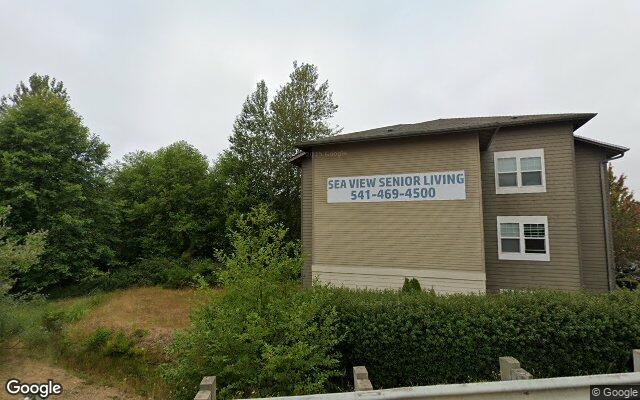
Contract Decoder
Family reviews
No reviews yet — be the first to share your experience