Lydia's House.
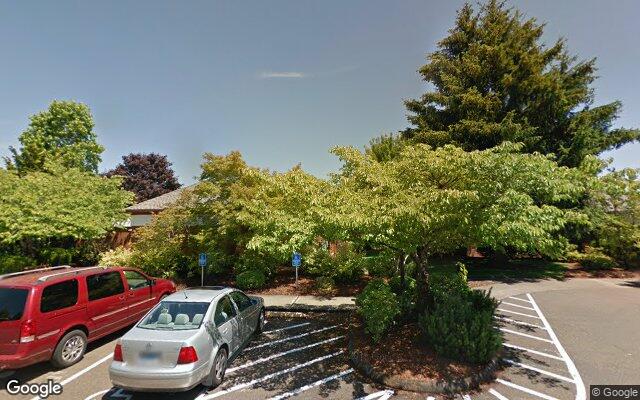
A medium home, reviewed on public record.
© Google Street View
Compared to 55 Oregon facilities with a similar number of beds.
ALF memory care · 36-month window. Higher percentile = better performance on inspection record. Source: Oregon Dept. of Human Services · Long-Term Care Licensing.
among peers to rank.
Rankings based on 36-month OR-DHS inspection data. Severity and frequency: fewer citations = higher percentile. Repeat rate: lower repeat citation share = higher percentile.
Citation history, plotted month by month.
12 deficiencies on record. Each bar is a month with a citation.
Finding distribution
12 total · 36 monthsScope × Severity (CMS A–L)
Every inspection visit, verbatim.
4 inspections in the public record, most recent first. Plain-language summaries open first — click into any row for the full citation text.
2026-01-15Annual Compliance VisitOR-cited · 2 findings
Plain-language summary
A routine kitchen inspection on January 15, 2026 found that the facility failed to maintain the kitchen and memory care kitchenette areas in good repair and in a sanitary manner as required by Oregon Food Sanitation Rules. The facility also did not comply with licensing rules for residential care and assisted living facilities, specifically regarding memory care community administration requirements. Specific details of the violations are referenced in a separate compliance tag that was not fully provided in this summary.
Read full citation text (2)Hide full citation text
“Based on observation and interview, it was determined the facility failed to maintain the kitchen in good repair and in a sanitary manner in accordance with Food Sanitation Rules, OAR 333-150-000. Findings include, but are not limited to: Observation of the facility main kitchen and memory care kitchenette areas on 01/15/26, from 9:45 am through 2:00 pm, found the following:”
“Based on observations and interviews, it was determined the facility failed to follow licensing rules for Residential Care and Assisted Living Facilities. Findings include, but are not limited to: Refer to C240. Please seee tag C240. OAR 411-057-0140(2) Administration Compliance (2) The licensee of a memory care community must comply with both the licensing rules for the facility and Chapter 411, Division 57. This Rule is not met as evidenced by:”
Read raw inspector notesClose inspector notes
Based on observation and interview, it was determined the facility failed to maintain the kitchen in good repair and in a sanitary manner in accordance with Food Sanitation Rules, OAR 333-150-000. Findings include, but are not limited to: Observation of the facility main kitchen and memory care kitchenette areas on 01/15/26, from 9:45 am through 2:00 pm, found the following: Based on observations and interviews, it was determined the facility failed to follow licensing rules for Residential Care and Assisted Living Facilities. Findings include, but are not limited to: Refer to C240. Please seee tag C240. OAR 411-057-0140(2) Administration Compliance (2) The licensee of a memory care community must comply with both the licensing rules for the facility and Chapter 411, Division 57. This Rule is not met as evidenced by:
2025-12-18Annual Compliance VisitOR-cited · 8 findings
Plain-language summary
During a re-licensure inspection in December 2025, the facility was found to have violated reporting requirements for injuries of unknown cause involving one resident with dementia who had three separate incidents between October and December 2025 where staff found the resident on the floor with bruises, bleeding, and other injuries but did not document how they occurred and failed to immediately report these incidents to the local Adult Protective Services office as required by Oregon regulation. The facility did not complete immediate investigations to rule out abuse before reporting, and the incidents were only reported to authorities on December 18, 2025 after the inspector directed them to do so. The facility has since updated its incident documentation procedures and implemented a system to automatically notify administrators when injury-related incidents are documented.
Read full citation text (8)Hide full citation text
“Based on observation, interview, and record review, it was determined the facility failed to immediately notify the local Senior and People with Disabilities (SPD) office of incidents of abuse or suspected abuse for 1 of 1 sampled resident (#1) with injuries of unknown cause. Findings include, but are not limited to: Resident 1 was admitted to the facility in 10/2025 with diagnoses including dementia and heart failure. The resident's 10/16/25 through 12/14/25 interdisciplinary notes, interim service plans, and incident summary reports were reviewed, and interviews with staff were conducted. The following was identified: a. On 10/29/25, staff documented that the resident was found on the floor with injuries including bleeding from his/her left hand, bruising to his/her right arm and left shoulder blade, and right leg pain, which made it difficult for him/her to bear weight. The resident was unable to state what happened or how the injuries occurred. There was no documented evidence an immediate investigation had been completed to rule out abuse or that the injury was immediately reported to the local SPD office. b. On 11/06/25, interdisciplinary notes written by Staff 3 (LPN) referenced bruising to the resident’s “left upper thigh/buttocks area.” There was no documented evidence an immediate investigation had been completed to rule out abuse or that the injury was immediately reported to the local SPD office. c. On 12/6/25, staff documented that the resident was found on the floor and developed injuries including bruising to his/her left eye and face, left elbow, and the dorsal side of both hands. The resident was unable to state what caused the injuries. There was no documented evidence an immediate investigation was completed to rule out abuse or that the injury was immediately reported to the local SPD office. The survey team requested the above injuries of unknown cause be reported to the local SPD office, and confirmation was provided on 12/18/25 at 3:24 pm. The need to ensure all injuries of unknown cause were immediately reported to the local SPD unless an immediate investigation reasonably concluded and documented that the injury was not the result of abuse, was reviewed with Staff 1 (Administrator) and Staff 3 on 12/18/25 at 10:00 am. They acknowledged the findings. The Fall (Non-Injury) and Fall (Injury) Incident Documentation (ID) note was updated on 1/06/26. The revised ID note now includes a standardized DOC code capturing the following required elements: injury (yes/no), site of injury, presence of pain (yes/no), whether the Individualized Service Plan (ISP) was initiated or updated including interventions on the Support Plan (SP), and a brief summary of the incident. When a fall (non-injury) or fall (injury) note is placed into our charting system a reported is trigged for the Administator. When a fall (non-injury) or fall (injury) note is placed into our charting system a report is triggered to the Administrator, LPN and RN. Chart notes are checked daily, if injury fall happens after hours the Team Leader on shift contacts admin, or LPN to provide notification. If injury is noted an immediate investigation will be completed by Team Leader or LPN on shift, if abuse or neglect cannot be ruled out the Administrator, LPN, or RN will submit report to APS within 24 hours. OAR 411-054-0028 (1-3) Reporting & Investigating Abuse-Other Action (Amended 12/15/21)(1) The facility must have policies and procedures in place to assure the prevention and appropriate response to any incident. In the case of incidents of abuse, suspected abuse, or injury of unknown cause, policies and procedures must follow the requirements outlined below. In the case of incidents that are not abuse or injuries of unknown cause where abuse has been ruled out, the facility must have policies and procedures in place to respond appropriately, which may include such things as re-assessment, monitoring, or medication review. (2) ABUSE REPORTING. Abuse is prohibited. The facility employees, agents and licensee must not permit, aid, or engage in abuse of residents who are under their care. (a) STAFF REPORTING. All facility employees are required to immediately report abuse and suspected abuse to the local SPD office, or the local AAA, the facility administrator, or to the facility administrator's designee. (b) FACILITY REPORTING. The facility administrator, or designee, must immediately notify the local SPD office, or the local AAA, of any incident of abuse or suspected abuse, including events overheard or witnessed by observation. (c) LAW ENFORCEMENT AGENCY. The local law enforcement agency must be called first when the suspected abuse is believed to be a crime (e.g., rape, murder, assault, burglary, kidnapping, theft of controlled substances, etc.). (d) INJURY OF UNKNOWN CAUSE. Physical injury of unknown cause must be reported to the local SPD office, or the local AAA, as suspected abuse, unless an immediate facility investigation reasonably concludes and documents that the physical injury is not the result of abuse. (3) FACILITY INVESTIGATION. In addition to immediately reporting abuse or suspected abuse to SPD, AAA, or the law enforcement agency, the facility must promptly investigate all reports of abuse and suspected abuse and take measures necessary to protect residents and prevent the reoccurrence of abuse. Investigation of suspected abuse must document: (a) Time, date, place and individuals present; (b) Description of the event as reported; (c) Response of staff at the time of the event; (d) Follow-up action; and (e) Administrator's review. This Rule is not met as evidenced by:”
“Based on the resident evaluation performed before move-in, an initial service plan must be developed before move-in that reflects the identified needs and preferences of the resident. (b) The initial service plan must be reviewed within 30-days of movein to ensure that any changes made to the plan during the initial 30- days, accurately reflect the resident's needs and preferences. (c) Staff must document and date adjustments or changes as applicable. (4) QUARTERLY SERVICE PLAN REQUIREMENTS. (a) Service plans must be completed quarterly after the resident moves into the facility. (b) The quarterly evaluation is the basis of the resident's quarterly service plan. (c) If the resident's service plan is revised and updated at the quarterly review, changes must be dated and initialed, and prior historical information must be maintained. This Rule is not met as evidenced by: Based on observation, interview, and record review, it was determined the facility failed to ensure service plans were reflective of residents' needs, provided clear direction to staff regarding the delivery of services, and were implemented for 1 of 2 sampled residents (#1) whose service plans were reviewed. Findings include, but are not limited to: Resident 1 was admitted to the facility in 10/2025 with diagnoses including dementia and heart failure. The resident's current service plan available to staff, dated 12/04/25, and 10/16/25 through 12/14/25 interdisciplinary notes and interim service plans were reviewed, interviews with staff were conducted, and observations of the resident were completed. a. The resident's service plan was not reflective in the following areas: * History of falls; * Ability to alert staff of the need to use the bathroom; * Lack of pain; * Transfer and ambulation ability; and * Visits to the hospital or emergency room in the past year. b. The resident’s service plan did not provide clear direction to staff in the following areas: * Pain, including how the resident expressed pain; * Partial denture donning, doffing, and cleaning; * Hearing aids, including where they were kept and when to don and doff; * Jewelry and watch use daily; * Frequency of safety checks; * Wheelchair cushion; and * Clapping behavior as it related to anxiety and/or agitation. c. The service plan was not implemented in the following area: * Staff to assist with Ted hose. The need to ensure service plans were reflective of residents’ needs, provided clear direction to staff regarding the delivery of services, and were implemented was reviewed with Staff 1 (Administrator) and Staff 3 (LPN) on 12/18/25 at 10:00 am. They acknowledged the findings. Residents’ current SP was updated to ensure clear direction to staff regarding the delivery of services, fall history etc. A dual-review process will be implemented whereby two qualified staff members will review each Service Plan to ensure accuracy and regulatory compliance. OAR 411-054-0036 (1-4) Service Plan: General (1) If the resident has a Person-Centered Service Plan pursuant to 411- 004-0030, the facility must incorporate all elements identified in the person centered service plan into the resident's service plan. (2) SERVICE PLAN. The service plan must reflect the resident's needs as identified in the evaluation and include resident preferences that support the principles of dignity, privacy, choice, individuality, and independence. (a) The service plan must be completed: (A) Before resident move-in, with updates and changes as appropriate within the first 30-days; and (B) Following quarterly evaluations. (b) The service plan must be readily available to staff and provide clear direction regarding the delivery of services. (c) The service plan must include a written description of who shall provide the services and what, when, how, and how often the services shall be provided. (d) Changes and entries made to the service plan must be dated and initialed. (e) When the resident experiences a significant change of condition the service plan must be reviewed and updated as needed. (f) A copy of the service plan, including each update, must be offered to the resident or to the resident's legal representative. (g) The facility administrator is responsible for ensuring the implementation of services. (h) Changes to the service plan, including updates due to a significant change of condition and quarterly updates must be reflected in the facility’s ABST care elements. (3) SERVICE PLAN REQUIREMENTS BEFORE MOVE-IN. (a) Based on the resident evaluation performed before move-in, an initial service plan must be developed before move-in that reflects the identified needs and preferences of the resident. (b) The initial service plan must be reviewed within 30-days of movein to ensure that any changes made to the plan during the initial 30- days, accurately reflect the resident's needs and preferences. (c) Staff must document and date adjustments or changes as applicable. (4) QUARTERLY SERVICE PLAN REQUIREMENTS. (a) Service plans must be completed quarterly after the resident moves into the facility. (b) The quarterly evaluation is the basis of the resident's quarterly service plan. (c) If the resident's service plan is revised and updated at the quarterly review, changes must be dated and initialed, and prior historical information must be maintained. This Rule is not met as evidenced by:”
“Based on interview and record review, it was determined the facility failed to ensure an RN assessment was completed for 1 of 2 sampled residents (#1) who experienced significant changes of condition. Findings include, but are not limited to: Resident 1 was admitted to the facility in 10/2025 with diagnoses including dementia and heart failure. The resident’s record, dated 10/16/25 through 12/14/25, was reviewed, and staff were interviewed. The following was identified: Upon admission, staff documented the resident was ambulating independently using a four-wheeled walker and required only supervision from staff for activities of daily living. Between 10/16/25 and 11/14/25, staff documented the resident experienced six falls, incurring progressive injuries, and was admitted to the hospital on 11/14/25. S/he was at the hospital and a skilled nursing facility until readmitted to the MCC on 12/04/25. Upon readmission to the facility, staff documented the resident no longer ambulated independently, required the use of a wheelchair for all mobility, and needed one-person assistance from care staff for all activities of daily living. The resident’s decline in physical abilities, including ambulation and activities of daily living, constituted a significant change of condition and required an assessment by an RN. On 12/18/25 at 10:30 am, Staff 1 (Administrator) and Staff 3 (LPN) stated there was no documented evidence of an RN assessment which included documentation of findings, resident status, and interventions made as a result of the assessment. The need to ensure an RN assessment was completed when a resident experienced a significant change of condition was reviewed with Staff 1 and Staff 3 on 12/18/25 at 10:50 am. They acknowledged the findings. The resident was place on a SCOC and SP was updated. A daily TEAMs meeting with the facility's Admin, LPN, and RN will be completed (on Monday's the team will go over the weekend 24 hour report). The Licensed Practical Nurse (LPN) will promptly notify the Registered Nurse (RN) of any changes in a resident’s condition that may require completion of a Significant Change assessment. The RN will complete all required documentation in accordance with applicable regulations and facility policy. OAR 411-054-0045 (1)(a-f)(A)(C-F) Resident Health Services Resident Health Services (1) RESIDENT HEALTH SERVICES. The facility must provide health services and have systems in place to respond to the 24-hour care needs of residents. The system must:(a) Include written policies and procedures on medical emergency response for all shifts.(b) Include an Oregon licensed nurse who is regularly scheduled for onsite duties at the facility and who is available for phone consultation.(c) Assure an adequate number of nursing hours relevant to the census and acuity of the resident population. IICs must meet contract requirements concerning nursing hours.(d) Ensure that the facility RN is notified of nursing needs as identified in OAR 411-054-0034 (Resident Move-In and Evaluation) or OAR 411-054-0036 (Service Plan - General).(e) Define the duties, responsibilities and limitations of the facility nurse in policy and procedures, admission, and disclosure material.(f) Licensed nurses must deliver the following nursing services:(A) Registered nurse (RN) assessment in accordance with facility policy and resident condition. At minimum, the RN must assess all residents with a significant change of condition. The assessment may be a full or problem focused assessment as determined by the RN. A chart review or phone consultation may be performed as part of this assessment. The RN must document findings, resident status, and interventions made as a result of this assessment. The assessment must be timely, but is not required prior to emergency response in acute situations.(C) Monitoring of Resident Condition. The facility must specify the role of the licensed nurse in the facility's monitoring and reporting system.(D) Participation on Service Planning Team. If the resident experiences a significant change of condition and the service plan is updated, the licensed nurse must participate on the Service Planning Team, or must review the service plan with date and signature within 48 hours.(E) Health Care Teaching and Counseling. A licensed nurse must provide individual and group education activities as required by individual service plans and facility policies.(F) Intermittent Direct Nursing Services. If a resident requires nursing services that are not available through hospice, home health, a third-party referral, or the task cannot be delegated to facility staff, the facility must arrange to have such services provided on an intermittent or temporary basis. Such services may be of a temporary nature as defined in facility policy, admission agreements and disclosure information. This Rule is not met as evidenced by:”
“Based on interview and record review, it was determined the facility failed to ensure residents' MARs included resident-specific parameters and instructions for PRN medications, and included reasons for use for 2 of 2 sampled residents (#s 1 and 2) whose MARs were reviewed. Findings include, but are not limited to:”
“based on acuity, complaint investigation or survey inspection.(e) Based on resident acuity and facility structural design there must be adequate direct care staff present at all times, to meet the fire safety evacuation standards as required by the fire authority or the Department.(f) The licensee is responsible for assuring that staffing is increased to compensate for the evaluated care and service needs of residents at move-in and for the changing physical or mental needs of the residents.(g) A minimum of two direct care staff must be scheduled and available at all times whenever a resident requires the assistance of two direct care staff for scheduled and unscheduled needs.(h) In facilities where residents are hosed in two or more detached buildings, or if a building has distinct and segregated areas, a designated caregiver must be awake and available in each building and each segregated area at all times.(i) Facilities must have a written, defined system to determine appropriate numbers of direct care staff and general staffing based on resident acuity and service needs. Such systems may be either manual or electronic.(A) Guidelines for systems must also consider physical elements of a building, use of technology if applicable and staff experience.(B) Facilities must be able to demonstrate how their staffing systems work. This Rule is not met as evidenced by: Based on observation, interview, and record review, it was determined the facility failed to have qualified awake direct care staff, sufficient in number to meet the 24-hour scheduled and unscheduled needs of each resident. Findings include, but are not limited to: The facility was divided into two memory care units: Unit A and Unit B. At the time of the survey, the facility was home to 26 residents, 13 in each unit. Documentation provided by the facility on 12/16/25 indicated that four residents in Unit A required two direct care staff for care needs, and two residents in Unit B required two direct care staff for care needs. The facility’s staffing plan, based on their proprietary acuity-based staffing tool (ABST), was reviewed with Staff 1 (Administrator) and Staff 2 (Medical Records) on 12/17/25. The staffing plan indicated night shift was staffed with one and one-half direct care staff on each unit. In an interview on 12/17/25, Staff 1 and Staff 2 acknowledged that one and one-half staff on each unit on the night shift would not be sufficient to meet the unscheduled needs of the residents requiring two staff for care needs. On 12/17/25 at 2:30 pm the survey team requested the facility begin staffing the night shift with two staff per unit beginning on 12/17/25. At 3:40 pm Staff 1 provided documentation of a staffing plan beginning the night shift on 12/17/25 that would meet the 24-hour scheduled and unscheduled needs of each resident. The need to ensure the facility provided a sufficient number of staff on each shift to meet the needs of the residents was reviewed with Staff 1, Staff 2, and Staff 3 (LPN) on 12/18/25 at 11:50 am. They acknowledged the findings. Additional staff were immediately assigned to ensure a minimum of two staff members are present on each POD to meet residents’ scheduled and unscheduled needs on a 24-hour basis. The staffing template has been updated accordingly, and staff have been hired to ensure ongoing compliance with resident care needs and regulatory requirements. If an open position comes up the admin or LPN will update the staffing template to show a need for hire. HR will place an add, and the shift will be filled with in-house staff or agency to meet the staffing requirements. The scheduling department will ensure staff are found and added to our scheduling app. OAR 411-054-0070 (1) Staffing Requirements and Training: Staffing (Amended 6/9/21)(1) STAFFING REQUIREMENTS. Facilities must have qualified awake direct care staff, sufficient in number to meet the 24-hour scheduled and unscheduled needs of each resident. Direct care staff provide services for residents that include assistance with activities of daily living, medication administration, resident-focused activities, supervision, and support.(a) If a facility employs universal workers whose duties include other tasks (e.g., housekeeping, laundry, food service), in addition to direct resident care, staffing must be increased to maintain adequate resident care and services.(b) Prior to providing care and services to residents, direct care staff must be trained as required in sections (2) - (4) of this rule.(c) The following facility employees are ancillary to the caregiver requirements in this section:(A) Individuals whose duties are exclusively housekeeping, building maintenance, clerical, administrative, or food preparation.(B) Licensed nurses who provide services as specified in OAR 411-054-0045 (Resident Health Services).(C) Administrators.(d) The Department retains the right to require minimum staffing standards based on acuity, complaint investigation or survey inspection.(e) Based on resident acuity and facility structural design there must be adequate direct care staff present at all times, to meet the fire safety evacuation standards as required by the fire authority or the Department.(f) The licensee is responsible for assuring that staffing is increased to compensate for the evaluated care and service needs of residents at move-in and for the changing physical or mental needs of the residents.(g) A minimum of two direct care staff must be scheduled and available at all times whenever a resident requires the assistance of two direct care staff for scheduled and unscheduled needs.(h) In facilities where residents are hosed in two or more detached buildings, or if a building has distinct and segregated areas, a designated caregiver must be awake and available in each building and each segregated area at all times.(i) Facilities must have a written, defined system to determine appropriate numbers of direct care staff and general staffing based on resident acuity and service needs. Such systems may be either manual or electronic.(A) Guidelines for systems must also consider physical elements of a building, use of technology if applicable and staff experience.(B) Facilities must be able to demonstrate how their staffing systems work. This Rule is not met as evidenced by:”
“Based on observation and interview, it was determined the facility failed to ensure the individual and only appropriate staff had a key to access the unit for multiple sampled and unsampled residents. Findings include, but are not limited to: Multiple observations were made during the survey, 12/15/25 through 12/18/25, of staff using their key to open resident unit doors. During an interview on 12/18/25 at 10:30 am, Staff 1 (Administrator) stated that residents and/or resident family members were not provided keys to the residents’ individual units. The need to ensure the individual resident and only appropriate staff had a key to access the resident’s unit was reviewed with Staff 1 and Staff 3 (LPN) on 12/18/25 at 10:50 am. They acknowledged the findings. A key designation form will be added to the admission paperwork by Medical Records Director and will be incorporated into each resident’s Service Plan (SP) to identify individuals authorized to hold a key based on residents congnitive ability. The key designation form will be distributed via DocuSign by Medical Records Director to the Powers of Attorney (POA) for all current residents for completion and documentation. Hooks will be placed inside each residents closet by Admin and LPN that will hold a key based on resident's cognitive ability. Residents SP will be updated by LPN at next scheduled SP meeting. The SP will be updated under the section "other information" in the top section of their personal information. OAR411-004-0020(2)(e) Individual Door Locks: Key Access (2) Provider owned, controlled, or operated residential settings must have all of the following qualities: (e) Units must have entrance doors lockable by the individual, with the individual and only appropriate staff having a key to access the unit. This Rule is not met as evidenced by:”
“Based on observation, interview, and record review, it was determined the facility failed to follow licensing rules for Residential Care and Assisted Living Facilities. Findings include, but are not limited to: Refer to C231 and C360. Please refer to Plan Of Corrections for tags C231 and C360. OAR 411-057-0140(2) Administration Compliance (2) The licensee of a memory care community must comply with both the licensing rules for the facility and Chapter 411, Division 57. This Rule is not met as evidenced by:”
“Based on observation, interview, and record review, it was determined the facility failed to provide health care services in accordance with the licensing rules for Residential Care and Assisted Living Facilities. Findings include, but are not limited to: Refer to C260, C280, and C310. Please refer to Plan Of Corrections for tags C260, C280, and C310. OAR 411-057-0160(2b) Compliance with Rules Health Care (b) Health care services provided in accordance with the licensing rules of the facility. This Rule is not met as evidenced by:”
Read raw inspector notesClose inspector notes
Based on observation, interview, and record review, it was determined the facility failed to immediately notify the local Senior and People with Disabilities (SPD) office of incidents of abuse or suspected abuse for 1 of 1 sampled resident (#1) with injuries of unknown cause. Findings include, but are not limited to: Resident 1 was admitted to the facility in 10/2025 with diagnoses including dementia and heart failure. The resident's 10/16/25 through 12/14/25 interdisciplinary notes, interim service plans, and incident summary reports were reviewed, and interviews with staff were conducted. The following was identified: a. On 10/29/25, staff documented that the resident was found on the floor with injuries including bleeding from his/her left hand, bruising to his/her right arm and left shoulder blade, and right leg pain, which made it difficult for him/her to bear weight. The resident was unable to state what happened or how the injuries occurred. There was no documented evidence an immediate investigation had been completed to rule out abuse or that the injury was immediately reported to the local SPD office. b. On 11/06/25, interdisciplinary notes written by Staff 3 (LPN) referenced bruising to the resident’s “left upper thigh/buttocks area.” There was no documented evidence an immediate investigation had been completed to rule out abuse or that the injury was immediately reported to the local SPD office. c. On 12/6/25, staff documented that the resident was found on the floor and developed injuries including bruising to his/her left eye and face, left elbow, and the dorsal side of both hands. The resident was unable to state what caused the injuries. There was no documented evidence an immediate investigation was completed to rule out abuse or that the injury was immediately reported to the local SPD office. The survey team requested the above injuries of unknown cause be reported to the local SPD office, and confirmation was provided on 12/18/25 at 3:24 pm. The need to ensure all injuries of unknown cause were immediately reported to the local SPD unless an immediate investigation reasonably concluded and documented that the injury was not the result of abuse, was reviewed with Staff 1 (Administrator) and Staff 3 on 12/18/25 at 10:00 am. They acknowledged the findings. The Fall (Non-Injury) and Fall (Injury) Incident Documentation (ID) note was updated on 1/06/26. The revised ID note now includes a standardized DOC code capturing the following required elements: injury (yes/no), site of injury, presence of pain (yes/no), whether the Individualized Service Plan (ISP) was initiated or updated including interventions on the Support Plan (SP), and a brief summary of the incident. When a fall (non-injury) or fall (injury) note is placed into our charting system a reported is trigged for the Administator. When a fall (non-injury) or fall (injury) note is placed into our charting system a report is triggered to the Administrator, LPN and RN. Chart notes are checked daily, if injury fall happens after hours the Team Leader on shift contacts admin, or LPN to provide notification. If injury is noted an immediate investigation will be completed by Team Leader or LPN on shift, if abuse or neglect cannot be ruled out the Administrator, LPN, or RN will submit report to APS within 24 hours. OAR 411-054-0028 (1-3) Reporting & Investigating Abuse-Other Action (Amended 12/15/21)(1) The facility must have policies and procedures in place to assure the prevention and appropriate response to any incident. In the case of incidents of abuse, suspected abuse, or injury of unknown cause, policies and procedures must follow the requirements outlined below. In the case of incidents that are not abuse or injuries of unknown cause where abuse has been ruled out, the facility must have policies and procedures in place to respond appropriately, which may include such things as re-assessment, monitoring, or medication review. (2) ABUSE REPORTING. Abuse is prohibited. The facility employees, agents and licensee must not permit, aid, or engage in abuse of residents who are under their care. (a) STAFF REPORTING. All facility employees are required to immediately report abuse and suspected abuse to the local SPD office, or the local AAA, the facility administrator, or to the facility administrator's designee. (b) FACILITY REPORTING. The facility administrator, or designee, must immediately notify the local SPD office, or the local AAA, of any incident of abuse or suspected abuse, including events overheard or witnessed by observation. (c) LAW ENFORCEMENT AGENCY. The local law enforcement agency must be called first when the suspected abuse is believed to be a crime (e.g., rape, murder, assault, burglary, kidnapping, theft of controlled substances, etc.). (d) INJURY OF UNKNOWN CAUSE. Physical injury of unknown cause must be reported to the local SPD office, or the local AAA, as suspected abuse, unless an immediate facility investigation reasonably concludes and documents that the physical injury is not the result of abuse. (3) FACILITY INVESTIGATION. In addition to immediately reporting abuse or suspected abuse to SPD, AAA, or the law enforcement agency, the facility must promptly investigate all reports of abuse and suspected abuse and take measures necessary to protect residents and prevent the reoccurrence of abuse. Investigation of suspected abuse must document: (a) Time, date, place and individuals present; (b) Description of the event as reported; (c) Response of staff at the time of the event; (d) Follow-up action; and (e) Administrator's review. This Rule is not met as evidenced by: Based on the resident evaluation performed before move-in, an initial service plan must be developed before move-in that reflects the identified needs and preferences of the resident. (b) The initial service plan must be reviewed within 30-days of movein to ensure that any changes made to the plan during the initial 30- days, accurately reflect the resident's needs and preferences. (c) Staff must document and date adjustments or changes as applicable. (4) QUARTERLY SERVICE PLAN REQUIREMENTS. (a) Service plans must be completed quarterly after the resident moves into the facility. (b) The quarterly evaluation is the basis of the resident's quarterly service plan. (c) If the resident's service plan is revised and updated at the quarterly review, changes must be dated and initialed, and prior historical information must be maintained. This Rule is not met as evidenced by: Based on observation, interview, and record review, it was determined the facility failed to ensure service plans were reflective of residents' needs, provided clear direction to staff regarding the delivery of services, and were implemented for 1 of 2 sampled residents (#1) whose service plans were reviewed. Findings include, but are not limited to: Resident 1 was admitted to the facility in 10/2025 with diagnoses including dementia and heart failure. The resident's current service plan available to staff, dated 12/04/25, and 10/16/25 through 12/14/25 interdisciplinary notes and interim service plans were reviewed, interviews with staff were conducted, and observations of the resident were completed. a. The resident's service plan was not reflective in the following areas: * History of falls; * Ability to alert staff of the need to use the bathroom; * Lack of pain; * Transfer and ambulation ability; and * Visits to the hospital or emergency room in the past year. b. The resident’s service plan did not provide clear direction to staff in the following areas: * Pain, including how the resident expressed pain; * Partial denture donning, doffing, and cleaning; * Hearing aids, including where they were kept and when to don and doff; * Jewelry and watch use daily; * Frequency of safety checks; * Wheelchair cushion; and * Clapping behavior as it related to anxiety and/or agitation. c. The service plan was not implemented in the following area: * Staff to assist with Ted hose. The need to ensure service plans were reflective of residents’ needs, provided clear direction to staff regarding the delivery of services, and were implemented was reviewed with Staff 1 (Administrator) and Staff 3 (LPN) on 12/18/25 at 10:00 am. They acknowledged the findings. Residents’ current SP was updated to ensure clear direction to staff regarding the delivery of services, fall history etc. A dual-review process will be implemented whereby two qualified staff members will review each Service Plan to ensure accuracy and regulatory compliance. OAR 411-054-0036 (1-4) Service Plan: General (1) If the resident has a Person-Centered Service Plan pursuant to 411- 004-0030, the facility must incorporate all elements identified in the person centered service plan into the resident's service plan. (2) SERVICE PLAN. The service plan must reflect the resident's needs as identified in the evaluation and include resident preferences that support the principles of dignity, privacy, choice, individuality, and independence. (a) The service plan must be completed: (A) Before resident move-in, with updates and changes as appropriate within the first 30-days; and (B) Following quarterly evaluations. (b) The service plan must be readily available to staff and provide clear direction regarding the delivery of services. (c) The service plan must include a written description of who shall provide the services and what, when, how, and how often the services shall be provided. (d) Changes and entries made to the service plan must be dated and initialed. (e) When the resident experiences a significant change of condition the service plan must be reviewed and updated as needed. (f) A copy of the service plan, including each update, must be offered to the resident or to the resident's legal representative. (g) The facility administrator is responsible for ensuring the implementation of services. (h) Changes to the service plan, including updates due to a significant change of condition and quarterly updates must be reflected in the facility’s ABST care elements. (3) SERVICE PLAN REQUIREMENTS BEFORE MOVE-IN. (a) Based on the resident evaluation performed before move-in, an initial service plan must be developed before move-in that reflects the identified needs and preferences of the resident. (b) The initial service plan must be reviewed within 30-days of movein to ensure that any changes made to the plan during the initial 30- days, accurately reflect the resident's needs and preferences. (c) Staff must document and date adjustments or changes as applicable. (4) QUARTERLY SERVICE PLAN REQUIREMENTS. (a) Service plans must be completed quarterly after the resident moves into the facility. (b) The quarterly evaluation is the basis of the resident's quarterly service plan. (c) If the resident's service plan is revised and updated at the quarterly review, changes must be dated and initialed, and prior historical information must be maintained. This Rule is not met as evidenced by: Based on interview and record review, it was determined the facility failed to ensure an RN assessment was completed for 1 of 2 sampled residents (#1) who experienced significant changes of condition. Findings include, but are not limited to: Resident 1 was admitted to the facility in 10/2025 with diagnoses including dementia and heart failure. The resident’s record, dated 10/16/25 through 12/14/25, was reviewed, and staff were interviewed. The following was identified: Upon admission, staff documented the resident was ambulating independently using a four-wheeled walker and required only supervision from staff for activities of daily living. Between 10/16/25 and 11/14/25, staff documented the resident experienced six falls, incurring progressive injuries, and was admitted to the hospital on 11/14/25. S/he was at the hospital and a skilled nursing facility until readmitted to the MCC on 12/04/25. Upon readmission to the facility, staff documented the resident no longer ambulated independently, required the use of a wheelchair for all mobility, and needed one-person assistance from care staff for all activities of daily living. The resident’s decline in physical abilities, including ambulation and activities of daily living, constituted a significant change of condition and required an assessment by an RN. On 12/18/25 at 10:30 am, Staff 1 (Administrator) and Staff 3 (LPN) stated there was no documented evidence of an RN assessment which included documentation of findings, resident status, and interventions made as a result of the assessment. The need to ensure an RN assessment was completed when a resident experienced a significant change of condition was reviewed with Staff 1 and Staff 3 on 12/18/25 at 10:50 am. They acknowledged the findings. The resident was place on a SCOC and SP was updated. A daily TEAMs meeting with the facility's Admin, LPN, and RN will be completed (on Monday's the team will go over the weekend 24 hour report). The Licensed Practical Nurse (LPN) will promptly notify the Registered Nurse (RN) of any changes in a resident’s condition that may require completion of a Significant Change assessment. The RN will complete all required documentation in accordance with applicable regulations and facility policy. OAR 411-054-0045 (1)(a-f)(A)(C-F) Resident Health Services Resident Health Services (1) RESIDENT HEALTH SERVICES. The facility must provide health services and have systems in place to respond to the 24-hour care needs of residents. The system must:(a) Include written policies and procedures on medical emergency response for all shifts.(b) Include an Oregon licensed nurse who is regularly scheduled for onsite duties at the facility and who is available for phone consultation.(c) Assure an adequate number of nursing hours relevant to the census and acuity of the resident population. IICs must meet contract requirements concerning nursing hours.(d) Ensure that the facility RN is notified of nursing needs as identified in OAR 411-054-0034 (Resident Move-In and Evaluation) or OAR 411-054-0036 (Service Plan - General).(e) Define the duties, responsibilities and limitations of the facility nurse in policy and procedures, admission, and disclosure material.(f) Licensed nurses must deliver the following nursing services:(A) Registered nurse (RN) assessment in accordance with facility policy and resident condition. At minimum, the RN must assess all residents with a significant change of condition. The assessment may be a full or problem focused assessment as determined by the RN. A chart review or phone consultation may be performed as part of this assessment. The RN must document findings, resident status, and interventions made as a result of this assessment. The assessment must be timely, but is not required prior to emergency response in acute situations.(C) Monitoring of Resident Condition. The facility must specify the role of the licensed nurse in the facility's monitoring and reporting system.(D) Participation on Service Planning Team. If the resident experiences a significant change of condition and the service plan is updated, the licensed nurse must participate on the Service Planning Team, or must review the service plan with date and signature within 48 hours.(E) Health Care Teaching and Counseling. A licensed nurse must provide individual and group education activities as required by individual service plans and facility policies.(F) Intermittent Direct Nursing Services. If a resident requires nursing services that are not available through hospice, home health, a third-party referral, or the task cannot be delegated to facility staff, the facility must arrange to have such services provided on an intermittent or temporary basis. Such services may be of a temporary nature as defined in facility policy, admission agreements and disclosure information. This Rule is not met as evidenced by: Based on interview and record review, it was determined the facility failed to ensure residents' MARs included resident-specific parameters and instructions for PRN medications, and included reasons for use for 2 of 2 sampled residents (#s 1 and 2) whose MARs were reviewed. Findings include, but are not limited to: based on acuity, complaint investigation or survey inspection.(e) Based on resident acuity and facility structural design there must be adequate direct care staff present at all times, to meet the fire safety evacuation standards as required by the fire authority or the Department.(f) The licensee is responsible for assuring that staffing is increased to compensate for the evaluated care and service needs of residents at move-in and for the changing physical or mental needs of the residents.(g) A minimum of two direct care staff must be scheduled and available at all times whenever a resident requires the assistance of two direct care staff for scheduled and unscheduled needs.(h) In facilities where residents are hosed in two or more detached buildings, or if a building has distinct and segregated areas, a designated caregiver must be awake and available in each building and each segregated area at all times.(i) Facilities must have a written, defined system to determine appropriate numbers of direct care staff and general staffing based on resident acuity and service needs. Such systems may be either manual or electronic.(A) Guidelines for systems must also consider physical elements of a building, use of technology if applicable and staff experience.(B) Facilities must be able to demonstrate how their staffing systems work. This Rule is not met as evidenced by: Based on observation, interview, and record review, it was determined the facility failed to have qualified awake direct care staff, sufficient in number to meet the 24-hour scheduled and unscheduled needs of each resident. Findings include, but are not limited to: The facility was divided into two memory care units: Unit A and Unit B. At the time of the survey, the facility was home to 26 residents, 13 in each unit. Documentation provided by the facility on 12/16/25 indicated that four residents in Unit A required two direct care staff for care needs, and two residents in Unit B required two direct care staff for care needs. The facility’s staffing plan, based on their proprietary acuity-based staffing tool (ABST), was reviewed with Staff 1 (Administrator) and Staff 2 (Medical Records) on 12/17/25. The staffing plan indicated night shift was staffed with one and one-half direct care staff on each unit. In an interview on 12/17/25, Staff 1 and Staff 2 acknowledged that one and one-half staff on each unit on the night shift would not be sufficient to meet the unscheduled needs of the residents requiring two staff for care needs. On 12/17/25 at 2:30 pm the survey team requested the facility begin staffing the night shift with two staff per unit beginning on 12/17/25. At 3:40 pm Staff 1 provided documentation of a staffing plan beginning the night shift on 12/17/25 that would meet the 24-hour scheduled and unscheduled needs of each resident. The need to ensure the facility provided a sufficient number of staff on each shift to meet the needs of the residents was reviewed with Staff 1, Staff 2, and Staff 3 (LPN) on 12/18/25 at 11:50 am. They acknowledged the findings. Additional staff were immediately assigned to ensure a minimum of two staff members are present on each POD to meet residents’ scheduled and unscheduled needs on a 24-hour basis. The staffing template has been updated accordingly, and staff have been hired to ensure ongoing compliance with resident care needs and regulatory requirements. If an open position comes up the admin or LPN will update the staffing template to show a need for hire. HR will place an add, and the shift will be filled with in-house staff or agency to meet the staffing requirements. The scheduling department will ensure staff are found and added to our scheduling app. OAR 411-054-0070 (1) Staffing Requirements and Training: Staffing (Amended 6/9/21)(1) STAFFING REQUIREMENTS. Facilities must have qualified awake direct care staff, sufficient in number to meet the 24-hour scheduled and unscheduled needs of each resident. Direct care staff provide services for residents that include assistance with activities of daily living, medication administration, resident-focused activities, supervision, and support.(a) If a facility employs universal workers whose duties include other tasks (e.g., housekeeping, laundry, food service), in addition to direct resident care, staffing must be increased to maintain adequate resident care and services.(b) Prior to providing care and services to residents, direct care staff must be trained as required in sections (2) - (4) of this rule.(c) The following facility employees are ancillary to the caregiver requirements in this section:(A) Individuals whose duties are exclusively housekeeping, building maintenance, clerical, administrative, or food preparation.(B) Licensed nurses who provide services as specified in OAR 411-054-0045 (Resident Health Services).(C) Administrators.(d) The Department retains the right to require minimum staffing standards based on acuity, complaint investigation or survey inspection.(e) Based on resident acuity and facility structural design there must be adequate direct care staff present at all times, to meet the fire safety evacuation standards as required by the fire authority or the Department.(f) The licensee is responsible for assuring that staffing is increased to compensate for the evaluated care and service needs of residents at move-in and for the changing physical or mental needs of the residents.(g) A minimum of two direct care staff must be scheduled and available at all times whenever a resident requires the assistance of two direct care staff for scheduled and unscheduled needs.(h) In facilities where residents are hosed in two or more detached buildings, or if a building has distinct and segregated areas, a designated caregiver must be awake and available in each building and each segregated area at all times.(i) Facilities must have a written, defined system to determine appropriate numbers of direct care staff and general staffing based on resident acuity and service needs. Such systems may be either manual or electronic.(A) Guidelines for systems must also consider physical elements of a building, use of technology if applicable and staff experience.(B) Facilities must be able to demonstrate how their staffing systems work. This Rule is not met as evidenced by: Based on observation and interview, it was determined the facility failed to ensure the individual and only appropriate staff had a key to access the unit for multiple sampled and unsampled residents. Findings include, but are not limited to: Multiple observations were made during the survey, 12/15/25 through 12/18/25, of staff using their key to open resident unit doors. During an interview on 12/18/25 at 10:30 am, Staff 1 (Administrator) stated that residents and/or resident family members were not provided keys to the residents’ individual units. The need to ensure the individual resident and only appropriate staff had a key to access the resident’s unit was reviewed with Staff 1 and Staff 3 (LPN) on 12/18/25 at 10:50 am. They acknowledged the findings. A key designation form will be added to the admission paperwork by Medical Records Director and will be incorporated into each resident’s Service Plan (SP) to identify individuals authorized to hold a key based on residents congnitive ability. The key designation form will be distributed via DocuSign by Medical Records Director to the Powers of Attorney (POA) for all current residents for completion and documentation. Hooks will be placed inside each residents closet by Admin and LPN that will hold a key based on resident's cognitive ability. Residents SP will be updated by LPN at next scheduled SP meeting. The SP will be updated under the section "other information" in the top section of their personal information. OAR411-004-0020(2)(e) Individual Door Locks: Key Access (2) Provider owned, controlled, or operated residential settings must have all of the following qualities: (e) Units must have entrance doors lockable by the individual, with the individual and only appropriate staff having a key to access the unit. This Rule is not met as evidenced by: Based on observation, interview, and record review, it was determined the facility failed to follow licensing rules for Residential Care and Assisted Living Facilities. Findings include, but are not limited to: Refer to C231 and C360. Please refer to Plan Of Corrections for tags C231 and C360. OAR 411-057-0140(2) Administration Compliance (2) The licensee of a memory care community must comply with both the licensing rules for the facility and Chapter 411, Division 57. This Rule is not met as evidenced by: Based on observation, interview, and record review, it was determined the facility failed to provide health care services in accordance with the licensing rules for Residential Care and Assisted Living Facilities. Findings include, but are not limited to: Refer to C260, C280, and C310. Please refer to Plan Of Corrections for tags C260, C280, and C310. OAR 411-057-0160(2b) Compliance with Rules Health Care (b) Health care services provided in accordance with the licensing rules of the facility. This Rule is not met as evidenced by:
2025-08-22Complaint InvestigationOR-cited · 1 finding
Plain-language summary
A complaint investigation conducted on August 22, 2025 found that the facility failed to maintain adequate staffing to meet resident needs, specifically that it did not schedule two direct care staff at all times for six residents across both units who required two-person assistance for transfers. The facility's posted staffing plan did not reflect the actual staffing requirements needed under Oregon regulations, and the Executive Director acknowledged these findings. The facility violated requirements to have sufficient qualified direct care staff available 24 hours a day to meet each resident's scheduled and unscheduled needs.
Read full citation text (1)Hide full citation text
“Based on interview and record review, conducted during a site visit on 08/22/25, the facility's failure to update an Acuity-Based Staffing Tool (ABST) was substantiated. Findings include, but are not limited to: A review of the facility's posted staffing plan indicated the following: · Side A: o Day shift: Two caregivers and one shared med tech; o Swing shift: Two caregivers and one shared med tech; and o Night shift: One caregiver and one shared med tech. · Side B: o Day shift: Two caregivers and one shared med tech; o Swing shift: Two caregivers and one shared med tech; and o Night shift: One caregiver and one shared med tech. A review of the facility's staff schedule from 08/16/25 through 08/22/25 indicated the facility had not scheduled two direct care staff at all times for residents who required the assistance of two direct care staff for scheduled and unscheduled needs. An interview with Staff 1 (Executive Director) indicated both segregated sides had residents who required multiple-person transfers. There were four residents on side A and two on side B of the facility. The findings of the investigation were reviewed and acknowledged by Staff 1. The facility failed to have qualified awake direct care staff, sufficient in number to meet the 24-hour scheduled and unscheduled needs of each resident; and the facility failed to incorporate the staffing requirements outlined in OAR 411-054-0070(1) in the posted staffing plan. Based on interview and record review, conducted during a site visit on 08/22/25, the facility's failure to update an Acuity-Based Staffing Tool (ABST) was substantiated. Findings include, but are not limited to: A review of the facility's posted staffing plan indicated the following: · Side A: o Day shift: Two caregivers and one shared med tech; o Swing shift: Two caregivers and one shared med tech; and o Night shift: One caregiver and one shared med tech. · Side B: o Day shift: Two caregivers and one shared med tech; o Swing shift: Two caregivers and one shared med tech; and o Night shift: One caregiver and one shared med tech. A review of the facility's staff schedule from 08/16/25 through 08/22/25 indicated the facility had not scheduled two direct care staff at all times for residents who required the assistance of two direct care staff for scheduled and unscheduled needs. An interview with Staff 1 (Executive Director) indicated both segregated sides had residents who required multiple-person transfers. There were four residents on side A and two on side B of the facility. The findings of the investigation were reviewed and acknowledged by Staff 1. The facility failed to have qualified awake direct care staff, sufficient in number to meet the 24-hour scheduled and unscheduled needs of each resident; and the facility failed to incorporate the staffing requirements outlined in OAR 411-054-0070(1) in the posted staffing plan.”
Read raw inspector notesClose inspector notes
Based on interview and record review, conducted during a site visit on 08/22/25, the facility's failure to update an Acuity-Based Staffing Tool (ABST) was substantiated. Findings include, but are not limited to: A review of the facility's posted staffing plan indicated the following: · Side A: o Day shift: Two caregivers and one shared med tech; o Swing shift: Two caregivers and one shared med tech; and o Night shift: One caregiver and one shared med tech. · Side B: o Day shift: Two caregivers and one shared med tech; o Swing shift: Two caregivers and one shared med tech; and o Night shift: One caregiver and one shared med tech. A review of the facility's staff schedule from 08/16/25 through 08/22/25 indicated the facility had not scheduled two direct care staff at all times for residents who required the assistance of two direct care staff for scheduled and unscheduled needs. An interview with Staff 1 (Executive Director) indicated both segregated sides had residents who required multiple-person transfers. There were four residents on side A and two on side B of the facility. The findings of the investigation were reviewed and acknowledged by Staff 1. The facility failed to have qualified awake direct care staff, sufficient in number to meet the 24-hour scheduled and unscheduled needs of each resident; and the facility failed to incorporate the staffing requirements outlined in OAR 411-054-0070(1) in the posted staffing plan. Based on interview and record review, conducted during a site visit on 08/22/25, the facility's failure to update an Acuity-Based Staffing Tool (ABST) was substantiated. Findings include, but are not limited to: A review of the facility's posted staffing plan indicated the following: · Side A: o Day shift: Two caregivers and one shared med tech; o Swing shift: Two caregivers and one shared med tech; and o Night shift: One caregiver and one shared med tech. · Side B: o Day shift: Two caregivers and one shared med tech; o Swing shift: Two caregivers and one shared med tech; and o Night shift: One caregiver and one shared med tech. A review of the facility's staff schedule from 08/16/25 through 08/22/25 indicated the facility had not scheduled two direct care staff at all times for residents who required the assistance of two direct care staff for scheduled and unscheduled needs. An interview with Staff 1 (Executive Director) indicated both segregated sides had residents who required multiple-person transfers. There were four residents on side A and two on side B of the facility. The findings of the investigation were reviewed and acknowledged by Staff 1. The facility failed to have qualified awake direct care staff, sufficient in number to meet the 24-hour scheduled and unscheduled needs of each resident; and the facility failed to incorporate the staffing requirements outlined in OAR 411-054-0070(1) in the posted staffing plan.
2024-03-19Annual Compliance VisitOR-cited · 1 finding
Plain-language summary
A kitchen inspection was conducted on March 19, 2024, and the facility was found to be in substantial compliance with Oregon rules governing meal service and food sanitation at residential care and assisted living facilities. No violations were identified.
Read full citation text (1)Hide full citation text
“The findings of the kitchen inspection, conducted 03/19/24, are documented in this report. It was determined the facility was in substantial compliance with the OARs 411-054-0030 for Residential Care and Assisted Living Facilities for Resident Services- Meals, and Oregon Health Service Food Sanitation Rules OARs 333-150-0000. The findings of the kitchen inspection, conducted 03/19/24, are documented in this report. It was determined the facility was in substantial compliance with the OARs 411-054-0030 for Residential Care and Assisted Living Facilities for Resident Services- Meals, and Oregon Health Service Food Sanitation Rules OARs 333-150-0000.”
Read raw inspector notesClose inspector notes
The findings of the kitchen inspection, conducted 03/19/24, are documented in this report. It was determined the facility was in substantial compliance with the OARs 411-054-0030 for Residential Care and Assisted Living Facilities for Resident Services- Meals, and Oregon Health Service Food Sanitation Rules OARs 333-150-0000. The findings of the kitchen inspection, conducted 03/19/24, are documented in this report. It was determined the facility was in substantial compliance with the OARs 411-054-0030 for Residential Care and Assisted Living Facilities for Resident Services- Meals, and Oregon Health Service Food Sanitation Rules OARs 333-150-0000.
2 older inspections from 2022 are not shown above.
Get the complete record, translated into plain language — emailed to you.
Other facilities in Linn County.
Other memory care facilities in Linn County with similar care offerings.
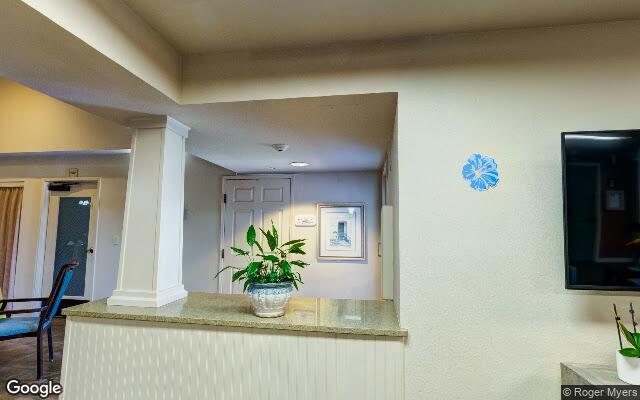
Tour Prep
Family reviews
No reviews yet — be the first to share your experience
Other memory care options nearby.
More options in neighboring cities
Licensed memory care in other cities within this county region — useful when your search radius crosses city limits.