Lake Minnetonka Shores.
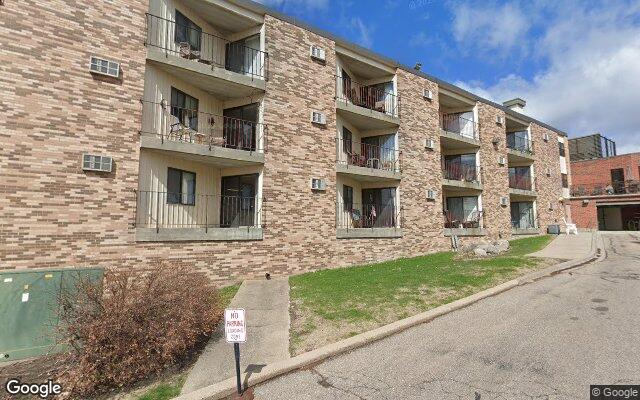
A large home, reviewed on public record.
Compared to 143 Minnesota facilities with a similar number of beds.
ALF memory care · 36-month window. Higher percentile = better performance on inspection record. Source: Minnesota Dept. of Health · Health Regulation Division.
among peers to rank.
Rankings based on 36-month MDH inspection data. Severity and frequency: fewer citations = higher percentile. Repeat rate: lower repeat citation share = higher percentile.
Citation history, plotted month by month.
No citations in the last 36 months.
Finding distribution
none · 36 monthsScope × Severity (CMS A–L)
Questions to ask before you visit.
A short pre-tour checklist tailored to Lake Minnetonka Shores's record and state requirements.
The facility holds an Assisted Living Facility with Dementia Care license under Minnesota Statutes chapter 144G — can you walk me through the written dementia care program and explain how it differs from the general assisted living services provided to residents without memory loss?
Ask the operator on tour. Take notes and compare answers across facilities you visit.
MDH records show 2 complaints on file and the most recent inspection was June 11, 2025 — were either of those complaints substantiated by the state, and can you share the facility's own written response or corrective action documentation addressing the concerns raised?
Ask the operator on tour. Take notes and compare answers across facilities you visit.
With 77 licensed beds and zero deficiencies across 4 inspection reports, what internal quality assurance practices does the facility use to maintain compliance, and can you provide families with a copy of your most recent self-audit or policy review?
Ask the operator on tour. Take notes and compare answers across facilities you visit.
Every inspection visit, verbatim.
2 inspections in the public record, most recent first. Plain-language summaries open first — click into any row for the full citation text.
2025-06-11Annual Compliance VisitNo findings
Plain-language summary
A standard licensing survey was conducted at Lake Minnetonka Shores on June 9-11, 2025, and state correction orders were issued for violations of Minnesota statutes governing assisted living facilities with dementia care. The facility was not assessed immediate fines but must document the actions taken to correct the deficiencies within the time periods specified on the state form. The facility has the right to request reconsideration of the correction orders within 15 calendar days if they wish to challenge them.
Read full citation textHide full citation text
Read raw inspector notesClose inspector notes
correction orders and document the actions taken to comply in the facility's records. The Department reserves the right to return to the facility at any time should the Department receive a complaint or deem it necessary to ensure the health, safety, and welfare of residents in your care. STATE CORRECTION ORDERS The enclosed State Form documents the state correction orders. MDH documents state licensing correction orders using federal software. Tag numbers are assigned to Minnesota state statutes for Assisted Living Facilities. The assigned tag number appears in the far left column entitled "ID Prefix Tag." The state statute number and the corresponding text of the state statute out of compliance are listed in the "Summary Statement of Deficiencies" column. This column also includes the findings that are in violation of the state statute after the statement, "This MN Requirement is not met as evidenced by . . ." In accordance with Minn. Stat. § 144G.31 Subd. 4, MDH may assess fines based on the level and scope of the violations; h owever, no immediate fines are assessed for this survey of your facility. DOCUMENTATION OF ACTION TO COMPLY In accordance with Minn. Stat. § 144G.30, Subd. 5(c), the licensee must document actions taken to comply with the correction orders within the time period outlined on the state form; however, plans of correction are not required to be submitted for approval. The correction order documentation should include the following: Identify how the area(s) of noncompliance was corrected related to the An equal opportunity employer. Letter ID: IS7N REVISED 09/13/2021 Lake Minnetonka Shores August 7, 2025 Page 2 resident(s)/employee(s) identified in the correction order. Identify how the area(s) of noncompliance was corrected for all of the provider’s resident(s)/employees that may be affected by the noncompliance. Identify what changes to your systems and practices were made to ensure compliance with the specific statute(s). CORRECTION ORDER RECONSIDERATION PROCESS In accordance with Minn. Stat. § 144G.32, Subd. 2, you may challenge the correction order(s) issued, including the level and scope, and any fine assessed through the correction order reconsideration process. The request for reconsideration must be in writing and received by MDH within 15 calendar days of the correction order receipt date. To submit a reconsideration request, please visit: https://forms.web.health.state.mn.us/form/HRDAppealsForm The MDH Health Regulation Division (HRD) values your feedback about your experience during the survey and/or investigation process. Please fill out this anonymous provider feedback questionnaire at your convenience at this link: h ttps://forms.office.com/g/Bm5uQEpHVa. Your input is important to us and will enable MDH to improve its processes and communication with providers. If you have any questions regarding the questionnaire, please contact Susan Winkelmann at susan.winkelmann@state.mn.us or call 651-201-5952. You are encouraged to retain this document for your records. It is your responsibility to share the information contained in the letter and state form with your organization’s Governing Body. If you have any questions, please contact me. Sincerely, Jess Schoenecker, Supervisor State Evaluation Team Email: Jess.Schoenecker@state.mn.us Telephone: 651-201-3789 Fax: 1-866-890-9290 AH PRINTED: 08/07/2025 FORM APPROVED STATEMENT OF DEFICIENCIES (X1) PROVIDER/SUPPLIER/CLIA (X2) MULTIPLE CONSTRUCTION (X3) DATE SURVEY AND PLAN OF CORRECTION IDENTIFICATION NUMBER: COMPLETED A. BUILDING: ______________________ B. WING _____________________________ 20219 06/11/2025 NAME OF PROVIDER OR SUPPLIER STREET ADDRESS, CITY, STATE, ZIP CODE 4559 SHORELINE DRIVE LAKE MINNETONKA SHORES SPRING PARK, MN 55384 SUMMARY STATEMENT OF DEFICIENCIES PROVIDER'S PLAN OF CORRECTION (X4) ID ID (X5) PREFIX (EACH DEFICIENCY MUST BE PRECEDED BY FULL PREFIX (EACH CORRECTIVE ACTION SHOULD BE COMPLETE REGULATORY OR LSC IDENTIFYING INFORMATION) CROSS-REFERENCED TO THE APPROPRIATE DATE TAG TAG DEFICIENCY) 0 000 Initial Comments 0 000 ***ATTENTION*** Minnesota Department of Health is documenting the State Correction Orders ASSISTED LIVING PROVIDER LICENSING using federal software. Tag numbers have CORRECTION ORDER(S) been assigned to Minnesota State Statutes for Assisted Living Facilities. The In accordance with Minnesota Statutes, section assigned tag number appears in the 144G.08 to 144G.95, these correction orders are far-left column entitled "ID Prefix Tag." The issued pursuant to a survey. state Statute number and the corresponding text of the state Statute out Determination of whether violations are corrected of compliance is listed in the "Summary requires compliance with all requirements Statement of Deficiencies" column. This provided at the Statute number indicated below. column also includes the findings which When Minnesota Statute contains several items, are in violation of the state requirement failure to comply with any of the items will be after the statement, "This Minnesota considered lack of compliance. requirement is not met as evidenced by." Following the evaluators ' findings is the INITIAL COMMENTS: Time Period for Correction. SL20219016-0 PLEASE DISREGARD THE HEADING OF THE FOURTH COLUMN WHICH On June 9, 2025, through June 11, 2025, the STATES,"PROVIDER'S PLAN OF survey at the above provider and the following FEDERAL DEFICIENCIES ONLY. THIS correction orders are issued. At the time of the WILL APPEAR ON EACH PAGE. survey, there were 64 residents; 64 receiving services under the Assisted Living Facility with THERE IS NO REQUIREMENT TO Dementia Care license. SUBMIT A PLAN OF CORRECTION FOR VIOLATIONS OF MINNESOTA STATE STATUTES. THE LETTER IN THE LEFT COLUMN IS USED FOR TRACKING PURPOSES AND REFLECTS THE SCOPE AND LEVEL ISSUED PURSUANT TO 144G.31 SUBDIVISION 1-3. 02040 144G.81 Subdivision 1 Fire protection and 02040 SS=F physical environment LABORATORY DIRECTOR'S OR PROVIDER/SUPPLIER REPRESENTATIVE'S SIGNATURE TITLE (X6) DATE STATE FORM 6899 CQ3C11 If continuation sheet 1 of 6 PRINTED: 08/07/2025 FORM APPROVED STATEMENT OF DEFICIENCIES (X1) PROVIDER/SUPPLIER/CLIA (X2) MULTIPLE CONSTRUCTION (X3) DATE SURVEY AND PLAN OF CORRECTION IDENTIFICATION NUMBER: COMPLETED A. BUILDING: ______________________ B. WING _____________________________ 20219 06/11/2025 NAME OF PROVIDER OR SUPPLIER STREET ADDRESS, CITY, STATE, ZIP CODE 4559 SHORELINE DRIVE LAKE MINNETONKA SHORES SPRING PARK, MN 55384 SUMMARY STATEMENT OF DEFICIENCIES PROVIDER'S PLAN OF CORRECTION (X4) ID ID (X5) PREFIX (EACH DEFICIENCY MUST BE PRECEDED BY FULL PREFIX (EACH CORRECTIVE ACTION SHOULD BE COMPLETE REGULATORY OR LSC IDENTIFYING INFORMATION) CROSS-REFERENCED TO THE APPROPRIATE DATE TAG TAG DEFICIENCY) 02040 Continued From page 1 02040 An assisted living facility with dementia care must meet the requirements of section 144G.45 and the following additional requirements: (1) an assessment of safety risks must be performed on and around the property. The safety risks identified by the facility on the assessment must be mitigated to protect the residents from harm. The mitigation efforts must be documented in the facility's records; and (2) the facility shall be protected throughout by an approved supervised automatic sprinkler system by August 1, 2029. This MN Requirement is not met as evidenced by: Based on record review and interview, the licensee failed to provide hazard vulnerability assessment or safety risk assessment of the physical environment on and around the property for the facility. This deficient practice had the ability to affect all staff, residents, and visitors. This practice resulted in a level two violation (a violation that did not harm a resident's health or safety but had the potential to have harmed a resident's health or safety, but was not likely to cause serious injury, impairment, or death), and was issued at a widespread scope (when problems are pervasive or represent a systemic failure that has affected or has potential to affect a large portion or all of the residents). Findings include: A record review and interview were conducted on June 10, 2025, at 12:43 p.m. with regional engineering manager (RM)-F on the hazard vulnerability assessment for the physical STATE FORM 6899 CQ3C11 If continuation sheet 2 of 6 PRINTED: 08/07/2025 FORM APPROVED STATEMENT OF DEFICIENCIES (X1) PROVIDER/SUPPLIER/CLIA (X2) MULTIPLE CONSTRUCTION (X3) DATE SURVEY AND PLAN OF CORRECTION IDENTIFICATION NUMBER: COMPLETED A. BUILDING: ______________________ B. WING _____________________________ 20219 06/11/2025 NAME OF PROVIDER OR SUPPLIER STREET ADDRESS, CITY, STATE, ZIP CODE 4559 SHORELINE DRIVE LAKE MINNETONKA SHORES SPRING PARK, MN 55384 SUMMARY STATEMENT OF DEFICIENCIES PROVIDER'S PLAN OF CORRECTION (X4) ID ID (X5) PREFIX (EACH DEFICIENCY MUST BE PRECEDED BY FULL PREFIX (EACH CORRECTIVE ACTION SHOULD BE COMPLETE REGULATORY OR LSC IDENTIFYING INFORMATION) CROSS-REFERENCED TO THE APPROPRIATE DATE TAG TAG DEFICIENCY) 02040 Continued From page 2 02040 environment of the facility. Record review indicated that the licensee had not performed a hazard vulnerability assessment with mitigation factors on and around the property. During interview, RM-F stated he understood the requirements of this policy. TIME PERIOD FOR CORRECTION: Twenty-one (21) days 02170 144G.84 SERVICES FOR RESIDENTS WITH 02170 SS=F DEMENTIA (b) Each resident must be evaluated for activities according to the licensing rules of the facility.
2024-10-17Complaint InvestigationNo findings
Plain-language summary
The Minnesota Department of Health investigated a complaint that an employee diverted narcotic pain medication from a resident by replacing six Norco tablets with a different drug, but the investigation was inconclusive because at least 12 other staff members also had access to the resident's medications during the six-day period when the diversion occurred, making it impossible to determine who was responsible. Law enforcement reviewed the case and determined there was not enough evidence to charge anyone. The facility has controls in place including double-locked medication storage, witnessed administration of controlled drugs, and medication counting by staff.
Read full citation textHide full citation text
Read raw inspector notesClose inspector notes
Finding: Inconclusive Nature of Investigation: The Minnesota Department of Health investigated an allegation of maltreatment, in accordance with the Minnesota Reporting of Maltreatment of Vulnerable Adults Act, Minn. Stat. 626.557, and to evaluate compliance with applicable licensing standards for the provider type. Initial Investigation Allegation(s): The resident was financially exploited by drug diversion when the alleged perpetrator (AP) tampered with and diverted 6 narcotic hydrocodone-acetaminophen tablets (Norco) for her own use and replaced them with another non-controlled medication. Investigative Findings and Conclusion: The Minnesota Department of Health determined financial exploitation by drug diversion by the AP was inconclusive. The resident’s Norco was tampered with and diverted in a time frame of 6 days, during that time at least 12 other staff had access to the medication. As a result, it could not be determined if the AP or another staff tampered with and diverted the resident’s Norco. The investigator conducted interviews with facility staff members, including administrative staff, nursing staff, and unlicensed staff. The investigator contacted law enforcement and the resident’s family. The investigation included review of the resident record(s), pharmacy records, facility internal investigation, facility surveillance videos, photographs, facility incident reports, personnel files, staff schedules, law enforcement report, and related facility policy and procedures. Also, the investigator observed resident’s and staff in the facility, and the facilities process to monitor and prevent the diversion of controlled drugs. The resident resided in an assisted living facility with diagnoses including osteoarthritis, degenerative joint disease, and acute pain left knee. The resident’s 90-day assessment indicated the resident received medication management and administration services from the facility. The assessment indicated the resident had intermittent pain in her left humorous and back, and chronic pain due to lupus and Lyme’s disease. The assessment indicated the resident utilized controlled drug narcotic pain medication Norco 7.5/325 milligrams (mg) twice daily. The resident assessment indicated interventions in place to prevent diversion included a double locked med cupboard, witnessed administration of all controlled drugs, and medication counting by unlicensed personnel (ULP) staff and/ or nursing staff. A facility occurrence report indicated the residents bubble pack in room [16] containing controlled drug hydrocodone-acetaminophen (Norco) had 6 pills that were removed and replaced with hydroxychloroquine tablets (a similar looking tablet). The report indicated the resident’s bubble pack appeared to be tampered with. The facility investigation included photographs of the cards which showed the back of the resident’s Norco bubble pack, with 6 tablets punched out and replaced with hydroxychloroquine, then taped over with scotch tape and paper tape. The facility investigation indicated leadership staff reviewed video surveillance footage which showed the AP had removed a handful of bubble pack medication cards from the resident in room [20]. The investigation indicated this was suspicious behavior because of the number of times the AP entered the resident’s room, and a ULP should not remove any cards from a resident room unless they were empty. The facility investigation indicated a nurse verified the residents Norco was intact and the count was correct on August 30 and indicated the diversion occurred sometime between August 30 and September 3. A police report indicated the resident’s Norco tablets appeared to have been opened and a piece of tape placed on the back to reseal it. The pills were identified on Drugs.com as 200 mg of Hydroxychloroquine, a noncontrolled drug. The report indicated the AP had unusual behavior and facility leadership suspected the AP took hydroxychloroquine pills from the resident in room [20], then tampered with and diverted 6 Norco tablets from the resident in [16]. The police report indicated the diversion could have occurred over a time span of 6 days. The report indicated the AP agreed to a voluntary DNA sample. The report indicated there was not enough probable cause to charge the AP, and the case was closed. A review of the AP’s personnel files indicated the AP was employed by the facility for 7 years with no pattern or conduct concerns for potential diversion. A review of the resident’s medication administration record (MAR), and controlled drug witness report indicated the AP had administered the controlled drug as prescribed 3 times during the time frame when the diversion occurred. The AP administrations were all witnessed by another staff indicating no concerns of diversion occurred during the AP’s administration times documented. The resident MAR and controlled drug report indicated another ULP staff not the AP had 2 documented administrations to the resident that were not witnessed or verified by another staff. The resident’s MAR, controlled drug witness report, and facility schedules indicated at least 12 other employees from August 30 to September 3, also had access to the resident’s Norco during the time frame when the diversion occurred. As a result, there is no way to know who tampered with and diverted the resident’s Norco. During email communication facility leadership indicated a resident would have about 6 days of medications remaining in each bubble pack card when a refill occurred. Leadership indicated when the cards were empty staff should remove the empty cards from the resident’s med cupboard. Leadership indicated although the AP was observed removing a handful of cards from room [20], and the resident in [20] was prescribed hydroxychloroquine, the inscription on her hydroxychloroquine pills did not match the inscription of all the hydroxychloroquine pills found in [16]'s tampered Norco cards. Leadership indicated when the resident in [20]’s cards were reviewed no pills were unaccounted for, and there did not appear to be any medication discrepancies. As a result, there was no indication the hydroxychloroquine found in the resident in [16]’s Norco bubble pack were from the resident’s supply in [20]. In addition, facility leadership indicated the AP was never witnessed taking any cards out of room [16], and the tampering and diversion occurred within room [16] where there was no video evidence. A review of the facilities video surveillance showed the AP remove numerous (at least 6) bubble pack cards from room [20]. The video was observed at a slowed rate and zoomed which showed the cards removed by the AP appeared to be empty. The AP’s body language and conduct appeared appropriate, and the AP did not appear to attempt to conceal removal of the bubble pack cards from room [20]. A pharmacy delivery record for the resident in [20] indicated a refill of the resident’s medications was completed on August 28, which included 10 medications in 13 bubble pack cards (6 days prior to when the AP was observed on video surveillance remove at least 6 cards from the resident’s room in [20]). The MAR indicated the resident in [20] had 8 medications prescribed for administration on the AP’s shift. The resident’s medication refill and removal of bubble pack cards from room [20], aligns with when the resident’s refill and removal of empty cards would have likely occurred. When interviewed the AP denied any wrongdoing and stated she followed protocol and made sure the count and administration of the resident’s Norco was always witnessed by another staff. The AP stated she had not noted any concerns with the medication count or bubble pack cards with any of her counts or administrations. The AP stated she gave law enforcement her DNA and permission to search her personal property for the resident’s narcotics because she had done nothing wrong and had nothing to hide. The AP stated the only reason she would ever have removed cards from [20] was if they were empty and indicated that resident had many cards that were empty and needed removal at the same time during her shift. In conclusion, the Minnesota Department of Health determined financial exploitation by drug diversion by the AP was inconclusive. Inconclusive: Minnesota Statutes, section 626.5572, Subdivision 11. "Inconclusive" means there is less than a preponderance of evidence to show that maltreatment did or did not occur. Financial exploitation: Minnesota Statutes, section 626.
2 older inspections from 2023 are not shown above.
Get the complete record, translated into plain language — emailed to you.
Full Inspection Record
Family reviews
No reviews yet — be the first to share your experience