Aviva River Bend.
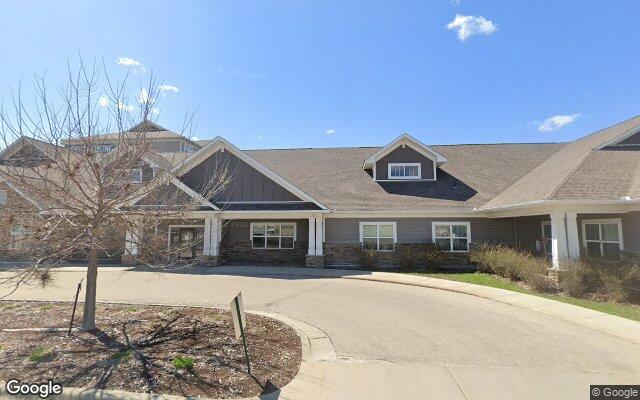
A large home, reviewed on public record.
Compared to 143 Minnesota facilities with a similar number of beds.
ALF memory care · 36-month window. Higher percentile = better performance on inspection record. Source: Minnesota Dept. of Health · Health Regulation Division.
among peers to rank.
Rankings based on 36-month MDH inspection data. Severity and frequency: fewer citations = higher percentile. Repeat rate: lower repeat citation share = higher percentile.
Citation history, plotted month by month.
1 deficiency on record. Each bar is a month with a citation.
Finding distribution
1 total · 36 monthsScope × Severity (CMS A–L)
Questions to ask before you visit.
A short pre-tour checklist tailored to Aviva River Bend's record and state requirements.
MDH records show 3 complaints were filed against this facility, with the most recent inspection conducted on May 24, 2024 — were any of those complaints substantiated, and can you share documentation of any corrective actions taken in response?
Ask the operator on tour. Take notes and compare answers across facilities you visit.
The facility holds an Assisted Living Facility with Dementia Care license under Minnesota Statutes chapter 144G and has 100 licensed beds — can you walk us through the written dementia care program and show how it guides daily care practices for residents with memory loss?
Ask the operator on tour. Take notes and compare answers across facilities you visit.
MDH inspection records show 0 deficiencies cited across 4 reports on file — can you explain how the facility tracks compliance with Minnesota's dementia care requirements and what internal auditing or quality assurance processes are in place?
Ask the operator on tour. Take notes and compare answers across facilities you visit.
Every inspection visit, verbatim.
3 inspections in the public record, most recent first. Plain-language summaries open first — click into any row for the full citation text.
2025-11-03Complaint InvestigationNo findings
Plain-language summary
A complaint investigation found that while one resident did push another resident, causing fractures that required hospitalization, the facility was not found to have neglected the residents because there had been no prior incidents indicating the resident who pushed would harm others, and the resident's service plan included appropriate interventions for her documented agitation. The facility immediately responded when staff discovered the incident, called 911, and transferred the resident who caused the injury out of the facility that same evening. The Minnesota Department of Health took no further action.
Read full citation textHide full citation text
Read raw inspector notesClose inspector notes
Finding: Not Substantiated Nature of Investigation: The Minnesota Department of Health investigated an allegation of maltreatment, in accordance with the Minnesota Reporting of Maltreatment of Vulnerable Adults Act, Minn. Stat. 626.557, and to evaluate compliance with applicable licensing standards for the provider type. Initial Investigation Allegation(s): The facility neglected the residents when resident #2 pushed resident #1 causing her to fall requiring hospitalization related to multiple fractures. Investigative Findings and Conclusion: The Minnesota Department of Health determined neglect was not substantiated. Although, resident #2 did push resident #1 causing fractured bones there was no incidents prior to this one to indicate resident #2 would physically cause harm to another resident. R2’s service plan did include interventions The investigator conducted interviews with facility staff members, including administrative staff, nursing staff, and unlicensed staff. The investigator contacted family members. The investigation included review of the resident’s records, facility internal investigation, facility incident reports, staff schedules, related facility policy and procedures. Also, the investigator made an onsite visit to observe staff interaction with residents and memory care floor plan. Resident #1 Resident #1 resided in an assisted living memory care unit. The resident’s diagnoses included dementia. The service plan indicated resident #1 was independent with transfers, wandered within the facility but did not have a history of jeopardizing. Resident #1 was able to follow directions but did require verbal cues or short directions from staff. While walking, resident #1 required prompts or cues but did not require hands-on assistance with no history of behavioral concerns. Resident #2 Resident #2 resided in an assisted living memory care unit. The resident’s diagnoses included severe dementia with agitation. Resident #2’s facility records indicated the resident is a recent admission and has documented bouts of agitation with interventions effectively used. The service plan indicated resident #2 required prompts or cues for safety while ambulating but did not require hands on assistance. Resident #2 was alert and oriented to self only. Due to disorientation, resident #2 required frequent verbal prompts and/or direction from caregivers although there was a reported history of aggression towards others. Incident One evening an unlicensed caregiver heard yelling between two residents and went to resident #1’s room where resident #1 was found on the floor with resident #2 present in the room. Resident #2 told the caregiver she had shoved resident #1. Resident #1, who was in lying on the floor and complaining of pain, told the caregiver resident #2 had pushed her. Resident #2 was removed from the area immediately while 911 was called to transport resident #1 to the emergency department. Interviews During an interview, nurse #1 stated resident #2 did not exhibit aggression towards other residents until this actual incident. Nurse stated resident #2 was verbal aggressive towards staff members and would refuse cares but did not strike out. On admission resident #2 was appropriate for admission with a service plan appropriate for cares. Caregivers did report resident #2’s verbal aggression towards them and interventions were in place to address this concern. Nurse #1 stated the exact details of the incident were unknown as it was unwitnessed by any caregiver although the facility followed up promptly once the incident became known. During an interview, nurse #2 stated resident #2 spent a lot of time out in the common area of memory care sitting in a chair. Nurse #2 stated resident #2 would mumble incoherently and was not easily understood. There had been no prior behaviors such as this. Resident #1 was not aggressive and did walk with a walker. During an interview, the unlicensed caregiver stated on the day of the incident resident #2 was agitated and wandering nonstop in common area and in other resident rooms. Caregiver stated she kept an eye on resident as she wandered and provided redirection. Caregiver stated when providing care to other residents that day unable to be with resident #2 all the time. The caregiver stated staff complete multiple trainings regarding handling behaviors and residents will have care planned interventions. In conclusion, the Minnesota Department of Health determined neglect was not substantiated. “Not Substantiated” means: An investigatory conclusion indicating the preponderance of evidence shows that an act meeting the definition of maltreatment did not occur. Neglect: Minnesota Statutes, section 626.5572, subdivision 17 “Neglect” means neglect by a caregiver or self-neglect. (a) "Caregiver neglect" means the failure or omission by a caregiver to supply a vulnerable adult with care or services, including but not limited to, food, clothing, shelter, health care, or supervision which is: (1) reasonable and necessary to obtain or maintain the vulnerable adult's physical or mental health or safety, considering the physical and mental capacity or dysfunction of the vulnerable adult; and (2) which is not the result of an accident or therapeutic conduct. Vulnerable Adult interviewed: NA, deceased Family/Responsible Party interviewed: Yes Alleged Perpetrator interviewed: NA the Action taken by facility: Resident #2 was transferred from the facility the evening of the incident and did not return to the facility. Action taken by the Minnesota Department of Health: No further action. cc: The Office of Ombudsman for Long Term Care The Office of Ombudsman for Mental Health and Developmental Disabilities PRINTED: 11/06/2025 FORM APPROVED STATEMENT OF DEFICIENCIES (X1) PROVIDER/SUPPLIER/CLIA (X2) MULTIPLE CONSTRUCTION (X3) DATE SURVEY AND PLAN OF CORRECTION IDENTIFICATION NUMBER: COMPLETED A. BUILDING: ______________________ C B. WING _____________________________ 31368 08/26/2025 NAME OF PROVIDER OR SUPPLIER STREET ADDRESS, CITY, STATE, ZIP CODE 30 SILVER LAKE PLACE NW AVIVA RIVER BEND ROCHESTER, MN 55901 SUMMARY STATEMENT OF DEFICIENCIES PROVIDER'S PLAN OF CORRECTION (X4) ID ID (X5) (EACH DEFICIENCY MUST BE PRECEDED BY FULL (EACH CORRECTIVE ACTION SHOULD BE COMPLETE PREFIX PREFIX REGULATORY OR LSC IDENTIFYING INFORMATION) CROSS-REFERENCED TO THE APPROPRIATE DATE TAG TAG DEFICIENCY) 0 000 Initial Comments 0 000 On August 25, 2025, through August 26, 2025, the Minnesota Department of Health initiated an investigation of complaint #HL313688149C/#HL313684202M. No correction orders are issued. LABORATORY DIRECTOR'S OR PROVIDER/SUPPLIER REPRESENTATIVE'S SIGNATURE TITLE (X6) DATE STATE FORM 6899 FIZS11 If continuation sheet 1 of 1
2024-08-25Complaint InvestigationSubstantiated Finding · 1 finding
Plain-language summary
A complaint investigation substantiated that an unlicensed caregiver placed a gait belt around a resident in a Broda chair, restricting her movement, which the Minnesota Department of Health determined constituted abuse; the resident was not injured, the belt was removed immediately when discovered by a family member, and the caregiver was terminated. The facility had trained all staff on its zero-tolerance restraint policy upon hire, and additional restraint abuse training was provided to all staff following the incident.
Read full citation text (1)Hide full citation text
“MDH substantiated maltreatment or licensing violation finding”
Read raw inspector notesClose inspector notes
Finding: Substantiated, individual responsibility Nature of Investigation: The Minnesota Department of Health investigated an allegation of maltreatment, in accordance with the Minnesota Reporting of Maltreatment of Vulnerable Adults Act, Minn. Stat. 626.557, and to evaluate compliance with applicable licensing standards for the provider type. Initial Investigation Allegation(s): The alleged perpetrator (AP), a facility unlicensed caregiver, abused the resident when the AP placed a restraint on the resident while in her Broda chair. Investigative Findings and Conclusion: The Minnesota Department of Health determined abuse was substantiated. The AP, an unlicensed caregiver, was responsible for the maltreatment. The AP intentionally secured a gait belt on the resident restraining her in a Broda chair causing unreasonable confinement. The investigator conducted interviews with facility staff members, including management staff, nursing staff, and unlicensed staff. The investigator contacted the resident’s family member. The investigation included review of the resident record, facility internal investigation, facility incident reports, personnel files, staff schedules, and related facility policy and procedures Also, the investigator toured the facility and observed interactions between staff and residents. The resident resided in an assisted living memory care unit. The resident’s diagnoses included Alzheimer’s disease. The resident’s service plan included assistance with safety checks and redirection as needed. The resident’s assessment indicated the resident was disoriented, had frequent anxiety, and had chronic pain. The resident required hands-on assistance for transferring and needed assistive devices for mobility and ambulation. The resident did have a history of falls and used a Broda chair (a wheelchair designed to prevent pressure sores, falls, slumping, and sliding out of the chair). The resident was enrolled in hospice. One day, the resident was found by a family member with a gait belt around her while seated in a Broda chair. The family member notified unlicensed caregivers, the gait belt was immediately removed, and no injuries were noted. During an interview, a manager stated during the internal investigation the AP stated she placed the gait belt on the resident because the resident was leaning, and the AP thought she would fall forward out of the chair, so she placed a gait belt around the resident’s waist to keep her safe. The manager stated the AP said she had not tried other interventions before placing the gait belt on the resident. The manager reiterated the AP was trained upon hire two months before the incident the facility was “zero tolerance” restraint free facility. The AP’s employment was then terminated. During an interview, unlicensed caregiver #1 stated the family member notified her the resident had a gait belt around her in the Broda chair. Unlicensed caregiver #1 immediately removed the gait belt, transferred her to a recliner, and observed the resident had no injuries. Unlicensed caregiver #1 stated she was not aware of the AP ever using a gait belt as a restraint before and did not work with the AP after that day. Unlicensed caregiver #1 reported additional training was provided to all staff regarding restraints abuse and vulnerable adult reporting after the incident. During an interview, unlicensed caregiver #2 stated after the family member notified unlicensed caregivers, the resident was found with the gait belt around the resident’s waist and secured in the back where the resident could not remove the gait belt. Unlicensed caregiver #2 stated she saw the AP grab her things and walk out the door, leaving without giving report or completing walking rounds which was normal practice at the facility. During an interview, the AP indicated she was mandated to stay and work a twelve-hour shift. The AP stated she was trying to provide care to other residents and the resident was leaning forward and was afraid the resident would fall forward out of the chair and hurt herself, so she placed a gait belt around the resident in the chair to prevent her falling forward out of the Broda chair. The AP stated she did not try other interventions before placing the gait belt around the resident’s waist. The AP stated she did not secure the belt but placed it as a reminder for the resident to not lean forward in the Broda chair. The AP stated she alerted her coworkers the gait belt was on the resident when her shift was over, however the AP could not remember the staff member’s name. During an interview, the family member reported they found the resident in a common area sitting in her Broda chair with a belt around her waist that was secured in a way the resident could not have removed independently. The family member notified the unlicensed caregivers who removed the belt as soon as it was brought to their attention, assessed the resident for injuries, and there were none. The family member stated they had not seen a restraint used in the facility before that incident nor since. In conclusion, the Minnesota Department of Health determined abuse was substantiated. Substantiated: Minnesota Statutes, section 626.5572, Subdivision 19. “Substantiated” means a preponderance of evidence shows that an act that meets the definition of maltreatment occurred. Abuse: Minnesota Statutes section 626.5572, subdivision 2. "Abuse" means: (a) An act against a vulnerable adult that constitutes a violation of, an attempt to violate, or aiding and abetting a violation of: (1) assault in the first through fifth degrees as defined in sections 609.221 to 609.224; (2) the use of drugs to injure or facilitate crime as defined in section 609.235; (3) the solicitation, inducement, and promotion of prostitution as defined in section 609.322; and (4) criminal sexual conduct in the first through fifth degrees as defined in sections 609.342 to 609.3451. A violation includes any action that meets the elements of the crime, regardless of whether there is a criminal proceeding or conviction. (b) Conduct which is not an accident or therapeutic conduct as defined in this section, which produces or could reasonably be expected to produce physical pain or injury or emotional distress including, but not limited to, the following: (1) hitting, slapping, kicking, pinching, biting, or corporal punishment of a vulnerable adult; (2) use of repeated or malicious oral, written, or gestured language toward a vulnerable adult or the treatment of a vulnerable adult which would be considered by a reasonable person to be disparaging, derogatory, humiliating, harassing, or threatening; (3) use of any aversive or deprivation procedure, unreasonable confinement, or involuntary seclusion, including the forced separation of the vulnerable adult from other persons against the will of the vulnerable adult or the legal representative of the vulnerable adult. Vulnerable Adult interviewed: No, attempted but unable due to cognitive impairment. Family/Responsible Party interviewed: Yes Alleged Perpetrator interviewed: Yes the Action taken by facility: The facility terminated employment the AP’s employment. The facility provided re-training provided to all staff on preventing abuse and its policy regarding restraining residents. Action taken by the Minnesota Department of Health: The facility was issued a correction order regarding the vulnerable adult’s right to be free from maltreatment. You may also call 651-201-4200 to receive a copy via mail or email The responsible party will be notified of their right to appeal the maltreatment finding. If the maltreatment is substantiated against an identified employee, this report will be submitted to the nurse aide registry for possible inclusion of the finding on the abuse registry and/or to the Minnesota Department of Human Services for possible disqualification in accordance with the provisions of the background study requirements under Minnesota 245C. cc: The Office of Ombudsman for Long Term Care The Office of Ombudsman for Mental Health and Developmental Disabilities Olmsted County Attorney Rochester City Attorney Rochester Police Department Minnesota Department of Human Services - Licensing PRINTED: 08/29/2024 FORM APPROVED STATEMENT OF DEFICIENCIES (X1) PROVIDER/SUPPLIER/CLIA (X2) MULTIPLE CONSTRUCTION (X3) DATE SURVEY AND PLAN OF CORRECTION IDENTIFICATION NUMBER: COMPLETED A. BUILDING: ______________________ C B. WING _____________________________ 31368 07/11/2024 NAME OF PROVIDER OR SUPPLIER STREET ADDRESS, CITY, STATE, ZIP CODE 30 SILVER LAKE PLACE NW AVIVA RIVER BEND ROCHESTER, MN 55901 SUMMARY STATEMENT OF DEFICIENCIES PROVIDER'S PLAN OF CORRECTION (X4) ID ID (X5) PREFIX (EACH DEFICIENCY MUST BE PRECEDED BY FULL PREFIX (EACH CORRECTIVE ACTION SHOULD BE COMPLETE REGULATORY OR LSC IDENTIFYING INFORMATION) CROSS-REFERENCED TO THE APPROPRIATE DATE TAG TAG DEFICIENCY) 0 000 Initial Comments 0 000 ******ATTENTION****** Minnesota Department of Health is documenting the State Correction Orders ASSISTED LIVING PROVIDER CORRECTION using federal software. Tag numbers have ORDER been assigned to Minnesota State Statutes for Assisted Living Facilities.
2024-05-24Annual Compliance VisitNo findings
Plain-language summary
A follow-up survey on September 25, 2024, found that the facility had not corrected all of the state correction orders issued from a May 24, 2024, initial survey, specifically in the areas of training and evaluation of unlicensed staff, documentation of medication administration, and medication disposition. No fines were assessed at this time, but the facility must document how it will correct these violations within the timeframe outlined by the Minnesota Department of Health. The facility may challenge these correction orders through a reconsideration process if requested in writing within 15 calendar days.
Read full citation textHide full citation text
Read raw inspector notesClose inspector notes
correction orders and document the actions taken to comply in the facility's records. The Department reserves the right to return to the facility at any time should the Department receive a complaint or deem it necessary to ensure the health, safety, and welfare of residents in your care. Furthermore, the follow-up survey determined your facility had not corrected all of the state correction orders issued pursuant to the May 24, 2024, initial survey. In accordance with Minn. Stat. § 144G.31, Subd. 4 (a), state correction orders issued pursuant to the last survey completed on May 24, 2024, found not corrected at the time of the September 25, 2025, follow-up survey and/or subject to a penalty assessment are as follows: 1370-Training And Evaluation Of Unlicensed Personn-144g.61 Subd. 2 (a) 1380-Training And Evaluation Of Unlicensed Personn-144g.61 Subd. 2 (b) 1760-Documentation Of Administration Of Medication-144g.71 Subd. 8 1910-Disposition Of Medications-144g.71 Subd. 22 The details of the violations noted at the time of this follow-up survey completed on September 25, 2024, (listed above), are on the attached State Form. Brackets around the ID Prefix Tag in the left hand column, e.g., {2 ----} will identify the uncorrected tags. An equal opportunity employer. Letter ID: 292I_Revised 04/14/2023 Aviva River Bend October 4, 2024 Page 2 Therefore, in accordance with Minn. Stat. §§ 144G.01 to 144G.9999, no immediate fines are assessed. DOCUMENTATION OF ACTION TO COMPLY Per Minn. Stat. § 144G.30, Subd. 5(c), the licensee must document actions taken to comply with the correction orders within the time period outlined on the state form; however, plans of correction are not required to be submitted for approval. The correction order documentation should include the following: Identify how the area(s) of noncompliance was corrected related to the resident(s)/employee(s) identified in the correction order. Identify how the area(s) of noncompliance was corrected for all of the provider’s resident(s)/employees that may be affected by the noncompliance. Identify what changes to your systems and practices were made to ensure compliance with the specific statute(s). CORRECTION ORDER RECONSIDERATION PROCESS In accordance with Minn. Stat. § 144G.32, Subd. 2, you may challenge the correction order(s) issued, including the level and scope, and any fine assessed through the correction order reconsideration process. The request for reconsideration must be in writing and received by MDH within 15 calendar days of the correction order receipt date. To submit a reconsideration request, please visit: https://forms.web.health.state.mn.us/form/HRDAppealsForm You are encouraged to retain this document for your records. It is your responsibility to share the information contained in the letter and/or state form with your organization’s Governing Body. Sincerely, Rick Michals, J.D. Executive Regional Operations Manager HHH PRINTED: 10/04/2024 FORM APPROVED STATEMENT OF DEFICIENCIES (X1) PROVIDER/SUPPLIER/CLIA (X2) MULTIPLE CONSTRUCTION (X3) DATE SURVEY AND PLAN OF CORRECTION IDENTIFICATION NUMBER: COMPLETED A. BUILDING: ______________________ R B. WING _____________________________ 31368 09/25/2024 NAME OF PROVIDER OR SUPPLIER STREET ADDRESS, CITY, STATE, ZIP CODE 30 SILVER LAKE PLACE NW AVIVA RIVER BEND ROCHESTER, MN 55901 SUMMARY STATEMENT OF DEFICIENCIES PROVIDER'S PLAN OF CORRECTION (X4) ID ID (X5) PREFIX (EACH DEFICIENCY MUST BE PRECEDED BY FULL PREFIX (EACH CORRECTIVE ACTION SHOULD BE COMPLETE REGULATORY OR LSC IDENTIFYING INFORMATION) CROSS-REFERENCED TO THE APPROPRIATE DATE TAG TAG DEFICIENCY) {0 000} Initial Comments {0 000} *****ATTENTION****** Minnesota Department of Health is ASSISTED LIVING PROVIDER LICENSING documenting the State Correction Orders CORRECTION ORDER using federal software. Tag numbers have In accordance with Minnesota Statutes, section been assigned to Minnesota State 144G.08 to 144G.95 this correction order(s) has Statutes for Assisted Living Facilities. The been issued pursuant to a survey. assigned tag number appears in the far Determination of whether a violation has been left column entitled "ID Prefix Tag." The corrected requires compliance with all state Statute number and the requirements provided at the Statute number corresponding text of the state Statute out indicated below. When Minnesota Statute of compliance is listed in the "Summary contains several items, failure to comply with any Statement of Deficiencies" column. This of the items will be considered lack of column also includes the findings which compliance. are in violation of the state requirement INITIAL COMMENTS: after the statement, "This Minnesota SL31368015-1 requirement is not met as evidenced by." Following the evaluators ' findings is the On September 23, 2024, through September 25, Time Period for Correction. 2024, the Minnesota Department of Health conducted a follow-up survey at the above PLEASE DISREGARD THE HEADING OF provider to follow-up on orders issued pursuant to THE FOURTH COLUMN WHICH a survey completed on May 24, 2024. At the time STATES,"PROVIDER'S PLAN OF of the survey, there were 66 residents; 57 CORRECTION." THIS APPLIES TO receiving services under the Assisted Living with FEDERAL DEFICIENCIES ONLY. THIS Dementia Care license. As a result of the WILL APPEAR ON EACH PAGE. follow-up survey, the following orders were reissued. THERE IS NO REQUIREMENT TO SUBMIT A PLAN OF CORRECTION FOR VIOLATIONS OF MINNESOTA STATE STATUTES. THE LETTER IN THE LEFT COLUMN IS USED FOR TRACKING PURPOSES AND REFLECTS THE SCOPE AND LEVEL ISSUED PURSUANT TO 144G.31 SUBDIVISION 1-3. {0 480} 144G.41 Subd 1 (13) (i) (B) Minimum {0 480} SS=F requirements LABORATORY DIRECTOR'S OR PROVIDER/SUPPLIER REPRESENTATIVE'S SIGNATURE TITLE (X6) DATE STATE FORM 6899 UHZF12 If continuation sheet 1 of 18 PRINTED: 10/04/2024 FORM APPROVED STATEMENT OF DEFICIENCIES (X1) PROVIDER/SUPPLIER/CLIA (X2) MULTIPLE CONSTRUCTION (X3) DATE SURVEY AND PLAN OF CORRECTION IDENTIFICATION NUMBER: COMPLETED A. BUILDING: ______________________ R B. WING _____________________________ 31368 09/25/2024 NAME OF PROVIDER OR SUPPLIER STREET ADDRESS, CITY, STATE, ZIP CODE 30 SILVER LAKE PLACE NW AVIVA RIVER BEND ROCHESTER, MN 55901 SUMMARY STATEMENT OF DEFICIENCIES PROVIDER'S PLAN OF CORRECTION (X4) ID ID (X5) PREFIX (EACH DEFICIENCY MUST BE PRECEDED BY FULL PREFIX (EACH CORRECTIVE ACTION SHOULD BE COMPLETE REGULATORY OR LSC IDENTIFYING INFORMATION) CROSS-REFERENCED TO THE APPROPRIATE DATE TAG TAG DEFICIENCY) {0 480} Continued From page 1 {0 480} (13) offer to provide or make available at least the following services to residents: (B) food must be prepared and served according to the Minnesota Food Code, Minnesota Rules, chapter 4626; and This MN Requirement is not met as evidenced by: No further action required. {0 780} 144G.45 Subd. 2 (a) (1) Fire protection and {0 780} SS=E physical environment (a) Each assisted living facility must comply with the State Fire Code in Minnesota Rules, chapter 7511, and: (1) for dwellings or sleeping units, as defined in the State Fire Code: (i) provide smoke alarms in each room used for sleeping purposes; (ii) provide smoke alarms outside each separate sleeping area in the immediate vicinity of bedrooms; (iii) provide smoke alarms on each story within a dwelling unit, including basements, but not including crawl spaces and unoccupied attics; (iv) where more than one smoke alarm is required within an individual dwelling unit or sleeping unit, interconnect all smoke alarms so that actuation of one alarm causes all alarms in the individual dwelling unit or sleeping unit to operate; and (v) ensure the power supply for existing smoke alarms complies with the State Fire Code, except that newly introduced smoke alarms in existing buildings may be battery operated; STATE FORM 6899 UHZF12 If continuation sheet 2 of 18 PRINTED: 10/04/2024 FORM APPROVED STATEMENT OF DEFICIENCIES (X1) PROVIDER/SUPPLIER/CLIA (X2) MULTIPLE CONSTRUCTION (X3) DATE SURVEY AND PLAN OF CORRECTION IDENTIFICATION NUMBER: COMPLETED A. BUILDING: ______________________ R B. WING _____________________________ 31368 09/25/2024 NAME OF PROVIDER OR SUPPLIER STREET ADDRESS, CITY, STATE, ZIP CODE 30 SILVER LAKE PLACE NW AVIVA RIVER BEND ROCHESTER, MN 55901 SUMMARY STATEMENT OF DEFICIENCIES PROVIDER'S PLAN OF CORRECTION (X4) ID ID (X5) PREFIX (EACH DEFICIENCY MUST BE PRECEDED BY FULL PREFIX (EACH CORRECTIVE ACTION SHOULD BE COMPLETE REGULATORY OR LSC IDENTIFYING INFORMATION) CROSS-REFERENCED TO THE APPROPRIATE DATE TAG TAG DEFICIENCY) {0 780} Continued From page 2 {0 780} This MN Requirement is not met as evidenced by: No further action required. {0 800} 144G.45 Subd. 2 (a) (4) Fire protection and {0 800} SS=F physical environment (4) keep the physical environment, including walls, floors, ceiling, all furnishings, grounds, systems, and equipment in a continuous state of good repair and operation with regard to the health, safety, comfort, and well-being of the residents in accordance with a maintenance and repair program. This MN Requirement is not met as evidenced by: No further action required. {01370} 144G.61 Subd.
1 older inspection from 2023 are not shown above.
Get the complete record, translated into plain language — emailed to you.
Other facilities in Olmsted County.
Other memory care facilities in Olmsted County with similar care offerings.
Tour Prep
Family reviews
No reviews yet — be the first to share your experience