Benedictine Senior Living - Os.
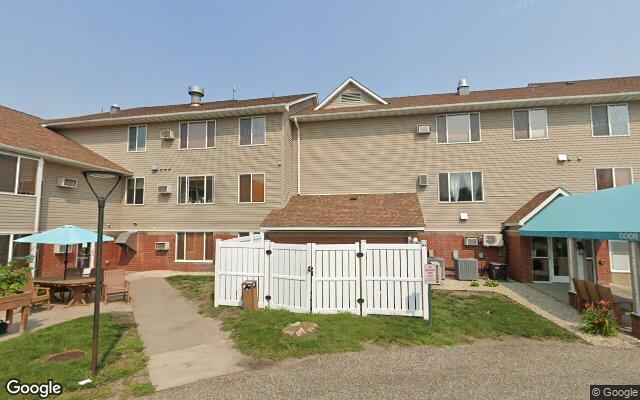
A large home, reviewed on public record.
Compared to 143 Minnesota facilities with a similar number of beds.
ALF memory care · 36-month window. Higher percentile = better performance on inspection record. Source: Minnesota Dept. of Health · Health Regulation Division.
among peers to rank.
Rankings based on 36-month MDH inspection data. Severity and frequency: fewer citations = higher percentile. Repeat rate: lower repeat citation share = higher percentile.
Citation history, plotted month by month.
1 deficiency on record. Each bar is a month with a citation.
Finding distribution
1 total · 36 monthsScope × Severity (CMS A–L)
Every inspection visit, verbatim.
4 inspections in the public record, most recent first. Plain-language summaries open first — click into any row for the full citation text.
2025-09-11Complaint InvestigationNo findings
Plain-language summary
A complaint investigation found that neglect was not substantiated after a resident with dementia was discovered on the floor between his bed and wall; staff were familiar with the resident's routine of wandering and had adapted care accordingly, and the facility took appropriate action by having the resident evaluated at the emergency department. However, the facility was found to be in noncompliance with licensing standards, and a correction order was issued; the resident subsequently moved to a higher level of care facility.
Read full citation textHide full citation text
Read raw inspector notesClose inspector notes
Finding: Not Substantiated Nature of Investigation: The Minnesota Department of Health investigated an allegation of maltreatment, in accordance with the Minnesota Reporting of Maltreatment of Vulnerable Adults Act, Minn. Stat. 626.557, and to evaluate compliance with applicable licensing standards for the provider type. Initial Investigation Allegation(s): The facility neglected the resident when it failed to perform scheduled a safety check over night or in the morning. Investigative Findings and Conclusion: The Minnesota Department of Health determined neglect was not substantiated. While it was true the resident was found on the floor between his bed and the wall, the caregivers were familiar with his routine and had adapted his cares to that routine. The facility took appropriate action to address the resident’s cares. The investigator conducted interviews with facility staff members, including administrative staff, nursing staff, and unlicensed staff. The investigator contacted a family member. The investigation included review of the resident record(s), facility internal investigation, facility incident reports, tasks report, progress notes, service plan, evaluations, and related facility policy and procedures. The investigator visited the facility, and staff gave a tour of the resident’s apartment and explained how it was set up and where resident was found between the bed and wall. The resident resided in an assisted living memory care unit. The resident’s diagnoses included dementia, anxiety, and other mental health conditions. The resident’s assessment indicated the resident received medication administration with medications being adjusted by psychiatry provider related to concerns regarding sleep patterns. The resident was prone to wandering the unit plus confused to place and time. The resident required frequent/daily interventions regarding personal space of others and was independent with toileting and ambulation. The resident assessment indicated daily “I am okay checks” plus multiple safety checks daily. One morning a caregiver went into the resident’s room to check on the resident and found the resident not to be in his bed. The caregiver reported off to other staff members the resident could not be located, and a search began for the resident throughout the unit and facility. The nurse was contacted along with the police department. The resident was found in his room on the floor between his bed and the wall. Resident was assessed and transported to the emergency department for evaluation. During an interview, multiple caregivers stated the resident wandered throughout the unit both day and night and was highly visible. Verbal report was given between shirts to share information about what occurred on the previous shift. Multiple caregivers stated the resident does not sleep well and generally allow him to rest and try they try not to disturb him overnight or in the morning in the beginning of the dayshift. During an interview, a family member stated this was the first incident like this and his family member was sent for evaluation. Family member stated the resident was having increased confusion and is now in a higher level of care facility related to his dementia. In conclusion, the Minnesota Department of Health determined neglect was not substantiated. “Not Substantiated” means: An investigatory conclusion indicating the preponderance of evidence shows that an act meeting the definition of maltreatment did not occur. Neglect: Minnesota Statutes, section 626.5572, subdivision 17 “Neglect” means neglect by a caregiver or self-neglect. (a) "Caregiver neglect" means the failure or omission by a caregiver to supply a vulnerable adult with care or services, including but not limited to, food, clothing, shelter, health care, or supervision which is: (1) reasonable and necessary to obtain or maintain the vulnerable adult's physical or mental health or safety, considering the physical and mental capacity or dysfunction of the vulnerable adult; and (2) which is not the result of an accident or therapeutic conduct. Vulnerable Adult interviewed: NA Family/Responsible Party interviewed: Yes Alleged Perpetrator interviewed: NA Action taken by facility: The facility sent to the resident to the hospital for evaluation. The resident did not return to the facility but was residing at a higher level of care facility. Action taken by the Minnesota Department of Health: The facility was found to be in noncompliance. To view a copy of the Statement of Deficiencies and/or correction orders, please visit: https://www.health.state.mn.us/facilities/regulation/directory/provcompselect.html If you are viewing this report on the MDH website, please see the attached Statement of Deficiencies. You may also call 651-201-4200 to receive a copy via mail or email cc: The Office of Ombudsman for Long Term Care The Office of Ombudsman for Mental Health and Developmental Disabilities PRINTED: 09/15/2025 FORM APPROVED STATEMENT OF DEFICIENCIES (X1) PROVIDER/SUPPLIER/CLIA (X2) MULTIPLE CONSTRUCTION (X3) DATE SURVEY AND PLAN OF CORRECTION IDENTIFICATION NUMBER: COMPLETED A. BUILDING: ______________________ C B. WING _____________________________ 30687 07/01/2025 NAME OF PROVIDER OR SUPPLIER STREET ADDRESS, CITY, STATE, ZIP CODE 625 CENTRAL AVENUE BENEDICTINE SENIOR LIVING OSSEO, MN 55369 SUMMARY STATEMENT OF DEFICIENCIES PROVIDER'S PLAN OF CORRECTION (X4) ID ID (X5) PREFIX (EACH DEFICIENCY MUST BE PRECEDED BY FULL PREFIX (EACH CORRECTIVE ACTION SHOULD BE COMPLETE REGULATORY OR LSC IDENTIFYING INFORMATION) CROSS-REFERENCED TO THE APPROPRIATE DATE TAG TAG DEFICIENCY) 0 000 Initial Comments 0 000 ******ATTENTION****** Assisted Living Provider 144G. ASSISTED LIVING PROVIDER CORRECTION Minnesota Department of Health is ORDER documenting the State Correction Orders using federal software. Tag numbers have In accordance with Minnesota Statutes, section been assigned to Minnesota State 144G.08 to 144G.95, these correction orders are Statutes for Assisted Living Facilities. The issued pursuant to a complaint investigation. assigned tag number appears in the far-left column entitled "ID Prefix Tag." The Determination of whether a violation is corrected state Statute number and the requires compliance with all requirements corresponding text of the state Statute out provided at the statute number indicated below. of compliance is listed in the "Summary When a Minnesota Statute contains several Statement of Deficiencies" column. This items, failure to comply with any of the items will column also includes the findings which be considered lack of compliance. are in violation of the state requirement after the statement, "This Minnesota INITIAL COMMENTS: requirement is not met as evidenced by." Following the evaluators' findings is the #HL306875531C/#HL306873102M Time Period for Correction. On July 1, 2025, the Minnesota Department of PLEASE DISREGARD THE HEADING OF Health conducted a complaint investigation at the THE FOURTH COLUMN WHICH above provider, and the following correction STATES,"PROVIDER'S PLAN OF orders are issued. At the time of the complaint CORRECTION." THIS APPLIES TO investigation, there were 48 residents receiving FEDERAL DEFICIENCIES ONLY. THIS services under the provider's Assisted Living with WILL APPEAR ON EACH PAGE. Dementia Care license. THERE IS NO REQUIREMENT TO The following correction order is issued for SUBMIT A PLAN OF CORRECTION FOR #HL306875531C/#HL306873102M, tag VIOLATIONS OF MINNESOTA STATE identification 0730. STATUTES. THE LETTER IN THE LEFT COLUMN IS USED FOR TRACKING PURPOSES AND REFLECTS THE SCOPE AND LEVEL ISSUED PURSUANT TO 144G.31 SUBDIVISION 1-3. 0 730 144G.43 Subd. 3 Contents of resident record 0 730 SS=D LABORATORY DIRECTOR'S OR PROVIDER/SUPPLIER REPRESENTATIVE'S SIGNATURE TITLE (X6) DATE STATE FORM 6899 S6FJ11 If continuation sheet 1 of 7 PRINTED: 09/15/2025 FORM APPROVED STATEMENT OF DEFICIENCIES (X1) PROVIDER/SUPPLIER/CLIA (X2) MULTIPLE CONSTRUCTION (X3) DATE SURVEY AND PLAN OF CORRECTION IDENTIFICATION NUMBER: COMPLETED A. BUILDING: ______________________ C B.
2025-05-06Complaint InvestigationNo findings
Plain-language summary
The Minnesota Department of Health investigated a complaint that the facility neglected a resident by failing to promptly seek medical care for shingles, which the resident was diagnosed with at an emergency department visit; the investigation found the complaint was not substantiated because staff likely did not observe the rash until the day of the emergency visit, and there was insufficient evidence that shingles caused or contributed to the resident's death, which was attributed to dementia and pneumonia. The investigation included interviews with facility staff, review of medical records, and observation of care practices, and determined the facility had been attentive to bringing resident health concerns to the provider's attention.
Read full citation textHide full citation text
Read raw inspector notesClose inspector notes
Finding: Not Substantiated Nature of Investigation: The Minnesota Department of Health investigated an allegation of maltreatment, in accordance with the Minnesota Reporting of Maltreatment of Vulnerable Adults Act, Minn. Stat. 626.557, and to evaluate compliance with applicable licensing standards for the provider type. Initial Investigation Allegation(s): The facility neglected the resident when the facility failed to promptly seek medical intervention for the resident’s shingles. The resident’s health declined, and she died less than two weeks after being diagnosed. Investigative Findings and Conclusion: The Minnesota Department of Health determined neglect was not substantiated. It was reasonable facility staff may not have observed the resident’s rash until the day of the fall. There was also a lack of evidence the shingles played a role in the resident’s decline and death. The investigator conducted interviews with facility staff members, including administrative staff, nursing staff, and unlicensed staff. The investigator contacted the provider and family. The investigation included review of the resident record, death record, hospital record, personnel files, staff schedules, and related facility policy and procedures. Also, the investigator observed resident’s skin, toileting, and transferring. The resident resided in an assisted living memory care unit. The resident’s diagnoses included dementia. The resident’s service plan included assistance with dressing and showers. The resident’s assessment indicated the resident needed help with dressing due to having made the wrong clothing choices. Staff were to assist in setting out clothing and provide partial assistance with completing the task. The assessment identified the resident as sometimes resistant to cares. About a week and a half before the resident was diagnosed with shingles, the facility nurse completed an assessment. The resident reported feeling tired and could not participate in physical therapy. The resident had crackles in the bases of her lungs as well. The nurse updated the provider. Two days later, a second progress note indicated the resident started antibiotics for pneumonia. A progress note in the resident’s record indicated staff found the resident lying on the floor near her recliner. The resident appeared weak and had some alteration in mentation, and it was unclear if she hit her head. Staff informed family and requested they bring her to the emergency department (ED) for evaluation. As staff helped the resident get dressed and ready to go to the ED, they observed a rash the went straight across her stomach to her back. Staff instructed the resident’s family to have it checked out while in the ED. The resident’s record did not include any documentation of a rash prior to the day the resident went to the ED. The resident’s hospital record indicated the resident presented with a rash, weakness, and mentation change. The hospital diagnosed the resident with shingles, started her on an antiviral medication, and discharged her back to the facility. The hospital records indicated the resident had a significant area of shingles throughout her right side which likely contributed to some of the increased confusion due to the pain. The resident’s service delivery record indicated the facility scheduled showers twice weekly. The service delivery record indicated the resident refused a shower two evenings prior to the resident going to the emergency department (ED). The record indicated the resident received dressing assistance twice daily several days leading up to the incident. A provider visit note indicated a provider saw the resident four days before the ED diagnosed her with shingles. The visit note included an examination of the resident’s abdominal region. The findings for the abdominal region were soft, non-tender with no distention. The visit note also indicated the resident did not appear in acute distress. The note did not indicate there was a rash present. A progress note four days after the ED visit indicated the resident continued to be weak, not getting out of bed, and had poor oral intake. A second progress note from the same day indicated the provider and family decided on hospice. The resident passed away on hospice, about three weeks after her visit to the ED. The resident’s death record identified the cause of death as natural causes due to dementia and pneumonia. During an interview the resident’s provider reported she did not observe a rash on the resident four days prior to the ED visit during the examination. The provider stated shingles could become large and start blistering within just a few days. She stated the resident went onto hospice mainly due to weakness and dementia. The resident had been declining prior to being diagnosed with shingles. Overall, the facility had been good about bringing resident issues to her attention. During an interview, a nurse stated the resident tried doing some things for herself, even though she had been declining. When she started getting weaker, the resident would tell the unlicensed personnel (ULP)s she did not feel like completing a certain service or task that day. When the nurse assessed the resident about a week and a half prior to the ED visit, she listened to her lungs. The nurse stated she completed lung assessments under the clothing and did not remember noticing a rash. The day the resident went to the ED, staff members saw the rash and informed her. The nurse went to assess, and suspecting shingles, she instructed family to have it checked out when she went to the ED. During an interview, an ULP stated the resident liked doing things on her own and sometimes refused her help when getting dressed. The ULP stated the resident refused a shower on her shift two days prior to the ED visit. When performing other services, she did not notice a rash. During investigative interviews, multiple staff members stated they did not notice a rash on the resident until the day the of the ED visit or later. During an interview, a family member stated she did not think shingles got to the state where it covered the stomach and back and blistered overnight. The rash should have been reported to start her on the antiviral. Once they brought the resident back from the ED, the resident declined rapidly and passed away a week and a half later. In conclusion, the Minnesota Department of Health determined neglect was not substantiated. “Not Substantiated” means: An investigatory conclusion indicating the preponderance of evidence shows that an act meeting the definition of maltreatment did not occur. Neglect: Minnesota Statutes, section 626.5572, subdivision 17 “Neglect” means neglect by a caregiver or self-neglect. (a) "Caregiver neglect" means the failure or omission by a caregiver to supply a vulnerable adult with care or services, including but not limited to, food, clothing, shelter, health care, or supervision which is: (1) reasonable and necessary to obtain or maintain the vulnerable adult's physical or mental health or safety, considering the physical and mental capacity or dysfunction of the vulnerable adult; and (2) which is not the result of an accident or therapeutic conduct. Vulnerable Adult interviewed: No. The resident is deceased. Family/Responsible Party interviewed: Yes. Alleged Perpetrator interviewed: Not Applicable. Action taken by facility: The facility instructed the family to show the provider at the ED the rash after noticing the rash. The facility also notified the provider. Action taken by the Minnesota Department of Health: The facility was found to be in noncompliance. To view a copy of the Statement of Deficiencies and/or correction orders, please visit: https://www.health.state.mn.us/facilities/regulation/directory/provcompselect.html If you are viewing this report on the MDH website, please see the attached Statement of Deficiencies. You may also call 651-201-4200 to receive a copy via mail or email cc: The Office of Ombudsman for Long Term Care The Office of Ombudsman for Mental Health and Developmental Disabilities PRINTED: 05/12/2025 FORM APPROVED STATEMENT OF DEFICIENCIES (X1) PROVIDER/SUPPLIER/CLIA (X2) MULTIPLE CONSTRUCTION (X3) DATE SURVEY AND PLAN OF CORRECTION IDENTIFICATION NUMBER: COMPLETED A. BUILDING: ______________________ C B. WING _____________________________ 30687 04/08/2025 NAME OF PROVIDER OR SUPPLIER STREET ADDRESS, CITY, STATE, ZIP CODE 625 CENTRAL AVENUE BENEDICTINE SENIOR LIVING OSSEO, MN 55369 SUMMARY STATEMENT OF DEFICIENCIES PROVIDER'S PLAN OF CORRECTION (X4) ID ID (X5) PREFIX (EACH DEFICIENCY MUST BE PRECEDED BY FULL PREFIX (EACH CORRECTIVE ACTION SHOULD BE COMPLETE REGULATORY OR LSC IDENTIFYING INFORMATION) CROSS-REFERENCED TO THE APPROPRIATE DATE TAG TAG DEFICIENCY) 0 000 Initial Comments 0 000 ******ATTENTION****** Minnesota Department of Health is documenting the State Correction Orders ASSISTED LIVING PROVIDER CORRECTION using federal software. Tag numbers have ORDER been assigned to Minnesota State Statutes for Assisted Living Facilities.
2025-01-07Annual Compliance VisitNo findings
Plain-language summary
A standard licensing survey was conducted at this facility on January 6-7, 2025, and state correction orders were issued for violations of Minnesota assisted living statutes. The facility was required to document actions taken to correct the deficiencies within specified timeframes, though no immediate fines were assessed. The specific violations identified are detailed in the state form that was provided to the facility.
Read full citation textHide full citation text
Read raw inspector notesClose inspector notes
correction orders and document the actions taken to comply in the facility's records. The Department reserves the right to return to the facility at any time should the Department receive a complaint or deem it necessary to ensure the health, safety, and welfare of residents in your care. STATE CORRECTION ORDERS The enclosed State Form documents the state correction orders. MDH documents state licensing correction orders using federal software. Tag numbers are assigned to Minnesota state statutes for Assisted Living Facilities. The assigned tag number appears in the far left column entitled "ID Prefix Tag." The state statute number and the corresponding text of the state statute out of compliance are listed in the "Summary Statement of Deficiencies" column. This column also includes the findings that are in violation of the state statute after the statement, "This MN Requirement is not met as evidenced by . . ." In accordance with Minn. Stat. § 144G.31 Subd. 4, MDH may assess fines based on the level and scope of the violations; h owever, no immediate fines are assessed for this survey of your facility. DOCUMENTATION OF ACTION TO COMPLY In accordance with Minn. Stat. § 144G.30, Subd. 5(c), the licensee must document actions taken to comply with the correction orders within the time period outlined on the state form; however, plans of correction are not required to be submitted for approval. The correction order documentation should include the following: Identify how the area(s) of noncompliance was corrected related to the An equal opportunity employer. Letter ID: IS7N REVISED 09/13/2021 Benedictine Senior Living February 12, 2025 Page 2 resident(s)/employee(s) identified in the correction order. Identify how the area(s) of noncompliance was corrected for all of the provider’s resident(s)/employees that may be affected by the noncompliance. Identify what changes to your systems and practices were made to ensure compliance with the specific statute(s). CORRECTION ORDER RECONSIDERATION PROCESS In accordance with Minn. Stat. § 144G.32, Subd. 2, you may challenge the correction order(s) issued, including the level and scope, and any fine assessed through the correction order reconsideration process. The request for reconsideration must be in writing and received by MDH within 15 calendar days of the correction order receipt date. To submit a reconsideration request, please visit: https://forms.web.health.state.mn.us/form/HRDAppealsForm The MDH Health Regulation Division (HRD) values your feedback about your experience during the survey and/or investigation process. Please fill out this anonymous provider feedback questionnaire at your convenience at this link: h ttps://forms.office.com/g/Bm5uQEpHVa. Your input is important to us and will enable MDH to improve its processes and communication with providers. If you have any questions regarding the questionnaire, please contact Susan Winkelmann at susan.winkelmann@state.mn.us or call 651-201-5952. You are encouraged to retain this document for your records. It is your responsibility to share the information contained in the letter and state form with your organization’s Governing Body. If you have any questions, please contact me. Sincerely, Renee L. Anderson, Supervisor State Evaluation Team Email: Renee.L.Anderson@state.mn.us Telephone: 651-201-5871 Fax: 1-866-890-9290 HHH PRINTED: 02/12/2025 FORM APPROVED STATEMENT OF DEFICIENCIES (X1) PROVIDER/SUPPLIER/CLIA (X2) MULTIPLE CONSTRUCTION (X3) DATE SURVEY AND PLAN OF CORRECTION IDENTIFICATION NUMBER: COMPLETED A. BUILDING: ______________________ B. WING _____________________________ 30687 01/07/2025 NAME OF PROVIDER OR SUPPLIER STREET ADDRESS, CITY, STATE, ZIP CODE 625 CENTRAL AVENUE BENEDICTINE SENIOR LIVING OSSEO, MN 55369 SUMMARY STATEMENT OF DEFICIENCIES PROVIDER'S PLAN OF CORRECTION (X4) ID ID (X5) PREFIX (EACH DEFICIENCY MUST BE PRECEDED BY FULL PREFIX (EACH CORRECTIVE ACTION SHOULD BE COMPLETE REGULATORY OR LSC IDENTIFYING INFORMATION) CROSS-REFERENCED TO THE APPROPRIATE DATE TAG TAG DEFICIENCY) 0 000 Initial Comments 0 000 *****ATTENTION****** Minnesota Department of Health is documenting the State Correction Orders ASSISTED LIVING PROVIDER LICENSING using federal software. Tag numbers have CORRECTION ORDER been assigned to Minnesota State Statutes for Assisted Living with Dementia In accordance with Minnesota Statutes, section Care License Providers. The assigned 144G.08 to 144G.95 this correction order(s) has tag number appears in the far-left column been issued pursuant to a survey. entitled "ID Prefix Tag." The state Statute number and the corresponding text of the Determination of whether a violation has been state Statute out of compliance is listed in corrected requires compliance with all the "Summary Statement of Deficiencies" requirements provided at the Statute number column. This column also includes the indicated below. When Minnesota Statute findings which are in violation of the state contains several items, failure to comply with any requirement after the statement, "This of the items will be considered lack of Minnesota requirement is not met as compliance. evidenced by." Following the surveyors' findings is the Time Period for Correction. INITIAL COMMENTS: SL30687016-0 PLEASE DISREGARD THE HEADING OF THE FOURTH COLUMN WHICH On January 6, 2025, through January 7, 2025, the STATES,"PROVIDER'S PLAN OF initial survey at the above provider, and the FEDERAL DEFICIENCIES ONLY. THIS following correction orders are issued. At the time WILL APPEAR ON EACH PAGE. of the survey, there were 54 residents; 54 residents receiving services under the provider's THERE IS NO REQUIREMENT TO Assisted Living with Dementia Care license. SUBMIT A PLAN OF CORRECTION FOR VIOLATIONS OF MINNESOTA STATE STATUTES. THE LETTER IN THE LEFT COLUMN IS USED FOR TRACKING PURPOSES AND REFLECTS THE SCOPE AND LEVEL ISSUED PURSUANT TO 144G.31 SUBDIVISION 1-3. 0 480 144G.41 Subdivision 1 Subd. 1a (a-b) Minimum 0 480 SS=F requirements; required food services LABORATORY DIRECTOR'S OR PROVIDER/SUPPLIER REPRESENTATIVE'S SIGNATURE TITLE (X6) DATE STATE FORM 6899 38W811 If continuation sheet 1 of 13 PRINTED: 02/12/2025 FORM APPROVED STATEMENT OF DEFICIENCIES (X1) PROVIDER/SUPPLIER/CLIA (X2) MULTIPLE CONSTRUCTION (X3) DATE SURVEY AND PLAN OF CORRECTION IDENTIFICATION NUMBER: COMPLETED A. BUILDING: ______________________ B. WING _____________________________ 30687 01/07/2025 NAME OF PROVIDER OR SUPPLIER STREET ADDRESS, CITY, STATE, ZIP CODE 625 CENTRAL AVENUE BENEDICTINE SENIOR LIVING OSSEO, MN 55369 SUMMARY STATEMENT OF DEFICIENCIES PROVIDER'S PLAN OF CORRECTION (X4) ID ID (X5) PREFIX (EACH DEFICIENCY MUST BE PRECEDED BY FULL PREFIX (EACH CORRECTIVE ACTION SHOULD BE COMPLETE REGULATORY OR LSC IDENTIFYING INFORMATION) CROSS-REFERENCED TO THE APPROPRIATE DATE TAG TAG DEFICIENCY) 0 480 Continued From page 1 0 480 (a) Except as provided in paragraph (b), food must be prepared and served according to the Minnesota Food Code, Minnesota Rules, chapter 4626. (b) For an assisted living facility with a licensed capacity of ten or fewer residents: (1) notwithstanding Minnesota Rules, part 4626.0033, item A, the facility may share a certified food protection manager (CFPM) with one other facility located within a 60-mile radius and under common management provided the CFPM is present at each facility frequently enough to effectively administer, manage, and supervise each facility's food service operation; (2) notwithstanding Minnesota Rules, part 4626.0545, item A, kick plates that are not removable or cannot be rotated open are allowed unless the facility has been issued repeated correction orders for violations of Minnesota Rules, part 4626.1565 or 4626.1570; (3) notwithstanding Minnesota Rules, part 4626.0685, item A, the facility is not required to provide integral drainboards, utensil racks, or tables large enough to accommodate soiled and clean items that may accumulate during hours of operation provided soiled items do not contaminate clean items, surfaces, or food, and clean equipment and dishes are air dried in a manner that prevents contamination before storage; (4) notwithstanding Minnesota Rules, part 4626.1070, item A, the facility is not required to install a dedicated handwashing sink in its existing kitchen provided it designates one well of a two-compartment sink for use only as a handwashing sink; (5) notwithstanding Minnesota Rules, parts 4626.1325, 4626.1335, and 4626.1360, item A, existing floor, wall, and ceiling finishes are STATE FORM 6899 38W811 If continuation sheet 2 of 13 PRINTED: 02/12/2025 FORM APPROVED STATEMENT OF DEFICIENCIES (X1) PROVIDER/SUPPLIER/CLIA (X2) MULTIPLE CONSTRUCTION (X3) DATE SURVEY AND PLAN OF CORRECTION IDENTIFICATION NUMBER: COMPLETED A. BUILDING: ______________________ B. WING _____________________________ 30687 01/07/2025 NAME OF PROVIDER OR SUPPLIER STREET ADDRESS, CITY, STATE, ZIP CODE 625 CENTRAL AVENUE BENEDICTINE SENIOR LIVING OSSEO, MN 55369 SUMMARY STATEMENT OF DEFICIENCIES PROVIDER'S PLAN OF CORRECTION (X4) ID ID (X5) PREFIX (EACH DEFICIENCY MUST BE PRECEDED BY FULL PREFIX (EACH CORRECTIVE ACTION SHOULD BE COMPLETE REGULATORY OR LSC IDENTIFYING INFORMATION) CROSS-REFERENCED TO THE APPROPRIATE DATE TAG TAG DEFICIENCY) 0 480 Continued From page 2 0 480 allowed provided the facility keeps them clean and in good condition; (6) notwithstanding Minnesota Rules, part 4626.
2024-06-17Complaint InvestigationSubstantiated Finding · 1 finding
Plain-language summary
A complaint investigation found that the facility neglected a resident by failing to provide adequate supervision and safety planning after staff documented the resident's cognitive decline and nighttime wandering on two separate occasions two to three weeks before the incident. The resident eloped from the facility at night and was found on the ground outside, sustaining a bruise to his face; the facility did not implement specific safety checks or services to address the known wandering risk until after this incident occurred. The investigation concluded the facility was responsible for the maltreatment.
Read full citation text (1)Hide full citation text
“MDH substantiated maltreatment or licensing violation finding”
Read raw inspector notesClose inspector notes
Finding: Substantiated, facility responsibility Nature of Investigation: The Minnesota Department of Health investigated an allegation of maltreatment, in accordance with the Minnesota Reporting of Maltreatment of Vulnerable Adults Act, Minn. Stat. 626.557, and to evaluate compliance with applicable licensing standards for the provider type. Initial Investigation Allegation(s): The facility neglected the resident when staff did not provide supervision and monitoring for the resident. The resident eloped and was found on the ground outside of the facility. Investigative Findings and Conclusion: The Minnesota Department of Health determined neglect was substantiated. The facility was responsible for the maltreatment. The facility documented the resident had cognitive changes (changes in knowledge of observation, thinking, problem solving, and/or memory) and wandering in the facility two months prior to the incident but did not put a safety plan in place to prevent or address the increased risk of elopement. The investigator conducted interviews with facility staff members, nursing staff, and unlicensed staff. The investigator contacted the resident’s family member. The investigation included review of the resident record, facility internal investigation, facility incident reports, and related facility policy and procedures. The resident resided in an assisted living facility. The resident’s diagnoses included congestive heart failure, diabetes, and kidney disease. The resident’s service plan included stand by assistance with walking while using a walker, and independent with personal cares. The resident’s assessment indicated the resident was easily understood, needed occasional reminders/cues, and was easily confused. The service plan indicated the facility was to provide checks on the resident per housing agreement daily, which was indicated under the stability/falls category. The item further indicated housing checks or “I am OK checks” were included in care coordination and to please check marketing before scheduling more than one time a day. An incident report indicated the resident was missing from his apartment in the middle of the night and was found on the ground outside in his pajamas and bathrobe. The incident report indicated the resident received a bruise to the right side of his face from the fall. The facility investigation indicated the residents’ wife said the resident slept through dinner. The report further indicated a family member said the resident was probably leaving to get something to eat from the gas station. On the date of the incident the progress notes indicated a caregiver went to give medication to the residents’ wife in the middle of the night and found the resident missing from their shared apartment. The note indicated the building was searched and the resident was found outside one of the facility doors on the ground. Approximately two months prior to this event, the resident’s assessment, under the heading of orientation, indicated the resident reported getting up during odd hours and wandering in the facility. The same document indicated the resident needed extra time to redirect to his room. The same document, under the heading of wandering behavior, indicated caregivers should report any wandering behavior or wandering pattern. Approximately three weeks prior to this event, the resident’s assessment, under the heading of orientation, again indicated the resident reported getting up during odd hours and wandering in the facility. The same document indicated he needed extra time to redirect him to his room. The same document, under the heading of wandering behavior, indicated caregivers should report any wandering behavior or wandering pattern. While the facility identified a concern with wandering on two separate occasions, the facility did not put any specific services nor safety checks in place to address these concerns. Following the incident, the resident’s progress notes indicated two-hour safety checks were put in place. The note indicated the nurse would meet with family and hospice to discuss steps to ensure the residents safety. Another progress note later the same day, indicated the resident was moved to the memory care unit. Also following this incident, the Medication Administration Record indicated the resident was to be checked on every two hours to see if he was in his room. The instructions indicated to call nursing right away if the resident was not in his room. During an interview, unlicensed caregiver #1 stated towards the end of her shift, on the evening of the incident, she found the resident sitting in a chair near the medication cart. Unlicensed caregiver #1 stated this was unusual and the resident had never done that before. Unlicensed caregiver #1 stated she asked the resident if she could help him, the resident said he wanted to go home and asked which way home was. Unlicensed caregiver #1 assumed the resident meant home to his apartment, so she assisted him to his apartment and offered to help the resident to bed; however, he wanted stay up and watch television. Unlicensed caregiver #1 stated she left the resident with his wife watching television. Unlicensed caregiver #1 stated she reported the incident to the oncoming staff, unlicensed caregiver #2. Unlicensed caregiver #1 further stated she was still in the building doing her charting when unlicensed caregiver #2 called and said the resident was not in his apartment. Unlicensed caregiver #1 stated both caregivers started looking for the resident in the halls before checking outside. Unlicensed caregiver #1 stated unlicensed caregiver #2 called and said she found the resident lying on the cement patio outside. Unlicensed caregiver #1 went to the area and the two of them called the nurse. Unlicensed caregiver #1 stated the resident was able to move his extremities, he was able to walk inside, and they took him up to his apartment by wheelchair. Unlicensed caregiver #1 state the resident was not on safety checks because he had never done anything like this before. During an interview unlicensed caregiver #2 stated the same details of the incident as unlicensed caregiver #1. In addition, unlicensed caregiver #2 stated the nurse had instructed her to check the residents’ vital signs one more time that night and to check on him either every hour or every two hours throughout the rest of the shift. Unlicensed caregiver #2 stated she usually works night shifts on a different floor but when she does work on the residents’ floor, the resident had always been in bed sleeping. Unlicensed caregiver #2 was not aware of the resident wandering during the times she had worked on the residents’ floor. During an interview, the resident’s family member stated prior to this incident the resident’s spouse told her the resident had gotten up early in the morning, got dressed, and went down to the dining room several times. The family member stated her mom would wake up, go look for her dad, and find him in the dining room waiting to eat, her mom would take him back to the room because it was too early to eat. The family member stated the resident had been wandering prior to this incident and recalls having discussion with the nurse supervisor regarding his wandering. The family member stated she was unsure of interventions were put in place to prevent elopements from occurring. During an interview, the nurse supervisor stated the resident had minor confusion and needed minor redirection and simple reminders. The nurse supervisor stated the resident probably went out to take a walk and when he was out, he had a fall. The nurse supervisor stated safety checks were implemented that night and the resident was moved to the memory care unit the next day. The nurse supervisor stated every assisted living resident was checked on in the morning and if anyone had increased confusion more safety checks could be added to their services. The nurse supervisor stated the resident had one safety check in the morning and received medications two times a day prior to the incident. In conclusion, the Minnesota Department of Health determined neglect was substantiated. Substantiated: Minnesota Statutes, section 626.5572, Subdivision 19. “Substantiated” means a preponderance of evidence shows that an act that meets the definition of maltreatment occurred. Neglect: Minnesota Statutes, section 626.5572, subdivision 17 “Neglect” means neglect by a caregiver or self-neglect.
1 older inspection from 2022 are not shown above.
Get the complete record, translated into plain language — emailed to you.
Facility Watch · Premium
Family reviews
No reviews yet — be the first to share your experience