Oak Park Senior Living.
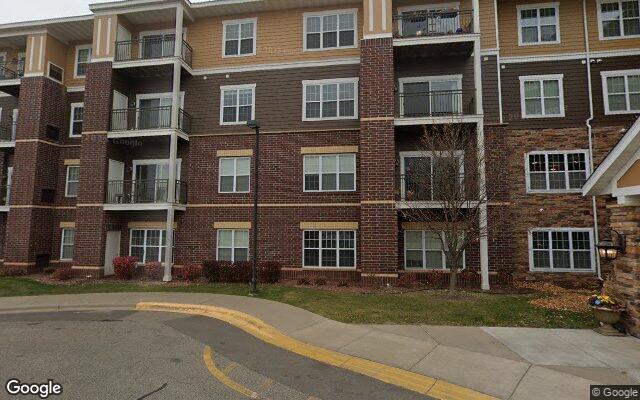
A large home, reviewed on public record.
Compared to 139 Minnesota facilities with a similar number of beds.
ALF memory care · 36-month window. Higher percentile = better performance on inspection record. Source: Minnesota Dept. of Health · Health Regulation Division.
Rankings based on 36-month MDH inspection data. Severity and frequency: fewer citations = higher percentile. Repeat rate: lower repeat citation share = higher percentile.
Citation history, plotted month by month.
3 deficiencies on record. Each bar is a month with a citation.
Finding distribution
3 total · 36 monthsScope × Severity (CMS A–L)
Questions to ask before you visit.
A short pre-tour checklist tailored to Oak Park Senior Living's record and state requirements.
The facility holds an Assisted Living Facility with Dementia Care license under Minnesota Statutes chapter 144G — can you provide a copy of the written dementia care program that MDH approved, and explain how staff demonstrate competency in dementia-specific care practices?
Ask the operator on tour. Take notes and compare answers across facilities you visit.
The most recent MDH inspection on May 15, 2025 resulted in zero deficiencies across all areas — can you walk us through the facility's internal audit process that helps maintain compliance, and how often those audits occur?
Ask the operator on tour. Take notes and compare answers across facilities you visit.
Six complaints were filed with the Minnesota Department of Health during the inspection period on file — were any of those complaints substantiated, and can you share the corrective action plans or remediation steps the facility implemented in response?
Ask the operator on tour. Take notes and compare answers across facilities you visit.
Every inspection visit, verbatim.
6 inspections in the public record, most recent first. Plain-language summaries open first — click into any row for the full citation text.
2026-03-10Complaint InvestigationSubstantiated Finding · 1 finding
Plain-language summary
A complaint investigation found that a staff member neglected a resident by failing to complete scheduled evening care services on the evening the resident fell; the resident lay on the floor for approximately 15 hours before being found the next morning and was hospitalized for seven days with a bruised hip and influenza infection. The staff member falsely documented that the services had been completed and was found to have a pattern of not completing services while documenting them as done. The facility determined neglect was substantiated and the staff member was held individually responsible.
Read full citation text (1)Hide full citation text
“MDH substantiated maltreatment or licensing violation finding”
Read raw inspector notesClose inspector notes
Finding: Substantiated, individual responsibility F T Nature of Investigation: S E The Minnesota Department of Health investigated an allegation of maltreatment, in accordance U with the Minnesota Reporting of Maltreatment of Vulnerable Adults Act, Minn. Stat. 626.557, Q and to evaluate compliance with applicable licensing standards for the provider type. E R Initial Investigation AllegAation(s): The alleged perpetratoDr (AP), a facility staff member, neglected the resident when the resident E sustained a fall and was found on the floor over 12 hours later. V I E Investigative Findings and Conclusion: C The Minnesota Department of Health determined neglect was substantiated. The AP was E R responsible for the maltreatment. The AP failed to complete the resident’s scheduled evening cares. The resident fell in the evening before the scheduled cares and was found by staff the following morning. The resident was transported to the hospital for an evaluation. During the investigation it was identified that the AP had a pattern of not completing services for residents and documenting that the services were completed. The investigator conducted interviews with facility staff members, including administrative staff, nursing staff, and unlicensed staff. The investigation included review of the resident records, hospital records, facility internal investigation, facility incident reports, personnel files, staff schedules, and related facility policy and procedures. Also, the investigator observed staff and resident interactions. The resident resided in an assisted living memory care unit. The resident’s diagnoses included lumbago with sciatica (lower back pain that is accompanied by pain, numbness, tingling, or weakness that radiates down one or both legs along the path of the sciatic nerve), osteoporosis, and rheumatoid arthritis. The resident’s service plan included assistance with evening care, which included assistance with pajamas, using the bathroom, and assisting in and out the bed. The resident’s assessment indicated the resident had memory impairment. The resiNdent’s O assessment indicated the resident was independent with transfers, mobility, and used a walker I T for short distances. A R The facility investigation indicated a staff member went to complete morning cares for the E D resident and found the resident on the floor between her living room and dining room. The I resident stated she fell at approximately 5:00 p.m. the evening beSfore. The facility investigation N indicated the resident was on the floor for approximately 15 hours. The resident’s bed was O found still made and all the apartment lights were on. The resident’s call pendant was attached C to the resident’s walker handle. The resident could not reach the call pendant and call for E R assistance. The resident was assessed by a facility nurse and sent to the hospital for an evaluation. R O F The hospital record indicated the resident was hospitalized for seven days following a fall. The T resident did not suffer any fractures but did sustain a bruised right hip. The resident’s hospital S stay was complicated by an influenza iEnfection. The resident was discharged from the hospital U to a higher level of care. Q E Facility leadership completed an interview with the AP. The AP stated she did not see the R resident and did not enter the resident’s apartment at all during her shift. The AP stated she A assumed the resident wa s out with family members because it was a holiday. The AP stated she D did not complete thEe evening services for the resident, even though she documented the V services as completed. I E C Review of the service checkoff list indicated evening care was to be completed at 8:30 p.m. The E service checkoff list indicated the resident’s evening cares included assistance from one staff for R dressing into pajamas, grooming, toileting, changing incontinence product, ensuring proper peri-care and assistance into bed. In addition, staff were to ensure the resident was wearing her call pendant. The AP falsely documented she completed the evening cares for the resident. The AP’s personnel file indicated the AP had two disciplinary actions against her over the course of 15 months prior to the incident of the resident falling. The AP worked an evening shift and then worked a day shift the following day. A resident was found with a “strong odor” in a soiled brief, wearing a “dirty” night shirt and “dirty” pants. The resident’s groin area was reddened. Facility leadership determined services were not completed by the AP even though the AP documented services were completed for the resident. Seven months later, facility leadership determined the AP did not complete services for another resident, and again the AP documented services as being completed. During an interview, multiple unlicensed staff members stated the resident services can be viewed on phones they are required to carry. Any new services for a resident, would be indicated on the phone a new service had been added for a resident. If staff need additional assistance, a text can be sent through the phones to ask for assistance from other staff members. Multiple unlicensed staff members stated the workload was manageableN and denied O any concerns with staffing issues. I T A During an interview, a nurse stated the resident had new services added because of a change in R condition two days prior to the fall. The resident needed assistance with evening cares for E D getting ready for bed. The nurse stated the AP was aware of the resident’s new services I because the AP signed off as the service being completed, even thSough the service was not N completed. The nurse stated the AP had a pattern of documenting services being completed O even though services were not completed. C E R During an interview, the resident stated the night of incident staff did not come to assist her with her evening care. The resident stated she wasR on the floor all night until an unlicensed staff O member found her in the morning. F T The AP declined to be interviewed. S E U In conclusion, the Minnesota Department of Health determined neglect was substantiated. Q E Substantiated: Minnesota Statutes, section 626.5572, Subdivision 19. R “Substantiated” means a preponderance of evidence shows that an act that meets the A definition of maltreatment occurred. D E Neglect: MinnesoVta Statutes, section 626.5572, subdivision 17 I “Neglect” meaEns neglect by a caregiver or self-neglect. C (a) "Caregiver neglect" means the failure or omission by a caregiver to supply a vulnerable adult E with care or services, including but not limited to, food, clothing, shelter, health care, or R supervision which is: (1) reasonable and necessary to obtain or maintain the vulnerable adult's physical or mental health or safety, considering the physical and mental capacity or dysfunction of the vulnerable adult; and (2) which is not the result of an accident or therapeutic conduct. (d) For purposes of this section, a vulnerable adult is not neglected for the sole reason that: (1) the vulnerable adult or a person with authority to make health care decisions for the vulnerable adult under sections 144.651, 144A.44, chapter 145B, 145C, or 252A, or sections 253B.03 or 524.5-101 to 524.
2026-02-23Complaint InvestigationNo findings
Plain-language summary
A complaint investigation found that an unlicensed caregiver discovered a resident deceased on the floor and called 911, which resulted in first responders starting CPR before the resident's do-not-resuscitate order was located and CPR was stopped; the Minnesota Department of Health determined that neglect allegations were inconclusive because it could not be clearly established whether the caregiver witnessed a fall or how the resident came to be on the floor. The investigation also found that the caregiver did not clearly communicate important details about the resident being on the floor, potential injuries, or the CPR that was initiated to the on-call nurse or family, and the resident remained on the floor for several hours before facility staff returned family calls.
Read full citation textHide full citation text
Read raw inspector notesClose inspector notes
Finding: Inconclusive Nature of Investigation: The Minnesota Department of Health investigated an allegation of maltreatment, in accordance with the Minnesota Reporting of Maltreatment of Vulnerable Adults Act, Minn. Stat. 626.557, and to evaluate compliance with applicable licensing standards for the provider type. Initial Investigation Allegations: The alleged perpetrator (AP) neglected the resident when she found the resident deceased on the floor and did not report a potential fall and possible new injuries. Additionally, the AP called 911 and cardiopulmonary resuscitation was initiated by first responders, however the resident’s advanced directives included do not resuscitate (DNR). Investigative Findings and Conclusion: The Minnesota Department of Health determined neglect was inconclusive. The AP found the resident deceased but did not clearly communicate if she witnessed the resident fall or if she found the resident on the floor. It was true CPR was initiated by first responders, however when paramedics arrived the advanced directive was clarified and CPR discontinued. The investigator conducted interviews with facility staff members, including administrative staff, nursing staff, and unlicensed staff. The investigation included review of the resident record, death record, facility internal investigation, facility fall incident reports, personnel files, staff schedules, the 911 audio call, law enforcement reports, and related facility policy and procedures. Also, the investigator observed facility activities and interviewed staff and residents in the memory care units. The resident resided in an assisted living memory care unit with a diagnosis of Alzheimer’s disease. The resident’s assessment indicated the resident was at risk for falls. Previously, she had been independent with mobility and used a walker but, after a fall with an injury and a decline in mobility, had been enrolled in hospice. The resident’s code status was DNR. The resident’s signed Physician’s Order for Life Sustaining Treatment (POLST) indicated DNR if the resident was found with no pulse and no respirations. A concern arose on the night the resident passed away when the AP, an unlicensed caregiver working the night shift, reported the resident had died to the on-call nurse and the resident’s family. However, other details were not clearly communicated such as the resident was found on the floor, passed away with potentially new injuries, 911 had been called, and CPR initiated but then discontinued when the POLST was reviewed. A 911 audio call indicated the AP called 911 and told dispatch that the resident was on the floor, and she did not think the resident was breathing. The dispatcher asked the AP “are we going to do CPR?” and the AP responded, “I think so, yes.” The dispatcher instructed the AP to roll the resident on her back and then walked the AP through the steps of CPR over the phone. The facility’s internal investigation included a written statement given by another unlicensed caregiver who was working the same night shift with the AP but on a different unit. This document indicated the AP came to his unit to ask for help because the AP had been reaching out to the “float” unlicensed caregiver [who rotated between the memory care and the regular assisted living unit] but was getting no response. The AP told the caregiver she had called 911. The caregiver went with the AP back to the memory care unit where the resident was lying on the floor. Police reports indicated first responders utilized an Automated External Defibrillator (AED) and started CPR because the AP stated there was not an active DNR order in place. When the ambulance crew arrived, POLST was found and reviewed so CPR was discontinued. During an interview, the float unlicensed caregiver stated the AP asked for her help. When the float went down to the memory care unit, the AP had already called 911. The float stated it was clear the resident was on hospice. During an interview, the on-call nurse stated she received multiple phone calls from the facility regarding the resident’s death. The first call was from the float unlicensed caregiver, who told her the resident had passed away and, without any further details, the nurse did not realize the other details. Later, the AP called her saying she could not reach the family. The AP called again asking where to find hospice contact information. The on-call nurse stated they did not discuss any further details such as the resident was on the floor, injuries, nor CPR. Not knowing any of this, the nurse sent a group text to the memory care phones indicating the resident was presentable in case family came to view her before the resident was taken from the facility. The nurse stated she did not hear anything more until morning when she saw that a family member had texted hours earlier that she wanted to be called right away. During interview, a nurse manager stated all residents have a book in their apartment that contains the medication record along with POLST information. The resident’s book in place however the AP apparently did not utilize it initially. The nurse stated unlicensed caregiver receive training on who to call when a fall or death occurs. While the AP did not follow these steps, she did seek help from other caregivers. During interviews, family member(s) stated they received news of the resident’s death, went to the facility and were met by a police officer at the resident’s door. The resident was still lying on the floor, partially clothed, and had to be covered up by family. The AP could not explain what happened when questioned and left the unit and could not be reached again. The family waited for four hours to hear from the facility to return their calls. The family stated they had questions about the apparent injuries the resident had and how she came to be on the floor. The on-call hospice nurse did make a visit in the aftermath of the resident’s death. The death records indicated the manner of death was natural and the cause of death was related to late onset Alzheimer’s Disease. In conclusion, the Minnesota Department of Health determined neglect was inconclusive. Inconclusive: Minnesota Statutes, section 626.5572, Subdivision 11. "Inconclusive" means there is less than a preponderance of evidence to show that maltreatment did or did not occur. Neglect: Minnesota Statutes, section 626.5572, subdivision 17 “Neglect” means neglect by a caregiver or self-neglect. (a) "Caregiver neglect" means the failure or omission by a caregiver to supply a vulnerable adult with care or services, including but not limited to, food, clothing, shelter, health care, or supervision which is: (1) reasonable and necessary to obtain or maintain the vulnerable adult's physical or mental health or safety, considering the physical and mental capacity or dysfunction of the vulnerable adult; and (2) which is not the result of an accident or therapeutic conduct. (4) an individual makes an error in the provision of therapeutic conduct to a vulnerable adult which does not result in injury or harm which reasonably requires medical or mental health care; or (5) an individual makes an error in the provision of therapeutic conduct to a vulnerable adult that results in injury or harm, which reasonably requires the care of a physician, and: (i) the necessary care is provided in a timely fashion as dictated by the condition of the vulnerable adult; (ii) if after receiving care, the health status of the vulnerable adult can be reasonably expected, as determined by the attending physician, to be restored to the vulnerable adult's preexisting condition; (iii) the error is not part of a pattern of errors by the individual; (iv) if in a facility, the error is immediately reported as required under section 626.557, and recorded internally in the facility; (v) if in a facility, the facility identifies and takes corrective action and implements measures designed to reduce the risk of further occurrence of this error and similar errors; and (vi) if in a facility, the actions required under items (iv) and (v) are sufficiently documented for review and evaluation by the facility and any applicable licensing, certification, and ombudsman agency. Vulnerable Adult interviewed: No, the resident was deceased. Family/Responsible Party interviewed: Yes. Alleged Perpetrator interviewed: No, the AP declined an interview with the investigator. Action taken by facility: The facility reviewed the procedures for resident falls, deaths, and hospice with all caregivers, which was completed on each unit and with one-to-ones. The facility added communication to identify which residents were on hospice.
2026-02-18Complaint InvestigationNo findings
Plain-language summary
A complaint investigation found that a resident with dementia sustained visible scratches and bruising on his hands during a struggle with staff over a call pendant, but the Minnesota Department of Health determined that whether abuse occurred was inconclusive due to conflicting accounts of the incident. The resident's hands were injured and the pendant was damaged during the altercation, though investigators found insufficient evidence to definitively establish that it constituted abuse or a breach of therapeutic conduct standards. A nurse manager noted the staff member used poor judgment in the situation and should have called a nurse rather than attempting to physically retrieve the pendant from the resident.
Read full citation textHide full citation text
Read raw inspector notesClose inspector notes
Finding: Inconclusive Nature of Investigation: The Minnesota Department of Health investigated an allegation of maltreatment, in accordance with the Minnesota Reporting of Maltreatment of Vulnerable Adults Act, Minn. Stat. 626.557, and to evaluate compliance with applicable licensing standards for the provider type. Initial Investigation Allegation: The alleged perpetrator (AP) abused the resident when she scratched and left marks on the resident’s hands after she tried to reset the resident’s call pendant away from him prior to completing cares. The AP also shook her fist at the resident. Investigative Findings and Conclusion: The Minnesota Department of Health determined whether abuse occurred was inconclusive. The resident did have visible marks on her skin which likely occurred when the AP and the resident hands grappled over the AP’s name tag and the call pendant. However, the investigation did not identify evidence to show this incident met the definition of abuse or a potential error in therapeutic conduct on behalf of the AP. The accounts of the two people present, while generally the same, included inconsistencies which led to a determination of inconclusive. The investigator conducted interviews with facility staff members, including nursing staff and unlicensed staff. The investigation included a review of the resident record, facility internal investigation, facility incident reports, personnel files, staff schedules, and related facility policy and procedures. Also, the investigator observed resident and staff interactions and general activities during a recent visit to the facility. The resident resided in an assisted living memory care unit. The resident’s diagnoses included traumatic brain injury-induced dementia and heart failure. The resident’s service plan included assistance with medications, and all activities of daily living; bathing, personal hygiene, catheter care, laundry, meals, housekeeping, behavior interventions and every two-hour safety checks. The resident’s assessment indicated he used a walker for mobility and had moderate memory impairment with behaviors associated to his dementia diagnosis. Review of a concern indicated that the AP tried to take the call pendant out of the resident’s hands by pulling it, which caused scratches and bruising to the resident’s hands and the metal clamp on the pendant to bend. The concern also indicated the AP shook her fist back at the resident and stated “do you see my fist” after he shook his fist at her. Review of photos taken the day of the incident show scratches and broken skin on both the residents hands as well as a bent metal clamp on the call pendant. Review of the AP’s written statement indicated that night she gave the resident his medications and then tried to change his urinary bag when the resident became verbally aggressive, started name calling and grabbed the AP’s name tag when she tried turning off the pendant. Review of the pendant call activity log indicated the resident pressed the call pendant at 19:51 and it was cleared by the AP at 20:07, after a total of 16 minutes and 32 seconds. During interview with the investigator, the AP stated she attempted to change the resident’s urinary bag, when he became upset and grabbed her name tag. She said while the resident had held her name tag, she held his hand in an effort to stop the badge reel on the name tag from coming loose and hitting her or the resident. The AP stated that she wanted to turn the call pendant off because the nurse would call assuming the call pendant had been going off for so long. The AP admitted she tried to reset the pendant while the resident had it in his hand. She stated that when she bent down to turn it off, the resident went into defense mode and thought she was trying to take his call pendant and that is when it escalated. She stated she grabbed his arms at the wrist and told the resident to let go of her name tag. During an interview, another caregiver stated she did not witness the incident but did hear commotion from the resident’s room when she passed by the room at one point. The AP told the caregiver that the resident grabbed her name tag and would not let go and that she had to grab the resident’s hands to get him off of her. After the incident the caregiver stated she looked at the resident’s hands and noted they were bleeding, so she advised the AP to call the nurse and report what had occurred. During an interview, a nurse manager stated that staff are expected to answer resident calls within five minutes, and an alert will go out to management if a pendant call has not been answered after 15 minutes. If there is a case where the pendant cannot be reset in person, staff are to call, and management can reset it remotely. The nurse stated that this resident requests staff to complete cares before they reset his pendant, so the thought was that the AP tried to reset the pendant first, and a struggle ensued. The AP told the nurse it was the name tag the resident grabbed, and she tried to get him to let go. The resident stated the struggle was over the pendant that she tried to take and reset. The nurse stated whether it was the pendant or name tag, the AP used poor judgement and should have stopped and called the nurse with the issue. During interview, a family member stated that it was concerning that there is pressure put on staff to reset the call pendant within so many minutes. The family member said clearing the pendant with a dementia resident should not end in a physical altercation. He believed the pendant’s metal clasp (which was bent and damaged) likely cut the skin on the resident’s hands during the struggle. In conclusion, the Minnesota Department of Health determined abuse was inconclusive. Inconclusive: Minnesota Statutes, section 626.5572, Subdivision 11. "Inconclusive" means there is less than a preponderance of evidence to show that maltreatment did or did not occur. Abuse: Minnesota Statutes section 626.5572, subdivision 2. "Abuse" means: (a) An act against a vulnerable adult that constitutes a violation of, an attempt to violate, or aiding and abetting a violation of: (1) assault in the first through fifth degrees as defined in sections 609.221 to 609.224; (2) the use of drugs to injure or facilitate crime as defined in section 609.235; (3) the solicitation, inducement, and promotion of prostitution as defined in section 609.322; and (4) criminal sexual conduct in the first through fifth degrees as defined in sections 609.342 to 609.3451. A violation includes any action that meets the elements of the crime, regardless of whether there is a criminal proceeding or conviction. (b) Conduct which is not an accident or therapeutic conduct as defined in this section, which produces or could reasonably be expected to produce physical pain or injury or emotional distress including, but not limited to, the following: (1) hitting, slapping, kicking, pinching, biting, or corporal punishment of a vulnerable adult; (2) use of repeated or malicious oral, written, or gestured language toward a vulnerable adult or the treatment of a vulnerable adult which would be considered by a reasonable person to be disparaging, derogatory, humiliating, harassing, or threatening; or (3) use of any aversive or deprivation procedure, unreasonable confinement, or involuntary seclusion, including the forced separation of the vulnerable adult from other persons against the will of the vulnerable adult or the legal representative of the vulnerable adult unless authorized under applicable licensing requirements or Minnesota Rules, chapter 9544. Vulnerable Adult interviewed: Yes. Family/Responsible Party interviewed: Yes. Alleged Perpetrator interviewed: Yes. Action taken by facility: The AP was removed from the schedule during an internal investigation. The AP no longer works at the facility. A review of vulnerable adult training and expectations was reviewed with all staff after the incident. Action taken by the Minnesota Department of Health: No action at this time. cc: The Office of Ombudsman for Long Term Care The Office of Ombudsman for Mental Health and Developmental Disabilities PRINTED: 02/ 24/ 2026 FORM APPROVED STATEMENT OF DEFICIENCIES (X1) PROVIDER/ SUPPLIER/ CLIA (X2) MULTIPLE CONSTRUCTION (X3) DATE SURVEY AND PLAN OF CORRECTION IDENTIFICATION NUMBER: COMPLETED A. BUILDING: ______________________ C B.
2025-05-15Annual Compliance VisitNo findings
Plain-language summary
A routine licensing inspection of this memory care facility was conducted from May 12 to May 15, 2025, and correction orders were issued for violations of Minnesota statutes. The facility must document the actions it takes to comply with these corrections within the timeframes specified on the state form, though no immediate fines were assessed. The facility may request reconsideration of the correction orders in writing within 15 days if it chooses to challenge them.
Read full citation textHide full citation text
Read raw inspector notesClose inspector notes
correction orders and document the actions taken to comply in the facility's records. The Department reserves the right to return to the facility at any time should the Department receive a complaint or deem it necessary to ensure the health, safety, and welfare of residents in your care. STATE CORRECTION ORDERS The enclosed State Form documents the state correction orders. MDH documents state licensing correction orders using federal software. Tag numbers are assigned to Minnesota state statutes for Assisted Living Facilities. The assigned tag number appears in the far left column entitled "ID Prefix Tag." The state statute number and the corresponding text of the state statute out of compliance are listed in the "Summary Statement of Deficiencies" column. This column also includes the findings that are in violation of the state statute after the statement, "This MN Requirement is not met as evidenced by . . ." In accordance with Minn. Stat. § 144G.31 Subd. 4, MDH may assess fines based on the level and scope of the violations; h owever, no immediate fines are assessed for this survey of your facility. DOCUMENTATION OF ACTION TO COMPLY In accordance with Minn. Stat. § 144G.30, Subd. 5(c), the licensee must document actions taken to comply with the correction orders within the time period outlined on the state form; however, plans of correction are not required to be submitted for approval. The correction order documentation should include the following: Identify how the area(s) of noncompliance was corrected related to the An equal opportunity employer. Letter ID: IS7N REVISED 09/13/2021 Oak Park Senior Living July 18, 2025 Page 2 resident(s)/employee(s) identified in the correction order. Identify how the area(s) of noncompliance was corrected for all of the provider’s resident(s)/employees that may be affected by the noncompliance. Identify what changes to your systems and practices were made to ensure compliance with the specific statute(s). CORRECTION ORDER RECONSIDERATION PROCESS In accordance with Minn. Stat. § 144G.32, Subd. 2, you may challenge the correction order(s) issued, including the level and scope, and any fine assessed through the correction order reconsideration process. The request for reconsideration must be in writing and received by MDH within 15 calendar days of the correction order receipt date. To submit a reconsideration request, please visit: https://forms.web.health.state.mn.us/form/HRDAppealsForm The MDH Health Regulation Division (HRD) values your feedback about your experience during the survey and/or investigation process. Please fill out this anonymous provider feedback questionnaire at your convenience at this link: h ttps://forms.office.com/g/Bm5uQEpHVa. Your input is important to us and will enable MDH to improve its processes and communication with providers. If you have any questions regarding the questionnaire, please contact Susan Winkelmann at susan.winkelmann@state.mn.us or call 651-201-5952. You are encouraged to retain this document for your records. It is your responsibility to share the information contained in the letter and state form with your organization’s Governing Body. If you have any questions, please contact me. Sincerely, Renee Anderson, Supervisor State Evaluation Team Email: Renee.L.Anderson@state.mn.us Telephone: 651-201-5871 Fax: 1 -866-890-9290 JMD PRINTED: 07/18/2025 FORM APPROVED STATEMENT OF DEFICIENCIES (X1) PROVIDER/SUPPLIER/CLIA (X2) MULTIPLE CONSTRUCTION (X3) DATE SURVEY AND PLAN OF CORRECTION IDENTIFICATION NUMBER: COMPLETED A. BUILDING: ______________________ B. WING _____________________________ 28227 05/15/2025 NAME OF PROVIDER OR SUPPLIER STREET ADDRESS, CITY, STATE, ZIP CODE 13936 LOWER 59TH STREET NORTH OAK PARK SENIOR LIVING OAK PARK HEIGHTS, MN 55082 SUMMARY STATEMENT OF DEFICIENCIES PROVIDER'S PLAN OF CORRECTION (X4) ID ID (X5) PREFIX (EACH DEFICIENCY MUST BE PRECEDED BY FULL PREFIX (EACH CORRECTIVE ACTION SHOULD BE COMPLETE REGULATORY OR LSC IDENTIFYING INFORMATION) CROSS-REFERENCED TO THE APPROPRIATE DATE TAG TAG DEFICIENCY) 0 000 Initial Comments 0 000 In accordance with Minnesota Statutes, section Minnesota Department of Health is 144G.08 to 144G.95, these correction orders are documenting the State Licensing issued pursuant to a survey. Correction Orders using federal software. Tag numbers have been assigned to Determination of whether violations are corrected Minnesota State Statutes for Assisted requires compliance with all requirements Living License Providers. The assigned provided at the Statute number indicated below. tag number appears in the far left column When Minnesota Statute contains several items, entitled "ID Prefix Tag." The state Statute failure to comply with any of the items will be number and the corresponding text of the considered lack of compliance. state Statute out of compliance is listed in the "Summary Statement of Deficiencies" INITIAL COMMENTS: column. This column also includes the SL #28227016-0 findings which are in violation of the state requirement after the statement, "This On May 12, 2025, through May 15, 2025, the Minnesota requirement is not met as survey at the above provider, and the following findings is the Time Period for Correction. correction orders are issued. At the time of the survey, there were 134 residents, 96 of whom PLEASE DISREGARD THE HEADING OF were receiving services under the provider's THE FOURTH COLUMN WHICH Assisted Living Facility with Dementia Care STATES,"PROVIDER'S PLAN OF license. CORRECTION." THIS APPLIES TO FEDERAL DEFICIENCIES ONLY. THIS WILL APPEAR ON EACH PAGE. THERE IS NO REQUIREMENT TO SUBMIT A PLAN OF CORRECTION FOR VIOLATIONS OF MINNESOTA STATE STATUTES. The letter in the left column is used for tracking purposes and reflects the scope and level pursuant to 144G.31 Subd. 1, 2 and 3. 0 480 144G.41 Subdivision 1 Subd. 1a (a-b) Minimum 0 480 SS=F requirements; required food services (a) Except as provided in paragraph (b), food must be prepared and served according to the Minnesota Food Code, Minnesota Rules, chapter LABORATORY DIRECTOR'S OR PROVIDER/SUPPLIER REPRESENTATIVE'S SIGNATURE TITLE (X6) DATE STATE FORM 6899 X4CE11 If continuation sheet 1 of 12 PRINTED: 07/18/2025 FORM APPROVED STATEMENT OF DEFICIENCIES (X1) PROVIDER/SUPPLIER/CLIA (X2) MULTIPLE CONSTRUCTION (X3) DATE SURVEY AND PLAN OF CORRECTION IDENTIFICATION NUMBER: COMPLETED A. BUILDING: ______________________ B. WING _____________________________ 28227 05/15/2025 NAME OF PROVIDER OR SUPPLIER STREET ADDRESS, CITY, STATE, ZIP CODE 13936 LOWER 59TH STREET NORTH OAK PARK SENIOR LIVING OAK PARK HEIGHTS, MN 55082 SUMMARY STATEMENT OF DEFICIENCIES PROVIDER'S PLAN OF CORRECTION (X4) ID ID (X5) PREFIX (EACH DEFICIENCY MUST BE PRECEDED BY FULL PREFIX (EACH CORRECTIVE ACTION SHOULD BE COMPLETE REGULATORY OR LSC IDENTIFYING INFORMATION) CROSS-REFERENCED TO THE APPROPRIATE DATE TAG TAG DEFICIENCY) 0 480 Continued From page 1 0 480 4626. (b) For an assisted living facility with a licensed capacity of ten or fewer residents: (1) notwithstanding Minnesota Rules, part 4626.0033, item A, the facility may share a certified food protection manager (CFPM) with one other facility located within a 60-mile radius and under common management provided the CFPM is present at each facility frequently enough to effectively administer, manage, and supervise each facility's food service operation; (2) notwithstanding Minnesota Rules, part 4626.0545, item A, kick plates that are not removable or cannot be rotated open are allowed unless the facility has been issued repeated correction orders for violations of Minnesota Rules, part 4626.1565 or 4626.1570; (3) notwithstanding Minnesota Rules, part 4626.0685, item A, the facility is not required to provide integral drainboards, utensil racks, or tables large enough to accommodate soiled and clean items that may accumulate during hours of operation provided soiled items do not contaminate clean items, surfaces, or food, and clean equipment and dishes are air dried in a manner that prevents contamination before storage; (4) notwithstanding Minnesota Rules, part 4626.1070, item A, the facility is not required to install a dedicated handwashing sink in its existing kitchen provided it designates one well of a two-compartment sink for use only as a handwashing sink; (5) notwithstanding Minnesota Rules, parts 4626.1325, 4626.1335, and 4626.1360, item A, existing floor, wall, and ceiling finishes are allowed provided the facility keeps them clean and in good condition; (6) notwithstanding Minnesota Rules, part STATE FORM 6899 X4CE11 If continuation sheet 2 of 12 PRINTED: 07/18/2025 FORM APPROVED STATEMENT OF DEFICIENCIES (X1) PROVIDER/SUPPLIER/CLIA (X2) MULTIPLE CONSTRUCTION (X3) DATE SURVEY AND PLAN OF CORRECTION IDENTIFICATION NUMBER: COMPLETED A. BUILDING: ______________________ B. WING _____________________________ 28227 05/15/2025 NAME OF PROVIDER OR SUPPLIER STREET ADDRESS, CITY, STATE, ZIP CODE 13936 LOWER 59TH STREET NORTH OAK PARK SENIOR LIVING OAK PARK HEIGHTS, MN 55082 SUMMARY STATEMENT OF DEFICIENCIES PROVIDER'S PLAN OF CORRECTION (X4) ID ID (X5) PREFIX (EACH DEFICIENCY MUST BE PRECEDED BY FULL PREFIX (EACH CORRECTIVE ACTION SHOULD BE COMPLETE REGULATORY OR LSC IDENTIFYING INFORMATION) CROSS-REFERENCED TO THE APPROPRIATE DATE TAG TAG DEFICIENCY) 0 480 Continued From page 2 0 480 4626.
2025-04-08Complaint InvestigationSubstantiated Finding · 1 finding
Plain-language summary
A complaint investigation substantiated that the facility neglected a resident by failing to properly assess a bed rail device and provide adequate supervision, which resulted in the resident becoming trapped between his bed and side rail for two days. The resident sustained severe injuries including pressure wounds, rhabdomyolysis, sepsis, and kidney failure from the prolonged entrapment, and died four days after hospitalization from complications of the entrapment. The facility's nursing staff did not complete thorough assessments in the resident's room and did not verify that information carried over from previous assessments remained accurate and current.
Read full citation text (1)Hide full citation text
“MDH substantiated maltreatment or licensing violation finding”
Read raw inspector notesClose inspector notes
Finding: Substantiated, facility responsibility Nature of Investigation: The Minnesota Department of Health investigated an allegation of maltreatment, in accordance with the Minnesota Reporting of Maltreatment of Vulnerable Adults Act, Minn. Stat. 626.557, and to evaluate compliance with applicable licensing standards for the provider type. Initial Investigation Allegation(s): The facility neglected the resident when the staff failed to provide supervision, as a result, the resident remained pinned between the bed frame and side rail for two days and sustained injuries. Investigative Findings and Conclusion: The Minnesota Department of Health determined neglect was substantiated. The facility was responsible for the maltreatment. The facility failed to assess the resident’s mobility devices, including the bed rail he used because nurses did not complete assessments in the resident’s room and did not verify information “carried over” from a previous assessment was still accurate and current. The resident fell, became entrapped in the device, unable to use his call pendant and was stuck for a prolonged amount of time that ceased circulation to his arm and caused rhabdomyolysis (a life-threatening condition from muscle tissue breakdown by being in a position for a prolonged period of time and release of body toxins into the bloodstream). The resident died of complications from entrapment. The investigator conducted interviews with facility staff members, including administrative staff, nursing staff, and unlicensed staff. The investigator contacted home care agencies and an emergency responder. The investigation included review of the resident records, death record, hospital records, facility internal investigation, facility incident reports, personnel files, and related facility policy and procedures. Also, the investigator toured the facility and observed staff providing safety checks and observed resident rooms. The resident resided in an assisted living facility. The resident’s diagnoses included diabetes, asthma, and high blood pressure. The resident had a history of falling. Initially the resident moved into the facility after he fell and sustained a hip fracture. During this time, he required extensive help from staff. The resident recovered from his injury and required less help so he moved to a different apartment within the facility. The resident’s service plan included assistance with weekly housekeeping, twice weekly showers, and one daily safety check scheduled at 10:00 a.m. The resident’s nursing assessment indicated he was independent with mobility but required an electric wheelchair. The resident was alert and orientated, but forgetful. Multiple nursing assessments completed by facility nurses included the same information carried over from the previous assessment that was inaccurate to the resident’s present condition. The assessments inaccurately indicated several wounds what were long healed, although the resident received twice weekly showers. The assessments indicated the resident’s assistive devices included glasses, a walker and a shower chair. The assessments indicated the resident had a bed rail. The assessment directed if indicated “yes” to the resident having a bed rail, to complete a bed rail assessment. The facility nurses failed to assess the bed rail to determine if it was consistent with regulatory safety requirements and the resident used it safely. A facility nurse completed a nursing assessment fifteen days prior to the resident’s entrapment in the bed rail. Photo images of the bed rail showed a device that was “U” shaped with adjustable metal sides. An incident report indicated at 3:00 p.m., unlicensed personnel (ULP) #1 went into the resident’s room to give him his shower. ULP #1 found the resident on the floor with his right arm wedged between his bed and bed rail; his feet pinned by his motorized wheelchair. A law enforcement report indicated law enforcement responded to a 911 call with the resident stuck in his bed rail. The resident told officers he had been stuck for two days. Law enforcement assisted paramedics with removing the bed rail to free the resident. Paramedics transported the resident to the hospital. Hospital records indicated the resident had pressure injuries to his right shoulder, and the back of his right knee from entrapment in the bed rail. The resident developed sepsis (life threatening infection) from skin infection and rhabdomyolysis which caused kidney failure. He died four days later. Medical examiner report indicated the resident died from complications of prolonged partial entrapment in bed rail. The medical examiner report indicated prolonged down time with rhabdomyolysis was a significant condition contributing to the resident’s death. Photo images of the resident in the hospital showed the resident had dark purple bruising on his right arm, around his elbow. He had dark purple bruising and swelling on his right hand. He had linear pattern redness and dark purple bruising from his right armpit to his chest. His left leg had a laceration to his left shin and toes with bright red blood. His right knee showed he had dark purple bruising on his kneecap and dark purple bruising just below his kneecap on the outside of his leg. This bruising appeared to extend toward the back of his leg. ULP #1 failed to respond to requests for an interview, however provided a written statement to the facility. In her statement ULP #1 said she entered the resident’s apartment to give him a shower shortly after 3:00 p.m. and saw him sitting on the floor by his bed. The resident told her no one checked on him for two days. ULP #1 said the resident spoke in “jumbled” sentences. ULP #1 called for help from ULP #2 who then sat with the resident while she called the nurse. ULP #1 said the resident’s motorized wheelchair was on top of his feet, so ULP #2 removed the wheelchair and saw a deep cut to his left shin. ULP #1 said the resident looked like he was trying to get from his chair into his bed when he fell. ULP #1 said the resident was confused and looked exhausted. ULP # 1 called 911 and let them into the facility. ULP #1 said the emergency responders asked her when the last time staff members checked on him prior to the fall. ULP #1 told emergency responders the resident was supposed to get a safety check in the morning, however ULP #3 was supposed to do the resident’s safety check, but she did not always complete required safety checks. During an interview, ULP #2 said the resident was sitting on the floor with his wheelchair on top of his lower legs, and his right arm was through the bed rail. ULP #2 said the resident’s call pendant was around his neck, but he could not get at it because his arm was stuck in the bed rail. ULP #2 said it looked as though the resident was trying to get out of bed, and slid down, but he also could have been trying to get into bed so she could not determine what occurred. ULP #2 said the resident “screamed” he had been there for two days. ULP #2 said she asked ULP #3 when she saw him last and ULP #3 told her she saw him at 8:30 a.m., sitting at his table. ULP #3, failed to respond to requests for an interview, but did provide a written statement to the facility. In her statement ULP #3 said she saw him around 8:00 a.m. or 8:30 a.m. and he used his “grabber” to crack his door open. ULP #3 said he was sitting in his wheelchair. During an interview, an emergency responder said the resident was sitting on the ground with his right arm “looped” between the bed rail and mattress and his back was against the bed frame. The emergency responder described the bed rail as a “U” shaped device not attached to the bed frame. The emergency responder said they (with law enforcement) had to remove the bed mattress to free the resident from entrapment. Once they removed the mattress, the bed rail slid out from the bed frame. The resident’s right arm had a “visible” pressure injury (skin damage). The emergency responder said the resident also had pressure injuries to his back from the bed frame. The emergency responder said the resident did not have a pulse in his right wrist and his blood pressure was very low. The emergency responder said the resident was alert but confused. The resident told the emergency responder he had been on the ground for two days.
2023-11-06Complaint InvestigationSubstantiated Finding · 1 finding
Plain-language summary
A complaint investigation found that a staff member abused a resident by forcibly restraining her hands, forcing medication into her mouth causing red marks and bruising, and verbally taunting her during the incident. A witness observed the entire episode, the resident was assessed and photographed with visible injuries, and the staff member no longer works at the facility. The Minnesota Department of Health substantiated the abuse allegation based on a preponderance of evidence.
Read full citation text (1)Hide full citation text
“MDH substantiated maltreatment or licensing violation finding”
Read raw inspector notesClose inspector notes
Finding: Substantiated, individual responsibility Nature of Visit: The Minnesota Department of Health investigated an allegation of maltreatment, in accordance with the Minnesota Reporting of Maltreatment of Vulnerable Adults Act, Minn. Stat. 626.557, and to evaluate compliance with applicable licensing standards for the provider type. Initial Investigation Allegation(s): The alleged perpetrator (AP) abused a resident when the AP restrained the resident's arms to force medication into the resident's mouth, causing red marks and bruising. It is also alleged the AP was verbally abusive and rough with the resident while providing services. Investigative Findings and Conclusion: The Minnesota Department of Health determined abuse was substantiated. The AP was responsible for the maltreatment. The facility provided appropriate training and supervision of the AP. A witness observed the AP hold down the resident’s hands, shove medications into the resident’s face, and verbally taunt the resident. The investigator conducted interviews with facility staff members, including administrative staff, nursing staff, and unlicensed staff. The investigator contacted family members. The investigation included review of incident reports, personnel file, facility documentation, policies, An equal opportunity employer. and procedures related to resident rights, code of ethics, medication administration, and maltreatment of vulnerable adults. Also, the investigator observed staff/resident interactions. The resident lived in an assisted living memory care unit. The resident’s diagnoses included dementia, compression fracture, pain, and osteoporosis. The resident’s service plan included assistance with medication administration, toileting, showering, grooming, hygiene, dressing/undressing, meals, housekeeping, and hourly safety checks. A report indicated a witness observed the AP verbally abuse the resident and physically abuse the resident when the AP grabbed and restrained the resident’s hands leaving bruises. The report indicated the witness also observed the AP force medications on a spoon onto the resident, pressing the spoon onto the resident’s mouth, and leaving red marks on the resident’s face. During an interview, the witness stated the resident was not herself on the day of the incident, as she had been diagnosed with a urinary tract infection. The witness stated, due to the resident acting out, she asked the AP for help getting the resident ready for bed. The witness stated the AP picked up the resident by herself and aggressively put her on the toilet. The witness stated the AP “ripped [the resident’s] shirt off and pulled [the resident’s] pants off so fast, her shoe stuck.” The witness stated the AP then “ripped” the resident’s socks off, which upset the resident. The witness stated the resident began to scream about her socks being off and the AP taunted the resident, saying “Oh, you want your socks? You better be good!” and grabbed the resident’s medication. The witness stated the AP then held down the resident’s hand, pressed the spoon containing the resident’s medications onto the resident’s mouth, pushing as the resident turned her head from side to side. The witness stated the resident told her she did not want the AP back in her room. The witness reported the incident to the nurse. During an interview, a nurse stated she assessed the resident immediately after the incident, observed, and photographed the red marks on the resident’s face as well as the bruising on the resident’s hands. The nurse stated the resident was shaking and crying during the assessment, and the resident questioned “Why is that girl so mad at me?” (Photographs of the resident’s injuries were shared with the investigator.) During an interview, the AP stated the resident hit and pinched her while the AP tried to help. The AP stated she tried to give the resident her medication, but she refused to open her mouth. The AP stated she worked a double shift that day and remembered that the resident did not have any bruising on her hands in the morning but denied abusing the resident. The AP stated, “I would never do that.” During an interview a family member stated the AP was a new staff and the facility provided all the details about the witnessed rough cares with the resident. The family member stated they had never seen that type of behavior with any of the other staff, and stated the family was very happy with the cares the resident received. In conclusion, abuse is substantiated. Substantiated: Minnesota Statutes, section 626.5572, Subdivision 19. “Substantiated” means a preponderance of evidence shows that an act that meets the definition of maltreatment occurred. Abuse: Minnesota Statutes section 626.5572, subdivision 2. "Abuse" means: (a) An act against a vulnerable adult that constitutes a violation of, an attempt to violate, or aiding and abetting a violation of: (1) assault in the first through fifth degrees as defined in sections 609.221 to 609.224; A violation includes any action that meets the elements of the crime, regardless of whether there is a criminal proceeding or conviction. (b) Conduct which is not an accident or therapeutic conduct as defined in this section, which produces or could reasonably be expected to produce physical pain or injury or emotional distress including, but not limited to, the following: (1) hitting, slapping, kicking, pinching, biting, or corporal punishment of a vulnerable adult; (2) use of repeated or malicious oral, written, or gestured language toward a vulnerable adult or the treatment of a vulnerable adult which would be considered by a reasonable person to be disparaging, derogatory, humiliating, harassing, or threatening. Vulnerable Adult interviewed: Yes Family/Responsible Party interviewed: Yes Alleged Perpetrator interviewed: Yes Action taken by facility: The AP no longer works for the facility. Action taken by the Minnesota Department of Health: The facility was issued a correction order regarding the vulnerable adult’s right to be free from maltreatment. The responsible party will be notified of their right to appeal the maltreatment finding. If the maltreatment is substantiated against an identified employee, this report will be submitted to the nurse aide registry for possible inclusion of the finding on the abuse registry and/or to the Minnesota Department of Human Services for possible disqualification in accordance with the provisions of the background study requirements under Minnesota 245C. cc: The Office of Ombudsman for Long Term Care The Office of Ombudsman for Mental Health and Developmental Disabilities Washington County Attorney Oak Park Heights City Attorney Oak Park Heights Police Department PRINTED: 11/08/2023 FORM APPROVED STATEMENT OF DEFICIENCIES (X1) PROVIDER/SUPPLIER/CLIA (X2) MULTIPLE CONSTRUCTION (X3) DATE SURVEY AND PLAN OF CORRECTION IDENTIFICATION NUMBER: COMPLETED A. BUILDING: ______________________ C B. WING _____________________________ 28227 10/25/2023 NAME OF PROVIDER OR SUPPLIER STREET ADDRESS, CITY, STATE, ZIP CODE 13936 LOWER 59TH STREET NORTH OAK PARK SENIOR LIVING OAK PARK HEIGHTS, MN 55082 SUMMARY STATEMENT OF DEFICIENCIES PROVIDER'S PLAN OF CORRECTION (X4) ID ID (X5) PREFIX (EACH DEFICIENCY MUST BE PRECEDED BY FULL PREFIX (EACH CORRECTIVE ACTION SHOULD BE COMPLETE REGULATORY OR LSC IDENTIFYING INFORMATION) CROSS-REFERENCED TO THE APPROPRIATE DATE TAG TAG DEFICIENCY) 0 000 Initial Comments 0 000 ******ATTENTION****** Minnesota Department of Health is documenting the State Correction Orders ASSISTED LIVING PROVIDER CORRECTION using federal software. Tag numbers have ORDER been assigned to Minnesota State Statutes for Assisted Living Facilities. The In accordance with Minnesota Statutes, section assigned tag number appears in the far 144G.08 to 144G.95, this correction order is left column entitled "ID Prefix Tag." The issued pursuant to a complaint investigation. state Statute number and the corresponding text of the state Statute out Determination of whether a violation is corrected of compliance is listed in the "Summary requires compliance with all requirements Statement of Deficiencies" column. This provided at the statute number indicated below. column also includes the findings which When a Minnesota Statute contains several are in violation of the state requirement items, failure to comply with any of the items will after the statement, "This Minnesota be considered lack of compliance. requirement is not met as evidenced by." Following the evaluators' findings is the INITIAL COMMENTS: Time Period for Correction. #HL282274869C/ #HL282277926M; PLEASE DISREGARD THE HEADING OF #HL282275107C/ #HL282278006M THE FOURTH COLUMN WHICH STATES,"PROVIDER'S PLAN OF On October 25, 2023, the Minnesota Department CORRECTION." THIS APPLIES TO of Health conducted a complaint investigation at FEDERAL DEFICIENCIES ONLY. THIS the above provider, and the following correction WILL APPEAR ON EACH PAGE. order is issued. At the time of the complaint investigation, there were 88 residents receiving THERE IS NO REQUIREMENT TO services under the provider's Assisted Living with SUBMIT A PLAN OF CORRECTION FOR Dementia Care license. VIOLATIONS OF MINNESOTA STATE STATUTES.
2 older inspections from 2022 are not shown above.
Get the complete record, translated into plain language — emailed to you.
Other facilities in Oak Park Heights.
Other memory care facilities near Oak Park Heights with similar care offerings.
Tour Prep
Family reviews
No reviews yet — be the first to share your experience