Mendota Heights Wp LLC.
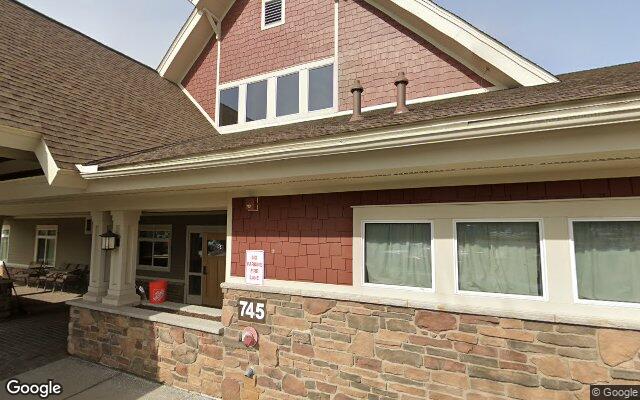
A medium home, reviewed on public record.
Compared to 187 Minnesota facilities with a similar number of beds.
ALF memory care · 36-month window. Higher percentile = better performance on inspection record. Source: Minnesota Dept. of Health · Health Regulation Division.
among peers to rank.
Rankings based on 36-month MDH inspection data. Severity and frequency: fewer citations = higher percentile. Repeat rate: lower repeat citation share = higher percentile.
Citation history, plotted month by month.
No citations in the last 36 months.
Finding distribution
none · 36 monthsScope × Severity (CMS A–L)
Questions to ask before you visit.
A short pre-tour checklist tailored to Mendota Heights Wp LLC's record and state requirements.
One complaint was filed with the Minnesota Department of Health during the inspection period on file — was that complaint substantiated, and can you walk me through any corrective action the facility took in response?
Ask the operator on tour. Take notes and compare answers across facilities you visit.
MDH records show zero deficiencies across one inspection report — can you share the written policies and training materials that support your dementia care programming under Minnesota's Assisted Living with Dementia Care license requirements?
Ask the operator on tour. Take notes and compare answers across facilities you visit.
This facility holds an Assisted Living Facility with Dementia Care license under Minn. Stat. ch. 144G — what specific dementia supports and environmental adaptations are in place that differentiate your programming from standard assisted living?
Ask the operator on tour. Take notes and compare answers across facilities you visit.
Every inspection visit, verbatim.
7 inspections in the public record, most recent first. Plain-language summaries open first — click into any row for the full citation text.
2026-04-06Complaint InvestigationNo findings
Plain-language summary
The Minnesota Department of Health investigated a complaint of emotional and physical abuse by two staff members after a resident requested help and a dispute escalated into a verbal and physical altercation involving pushing and threatening language. The emotional abuse allegation was not substantiated, finding that although foul language was used, it did not meet the legal definition of abuse; the physical abuse allegation was inconclusive due to conflicting witness accounts, though both staff members did place their hands on the resident and used threatening language. Both staff members were terminated and deemed ineligible for rehire due to substantial employee misconduct.
Read full citation textHide full citation text
Read raw inspector notesClose inspector notes
Finding: Not Substantiated Finding: Inconclusive Nature of Investigation: The Minnesota Department of Health investigated an allegation of maltreatment, in accordance with the Minnesota Reporting of Maltreatment of Vulnerable Adults Act, Minn. Stat. 626.557, and to evaluate compliance with applicable licensing standards for the provider type. Initial Investigation Allegation(s): AP1 and AP2 emotionally abused the resident when the resident asked for help and AP2 said she was not going to get the resident “shit, ask someone else.” When the resident reported the exchange to a supervisor, AP1 and AP2 followed the resident and AP1 told the resident she would show the resident how “hood” she can be. AP1 physically abused the resident when she physically pushed him for getting “in her space.” Investigative Findings and Conclusion: The Minnesota Department of Health determined emotional abuse was not substantiated. Although foul language was exchanged between the resident and AP1 and AP2, the language did not meet the statutory definition of abuse. The Minnesota Department of Health determined physical abuse was inconclusive. Although AP1 and AP2 entered a verbal altercation with the resident, written and verbal witness accounts varied regarding a physical altercation. AP1 and AP2 denied hitting or pushing the resident. The investigator conducted interviews with facility staff members, including administrative staff, nursing staff, and unlicensed staff. The investigator contacted law enforcement. The investigation included review of the resident record, the facility internal investigation, facility incident reports, personnel files, staff schedules, law enforcement report, and related facility policy and procedures. Also, the investigator observed resident cares and staff interactions with residents. The resident resided in an assisted living facility. The resident’s diagnoses included Parkinson’s disease and adjustment disorder with mixed anxiety and depressed mood. The resident’s services included assistance with bathing, meals, housekeeping/laundry, and medication management. The resident’s assessment indicated the resident had mild depression and poor decision-making skills. Staff were to carry out behavioral interventions set by nursing. The facility’s internal investigation indicated AP2 was on her break when the resident requested a dinner plate and a soda. AP2 informed the resident she was on break and said, “I’m not getting you shit.” The resident reported the interaction to a nurse. AP1 and AP2 followed the resident to the nurse office. A nurse attempted to de-escalate the situation and went to get the resident the soda he originally requested. After leaving the nurse office, a physical altercation occurred involving pushing/shoving and swearing/threats between the resident and AP1 and AP2. One AP (the document did not indicate whether it was AP1 or AP2) pushed the resident because she said she felt threatened, and AP2 told the resident she would “show him how ghetto she could be.” AP1 said she “would beat his ass.” During the interaction, the resident made contact with AP2’s hand, resulting in her fingernail being bent and broken off. Staff called law enforcement. The investigation summary concluded “staff” (it did not indicate AP1 or AP2, or both) pushed the resident and refused service to a vulnerable adult in their care. AP2 went to the hospital with a finger injury and AP1 left because she felt threatened. The resident’s progress notes indicated the resident presented to the nursing office visibly upset, stating a staff member would not give him a coke. After a nurse got the resident a coke, he and AP1 and AP2 left the nurse office. Outside the nurse office the resident and AP1 and AP2 became verbally aggressive. The resident approached AP1 and AP2 and physical contact occurred, with shoving observed between the resident and AP1 and AP2. A nurse intervened and positioned herself between the resident and AP1 and AP2 to stop the altercation. AP2 sustained a broken fingernail. Staff called law enforcement. AP2 went to the hospital to address her broken fingernail, and AP1 left the facility. It was determined both AP1 and AP2 used threatening language toward the resident and engaged in physical contact by placing their hands on him. Disciplinary records indicated both AP1 and AP2’s employment at the facility was terminated due to “substantial employee misconduct.” Neither AP1 nor AP2 were eligible for rehire, due to the nature of the incident. A physical altercation occurred involving pushing/shoving and swearing/threats between the resident and AP1 and AP2. During the internal investigation, facility leadership determined both AP1 and AP2 threatened the resident, saying, “I’ll show you how hood I can be,” and “I’ll beat his ass.” Both AP1 and AP2 put hands on the resident. Training documents indicated both AP1 and AP2 received training in communication skills including preserving the dignity of the client and showing respect for the client; understanding appropriate boundaries between staff and clients; recognizing physical, emotional, cognitive, and developmental needs of the client; the assisted living bill of rights; and mental illness. A police report indicated the incident between the resident and AP1 and AP2 began over a can of soda. The situation continued to escalate because AP1, AP2, and the resident were upset with each other. AP2 reported that the resident complained to the nurses that she would not help him. AP2 said she followed the resident to the nurse office and continued to argue with him. AP2 said the resident pushed AP1, so AP2 put her hand between AP1 and the resident. The resident’s hand made contact with hers and broke one of her fingernails. The police report indicated AP2 said the resident had come to the cafeteria to grab a second dinner tray, and AP1 and AP2 said he could not take a second tray. The resident asked AP1 for a can of soda, and they advised him to wait. The resident went to complain about AP1 and AP2 to the nurses, and AP1 and AP2 followed him to the nurse office. AP1 said she “got in” the resident’s face and cursed at him. AP1 said the resident came out of the office and got in her face. AP1 said the resident pushed her and AP2. As the resident walked away, AP1 told him she would show him how “hood I am.” AP1 said if the resident approached her again, she would “beat his ass.” The police report also included the resident said AP2 pushed him first, and he pushed her back, at which point she broke a fingernail. The resident said AP1 was pointing at him, and AP2 pushed his hand. He said he pointed at her, and AP2’s hand caught his hand, and her nail fell off. When asked why there had been any physical altercation, the resident said he reported AP1 and AP2’s behavior to the nurses, and they came into the office to confront him. A second nurse said she saw AP1, AP2, and the resident pushing back and forth. She put herself between the three to intervene. No criminal charges were filed. When interviewed, a supervisor said the facility houses residents who display behaviors, and staff are trained on how to manage behaviors when they occur. In this case, AP1 and AP2 did not respond in an appropriate, professional manner when the resident became aggravated. At one point, AP1 was yelling at the resident, so AP2 put her hand between them and made contact with the resident’s hand, breaking off AP2’s fingernail. It was reported to the supervisor that AP1 and AP2 and the resident were pushing each other back and forth. A nurse who tried to intervene got pushed as well, but she did not know by whom. When interviewed, a nurse said she tried to de-escalate the situation and redirect the resident while another nurse got the resident the soda he had asked for. AP1 and AP2 were verbally aggressive toward the resident. The resident left the nurse office, and the interaction between the resident, AP1, and AP2 escalated. During the physical altercation, the nurse saw the resident and AP2’s hands hit “or something like that.” AP2 broke a fingernail, for which she was taken to the hospital. The nurse said the resident maybe got pushed, but she was not sure of the details. If the resident did get pushed, the nurse did not know by whom. The nurse was unaware of any injuries the resident might have sustained. When interviewed, the resident said AP1 and AP2 liked to pick on people and were treating him badly, so he reported their behavior to a nurse. AP1 and AP2 followed him to the nurse office and started yelling at him.
2026-03-30Complaint InvestigationNo findings
Plain-language summary
A complaint investigation found that allegations of neglect were not substantiated after staff discovered two residents in another resident's apartment; while one resident reported being touched inappropriately over her clothing, the other resident denied any sexual contact and hospital examinations found no evidence of assault. After the incidents, the facility implemented additional safeguards including moving the resident's apartment closer to the nurse's station, locking one resident's door when she was in her apartment, increasing observations for all three residents, and updating care plans with behavioral interventions for monitoring and supervision.
Read full citation textHide full citation text
Read raw inspector notesClose inspector notes
Finding: Not Substantiated Nature of Investigation: The Minnesota Department of Health investigated an allegation of maltreatment, in accordance with the Minnesota Reporting of Maltreatment of Vulnerable Adults Act, Minn. Stat. 626.557, and to evaluate compliance with applicable licensing standards for the provider type. Initial Investigation Allegation(s): The facility neglected resident-1, resident-2, and resident-3 when the facility failed to supervise the residents and resident-3 sexually assaulted resident-1 and resident-2. Investigative Findings and Conclusion: The Minnesota Department of Health determined neglect was not substantiated. Resident-3 exhibited no prior inappropriate sexual behaviors before the incident and the incidents occurred on the same day. Once the incidents of resident-3 suspected sexually touching of resident-1 and resident-2 were discovered, the facility implemented several interventions including moving resident-3’s apartment closer to the nurse’s station and away from resident-1 and resident-2’s apartments. The facility locked resident-2’s apartment door when she was in her apartment, and increased observations for all three residents. Behavioral interventions were added to resident-3’s care plan including monitoring and reporting alcohol consumption and inappropriate sexual behaviors. The facility consulted with law enforcement and the ombudsman. The facility continues to work with resident-3’s care team to find a more appropriate placement. The investigator conducted interviews with facility staff members, including administrative staff, nursing staff, and unlicensed staff. The investigator contacted the resident’s family members. The investigation included review of the resident’s records, facility internal investigation, facility incident reports, personnel files, staff schedules, law enforcement report, related facility policy and procedures. Also, the investigator toured the facility and observed staff providing resident care and supervision including safety checks. Resident-1 resided in an assisted living memory care unit. Resident-1’s service plan included assistance with medication management, bathing, grooming, dressing, alcohol use monitoring, smoking assistance, and safety checks every two hours. Resident-2 resided in an assisted living memory care unit. Resident-2’s service plan included assistance with medication management, bathing, dressing, redirection, transfers, behavioral monitoring, and safety checks every two hours. Resident-3 resided in an assisted living memory care unit but did not receive memory care services and he was able to leave the facility independently in his wheelchair. Resident-3’s service plan included safety checks every two hours, behavioral interventions including monitoring alcohol consumption, transferring with a full body lift to his wheelchair, meals, bathing, grooming, and medication management. The internal investigation indicated resident-1 was observed in resident-3’s apartment. Both residents were lying on resident-3’s bed. Resident-1 was fully clothed lying on top of the covers and resident-3 had a shirt and brief on. No sexual activity was observed by staff, but resident-1 said resident-3 touched her vaginal area on top of her pants. Resident-1 was sent to the hospital for an examination, and law enforcement was called. Resident-2’s progress notes indicated she was sitting in her wheelchair in resident-3’s apartment with only a brief and her shirt on, with a coat draped over her lap, and her pants in her hand. She had a small cup of alcohol mixed with soda. Facility staff never observed any sexual behaviors including touching, and resident-2 denied resident-3 touched her, but she was still sent to the hospital for examination. The hospital reported a sexual assault examination was not conducted as there was no evidence that an assault occurred. Resident-2 returned to the facility. No further concerns were documented after resident-2 returned. Resident-3’s progress notes indicated resident-1 was found in resident-3’s bed lying on top of the covers with her shirt and brief on. While staff were assessing and talking with resident-1, staff observed resident-2 in his room sitting in her wheelchair holding her pants in her hand (shirt and brief on) with a jacket draped over her lap. The facility called law enforcement and resident-3 was arrested, brought to the police station and transferred to the hospital. Resident-3 returned to the facility a few days later. Resident-3’s apartment was moved closer to the nurse’s station and away from resident-1 and resident-2 while trying to find a more appropriate placement. Resident-3’s care plan was updated after the incidents for behavioral interventions to include monitoring and reporting alcohol consumption and inappropriate sexual behaviors. During an interview, a member of management said she was unaware of any sexually inappropriate behaviors by resident-3 before this incident. Although resident-3 was diagnosed with dementia he was able to leave the facility independently. Resident-3 only exhibited inappropriate behaviors when he drank alcohol. The facility tried to encourage resident-3 and other residents not to drink alcohol, but she said the ombudsman told the facility the residents had the right to drink alcohol. After the incident the police were called, and resident-3 was brought to jail. Resident-1 and resident-2 were sent to the hospital for evaluation. When resident-3 returned, facility staff were educated on more frequent observations. They also moved resident-3’s apartment closer to the nurse’s station and away from resident-1 and resident-2. All three residents were on two-hour safety checks and encouraged to attend activities in a central location where staff could easily observe them. During an interview, the nurse said the incident was the first time resident-3 exhibited sexually inappropriate behaviors. After the incident, resident-3 only displayed sexually inappropriate behaviors when he drank alcohol. She said they tried to limit his alcohol intake, including keeping his alcohol in the nurse’s station but the ombudsman said he had a right to keep his alcohol in his apartment and drink when he wanted. Although resident-3 was diagnosed with dementia, he did not have a guardian, and he was able to leave the facility independently. The facility was trying to find a more appropriate setting for him as he was mostly independent and would benefit from a setting with peers at the same functional level. She said several interventions were implemented after the incident including relocating resident-3, locking resident-2’s door, educating staff on the incident, more frequent observations, and encouraging activities. During an interview, the unlicensed personnel said resident-3 was polite when he was not drinking alcohol. Staff received education on resident-3’s behaviors and interventions. Directive to staff was when resident-3 was observed drinking, staff are required to complete a behavior note and provide more frequent safety checks. The unlicensed personnel said he never observed sexually inappropriate behaviors by resident-3 before this incident. He said he observed resident-1 lying on his bed the day of the incident. He said they were lying close to each other, but he never observed any sexual touching. Resident-2 and resdeint-3 still tried to spend time together but there have been no further sexually inappropriate behaviors. During an interview, resident-2’s family member said the facility called her and reported resident-2 was found in resident-3’s apartment with her pants off. The facility sent resident-2 to the hospital for evaluation. She said resident-2 and resident-3 often sat together in common areas and during meals. She was not aware of any other time resident-2 was in resident-3’s apartment but they continued to sit in common areas together. The facility said they moved resident-3 away from resident-2 and they encouraged them to spend time with other people. She said before the incident they were both friendly towards each other but nothing sexual. In conclusion, the Minnesota Department of Health determined neglect was not substantiated. “Not Substantiated” means: An investigatory conclusion indicating the preponderance of evidence shows that an act meeting the definition of maltreatment did not occur. Neglect: Minnesota Statutes, section 626.5572, subdivision 17 “Neglect” means neglect by a caregiver or self-neglect. (a) "Caregiver neglect" means the failure or omission by a caregiver to supply a vulnerable adult with care or services, including but not limited to, food, clothing, shelter, health care, or supervision which is: (1) reasonable and necessary to obtain or maintain the vulnerable adult's physical or mental health or safety, considering the physical and mental capacity or dysfunction of the vulnerable adult; and (2) which is not the result of an accident or therapeutic conduct. Vulnerable Adult interviewed: Resident-1- No, due to cognition. Resident-2- No, due to cognition. Resident-3- Declined. Family/Responsible Party interviewed: Resident-1’s family never responded to interview request. Resident-2’s family- Yes. Alleged Perpetrator interviewed: Not Applicable.. Action taken by facility: The facility contacted the police, sent the other residents to the hospital for evaluation, completed an internal investigation, and moved resident-3’s room closer to the nurse’s station and away from resident-1 and resident-2. Action taken by the Minnesota Department of Health: No further action taken at this time.
2025-10-15Complaint InvestigationNo findings
Plain-language summary
A complaint investigation found that the facility neglected a resident by failing to ensure her anti-seizure medication (lacosamide) was available and properly managed during a pharmacy switch, resulting in the resident missing seven doses before she had a seizure and required hospitalization. Staff documented medication administration inaccurately and did not follow proper procedures for storing and tracking the medication, and the facility never requested a refill from the new pharmacy despite the resident's physician having prescribed it. The Minnesota Department of Health substantiated neglect and determined the facility was responsible for the maltreatment.
Read full citation textHide full citation text
Read raw inspector notesClose inspector notes
Finding: Substantiated, facility responsibility Nature of Investigation: The Minnesota Department of Health investigated an allegation of maltreatment, in accordance with the Minnesota Reporting of Maltreatment of Vulnerable Adults Act, Minn. Stat. 626.557, and to evaluate compliance with applicable licensing standards for the provider type. Initial Investigation Allegation(s): The facility neglected a resident when they failed to administer medications as prescribed. As a result, the resident had a seizure and required hospitalization. Investigative Findings and Conclusion: The Minnesota Department of Health determined neglect was substantiated. The facility was responsible for the maltreatment. The facility failed to ensure the resident’s anti-seizure medication (lacosamide) was available. As a result, the resident had seizures and required hospitalization. Additionally, unlicensed personnel (ULPs) erroneously documented they gave the resident this medication when there was not supply. The investigator conducted interviews with facility staff members, including administrative staff, nursing staff, and unlicensed staff. The investigator contacted the resident’s medical provider. The investigation included review of the resident records, hospital records, pharmacy records, facility internal investigation, facility incident reports, personnel files, staff schedules, related facility policy and procedures. Also, the investigator toured the facility and observed medication administration, narcotic medication procedures, and documentation processes. The resident resided in an assisted living memory care unit. The resident’s diagnoses included dementia and seizures. The resident’s service plan included assistance with dressing, grooming, toileting, housekeeping, meals, and medications. The resident’s nursing assessment indicated she had memory loss and poor decision-making ability. Physician records indicated the resident was supposed to take lacosamide 100 milligrams (mg) twice daily to prevent seizures. Medication administration records (MAR) indicated three days prior to the resident’s seizure, ULPs did not give lacosamide to the resident because the facility needed to order the medication. Multiple ULPs documented they did not administer the medication during these three days, however within the documentation system, errors occurred. One ULP documented they gave the medication, however in a different area of the MAR they also documented the medication was not available (the facility needed to re-order it). Although there were documentation inaccuracies, the documentation indicated the resident missed seven dosages of lacosamide prior to the seizure. Progress notes indicated a ULP saw the resident “shaking” as she sat in a chair. The ULP “assumed” it was a seizure and called emergency services (911). Hospital records indicated the resident had another seizure when she was in the emergency room (ER) and her oxygen levels decreased to 30% (normal oxygen levels are above 92%). The resident required supplemental oxygen, and anti-seizure medications including lacosamide. The resident stayed in the hospital for six days, then returned to the facility. Pharmacy delivery records also indicated they sent lacosamide to the facility, after the resident went to the hospital, one day prior to her return. Facility narcotic records indicated they did not enter lacosamide into the narcotic logbook until after the resident returned from the hospital. There were no records to indicate the facility placed lacosamide into the locked box prior to the resident’s hospitalization. During an interview, a nurse said the resident missed a couple of dosages of lacosamide prior to the seizure when the facility switched pharmacy companies. The nurse said the facility did not consider lacosamide a “controlled substance”, so they did not keep the medication inside the separate compartment (locked box) within the medication cart. The nurse said the new pharmacy told them the medication was a controlled substance, so they needed to keep the medication inside the locked box. The nurse said the ULPs were not aware the medication was in the locked box, so they did not give the medication. The nurse said ULPs would have documented in a separate book (narcotic log) if they removed any medications from the lock box to give to the resident. During consultation with a pharmacist, he said the pharmacy provided medications to the facility monthly (commonly referred to as a “cycle fill” system). The pharmacist said during the changeover process between the pharmacy companies, the facility was supposed to use up the resident’s current supply of medications, then contact them if they needed any medications refilled prior to the delivery of the routine cycle fill medications. The pharmacist said he contacted the resident’s physician to obtain a prescription for the lacosamide so the pharmacy could send the medication to the facility for their routine cycle fill. The pharmacist said the facility never requested a refill for lacosamide. The pharmacist said they only delivered the lacosamide to the facility after the resident went to the hospital. The pharmacist said, this was the first time they delivered the medication to the facility. During an interview, the resident’s physician said she was not aware the resident missed dosages of lacosamide. The resident’s physician said abruptly stopping this medication could cause breakthrough seizures. During an interview, a family member said multiple facility staff members told him the resident missed dosages of the lacosamide because the facility nurse forgot to re-order it. In conclusion, the Minnesota Department of Health determined neglect was substantiated. Substantiated: Minnesota Statutes, section 626.5572, Subdivision 19. “Substantiated” means a preponderance of evidence shows that an act that meets the definition of maltreatment occurred. Neglect: Minnesota Statutes, section 626.5572, subdivision 17 “Neglect” means neglect by a caregiver or self-neglect. (a) "Caregiver neglect" means the failure or omission by a caregiver to supply a vulnerable adult with care or services, including but not limited to, food, clothing, shelter, health care, or supervision which is: (1) reasonable and necessary to obtain or maintain the vulnerable adult's physical or mental health or safety, considering the physical and mental capacity or dysfunction of the vulnerable adult; and (2) which is not the result of an accident or therapeutic conduct. Mitigating Factors considered, Minnesota Statutes, section 626.557, Subd. 9c(f): (1) The facility did not follow an erroneous order, direction or care plan with awareness and failure to take action. The facility did not direct an erroneous order, direction, or care plan. (2) The facility was not in compliance with regulatory standards. The facility provided proper training and/or supervision of staff. The facility provided adequate staffing levels. (3) The facility failed to follow professional standards and/or exercise professional judgement. The facility failed to act in good faith interest of the vulnerable adult. The maltreatment was not a sudden or foreseen event. Vulnerable Adult interviewed: No. Attempted, but could not participate. Family/Responsible Party interviewed: Yes. Alleged Perpetrator interviewed: Not Applicable. the Action taken by facility: The facility sent the resident to the hospital when she showed signs of a seizure. Action taken by the Minnesota Department of Health: The responsible party will be notified of their right to appeal the maltreatment finding. The facility was found to be in noncompliance. To view a copy of the Statement of Deficiencies and/or correction orders, please visit: https://www.health.state.mn.us/facilities/regulation/directory/provcompselect.html If you are viewing this report on the MDH website, please see the attached Statement of Deficiencies. You may also call 651-201-4200 to receive a copy via mail or email cc: The Office of Ombudsman for Long Term Care The Office of Ombudsman for Mental Health and Developmental Disabilities Dakota County Attorney Mendota Heights City Attorney Mendota Heights Police Department Minnesota Board of Nursing PRINTED: 10/20/2025 FORM APPROVED STATEMENT OF DEFICIENCIES (X1) PROVIDER/SUPPLIER/CLIA (X2) MULTIPLE CONSTRUCTION (X3) DATE SURVEY AND PLAN OF CORRECTION IDENTIFICATION NUMBER: COMPLETED A. BUILDING: ______________________ C B. WING _____________________________ 29408 09/18/2025 NAME OF PROVIDER OR SUPPLIER STREET ADDRESS, CITY, STATE, ZIP CODE 745 SOUTH PLAZA DRIVE MENDOTA HEIGHTS WP LLC MENDOTA HEIGHTS, MN 55120 SUMMARY STATEMENT OF DEFICIENCIES PROVIDER'S PLAN OF CORRECTION (X4) ID ID (X5) (EACH DEFICIENCY MUST BE PRECEDED BY FULL (EACH CORRECTIVE ACTION SHOULD BE COMPLETE PREFIX PREFIX REGULATORY OR LSC IDENTIFYING INFORMATION) CROSS-REFERENCED TO THE APPROPRIATE DATE TAG TAG DEFICIENCY) 0 000 Initial Comments 0 000 ******ATTENTION****** Minnesota Department of Health is documenting the State Correction Orders ASSISTED LIVING PROVIDER CORRECTION using federal software. Tag numbers have ORDER been assigned to Minnesota State Statutes for Assisted Living Facilities. The In accordance with Minnesota Statutes, section assigned tag number appears in the 144G.08 to 144G.95, these correction orders are far-left column entitled "ID Prefix Tag." issued pursuant to a complaint investigation. The state Statute number and the corresponding text of the state Statute out Determination of whether a violation is corrected of compliance is listed in the "Summary requires compliance with all requirements Statement of Deficiencies" column.
2025-07-30Complaint InvestigationNo findings
Plain-language summary
A complaint investigation found that a resident in memory care did not receive a scheduled pain medication patch for more than four days over a holiday weekend, and the resident died on the fifth day; however, the Minnesota Department of Health determined that neglect was not substantiated because the medication error was an isolated incident and staff continued to monitor and treat the resident according to their care plan. The facility failed to notify on-call nursing staff of the missing medication, and the responsible nurse was not informed until returning to work the following Tuesday, but the preponderance of evidence did not meet the definition of neglect under state law. The facility disciplined the involved staff members and provided them with retraining.
Read full citation textHide full citation text
Read raw inspector notesClose inspector notes
Finding: Not Substantiated Nature of Investigation: The Minnesota Department of Health investigated an allegation of maltreatment, in accordance with the Minnesota Reporting of Maltreatment of Vulnerable Adults Act, Minn. Stat. 626.557, and to evaluate compliance with applicable licensing standards for the provider type. Initial Investigation Allegation(s): The facility neglected the resident when they failed to report a change in condition and failed to administer scheduled medications as prescribed. The resident did not receive medication as prescribed for a period exceeding four days. The resident passed away on the fifth day. Investigative Findings and Conclusion: The Minnesota Department of Health determined neglect was not substantiated. Although a medication administration error occurred, it was an isolated incident. The resident was monitored and treated according to the resident's individual assessed needs. There was not a preponderance of evidence to support that the actions of the facility staff met the definition of neglect. The investigator conducted interviews with facility staff members, including administrative staff, nursing staff, unlicensed staff as well as a member of the resident’s family. The investigation included review of the resident’s medical records, incident reports, employee training records, and facility policies and procedures. The investigation included an onsite visit where the investigator toured the facility and observed staff completing a medication count and well as care and services provided to residents. The resident resided in an assisted living memory care unit. The resident’s diagnoses included dementia, atherosclerosis, and hypertension. The resident’s service plan included assistance with medication administration, laundry, housekeeping, meal reminders and safety checks. The resident’s assessment indicated symptoms of receptive aphasia (having impaired comprehension or understanding written and spoken language) which may affect making needs clearly known at times. A review of complaint documents indicated the resident was scheduled to have a transdermal (on the skin) pain medication infused patch placed every seventy-two hours. Documentation reviewed indicates that over a holiday weekend the resident did not receive the time sensitive medication as ordered on more than one occasion. The resident’s medical record indicated that on a Friday evening (the beginning of a holiday weekend) an unlicensed staff member tasked with replacing the medicated patch documented that the medication was unavailable. The next scheduled replacement of the patch would have three days later, which again, facility staff documented on the following Monday that the supply of this medication still had not been renewed. The nurse responsible for tracking and resupply of medication was not notified of the issue until the following Tuesday morning when they returned to the facility. It was also noted that facility staff failed to notify the available twenty-four hour on-call nursing staff for direction or to report the issue as well. During an interview, the nurse stated that all team members who administer medications to the residents at the facility were specifically trained in facility process and procedures involving medication services. She stated that after a staff member had indicated on the resident’s medication administration record (MAR) that the medication was unavailable as scheduled, a failure to follow through with a notification to the nurse staff was identified. The nurse went on to state that once she returned to work after a holiday weekend the following week, she was only then notified about the discrepancy and missed doses. She then took steps to correct the issue including contacting the hospice provider, who ordered a resupply of the medication. She also noted that the staff continued to monitor the resident throughout the weekend. During an interview a family member stated she was not notified by the facility that a medication error had occurred at the facility over the weekend. She was only made aware of the incident and a change in condition after speaking with the hospice provider assigned to the resident. They went on to state that they had no other concerns with the care the resident had received at the facility prior to this incident. In conclusion, the Minnesota Department of Health determined neglect was not substantiated. “Not Substantiated” means: An investigatory conclusion indicating the preponderance of evidence shows that an act meeting the definition of maltreatment did not occur. Neglect: Minnesota Statutes, section 626.5572, subdivision 17 “Neglect” means neglect by a caregiver or self-neglect. (a) "Caregiver neglect" means the failure or omission by a caregiver to supply a vulnerable adult with care or services, including but not limited to, food, clothing, shelter, health care, or supervision which is: (1) reasonable and necessary to obtain or maintain the vulnerable adult's physical or mental health or safety, considering the physical and mental capacity or dysfunction of the vulnerable adult; and (2) which is not the result of an accident or therapeutic conduct. Vulnerable Adult interviewed: No, deceased. Family/Responsible Party interviewed: Yes Alleged Perpetrator interviewed: Not Applicable Action taken by facility: The facility conducted an internal investigation, and the unlicensed personnel involved were provided reeducation and review by the facility nursing staff, along with letters of discipline. Action taken by the Minnesota Department of Health: No further action taken at this time. cc: The Office of Ombudsman for Long Term Care The Office of Ombudsman for Mental Health and Developmental Disabilities PRINTED: 08/05/2025 FORM APPROVED STATEMENT OF DEFICIENCIES (X1) PROVIDER/SUPPLIER/CLIA (X2) MULTIPLE CONSTRUCTION (X3) DATE SURVEY AND PLAN OF CORRECTION IDENTIFICATION NUMBER: COMPLETED A. BUILDING: ______________________ C B. WING _____________________________ 29408 06/25/2025 NAME OF PROVIDER OR SUPPLIER STREET ADDRESS, CITY, STATE, ZIP CODE 745 SOUTH PLAZA DRIVE MENDOTA HEIGHTS WP LLC MENDOTA HEIGHTS, MN 55120 SUMMARY STATEMENT OF DEFICIENCIES PROVIDER'S PLAN OF CORRECTION (X4) ID ID (X5) PREFIX (EACH DEFICIENCY MUST BE PRECEDED BY FULL PREFIX (EACH CORRECTIVE ACTION SHOULD BE COMPLETE REGULATORY OR LSC IDENTIFYING INFORMATION) CROSS-REFERENCED TO THE APPROPRIATE DATE TAG TAG DEFICIENCY) 0 000 Initial Comments 0 000 On June 25, 2025, the Minnesota Department of Health initiated an investigation of complaint #HL294083589C/#HL294082083M. No correction orders are issued. On June 25, 2025, the Minnesota Department of Health initiated an investigation of complaint #HL294083590C/#HL294082084M. No correction orders are issued. LABORATORY DIRECTOR'S OR PROVIDER/SUPPLIER REPRESENTATIVE'S SIGNATURE TITLE (X6) DATE STATE FORM 6899 Y72M11 If continuation sheet 1 of 1
2025-05-14Complaint InvestigationNo findings
Plain-language summary
On April 14, 2025, Minnesota Department of Health conducted a complaint investigation at this facility and issued a correction order. The investigation found that the facility failed to maintain adequate, up-to-date service plans and abuse prevention plans for two residents—specifically, one resident's service plan and abuse prevention plan did not address or include interventions for the resident's history of sexual behaviors or smoking-related behaviors, despite documentation showing the resident had displayed sexual contact with another resident in March 2025 and had a prior history of seeking cigarettes from other residents. This violation was classified as having potential to harm but not as likely to cause serious injury, impairment, or death.
Read full citation textHide full citation text
Read raw inspector notesClose inspector notes
findings which When a Minnesota Statute contains several are in violation of the state requirement items, failure to comply with any of the items will after the statement, "This Minnesota be considered lack of compliance. requirement is not met as evidenced by." Following the evaluators' findings is the INITIAL COMMENTS: Time Period for Correction. #HL294082503C/#HL294081561M PLEASE DISREGARD THE HEADING OF #HL294082490C THE FOURTH COLUMN WHICH STATES,"PROVIDER'S PLAN OF On April 14, 2025, the Minnesota Department of CORRECTION." THIS APPLIES TO Health conducted a complaint investigation at the FEDERAL DEFICIENCIES ONLY. THIS above provider, and the following correction WILL APPEAR ON EACH PAGE. orders are issued. At the time of the complaint investigation, there were 36 residents receiving THERE IS NO REQUIREMENT TO services under the provider's Assisted Living with SUBMIT A PLAN OF CORRECTION FOR Dementia Care license. VIOLATIONS OF MINNESOTA STATE STATUTES. The following correction order is issued for #HL294082503C/#HL294081561M, tag THE LETTER IN THE LEFT COLUMN IS identification 2360 and 2310. USED FOR TRACKING PURPOSES AND REFLECTS THE SCOPE AND LEVEL ISSUED PURSUANT TO 144G.31 SUBDIVISION 1-3. 02310 144G.91 Subd. 4 (a) Appropriate care and 02310 SS=D services LABORATORY DIRECTOR'S OR PROVIDER/SUPPLIER REPRESENTATIVE'S SIGNATURE TITLE (X6) DATE STATE FORM 6899 EO3511 If continuation sheet 1 of 7 PRINTED: 05/14/2025 FORM APPROVED STATEMENT OF DEFICIENCIES (X1) PROVIDER/SUPPLIER/CLIA (X2) MULTIPLE CONSTRUCTION (X3) DATE SURVEY AND PLAN OF CORRECTION IDENTIFICATION NUMBER: COMPLETED A. BUILDING: ______________________ C B. WING _____________________________ 29408 04/14/2025 NAME OF PROVIDER OR SUPPLIER STREET ADDRESS, CITY, STATE, ZIP CODE 745 SOUTH PLAZA DRIVE MENDOTA HEIGHTS WP LLC MENDOTA HEIGHTS, MN 55120 SUMMARY STATEMENT OF DEFICIENCIES PROVIDER'S PLAN OF CORRECTION (X4) ID ID (X5) PREFIX (EACH DEFICIENCY MUST BE PRECEDED BY FULL PREFIX (EACH CORRECTIVE ACTION SHOULD BE COMPLETE REGULATORY OR LSC IDENTIFYING INFORMATION) CROSS-REFERENCED TO THE APPROPRIATE DATE TAG TAG DEFICIENCY) 02310 Continued From page 1 02310 (a) Residents have the right to care and assisted living services that are appropriate based on the resident's needs and according to an up-to-date service plan subject to accepted health care standards. This MN Requirement is not met as evidenced by: Based on interview, and document review, the licensee failed to ensure care and services were provided according to a suitable and up to date assessment, service plan, and individualized abuse prevention plan (IAPP) for 2 of 2 (R1 and R2) residents reviewed. This practice resulted in a level two violation (a violation that did not harm a resident's health or safety but had the potential to have harmed a resident's health or safety, but was not likely to cause serious injury, impairment, or death) and was issued at an isolated scope (when one or a limited number of residents are affected or one or a limited number of staff are involved, or the situation has occurred only occasionally). t The findings include: R1 R1 admitted to the facility February 18, 2019. R1's diagnoses included organic brain syndrome, personality and behavioral disorder. Review of R1's service plan dated January 30, 2025, identified R1's level of care as memory care (MC). R1's service plan did not identify or have interventions in place in a behavioral plan related to R1's prior display of sexual behaviors. R1's service plan did not address or have interventions in place concerning R1's past STATE FORM 6899 EO3511 If continuation sheet 2 of 7 PRINTED: 05/14/2025 FORM APPROVED STATEMENT OF DEFICIENCIES (X1) PROVIDER/SUPPLIER/CLIA (X2) MULTIPLE CONSTRUCTION (X3) DATE SURVEY AND PLAN OF CORRECTION IDENTIFICATION NUMBER: COMPLETED A. BUILDING: ______________________ C B. WING _____________________________ 29408 04/14/2025 NAME OF PROVIDER OR SUPPLIER STREET ADDRESS, CITY, STATE, ZIP CODE 745 SOUTH PLAZA DRIVE MENDOTA HEIGHTS WP LLC MENDOTA HEIGHTS, MN 55120 SUMMARY STATEMENT OF DEFICIENCIES PROVIDER'S PLAN OF CORRECTION (X4) ID ID (X5) PREFIX (EACH DEFICIENCY MUST BE PRECEDED BY FULL PREFIX (EACH CORRECTIVE ACTION SHOULD BE COMPLETE REGULATORY OR LSC IDENTIFYING INFORMATION) CROSS-REFERENCED TO THE APPROPRIATE DATE TAG TAG DEFICIENCY) 02310 Continued From page 2 02310 history of smoking when R1 would go out to patio area and ask other residents who smoke for cigarettes and look for cigarette butts so smoke. R1's IAPP dated November 18, 2024, indicated R1 did not pose a risk of inappropriate sexual behaviors towards others and did not pose a smoking behavior. The document further summarized the resident does not appear to have any areas of vulnerability requiring intervention at this time and does not appear to pose a threat to other vulnerable adults. Review of R1's assessment dated December 18, 2024, indicated the resident did have a diagnosis of cognitive impairment/dementia. The assessment indicated the resident had a previous history of smoking but did not smoke. R1 was alert, responsive, forgetful, confused, and a poor decision-maker. R1 was oriented to person and place. R1 is at risk for elopement with every 2 hour safety checks and continuous redirection as needed by staff at the facility. Review of R1's progress notes dated December 6, 2023, at 12:04 p.m., indicated R1 displaying sexual interaction with a male resident. Progress notes indicated R1's family member was notified of the incident. Review of R1's progress notes dated March 24, 2025, at 3:40 p.m., indicated on March 22, 2025, and into the early morning hours of March 23, 2025, R1 was discovered in bed with a male resident. R1 was found to have hickeys on her neck indicating some kissing or contact had occurred. During an interview on April 14, 2025, at 12:47 p.m., unlicensed caregiver (ULP)-F stated R1 STATE FORM 6899 EO3511 If continuation sheet 3 of 7 PRINTED: 05/14/2025 FORM APPROVED STATEMENT OF DEFICIENCIES (X1) PROVIDER/SUPPLIER/CLIA (X2) MULTIPLE CONSTRUCTION (X3) DATE SURVEY AND PLAN OF CORRECTION IDENTIFICATION NUMBER: COMPLETED A. BUILDING: ______________________ C B. WING _____________________________ 29408 04/14/2025 NAME OF PROVIDER OR SUPPLIER STREET ADDRESS, CITY, STATE, ZIP CODE 745 SOUTH PLAZA DRIVE MENDOTA HEIGHTS WP LLC MENDOTA HEIGHTS, MN 55120 SUMMARY STATEMENT OF DEFICIENCIES PROVIDER'S PLAN OF CORRECTION (X4) ID ID (X5) PREFIX (EACH DEFICIENCY MUST BE PRECEDED BY FULL PREFIX (EACH CORRECTIVE ACTION SHOULD BE COMPLETE REGULATORY OR LSC IDENTIFYING INFORMATION) CROSS-REFERENCED TO THE APPROPRIATE DATE TAG TAG DEFICIENCY) 02310 Continued From page 3 02310 likes to show attention to male residents. During an interview on April 14, 2025, at 2:35 p.m., registered nurse (RN)-A stated they are aware R1 "had had many boyfriends here" and can be "flirtatious." During an interview on April 17, 2025, at 10:00 a.m., family member (FM)-C stated the most recent incident [referring to March 22, 2025] where R1 was in bed with another resident is not something new and not the first time this has happened. FM-C stated R1 had demonstrated sexual tendencies prior. Also, FM-C stated she has received calls from the facility in the past regarding R1 asking other residents in the facility who smoke for cigarettes. R2 R2's diagnoses included Parkinson's disease, depression, insomnia, restless legs syndrome, and generalized anxiety. R2's service plan dated February 17, 2025, indicated R2 level of care as assisted living resident (AL). R2's service plan did not include information regarding R2's ability to enter and exit the facility independently. R1's service plan did not indicate the resident having a code to exit and enter the facility independently and how to keep other vulnerable adults (VA) safe. The service plan failed to identify use of alcohol and interventions to keep R2 safe along with other VAs in the facility. R2's IAPP dated October 2, 2024, indicated R2 was vulnerable to alcohol use. The same document included interventions of frequent reassurance checks as able, keep other STATE FORM 6899 EO3511 If continuation sheet 4 of 7 PRINTED: 05/14/2025 FORM APPROVED STATEMENT OF DEFICIENCIES (X1) PROVIDER/SUPPLIER/CLIA (X2) MULTIPLE CONSTRUCTION (X3) DATE SURVEY AND PLAN OF CORRECTION IDENTIFICATION NUMBER: COMPLETED A. BUILDING: ______________________ C B. WING _____________________________ 29408 04/14/2025 NAME OF PROVIDER OR SUPPLIER STREET ADDRESS, CITY, STATE, ZIP CODE 745 SOUTH PLAZA DRIVE MENDOTA HEIGHTS WP LLC MENDOTA HEIGHTS, MN 55120 SUMMARY STATEMENT OF DEFICIENCIES PROVIDER'S PLAN OF CORRECTION (X4) ID ID (X5) PREFIX (EACH DEFICIENCY MUST BE PRECEDED BY FULL PREFIX (EACH CORRECTIVE ACTION SHOULD BE COMPLETE REGULATORY OR LSC IDENTIFYING INFORMATION) CROSS-REFERENCED TO THE APPROPRIATE DATE TAG TAG DEFICIENCY) 02310 Continued From page 4 02310 vulnerable adults safe, and fill out behavior report and contact nursing if posing a risk to others while drinking alcohol.
2025-03-06Annual Compliance VisitNo findings
Plain-language summary
A routine licensing survey was conducted at this assisted living facility with dementia care on February 6, 2025, when 39 residents were present. The survey resulted in state correction orders, meaning the facility was found not to be in compliance with certain Minnesota statutes; no immediate fines were assessed. The facility is required to document in its records how it corrected the areas of noncompliance and may request reconsideration of the correction orders within 15 days.
Read full citation textHide full citation text
Read raw inspector notesClose inspector notes
correction orders and document the actions taken to comply in the facility's records. The Department reserves the right to return to the facility at any time should the Department receive a complaint or deem it necessary to ensure the health, safety, and welfare of residents in your care. STATE CORRECTION ORDERS The enclosed State Form documents the state correction orders. MDH documents state licensing correction orders using federal software. Tag numbers are assigned to Minnesota state statutes for Assisted Living Facilities. The assigned tag number appears in the far left column entitled "ID Prefix Tag." The state statute number and the corresponding text of the state statute out of compliance are listed in the "Summary Statement of Deficiencies" column. This column also includes the findings that are in violation of the state statute after the statement, "This MN Requirement is not met as evidenced by . . ." In accordance with Minn. Stat. § 144G.31 Subd. 4, MDH may assess fines based on the level and scope of the violations; h owever, no immediate fines are assessed for this survey of your facility. DOCUMENTATION OF ACTION TO COMPLY In accordance with Minn. Stat. § 144G.30, Subd. 5(c), the licensee must document actions taken to comply with the correction orders within the time period outlined on the state form; however, plans of correction are not required to be submitted for approval. The correction order documentation should include the following: An equal opportunity employer. Letter ID: IS7N REVISED 09/13/2021 Mendota Heights WP, LLC March 7, 2025 Page 2 Identify how the area(s) of noncompliance was corrected related to the resident(s)/employee(s) identified in the correction order. Identify how the area(s) of noncompliance was corrected for all of the provider’s resident(s)/employees that may be affected by the noncompliance. Identify what changes to your systems and practices were made to ensure compliance with the specific statute(s). CORRECTION ORDER RECONSIDERATION PROCESS In accordance with Minn. Stat. § 144G.32, Subd. 2, you may challenge the correction order(s) issued, including the level and scope, and any fine assessed through the correction order reconsideration process. The request for reconsideration must be in writing and received by MDH within 15 calendar days of the correction order receipt date. To submit a reconsideration request, please visit: https://forms.web.health.state.mn.us/form/HRDAppealsForm The MDH Health Regulation Division (HRD) values your feedback about your experience during the survey and/or investigation process. Please fill out this anonymous provider feedback questionnaire at your convenience at this link: h ttps://forms.office.com/g/Bm5uQEpHVa. Your input is important to us and will enable MDH to improve its processes and communication with providers. If you have any questions regarding the questionnaire, please contact Susan Winkelmann at susan.winkelmann@state.mn.us or call 651-201-5952. You are encouraged to retain this document for your records. It is your responsibility to share the information contained in the letter and state form with your organization’s Governing Body. If you have any questions, please contact me. Sincerely, Jodi Johnson, Supervisor State Evaluation Team Email: Jodi.Johnson@state.mn.us Telephone: Jodi.Johnson@state.mn.us Fax: 1-866-890-9290 HHH PRINTED: 03/07/2025 FORM APPROVED STATEMENT OF DEFICIENCIES (X1) PROVIDER/SUPPLIER/CLIA (X2) MULTIPLE CONSTRUCTION (X3) DATE SURVEY AND PLAN OF CORRECTION IDENTIFICATION NUMBER: COMPLETED A. BUILDING: ______________________ B. WING _____________________________ 29408 02/06/2025 NAME OF PROVIDER OR SUPPLIER STREET ADDRESS, CITY, STATE, ZIP CODE 745 SOUTH PLAZA DRIVE MENDOTA HEIGHTS WP LLC MENDOTA HEIGHTS, MN 55120 SUMMARY STATEMENT OF DEFICIENCIES PROVIDER'S PLAN OF CORRECTION (X4) ID ID (X5) PREFIX (EACH DEFICIENCY MUST BE PRECEDED BY FULL PREFIX (EACH CORRECTIVE ACTION SHOULD BE COMPLETE REGULATORY OR LSC IDENTIFYING INFORMATION) CROSS-REFERENCED TO THE APPROPRIATE DATE TAG TAG DEFICIENCY) 0 000 Initial Comments 0 000 ASSISTED LIVING PROVIDER LICENSING Minnesota Department of Health is CORRECTION ORDER(S) documenting the State Correction Orders using federal software. Tag numbers have In accordance with Minnesota Statutes, section been assigned to Minnesota State 144G.08 to 144G.95, these correction orders are Statutes for Assisted Living Facilities. The issued pursuant to a survey. assigned tag number appears in the far-left column entitled "ID Prefix Tag." The Determination of whether violations are corrected state Statute number and the requires compliance with all requirements corresponding text of the state Statute out provided at the Statute number indicated below. of compliance is listed in the "Summary When Minnesota Statute contains several items, Statement of Deficiencies" column. This failure to comply with any of the items will be column also includes the findings which considered lack of compliance. are in violation of the state requirement after the statement, "This Minnesota INITIAL COMMENTS: requirement is not met as evidenced by." Following the evaluators ' findings is the SL29408016-0 Time Period for Correction. On February 2, 2025, through February 6, 20245, PLEASE DISREGARD THE HEADING OF the Minnesota Department of Health conducted a THE FOURTH COLUMN WHICH full survey at the above provider. At the time of STATES,"PROVIDER'S PLAN OF the survey, there were 39 residents; 39 receiving CORRECTION." THIS APPLIES TO services under the Assisted Living Facility with FEDERAL DEFICIENCIES ONLY. THIS Dementia Care license. WILL APPEAR ON EACH PAGE. THERE IS NO REQUIREMENT TO SUBMIT A PLAN OF CORRECTION FOR VIOLATIONS OF MINNESOTA STATE STATUTES. THE LETTER IN THE LEFT COLUMN IS USED FOR TRACKING PURPOSES AND REFLECTS THE SCOPE AND LEVEL ISSUED PURSUANT TO 144G.31 SUBDIVISION 1-3. 0 480 144G.41 Subdivision 1 Subd. 1a (a-b) Minimum 0 480 SS=F requirements; required food services LABORATORY DIRECTOR'S OR PROVIDER/SUPPLIER REPRESENTATIVE'S SIGNATURE TITLE (X6) DATE STATE FORM 6899 38IK11 If continuation sheet 1 of 38 PRINTED: 03/07/2025 FORM APPROVED STATEMENT OF DEFICIENCIES (X1) PROVIDER/SUPPLIER/CLIA (X2) MULTIPLE CONSTRUCTION (X3) DATE SURVEY AND PLAN OF CORRECTION IDENTIFICATION NUMBER: COMPLETED A. BUILDING: ______________________ B. WING _____________________________ 29408 02/06/2025 NAME OF PROVIDER OR SUPPLIER STREET ADDRESS, CITY, STATE, ZIP CODE 745 SOUTH PLAZA DRIVE MENDOTA HEIGHTS WP LLC MENDOTA HEIGHTS, MN 55120 SUMMARY STATEMENT OF DEFICIENCIES PROVIDER'S PLAN OF CORRECTION (X4) ID ID (X5) PREFIX (EACH DEFICIENCY MUST BE PRECEDED BY FULL PREFIX (EACH CORRECTIVE ACTION SHOULD BE COMPLETE REGULATORY OR LSC IDENTIFYING INFORMATION) CROSS-REFERENCED TO THE APPROPRIATE DATE TAG TAG DEFICIENCY) 0 480 Continued From page 1 0 480 (a) Except as provided in paragraph (b), food must be prepared and served according to the Minnesota Food Code, Minnesota Rules, chapter 4626. (b) For an assisted living facility with a licensed capacity of ten or fewer residents: (1) notwithstanding Minnesota Rules, part 4626.0033, item A, the facility may share a certified food protection manager (CFPM) with one other facility located within a 60-mile radius and under common management provided the CFPM is present at each facility frequently enough to effectively administer, manage, and supervise each facility's food service operation; (2) notwithstanding Minnesota Rules, part 4626.0545, item A, kick plates that are not removable or cannot be rotated open are allowed unless the facility has been issued repeated correction orders for violations of Minnesota Rules, part 4626.1565 or 4626.1570; (3) notwithstanding Minnesota Rules, part 4626.0685, item A, the facility is not required to provide integral drainboards, utensil racks, or tables large enough to accommodate soiled and clean items that may accumulate during hours of operation provided soiled items do not contaminate clean items, surfaces, or food, and clean equipment and dishes are air dried in a manner that prevents contamination before storage; (4) notwithstanding Minnesota Rules, part 4626.1070, item A, the facility is not required to install a dedicated handwashing sink in its existing kitchen provided it designates one well of a two-compartment sink for use only as a handwashing sink; (5) notwithstanding Minnesota Rules, parts 4626.1325, 4626.1335, and 4626.1360, item A, existing floor, wall, and ceiling finishes are STATE FORM 6899 38IK11 If continuation sheet 2 of 38 PRINTED: 03/07/2025 FORM APPROVED STATEMENT OF DEFICIENCIES (X1) PROVIDER/SUPPLIER/CLIA (X2) MULTIPLE CONSTRUCTION (X3) DATE SURVEY AND PLAN OF CORRECTION IDENTIFICATION NUMBER: COMPLETED A. BUILDING: ______________________ B. WING _____________________________ 29408 02/06/2025 NAME OF PROVIDER OR SUPPLIER STREET ADDRESS, CITY, STATE, ZIP CODE 745 SOUTH PLAZA DRIVE MENDOTA HEIGHTS WP LLC MENDOTA HEIGHTS, MN 55120 SUMMARY STATEMENT OF DEFICIENCIES PROVIDER'S PLAN OF CORRECTION (X4) ID ID (X5) PREFIX (EACH DEFICIENCY MUST BE PRECEDED BY FULL PREFIX (EACH CORRECTIVE ACTION SHOULD BE COMPLETE REGULATORY OR LSC IDENTIFYING INFORMATION) CROSS-REFERENCED TO THE APPROPRIATE DATE TAG TAG DEFICIENCY) 0 480 Continued From page 2 0 480 allowed provided the facility keeps them clean and in good condition; (6) notwithstanding Minnesota Rules, part 4626.
2023-12-21Complaint InvestigationNo findings
Plain-language summary
A complaint investigation found that a resident received incorrect medications, but the facility's actions—including immediate reporting to the nurse, hospital monitoring, and retraining of the caregiver—meant the resident returned to baseline health with no lasting harm, so the allegation of neglect was not substantiated. The investigation reviewed staff interviews, resident records, and medication procedures, and no further action was taken by the Minnesota Department of Health.
Read full citation textHide full citation text
Read raw inspector notesClose inspector notes
Finding: Not Substantiated Nature of Investigation: The Minnesota Department of Health investigated an allegation of maltreatment, in accordance with the Minnesota Reporting of Maltreatment of Vulnerable Adults Act, Minn. Stat. 626.557, and to evaluate compliance with applicable licensing standards for the provider type. Initial Investigation Allegation(s): The facility neglected the resident when the facility administered incorrect medications to the resident. Investigative Findings and Conclusion: The Minnesota Department of Health determined neglect was not substantiated. Although the resident was given the wrong medications, the facility took appropriate action when the error was identified. After monitoring in the hospital, the resident returned to her healthcare baseline. The error was an isolated incident, and no harm occurred to the resident and returned to their baseline health condition. An equal opportunity employer. The investigator conducted interviews with facility staff members, including administrative staff, nursing staff, and unlicensed caregivers. The investigator contacted the resident’s family member. The investigation included review of resident records, incident reports, internal investigations, employee records and facility policies and procedures. Also, the investigator observed medication administration procedures. The resident resided in an assisted living memory care unit. The resident’s diagnoses included Parkinson’s disease and vascular dementia. The resident’s service plan included assistance with medication management and administration. The facility incident report indicated the unlicensed caregivers administered the resident incorrect medications; the unlicensed caregiver immediately reported the medication error to the facility nurse. The resident was immediately transferred to the hospital where she was monitored and returned to facility. The resident’s medical records indicated she remained at her baseline health status. During interviews, several unlicensed caregivers stated the proper procedure for medication administration was to follow the six rights of medication administration which included identifying the resident before administering medication. During an interview, a registered nurse (RN) stated all employees are trained on proper medication administration. The RN stated the unlicensed caregivers immediately notified the nurse when the medication error was identified, the unlicensed caregiver was removed from medication cart duties and re-educated on the medication administration policy. In conclusion, the Minnesota Department of Health determined neglect was not substantiated. “Not Substantiated” means: An investigatory conclusion indicating the preponderance of evidence shows that an act meeting the definition of maltreatment did not occur. Neglect: Minnesota Statutes, section 626.5572, subdivision 17 Neglect means neglect by a caregiver or self-neglect. (a) "Caregiver neglect" means the failure or omission by a caregiver to supply a vulnerable adult with care or services, including but not limited to, food, clothing, shelter, health care, or supervision which is: (1) reasonable and necessary to obtain or maintain the vulnerable adult's physical or mental health or safety, considering the physical and mental capacity or dysfunction of the vulnerable adult; and (2) which is not the result of an accident or therapeutic conduct. Vulnerable Adult interviewed: Not able, cognitively impaired. Family/Responsible Party interviewed: Yes. Alleged Perpetrator interviewed: Not Applicable Action taken by facility: The facility retrained the unlicensed caregiver on medication administration. Action taken by the Minnesota Department of Health: No further action taken at this time. cc: The Office of Ombudsman for Long Term Care The Office of Ombudsman for Mental Health and Developmental Disabilities PRINTED: 12/26/2023 FORM APPROVED STATEMENT OF DEFICIENCIES (X1) PROVIDER/SUPPLIER/CLIA (X2) MULTIPLE CONSTRUCTION (X3) DATE SURVEY AND PLAN OF CORRECTION IDENTIFICATION NUMBER: COMPLETED A. BUILDING: ______________________ C B. WING _____________________________ 29408 10/25/2023 NAME OF PROVIDER OR SUPPLIER STREET ADDRESS, CITY, STATE, ZIP CODE 745 SOUTH PLAZA DRIVE MENDOTA HEIGHTS WP LLC MENDOTA HEIGHTS, MN 55120 SUMMARY STATEMENT OF DEFICIENCIES PROVIDER'S PLAN OF CORRECTION (X4) ID ID (X5) PREFIX (EACH DEFICIENCY MUST BE PRECEDED BY FULL PREFIX (EACH CORRECTIVE ACTION SHOULD BE COMPLETE REGULATORY OR LSC IDENTIFYING INFORMATION) CROSS-REFERENCED TO THE APPROPRIATE DATE TAG TAG DEFICIENCY) 0 000 Initial Comments 0 000 On September 27, 2023, the Minnesota Department of Health initiated an investigation of complaint #HL294084572C/#HL294087764M No correction orders are issued. On October 25, 2023, the Minnesota Department of Health initiated an investigation of complaint #HL294086398C/#HL294088925M and HL294086397C. No correction orders are issued. LABORATORY DIRECTOR'S OR PROVIDER/SUPPLIER REPRESENTATIVE'S SIGNATURE TITLE (X6) DATE STATE FORM 6899 YS7M11 If continuation sheet 1 of 1
Other facilities in Mendota Heights.
Other memory care facilities near Mendota Heights with similar care offerings.
Contract Decoder
Family reviews
No reviews yet — be the first to share your experience