Lino Lakes Assisted Living.
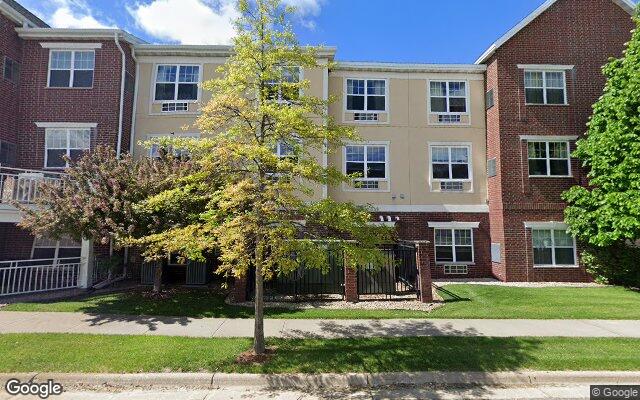
A large home, reviewed on public record.
Compared to 139 Minnesota facilities with a similar number of beds.
ALF memory care · 36-month window. Higher percentile = better performance on inspection record. Source: Minnesota Dept. of Health · Health Regulation Division.
among peers to rank.
Rankings based on 36-month MDH inspection data. Severity and frequency: fewer citations = higher percentile. Repeat rate: lower repeat citation share = higher percentile.
Citation history, plotted month by month.
No citations in the last 36 months.
Finding distribution
none · 36 monthsScope × Severity (CMS A–L)
Questions to ask before you visit.
A short pre-tour checklist tailored to Lino Lakes Assisted Living's record and state requirements.
The facility holds an Assisted Living Facility with Dementia Care license under Minnesota Statute Chapter 144G and operates 114 licensed beds — can you walk us through the written dementia care program and show us how it is tailored to the needs of residents in the memory care portion of the building?
Ask the operator on tour. Take notes and compare answers across facilities you visit.
Minnesota Department of Health records show 3 complaints on file and the most recent inspection was April 27, 2023 — can you share the facility's internal documentation of how those complaints were investigated and what changes, if any, were made in response?
Ask the operator on tour. Take notes and compare answers across facilities you visit.
The inspection history shows 0 deficiencies cited across 4 reports on file — can you provide families with copies of the most recent MDH survey reports and explain the facility's quality assurance process for maintaining compliance with Minnesota dementia care regulations?
Ask the operator on tour. Take notes and compare answers across facilities you visit.
Every inspection visit, verbatim.
13 inspections in the public record, most recent first. Plain-language summaries open first — click into any row for the full citation text.
2026-07-22Complaint InvestigationNo findings
2026-05-11Complaint InvestigationNo findings
2026-02-19Complaint InvestigationNo findings
Plain-language summary
A complaint investigation found that an allegation of abuse involving a wheelchair seat belt was not substantiated, though the facility nurse's communication with staff about the incident was unprofessional. The resident returned to the facility from transitional care with the seat belt fastened, and while there was confusion among staff about facility policy, the seat belt was unfastened the same day after a hospice nurse and facility staff identified it and the facility reinforced its restraint-free policy with employees. The investigation included interviews with staff, review of the resident's records, and observation of facility practices.
Read full citation textHide full citation text
Read raw inspector notesClose inspector notes
Finding: Not Substantiated Nature of Investigation: The Minnesota Department of Health investigated an allegation of maltreatment, in accordance with the Minnesota Reporting of Maltreatment of Vulnerable Adults Act, Minn. Stat. 626.557, and to evaluate compliance with applicable licensing standards for the provider type. Initial Investigation Allegation(s): The facility abused the resident when the resident returned to the facility with a wheelchair seat belt fastened and a facility management nurse/alleged perpetrator (AP), informed unlicensed staff that it was acceptable to keep the seat belt fastened as long as it was covered up with a blanket so no one would be able to view it. Investigative Findings and Conclusion: The Minnesota Department of Health determined abuse was not substantiated. Although the AP’s communication was unprofessional, there was not a preponderance of evidence the incident met the definition of abuse. Facility staff and the resident’s hospice nurse could not recall details of the incident, other staff involved were unavailable for interview and the seat belt was initially unfastened after the AP discovered it. Later the same day, unlicensed staff refastened the seat belt then proceeded to ask a facility staff nurse about the resident’s seat belt and the facility staff nurse informed the unlicensed staff that the seat belt needed to be removed. The resident’s wheelchair seat belt was permanently removed the same day. The investigator conducted interviews with facility staff members, including administrative staff, nursing staff, and unlicensed staff. The investigator contacted the resident’s hospice agency nursing staff. The investigation included review of the resident record(s), death record, hospital records, facility internal investigation, facility incident reports, personnel files, staff schedules, related facility policy and procedures. Also, the investigator observed the facility physical plant, medication administrations, treatment administrations, cares being given to residents and staff interactions with residents. The resident resided in an assisted living memory care unit. The resident’s diagnoses included right fractured femur and Alzheimer’s Disease. The resident’s service plan included assistance with activities of daily living (ADLs), medication management, wheelchair mobility and two person assistance with a mechanical lift for transfers. The resident’s assessment indicated the resident was oriented to self, had cognitive impairment, unclear speech and unable to follow directions. The resident’s assessment indicated the resident was unable to make her needs known to staff and staff used verbal communication and the resident’s body language to identify discomfort. The resident’s medical records indicated the resident returned to the facility after a transitional care unit (TCU) stay following a right femur fracture. The resident was transported back to the facility in a wheelchair via a transport agency. The resident returned to the facility with orders for a hospice evaluation. Handwritten facility investigative notes indicated the resident returned to the facility in a wheelchair with the seat belt on. The facility investigative notes indicated the AP informed staff that it was fine to have the seat belt on as long as it was covered up with a blanket. This document was signed by unlicensed staff (ULP-1), (ULP-2) and (ULP-3). Handwritten facility investigative notes that were unsigned, indicated ULP-1 informed the writer that she was unsure if the AP was joking about the seat belt comment and that ULP-1 acknowledged the facility’s restraint free policy. The facility investigative notes indicated that ULP-3 informed that she did not think the AP was joking, therefore put the resident’s blanket back on and did not think the comment was something to joke about. The facility investigative notes indicated the resident attempted to eat lunch, then staff unfastened the resident’s seat belt and transferred her to bed. Later, when the resident was transferred back to her wheelchair and the seat belt was fastened again. The facility investigative notes indicated the resident’s hospice nurse reported the resident’s seat belt and informed that the resident could not have it. This document indicated an administrative and facility staff nurse were notified and the seat belt was taken off. The facility investigative notes indicated facility staff were re-educated on the facility’s restraint free policy. A facility provided email from the administrative nurse indicated the resident was unaware her wheelchair safety belt was fastened due to cognitive impairments. The email indicated a formal facility investigative interview was not able to be completed with the resident, but when facility staff asked the resident if she was okay while the wheelchair seat belt was being removed, the resident was unable to respond appropriately. The email also indicated some of the facility investigative interviews were not able to be located as the administrative staff that had completed them were no longer employed at the facility. In this email, the administrative nurse indicated that re-education regarding the facility’s policy on restraints was promptly delivered verbally with facility staff. During an interview, the AP stated she found the resident’s wheelchair seat belt fastened when she completed the resident’s vitals, pulled back the resident’s lap cover and observed the seat belt fastened. The AP stated she exclaimed: “Oh, she has a seat belt on!” The AP stated ULP-1 who was behind her informed the AP that the resident could not have the seat belt to which the AP responded: “Yes, that is correct.” The AP stated she tried to pinch the fastened seat belt to unfasten to listed to the resident’s bowel sounds but was unable to open. The AP then instructed three unlicensed staff to bring the resident to her room to lay her down. ULP-2 asked the AP if the resident’s belt should be removed and the AP stated she made the poor decision to sarcastically and jokingly say something to the effect of: “If it’s covered up no one will know..” The AP stated she instructed ULP-1, ULP-2, ULP-3 and a facility staff nurse to assist in laying the resident down. The AP stated the resident was brought to her room and per requests of all three unlicensed staff, the AP and facility staff nurse demonstrated how to transfer the resident to bed. The AP stated she went back to her office to complete the assessment documentation and had a handwritten note to contact facility maintenance to permanently remove the resident’s wheelchair seat belt but could not complete the tasks as she had to leave the facility. The AP stated she was later asked by administrative staff including nursing administrative staff if it was appropriate to use a restraint on the chair to which the AP responded she would never say that and the AP understood restraints could not be used. The AP stated the seat belt was removed right away, other staff including nursing staff could have contacted the maintenance department to remove the seat belt and stated the comment was not made to cause any harm. During an interview, ULP-1 stated she recalled the resident’s wheelchair seat belt was fastened when the resident was returned to the facility. ULP-1 stated she recalled the fastened seat belt when the resident’s vital signs were being completed. ULP-1 stated she asked the AP if the fastened seat belt was legal and the AP responded by giggling and then informed ULP-1 that the fastened seat belt was okay as long as you cover it up then laughed. ULP-1 stated after the resident’s vital signs were obtained the AP instructed ULP-1 to lay the resident down. ULP-1 stated that the AP, a facility staff nurse and maybe ULP-2 and ULP-3 were present when the resident was transferred into bed but did not recall who unfastened the seat belt nor could ULP-1 recall fully if the resident was laid down, if the AP demonstrated the resident’s transfer nor could ULP-1 recall any details regarding the resident being transferred back to her wheelchair. ULP-1 stated she felt like the facility removed the seat belt but could not recall who cut the seat belt off. During an interview, a facility staff nurse recalled the resident returning to the facility with a fastened wheelchair seat belt. The facility staff nurse stated she called the resident’s transitional care unit (TCU), who informed the facility staff nurse that their facility fastened the resident’s seat belt for the transport back to the facility. The facility staff nurse could not recall who unfastened the resident’s seat belt but stated the seat belt was unfastened right away before the resident was put to bed. The facility staff nurse stated before the resident was laid down, she informed ULP-1 that the seat belt needed to be removed.
2025-04-16Annual Compliance VisitNo findings
Plain-language summary
A standard inspection of Lino Lakes Assisted Living on April 16, 2025 found one violation related to fire protection and physical environment under Minnesota statute 144G.45. The facility was assessed a $500 fine and must document corrective actions to comply with the violation.
Read full citation textHide full citation text
Read raw inspector notesClose inspector notes
CORRECTION ORDERS The enclosed State Form documents the state correction orders. MDH documents state licensing correction orders using federal software. Tag numbers are assigned to Minnesota state statutes for Assisted Living Facilities. The assigned tag number appears in the far left column entitled "ID Prefix Tag." The state statute number and the corresponding text of the state statute out of compliance are listed in the "Summary Statement of Deficiencies" column. This column also includes the findings that are in violation of the state statute after the statement, "This MN Requirement is not met as evidenced by . . ." IMPOSITION OF FINES In accordance with Minn. Stat. § 144G.31, Subd. 4, fines and enforcement actions may be imposed based on the level and scope of the violations and may be imposed immediately with no opportunity to correct the violation first as follows: Level 1: no fines or enforcement. Level 2: a fine of $500 per violation, in addition to any enforcement mechanism authorized in § 144G.20 for widespread violations; Level 3: a fine of $3,000 per violation per incident, in addition to any enforcement mechanism authorized in § 144G.20. Level 4: a fine of $5,000 per incident, in addition to any enforcement mechanism authorized in § 144G.20. Therefore, in accordance with Minn. Stat. §§ 144G.01 to 144G.9999, the following fines are assessed pursuant to this survey: St - 0 - 0775 - 144g.45 Subd. 2. (a) - Fire Protection And Physical Environment - $500.00 An equal opportunity employer. Letter ID: IS7N REVISED 09/13/2021 Lino Lakes Assisted Living May 13, 2025 Page 2 Therefore, in accordance with Minn. Stat. §§ 144G.01 to 144G.9999, t he total amount you are assessed is $500.00. You will be invoiced approximately 30 days after receipt of this notice, subject to appeal. DOCUMENTATION OF ACTION TO COMPLY In accordance with Minn. Stat. § 144G.30, Subd. 5(c), the licensee must document actions taken to comply with the correction orders within the time period outlined on the state form; however, plans of correction are not required to be submitted for approval. The correction order documentation should include the following: Identify how the area(s) of noncompliance was corrected related to the resident(s)/employee(s) identified in the correction order. Identify how the area(s) of noncompliance was corrected for all of the provider’s resident(s)/employees that may be affected by the noncompliance. Identify what changes to your systems and practices were made to ensure compliance with the specific statute(s). CORRECTION ORDER RECONSIDERATION PROCESS In accordance with Minn. Stat. § 144G.32, Subd. 2, you may challenge the correction order(s) issued, including the level and scope, and any fine assessed through the correction order reconsideration process. The request for reconsideration must be in writing and received by MDH within 15 calendar days of the correction order receipt date. To submit a reconsideration request, please visit: https://forms.web.health.state.mn.us/form/HRDAppealsForm REQUESTING A HEARING Alternatively, in accordance with Minn. Stat. § 144G.31, Subd. 5(d), an assisted living provider that has been assessed a fine under this subdivision has a right to a reconsideration or a hearing under this section and chapter 14. Pursuant to Minn. Stat. § 144G.20, Subd. 14 and Subd. 18, a request for a hearing must be in writing and received by the Department of Health within 15 business days of the correction order receipt date. The request must contain a brief and plain statement describing each matter or issue contested and any new information you believe constitutes a defense or mitigating factor. To submit a hearing request, please visit: https://forms.web.health.state.mn.us/form/HRDAppealsForm To appeal fines via reconsideration, please follow the procedure outlined above. P lease note that you may request a reconsideration o r a hearing, but not both. If you wish to contest tags without fines in a reconsideration and tags with the fines at a hearing, please submit two separate appeals forms at the website listed above. Lino Lakes Assisted Living May 13, 2025 Page 3 The MDH Health Regulation Division (HRD) values your feedback about your experience during the survey and/or investigation process. Please fill out this anonymous provider feedback questionnaire at your convenience at this link: h ttps://forms.office.com/g/Bm5uQEpHVa. Your input is important to us and will enable MDH to improve its processes and communication with providers. If you have any questions regarding the questionnaire, please contact Susan Winkelmann at susan.winkelmann@state.mn.us or call 651-201-5952. You are encouraged to retain this document for your records. It is your responsibility to share the information contained in the letter and state form with your organization’s Governing Body. If you have any questions, please contact me. Sincerely, Kelly Thorson, Supervisor State Evaluation Team Email: Kelly.Thorson@state.mn.us Telephone: 320-223-7336 Fax: 1-866-890-9290 HHH PRINTED: 05/13/2025 FORM APPROVED STATEMENT OF DEFICIENCIES (X1) PROVIDER/SUPPLIER/CLIA (X2) MULTIPLE CONSTRUCTION (X3) DATE SURVEY AND PLAN OF CORRECTION IDENTIFICATION NUMBER: COMPLETED A. BUILDING: ______________________ B. WING _____________________________ 30745 04/16/2025 NAME OF PROVIDER OR SUPPLIER STREET ADDRESS, CITY, STATE, ZIP CODE 725 TOWN CENTER PARKWAY LINO LAKES ASSISTED LIVING LINO LAKES, MN 55014 SUMMARY STATEMENT OF DEFICIENCIES PROVIDER'S PLAN OF CORRECTION (X4) ID ID (X5) PREFIX (EACH DEFICIENCY MUST BE PRECEDED BY FULL PREFIX (EACH CORRECTIVE ACTION SHOULD BE COMPLETE REGULATORY OR LSC IDENTIFYING INFORMATION) CROSS-REFERENCED TO THE APPROPRIATE DATE TAG TAG DEFICIENCY) 0 000 Initial Comments 0 000 ASSISTED LIVING PROVIDER LICENSING Minnesota Department of Health is CORRECTION ORDER(S) documenting the State Licensing Correction Orders using federal software. In accordance with Minnesota Statutes, section Tag numbers have been assigned to 144G.08 to 144G.95, these correction orders are Minnesota State Statutes for Assisted issued pursuant to a survey. Living License Providers. The assigned tag number appears in the far left column Determination of whether violations are corrected entitled "ID Prefix Tag." The state Statute requires compliance with all requirements number and the corresponding text of the provided at the Statute number indicated below. state Statute out of compliance is listed in When Minnesota Statute contains several items, the "Summary Statement of Deficiencies" failure to comply with any of the items will be column. This column also includes the considered lack of compliance. findings which are in violation of the state requirement after the statement, "This INITIAL COMMENTS: Minnesota requirement is not met as evidenced by." Following the surveyors' SL30745017 findings is the Time Period for Correction. On April 14, 2025, through April 16, 2025, the PLEASE DISREGARD THE HEADING OF survey at the above provider. At the time of the STATES,"PROVIDER'S PLAN OF survey, there were 64 residents; 64 receiving CORRECTION." THIS APPLIES TO services under the Assisted Living Facility with FEDERAL DEFICIENCIES ONLY. THIS Dementia Care license. WILL APPEAR ON EACH PAGE. THERE IS NO REQUIREMENT TO SUBMIT A PLAN OF CORRECTION FOR VIOLATIONS OF MINNESOTA STATE STATUTES. The letter in the left column is used for tracking purposes and reflects the scope and level issued pursuant to 144G.31 subd. 1, 2, and 3. 0 480 144G.41 Subdivision 1 Subd. 1a (a-b) Minimum 0 480 SS=F requirements; required food services (a) Except as provided in paragraph (b), food LABORATORY DIRECTOR'S OR PROVIDER/SUPPLIER REPRESENTATIVE'S SIGNATURE TITLE (X6) DATE STATE FORM 6899 L62C11 If continuation sheet 1 of 38 PRINTED: 05/13/2025 FORM APPROVED STATEMENT OF DEFICIENCIES (X1) PROVIDER/SUPPLIER/CLIA (X2) MULTIPLE CONSTRUCTION (X3) DATE SURVEY AND PLAN OF CORRECTION IDENTIFICATION NUMBER: COMPLETED A. BUILDING: ______________________ B. WING _____________________________ 30745 04/16/2025 NAME OF PROVIDER OR SUPPLIER STREET ADDRESS, CITY, STATE, ZIP CODE 725 TOWN CENTER PARKWAY LINO LAKES ASSISTED LIVING LINO LAKES, MN 55014 SUMMARY STATEMENT OF DEFICIENCIES PROVIDER'S PLAN OF CORRECTION (X4) ID ID (X5) PREFIX (EACH DEFICIENCY MUST BE PRECEDED BY FULL PREFIX (EACH CORRECTIVE ACTION SHOULD BE COMPLETE REGULATORY OR LSC IDENTIFYING INFORMATION) CROSS-REFERENCED TO THE APPROPRIATE DATE TAG TAG DEFICIENCY) 0 480 Continued From page 1 0 480 must be prepared and served according to the Minnesota Food Code, Minnesota Rules, chapter 4626. (b) For an assisted living facility with a licensed capacity of ten or fewer residents: (1) notwithstanding Minnesota Rules, part 4626.0033, item A, the facility may share a certified food protection manager (CFPM) with one other facility located within a 60-mile radius and under common management provided the CFPM is present at each facility frequently enough to effectively administer, manage, and supervise each facility's food service operation; (2) notwithstanding Minnesota Rules, part 4626.0545, item A, kick plates that are not removable or cannot be rotated open are allowed unless the facility has been issued repeated correction orders for violations of Minnesota Rules, part 4626.
2025-02-13Complaint InvestigationNo findings
Plain-language summary
A resident with dementia eloped from the facility and was found lying outside in temperatures below minus 10 degrees Fahrenheit, developing frostbite and hypothermia; the resident was hospitalized and died 11 days later. The Minnesota Department of Health substantiated neglect, finding that although the resident's assessment required safety checks every two to three hours, the facility directed staff to check on the resident only as needed rather than on the documented schedule, and staff were unaware the resident was missing until a neighbor discovered him outside. The facility was found responsible for the maltreatment.
Read full citation textHide full citation text
Read raw inspector notesClose inspector notes
Finding: Substantiated, facility responsibility Nature of Investigation: The Minnesota Department of Health investigated an allegation of maltreatment, in accordance with the Minnesota Reporting of Maltreatment of Vulnerable Adults Act, Minn. Stat. 626.557, and to evaluate compliance with applicable licensing standards for the provider type. Initial Investigation Allegation(s): The facility neglected the resident when the resident eloped from the facility. The resident was outside for an unknown amount of time and developed frostbite and hypothermia. The resident was hospitalized and died in the hospital 11 days later. Investigative Findings and Conclusion: The Minnesota Department of Health determined neglect was substantiated. The facility was responsible for the maltreatment. The resident was assessed to require safety checks every two to three hours. However, the facility failed to direct staff to check on the resident every two to three hours and instead staff were directed to check on the resident as needed (PRN). The resident eloped from the facility and facility staff were not aware the resident was missing until a neighbor found the resident lying outside. The resident was sent to the hospital and died 11 days later. The investigator conducted interviews with facility staff members, including administrative staff, nursing staff, and unlicensed staff. The investigator also contacted family. The investigation included review of the resident records, death record, hospital records, the facility internal investigation, facility incident reports, personnel files, staff schedules, and related facility policy and procedures. Also, the investigator observed resident interactions with staff. The resident resided in an assisted living facility. The resident’s diagnoses included dementia. The resident’s services included assistance with activities of daily living, transfers, toileting, meals, and medication management. The resident’s assessment indicated he required safety checks every two to three hours. The facility’s internal investigation indicated the resident was admitted to the facility with moderate cognitive decline and a history of falls related to hypotension (low blood pressure). Early one morning a neighbor entered the facility and requested help because he found someone lying outside in the cold. A staff member went outside with the neighbor and identified the individual lying on the ground as the resident. The resident was dressed in long pants, a light jacket, a shoe on one foot, and a sock on the other foot. The resident had exited the building without being observed by staff. Staff documented the resident was alert but disoriented. Staff called 911 and emergency medical services (EMS) transported the resident to the hospital. Staff told EMS the resident did not have scheduled safety checks, but staff saw him during meals and medication passes. Staff noted no injuries at the time of the event. The resident did not have a known/reported history of wandering and was not deemed an elopement risk prior to the incident. The nurse who completed the resident’s admission assessment said neither she nor the resident’s family were concerned about wandering behaviors. Although she documented in the assessment that the resident required safety checks every two to three hours, this was not communicated to staff. One staff member said she completed rounds at approximately 10:00 p.m. the evening prior and the resident was in his room. The resident’s medication administration record (MAR) indicated he received bedtime medications at 10:05 p.m. Overnight staff reported no one saw the resident during the night and into the next day. At 7:30 a.m. a day staff member was alerted by a neighbor that the resident was lying on the ground outside. The staff member notified other staff members for help, staff called EMS and notified the on-call nurse. AccuWeather.com reported the temperature in Lino Lakes the day the resident was found outside had a low of -14 degrees below zero Fahrenheit and a high of -8 degrees below zero Fahrenheit. The resident’s nursing assessment at admission (less than a month before his elopement) indicated the resident was not at risk for elopement, but was at risk for falls due to dementia. The nurse assessed the resident as needing safety checks every two to three hours. Staff were also to ensure resident at scheduled meals and activities. Referral documents indicated the resident experienced moderate cognitive decline, had a history of falls, and was able to follow one- to two-step commands. The resident was not always oriented and required reminders for redirection and orientation on an as-needed basis. The resident had mild to moderate disorientation and difficulty recalling/retaining information, and displayed deficits in judgement. The facility nurse assessed the resident as capable of independent decision-making and not at risk for elopement. The resident’s service plan indicated a goal for the resident was to maintain safety while living in community. Safety checks every two to three hours were documented as a service that would be provided by the facility. A goal was that resident would not leave the community unattended, and staff were to observe the resident’s location in the community at meals and during activities. Progress notes indicated the resident was admitted to the facility after being hospitalized for several months due to low blood pressure, falls, and increased memory loss. The admitting nurse reviewed the resident’s service plan with a family member and staff were to follow the plan of care for services. Staff documented one fall in which the resident did not sustain any injuries. After the resident was found lying outside, staff stated they did not know how long the resident was outside, and the resident was confused and disoriented. The resident was taken to the hospital for further evaluation. The resident’s abuse prevention plan indicated the resident was at risk of self-abuse because he lacked self-preservation skills and ignored personal safety. The resident’s diagnosis of dementia was cited as the reason he was at risk for potential maltreatment. The resident’s task record (which directed staff on resident specific care needs) directed staff to do safety checks as needed, not every two to three hours as assessed on the resident’s service plan. No safety checks were documented the first month the resident lived at the facility, nor for the day the resident was found outside. However, safety checks were documented for two days after the resident was admitted to the hospital and was no longer at the facility. Several other tasks were documented as having been completed by staff for up to three days after the resident had left the facility, including dressing, meal attendance, personal hygiene, transferring, and group engagements. The resident’s hospital record indicated he was admitted in critical condition with hypothermia, frostbite, right-sided pneumothorax (collapsed lung), and evidence of head trauma as indicated by a hematoma on the left side of his forehead. Due to the severity of the resident’s frostbite, he was referred to the hospital’s burn team. The resident’s core temperature upon admit was 28 degrees Celsius (82.4 degrees Fahrenheit). The resident had several areas of frostbite and blisters to his back, flank, feet, legs, and hands. During his hospital stay, he went into cardiac arrest, from which he was resuscitated, and then suffered cardiogenic shock (when the heart cannot pump enough blood and oxygen to the brain and other vital organs). The resident died at the hospital 11 days after admission. The resident’s death record indicated the resident’s immediate cause of death was complications of resuscitated cardiopulmonary arrest, due to environmental cold exposure (hypothermia). The manner of death was documented as an accident. When interviewed, a nurse stated the resident had not lived at the facility for very long prior to the elopement and was “pretty independent.” The nurse said, among other services, the resident received safety checks every two hours. During the internal investigation, the nurse spoke with several staff members, none of whom had seen the resident on the overnight shift, or in the morning when they drove in for the day shift. A neighbor had brought the resident to the attention of facility staff and staff addressed the elopement per protocol. When interviewed, an overnight staff stated the resident did not have safety checks, but he was scheduled to be toileted on the overnight shift. However, the resident declined this service because he did not want to be awakened during the night. The overnight caregiver stopped checking on the resident and continued to document the resident declined toileting on the overnight shift without continuing to ask the resident.
2024-11-18Complaint InvestigationNo findings
Plain-language summary
A complaint investigation found that a nurse neglected a resident by failing to promptly obtain an ordered X-ray after the resident fell and injured her leg, resulting in the resident going without pain medication and proper treatment for seven days until X-rays revealed broken bones in her lower leg that required hospitalization and surgery. The facility and the nurse were found responsible for the maltreatment, as unlicensed staff also failed to escalate the resident's obvious injury symptoms to nursing staff for direction on care. The investigation reviewed medical records, staff interviews, and facility policies to substantiate the allegation under Minnesota's maltreatment reporting law.
Read full citation textHide full citation text
Read raw inspector notesClose inspector notes
Finding: Substantiated, facility and individual responsibility Nature of Investigation: The Minnesota Department of Health investigated an allegation of maltreatment, in accordance with the Minnesota Reporting of Maltreatment of Vulnerable Adults Act, Minn. Stat. 626.557, and to evaluate compliance with applicable licensing standards for the provider type. Initial Investigation Allegation(s): The alleged perpetrator (AP), who was a nurse, neglected the resident when she failed to follow a physician’s order to complete an X-ray after the resident fell and sustained injury. As a result, the resident’s fractures went untreated for seven days. Investigative Findings and Conclusion: The Minnesota Department of Health determined neglect was substantiated. The facility and the AP were responsible for the maltreatment. The AP, a registered nurse, failed to follow the physician’s order to obtain an X-ray until five days after he gave the order. The AP failed to follow up on the resident’s change in health status after a fall with injury, develop a plan of care, and instruct the unlicensed personnel (ULP) how to provide care to the resident with increased pain and inability to bear weight on her ankle. Multiple ULP observed the resident’s injury but failed to consult with the AP or other facility nurses on direction to address the resident’s swelling, bruising and pain in her right lower leg. The resident did not receive pain medication for seven days after the injury occurred. X-ray results revealed the resident had tibial and fibular fractures (broken bones of the lower leg). She required hospitalization and surgical repair of her broken bones. The investigator conducted interviews with facility staff members, including administrative staff, nursing staff, and unlicensed staff. The investigator contacted family members. The investigation included review of the resident records, hospital records, X-ray report, facility internal investigation, facility incident reports, personnel files, staff schedules, and related facility policy and procedures. Also, the investigator observed toured the facility and observed the staffing structure, documentation systems, and medication administration. The resident resided in an assisted living memory care unit. The resident’s diagnoses included dementia and neuropathy (nerve damage). The resident’s service plan included assistance with dressing, bathing, hygiene, toileting, and medication administration. The resident’s nursing assessment indicated she had moderate cognitive (memory) impairment, and poor judgment. The resident required safety checks every two hours because she wandered in the common areas of the facility. The resident’s incident report indicated a staff member called a nurse manager to the resident’s room because the resident fell. The report indicated the nurse manager observed the resident lying on her back, on the floor, in front of her bed. The report indicated the resident told the nurse manager her leg hurt. The report indicated there was bruising and a “bump” on the resident’s inner right calf (lower leg), but she could move her leg and toes. The report indicated the nurse manager elevated the resident’s leg and applied an ice pack to the injured area. Progress notes lacked documentation from the nurse manager about the fall including further actions to direct ULP’s to provide care. The resident’s fall occurred early in the afternoon. There were no further progress notes completed until the following afternoon when the AP documented she observed the resident in bed with an ice pack on her ankle. The AP’s documentation indicated the resident “jumped” when the AP touched her foot, and told her it was “very painful.” The AP documented the resident’s right foot was warm and replaced the ice pack. The AP documented she sent the resident’s physician a message to inquire about obtaining an X-ray. Approximately three hours later the AP documented she communicated with the resident’s physician over the message portal, and she told him the resident was not getting up (out of bed) because of the pain. The AP’s documentation indicated she told the physician the resident refused Tylenol (pain medication), but she also said the resident did not ask for Tylenol. There were no further progress notes completed by the AP or ULPs the next day. The physician communication portal notes indicated the note from the physician prior to the AP’s last response indicated if the resident was unable to bear weight on her ankle, an X-ray could be done onsite. The portal notes indicated the AP’s last message to the resident’s physician and her last documented progress note of the day both was at 3:36 p.m. At 3:50 p.m., the physician responded with orders to X-ray the resident’s right ankle due to pain and swelling. Two days after receiving the physician’s X-ray order, the AP documented in a progress note she received an order from the resident’s physician to complete an X-ray of the resident’s right ankle. The AP documented she would contact the portable X-ray company. The same day, a ULP wrote in a progress note the resident could not transfer and remained in bed because of her bruised ankle and pain. The resident’s record lacked any further documentation from staff regarding the resident’s status. On the sixth day after the resident fell, the resident’s progress notes indicated the AP called in the morning to schedule an X-ray for the resident. The X-ray company completed the X-ray in the afternoon and the AP faxed the results to the resident’s physician. The AP’s documentation failed to identify what the results were, however indicated she advised ULP to keep pressure off the resident’s foot/ankle, to elevate her leg, and offer her as needed (PRN) Tylenol. The AP’s documentation indicated she added transfer assistance and safety checks to the resident’s service plan. There were no further progress notes from the AP or ULPs until the following day. The resident’s medication administration record (MAR) indicated the resident did not receive any pain medication for six days after the fall and ankle injury occurred. The resident’s record lacked a change in condition assessment assessing the resident’s injured right ankle, mobility changes, pain and identifying the resident’s pain indicators due to cognitive deficits to reliably report pain. The resident’s service delivery records indicated prior to the fall, the resident had a service to monitor, and document pain every shift. The records indicated the only date ULP documented monitoring pain was the day the X-ray was ordered. The service records failed to include instructions on changes to transfer and elevating her right leg. On the seventh day, the resident’s progress notes indicated the resident’s physician was at the facility to assess the resident and told the AP he had not received the X-ray results. The AP provided the results to him. The resident stayed in bed because of pain in her ankle and was unable to move or turn for staff to provide cares. The AP’s documentation indicated the resident has been in bed for “days” and refused to move. The AP’s documentation indicated the resident’s physician told the AP to give the resident Tylenol. The resident’s MAR indicated the resident received Tylenol for the first time since her fall, on the seventh day in the afternoon. The ULP documented it was effective. Later in the evening of the seventh day, the resident’s progress notes indicated the director of nursing (DON) received a call from the resident’s physician and he told her he received information from orthopedics (bone specialist) the resident required hospitalization for the fractures of her leg. The DON’s documentation indicated the resident went to the hospital late in the evening. Hospital records indicated there was deformity of the resident’s right lower leg and an X-ray at the hospital showed three parts of the ankle fractured and the talus bone (the bone that connects the ankle to the foot) was partially dislocated. The hospital record indicated the resident received surgical repair (open reduction internal fixation) of her ankle. She remained in the hospital for six days, then returned to the facility. During investigative interviews, multiple ULP’s indicated the resident’s injury to her leg was noticeable and caused her pain. One ULP described the resident’s right leg as being double in size with bruising around the ankle and up above the back of her calf. Multiple ULP’s indicated the resident remained in bed because of the injury. Multiple ULP’s acknowledged there was a nurse available (other than the AP) during the day, and after hours, but multiple ULP’s failed to call them to further report the change in resident’s status. Additionally, ULP’s reported conflicting information regarding the resident’s mobility status.
2024-09-26Complaint InvestigationNo findings
Plain-language summary
A complaint investigation found that the facility neglected a resident with Alzheimer's disease by failing to assess, monitor, or develop safety plans after the resident experienced multiple unexplained injuries, falls, and aggressive incidents over two months, and the resident's room was left soiled with urine and feces due to lack of scheduled assistance. Nursing staff did not follow up on injuries including a black eye and abrasions, did not investigate the resident's report of a bar fight, and did not notify the family or medical provider of incidents; eleven days after one unreported injury, the resident fell and sustained a brain bleed that required hospitalization. The facility was found responsible for the maltreatment.
Read full citation textHide full citation text
Read raw inspector notesClose inspector notes
Finding: Substantiated, facility responsibility Nature of Investigation: The Minnesota Department of Health investigated an allegation of maltreatment, in accordance with the Minnesota Reporting of Maltreatment of Vulnerable Adults Act, Minn. Stat. 626.557, and to evaluate compliance with applicable licensing standards for the provider type. Initial Investigation Allegation(s): The facility neglected the resident when the resident had unexplained bruising and was hospitalized with a brain bleed. In addition, the resident’s room was soiled with urine and feces. Investigative Findings and Conclusion: The Minnesota Department of Health determined neglect was substantiated. The facility was responsible for the maltreatment. Facility nursing staff failed to assess, monitor, and develop interventions to ensure the resident’s safety after changes in behavior and injuries of unknown origin were observed. Additionally, the resident’s room was soiled with urine and feces related to the lack of scheduled assistance for the resident. The investigator conducted interviews with facility staff members, including administrative staff, nursing staff, and unlicensed staff. The investigator also contacted law enforcement. The investigation included review of the resident records, hospital records, facility incident reports, personnel files, staff schedules, a law enforcement report, related facility policies and procedures. Also, the investigator observed interactions between staff and residents. The resident resided in an assisted living memory care unit with a diagnosis of Alzheimer’s disease. The resident’s service plan included assistance with medication administration, behavioral management, and safety checks three times per day. The resident’s assessment indicated the resident had a history of becoming agitated with facility staff and residents and wandered into other resident’s rooms. Over the course of two months, six incidents occurred involving the resident which included a fall, aggressive behavior towards staff, wandering into other resident rooms, and injuries of unknown origin, including a black and blue eye and abrasions. Staff documented the incidents, but no follow-up or assessment was completed by the facility nurse and no interventions were developed or implemented to mitigate further incidents. No measures were taken to address other resident or staff safety related to the aggressive behavior or wandering into other resident rooms and unlicensed staff were not educated on resident specific behavior interventions. Staff reported concerns related to the resident’s aggressive behavior, but the concerns were not followed up on by nursing or administrative staff. One incident report indicated that staff arrived to work and found the resident with swelling on his right check and eyebrow. The resident reported to staff that he was in a bar fight. Staff notified the nurse of the resident’s injury; however, the nurse did not assess or treat the resident injuries and did not update the resident’s family or medical provider of the incident. There was no ongoing monitoring of the injury and no investigation into the cause of injury or the resident’s report of getting into a fight. Eleven days later, staff contacted emergency services after the resident was found naked in another resident’s room and fell and hit his head on a door frame after he tripped during an altercation with the staff who attempted to remove him from the room. The police report indicated the responding officer observed a red mark above the resident’s right eye and several bruises on his face, arms, and body, that appeared to various stages of healing and the resident reported he was thrown to the ground by facility staff. The officer questioned staff on the incident and the resident was transported to the hospital for further evaluation. According to the police report, staff were unable to identify why the resident had bruising on various parts of his body, there was no supervisor available, and unlicensed staff were unable to provide the officer with requested documentation from the resident’s medical record. The police report indicated there were concerns with the facility environment including that the floors were so sticky his boots stuck to the ground, the area smelled of urine, the carpet was loose, and there were spilled liquids on the floor in the common area. Hospital records indicated the resident was diagnosed with a brain bleed and admitted to the hospital. During an interview, a facility staff member stated the resident needed help with redirection and concerns about the resident were reported to the facility management. The staff member stated there was no follow up to concerns or injuries reported to management and no education was provided on how to manage the resident’s behaviors. The nurse employed at the time the incidents occurred no longer worked at the facility and could not recall any details about the resident. During an interview, facility management staff recalled that the resident had a few incidents involving falls and combative behaviors and acknowledged that the nurse at the time should have assessed the resident, implemented interventions, and increased services to prevent further incidents. Facility management stated that staff did what they could for the resident but acknowledged that the medical record lacked evidence of action taken to ensure the resident’s safety. Facility management described the care that the resident received at the facility as “unfortunate”. During an interview, a family member stated they noted several concerns throughout the resident’s short stay at the facility. The family members stated that approximately 2-3 weeks after moving in, the resident began having urinary incontinence and an increase in agitation. The family member stated the resident’s room was disgusting because staff did not assist the resident with cares or cleaning. The family reported concerns to facility management, but nothing was done to help the resident. The family indicated that the facility only contacted them three times and never communicated concerns about the resident. The family member stated they were not provided with documentation or incident reports they requested, and the resident did not return to the facility. In conclusion, the Minnesota Department of Health determined neglect was substantiated. Substantiated: Minnesota Statutes, section 626.5572, Subdivision 19. “Substantiated” means a preponderance of evidence shows that an act that meets the definition of maltreatment occurred. Neglect: Minnesota Statutes, section 626.5572, subdivision 17 “Neglect” means neglect by a caregiver or self-neglect. (a) "Caregiver neglect" means the failure or omission by a caregiver to supply a vulnerable adult with care or services, including but not limited to, food, clothing, shelter, health care, or supervision which is: (1) reasonable and necessary to obtain or maintain the vulnerable adult's physical or mental health or safety, considering the physical and mental capacity or dysfunction of the vulnerable adult; and (2) which is not the result of an accident or therapeutic conduct. Vulnerable Adult interviewed: No. Resident unavailable Family/Responsible Party interviewed: Yes. Alleged Perpetrator interviewed: Not Applicable. the Action taken by facility: No action taken. Action taken by the Minnesota Department of Health: The responsible party will be notified of their right to appeal the maltreatment finding. The facility was found to be in noncompliance. To view a copy of the Statement of Deficiencies and/or correction orders, please visit: https://www.health.state.mn.us/facilities/regulation/directory/provcompselect.html If you are viewing this report on the MDH website, please see the attached Statement of Deficiencies. You may also call 651-201-4200 to receive a copy via mail or email cc: The Office of Ombudsman for Long Term Care The Office of Ombudsman for Mental Health and Developmental Disabilities Anoka County Attorney Lino Lakes City Attorney Lino Lakes Police Department Minnesota Board of Executives for Long Term Services and Supports Minnesota Board of Nursing PRINTED: 10/07/2024 FORM APPROVED STATEMENT OF DEFICIENCIES (X1) PROVIDER/SUPPLIER/CLIA (X2) MULTIPLE CONSTRUCTION (X3) DATE SURVEY AND PLAN OF CORRECTION IDENTIFICATION NUMBER: COMPLETED A. BUILDING: ______________________ C B. WING _____________________________ 30745 08/14/2024 NAME OF PROVIDER OR SUPPLIER STREET ADDRESS, CITY, STATE, ZIP CODE 725 TOWN CENTER PARKWAY LINO LAKES ASSISTED LIVING LINO LAKES, MN 55014 SUMMARY STATEMENT OF DEFICIENCIES PROVIDER'S PLAN OF CORRECTION (X4) ID ID (X5) PREFIX (EACH DEFICIENCY MUST BE PRECEDED BY FULL PREFIX (EACH CORRECTIVE ACTION SHOULD BE COMPLETE REGULATORY OR LSC IDENTIFYING INFORMATION) CROSS-REFERENCED TO THE APPROPRIATE DATE TAG TAG DEFICIENCY) 0 000 Initial Comments 0 000 ******ATTENTION****** Minnesota Department of Health is documenting the State Correction Orders ASSISTED LIVING PROVIDER CORRECTION using federal software. Tag numbers have ORDER been assigned to Minnesota State Statutes for Assisted Living Facilities. The In accordance with Minnesota Statutes, section assigned tag number appears in the 144G.08 to 144G.95, these correction orders are far-left column entitled "ID Prefix Tag." The issued pursuant to a complaint investigation.
2024-09-24Complaint InvestigationNo findings
Plain-language summary
On August 14, 2024, the Minnesota Department of Health investigated a complaint that facility staff neglected a resident when she fell from her bed, hit her head, and vomited, requiring hospitalization. The investigation determined that neglect was not substantiated because there was insufficient evidence that the fall resulted from staff failure to provide necessary care—hospital records indicated the resident was trying to get out of bed and slipped, and staff properly responded to her call light and called 911 when needed. No further action was taken by the department.
Read full citation textHide full citation text
Read raw inspector notesClose inspector notes
Finding: Not Substantiated Nature of Investigation: The Minnesota Department of Health investigated an allegation of maltreatment, in accordance with the Minnesota Reporting of Maltreatment of Vulnerable Adults Act, Minn. Stat. 626.557, and to evaluate compliance with applicable licensing standards for the provider type. Initial Investigation Allegation(s): The facility neglected the resident when the resident was found on the side of her bed. The resident reported she hit her head, began throwing up, and was sent to the hospital. Investigative Findings and Conclusion: The Minnesota Department of Health determined neglect was not substantiated. Although the resident fell and went to the hospital, there was not a preponderance of evidence to support that the fall was caused by the failure of facility staff to provide necessary care or services. The resident returned to the facility following discharge from the hospital. The investigator conducted interviews with facility staff members, including administrative staff, nursing staff, and unlicensed staff. The investigation included review of the resident record, hospital records, facility incident reports, personnel files, staff schedules, and related facility policies and procedures. Also, the investigator observed interactions between staff and residents. The resident resided in an assisted living memory care unit with a diagnosis of dementia. The resident’s service plan included assistance with transfers, toileting, and safety checks. The resident’s assessment indicated the resident was able to use her call light to request assistance and staff were directed to complete safety checks on the resident. A facility report indicated the resident pulled her call light requesting assistance and when staff responded they found the resident on the floor in her bedroom. The resident complained of hip and head pain and began throwing up. Facility staff called 911 and the resident was sent to the hospital for evaluation. Hospital records indicated the resident was trying to get out of bed, slipped and landed on her tailbone. The resident was evaluated, no injuries were found, and the resident was discharged back to the facility. During an interview, the facility nurse stated the facility staff responded to the resident’s call light and when she had complaints of hip pain and reported she hit her head, 911 was called. During an interview, a family member stated she was not told about the fall until after the resident was sent to the hospital. In conclusion, the Minnesota Department of Health determined neglect was not substantiated. “Not Substantiated” means: An investigatory conclusion indicating the preponderance of evidence shows that an act meeting the definition of maltreatment did not occur. Neglect: Minnesota Statutes, section 626.5572, subdivision 17 “Neglect” means neglect by a caregiver or self-neglect. (a) "Caregiver neglect" means the failure or omission by a caregiver to supply a vulnerable adult with care or services, including but not limited to, food, clothing, shelter, health care, or supervision which is: (1) reasonable and necessary to obtain or maintain the vulnerable adult's physical or mental health or safety, considering the physical and mental capacity or dysfunction of the vulnerable adult; and (2) which is not the result of an accident or therapeutic conduct. Vulnerable Adult interviewed: No. Resident not available. Family/Responsible Party interviewed: Yes. Alleged Perpetrator interviewed: Not Applicable. Action taken by facility: Facility staff responded to the resident’s call light, contacted 911 and sent the resident to the hospital for evaluation. Action taken by the Minnesota Department of Health: No further action taken at this time. cc: The Office of Ombudsman for Long Term Care The Office of Ombudsman for Mental Health and Developmental Disabilities PRINTED: 10/07/2024 FORM APPROVED STATEMENT OF DEFICIENCIES (X1) PROVIDER/SUPPLIER/CLIA (X2) MULTIPLE CONSTRUCTION (X3) DATE SURVEY AND PLAN OF CORRECTION IDENTIFICATION NUMBER: COMPLETED A. BUILDING: ______________________ C B. WING _____________________________ 30745 08/14/2024 NAME OF PROVIDER OR SUPPLIER STREET ADDRESS, CITY, STATE, ZIP CODE 725 TOWN CENTER PARKWAY LINO LAKES ASSISTED LIVING LINO LAKES, MN 55014 SUMMARY STATEMENT OF DEFICIENCIES PROVIDER'S PLAN OF CORRECTION (X4) ID ID (X5) PREFIX (EACH DEFICIENCY MUST BE PRECEDED BY FULL PREFIX (EACH CORRECTIVE ACTION SHOULD BE COMPLETE REGULATORY OR LSC IDENTIFYING INFORMATION) CROSS-REFERENCED TO THE APPROPRIATE DATE TAG TAG DEFICIENCY) 0 000 Initial Comments 0 000 ******ATTENTION****** Minnesota Department of Health is documenting the State Correction Orders ASSISTED LIVING PROVIDER CORRECTION using federal software. Tag numbers have ORDER been assigned to Minnesota State Statutes for Assisted Living Facilities. The In accordance with Minnesota Statutes, section assigned tag number appears in the 144G.08 to 144G.95, these correction orders are far-left column entitled "ID Prefix Tag." The issued pursuant to a complaint investigation. state Statute number and the corresponding text of the state Statute out Determination of whether a violation is corrected of compliance is listed in the "Summary requires compliance with all requirements Statement of Deficiencies" column. This provided at the statute number indicated below. column also includes the findings which When a Minnesota Statute contains several are in violation of the state requirement items, failure to comply with any of the items will after the statement, "This Minnesota be considered lack of compliance. requirement is not met as evidenced by." Following the evaluators ' findings is the INITIAL COMMENTS: Time Period for Correction. #HL307454393C/#HL307453901M #HL307455340C/#HL307454361M PLEASE DISREGARD THE HEADING OF #HL307456117C/#HL307454782M THE FOURTH COLUMN WHICH STATES,"PROVIDER'S PLAN OF CORRECTION." THIS APPLIES TO On August 14, 2024, the Minnesota Department FEDERAL DEFICIENCIES ONLY. THIS of Health conducted a complaint investigation at WILL APPEAR ON EACH PAGE. the above provider, and the following correction orders are issued. At the time of the complaint THERE IS NO REQUIREMENT TO investigation, there were 83 residents receiving SUBMIT A PLAN OF CORRECTION FOR services under the provider's Assisted Living VIOLATIONS OF MINNESOTA STATE license. STATUTES. No correction orders were issued for THE LETTER IN THE LEFT COLUMN IS HL307455340C/#HL307454361M. USED FOR TRACKING PURPOSES AND REFLECTS THE SCOPE AND LEVEL The following correction orders are issued for ISSUED PURSUANT TO 144G.31 #HL307454393C/#HL307453901M, tag SUBDIVISION 1-3. identification 2360, #HL307456117C/#HL307454782M, tag identification 0630, 0800, 1620, and 2360. LABORATORY DIRECTOR'S OR PROVIDER/SUPPLIER REPRESENTATIVE'S SIGNATURE TITLE (X6) DATE STATE FORM 6899 AUL111 If continuation sheet 1 of 14 PRINTED: 10/07/2024 FORM APPROVED STATEMENT OF DEFICIENCIES (X1) PROVIDER/SUPPLIER/CLIA (X2) MULTIPLE CONSTRUCTION (X3) DATE SURVEY AND PLAN OF CORRECTION IDENTIFICATION NUMBER: COMPLETED A. BUILDING: ______________________ C B. WING _____________________________ 30745 08/14/2024 NAME OF PROVIDER OR SUPPLIER STREET ADDRESS, CITY, STATE, ZIP CODE 725 TOWN CENTER PARKWAY LINO LAKES ASSISTED LIVING LINO LAKES, MN 55014 SUMMARY STATEMENT OF DEFICIENCIES PROVIDER'S PLAN OF CORRECTION (X4) ID ID (X5) PREFIX (EACH DEFICIENCY MUST BE PRECEDED BY FULL PREFIX (EACH CORRECTIVE ACTION SHOULD BE COMPLETE REGULATORY OR LSC IDENTIFYING INFORMATION) CROSS-REFERENCED TO THE APPROPRIATE DATE TAG TAG DEFICIENCY) 0 630 Continued From page 1 0 630 0 630 144G.42 Subd. 6 (b) Compliance with 0 630 SS=D requirements for reporting ma (b) The facility must develop and implement an individual abuse prevention plan for each vulnerable adult. The plan shall contain an individualized review or assessment of the person's susceptibility to abuse by another individual, including other vulnerable adults; the person's risk of abusing other vulnerable adults; and statements of the specific measures to be taken to minimize the risk of abuse to that person and other vulnerable adults. For purposes of the abuse prevention plan, abuse includes self-abuse. This MN Requirement is not met as evidenced by: Based on interview and record review, the licensee failed to complete an individualized review and assessment of the resident's susceptibility to abuse by another individual, including other vulnerable adults; the person's risk of abusing other vulnerable adults; and statements of the specific measures to be taken to minimize the risk of abuse to that person and other vulnerable adults following observed changes in behavior and injuries of unknown origin for one of one resident (R3) reviewed. R3's individualized abuse prevention plan (IAPP) was not updated following multiple incidents of wandering and involving aggressive behavior towards staff and other residents and injuries of uknown origin. This practice resulted in a level two violation (a violation that did not harm a resident's health or safety but had the potential to have harmed a resident's health or safety, but was not likely to cause serious injury, impairment, or death) and STATE FORM 6899 AUL111 If continuation sheet 2 of 14 PRINTED: 10/07/2024 FORM APPROVED STATEMENT OF DEFICIENCIES (X1) PROVIDER/SUPPLIER/CLIA (X2) MULTIPLE CONSTRUCTION (X3) DATE SURVEY AND PLAN OF CORRECTION IDENTIFICATION NUMBER: COMPLETED A. BUILDING: ______________________ C B.
2024-08-07Complaint InvestigationNo findings
Plain-language summary
MDH investigated a complaint that the facility neglected a resident by failing to supervise him, which resulted in smoking in his room and created a fire hazard. MDH determined the neglect allegation was not substantiated because staff took reasonable actions to prevent smoking, including twice-daily room checks, meeting with the resident multiple times, offering smoking cessation products, locking his cigarettes in a medication cart, and initiating service termination when the resident continued to smoke despite these efforts. The facility was found in noncompliance and issued correction orders.
Read full citation textHide full citation text
Read raw inspector notesClose inspector notes
Finding: Not Substantiated Nature of Investigation: The Minnesota Department of Health investigated an allegation of maltreatment, in accordance with the Minnesota Reporting of Maltreatment of Vulnerable Adults Act, Minn. Stat. 626.557, and to evaluate compliance with applicable licensing standards for the provider type. Initial Investigation Allegation(s): The facility neglected the resident when they failed to provide supervision which resulted in the resident smoking in his room. As a result, this put the resident and others at risk for harm. Investigative Findings and Conclusion: The Minnesota Department of Health determined neglect was not substantiated. Although the resident smoked cigarettes in his room, staff took reasonable actions to prevent this from occurring. The facility met with the resident several times and provided education about the risk of smoking, increased his safety checks, communicated with his medical providers, increased housekeeping services, and offered smoking cessation products. The investigator conducted interviews with facility staff members, including administrative staff, nursing staff, and unlicensed staff. The investigator contacted a family member and medical provider. The investigation included review of the resident records, facility internal investigation, personnel files, staff schedules, related facility policy and procedures. Also, the investigator observed smoking areas outside of the facility, smoke alarms, and fire extinguishers. The resident resided in an assisted living facility. The resident’s diagnoses included heart disease and depression. The resident’s service plan included assistance with housekeeping and safety checks. The resident’s nursing assessment indicated he was alert, orientated, and able to communicate his needs. The resident was able to walk but required a walker. The resident’s service delivery records indicated facility staff members checked on the resident every two hours for his safety and his compliance with not smoking in his room. The facility added housekeeping services for the resident’s room twice daily. The records indicated staff members offered to assist the resident out of the building to the designated smoking areas. Facility document review indicated the facility placed “No smoking” signs inside the resident’s room. Additionally, the facility provided the smoking policy to the residents living at the facility and their families. During an onsite visit, the investigator observed two fire extinguishers located in the hallway, outside the resident’s room, and “no smoking” signs inside the resident’s room. During an interview, a manager said staff members discovered evidence the resident was smoking in his room. This included ashes on the floor, burn holes in his blankets, and melted Styrofoam cups. The manager said nurses met with the resident several times and contacted his medical providers. In addition, the facility increased safety checks for the resident, and educated facility staff members about fire safety. The resident agreed to let the facility place his cigarettes and lighters in a locked area, and only gave these items to him when he went outside to the designated smoking area. However, the resident continued to obtain these items from sources outside of the facility and continued to smoke in his room. The facility met with the resident and followed the process to initiate termination of his services. During an interview, a nurse said the resident was alert and orientated and able to communicate his needs independently. He entered and exited the facility independently. The nurse said the resident received services from psychology (mental health) for behavior management of his smoking and other negative behaviors. The resident’s medical providers offered various smoking cessation productions, but the resident refused most of them. During an interview, the resident said facility staff caught him smoking in his room, but he was unable to describe how often this occurred. The resident said staff members locked his cigarettes and lighters in the medication cart and when he wanted to smoke, he must ask them to give him those items. The resident said facility staff members told him not to smoke in his room and discussed the risks of a fire and other resident’s safety, including those residents in the building who required oxygen. The resident said he knows the consequences of smoking in his room and he was actively looking for another place to live. In conclusion, the Minnesota Department of Health determined neglect was not substantiated. “Not Substantiated” means: An investigatory conclusion indicating the preponderance of evidence shows that an act meeting the definition of maltreatment did not occur. Neglect: Minnesota Statutes, section 626.5572, subdivision 17 “Neglect” means neglect by a caregiver or self-neglect. (a) "Caregiver neglect" means the failure or omission by a caregiver to supply a vulnerable adult with care or services, including but not limited to, food, clothing, shelter, health care, or supervision which is: (1) reasonable and necessary to obtain or maintain the vulnerable adult's physical or mental health or safety, considering the physical and mental capacity or dysfunction of the vulnerable adult; and (2) which is not the result of an accident or therapeutic conduct. Vulnerable Adult interviewed: Yes. Family/Responsible Party interviewed: Yes. Alleged Perpetrator interviewed: Not Applicable. Action taken by facility: The facility coordinated the resident’s medical care with multiple providers. The facility provided education to staff members. Action taken by the Minnesota Department of Health: The facility was found to be in noncompliance. To view a copy of the Statement of Deficiencies and/or correction orders, please visit: https://www.health.state.mn.us/facilities/regulation/directory/provcompselect.html If you are viewing this report on the MDH website, please see the attached Statement of Deficiencies. You may also call 651-201-4200 to receive a copy via mail or email cc: The Office of Ombudsman for Long Term Care The Office of Ombudsman for Mental Health and Developmental Disabilities PRINTED: 08/15/2024 FORM APPROVED STATEMENT OF DEFICIENCIES (X1) PROVIDER/SUPPLIER/CLIA (X2) MULTIPLE CONSTRUCTION (X3) DATE SURVEY AND PLAN OF CORRECTION IDENTIFICATION NUMBER: COMPLETED A. BUILDING: ______________________ C B. WING _____________________________ 30745 06/27/2024 NAME OF PROVIDER OR SUPPLIER STREET ADDRESS, CITY, STATE, ZIP CODE 725 TOWN CENTER PARKWAY LINO LAKES ASSISTED LIVING LINO LAKES, MN 55014 SUMMARY STATEMENT OF DEFICIENCIES PROVIDER'S PLAN OF CORRECTION (X4) ID ID (X5) PREFIX (EACH DEFICIENCY MUST BE PRECEDED BY FULL PREFIX (EACH CORRECTIVE ACTION SHOULD BE COMPLETE REGULATORY OR LSC IDENTIFYING INFORMATION) CROSS-REFERENCED TO THE APPROPRIATE DATE TAG TAG DEFICIENCY) 0 000 Initial Comments 0 000 ******ATTENTION****** Minnesota Department of Health is documenting the State Correction Orders ASSISTED LIVING PROVIDER CORRECTION using federal software. Tag numbers have ORDER been assigned to Minnesota State Statutes for Assisted Living Facilities. The In accordance with Minnesota Statutes, section assigned tag number appears in the far 144G.08 to 144G.95, these correction orders are left column entitled "ID Prefix Tag." The issued pursuant to a complaint investigation. state Statute number and the corresponding text of the state Statute out Determination of whether a violation is corrected of compliance is listed in the "Summary requires compliance with all requirements Statement of Deficiencies" column. This provided at the statute number indicated below. column also includes the findings which When a Minnesota Statute contains several are in violation of the state requirement items, failure to comply with any of the items will after the statement, "This Minnesota be considered lack of compliance. requirement is not met as evidenced by." Following the evaluators ' findings is the INITIAL COMMENTS: Time Period for Correction. HL307453562C/HL307453401M PLEASE DISREGARD THE HEADING OF HL307453403C/HL307453302M THE FOURTH COLUMN WHICH HL307454500C/HL307453941M STATES,"PROVIDER'S PLAN OF HL307451753C CORRECTION." THIS APPLIES TO HL307454341C FEDERAL DEFICIENCIES ONLY. THIS WILL APPEAR ON EACH PAGE. On June 25, 2024, through June 27, 2024, the complaint investigation at the above provider, and SUBMIT A PLAN OF CORRECTION FOR the following correction orders are issued. At the VIOLATIONS OF MINNESOTA STATE time of the complaint investigation, there were 83 STATUTES. residents receiving services under the provider's Assisted Living with Dementia Care license. THE LETTER IN THE LEFT COLUMN IS USED FOR TRACKING PURPOSES AND The following correction orders are issued for REFLECTS THE SCOPE AND LEVEL HL307454500C/HL307453941M tag identification ISSUED PURSUANT TO 144G.31 1760, 2360. SUBDIVISION 1-3. The following correction orders is issued for HL307453562C/HL307453401M, HL307453403C/HL307453302M tag identification LABORATORY DIRECTOR'S OR PROVIDER/SUPPLIER REPRESENTATIVE'S SIGNATURE TITLE (X6) DATE STATE FORM 6899 3IUG11 If continuation sheet 1 of 24 PRINTED: 08/15/2024 FORM APPROVED STATEMENT OF DEFICIENCIES (X1) PROVIDER/SUPPLIER/CLIA (X2) MULTIPLE CONSTRUCTION (X3) DATE SURVEY AND PLAN OF CORRECTION IDENTIFICATION NUMBER: COMPLETED A. BUILDING: ______________________ C B.
2024-06-27Complaint InvestigationNo findings
Plain-language summary
A complaint investigation was conducted at this facility from June 25–27, 2024, and a correction order was issued for failure to perform medication reconciliation, resulting in one resident receiving incorrect medications for approximately one month, including a discontinued antidepressant, higher doses of antipsychotic and sleep aid medications, and missed physician-ordered lab work and heart monitoring. This violation was determined to have harmed the resident's health or safety.
Read full citation textHide full citation text
Read raw inspector notesClose inspector notes
findings which When a Minnesota Statute contains several are in violation of the state requirement items, failure to comply with any of the items will after the statement, "This Minnesota be considered lack of compliance. requirement is not met as evidenced by." Following the evaluators ' findings is the INITIAL COMMENTS: Time Period for Correction. HL307453562C/HL307453401M PLEASE DISREGARD THE HEADING OF HL307453403C/HL307453302M THE FOURTH COLUMN WHICH HL307454500C/HL307453941M STATES,"PROVIDER'S PLAN OF HL307451753C CORRECTION." THIS APPLIES TO HL307454341C FEDERAL DEFICIENCIES ONLY. THIS WILL APPEAR ON EACH PAGE. On June 25, 2024, through June 27, 2024, the complaint investigation at the above provider, and SUBMIT A PLAN OF CORRECTION FOR the following correction orders are issued. At the VIOLATIONS OF MINNESOTA STATE time of the complaint investigation, there were 83 STATUTES. residents receiving services under the provider's Assisted Living with Dementia Care license. THE LETTER IN THE LEFT COLUMN IS USED FOR TRACKING PURPOSES AND The following correction orders are issued for REFLECTS THE SCOPE AND LEVEL HL307454500C/HL307453941M tag identification ISSUED PURSUANT TO 144G.31 1760, 2360. SUBDIVISION 1-3. The following correction orders is issued for HL307453562C/HL307453401M, HL307453403C/HL307453302M tag identification LABORATORY DIRECTOR'S OR PROVIDER/SUPPLIER REPRESENTATIVE'S SIGNATURE TITLE (X6) DATE STATE FORM 6899 3IUG11 If continuation sheet 1 of 24 PRINTED: 08/15/2024 FORM APPROVED STATEMENT OF DEFICIENCIES (X1) PROVIDER/SUPPLIER/CLIA (X2) MULTIPLE CONSTRUCTION (X3) DATE SURVEY AND PLAN OF CORRECTION IDENTIFICATION NUMBER: COMPLETED A. BUILDING: ______________________ C B. WING _____________________________ 30745 06/27/2024 NAME OF PROVIDER OR SUPPLIER STREET ADDRESS, CITY, STATE, ZIP CODE 725 TOWN CENTER PARKWAY LINO LAKES ASSISTED LIVING LINO LAKES, MN 55014 SUMMARY STATEMENT OF DEFICIENCIES PROVIDER'S PLAN OF CORRECTION (X4) ID ID (X5) PREFIX (EACH DEFICIENCY MUST BE PRECEDED BY FULL PREFIX (EACH CORRECTIVE ACTION SHOULD BE COMPLETE REGULATORY OR LSC IDENTIFYING INFORMATION) CROSS-REFERENCED TO THE APPROPRIATE DATE TAG TAG DEFICIENCY) 0 000 Continued From page 1 0 000 1760. The following correction orders are issued for HL307454341C tag identification, 1730, 1760, 1960. There are no correction orders issued for HL307451753C. 01730 144G.71 Subd. 5 Individualized medication 01730 SS=G management plan (a) For each resident receiving medication management services, the assisted living facility must prepare and include in the service plan a written statement of the medication management services that will be provided to the resident. The facility must develop and maintain a current individualized medication management record for each resident based on the resident's assessment that must contain the following: (1) a statement describing the medication management services that will be provided; (2) a description of storage of medications based on the resident's needs and preferences, risk of diversion, and consistent with the manufacturer's directions; (3) documentation of specific resident instructions relating to the administration of medications; (4) identification of persons responsible for monitoring medication supplies and ensuring that medication refills are ordered on a timely basis; (5) identification of medication management tasks that may be delegated to unlicensed personnel; (6) procedures for staff notifying a registered nurse or appropriate licensed health professional when a problem arises with medication management services; and STATE FORM 6899 3IUG11 If continuation sheet 2 of 24 PRINTED: 08/15/2024 FORM APPROVED STATEMENT OF DEFICIENCIES (X1) PROVIDER/SUPPLIER/CLIA (X2) MULTIPLE CONSTRUCTION (X3) DATE SURVEY AND PLAN OF CORRECTION IDENTIFICATION NUMBER: COMPLETED A. BUILDING: ______________________ C B. WING _____________________________ 30745 06/27/2024 NAME OF PROVIDER OR SUPPLIER STREET ADDRESS, CITY, STATE, ZIP CODE 725 TOWN CENTER PARKWAY LINO LAKES ASSISTED LIVING LINO LAKES, MN 55014 SUMMARY STATEMENT OF DEFICIENCIES PROVIDER'S PLAN OF CORRECTION (X4) ID ID (X5) PREFIX (EACH DEFICIENCY MUST BE PRECEDED BY FULL PREFIX (EACH CORRECTIVE ACTION SHOULD BE COMPLETE REGULATORY OR LSC IDENTIFYING INFORMATION) CROSS-REFERENCED TO THE APPROPRIATE DATE TAG TAG DEFICIENCY) 01730 Continued From page 2 01730 (7) any resident-specific requirements relating to documenting medication administration, verifications that all medications are administered as prescribed, and monitoring of medication use to prevent possible complications or adverse reactions. (b) The medication management record must be current and updated when there are any changes. (c) Medication reconciliation must be completed when a licensed nurse, licensed health professional, or authorized prescriber is providing medication management. This MN Requirement is not met as evidenced by: Based on interview and record review, the licensee failed to perform a medication reconciliation to verify medications were administered as physician prescribed for one of five resident (R5) with record review. As a result, for approximately one month, R5 received inaccurate medications, including receiving an antidepressant medication that was discontinued, receiving a higher dose of her antipsychotic medication and sleep aid medication instead of the taper to reduce the dose. The licensee also failed to schedule ordered lab work and heart monitoring as the physician ordered. This practice resulted in a level three violation (a violation that harmed a client's health or safety, not including serious injury, impairment, or death, or a violation that has the potential to lead to serious injury, impairment, or death), and was issued at a isolated scope (when one or a limited number of clients are affected or one or a limited number of staff are involved or the situation has occurred only occasionally). STATE FORM 6899 3IUG11 If continuation sheet 3 of 24 PRINTED: 08/15/2024 FORM APPROVED STATEMENT OF DEFICIENCIES (X1) PROVIDER/SUPPLIER/CLIA (X2) MULTIPLE CONSTRUCTION (X3) DATE SURVEY AND PLAN OF CORRECTION IDENTIFICATION NUMBER: COMPLETED A. BUILDING: ______________________ C B. WING _____________________________ 30745 06/27/2024 NAME OF PROVIDER OR SUPPLIER STREET ADDRESS, CITY, STATE, ZIP CODE 725 TOWN CENTER PARKWAY LINO LAKES ASSISTED LIVING LINO LAKES, MN 55014 SUMMARY STATEMENT OF DEFICIENCIES PROVIDER'S PLAN OF CORRECTION (X4) ID ID (X5) PREFIX (EACH DEFICIENCY MUST BE PRECEDED BY FULL PREFIX (EACH CORRECTIVE ACTION SHOULD BE COMPLETE REGULATORY OR LSC IDENTIFYING INFORMATION) CROSS-REFERENCED TO THE APPROPRIATE DATE TAG TAG DEFICIENCY) 01730 Continued From page 3 01730 The findings include: R5's diagnoses included dementia, chronic kidney disease, and coronary artery disease. R5 admitted to the hospital on March 30, 2024. Following her hospital stay, she went to a TCU (transitional care unit) and returned to the licensee on April 23, 2024. R5's Service Plan-Addendum to Contract dated June 26, 2024, indicated R5 received medication administration three times per day. R5's admission nursing assessment dated April 23, 2024, indicated R5 required assistance medication management. The assessment indicated the licensee would administer medications according to physician orders and a licensed practical nurse (LPN)/registered nurse (RN) would manage those orders. The assessment indicated her current medications were reviewed and there were no duplicate therapies, significant interactions or problematic side effects observed or reported. RN-B signed the assessment as completed on April 23, 2024. R5's Individualized Medication Management Plan dated May 29, 2024, indicated R5 required full medication management from staff. The plan indicated an RN would consult with medical providers to clarify instruction changes. The plan indicated the licensee would store medications, monitor medications and supplies, and reorder medications. MEDICATION RECONCILIATION R5's TCU discharge orders dated April 19, 2024, included order changes of the following medications: -Calcium Carbonate-Vitamin D Oral Tablet: Give STATE FORM 6899 3IUG11 If continuation sheet 4 of 24 PRINTED: 08/15/2024 FORM APPROVED STATEMENT OF DEFICIENCIES (X1) PROVIDER/SUPPLIER/CLIA (X2) MULTIPLE CONSTRUCTION (X3) DATE SURVEY AND PLAN OF CORRECTION IDENTIFICATION NUMBER: COMPLETED A. BUILDING: ______________________ C B. WING _____________________________ 30745 06/27/2024 NAME OF PROVIDER OR SUPPLIER STREET ADDRESS, CITY, STATE, ZIP CODE 725 TOWN CENTER PARKWAY LINO LAKES ASSISTED LIVING LINO LAKES, MN 55014 SUMMARY STATEMENT OF DEFICIENCIES PROVIDER'S PLAN OF CORRECTION (X4) ID ID (X5) PREFIX (EACH DEFICIENCY MUST BE PRECEDED BY FULL PREFIX (EACH CORRECTIVE ACTION SHOULD BE COMPLETE REGULATORY OR LSC IDENTIFYING INFORMATION) CROSS-REFERENCED TO THE APPROPRIATE DATE TAG TAG DEFICIENCY) 01730 Continued From page 4 01730 one tablet by mouth one time a day for osteoporosis. -Lexapro 20 milligrams (mg), discontinued completely -Losartan Potassium Oral tablet 50 mg: Give one- and one-half tablet (75 mg) by mouth one time a day for hypertension. -Melatonin Oral Tablet: Give 6 mg by mouth as needed for insomnia. -Metoprolol Succinate ER Oral Tablet Extended Release 24 Hour 50 mg tablet: Give one- and one-half tablet (75 mg) by mouth one time a day for hypertension. -Protonix Oral Tablet Delayed Release 40 mg: Give one tablet my mouth one time a day for gastroesophageal reflux disease (GERD) -Senna Oral Tablet 8.6 mg: Give one tablet by mouth at bedtime related to constipation. -Seroquel Oral Tablet: Give 25 mg by mouth at bedtime for bipolar disorder until April 19, 2024.
2023-11-03Complaint InvestigationNo findings
Plain-language summary
A complaint investigation at this Lino Lakes assisted living facility on July 25, 2023 found that one licensed practical nurse employee had not received required orientation training on assisted living licensing requirements and regulations before providing care to residents. This was a violation with the potential to harm resident safety but did not result in actual harm. Correction orders were issued for deficiencies related to staff orientation and other compliance areas.
Read full citation textHide full citation text
Read raw inspector notesClose inspector notes
findings which be considered lack of compliance. are in violation of the state requirement after the statement, "This Minnesota INITIAL COMMENTS: requirement is not met as evidenced by." Following the evaluators ' findings is the HL307453581C/HL307457206M and Time Period for Correction. HL307453519C PLEASE DISREGARD THE HEADING OF On July 25, 2023, the Minnesota Department of THE FOURTH COLUMN WHICH Health conducted a complaint investigation at the STATES,"PROVIDER'S PLAN OF above provider, and the following correction CORRECTION." THIS APPLIES TO orders are issued. At the time of the complaint FEDERAL DEFICIENCIES ONLY. THIS investigation, there were 91 residents receiving WILL APPEAR ON EACH PAGE. services under the provider ' s Assisted Living with Dementia Care license. THERE IS NO REQUIREMENT TO SUBMIT A PLAN OF CORRECTION FOR The following correction order is issued/orders VIOLATIONS OF MINNESOTA STATE are issued for HL307453581C/HL307457206M, STATUTES. tag identification 1470, 1480 and 2360. THE LETTER IN THE LEFT COLUMN IS There were no correction orders issued for USED FOR TRACKING PURPOSES AND HL307453519C. REFLECTS THE SCOPE AND LEVEL ISSUED PURSUANT TO 144G.31 Additional correction orders were issued due to SUBDIVISION 1-3. non-compliance identified during the course of the investigation. LABORATORY DIRECTOR'S OR PROVIDER/SUPPLIER REPRESENTATIVE'S SIGNATURE TITLE (X6) DATE STATE FORM 6899 20R211 If continuation sheet 1 of 6 PRINTED: 11/02/2023 FORM APPROVED STATEMENT OF DEFICIENCIES (X1) PROVIDER/SUPPLIER/CLIA (X2) MULTIPLE CONSTRUCTION (X3) DATE SURVEY AND PLAN OF CORRECTION IDENTIFICATION NUMBER: COMPLETED A. BUILDING: ______________________ C B. WING _____________________________ 30745 07/25/2023 NAME OF PROVIDER OR SUPPLIER STREET ADDRESS, CITY, STATE, ZIP CODE 725 TOWN CENTER PARKWAY LINO LAKES ASSISTED LIVING LINO LAKES, MN 55014 SUMMARY STATEMENT OF DEFICIENCIES PROVIDER'S PLAN OF CORRECTION (X4) ID ID (X5) PREFIX (EACH DEFICIENCY MUST BE PRECEDED BY FULL PREFIX (EACH CORRECTIVE ACTION SHOULD BE COMPLETE REGULATORY OR LSC IDENTIFYING INFORMATION) CROSS-REFERENCED TO THE APPROPRIATE DATE TAG TAG DEFICIENCY) 01470 144G.63 Subd. 2 Content of required orientation 01470 SS=D (a) The orientation must contain the following topics: (1) an overview of this chapter; (2) an introduction and review of the facility's policies and procedures related to the provision of assisted living services by the individual staff person; (3) handling of emergencies and use of emergency services; (4) compliance with and reporting of the maltreatment of vulnerable adults under section 626.557 to the Minnesota Adult Abuse Reporting Center (MAARC); (5) the assisted living bill of rights and staff responsibilities related to ensuring the exercise and protection of those rights; (6) the principles of person-centered planning and service delivery and how they apply to direct support services provided by the staff person; (7) handling of residents' complaints, reporting of complaints, and where to report complaints, including information on the Office of Health Facility Complaints; (8) consumer advocacy services of the Office of Ombudsman for Long-Term Care, Office of Ombudsman for Mental Health and Developmental Disabilities, Managed Care Ombudsman at the Department of Human Services, county-managed care advocates, or other relevant advocacy services; and (9) a review of the types of assisted living services the employee will be providing and the facility's category of licensure. (b) In addition to the topics in paragraph (a), orientation may also contain training on providing services to residents with hearing loss. Any training on hearing loss provided under this subdivision must be high quality and research STATE FORM 6899 20R211 If continuation sheet 2 of 6 PRINTED: 11/02/2023 FORM APPROVED STATEMENT OF DEFICIENCIES (X1) PROVIDER/SUPPLIER/CLIA (X2) MULTIPLE CONSTRUCTION (X3) DATE SURVEY AND PLAN OF CORRECTION IDENTIFICATION NUMBER: COMPLETED A. BUILDING: ______________________ C B. WING _____________________________ 30745 07/25/2023 NAME OF PROVIDER OR SUPPLIER STREET ADDRESS, CITY, STATE, ZIP CODE 725 TOWN CENTER PARKWAY LINO LAKES ASSISTED LIVING LINO LAKES, MN 55014 SUMMARY STATEMENT OF DEFICIENCIES PROVIDER'S PLAN OF CORRECTION (X4) ID ID (X5) PREFIX (EACH DEFICIENCY MUST BE PRECEDED BY FULL PREFIX (EACH CORRECTIVE ACTION SHOULD BE COMPLETE REGULATORY OR LSC IDENTIFYING INFORMATION) CROSS-REFERENCED TO THE APPROPRIATE DATE TAG TAG DEFICIENCY) 01470 Continued From page 2 01470 based, may include online training, and must include training on one or more of the following topics: (1) an explanation of age-related hearing loss and how it manifests itself, its prevalence, and the challenges it poses to communication; (2) health impacts related to untreated age-related hearing loss, such as increased incidence of dementia, falls, hospitalizations, isolation, and depression; or (3) information about strategies and technology that may enhance communication and involvement, including communication strategies, assistive listening devices, hearing aids, visual and tactile alerting devices, communication access in real time, and closed captions. This MN Requirement is not met as evidenced by: Based on interview and record review, the licensee failed to ensure employees received orientation training to the assisted living licensing requirements and regulations for one of three employees (licensed practical nurse (LPN)-E) before providing resident care. This practice resulted in a level two violation (a violation that did not harm a resident's health or safety but had the potential to have harmed a resident's health or safety, but was not likely to cause serious injury, impairment, or death), and was issued at an isolated scope (when one or a limited number of residents are affected or one or a limited number of staff are involved or the situation has occurred only occasionally). The findings include: LPN-E was hired on March 7, 2023. STATE FORM 6899 20R211 If continuation sheet 3 of 6 PRINTED: 11/02/2023 FORM APPROVED STATEMENT OF DEFICIENCIES (X1) PROVIDER/SUPPLIER/CLIA (X2) MULTIPLE CONSTRUCTION (X3) DATE SURVEY AND PLAN OF CORRECTION IDENTIFICATION NUMBER: COMPLETED A. BUILDING: ______________________ C B. WING _____________________________ 30745 07/25/2023 NAME OF PROVIDER OR SUPPLIER STREET ADDRESS, CITY, STATE, ZIP CODE 725 TOWN CENTER PARKWAY LINO LAKES ASSISTED LIVING LINO LAKES, MN 55014 SUMMARY STATEMENT OF DEFICIENCIES PROVIDER'S PLAN OF CORRECTION (X4) ID ID (X5) PREFIX (EACH DEFICIENCY MUST BE PRECEDED BY FULL PREFIX (EACH CORRECTIVE ACTION SHOULD BE COMPLETE REGULATORY OR LSC IDENTIFYING INFORMATION) CROSS-REFERENCED TO THE APPROPRIATE DATE TAG TAG DEFICIENCY) 01470 Continued From page 3 01470 LPN-E's employee records included an Employee Orientation Checklist document which was blank and unsigned. The record included a Relias transcript which included orientation on the following topics: (1) hearing loss; (2) dementia; (3) infection control; (4) fire safety; (5) blood borne pathogens; (6) resident rights; and (7) abuse. LPN-E's employee record also included an undated application, and a job description which was undated and unsigned. A review of LPN-E's employee record did not identify documentation LPN-E received orientation the following topics: (1) an overview of 144G, and (2) facility's policies and procedures. LPN-E was observed provideing resident care on July 25, 2023, during the survey visit. The licensee did not provide a policy related to assisted living licensing requirements and regulations orientation. TIME PERIOD FOR CORRECTION: Twenty-one (21) days 01480 144G.63 Subd. 3 Orientation to resident 01480 SS=F Staff providing assisted living services must be oriented specifically to each individual resident and the services to be provided. This orientation may be provided in person, orally, in writing, or electronically. This MN Requirement is not met as evidenced by: Based on observation, record review, and interview, the licensee failed to ensure staff providing assisted living services were oriented STATE FORM 6899 20R211 If continuation sheet 4 of 6 PRINTED: 11/02/2023 FORM APPROVED STATEMENT OF DEFICIENCIES (X1) PROVIDER/SUPPLIER/CLIA (X2) MULTIPLE CONSTRUCTION (X3) DATE SURVEY AND PLAN OF CORRECTION IDENTIFICATION NUMBER: COMPLETED A. BUILDING: ______________________ C B. WING _____________________________ 30745 07/25/2023 NAME OF PROVIDER OR SUPPLIER STREET ADDRESS, CITY, STATE, ZIP CODE 725 TOWN CENTER PARKWAY LINO LAKES ASSISTED LIVING LINO LAKES, MN 55014 SUMMARY STATEMENT OF DEFICIENCIES PROVIDER'S PLAN OF CORRECTION (X4) ID ID (X5) PREFIX (EACH DEFICIENCY MUST BE PRECEDED BY FULL PREFIX (EACH CORRECTIVE ACTION SHOULD BE COMPLETE REGULATORY OR LSC IDENTIFYING INFORMATION) CROSS-REFERENCED TO THE APPROPRIATE DATE TAG TAG DEFICIENCY) 01480 Continued From page 4 01480 specifically to each individual resident and the services to be provided for three of three employees (registered nurse (RN)-A, unlicensed personnel (ULP)-D, and licensed practical nurse (LPN)-E). This practice resulted in a level two violation (a violation that did not harm a resident's health or safety but had the potential to have harmed a resident's health or safety, but was not likely to cause serious injury, impairment, or death), and was issued at a widespread scope (when problems are pervasive or represent a systemic failure that has affected or has the potential to affect a large portion or all of the residents).
2023-10-20Complaint InvestigationNo findings
Plain-language summary
The Minnesota Department of Health investigated three complaints at Lino Lakes Assisted Living on June 21 and 22, 2023, and found no violations. No correction orders were issued as a result of the investigation.
Read full citation textHide full citation text
Read raw inspector notesClose inspector notes
PRINTED: 10/24/2023 FORM APPROVED STATEMENT OF DEFICIENCIES (X1) PROVIDER/SUPPLIER/CLIA (X2) MULTIPLE CONSTRUCTION (X3) DATE SURVEY AND PLAN OF CORRECTION IDENTIFICATION NUMBER: COMPLETED A. BUILDING: ______________________ C 30745 B. WING _____________________________ 06/22/2023 NAME OF PROVIDER OR SUPPLIER STREET ADDRESS, CITY, STATE, ZIP CODE 725 TOWN CENTER PARKWAY LINO LAKES ASSISTED LIVING LINO LAKES, MN 55014 (X4) ID SUMMARY STATEMENT OF DEFICIENCIES ID PROVIDER'S PLAN OF CORRECTION (X5) PREFIX (EACH DEFICIENCY MUST BE PRECEDED BY FULL PREFIX (EACH CORRECTIVE ACTION SHOULD BE COMPLETE TAG REGULATORY OR LSC IDENTIFYING INFORMATION) TAG CROSS-REFERENCED TO THE APPROPRIATE DATE DEFICIENCY) 0 000 Initial Comments 0 000 On June 21, and June 22, 2023, the Minnesota Department of Health initiated an investigation of complaints #HL307456790M/ HL307452843C, HL307456791M/HL307452844C, HL307456223M/HL307451712C. No correction orders are issued. LABORATORY DIRECTOR'S OR PROVIDER/SUPPLIER REPRESENTATIVE'S SIGNATURE TITLE (X6) DATE STATE FORM 6899 5OCS11 If continuation sheet 1 of 1
2023-10-18Complaint InvestigationNo findings
Plain-language summary
The Minnesota Department of Health investigated a complaint that the facility failed to give a resident their prescribed inhaler medications for a breathing condition, but determined the allegation was not substantiated. The investigation found multiple contributing factors beyond facility error, including a transition from paper to electronic records and insurance authorization delays from the pharmacy, rather than evidence of neglect by the facility. No corrective action or further enforcement was taken.
Read full citation textHide full citation text
Read raw inspector notesClose inspector notes
Finding: Not Substantiated Nature of Investigation: The Minnesota Department of Health investigated an allegation of maltreatment, in accordance with the Minnesota Reporting of Maltreatment of Vulnerable Adults Act, Minn. Stat. 626.557, and to evaluate compliance with applicable licensing standards for the provider type. Initial Investigation Allegation(s): The facility neglected a resident when they did not ensure the resident’s medications were administered per medical provider’s orders. Investigative Findings and Conclusion: The Minnesota Department of Health determined neglect was not substantiated. Although the resident did not immediately receive important inhaler medications for breathing, there were multiple factors that contributed, and it is not evident that it was only due to facility error. The investigator conducted interviews with facility staff members, including administrative staff, nursing staff, and unlicensed staff. The investigator contacted the medical provider for information regarding the medication ordering process. The investigation included review of facility policies and multiple resident records. Also, the investigator observed multiple medication passes and interactions of staff with residents. An equal opportunity employer. The resident resided in an assisted living facility. The resident’s diagnoses included chronic obstructive pulmonary disease (COPD) (a lung condition that makes it hard to breathe) and oxygen dependence. The resident’s service plan included assistance with meals, housekeeping, and staff managed all medications. The resident’s assessment indicated she was independent with most activity and used a wheelchair for mobility. The resident could make her needs known. The resident’s medical provider visit notes indicated the resident had poor air movement in the lungs and wheezing. At the visit, the provider noted that the resident did not have the previously ordered inhalers on her current medication administration record (MAR). The provider reordered the inhalers and noted to continue them as soon as possible. The facility provided an explanation that the orders may have fallen off the MAR when the facility made a transition from paper records to electronic records. At the next follow up, there was question whether or not the resident was using the inhalers. Response from the facility was that they were awaiting prior authorization approval from the resident’s insurance company for one of the inhalers. Records indicated that the approval was made the day after the order was made but the pharmacy claimed that they did not receive the approval. The pharmacy sent the inhaler medication right away but by that time, the resident was already in the hospital again. During an interview, a facility nurse stated that the resident was using the one inhaler, and the medical provider wanted her to use a second inhaler as well. She stated the resident kept her inhalers on her a lot of the times, did not always take them correctly and was often short of breath. The resident was hospitalized and could not be reached for interview at the time of the facility visit. The resident passed away in the hospital. A family member was interviewed and stated they were not aware that the resident missed medications and the resident continued to smoke even with her breathing issues and continuous oxygen use. In conclusion, the Minnesota Department of Health determined neglect was not substantiated. “Not Substantiated” means: An investigatory conclusion indicating the preponderance of evidence shows that an act meeting the definition of maltreatment did not occur. Neglect: Minnesota Statutes, section 626.5572, subdivision 17 “Neglect” means neglect by a caregiver or self-neglect. (a) "Caregiver neglect" means the failure or omission by a caregiver to supply a vulnerable adult with care or services, including but not limited to, food, clothing, shelter, health care, or supervision which is: (1) reasonable and necessary to obtain or maintain the vulnerable adult's physical or mental health or safety, considering the physical and mental capacity or dysfunction of the vulnerable adult; and (2) which is not the result of an accident or therapeutic conduct. Vulnerable Adult interviewed: No. Family/Responsible Party interviewed: Yes. Alleged Perpetrator interviewed: Not Applicable. Action taken by facility: No action taken. Action taken by the Minnesota Department of Health: No further action taken at this time. cc: The Office of Ombudsman for Long Term Care The Office of Ombudsman for Mental Health and Developmental Disabilities PRINTED: 10/24/2023 FORM APPROVED STATEMENT OF DEFICIENCIES (X1) PROVIDER/SUPPLIER/CLIA (X2) MULTIPLE CONSTRUCTION (X3) DATE SURVEY AND PLAN OF CORRECTION IDENTIFICATION NUMBER: COMPLETED A. BUILDING: ______________________ C B. WING _____________________________ 30745 06/22/2023 NAME OF PROVIDER OR SUPPLIER STREET ADDRESS, CITY, STATE, ZIP CODE 725 TOWN CENTER PARKWAY LINO LAKES ASSISTED LIVING LINO LAKES, MN 55014 SUMMARY STATEMENT OF DEFICIENCIES PROVIDER'S PLAN OF CORRECTION (X4) ID ID (X5) PREFIX (EACH DEFICIENCY MUST BE PRECEDED BY FULL PREFIX (EACH CORRECTIVE ACTION SHOULD BE COMPLETE REGULATORY OR LSC IDENTIFYING INFORMATION) CROSS-REFERENCED TO THE APPROPRIATE DATE TAG TAG DEFICIENCY) 0 000 Initial Comments 0 000 On June 21, and June 22, 2023, the Minnesota Department of Health initiated an investigation of complaints #HL307456790M/ HL307452843C, HL307456791M/HL307452844C, HL307456223M/HL307451712C. No correction orders are issued. LABORATORY DIRECTOR'S OR PROVIDER/SUPPLIER REPRESENTATIVE'S SIGNATURE TITLE (X6) DATE STATE FORM 6899 5OCS11 If continuation sheet 1 of 1
10 older inspections from 2022 are not shown above.
Get the complete record, translated into plain language — emailed to you.
Other facilities in Lino Lakes.
Other memory care facilities near Lino Lakes with similar care offerings.
Facility Watch · Premium
Family reviews
No reviews yet — be the first to share your experience