Editorial Independence

StarlynnCare receives no referral commissions, lead fees, or paid placement from any operator. Rankings are derived solely from state inspection records and verified family reviews.

StarlynnCare
Minnesota · Lewiston

Lewiston Senior Living.
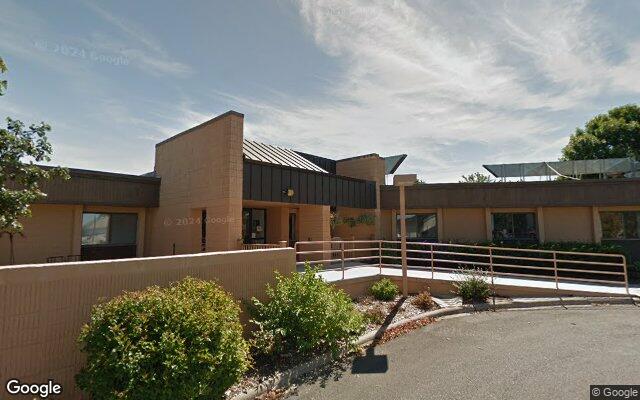
Lewiston Senior Living is Grade A, ranked in the top 1% of Minnesota memory care with no MDH citations on record; last inspected Aug 2023.

ALF · Memory Care32 licensed beds · mediumDementia-trained staff
505 East Main Street · Lewiston, MN 55952LIC# ALRC:939
Facility · Lewiston
Lewiston Senior Living
© Google Street Viewoperator? submit a photo →
A 32-bed ALF · Memory Care with no citations on file.
Last inspection · Aug 2023 · cleanSource · MDH
Licensed beds
32
Memory care
✓ Yes
Last inspection
Aug 2023
Last citation
None on record
Operated by
Phone
§ 01 · Snapshot

A medium home, reviewed on public record.

§ 02 · Peer Comparison

Ranked against 187 Minnesota facilities.

ALF memory care · 36-month window. Higher percentile = better. Source: Minnesota Dept. of Health · Health Regulation Division.

Severity rank
100th
Weighted citations per bed.
peer median
0
100
Repeat rank
100th
Repeat deficiencies as share of total.
peer median
0
100
Frequency rank
100th
Deficiencies per inspection.
peer median
0
100

FACILITY WATCH · BETA

Be first to know if Lewiston Senior Living's inspection record changes.

New findings, complaint investigations, or status changes — emailed to you free.

§ 03 · The Record

Citation history, plotted month by month.

No citations in the last 36 months.

0weighted score · 24 mo
No citation activity in this window.
peer median
Jun 2024May 2026

Finding distribution

none · 36 months

Scope × Severity (CMS A–L)

No findings in the last 36 months.
§ 05 · Tour Prep

Questions to ask before you visit.

A short pre-tour checklist tailored to Lewiston Senior Living's record and state requirements.

01 /

The most recent Minnesota Department of Health inspection on August 3, 2023 found zero deficiencies across all regulatory areas — can you walk us through how the community maintains compliance with Chapter 144G dementia care requirements, and what internal audits or quality assurance processes are in place?

Ask the operator on tour. Take notes and compare answers across facilities you visit.

02 /

Three complaints were filed with MDH during the inspection period on record — can you share whether any of those complaints were substantiated, and if so, what corrective actions the facility implemented in response?

Ask the operator on tour. Take notes and compare answers across facilities you visit.

03 /

This facility holds an Assisted Living Facility with Dementia Care license under Minnesota Statute Chapter 144G — can you provide a copy of the written dementia care program and describe how staff demonstrate competency in dementia-specific care practices?

Ask the operator on tour. Take notes and compare answers across facilities you visit.

§ 06 · Full Inspection Record

Every MDH visit, verbatim.

4 inspections in the public record, most recent first. Click any row to expand — cited rows open automatically.

4
reports on file
0
total deficiencies
2024-11-07
Complaint Investigation
No findings

Plain-language summary

The Minnesota Department of Health investigated a complaint alleging that a caregiver applied lotion to a resident's breasts and buttocks without consent during personal care. The investigation found the allegation inconclusive because the resident declined to be interviewed, the caregiver denied the allegations, there were no witnesses, and accounts of what happened conflicted; the facility reassigned the caregiver to work outside the memory care unit and required supervision if she entered the resident's room. No violation of licensing standards was determined.

Full inspector notes

Finding: Inconclusive Nature of Investigation: The Minnesota Department of Health investigated an allegation of maltreatment, in accordance with the Minnesota Reporting of Maltreatment of Vulnerable Adults Act, Minn. Stat. 626.557, and to evaluate compliance with applicable licensing standards for the provider type. Initial Investigation Allegation(s): The alleged perpetrator abused the resident while applying lotion to her shoulder, then proceeded to apply lotion to her breasts and rubbed them. A few days later, while again applying cream to her back, the alleged perpetrator rubbed the resident's buttocks with both hands, making her feel uncomfortable. Investigative Findings and Conclusion: The Minnesota Department of Health determined abuse was inconclusive. Due to incomplete and conflicting accounts of the incidents, it could not be determined if maltreatment occurred. The resident declined to be interviewed while the alleged perpetrator denied the allegations and there were no witnesses. The investigator conducted interviews with facility staff members, including administrative staff, nursing staff, and unlicensed staff. The investigation included review of the resident’s records, internal investigation documentation, incident reports, personnel files, staff schedules, policies, and procedures. The resident resided in an assisted living secured memory care building. The resident’s diagnoses include borderline personality disorder and chronic pain syndrome. The service plan included assistance with medications. The same document indicated the resident had chronic or recurring itchiness, rashes, and dry skin. The resident’s assessment indicated she was independent with transfers and mobility. One evening, the resident reported to one of the unlicensed caregivers that two weeks earlier the alleged perpetrator, who was also an unlicensed caregiver, applied lotion to her shoulder but also applied the lotion to her breasts and rubbed them. The resident also said that a few days after the initial event, the alleged perpetrator was applying lotion to her back and rubbed the resident's buttocks with both hands, making her feel uncomfortable. During the interview, a manager stated the unlicensed caregiver reported to her what the resident had said so she immediately spoke with the resident and began the investigation. The manager stated resident did not provide much information about the incident. The manager also spoke with the alleged perpetrator, who said she only applied lotion to the resident's collarbone and never below the waist. The manager instructed the alleged perpetrator was assigned to a different area to work outside of the memory care and if the alleged perpetrator entered the resident’s room accompanied by another team member. During the interview, the alleged perpetrator stated she no longer provided cares for the resident after the resident made her claims. If the memory care unit needed help and she needed to go into the resident’s room, she only did so when accompanied by another staff member. She also said that when she applied ointment/lotion to the resident, she applied it only to her shoulder and lower back only. She stated she did not apply it anywhere else or attempt to touch the resident inappropriately. During the interview, a police officer stated the resident had reported such incidents in the past but generally declined to discuss them when law enforcement inquired. In conclusion, the Minnesota Department of Health determined abuse was inconclusive. Inconclusive: Minnesota Statutes, section 626.5572, Subdivision 11. "Inconclusive" means there is less than a preponderance of evidence to show that maltreatment did or did not occur. Abuse: Minnesota Statutes section 626.5572, subdivision 2. "Abuse" means: (a) An act against a vulnerable adult that constitutes a violation of, an attempt to violate, or aiding and abetting a violation of: (1) assault in the first through fifth degrees as defined in sections 609.221 to 609.224; (2) the use of drugs to injure or facilitate crime as defined in section 609.235; (3) the solicitation, inducement, and promotion of prostitution as defined in section 609.322; and (4) criminal sexual conduct in the first through fifth degrees as defined in sections 609.342 to 609.3451. A violation includes any action that meets the elements of the crime, regardless of whether there is a criminal proceeding or conviction. (b) Conduct which is not an accident or therapeutic conduct as defined in this section, which produces or could reasonably be expected to produce physical pain or injury or emotional distress including, but not limited to, the following: (1) hitting, slapping, kicking, pinching, biting, or corporal punishment of a vulnerable adult; (2) use of repeated or malicious oral, written, or gestured language toward a vulnerable adult or the treatment of a vulnerable adult which would be considered by a reasonable person to be disparaging, derogatory, humiliating, harassing, or threatening; or (3) use of any aversive or deprivation procedure, unreasonable confinement, or involuntary seclusion, including the forced separation of the vulnerable adult from other persons against the will of the vulnerable adult or the legal representative of the vulnerable adult unless authorized under applicable licensing requirements or Minnesota Rules, chapter 9544. (c) Any sexual contact or penetration as defined in section 609.341, between a facility staff person or a person providing services in the facility and a resident, patient, or client of that facility. (d) The act of forcing, compelling, coercing, or enticing a vulnerable adult against the vulnerable adult's will to perform services for the advantage of another. Vulnerable Adult interviewed: No, the resident refused. Family/Responsible Party interviewed: Yes. Alleged Perpetrator interviewed: Yes. Action taken by facility: The facility did an internal investigation, filled the report to Minnesota Adult Abuse Reporting Center and notify the police department. Action taken by the Minnesota Department of Health: No further action taken at this time. cc: The Office of Ombudsman for Long Term Care The Office of Ombudsman for Mental Health and Developmental Disabilities PRINTED: 11/07/2024 FORM APPROVED STATEMENT OF DEFICIENCIES (X1) PROVIDER/SUPPLIER/CLIA (X2) MULTIPLE CONSTRUCTION (X3) DATE SURVEY AND PLAN OF CORRECTION IDENTIFICATION NUMBER: COMPLETED A. BUILDING: ______________________ C B. WING _____________________________ 33311 09/26/2024 NAME OF PROVIDER OR SUPPLIER STREET ADDRESS, CITY, STATE, ZIP CODE 505 EAST MAIN STREET LEWISTON SENIOR LIVING LEWISTON, MN 55952 SUMMARY STATEMENT OF DEFICIENCIES PROVIDER'S PLAN OF CORRECTION (X4) ID ID (X5) PREFIX (EACH DEFICIENCY MUST BE PRECEDED BY FULL PREFIX (EACH CORRECTIVE ACTION SHOULD BE COMPLETE REGULATORY OR LSC IDENTIFYING INFORMATION) CROSS-REFERENCED TO THE APPROPRIATE DATE TAG TAG DEFICIENCY) 0 000 Initial Comments 0 000 On September 26, 2024, the Minnesota Department of Health initiated an investigation of complaints #HL333115281M/HL333117222C, and #HL333115242M/HL333117164C. No correction orders are issued. LABORATORY DIRECTOR'S OR PROVIDER/SUPPLIER REPRESENTATIVE'S SIGNATURE TITLE (X6) DATE STATE FORM 6899 9FJW11 If continuation sheet 1 of 1

2024-02-06
Complaint Investigation
No findings

Plain-language summary

Minnesota Department of Health investigated complaints that a culinary staff member neglected a resident by not following the resident's therapeutic diet, leading to a choking incident, and that the facility neglected the resident when the resident took an orange from a fruit bowl, choked, and died. The first allegation of neglect was not substantiated because although the staff member did not provide direct supervision when serving food, she identified the resident's distress promptly and sought help, and the resident recovered; however, the investigation found the staff member should have waited for caregivers to be present before serving the fruit. The second allegation regarding the resident's death was determined to be inconclusive, as the resident had a known choking risk and mechanical soft diet requirement, yet the facility kept fruit accessible in the dining room at all times despite the resident's history of aspiration.

Full inspector notes

Finding: Not Substantiated Investigation #2 Finding: Inconclusive Nature of Investigation: The Minnesota Department of Health investigated an allegation of maltreatment, in accordance with the Minnesota Reporting of Maltreatment of Vulnerable Adults Act, Minn. Stat. 626.557, and to evaluate compliance with applicable licensing standards for the provider type. Initial Investigation Allegation(s): Allegation #1: The alleged perpetrator (AP), a culinary staff member, neglected the resident when the AP did not follow the resident’s therapeutic diet causing the resident to choke, aspirate (inhale into the airway or lungs), and required medical attention. Allegation #2: The facility neglected the resident when the resident took an orange from the facility fruit bowl, choked on the fruit, and passed away. Investigative Findings and Conclusion: Allegation #1: The Minnesota Department of Health determined neglect was not substantiated. While an error in therapeutic conduct did occur in that the resident may have been served food without direct supervision, the AP identified the resident’s condition promptly, sought appropriate help, and the resident recovered. The investigator conducted interviews with facility staff members, including administrative staff, nursing staff, and unlicensed staff. The investigator contacted the resident’s family member. The investigation included review of the resident’s facility care plan, progress notes, incident reports, and behaviors. Also, the investigator toured the facility and observed the dining area and location of resident’s room. The resident resided in an assisted living facility. The resident’s diagnoses included schizophrenia, cognitive impairment, insomnia, and anxiety. The resident’s plan of care indicated the resident required assistance with meal set up, a mechanically soft food diet, and supervision when eating encouraging resident to eat slowly and take drinks of fluids between bites. This same document indicated the resident was at risk of choking related to behaviors of eating too fast and not chewing his food. An incident report indicated that one morning the resident entered the dining room, and the AP placed a small bowl of fresh fruit in front of the resident. While the AP remained in the dining room, she did not provide direct supervision. The resident began to vomit, and the AP immediately notified the nurse. The facility transferred the resident to the emergency room. The hospital records indicated antibiotic treatment was considered for possible pneumonia due to lung aspiration, but this was not pursued as the risk was considered low. The resident returned to the facility the same day. The medical records indicated the resident returned to his baseline. The AP’s employee file indicated the AP was trained in the altered diet, resident’s choking potential and need for supervision. A review of these documents did not identify a pattern of errors such as giving residents food inconsistent with their diet. Facility documents included instructions to culinary staff members to assist with supervision of the resident during meals. The same instructions did not specify if caregivers were required to be present in the dining room while serving the meals. During an interview, a nurse stated the resident was served fruit prior to unlicensed caregivers being present in the dining room. The nurse stated the culinary staff should have waited for the unlicensed staff to arrive in dining room before giving the resident fruit. Nursing staff stated the culinary staff received the same Educare (computer based) training for supervising and feeding the residents as the unlicensed caregivers. Unlicensed staff members are not trained or required have been trained in the Heimlich maneuver but are trained to notify the nurse immediately if present or call 911. During an interview, the AP stated the resident was on a mechanical soft diet with cut fruit. The AP stated she was aware of the resident’s behaviors of consuming his food to fast causing him to choke. The AP stated she was trained in what measures to take if a resident was choking in the dining room. During an interview, a family member stated they were happy with the cares the resident received. The family member stated during visits with the resident they observed the resident receiving good supervision from facility staff. In conclusion, the Minnesota Department of Health determined neglect was not substantiated. Allegation #2: The Minnesota Department of Health determined neglect was inconclusive. The facility was aware the resident required a mechanical soft diet, choking risk, and independent with ambulation. The facility continued to have fruit available to residents at all times located in the entrance of the dining room, however the resident did not have a history of taking food to his room to eat without supervision. In addition to the description in allegation #1, the resident’s care plan was updated after the incident in the dining indicating the resident had a history of lung aspirations with one within the past week. The resident walked independently throughout the facility. The resident’s routine included waking up between two and four o’clock in the morning to get ready for the day. The facility provided every two-hour safety checks. About four days after the resident’s episode in the dining room staff performed a safety check in the morning. At about 5:00 a.m. the resident appeared to be sleeping in his chair, but upon closer inspection he was found unresponsive with a piece of orange in his mouth. The facility called 911 and cardiopulmonary resuscitation (CPR) was attempted, however the resident passed away. The facility incident report indicated the resident had gone to the dining room where a fruit basket was kept and retrieved an orange and returned to his room with it. During an interview, a nurse stated a basket of fruit was available for the residents all the time. The basket of fruit was located at the entrance of the dining room and contained oranges, bananas, and apples. The nurse stated the resident had not taken took fruit out of the basket as he waited for food to be served to him prior to this occasion. She said the overnight shift has one staff member scheduled on the assisted living side and one staff member is scheduled in the memory care unit and, at times, the staff member on the assisted living side went to memory care to assist which left the assisted living unit unattended. During an interview, multiple unlicensed caregivers stated the resident walked outside his room independently and staff members were not always in the hallways due to providing cares. Overnight caregivers stated they performed checks on the resident every hour once awake. The same staff stated the resident at times would go down to the fruit basket and staff would supervise him eating the fruit. Normally the resident would eat a banana but preferred oranges. During an interview, the unlicensed caregiver who found the resident unresponsive stated he checked on resident and then returned an hour later and found him unconscious, with a visible piece of orange in the resident’s mouth which the caregiver removed. The Heimlich was attempted, 911 called, and chest compressions started until emergency medical staff arrived. During an interview, family member stated they were aware of the resident’s behavioral eating habits and requiring supervision when eating. Family member stated the facility cut up his food which did not slow down the resident from consuming food rapidly. Family member stated he was aware of the sleep patterns of the resident getting up for the day early in the morning. Family member stated they were happy with the care the resident received and had no concerns. In conclusion, the Minnesota Department of Health determined neglect was inconclusive. Therapeutic conduct Statutes, section 626.5572, subdivision 20. "Therapeutic conduct" means the provision of program services, health care, or other personal care services done in good faith in the interests of the vulnerable adult by: (1) an individual, facility, or employee or person providing services in a facility under the rights, privileges and responsibilities conferred by state license, certification, or registration; or (2) a caregiver. “Not Substantiated” means: An investigatory conclusion indicating the preponderance of evidence shows that an act meeting the definition of maltreatment did not occur. Inconclusive: Minnesota Statutes, section 626.5572, Subdivision 11. "Inconclusive" means there is less than a preponderance of evidence to show that maltreatment did or did not occur. Neglect: Minnesota Statutes, section 626.5572, subdivision 17 “Neglect” means neglect by a caregiver or self-neglect.

2023-08-03
Annual Compliance Visit
No findings

Plain-language summary

A follow-up survey on September 22, 2023 found that the facility had not corrected two violations from an August 3, 2023 inspection: one involving fire protection and physical environment, and another involving appropriate care and services. The Department of Health determined the facility was in substantial compliance overall and did not assess any immediate fines, but the facility must document its corrective actions in its records. The facility has the right to challenge these correction orders through Minnesota's reconsideration process.

Full inspector notes

correction orders issued pursuant to the August 3, 2023 survey. The Department of Health concludes the licensee is in substantial compliance. State law requires the facility must take action to correct the state correction orders and document the actions taken to comply in the facility's records. The Department reserves the right to return to the facility at any time should the Department receive a complaint or deem it necessary to ensure the health, safety, and welfare of residents in your care. In accordance with Minn. Stat. § 144G.31 Subd. 4 (a), state correction orders issued pursuant to the last survey, completed on August 3, 2023, found not corrected at the time of the September 22, 2023, follow-up survey and/or subject to penalty assessment are as follows: 0780 - Fire Protection And Physical Environment - 144g.45 Subd. 2 (a) (1) 2310 - Appropriate Care And Services - 144g.91 Subd. 4 (a) The details of the violations noted at the time of this follow-up survey completed on September 22, 2023 (listed above), are on the attached State Form. Brackets around the ID Prefix Tag in the left hand column, e.g., {2 ----} will identify the uncorrected tags. In accordance with Minn. Stat. § 144G.31 Subd. 4, MDH may assess fines based on the level and scope of the violations; h owever, no immediate fines are assessed for this survey of your facility. DOCUMENTATION OF ACTION TO COMPLY In accordance with Minn. Stat. § 144G.30, Subd. 5(c), the licensee must document actions taken to comply with the correction orders within the time period outlined on the state form; however, plans of correction are not required to be submitted for approval. An equal opportunity employer. Letter ID: 8GKP Revised 04/14/2023 Lewiston Senior Living October 3, 2023 Page 2 CORRECTION ORDER RECONSIDERATION PROCESS In accordance with Minn. Stat. § 144G.32, Subd. 2, you may challenge the correction order(s) issued, including the level and scope, and any fine assessed through the correction order reconsideration process. The request for reconsideration must be in writing and received by the MDH within 15 calendar days of the correction order receipt date. A state correction order under Minn. Stat. § 144G.91, Subd. 8, Free from Maltreatment is associated with a maltreatment determination by the Office of Health Facility Complaints. If maltreatment is substantiated, you will receive a separate letter with the reconsideration process under Minn. Stat. § 626.557. Please email reconsideration requests to: Health.HRD.Appeals@state.mn.us. Please attach this letter as part of your reconsideration request. Please clearly indicate which tag(s) you are contesting and submit information supporting your position(s). Please address your cover letter for reconsideration requests to: Reconsideration Unit 85 East Seventh Place St. Paul, MN 55164-0970 We urge you to review these orders carefully. If you have questions, please contact Jessica Chenze at jessie.chenze@state.mn.us. You are encouraged to retain this document for your records. It is your responsibility to share the information contained in the letter and/or state form with your organization’s Governing Body. Sincerely, Jessica Chenze, Supervisor State Evaluation Team Email: jessie.chenze@state.mn.us Telephone: 218-332-5175 Fax: 1-866-890-9290 JMD PRINTED: 10/03/2023 FORM APPROVED STATEMENT OF DEFICIENCIES (X1) PROVIDER/SUPPLIER/CLIA (X2) MULTIPLE CONSTRUCTION (X3) DATE SURVEY AND PLAN OF CORRECTION IDENTIFICATION NUMBER: COMPLETED A. BUILDING: ______________________ R B. WING _____________________________ 33311 09/22/2023 NAME OF PROVIDER OR SUPPLIER STREET ADDRESS, CITY, STATE, ZIP CODE 505 EAST MAIN STREET LEWISTON SENIOR LIVING LEWISTON, MN 55952 SUMMARY STATEMENT OF DEFICIENCIES PROVIDER'S PLAN OF CORRECTION (X4) ID ID (X5) PREFIX (EACH DEFICIENCY MUST BE PRECEDED BY FULL PREFIX (EACH CORRECTIVE ACTION SHOULD BE COMPLETE REGULATORY OR LSC IDENTIFYING INFORMATION) CROSS-REFERENCED TO THE APPROPRIATE DATE TAG TAG DEFICIENCY) {0 000} Initial Comments {0 000} *****ATTENTION****** Minnesota Department of Health is documenting the State Licensing ASSISTED LIVING PROVIDER LICENSING Correction Orders using federal software. CORRECTION ORDER Tag numbers have been assigned to Minnesota State Statutes for Assisted In accordance with Minnesota Statutes, section Living License Providers. The assigned 144G.08 to 144G.95 this correction order(s) has tag number appears in the far-left column been issued pursuant to a survey. entitled "ID Prefix Tag." The state Statute number and the corresponding text of the Determination of whether a violation has been state Statute out of compliance is listed in corrected requires compliance with all the "Summary Statement of Deficiencies" requirements provided at the Statute number column. This column also includes the indicated below. When Minnesota Statute findings which are in violation of the state contains several items, failure to comply with any requirement after the statement, "This of the items will be considered lack of Minnesota requirement is not met as compliance. evidenced by." Following the surveyors' findings is the Time Period for Correction. INITIAL COMMENTS: SL33311015-1 PLEASE DISREGARD THE HEADING OF THE FOURTH COLUMN WHICH On September 20, 2023, through September 22, STATES,"PROVIDER'S PLAN OF 2023, the Minnesota Department of Health CORRECTION." THIS APPLIES TO conducted a revisit at the above provider to FEDERAL DEFICIENCIES ONLY. THIS follow-up on orders issued pursuant to a survey WILL APPEAR ON EACH PAGE. completed on August 3, 2023. At the time of the survey, there were 23 active residents receiving THERE IS NO REQUIREMENT TO services under the Assisted Living with Dementia SUBMIT A PLAN OF CORRECTION FOR Care license. As a result of the revisit, correction VIOLATIONS OF MINNESOTA STATE order 0780 and 2310 were reissued. STATUTES. The letter in the left column is used for tracking purposes and reflects the scope and level issued pursuant to 144G.31 subd. 1, 2, and 3. {0 250} 144G.20 Subdivision 1 Conditions {0 250} SS=F (a) The commissioner may refuse to grant a provisional license, refuse to grant a license as a LABORATORY DIRECTOR'S OR PROVIDER/SUPPLIER REPRESENTATIVE'S SIGNATURE TITLE (X6) DATE STATE FORM 6899 4FSF12 If continuation sheet 1 of 22 PRINTED: 10/03/2023 FORM APPROVED STATEMENT OF DEFICIENCIES (X1) PROVIDER/SUPPLIER/CLIA (X2) MULTIPLE CONSTRUCTION (X3) DATE SURVEY AND PLAN OF CORRECTION IDENTIFICATION NUMBER: COMPLETED A. BUILDING: ______________________ R B. WING _____________________________ 33311 09/22/2023 NAME OF PROVIDER OR SUPPLIER STREET ADDRESS, CITY, STATE, ZIP CODE 505 EAST MAIN STREET LEWISTON SENIOR LIVING LEWISTON, MN 55952 SUMMARY STATEMENT OF DEFICIENCIES PROVIDER'S PLAN OF CORRECTION (X4) ID ID (X5) PREFIX (EACH DEFICIENCY MUST BE PRECEDED BY FULL PREFIX (EACH CORRECTIVE ACTION SHOULD BE COMPLETE REGULATORY OR LSC IDENTIFYING INFORMATION) CROSS-REFERENCED TO THE APPROPRIATE DATE TAG TAG DEFICIENCY) {0 250} Continued From page 1 {0 250} result of a change in ownership, refuse to renew a license, suspend or revoke a license, or impose a conditional license if the owner, controlling individual, or employee of an assisted living facility: (1) is in violation of, or during the term of the license has violated, any of the requirements in this chapter or adopted rules; (2) permits, aids, or abets the commission of any illegal act in the provision of assisted living services; (3) performs any act detrimental to the health, safety, and welfare of a resident; (4) obtains the license by fraud or misrepresentation; (5) knowingly makes a false statement of a material fact in the application for a license or in any other record or report required by this chapter; (6) denies representatives of the department access to any part of the facility's books, records, files, or employees; (7) interferes with or impedes a representative of the department in contacting the facility's residents; (8) interferes with or impedes ombudsman access according to section 256.9742, subdivision 4, or interferes with or impedes access by the Office of Ombudsman for Mental Health and Developmental Disabilities according to section 245.94, subdivision 1; (9) interferes with or impedes a representative of the department in the enforcement of this chapter or fails to fully cooperate with an inspection, survey, or investigation by the department; (10) destroys or makes unavailable any records or other evidence relating to the assisted living facility's compliance with this chapter; (11) refuses to initiate a background study under STATE FORM 6899 4FSF12 If continuation sheet 2 of 22 PRINTED: 10/03/2023 FORM APPROVED STATEMENT OF DEFICIENCIES (X1) PROVIDER/SUPPLIER/CLIA (X2) MULTIPLE CONSTRUCTION (X3) DATE SURVEY AND PLAN OF CORRECTION IDENTIFICATION NUMBER: COMPLETED A. BUILDING: ______________________ R B.

2023-06-21
Complaint Investigation
No findings

Plain-language summary

The Minnesota Department of Health investigated a complaint that facility staff neglected a resident by failing to provide fall prevention measures, leading to multiple falls and fractures, and that the resident's call light pendant did not work properly when she needed help. The investigation found the neglect allegation was not substantiated because staff did assessment and provided care-planned interventions following falls, the call light system was checked and functioned properly at the time of the fall (though a system failure in other areas of the facility was discovered and corrected days later), and the resident herself stated she felt safe and had no concerns with her care. The facility subsequently upgraded its call light equipment and internet systems to ensure reliable connectivity throughout the building.

Full inspector notes

Finding: Not Substantiated Nature of Visit: The Minnesota Department of Health investigated an allegation of maltreatment, in accordance with the Minnesota Reporting of Maltreatment of Vulnerable Adults Act, Minn. Stat. 626.557, and to evaluate compliance with applicable licensing standards for the provider type. Initial Investigation Allegation(s): Facility staff neglected the resident when they failed to provide the resident with fall interventions following each fall and as a result the resident had recurring falls and sustained injuries and multiple fractures. In addition, the resident did not receive timely assistance from staff when following a fall, the resident’s call light pendant failed to work properly. Investigative Findings and Conclusion: The Minnesota Department of Health determined neglect was not substantiated. Staff assessed and provided care planned interventions following the resident’s fall. Following a fall and despite the resident indicating she activated the call light pendant for staff assistance, the call light log (used to track call light use) did not indicate the resident activated the pendant. An equal opportunity employer. The investigator conducted interviews with facility staff members, including administrative staff, and nursing staff. The investigator contacted the resident’s family member. The investigation included review of fall incident reports, fall interventions, facility investigation findings, maintenance logs, call light logs, assessments, care plans, service agreements, physical therapy notes, and assessments. Also, the investigator observed residents and staff in the facility. The resident resided in an assisted living facility with diagnoses including age related osteoporosis (brittle bones) with history of a pathological (spontaneous) fractures and spinal stenosis (narrowing). The resident transferred and walked independently with the use of a four wheeled walker. The resident was at risk for falls due to history of falling, with multiple interventions in place to prevent re-curing falls. A facility incident report indicated one day the resident fell while walking independently, as care planned, with her walker outside on the facility grounds/parking lot and sustained a scrape to her knee and cheek. The incident report indicated the resident was assessed for injuries, and staff contacted emergency services for lift assistance. Approximately seven months later, an incident report indicated when the resident failed to come to breakfast, staff checked on the resident and found her on the floor. The resident stated she felt dizzy and lost her balance when transferring from her couch to wheelchair. When staff assessed the resident for injuries, the resident complained of right shoulder pain and an inability to bear weight. Staff arranged for the resident to be evaluated at a hospital. The report indicated the resident fractured her right clavicle (shoulder bone), sternum (chest bone), and pelvis. Following hospitalization and rehabilitation, the resident returned to the facility. The facility investigation indicated the resident reported to staff she pressed her call light pendant for help after the last fall and waited for about 10 minutes for staff assistance. A review of the facility’s call light log report indicated no call was made from the resident’s call light pendant at the time of the fall. During an interview, management stated despite the resident stating she used the call light pendant following the fall, the call light pendant had not been activated. Management stated the call light pendant system was checked and functioned properly at the time of the resident’s fall. A few days following the resident’s fall, a facility maintenance record indicated the call light system failed to consistently function in certain areas of the facility. It could not be determined whether the system failure caused the resident’s call light pendant to malfunction. The maintenance record indicated facility equipment and internet systems were upgraded to ensure reliable connectivity of the call light system throughout the facility. During an interview, the resident stated she was independent with walking when she fell in the parking lot while walking outside. The resident stated staff called for an ambulance who checked her for injuries, and she declined a need for transport. The resident stated she was independent with transfers and using a walker to ambulate when she fell sustaining multiple fractures. The resident stated following the fall, she pressed her call light pendant, but it did not alert staff. The resident indicated she had no concerns about staff responding to her call light timely or the call light system working properly. The resident stated she felt safe and expressed no concerns with her care. In conclusion, neglect was not substantiated. “Not Substantiated” means: An investigatory conclusion indicating the preponderance of evidence shows that an act meeting the definition of maltreatment did not occur. Neglect: Minnesota Statutes, section 626.5572, subdivision 17 "Neglect" means: (a) The failure or omission by a caregiver to supply a vulnerable adult with care or services, including but not limited to, food, clothing, shelter, health care, or supervision which is: (1) reasonable and necessary to obtain or maintain the vulnerable adult's physical or mental health or safety, considering the physical and mental capacity or dysfunction of the vulnerable adult; and (2) which is not the result of an accident or therapeutic conduct. (b) The absence or likelihood of absence of care or services, including but not limited to, food, clothing, shelter, health care, or supervision necessary to maintain the physical and mental health of the vulnerable adult which a reasonable person would deem essential to obtain or maintain the vulnerable adult's health, safety, or comfort considering the physical or mental capacity or dysfunction of the vulnerable adult. Vulnerable Adult interviewed: Yes Family/Responsible Party interviewed: Yes Alleged Perpetrator interviewed: N/A h Action taken by facility: Facility staff checked on the resident timely when she did not arrive to breakfast as expected, assessed the resident for injuries, and investigated the incident. The call light system was tested and found to not work consistently in some locations. The facility upgraded the Wi-Fi system to ensure connectivity. Action taken by the Minnesota Department of Health: No action required. cc: The Office of Ombudsman for Long Term Care The Office of Ombudsman for Mental Health and Developmental Disabilities PRINTED: 06/22/2023 FORM APPROVED STATEMENT OF DEFICIENCIES (X1) PROVIDER/SUPPLIER/CLIA (X2) MULTIPLE CONSTRUCTION (X3) DATE SURVEY AND PLAN OF CORRECTION IDENTIFICATION NUMBER: COMPLETED A. BUILDING: ______________________ C B. WING _____________________________ 33311 05/16/2023 NAME OF PROVIDER OR SUPPLIER STREET ADDRESS, CITY, STATE, ZIP CODE 505 EAST MAIN STREET LEWISTON SENIOR LIVING LEWISTON, MN 55952 SUMMARY STATEMENT OF DEFICIENCIES PROVIDER'S PLAN OF CORRECTION (X4) ID ID (X5) PREFIX (EACH DEFICIENCY MUST BE PRECEDED BY FULL PREFIX (EACH CORRECTIVE ACTION SHOULD BE COMPLETE REGULATORY OR LSC IDENTIFYING INFORMATION) CROSS-REFERENCED TO THE APPROPRIATE DATE TAG TAG DEFICIENCY) 0 000 Initial Comments 0 000 On May 16, 2023, the Minnesota Department of Minnesota Department of Health is Health initiated an investigation of complaint documenting the State Correction Orders #HL333112664M/#HL333114488C. No correction using federal software. Tag numbers have orders are issued. been assigned to Minnesota State Statutes for Assisted Living License Providers. The assigned tag number appears in the far left column entitled "ID Prefix Tag." The state Statute number and the corresponding text of the state Statute out of compliance is listed in the "Summary Statement of Deficiencies" column. This column also includes the findings which are in violation of the state requirement after the statement, "This Minnesota requirement is not met as evidenced by." Following the surveyors' findings is the Time Period for Correction. PLEASE DISREGARD THE HEADING OF THE FOURTH COLUMN WHICH STATES,"PROVIDER'S PLAN OF CORRECTION." THIS APPLIES TO FEDERAL DEFICIENCIES ONLY. THIS WILL APPEAR ON EACH PAGE. THERE IS NO REQUIREMENT TO SUBMIT A PLAN OF CORRECTION FOR VIOLATIONS OF MINNESOTA STATE STATUTES. The letter in the left column is used for tracking purposes and reflects the scope and level issued pursuant to 144G.31 subd. 1, 2, and 3. LABORATORY DIRECTOR'S OR PROVIDER/SUPPLIER REPRESENTATIVE'S SIGNATURE TITLE (X6) DATE STATE FORM 6899 ZEXD11 If continuation sheet 1 of 1

Family reviews

No reviews yet — be the first to share your experience

No published reviews yet. Use the button above to share your experience.

Is this listing wrong? Report an issue →
Reports help us maintain accurate facility information. Your report will be reviewed within 1-2 business days.