Boulder Ponds Senior Living.
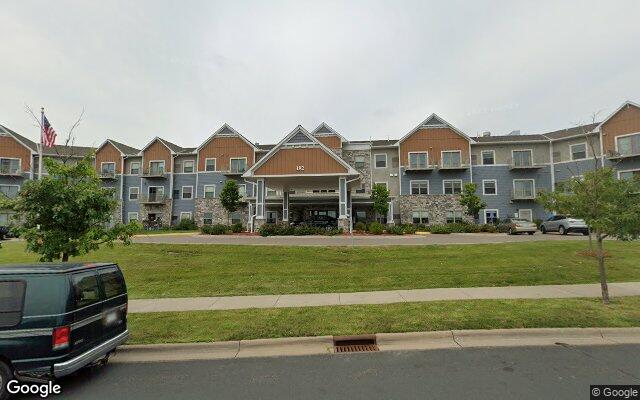
A large home, reviewed on public record.
Compared to 139 Minnesota facilities with a similar number of beds.
ALF memory care · 36-month window. Higher percentile = better performance on inspection record. Source: Minnesota Dept. of Health · Health Regulation Division.
among peers to rank.
on file.
Rankings based on 36-month MDH inspection data. Severity and frequency: fewer citations = higher percentile. Repeat rate: lower repeat citation share = higher percentile.
Citation history, plotted month by month.
No citations in the last 36 months.
Finding distribution
none · 36 monthsScope × Severity (CMS A–L)
Questions to ask before you visit.
A short pre-tour checklist tailored to Boulder Ponds Senior Living's record and state requirements.
Boulder Ponds holds an Assisted Living Facility with Dementia Care license under Minnesota Statutes chapter 144G — can you walk us through the written dementia care program that meets MDH requirements, and explain how staff competency in dementia care is documented across all shifts?
Ask the operator on tour. Take notes and compare answers across facilities you visit.
The most recent MDH inspection on December 1, 2022 recorded zero deficiencies — can you share the facility's internal quality assurance process that helped maintain compliance, and show us any self-audit records or corrective action plans from the past year?
Ask the operator on tour. Take notes and compare answers across facilities you visit.
One complaint was filed with the Minnesota Department of Health during the inspection period on file — can you tell us whether that complaint was substantiated, and provide documentation of any internal follow-up or policy changes made in response?
Ask the operator on tour. Take notes and compare answers across facilities you visit.
Every inspection visit, verbatim.
1 inspection in the public record, most recent first. Plain-language summaries open first — click into any row for the full citation text.
2025-05-09Complaint InvestigationNo findings
Plain-language summary
The Minnesota Department of Health investigated a complaint that the facility neglected a resident by not completing a scheduled wellness check before the resident was found deceased in her bed. The investigation determined the allegation was not substantiated; the resident, who had advanced directives against resuscitation and serious heart conditions, was checked on by staff the evening before and appeared well, then likely passed away in her sleep from cardiac arrest. While the scheduled daily check was not completed the morning she was found, the investigation concluded this did not constitute neglect under state law.
Read full citation textHide full citation text
Read raw inspector notesClose inspector notes
Finding: Not Substantiated Nature of Investigation: The Minnesota Department of Health investigated an allegation of maltreatment, in accordance with the Minnesota Reporting of Maltreatment of Vulnerable Adults Act, Minn. Stat. 626.557, and to evaluate compliance with applicable licensing standards for the provider type. Initial Investigation Allegation(s): The facility neglected the resident when the “I’m okay” check was not completed, and the resident was found deceased in her bed. Investigative Findings and Conclusion: The Minnesota Department of Health determined neglect was not substantiated. While it was true the “I’m okay” check was not completed as planned earlier in the day, the resident was found deceased in her bed in her nightclothes and likely passed away in her sleep. The death record indicated the cause of death was suspected cardiac arrest and her advanced directives called for do night resuscitate. The investigator conducted interviews with facility staff members, including administrative staff, nursing staff, and unlicensed staff. The investigator contacted the family member. The investigation included review of the resident record, death record, facility internal investigation, personnel files, staff schedules, and related facility policy and procedures. Also, the investigator observed interactions between residents and facility staff during an onsite visit. The resident resided in an assisted living facility. The resident’s diagnoses included congestive heart failure (where the heart is unable to pump enough blood for the body’s needs), type 2 diabetes and chronic kidney disease (a gradual loss of kidney function). The resident’s assessment indicated the resident was independent with all cares. The resident was receiving care from a home health care agency for wound care. Her advanced directives indicated do not resuscitate. The service plan indicated the resident agreed to one assisted living service which was a once a month wellness visit with the nurse scheduled for about 10 minutes. The other services the resident utilized were support services which included a once daily “I’m okay” check which was offered as a complimentary service. The other support services in placed included housekeeping and meals. For meals, the resident was independent getting herself to the dining room. One evening the resident was found deceased in her bed when family visited at 6 p.m. The facility conducted an investigation into the matter and found the “I’m okay” check intended for earlier that day had not been completed as planned. A review of the resident’s service plan had no other scheduled assisted living services. The day prior to the resident’s death, the progress notes indicated the home care nurse service had seen the resident and completed her wound cares around 5 pm. The same note indicated a blood draw was performed earlier in the day for laboratory work, an oral antibiotic was in use for a potential wound infection, but no emergent concerns were identified. Later that same evening, the internal investigation indicated camera footage showed two unlicensed caregivers check on the resident at about 8:30 p.m. During an interview, unlicensed caregiver #1 stated the resident called for assistance the prior evening. She arrived at the resident’s room at about 8:30 p.m. and stated the resident requested assistance to secure a leg bandage, which she did. Unlicensed caregiver #1 stated the resident seemed her normal self, was sitting in her recliner watching her shows, joking and laughing with her. The resident was not yet in her night clothing but was talking about getting ready for bed soon. The internal investigation indicated when the resident was found deceased the next day, she was in her night clothes in bed and likely passed away in her sleep. During an interview, unlicensed caregiver #2, who was working the day the resident was found deceased, stated she knocked on the resident’s door to complete the “I’m okay” check and found the resident’s door was locked that morning around 10 a.m. She then stated she went to get key to unlock the resident’s door but got distracted by other tasks and forgot to return to complete the “I’m okay” check. The death record indicated the cause of death was suspected cardiac arrest. In conclusion, the Minnesota Department of Health determined neglect was not substantiated. “Not Substantiated” means: An investigatory conclusion indicating the preponderance of evidence shows that an act meeting the definition of maltreatment did not occur. Neglect: Minnesota Statutes, section 626.5572, subdivision 17 “Neglect” means neglect by a caregiver or self-neglect. (a) "Caregiver neglect" means the failure or omission by a caregiver to supply a vulnerable adult with care or services, including but not limited to, food, clothing, shelter, health care, or supervision which is: (1) reasonable and necessary to obtain or maintain the vulnerable adult's physical or mental health or safety, considering the physical and mental capacity or dysfunction of the vulnerable adult; and (2) which is not the result of an accident or therapeutic conduct. Vulnerable Adult interviewed: No. The resident was deceased Family/Responsible Party interviewed: Yes Alleged Perpetrator interviewed: Not Applicable "Assisted living services" includes one or more of the following: (1) assisting with dressing, self-feeding, oral hygiene, hair care, grooming, toileting, and bathing; (2) providing standby assistance; (3) providing verbal or visual reminders to the resident to take regularly scheduled medication, which includes bringing the resident previously set up medication, medication in original containers, or liquid or food to accompany the medication; (4) providing verbal or visual reminders to the resident to perform regularly scheduled treatments and exercises; (5) preparing specialized diets ordered by a licensed health professional; (6) services of an advanced practice registered nurse, physician assistant, registered nurse, licensed practical nurse, physical therapist, respiratory therapist, occupational therapist, speech-language pathologist, dietitian or nutritionist, or social worker; (7) tasks delegated to unlicensed personnel by a registered nurse or assigned by a licensed health professional within the person's scope of practice; (8) medication management services; (9) hands-on assistance with transfers and mobility; (10) treatment and therapies; (11) assisting residents with eating when the residents have complicated eating problems as identified in the resident record or through an assessment such as difficulty swallowing, recurrent lung aspirations, or requiring the use of a tube or parenteral or intravenous instruments to be fed; (12) providing other complex or specialty health care services; and (13) supportive services in addition to the provision of at least one of the services listed in clauses (1) to (12). "Supportive services" means: (1) assistance with laundry, shopping, and household chores; (2) housekeeping services; (3) provision or assistance with meals or food preparation; (4) help with arranging for, or arranging transportation to, medical, social, recreational, personal, or social services appointments; (5) provision of social or recreational services; or (6) "I'm okay" check services. "'I'm okay' check services" means: Having, maintaining, and documenting a system to, by any means, check on the safety of a resident a minimum of once daily or more frequently according to the assisted living contract. Action taken by facility: The facility completed an internal investigation and provided additional training and education to all unlicensed caregivers. Action taken by the Minnesota Department of Health: No further action taken at this time. cc: The Office of Ombudsman for Long Term Care The Office of Ombudsman for Mental Health and Developmental Disabilities PRINTED: 05/13/2025 FORM APPROVED STATEMENT OF DEFICIENCIES (X1) PROVIDER/SUPPLIER/CLIA (X2) MULTIPLE CONSTRUCTION (X3) DATE SURVEY AND PLAN OF CORRECTION IDENTIFICATION NUMBER: COMPLETED A. BUILDING: ______________________ C B. WING _____________________________ 37071 04/28/2025 NAME OF PROVIDER OR SUPPLIER STREET ADDRESS, CITY, STATE, ZIP CODE 192 JADE TRAIL NORTH BOULDER PONDS SENIOR LIVING LAKE ELMO, MN 55042 SUMMARY STATEMENT OF DEFICIENCIES PROVIDER'S PLAN OF CORRECTION (X4) ID ID (X5) PREFIX (EACH DEFICIENCY MUST BE PRECEDED BY FULL PREFIX (EACH CORRECTIVE ACTION SHOULD BE COMPLETE REGULATORY OR LSC IDENTIFYING INFORMATION) CROSS-REFERENCED TO THE APPROPRIATE DATE TAG TAG DEFICIENCY) 0 000 Initial Comments 0 000 On April 28, 2025, Minnesota Department of Health initiated an investigation of complaint #HL370718921C/#HL370719582M. No correction orders are issued. LABORATORY DIRECTOR'S OR PROVIDER/SUPPLIER REPRESENTATIVE'S SIGNATURE TITLE (X6) DATE STATE FORM 6899 30HM11 If continuation sheet 1 of 1
2 older inspections from 2022 are not shown above.
Get the complete record, translated into plain language — emailed to you.
Other facilities in Lake Elmo.
Other memory care facilities near Lake Elmo with similar care offerings.
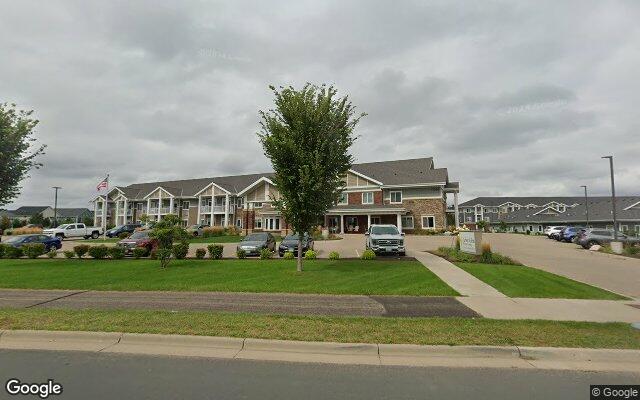
Full Inspection Record
Family reviews
No reviews yet — be the first to share your experience