Guardian Angels by the Lake.
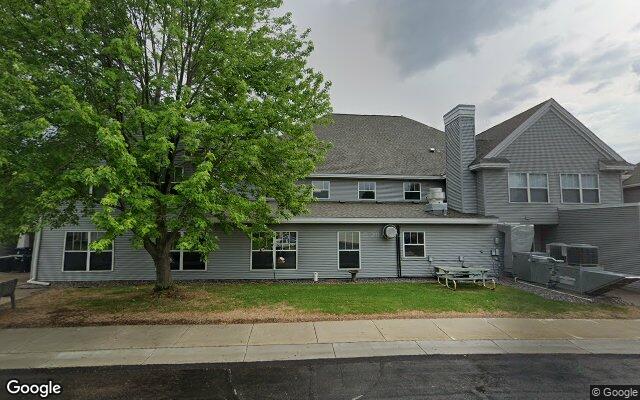
A large home, reviewed on public record.
Compared to 143 Minnesota facilities with a similar number of beds.
ALF memory care · 36-month window. Higher percentile = better performance on inspection record. Source: Minnesota Dept. of Health · Health Regulation Division.
among peers to rank.
Rankings based on 36-month MDH inspection data. Severity and frequency: fewer citations = higher percentile. Repeat rate: lower repeat citation share = higher percentile.
Citation history, plotted month by month.
1 deficiency on record. Each bar is a month with a citation.
Finding distribution
1 total · 36 monthsScope × Severity (CMS A–L)
Questions to ask before you visit.
A short pre-tour checklist tailored to Guardian Angels by the Lake's record and state requirements.
The March 12, 2025 inspection found zero deficiencies across all areas reviewed by MDH — can you walk us through the written policies and procedures that guide your dementia care program, and provide a copy of the most recent staff competency assessment records?
Ask the operator on tour. Take notes and compare answers across facilities you visit.
Four complaints were filed with the Minnesota Department of Health during the inspection period on file — were any of those complaints substantiated, and what documentation can you share about how the facility responded to each complaint?
Ask the operator on tour. Take notes and compare answers across facilities you visit.
With 100 licensed beds and an Assisted Living Facility with Dementia Care designation under Minn. Stat. ch. 144G, how does the community ensure that dementia-specific care requirements are maintained consistently, and can families review the written dementia care program during a tour?
Ask the operator on tour. Take notes and compare answers across facilities you visit.
Every inspection visit, verbatim.
6 inspections in the public record, most recent first. Plain-language summaries open first — click into any row for the full citation text.
2026-02-23Complaint InvestigationNo findings
Plain-language summary
A complaint alleged that a licensed nurse failed to perform CPR when a resident died at the facility; however, the Minnesota Department of Health concluded the allegation was inconclusive because the resident was found without signs of life and it could not be determined whether CPR could have prevented the death. The resident's POLST form contained conflicting instructions about life-sustaining treatment, and the nurse did not initiate CPR due to uncertainty about how long the resident had been deceased. The investigation included interviews with staff and family, review of medical records, and observation of the scene, and law enforcement found no signs of foul play.
Read full citation textHide full citation text
Read raw inspector notesClose inspector notes
Finding: Inconclusive Nature of Investigation: The Minnesota Department of Health investigated an allegation of maltreatment, in accordance with the Minnesota Reporting of Maltreatment of Vulnerable Adults Act, Minn. Stat. 626.557, and to evaluate compliance with applicable licensing standards for the provider type. Initial Investigation Allegation(s): The alleged perpetrator (AP), a licensed nurse, neglected the resident when the AP did not perform cardiopulmonary resuscitation (CPR) when the resident passed away. Investigative Findings and Conclusion: The Minnesota Department of Health determined neglect was inconclusive. It was unable to be determined if the resident’s death could or could not have been prevented by initiating CPR. The AP found the resident without a pulse for an unknown amount of time and did not provide emergency intervention measures because the resident’s Physician Orders for Life Sustaining Treatment (POLST) form contained conflicting instructions. The investigator conducted interviews with facility staff members, including administrative staff, nursing staff, and unlicensed staff. The investigator contacted law enforcement and the resident’s family. The investigation included review of the resident records, death record, facility internal investigation, facility incident reports, personnel files, staff schedules, law enforcement report, and related facility policy and procedures. Also, the investigator observed the room and the location of the resident’s passing. The resident resided in an assisted living facility. The resident’s diagnoses included congestive heart failure (CHF) and hypertension (high blood pressure). The resident’s service plan included assistance with safety checks once daily. The resident’s assessment indicated independence with most activities of daily living, ability to make needs known and had a signed POLST by the primary care provider. The internal investigation indicated the resident reported to an unlicensed staff that she was not feeling well and requested the unlicensed staff to notify a family member. The unlicensed staff reached out to family for the resident. The unlicensed staff left the room to assist another resident and when they returned, the resident was found struggling to breathe. The unlicensed staff requested assistance from a licensed staff member. Licensed staff found the resident gasping to breathe, excess secretions around the resident’s mouth, and directed the unlicensed staff to remain with the resident. The licensed staff left the resident’s room to call 911 and to locate the resident’s code status. The internal investigation indicated when licensed staff were on the phone with 911, the AP entered the facility, was told 911 was on the phone and assistance was needed in the resident’s room. The AP went to the resident’s room, directed unlicensed staff to lay the resident flat on the bed, and the AP identified the resident was deceased. The medical record indicated AP found no signs of life and the resident was identified as deceased. The AP notified the licensed staff on the phone with 911 that the resident was deceased and family was notified. The resident’s medical record indicated the AP did not perform cardiopulmonary resuscitation (CPR) because the resident was found deceased. The resident’s POLST indicated the resident wanted CPR. The resident POLST identified that the resident did not want “Full Treatment.” The resident’s POLST identified that the resident did not want measures to be taken if an event led to an intensive care unit, intubation, or advanced airway interventions. The law enforcement report indicated the officer conducted a death investigation and found no signs of foul play. The resident’s death certificate listed natural causes as the cause of death. During an interview, unlicensed staff stated the resident summoned her, she went to the resident’s room, and the resident was not out of bed yet, which was unusual for the resident. The resident reported not feeling well, had coughed all night and asked if she would call family for her. The unlicensed staff left the room and was summoned again by the resident. The resident had secretions coming from her mouth, it appeared as if the resident was choking. A licensed staff entered the room and advised to unlicensed staff to stay with the resident. The AP arrived and advised to lay the resident down because she had passed. During an interview, a licensed nurse stated an unlicensed staff came and reported staff needed assistance with the resident. An unlicensed staff was holding the resident in an upright position. The resident had agonal breathing (often indicates severe distress or impending death), secretions from the mouth and unresponsive. The unlicensed staff was instructed to remain with the resident, and a licensed nurse went to call 911. He was on the phone with 911 when the AP entered the facility. The AP went to the resident’s room and returned reporting the resident had passed. During an interview, the AP stated a licensed nurse advised the resident needed assistance. When she entered the resident’s room, she observed unlicensed staff holding the resident in an upright sitting position and the resident’s skin color indicated the resident was deceased. She directed the unlicensed staff to lay the resident down. Heavy secretions were observed on and around the resident’s mouth and chest, gray skin coloring, fixed open eyes and a pulse or heartbeat could not be found. The resident’s POLST indicated she wanted CPR; however, CPR was not initiated because she did not know how long the resident was deceased. The AP stated the POLST form was conflicting, and family was aware. During an interview, a family member stated there were no concerns with cares the resident received at the facility and no issues with how the incident was managed. In conclusion, the Minnesota Department of Health determined neglect was inconclusive. Inconclusive: Minnesota Statutes, section 626.5572, Subdivision 11. "Inconclusive" means there is less than a preponderance of evidence to show that maltreatment did or did not occur. Neglect: Minnesota Statutes, section 626.5572, subdivision 17 “Neglect” means neglect by a caregiver or self-neglect. (a) "Caregiver neglect" means the failure or omission by a caregiver to supply a vulnerable adult with care or services, including but not limited to, food, clothing, shelter, health care, or supervision which is: (1) reasonable and necessary to obtain or maintain the vulnerable adult's physical or mental health or safety, considering the physical and mental capacity or dysfunction of the vulnerable adult; and (2) which is not the result of an accident or therapeutic conduct. Vulnerable Adult interviewed: No. The resident was deceased. Family/Responsible Party interviewed: Yes Alleged Perpetrator interviewed: Yes Action taken by facility: The facility called 911 and reviewed with all residents their advance directives for accuracy and clarity. Action taken by the Minnesota Department of Health: No further action taken at this time. cc: The Office of Ombudsman for Long Term Care The Office of Ombudsman for Mental Health and Developmental Disabilities PRINTED: 02/ 24/ 2026 FORM APPROVED STATEMENT OF DEFICIENCIES (X1) PROVIDER/ SUPPLIER/ CLIA (X2) MULTIPLE CONSTRUCTION (X3) DATE SURVEY AND PLAN OF CORRECTION IDENTIFICATION NUMBER: COMPLETED A. BUILDING: ______________________ C B. WING _____________________________ 30818 01/ 27/ 2026 NAME OF PROVIDER OR SUPPLIER STREET ADDRESS, CITY, STATE, ZIP CODE 13439 185TH LANE NW GUARDIAN ANGELS BY THE LAKE ELK RIVER, MN 55330 SUMMARY STATEMENT OF DEFICIENCIES PROVIDER' S PLAN OF CORRECTION (X4) ID ID (X5) PREFIX (EACH DEFICIENCY MUST BE PRECEDED BY FULL PREFIX (EACH CORRECTIVE ACTION SHOULD BE COMPLETE REGULATORY OR LSC IDENTIFYING INFORMATION) CROSS- REFERENCED TO THE APPROPRIATE DATE TAG TAG DEFICIENCY) 0 000 Initial Comments 0 000 On January 27, 2026, the Minnesota Department Minnesota Department of Health is of Health initiated an investigation of complaint documenting the State Correction Orders #HL308189203M/ #HL308183126C. No correction using federal software. Tag numbers have orders are issued. been assigned to Minnesota State Statutes for Assisted Living Facilities. The assigned tag number appears in the far-left column entitled "ID Prefix Tag. " The state Statute number and the corresponding text of the state Statute out of compliance is listed in the "Summary Statement of Deficiencies" column. This column also includes the findings which are in violation of the state requirement after the statement, "This Minnesota requirement is not met as evidenced by." Following the evaluators ' findings is the Time Period for Correction. PLEASE DISREGARD THE HEADING OF THE FOURTH COLUMN WHICH STATES, "PROVIDER' S PLAN OF CORRECTION. " THIS APPLIES TO FEDERAL DEFICIENCIES ONLY. THIS WILL APPEAR ON EACH PAGE. THERE IS NO REQUIREMENT TO SUBMIT A PLAN OF CORRECTION FOR VIOLATIONS OF MINNESOTA STATE STATUTES.
2026-02-05Complaint InvestigationNo findings
Plain-language summary
The Minnesota Department of Health investigated a complaint that medication errors caused a resident's decline and placement on hospice shortly after returning from a six-week hospital stay, but determined the allegation was inconclusive—while medication transcription and administration errors did occur, the resident had serious underlying conditions including a urinary tract infection and multiple recent medication changes that could not be definitively linked to the decline. The investigation included review of medical records, interviews with facility and hospital staff, and examination of medication ordering and administration processes. No violation was substantiated.
Read full citation textHide full citation text
Read raw inspector notesClose inspector notes
Finding: Inconclusive Nature of Investigation: The Minnesota Department of Health investigated an allegation of maltreatment, in accordance with the Minnesota Reporting of Maltreatment of Vulnerable Adults Act, Minn. Stat. 626.557, and to evaluate compliance with applicable licensing standards for the provider type. Initial Investigation Allegation(s): The facility neglected the resident when the resident was administered inaccurate medications resulting in weight loss, change in condition and placed on hospice twelve days after the resident returned to the facility. Investigative Findings and Conclusion: The Minnesota Department of Health determined neglect was inconclusive. Facility licensed staff were provided with new orders via fax, in person and through a pharmacy’s electronic medication order system. Although the medication transcription and administration errors occurred, the resident had advanced co-morbities, a urinary tract infection and multiple recent medication changes, it could not be determined the error caused the change in condition. The investigator conducted interviews with facility staff members, including administrative staff, nursing staff, and unlicensed staff. The investigator contacted a home care agency and mental health provider. The investigation included review of the resident record(s), hospital records, hospice records, pharmacy records, facility internal investigation, facility incident reports, personnel files, staff schedules, related facility policy and procedures. The resident resided in an assisted living memory care unit. The resident’s diagnoses included posterior cortical atrophy dementia (rare dementia causes visual and spatial blindness) and anxiety. The resident’s service plan included assistance with medication administration and orientation. The resident’s assessment indicated a recent and rapid decline in the resident’s health. The resident’s assessment indicated the resident required a Hoyer (mechanical lift utilizing a body sling) two-person transfer, a manual wheelchair and feeding. Hospital records indicated the resident was hospitalized for six weeks with anxiety, mood and dementia related behaviors and medications were changed. Hospital records indicated the resident was stabilized and was discharged back to the facility with new medication orders. Hospital discharge records indicated medication changes included Rexulti (antipsychotic), Lorazepam (anxiety), Cymbalta (antidepressant), Depakote sprinkles (mood stabilizer), gabapentin (pain and anxiety) and discontinuation of risperidone (antipsychotic alters brain chemicals). Hospital discharge records indicated signed refill orders, and a discharge medication list was sent to the facility. Medical records indicated the resident returned to the facility from a six-week geriatric mental health hospital stay and had numerous medication changes. When the resident returned to the facility, she was lethargic and required assistance from two staff and a wheelchair and feeding assistance. Within approximately two days the facility suggested the resident enroll in hospice. Over the next twelve days the resident continued to decline, having several falls, refusing medications and refusing to eat. The facility notified the resident’s provider who gave orders for hospice to evaluate and admit. The resident continued to decline, and medical records indicated the provider was updated and advised facility staff to encourage fluids, add dietary supplement drinks, obtain a urine culture sample (test for bladder/kidney infection) and have the resident seen at an emergency room if needed. The resident’s lab tests were positive for urinary infection. The provider was updated on the results however the provider’s office advised for the facility to call back later for treatment orders. Hospice records indicated the resident was admitted to hospice and the resident’s status stabilized when the resident received hospice services. Hospice records indicated hospice staff reconciled the resident’s medications with the facility and providers. During an interview, a facility nurse recommended the resident admit to hospice services when the resident had a rapid decline in health a short time after the resident returned to the facility. A facility nurse stated the new medication list was sent to a pharmacy two days before the resident returned, however, some of the medications needed signed orders and the facility made several attempts to obtain signed orders. During an interview, facility management stated when a resident returned from a hospitalization, orders were faxed to pharmacy, and the pharmacy would enter the medications into an electronic medication system. Facility management stated if pharmacy took longer to enter a medication, a facility nurse could hand enter medication orders into a resident’s medical record. Facility management stated medication information entered by pharmacy was reviewed and approved by pressing a button and the medication information would populate into the resident’s medical records. Double entry of medications had happened, and the process was audited. The pharmacy had medications entered for the resident the day before she returned, and the day the resident returned a facility nurse reviewed medications and compared to the paper list faxed to pharmacy. Rexulti required prior authorization, was too expensive for the resident and was eventually discontinued and no monitoring for withdrawals were implemented. Facility management was not sure how the transcription errors occurred. During an interview, a provider stated the resident was stable, calm, had a good appetite and was accepting cares and medications at discharge. A provider stated the medication regimen the resident discharged with was effective for the resident. A provider stated she was surprised at the resident’s presentation during a video call because during the short term stay the resident had been walking around, eating and doing activities to the best of her abilities. During an interview, a representative stated the resident was walking and speech was mumbled when the resident returned to the facility, however, the representative felt the resident may have been given medication for the ride to the facility. The representative stated she requested a medication list several times from the facility to compare to the discharge medication list she received from the mental health facility. The representative stated she suspected medication errors contributed to the resident’s rapid health decline, however, was unable to confirm. In conclusion, the Minnesota Department of Health determined neglect was inconclusive. Inconclusive: Minnesota Statutes, section 626.5572, Subdivision 11. "Inconclusive" means there is less than a preponderance of evidence to show that maltreatment did or did not occur. Neglect: Minnesota Statutes, section 626.5572, subdivision 17 “Neglect” means neglect by a caregiver or self-neglect. (a) "Caregiver neglect" means the failure or omission by a caregiver to supply a vulnerable adult with care or services, including but not limited to, food, clothing, shelter, health care, or supervision which is: (1) reasonable and necessary to obtain or maintain the vulnerable adult's physical or mental health or safety, considering the physical and mental capacity or dysfunction of the vulnerable adult; and (2) which is not the result of an accident or therapeutic conduct. Vulnerable Adult interviewed: Unavailable Family/Responsible Party interviewed: Yes Alleged Perpetrator interviewed: Not Applicable the Action taken by facility: The facility reached out to providers and pharmacy. The facility requested supportive services for the resident from outside agencies. Action taken by the Minnesota Department of Health: The facility was found to be in noncompliance. To view a copy of the Statement of Deficiencies and/or correction orders, please visit: https://www.health.state.mn.us/facilities/regulation/directory/provcompselect.html If you are viewing this report on the MDH website, please see the attached Statement of Deficiencies. You may also call 651-201-4200 to receive a copy via mail or email cc: The Office of Ombudsman for Long Term Care The Office of Ombudsman for Mental Health and Developmental Disabilities PRINTED: 02/ 06/ 2026 FORM APPROVED STATEMENT OF DEFICIENCIES (X1) PROVIDER/ SUPPLIER/ CLIA (X2) MULTIPLE CONSTRUCTION (X3) DATE SURVEY AND PLAN OF CORRECTION IDENTIFICATION NUMBER: COMPLETED A. BUILDING: ______________________ C B. WING _____________________________ 30818 11/19/ 2025 NAME OF PROVIDER OR SUPPLIER STREET ADDRESS, CITY, STATE, ZIP CODE 13439 185TH LANE NW GUARDIAN ANGELS BY THE LAKE ELK RIVER, MN 55330 SUMMARY STATEMENT OF DEFICIENCIES PROVIDER' S PLAN OF CORRECTION (X4) ID ID (X5) PREFIX (EACH DEFICIENCY MUST BE PRECEDED BY FULL PREFIX (EACH CORRECTIVE ACTION SHOULD BE COMPLETE REGULATORY OR LSC IDENTIFYING INFORMATION) CROSS- REFERENCED TO THE APPROPRIATE DATE TAG TAG DEFICIENCY) 0 000 Initial Comments 0 000 ******ATTENTION****** Minnesota Department of Health is documenting the State Correction Orders ASSISTED LIVING PROVIDER CORRECTION using federal software. Tag numbers have ORDER been assigned to Minnesota State Statutes for Assisted Living Facilities. The In accordance with Minnesota Statutes, section assigned tag number appears in the 144G. 08 to 144G. 95, these correction orders are far-left column entitled "ID Prefix Tag. " The issued pursuant to a complaint investigation. state Statute number and the corresponding text of the state Statute out Determination of whether a violation is corrected of compliance is listed in the "Summary requires compliance with all requirements Statement of Deficiencies" column.
2025-07-08Complaint InvestigationNo findings
Plain-language summary
A complaint investigation into allegations that the facility neglected a resident by failing to prevent toe injuries and falls was not substantiated. The Minnesota Department of Health found that although the resident sustained toe wounds and fell twice during his stay, evidence did not show the facility failed to provide required care, services, or supervision; the toe wounds were found to be related to vascular compromise rather than neglect, and the falls were not linked to inadequate facility oversight.
Read full citation textHide full citation text
Read raw inspector notesClose inspector notes
Finding: Not Substantiated Nature of Investigation: The Minnesota Department of Health investigated an allegation of maltreatment, in accordance with the Minnesota Reporting of Maltreatment of Vulnerable Adults Act, Minn. Stat. 626.557, and to evaluate compliance with applicable licensing standards for the provider type. Initial Investigation Allegation(s): The facility neglected the resident when the resident sustained several injuries to his toes which required treatment and antibiotics. Also, the facility neglected the resident when the resident fell several times in less than one month. The resident sustained a head injury and skin tear. Investigative Findings and Conclusion: The Minnesota Department of Health determined neglect was not substantiated related to both allegations. Although the resident developed wounds to his toes, evidence did not show the development was caused by the facility not providing cares or services to the resident. Additionally, there was no evidence to show the facility not providing cares, services, or supervision led to his falls. The investigator conducted interviews with facility staff members, including administrative staff, nursing staff, and unlicensed staff. The investigator contacted family. The investigation included review of the resident record, hospital and clinic records, facility incident reports, personnel files, staff schedules, related facility policy and procedures. Also, the investigator observed transfers, medication administration, and toileting. The resident resided in an assisted living memory care unit. The resident’s diagnoses included dementia and diabetes. The resident’s service plan included assistance with medication administration, skin monitoring, escorts, dressing and grooming, transfers, and walking. The resident’s service delivery records indicated the resident received services throughout the day, including toileting, transferring assistance, reassurance checks, and dressing and grooming. The resident often refused or self-completed services such as toileting, dressing, and transferring. The facility completed an admission assessment the day the resident moved in. The assessment indicated the resident previously lived with a family member. The assessment indicated the resident had no identified risk factors for skin integrity problems. The assessment also identified the resident as independent with walking, transfers, and nail care, and as needing verbal reminders for grooming and oral care. The assessment also identified the resident needed assistance with toileting as needed. The fall risk portion of the assessment identified the resident as not at risk for falling, but the facility did include a fall reduction plan with interventions to help prevent falls. The assessment also indicated the resident did not require safety checks and identified the resident as independent with the call light system. The assessment also indicated the nurse completing the assessment spoke with the resident’s family members. Family stated the resident often required reminders with things like grooming, oral cares, dressing, putting on and removing hearing aids. Family stated the resident needed physical assistance with bathing, toileting and assistance ensuring a new brief was put on and a soiled brief was removed and thrown in the trash. Family also stated the resident walked independently with a walker. Three days later, the facility completed another assessment. The assessment identified the resident’s cognition as being worse than initially assessed. The resident required assistance of one staff member for all cares due to poor cognition and an inability to follow simple instructions without hands-on assistance. Three and a half weeks later, the facility completed a third assessment. The assessment indicated the facility added the services of a nurse to complete nail care due to the resident’s diabetes diagnosis and escorts to activities. The same day, an incident report indicated the resident self-reported a fall. The resident had a cut on his lip and dried blood on his nostrils. The resident got himself up from his living room floor. A nurse assessed the resident and reviewed the service plan. Three days later, a progress note indicated staff observed a black toenail on the resident’s left foot. The next day the nurse assessed the resident’s feet. The nurse observed a small open area on the second toe on the right foot and scabbed over areas on the second and third toes of the left foot. The facility requested an order for home care and cleansed the wounds. An incident report indicated the resident had a second unwitnessed fall, four days before the resident discharged from the facility. The resident had been found on the floor, calling out for a family member. He fell trying to get out of bed. Staff obtained vitals and assisted the resident off the floor. One week later, the resident saw podiatry. The podiatrist’s note indicated their findings were consistent with vascular compromise (a condition where blood flow to a specific area is reduced, potentially causing tissue damage or death). The resident had superficial wounds on three of his toes. Several progress notes indicated the resident received wound care from home care nurses and from facility nurses. About six weeks after admitting to the facility, the resident discharged back home with his family member, with the reason for discharge being family preference. During an interview, a nurse stated the resident started out receiving reminders for many services but then changed him to physical assistance. The resident often transferred independently, though they identified him as needing assistance due to being unsteady on his own. During an initial assessment, the resident’s family member let the staff know he needed reminders for a lot of things but could walk and stand independently. After the resident lived there for a few days, the facility had to reassess him because he had not been as capable as they initially thought when he moved in. The facility added more hands-on services at that time. A few weeks after moving in, the facility noticed some wounds on his toes. The facility addressed the wounds and requested orders for home care orders and had podiatry see him. After some time, the resident’s family declined for home care to address the wounds. The nurse did not know what caused the wounds but suspected they were rubbing inside his shoes. One toe looked to have been rubbing against another toe, and one foot had scabbed over areas on the top sides of his toes near the toenails. The resident had also been incontinent, and there were times they had to wash his shoes because they smelled of urine. During his stay, the resident had two falls. Regarding the first fall, the resident reported he fell during the night but got himself up. Staff cleaned him up and instructed him to let them know if he had any pain. Regarding the second fall, the resident slid out of bed trying to get up. Staff found him lying on the floor, calling out for a family member. The resident did not have injuries from that fall. Staff instructed the resident to ask for help before transferring, but he self-transferred a lot. During an interview, the resident’s family member stated the resident stayed at the facility for about six weeks. During that time, the resident had falls and developed sores on his feet. One of the falls occurred a couple of days before he discharged back home with her. The family member decided to bring the resident back home with her. In conclusion, the Minnesota Department of Health determined neglect was not substantiated. “Not Substantiated” means: An investigatory conclusion indicating the preponderance of evidence shows that an act meeting the definition of maltreatment did not occur. Neglect: Minnesota Statutes, section 626.5572, subdivision 17 “Neglect” means neglect by a caregiver or self-neglect. (a) "Caregiver neglect" means the failure or omission by a caregiver to supply a vulnerable adult with care or services, including but not limited to, food, clothing, shelter, health care, or supervision which is: (1) reasonable and necessary to obtain or maintain the vulnerable adult's physical or mental health or safety, considering the physical and mental capacity or dysfunction of the vulnerable adult; and (2) which is not the result of an accident or therapeutic conduct. Vulnerable Adult interviewed: Yes. Family/Responsible Party interviewed: Yes. Alleged Perpetrator interviewed: Not Applicable. Action taken by facility: The facility assessed the resident after his falls. The facility requested podiatry and home care for the wounds on his toes. Action taken by the Minnesota Department of Health: No further action taken at this time.
2025-03-12Annual Compliance VisitNo findings
Plain-language summary
A routine inspection of Guardian Angels By The Lake was conducted on March 12, 2025, and found one violation related to fire protection and physical environment under Minnesota's assisted living facility rules. The facility was assessed a $500 fine for this violation and is required to document the actions taken to correct it. The facility has the right to request reconsideration or a hearing within 15 business days of receiving this notice.
Read full citation textHide full citation text
Read raw inspector notesClose inspector notes
correction orders and document the actions taken to comply in the facility's records. The Department reserves the right to return to the facility at any time should the Department receive a complaint or deem it necessary to ensure the health, safety, and welfare of residents in your care. STATE CORRECTION ORDERS The enclosed State Form documents the state correction orders. MDH documents state licensing correction orders using federal software. Tag numbers are assigned to Minnesota state statutes for Assisted Living Facilities. The assigned tag number appears in the far left column entitled "ID Prefix Tag." The state statute number and the corresponding text of the state statute out of compliance are listed in the "Summary Statement of Deficiencies" column. This column also includes the findings that are in violation of the state statute after the statement, "This MN Requirement is not met as evidenced by . . ." IMPOSITION OF FINES In accordance with Minn. Stat. § 144G.31, Subd. 4, fines and enforcement actions may be imposed based on the level and scope of the violations and may be imposed immediately with no opportunity to correct the violation first as follows: Level 1: no fines or enforcement. Level 2: a fine of $500 per violation, in addition to any enforcement mechanism authorized in § 144G.20 for widespread violations; Level 3: a fine of $3,000 per violation per incident, in addition to any enforcement mechanism authorized in § 144G.20. Level 4: a fine of $5,000 per incident, in addition to any enforcement mechanism authorized in An equal opportunity employer. Letter ID: IS7N REVISED 09/13/2021 Guardian Angels By The Lake April 11, 2025 Page 2 § 144G.20. Therefore, in accordance with Minn. Stat. §§ 144G.01 to 144G.9999, the following fines are assessed pursuant to this survey: 0775 - 144g.45 Subd. 2. (a) - Fire Protection And Physical Environment - $500.00 Therefore, in accordance with Minn. Stat. §§ 144G.01 to 144G.9999, t he total amount you are assessed is $500.00. You will be invoiced approximately 30 days after receipt of this notice, subject to appeal. DOCUMENTATION OF ACTION TO COMPLY In accordance with Minn. Stat. § 144G.30, Subd. 5(c), the licensee must document actions taken to comply with the correction orders within the time period outlined on the state form; however, plans of correction are not required to be submitted for approval. The correction order documentation should include the following: Identify how the area(s) of noncompliance was corrected related to the resident(s)/employee(s) identified in the correction order. Identify how the area(s) of noncompliance was corrected for all of the provider’s resident(s)/employees that may be affected by the noncompliance. Identify what changes to your systems and practices were made to ensure compliance with the specific statute(s). CORRECTION ORDER RECONSIDERATION PROCESS In accordance with Minn. Stat. § 144G.32, Subd. 2, you may challenge the correction order(s) issued, including the level and scope, and any fine assessed through the correction order reconsideration process. The request for reconsideration must be in writing and received by MDH within 15 calendar days of the correction order receipt date. To submit a reconsideration request, please visit: https://forms.web.health.state.mn.us/form/HRDAppealsForm REQUESTING A HEARING Alternatively, in accordance with Minn. Stat. § 144G.31, Subd. 5(d), an assisted living provider that has been assessed a fine under this subdivision has a right to a reconsideration or a hearing under this section and chapter 14. Pursuant to Minn. Stat. § 144G.20, Subd. 14 and Subd. 18, a request for a hearing must be in writing and received by the Department of Health within 15 business days of the correction order receipt date. The request must contain a brief and plain statement describing each matter or issue contested and any new information you believe constitutes a defense or mitigating factor. Guardian Angels By The Lake April 11, 2025 Page 3 To submit a hearing request, please visit: https://forms.web.health.state.mn.us/form/HRDAppealsForm To appeal fines via reconsideration, please follow the procedure outlined above. P lease note that you may request a reconsideration o r a hearing, but not both. If you wish to contest tags without fines in a reconsideration and tags with the fines at a hearing, please submit two separate appeals forms at the website listed above. The MDH Health Regulation Division (HRD) values your feedback about your experience during the survey and/or investigation process. Please fill out this anonymous provider feedback questionnaire at your convenience at this link: h ttps://forms.office.com/g/Bm5uQEpHVa. Your input is important to us and will enable MDH to improve its processes and communication with providers. If you have any questions regarding the questionnaire, please contact Susan Winkelmann at susan.winkelmann@state.mn.us or call 651-201-5952. You are encouraged to retain this document for your records. It is your responsibility to share the information contained in the letter and state form with your organization’s Governing Body. If you have any questions, please contact me. Sincerely, Kelly Thorson, Supervisor State Evaluation Team Email: kelly.thorson@state.mn.us Telephone: 320-223-7336 Fax: 1 -866-890-9290 JMD PRINTED: 04/11/2025 FORM APPROVED STATEMENT OF DEFICIENCIES (X1) PROVIDER/SUPPLIER/CLIA (X2) MULTIPLE CONSTRUCTION (X3) DATE SURVEY AND PLAN OF CORRECTION IDENTIFICATION NUMBER: COMPLETED A. BUILDING: ______________________ B. WING _____________________________ 30818 03/12/2025 NAME OF PROVIDER OR SUPPLIER STREET ADDRESS, CITY, STATE, ZIP CODE 13439 185TH LANE NW GUARDIAN ANGELS BY THE LAKE ELK RIVER, MN 55330 SUMMARY STATEMENT OF DEFICIENCIES PROVIDER'S PLAN OF CORRECTION (X4) ID ID (X5) PREFIX (EACH DEFICIENCY MUST BE PRECEDED BY FULL PREFIX (EACH CORRECTIVE ACTION SHOULD BE COMPLETE REGULATORY OR LSC IDENTIFYING INFORMATION) CROSS-REFERENCED TO THE APPROPRIATE DATE TAG TAG DEFICIENCY) 0 000 Initial Comments 0 000 ASSISTED LIVING PROVIDER LICENSING Minnesota Department of Health is CORRECTION ORDER(S) documenting the State Licensing Correction Orders using federal software. In accordance with Minnesota Statutes, section Tag numbers have been assigned to 144G.08 to 144G.95, these correction orders are Minnesota State Statutes for Assisted issued pursuant to a survey. Living License Providers. The assigned tag number appears in the far left column Determination of whether violations are corrected entitled "ID Prefix Tag." The state Statute requires compliance with all requirements number and the corresponding text of the provided at the Statute number indicated below. state Statute out of compliance is listed in When Minnesota Statute contains several items, the "Summary Statement of Deficiencies" failure to comply with any of the items will be column. This column also includes the considered lack of compliance. findings which are in violation of the state requirement after the statement, "This INITIAL COMMENTS: Minnesota requirement is not met as evidenced by." Following the surveyors' SL30818016 findings is the Time Period for Correction. On March 10, 2025, through March 12, 2025, the PLEASE DISREGARD THE HEADING OF survey at the above provider. At the time of the STATES,"PROVIDER'S PLAN OF survey, there were 86 resident(s); 84 receiving CORRECTION." THIS APPLIES TO services under the Assisted Living Facility with FEDERAL DEFICIENCIES ONLY. THIS Dementia Care license. WILL APPEAR ON EACH PAGE. THERE IS NO REQUIREMENT TO SUBMIT A PLAN OF CORRECTION FOR VIOLATIONS OF MINNESOTA STATE STATUTES. The letter in the left column is used for tracking purposes and reflects the scope and level issued pursuant to 144G.31 subd. 1, 2, and 3. 0 480 144G.41 Subdivision 1 Subd. 1a (a-b) Minimum 0 480 SS=F requirements; required food services (a) Except as provided in paragraph (b), food LABORATORY DIRECTOR'S OR PROVIDER/SUPPLIER REPRESENTATIVE'S SIGNATURE TITLE (X6) DATE STATE FORM 6899 MFHZ11 If continuation sheet 1 of 14 PRINTED: 04/11/2025 FORM APPROVED STATEMENT OF DEFICIENCIES (X1) PROVIDER/SUPPLIER/CLIA (X2) MULTIPLE CONSTRUCTION (X3) DATE SURVEY AND PLAN OF CORRECTION IDENTIFICATION NUMBER: COMPLETED A. BUILDING: ______________________ B. WING _____________________________ 30818 03/12/2025 NAME OF PROVIDER OR SUPPLIER STREET ADDRESS, CITY, STATE, ZIP CODE 13439 185TH LANE NW GUARDIAN ANGELS BY THE LAKE ELK RIVER, MN 55330 SUMMARY STATEMENT OF DEFICIENCIES PROVIDER'S PLAN OF CORRECTION (X4) ID ID (X5) PREFIX (EACH DEFICIENCY MUST BE PRECEDED BY FULL PREFIX (EACH CORRECTIVE ACTION SHOULD BE COMPLETE REGULATORY OR LSC IDENTIFYING INFORMATION) CROSS-REFERENCED TO THE APPROPRIATE DATE TAG TAG DEFICIENCY) 0 480 Continued From page 1 0 480 must be prepared and served according to the Minnesota Food Code, Minnesota Rules, chapter 4626. (b) For an assisted living facility with a licensed capacity of ten or fewer residents: (1) notwithstanding Minnesota Rules, part 4626.
2025-01-23Complaint InvestigationNo findings
Plain-language summary
A complaint investigation at Guardian Angels By The Lake in Elk River was concluded on January 30, 2025, and no correction orders were issued. The investigation reviewed whether facility policies and practices complied with state laws governing assisted living facilities with dementia care, and no maltreatment violations were found.
Read full citation textHide full citation text
Read raw inspector notesClose inspector notes
STATE LICENSING COMPLIANCE REPORT Report #: HL308185040C Date Concluded: January 30, 2025 Name, Address, and County of Facility Investigated: Guardian Angels By The Lake 13439 185th Lane NW Elk River, MN 55330 Sherburne County Facility Type: Assisted Living Facility with Evaluator’s Name: Barbara Axness, RN Dementia Care (ALFDC) Special Investigator The Minnesota Department of Health conducted a complaint investigation to determine compliance with state laws and rules governing the provision of care under Minnesota Statutes, Chapter 144G. The purpose of this complaint investigation was to review if facility policies and practices comply with applicable laws and rules. No maltreatment under Minnesota Statutes, Chapter 626 was alleged. To view a copy of the correction orders, if any, please visit: https://www.health.state.mn.us/facilities/regulation/directory/provcompselect.html, or call website, please see the attached state form. PRINTED: 02/06/2025 FORM APPROVED STATEMENT OF DEFICIENCIES (X1) PROVIDER/SUPPLIER/CLIA (X2) MULTIPLE CONSTRUCTION (X3) DATE SURVEY AND PLAN OF CORRECTION IDENTIFICATION NUMBER: COMPLETED A. BUILDING: ______________________ C B. WING _____________________________ 30818 01/23/2025 NAME OF PROVIDER OR SUPPLIER STREET ADDRESS, CITY, STATE, ZIP CODE 13439 185TH LANE NW GUARDIAN ANGELS BY THE LAKE ELK RIVER, MN 55330 SUMMARY STATEMENT OF DEFICIENCIES PROVIDER'S PLAN OF CORRECTION (X4) ID ID (X5) PREFIX (EACH DEFICIENCY MUST BE PRECEDED BY FULL PREFIX (EACH CORRECTIVE ACTION SHOULD BE COMPLETE REGULATORY OR LSC IDENTIFYING INFORMATION) CROSS-REFERENCED TO THE APPROPRIATE DATE TAG TAG DEFICIENCY) 0 000 Initial Comments 0 000 On January 23, 2025, the Minnesota Department of Health initiated an investigation of complaint #HL308185040C. No correction orders are issued. LABORATORY DIRECTOR'S OR PROVIDER/SUPPLIER REPRESENTATIVE'S SIGNATURE TITLE (X6) DATE STATE FORM 6899 XEQE11 If continuation sheet 1 of 1
2024-10-31Complaint InvestigationSubstantiated Finding · 1 finding
Plain-language summary
A complaint investigation into neglect allegations at this memory care facility found substantiated violations of individual responsibility by a staff member who failed to provide required care to two residents. The staff member was assigned to the memory care unit on the night in question but video footage showed they sat at the nursing station for most of the shift instead of providing the required two-person assistance for toileting, transfers, and safety checks every two hours; one resident was found on the floor in the morning and hospitalized with rhabdomyolysis, while the other was found with a head injury and diagnosed with a subdural hemorrhage. The department's investigation reviewed service records, video footage, incident reports, hospital records, and staff interviews to substantiate that the assigned staff member did not provide care according to the residents' documented plans of care.
Read full citation text (1)Hide full citation text
“MDH substantiated maltreatment or licensing violation finding”
Read raw inspector notesClose inspector notes
Finding: Substantiated, individual responsibility Nature of Investigation: The Minnesota Department of Health investigated an allegation of maltreatment, in accordance with the Minnesota Reporting of Maltreatment of Vulnerable Adults Act, Minn. Stat. 626.557, and to evaluate compliance with applicable licensing standards for the provider type. Initial Investigation Allegation(s): The alleged perpetrator (AP) neglected Resident #1 and Resident #2 when the AP did not provide cares per Resident #1’s and Resident #2’s plan of care. In the morning hours, Resident #1 and Resident #2 were found on the floor in their separate apartments and taken to the hospital via emergency services. Investigative Findings and Conclusion: The Minnesota Department of Health determined neglect was substantiated. The AP was responsible for the maltreatment. The AP failed to provide services to Resident #1 and Resident #2 according to their individual plan of care. Resident #1 was transferred to the hospital and diagnosed with rhabdomyolysis (a serious condition resulting from the death of muscle fibers releasing their contents into the blood stream after a traumatic event). Resident #2 was found with a cut to her left temple and dried blood on her face and diagnosed at the hospital with a subdural hemorrhage (a bleed under the membrane covering the brain). Video footage showed the AP sitting at the darkened nurses’ station much of the night shift. The investigator conducted interviews with facility staff members, including administrative staff, nursing staff, and unlicensed staff. The investigator contacted law enforcement. The investigation included review of resident records, death records, hospital records, facility internal investigation, facility incident reports, personnel files, staff schedules, law enforcement reports, video footage, and related facility policy and procedures. Also, the investigator observed staff members providing care to residents. Resident #1 resided in an assisted living memory care unit. The resident’s diagnoses included dementia, falls, and spinal cord disease. The resident’s service plan included bed mobility with a physical assist of two staff at night and in the morning, transfers with a standing device and physical assist of two staff every two hours, toileting assistance or changing undergarments and peri care every two hours with assist of two staff, and safety checks. Resident #1’s assessment indicated he had a history of falls, needed assistive equipment and two staff to walk or transfer, needed every two-hour continence care day and night, and had poor judgement, impulsivity, and confusion. The resident also had a history of self-transferring and falling without calling for assistance. Resident #1 frequently needed reassurance and redirection. Resident #2 resided in an assisted living memory care unit. The resident’s diagnoses included dementia, falls, and knee pain. The resident’s service plan included pivot transfers with assistance of two staff, toileting assistance or changing undergarments and peri care every two hours with assist of two staff. The resident’s assessment indicated the resident was talkative, but only some words were understandable, and she would not answer with appropriate words when asked questions. The Resident #2 had a history of falls, was incontinent of urine and bowel during the day and night, needed every two-hour assistance with continence cares, and required redirection. Staffing records indicated during the night in question, the AP was the staff member stationed and specifically assigned to provide care on the memory care unit where Resident #1 and Resident #2 resided. Review of video footage from the time in question indicated the AP spent most of the night shift sitting at the darkened nursing station. Video footage indicated staff members last entered Resident #1’s apartment around 8:00 P.M. Video footage also indicated the AP did not enter Resident #1’s apartment until approximately 5:00 A.M. when Resident #1 was found on the floor. Resident #1 service documentation for the night in question indicated at 1:00 A.M., 3:00 A.M., and 5:00 A.M the AP documented he provided toileting with physical assist of two and transferring with standing device and physical assist of two. Further documentation indicated at 6:00 A.M. the AP provided bed mobility with physical assist of two, denture care, oral care, dressing assist, grooming, and stocking application. Review of facility internal investigation documentation indicated at 5:00 A.M. the AP found Resident #1 on the floor when the AP walked by Resident #1’s room. The investigation indicated Resident #1 had services due at 11:30 P.M., 1:00 A.M., 3:00 A.M., and 5:00 A.M. and all were signed off as completed by the AP. The AP indicated he and another staff member transferred the resident at 11:30 P.M. and entered Resident #1’s room at 2:00 A.M. The internal investigation indicated a staff member stated she and the AP transferred Resident #1 between 7:00 P.M. and 8:00 P.M. The investigation indicated technology staff reviewed surveillance video footage and did not see staff enter Resident #1’s apartment at 11:30 P.M. and that no staff member entered Resident #1’s room on the night shift until the time he was found on the floor at approximately 5:00 A.M. Review of incident report indicated Resident #1 was found on the floor in his living room complaining of right shoulder and arm pain. The lights and TV were on, and the resident’s recliner was in a standing position. Emergency services was contacted. Review of service documentation for Resident #2 the night in question indicated at 2:00 A.M. and 5:00 A.M. the AP documented he provided toileting with physical assist of two staff and transfer with physical assist of two staff. Further documentation indicated at 6:25 A.M. the AP provided bed mobility with physical assist of two staff, dressing, grooming, oral care, circulation stocking application, and assisted with the resident’s visual aide. Review of incident report indicated at 6:00 A.M. staff found Resident #2 on the floor laying on her left side with a swollen, cut and bleeding face. Resident #2 was unable to communicate events of the fall. Paramedics present for Resident #1 evaluated Resident #2 and an ambulance was called to take Resident #2 to the hospital. Review of ambulance run report for Resident #2 indicated emergency services personnel noted Resident #2 had a cut to her left temple, bruising to the bridge of her nose, and dried blood around her nose and mouth. The report also indicated Resident #2 cried and ambulance crew consoled her. Review of Resident #1’s hospital records indicated Resident #1 admitted to the emergency department with rhabdomyolysis that was suspected to be related to him being down on the floor. Resident #1 was admitted to the hospital for further treatment and care. Review of Resident #2’s hospital records indicated the resident was found on the floor of her room and incontinent of urine with all her clothing wet. The resident also had a cut to her left temple and imaging results indicated the resident had a subdural hemorrhage near the left temple. Review of the AP’s record indicated he completed training about performing activities of daily living and providing care for residents with dementia. Approximately ten days prior to the night in question, the AP met with facility leaders due to concerns the AP was not providing cares as scheduled. The AP was re-educated that all scheduled services should be completed and if a resident declined night shift services or wished not the be woken, the AP needed to discuss the matter with a nurse. During separate interviews, three leadership members stated they reviewed video footage from the night shift in question and did not see the AP go into Resident #1’s room until he was found on the floor. The interviews indicated the AP stayed at the nurses’ desk most of the night shift. During separate interviews, unlicensed staff members present at the facility during the time in question stated the AP did not call for assistance to bathroom or transfer any resident during the night. During separate interviews, four unlicensed staff members stated the AP would sleep at the nurses’ station during shifts. During interview, an unlicensed staff member indicated she worked the night in question and was assigned to float to floors to assist staff with residents. The unlicensed staff member indicated she was not called during the night shift by the AP to assist with services for Resident #1 and Resident #2. The staff member stated she heard the AP’s morning call for assistance and went to Resident #1’s apartment. The staff member saw Resident #1 lying on the floor and heard him report severe pain in his arm.
2 older inspections from 2023 are not shown above.
Get the complete record, translated into plain language — emailed to you.
Other facilities in Elk River.
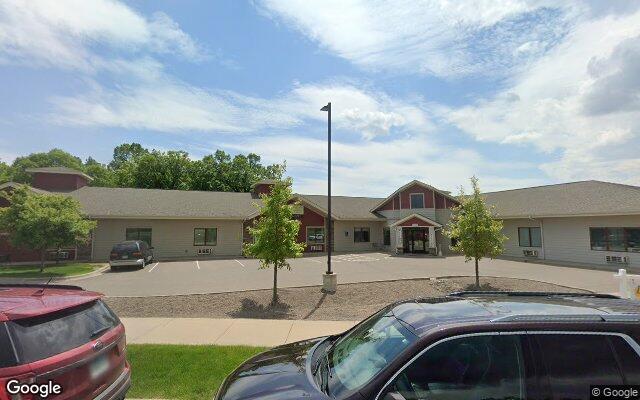
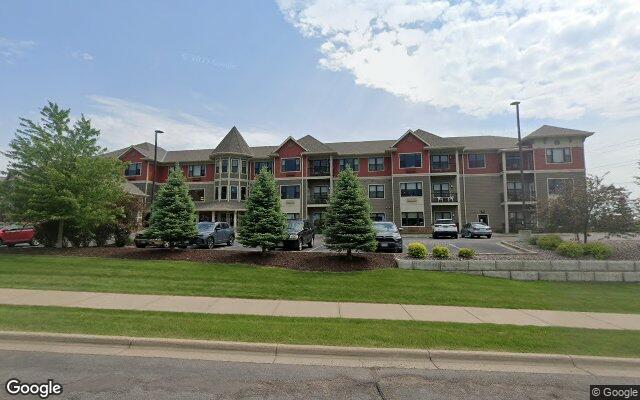
Other memory care facilities near Elk River with similar care offerings.
Tour Prep
Family reviews
No reviews yet — be the first to share your experience