Marywood.
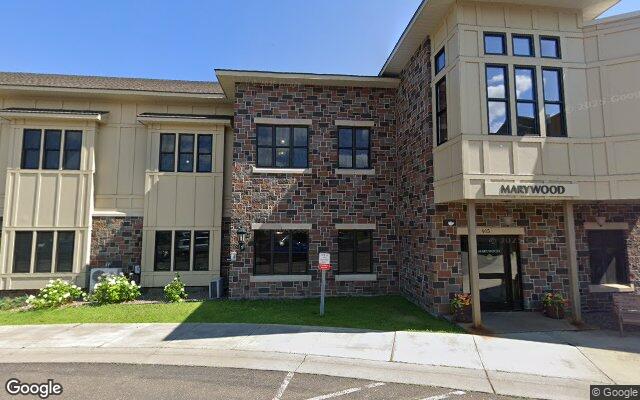
A medium home, reviewed on public record.
Compared to 187 Minnesota facilities with a similar number of beds.
ALF memory care · 36-month window. Higher percentile = better performance on inspection record. Source: Minnesota Dept. of Health · Health Regulation Division.
among peers to rank.
Rankings based on 36-month MDH inspection data. Severity and frequency: fewer citations = higher percentile. Repeat rate: lower repeat citation share = higher percentile.
Citation history, plotted month by month.
1 deficiency on record. Each bar is a month with a citation.
Finding distribution
1 total · 36 monthsScope × Severity (CMS A–L)
Questions to ask before you visit.
A short pre-tour checklist tailored to Marywood's record and state requirements.
Minnesota Department of Health records show 4 complaints were filed against this facility, with the most recent inspection on January 9, 2025 — can you share which of those complaints were substantiated and what corrective measures were implemented in response?
Ask the operator on tour. Take notes and compare answers across facilities you visit.
The facility holds an Assisted Living Facility with Dementia Care license under Minn. Stat. ch. 144G and serves 48 licensed beds — can you provide a copy of your written dementia care program and explain how it differs from the general assisted living program for residents without memory impairment?
Ask the operator on tour. Take notes and compare answers across facilities you visit.
MDH inspection records show 6 reports on file but zero deficiencies cited — can you walk us through your internal quality assurance process and share examples of how you identify and address care concerns before they rise to the level of a regulatory deficiency?
Ask the operator on tour. Take notes and compare answers across facilities you visit.
Every inspection visit, verbatim.
4 inspections in the public record, most recent first. Plain-language summaries open first — click into any row for the full citation text.
2026-04-22Complaint InvestigationNo findings
Plain-language summary
A complaint investigation found that a staff member used a transfer belt to restrain a resident in her wheelchair for approximately one hour, but the Minnesota Department of Health determined abuse was not substantiated because the resident showed no signs of distress, sustained no injuries, the incident was isolated, and the staff member stated the action was intended to prevent falls. The facility immediately removed the restraint when staff noticed it, reported the incident, suspended the staff member pending investigation, and provided all staff with re-education on proper use of restraints and residents' rights.
Read full citation textHide full citation text
Read raw inspector notesClose inspector notes
Finding: Not Substantiated Nature of Investigation: The Minnesota Department of Health investigated an allegation of maltreatment, in accordance with the Minnesota Reporting of Maltreatment of Vulnerable Adults Act, Minn. Stat. 626.557, and to evaluate compliance with applicable licensing standards for the provider type. Initial Investigation Allegation(s): The alleged perpetrator (AP) abused the resident when the AP physically restrained the resident into her wheelchair using a transfer belt. Investigative Findings and Conclusion: The Minnesota Department of Health determined abuse was not substantiated. Although the AP restrained the resident to her wheelchair with a transfer belt, the error was an isolated incident, and no harm occurred to the resident. The resident was observed on facility video surveillance restrained to her wheelchair with the transfer belt for about one hour. During that time the resident had no signs or symptoms of distress observed. When staff noticed the resident was restrained, they removed the transfer belt and reported the incident. When interviewed the AP admitted restraining the resident to her wheelchair and denied any malicious intent but rather intended to keep the resident safe. All staff were re-educated on use of restraints. The investigator conducted interviews with facility staff members, including administrative staff, nursing staff, and unlicensed staff. The investigator contacted the resident’s family. The investigation included review of the resident record(s), facility internal investigation, personnel files, staff schedules, facility video surveillance, and related facility policy and procedures. Also, the investigator observed residents and staff at the facility. The resident resided in an assisted living facility memory care unit with diagnoses including dementia, Alzheimer’s disease late onset, and anxiety disorder. The resident’s assessment and plan of care indicated the resident was severely cognitively impaired. The assessment and plan of care indicated the resident was at risk of falls and required assistance from staff with transfers using a transfer belt. The facility investigation documentation indicated the AP applied a transfer belt to restrain the resident to her wheelchair. The investigation indicated when staff became aware the resident was restrained, the transfer belt was immediately removed, and the incident was reported to leadership. The investigation indicated when the AP was interviewed by facility leadership, the AP stated she was trying to keep the resident safe and prevent her from falling. The AP explained the resident had multiple self-transfers that morning and non-pharma logical interventions tried were ineffective. The investigation indicated the resident sustained no injuries and had no emotional distress noted as a result of the incident. A review of facility video surveillance from the common area during the time of the incident showed the resident walking out of her room without assistance then the AP rushed to prevent the resident from falling while another staff went to get the resident her wheelchair. The AP was observed assisting the resident into her wheelchair then secured the transfer belt around the wheelchair and the resident’s waist. The resident was observed propelling herself around the unit until staff noticed the transfer belt and removed it approximately one hour later. The resident appeared calm, with no signs of agitation or distress while the transfer belt was in place. When interviewed, facility leadership stated they had no concerns with the AP’s conduct prior to the incident and indicated the incident was isolated. Facility leadership stated the AP had no malicious intent and was trying to keep the resident safe. When interviewed, several unlicensed staff stated they had no concerns with the AP’s conduct prior to the incident. Staff stated they received re-education on restraints after the incident. When interviewed, the AP admitted applying the transfer belt to keep the resident in her wheelchair but indicated the resident was able to mobilize and she did not think it was a restraint. The AP stated she had never used a transfer belt to restrain the resident before and indicated the transfer belt was around the back of the chair and she thought it was there to help keep the resident in her wheelchair. The AP denied any intent to cause harm or distress to the resident and stated she was trying to keep the resident safe. In conclusion, the Minnesota Department of Health determined abuse was not substantiated. “Not Substantiated” means: An investigatory conclusion indicating the preponderance of evidence shows that an act meeting the definition of maltreatment did not occur. Abuse: Minnesota Statutes section 626.5572, subdivision 2. "Abuse" means: (b) Conduct which is not an accident or therapeutic conduct as defined in this section, which produces or could reasonably be expected to produce physical pain or injury or emotional distress including, but not limited to, the following: (3) use of any aversive or deprivation procedure, unreasonable confinement, or involuntary seclusion, including the forced separation of the vulnerable adult from other persons against the will of the vulnerable adult or the legal representative of the vulnerable adult unless authorized under applicable licensing requirements or Minnesota Rules, chapter 9544. Vulnerable Adult interviewed: Yes. Family/Responsible Party interviewed: Yes. Alleged Perpetrator interviewed: Yes. Action taken by facility: Facility staff removed the restraint, reported the incident and the AP was suspended pending investigation into the incident. All staff were re-educated on what constitutes a restraint, the prohibited use of restraints, and the resident’s right to be free from restraints. Action taken by the Minnesota Department of Health: No further action taken at this time. cc: The Office of Ombudsman for Long Term Care The Office of Ombudsman for Mental Health and Developmental Disabilities PRINTED: 04/ 28/ 2026 FORM APPROVED STATEMENT OF DEFICIENCIES (X1) PROVIDER/ SUPPLIER/ CLIA (X2) MULTIPLE CONSTRUCTION (X3) DATE SURVEY AND PLAN OF CORRECTION IDENTIFICATION NUMBER: COMPLETED A. BUILDING: ______________________ C B. WING _____________________________ 31068 02/ 17/ 2026 NAME OF PROVIDER OR SUPPLIER STREET ADDRESS, CITY, STATE, ZIP CODE 915 KENWOOD AVENUE MARYWOOD DULUTH, MN 55811 SUMMARY STATEMENT OF DEFICIENCIES PROVIDER' S PLAN OF CORRECTION (X4) ID ID (X5) PREFIX (EACH DEFICIENCY MUST BE PRECEDED BY FULL PREFIX (EACH CORRECTIVE ACTION SHOULD BE COMPLETE REGULATORY OR LSC IDENTIFYING INFORMATION) CROSS- REFERENCED TO THE APPROPRIATE DATE TAG TAG DEFICIENCY) 0 000 Initial Comments 0 000 On February 17, 2026, the Minnesota Department of Health initiated an investigation of complaint #HL310681040M/ #HL310685060C. No correction orders are issued. LABORATORY DIRECTOR' S OR PROVIDER/ SUPPLIER REPRESENTATIVE' S SIGNATURE TITLE (X6) DATE STATE FORM 6899 842711 If continuation sheet 1 of 1
2026-01-08Complaint InvestigationNo findings
Plain-language summary
A complaint alleged the facility neglected a resident by failing to provide adequate pain management, resulting in unmanageable pain, but the Minnesota Department of Health determined the allegation was not substantiated. Although staff experienced technical difficulties viewing the resident's electronic medication records over a weekend, the records were still accessible through an alternative login method, and medication administration records confirmed the resident's pain medications were given as ordered and increased appropriately as prescribed. The investigation found one missed dose of pain medication during the timeframe before the resident's death, but documented that the resident received the next scheduled dose and ongoing doses afterward.
Read full citation textHide full citation text
Read raw inspector notesClose inspector notes
Finding: Not Substantiated Nature of Investigation: The Minnesota Department of Health investigated an allegation of maltreatment, in accordance with the Minnesota Reporting of Maltreatment of Vulnerable Adults Act, Minn. Stat. 626.557, and to evaluate compliance with applicable licensing standards for the provider type. Initial Investigation Allegation(s): The facility neglected the resident when the facility failed to ensure the resident had adequate pain management. As a result, the resident experienced unmanageable pain. Investigative Findings and Conclusion: The Minnesota Department of Health determined neglect was not substantiated. While unlicensed personnel (ULP) had technical difficulty in how they viewed the resident’s electronic medication administration record (eMAR) throughout a weekend, the eMAR was still accessible, and records indicated the ULPs’ administered the resident’s pain medication as ordered. In addition, as the resident’s pain medication increased throughout the weekend, the facility implemented orders, and the resident received pain medications. The investigator conducted interviews with facility staff members, including administrative staff, nursing staff, and unlicensed staff. The investigation included review of the resident records, death record, facility internal investigation, narcotic and controlled medication records, hospice orders, facility incident reports, staff schedules, and related facility policy and procedures. Also, the investigator observed the resident’s unit and staff interactions with other residents. The resident resided in an assisted living memory care unit. The resident’s diagnoses included dementia, chronic pain, and anxiety. The resident’s service plan included assistance with medication administration. The resident’s assessment indicated the resident received hospice services. The resident’s records indicated during a four-day timeframe prior to the resident’s death, the resident had multiple medication changes for pain. The resident also had multiple medication changes for anxiety/restlessness/terminal agitation. The records indicated facility and on-call nurses communicated with hospice services regarding the changes. Records indicated the resident’s narcotic pain medication and controlled medication for anxiety/restlessness/terminal agitation both increased throughout this timeframe. The resident’s records indicated the facility implemented hospice orders. The resident’s eMAR indicated staff provided the resident pain medication and provided medication for the resident’s anxiety/restlessness/terminal agitation throughout this time frame. The eMAR indicated as orders changed, the resident received the increased doses of both medications. The resident’s progress notes indicated multiple ULP called the on-call nurses regarding issues viewing the resident’s eMAR with the resident medication changes. However, the resident’s narcotic and controlled medication logs reviewed in comparison with the resident’s eMAR indicated medications staff removed were administered to the resident. The facility’s internal investigation indicated ULP were able to view the medication orders in the resident’s eMAR after logging out and relogging into the eMAR a different way. During an interview, a nurse stated the resident was on hospice services, declined quickly and transitioned to the stage of dying. The nurse said the resident’s pain medications changed frequently, and the resident had medications for pain and terminal restlessness. During an interview, an ULP stated towards the end of the resident’s life, the resident’s medication doses increased and changed due to the resident feeling uncomfortable. Staff contacted and spoke with the on-call nurses throughout the weekend due to how the medications were showing up on the eMAR. The ULP stated staff were still able to access the eMAR just in a different way of logging in. During an interview, leadership stated the facility had designated ULP staff administering narcotic and controlled medications. There were technical issues with how the resident’s medication changes were not pulling up on the designated ULP eMAR flow sheet. However, leadership stated the resident’s eMAR was still accessible to the designated ULPs by logging into the system a different way. Leadership stated the designated ULP’s knew how to access the eMAR using the different way because the resident’s narcotic and controlled medications were administered. The facility implemented orders received for the medication changes. Leadership conducted an internal investigation and determined the resident missed one dose of pain medication during this timeframe. Other allegations of concern included the resident’s falls. Records indicated the facility nurses assessed and monitored the resident after falls. Hospice and the resident’s provider were updated. During investigative interviews, leadership and a nurse both stated the facility added interventions to reduce fall risk. Another concern identified was the facility failed to have a nurse physically present in the building during an identified weekend. The resident’s records indicated unlicensed staff had access to an on-call nurse, contacted and spoke to the on-call nurse numerous times. Another concern identified was a ULP fell asleep, and the resident did not receive any pain medication throughout shift. Prior to the resident’s death and during the timeframe in question, records indicated one dose of the resident’s pain medication was not administered. However, records indicated the resident received his next scheduled pain medication dose and ongoing doses after that. Leadership stated there was an occasion when one ULP did fall asleep while on break. Leadership stated during overnight shift there was a second ULP available on the adjoining unit as well as a float ULP. Review of schedules supported leadership’s stated staffing model. Leadership stated staff were expected to be awake. The facility conducted an internal investigation, and the staff member involved received discipline. In conclusion, the Minnesota Department of Health determined neglect was not substantiated. “Not Substantiated” means: An investigatory conclusion indicating the preponderance of evidence shows that an act meeting the definition of maltreatment did not occur. Neglect: Minnesota Statutes, section 626.5572, subdivision 17 “Neglect” means neglect by a caregiver or self-neglect. (a) "Caregiver neglect" means the failure or omission by a caregiver to supply a vulnerable adult with care or services, including but not limited to, food, clothing, shelter, health care, or supervision which is: (1) reasonable and necessary to obtain or maintain the vulnerable adult's physical or mental health or safety, considering the physical and mental capacity or dysfunction of the vulnerable adult; and (2) which is not the result of an accident or therapeutic conduct. Vulnerable Adult interviewed: No. The resident was deceased. Family/Responsible Party interviewed: Yes. Alleged Perpetrator interviewed: Not Applicable. Action taken by facility: When unlicensed staff members contacted the on-call nurse throughout the weekend, on-call nurses spoke to the staff members and provided instruction. Action taken by the Minnesota Department of Health: No further action taken at this time. cc: The Office of Ombudsman for Long Term Care The Office of Ombudsman for Mental Health and Developmental Disabilities PRINTED: 01/ 08/ 2026 FORM APPROVED STATEMENT OF DEFICIENCIES (X1) PROVIDER/ SUPPLIER/ CLIA (X2) MULTIPLE CONSTRUCTION (X3) DATE SURVEY AND PLAN OF CORRECTION IDENTIFICATION NUMBER: COMPLETED A. BUILDING: ______________________ C B. WING _____________________________ 31068 12/ 02/ 2025 NAME OF PROVIDER OR SUPPLIER STREET ADDRESS, CITY, STATE, ZIP CODE 915 KENWOOD AVENUE MARYWOOD DULUTH, MN 55811 SUMMARY STATEMENT OF DEFICIENCIES PROVIDER' S PLAN OF CORRECTION (X4) ID ID (X5) PREFIX (EACH DEFICIENCY MUST BE PRECEDED BY FULL PREFIX (EACH CORRECTIVE ACTION SHOULD BE COMPLETE REGULATORY OR LSC IDENTIFYING INFORMATION) CROSS- REFERENCED TO THE APPROPRIATE DATE TAG TAG DEFICIENCY) 0 000 Initial Comments 0 000 On December 2, 2025, the Minnesota Department of Health initiated an investigation of complaint #HL310685702C/ #HL310686582M. No correction orders are issued. LABORATORY DIRECTOR' S OR PROVIDER/ SUPPLIER REPRESENTATIVE' S SIGNATURE TITLE (X6) DATE STATE FORM 6899 PCQ811 If continuation sheet 1 of 1
2025-02-11Complaint InvestigationSubstantiated Finding · 1 finding
Plain-language summary
A complaint investigation substantiated neglect at the facility, finding that staff failed to provide adequate end-of-life and pressure ulcer care for a bedridden, dying resident: staff did not assist with incontinence care for 7 hours despite orders for 2-hour checks, did not monitor or prevent pressure ulcers as required, and the resident was found with dried bowel movement on her body while developing new pressure ulcers on her coccyx, scapula, and foot. The facility's assessments and service plans did not adequately identify the resident's pressure ulcer risk or specify repositioning requirements, and the facility's own internal investigation failed to properly document the incident or interview the staff members who witnessed the problems.
Read full citation text (1)Hide full citation text
“MDH substantiated maltreatment or licensing violation finding”
Read raw inspector notesClose inspector notes
Finding: Substantiated, facility responsibility Nature of Investigation: The Minnesota Department of Health investigated an allegation of maltreatment, in accordance with the Minnesota Reporting of Maltreatment of Vulnerable Adults Act, Minn. Stat. 626.557, and to evaluate compliance with applicable licensing standards for the provider type. Initial Investigation Allegation(s): The resident was neglected when the facility failed to provide appropriate care and services for end-of-life care and pressure ulcers. The resident was found lying with dried incontinent bowel movement (BM) stuck to her body, and new pressure ulcers. Investigative Findings and Conclusion: The Minnesota Department of Health determined neglect was substantiated. The facility was responsible for the maltreatment. The resident was bedridden, actively dying, and dependent on staff for mobility and incontinence care every 2 hours. The resident received a suppository on the evening shift and staff failed to assist the resident with incontinence care for 7 hours. In addition, the facility failed to provide weekly pressure ulcer monitoring as assessed and failed to implement interventions including repositioning to help prevent new or worsening pressure ulcers. The resident’s coccyx pressure ulcer worsened, and the resident developed new pressure ulcers on her scapula and foot. The investigator conducted interviews with facility staff members, including administrative staff, nursing staff, and unlicensed staff. The investigator contacted the resident’s family member. The investigation included review of the resident record(s), death record, hospital records, hospice records, facility internal investigation, staff schedules, related facility policy and procedures. Also, the investigator observed resident’s and staff at the facility. The resident resided in an assisted living facility with diagnoses including chronic kidney disease stage 3, Parkinson’s Disease, reduced mobility, spondylosis, chronic pain, and anxiety disorder. On October 21 a change of condition assessment indicated the resident was readmitted to the facility after a hospital stay and was receiving end-of-life care related to decompensation of Parkinson’s Disease. The assessment indicated the resident was no longer able to assist with transfers and was dependent on staff for mobility. The assessment indicated the resident required assistance with toileting, and indicated staff were to check the resident for incontinence and change her every 2 hours. The assessment indicated the resident had no new skin issues or pressure ulcers, but indicated the resident required daily dressing changes and weekly wound monitoring. The assessment failed to identify the resident was at risk for or had pressure ulcers and required assistance with bed mobility and repositioning. The assessment failed to identify how staff should position the resident and the frequency to reduce the resident’s risk for new or worsening pressure ulcers. The resident’s wound care assessments and ongoing pressure ulcer monitoring was requested from the onset of the resident’s coccyx pressure ulcer until the resident’s death, but none was provided. Email correspondence with facility leadership indicated any wound assessment or monitoring including wound measurements would be documented in the resident’s progress notes. On October 22 the resident’s progress notes included treatment orders for a coccyx pressure ulcer. The progress notes contained no documentation of a coccyx pressure ulcer prior to that day and there was no assessment of the pressure ulcer to include size, measurements, description, or stage. In addition, there was no indication any interventions were implemented to prevent new or worsening pressure ulcers. On November 19, the residents progress note indicated the resident’s coccyx pressure ulcer had gotten worse and indicated hospice would provide an air bed. On November 29, a progress note indicated the resident’s coccyx dressing was changed and noted to be 100% saturated through to the resident’s brief. Then, on December 2, a progress note indicated the resident developed 2 new pressure areas on her scapula with redness present, but lacked any assessment to include size, description, or stage. On December 14, a progress note indicated the coccyx pressure ulcer had a large tunnel forming at the 5 o’clock position down the resident’s right leg. The note also indicated the resident had developed another new pressure ulcer on her right foot from being positioned with her feet touching at 9:30 a.m. and was not moved until 12:45 p.m. (3.25 hours later). There was no corresponding assessment of the new pressure ulcer. A facility investigation failed to indicate an incident was reported by two nurses who found/ witnessed the resident in dried BM. The facility investigation documentation included interviews with some staff but did not include any interview/statement from the nurses who witnessed and reported the incident. Although the staff interviews indicated they had not provided care to the resident every 2 hours as assessed, the investigation summary indicated the resident’s service plan was followed, and incontinence care and repositioning were provided every 2 hours with no concerns. A review of the resident’s service plan indicated the resident utilized hospice for end-of-life care. The service plan identified the resident had impaired mobility and required extensive assistance with dressing and grooming twice daily but failed to indicate the resident needed assistance with bed mobility and lacked direction for the resident to be repositioned to prevent new or worsening pressure ulcers. Although the service plan indicated the resident required staff to check for incontinence and change the resident if she was incontinent scheduled every 2 hours, 12 times daily. There was no indication staff were to provide repositioning when the resident was checked for incontinence. The service plan failed to include weekly wound monitoring as assessed, as a result there was no indication any wound assessment or monitoring of the resident’s pressure ulcers was completed by the facility. A review of the resident’s medication administration record (MAR) and service delivery of care record from the time of the incident (November 30 to December 1) indicated the resident had received a suppository on the evening shift at 2:41 p.m. The service delivery record indicated the resident received mobility assistance on November 30, at 11:15 p.m., then did not receive mobility assistance again until December 1, at 12:09 p.m. (12 hours and 54 minutes later). The service delivery record indicated the resident was provided incontinence care on December 1, at 1:23 a.m., then was not checked or provided incontinence care again until 5:06 a.m. (4 hours later), and again at 12:07 p.m. (7 hours later) indicating the resident had not received checks and incontinence care every 2 hours as assessed or indicated on the resident’s service plan. The service record failed to include interventions to reduce the resident’s risk for new or worsening pressure ulcers including clear direction for staff to reposition the resident frequently, or with scheduled incontinence check and change. When interviewed a hospice registered nurse (RN) indicated she was seeing the resident on a daily basis at the time the incident occurred because the resident was actively dying. The nurse indicated the resident was not responsive, was dependent on staff for bed mobility, repositioning, and incontinence care. The nurse stated when she entered the resident’s room with a facility nurse, the smell was overwhelming of someone who had been left in incontinence for a long time. The nurse stated the resident had odor from a necrotic infected coccyx pressure ulcer but indicated the smell that day was very different. The nurse stated when they pulled the covers back the resident’s BM and wound drainage had leaked from her brief onto her bedding and gown and dried stuck onto her body with a large dried dark ring underneath the resident. The nurse stated the resident appeared to be in pain and was moaning, and grimacing when the nurses touched and moved the resident to provide cares and change the resident’s dressing. The nurse stated the resident appeared to be in the exact same position as the previous afternoon when they administered her suppository and indicated the resident appeared to be untouched. The nurse stated the facility nurse was visibly upset and crying while providing care to the resident due to the state the resident was found in, and indicated there was “no way” anyone had checked, changed, or repositioned the resident. The nurse stated when they turned the resident, the resident had 2 new pressure ulcers on her scapula area as a result of not being repositioned. The nurse stated hospice provided wound care orders and supplies but indicated the facility was responsible for dressing changes and ongoing assessment/monitoring of the resident’s pressure ulcers. When interviewed a facility nurse stated the resident was actively dying and required extensive assistance with incontinence cares and repositioning.
2025-01-09Annual Compliance VisitNo findings
Plain-language summary
A standard inspection of Marywood in Duluth was conducted January 6-9, 2025, at a facility serving 45 residents in assisted living with dementia care; the inspection resulted in state correction orders, meaning the facility was found not to be in compliance with Minnesota licensing requirements in one or more areas. No immediate fines were assessed, but the facility must document the specific actions it took to correct the violations within the timeframe set by the Minnesota Department of Health. The facility has the right to request reconsideration of the correction orders within 15 days if it disagrees with the findings.
Read full citation textHide full citation text
Read raw inspector notesClose inspector notes
correction orders and document the actions taken to comply in the facility's records. The Department reserves the right to return to the facility at any time should the Department receive a complaint or deem it necessary to ensure the health, safety, and welfare of residents in your care. STATE CORRECTION ORDERS The enclosed State Form documents the state correction orders. MDH documents state licensing correction orders using federal software. Tag numbers are assigned to Minnesota state statutes for Assisted Living Facilities. The assigned tag number appears in the far left column entitled "ID Prefix Tag." The state statute number and the corresponding text of the state statute out of compliance are listed in the "Summary Statement of Deficiencies" column. This column also includes the findings that are in violation of the state statute after the statement, "This MN Requirement is not met as evidenced by . . ." In accordance with Minn. Stat. § 144G.31 Subd. 4, MDH may assess fines based on the level and scope of the violations; h owever, no immediate fines are assessed for this survey of your facility. DOCUMENTATION OF ACTION TO COMPLY In accordance with Minn. Stat. § 144G.30, Subd. 5(c), the licensee must document actions taken to comply with the correction orders within the time period outlined on the state form; however, plans of correction are not required to be submitted for approval. The correction order documentation should include the following: Identify how the area(s) of noncompliance was corrected related to the An equal opportunity employer. Letter ID: IS7N REVISED 09/13/2021 Marywood February 19, 2025 Page 2 resident(s)/employee(s) identified in the correction order. Identify how the area(s) of noncompliance was corrected for all of the provider’s resident(s)/employees that may be affected by the noncompliance. Identify what changes to your systems and practices were made to ensure compliance with the specific statute(s). CORRECTION ORDER RECONSIDERATION PROCESS In accordance with Minn. Stat. § 144G.32, Subd. 2, you may challenge the correction order(s) issued, including the level and scope, and any fine assessed through the correction order reconsideration process. The request for reconsideration must be in writing and received by MDH within 15 calendar days of the correction order receipt date. To submit a reconsideration request, please visit: https://forms.web.health.state.mn.us/form/HRDAppealsForm The MDH Health Regulation Division (HRD) values your feedback about your experience during the survey and/or investigation process. Please fill out this anonymous provider feedback questionnaire at your convenience at this link: h ttps://forms.office.com/g/Bm5uQEpHVa. Your input is important to us and will enable MDH to improve its processes and communication with providers. If you have any questions regarding the questionnaire, please contact Susan Winkelmann at susan.winkelmann@state.mn.us or call 651-201-5952. You are encouraged to retain this document for your records. It is your responsibility to share the information contained in the letter and state form with your organization’s Governing Body. If you have any questions, please contact me. Sincerely, Jessie Chenze, Supervisor State Evaluation Team Email: jessie.chenze@state.mn.us Telephone: 218-332-5175 Fax: 1 -866-890-9290 JMD PRINTED: 02/19/2025 FORM APPROVED STATEMENT OF DEFICIENCIES (X1) PROVIDER/SUPPLIER/CLIA (X2) MULTIPLE CONSTRUCTION (X3) DATE SURVEY AND PLAN OF CORRECTION IDENTIFICATION NUMBER: COMPLETED A. BUILDING: ______________________ B. WING _____________________________ 31068 01/09/2025 NAME OF PROVIDER OR SUPPLIER STREET ADDRESS, CITY, STATE, ZIP CODE 915 KENWOOD AVENUE MARYWOOD DULUTH, MN 55811 SUMMARY STATEMENT OF DEFICIENCIES PROVIDER'S PLAN OF CORRECTION (X4) ID ID (X5) PREFIX (EACH DEFICIENCY MUST BE PRECEDED BY FULL PREFIX (EACH CORRECTIVE ACTION SHOULD BE COMPLETE REGULATORY OR LSC IDENTIFYING INFORMATION) CROSS-REFERENCED TO THE APPROPRIATE DATE TAG TAG DEFICIENCY) 0 000 Initial Comments 0 000 ASSISTED LIVING PROVIDER LICENSING Minnesota Department of Health is CORRECTION ORDER(S) documenting the State Correction Orders using federal software. Tag numbers have In accordance with Minnesota Statutes, section been assigned to Minnesota State 144G.08 to 144G.95, these correction orders are Statutes for Assisted Living Facilities. The issued pursuant to a survey. assigned tag number appears in the far-left column entitled "ID Prefix Tag." The Determination of whether violations are corrected state Statute number and the requires compliance with all requirements corresponding text of the state Statute out provided at the Statute number indicated below. of compliance is listed in the "Summary When Minnesota Statute contains several items, Statement of Deficiencies" column. This failure to comply with any of the items will be column also includes the findings which considered lack of compliance. are in violation of the state requirement after the statement, "This Minnesota INITIAL COMMENTS: requirement is not met as evidenced by." Following the evaluators ' findings is the SL31068016-0 Time Period for Correction. On January 6, 2025, through January 9, 2025, the survey at the above provider. At the time of the THE FOURTH COLUMN WHICH survey, there were 45 resident(s); 45 receiving STATES,"PROVIDER'S PLAN OF services under the Assisted Living Facility with CORRECTION." THIS APPLIES TO Dementia Care license. FEDERAL DEFICIENCIES ONLY. THIS WILL APPEAR ON EACH PAGE. THERE IS NO REQUIREMENT TO SUBMIT A PLAN OF CORRECTION FOR VIOLATIONS OF MINNESOTA STATE STATUTES. THE LETTER IN THE LEFT COLUMN IS USED FOR TRACKING PURPOSES AND REFLECTS THE SCOPE AND LEVEL ISSUED PURSUANT TO 144G.31 SUBDIVISION 1-3. LABORATORY DIRECTOR'S OR PROVIDER/SUPPLIER REPRESENTATIVE'S SIGNATURE TITLE (X6) DATE STATE FORM 6899 290J11 If continuation sheet 1 of 21 PRINTED: 02/19/2025 FORM APPROVED STATEMENT OF DEFICIENCIES (X1) PROVIDER/SUPPLIER/CLIA (X2) MULTIPLE CONSTRUCTION (X3) DATE SURVEY AND PLAN OF CORRECTION IDENTIFICATION NUMBER: COMPLETED A. BUILDING: ______________________ B. WING _____________________________ 31068 01/09/2025 NAME OF PROVIDER OR SUPPLIER STREET ADDRESS, CITY, STATE, ZIP CODE 915 KENWOOD AVENUE MARYWOOD DULUTH, MN 55811 SUMMARY STATEMENT OF DEFICIENCIES PROVIDER'S PLAN OF CORRECTION (X4) ID ID (X5) PREFIX (EACH DEFICIENCY MUST BE PRECEDED BY FULL PREFIX (EACH CORRECTIVE ACTION SHOULD BE COMPLETE REGULATORY OR LSC IDENTIFYING INFORMATION) CROSS-REFERENCED TO THE APPROPRIATE DATE TAG TAG DEFICIENCY) 0 480 Continued From page 1 0 480 0 480 144G.41 Subdivision 1 Subd. 1a (a-b) Minimum 0 480 SS=F requirements; required food services (a) Except as provided in paragraph (b), food must be prepared and served according to the Minnesota Food Code, Minnesota Rules, chapter 4626. (b) For an assisted living facility with a licensed capacity of ten or fewer residents: (1) notwithstanding Minnesota Rules, part 4626.0033, item A, the facility may share a certified food protection manager (CFPM) with one other facility located within a 60-mile radius and under common management provided the CFPM is present at each facility frequently enough to effectively administer, manage, and supervise each facility's food service operation; (2) notwithstanding Minnesota Rules, part 4626.0545, item A, kick plates that are not removable or cannot be rotated open are allowed unless the facility has been issued repeated correction orders for violations of Minnesota Rules, part 4626.1565 or 4626.1570; (3) notwithstanding Minnesota Rules, part 4626.0685, item A, the facility is not required to provide integral drainboards, utensil racks, or tables large enough to accommodate soiled and clean items that may accumulate during hours of operation provided soiled items do not contaminate clean items, surfaces, or food, and clean equipment and dishes are air dried in a manner that prevents contamination before storage; (4) notwithstanding Minnesota Rules, part 4626.1070, item A, the facility is not required to install a dedicated handwashing sink in its existing kitchen provided it designates one well of a two-compartment sink for use only as a handwashing sink; STATE FORM 6899 290J11 If continuation sheet 2 of 21 PRINTED: 02/19/2025 FORM APPROVED STATEMENT OF DEFICIENCIES (X1) PROVIDER/SUPPLIER/CLIA (X2) MULTIPLE CONSTRUCTION (X3) DATE SURVEY AND PLAN OF CORRECTION IDENTIFICATION NUMBER: COMPLETED A. BUILDING: ______________________ B. WING _____________________________ 31068 01/09/2025 NAME OF PROVIDER OR SUPPLIER STREET ADDRESS, CITY, STATE, ZIP CODE 915 KENWOOD AVENUE MARYWOOD DULUTH, MN 55811 SUMMARY STATEMENT OF DEFICIENCIES PROVIDER'S PLAN OF CORRECTION (X4) ID ID (X5) PREFIX (EACH DEFICIENCY MUST BE PRECEDED BY FULL PREFIX (EACH CORRECTIVE ACTION SHOULD BE COMPLETE REGULATORY OR LSC IDENTIFYING INFORMATION) CROSS-REFERENCED TO THE APPROPRIATE DATE TAG TAG DEFICIENCY) 0 480 Continued From page 2 0 480 (5) notwithstanding Minnesota Rules, parts 4626.1325, 4626.1335, and 4626.1360, item A, existing floor, wall, and ceiling finishes are allowed provided the facility keeps them clean and in good condition; (6) notwithstanding Minnesota Rules, part 4626.1375, shielded or shatter-resistant lightbulbs are not required, but if a light bulb breaks, the facility must discard all exposed food and fully clean all equipment, dishes, and surfaces to remove any glass particles; and (7) notwithstanding Minnesota Rules, part 4626.
2 older inspections from 2022 are not shown above.
Get the complete record, translated into plain language — emailed to you.
Other facilities in St. Louis County.
Other memory care facilities in St. Louis County with similar care offerings.
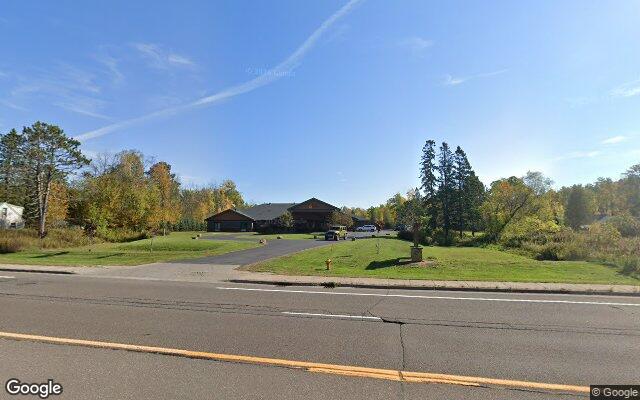
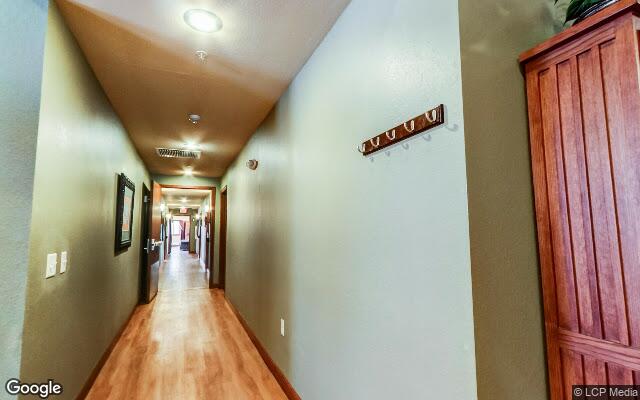

Facility Watch · Premium
Family reviews
No reviews yet — be the first to share your experience
Other memory care options nearby.
More options in neighboring cities
Licensed memory care in other cities within this county region — useful when your search radius crosses city limits.