Maple Woods Assisted Living.
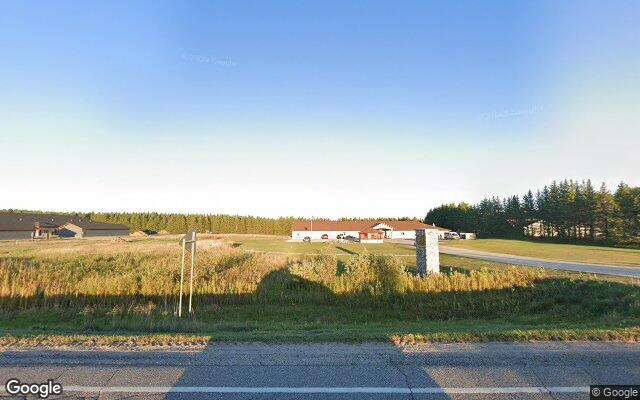
A medium home, reviewed on public record.
Compared to 187 Minnesota facilities with a similar number of beds.
ALF memory care · 36-month window. Higher percentile = better performance on inspection record. Source: Minnesota Dept. of Health · Health Regulation Division.
among peers to rank.
Rankings based on 36-month MDH inspection data. Severity and frequency: fewer citations = higher percentile. Repeat rate: lower repeat citation share = higher percentile.
Citation history, plotted month by month.
1 deficiency on record. Each bar is a month with a citation.
Finding distribution
1 total · 36 monthsScope × Severity (CMS A–L)
Questions to ask before you visit.
A short pre-tour checklist tailored to Maple Woods Assisted Living's record and state requirements.
Minnesota licenses this community as an Assisted Living Facility with Dementia Care under Minn. Stat. ch. 144G — can you walk us through the written dementia care program and show how it differs from the general assisted living services?
Ask the operator on tour. Take notes and compare answers across facilities you visit.
The most recent MDH inspection on December 21, 2022 found zero deficiencies — can you share the full inspection report and explain how the community maintains compliance with Minnesota's dementia care regulations?
Ask the operator on tour. Take notes and compare answers across facilities you visit.
One complaint was filed with the Minnesota Department of Health during the inspection period on file — can you tell us whether that complaint was substantiated, and if so, what corrective actions the facility documented in response?
Ask the operator on tour. Take notes and compare answers across facilities you visit.
Every inspection visit, verbatim.
4 inspections in the public record, most recent first. Plain-language summaries open first — click into any row for the full citation text.
2026-01-14Annual Compliance VisitNo findings
Plain-language summary
A standard inspection on January 14, 2026 found violations related to infection control practices and fire protection/physical environment at Maple Woods Assisted Living, resulting in two correction orders and a total fine of $1,000. The facility must document the actions taken to correct these issues within the timeframe specified on the state correction order form.
Read full citation textHide full citation text
Read raw inspector notesClose inspector notes
correction orders. MDH documents state licensing correction orders using federal software. Tag numbers are assigned to Minnesota state statutes for Assisted Living Facilities. The assigned tag number appears in the far left column entitled "ID Prefix Tag." The state statute number and the corresponding text of the state statute out of compliance are listed in the "Summary Statement of Deficiencies" column. This column also includes the findings that are in violation of the state statute after the statement, "This MN Requirement is not met as evidenced by . . ." IMPOSITION OF FINES In accordance with Minn. Stat. § 144G.31, Subd. 4, fines and enforcement actions may be imposed based on the level and scope of the violations and may be imposed immediately with no opportunity to correct the violation first as follows: Level 1: no fines or enforcement; Level 2: a fine of $500 per violation, in addition to any enforcement mechanism authorized in § 144G.20; Level 3: a fine of $1,000 per incident, in addition to any enforcement mechanism authorized in § 144G.20; Level 4: a fine of $3,000 per incident, in addition to any enforcement mechanism authorized in § 144G.20; Level 5: a fine of $5,000 per violation, in addition to any enforcement mechanism authorized in § 144G.20. An equal opportunity employer. Letter ID: IS7N REVISE D09/13/2021 Maple Woods Assisted Living February 19, 2026 Page 2 Therefore, in accordance with Minn. Stat. §§ 144G.01 to 144G.9999, the following fines are assessed pursuant to this survey: St - 0 - 0510 - 144g.41 Subd. 3 - Infection Control Program - $500.00 St - 0 - 0775 - 144g.45 Subd. 2. (a) - Fire Protection And Physical Environment - $500.00 The refor e, in accor danc e wit h Minn. Sta t. §§ 144G.01 to 144G.999 9, the total amount you are assessed is $1,000.00. You will be invoiced approximately 30 days after receipt of this notice, subject to appeal . DOCUMENTATIO ONF ACTION TO COMPLY In accorda nce with Min n. Stat. § 144G.30, Sub d. 5(c), th e lic ens ee mus t docum ent ac tions taken t o comply with the correction orders within the time period outlined on the state form; however, plans of correction are not required to be submitted for approval. The correction order documentation should include the following: Identify how the area( s) of noncompliance was corrected related to the · resident( s)/ employee( s) identified in the correction order. Identify how the area( s) of noncompliance was corrected for all of the provider’s · resident( s)/ employees that may be affected by the noncompliance. Identify what changes to your systems and practices were made to ensure compliance with · the specific statute( s). CORRECTIO NORDER RECONSIDERATIO PNROCESS In accordance with Minn. Stat. § 144G.32, Subd. 2, you may challenge the correction order( s) issued, including the level and scope, and any fine assessed through the correction order reconsideration process. The request for reconsideration must be in writing and received by MDH within 15 calendar days of the correction order receipt date. To submit a reconsideration request, please visit: https: / / forms. web. health. state. mn.us/ form/ HRDAppealsForm REQUESTIN GA HEARING Alternatively, in accordance with Minn. Stat. § 144G.31, Subd. 5(d), an assisted living provider that has been assessed a fine under this subdivision has a right to a reconsideration or a hearing under this section and chapter 14. Pursuant to Minn. Stat. § 144G.20, Subd. 14 and Subd. 18, a request for a hearing must be in writing and received by the Department of Health within 15 business days of the correction order receipt date. The request must contain a brief and plain statement describing each matter or issue contested and any new information you believe constitutes a defense or mitigating factor. To submit a hearing request, please visit: https: / / forms. web. health. state. mn. us/ form/ HRDAppealsForm Maple Woods Assisted Living February 19, 2026 Page 3 To appe al fi nes via re cons iderat ion , pl ease follow the procedu r e outl ined abo ve. Plea se no te tha t you may re que st a rec onside rati on or a hearing, bu t not bot h. If you wish to cont est ta gs with out fine s in a reconsideration and tags with the fines at a hearing, please submit two separate appeals forms at the website listed above. The MDH Health Regulation Division (HRD )values your feedback about your experience during the survey and/ or investigation process. Please fill out this anonymous provider feedback questionnaire at your conv enien ce at thi s link: https: / / forms. office.com/ g/ Bm5uQEpHVa. Your inpu t is import ant to us and will enable MDH to improve its processes and communication with providers. If you have any questions regarding the questionnaire, please contact Susan Winkelmann at susan. winkelmann@state. mn.us or call 651-201-5952. You are encouraged to retain this document for your records. It is your responsibility to share the information contained in the letter and state form with your organization’s Governing Body. If you have any questions, please contact me. Sincerely, Jessie Chenze, Supervisor State Evaluation Team Email: Jessie.Chenze@state. mn.us Telephone: 218-332-5175 Fax: 1-866-890-9290 HHH PRINTED: 02/ 19/ 2026 FORM APPROVED STATEMENT OF DEFICIENCIES (X1) PROVIDER/ SUPPLIER/ CLIA (X2) MULTIPLE CONSTRUCTION (X3) DATE SURVEY AND PLAN OF CORRECTION IDENTIFICATION NUMBER: COMPLETED A. BUILDING: ______________________ B. WING _____________________________ 33975 01/ 14/ 2026 NAME OF PROVIDER OR SUPPLIER STREET ADDRESS, CITY, STATE, ZIP CODE 33310 STATE HIGHWAY 6 MAPLE WOODS ASSISTED LIVING DEER RIVER, MN 56636 SUMMARY STATEMENT OF DEFICIENCIES PROVIDER' S PLAN OF CORRECTION (X4) ID ID (X5) PREFIX (EACH DEFICIENCY MUST BE PRECEDED BY FULL PREFIX (EACH CORRECTIVE ACTION SHOULD BE COMPLETE REGULATORY OR LSC IDENTIFYING INFORMATION) CROSS- REFERENCED TO THE APPROPRIATE DATE TAG TAG DEFICIENCY) 0 000 Initial Comments 0 000 *****ATTENTION***** Minnesota Department of Health is documenting the State Correction Orders ASSISTED LIVING PROVIDER LICENSING using federal software. Tag numbers have CORRECTION ORDER( S) been assigned to Minnesota State Statutes for Assisted Living Facilities. The In accordance with Minnesota Statutes, section assigned tag number appears in the 144G. 08 to 144G. 95, these correction orders are far-left column entitled "ID Prefix Tag. " The issued pursuant to a survey. state Statute number and the corresponding text of the state Statute out Determination of whether violations are corrected of compliance is listed in the "Summary requires compliance with all requirements Statement of Deficiencies" column. This provided at the Statute number indicated below. column also includes the findings which When Minnesota Statute contains several items, are in violation of the state requirement failure to comply with any of the items will be after the statement, "This Minnesota considered lack of compliance. requirement is not met as evidenced by." Following the evaluators' findings is the INITIAL COMMENTS: Time Period for Correction. SL33975016- 0 PLEASE DISREGARD THE HEADING OF THE FOURTH COLUMN WHICH On January 12, 2026, through January 14, 2026, STATES, "PROVIDER' S PLAN OF the Minnesota Department of Health conducted a CORRECTION. " THIS APPLIES TO full survey at the above provider and the following FEDERAL DEFICIENCIES ONLY. THIS correction orders are issued. At the time of the WILL APPEAR ON EACH PAGE. survey, there were 23 residents; 23 receiving services under the Assisted Living Facility with THERE IS NO REQUIREMENT TO Dementia Care license. SUBMIT A PLAN OF CORRECTION FOR VIOLATIONS OF MINNESOTA STATE STATUTES. THE LETTER IN THE LEFT COLUMN IS USED FOR TRACKING PURPOSES AND REFLECTS THE SCOPE AND LEVEL ISSUED PURSUANT TO 144G. 31 SUBDIVISION 1-3. 0 480 144G. 41 Subdivision 1 Subd. 1a (a-b) Minimum 0 480 SS= F requirements; required food services LABORATORY DIRECTOR' S OR PROVIDER/ SUPPLIER REPRESENTATIVE' S SIGNATURE TITLE (X6) DATE STATE FORM 6899 0NEW11 If continuation sheet 1 of 49 PRINTED: 02/ 19/ 2026 FORM APPROVED STATEMENT OF DEFICIENCIES (X1) PROVIDER/ SUPPLIER/ CLIA (X2) MULTIPLE CONSTRUCTION (X3) DATE SURVEY AND PLAN OF CORRECTION IDENTIFICATION NUMBER: COMPLETED A. BUILDING: ______________________ B.
2025-07-22Complaint InvestigationNo findings
Plain-language summary
The Minnesota Department of Health investigated a complaint that the facility neglected a resident by failing to prevent elopements, but found the allegation not substantiated. The resident had a documented history of elopement from other facilities, aggressive behavior, and the ability to climb an eight-foot fence; the facility was aware of these risks, coordinated with behavioral health providers, law enforcement, and family to manage the resident's behavior and safety, and provided supervision including one-to-one monitoring during outside time. Each time the resident left the facility, he was located and returned unharmed by law enforcement or family, who used a location tracking app installed on the resident's phone.
Read full citation textHide full citation text
Read raw inspector notesClose inspector notes
Finding: Not Substantiated Nature of Investigation: The Minnesota Department of Health investigated an allegation of maltreatment, in accordance with the Minnesota Reporting of Maltreatment of Vulnerable Adults Act, Minn. Stat. 626.557, and to evaluate compliance with applicable licensing standards for the provider type. Initial Investigation Allegation(s): The facility neglected the resident when facility staff failed to provide supervision and prevent the resident’s elopements. Investigative Findings and Conclusion: The Minnesota Department of Health determined neglect was not substantiated. The resident had a history of aggressive behavior and walking away from medical facilities prior to elopements that occurred at the assisted living facility. The facility coordinated with behavioral health providers, family and law enforcement to manage the resident’s elopements. The investigator conducted interviews with facility staff members, including administrative staff, nursing staff, and unlicensed staff. The investigator contacted law enforcement and a family member. The investigation included review of the resident record(s), hospital records, pharmacy records, facility internal investigation, facility incident reports, personnel files, staff schedules, law enforcement report, related facility policy and procedures. Also, the investigator observed facility staff provide direct cares. The resident resided in an assisted living memory care unit. The resident’s diagnoses included moderate dementia and psychotic disturbance. The resident’s service plan included assistance with behavior management, safety checks and supervision. The resident’s assessment indicated the resident was independent with activities of daily living, walked frequently, was impulsive and had poor judgement. The assessment indicated the resident had a history of substance abuse, was an elopement risk and had successfully eloped from facilities. The resident’s record indicated the facility was aware of the resident’s risk for elopements and incident reports outlined how the resident eloped. The resident eloped seven times from the facility’s secure unit and made several unsuccessful attempts. The facility requested behavioral health assistance, and a provider adjusted behavioral health medications. Facility staff allowed the resident to spend time in an area of the facility secured by an eight-foot fence when the resident was not displaying exit seeking behaviors. Facility staff were aware the resident could climb the fence and planned the resident’s time outside to be monitored by facility staff. Two of the elopements occurred when facility staff were present and unsuccessfully attempted to redirect the resident away from the fence. Facility staff alerted authorities when the resident left facility grounds. The resident’s family had installed a Life360 location application on the resident’s cell phone and family had the ability to locate the resident when he eloped. Each time the resident eloped he was returned to the facility by law enforcement or family unharmed. The resident’s incident reports indicated the resident had witnessed and unwitnessed elopements. The resident had a history of aggression with facility staff and family when he wanted to leave, and the resident had used furniture to climb a fence in a secured outside area. The facility held a care conference with family, a resident representative and consulted with law enforcement to develop a safety plan for the resident. The facility and law enforcement coordinated with the family to monitor, locate and return the resident to the facility with a Life360 cell phone application installed on the resident’s phone. Law enforcement reports indicated the resident had walked away from medical facilities prior to placement in the facility. Officers had been called to assist in locating and returning the resident to the facility four times in two months. Facility staff and management were in contact with law enforcement officers throughout the resident’s elopements and at times facility staff had eyes on the resident while waiting for officer assistance. During an interview, a licensed staff stated the resident resided in a secured area of the facility and like to spend time outside. Licensed staff stated the resident had eloped from the facility and would go to a place he was familiar with in his younger years. Licensed staff stated coordination with the resident’s family and law enforcement was put in place to keep the resident safe when he eloped. Licensed staff stated the resident was difficult for staff to redirect until the facility reached out to behavioral health for assistance. Licensed staff stated behavioral health assessed the resident for the best interventions to manage the resident’s behaviors and a neuropsychic evaluation was scheduled. Licensed staff stated since behavioral health became involved, and facility staff became familiar with the resident’s preferences the resident was more content and one to one supervision was provided when the resident was outside in the secured area. During an interview, a resident representative stated the resident could scale a secured fence in the outside area and facility staff “can’t physically pull him off the fence” or stop the resident when he made up his mind to leave. A resident representative stated interventions were implemented and family was involved. A resident representative stated the resident likes it there and was settling in. During an interview, a family member stated the resident could be very difficult, however, thought the facility was trying their best to manage and prevent the resident’s elopements. A family member stated the resident could scale an eight-foot secured fence when he wanted to leave the facility and liked to be outside. A family member stated the facility, and family had attempted to have the resident transferred to a specialized behavioral facility for evaluation, but the behavioral facility would not accept the resident due to medical concerns. In conclusion, the Minnesota Department of Health determined neglect was not substantiated. “Not Substantiated” means: An investigatory conclusion indicating the preponderance of evidence shows that an act meeting the definition of maltreatment did not occur. Neglect: Minnesota Statutes, section 626.5572, subdivision 17 “Neglect” means neglect by a caregiver or self-neglect. (a) "Caregiver neglect" means the failure or omission by a caregiver to supply a vulnerable adult with care or services, including but not limited to, food, clothing, shelter, health care, or supervision which is: (1) reasonable and necessary to obtain or maintain the vulnerable adult's physical or mental health or safety, considering the physical and mental capacity or dysfunction of the vulnerable adult; and (2) which is not the result of an accident or therapeutic conduct. Vulnerable Adult interviewed: No Family/Responsible Party interviewed: Yes Alleged Perpetrator interviewed: Not Applicable the Action taken by facility: The facility implemented a variety of interventions and coordinated with outside agencies to provide a safety plan for the resident. Action taken by the Minnesota Department of Health: No further action taken at this time. cc: The Office of Ombudsman for Long Term Care The Office of Ombudsman for Mental Health and Developmental Disabilities PRINTED: 07/28/2025 FORM APPROVED STATEMENT OF DEFICIENCIES (X1) PROVIDER/SUPPLIER/CLIA (X2) MULTIPLE CONSTRUCTION (X3) DATE SURVEY AND PLAN OF CORRECTION IDENTIFICATION NUMBER: COMPLETED A. BUILDING: ______________________ C B. WING _____________________________ 33975 07/08/2025 NAME OF PROVIDER OR SUPPLIER STREET ADDRESS, CITY, STATE, ZIP CODE 33310 STATE HIGHWAY 6 MAPLE WOODS ASSISTED LIVING DEER RIVER, MN 56636 SUMMARY STATEMENT OF DEFICIENCIES PROVIDER'S PLAN OF CORRECTION (X4) ID ID (X5) PREFIX (EACH DEFICIENCY MUST BE PRECEDED BY FULL PREFIX (EACH CORRECTIVE ACTION SHOULD BE COMPLETE REGULATORY OR LSC IDENTIFYING INFORMATION) CROSS-REFERENCED TO THE APPROPRIATE DATE TAG TAG DEFICIENCY) 0 000 Initial Comments 0 000 ******ATTENTION****** Assisted Living Provider 144G. ASSISTED LIVING PROVIDER CORRECTION ORDER Minnesota Department of Health is documenting the State Correction Orders In accordance with Minnesota Statutes, section using federal software. Tag numbers have 144G.08 to 144G.95, these correction orders are been assigned to Minnesota State issued pursuant to a complaint investigation. Statutes for Assisted Living Facilities. The assigned tag number appears in the Determination of whether a violation is corrected far-left column entitled "ID Prefix Tag." The requires compliance with all requirements state Statute number and the provided at the statute number indicated below. corresponding text of the state Statute out When a Minnesota Statute contains several of compliance is listed in the "Summary items, failure to comply with any of the items will Statement of Deficiencies" column. This be considered lack of compliance. column also includes the findings which are in violation of the state requirement INITIAL COMMENTS: after the statement, "This Minnesota requirement is not met as evidenced by." #HL339753665M/ #HL339757051C Following the evaluators' findings is the #HL339753702M /#HL339757148C Time Period for Correction.
2024-11-14Complaint InvestigationNo findings
Plain-language summary
The Minnesota Department of Health investigated a complaint that the facility neglected a resident by discontinuing wound care services and failing to provide care in accordance with physician orders, which led to the resident's hospitalization with cellulitis; however, the department determined that neglect was inconclusive because although wound care documentation was inconsistent, there was insufficient evidence that facility actions or inactions caused the hospitalization. The facility had changed its policy to have only licensed nurses perform wound care instead of unlicensed staff due to staffing constraints, and while documentation in progress notes was sporadic, nursing staff stated wound care was completed as ordered. The facility was found to be in noncompliance with licensing standards.
Read full citation textHide full citation text
Read raw inspector notesClose inspector notes
Finding: Inconclusive Nature of Investigation: The Minnesota Department of Health investigated an allegation of maltreatment, in accordance with the Minnesota Reporting of Maltreatment of Vulnerable Adults Act, Minn. Stat. 626.557, and to evaluate compliance with applicable licensing standards for the provider type. Initial Investigation Allegation(s): The facility neglected the resident when they failed to provide wound care in accordance with physician orders. The facility discontinued the resident’s wound care services after the resident returned from the hospital with new orders, stating they were not able to provide the wound care due to staffing. The resident later admitted to the hospital with cellulitis. Investigative Findings and Conclusion: The Minnesota Department of Health determined neglect was inconclusive. Although wound care was not consistently documented as provided in accordance with physician’s orders, there was not a preponderance of evidence the actions, or inactions, of facility staff led to the resident being hospitalized with cellulitis. The facility discontinued wound care provided by unlicensed staff; however, continued providing wound care by a licensed nurse. Hospital records related to the hospitalization were not able to be obtained. The investigator conducted interviews with facility staff members, including administrative staff, nursing staff, and unlicensed staff. The investigator contacted law enforcement, the case worker, hospital staff, and the resident’s primary care provider. The investigation included review of the resident records, hospital records, facility incident reports, staff schedules, law enforcement report, and related facility policies and procedures. Also, the investigator observed the resident’s wounds and wound care provided by the facility. The resident resided in an assisted living facility. The resident’s diagnoses included paraplegia and type two diabetes. The resident’s service plan included assistance with wound care two times per day. The resident’s assessment indicated the resident had two stage 3 (extending into the fatty tissue) pressure ulcers and a stage 4 (extending into the muscles, tendons, and ligaments) pressure ulcer to his buttocks. The resident was paralyzed from the chest down and required two people and a mechanical hoyer lift for all transfers. The resident was cognitively intact, managed his medications and directed his care. The resident had a history of pressure ulcers and skin breakdown to his coccyx and buttocks. The resident’s record indicated wound care to his three wounds was to be completed twice per day. Unlicensed personnel (ULP) initially performed the wound care, however facility management decided to not allow ULP to complete wound care as a delegated task and changed its policy to only allow licensed nurses to complete wound cares. As a result, wound care documentation was removed from the resident’s service recap summary. Licensed nurses began documenting sporadically in progress notes when wound care was completed. In the two weeks leading up to his hospitalization, documentation of wound cares being completed was inconsistent. Six days lacked documentation of wound cares being completed. The resident’s progress notes indicated staff observed swelling to the resident’s groin area and his legs were firm with increased redness. Staff called 911 and the resident was admitted to the hospital and diagnosed with cellulitis. The resident spent six days in the hospital and was treated with IV antibiotics. Hospital records related to the resident’s hospitalization for cellulitis were requested, but only partial records were provided. Documentation related to the resident’s reason for admission or condition of the wounds were not provided by the hospital. The facility was also unable to obtain documentation related to the resident’s hospital admission. During an interview, a facility nurse stated due to staffing constraints, the decision was made to not allow ULP to complete wound care and the nurses took over the task. The nurse stated she or one of the other nurses did his twice daily dressing changes but the service had been removed from his medical record so they documented in a progress note when it was completed. The nurse stated the resident’s wound care was always completed. During an interview the registered nurse (RN) stated when she began serving as the interim supervisor, she didn’t feel the ULP were completing the dressing changes appropriately, so they transitioned the task to be completed by the licensed nurse only. The RN stated to her knowledge, all wound cares were completed as ordered and none were missed. The RN stated she wasn’t as familiar with the facility’s electronic medical record and was not sure why some documentation was missing. In conclusion, the Minnesota Department of Health determined neglect was inconclusive. Inconclusive: Minnesota Statutes, section 626.5572, Subdivision 11. "Inconclusive" means there is less than a preponderance of evidence to show that maltreatment did or did not occur. Neglect: Minnesota Statutes, section 626.5572, subdivision 17 “Neglect” means neglect by a caregiver or self-neglect. (a) "Caregiver neglect" means the failure or omission by a caregiver to supply a vulnerable adult with care or services, including but not limited to, food, clothing, shelter, health care, or supervision which is: (1) reasonable and necessary to obtain or maintain the vulnerable adult's physical or mental health or safety, considering the physical and mental capacity or dysfunction of the vulnerable adult; and (2) which is not the result of an accident or therapeutic conduct. Vulnerable Adult interviewed: Yes Family/Responsible Party interviewed: Yes Alleged Perpetrator interviewed: Not Applicable Action taken by facility: No action taken. Action taken by the Minnesota Department of Health: The facility was found to be in noncompliance. To view a copy of the Statement of Deficiencies and/or correction orders, please visit: https://www.health.state.mn.us/facilities/regulation/directory/provcompselect.html If you are viewing this report on the MDH website, please see the attached Statement of Deficiencies. You may also call 651-201-4200 to receive a copy via mail or email cc: The Office of Ombudsman for Long Term Care The Office of Ombudsman for Mental Health and Developmental Disabilities PRINTED: 11/18/2024 FORM APPROVED STATEMENT OF DEFICIENCIES (X1) PROVIDER/SUPPLIER/CLIA (X2) MULTIPLE CONSTRUCTION (X3) DATE SURVEY AND PLAN OF CORRECTION IDENTIFICATION NUMBER: COMPLETED A. BUILDING: ______________________ C B. WING _____________________________ 33975 10/07/2024 NAME OF PROVIDER OR SUPPLIER STREET ADDRESS, CITY, STATE, ZIP CODE 33310 STATE HIGHWAY 6 MAPLE WOODS ASSISTED LIVING DEER RIVER, MN 56636 SUMMARY STATEMENT OF DEFICIENCIES PROVIDER'S PLAN OF CORRECTION (X4) ID ID (X5) PREFIX (EACH DEFICIENCY MUST BE PRECEDED BY FULL PREFIX (EACH CORRECTIVE ACTION SHOULD BE COMPLETE REGULATORY OR LSC IDENTIFYING INFORMATION) CROSS-REFERENCED TO THE APPROPRIATE DATE TAG TAG DEFICIENCY) 0 000 Initial Comments 0 000 ******ATTENTION****** ASSISTED LIVING PROVIDER CORRECTION ORDER In accordance with Minnesota Statutes, section 144G.08 to 144G.95, these correction orders are issued pursuant to a complaint investigation. Determination of whether a violation is corrected requires compliance with all requirements provided at the statute number indicated below. When a Minnesota Statute contains several items, failure to comply with any of the items will be considered lack of compliance. On October 7, 2024, the Minnesota Department of Health conducted a complaint investigation at the above provider, and the following correction orders are issued. At the time of the complaint investigation, there were 20 residents receiving services under the provider's Assisted Living with Dementia Care license. The following correction orders are issued for #HL339755501M/#HL339757721C, tag identification 0430, 0450, 0470, 1070, 1940, 1960. 0 430 144G.40 Subd. 2 Uniform checklist disclosure of 0 430 SS=F services (a) All assisted living facilities must provide to prospective residents: (1) a disclosure of the categories of assisted living licenses available and the category of license held by the facility; (2) a written checklist listing all services permitted under the facility's license, identifying all services LABORATORY DIRECTOR'S OR PROVIDER/SUPPLIER REPRESENTATIVE'S SIGNATURE TITLE (X6) DATE STATE FORM 6899 CXH411 If continuation sheet 1 of 34 PRINTED: 11/18/2024 FORM APPROVED STATEMENT OF DEFICIENCIES (X1) PROVIDER/SUPPLIER/CLIA (X2) MULTIPLE CONSTRUCTION (X3) DATE SURVEY AND PLAN OF CORRECTION IDENTIFICATION NUMBER: COMPLETED A. BUILDING: ______________________ C B. WING _____________________________ 33975 10/07/2024 NAME OF PROVIDER OR SUPPLIER STREET ADDRESS, CITY, STATE, ZIP CODE 33310 STATE HIGHWAY 6 MAPLE WOODS ASSISTED LIVING DEER RIVER, MN 56636 SUMMARY STATEMENT OF DEFICIENCIES PROVIDER'S PLAN OF CORRECTION (X4) ID ID (X5) PREFIX (EACH DEFICIENCY MUST BE PRECEDED BY FULL PREFIX (EACH CORRECTIVE ACTION SHOULD BE COMPLETE REGULATORY OR LSC IDENTIFYING INFORMATION) CROSS-REFERENCED TO THE APPROPRIATE DATE TAG TAG DEFICIENCY) 0 430 Continued From page 1 0 430 the facility offers to provide under the assisted living facility contract, and identifying all services allowed under the license that the facility does not provide; and (3) an oral explanation of the services offered under the contract.
2024-08-29Complaint InvestigationSubstantiated Finding · 1 finding
Plain-language summary
A complaint investigation substantiated that a staff member neglected a resident by failing to follow the care plan, which required two staff members and a mechanical lift for transfers; the staff member instead attempted a single-person transfer using a bear hug method, and the resident fell, fractured his hip, required surgery, and died 20 days after returning to the facility from hospitalization. The investigation found the staff member had received training on proper transfer procedures and had access to the care plan in the facility's electronic system, but did not follow the documented requirements. The facility's administrator stated the fall was preventable had the staff member followed the established transfer protocol.
Read full citation text (1)Hide full citation text
“MDH substantiated maltreatment or licensing violation finding”
Read raw inspector notesClose inspector notes
Finding: Substantiated, individual responsibility Nature of Investigation: The Minnesota Department of Health investigated an allegation of maltreatment, in accordance with the Minnesota Reporting of Maltreatment of Vulnerable Adults Act, Minn. Stat. 626.557, and to evaluate compliance with applicable licensing standards for the provider type. Initial Investigation Allegation(s): The alleged perpetrator (AP) neglected the resident when the AP failed to follow the resident’s plan of care which resulted in a fall with a fracture. Investigative Findings and Conclusion: The Minnesota Department of Health determined neglect was substantiated. The AP was responsible for the maltreatment. The AP did not follow the resident’s plan of care while assisting him with transferring from his bed to his WC. The AP attempted to transfer the resident by herself from his bed to his wheelchair using a bear hug lifting method. The resident’s plan of care required transfer assistance of two staff members and a full body mechanical lift (Hoyer lift). The investigator conducted interviews with facility staff members, including administrative staff, nursing staff, and unlicensed staff. The investigation included review of the resident’s records, death record, hospital records, facility internal investigation, facility incident reports, personnel files, staff schedules, and related facility policy and procedures. While on site, the investigator observed staff assisting residents with transfers. The resident resided in an assisted living memory care unit. The resident’s diagnoses included vascular dementia with behaviors and stroke. The resident’s service plan included assistance with transfers and repositioning. The resident’s assessment indicated the resident was his own decision maker and could be resistive to care. The resident had noted verbal and physical aggression towards staff at times and used a wheelchair for mobility. The resident’s assessment indicated he required the assistance of two staff members and a full body mechanical lift for transfers. The resident’s plan of care indicated the resident required two staff members to assist with transfers with the use of a Hoyer lift (mechanical full body lifting equipment). The service delivery record included the directive to unlicensed personnel (ULP) for the resident’s transfer services. An internal investigation report indicated the AP was assisting the resident from his bed to his wheelchair by herself when the resident sustained a fall. The resident stated his knee started to hurt when he got up. Facility staff called emergency medical services (EMS) and EMS transported the resident to the emergency room for evaluation. The resident’s hospital record indicated he admitted to the hospital the day after the fall and completed a surgical repair 10 days after hospital admission. The resident was in the hospital for 16 days before returning to the facility for continued care. The resident passed away 20 days after returning to the facility. The resident’s death record indicated the cause of death was complications of hip fracture with surgical repair. During investigative interviews, multiple staff members stated a resident’s care needs were in Rtasks (an online records and documentation system used by the facility). The staff stated ULP had access to Rtasks. The facility required staff to check it frequently and before they care for a resident to be aware of the residents needs or any changes to their needs. During an interview, ULP 1 stated the resident was exhibiting behaviors just prior to the fall. ULP 1 stated the AP asked her to assist with getting the resident to comply with transferring to his wheelchair, but he was refusing. ULP 1 stated she left the residents room when he was refusing to transfer. ULP 1 stated the fall could have been prevented if the AP had another person to help her transfer the resident. During an interview, ULP 2 stated the resident always required the assistance of two staff for transfers. During an interview, a licensed practical nurse (LPN) stated the resident did not initially need the assist of two people when he first came to the facility. The LPN stated the resident declined behaviorally and physically, and then always required the assist of two people. The LPN stated the AP did not ask her to help transfer the resident the day the resident fell. During an interview, the administrator stated she expects all ULP to know the resident’s care needs before providing care to them. The administrator stated if there was not a second ULP available to assist a resident who required the assist of two, they should call the nurse for further direction. The administrator felt the fall was preventable if the AP had followed the resident’s plan of care to have two caregivers assist in transferring him. During an interview, a registered nurse (RN) stated all ULP receive training on how to properly use the mechanical lifts. The RN stated ULP are expected to be aware of a residents’ care needs in Rtasks prior to providing care. During an interview, the AP stated she received online and in person training with competencies on how to transfer residents using a mechanical lift. The AP stated she was able to see the care a resident required in Rtasks. The AP stated the resident could stand on his own and only needed to use the mechanical lift if he was exhibiting behaviors. The AP denied the resident was having behaviors prior to the fall. The AP stated she used a bear hug method to transfer the resident and while turning towards his wheelchair to sit, he sat down too soon and landed on the floor on his buttocks. The AP stated there were times in the past she had asked another staff member or a nurse to help her transfer the resident. The AP’s training record indicated she passed competencies administered by a RN for resident transfers prior to the incident. The competency administered did not include using a bear hug method. The facility policy for ambulating a resident does not include the use of a bear hug method. In conclusion, the Minnesota Department of Health determined neglect was substantiated. Do not elaborate this sentence. Substantiated: Minnesota Statutes, section 626.5572, Subdivision 19. “Substantiated” means a preponderance of evidence shows that an act that meets the definition of maltreatment occurred. Neglect: Minnesota Statutes, section 626.5572, subdivision 17 Neglect means neglect by a caregiver or self-neglect. (a) "Caregiver neglect" means the failure or omission by a caregiver to supply a vulnerable adult with care or services, including but not limited to, food, clothing, shelter, health care, or supervision which is: (1) reasonable and necessary to obtain or maintain the vulnerable adult's physical or mental health or safety, considering the physical and mental capacity or dysfunction of the vulnerable adult; and (2) which is not the result of an accident or therapeutic conduct. (5) an individual makes an error in the provision of therapeutic conduct to a vulnerable adult that results in injury or harm, which reasonably requires the care of a physician, and: (i) the necessary care is provided in a timely fashion as dictated by the condition of the vulnerable adult; (ii) if after receiving care, the health status of the vulnerable adult can be reasonably expected, as determined by the attending physician, to be restored to the vulnerable adult's preexisting condition; (iii) the error is not part of a pattern of errors by the individual; (iv) if in a facility, the error is immediately reported as required under section 626.557, and recorded internally in the facility; (v) if in a facility, the facility identifies and takes corrective action and implements measures designed to reduce the risk of further occurrence of this error and similar errors; and (vi) if in a facility, the actions required under items (iv) and (v) are sufficiently documented for review and evaluation by the facility and any applicable licensing, certification, and ombudsman agency. Mitigating Factors considered, Minnesota Statutes, section 626.557, Subd. 9c(f): (1) The AP did not follow an erroneous order, direction or care plan with awareness and failure to take action. The facility did not direct an erroneous order, direction, or care plan. (2) The facility was not in compliance with regulatory standards. The facility provided proper training and/or supervision of staff. The facility provided adequate staffing levels. The AP failed to follow the facility directive and/or policies and procedures. (3) The AP failed to follow professional standards and/or exercise professional judgement. The AP failed to act in good faith interest of the vulnerable adult. The maltreatment was not a sudden or foreseen event. Vulnerable Adult interviewed: No, deceased.
2 older inspections from 2022 are not shown above.
Get the complete record, translated into plain language — emailed to you.
Contract Decoder
Family reviews
No reviews yet — be the first to share your experience