Norbella Centerville.
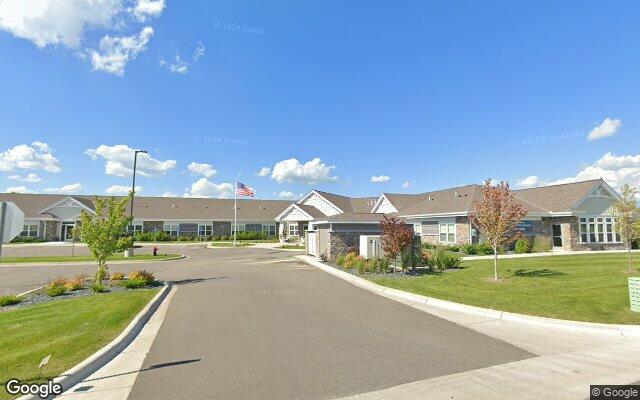
A medium home, reviewed on public record.
Compared to 187 Minnesota facilities with a similar number of beds.
ALF memory care · 36-month window. Higher percentile = better performance on inspection record. Source: Minnesota Dept. of Health · Health Regulation Division.
among peers to rank.
Rankings based on 36-month MDH inspection data. Severity and frequency: fewer citations = higher percentile. Repeat rate: lower repeat citation share = higher percentile.
Citation history, plotted month by month.
1 deficiency on record. Each bar is a month with a citation.
Finding distribution
1 total · 36 monthsScope × Severity (CMS A–L)
Questions to ask before you visit.
A short pre-tour checklist tailored to Norbella Centerville's record and state requirements.
The most recent MDH inspection on October 22, 2025 found zero deficiencies across all 40 licensed beds — can you walk us through the internal quality assurance processes that help maintain compliance, and how often do supervisors audit documentation?
Ask the operator on tour. Take notes and compare answers across facilities you visit.
Three complaints were filed with the Minnesota Department of Health during the inspection period on file — can you share whether any of those complaints were substantiated, and if so, what corrective actions the facility implemented in response?
Ask the operator on tour. Take notes and compare answers across facilities you visit.
Minnesota Statutes chapter 144G requires facilities with dementia care licensure to maintain written policies describing how memory care services differ from standard assisted living — can you provide a copy of those policies during the tour and explain how staff training aligns with them?
Ask the operator on tour. Take notes and compare answers across facilities you visit.
Every inspection visit, verbatim.
5 inspections in the public record, most recent first. Plain-language summaries open first — click into any row for the full citation text.
2026-05-11Complaint InvestigationNo findings
2025-10-22Annual Compliance VisitNo findings
Plain-language summary
A routine inspection of this facility on October 24, 2025 found a violation related to fire protection and the physical environment, resulting in a $500 fine assessed at Level 2. The facility must document within a specified timeframe how it corrected this violation and what changes it made to prevent similar issues in the future.
Read full citation textHide full citation text
Read raw inspector notesClose inspector notes
correction orders and document the actions taken to comply in the facility's records. The Department reserves the right to return to the facility at any time should the Department receive a complaint or deem it necessar yto ensure the health, safety, and welfare of residents in your care. STATE CORRECTIO ONRDERS The enclosed State Form documents the state correction orders. MDH documents state licensing correction orders using federal software. Tag numbers are assigned to Minnesota state statutes for Assisted Living Facilities .The assigned tag number appears in the far left column entitled "ID Prefix Tag". The state statute number and the corresponding text of the state statute out of compliance are listed in the "Summary Statemen tof Deficiencies "column. This column also includes the findings that are in violation of the state statute after the statement, "This MN Requiremen tis not met as evidenced by . . ." IMPOSITION OF FINES In accordance with Minn. Stat. § 144G3. 1, Subd .4, fines and enforcement actions may be imposed based on the level and scope of the violations and may be imposed immediately with no opportunity to correct the violation first as follows: Leve l1: no fines or enforcement; Leve l2: a fine of $500 per violation, in addition to any enforcement mechanism authorized in § 144G2. 0; Leve l3: a fine of $1,000 per incident, in addition to any enforcement mechanism authorized in § 144G2. 0; An equal opportunity employer . Letter ID: IS7N REVISE 0D9/13/2021 Norbella Centerville Novembe r5, 2025 Page 2 Leve l4: a fine of $3,000 per incident, in addition to any enforcement mechanism authorized in § 144G2. 0; Leve l5: a fine of $5,000 per violation, in addition to any enforcement mechanism authorized in § 144G2. 0. Therefore ,in accordance with Minn. Stat. §§ 144G0. 1 to 144G9. 999, the following fines are assessed pursuant to this survey: St - 0 - 0775 - 144g.45 Subd. 2. (a) - Fire Protection And Physica lEnvironment - $500.00 Therefore ,in accordance with Minn. Stat. §§ 144G0. 1 to 144G9. 999, the total amount you are assesse dis $500.00. You will be invoiced approximately 30 days after receipt of this notice, subject to . appeal DOCUMENTATIO ONF ACTION TO COMPLY In accordance with Minn. Stat. § 144G3. 0, Subd .5(c), the licensee must docum ent actions taken to comply with the correction orders within the time period outlined on the state form; however, plans of correction are not required to be submitted for approval. The correction order documentation should include the following: x Identify how the area(s) of noncompliance was corrected related to the resident(s)/ employees( ) identified in the correction order. x Identify how the area(s) of noncompliance was corrected for all of the provider’s resident(s)/ employees that may be affected by the noncompliance. x Identify what changes to your systems and practices were made to ensure compliance with the specific statute(s). CORRECTIO ONRDER RECONSIDERATI OPRNOCESS In accordance with Minn. Stat. § 144G3. 2, Subd .2, you may challenge the correction order(s) issued, including the level and scope ,and any fine assesse dthrough the correction order reconsideration process .The request for reconsideration must be in writing and received by MDH within 15 calendar days of the correction order receipt date. To submit a reconsideration request, please visit: https:/ / forms.web.health.state.mn.us/form/ HRDAppealsForm REQUESTIN AG HEARING Alternatively ,in accordance with Minn. Stat. § 144G3. 1, Subd .5(d), an assisted living provider that has been assesse da fine under this subdivision has a right to a reconsideration or a hearing under this section and chapter 14. Pursuan tto Minn. Stat. § 144G2. 0, Subd .14 and Subd .18, a request for a hearing must be in writing and received by the Department of Health within 15 business days of the correction order receipt date. The request must contain a brief and plain statement describing each matter or issue contested and any new information you believe constitutes a defense or mitigating factor. Norbella Centerville Novembe r5, 2025 Page 3 To submit a hearing request, please visit: https:/ / forms.web.health.state.mn.us/form/ HRDAppealsForm To appea lfines via reconside ration, please follow the pr ocedur e outlined above. Plea se note that you may request a reconsideration or a hearing, but not both. If you wish to contest tags without fines in a reconsideration and tags with the fines at a hearing, please submit two separate appeals forms at the website listed above. The MDH Health Regulation Division (HRD )values your feedback about your experience during the survey and/or investigation process .Please fill out this anonymous provider feedback questionnaire at your convenience at this link: https:/ / forms.office.com/g/ Bm5uQEpHV.a Your input is important to us and will enable MDH to improve its processe sand communication with providers . If you have any questions regarding the questionnaire ,please contact Susan Winkelmann at susanw. inkelmann@state.mn.us or call 651-201-5952. You are encouraged to retain this document for your records . It is your responsibility to share the information contained in the letter and state form with your organizations’ Governing Body. If you have any questions ,please contact me. Sincerely, Kelly Thorson ,Supervisor State Evaluation Team Email: Kelly.Thorson@state.mn.us Telephone :320-223-7336 Fax :1-866-890-9290 CLN PRINTED: 11/05/2025 FORM APPROVED STATEMENT OF DEFICIENCIES (X1) PROVIDER/SUPPLIER/CLIA (X2) MULTIPLE CONSTRUCTION (X3) DATE SURVEY AND PLAN OF CORRECTION IDENTIFICATION NUMBER: COMPLETED A. BUILDING: ______________________ B. WING _____________________________ 39268 10/24/2025 NAME OF PROVIDER OR SUPPLIER STREET ADDRESS, CITY, STATE, ZIP CODE 2025 MICHAUD WAY NORBELLA CENTERVILLE CENTERVILLE, MN 55038 SUMMARY STATEMENT OF DEFICIENCIES PROVIDER'S PLAN OF CORRECTION (X4) ID ID (X5) (EACH DEFICIENCY MUST BE PRECEDED BY FULL (EACH CORRECTIVE ACTION SHOULD BE COMPLETE PREFIX PREFIX REGULATORY OR LSC IDENTIFYING INFORMATION) CROSS-REFERENCED TO THE APPROPRIATE DATE TAG TAG DEFICIENCY) 0 000 Initial Comments 0 000 *****ATTENTION***** Minnesota Department of Health is documenting the State Correction Orders ASSISTED LIVING PROVIDER LICENSING using federal software. Tag numbers have CORRECTION ORDER(S) been assigned to Minnesota State Statutes for Assisted Living Facilities. The In accordance with Minnesota Statutes, section assigned tag number appears in the 144G.08 to 144G.95, these correction orders are far-left column entitled "ID Prefix Tag." issued pursuant to a survey. The state Statute number and the corresponding text of the state Statute out Determination of whether violations are corrected of compliance is listed in the "Summary requires compliance with all requirements Statement of Deficiencies" column. This provided at the Statute number indicated below. column also includes the findings which When Minnesota Statute contains several items, are in violation of the state requirement failure to comply with any of the items will be after the statement, "This Minnesota considered lack of compliance. requirement is not met as evidenced by." Following the evaluators ' findings is the INITIAL COMMENTS: Time Period for Correction. SL39268016-0 PLEASE DISREGARD THE HEADING OF THE FOURTH COLUMN WHICH On October 20, 2025, through October 22, 2025, STATES,"PROVIDER'S PLAN OF the Minnesota Department of Health conducted a CORRECTION." THIS APPLIES TO full survey at the above provider and the FEDERAL DEFICIENCIES ONLY. THIS following correction orders are issued. At the time WILL APPEAR ON EACH PAGE. of the survey, there were 38 residents; 38 receiving services under the Assisted Living THERE IS NO REQUIREMENT TO Facility with Dementia Care license. SUBMIT A PLAN OF CORRECTION FOR VIOLATIONS OF MINNESOTA STATE STATUTES. THE LETTER IN THE LEFT COLUMN IS USED FOR TRACKING PURPOSES AND REFLECTS THE SCOPE AND LEVEL ISSUED PURSUANT TO 144G.31 SUBDIVISION 1-3. 0 480 144G.41 Subdivision 1 Subd. 1a (a-b) Minimum 0 480 SS=F requirements; required food services LABORATORY DIRECTOR'S OR PROVIDER/SUPPLIER REPRESENTATIVE'S SIGNATURE TITLE (X6) DATE STATE FORM 6899 OM3S11 If continuation sheet 1 of 20 PRINTED: 11/05/2025 FORM APPROVED STATEMENT OF DEFICIENCIES (X1) PROVIDER/SUPPLIER/CLIA (X2) MULTIPLE CONSTRUCTION (X3) DATE SURVEY AND PLAN OF CORRECTION IDENTIFICATION NUMBER: COMPLETED A. BUILDING: ______________________ B. WING _____________________________ 39268 10/24/2025 NAME OF PROVIDER OR SUPPLIER STREET ADDRESS, CITY, STATE, ZIP CODE 2025 MICHAUD WAY NORBELLA CENTERVILLE CENTERVILLE, MN 55038 SUMMARY STATEMENT OF DEFICIENCIES PROVIDER'S PLAN OF CORRECTION (X4) ID ID (X5) (EACH DEFICIENCY MUST BE PRECEDED BY FULL (EACH CORRECTIVE ACTION SHOULD BE COMPLETE PREFIX PREFIX REGULATORY OR LSC IDENTIFYING INFORMATION) CROSS-REFERENCED TO THE APPROPRIATE DATE TAG TAG DEFICIENCY) 0 480 Continued From page 1 0 480 (a) Except as provided in paragraph (b), food must be prepared and served according to the Minnesota Food Code, Minnesota Rules, chapter 4626.
2025-04-02Complaint InvestigationSubstantiated Finding · 1 finding
Plain-language summary
MDH investigated a complaint of neglect and substantiated it, finding the facility responsible for maltreatment. A resident reported severe hip and arm pain over several days, but nursing staff failed to properly assess the new pain, monitor whether prescribed muscle spasm medication was working, or notify the resident's doctor; the resident was later hospitalized and diagnosed with a hip fracture. Additionally, the facility failed to perform ordered daily wound care on the resident's left big toe, and staff did not report when the wound reopened, resulting in infection.
Read full citation text (1)Hide full citation text
“MDH substantiated maltreatment or licensing violation finding”
Read raw inspector notesClose inspector notes
Finding: Substantiated, facility responsibility Nature of Visit: The Minnesota Department of Health investigated an allegation of maltreatment, in accordance with the Minnesota Reporting of Maltreatment of Vulnerable Adults Act, Minn. Stat. 626.557, and to evaluate compliance with applicable licensing standards for the provider type. Initial Investigation Allegation(s): The facility neglected a resident when they failed to address a change in the resident’s condition after the resident complained of severe pain for days. The resident was later hospitalized and diagnosed with a hip fracture. In addition, the facility failed to perform daily wound care to the resident’s left big toe as ordered by the resident’s medical provider. Investigative Findings and Conclusion: The Minnesota Department of Health determined neglect was substantiated. The facility was responsible for the maltreatment. The resident had a history of muscle spasms and periodically An equal opportunity employer. took tizanidine (medication to relieve muscle spasms) for her muscle spasms. Days before the resident was hospitalized she complained of a new different pain in her left hip and arm, but facility nurses failed to assess the resident’s new pain or update the resident’s medical provider. Instead, the facility continued to administer tizanidine without monitoring the effectiveness of the medication. The resident’s pain was unrelieved and continued to worsen over several days until the resident’s family arrived at the facility and called 911. The resident was transported to the hospital and diagnosed with a hip fracture. In addition, the resident was diabetic and was completely dependent on staff for cares including daily skin checks and monitoring a wound on her left big toe. Staff were to immediately report skin concerns to nursing staff, yet facility staff failed to notify nursing when the resident’s left big toe wound reopened at an unknown date. The resident developed a red, swollen, weeping, wound on her left big toe. The investigator conducted interviews with facility staff members, including administrative staff, nursing staff, and unlicensed staff. The resident’s family members were interviewed. The investigation included review of the resident’s facility record, death record, physician’s orders, photos of the resident’s wound on her left big toe, hospital record, hospice record, in-house provider record, facility internal investigation report, and facility incident reports. In addition, personnel files, staff schedules, and related facility policy and procedures were reviewed. The investigator observed staff and resident cares during the onsite investigation. The resident resided in an assisted living facility. The resident’s diagnoses included cerebral infarction (stroke), left-sided hemiparesis (paralysis), Type 2 diabetes mellitus, and left neck of femur fracture (hip fracture). The resident’s assessment indicated the resident was alert and oriented and able to make her needs known. The resident used an electric wheelchair for mobility and required a full mechanical sling lift (Hoyer) for all transfers with the assistance of two staff. The resident’s service plan indicated the resident was completely dependent on staff for her cares. The resident received daily skin checks and twice weekly bathing with the assistance of two unlicensed personnel. Unlicensed personnel were to immediately report skin concerns to nursing staff. The resident’s medication administration record indicated the resident was prescribed as needed (prn) medication for muscle spasms (tizanidine), 2 milligrams (mg), one tablet by mouth up to two times per day. The resident’s progress note indicated early one morning at 5:18 a.m. unlicensed personnel called the after hours on-call registered nurse (RN) requesting the resident’s prn tizanidine after the resident reported a different, new pain in her left arm and hip. The on-Call registered nurse gave unlicensed personnel a verbal okay to administer 2 mg of tizanidine. Unlicensed personnel were to call back if the tizanidine was not effective in reducing the resident’s pain. Five nights later at 1:49 a.m., unlicensed personnel called the afterhours nurse after the resident rated her pain 10/10. (The worst pain experienced). The on-call nurse advised unlicensed personnel to administer the resident’s tizanidine and requested unlicensed personnel obtain a pain score after administering the medication to monitor its effectiveness, but the resident’s record indicated a pain score was never obtained or reported to the on-call nurse. In addition, the on-call nurse failed to follow-up on the resident’s reported 10/10 pain or updated the resident’s medical provider. Two days later at 3:27 a.m., the resident complained of pain and spasms in her left arm and leg. The on-call nurse advised unlicensed personnel to administer 2 mg of tizanidine requesting unlicensed personnel to call back if the medication was not effective in reducing the resident’s pain. The resident’s record lacked documentation the resident’s medical provider was updated. Hours later, communication notes from a facility nurse to the resident’s medical provider indicated the nurse reported the resident was in “a lot of pain” even after days of administering tizanidine. The nurse indicated staff were unable to perform the resident’s cares due to the severity of the resident’s pain level, indicating the resident requested her tizanidine almost every night. The nurse asked the physician if the medical provider could prescribe something for pain management. The resident’s medical provider responded, requesting the facility confirm the resident’s current prn pain medication however, the facility failed to reply to the medical provider’s request. The following day, unlicensed personnel called the on-call nurse, concerned the resident had been in “a lot of pain” for the past several days. Unlicensed personnel stated the onsite nurse was aware of the resident’s pain and stated the resident’s family members observed the resident’s left foot was black and blue with an open wound on her left big toe, stating the “sore is pretty big.” The on-call nurse documented she could hear the resident yelling and screaming in pain. The resident’s family members called 911. During several days the resident reported increased pain, facility nurses failed to assess the resident to determine the source of the resident’s increased pain, implement interventions, monitor the effectiveness of the resident’s prn muscle spasm medication, or update the resident’s medical provider. The resident’s service delivery record indicated the resident never received any wound cleaning or wound monitoring for several weeks prior to her hospitalization. The resident’s hospital record indicated the resident’s left leg was notably red and swollen when she arrived at the hospital. The resident was diagnosed with a closed left hip fracture. Family members questioned why the facility allowed the resident’s increased pain to go unchecked for days. The resident’s open wound on her left big toe was red, swollen, and measured 3 centimeters (cm) x 2 cm with no measurable depth. A thin layer of dead tissue (slough) was on the wound with moderate clear drainage and tender to touch. Daily wound care was initiated, and the resident’s big toe was monitored for signs of infection. A hospital doctor documented, "I have concerns that there was neglect at the facility given the severity of pain, edema (swelling) in her leg, and report that this has been going on for days without evaluation." Hospital doctors suspected the resident’s left hip fracture was 10 days old, indicating because of the length of time that passed hip surgery would not be an option for the resident. The resident was hospitalized for seven days then discharged back to the facility and admitted to hospice. The resident never returned to her baseline status and died one month later. The facility’s internal investigation indicated the resident had a history of complaining about muscle spasms but complained about new pain in her left hip and arm days before she was hospitalized. When interviewed, unlicensed staff stated the resident’s prn muscle spasm medication seemed ineffective because the resident continued to yell out in pain, stating the resident would not let staff perform cares due to the severity of her pain level. Staff were educated on the importance of skin checks and alerting the nurse of new wounds. During an interview, an unlicensed personnel stated the resident’s pain increased dramatically one week prior to the resident was hospitalized for her hip fracture stating, “It came out of nowhere. Every time we tried to roll her she would scream in pain.” The unlicensed personnel stated staff updated nursing staff each time the resident screamed but stated nursing did nothing other than telling staff to keep administering the resident’s prescribed tizanidine.
2024-10-16Complaint InvestigationNo findings
Plain-language summary
The Minnesota Department of Health investigated a complaint that an unlicensed caregiver swore at a resident; the investigation found the allegation inconclusive because while a staff member overheard swearing and video showed the caregiver was in the room, the available evidence was insufficient to determine if the behavior occurred or met the definition of abuse. A bruise was noted on the resident's hand the day after the incident, but staff believed it resulted from an intravenous line the resident had received at the emergency department three days earlier. The facility completed an internal investigation, provided staff re-education on abuse, and terminated the alleged perpetrator's employment.
Read full citation textHide full citation text
Read raw inspector notesClose inspector notes
Finding: Inconclusive Nature of Investigation: The Minnesota Department of Health investigated an allegation of maltreatment, in accordance with the Minnesota Reporting of Maltreatment of Vulnerable Adults Act, Minn. Stat. 626.557, and to evaluate compliance with applicable licensing standards for the provider type. Initial Investigation Allegation(s): The alleged perpetrator abused the resident when she swore at the resident. Investigative Findings and Conclusion: The Minnesota Department of Health determined abuse was inconclusive. While the alleged perpetrator was in the resident’s room when swearing was reportedly overheard. The findings available to the investigation were not sufficient to determine if the behavior the occurred nor if it met the definition of abuse. The investigator conducted interviews with facility staff members, including administrative staff, nursing staff, and unlicensed staff. The investigator contacted law enforcement, family members and outside care providers for the resident. The investigation included review of the resident record, facility records, employee records, law enforcement records and facility policies. Also, the investigator observed interactions between staff, residents, and visitors. The resident resided in an assisted living memory care unit The resident’s diagnoses included Alzheimer’s disease, recurrent falls, and occasional incontinence. The resident’s service plan included assistance with transferring, toileting, dressing and bathing. The resident’s assessment indicated the resident had falls related to impulsive moves to get out of her wheelchair. The resident’s assessment also indicated the resident was pleasant but confused with moderate disorientation to person, place and time. The resident’s record identified facility initiated an internal investigation after it was informed the alleged perpetrator, who was an unlicensed caregiver, was overheard swearing at the resident. The record also indicated the day after the incident, a bruise was noted on the residents left hand. The internal investigation included a statement from an employee who said she was working in the general area of the resident’s room when she overhead the AP swearing inappropriately. The same document indicated video footage showed the AP was in the resident’s room when this event allegedly took place. However, the footage did not include audio. During an interview, a nurse stated the resident was questioned about the incident, but the resident could not recall anything incident. The nurse also stated it is unclear how the bruise happened on the resident’s hand. During an interview, an unlicensed caregiver who was familiar with the resident stated she believed the bruise on the resident’s hand was from an intravenous infusion the resident had when she was at the emergency department. The residents record also indicated she had been sent to the emergency room three days before this incident. During an interview, the alleged perpetrator denied ever speaking to a resident in such a way. In conclusion, the Minnesota Department of Health determined abuse was inconclusive. Inconclusive: Minnesota Statutes, section 626.5572, Subdivision 11. "Inconclusive" means there is less than a preponderance of evidence to show that maltreatment did or did not occur. Abuse: Minnesota Statutes section 626.5572, subdivision 2. "Abuse" means: (a) An act against a vulnerable adult that constitutes a violation of, an attempt to violate, or aiding and abetting a violation of: (1) assault in the first through fifth degrees as defined in sections 609.221 to 609.224; (2) the use of drugs to injure or facilitate crime as defined in section 609.235; (3) the solicitation, inducement, and promotion of prostitution as defined in section 609.322; and (4) criminal sexual conduct in the first through fifth degrees as defined in sections 609.342 to 609.3451. A violation includes any action that meets the elements of the crime, regardless of whether there is a criminal proceeding or conviction. (b) Conduct which is not an accident or therapeutic conduct as defined in this section, which produces or could reasonably be expected to produce physical pain or injury or emotional distress including, but not limited to, the following: (1) hitting, slapping, kicking, pinching, biting, or corporal punishment of a vulnerable adult; (2) use of repeated or malicious oral, written, or gestured language toward a vulnerable adult or the treatment of a vulnerable adult which would be considered by a reasonable person to be disparaging, derogatory, humiliating, harassing, or threatening; Vulnerable Adult interviewed: attempted but cognitively impaired Family/Responsible Party interviewed: Yes Alleged Perpetrator interviewed: Yes Action taken by facility: The facility completed an internal investigation and then provided re-education to staff on what abuse can sound like. The facility no longer employed the alleged perpetrator. Action taken by the Minnesota Department of Health: No further action at this time. cc: The Office of Ombudsman for Long Term Care The Office of Ombudsman for Mental Health and Developmental Disabilities PRINTED: 10/17/2024 FORM APPROVED STATEMENT OF DEFICIENCIES (X1) PROVIDER/SUPPLIER/CLIA (X2) MULTIPLE CONSTRUCTION (X3) DATE SURVEY AND PLAN OF CORRECTION IDENTIFICATION NUMBER: COMPLETED A. BUILDING: ______________________ C B. WING _____________________________ 39268 09/24/2024 NAME OF PROVIDER OR SUPPLIER STREET ADDRESS, CITY, STATE, ZIP CODE 2025 MICHAUD WAY NORBELLA CENTERVILLE CENTERVILLE, MN 55038 SUMMARY STATEMENT OF DEFICIENCIES PROVIDER'S PLAN OF CORRECTION (X4) ID ID (X5) PREFIX (EACH DEFICIENCY MUST BE PRECEDED BY FULL PREFIX (EACH CORRECTIVE ACTION SHOULD BE COMPLETE REGULATORY OR LSC IDENTIFYING INFORMATION) CROSS-REFERENCED TO THE APPROPRIATE DATE TAG TAG DEFICIENCY) 0 000 Initial Comments 0 000 On September 24, 2024, the Minnesota Department of Health initiated an investigation of complaint #HL392687558C/#HL392685427M. No correction orders are issued. LABORATORY DIRECTOR'S OR PROVIDER/SUPPLIER REPRESENTATIVE'S SIGNATURE TITLE (X6) DATE STATE FORM 6899 NYYD11 If continuation sheet 1 of 1
2023-10-20Complaint InvestigationNo findings
Plain-language summary
The Minnesota Department of Health investigated a complaint that three unlicensed caregivers neglected a resident by failing to provide required safety checks and comfort care during a night shift, but the investigation was inconclusive because there was insufficient evidence to show whether the resident's care was not provided or whether it affected the outcome. The resident, who was on hospice care and expected to decline, was found deceased by day staff; electronic documentation showed overnight staff recorded completing four safety checks, though staff interviews and the licensed nurse's observations raised questions about whether all scheduled tasks were actually performed. The facility has terminated the three alleged perpetrators, and the Minnesota Department of Health took no further action.
Read full citation textHide full citation text
Read raw inspector notesClose inspector notes
Finding: Inconclusive Nature of Investigation: The Minnesota Department of Health investigated an allegation of maltreatment, in accordance with the Minnesota Reporting of Maltreatment of Vulnerable Adults Act, Minn. Stat. 626.557, and to evaluate compliance with applicable licensing standards for the provider type. Initial Investigation Allegation(s): The alleged perpetrators (APs), three unlicensed caregivers, neglected the resident when the APs failed to follow the resident’s care plan and provide safety checks and comfort cares over the night shift. Investigative Findings and Conclusion: The Minnesota Department of Health determined neglect was inconclusive. Although, the resident passed away, the resident was on hospice cares was expected to decline based on her hospice diagnosis. The investigation found insufficient evidence the resident’s cares were not provided nor evidence it affected the outcome for the resident. A care plan was created for services the resident required and the APs documented the tasks were completed on their shift. The investigator conducted interviews with facility staff members, including administrative staff and unlicensed staff. The investigator contacted a family member. The investigation included An equal opportunity employer. review of the resident’s medical record, employee records, facility policy and procedures. Also, the investigator completed an onsite visit. The resident resided in an assisted living facility. The resident lived alone in her own apartment. The resident’s diagnoses included encephalopathy (damage or disease that affects brain function), respiratory failure, and kidney disease. The resident’s care plan included safety checks, repositioning, and incontinence care every two hours. The same care plan failed to indicate staff should also perform tasks “as needed.” The resident’s care plan also indicated the resident was bed bound with limited speech, non-ambulatory, weakness related to dying process, and fully dependent on two staff for bed mobility. The resident’s admission assessment indicated resident did not report pain and skin was intact. This same assessment indicated resident currently in the dying process and on hospice services. The nursing progress note indicated the day shift staff entered the resident’s room for morning rounds and found the resident unresponsive. The facility nurse was notified, assessed the resident, and found the resident to be deceased. The facility investigation notes indicated facility management called the alleged perpetrators who worked the overnight shift to discuss that the resident was found by day shift caregivers passed away. Facility management inquired of the APs if overnight cares had been provided according to the care plan. The same document indicated each of the APs said the care plan had been followed and there were no concerns to report off to the next shift. The same facility investigation notes indicated from the time of the last safety check until the time of the next safety check to be completed by morning staff there was a little over two-hour period where staff did not have scheduled checks on the resident. A review of licensed staff member’s written statement indicated she assessed the resident not to be breathing, cool to touch, and based on physical observation of the resident concluded overnight staff had not completed scheduled tasks for this resident. The electronic documentation of cares indicated overnight staff documented four times performed safety checks/cares staff checked on the resident in correlation to care plan. A review of the overnight shift communication report indicated the resident was stable. During interviews, separately each one of the APs stated the resident acknowledged when staff were in the room during rounds as indicated with eye contact or wave of the hand. The staff stated no safety checks had been missed and all tasks were completed every two hours as care planned. During an interview, facility administration stated no video cameras are present in the assisted living side of the facility nor was there a camera present in the resident’s room. During an interview, an unlicensed caregiver stated communication between shift changes occurs both verbally and in writing. The same caregiver stated when staff come on shift, they receive report, prepare for the shift, and thereafter, start safety checks on residents. In conclusion, the Minnesota Department of Health determined neglect was inconclusive. Inconclusive: Minnesota Statutes, section 626.5572, Subdivision 11. "Inconclusive" means there is less than a preponderance of evidence to show that maltreatment did or did not occur. Neglect: Minnesota Statutes, section 626.5572, subdivision 17 Neglect means neglect by a caregiver or self-neglect. (a) "Caregiver neglect" means the failure or omission by a caregiver to supply a vulnerable adult with care or services, including but not limited to, food, clothing, shelter, health care, or supervision which is: (1) reasonable and necessary to obtain or maintain the vulnerable adult's physical or mental health or safety, considering the physical and mental capacity or dysfunction of the vulnerable adult; and (2) which is not the result of an accident or therapeutic conduct. Vulnerable Adult interviewed: No, deceased. Family/Responsible Party interviewed: Yes. Alleged Perpetrator interviewed: Yes the Action taken by facility: The alleged perpetrators are no longer employed at the facility. Action taken by the Minnesota Department of Health: No further action. cc: The Office of Ombudsman for Long Term Care The Office of Ombudsman for Mental Health and Developmental Disabilities PRINTED: 10/25/2023 FORM APPROVED STATEMENT OF DEFICIENCIES (X1) PROVIDER/SUPPLIER/CLIA (X2) MULTIPLE CONSTRUCTION (X3) DATE SURVEY AND PLAN OF CORRECTION IDENTIFICATION NUMBER: COMPLETED A. BUILDING: ______________________ C B. WING _____________________________ 39268 06/28/2023 NAME OF PROVIDER OR SUPPLIER STREET ADDRESS, CITY, STATE, ZIP CODE 2025 MICHAUD WAY NORBELLA CENTERVILLE CENTERVILLE, MN 55038 SUMMARY STATEMENT OF DEFICIENCIES PROVIDER'S PLAN OF CORRECTION (X4) ID ID (X5) PREFIX (EACH DEFICIENCY MUST BE PRECEDED BY FULL PREFIX (EACH CORRECTIVE ACTION SHOULD BE COMPLETE REGULATORY OR LSC IDENTIFYING INFORMATION) CROSS-REFERENCED TO THE APPROPRIATE DATE TAG TAG DEFICIENCY) 0 000 Initial Comments 0 000 On June 28, 2023, the Minnesota Department of Health initiated an investigation of complaint #HL392687128C/#HL392684164M. No correction orders are issued. LABORATORY DIRECTOR'S OR PROVIDER/SUPPLIER REPRESENTATIVE'S SIGNATURE TITLE (X6) DATE STATE FORM 6899 NDXC11 If continuation sheet 1 of 1
1 older inspection from 2023 are not shown above.
Get the complete record, translated into plain language — emailed to you.
Other facilities in Centerville.
Other memory care facilities near Centerville with similar care offerings.
Tour Prep
Family reviews
No reviews yet — be the first to share your experience