Northern Lakes Senior Living.
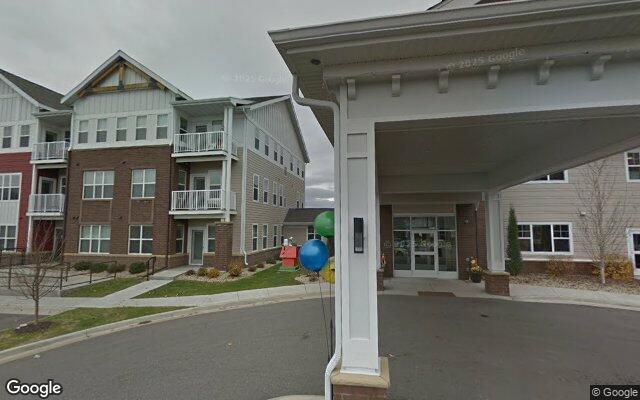
A large home, reviewed on public record.
Compared to 143 Minnesota facilities with a similar number of beds.
ALF memory care · 36-month window. Higher percentile = better performance on inspection record. Source: Minnesota Dept. of Health · Health Regulation Division.
among peers to rank.
Rankings based on 36-month MDH inspection data. Severity and frequency: fewer citations = higher percentile. Repeat rate: lower repeat citation share = higher percentile.
Citation history, plotted month by month.
1 deficiency on record. Each bar is a month with a citation.
Finding distribution
1 total · 36 monthsScope × Severity (CMS A–L)
Questions to ask before you visit.
A short pre-tour checklist tailored to Northern Lakes Senior Living's record and state requirements.
MDH records show 5 inspection reports with 0 deficiencies and 0 serious citations — can you walk us through your most recent inspection from July 30, 2025, and share the written report showing how the facility maintained compliance across all dementia care standards?
Ask the operator on tour. Take notes and compare answers across facilities you visit.
Three complaints were filed with the Minnesota Department of Health during the inspection period on file — were any of those complaints substantiated, and can you provide documentation of any corrective actions the facility implemented in response?
Ask the operator on tour. Take notes and compare answers across facilities you visit.
This facility holds an Assisted Living Facility with Dementia Care license under Minnesota Statutes chapter 144G — can you describe the specific dementia care program you operate, and provide families with a written copy of your dementia care policies and staff competency requirements?
Ask the operator on tour. Take notes and compare answers across facilities you visit.
Every inspection visit, verbatim.
4 inspections in the public record, most recent first. Plain-language summaries open first — click into any row for the full citation text.
2025-11-20Complaint InvestigationNo findings
Plain-language summary
A complaint investigation found that a resident taking potassium was hospitalized with dangerously high potassium levels and acute kidney injury after staff crushed the medication despite a "Do Not Crush" label on the pharmacy card; the resident's nurse failed to note on the medication record that the drug should not be crushed, and unlicensed staff did not see or follow the pharmacy's small warning label. The resident had kidney disease and congestive heart failure, and while crushing the medication may have contributed to the hospitalization, other existing health conditions made it impossible to determine with certainty whether the crushed potassium was the direct cause. The Minnesota Department of Health determined the neglect allegation was inconclusive due to insufficient evidence to prove maltreatment did or did not occur.
Read full citation textHide full citation text
Read raw inspector notesClose inspector notes
Finding: Inconclusive Nature of Investigation: The Minnesota Department of Health investigated an allegation of maltreatment, in accordance with the Minnesota Reporting of Maltreatment of Vulnerable Adults Act, Minn. Stat. 626.557, and to evaluate compliance with applicable licensing standards for the provider type. Initial Investigation Allegation(s): The facility neglected the resident when it failed to administer medications as prescribed. The medication administration record (MAR) did not include instructions that a medication should not be crushed. Staff crushed the medication, resulting in the resident being admitted to the hospital with an acute kidney injury. Investigative Findings and Conclusion: The Minnesota Department of Health determined neglect was inconclusive. The resident took potassium, a medication that cannot be crushed. If the medication is crushed, it can impact absorption and cause high potassium levels. The RN failed to include instructions on the resident’s medication administration record (MAR) that the medication was not to be crushed. The facility investigation determined unlicensed personnel (ULP) crushed at least 9 of 16 doses of the medications. The resident was hospitalized with hyperkalemia (high potassium) and an acute kidney injury. However, due to other comorbidities, it could not be determined if the potassium being crushed led to the resident’s hospitalization. The investigator conducted interviews with facility staff members, including administrative staff, nursing staff, and unlicensed staff. The investigator contacted the primary care provider. The investigation included review of the resident record, hospital records, pharmacy records, facility internal investigation, facility incident reports, staff schedules, and related facility policy and procedures. Also, the investigator observed medication administration at the facility. The resident resided in an assisted living facility. The resident’s diagnoses included kidney disease and congestive heart failure. The resident’s service plan included assistance with activities of daily living and medication administration. The resident’s assessment indicated the facility managed the resident’s medications and her medications were to be crushed. The resident moved into the facility eight days before she was hospitalized. The facility’s internal investigation indicated after the resident was hospitalized for hyperkalemia, a RN noticed that all of the resident’s medications were being crushed and she wondered if the potassium was being crushed as that may have had an effect on the resident’s potassium level. The facility identified that 9 of 16 doses were likely crushed after interviewing staff. In reviewing the electronic medical record, the facility identified that “Do Not Crush” was not clicked on the medication, which would have alerted staff to not crush the medication. The facility determined staff did not review the medication card, which had a “Do Not Crush” sticker on it and that the RN failed to complete a full medication reconciliation for admission medications when it was entered into the medication administration record. The RN failed to check medications upon arrival from the pharmacy for warnings and indications. Hospital records indicated the resident was seen in the urgent care clinic two days before she was hospitalized for complaints of nausea and retching. The resident’s antibiotic for a urinary tract infection was discontinued and the resident returned to the facility. Upon arrival to the emergency room two days later, the resident’s potassium level was 7 (levels above 5 are considered high and can cause life-threatening heart problems, muscle weakness, or paralysis). The resident was diagnosed with an acute kidney injury and severe life-threatening hyperkalemia (high potassium). The resident was hospitalized for five days and discharged to a different facility. Unlicensed personnel (ULP) who administered some of the doses of potassium to the resident were interviewed. The ULP stated they were not previously aware potassium could not be crushed and they did not recall seeing instructions on the MAR or on the medication card. One ULP stated she brought the medication to the resident’s room and the resident said she wasn’t able to swallow it and it had to be crushed so she and the resident’s daughter crushed it with a spoon to make it easier for the resident to take. During an interview, a facility RN stated after the resident was hospitalized, another facility nurse was meeting with staff at shift change and while talking with the ULP, it was discovered at that point some staff were crushing the potassium. The RN stated the facility began investigating and determined the order was not written to include “do not crush” so it was not put on the MAR and staff did not catch it was not on the MAR. The RN stated the pharmacy had recently changed its labels and while the card had “do not crush” on it, it was written in a different spot and was very small and staff reported they had not seen that on there. In conclusion, the Minnesota Department of Health determined neglect was inconclusive. Inconclusive: Minnesota Statutes, section 626.5572, Subdivision 11. "Inconclusive" means there is less than a preponderance of evidence to show that maltreatment did or did not occur. Neglect: Minnesota Statutes, section 626.5572, subdivision 17 “Neglect” means neglect by a caregiver or self-neglect. (a) "Caregiver neglect" means the failure or omission by a caregiver to supply a vulnerable adult with care or services, including but not limited to, food, clothing, shelter, health care, or supervision which is: (1) reasonable and necessary to obtain or maintain the vulnerable adult's physical or mental health or safety, considering the physical and mental capacity or dysfunction of the vulnerable adult; and (2) which is not the result of an accident or therapeutic conduct. Vulnerable Adult interviewed: Unable Family/Responsible Party interviewed: Yes Alleged Perpetrator interviewed: Not Applicable Action taken by facility: The facility identified the medication error after the resident was hospitalized and investigated the incident. The facility reported the incident to MAARC and retrained staff on medication administration. Action taken by the Minnesota Department of Health: No further action taken at this time. cc: The Office of Ombudsman for Long Term Care The Office of Ombudsman for Mental Health and Developmental Disabilities PRINTED: 11/25/2025 FORM APPROVED STATEMENT OF DEFICIENCIES (X1) PROVIDER/SUPPLIER/CLIA (X2) MULTIPLE CONSTRUCTION (X3) DATE SURVEY AND PLAN OF CORRECTION IDENTIFICATION NUMBER: COMPLETED A. BUILDING: ______________________ C B. WING _____________________________ 31987 09/25/2025 NAME OF PROVIDER OR SUPPLIER STREET ADDRESS, CITY, STATE, ZIP CODE 8186 EXCELSIOR ROAD NORTHERN LAKES SENIOR LIVING BAXTER, MN 56425 SUMMARY STATEMENT OF DEFICIENCIES PROVIDER'S PLAN OF CORRECTION (X4) ID ID (X5) (EACH DEFICIENCY MUST BE PRECEDED BY FULL (EACH CORRECTIVE ACTION SHOULD BE COMPLETE PREFIX PREFIX REGULATORY OR LSC IDENTIFYING INFORMATION) CROSS-REFERENCED TO THE APPROPRIATE DATE TAG TAG DEFICIENCY) 0 000 Initial Comments 0 000 On September 25, 2025, the Minnesota Department of Health initiated an investigation of complaint #HL319875743M/ #HL319873628C. No correction orders are issued. LABORATORY DIRECTOR'S OR PROVIDER/SUPPLIER REPRESENTATIVE'S SIGNATURE TITLE (X6) DATE STATE FORM 6899 9J0M11 If continuation sheet 1 of 1
2025-07-30Annual Compliance VisitNo findings
Plain-language summary
During a standard inspection on July 30, 2025, Northern Lakes Senior Living was found to be out of compliance with Minnesota fire protection and physical environment requirements under state statute 144G.45 Subd. 2(a). The facility was assessed a $500 fine for this violation and must document corrective actions taken to bring the building into compliance. The facility has the right to request reconsideration or a hearing within 15 business days of receiving this correction order.
Read full citation textHide full citation text
Read raw inspector notesClose inspector notes
CORRECTION ORDERS The enclosed State Form documents the state correction orders. MDH documents state licensing correction orders using federal software. Tag numbers are assigned to Minnesota state statutes for Assisted Living Facilities. The assigned tag number appears in the far left column entitled "ID Prefix Tag." The state statute number and the corresponding text of the state statute out of compliance are listed in the "Summary Statement of Deficiencies" column. This column also includes the findings that are in violation of the state statute after the statement, "This MN Requirement is not met as evidenced by . . ." IMPOSITION OF FINES In accordance with Minn. Stat. § 144G.31, Subd. 4, fines and enforcement actions may be imposed based on the level and scope of the violations and may be imposed immediately with no opportunity to correct the violation first as follows: Level 1: no fines or enforcement; Level 2: a fine of $500 per violation, in addition to any enforcement mechanism authorized in § 144G.20; Level 3: a fine of $1,000 per incident, in addition to any enforcement mechanism authorized in § 144G.20; Level 4: a fine of $3,000 per incident, in addition to any enforcement mechanism authorized in § 144G.20; Level 5: a fine of $5,000 per violation, in addition to any enforcement mechanism authorized in § 144G.20. Therefore, in accordance with Minn. Stat. §§ 144G.01 to 144G.9999, the following fines are assessed pursuant to this survey: An equal opportunity employer. Letter ID: IS7N REVISED 09/13/2021 Northern Lakes Senior Living September 19, 2025 Pa ge 2 St - 0 - 0775 - 144g.45 Subd. 2. (a) - Fire Protection And Physical Environment - $500.00 Therefore, in accordance with Minn. Stat. §§ 144G.01 to 144G.9999, the total amount you are assessed is $500.00. You will be invoiced approximately 30 days after receipt of this notice, subject to appeal. DOCUMENTATION OF ACTION TO COMPLY In accordance with Minn. Stat. § 144G.30, Subd. 5(c ), the licensee must document actions taken to comply with the correction orders within the time period outlined on the state form; however, plans of correction are not required to be submitted for approval. The correction order documentation should include the following: Identify how the area(s) of noncompliance was corrected related to the resident(s)/employee(s) identified in the correction order. Identify how the area(s) of noncompliance was corrected for all of the provider’s resident(s)/employees that may be affected by the noncompliance. Identify what changes to your systems and practices were made to ensure compliance with the specific statute(s). CORRECTION ORDER RECONSIDERATION PROCESS In accordance with Minn. Stat. § 144G.32, Subd. 2, you may challenge the correction order(s) issued, including the level and scope, and any fine assessed through the correction order reconsideration process. The request for reconsideration must be in writing and received by MDH within 15 calendar days of the correction order receipt date. To submit a reconsideration request, please visit: https://forms.web.health.state.mn.us/form/HRDAppealsForm REQUESTING A HEARING Alternatively, in accordance with Minn. Stat. § 144G.31, Subd. 5(d), an assisted living provider that has been assessed a fine under this subdivision has a right to a reconsideration or a hearing under this section and chapter 14. Pursuant to Minn. Stat. § 144G.20, Subd. 14 and Subd. 18, a request for a hearing must be in writing and received by the Department of Health within 15 business days of the correction order receipt date. The request must contain a brief and plain statement describing each matter or issue contested and any new information you believe constitutes a defense or mitigating factor. To submit a hearing request, please visit: https://forms.web.health.state.mn.us/form/HRDAppealsForm To appeal fines via reconsideration, please follow the procedure outlined above. Please note that you may request a reconsideration or a hearing, but not both . If you wish to contest tags without fines in Northern Lakes Senior Living September 19, 2025 Pa ge 3 a reconsideration and tags with the fines at a hearing, please submit two separate appeals forms at the website listed above. The MDH Health Regulation Division (HRD) values your feedback about your experience during the survey and/or investigation process. Please fill out this anonymous provider feedback questionnaire at your convenience at this link: https://forms.office.com/g/Bm5uQEpHVa. Your input is important to us and will enable MDH to improve its processes and communication with providers. If you have any questions regarding the questionnaire, please contact Susan Winkelmann at susan.winkelmann@state.mn.us or call 651-201-5952. You are encouraged to retain this document for your records. It is your responsibility to share the information contained in the letter and state form with your organization’s Governing Body. If you have any questions, please contact me. Sincerely, Jessie Chenze, Supervisor State Evaluation Team Email: Jessie.Chenze@state.mn.us Telephone: 218-332-5175 Fax: 1-866-890-9290 CLN PRINTED: 09/19/2025 FORM APPROVED STATEMENT OF DEFICIENCIES (X1) PROVIDER/SUPPLIER/CLIA (X2) MULTIPLE CONSTRUCTION (X3) DATE SURVEY AND PLAN OF CORRECTION IDENTIFICATION NUMBER: COMPLETED A. BUILDING: ______________________ B. WING _____________________________ 31987 07/30/2025 NAME OF PROVIDER OR SUPPLIER STREET ADDRESS, CITY, STATE, ZIP CODE 8186 EXCELSIOR ROAD NORTHERN LAKES SENIOR LIVING BAXTER, MN 56425 SUMMARY STATEMENT OF DEFICIENCIES PROVIDER'S PLAN OF CORRECTION (X4) ID ID (X5) PREFIX (EACH DEFICIENCY MUST BE PRECEDED BY FULL PREFIX (EACH CORRECTIVE ACTION SHOULD BE COMPLETE REGULATORY OR LSC IDENTIFYING INFORMATION) CROSS-REFERENCED TO THE APPROPRIATE DATE TAG TAG DEFICIENCY) 0 000 Initial Comments 0 000 *****ATTENTION***** Minnesota Department of Health is documenting the State Correction Orders ASSISTED LIVING PROVIDER LICENSING using federal software. Tag numbers have CORRECTION ORDER(S) been assigned to Minnesota State Statutes for Assisted Living Facilities. The In accordance with Minnesota Statutes, section assigned tag number appears in the 144G.08 to 144G.95, these correction orders are far-left column entitled "ID Prefix Tag." The issued pursuant to a survey. state Statute number and the corresponding text of the state Statute out Determination of whether violations are corrected of compliance is listed in the "Summary requires compliance with all requirements Statement of Deficiencies" column. This provided at the Statute number indicated below. column also includes the findings which When Minnesota Statute contains several items, are in violation of the state requirement failure to comply with any of the items will be after the statement, "This Minnesota considered lack of compliance. requirement is not met as evidenced by." Following the evaluators ' findings is the INITIAL COMMENTS: Time Period for Correction. SL31987016 PLEASE DISREGARD THE HEADING OF THE FOURTH COLUMN WHICH On July 28, 2025, through July 30, 2025, the STATES,"PROVIDER'S PLAN OF survey at the above provider and the following FEDERAL DEFICIENCIES ONLY. THIS correction orders are issued. At the time of the WILL APPEAR ON EACH PAGE. survey, there were 63 residents; 63 receiving services under the Assisted Living Facility with THERE IS NO REQUIREMENT TO Dementia Care license. SUBMIT A PLAN OF CORRECTION FOR VIOLATIONS OF MINNESOTA STATE STATUTES. THE LETTER IN THE LEFT COLUMN IS USED FOR TRACKING PURPOSES AND REFLECTS THE SCOPE AND LEVEL ISSUED PURSUANT TO 144G.31 SUBDIVISION 1-3. 0 485 144G.41 Subdivision 1.a (a) Minimum 0 485 SS=C requirements; required food services LABORATORY DIRECTOR'S OR PROVIDER/SUPPLIER REPRESENTATIVE'S SIGNATURE TITLE (X6) DATE STATE FORM 6899 XG9H11 If continuation sheet 1 of 14 PRINTED: 09/19/2025 FORM APPROVED STATEMENT OF DEFICIENCIES (X1) PROVIDER/SUPPLIER/CLIA (X2) MULTIPLE CONSTRUCTION (X3) DATE SURVEY AND PLAN OF CORRECTION IDENTIFICATION NUMBER: COMPLETED A. BUILDING: ______________________ B. WING _____________________________ 31987 07/30/2025 NAME OF PROVIDER OR SUPPLIER STREET ADDRESS, CITY, STATE, ZIP CODE 8186 EXCELSIOR ROAD NORTHERN LAKES SENIOR LIVING BAXTER, MN 56425 SUMMARY STATEMENT OF DEFICIENCIES PROVIDER'S PLAN OF CORRECTION (X4) ID ID (X5) PREFIX (EACH DEFICIENCY MUST BE PRECEDED BY FULL PREFIX (EACH CORRECTIVE ACTION SHOULD BE COMPLETE REGULATORY OR LSC IDENTIFYING INFORMATION) CROSS-REFERENCED TO THE APPROPRIATE DATE TAG TAG DEFICIENCY) 0 485 Continued From page 1 0 485 (a) All assisted living facilities must offer to provide or make available at least three nutritious meals daily with snacks available seven days per week, according to the recommended dietary allowances in the United States Department of Agriculture (USDA) guidelines, including seasonal fresh fruit and fresh vegetables. The menus must be prepared at least one week in advance and made available to all residents. The facility must encourage residents' involvement in menu planning. Meal substitutions must be of similar nutritional value if a resident refuses a food that is served. Residents must be informed in advance of menu changes. The facility must not require a resident to include and pay for meals in the resident's contract.
2024-11-19Complaint InvestigationSubstantiated Finding · 1 finding
Plain-language summary
A complaint investigation found that the facility neglected a resident by failing to follow up on an ordered urine sample for three weeks, which delayed diagnosis and treatment of a urinary tract infection, and by failing to repair a broken air conditioning unit or monitor the resident's condition, resulting in the resident being taken to the emergency room with heat exhaustion and dehydration. The facility was responsible for the maltreatment. The investigation included interviews with staff and the resident's medical providers, review of medical records, and observation of the resident's room and equipment.
Read full citation text (1)Hide full citation text
“MDH substantiated maltreatment or licensing violation finding”
Read raw inspector notesClose inspector notes
Finding: Substantiated, facility responsibility Nature of Investigation: The Minnesota Department of Health investigated an allegation of maltreatment, in accordance with the Minnesota Reporting of Maltreatment of Vulnerable Adults Act, Minn. Stat. 626.557, and to evaluate compliance with applicable licensing standards for the provider type. Initial Investigation Allegation(s): The facility neglected the resident when a urine sample was ordered but not followed up on by facility staff. After family noticed the issue, another sample was collected, and the resident was diagnosed with a urinary tract infection (UTI). The resident’s provider failed to write orders for antibiotics and the facility failed to follow up on orders for treatment of the UTI. The facility neglected the resident after her air conditioning unit quit working and facility staff failed to notice a change in condition with the resident and failed to repair the air conditioning unit after family notified the facility. The resident was later taken to the emergency room and diagnosed with dehydration and heat exhaustion. Investigative Findings and Conclusion: The Minnesota Department of Health determined neglect was substantiated. The facility was responsible for the maltreatment. The facility failed to collect a urine sample and failed to follow-up with a physician after the resident was diagnosed with a urinary tract infection (UTI) resulting in a delay in care. In addition, facility staff failed to ensure the resident’s air conditioner was in proper working order and failed to assess and follow-up on the resident’s change in condition. Days later, the resident was taken to the emergency room by family and diagnosed with heat exhaustion and dehydration. The investigator conducted interviews with facility staff members, including administrative staff, nursing staff, and unlicensed staff. The investigator contacted the resident’s primary care provider and ophthalmologist. The investigation included review of the resident records, hospital records, lab results, clinic visit notes, staff schedules, and related facility policies and procedures. Also, the investigator observed the resident’s room and air conditioning unit. The resident resided in an assisted living facility. The resident’s diagnoses included hypertension (high blood pressure), type two diabetes, and mild cognitive impairment. The resident’s service plan included assistance with safety checks two times per day, assistance with dressing, bathing, reminders for meals, and medication administration. The resident’s assessment indicated the resident was independent with transfers and mobility and relied on staff to administer medications. UTI The resident’s medical record indicated family voiced concerns about the resident’s increase in confusion. The registered nurse (RN) faxed the resident's provider and obtained an order for a urine analysis/urine culture (UA/UC). No follow-up was completed to ensure the sample was obtained and sent to the lab until one week later when the resident’s family alerted staff that a urine sample was left in the resident’s cabinet. A second urine sample had to be obtained and was brought to the lab eight days after the initial sample was ordered. The results of the culture indicated the resident had a UTI. Facility staff failed to follow-up on the results of the culture and no contact was made with a medical provider to treat the UTI. When the resident went to a scheduled ophthalmologist appointment two days later, the ophthalmologist noticed the resident was not being treated for the UTI and prescribed an antibiotic. Due to the untreated infection, the resident’s upcoming surgery was cancelled. The resident’s record contained two orders for antibiotics. One order written by the resident's ophthalmologist for Bactrim (an antibiotic) twice a day for ten days. The other order was written twos day later by the resident's primary care provider (PCP). The PCP reviewed the resident's urine culture results and wrote, "Culture growing bacteria. Needs antibiotic (I do not see anything started in my absence?) Macrobid sent to [pharmacy]. Advise ALF [assisted living facility]." During an interview, the resident's responsible party (RP) stated they had suspected the resident had a UTI and the resident was given a cup to collect a sample, which she did. The RP stated the resident placed the sample in a cabinet in her bathroom and no one at the facility followed up on the sample and no one noticed one was never done. The RP stated another family member was visiting the resident several days later and found the urine sample in a cabinet and notified staff. The RP stated the facility collected a second urine sample and a few days later, a notice in the electronic medical record said she had a UTI. The RP assumed the facility was aware of the positive result and that treatment was being obtained but found out later that her provider was on vacation, and nobody was monitoring emails or tests so no follow up happened. The RP stated when he brought the resident to her eye appointment the doctor noticed she wasn't being treated for the UTI, cancelled their surgery, and prescribed an antibiotic to treat the UTI. The RP stated the UTI went on for at least three weeks before the resident got a prescription. The RP felt this could have been prevented had the facility monitored and when they gave someone a cup to take a sample they should figure out where it is. During an interview, facility nursing staff stated the facility normally had a very good process for tracking and following up on lab orders but due to the holiday weekend, the provider being on vacation, and other staffing changes, the appropriate follow-up did not occur. The nurse stated the resident was given the collection cup and asked to notify staff when she had obtained a urine sample, but staff should have followed up to see if it was collected. During an interview, the resident’s PCP stated she would not consider the time it took to treat the resident's UTI timely and would have expected the facility to collect the sample within 48 hours and follow-up if they saw the resident had a UTI but no treatment was prescribed. AIR CONDITIONING The resident’s medical record indicated that an RN assessed the resident around 1:30 p.m. on Saturday after the resident complained of not feeling well. The RN documented that the room was very hot, so she turned the air conditioner on. The resident declined to go to the emergency room and declined for her family to be updated. The RN encouraged the resident to drink more fluids and requested staff to check in with the resident a couple times and pass on the next shift to alert the nurse if there was any change with the resident. No additional follow-up documentation was entered in the resident’s medical record until after the resident returned from an ER three days later with a diagnosis of heat exhaustion. The resident’s hospital records indicated she was brought to the emergency room on Tuesday after family visited the resident over the weekend and noticed her room was extremely warm and the air conditioner unit was malfunctioning. The resident had a decreased appetite, fatigue, generalized weakness, and a headache. Lab work indicated the resident's blood had elevated creatinine [an indicator of kidney health] which was documented as likely a result of dehydration and heat exhaustion from extreme heat in the room at the facility. The resident was diagnosed with heat exhaustion and dehydration and given intravenous (IV) fluids. During an interview, the resident's responsible party (RP) stated they spoke to management one week prior to the resident’s emergency room visit and was told some of the air conditioners were approaching ten years old and it was time to get replaced. Facility staff assured him it would get replaced. The RP stated when he spoke with the resident on Thursday, she said she was sick to her stomach and didn't want him to stop by. The RP stated he was going to pick her up Friday to go to the cabin, but she complained of not feeling well again and didn't want to go. The RP stated his wife came to visit on Monday morning and the resident was very lethargic, had a flushed face and when his wife looked in the resident's refrigerator, four days of meals were sitting untouched in the fridge. She noticed the air conditioner was still not working and the room was warm so she took the resident to their house to take care of her and see if they could get her to eat.
2024-03-05Complaint InvestigationNo findings
Plain-language summary
The Minnesota Department of Health investigated a complaint that the facility neglected a resident by failing to provide updated services that resulted in multiple falls; the investigation found the neglect allegation was not substantiated because the facility had implemented fall-prevention interventions and appropriately coordinated care with hospice as the resident's health declined from dementia and Parkinson's disease. Although the resident did fall seventeen times during the last two months of his life, no injuries were reported, and staff documentation and interviews with facility managers, family, the ombudsman, and the hospice nurse confirmed that caregivers provided the level of care required by the resident's service plan.
Read full citation textHide full citation text
Read raw inspector notesClose inspector notes
Finding: Not Substantiated Nature of Investigation: The Minnesota Department of Health investigated an allegation of maltreatment, in accordance with the Minnesota Reporting of Maltreatment of Vulnerable Adults Act, Minn. Stat. 626.557, and to evaluate compliance with applicable licensing standards for the provider type. Initial Investigation Allegation(s): The facility neglected the resident when the facility did not provide updated services resulting in multiple falls. Investigative Findings and Conclusion: The Minnesota Department of Health determined neglect was not substantiated. Although the resident did fall multiple times during the last two months of his life, the facility did put interventions in place to prevent falls and/or injury. While the resident did have a decline, he was enrolled in hospice and the facility coordinated cares with hospice appropriately. The investigator conducted interviews with facility staff members, including administrative staff, nursing staff, and unlicensed staff. The investigator contacted the resident's family member, the ombudsman and hospice nurse. The investigation included review of resident's records, incident reports, and the resident's external medical record. The resident resided in a secured memory care building within an assisted living facility. The resident’s diagnoses included dementia and Parkinson’s disease. The service plan indicated he required assistance of one person for walking, personal hygiene, dressing, and toileting. The caregivers were to remind the resident to use the bathroom and/or change his clothes and provide incontinence cares as needed. Additionally, the service plan included nightly safety checks, with instructions from the family not to wake the resident up during the night. Caregivers provided redirection for the resident if he wandered. The resident’s medical record indicated he initially moved into the facility to reside in an assisted living apartment. After several years, as his dementia progressed, the family opted to transition him into memory care. During his seven months in memory care, his health deteriorated rapidly. During the last two months of his life, the resident had multiple falls with no reported injuries. The same documents indicated his behaviors became challenging for caregivers as he became resistive to cares with aggressive behaviors. The resident admitted to hospice and passed away two months later. During an interview, a family member stated the family shared their concerns about the care the resident received with the facility. The family had a camera in the resident’s room and observed caregivers did not check on the resident as frequently as expected. Instead, they just opened the door, glanced inside, and left. The family had to contact the facility multiple times to report when they observed the fall over the camera, which occurred seventeen times in the last two months of his life. The family member said after they voiced their concerns, caregivers would move the resident out of the room early in the morning and keep him in a wheelchair near the nursing station for the entire day, where the family could not monitor him via the camera. The family member stated they were concerned the facility did not provide adequate hydration or provide the services as outlined in the care plan. The family member stated the facility tried to raise the resident’s charges by raising his level of care from “four” to “eleven” [based on the facility’s rating system] without justification. At times, as many as five caregivers entered the resident’s room but only two of the five were actively assisting the resident with incontinence cares. The family member stated a concerning incident occurred when a caregiver held the resident’s arm down, which the family perceived as abusive. The family member stated the caregivers overmedicated the resident by excessive use of “as-needed” medications. The family member stated that on one occasion, the resident made a train-like noise loudly in his room for over half an hour, but no caregivers responded. The family member stated they reported the situation to adult protection services, who investigated and found no concerns regarding the care. During an interview, manager #1 stated the resident initially resided in assisted living but was moved to the memory care unit as his condition worsened. She said he became increasingly aggressive towards staff and required frequent redirection. At times, he would yell and scream in his room, prompting caregivers to accompany him to ensure his safety. The caregivers documented the cares the resident required, and this information was shared with the resident’s family however, the family expressed disbelief regarding the drastic changes in the resident's cares. Manager #1 stated this led to accusations towards staff members, which resulted in the facility filing a restraining order against one of the family members. Management staff #1 stated the facility informed the resident’s cares had increased from a level “four” to an “eleven” but the family insisted the resident required level “five” only. Manager #1 stated the family refused to sign the new service plan for level “eleven”. Manager #1 stated the resident’s cares generally required two caregivers, however because of the resident’s aggressiveness during cares often three to five caregivers present in the room, which was to help him calm down so the direct caregivers could do so effectively. During an interview, manager #2 said the resident did fall numerous times during the last two months of his life despite the implementation of various interventions to prevent them, such as shoes, grip socks, fall mats, and a Broda chair [a specialized chair for positioning and fall prevention]. At times, the caregivers kept the resident close to the nurse’s station for added supervision and safety. Manager #2 stated the resident was highly confused and restless, often attempting to get up by himself or lean over in his wheelchair. Despite staffing constraints, the facility conducted hours safety checks on the resident. Manager #2 stated the resident often became agitated at night and caregivers kept him at the nursing station for supervision. Manager #2 stated the family expressed dissatisfaction with the resident being placed in a chair at the nurse’s station at night and apparently view it as insufficient care. Manager #2 said the family requested one-on-one care, but the facility explained it could not provide this. Manager #2 stated that while the resident had “as-needed” medications for pain, but the family wanted the caregivers to seek approval from the family or hospice before each administration. Regarding care levels, manager #2 stated level 5 applied to someone who required stand-by assistance, but the resident required two-person physical assistance with a Hoyer lift, but the family would not agree to a higher level of care. Management staff #2 stated there were ongoing discussions with the family about the potential transition to a nursing home due to the facility's inability to provide one-on-one care. The family indicated they were exploring other options, although there no formal requests for transfer. During the same interview, manager #2 addressed an incident capture on the family’s camera. Manager #2 stated the family claimed a caregiver was restraining the resident, but further investigation led to conflicting interpretations. The video footage was reviewed by others, including a social worker, a resident advocate, and multiple members of the facility management who did not share the view it was evidence of abuse. Manager #2 stated caregivers did express that providing cares for the resident was made more difficult due to the limitations use of “as needed” medications especially when the resident exhibited agitation and aggression through behaviors like hitting, swinging and pulling at his caregivers. During an interview, a resident advocate familiar with the resident’s cares stated she had reviewed video footage provided by the family. The concerns included occasions when multiple caregivers entered the resident’s room which might have been intimidating to the resident. The advocate stated the facility's explanation for the presence of multiple caregivers was due to safety concerns and the resident’s potential aggressive behavior. The advocate stated the family said they were concerned because the facility would keep the resident outside of the room most of the day and family could not watch him via camera. The advocate did visit the resident but did not witness any aggressive behavior. The advocate stated she did ask caregivers how the resident transferred, and the responses varied with some saying he required a Hoyer lift and two-person assistance while others said one-person physical assistance, but this seemed to vary based on the physical strength of the caregiver. The advocate stated she also viewed video footage provided by the family in which the family felt a caregiver mistreated the resident.
1 older inspection from 2023 are not shown above.
Get the complete record, translated into plain language — emailed to you.
Other facilities in Baxter.
Other memory care facilities near Baxter with similar care offerings.
Tour Prep
Family reviews
No reviews yet — be the first to share your experience