Babbitt Carefree Living by Oxf.
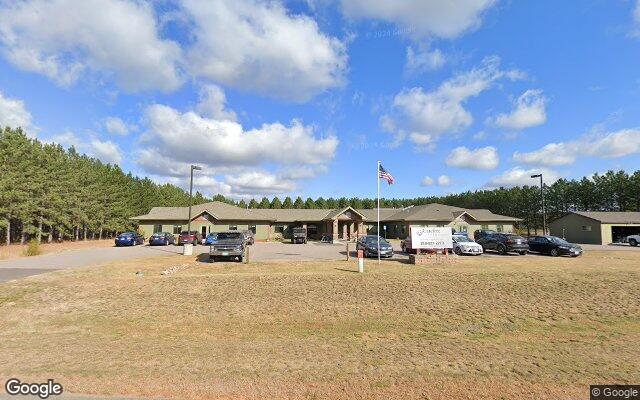
A medium home, reviewed on public record.
Compared to 187 Minnesota facilities with a similar number of beds.
ALF memory care · 36-month window. Higher percentile = better performance on inspection record. Source: Minnesota Dept. of Health · Health Regulation Division.
among peers to rank.
Rankings based on 36-month MDH inspection data. Severity and frequency: fewer citations = higher percentile. Repeat rate: lower repeat citation share = higher percentile.
Citation history, plotted month by month.
No citations in the last 36 months.
Finding distribution
none · 36 monthsScope × Severity (CMS A–L)
Every inspection visit, verbatim.
3 inspections in the public record, most recent first. Plain-language summaries open first — click into any row for the full citation text.
2026-05-07Complaint InvestigationNo findings
2025-12-10Annual Compliance VisitNo findings
Plain-language summary
During a routine inspection on December 10, 2025, the facility was found to have a violation related to fire protection and physical environment under Minnesota statute 144G.45, and was assessed a fine of $500. The facility must document the actions taken to correct this violation and has the right to request reconsideration or a hearing within 15 days of receiving the correction order.
Read full citation textHide full citation text
Read raw inspector notesClose inspector notes
correction orders and document the actions taken to comply in the facility's records. The Department reserves the right to return to the facility at any time should the Department receive a complaint or deem it necessary to ensure the health, safety, and welfare of residents in your care. STATE CORRECTIO NORDERS The enclosed State Form documents the state correction orders. MDH documents state licensing correction orders using federal software. Tag numbers are assigned to Minnesota state statutes for Assisted Living Facilities. The assigned tag number appears in the far left column entitled "ID Prefix Tag." The state statute number and the corresponding text of the state statute out of compliance are listed in the "Summary Statement of Deficiencies" column. This column also includes the findings that are in violation of the state statute after the statement, "This MN Requirement is not met as evidenced by . . ." IMPOSITION OF FINES In accordance with Minn. Stat. § 144G.31, Subd. 4, fines and enforcement actions may be imposed based on the level and scope of the violations and may be imposed immediately with no opportunity to correct the violation first as follows: Level 1: no fines or enforcement; Level 2: a fine of $500 per violation, in addition to any enforcement mechanism authorized in § 144G.20; Level 3: a fine of $1,000 per incident, in addition to any enforcement mechanism authorized in § 144G.20; An equal opportunity employer. Letter ID: IS7N REVISE D09/13/2021 Babbitt Carefree Living by Oxford Living January 21, 2026 Page 2 Level 4: a fine of $3,000 per incident, in addition to any enforcement mechanism authorized in § 144G.20; Level 5: a fine of $5,000 per violation, in addition to any enforcement mechanism authorized in § 144G.20. Therefore, in accordance with Minn. Stat. §§ 144G.01 to 144G.9999, the following fines are assessed pursuant to this survey: St - 0 - 0775 - 144g.45 Subd. 2. (a) - Fire Protection And Physical Environment - $500.00 The refor e, in accor danc e wit h Minn. Sta t. §§ 144G.01 to 144G.999 9, the total amount you are assessed is $500.00. You will be invoiced approximately 30 days after receipt of this notice, subject to appeal . DOCUMENTATIO ONF ACTION TO COMPLY In accorda nce with Min n. Stat. § 144G.30, Sub d. 5(c), th e lic ens ee mus t docum ent ac tions taken t o comply with the correction orders within the time period outlined on the state form; however, plans of correction are not required to be submitted for approval. The correction order documentation should include the following: Identify how the area( s) of noncompliance was corrected related to the · resident( s)/ employee( s) identified in the correction order. Identify how the area( s) of noncompliance was corrected for all of the provider’s · resident( s)/ employees that may be affected by the noncompliance. Identify what changes to your systems and practices were made to ensure compliance with · the specific statute( s). CORRECTIO NORDER RECONSIDERATIO PNROCESS In accordance with Minn. Stat. § 144G.32, Subd. 2, you may challenge the correction order( s) issued, including the level and scope, and any fine assessed through the correction order reconsideration process. The request for reconsideration must be in writing and received by MDH within 15 calendar days of the correction order receipt date. To submit a reconsideration request, please visit: https: / / forms. web. health. state. mn.us/ form/ HRDAppealsForm REQUESTIN GA HEARING Alternatively, in accordance with Minn. Stat. § 144G.31, Subd. 5(d), an assisted living provider that has been assessed a fine under this subdivision has a right to a reconsideration or a hearing under this section and chapter 14. Pursuant to Minn. Stat. § 144G.20, Subd. 14 and Subd. 18, a request for a hearing must be in writing and received by the Department of Health within 15 business days of the correction order receipt date. The request must contain a brief and plain statement describing each matter or issue contested and any new information you believe constitutes a defense or mitigating factor. Babbitt Carefree Living by Oxford Living January 21, 2026 Page 3 To submit a hearing request, please visit: https: / / forms. web. health. state. mn. us/ form/ HRDAppealsForm To appe al fi nes via re cons iderat ion , pl ease follow the procedu r e outl ined abo ve. Plea se no te tha t you may re que st a rec onside rati on or a hearing, bu t not bot h. If you wish to cont est ta gs with out fine s in a reconsideration and tags with the fines at a hearing, please submit two separate appeals forms at the website listed above. The MDH Health Regulation Division (HRD )values your feedback about your experience during the survey and/ or investigation process. Please fill out this anonymous provider feedback questionnaire at your conv enien ce at thi s link: https: / / forms. office.com/ g/ Bm5uQEpHVa. Your inpu t is import ant to us and will enable MDH to improve its processes and communication with providers. If you have any questions regarding the questionnaire, please contact Susan Winkelmann at susan. winkelmann@state. mn.us or call 651-201-5952. You are encouraged to retain this document for your records. It is your responsibility to share the information contained in the letter and state form with your organization’s Governing Body. If you have any questions, please contact me. Sincerely, Jessie Chenze, Supervisor State Evaluation Team Email: Jessie.Chenze@state. mn.us Telephone: 218-332-5175 Fax: 1-866-890-9290 CLN PRINTED: 01/ 21/ 2026 FORM APPROVED STATEMENT OF DEFICIENCIES (X1) PROVIDER/ SUPPLIER/ CLIA (X2) MULTIPLE CONSTRUCTION (X3) DATE SURVEY AND PLAN OF CORRECTION IDENTIFICATION NUMBER: COMPLETED A. BUILDING: ______________________ B. WING _____________________________ 29103 12/ 10/ 2025 NAME OF PROVIDER OR SUPPLIER STREET ADDRESS, CITY, STATE, ZIP CODE 1 CENTRAL BOULEVARD BABBITT CAREFREE LIVING BY OXFORD LIVING BABBITT, MN 55706 SUMMARY STATEMENT OF DEFICIENCIES PROVIDER' S PLAN OF CORRECTION (X4) ID ID (X5) PREFIX (EACH DEFICIENCY MUST BE PRECEDED BY FULL PREFIX (EACH CORRECTIVE ACTION SHOULD BE COMPLETE REGULATORY OR LSC IDENTIFYING INFORMATION) CROSS- REFERENCED TO THE APPROPRIATE DATE TAG TAG DEFICIENCY) 0 000 Initial Comments 0 000 ASSISTED LIVING PROVIDER LICENSING Minnesota Department of Health is CORRECTION ORDER( S) documenting the State Correction Orders using federal software. Tag numbers have In accordance with Minnesota Statutes, section been assigned to Minnesota State 144G. 08 to 144G. 95, these correction orders are Statutes for Assisted Living Facilities. The issued pursuant to a survey. assigned tag number appears in the far-left column entitled "ID Prefix Tag. " The Determination of whether violations are corrected state Statute number and the requires compliance with all requirements corresponding text of the state Statute out provided at the Statute number indicated below. of compliance is listed in the "Summary When Minnesota Statute contains several items, Statement of Deficiencies" column. This failure to comply with any of the items will be column also includes the findings which considered lack of compliance. are in violation of the state requirement after the statement, "This Minnesota INITIAL COMMENTS: requirement is not met as evidenced by." Following the evaluators' findings is the SL29103016- 0 Time Period for Correction. On December 8, 2025, through December 10, PLEASE DISREGARD THE HEADING OF 2025, the Minnesota Department of Health THE FOURTH COLUMN WHICH conducted a change of ownership (CHOW) STATES, "PROVIDER' S PLAN OF survey at the above provider. At the time of the CORRECTION. " THIS APPLIES TO survey, there were 29 residents; 29 receiving FEDERAL DEFICIENCIES ONLY. THIS services under the Assisted Living Facility with WILL APPEAR ON EACH PAGE. Dementia Care license. THERE IS NO REQUIREMENT TO SUBMIT A PLAN OF CORRECTION FOR VIOLATIONS OF MINNESOTA STATE STATUTES. THE LETTER IN THE LEFT COLUMN IS USED FOR TRACKING PURPOSES AND REFLECTS THE SCOPE AND LEVEL ISSUED PURSUANT TO 144G. 31 SUBDIVISION 1-3. 0 480 144G. 41 Subdivision 1 Subd. 1a (a-b) Minimum 0 480 SS= F requirements; required food services LABORATORY DIRECTOR' S OR PROVIDER/ SUPPLIER REPRESENTATIVE' S SIGNATURE TITLE (X6) DATE STATE FORM 6899 V1NY11 If continuation sheet 1 of 48 PRINTED: 01/ 21/ 2026 FORM APPROVED STATEMENT OF DEFICIENCIES (X1) PROVIDER/ SUPPLIER/ CLIA (X2) MULTIPLE CONSTRUCTION (X3) DATE SURVEY AND PLAN OF CORRECTION IDENTIFICATION NUMBER: COMPLETED A. BUILDING: ______________________ B.
2024-08-08Complaint InvestigationNo findings
Plain-language summary
A complaint investigation into allegations that the facility neglected a resident by failing to provide a COVID-19 test, bathing, meal escorts, denture care, and foot soaks found no substantiated violations. The facility had tested the resident for COVID-19 (negative result), provided documented bathing, grooming, denture care, and meal escorts according to the updated care plan, and the resident's weight fluctuated within three pounds throughout the stay. The resident had an unwitnessed fall later that same day, was hospitalized with a fractured hip and subsequently tested positive for COVID-19, but the fall could not be correlated with COVID-19 infection.
Read full citation textHide full citation text
Read raw inspector notesClose inspector notes
Finding: Not Substantiated Nature of Investigation: The Minnesota Department of Health investigated an allegation of maltreatment, in accordance with the Minnesota Reporting of Maltreatment of Vulnerable Adults Act, Minn. Stat. 626.557, and to evaluate compliance with applicable licensing standards for the provider type. Initial Investigation Allegation(s): The facility neglected the resident when staff failed to provide a Covid-19 test resulting in the resident’s fall causing a fractured hip. The facility failed to provide care and services according to an updated service plan including bathing, escorts to meals and denture placement causing weight loss. The facility also failed to provide foot soaks. Investigative Findings and Conclusion: The Minnesota Department of Health determined neglect was not substantiated. The facility tested the resident for Covid-19 and the results were negative. Later that day, the resident had an unwitnessed fall, was evaluated at a hospital, and tested positive for Covid-19. The cause of the fall could not be correlated with the resident testing positive for Covid-19. Records indicated the resident’s weight fluctuated within three pounds. Staff provided services according to the resident’s updated plan of care. The investigator conducted interviews with facility staff members, including administrative staff, nursing staff, and unlicensed staff. The investigation included review of the resident records, death record, hospital records, incident reports, and related facility policy and procedures. Also, the investigator observed the facility and staff interactions with other residents. The resident resided in an assisted living facility with a memory care unit. The resident’s diagnoses included dementia and dysphagia (swallowing disorder). The resident’s service plan indicated services added during the resident’s stay included assistance with bathing, escorts to meals, grooming including denture care. The resident was alert to person and place, forgetful, confused, had poor decision making, and memory loss. The resident was able to understand others and able to make his needs known and understood. The resident had a history of refusing care. The resident was at risk for falls. One day in the morning, the facility tested residents for Covid-19, and the resident’s record indicated the resident’s test was negative. Later the same evening, the resident had an unwitnessed fall and staff found the resident on the bathroom floor. The resident’s range of motion was limited due to leg pain and possible fracture. The facility transferred the resident to the emergency room for an evaluation. The resident was diagnosed with a femur (thigh) fracture. The resident tested positive for Covid-19. The resident’s record indicated after the fall, the resident transferred to a different hospital, underwent surgery, and transferred to a facility that provided a higher level of care. While at the higher level of care, the resident had coughing episodes, was transferred back to the hospital, and diagnosed with aspiration (inhaling food, liquid, vomit) pneumonia. After the hospitalization, the resident returned to the higher level of care. The resident discharged from the higher level of care back to the facility. The facility coordinated the resident’s care with physical and occupational therapy. The facility updated the resident’s medical provider on the resident’s health status, implemented medication and lab orders, assisted with getting the resident a hospital bed, wheelchair, provided the resident a facility donated lift chair, and added additional services to the service plan. In addition, the facility added fall interventions which included a tabs alarm (safety alarm used for fall prevention). The resident admitted to hospice services. After admission to hospice, the resident received antibiotic treatment again for suspected aspiration pneumonia and the resident’s diet changed from mechanical soft (foods that required minimal chewing) to puree diet (food that required no chewing) due to the resident’s swallowing issues. The resident’s records indicated the resident’s weights fluctuated within three pounds. The resident’s scheduled services record indicated the resident received bathing, grooming, denture care, and escorts to meals. The resident’s death record indicated the resident’s cause of death was failure to thrive secondary to recurrent aspiration pneumonia and femur (thigh) fracture with months to onset of death. During an interview, a kitchen staff member stated prior to the resident sustaining a fracture and a stay at a higher level of care, the resident received a regular diet. Upon return, the resident’s diet was soft, and the resident received thickened liquids. The facility thickened the resident’s fluids including water, juice, soups, and ensured there was nothing “chunky” in the resident’s foods. The kitchen staff also ground up the resident’s meat and food that was hard to chew. The resident transitioned to receiving a puree diet with thickened liquids. During an interview, an unlicensed staff member stated she did not recall any time when the resident appeared unkempt or did not have his dentures in at mealtimes. The resident was brought out to the communal dining room. During an interview, another unlicensed staff member stated when the resident chose to eat in his room, staff raised the resident’s head of the bed while eating to assist the resident with swallowing, prevent choking, and kept the resident upright after meals. The resident also ate in the communal dining area which staff monitored. During an interview, a nurse stated the resident tested negative for Covid-19 at the facility, fell, then tested positive at the hospital. The nurse stated the resident was “fairly” independent prior the resident’s fall and fracture. Fall interventions were in place at that time. The nurse said upon return from the higher level of care, staff were aware of the resident’s new diet and the resident received the diet as ordered. During an interview, another nurse stated the resident had a decline in health status, had increased weakness, falls, was impulsive, and attempted to self-transfer without waiting for staff. The facility added interventions for fall reduction and prevention. The resident transitioned onto hospice services. While the resident transitioned towards end of life, there were occasions when the resident chose not to eat meals or receive services. The facility updated hospice services of changes and the resident received medication adjustments for comfort. Additional concerns identified in the complaint that did not meet the level of neglect included a concern staff failed to provide foot soaks and documented foot soaks were provided. Records indicated the facility addressed foot soak service documentation concerns and reeducated staff. Staff stated these orders were eventually discontinued. There was a concern on one occasion the resident was not changed out of his clothes or assisted to bed timely. Records indicated the resident received dressing, transfer assist, and bed mobility services during shifts throughout that day. Staff stated there was one occasion when staff failed to assist the resident to bed timely however, the resident was resting in his wheelchair comfortably. Staff on the next shift assisted the resident to bed. In conclusion, the Minnesota Department of Health determined neglect was not substantiated. “Not Substantiated” means: An investigatory conclusion indicating the preponderance of evidence shows that an act meeting the definition of maltreatment did not occur. Neglect: Minnesota Statutes, section 626.5572, subdivision 17 “Neglect” means neglect by a caregiver or self-neglect. (a) "Caregiver neglect" means the failure or omission by a caregiver to supply a vulnerable adult with care or services, including but not limited to, food, clothing, shelter, health care, or supervision which is: (1) reasonable and necessary to obtain or maintain the vulnerable adult's physical or mental health or safety, considering the physical and mental capacity or dysfunction of the vulnerable adult; and (2) which is not the result of an accident or therapeutic conduct. Vulnerable Adult interviewed: No. The resident was deceased. Family/Responsible Party interviewed: Yes. Alleged Perpetrator interviewed: Not Applicable. t Action taken by facility: The facility transferred the resident to the emergency after the resident fell. Upon return, the facility added fall interventions and updated the resident’s providers on changes in health status. Action taken by the Minnesota Department of Health: No further action taken at this time. cc: The Office of Ombudsman for Long Term Care The Office of Ombudsman for Mental Health and Developmental Disabilities PRINTED: 08/09/2024 FORM APPROVED STATEMENT OF DEFICIENCIES (X1) PROVIDER/SUPPLIER/CLIA (X2) MULTIPLE CONSTRUCTION (X3) DATE SURVEY AND PLAN OF CORRECTION IDENTIFICATION NUMBER: COMPLETED A. BUILDING: ______________________ C B.
1 older inspection from 2023 are not shown above.
Get the complete record, translated into plain language — emailed to you.
Contract Decoder
Family reviews
No reviews yet — be the first to share your experience