Vista Prairie at Windmill Pond.
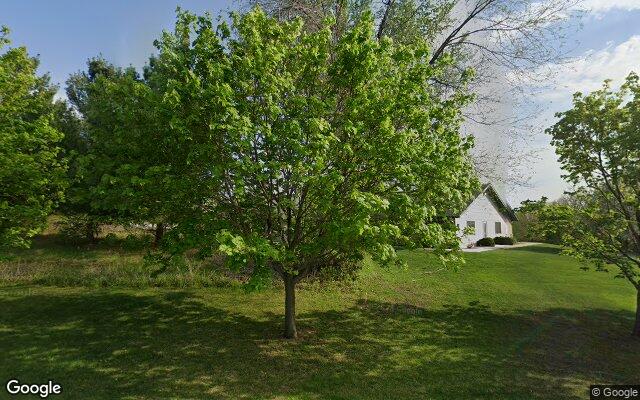
A medium home, reviewed on public record.
Compared to 187 Minnesota facilities with a similar number of beds.
ALF memory care · 36-month window. Higher percentile = better performance on inspection record. Source: Minnesota Dept. of Health · Health Regulation Division.
among peers to rank.
Rankings based on 36-month MDH inspection data. Severity and frequency: fewer citations = higher percentile. Repeat rate: lower repeat citation share = higher percentile.
Citation history, plotted month by month.
No citations in the last 36 months.
Finding distribution
none · 36 monthsScope × Severity (CMS A–L)
Questions to ask before you visit.
A short pre-tour checklist tailored to Vista Prairie at Windmill Pond's record and state requirements.
The most recent Minnesota Department of Health inspection on October 23, 2024 found zero deficiencies across all standards — can you walk us through the facility's internal quality assurance process and show documentation of how you prepare for state surveys?
Ask the operator on tour. Take notes and compare answers across facilities you visit.
The state roster shows this community holds an Assisted Living Facility with Dementia Care license under Minnesota Statutes chapter 144G — can you provide a copy of your written dementia care program and explain how it addresses the specific requirements for this license designation?
Ask the operator on tour. Take notes and compare answers across facilities you visit.
One complaint was filed with the Minnesota Department of Health during the inspection period on file — was that complaint substantiated, and can you share documentation of any corrective actions the facility implemented in response?
Ask the operator on tour. Take notes and compare answers across facilities you visit.
Every inspection visit, verbatim.
4 inspections in the public record, most recent first. Plain-language summaries open first — click into any row for the full citation text.
2026-07-07Complaint InvestigationNo findings
2025-03-13Annual Compliance VisitNo findings
Plain-language summary
During a standard inspection from March 10–13, 2025, Minnesota Department of Health surveyors found violations at Vista Prairie at Windmill Ponds and issued state correction orders; no immediate fines were assessed. The facility must document how it corrected the noncompliance areas identified in the orders and make systemic changes to prevent future violations. The facility has a specified timeframe to demonstrate compliance, and families can request more details about the specific deficiencies from the provider.
Read full citation textHide full citation text
Read raw inspector notesClose inspector notes
correction orders and document the actions taken to comply in the facility's records. The Department reserves the right to return to the facility at any time should the Department receive a complaint or deem it necessary to ensure the health, safety, and welfare of residents in your care. STATE CORRECTION ORDERS The enclosed State Form documents the state correction orders. MDH documents state licensing correction orders using federal software. Tag numbers are assigned to Minnesota state statutes for Assisted Living Facilities. The assigned tag number appears in the far left column entitled "ID Prefix Tag." The state statute number and the corresponding text of the state statute out of compliance are listed in the "Summary Statement of Deficiencies" column. This column also includes the findings that are in violation of the state statute after the statement, "This MN Requirement is not met as evidenced by . . ." In accordance with Minn. Stat. § 144G.31 Subd. 4, MDH may assess fines based on the level and scope of the violations; h owever, no immediate fines are assessed for this survey of your facility. DOCUMENTATION OF ACTION TO COMPLY In accordance with Minn. Stat. § 144G.30, Subd. 5(c), the licensee must document actions taken to comply with the correction orders within the time period outlined on the state form; however, plans of correction are not required to be submitted for approval. The correction order documentation should include the following: Identify how the area(s) of noncompliance was corrected related to the An equal opportunity employer. Letter ID: IS7N REVISED 09/13/2021 Vista Prairie At Windmill Ponds April 11, 2025 Page 2 resident(s)/employee(s) identified in the correction order. Identify how the area(s) of noncompliance was corrected for all of the provider’s resident(s)/employees that may be affected by the noncompliance. Identify what changes to your systems and practices were made to ensure compliance with the specific statute(s). CORRECTION ORDER RECONSIDERATION PROCESS In accordance with Minn. Stat. § 144G.32, Subd. 2, you may challenge the correction order(s) issued, including the level and scope, and any fine assessed through the correction order reconsideration process. The request for reconsideration must be in writing and received by MDH within 15 calendar days of the correction order receipt date. To submit a reconsideration request, please visit: https://forms.web.health.state.mn.us/form/HRDAppealsForm The MDH Health Regulation Division (HRD) values your feedback about your experience during the survey and/or investigation process. Please fill out this anonymous provider feedback questionnaire at your convenience at this link: h ttps://forms.office.com/g/Bm5uQEpHVa. Your input is important to us and will enable MDH to improve its processes and communication with providers. If you have any questions regarding the questionnaire, please contact Susan Winkelmann at susan.winkelmann@state.mn.us or call 651-201-5952. You are encouraged to retain this document for your records. It is your responsibility to share the information contained in the letter and state form with your organization’s Governing Body. If you have any questions, please contact me. Sincerely, Jessie Chenze, Supervisor State Evaluation Team Email: jessie.chenze@state.mn.us Telephone: 218-332-5175 Fax: 1 -866-890-9290 JMD PRINTED: 04/11/2025 FORM APPROVED STATEMENT OF DEFICIENCIES (X1) PROVIDER/SUPPLIER/CLIA (X2) MULTIPLE CONSTRUCTION (X3) DATE SURVEY AND PLAN OF CORRECTION IDENTIFICATION NUMBER: COMPLETED A. BUILDING: ______________________ B. WING _____________________________ 21642 03/13/2025 NAME OF PROVIDER OR SUPPLIER STREET ADDRESS, CITY, STATE, ZIP CODE 715 VICTOR STREET VISTA PRAIRIE AT WINDMILL PONDS ALEXANDRIA, MN 56308 SUMMARY STATEMENT OF DEFICIENCIES PROVIDER'S PLAN OF CORRECTION (X4) ID ID (X5) PREFIX (EACH DEFICIENCY MUST BE PRECEDED BY FULL PREFIX (EACH CORRECTIVE ACTION SHOULD BE COMPLETE REGULATORY OR LSC IDENTIFYING INFORMATION) CROSS-REFERENCED TO THE APPROPRIATE DATE TAG TAG DEFICIENCY) 0 000 Initial Comments 0 000 ASSISTED LIVING PROVIDER LICENSING Minnesota Department of Health is CORRECTION ORDER(S) documenting the State Correction Orders using federal software. Tag numbers have In accordance with Minnesota Statutes, section been assigned to Minnesota State 144G.08 to 144G.95, these correction orders are Statutes for Assisted Living Facilities. The issued pursuant to a survey. assigned tag number appears in the far-left column entitled "ID Prefix Tag." The Determination of whether violations are corrected state Statute number and the requires compliance with all requirements corresponding text of the state Statute out provided at the Statute number indicated below. of compliance is listed in the "Summary When Minnesota Statute contains several items, Statement of Deficiencies" column. This failure to comply with any of the items will be column also includes the findings which considered lack of compliance. are in violation of the state requirement after the statement, "This Minnesota INITIAL COMMENTS: requirement is not met as evidenced by." Following the evaluators ' findings is the SL21642016-0 Time Period for Correction. On March 10, 2025, through March 13, 2025, the PLEASE DISREGARD THE HEADING OF survey at the above provider. At the time of the STATES,"PROVIDER'S PLAN OF survey, there were 53 residents; 53 receiving CORRECTION." THIS APPLIES TO services under the Assisted Living Facility license. FEDERAL DEFICIENCIES ONLY. THIS WILL APPEAR ON EACH PAGE. THERE IS NO REQUIREMENT TO SUBMIT A PLAN OF CORRECTION FOR VIOLATIONS OF MINNESOTA STATE STATUTES. THE LETTER IN THE LEFT COLUMN IS USED FOR TRACKING PURPOSES AND REFLECTS THE SCOPE AND LEVEL ISSUED PURSUANT TO 144G.31 SUBDIVISION 1-3. 0 630 144G.42 Subd. 6 (b) Compliance with 0 630 SS=D requirements for reporting ma LABORATORY DIRECTOR'S OR PROVIDER/SUPPLIER REPRESENTATIVE'S SIGNATURE TITLE (X6) DATE STATE FORM 6899 QL4O11 If continuation sheet 1 of 19 PRINTED: 04/11/2025 FORM APPROVED STATEMENT OF DEFICIENCIES (X1) PROVIDER/SUPPLIER/CLIA (X2) MULTIPLE CONSTRUCTION (X3) DATE SURVEY AND PLAN OF CORRECTION IDENTIFICATION NUMBER: COMPLETED A. BUILDING: ______________________ B. WING _____________________________ 21642 03/13/2025 NAME OF PROVIDER OR SUPPLIER STREET ADDRESS, CITY, STATE, ZIP CODE 715 VICTOR STREET VISTA PRAIRIE AT WINDMILL PONDS ALEXANDRIA, MN 56308 SUMMARY STATEMENT OF DEFICIENCIES PROVIDER'S PLAN OF CORRECTION (X4) ID ID (X5) PREFIX (EACH DEFICIENCY MUST BE PRECEDED BY FULL PREFIX (EACH CORRECTIVE ACTION SHOULD BE COMPLETE REGULATORY OR LSC IDENTIFYING INFORMATION) CROSS-REFERENCED TO THE APPROPRIATE DATE TAG TAG DEFICIENCY) 0 630 Continued From page 1 0 630 (b) The facility must develop and implement an individual abuse prevention plan for each vulnerable adult. The plan shall contain an individualized review or assessment of the person's susceptibility to abuse by another individual, including other vulnerable adults; the person's risk of abusing other vulnerable adults; and statements of the specific measures to be taken to minimize the risk of abuse to that person and other vulnerable adults. For purposes of the abuse prevention plan, abuse includes self-abuse. This MN Requirement is not met as evidenced by: Based on observation, interview, and record review, the licensee failed to ensure an individual abuse prevention plan (IAPP) was developed to include the required content for one of three residents (R1). This practice resulted in a level two violation (a violation that did not harm a resident's health or safety but had the potential to have harmed a resident's health or safety, but was not likely to cause serious injury, impairment, or death), and was issued at an isolated scope (when one or a limited number of residents are affected or one or a limited number of staff are involved or the situation has occurred only occasionally). The findings include: During the entrance conference on March 10, 2025, at 9:30 a.m., licensed assisted living director (LALD)-A and clinical nurse supervisor (CNS)-B stated the licensee was familiar with current minimum assisted living requirements. R1's diagnoses included diabetes and diabetic STATE FORM 6899 QL4O11 If continuation sheet 2 of 19 PRINTED: 04/11/2025 FORM APPROVED STATEMENT OF DEFICIENCIES (X1) PROVIDER/SUPPLIER/CLIA (X2) MULTIPLE CONSTRUCTION (X3) DATE SURVEY AND PLAN OF CORRECTION IDENTIFICATION NUMBER: COMPLETED A. BUILDING: ______________________ B. WING _____________________________ 21642 03/13/2025 NAME OF PROVIDER OR SUPPLIER STREET ADDRESS, CITY, STATE, ZIP CODE 715 VICTOR STREET VISTA PRAIRIE AT WINDMILL PONDS ALEXANDRIA, MN 56308 SUMMARY STATEMENT OF DEFICIENCIES PROVIDER'S PLAN OF CORRECTION (X4) ID ID (X5) PREFIX (EACH DEFICIENCY MUST BE PRECEDED BY FULL PREFIX (EACH CORRECTIVE ACTION SHOULD BE COMPLETE REGULATORY OR LSC IDENTIFYING INFORMATION) CROSS-REFERENCED TO THE APPROPRIATE DATE TAG TAG DEFICIENCY) 0 630 Continued From page 2 0 630 neuropathy (nerve damage caused by diabetes). R1's service plan dated February 7, 2025, indicated R1 received medication administration, blood glucose monitoring, and assistance with bathing, dressing, toileting, housekeeping and laundry. On March 11, 2025, at 7:25 a.m., the surveyor observed unlicensed personnel (ULP)-E provide scheduled morning medication administration to R1.
2024-10-23Annual Compliance VisitNo findings
Plain-language summary
A routine inspection of Vista Prairie At Windmill Ponds Memory Care on October 23, 2024, found a violation of Minnesota's awake staff requirement under state statute 144G.81, Subdivision 4. The facility was assessed a $3,000 fine (a Level 3 violation) and must document how it corrected this deficiency and made system changes to prevent future noncompliance.
Read full citation textHide full citation text
Read raw inspector notesClose inspector notes
CORRECTION ORDERS The enclosed State Form documents the state correction orders. MDH documents state licensing correction orders using federal software. Tag numbers are assigned to Minnesota state statutes for Assisted Living Facilities. The assigned tag number appears in the far left column entitled "ID Prefix Tag." The state statute number and the corresponding text of the state statute out of compliance are listed in the "Summary Statement of Deficiencies" column. This column also includes the findings that are in violation of the state statute after the statement, "This MN Requirement is not met as evidenced by . . ." IMPOSITION OF FINES In accordance with Minn. Stat. § 144G.31, Subd. 4, fines and enforcement actions may be imposed based on the level and scope of the violations and may be imposed immediately with no opportunity to correct the violation first as follows: Level 1: no fines or enforcement. Level 2: a fine of $500 per violation, in addition to any enforcement mechanism authorized in § 144G.20 for widespread violations; Level 3: a fine of $3,000 per violation per incident, in addition to any enforcement mechanism authorized in § 144G.20. Level 4: a fine of $5,000 per incident, in addition to any enforcement mechanism authorized in § 144G.20. Therefore, in accordance with Minn. Stat. §§ 144G.01 to 144G.9999, the following fines are assessed pursuant to this survey: An equal opportunity employer. Letter ID: IS7N REVISED 09/13/2021 Vista Prairie At Windmill Ponds Memory Care December 3, 2024 Page 2 2070 - 144g.81 Subd. 4 - Awake Staff Requirement - $3,000.00 Therefore, in accordance with Minn. Stat. §§ 144G.01 to 144G.9999, t he total amount you are assessed is $3,000.00. You will be invoiced approximately 30 days after receipt of this notice, subject to appeal. DOCUMENTATION OF ACTION TO COMPLY In accordance with Minn. Stat. § 144G.30, Subd. 5(c), the licensee must document actions taken to comply with the correction orders within the time period outlined on the state form; however, plans of correction are not required to be submitted for approval. The correction order documentation should include the following: Identify how the area(s) of noncompliance was corrected related to the resident(s)/employee(s) identified in the correction order. Identify how the area(s) of noncompliance was corrected for all of the provider’s resident(s)/employees that may be affected by the noncompliance. Identify what changes to your systems and practices were made to ensure compliance with the specific statute(s). CORRECTION ORDER RECONSIDERATION PROCESS In accordance with Minn. Stat. § 144G.32, Subd. 2, you may challenge the correction order(s) issued, including the level and scope, and any fine assessed through the correction order reconsideration process. The request for reconsideration must be in writing and received by MDH within 15 calendar days of the correction order receipt date. To submit a reconsideration request, please visit: https://forms.web.health.state.mn.us/form/HRDAppealsForm REQUESTING A HEARING Alternatively, in accordance with Minn. Stat. § 144G.31, Subd. 5(d), an assisted living provider that has been assessed a fine under this subdivision has a right to a reconsideration or a hearing under this section and chapter 14. Pursuant to Minn. Stat. § 144G.20, Subd. 14 and Subd. 18, a request for a hearing must be in writing and received by the Department of Health within 15 business days of the correction order receipt date. The request must contain a brief and plain statement describing each matter or issue contested and any new information you believe constitutes a defense or mitigating factor. To submit a hearing request, please visit: https://forms.web.health.state.mn.us/form/HRDAppealsForm To appeal fines via reconsideration, please follow the procedure outlined above. P lease note that you may request a reconsideration o r a hearing, but not both. If you wish to contest tags without fines in a reconsideration and tags with the fines at a hearing, please submit two separate appeals forms at Vista Prairie At Windmill Ponds Memory Care December 3, 2024 Page 3 the website listed above. The MDH Health Regulation Division (HRD) values your feedback about your experience during the survey and/or investigation process. Please fill out this anonymous provider feedback questionnaire at your convenience at this link: h ttps://forms.office.com/g/Bm5uQEpHVa. Your input is important to us and will enable MDH to improve its processes and communication with providers. If you have any questions regarding the questionnaire, please contact Susan Winkelmann at susan.winkelmann@state.mn.us or call 651-201-5952. You are encouraged to retain this document for your records. It is your responsibility to share the information contained in the letter and state form with your organization’s Governing Body. If you have any questions, please contact me. Sincerely, Jessie Chenze, Supervisor State Evaluation Team Email: jessie.chenze@state.mn.us Telephone: 218-332-5175 Fax: 1 -866-890-9290 JMD PRINTED: 12/03/2024 FORM APPROVED STATEMENT OF DEFICIENCIES (X1) PROVIDER/SUPPLIER/CLIA (X2) MULTIPLE CONSTRUCTION (X3) DATE SURVEY AND PLAN OF CORRECTION IDENTIFICATION NUMBER: COMPLETED A. BUILDING: ______________________ B. WING _____________________________ 26046 10/23/2024 NAME OF PROVIDER OR SUPPLIER STREET ADDRESS, CITY, STATE, ZIP CODE 803 VICTOR STREET VISTA PRAIRIE AT WINDMILL PONDS MEMORY ALEXANDRIA, MN 56308 SUMMARY STATEMENT OF DEFICIENCIES PROVIDER'S PLAN OF CORRECTION (X4) ID ID (X5) PREFIX (EACH DEFICIENCY MUST BE PRECEDED BY FULL PREFIX (EACH CORRECTIVE ACTION SHOULD BE COMPLETE REGULATORY OR LSC IDENTIFYING INFORMATION) CROSS-REFERENCED TO THE APPROPRIATE DATE TAG TAG DEFICIENCY) 0 000 Initial Comments 0 000 ASSISTED LIVING PROVIDER LICENSING Minnesota Department of Health is CORRECTION ORDER(S) documenting the State Correction Orders using federal software. Tag numbers have In accordance with Minnesota Statutes, section been assigned to Minnesota State 144G.08 to 144G.95, these correction orders are Statutes for Assisted Living Facilities. The issued pursuant to a survey. assigned tag number appears in the far left column entitled "ID Prefix Tag." The Determination of whether violations are corrected state Statute number and the requires compliance with all requirements corresponding text of the state Statute out provided at the Statute number indicated below. of compliance is listed in the "Summary When Minnesota Statute contains several items, Statement of Deficiencies" column. This failure to comply with any of the items will be column also includes the findings which considered lack of compliance. are in violation of the state requirement after the statement, "This Minnesota INITIAL COMMENTS: requirement is not met as evidenced by." Following the evaluators ' findings is the SL26046016-0 Time Period for Correction. On October 21, 2024, through October 23, 2024, PLEASE DISREGARD THE HEADING OF the Minnesota Department of Health conducted a THE FOURTH COLUMN WHICH full survey at the above provider. At the time of STATES,"PROVIDER'S PLAN OF the survey, there were 16 residents; 16 receiving CORRECTION." THIS APPLIES TO services under the Assisted Living Facility with FEDERAL DEFICIENCIES ONLY. THIS Dementia Care license. WILL APPEAR ON EACH PAGE. THERE IS NO REQUIREMENT TO An immediate correction order was identified on SUBMIT A PLAN OF CORRECTION FOR October 22, 2024, issued for SL26046016-0, tag VIOLATIONS OF MINNESOTA STATE identification 2070. STATUTES. On October 22, 2024, at 2:24 p.m., the licensee THE LETTER IN THE LEFT COLUMN IS provided actions to the surveyor supervisor to USED FOR TRACKING PURPOSES AND mitigate the immediacy of correction order 2070, REFLECTS THE SCOPE AND LEVEL however, non-compliance remained at a scope ISSUED PURSUANT TO 144G.31 and level of I. SUBDIVISION 1-3. 0 330 144G.30 Subd. 4 Information provided by facility 0 330 SS=E (a) The assisted living facility shall provide LABORATORY DIRECTOR'S OR PROVIDER/SUPPLIER REPRESENTATIVE'S SIGNATURE TITLE (X6) DATE STATE FORM 6899 T3R911 If continuation sheet 1 of 48 PRINTED: 12/03/2024 FORM APPROVED STATEMENT OF DEFICIENCIES (X1) PROVIDER/SUPPLIER/CLIA (X2) MULTIPLE CONSTRUCTION (X3) DATE SURVEY AND PLAN OF CORRECTION IDENTIFICATION NUMBER: COMPLETED A. BUILDING: ______________________ B. WING _____________________________ 26046 10/23/2024 NAME OF PROVIDER OR SUPPLIER STREET ADDRESS, CITY, STATE, ZIP CODE 803 VICTOR STREET VISTA PRAIRIE AT WINDMILL PONDS MEMORY ALEXANDRIA, MN 56308 SUMMARY STATEMENT OF DEFICIENCIES PROVIDER'S PLAN OF CORRECTION (X4) ID ID (X5) PREFIX (EACH DEFICIENCY MUST BE PRECEDED BY FULL PREFIX (EACH CORRECTIVE ACTION SHOULD BE COMPLETE REGULATORY OR LSC IDENTIFYING INFORMATION) CROSS-REFERENCED TO THE APPROPRIATE DATE TAG TAG DEFICIENCY) 0 330 Continued From page 1 0 330 accurate and truthful information to the department during a survey, investigation, or other licensing activities. (b) Upon request of a surveyor, assisted living facilities shall within a reasonable period of time provide a list of current and past residents and their legal representatives and designated representatives that includes addresses and telephone numbers and any other information requested about the services to residents.
2024-04-29Complaint InvestigationNo findings
Plain-language summary
Minnesota Department of Health investigated a complaint that the facility neglected a diabetic resident with a history of alcohol abuse, who fell unwitnessed, sustained a brain bleed, and died nine days later. The investigation found the complaint was not substantiated; the resident's blood sugar was normal at the time of the fall, staff were implementing the care plan, and facility staff were unaware the resident had resumed drinking, which was discovered only after the incident when empty vodka bottles were found hidden in the resident's apartment. The investigation included interviews with staff and family, review of medical records, and facility observations.
Read full citation textHide full citation text
Read raw inspector notesClose inspector notes
Finding: Not Substantiated Nature of Investigation: The Minnesota Department of Health investigated an allegation of maltreatment, in accordance with the Minnesota Reporting of Maltreatment of Vulnerable Adults Act, Minn. Stat. 626.557, and to evaluate compliance with applicable licensing standards for the provider type. Initial Investigation Allegation(s): The resident was neglected when the facility failed to identify a change of condition, and provide appropriate care, services, and monitoring for a diabetic resident with a history of alcohol abuse. The resident had an unwitnessed fall with a head laceration, was transferred to the emergency department (ED), and diagnosed with a brain bleed. The resident died. Investigative Findings and Conclusion: The Minnesota Department of Health determined neglect was not substantiated. Although the resident had an episode of severe hypoglycemia (low blood sugar) the week prior resulting in a fall, there was no change of condition or services, and the resident’s blood sugar at the time of the incident was normal. The resident had a history of falls related to alcoholism but had been sober since 2009. Facility staff were not aware the resident was drinking prior to the incident and the residents plan of care was being implemented. The investigator conducted interviews with facility staff members, including administrative staff, nursing staff, and unlicensed staff. The investigator contacted the resident’s family member. The investigation included review of the resident record(s), death record, hospital records, county assessments/records, facility internal investigation, facility incident reports, personnel files, staff schedules, and related facility policy and procedures. Also, the investigator observed resident’s and staff at the facility. The resident resided in an assisted living facility with diagnoses including Diabetes Meletus type 1, neurocognitive disorder due to alcohol abuse, and bipolar II. The resident’s case management assessment completed prior to admission to the facility indicated the resident was diabetic and at risk for falls related to sudden drastic changes in blood sugar. The plan indicated the resident had a long history of alcoholism with sobriety since 2009. The plan indicated the resident utilized supportive services including family, and alcohol/drug counseling to maintain sobriety. The resident had an isolated relapse a few months prior to admission to the facility resulting in a fall, however, the resident had no current concerns for alcohol abuse at the time of admission to the facility. The resident’s admission assessment and service plan indicated the resident received wellness checks, blood sugar monitoring, and medication management services. The assessment and service plan identified the resident was at risk for falls due to low blood sugars, and indicated the resident required close monitoring. The resident had an implanted glucometer which would sound an alarm if the resident’s blood sugar was low. The service plan included blood sugar monitoring 7 times daily, and wellness checks up to 8 times daily. A progress notes the week prior to the incident indicated the resident was found unresponsive and seizing due to severely low blood sugar. The ambulance was called, and the resident was transferred to the emergency department (ED) for evaluation and treatment. The resident returned to the facility later that day with no changes. The residents medical record and hospital after visit summary had no indication the resident was abusing alcohol at that time. On the day of the incident, a progress note indicated staff were preparing to administer the resident’s morning medications, went to check the resident’s blood sugar level, and found the resident on the floor unresponsive with a gash on his head, and urgently called for help. The resident’s blood sugar at the time was normal. The note indicated 911 was called, and the resident was transferred to the ED. The progress notes indicated when the family was updated about the resident’s fall, they questioned at that time if the resident was abusing alcohol. The nursing staff searched the resident’s apartment after the incident occurred and found 2 full, and 4 empty quart bottles of vodka hidden in paper bags covered by laundry in the resident’s closet. The residents outside medical record indicated the resident was unresponsive with a bruise to his forehead and fixed pupils bilaterally upon arrival to the ED. The resident was intubated and diagnosed with a large acute subdural hematoma (bleeding on the brain) with a midline shift. The resident’s labs identified the resident had an elevated blood alcohol level on arrival to the ED. The resident was transferred to a higher level of care for emergent neurosurgery to attempt to evacuate the subdural hematoma. The record indicated the resident was transitioned to comfort care and died 9 days later. The resident’s record of death indicated the resident died as a result of a fall causing a subdural hematoma with contributing factors including Diabetes Meletus type 1, and acute and chronic alcohol use. When interviewed several facility staff stated they never observed any evidence the resident was abusing alcohol. The staff indicated the resident was not observed to have an unsteady gate, slurred speech, or any change in mood or behavior concerning for possible intoxication or alcohol abuse. When interviewed the resident’s case manager stated the resident had been sober over a year with the exception of an isolated slip up with drinking a few months prior to his admission to the facility. The resident was actively following his sobriety plan and saw his drug and alcohol counselor regularly. The case manager stated no one suspected the resident was drinking prior to the incident, and indicated the resident was very good at hiding his addiction. The case manager stated no one could have prevented the resident from drinking especially if the resident was hiding it. When interviewed facility leadership stated there was no indication the resident was abusing alcohol prior to the incident, and indicated the resident had no other falls at the facility. The day of the incident, when the resident received his last known wellness check, staff observed the resident laying in his bed moving around with no concerns noted. When staff entered the resident’s room a few hours later the resident was found unresponsive on the floor, and staff immediately called 911. When interviewed the resident’s family member stated the facility checked on the resident and provided care and services the resident needed. The family member stated they were not aware the resident was drinking alcohol prior to the incident. In conclusion, the Minnesota Department of Health determined neglect was not substantiated. “Not Substantiated” means: An investigatory conclusion indicating the preponderance of evidence shows that an act meeting the definition of maltreatment did not occur. Neglect: Minnesota Statutes, section 626.5572, subdivision 17 Neglect means neglect by a caregiver or self-neglect. (a) "Caregiver neglect" means the failure or omission by a caregiver to supply a vulnerable adult with care or services, including but not limited to, food, clothing, shelter, health care, or supervision which is: (1) reasonable and necessary to obtain or maintain the vulnerable adult's physical or mental health or safety, considering the physical and mental capacity or dysfunction of the vulnerable adult; and (2) which is not the result of an accident or therapeutic conduct. Vulnerable Adult interviewed: No, deceased. Family/Responsible Party interviewed: Yes. Alleged Perpetrator interviewed: Not Applicable. he Action taken by facility: The facility checked on the resident, called 911 and had the resident transferred for evaluation and treatment. The facility timely reported the incident to the Minnesota Abuse Adult Reporting Center (MAARC) and investigated the incident. Action taken by the Minnesota Department of Health: No further action taken at this time. cc: The Office of Ombudsman for Long Term Care The Office of Ombudsman for Mental Health and Developmental Disabilities PRINTED: 05/06/2024 FORM APPROVED STATEMENT OF DEFICIENCIES (X1) PROVIDER/SUPPLIER/CLIA (X2) MULTIPLE CONSTRUCTION (X3) DATE SURVEY AND PLAN OF CORRECTION IDENTIFICATION NUMBER: COMPLETED A. BUILDING: ______________________ C B. WING _____________________________ 21642 04/04/2024 NAME OF PROVIDER OR SUPPLIER STREET ADDRESS, CITY, STATE, ZIP CODE 715 VICTOR STREET VISTA PRAIRIE AT WINDMILL PONDS ALEXANDRIA, MN 56308 SUMMARY STATEMENT OF DEFICIENCIES PROVIDER'S PLAN OF CORRECTION (X4) ID ID (X5) PREFIX (EACH DEFICIENCY MUST BE PRECEDED BY FULL PREFIX (EACH CORRECTIVE ACTION SHOULD BE COMPLETE REGULATORY OR LSC IDENTIFYING INFORMATION) CROSS-REFERENCED TO THE APPROPRIATE DATE TAG TAG DEFICIENCY) 0 000 Initial Comments 0 000 On April 4, 2024, the Minnesota Department of Minnesota Department of Health is Health initiated an investigation of complaint documenting the State Correction Orders #HL216422582M/#HL216421756C. No correction using federal software. Tag numbers have orders are issued.
3 older inspections from 2022 are not shown above.
Get the complete record, translated into plain language — emailed to you.
Other facilities in Douglas County.
Other memory care facilities in Douglas County with similar care offerings.
Full Inspection Record
Family reviews
No reviews yet — be the first to share your experience