Northglenn Heights Assisted Living Community
19 CDPHE citations on record, last inspected May 2026, license 230430.
Northglenn Heights Assisted Living Community has 19 CDPHE citations on record; last inspected May 2026.
Memory-care basis not yet recorded from the state file.
Source: Colorado Department of Public Health and Environment
CDPHE recordLast inspection May 12, 2026
A large home, reviewed on public record.
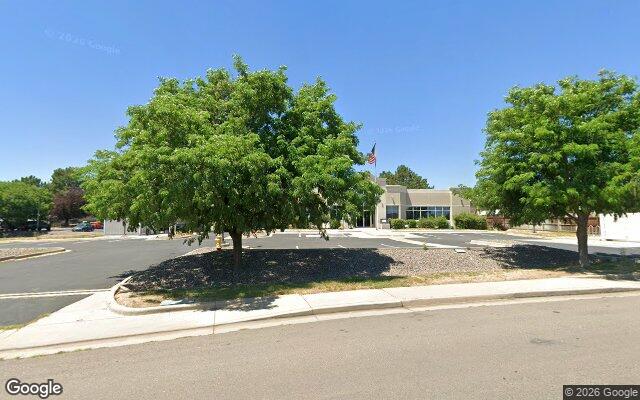
© Google Street View
Compared to 25 Colorado facilities with a similar number of beds.
Assisted living memory care · 36-month window. Higher percentile = better performance on inspection record. Source: Colorado Department of Public Health and Environment.
on file.
Rankings based on 36-month CDPHE inspection data. Severity and frequency: fewer citations = higher percentile. Repeat rate: lower repeat citation share = higher percentile.
Citation history, plotted month by month.
19 deficiencies on record. Each bar is a month with a citation.
Finding distribution
19 total · 36 monthsCDPHE Level A–E
The rules that apply to this facility.
State requirements with the exact regulation citation, plain-language explanation, and a question to ask on tour. Rules this facility has been cited for appear first.
Plain language
CDPHE licenses assisted living residences. A secure environment for residents who need one is optional under Chapter 7, Part 25. CDPHE does not publish a facility-level list of homes that have that option, so this page does not call the home state-verified memory care.
Ask on tour
“Ask whether the home has a secure environment, and ask to see the part of the license that says so.”
Questions to ask before you visit.
A short pre-tour checklist tailored to Northglenn Heights Assisted Living Community's record and state requirements.
State records show 35 inspection reports on file with 22 deficiencies cited — can you walk us through the most common themes in those deficiencies and show us the written corrective action plans the community submitted to CDPHE?
Ask the operator on tour. Take notes and compare answers across facilities you visit.
Eight of the 22 deficiencies were classified as serious citations — what specific changes has the facility made in response to those findings, and can you provide documentation of how CDPHE verified those corrections?
Ask the operator on tour. Take notes and compare answers across facilities you visit.
Twenty-three complaints were filed with the Colorado Department of Public Health and Environment during the inspection period on file — were any of those complaints substantiated, and what records can you share about the facility's response to substantiated findings?
Ask the operator on tour. Take notes and compare answers across facilities you visit.
From this home's file.
Counts and lines from the state file we hold.
- Does Northglenn Heights Assisted Living Community provide memory care?
Memory-care basis not yet recorded from the state file.
- When was Northglenn Heights Assisted Living Community last inspected?
Northglenn Heights Assisted Living Community was last inspected on May 12, 2026. That visit is a complaint investigation.
- Has Northglenn Heights Assisted Living Community been cited by CDPHE?
Yes. Northglenn Heights Assisted Living Community has 19 deficiencies from CDPHE in the last three years. 4 are tagged level e.
- How many citations does Northglenn Heights Assisted Living Community have?
Northglenn Heights Assisted Living Community has 19 deficiencies across 18 inspections in the last three years. 4 are tagged level e.
- Who licenses Northglenn Heights Assisted Living Community?
Colorado Department of Public Health and Environment licenses Northglenn Heights Assisted Living Community. The license number is 230430. State record: https://cdphe.colorado.gov/health-facilities/find-and-compare-facilities
Every inspection visit, verbatim.
18 inspections in the public record, most recent first. Plain-language summaries open first — click into any row for the full citation text.
2026-05-12Complaint InvestigationNo findings
Plain-language summary
This complaint investigation is in the Colorado Department of Public Health and Environment public file. No citation text was included for this visit.
2026-02-05Complaint InvestigationNo findings
Plain-language summary
This complaint investigation is in the Colorado Department of Public Health and Environment public file. No citation text was included for this visit.
2026-02-05Annual Compliance VisitNo findings
Plain-language summary
A change of ownership inspection and revisit for a previously cited deficiency was conducted on February 5, 2026. No violations were found during this visit.
2025-10-21Annual Compliance VisitNo findings
Plain-language summary
A revisit inspection was completed on October 24, 2025 to follow up on a deficiency that had been cited on August 28, 2024. No new deficiencies were found during this revisit. The previous citation was issued before a regulation change that took effect on July 1, 2025.
2025-10-21Annual Compliance VisitNo findings
Plain-language summary
A complaint revisit inspection was conducted on October 24, 2025, to check whether deficiencies found during a previous inspection on August 28, 2024, had been corrected. No deficiencies were cited during this revisit, indicating the facility has addressed the earlier violations.
2025-10-21Annual Compliance VisitNo findings
Plain-language summary
A revisit inspection on October 24, 2025 found that the facility had corrected the deficiencies identified during the previous survey on August 28, 2024. No new violations were cited during this inspection. The prior deficiencies were issued under regulations that were revised on July 1, 2025.
2025-10-21Annual Compliance VisitNo findings
Plain-language summary
A revisit inspection was completed on October 24, 2025, to follow up on a deficiency that had been cited on June 17, 2025. No deficiencies were found during this revisit. The previous deficiency was cited under a regulation that was revised on July 1, 2025.
2025-10-21Complaint InvestigationLevel B · 1 finding
Plain-language summary
A combined complaint and licensure inspection completed on October 24, 2025 found that the residence failed to administer medications as prescribed by practitioners for three residents, with medication administration records showing multiple instances where scheduled doses were not given in September and October 2025 for medications treating conditions including atrial fibrillation, high blood pressure, and pain. Staff acknowledged that residents did not receive their scheduled medications per practitioner orders, which violated state regulations. The residence attributed some issues to a recent ownership change in August 2025 and implementation of a new computer system.
Read full citation text (1)Hide full citation text
“Based on interviews and record reviews, the residence failed to comply with authorized practitioner's orders associated with medication administration, affecting three of five sample residents (#1, #6 and #7) whose medications were reviewed.Findings include:1. Record ReviewResident #6 was admitted to the residence on 3/26/2025 with a diagnosis including atrial fibrillation.a. Metoprolol Succinate Extended Release 25mgA practitioner ' s order, dated 6/11/25, directed the residence to administer 25mg of metoprolol succinate by mouth daily to Resident #6. The September 2025 medication administration record (MAR) showed a "9 code" for the scheduled medication dose on 9/3/25, that indicated the medication was missing and not administered to Resident #6.b. Risperidone 0.25mgA practitioner's order, dated 6/11/25, directed the residence to administer 0.25mg of risperidone by mouth every evening to Resident #6. The September 2025 MAR showed a "9 code" for the scheduled dose on 9/4/25 that indicated the medication was missing and not administered to Resident #6.c. Eliquis 2.5mgA practitioner's order, dated 6/11/25, directed the residence to administer 0.25mg of Eliquis by mouth twice daily to Resident #6. The September 2025 MAR showed a "9 code" for the scheduled dose on 9/4/25 that indicated the medication was missing and not administered to Resident #6.d. Levothyroxine 100mcgA practitioner's order, dated 6/11/25, directed the residence to administer 100mcg of levothyroxine by mouth daily to Resident #6. The September 2025 MAR showed a "9 code" for the scheduled dose on 9/15/25 that indicated the medication was missing and not administered to Resident #6. The October 2025 MAR also showed a "9 code" for the scheduled dose on 10/7/25, indicating the medication was missing and not administered to Resident #6.e. Losartan Potassium 25mgA practitioner's order, dated 6/11/25, directed the residence to administer half a tablet of 25mg losartan potassium by mouth daily to Resident #6. The September 2025 MAR showed a "9 code" for the scheduled dose on 9/3/25 that indicated the medication was missing and not administered to Resident #6.f. Diclofenac Sodium 1% A practitioner's order, dated 6/11/25, directed the residence to administer two grams of diclofenac sodium 1% topically to Resident #6 ' s right foot and toes three times daily for pain. The September 2025 MAR showed a "9 code" for the scheduled evening dose on 9/2, 9/4, 9/14, 9/17, 9/18, 9/20, and 9/7/25, and the scheduled the midday dose on 9/15, 9/16, and 9/19/25, indicating the medication was missing and not administered to Resident #6. The October 2025 MAR also showed a "9 code" for the scheduled evening doses on 10/1, 10/4, 10/8, 10/15, 10/16, and 10/18/25, indicating the medication was missing and not administered to Resident #6.g. Periguard Ointment A practitioner's order, dated 6/11/25, directed the residence to administer vitamin A-D3-E-aloe vera-vinc (Periguard ointment) topically to Resident #6 once daily. The October 2025 MAR showed a "9 code" for the scheduled dose on 10/8/25, indicating the medication was missing and not administered to Resident #6.2. Evidence obtained during the onsite visit revealed the residence additionally failed to comply with authorized practitioner's orders for Resident #1 and #7.3. InterviewsOn 10/21/25, at approximately 2:20 p.m., the Wellness Nurse (WN) stated a "9 code" on a resident ' s MAR indicated scheduled medication may be unavailable and would require staff to put a progress note into the system explaining why. The WN acknowledged that a "9 code" on Resident #6 and Resident #7 ' s MAR meant they did not receive their scheduled medication for that time frame. The WN stated that the residence was working to improve the amount of medication errors and discrepancies with a new computer system and change of administration. The WN acknowledged that residents not receiving scheduled medication per the practitioner ' s order was non-compliant with 1568 6 CCR 1011-10-09 Chapter 7, 14.21.On 10/21/25, at approximately 2:40 p.m., the Health and Wellness Director (HWD) stated a "9 code" on a resident ' s MAR indicated scheduled medication was not available, and therefore was not administered to the resident. The HWD acknowledged that residents that did not receive medications per the practitioner's order were non-compliant with 1568 6 CCR 1011-10-09 Chapter 7, 14.21.On 10/21/25, at approximately 2:10 p.m., the administrator acknowledged that residence was not in compliance with 1568 6 CCR 1011-10-09 Chapter 7, 14.21.On 10/23/24, at approximately 12:35 p.m., both the HWD and administrator acknowledged Resident #6 and Resident #7 showed "9 code(s)" on their MAR, and further acknowledged that Resident #6 and Resident #7 did not receive scheduled medications per the practitioner ' s order for all recorded dates in September and October 2025 showing a "9 code."”
2025-06-17Complaint InvestigationLevel B · 1 finding
Plain-language summary
During a complaint inspection on June 17, 2025, inspectors found that four residents lived in unsafe and unsanitary conditions including strong odors, cluttered spaces that limited mobility, stained and damaged carpets, and animal waste on floors, with the residence failing to ensure protective oversight and a safe environment as required. The administrator acknowledged the unsafe conditions in at least one resident's room and stated plans to involve family and outside resources, but the residence had not effectively addressed these issues despite the residents living there for extended periods. This violation was substantiated.
Read full citation text (1)Hide full citation text
“Based on observation, record review, and interview, the residence failed to either directly or indirectly, through a resident agreement, provide protective oversight and a physically safe and sanitary environment, affecting four sample residents ( #64, #67, #68, and #72).Findings Include:1. Residence PolicyThe residence's Resident Agreement, read, in part, "Apartment condition. The resident shall maintain the apartment in a clean and sanitary condition at all times."2. ObservationOn 6/17/25 at 8:15 a.m., a pronounced, damp, musky odor was observed in Resident #68's room that protruded to the hallway. The resident's personal belongings had been stacked in piles or relegated to the corners, resulting in limited mobility, as he could only navigate in a linear path from his desk to the patio door and into the bedroom and bathroom. The carpet had various shades of grey and black. A hand towel was laid flat on the carpet on one of the walking paths. 3. InterviewOn 6/17/25 at 12:12 p.m., the administrator acknowledged the strong smell of the unsafe and unsanitary conditions in Resident #68's room. She stated that the resident had resided at the residence for approximately six years. She stated that family and Resident #68 had been in denial about the living conditions and that she had planned to make an appointment with family members and an outside source to discuss this situation. 4. Similar deficient practice was found for Resident #64, #67, and #72 whose rooms were either cluttered, unsafe and unsanitary due to unidentified stains on carpets, duck tape on floors holding carpet together, and dog urine and feces on disposable pads on a living room floor.”
2024-08-27Annual Compliance VisitLevel E · 1 finding
Plain-language summary
A revisit inspection on August 28, 2024 found that the residence failed to properly train staff on fire evacuation procedures, creating immediate danger to 95 residents. During a fire drill on August 27, 2024, staff did not direct residents to evacuate, some residents attempted to use elevators, staff continued administering medications instead of evacuating, two residents in the secure unit were left unsupervised, and staff stated they did not know what to do. The residence had received fire training from the local fire authority in February 2024 but that training did not include evacuation procedures, and staff training had not been maintained since the prior administrator stopped the program.
Read full citation text (1)Hide full citation text
“Based on record review and interview, the residence failed to ensure that each staff member and volunteer received orientation and training prior to providing any care or services to a resident, affecting 109 current residents. (Cross-reference S1110)This deficiency was cited previously during a state licensure survey on 8/22/23. Although the residence corrected the deficiency, based on the findings below, the residence has not maintained compliance with this regulatory requirement.Specifically, the residence had not properly trained staff on fire response, including evacuation procedures. This failure created an immediate jeopardy risk to all 95 current residents. On 8/28/24, the department directed the residence to provide written evidence that the risk had been removed.Findings include: 1. Residence policyThe residence's undated fire emergency plan read in pertinent part: The maintenance director and administrator were the leaders of the fire team and were responsible for reading the fire alarm panel. The maintenance director conducted training on fire drill procedures. This included training all department heads, concierge, newly admitted residents, and evening staff on reading fire panels and identifying areas needing further training. Staff moved all carts and equipment out of the halls to clear aisles. Staff closed all windows in corridors, lounges, and the dining room. Staff knew how to read smoke alarm panels and detect fire areas. Staff checked all common areas and restrooms. Elevators were not used, and the maintenance director scheduled needed repairs. 2. ObservationsOn 8/27/24 at 2:47 p.m., the local fire authority (LFA) and state fire authority (SFA) started a fire drill at the residence. At 2:48 p.m., the residents on the assisted living (AL) third floor asked where they should go, were wandering around, and asked to use the bathroom before evacuating. The staff did not interact with the residents on the third floor or direct them on where they should go. At 2:57 p.m., the residents started going into the elevator; staff did not direct them not to use it. Residents continued to wait for the elevator at 3:02 p.m. Staff #35 continued to administer medications and did not stop to follow the residence's emergency plan. An unknown staff member asked, "What do we do if they refuse?" The other staff answered they did not know. At 2:48 p.m., on the first floor in the AL, staff ran up and down the hall frantically, asking each other where to go and what they should do. Four kitchen staff stood in the middle of the dining area while residents gathered around them. The kitchen staff said they were unsure what to do and did not direct the residents to evacuate. At 2:50 p.m., three unknown staff took residents to the outside of the residence about ten feet from the entrance. Residents were wandering around and going near the residence's entrance, but the staff did not instruct the residents to evacuate the building. At 3:00 p.m., the administrator told the staff and residents standing ten feet from the front door of the residence that they needed to go to an area away from the building. At 2:48 p.m., two unknown staff ran frantically and did not appear to know what to do in the secure environment. One unidentified staff member leaned against the wall and did not help residents. Another staff member gathered some residents, and then all staff members went outside with them. Two residents were left in the secure environment without supervision.2. Record review.On 8/28/24 at approximately 4:30 p.m., the administrator provided a copy of the online basic fire safety training curriculum. The training did not include specific residence training for evacuation nor documentation on which staff members received the training. Fire drill training from the LFA, dated 2/21/24, did not include documentation of evacuation training. 3. InterviewsOn 8/27/24 at 3:37 p.m., a representative from the SFA said the fire drill did not gowell and that the "staff did not know what they were doing."On 8/27/24, at 3:50 p.m., the administrator said the fire drill did not go well. She stated that the staff did not effectively execute the evacuation during the fire drill.On 8/27/24 at approximately 5:00 p.m., a representative from the LFA said that he started training the staff after the residence failed to effectively execute an evacuation during a fire on 8/22/23; however, the LFA stopped providing the training on an unknown date. The LFA representative said the residence conducted a fire drill on 2/21/24 but did not provide staff with evacuation training.On 8/27/24 at 5:45 p.m., the LFA representative said he watched the residence perform a fire drill and did some correcting and training. He said he did not provide evacuation training at this time. On 8/28/24 at approximately 4:30 p.m., the administrator said staff should have stopped administering medication and instructed residents not to use the elevators during the fire drill. She stated that staff should not have left residents who resided in the secure environment unattended. The administrator said she had been the administrator for two weeks prior to the onsite investigation and was unsure what the residence trained staff regarding emergency procedures and emergency evacuations prior to her arrival. On 8/28/24 at 5:30 p.m., the wellness director (WD) said the prior administrator had stopped training staff after the last documented training on 2/21/23. The wellness director said the LFA representative was training staff in evacuation and fire safety in the past and was unsure when that had stopped. The WD said this had not been corrected because the administrator did not follow up and start a new training program.4. Immediate Jeopardy Risk - Written Evidence, Immediate CorrectionThe investigation established that the findings above placed the 95 current residents at immediate jeopardy risk for lack of staff training on fire response and evacuation. The residence was directed to provide the department with written evidence that the risk had been removed. Part 3.16 of the Chapter VII regulations requires the residence to immediately correct the circumstances that gave rise to the immediate jeopardy situation.On 8/28/24 at 5:32 p.m., the administrator submitted a written plan of correction that read: The administrator will review each staff's personnel file for fire drill training. Staff without fire drill training will be trained by 9/25/24. The administrator will train each oncoming shift on fire drills and evacuation protocol beginning 8/29/24. The administrator will be responsible for holding monthly fire drill training sessions with current staff. Each shift will have a more in-depth evacuation training quarterly. The administrator will monitor compliance by auditing fire drill logs monthly.”
2024-08-27Annual Compliance VisitLevel C · 3 findings
Plain-language summary
During a revisit inspection on August 28, 2024, the residence failed to properly train staff on fire evacuation procedures, creating immediate jeopardy to all 95 residents in the assisted living section. A fire drill on August 27, 2024 revealed that staff did not know evacuation procedures, did not direct residents away from elevators or the building, continued administering medications instead of evacuating, and left two residents unsupervised in a secure area. The residence was directed to provide written evidence that this life-safety risk had been eliminated.
Read full citation text (3)Hide full citation text
“Based on interview and record review, the residence failed to implement a fall management program detailing in each resident's care plan the individualized approach necessary to address fall risks related to deficits in strength and balance and provide staff training related to fall prevention, affecting one current resident (#53) who experienced falls. This deficiency was cited previously during a state licensure survey on 3/7/24. Although the residence corrected the deficiency, based on the findings below, the residence has not maintained compliance with this regulatory requirement.Specifically, Resident #53 fell on 6/20/24 and was found laying on his back in his bedroom with a gash on his right eyebrow. However, the residence failed to update the care plan with interventions that staff used to address the resident's risk of falls. The resident fell on 7/11/24 and was found at the floor of his room with a reopened elbow wound. On 7/22/24, the resident was found on the floor of his room with a wound to his face and the residence failed to update the care plan to address the individualized approaches necessary to address fall risks. Subsequently, the resident fell on 8/24/24 and was found face down on the floor and had a cut eyebrow.Findings include:1. Reference Chapter VII regulations governing assisted living residences, part 2.10, defines "care plan" as a written description, in lay terminology, of the functional capabilities of an individual, the individual's need for personal assistance, service received from external providers, and the services to be provided by the residence in order to meet the individual's needs. In order to deliver person-centered care, the care plan shall take into account the resident's preferences and desired outcomes. 2. Record Review Resident #53 was admitted to the residence on 9/15/23 with a diagnosis of dementia.June through August 2024 incident reports for Resident #53 revealed the following:6/20/24: Resident #53 was found laying on his back in his bedroom with a gash on his right eyebrow. He stated he tripped and fell over his oxygen cord.6/24/24: Resident #53 was found on the floor of the dining room next to his wheelchair. 7/9/24: Resident #53 was found on the floor of his room after yelling for help. 7/11/24: Resident #53 was found at the floor of his bed with a reopened elbow wound.7/12/24: Resident #53 was found on the floor of his bed.7/15/24: Resident #53 was found on the floor, he stated he hit his head and his leg was hurting. He also had a small skin tear.7/18/24: Resident #53 Found on the floor in the common living room.7/21/24: Resident #53 was found on the floor of the common area and had a wound reopened.7/22/24: Resident #53 was found on the floor of the bedroom with a wound to his face. 7/27/24: Resident #53 was found on the floor of the common living room.8/7/24: Resident #53 was found on the living room floor and complaining of pain to his elbow.8/8/24: Resident #53 was found on his bedroom floor with a skin tear to his right elbow.8/14/24: Resident #53 found on the floor of his bedroom. 8/16/24: Resident #53 was found on the floor in the living room, complaining of pain and a bruise on the left side of the forehead.8/24/24: Resident #53 was found face down on the floor and had a cut eyebrow. A care plan, dated 5/4/24, read: Resident #53 was at a moderate risk for falls and required staff to observe the resident was embraced safety measures to decrease fall potential. The resident was under the care of an external service provider (ESP) and was to use oxygen to assist with increased confusion. Staff was to encourage the resident to use a wheelchair and encourage proper footwear; the resident was to stay in common areas where staff had continued line of sight. The resident was to be checked on frequently throughout all shifts. He was given a new wheelchair to fit more appropriately. Staff would ensure the resident was sitting appropriately in a wheelchair. The resident wasalso given a hospital bed and the ESP ordered a medication change to help reduce falls.There were no other care plans detailing the individualized approach necessary to address fall risk in Resident #53's record after any of the fifteen falls he sustained from 6/20/24 to 8/24/24. 3. InterviewsOn 8/28/24 at 9:01 a.m., Confidential Staff #1 stated they never received any specific training to try and mitigate Resident #53's falls. On 8/28/24 at 12:04 p.m., Staff #8 stated they kept Resident #53 close to them during their shift or made sure he was in their line of vision at all times in the common areas. They also stated they left Resident #53 ' s bedroom door open at all times per the family's request. Staff #8 stated other staff did not adhere to these interventions when they were not on shift. On 8/28/24 at approximately 2:30 p.m., the wellness director stated the management team was required to oversee the residence's fall management program and should have established effective interventions to help mitigate Resident #53's falls.”
“Based on observation and interview, the residence failed to store potentially hazardous food at or above 135 degrees F until they were served, stored, or discarded, affecting 28 current residents.This deficiency was cited previously during a state licensure survey on 3/7/24. Although the residence corrected the deficiency, based on the findings below, the residence has not maintained compliance with this regulatory requirement.Findings include:1. Reference According to the United States Department of Agriculture (USDA), "bacteria grow most rapidly in the range of temperatures between 40 degrees and 140 degrees F, doubling in number in as little as 20 minutes. This range of temperatures is often called the 'Danger Zone.'" USDA Food Safety and Inspection Service (10/19/20) How Temperatures Affect Food, retrieved from:https://www.fsis.usda.gov/food-safety/safe-food-handling-and-preparation/food-safety-basics/danger-zone-40f-140f2. ObservationOn 8/27/24 at approximately 9:15 a.m., staff was observed serving breakfast. Food was being kept warm by steam tables. The temperature of the eggs being served measured 93 degrees F. The heating element for the water in the trays was set on a low setting; the temperature of the water was 105 degrees F. Food was plated and sitting out on the counter. 3. InterviewsOn 8/27/24 at approximately 12:30 p.m., Staff #34 stated the kitchen staff brought the food to the secure environment in a large insulated container in an attempt to keep the food warm. They stated staff then turned the warmers on and placed the food trays in the steam table. Staff #34 also stated they never checked the temperature of the food at any time during the meal process. On 8/28/24 at approximately 3:30 p.m., the dining director (DD) stated that staff were required to ensure that food was held at a temperature above 150 degrees F at all times and food at a temperature below 140 was not adequate. The DD also stated the staff did not check the food's temperature once it left the main kitchen.”
“Based on record review and interview, the residence failed to ensure that each staff member and volunteer received orientation and training prior to providing any care or services to a resident, affecting 109 current residents. (Cross-reference S1110)This deficiency was cited previously during a state licensure survey on 8/22/23. Although the residence corrected the deficiency, based on the findings below, the residence has not maintained compliance with this regulatory requirement.Specifically, the residence had not properly trained staff on fire response, including evacuation procedures. This failure created an immediate jeopardy risk to all 95 current residents. On 8/28/24, the department directed the residence to provide written evidence that the risk had been removed.Findings include: 1. Residence policyThe residence's undated fire emergency plan read in pertinent part: The maintenance director and administrator were the leaders of the fire team and were responsible for reading the fire alarm panel. The maintenance director conducted training on fire drill procedures. This included training all department heads, concierge, newly admitted residents, and evening staff on reading fire panels and identifying areas needing further training. Staff moved all carts and equipment out of the halls to clear aisles. Staff closed all windows in corridors, lounges, and the dining room. Staff knew how to read smoke alarm panels and detect fire areas. Staff checked all common areas and restrooms. Elevators were not used, and the maintenance director scheduled needed repairs. 2. ObservationsOn 8/27/24 at 2:47 p.m., the local fire authority (LFA) and state fire authority (SFA) started a fire drill at the residence. At 2:48 p.m., the residents on the assisted living (AL) third floor asked where they should go, were wandering around, and asked to use the bathroom before evacuating. The staff did not interact with the residents on the third floor or direct them on where they should go. At 2:57 p.m., the residents started going into the elevator; staff did not direct them not to use it. Residents continued to wait for the elevator at 3:02 p.m. Staff #35 continued to administer medications and did not stop to follow the residence's emergency plan. An unknown staff member asked, "What do we do if they refuse?" The other staff answered they did not know. At 2:48 p.m., on the first floor in the AL, staff ran up and down the hall frantically, asking each other where to go and what they should do. Four kitchen staff stood in the middle of the dining area while residents gathered around them. The kitchen staff said they were unsure what to do and did not direct the residents to evacuate. At 2:50 p.m., three unknown staff took residents to the outside of the residence about ten feet from the entrance. Residents were wandering around and going near the residence's entrance, but the staff did not instruct the residents to evacuate the building. At 3:00 p.m., the administrator told the staff and residents standing ten feet from the front door of the residence that they needed to go to an area away from the building. At 2:48 p.m., two unknown staff ran frantically and did not appear to know what to do in the secure environment. One unidentified staff member leaned against the wall and did not help residents. Another staff member gathered some residents, and then all staff members went outside with them. Two residents were left in the secure environment without supervision.2. Record review.On 8/28/24 at approximately 4:30 p.m., the administrator provided a copy of the online basic fire safety training curriculum. The training did not include specific residence training for evacuation nor documentation on which staff members received the training. Fire drill training from the LFA, dated 2/21/24, did not include documentation of evacuation training. 3. InterviewsOn 8/27/24 at 3:37 p.m., a representative from the SFA said the fire drill did not gowell and that the "staff did not know what they were doing."On 8/27/24, at 3:50 p.m., the administrator said the fire drill did not go well. She stated that the staff did not effectively execute the evacuation during the fire drill.On 8/27/24 at approximately 5:00 p.m., a representative from the LFA said that he started training the staff after the residence failed to effectively execute an evacuation during a fire on 8/22/23; however, the LFA stopped providing the training on an unknown date. The LFA representative said the residence conducted a fire drill on 2/21/24 but did not provide staff with evacuation training.On 8/27/24 at 5:45 p.m., the LFA representative said he watched the residence perform a fire drill and did some correcting and training. He said he did not provide evacuation training at this time. On 8/28/24 at approximately 4:30 p.m., the administrator said staff should have stopped administering medication and instructed residents not to use the elevators during the fire drill. She stated that staff should not have left residents who resided in the secure environment unattended. The administrator said she had been the administrator for two weeks prior to the onsite investigation and was unsure what the residence trained staff regarding emergency procedures and emergency evacuations prior to her arrival. On 8/28/24 at 5:30 p.m., the wellness director (WD) said the prior administrator had stopped training staff after the last documented training on 2/21/23. The wellness director said the LFA representative was training staff in evacuation and fire safety in the past and was unsure when that had stopped. The WD said this had not been corrected because the administrator did not follow up and start a new training program.4. Immediate Jeopardy Risk - Written Evidence, Immediate CorrectionThe investigation established that the findings above placed the 95 current residents at immediate jeopardy risk for lack of staff training on fire response and evacuation. The residence was directed to provide the department with written evidence that the risk had been removed. Part 3.16 of the Chapter VII regulations requires the residence to immediately correct the circumstances that gave rise to the immediate jeopardy situation.On 8/28/24 at 5:32 p.m., the administrator submitted a written plan of correction that read: The administrator will review each staff's personnel file for fire drill training. Staff without fire drill training will be trained by 9/25/24. The administrator will train each oncoming shift on fire drills and evacuation protocol beginning 8/29/24. The administrator will be responsible for holding monthly fire drill training sessions with current staff. Each shift will have a more in-depth evacuation training quarterly. The administrator will monitor compliance by auditing fire drill logs monthly.”
2024-08-27Annual Compliance VisitNo findings
Plain-language summary
A follow-up inspection was conducted on August 28, 2024, to verify corrections to deficiencies found during the previous March 7, 2024 visit. The residence was found to be in compliance with all applicable regulations that were surveyed.
2024-08-27Complaint InvestigationLevel C · 4 findings
Plain-language summary
A licensure complaint investigation on August 28, 2024 found that the residence failed to properly train staff on fire evacuation procedures, creating immediate danger to 95 residents. During a fire drill on August 27, 2024, staff did not direct residents to evacuate, residents used elevators despite policy against it, one staff member continued administering medications instead of following emergency procedures, and two residents in a secure unit were left unsupervised. The residence was ordered to provide written evidence that the risk had been removed.
Read full citation text (4)Hide full citation text
“Based on interview and record review, the residence failed to implement a fall management program detailing in each resident's care plan the individualized approach necessary to address fall risks related to deficits in strength and balance and provide staff training related to fall prevention, affecting one current resident (#53) who experienced falls. Specifically, Resident #53 fell on 6/20/24 and was found laying on his back in his bedroom with a gash on his right eyebrow. However, the residence failed to update the care plan with interventions that staff used to address the resident's risk of falls. The resident fell on 7/11/24 and was found at the floor of his room with a reopened elbow wound. On 7/22/24, the resident was found on the floor of his room with a wound to his face and the residence failed to update the care plan to address the individualized approaches necessary to address fall risks. Subsequently, the resident fell on 8/24/24 and was found face down on the floor and had a cut eyebrow.Findings include:1. Reference Chapter VII regulations governing assisted living residences, part 2.10, defines "care plan" as a written description, in lay terminology, of the functional capabilities of an individual, the individual's need for personal assistance, service received from external providers, and the services to be provided by the residence in order to meet the individual's needs. In order to deliver person-centered care, the care plan shall take into account the resident's preferences and desired outcomes. 2. Record Review Resident #53 was admitted to the residence on 9/15/23 with a diagnosis of dementia.June through August 2024 incident reports for Resident #53 revealed the following:6/20/24: Resident #53 was found laying on his back in his bedroom with a gash on his right eyebrow. He stated he tripped and fell over his oxygen cord.6/24/24: Resident #53 was found on the floor of the dining room next to his wheelchair. 7/9/24: Resident #53 was found on the floor of his room after yelling for help. 7/11/24: Resident #53 was found at the floor of his bed with a reopened elbow wound.7/12/24: Resident #53 was found on the floor of his bed.7/15/24: Resident #53 was found on the floor, he stated he hit his head and his leg was hurting. He also had a small skin tear.7/18/24: Resident #53 Found on the floor in the common living room.7/21/24: Resident #53 was found on the floor of the common area and had a wound reopened.7/22/24: Resident #53 was found on the floor of the bedroom with a wound to his face. 7/27/24: Resident #53 was found on the floor of the common living room.8/7/24: Resident #53Resident was found on the living room floor and complaining of pain to his elbow.8/8/24: Resident #53 was found on his bedroom floor with a skin tear to his right elbow.8/14/24: Resident #53 found on the floor of his bedroom. 8/16/24: Resident #53 was found on the floor in the living room, complaining of pain and a bruise on the left side of the forehead.8/24/24: Resident #53 was found face down on the floor and had a cut eyebrow. A care plan, dated 5/4/24, read: Resident #53 was at a moderate risk for falls and required staff to observe the resident was embraced safety measures to decrease fall potential. The resident was under the care of an external service provider (ESP) and was to use oxygen to assist with increased confusion. Staff was to encourage the resident to use a wheelchair and encourage proper footwear; the resident was to stay in common areas where staff had continued line of sight. The resident was to be checked on frequently throughout all shifts. He was given a new wheelchair to fit more appropriately. Staff would ensure the resident was sitting appropriately in a wheelchair. The resident was also given a hospital bed and the ESP ordered a medication change to help reduce falls.There were no other care plans detailing the individualized approach necessary to address fall risk in Resident #53's record after any of the fifteen falls he sustained from 6/20/24 to 8/24/24. 3. InterviewsOn 8/28/24 at 9:01 a.m., Confidential Staff #1 stated they never received any specific training to try and mitigate Resident #53's falls. On 8/28/24 at 12:04 p.m., Staff #8 stated they kept Resident #53 close to them during their shift or made sure he was in their line of vision at all times in the common areas. They also stated they left Resident #53 ' s bedroom door open at all times per the family's request. Staff #8 stated other staff did not adhere to these interventions when they were not on shift. On 8/28/24 at approximately 2:30 p.m., the wellness director stated the management team was required to oversee the residence's fall management program and should have established effective interventions to help mitigate Resident #53's falls.”
“Based on record review and interview, the residence failed to complete a pre-admission assessment to determine the appropriateness and need for secure environment residency that included detailed information from the resident's family and/or representative concerning the resident's recent relevant history and patterns of reduced safety awareness and wandering, along with any strategies used to prevent unsafe wandering or successful exiting, and any other known types of conduct; and, an evaluation by a licensed practitioner that described the residents' medical condition and any cognitive deficits that contributed to wandering, compromised safety awareness, and other types of conduct, affecting one sample resident (#33) who resided in the secure environment. Findings include:1. Reference Chapter VII regulations governing assisted living residences, part 12.7, requires the residence to ensure a comprehensive assessment include all the following items:(A) Information from the comprehensive pre-admission assessment described in Part 11.1;(B) Information regarding the resident's overall health and physical functioning ability;(D) Communication ability and any specific needs to facilitate effective communication;(E) Current diagnoses and any known or anticipated need or impact related to the diagnoses;(K) Safety awareness;(L) Types of physical, mental, and social support required; and(M) Personal background, including information regarding any other individuals who are supportive of the resident, cultural preferences, and spiritual needs.2. Resident #33 was admitted to the secure environment of the residence on 7/17/24 with a diagnosis of mild cognitive impairment. An assessment, dated 5/17/24, read in part that Resident #33 had mild cognitive impairment. The resident had a current history of occasional difficulty communicating and receiving information; they had occasional difficulty following instructions with using the telephone, writing letters and other communication devices.A progress note, dated 7/17/24, read: The wellness director placed Resident #33 in the secure environment due to an elopement attempt and elopement risks. The practitioner's office was notified and the residence left a voicemail with the resident's responsible party. There was no evidence in Resident #33's record that the residence completed a pre-admission assessment to determine appropriateness for the secure environment, such as detailed information from the resident's family regarding relevant history and an evaluation by a licensed practitioner that described the resident's need for a secure environment. A signed practitioners order, dated 7/24/24 (seven days after the residence admitted Resident #33 into the secure environment), read in part that the practitioner authorized the placement of Resident #33 in a secure environment. However, it did not include documentation of an evaluation that described the residents' medical condition and any cognitive deficits that contributed to wandering, compromised safety awareness, and other types of conduct, as required. On 8/28/24 at approximately 2:30 p.m., the wellness director (WD) stated the residence admitted Resident #33 into the secure environment on 7/17/24 for the resident's safety after finding the resident that morning wandering in the parking lot having what seemed to be hallucinations. The WD stated she called to inform the practitioner ' s office along with the resident's responsible party but could not reach the responsible party until much later that day. The WD stated she did not have a pre-admission assessment completed by the licensed practitioner detailing the need for a secure environment prior to admitting her. The WD also stated that moving Resident #33 into the secured environment had been a topic of conversation with the resident's responsible party before the elopement occurred but the MD was unable to show any evidence of those discussions.”
“Based on observation, record review, and interview, the residence failed to either directly or indirectly provide protective oversight, personal services, and a physically safe and sanitary environment, affecting 109 current residents. (Cross-reference S640)Specifically, on 8/27/24, the residence's fire panel read that there was trouble with the system. At 7:55 a.m., the maintenance director said he was unsure what was wrong with the fire panel and said the residence was waiting for the fire monitoring system company to address the issue. A representative from the state fire authority (SFA) said the residence likely needed to replace the fire panel, as it had been an ongoing issue. At approximately 11:30 a.m., the SFA arrived at the residence, and the fire monitoring system company said they were not monitoring this residence. The administrator confirmed that she believed the fire monitoring system company was monitoring the residence ' s fire panel. The SFA mandated that the residence conduct a fire watch. The SFA performed a fire drill at 2:47 p.m. The strobe lights were very faint and two of them were not flashing at all. There were approximately five bells that were not functioning properly, and the egress doors in the secure environment did not open. This resulted in the SFA requiring a third-party fire watch to ensure safety which required someone to walk the residence every 15 minutes to ensure there was not a fire.Findings include:1. Residence PoliciesA. The residence's undated Fire Emergency plan read in part: The maintenance director and administrator were the leaders of the fire team and were responsible for reading the fire alarm panel. The maintenance director conducts in-service training on fire drill procedures and schedules needed repairs.B. The residence's undated resident agreement stated that the residence provided residents with protective oversight, a safe and sanitary environment, and personal services. 2. Protective Oversight and Safe Environmenta. ObservationsOn 8/27/24, at 7:20 a.m., the fire panel read that the system was in trouble. At approximately 11:30 a.m., the fire monitoring system company told the SFA representative that their company was not monitoring the residence's fire panel, despite the administrator's belief that they were. At 11:59 a.m., The SFA representative said the residence had to use a third-party fire watch which included an outside agency provider doing a walkthrough of the residence and checking to ensure there were no fires every 15 minutes. He stated in the meantime that they needed to start an internal fire watch every fifteen minutes immediately which included a staff member doing a walkthrough of the residence and checking the residence to ensure there were no signs of fire. At 2:47 p.m., the SFA initiated a fire drill. The SFA representative said not all the bells nor strobe warning lights were working at full capacity if at all. All but one egress door failed to open in the secure environment.b. InterviewsOn 8/27/24 at 7:55 a.m., the maintenance director said he was unsure what the trouble code on the fire panel meant and was waiting for a fire monitoring system company to fix it. The maintenance director said he notified the fire monitoring system company and they would be coming to the residence that day. The maintenance director said he did not know what was wrong with the fire panel and would contact an external service provider. On 8/27/24 at 8:35 a.m., a representative from the LFA said the fire panel had not been functioning properly for several years. The representative said the residence did not notify him that there was a trouble code on the fire panel and it needed to be replaced. On 8/27/24, at approximately 11:30 a.m., a representative from the SFA said the fire monitoring system company confirmed their company was not monitoring the residence's fire panel and was not sure how long it had not been monitored. The SFA representative said the fire monitoringsystem company was able to start monitoring the residence immediately. However, the representative said the residence needed to go on fire watch with 15-minute checks immediately due to the emergency alarms, lights and egress doors not functioning properly. The SFA said they would need to get a third-party fire watch company to provide a 24/7 fire watch until they could fix the fire panel and the egress doors in the secure environment. The SFA representative said the residence did not meet minimum safety code requirements.On 8/27/24, at 3:50 p.m., the administrator said she did not know the fire monitoring system company was not monitoring the fire panel. She said she understood it needed to be monitored by the fire monitoring system company. The administrator said she was unaware the emergency alarms and lights were malfunctioning. The administrator said she did not know the egress doors in the secure environment were not working but needed to open in an emergency so the residents could immediately evacuate.c. Immediate Jeopardy Risk - Written Evidence, Immediate CorrectionThe investigation established that the findings above placed 109 current residents at immediate jeopardy risk for smoke inhalation, burn injury, and death in the event of a fire for not having a fully functioning fire alarm system that was monitored by a fire monitoring system company. The residence was directed to provide the department with written evidence that the risk had been removed, Part 3.16 of the Chapter VII regulations require residences to immediately correct the circumstances that gave rise to the immediate jeopardy situation.On 8/27/24 at 5:04 p.m., the administrator submitted written evidence that read in pertinent part that the residence would immediately appoint a specific individual for fire watch to document and monitor the residence for fires and notify the local fire authority of any findings. Fire watches would occur indefinitely, with a company that specialized in fire watches, until the residence replaced the fire panel and assumed compliance with all necessary codes with approval by the LFA. Major repairs were expected to start on 9/24/24. The administrator will monitor fire watch compliance by checking the documentation daily for its completion. The administrator will receive quotes from two contractors to repair the fire system along with the egress doors and replace the residence's fire panel. The administrator scheduled an outside company for 8/30/24 to assess and fix the egress doors in the secure environment. A fire watch company will monitor the egress doors until the egress doors are fixed. The expected completion date is 9/24/24.However, the written evidence did not indicate the risk had been removed because the plan did not include specific dates and acceptance of the quote to fix the egress doors and fire panel. On 8/28/24 at 9:33 a.m., the administrator submitted written evidence that read in pertinent part: The administrator will receive quotes to repair the fire system from the fire monitoring system company to complete fire panel replacement and necessary code compliance. The decision to move forward with a service company will be made by 9/18/24.”
“Based on record review and interview, the residence failed to ensure that each staff member and volunteer received orientation and training prior to providing any care or services to a resident, affecting 109 current residents. (Cross-reference S1110)This deficiency was cited previously during a state licensure survey on 8/22/23. Although the residence corrected the deficiency, based on the findings below, the residence has not maintained compliance with this regulatory requirement.Specifically, the residence had not properly trained staff on fire response, including evacuation procedures. This failure created an immediate jeopardy risk to all 95 current residents. On 8/28/24, the department directed the residence to provide written evidence that the risk had been removed.Findings include: 1. Residence policy The residence's undated fire emergency plan read in pertinent part: The maintenance director and administrator were the leaders of the fire team and were responsible for reading the fire alarm panel. The maintenance director conducted training on fire drill procedures. This included training all department heads, concierge, newly admitted residents, and evening staff on reading fire panels and identifying areas needing further training. Staff moved all carts and equipment out of the halls to clear aisles. Staff closed all windows in corridors, lounges, and the dining room. Staff knew how to read smoke alarm panels and detect fire areas. Staff checked all common areas and restrooms. Elevators were not used, and the maintenance director scheduled needed repairs. 2. ObservationsOn 8/27/24 at 2:47 p.m., the local fire authority (LFA) and state fire authority (SFA) started a fire drill at the residence. At 2:48 p.m., the residents on the assisted living (AL) third floor asked where they should go, were wandering around, and asked to use the bathroom before evacuating. The staff did not interact with the residents on the third floor or direct them on where they should go. At 2:57 p.m., the residents started going into the elevator; staff did not direct them not to use it. Residents continued to wait for the elevator at 3:02 p.m. Staff #35 continued to administer medications and did not stop to follow the residence's emergency plan. An unknown staff member asked, "What do we do if they refuse?" The other staff answered they did not know. At 2:48 p.m., on the first floor in the AL, staff ran up and down the hall frantically, asking each other where to go and what they should do. Four kitchen staff stood in the middle of the dining area while residents gathered around them. The kitchen staff said they were unsure what to do and did not direct the residents to evacuate. At 2:50 p.m., three unknown staff took residents to the outside of the residence about ten feet from the entrance. Residents were wandering around and going near the residence's entrance, but the staff did not instruct the residents to evacuate the building. At 3:00 p.m., the administrator told the staff and residents standing ten feet from the front door of the residence that they needed to go to an area away from the building. At 2:48 p.m., two unknown staff ran frantically and did not appear to know what to do in the secure environment. One unidentified staff member leaned against the wall and did not help residents. Another staff member gathered some residents, and then all staff members went outside with them. Two residents were left in the secure environment without supervision.2. Record review.On 8/28/24 at approximately 4:30 p.m., the administrator provided a copy of the online basic fire safety training curriculum. The training did not include specific residence training for evacuation nor documentation on which staff members received the training. Fire drill training from the LFA, dated 2/21/24, did not include documentation of evacuation training. 3. InterviewsOn 8/27/24 at 3:37 p.m., a representative from the SFA said the fire drill did not gowell and that the "staff did not know what they were doing."On 8/27/24, at 3:50 p.m., the administrator said the fire drill did not go well. She stated that the staff did not effectively execute the evacuation during the fire drill.On 8/27/24 at approximately 5:00 p.m., a representative from the LFA said that he started training the staff after the residence failed to effectively execute an evacuation during a fire on 8/22/23; however, the LFA stopped providing the training on an unknown date. The LFA representative said the residence conducted a fire drill on 2/21/24 but did not provide staff with evacuation training.On 8/27/24 at 5:45 p.m., the LFA representative said he watched the residence perform a fire drill and did some correcting and training. He said he did not provide evacuation training at this time. On 8/28/24 at approximately 4:30 p.m., the administrator said staff should have stopped administering medication and instructed residents not to use the elevators during the fire drill. She stated that staff should not have left residents who resided in the secure environment unattended. The administrator said she had been the administrator for two weeks prior to the onsite investigation and was unsure what the residence trained staff regarding emergency procedures and emergency evacuations prior to her arrival. On 8/28/24 at 5:30 p.m., the wellness director (WD) said the prior administrator had stopped training staff after the last documented training on 2/21/23. The wellness director said the LFA representative was training staff in evacuation and fire safety in the past and was unsure when that had stopped. The WD said this had not been corrected because the administrator did not follow up and start a new training program.4. Immediate Jeopardy Risk - Written Evidence, Immediate CorrectionThe investigation established that the findings above placed the 95 current residents at immediate jeopardy risk for lack of staff training on fire response and evacuation. The residence was directed to provide the department with written evidence that the risk had been removed. Part 3.16 of the Chapter VII regulations requires the residence to immediately correct the circumstances that gave rise to the immediate jeopardy situation.On 8/28/24 at 5:32 p.m., the administrator submitted a written plan of correction that read: The administrator will review each staff's personnel file for fire drill training. Staff without fire drill training will be trained by 9/25/24. The administrator will train each oncoming shift on fire drills and evacuation protocol beginning 8/29/24. The administrator will be responsible for holding monthly fire drill training sessions with current staff. Each shift will have a more in-depth evacuation training quarterly. The administrator will monitor compliance by auditing fire drill logs monthly.”
2024-03-06Annual Compliance VisitNo findings
Plain-language summary
This compliance visit is in the Colorado Department of Public Health and Environment public file. No citation text was included for this visit.
2024-03-06Complaint InvestigationLevel B · 8 findings
Plain-language summary
A combined licensure and complaint inspection on March 7, 2024 found that the residence failed to report suspected neglect of a resident to law enforcement within 24 hours after the resident fell and lay on the floor for seven hours without staff assistance or checks, and the administrator and director were unaware of the legal requirement to notify law enforcement regardless of whether injury occurred. The inspection also found the residence failed to implement individualized fall prevention plans in care plans or provide staff training on fall management for residents with fall risks. No violation was confirmed for the other complaints reviewed.
Read full citation text (8)Hide full citation text
“Based on observation, interviews and record review, the residence failed to implement a fall management program detailing in each resident's care plan the individualized approach necessary to address fall risks related to deficits in strength and balance and providing staff training related to fall prevention, affecting four of four sample residents (#53, #54, #56, #57). Findings include:1. Reference and Residence Policya. Chapter VII regulations governing assisted living residences, part 2.10, defines "care plan" as a written description, in lay terminology, of the functional capabilities of an individual, the individual's need for personal assistance, service received from external providers, and the services to be provided by the facility in order to meet the individual's needs. In order to deliver person-centered care, the care plan shall take into account the resident's preferences and desired outcomes. c. The residence's undated Fall Reduction Program read, in part, "It is imperative to institute comprehensive fall prevention strategies to ensure that our communities are unwavering in their commitment to enhancing the well-being of our residents ... conducting fall risk assessments to identify individual resident risk and specific needs ... facilitating effective communication among care staff during each shift change to promote awareness of resident changes and concerns ... In addition to common fall reduction measures that are applicable to all residents, such as optimizing lighting, every resident shall undergo an assessment tailored to their specific fall risks. The results of this individualized fall risk assessment will inform the implementation of personalized fall reduction strategies ... Any identified fall risks for each resident shall be addressed ... our competent community staff will conduct a thorough assessment of the circumstances surrounding the incident, and subsequently initiate interventions to mitigate the risk of future falls. Additionally, the resident's service plan will be subject to review and necessary updates, in accordance with established policy guidelines ... The service plan for every resident ... will undergo periodic review and updating under the following circumstances ... the reoccurrence of falls, indicating a pattern of falling incidents ... the residents service plan will be reassessed."2. Resident #56 was admitted to the residence on 11/20/23 with diagnoses including dementia, back pain and a fractured hip.The December 2023 through March 2024 incident reports for Resident #56 revealed the following:On 12/17/23, Resident #56 fell as he attempted to transfer himself to the toilet. On 12/20/23, Resident #56 was found lying on the floor.On 1/27/24, Resident #56 was found on the floor.On 2/11/24, Resident #56 had an unwitnessed fall in his room.On 2/25/24, Resident #56 was found on the floor in his room screaming.On 2/28/24, Resident #56 was found on the floor.On 3/4/24, Resident #56 sustained a fall.On 3/5/24, Resident #56 was found on the floor in his room screaming. The care plan for Resident #56, dated 2/5/24, read that Resident #56 was at a moderate risk for falls and required encouragement to use his call pendant for assistance and to stay out of his room unless he was sleeping.There were no other care plans detailing the individualized approach necessary to address fall risk in Resident #56's record after any of the five falls he sustained from 2/5/24 to 3/5/24. a. ObservationOn 3/7/24 at 12:49 p.m., Resident #56 wheeled himself in his wheelchair towards his room with no staff assistance.b. InterviewsOn 3/7/24 at 12:35 p.m., Staff #31 and Staff #4 stated they never received any specific training to try and mitigate Resident #56's falls. On 3/7/24 at 12:42 p.m., Staff #30 stated staff were required to keep Resident #56 in the common areas and check him frequently. She added she had no access to the care plans for residents.On3/7/24 at 12:50 p.m., Staff #29 said she received no training from management related to fall interventions for residents who fell frequently. She added she did not have access to read resident care plans. 3. Similar deficient practice was found for Resident #53, #54, and #57. These residents' care plans were not updated to include individualized approaches necessary to address fall risk related to deficits in strength, balance, eyesight or effects of medications after each resident experienced multiple falls. 4. InterviewOn 3/7/24 at approximately 3:15 p.m., the administrator said the residence staff were supposed to conduct fall meetings twice weekly and added everything discussed was required to be included on the residents care plan. The administrator said the process was not being completed. The administrator was not aware Resident #56 fell eight times since he moved in.”
“Based on interview and record review, the residence failed investigate an allegation of neglect in accordance with its written policy which included reporting an allegation of neglect to the adult protection services (APS) of the appropriate county Department of Social Services, affecting one current resident (#57). (Cross-Reference S410)The residence's abuse and neglect policy, dated 3/30/23, read in part that all staff reported suspected neglect of a resident to the appropriate state agency within the first 24 hours, or the next business day.Documentation of an investigation of neglect, dated 2/27/24 and provided by the administrator, read in part that on 2/26/24, Resident #57 fell in her room on at 9:30 p.m. Resident #57's family member informed the administrator that according to recorded video footage, the staff did not check on or provide any assistance to the resident until 4:30 a.m. (seven hours after she fell). There was no evidence provided that indicated that anyone from the residence notified adult protective services (APS) of the allegation of neglect.On 3/7/24 at 1:59 p.m., the memory care director/wellness director stated that she nor the administrator were aware of the requirement to notify APS within 24 hours of discovering an allegation of neglect, so neither of them notified APS at all. On 3/7/24 at 3:13 p.m., the administrator stated that the most recent suspicion of neglect involved Resident #57. She stated that the family member for Resident #57 showed her video footage of the resident being on the floor of her room from 9:30 p.m. to 4:30 a.m. (on 2/26/24). The administrator stated she suspected neglect, suspended two staff, conducted an investigation, and reported the occurrence to the department. She stated she did not notify APS about the suspected neglect because Resident #57 did not sustain injury, adding that she was not aware of the requirement to notify APS within 24 hours of discovering alleged abuse or neglect (regardless of whether an injury occurred).”
“Based on observation, interview and record review, the residence failed to store potentially hazardous foods at or above 135 degrees Fahrenheit (F), affecting the second floor secure environment portion of the residence.Findings include:According to the United States Department of Agriculture, "Never leave food out of refrigeration over 2 hours. If the temperature is above 90 °F, food should not be left out more than 1 hour." United States Department of Agriculture (2023) What is the "2 Hour Rule" with leaving food out, retrieved from: https://ask.usda.gov/s/article/What-is-the-2-Hour-Rule-with-leaving-food-out#:~:text=Never%20leave%20food%20out%20of,out%20more%20than%201%20hour On 3/7/24 at approximately 11:00 a.m., the second floor secure environment portion of the residence revealed a kitchen area adjacent to the dining room. There was an area approximately four feet in length that was empty between the countertops in the kitchen. There was no outlet near the open four foot area. Additionally, there was no warming plate, stove burner or oven in the kitchen. On 3/7/24 at approximately 3:15 p.m., the administrator said she was aware that the meals that were brought up to the second floor secure environment of the residence were required to have a warming device that holds food above 135 degrees. The administrator said she was in the process of obtaining a warmer and was working on getting an outlet installed to power the warmer.”
“Based on observation and interview, the residence failed to ensure all bathtubs/shower floors had proper safety features to prevent slips and falls, affecting the second floor secure environment portion of the residence.Findings include:On 3/7/24 at approximately 11:00 a.m., an environmental tour of the second floor secure environment portion of the residence was conducted. The shower floors in each of the 30 bathrooms revealed no safety features to prevent slips and falls. The shower floors were tiled and smooth.On 3/7/24 at approximately 3:15 p.m., the administrator acknowledged the shower floors did not have safety features to prevent slips and falls because no residents lived on the second floor yet.”
“Based on observation, record review, and interview, the residence failed to re-assess a resident to determine her continued need for a secure environment every six months and whenever the resident's condition changed from baseline status, affecting one of three sample residents (#52).Findings include:1. Residence PolicyThe residence's Assisted Living/Memory Care Program policy, dated 5/4/22, read in part that the residence used assessment tools to determine residents' level of care and appropriateness of their residency.2. ObservationOn 3/7/24 at 11:09 a.m., Resident #52 was alone in the secured outdoor area of the secure environment, using a watering can to water plants.3. Record ReviewA resident roster, provided by the administrator, read in part that Resident #53 lived in the secure environment of the residence.A document titled Physician Authorization for Secured Environment Placement, dated 1/10/23 and signed by a practitioner, read in part that the resident "had a (history) of wandering and drinking in excess when living independently. These issues are no longer active."A comprehensive assessment, dated 2/29/24, read in part that Resident #52 had no current or history of wandering; she had no wandering issues. The resident was oriented to time and place, and she had a history of mild memory impairment. Resident #52 was independent with grooming and personal hygiene, dressing, toileting, meal consumption, and activities. Under the heading of "Recommendations," the care level read: "Dementia Care." There was no documentation in the comprehensive assessment that the residence assessed her continued need for a secure environment.No additional documentation was provided to demonstrate that Resident #52 was reassessed every six months to determine a continued need for a secure environment.4. InterviewsOn 3/7/24 at 11:09 a.m., Resident #52 was able to state the name of the residence where she lived, along with the current month and year. She said, "I would want to move over there (to the non-secure environment of the residence) if I could." Resident #52 added that she "would like to be able to go over (to the non-secure environment) to say hi to them." She stated the residence did not provide her with the secure environment door code to be able to independently access the unsecure environment.On 3/7/24 at 3:28 p.m., the administrator stated she had been the administrator at the residence for approximately two months and was unable to locate documentation that the residence re-assessed Resident #52 for continued need for a secure environment. She stated that the memory care director/wellness director was new to the residence as well, and neither of them had completed six month assessments for all residents currently living in the secure environment, which included Resident #52.”
“Based on record review and interview, the residence failed to hold regular meetings (at least quarterly) to allow residents, their family members, friends, and representatives to provide mutual support and share concerns and/or recommendations about the care and services within the secure environment, affecting 29 current residents residing in the secure environment.Findings include:On 3/7/24 at 10:17 a.m., documentation of the residence's quarterly meetings to allow residents, their family members, friends, and representatives to provide mutual support and share concerns and/or recommendations about the care and services within the secure environment was requested. No documentation was provided.On 3/7/24 at approximately 3:45 p.m., the administrator stated that the residence had not hosted a meeting since she became the administrator (approximately two months prior to the on site visit). She added that she was unable to provide documentation that any of these required meetings were held prior to her employment at the residence.”
“Based on observation and interview, the residence failed to ensure the secure outdoor area was available year-round and independently accessible to residents without staff assistance for entrance or exit, affecting the second floor secure environment portion of the residence.Findings include:On 3/7/24 at approximately 11:00 a.m., the second floor secure environment of the residence had no secure outdoor area available for resident use year round that was independently accessible to residents without staff assistance. The residence had an elevator door that was sealed by a locked door and unable to be opened. On 2/7/24 at approximately 3:15 p.m., the administrator said there was no secure outdoor area that was available year-round on the second floor secure environment portion of the residence. She added the elevator on the second floor went down to the first floor secure environment portion of the residence and residents were allowed to go to the first floor outside with staff and family assistance or by themselves. The administrator said she was aware the residence was required to provide an outdoor area that residents in the secure environment could independently access. She added when she completed her initial inspection of the second floor after the renovations were completed, she questioned how the residence provided an outdoor area that the residents on the second floor could access independently.”
“Based on interview and record review, the residence failed to report suspected caretaker neglect to law enforcement within 24 hours of discovery, affecting one current resident (#57). (Cross-Reference S1410)Findings include:1. Residence PolicyThe residence's abuse and neglect policy, dated 3/30/23, read in part that all staff reported suspected neglect of a resident to the appropriate supervisor and to the appropriate state agency within the first 24 hours, or the next business day. It was recommended that statements be taken by the residents, staff, or witnesses. The residence's policy defined neglect as the failure of staff to provide the care, goods, or services necessary to maintain the health or safety of a vulnerable adult; it may be repeated conduct or a single incident which could be proven to result in physical or psychological harm.2. Record ReviewA care plan, dated 2/5/24, read in part that Resident #57 required frequent checks throughout the day and overnight to ensure the resident was safe.Documentation of an investigation of neglect, dated 2/27/24 and provided by the administrator, read in part that on 2/26/24, Resident #57 fell in her room on 2/26/24 at 9:30 p.m. Resident #57's family member informed the administrator that according to recorded video footage, the staff did not check on or provide any assistance to the resident until 4:30 a.m. (seven hours after she fell). 3. InterviewsOn 3/7/24 at 9:28 a.m., Former Staff #32 stated that the residence trained her that as a mandatory reporter, she was required to report all suspicions of abuse or neglect to the memory care/wellness director (MCD/WD).On 3/7/24 at 1:59 p.m., the MCD/WD stated that she nor the administrator were aware of the requirement to notify local law enforcement within 24 hours of discovery of alleged neglect, so neither of them notified law enforcement at all. On 3/7/24 at 2:43 p.m., the residence's licensed practical nurse stated that as a mandatory reporter, he reported suspected neglect or abuse to his immediate supervisors (the administrator or the MCD/WD). He stated he only notified local law enforcement of abuse or neglect when it involved a resident to resident altercation.On 3/7/24 at 3:13 p.m., the administrator stated that the most recent suspicion of neglect involved Resident #57. She stated that the family member for Resident #57 showed her video footage of the resident being on the floor of her room from 9:30 p.m. to 4:30 a.m. (on 2/26/24). The administrator stated she suspected neglect, suspended two staff, conducted an investigation, and reported the occurrence to the department. She stated she did not notify local law enforcement about the suspected neglect because Resident #57 did not sustain injury, adding that she was not aware of the requirement to notify local law enforcement within 24 hours of discovering potential abuse or neglect (regardless of whether an injury occurred).”
2024-03-06Annual Compliance VisitNo findings
Plain-language summary
A revisit inspection was completed on March 7, 2024, to verify that the facility had corrected a deficiency cited on December 14, 2022. The residence was found to be in compliance with all applicable regulations during this follow-up survey.
2024-03-06Annual Compliance VisitNo findings
Plain-language summary
A revisit inspection was completed on March 4, 2024 to verify that a deficiency found on December 22, 2024 had been corrected. The residence was found to be in compliance with all regulations that were surveyed.
2024-03-06Annual Compliance VisitLevel A · 1 finding
Plain-language summary
During a revisit inspection on March 6, 2024, the residence was found to have failed to protect a 76-year-old resident with dementia from neglect when staff did not check on her for approximately seven hours after she fell in her room on February 26, 2024, despite care plans requiring safety checks every two hours. The residence had previously been cited for the same violation in November 2022 and stated it had corrected the problem, but this incident showed the facility had not maintained compliance. The residence's internal investigation substantiated neglect and resulted in the suspension of two staff members who worked that night shift.
Read full citation text (1)Hide full citation text
“Based on interview and record review, the residence failed to ensure residents had the right to be free from neglect, affecting one of seven sample residents (#57). (Cross-Reference S410 and S1410)This deficiency was cited previously during a licensure revisit survey 11/14/22. Although the residence corrected the deficiency, based on the findings below, the residence has not maintained compliance with this regulatory requirementFindings include:1. Referencesa. Chapter VII regulations governing assisted living residences, part 2.12, defines "Caretaker Neglect" as: neglect that occurs when adequate food, clothing, shelter, psychological care, physical care, medical care, habilitation, supervision or any other service necessary for the health or safety of an at-risk person is not secured for that person or is not provided by a caretaker in a timely manner and with the degree of care that a reasonable person in the same situation would exercise, or a caretaker knowingly uses harassment, undue influence or intimidation to create a hostile or fearful environment for an at-risk person.b. The residence's abuse and neglect policy, dated 3/30/23, defined neglect as the failure of staff to provide the care, goods, or services necessary to maintain the health or safety of a vulnerable adult; it may be repeated conduct or a single incident which could be proven to result in physical or psychological harm.2. Resident #57 was admitted to the residence on 1/8/24 with diagnoses including dementia. Resident #57 was 76 years old.On 3/6/24 at 2:19 p.m., the residence was asked to provide any abuse or neglect investigations in the last 90 days.The residence's neglect investigation notes for Resident #57 revealed the following:Resident #57 fell in her room at 9:30 p.m. on 2/26/24. Resident #57's family member reported no staff had checked on Resident #57 until 4:30 a.m., per the footage from the camera in Resident #57's room.The January and February 2024 resident care checklist for Resident #57 read that staff were required to provide safety checks every three hours.The care plan for Resident #57, dated 2/5/24, read Resident #57 required safety checks every two hours and "Resident continues to have frequent checks during the day and NOC (nocturnal) shift to ensure resident is safe."3. InterviewsOn 3/6/24 at 3:30 p.m., the administrator said the residence conducted an investigation for neglect and concluded that a resident was left on the floor on 2/26/24 from approximately 9:30 p.m. to 4:30 a.m. the following morning. She added that the investigation substantiated the allegation of neglect and she suspended the two staff who worked that night. On 3/7/24 at 1:53 p.m., Former Staff #33 said she was let go by the residence because she checked on the wrong resident during the overnight shift. She added, she was not aware Resident #57 was supposed to be checked on frequently and did not have access to the care plans for residents.”
17 older inspections from 2018 are not shown above.
Get the complete record, translated into plain language — emailed to you.
Other facilities in Northglenn.
Other memory care facilities near Northglenn with similar care offerings.
Full Inspection Record
Family reviews
No reviews yet — be the first to share your experience