Woodlake Legacy Senior Living
25 CDPHE citations on record, last inspected Jan 2026, license 2304WQ.
Woodlake Legacy Senior Living has 25 CDPHE citations on record; last inspected Jan 2026.
Memory-care basis not yet recorded from the state file.
Source: Colorado Department of Public Health and Environment
CDPHE recordLast inspection January 29, 2026
A large home, reviewed on public record.
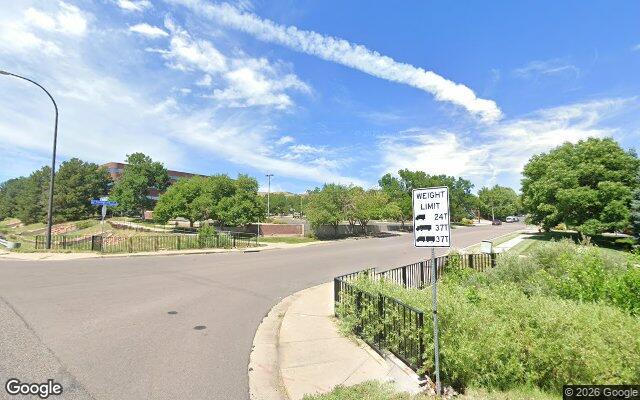
© Google Street View
Compared to 25 Colorado facilities with a similar number of beds.
Assisted living memory care · 36-month window. Higher percentile = better performance on inspection record. Source: Colorado Department of Public Health and Environment.
on file.
among peers to rank.
Rankings based on 36-month CDPHE inspection data. Severity and frequency: fewer citations = higher percentile. Repeat rate: lower repeat citation share = higher percentile.
Citation history, plotted month by month.
25 deficiencies on record. Each bar is a month with a citation.
Finding distribution
25 total · 36 monthsCDPHE Level A–E
The rules that apply to this facility.
State requirements with the exact regulation citation, plain-language explanation, and a question to ask on tour. Rules this facility has been cited for appear first.
Plain language
CDPHE licenses assisted living residences. A secure environment for residents who need one is optional under Chapter 7, Part 25. CDPHE does not publish a facility-level list of homes that have that option, so this page does not call the home state-verified memory care.
Ask on tour
“Ask whether the home has a secure environment, and ask to see the part of the license that says so.”
Questions to ask before you visit.
A short pre-tour checklist tailored to Woodlake Legacy Senior Living's record and state requirements.
The facility has had 11 inspections on file with CDPHE resulting in 25 deficiencies — can you walk us through the written corrective action plans for the most recent deficiencies, and show us documentation that those plans have been implemented?
Ask the operator on tour. Take notes and compare answers across facilities you visit.
Two of the 25 deficiencies were classified as serious (severity 3–4) — what specific issues triggered those serious citations, and what changes to policies or staff practices were made in response?
Ask the operator on tour. Take notes and compare answers across facilities you visit.
Five complaints were filed with the Colorado Department of Public Health and Environment during the inspection period on file — were any of those complaints substantiated, and can you provide documentation of how the facility addressed substantiated findings?
Ask the operator on tour. Take notes and compare answers across facilities you visit.
From this home's file.
Counts and lines from the state file we hold.
- Does Woodlake Legacy Senior Living provide memory care?
Memory-care basis not yet recorded from the state file.
- When was Woodlake Legacy Senior Living last inspected?
Woodlake Legacy Senior Living was last inspected on January 29, 2026. That visit is an annual compliance visit.
- Has Woodlake Legacy Senior Living been cited by CDPHE?
Yes. Woodlake Legacy Senior Living has 25 deficiencies from CDPHE in the last three years. 1 is tagged level e.
- How many citations does Woodlake Legacy Senior Living have?
Woodlake Legacy Senior Living has 25 deficiencies across 8 inspections in the last three years. 1 is tagged level e.
- Who licenses Woodlake Legacy Senior Living?
Colorado Department of Public Health and Environment licenses Woodlake Legacy Senior Living. The license number is 2304WQ. State record: https://cdphe.colorado.gov/health-facilities/find-and-compare-facilities
Every inspection visit, verbatim.
8 inspections in the public record, most recent first. Plain-language summaries open first — click into any row for the full citation text.
2026-01-29Annual Compliance VisitNo findings
Plain-language summary
A follow-up inspection was completed on March 13, 2026 to verify that the facility had corrected deficiencies found during a previous survey on October 15, 2025. The facility was found to be in compliance with all applicable regulations.
2026-01-29Annual Compliance VisitNo findings
Plain-language summary
A follow-up inspection was completed on March 13, 2026 to verify corrections of deficiencies that were previously cited on October 15, 2025. The facility was found to be in compliance with all surveyed regulations. No violations were identified.
2026-01-29Annual Compliance VisitNo findings
Plain-language summary
A revisit survey was completed on March 13, 2026 to verify that the facility had corrected deficiencies found during a previous inspection on October 15, 2025. The facility was found to be in compliance with all applicable regulations that were surveyed.
2025-10-14Annual Compliance VisitLevel B · 7 findings
Plain-language summary
A relicensure survey on October 15, 2025 found that one contracted staff member (Staff #14) had worked directly with residents since September 2024 without receiving required initial orientation, dementia training, or documented training on specific duties and responsibilities, and had worked independently in the memory care unit without any formal training. The staff member confirmed he received no formal training before starting and would ask other staff informally when uncertain about resident care needs. Two additional staff members had incomplete personnel files missing background check results and hire dates, and these deficiencies had been cited previously in April 2025 but were not corrected.
Read full citation text (7)Hide full citation text
“Based on record review and interview, the residence failed to ensure each staff, including contracted staff, had completed an initial orientation prior to providing resident care for one (Staff #14) of three sampled staff members. This deficiency was cited previously during a state licensure survey 4/9/25. Although the facility corrected the deficiency, based on the findings below, the facility has not maintained compliance with this regulatory requirement.Findings include:1. Record reviewPersonnel files for Staff #14 contained no documentation showing that the residence provided initial orientation before the staff member began providing care or services to residents, nor did the files include his hire date.Staff #14 worked and provided care to residents on 10/5, 10/10 and 10/14/25.2. InterviewsOn 10/15/25 at approximately 9:00 a.m., Staff #14 stated that he had not received any formal training or orientation from the residence prior to beginning his duties. He explained that when he encountered questions or uncertainty regarding a resident ' s care or needs, he would seek clarification informally by asking other staff members on duty.On 10/15/25 at 12:41 p.m., the business office manager (BOM) said contracted staff received orientation and training by other staff members. The BOM said orientation and training included reviewing the employee handbook paycore and training modules specific to the department they worked in. However, there was no documentation of what training occurred, when it occurred or by who. The BOM was unable to provide a definitive start date for Staff #14, only that Staff #14 had worked 45 shifts since September of 2024. On 10/15/25 at 2:16 p.m., the administrator said all staff, including contracted staff, were to be oriented and trained prior to providing care to residents. The administrator said the deficiency was being re-cited because the processes that were put in place were not followed.”
“Based on record review and interview the residence failed to ensure each staff member, including contracted staff, received training of their specific duties and responsibilities prior to working independently for one of three (Staff #14) staff members. This deficiency was cited previously during a state licensure survey 4/9/25. Although the facility corrected the deficiency, based on the findings below, the facility has not maintained compliance with this regulatory requirement.Findings include:Personnel files for Staff #14, hire date unknown, revealed no specific training on their duties and responsibilities prior to working independently.Staff #14 worked and provided resident care independently on 10/5, 10/10 and 10/14/25.On 10/15/25 at approximately 9:00 a.m., Staff #14 stated that he had not received any formal training or orientation from the residence prior to beginning his duties. He further stated that he did not receive any training specific to dementia care before working with residents in the memory care unit. He explained that when he encountered questions or uncertainty regarding a resident ' s care or needs, he would seek clarification informally by asking other staff members on duty.On 10/15/25 at 12:41 p.m., the BOM said staff training included reviewing the employee handbook and additional training was assigned depending on what department they were in. The BOM said contracted staff were trained by other staff, however, the residence had no process for documenting orientation or training. The BOM said she was unable to provide a definitive start date for Staff #14, only that Staff #14 had worked 45 shifts since September of 2024. On 10/15/25 at 2:16 p.m., the administrator said the deficiency was being re-cited because the processes that were put in place were not followed.”
“Based on record review and interview, the residence failed to ensure that each staff member, including contracted staff, met the dementia training requirements for one of three (Staff #14) staff members. This deficiency was cited previously during a state licensure survey 4/9/25. Although the facility corrected the deficiency, based on the findings below, the facility has not maintained compliance with this regulatory requirement.Findings include:Record reviewPersonnel files for Staff #14 revealed no evidence that the direct care staff member met the required dementia training requirements. The hire date was not documented.Staff #14 worked and provided care to residents on 10/5, 10/10 and 10/14/25.InterviewOn 10/15/25 at approximately 9:00 a.m., Staff #14 stated that he had not received any specific training related to dementia care or how to appropriately manage residents with dementia.On 10/15.25 at 12:41 p.m., the business office manager ( BOM) said she was unable to provide a definitive start date for Staff #14, only that Staff #14 had worked 45 shifts since September of 2024. On 10/15/25 at 2:16 p.m., the administrator said he was aware of the requirements for dementia training. The administrator said all staff, including contracted staff, were to have dementia training prior to providing resident care. The administrator said the deficiency was being re-cited because the processes that were put in place were not followed.”
“Based on the interview and record review, the residence failed to ensure personnel files included written documentation of results of background check, and hire dates for two of three staff members(#15 and #16). This deficiency was cited previously during a state licensure survey 4/9/25. Although the facility corrected the deficiency, based on the findings below, the facility has not maintained compliance with this regulatory requirement.Findings include:The personnel files for Staff #15, hire date 0/30/24, and #16, hire date 9/18/25 were reviewed, revealing that neither staff member had a hire date and did not contain documentation of Colorado Adult Protective Services (CAPS) reports.On 10/15/25 at 1:12 p.m., the business office manager (BOM) said she requested CAPS reports on all employees in April of 2025, however, she was unable to locate results for Staff #15 and #16. On 10/15/25 at 2:16 p.m., the administrator said personnel files should include an employee's date of hire and results of CAPS.”
“Based on record review and interviews the residence failed to identify the highest potential risk, hold, and document routine drills to facilitate staff and resident response to that risk, affecting 97 residents.This deficiency was cited previously during a state licensure survey 4/9/25. Although the facility corrected the deficiency, based on the findings below, the facility has not maintained compliance with this regulatory requirement.Findings include:1. Record reviewTwo fire drill records dated 8/27/25 and 9/30/25 indicated that the maintenance director conducted a fire drill at 1:00 a.m. and 1:00 p.m. However, no residents participated in the drills, and there was no documentation to show that residents were informed of or included in the drill.2. InterviewsOn 10/15/25 at approximately 2:00 p.m., the Maintenance Director stated that residents had not been included in the fire drills and confirmed that no residents participated in the drills conducted on 8/27/25 and 9/30/25. He further stated that only staff members had attended the fire drills.On 10/15/25 at approximately 2:30 p.m., the administrator stated that he was unaware that residents were required to participate in fire drills and that their involvement needed to be documented in the drill records.”
“Based on observations, interviews and record review, the residence failed to ensure the residents received the maximum degree of benefit of services, affecting one of eight sample residents (#13).This deficiency was cited previously during a state licensure survey 4/9/25. Although the facility corrected the deficiency, based on the findings below, the facility has not maintained compliance with this regulatory requirement.Findings include:Resident #15 was admitted to the residence on 8/17/22, diagnosis included osteoporosis. On 10/14/25 at 10:00 a.m., Resident #15 said she had fallen in the shower last week, date unknown, and staff had removed the knob from her shower. Resident #15 said she had not agreed to it and was annoyed by the removal of the shower knob. Resident #15 said the shower knob was removed to prevent her from showering without a staff member present. Resident #15 said she was agreeable to having a staff present outside her bathroom while showering. The shower was observed to not have the knob. A care plan, dated 12/10/24, revealed Resident #15 was independent with showering and dressing. The care plan did not indicate any previous falls for Resident #15. A resident assessment, dated 9/10/25, revealed Resident #15 was independent with showering and dressing. A progress note, dated 10/7/25, revealed Resident #15 stated she had fallen in the shower that morning and had hit her head, she had not called for help, had gotten herself up, dressed and went to breakfast. On 10/15/25 at 8:47 a.m., Staff #17 said she was instructed by the wellness coordinator to remove Resident #15's shower knob and store it in the med cart. Staff #17 said removing the shower knob was to prevent Resident #15 from showering independently because Resident #15 had fallen recently. On 10/15/25 at 10:43 a.m., the wellness coordinator (WD) said Resident #15's shower knob was removed to prevent her from showering independently. The WD said Resident #15 had fallen on 10/7/25 and had not informed staff, but instead, told another resident who then told staff. The WD said a conversation was had with Resident #15's family member who asked for the shower knob to be removed. The Wellness director said she had spoken to Resident #15 who was agreeable to having a staff member present while showering; however, Resident #15 was forgetful and would shower on her own if the shower knob remained accessible. The WD said Resident #15 was not okay with having the shower knob removed. On 10/15/25 at 2:16 p.m., the administrator said removing Resident #15's shower knob without the resident being in agreement with the shower knob being removed was a rights issue and should not be a first response to a resident falling in the shower. 4. A similar deficient practice was identified for Resident #5.”
“the appropriateness and need for secure environment that included an evaluation by a licensed practitioner that described the resident's cognitive deficits that contributed to wandering, compromised safety awareness and detailed information from the resident's family that revealed a history and pattern of reduced safety awareness and wandering, along with any strategies used to prevent unsafe wandering or successful exiting, affecting one of two (#16) residents who resided in a secure environment.This deficiency was cited previously during a state licensure survey 4/9/25. Although the facility corrected the deficiency, based on the findings below, the facility has not maintained compliance with this regulatory requirement.Findings include:Resident #16, admitted to the secure environment of the residence on 9/6/25, with a diagnosis of dementia.There was no evidence of a pre-admission assessment to determine the appropriateness and need for the secure environment in Resident #16's record.On 10/15/25 at 10:30 a.m., the administrator said the residence had not received an evaluation by a licensed practitioner prior to Resident #16 moving in and should have held off on the admission until it had been received.”
2025-10-14Annual Compliance VisitNo findings
Plain-language summary
A relicensure survey and complaint revisit inspection was completed on October 15, 2025 to follow up on deficiencies cited on April 9, 2025. Deficiencies were found during this follow-up visit. One deficiency related to tag 0664 was identified, which had been noted informally in the previous inspection but was now formally cited.
2025-04-08Complaint InvestigationLevel B · 11 findings
Plain-language summary
A relicensure survey completed on April 9, 2025, found that the residence failed to provide initial orientation, dementia training, or job-specific training to two contracted staff members before they provided care to residents; one staff member worked independently on seven dates in March and April 2025, and the other worked independently on March 26, 2025, affecting all 101 current residents. The administrator acknowledged awareness of these training requirements but believed the contracted staff had already completed the training. The residence was cited for violations of personnel training and orientation standards.
Read full citation text (11)Hide full citation text
“Based on observation and interview, the residence failed to offer drinks, including water, to residents with every meal, affecting 23 residents in the secure environment.Findings include:On 4/8/25 at approximately 8:00 a.m., 12:30 p.m., and 4:30 p.m., there were no water glasses present on the dining room tables in front of residents who were seated for mealtime. There was either juice and/or coffee served. No water was offered by staff at meals. On 4/9/25 at approximately 8:00 a.m., no water glasses were present on the dining room tables in front of residents who were seated for breakfast. On 4/8/25 at 4:42 p.m., Staff #13 said at meals residents were only served their choice of juice or coffee in the evenings. On 4/9/25 at 8:07 a.m., Staff #12 said when she worked the day shift and served breakfast and lunch to residents she only served their choice of juice and/or coffee. She added, "they won't drink it (water). They get water with their medications."On 4/9/25 at approximately 12:30 p.m., the administrator said water should be offered to residents at all meals.”
“Based on record review and interview, the residence failed to complete a pre-admission assessment to determine the appropriateness and need for secure environment that included an evaluation by a licensed practitioner that described the resident's cognitive deficits that contributed to wandering, compromised safety awareness and detailed information from the resident's family that revealed a history and pattern of reduced safety awareness and wandering, along with any strategies used to prevent unsafe wandering or successful exiting, affecting two of three sample residents (#2, #3) who resided in a secure environment.Findings include:Resident #3 was admitted to the secure environment portion of the residence on 2/14/25.There was no evidence of a pre-admission assessment to determine the appropriateness and need for the secure environment in Resident #3's record.On 4/8/25 at 3:18 p.m., the administrator sent an email correspondence that read the residence did not have a pre-admission assessment to determine the appropriateness and need for the secure environment for Resident #3. Additional evidence obtained during the on-site investigation revealed that the residence failed to complete a pre-admission assessment to determine the appropriateness and need for the secure environment that included an evaluation by a licensed practitioner that described the resident's cognitive deficits for Resident #2.On 4/9/25 at approximately 12:30 p.m., the administrator said she expected the residence to ensure that residents had pre-admission assessments to determine the appropriateness and need for the secure environment prior to move in and for the assessments to include an evaluation by a licensed practitioner that described the resident's cognitive deficits. She added, she was not aware that the residence did not have a pre-admission assessment for Resident #3.”
“Based on record review and interview, the residence failed to ensure each staff had completed an initial orientation prior to providing resident care, affecting 101 current residents.Findings include:Personnel files for Staff #1 and #2 included no documentation that the residence provided any initial orientation prior to providing care or services to residents.Staff #1 worked and provided care to residents on 3/30, 4/4, 4 /5, 4/6, 4/9, 4/10 and 4/11/25. Staff #2 worked and provided care to residents on 3/26/25.On 4/9/25 at 12:26 p.m., the administrator said Staff #1 and Staff #2 were contracted staff and had not completed orientation prior to providing resident care.”
“Based on record review and interview, the residence failed to ensure that each staff member met the dementia training requirements, affecting 101 current residents.Findings include:Personnel files for Staff #1 and Staff #2 revealed no evidence that the direct care staff members met the dementia training requirements. Staff #1 worked and provided resident care on 3/30, 4/4, 4 /5, 4/6, 4/9, 4/10 and 4/11/25. Staff #2 worked and provided resident care on 3/26/25.On 4/9/25 at 12:26 p.m., the administrator said she was aware of the requirements for dementia training. The administrator said Staff #1 and Staff #2 were contracted staff and she thought they had completed the training.”
“Based on record review and interview the residence failed to ensure each staff member received training of their specific duties and responsibilities prior to working independently, affecting 101 residents. Findings include:Personnel files for Staff #1 and #2 revealed no specific training on their duties and responsibilities prior to working independently. Staff #1 worked independently on 3/30, 4/4, 4 /5, 4/6, 4/9, 4/10 and 4/11/25. Staff #2 worked independently on 3/26/25.On 4/9/25 at 12:30 p.m., the administrator said Staff #1 and Staff #2 were not trained in specific duties prior to working independently because the residence lacked a process for training agency staff.”
“Based on record review and interview, the residence failed to identify the highest potential risk and hold routine drills to facilitate staff and resident response to that risk, affecting 101 current residents.Findings include:The residence's fire drill documentation revealed fire drills were held on 9/8 and 10/28/24. There were no other records of fire drills being conducted after 10/28/24.On 4/9/25 from at 10:50 a.m. to 10:58 a.m., Staff #9 said she had been working at the residence since May 2024 and the residence had not conducted a fire drill. Staff #11 said he had been at the residence for six months and the residence had not conducted a fire drill. Staff #8 said the last fire drill conducted was around September 2024. Staff #7 said the last fire drill was conducted approximately a month prior to the onsite visit. Staff #10 said the last fire drill was a month and a half prior to the onsite visit. Lastly, the maintenance director said the last fire drill he conducted was in January 2025. On 4/9/25 at approximately 12:30 p.m., the administrator said the last fire drill was conducted in September 2024 and expected fire drills to be documented, if conducted.”
“Based on interview and record review, the residence failed to investigate allegations of abuse of residents in accordance with its written policy to include the process for investigating such allegations, how the residence will document the investigation process to evidence the required reporting, and that a thorough investigation was conducted, how the resident shall be protected from potential future abuse while the investigation is conducted, if the abuse is verified the assisted living shall take appropriate corrective action, and a requirement that a copy of the investigation findings shall be retained by the residence and available for department review, affecting all 101 residents.Specifically, on 4/2/25 Staff #4 and Staff #6 showered confidential Resident #2. During and after the shower, confidential Resident #2 experienced pain and discomfort as a result of Staff #4's "rough and careless." When the residence was informed of Staff #4 ' s conduct, she was only removed from providing care to residents on the third floor and reassigned to provide care to residents on a different floor. The residence did not conduct or document the investigation required. Staff #4 continued working and provided care to residents as of 4/8/25. This failure created an immediate jeopardy risk of abuse to all 101 current residents residing in the residence. On 4/8/25, the department directed the residence to provide written evidence that the risk had been removed.Findings include:1. Residences Investigations of AbuseOn 4/7/25, a review of the Department's occurrence database revealed the residence had submitted no occurrences after 3/11/25.On 4/8/25 at 3:46 p.m., the administrator was asked to provide investigation documentation of any abuse allegations within the last 90 days. On 4/8/25 at 4:52 p.m., an investigation for confidential Resident #2 was provided and read in part, on 4/3/25 at 4:30 p.m., a staff member of the residence reported concerns from confidential Resident #2 about Staff #4 to the administrator and wellness director. Staff #4 was moved to a different floor and continued to provide care to other residents. On 4/4/25, confidential Resident #2 was interviewed and explained that Staff #4 was too rough, especially with showers. It did not feel intentional she was just too small to help and requested Staff #4 to no longer assist confidential Resident #2. The resident care coordinator completed a skin assessment, which noted no new discoloration. The wellness director called confidential Resident #2's family member and they expressed they were okay with Staff #4 being moved off the third floor of the residence and did not want Staff #4 to lose their job. Confidential Resident #2's family member mentioned the discoloration of skin on confidential Resident #2's back.On 4/8/25 at 6:30 p.m., proof of the interviews completed for the investigation were requested, however, they were not provided by the time of exit on 4/9/25 at approximately 1:15 p.m.2. Confidential Resident #2 was admitted to the residence on 9/8/24 with diagnoses including Parkinson's disease and major depressive disorder.On 4/8/25 at 11:30 a.m., Confidential Resident #2's record failed to include any documentation from the investigation of alleged abuse on 4/2/25.On 4/8/25 at 6:30 p.m., record review of a progress note created by the wellness director dated 4/8/25 at 5:18 p.m., read in part, effective 4/4/25 at 2:00 p.m., the wellness director was informed by staff that confidential Resident #2 voiced concerns about an evening staff member. Upon investigation, the staff member was removed from the third floor and placed on a different floor of the residence due to concerns voiced. The wellness director called and addressed concerns with confidential Resident #2's family member who voiced they did not want the staff member to be fired nor to be providing care to their family member moving forward. Confidential Resident #2's family member accepted the discussion and brought the discoloration observation of the left lower back to the wellness director's attention. Effective 4/5/25 at 10:00 a.m., the wellness director completed an assessment with confidential Resident #2 and observed light purple, greenish, and yellow fading/healing discoloration of the left lower back. The resident denied any pain or discomfort in the area. - Serviced on 4/8/25 at 4:18 p.m.3. InterviewsOn 4/8/25 at 3:00 p.m., confidential Resident #2 reported that they had been assisted with a shower by Staff #4 and Staff #6 on 4/2/25. Confidential Resident #2 explained that Staff #4 had frequently assisted with their showers, which caused them pain and discomfort due to Staff #4 ' s "carelessness and roughness." Confidential Resident #2 explained that during the shower, Staff #4 was rough and had been slammed into the side wall of the shower. They added that their feet hit the wall, and they almost fell off the shower chair when Staff #4 pushed the shower chair with wheels into the shower. Confidential Resident #2 said they were not thoroughly rinsed off after voicing the need for assistance, which resulted in soap getting into their eyes. Confidential Resident #2 reported that every time Staff #4 assisted with their showers before 4/2/25, they would hurt all over their body, and it would be worse than the last shower before that.On 4/8/25 at 3:46 p.m., the administrator reported Staff #9 texted her and the wellness director that evening about Staff #4 being rough during a shower. She reported they removed that staff member from the third floor to the second floor, interviewed confidential Resident #2, and the resident care coordinator completed a skin check. On 4/8/25 at 6:29 p.m., the administrator explained the resident care coordinator interviewed confidential Resident #2 and the wellness director interviewed confidential Resident #2's family member for the investigation. She acknowledged it was not a thorough investigation according to the regulation, however, the residence responded based on how confidential Resident #2 and their family member responded since they did not report the actions from Staff #4 were intentional or malicious. The administrator added she found out about the event the next day on 4/3/25 and responded on 4/4/25. The administrator stated Staff #6 was not interviewed, however, other staff were interviewed. The administrator explained Staff #4 was not removed from the schedule, just moved to a different floor of the residence. She acknowledged the residence should have removed Staff #4 from the schedule until they completed a thorough investigation that included interviewing other residents and staff. On 4/9/25 at 8:53 a.m., Staff #6 reported she had observed Staff #4 giving confidential Resident #2 a shower as part of training. She reported she did not provide any hands-on assistance with the showering tasks and just observed. She said confidential Resident #2 looked uncomfortable during the shower due to Staff #4 not being gentle. She said Staff #4 was rough when she transferred confidential Resident #2 into the wheelchair, onto the toilet, and when getting in the shower. She said confidential Resident #2's body language expressed discomfort. She added she did not report the incident because she was unaware of who to report to.Similar deficient practice occurred with confidential Resident #1.4. Immediate Jeopardy Risk - Written Evidence, Immediate CorrectionThe investigation established that the findings placed the 101 current residents at immediate jeopardy risk for abuse. The residence was directed to provide the department with written evidence that the risk had been removed. Part 3.13 of Chapter VII regulations required residences to immediately correct the circumstances that gave rise to the immediate jeopardy situation.On 4/8/25 at 6:49 p.m., the administrator submitted written evidence that read Staff #4 was suspended on 4/8/25 at 4:30 p.m., pending the investigation for an allegation of rough care. Staff #4 would be provided hands-on training with the wellness director regarding the care of residents during activities of daily living (ADL), especially showers. Staff #4 would be shadowed for her first shift following training to ensure compliance with care techniques. The administrator would complete a thorough investigation of the alleged allegation, including interviews of a minimum of five residents who have received care from Staff #4 and five staff members who worked the same shift as Staff #4. However, the written evidence did not indicate the risk had been removed because it did not contain details and actions taken by the residence if the investigation found Staff #4 could or could not return to the residence, depending on the results of the investigation. The administrator was directed to submit additional written evidence.On 4/8/25 at approximately 7:00 p.m., the administrator submitted additional written evidence that read Staff #4 was suspended on 4/8/25 at 4:30 p.m., pending the investigation of allegations of rough care. The administrator would complete a thorough investigation of the alleged allegation, including interviewing a minimum of five residents who had received care from Staff #4 and five staff members who worked the same shift as Staff #4. If the investigation found Staff #4 can return then Staff #4 will be provided hands-on training with the wellness director regarding the care of residents during ADL, especially showers. Training would include transferring, bed repositioning, and showering with the wellness director or licensed physical therapist. Staff #4 would be provided with three days of on-floor training with the wellness director. Staff #4 would be shadowed for their first shift following training to ensure compliance with care techniques by the wellness director or wellness nurse. Staff #4 would be monitored by the qualified medication person (QMAP) for two weeks following the training. The QMAP would report any concerns to the wellness director or administrator. The completion of successful training and monitoring outcomes will be documented in Staff #4 file. If the investigation finds that Staff #4 can not return, then Staff #4 would be terminated per state labor laws, with an effective date of the completion of the investigation.”
“Based on record review and interview, the residence failed to comply with authorized practitioner orders associated with medication administration, affecting four of 10 sample residents (#1, #5, #8 and #10).Findings include:Resident #8 was admitted to the residence on 2/28/25 with diagnoses including displaced fracture of right femur and osteoporosis.A written practitioner's order dated 2/26/25 directed the residence to administer diclofenac topical gel twice daily. However, the March 2025 medication administration record (MAR) for Resident #8 read the medication was not available and not administered on 3/1 - 3/6, 3/ 8- 3/11/25, for a total of 10 days. The March 2025 MAR revealed the residence failed to follow practitioner's orders due to medication not being available:Acyclovir 5% ointment Vitamin B12WarfinThe April 2025 MAR revealed the residence failed to follow practitioner's orders due to medication not being available:DiltiazemFurosemideVitamin D3Evidence revealed similar deficient practice for Residents #1, #5 and #10 in March and April 2025.On 4/9/25 at 11:03 a.m., the wellness director said Resident #8 admitted on 2/28/25 and medications were not available at the beginning of March because a signed order had not been provided to the pharmacy. The wellness director said specific to the diclofenac topical gel and vitamin B12 there were issues with the insurance covering cost or family covering the cost because medication can be obtained over the counter. On 4/9/25 at 12:26 p.m., the administrator said the expectation was that all physician orders to be followed medications should be available.”
“Based on observation and interview, the residence failed to store resident medications in a refrigerator that does not contain food, affecting 23 current residents in the secure environment.Findings include:On 4/8/25 at 7:42 a.m., the refrigerator in the secure environment medication room revealed food near residents' refrigerated medications. The food consisted of a tub of cream cheese, an open water bottle half-filled with white liquid and a glass bottle filled with coffee. The refrigerated medications included 500 mm of acidophilus lactobac, latanoprost 0.005% and 650 mg acetaminophen suppository. On 4/9/25 at approximately 12:30 p.m., the administrator said she expected the medication refrigerator in the medication room to only contain refrigerated medications and not food.”
“Based on record review and interview, the residence failed to ensure the residents received the cooperation of the residence to achieve the maximum degree of benefit, affecting one of 11 sample residents (#5).Resident #5 was admitted to the residence on 12/6/24 with diagnoses including wedge compression fracture of T7-T8 vertebra, age-related osteoporosis without current pathological fracture, multiple fracture of ribs, muscle weakness, and repeated falls.The call light device activity report for Resident #5 for March 2024 revealed Resident #5 had pushed their pendant on 3/26/25 at 8:09 p.m., and waited 28 minutes then pushed their pendant again at 8:38 p.m., and waited 28 minutes.On 4/8/25 at 8:23 a.m., Resident #5 said they fell about one week ago before bedtime. He explained he tried to transfer out of his wheelchair, fell, and hurt his right shoulder and clavicle, which needed to be x-rayed. He reported staff did not respond to his call light for about one hour. He reported he waited a long time for help due to lack of staff.On 4/9/25 at 12:45 p.m., the administrator reported their expected average call light response time was 20 minutes depending on their current census. The administrator reported 28 minute wait time would be long depending on the situation and if it was an emergency. She explained the residence did not want residents to be on the floor waiting for help from staff for an hour and expected staff to respond in the expected time frame.”
“Based on observation, interview and record review, the residence failed to ensure foods were nutritionally balanced, affecting 23 current residents in the secure environment. Findings include:1. 4/8/25 Breakfast MealThe breakfast menu for the residence consisted of eggs, oatmeal, cream of wheat, seasonal fruit, bacon or sausage, pastries and toast. On 4/8/25 at approximately 8:00 a.m., the breakfast served in the secure environment was scrambled eggs, bacon, oatmeal and cream of wheat. There was no seasonal fruit being served or offered.On 4/8/25 at 8:06 a.m., Staff #5 and #12 confirmed the kitchen never prepared or served seasonal fresh fruit to the residents in the secure environment.2. 4/9/25 Breakfast MealThe breakfast menu for the residence consisted of French toast, eggs, oatmeal, cream of wheat, seasonal fruit, bacon or sausage, pastries and toast.On 4/9/25 at approximately 8:00 a.m., the breakfast served in the secure environment was french toast, oatmeal, cream of wheat, bacon, sausage and scrambled eggs. There was no seasonal fruit served or offered. On 4/9/25 at 8:07 a.m., Staff #12 said the kitchen did not prepare any seasonal fruit for breakfast for the residents in the secure environment. On 4/9/25 at approximately 12:30 a.m., the administrator said she expected the kitchen staff to prepare and serve the same food for the secure environment as they did in the non-secure environment and the menu should include fruit.”
2024-08-01Annual Compliance VisitNo findings
Plain-language summary
A revisit inspection was completed on August 1, 2024 to check whether the facility had corrected deficiencies found during a previous inspection on May 2, 2024. The facility was found to be in compliance with all previously cited deficiencies.
2024-05-01Complaint InvestigationLevel A · 7 findings
Plain-language summary
A complaint was substantiated on May 2, 2024, finding that the residence failed to reassess a resident before readmitting her after hospitalization, despite her having new care needs including non-weight-bearing status and high fall risk following ankle and rib fractures. The resident fell twice while at the facility, sustaining fractures each time, and staff were unaware of her changed condition upon return because no pre-readmission evaluation was conducted. The residence's policy required reassessment before readmission, but this was not performed on either March 31, 2024, or April 27, 2024, when the resident returned.
Read full citation text (7)Hide full citation text
“Based on record review and interview, the residence failed to evaluate a resident transferred to another healthcare entity prior to readmission, affecting one resident (#1). (Cross-reference Q1146, Q1180) Findings include:The residence Allowable Health Conditions policy, dated 5/12/23, read in part that the residence reassessed a resident transferred to another healthcare entity prior to the resident's readmission to the residence. Resident #1 was admitted to the residence on 8/30/23 with diagnoses including muscle weakness and cognitive communication deficit.Progress notes, dated 3/10/24-4/25/24, read in part:On 3/10, the resident fell in her bedroom and sustained a two-inch laceration on her forehead, a bloody nose, and pain in her left ribs. She was transferred to the emergency department (ED). The ED determined that the resident sustained two lateral rib fractures to her left side.On 3/14, the residence conducted a re-assessment; however, the resident was discharged from the hospital to a skilled nursing facility (SNF).On 3/17, the residence spoke with a family member of Resident #1 and learned that the resident was at a SNF. The residence planned to conduct a pre-admission assessment at the SNF. On 3/31/24, Resident #1 was readmitted to the residence and an assessment was conducted on the date of re-admission. On 4/23, Resident #1 was found on the floor after an unwitnessed fall. She complained of pain in her right ankle, which was swollen. She was transferred to the ED, and they found that the resident had fractured her ankle. On 4/25, a family member of Resident #1 reported that the hospital planned to discharge the resident to a SNF. On 4/29, a family member of Resident #1 reported that they were taking the resident to an appointment to get a cast. Despite the resident returning on 4/27, the progress notes failed to contain a readmission note. A hospital After Visit Summary, dated 4/27/24, read in part that Resident #1 sustained a closed trimalleolar fracture of the right ankle.A practitioner Evaluation and Management, dated 5/1/24, read in part that Resident #1 sustained a fall and right ankle fracture. She returned to the residence on 4/27/24 and required two-person assistance with transfers. The resident was non-weight-bearing for three weeks and was a high fall risk. The evaluation further noted the resident sustained a rib fracture in March 2024. An assessment, dated 3/31/24, read in part that the resident returned to the residence. The record for Resident #1 contained no assessment prior to the re-admission on 3/31/24 or 4/27/24.On 5/1/24 at 7:19 a.m., Staff #1 stated she was present when Resident #1 returned to the residence. She stated the resident was unable to bear weight, was a two-person transfer, and that her oxygen saturation dropped on the way back to the residence. Staff #1 stated the emergency medical transport (EMTs) required the residence to administer oxygen to the resident despite never needing it prior. She added she was unaware that the residence could state they would not re-admit the resident without a reassessment. On 5/1/24 at 9:10 a.m., the licensed practical nurse (LPN) stated that the residence failed to assess Resident #1 prior to re-admission. She added that EMTs brought the resident to the residence on 4/27/24 and the LPN spoke to them over the telephone. She added that she did not refuse to admit the resident until reassessed. She stated had she reassessed Resident #1 she would not have re-admitted her to the residence as she appeared to require a higher level of care. She added the after visit summary from the hospital contained no information regarding the care of Resident #1.On 5/1/24 at 9:29 a.m., the resident care coordinator (RCC) stated that she did not verify with the hospital that they planned to discharge the resident to a SNF when she learned about that possibility from the family member of the resident on 4/24/24. She added the residence did not reassess the resident priorto readmission. She added the resident may have needed a higher level of care. On 5/1/24 at 1:00 p.m., the HSD stated that the residence failed to re-assess the resident prior to re-admission. She added that the residence staff were unaware that they could refuse to re-admit the resident until she was assessed and it was established the residence could take care of her. On 5/1/24 at 3:26 p.m., Staff #6 stated she had no knowledge of the new care needs for Resident #1 when she worked the day after the resident ' s return from the hospital. She affirmed there was no re-assessment, no note, and no instructions from the hospital. On 5/2/24 at 12:37 p.m., the administrator stated that the residence failed to reassess the resident prior to readmission. She added that the hospital discharged the resident without communicating; however, the residence should have verified with the hospital all discharge plans, and should have reassessed the resident to make sure the residence had the ability to meet her needs. She affirmed that the LPN or HSD were responsible for assessments, and the RCC for care coordination.”
“Based on observation, interview, and record review, the residence failed to make available, either directly or indirectly through a resident agreement, a safe and sanitary environment including, but not limited to, measures to reduce the risk of potential hazards in the physical environment related to the unique characteristics of the population, affecting 24 current residents. (Cross-reference S2812, S3060)Findings include:1. Residence AgreementThe residence's undated Residence and Care Agreement read in part that the residence provided maintenance and housekeeping services. The residence's goal was to maintain the highest quality of living environment for the residents. The residence provided carpet cleaning and prohibited residents from having cleaning chemicals in their apartments. The resident had the right to expect the maximum degree of benefit from the services provided by the residence. Good housekeeping controlled bed bug problems by identifying and limiting the spread of bed bugs. 2. Steam TableOn 5/1/24 at 7:19 a.m., Staff #2 stated that the steam tables were hot to the touch. She added that the residence turned them on approximately 30-40 minutes before food arrived from the central kitchen for each meal. On 5/1/24, between 7:20 a.m. and 7:39 a.m., a steam table was unsecured and unattended in the dining area of the secure environment. The steam table temperature was 140 degrees F. Resident #7 was present in the area and mobile.On 5/1/24, between 11:15 a.m. and 11:38 a.m., a steam table was unsecured and unattended in the dining area of the secure environment. The steam table temperature was 154 degrees F. Resident #1 was present in the area.On 5/1/24 at 2:06 p.m., the administrator stated that the steam tables were unsecured in the secure environment (SE); however, she was unaware that the residence turned them on prior to food arriving and left them unattended. She affirmed that residents interested in the food had the potential to burn themselves. She added she was unaware that the table's temperature reached 156 degrees F.3. Pest Control and Cleaning ChemicalsOn 5/1/24, between 8:25 a.m. and 5/2/24 at 11:40 a.m., a pest control trap read, "Poison do not touch." The trap was accessible to residents and was in the outdoor area of the SE. One unidentified resident was observed in the outdoor area throughout this time in the SE; however, she did not go near the trap. On 5/1/24 at approximately 7:20 a.m. until 5/2/24 at 11:42 a.m., a rodenticide package in the corner of the dining room read, "Keep out of reach of children." On 5/1/24 at 8:13 a.m., the shared bathroom in the SE contained an unsecured air freshener that read in part, "Caution. Keep out of reach of children and pets."On 5/1/24 at 11:47 a.m., Resident #6's room had unsecured cleaning products whose labels read in part, "Hazards to humans and domestic animals."On 5/2/24 at 7:55 a.m., Staff #3 pointed out the rodenticide when asked if there were any pest control measures present in the SE that may pose a threat to residents. On 5/2/24 at 11:42 a.m., the licensed practical nurse (LPN) stated that she did not know what the rodenticide was; however, if a resident picked it up, the rodenticide in the dining room and courtyard would not be safe. On 5/2/24 at 12:37 p.m., the administrator stated she was not aware of any unsecured cleaning chemicals or rodenticide present in the SE; however, she needed to follow up and ensure that they were safe or that they were removed to ensure a safe environment. 4. HousekeepingOn 5/1/24, between approximately 10:00 a.m. and 11:30 a.m., the shared bathroom in the SE had a strong odor and open receptacles with items containing feces. On 5/1/24, between approximately 11:30 a.m. and 3:20 p.m., the following housekeeping concerns were present in the SE:The two carpeted hallways had multiple unidentified stains.The rooms of Residents #3, #5, and #6 had showers with soap scum, hair, flecks of black material, dirt on windowsills,and dust on furniture. The room of Resident #6 and the shared bathroom in the assisted living area had fecal matter on the toilet. On 5/1/24 at approximately 1:00 p.m., Staff #3 stated that the residence had not provided effective housekeeping in several areas of the SE because they were dirty or unsanitary, including showers, carpets, furniture, window sills, and common areas. She added this was especially required because of the uncontrolled pest concerns. On 5/1/24 at 1:52 p.m., a family member of Resident #6 stated that the residence had ongoing housekeeping issues in the SE. She stated she met with the director of plant management (DPM) on several occasions, as the SE had housekeeping in the afternoons only Monday through Friday, and the current housekeeper reported that he did not dust or clean showers. The family member added that the carpets were stained throughout the SE. She stated that the SE required daily housekeeping due to the high number of incontinent residents. The family member added she had started cleaning Resident #6''s room because the residence was not doing it, adding that she kept cleaning products in the resident's room unsecured. She stated that, on occasion, she cleaned common areas of the SE as well. On 5/1/24 at 3:26 p.m., Staff #6 stated there were no housekeeping staff in the SE on the weekend, and while the staff did their best to clean up, the SE was often dirty as staff was busy with resident care. On 5/2/24 at 11:15 a.m., the DPM stated that the SE had a part-time housekeeper, which was not enough to maintain a safe and sanitary environment, and that there was no housekeeper on the weekends. He added that he expected the residence staff to close all receptacles that contained laundry or garbage with fecal matter present and that the staff's failure to address the open receptacles as open receptacles were unsanitary and was a dignity concern for the residents. He affirmed that the carpets were not clean and required attention.On 5/2/24 at 12:37 p.m., the administrator affirmed there was no dedicated housekeeper on the weekends in the SE. She added that the residence needed to clean the carpets because they were stained and appeared dirty.”
“Based on record review and interview, the residence failed to ensure a comprehensive assessment was updated whenever the resident's condition changed from baseline status, affecting one sample resident (#1). (Cross-reference S1180)1. Reference and Residence Policya. Chapter VII regulations governing assisted living residences, part 12.7, requires that the comprehensive assessment shall include all the following items:(B) Information regarding the resident's overall health and physical functioning ability;(E) Current diagnoses and any known or anticipated need or impact related to the diagnoses;(J) History and circumstances of recent falls and any known approaches to prevent future falls;(L) Types of physical, mental, and social support required.b. The residence Fall Response policy, dated 5/13/23, read in part that the residence health services director (HSD) planned for a resident's return from another healthcare entity by tracking new orders, changes, and needs to assist the resident in coordinating care when the resident returned to the residence. c. The residence Resident Assessment and Service Plan policy, dated 5/12/23, read in part that the residence updated the resident's assessment as frequently as necessary to ensure the assessment reflected the resident's care needs. The residence assessed a resident when there was a change in resident status or needs. 2. Record ReviewResident #1 was admitted to the residence on 8/30/23 with diagnoses including muscle weakness and cognitive communication deficit.A progress note, dated 4/23/24, read in part that the resident was found on the floor after an unwitnessed fall. She complained of pain in her right ankle, which was swollen. She was transferred to the ED, and they found that the resident had fractured her ankle. A hospital After Visit Summary, dated 4/27/24, read in part that Resident #1 sustained a closed trimalleolar fracture of the right ankle.A practitioner Evaluation and Management, dated 5/1/24, read in part that Resident #1 sustained a fall and right ankle fracture. She returned to the residence on 4/27/24 and required two-person assistance with transfers. The resident was non-weight-bearing for three weeks and was a high fall risk. An assessment, dated 3/31/24, read in part that the resident required one person to transfer. The record for Resident #1 contained no assessment after the resident returned home on 4/27/24 until the date of the onsite visit. 3. Interviews On 5/1/24 at 9:10 a.m., the licensed practical nurse (LPN) stated that the residence failed to update the comprehensive assessment Resident #1 after her discharge from the hospital. She added the residence should have updated the comprehensive assessment her. She added that she and the health services director (HSD) were responsible for updating the comprehensive assessments. On 5/1/24 at 1:00 p.m., the HSD stated that the residence had not updated the comprehensive assessment Resident #1 after she returned from the hospital on 4/27/24 despite her changing needs. She affirmed that she worked at the residence the day the resident returned and checked in on her but did not update the resident ' s comprehensive assessment.On 5/2/24 at 12:37 p.m., the administrator stated that the residence should have reassessed the resident after her hospitalization. She added that information on the comprehensive assessment populated the care plan and task sheet. The administrator affirmed that staff who worked infrequently relied on the task sheet to assist with understanding the residents' care needs.”
“Based on interviews and record review, the residence failed to implement a fall management program that included detailing in the resident's care plan the individualized approaches necessary to address fall risks, affecting five of six sample residents (#1-#4, #6). (Cross-reference S1068, S1146)Specifically, Resident #1 fell on 2/29/24 and sustained two red marks on her back. However, the residence failed to update the care plan to address the individualized approaches necessary to address fall risks. The resident fell on 3/10/24 and sustained fractured ribs, and the residence failed to update her care plan as required. Subsequently, the resident fell on 4/23/24 and sustained a fractured ankle, and the residence failed to update her care plan as required. Specifically, Resident #2 fell on 3/6/24 and sustained pain. However, the residence failed to update the care plan to indicate the resident was at risk for falls or address individualized approaches necessary to address fall risks. Subsequently, the resident fell on 4/10/24 and sustained an injury to her forehead, and the residence failed to update her care plan as required. Specifically, Resident #3 fell on 2/1/24 and sustained a skin tear. However, the residence failed to update the care plan to address individualized approaches necessary to address fall risks. Subsequently, the resident fell on 4/7/24 and sustained a laceration to her lip, and the residence failed to update her care plan as required. Findings include:1. Residence Policy The residence Fall Response policy, dated 5/13/23, read in part that when a resident had any subsequent falls to an initial fall, the residence discussed interventions with the resident's practitioner, including medication review or physical therapy. If the resident fell frequently, the residence may have implemented one-on-one care if the resident had not responded to interventions. 2. Resident #1 was admitted to the residence on 8/30/23 with diagnoses including muscle weakness and cognitive communication deficit.a. Record ReviewProgress notes, dated 2/29/24-4/29/24, read in part: On 2/29 at 9:09 a.m., the resident sustained an unwitnessed fall and called for help. The resident had two red marks on her back from the fall.On 3/3, follow-up from the fall on 2/29 included the determination that the resident attempted self-transfer and required more frequent monitoring.On 3/10 at 8:10 a.m., the resident fell in her bedroom and sustained a two-inch laceration on her forehead, a bloody nose, and pain in her left ribs. She was transferred to the emergency department (ED). The ED determined that the resident sustained two lateral rib fractures to her left side. On 4/23 at 5:30 a.m., the resident was found on the floor after an unwitnessed fall. She complained of pain in her right ankle, which was swollen. She was transferred to the ED, and they found that the resident had fractured her ankle. A hospital After Visit Summary, dated 4/27/24, read in part that Resident #1 sustained a closed trimalleolar fracture of the right ankle.A practitioner Evaluation and Management, dated 5/1/24, read in part that Resident #1 sustained a fall and right ankle fracture. She returned to the residence on 4/27/24 and required two-person assistance with transfers. The resident was non-weight-bearing for three weeks and was a high fall risk. The resident also fell in March 2024 and sustained rib fractures. The resident continued to fall despite interventions; however, the note indicated no interventions attempted by the residence aside from reminders not to stand. A care plan, updated 4/25/24, read in part that Resident #1 was both able and unable to make her needs known, , had cognitive impairment, was at high risk for falls, and required assistance with ambulation with use of a walker or cane. Fall interventions, dated 10/10/23, read that the resident was encouraged to wear non-skid shoes or socks, was at risk for falls due to medication and hypertension, and required reminders to call for assistance. Contrary to the 4/25/24 update to the care plan, the resident was out of the residence at the ED. The residence failed to include new approaches to address the resident's risk of falls in the care plan after 10/10/23. The care plan provided contradictory information regarding the resident's ability to make her needs known. b. InterviewsOn 5/1/24 at 9:10 a.m., the licensed practical nurse (LPN) stated that she, the resident care coordinator (RCC), and the health services director (HSD) were responsible for updating the care plans for the residents. She added she did not know why the care plan for Resident #1 read that the residence updated it on 4/25/24 as the resident was in the ED and was admitted to the hospital on that date. The LPN added that she believed the RCC may have updated it. She stated that after a resident fell, the residence was required to update the care plan, but they did not consistently update the fall risk section of the care plan. She stated that Resident #1 had more than one fall: one that resulted in a rib fracture and one in a broken ankle. She affirmed that the intervention was increased supervision.On 5/1/24 at 9:29 a.m., the RCC stated she accidentally time-stamped the care plan with no updates for Resident #1 when she was updating other residents' care plans on 4/25/24. She added that the resident was admitted to the hospital at that time. The RCC affirmed that Resident #1 had more than one fall with injury and that the care plan did not contain specific approaches staff were to take other than those included prior to the resident's recent falls, such as increased supervision and appropriate footwear.On 5/1/24 at 10:50 a.m., Staff #3 stated that Resident #1 had a number of falls. She added that most recently, the resident fell in March 2024 which resulted in fractured ribs, and the week prior to the onsite visit, which resulted in a fractured ankle. She added that after Resident #1's falls, the residence did not update the care plan, and the care plan populated the task sheet; and so the residence had not updated the task sheet. She stated that Resident #1 required increased supervision; however, due to the number of residents with high care needs and the amount of staff, it was increasingly challenging to provide the supervision.On 5/1/24 at 11:11 a.m., Staff #1 stated that several newer or agency staff relied on care plans and task sheets as a reference regarding the residents' care needs. She affirmed that the residence did not consistently update the care plans after a resident sustained a fall. Staff #1 stated that Resident #1 had recent falls that included a fractured ankle and fractured ribs. On 5/1/24 at 1:00 p.m., the HSD stated the residence should have updated care plans with specific interventions for falls after residents fell. She added that in the secure environment, typical interventions such as physical therapy were not always the best approach to address falls. The HSD added that increased supervision was an approach; however, when the approach did not mitigate falls, the residence should have considered others. She affirmed that Resident #1 fell with injuries, including fractured ribs and ankle. She affirmed that Resident #1 fell in the morning and that the residence should have considered the time of day when updating approaches but did not.On 5/2/24 at 8:20 a.m., a family member of Resident #1 stated that due to the limited staff and newer staff on the weekends, the residence was not providing increased supervision to the residents, which likely led to increased falls. She added that Resident #1 had sustained a number of falls and most recently fractured her ankle. The family member affirmed that the resident also fell in March 2024 and fractured her ribs. She stated that the residence had not discussed fall management with her including staff approaches to address the resident's falls, and she was not aware of any specific approaches. On 5/2/24 at 12:47 p.m., the administrator stated that each time a resident fell, the residence was required to reassess the resident and that assessment updated the care plan and tasks. She stated that approaches such as increased supervision were not specific enough to address the fall risks. 3. Additionally, the residence failed to implement a fall management program that included detailing in the resident's care plan the individualized approaches necessary to address fall risks for Residents #2-#4 and #6.”
“Based on observation, record review, and interview, the residence failed to ensure each qualified medication administration person (QMAP) had completed a competency assessment with direct observation of all medication administration tasks the QMAPs were assigned to perform for eight of eight sample staff (#1, #3-#9) who were QMAPs affecting 24 current residents in the secure environment (SE).Findings include: The residence Medication Services policy, dated 12/15/21, read in part that the residence required a nurse or practitioner as the QMAP supervisor to have completed a competency assessment for each QMAP prior to the QMAP administering medication to a resident. The residence was required to comply with practitioner orders and document all medication administered. Pre-pouring medication was outside of the scope of a QMAP.On 5/1/24 at 8:12 p.m., a serving tray was present in the medication room with a label that read that the tray should not be removed. Personnel files for Staff #1 and #3-#9 read that each staff member was a QMAP. However, the files did not contain written documentation that the residence conducted a competency assessment with direct observation of all medication administration tasks for each staff member.The April 2024 staff schedule for the SE revealed Staff #1, #3-#9 worked at the residence as the sole QMAP and administered medications on the following dates:Staff #1: 4/2-4/6, 4/9-4/13, 4/17-4/21, 4/23-4/27, and 4/30/24Staff #3: 4/1 and 4/8/24Staff #4: 4/1-4/5, 4/8-4/12, 4/15-4/19, 4/22-4/26, and 4/29-4/30/24Staff #5: 4/7, 4/14, 4/16, 4/21, and 4/28/24Staff #6: 4/7, 4/14, 4/21, and 4/28/24Staff #7: 4/21 and 4/28/24Staff #8: 4/6, 4/13, 4/20, and 4/27/24Staff #9: 4/6, 4/13, 4/20, and 4/27/24On 5/1/24 at 7:09 a.m., Staff #1 stated that the medication blister packs were labeled with the date for each scheduled administration, and she noticed that staff had not administered doses of acetaminophen as required over the weekends. She added that she often trained new QMAPs, or agency QMAPs, to orient them to the residents.On 5/1/24 at approximately 3:00 p.m., Staff #6 stated that she saw a tray for medication administration in the medication room and that residents and resident family members reported that other QMAPs pre-poured medication and used the tray to administer several residents ' medications at once. On 5/1/24 at approximately 2:30 p.m., Staff #4 stated that after the weekend, he noticed that weekend QMAPs did not always give the correct amount of acetaminophen per the amount that was left in the blister pack. On 5/2/24 at 8:12 a.m., Staff #1 stated she often pre-poured medications and labeled the cups. She was unaware that this was not acceptable. Staff #1 reiterated that she frequently trained new or agency QMAPs. On 5/2/24 at 10:56 a.m., the health services director (HSD) stated that she was unaware that there were concerns about medication administration on the weekends or that staff were pre-pouring medications. She stated that the QMAP supervisor did not conduct competency assessments as required. The HSD added they were not permitted to pre-pour medications and were required to comply with the practitioner ' s orders.On 5/2/24 at 10:58 a.m., the administrator said that the QMAP supervisor did not conduct competency assessments as required. She affirmed that the QMAPS were not permitted to pre-pour medications and were required to comply with the practitioner ' s orders.”
“Based on record review and interview, the residence failed to provide a pest control contract or have an effective means for pest control using the least toxic and least flammable effective pesticides, affecting 24 current residents who resided in the secure environment (SE). (Cross-reference S1110)Findings include: 1. Reference and Residence Policya. Chapter VII regulations governing assisted living residences, part 23.3, requires screens or other pest control measures shall be provided on all exterior openings except where prohibited by fire regulations. Assisted living residence doors, door screens, and window screens shall fit with sufficient tightness at their perimeters to exclude pests.b. The residence Pest Control policy, dated 5/13/22, read in part that the maintenance director was responsible for eradicating pests by using an external extermination company and monitoring the environment. c. The undated Residence and Care Agreement read in part that the residence inspected each unit for bedbugs. Good housekeeping helped control the spread of identified bed bugs. 2. ObservationsOn 5/1/24, between 7:10 a.m. and 7:48 a.m., living bed bugs were under the mattresses, on the sheets, and in the traps at the bottom of the bed legs in the bedrooms of Residents #5 and #8.On 5/1/24, between 8:25 a.m. and 5/2/24 at 11:40 a.m., a pest control trap that read "Poison do not touch" was in the outdoor area of the SE.On 5/1/24, between approximately 7:20 a.m. and 5/2/24 at 11:42 a.m., a rodenticide package was in the corner of the SE dining room floor.On 5/2/24 at 2:29 p.m., there was no screen on the open external window in the medication room of the SE.3. Record ReviewA Residence Maintenance Log, dated 11/19/23, read in part that the administrator requested the removal of a cloth chair from the outside area of the SE on 11/13/23, and on 11/19/23, the director of plant maintenance (DPM) moved the item to the dumpster. The residence's contract with an external pest control company (PCC) was requested; however, the residence could not find it or request a copy from the PCC.An invoice from PCC #1, dated 3/28/24, read in part that the pest control company inspected the residence for mice, cockroaches, and large flies, and the residence was treated. The invoice contained no information regarding bed bugs. Service reports from PCC #1, dated 4/3/24-4/17/24On 4/3, the PCC found bed bug activity at the residence, with structural and sanitation concerns. The PCC treated the bedroom of Resident #9. On 4/4, the PCC found bed bug activity at the residence, with structural and sanitation concerns. The PCC treated the bedroom of Resident #3. On 4/17, the PCC inspected the residence for mice, large flies, cockroaches, and ants. However, some areas were occupied and the PCC was unable to inspect these areas. A Bed Bug Agreement from PCC #2, dated 4/18/24, read that the company would perform bed bug services for an estimated fee. The agreement was not signed by the residence.An electronic communication from PCC #3 read that the company performed a pest control treatment; however, it did not identify the areas or pests treated.A service notification from PCC #3, dated 5/1/24, read in part that the company performed pest control services for bed bugs in a bed frame, mattress, baseboard, and cracks. Alive bed bugs were identified in an unidentified resident's room. 4. InterviewsOn 5/1/24, between 7:19 a.m. and 7:58 a.m., Staff #1-#3 stated that the residence had bed bugs for more than one year and that Residents #2, #5, #8, and #9 had them most recently. They stated that other staff reported seeing mice in the dining area as recently as one week ago. On 5/1/24 at 8:17 a.m., the DPM stated that PCC #1 had been ineffective, and the residence continued to have bed bug infestation after more than one year. He added that he contacted PCC #2; however, they had not responded, so he contacted PCC #3, and they visited the residence the day prior to the onsite visit. The DPM added that the residence had not considered any method other than spraying despite the concern that the pests had moved from room to room. He stated that PCC #2 did not offer other treatments, such as heat treatment. On 5/1/24 at 9:45 a.m., the administrator stated that the residence had bed bugs for more than a year and that the treatments had not been effective at eradicating the pests. On 5/1/24 at 1:52 p.m., a family member of Resident #6 stated that the residence had bed bugs for months. She added she was aware of the issue and that the treatment had not been effective. On 5/1/24 at 2:29 p.m., Staff #4 stated he saw a baby mouse in the medication room, where the screen was broken. He affirmed that the residence had mice for several months and bed bugs for over a year. On 5/1/24 at 3:26 p.m., Staff #6 stated the residence had bed bugs for more than a year, and the treatments had not eradicated the pests.On 5/2/24 at 8:20 a.m., a family member of Resident #2 stated the residents in the SE had bed bugs for some time, and it was not addressed immediately. He added that the residence failed to believe Resident #2 when she reported spotting the bed bugs as she had cognitive impairment, which added to the delay in response.On 5/2/24 at 10:28 a.m., a representative from PCC #2 stated that the residence was offered a proposal on 4/18/24; however, the residence did not return his phone calls. He added that they scheduled an inspection for 5/3/24. He added that PCC #2 offered heat treatments. On 5/2/24 at 10:40 a.m., a representative from PCC #3 stated that the company had no contract with the residence and added they offered spraying but no heat treatment. The representative stated that PCC #3 provided a bed bug spray treatment on 5/1/24. On 5/2/24 at 12:37 p.m., the administrator stated that the residence was unable to provide a contract with any of the pest control companies. She added that PCC #1 had worked with the residence for so long that they were unable to locate the contract.”
“Based on observation, record review, and interview, the residence failed to ensure resident care plans contained documentation describing the personal grooming and hygiene items that were deemed safe for the resident and the residents ' access to the items, affecting six of six sample residents (#1-#6). (Cross-reference S1110)Findings include: The residence Resident Assessment and Service Plan policy, dated 5/12/23, read in part that a resident care plan in the secure environment (SE), required the inclusion of documentation describing personal grooming and hygiene items that were determined safe for the resident to have in their own possession for their own self-care and how those items were stored to prevent unauthorized access to other residents.Resident #6 was admitted to the residence on 2/3/23 with a diagnosis of unspecified dementia. On 5/1/24 at 11:47 a.m., Resident #6's room had unsecured cleaning products with labels that read in part, "Hazards to humans and domestic animals," alongside hygiene products under her bathroom sink. The magnetic lock to the cabinet was broken, and Resident #6 or any other resident who entered the resident ' s room had access to the products. The care plan for Resident #6 revealed no documentation describing the personal grooming and hygiene items that were deemed safe for the resident to have in their own possession for self-care and how those items were stored to prevent unauthorized access by other residents. On 5/1/24 at 11:47 a.m., Staff #3 stated that each resident ' s hygiene items were locked in the bathrooms under the sink cabinet, and the residents had no key to access the area, with the exception of the broken lock on the cabinet of Resident #6.On 5/2/24 at 12:37 p.m., the administrator stated she was not aware of the required elements for an enhanced care plan for residents in the SE. She added the the residence should have included the level of the residents' safe access to their hygiene items in the care plan but did not. The administrator affirmed that it made sense to do so, especially when a resident had challenges with avoiding inappropriate ingestion of hygiene products. Additionally, the residence failed to ensure residents' care plans contained documentation describing the personal grooming and hygiene items that were deemed safe for the residents and the residents ' access to the items for Residents #1-#5.”
3 older inspections from 2019 are not shown above.
Get the complete record, translated into plain language — emailed to you.
Other facilities in Lakewood.
Other memory care facilities near Lakewood with similar care offerings.
Full Inspection Record
Family reviews
No reviews yet — be the first to share your experience