Woodland Estates Senior Living
29 CDPHE citations on record, last inspected Apr 2026, license 2304X1.
Woodland Estates Senior Living has 29 CDPHE citations on record; last inspected Apr 2026.
Memory-care basis not yet recorded from the state file.
Source: Colorado Department of Public Health and Environment
CDPHE recordLast inspection April 23, 2026
A large home, reviewed on public record.
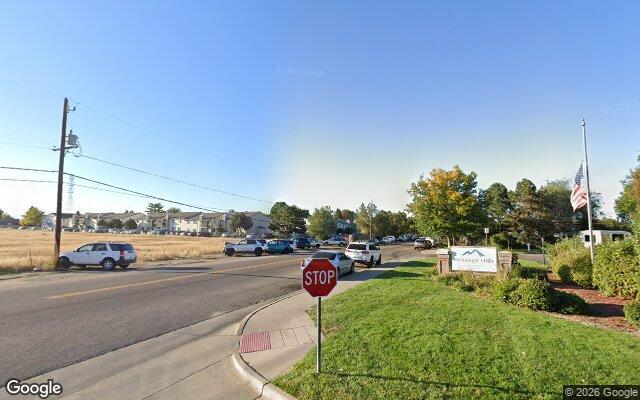
© Google Street View
Compared to 25 Colorado facilities with a similar number of beds.
Assisted living memory care · 36-month window. Higher percentile = better performance on inspection record. Source: Colorado Department of Public Health and Environment.
on file.
Rankings based on 36-month CDPHE inspection data. Severity and frequency: fewer citations = higher percentile. Repeat rate: lower repeat citation share = higher percentile.
Citation history, plotted month by month.
29 deficiencies on record. Each bar is a month with a citation.
Finding distribution
29 total · 36 monthsCDPHE Level A–E
The rules that apply to this facility.
State requirements with the exact regulation citation, plain-language explanation, and a question to ask on tour. Rules this facility has been cited for appear first.
Plain language
CDPHE licenses assisted living residences. A secure environment for residents who need one is optional under Chapter 7, Part 25. CDPHE does not publish a facility-level list of homes that have that option, so this page does not call the home state-verified memory care.
Ask on tour
“Ask whether the home has a secure environment, and ask to see the part of the license that says so.”
Questions to ask before you visit.
A short pre-tour checklist tailored to Woodland Estates Senior Living's record and state requirements.
Your records show 18 inspection reports on file with CDPHE and 30 total deficiencies cited — can you walk us through the most common compliance themes found during those inspections and show us your written corrective action plans?
Ask the operator on tour. Take notes and compare answers across facilities you visit.
Ten complaints were filed with the Colorado Department of Public Health and Environment during the period on file — were any of those complaints substantiated, and what specific changes did you implement in response?
Ask the operator on tour. Take notes and compare answers across facilities you visit.
The most recent inspection occurred on April 23, 2026 — can you provide a copy of that inspection report and explain any deficiencies cited, along with documentation showing how each deficiency has been corrected?
Ask the operator on tour. Take notes and compare answers across facilities you visit.
From this home's file.
Counts and lines from the state file we hold.
- Does Woodland Estates Senior Living provide memory care?
Memory-care basis not yet recorded from the state file.
- When was Woodland Estates Senior Living last inspected?
Woodland Estates Senior Living was last inspected on April 23, 2026. That visit is an annual compliance visit.
- Has Woodland Estates Senior Living been cited by CDPHE?
Yes. Woodland Estates Senior Living has 29 deficiencies from CDPHE in the last three years. None are tagged immediate jeopardy.
- How many citations does Woodland Estates Senior Living have?
Woodland Estates Senior Living has 29 deficiencies across 12 inspections in the last three years. None are tagged immediate jeopardy.
- Who licenses Woodland Estates Senior Living?
Colorado Department of Public Health and Environment licenses Woodland Estates Senior Living. The license number is 2304X1. State record: https://cdphe.colorado.gov/health-facilities/find-and-compare-facilities
Every inspection visit, verbatim.
12 inspections in the public record, most recent first. Plain-language summaries open first — click into any row for the full citation text.
2026-04-23Annual Compliance VisitNo findings
Plain-language summary
A revisit inspection on April 23, 2026 found that the assisted living home had corrected all deficiencies that were cited during an earlier inspection on February 11, 2026. The facility is now in compliance with all regulations surveyed. No new violations were identified.
2026-02-11Complaint InvestigationLevel B · 2 findings
Plain-language summary
A licensure complaint inspection on February 11, 2026 found that all seven current staff members, including contractual workers, had not received required orientation training covering topics such as emergency procedures, resident rights, house rules, and other mandatory subjects before providing care or services. The residence also failed to maintain personnel files onsite and readily available for three of the contractual staff members who worked at the facility in February 2026. The residence acknowledged these failures and was advised to review and comply with existing regulations regarding staff orientation and record-keeping requirements.
Read full citation text (2)Hide full citation text
“Based on Record review and interview, the residence failed to ensure each staff member received initial orientation prior to providing any care or services to a resident. Affecting seven of seven current staff (#1-#7). (Cross-reference U662)Findings include:1. Record ReviewResidence personnel records for staff #1 through #7 failed to contain documented proof of an orientation that included the following:Care and services provided by the assisted living residenceAssignment of duties and responsibilities specific to the staff member or volunteerHand hygiene and infection control, or portable trainingEmergency response policies and procedures, includingRecognizing emergenciesRelevant emergency contact numbersFire response, including facility evacuation proceduresBasic first aid, or accept proof of portable training in accordance with Part 7.9(D)Automated external defibrillator (AED) use, if applicablePractitioner assessment, andSerious illness, injury, and/or death of a resident.Reporting requirements, including occurrence reporting procedures within the facility;Resident rights, or accept proof of portable training in accordance with Part 7.9(D);House rulesWhere to immediately locate a resident ' s advance directiveAn overview of the assisted living residence ' s policies and procedures, and how to access them for reference.2. Interviews On 2/11/ 26 at 9:15 a.m., Staff #7 stated he did not have an orientation specific to the residence. On 2/11/26 at 9:41 a.m., the Dining Director (DD) stated that contractual staff were trained and given orientation before they arrived at the residence.On 2/11/26 at approximately 10:00 a.m., the administrator stated that the Dining Director (DD) was responsible for training and that an orientation specific to the residence had not been conducted. He acknowledged his failure to understand that contractual staff are considered residence staff.On 2/11/26 at 12:59 p.m., Staff #5 stated she did not have an orientation specific to the residence.On 2/11/26 at 1:05 p.m., the Business Office Manager (BOM) stated she did not have the orientation signed off by the staff. She stated that she was unaware that it was a regulation to have proof of orientation and topics covered.”
“Based on record review and interview, the residence failed to have personnel files onsite and readily available for the Department to review, affecting three of seven staff files (#1-3). (Cross-reference U640)Findings Include: 1. Record Review Personnel records for Former Staff #5-7 could not be provided by the residence. The residence schedule read, in part: Former Staff #5 and #7 had worked at the residence on 2/5/26 from 11:00 a.m. - 7:00 p.m. 2. Interviews On 2/11/ 26 at 9:15 a.m., Former Staff #7 stated he had only worked at the residence twice in February 2026. On 2/11/26 at 9:41 a.m., the dining director stated that they use an external contractual staff to assist when they are understaffed. He stated that Staff #5-#7 were contractual staff who had worked at the residence in February 2026. On 2/11/26 at approximately 10:00 a.m., the administrator stated that the former contractual staff #5-7 had worked at the residence. He stated that he was unaware that, even though the staff members were temporary, the residence was required to maintain the same personnel records as those of his directly hired staff.He acknowledged that not having the records on-site readily available for the Department to review, was a failure of the residence. On 2/11/26 at 12:59 p.m., Former Staff #5 stated she had worked as a server in the residence on more than one occasion in February 2026.”
2026-01-27Complaint InvestigationLevel B · 5 findings
Plain-language summary
A licensure complaint found two residents were readmitted to the residence from hospitals or rehabilitation facilities without documented assessments to determine if it was appropriate for them to return, which violated admission procedures. An environmental inspection also found multiple instances of feces and urine in bathrooms and common areas, soiled bedding and furniture, and inadequate cleaning practices, particularly for a resident known to smear feces who required room checks twice per shift according to the care plan.
Read full citation text (5)Hide full citation text
“Based on record review and interview the residence failed to develop care plans that reflected the most current assessment information; Promote resident choice, mobility, independence and safety; Detail specific personal service needs and preferences along with the staff tasks necessary to meet those needs; Identify all external service providers for two of seven sample residents whose records were reviewed (#2 and #4), and one Former resident (#9).Findings include:1. Record reviewFormer Resident #9 was admitted to the secure environment (SE) of residence on 6/26/25 with a diagnosis of dementia. A care plan, dated 6/26/25, read in part: Former Resident #9 was independent with transferring and mobility, there was no information under fall management when prompted to describe the history and circumstance of recent falls and any known approaches to prevent future falls. The following progress notes for Former Resident #9 read in part:7/21/25 Former Resident #9 had a fall and was found on the floor. 7/27/25 Former Resident #9 was found on the floor with a visible injury being a small scratch below her right elbow. 8/4/25 Former Resident #9 was found lying down on grass, Former Resident #9 said she had not fallen, However it was documented in progress notes as a fall. 8/5/25 Former Resident #9 was standing in the dining room and fell backwards and sat on her bottom. However, the care plan was not updated to indicate interventions to promote mobility and safety. 2. InterviewsOn 1/27/26 at 8:24 a.m., Staff #1 said falls are documented in resident progress notes, and a paper form titled incident report was filled out and went to the wellness director. Staff #1 said she did not know where the information of who was receiving external provider services was located. Staff #1 said the only interventions for residents with known falls was being checked on more by staff.On 1/27/26 at 11:00 a.m., Staff #5 said resident fall(s) were documented under progress notes, and an incident report was completed and went to the wellness director. Staff #5 said she was not aware of individual approaches in care plans to prevent future falls. Staff #5 said if a resident was receiving external services, such as hospice or wound care she did not know where to find that information. On 1/28/26 at 11:00 a.m., Staff #2 said resident falls were documented in progress notes, and an incident report was filled out and put in the wellness director mail box. Staff #2 said that after a resident falls, staff checking on them more was the only additional intervention. On 1/28/26 at 3:00 p.m., the wellness director said she was responsible for updating care plans and was aware that care plans were to be updated with information promoting safety, specific to falls, and identifying external service providers. 3. Similar deficient practice was found for Residents #2 and #4. Resident #2 had progress notes documenting that home health had provided wound care on at least two occasions in January 2026, however, it was not indicated in the care plan and staff could not speak to wound location or treatment. Resident #4 had a progress note, dated 12/22/25, read in part: Resident #4 fell outside the residence, was sent to the emergency department from her dialysis appointment, where she was found to have a broken finger. However, it was not indicated in her care plan and staff could not speak to any individualized approaches to promote safety.”
“Based on record review and interview, the residence failed to comply with practitioner orders associated with medication administration except for those medications which a resident self-administered, affecting three sample residents whose medications were reviewed (#1, #2, and #4). Findings include:1. Record reviewResident #4 was admitted to the residence on 7/1/25, diagnoses that included gastroesophageal reflux disease (GERD), chronic pain syndrome, and muscle spasms. A written practitioner's order for Resident #4, dated 10/15/25, directed the residence to administer famotidine 40 mg tablets daily. However, the December 2025 medication administration record (MAR) read that the medication was not available for twenty-six of thirty-one days in December 2025. 2. InterviewsOn 1/28/26 at 3:00 p.m, the wellness director (WD) said if there was an order for a medication, the medication should be available. The WD said if medication was not available, it was a failure on the residence. 3. Similar deficient practice was found for Resident #1 and #2. Resident #1:Specifically, for month of December 2025: melatonin, lovastatin, pravastatin sodium; and for the month of January 2026: ocuvite, pravastatin sodium, donepezil, Resident #2: Specifically, for the month of December 2025: Simvastatin, mirabegron ER, sertraline; and for the month of January 2026: Triamcinolone cream, acetaminophen.”
“Based on record review and interview, the residence failed to evaluate a resident prior to re-admission to the residence after transfer to another health care entity, affecting one of seven sample residents whose records were reviewed (#3), and Former Resident #11.Findings include:1. Record reviewFormer Resident #11 admitted to the residence on 7/7/25, diagnoses including A-fib, osteoporosis and frequent urinary tract infections. A progress note, dated 10/24/25 read in part: residence received information from the hospital that Former Resident #11 was receiving in-patient hospital services. A progress note, dated 10/28/25 read in part: Former Resident #11 was returning to the residence on 10/29/25 from an inpatient hospital stay. However, there was no assessment in Former Resident #11's chart to determine appropriateness prior to a readmission. 2. InterviewsOn 1/28/26 at 3:00 p.m., the wellness director (WD) said she or the administrator conducted assessments prior to residents re-admitting to the residence. The wellness director said she reviewed the hospital notes or rehabilitation notes and made a determination on the appropriateness of return based on that. The WD said after a resident returned, an assessment was documented in the resident chart. The WD said she did not see Former Resident #11 prior to her returning from an inpatient stay and made a decision to re-admit after reviewing the hospital notes. The WD was unable to locate a completed assessment for Former Resident #11. On 1/28/26 at 3:54 p.m., the administrator said typically the WD completed assessments for readmission, however, he helped if assistance was needed. The administrator said he believed the WD completed assessments of residents in their charts. The administrator said when he completed the assessments they were done by pen and paper. 3. There was similar deficient practice for Resident #3. Resident #3 had been admitted to another health care facility for rehab services on 12/15/25 and discharged back to the residence on 1/1/26. However, there was not an assessment completed prior to readmission.”
“Based on observations, record review and interviews, the residence failed to provide a physically safe and sanitary environment, affecting 17 residents residing in a secure environment (SE).Findings include:1. ObservationsAn environmental tour on 1/27/26 at 10:30 a.m., revealed Resident #5's bathroom toilet had feces and urine in an unflushed toilet, a trash can without a trash bag with soiled paper products, and multiple dried, brown mounds varying in size from a dime to a quarter on the bathroom and bedroom floors. The counter of Resident #5's bathroom sink had a white film covering the entire surface of the counter and white streaks running down the cupboard doors. There were brown splatters and one brown streak in the bathroom sink. Resident #6's bed was unmade, and the sheets had brown, dried streaks in three areas near the top of the bed. On the floor were two separate dried, brown mounds, one half inch by a ¼ inch in size. In Resident #7's bathroom, there was an adult incontinence brief in the toilet that had absorbed all the water from the toilet bowl. Two chairs in the common area, where approximately 7 residents were sitting, had brown stains on one of the seats and brown streaks running down the side of another that an unknown resident was sitting in. In the same room on the wall where a television was mounted, were brown dried spots near the baseboards. A second common area not being used by residents at the time of the environmental tour had a beige couch with brown smears on the outer side arm. The door to the communal dining room had brown spatters covering the bottom half of one side of the door. A second environmental tour was conducted on 1/27/26 at 1:00 p.m., with Staff #6 and Staff #3. Resident #5's toilet had been flushed and the trash bin emptied. Resident #5's floor continued to have multiple dried, brown mounds varying in size from a dime to a quarter and the sink, to include cupboard doors, had a white film. The floor in Resident #6's room continued to have dried brown mounds on the floor and the incontinent brief remained in Resident #7's toilet. The two chairs in the common area, where residents still sat, had brown stains and streaks, as did the wall where the television was mounted, the door to the communal dining room had dried brown spots and the beige couch had brown spots. 2. Record reviewResident #5 was admitted to the residence on 1/1/2020, with a diagnosis that includes dementia. The most recent care plan, dated 10/21/24, read in part, Resident #5's room needed to be checked at least twice per shift; the resident tends to smear feces in the bathroom sink, toilet, and bedding.3. InterviewsOn 1/27/26 at 10:30 a.m., Staff #6 said she had not personally checked any resident rooms, including the room of Resident #5. Staff #6 said care staff were responsible for cleaning dirty surfaces, making beds, and changing linens if they were dirty. Staff #6 said housekeeping staff cleaned the floors in resident rooms and common areas, and the furniture in the common areas. On 1/27/26 at 10:40 a.m., Staff #3 said Resident #5 was up and dressed before she arrived to work at 6:00 a.m., and she [Staff #3] had not checked her [Resident #5] room. Staff #3 said care staff were responsible for cleaning resident rooms if they were dirty, including changing soiled linens and making beds, and housekeeping cleaned floors. Staff #3 said there was not a specific time that rooms needed to be checked or cleaned. Staff #3 said, "just when we get to it". On 1/27/26 at 1:10 p.m., Staff #4 said care staff were responsible for cleaning resident rooms and it should have been done after breakfast, but had not. Staff #4 did not provide any reason for the tasks not being completed. On 1/27/26 at 2:30 p.m., Staff #7 said her position was housekeeping, and she cleaned the SE three out of five days a week, but it needed to be cleaned daily. Staff #7 said Resident #5 often smeared feces with her hands, and her room was to be checked and cleaned by care staff on the SE throughout the day, every day. Staff #7 was in Resident #7's room removing a wet brief from the toilet bowl right before the interview at 2:30 p.m., and said she [Staff #7] had mopped the floors in the rooms of Residents #5 and #6. Staff #7 said the brown stains on communal furniture, walls and dining room door was likely chocolate ensure that she cleans up often, but care staff are supposed to help with cleaning on the days she [Staff #7] was not assigned to clean the SE. On 1/27/26 at 3:00 p.m., the wellness director said care staff were expected to check rooms, make beds, and clean them if necessary after breakfast services had been completed and throughout their shifts. The WD said it was not appropriate for care staff to wait until after lunch to clean resident rooms, and staff were expected to clean up common areas and bedrooms and not wait on housekeeping staff to clean. On 1/28/26 at approximately 3:54 p.m., the administrator said it was not acceptable for staff, specifically on the SE, to put off cleaning resident bedrooms or common areas with visible uncleanliness.”
“Based on interviews and record review, the residence failed to ensure residents received the maximum degree of benefit from those services made available by the assisted living residence, affecting two sample residents (#2, #3).Findings include:1. Residence Policiesa. The residence agreement, undated, read in part: "You will be provided with the following residential services at the community (residence), subject to the terms of this agreement. These services are included in your monthly Fee unless otherwise indicated. Your Apartment will be equipped with an emergency call system ... The call system is monitored 24 hours per day to alert staff to emergencies and illnesses."b. The residence's undated resident rights policy read in part: "Residents shall have the following rights ... the right to expect the cooperation of the assisted living residence in achieving the maximum degree of benefit from those services which are made available by the assisted living residence."2. Record ReviewThe following exceeded the administrator's expectation for answering call lights for the month of January 2026:For Resident #3, call light records from 1/25/26 to 1/28/26 read in part: call light was activated 14 times with an average response time of 19 minutes and 5 seconds. For Resident #2, call light records from 1/10/26 to 1/28/26 read in part: call light was activated 7 times with an average response time of 36 minutes and 55 seconds. 3. InterviewsOn 1/27/26 at approximately 11:00 a.m., Resident #8 said she used her call light infrequently, but a few weeks ago she needed more staff assistance, and it took a long time to get a response from staff. Resident #8 clarified that it took longer than 20 minutes for staff to respond to her call light. On 1/28/26 at 3:00 p.m., The WD said she was instructed to reduce staffing in December 2025 by the owner of the residence from five staff in assisted living and four staff in the secure environment, to four staff in assisted living and three staff in the secure environment for dayshift (6:00 am - 2:00 pm) and the evening shift (2:00 pm - 10:00 pm). The WD said call lights should be answered within 20 minutes. On 1/28/26 at 3:54 p.m., the administrator said ideally, call lights should be answered in under ten minutes, but consideration was given for longer response time if it was the morning shift and the caregivers were busy assisting residents up for the day.”
2025-11-06Annual Compliance VisitNo findings
Plain-language summary
A follow-up inspection was conducted on November 6, 2025 to verify that deficiencies found during a September 9, 2025 survey had been corrected. The facility was found to be in compliance with all applicable regulations at the time of the revisit.
2025-11-06Annual Compliance VisitNo findings
Plain-language summary
A revisit inspection was completed on November 6, 2025, to verify that previous deficiencies found on September 9, 2025 had been corrected. The facility is now in compliance with all regulations that were surveyed.
2025-09-08Complaint InvestigationLevel A · 7 findings
Plain-language summary
A licensure complaint investigation completed on September 9, 2025, found that the residence failed to update comprehensive assessments and care plans when residents' conditions changed, specifically documenting that one current resident with dementia developed foot wounds requiring external wound care services between May and August 2025, but the residence did not update the resident's assessment or care plan to reflect these changes despite staff acknowledging the change in condition. The residence also failed to update assessments and care plans for two former residents in the secure environment when their conditions changed from baseline. The residence policy required assessments and care plans to be updated whenever residents experienced significant changes in status, and the administrator acknowledged that residents should be assessed when experiencing a change in condition.
Read full citation text (7)Hide full citation text
“Based on record review and interview the residence failed to ensure that each qualified medication administration person (QMAP) accurately documented each medication administration event at the time the event was completed for each resident, affecting one former resident (#1).Findings include:1. Residence PolicyThe residence's medication services policy, dated 9/19/24, read in part: "all medications that staff members handle, store, and assist with will be documented on the (electronic) medication administration record (eMAR) in accordance with state regulations."2. Former Resident #1 was admitted to the residence on 5/28/25. a. MorphineA written practitioner's order dated 8/16/25, directed the residence to administer morphine every four hours. However, the August 2025 eMAR contained circled initials at 10:00 a.m. on 8/17/25 that read "already signed on paper MAR." An additional morphine order dated 8/17/25 at 11:30 a.m., directed the residence to discontinue the previous morphine order and administer morphine 20 mg every two hours. However, the August 2025 eMAR contained additional circled initials at 12:00 p.m. on 8/17/25 that read "already signed on paper MAR."The controlled substance record read morphine was administered at 10:00 a.m. and 12:00 p.m. on 8/17/25. b. There was similar deficient practice for lorazepam and fentanyl. 3. InterviewsOn 9/8/25 at 3:30 p.m., the health and wellness director (HWD) stated that there was no "paper MAR," but instead the staff member who made the note on 8/17/25 was referring to the controlled substance sheet. The HWD acknowledged signing off on the controlled substance sheet was a different requirement, and staff should also be signing off on the eMAR at the time of administration. On 9/9/25 at approximately 11:32 a.m., the administrator stated he would expect staff to be accurately documenting on the eMAR at the time of administration. The administrator acknowledged the controlled count sheet did not substitute for documenting the administration of medications on the eMAR.”
“Based on record review and interview, the residence failed to maintain a record that documented the date and time controlled medications were administered and the quantity of the controlled substance remaining, affecting two of four sample residents (#5, #8) who were administered controlled medications. (Cross-reference U1568)Findings include: Resident #5 was admitted to the on 12/13/22 with a diagnosis of dementia. A written practitioner's order, dated 6/13/25, directed the residence to administer Lorazepam 0.5 mg tablet two times per week prior to showering. On 9/8/25 at 10:20 a.m., a narcotic count sheet for resident #5 read in part, administer Lorazepam 0.5 mg tablet twice a week on Tuesdays and Fridays at 9:00 a.m. prior to showers for anxiety. However, the narcotic count sheet for Resident #5 had a blank entry for the day and time. On 9/8/25 at 10:20 a.m., staff #4 stated she had administered the medication to Resident #5 prior that morning. She stated she had forgotten to fill out the narcotic count sheet and proceeded to add the entry that the medication was given. On 9/8/25 at approximately 4:00 p.m., the wellness director stated she was not aware the narcotic count sheet had not been filled out during the time of administration to Resident #5. She also stated she would expect the narcotic count sheet to be filled out during the time of administration. On 9/29/25 at approximately 11:45 a.m., the administrator stated he would expect the narcotic count sheet to be filled out during the time of administration. Similar deficient practice was found for Resident #8”
“Based on interview and record review, the residence failed to require staff members to document, before the end of their shift, any out of the ordinary event or issue regarding a resident that they personally observed or was reported to them, affecting two former residents (#1, #9). (Cross-reference U1150)Findings include:1. Record ReviewFormer Resident #1 was admitted to the residence on 5/28/25.A progress note dated 8/4/25, read in part, Former Resident #1 was referred to an external service provider. An external service provider note dated 8/6/25, read in part, Former Resident #1 began receiving external services. A progress note dated 8/13/25 at 9:42 a.m., read in part, Former Resident #1's external service provider provided a new bed since the former resident was in the transitioning process. A progress note dated 8/17/25, read Former Resident #1's family member moved her out of the residence. However, the residence failed to include in progress notes that Former Resident #1 was admitted to an external service provider on 8/6/25, and include the changing physical and functional condition of Former Resident #1, who had become bedridden and incontinent on 8/14/25. 2. InterviewsOn 9/8/25 at 2:05 p.m., Staff #2 stated roughly a week prior to discharge, Former Resident #1 had become incontinent and required incontinence care every two hours. Staff #2 stated the resident had not been incontinent prior. She further stated around 8/15/25 the former resident had become bedridden and required staff to reposition her every two hours. Staff #4 and #5 also acknowledged the former resident had become bedridden or incontinent within the last week prior to discharging on 8/17/25. On 9/9/25 at 7:49 a.m., the health and wellness director (HWD) stated any staff could write a progress note. She acknowledged progress notes should have been written when Former Resident #1 was admitted to an external service provider and when she had become incontinent and bedridden.On 9/9/25 at 9:47 a.m., Staff #2 stated she was able to make progress notes and acknowledged progress notes should have been written when Former Resident #1 had become incontinent and bedbound. On 9/9/25 at 9:19 a.m., Former Resident #1's external service provider stated they provided services at the residence to the former resident from 8/6-8/17/25. The external service provider stated the former resident had become completely incontinent and bedridden on 8/14/25 and required residence staff to reposition the former resident every two hours and provide incontinence care.On 9/9/25 at approximately 11:32 a.m., the administrator stated progress notes should be made whenever there was a change in care, or if anything out of the ordinary occurred. He further stated he expected staff to have made a progress note when Former Resident #1 was admitted to her external service provider and when she had become incontinent and bedridden. 3. There was similar deficient practice for Former Resident #9.”
“Based on record review and interview, the residence failed to provide an enhanced care plan for two of four sample residents (#5 and #6) who lived in a secured environment. (Cross reference U1146 and U1150) Resident #6 was admitted to the residence on 8/8/25 with a diagnosis of bipolar disorder. A care plan dated 8/11/25 read in part that Resident #6 had a history of wandering, but no interventions were listed on the care plan. A progress note, dated 8/18/25, read that Resident #6 " was wandering all throughout the night, he was also going in and out of the other resident's room. A progress note, dated 8/20/25, read in part that Resident #6 did not sleep at all the night before. He wandered around and was going into other residents rooms. When the caregiver would go to redirect him out of the room, he would run into other residents bathrooms and try to hide in there. He went into his room and came out completely naked, and went back into the residents' rooms. He kept knocking on another resident's doors. He was also chasing after the caregiver, telling her, " I want you baby". A progress note, dated 8/26/25, read in part: Resident #6 walked in the courtyard during the night and did not sleep all night. His behavior had been worse each night. The resident was scary at night and acted like he wanted to fight. 2. Interviews On 9/8/25 at approximately 11:00 a.m., Staff #5 stated that Resident #6 was often found in other residents' rooms taking items that did not belong to him. On 9/8/25 at approximately 4:00 p.m., the health and wellness director stated she was aware of Resident #6 wandering into other residents' rooms. She stated she would expect wandering patterns and interventions to be listed on the enhanced care plan. She acknowledged the care plan did not have specific interventions to assist resident #6 with his wondering. She added she is responsible for updating care plans. On 9/9/25 at 11:32 a.m., the administrator acknowledged that the enhanced care plan did not address how staff would prevent unwanted visitors from entering bedrooms that were not theirs. He further stated that the residence should have addressed individualized interventions for residents who wandered.”
“Based on record review and interview, the residence failed to update each resident's comprehensive assessment at least annually and whenever the resident's condition changes from baseline status, affecting one of four sample residents (#3) and two former residents (#1) who resided in the secure environment. (Cross reference U1150)Findings Include:1. ReferenceChapter VII regulations governing assisted living residences, part 12.7, requires:"The comprehensive assessment shall include all the following items: b. Information regarding the resident's overall health and physical functioning ability e. Current diagnoses and any known or anticipated need or impact related to the diagnoses l. Types of physical, mental, and social support required2. Residence PolicyThe residence's Assessment Policy, dated 9/9/24, read in part: "the resident assessment is completed/updated ... whenever there is a significant change in resident status ... (and) addresses ... health and wellness."3. Record Review Resident #3 was admitted to the residence on 8/25/21 with a diagnosis of dementia. The assessment for Resident #3, dated 5/17/25, read the resident required no external service providers and had no wounds or skin breakdown. No additional assessments were provided. A progress note dated 5/6/25, read in part, Resident #3 had an open wound on his left foot that was treated by an external service provider.A progress note dated 6/10/25, read in part, Resident #3 had some open areas on his right foot that were bleeding. A progress note dated 8/3/25, read in part, Resident #3's wound on his right foot worsened due to "the resident refusing to wear socks or shoes and taking them off."Progress note dated 8/7, 8/11 and 8/20/25, read in part, Resident #3 was provided wound care by different external service providers.However, there were no assessments completed in Resident #3's record to reflect the change in Resident #3's skin condition.4. InterviewsOn 9/8/25 at 2:05 p.m., Staff #2 stated Resident #3 had a behavioral expression of walking around without shoes, and had been last seen by external service providers a couple of weeks prior to the onsite investigation for wound care. She further stated his foot wounds have improved since. Staff #2 acknowledged Resident #3's foot wound started roughly a few months prior to the onsite investigation. She further acknowledged the change in condition, since the resident had not always had foot wounds.On 9/9/25 at 7:49 a.m., the health and wellness director (HWD) stated she had worked at the residence since May 2025, and Resident #3's foot wounds were already there. She further stated she was responsible for updating assessments. The HWD stated she had not completed the 5/17/25 assessment since it was completed prior to her working at the residence. She acknowledged Resident #3 had seen a few different external service providers for wound care. The HWD stated based on previous progress notes in Resident #3's record, she had reviewed from January 2025, she believed the resident had consistently had foot wounds. However, the HWD acknowledged that since Resident #3 experienced a change in care due to his foot wounds, his assessment should have been updated to reflect the change. On 9/9/25 at 9:03 a.m., an external service provider for Resident #3 stated they had provided wound care to Resident #3 from 6/21-7/11/25 and discharged the resident due to non-compliance with care. They stated the cause of Resident #3's wound was due to walking around barefoot. In clarification of the HWD statement regarding a foot wound in January 2025, the external service provider stated they had previously provided services to Resident #3 on 1/14/25 for a wound on his right ankle. The external service provider stated there was no wound on Resident #3's foot in January 2025. On 9/9/25 at approximately 11:32 a.m., the administrator stated residents should be assessed whenever they experienced a change in condition and wouldexpect residence staff to comply with the regulation. The administrator stated he was unaware whether Resident #3's wound care services was mentioned in an assessment, and was unsure whether he experienced a change in condition, since he had only worked at the residence since 5/26/25.5. Additional evidence obtained during the on-site visit from 9/8-9/9/25, revealed the residence failed to complete a comprehensive assessment after a change from baseline for Former Resident #1.”
“Based on interview and record review, the residence failed to reflect detailed personal service needs and the stafftasks necessary to meet those needs and identify all external service providers along with the care coordinationarrangements in the care plan affecting one of four sample residents (#3) and two former residents (#1, #9) who resided in the secure environment. (Cross reference U1146, U2230 and U3060)Findings include: 1. Residence PolicyThe residence's care plan policy, dated 9/19/24, read in part: "service plans are created/updated ... whenever service changes are necessary ... the service plan should address any outside services received by the resident."2. Resident #3 was admitted to the residence on 8/25/21 with a diagnosis of dementia. The residence's care plan for Resident #3, dated 5/17/25, read the resident required no external service providers.A progress note dated 5/6/25, read in part Resident #3 had an open wound on his left foot that was treated by an external service provider.An external service provider note dated 6/21/25, read in part Resident #3 was admitted and provided wound care to his right foot.Progress note dated 8/7, 8/11 and 8/20/25, read in part Resident #3 was provided wound care by different external service providers.However, the care plan was not updated to identify all the external service providers that provided services to Resident #3 and the care coordination arrangements. 3. Former Resident #1 was admitted to the residence on 5/28/25, and was discharged on 8/17/25.The residence's care plan for Former Resident #1, dated 6/1/25, read Former Resident #1 required no external service providers, was independent with mobility, and was able to toilet herself with reminders. A progress note dated 8/4/25, read in part, Former Resident #1 was referred to an external service provider.An external service provider note dated 8/6/25, read in part, Former Resident #1 began receiving services. A progress note dated 8/6/25, read in part, Former Resident #1 refused to eat. A progress note dated 8/13/25 at 9:42 a.m., read in part, Former Resident #1's external service provider provided a new bed since the former resident was in the transitioning process. A progress note dated 8/13/25 at 1:59 p.m., read in part, Staff #2 requested a floor mat for Former Resident #1 because the former resident was trying to get up from bed by herself.However, the care plan was not updated to identify all the external service providers that provided services to Resident #3 and the care coordination arrangements and was not updated to reflect the staff tasks necessary to meet Former Resident #1's needs after their change in condition.4. InterviewsOn 9/8/25 at 1:50 p.m., the health and wellness director (HWD) stated she was responsible for updating care plans. The HWD stated Former Resident #1 required incontinence care and believed she had been incontinent since the HWD started in May of 2025, and did not believe the resident was bedridden. The HWD acknowledged the care plan for Former Resident #1 should have been updated when she began receiving external services on 8/6/25, and stated it should have been updated to reflect the care Former Resident #1 required.On 9/8/25 at 2:05 p.m., Staff #2 stated Resident #3 had a behavioral expression of walking around without shoes, and had been last seen by external service providers a couple of weeks prior to the onsite investigation for wound care. Staff #2 stated that she also provided care to Former Resident #1, and acknowledged in August 2025 the former resident received external services. Contrary to the HWD's interview, Staff #2 stated roughly a week prior to discharge, Former Resident #1 became incontinent and required incontinence care every two hours. Staff #2 stated the resident had not been incontinent prior. She further stated around 8/15/25, the former resident became bedridden and required staff to reposition her every two hours. Staff #4 and #5 also acknowledged the former resident had become bedridden or incontinent within the last week prior to discharging on 8/17/25. On 9/8/25 at 5:04 p.m., Former Resident #1's family member stated from 8/14-8/17/25 at the residence, the Former Resident had become incontinent and bedridden. The family member stated the former resident was incontinent and bedridden up until she died on 8/18/25 at an external inpatient provider facility. On 9/9/25 at 7:49 a.m., the HWD acknowledged Resident #3 had seen a few different external service providers for wound care and stated that the care plan for Resident #3 should have been updated to reflect the care and services provided. On 9/9/25 at 9:03 a.m., an external service provider for Resident #3 stated they had provided wound care to Resident #3 from 6/21-7/11/25, and discharged the resident due to non-compliance with care. On 9/9/25 at 9:19 a.m., Former Resident #1's external service provider stated they provided services at the residence to the former resident from 8/6-8/17/25. The external service provider stated the former resident had become completely incontinent and bedridden on 8/14/25 and required residence staff to reposition the former resident every two hours and provide incontinence care.On 9/9/25 at approximately 11:32 a.m., the administrator stated the care plan should have been updated to reflect the external service providers that provided care to Resident #3 and Former Resident #1. The administrator acknowledged Former Resident #1's care plan should have been updated when the former resident had a change in mobility and required incontinence care. He further acknowledged that any newly hired staff would be unable to know the care and services provided for Resident #3 and Former Resident #1 without the care plan having been updated. 5. There was similar deficient practice related to failure to detail personal service needs after a change in condition occurred for Former Resident #9.”
“Based on record review and interview, the residence failed to comply with the authorized practitioner's orders associated with medication administration, affecting two of five sample residents (#6, #8) and one former resident (#9). (Cross-reference U1602)Resident #6 was admitted to the residence on 8/8/25 with a diagnosis of bipolar disorder.A written practitioner's order, dated 8/27/25, directed the residence to administer the following medications: Biofreeze 4% Gel apply 1 application topically if needed three times daily for shoulder and neck pain. Biotene oral rinse 50 mg by mouthwash two times daily Brimonidine 0.15% ophthalmic solution 1 drop into eyes three times dailyDivalprolex sprinkle 125 mg DR capsule once daily Dorzolamide-timolol 22.3-6.8 ml ophthalmic solution 1 drop into both eyes two times daily Flucticasone 50 mcg/ actuation nasal spray 2 sprays into each nostril dailyFluticasone Furoate-vilanterol 200-25 mcg/dose inhaler one puff daily Mirabegron ER 25 mg tablet once daily Polyethylene Glycol 3350 pow mix 17 gram in juice or water once dailyDivalprolex SOD ER 500 mg two tablets daily Levothyroxine 50 mcg tablet once dailyMontelukast 10 mg tablet once daily Sertraline 50 mg tablet once at bedtime However, the August 2025 medication administration records (MARs) for Resident #6 read the following medications had blank entries on the MAR:Biofreeze 4% Gel apply 1 application topically if needed three times daily for shoulder and neck pain 8/27 - 8/30Biotene oral rinse 50 mg by mouthwash two times daily 8/27 - 8/30Brimonidine 0.15% ophthalmic solution 1 drop into eyes three times daily 8/27 - 8/30Divalprolex sprinkle 125 mg DR capsule once daily 8/27 - 8/30Dorzolamide-timolol 22.3-6.8 ml ophthalmic solution 1 drop into both eyes two times daily 8/27 - 8/30Flucticasone 50 mcg/ actuation nasal spray 2 sprays into each nostril daily 8/27 - 8/30Fluticasone Furoate-vilanterol 200-25 mcg/dose inhaler one puff daily 8/27 - 8/30Mirabegron ER 25 mg tablet once daily 8/27 - 8/30Polyethylene Glycol 3350 pow mix 17 gram in juice or water once daily 8/27 - 8/30Divalprolex SOD ER 500 mg two tablets daily 8/27 - 8/30Levothyroxine 50 mcg tablet once daily 8/27 - 8/30Montelukast 10 mg tablet once daily 8/27 - 8/30Sertraline 50 mg tablet once at bedtime 8/27On 9/9/25 at approximately 11:10 a.m., the health and wellness director stated that blank spaces on the MAR indicated the medication was unavailable to the resident #6. She stated the residence had not received the medication from the pharmacy to administer the medications to resident #6. On 9/9/25 at approximately 11:40 a.m., the administrator acknowledged that he would expect residents to receive medication they are prescribed on a daily basis. He also acknowledged that blank spaces on the MAR indicated the medication was unavailable to resident #6. Similar deficient practice was found for Resident #8 and former Resident #9”
2025-09-08Annual Compliance VisitLevel B · 1 finding
Plain-language summary
A revisit inspection found that the residence failed to develop adequate care plans for two residents living in a secured unit, including one resident admitted in August 2025 with bipolar disorder who displayed significant nighttime wandering and behavioral issues such as entering other residents' rooms without permission, undressing in common areas, and exhibiting aggressive behavior, yet the care plan contained no specific interventions to address these behaviors. Progress notes documented escalating problems over two weeks, including the resident not sleeping, taking items from other residents, and attempting to hide in bathrooms, but staff acknowledged the care plan did not include strategies to prevent unwanted room entries or manage the wandering. The administrator and health and wellness director both acknowledged the care plans lacked individualized interventions needed for residents with these behavioral patterns.
Read full citation text (1)Hide full citation text
“Based on record review and interview, the residence failed to provide an enhanced care plan for two of four sample residents (#5 and #6) who lived in a secured environment. (Cross reference U1146 and U1150) Resident #6 was admitted to the residence on 8/8/25 with a diagnosis of bipolar disorder. A care plan dated 8/11/25 read in part that Resident #6 had a history of wandering, but no interventions were listed on the care plan. A progress note, dated 8/18/25, read that Resident #6 " was wandering all throughout the night, he was also going in and out of the other resident's room. A progress note, dated 8/20/25, read in part that Resident #6 did not sleep at all the night before. He wandered around and was going into other residents rooms. When the caregiver would go to redirect him out of the room, he would run into other residents bathrooms and try to hide in there. He went into his room and came out completely naked, and went back into the residents' rooms. He kept knocking on another resident's doors. He was also chasing after the caregiver, telling her, " I want you baby". A progress note, dated 8/26/25, read in part: Resident #6 walked in the courtyard during the night and did not sleep all night. His behavior had been worse each night. The resident was scary at night and acted like he wanted to fight. 2. Interviews On 9/8/25 at approximately 11:00 a.m., Staff #5 stated that Resident #6 was often found in other residents' rooms taking items that did not belong to him. On 9/8/25 at approximately 4:00 p.m., the health and wellness director stated she was aware of Resident #6 wandering into other residents' rooms. She stated she would expect wandering patterns and interventions to be listed on the enhanced care plan. She acknowledged the care plan did not have specific interventions to assist resident #6 with his wondering. She added she is responsible for updating care plans. On 9/9/25 at 11:32 a.m., the administrator acknowledged that the enhanced care plan did not address how staff would prevent unwanted visitors from entering bedrooms that were not theirs. He further stated that the residence should have addressed individualized interventions for residents who wandered.”
2025-07-23Complaint InvestigationLevel B · 1 finding
Plain-language summary
On July 23, 2025, a complaint investigation found that the residence failed to create enhanced care plans for three residents living in a secured memory care unit, despite documented evidence that all three residents wandered, entered other residents' rooms, and attempted to elope. Progress notes showed one resident was found in a bush trying to climb a tree, triggered fire alarms, and was found undressed in another resident's room, yet the care plan stated this resident had no wandering or elopement concerns and no special care needs. Staff confirmed that redirection often failed and required multiple staff members to manage residents entering rooms that were not theirs, and the administrator acknowledged the care plans lacked individualized interventions to address these behaviors.
Read full citation text (1)Hide full citation text
“Based on record review and interview, the residence failed to provide an enhanced care plan for three of three sample residents (#1-#3) who lived in a secured environment.Findings include:1. Record ReviewResident #1 was admitted to the residence on 5/28/25 with undocumented diagnoses.An undated care plan read in part that Resident #1 did not have wandering or elopement tendencies and did not have any special care needs. A progress note, dated 6/7/25, read that Resident #1 "wanders a lot."A progress note, dated 6/9/25, read in part that Resident #1 was found in a bush and was trying to climb a tree to leave the secured environment. A progress note, dated 6/10/25, read in part: Resident #1 did not sleep for most of the night and was observed wandering into other residents' rooms. Resident #1 also triggered the fire exit alarms and attempted to elope.A progress note, dated 6/17/25, read in part that Resident #1 was found in another resident's room without any clothes on.2. InterviewsOn 7/23/25 at 9:35 a.m., Staff #2 stated that Resident #1 was often found in other residents' rooms. She also reported that Residents #2 and #3 frequently entered rooms that were not their own.On 7/23/25 at 8:15 a.m., Staff #3 stated that redirection often failed and that it typically required more than one staff member to assist the residents in leaving other residents' rooms.On 7/23/25 at 1:56 a.m., the administrator acknowledged that the enhanced care plans did not address how staff would prevent unwanted visitors from entering bedrooms that were not theirs. He further stated that the residence should have addressed individualized interventions for residents who wandered.Evidence revealed similar deficient practice for Residents #2 and #3.”
2025-02-11Annual Compliance VisitNo findings
Plain-language summary
This compliance visit is in the Colorado Department of Public Health and Environment public file. No citation text was included for this visit.
2024-09-10Annual Compliance VisitLevel B · 10 findings
Plain-language summary
During a relicensure survey on September 10, 2024, inspectors found that the residence failed to maintain at least one staff member on-site at all times who was certified in first aid from a nationally recognized organization, affecting 58 current residents. Records showed that several staff members had only basic life support certification but lacked first aid certification, and the staffing schedule indicated gaps where no first-aid-certified staff were present. The residence's own policy required at least one first-aid-certified staff member to be on-site at all times to respond to emergencies.
Read full citation text (10)Hide full citation text
“Based on interview and record review the residence failed to ensure there was at least one staff member onsite at all times with current certification in cardiopulmonary resuscitation (CPR) from a nationally recognized organization affecting 58 current residents. Findings include:1. Residence PolicyThe residence's First aid and Emergency Training policy, dated 12/15/21, read in part: The administrator was responsible for ensuring necessary care staff members were available for responding to emergencies by having at least one staff member, onsite at all times, certified in first aid and cardiopulmonary resuscitation (CPR) by a nationally recognized organization. 2. Record ReviewOn 9/10/24 at approximately 2:00 p.m., basic life support certifications were provided by the ED. Staff #9 and Staff #14 were not CPR certified from a nationally recognized organization and worked shifts with no additional staff who were certified. The staff schedule for 8/28/24 to 9/10/24 revealed the residence failed to ensure that at least one staff member who was CPR certified from a nationally recognized organization was on site as follows:a. Third shift 10:00 p.m. to 6:00 a.m.8/28, 8/29, 9/1, 9/3, 9/5 and 9/8/24. 2. Interview On 9/10/24 at 4:51 p.m, the wellness director and the ED said they were not aware the CPR certifications for Staff #9 and Staff #14 were not from nationally recognized organizations and lacked the component of observed demonstration of skills by an instructor.”
“Based on interview and record review the residence failed to ensure there was at least one staff member onsite at all times with current certification in cardiopulmonary resuscitation (CPR) from a nationally recognized organization affecting 58 current residents. Findings include:1. Residence PolicyThe residence's First aid and Emergency Training policy, dated 12/15/21, read in part: The administrator was responsible for ensuring necessary care staff members were available for responding to emergencies by having at least one staff member, onsite at all times, certified in first aid and cardiopulmonary resuscitation (CPR) by a nationally recognized organization. 2. Record ReviewOn 9/10/24 at approximately 2:00 p.m., basic life support certifications were provided by the ED. Staff #9 and Staff #14 were not CPR certified from a nationally recognized organization and worked shifts with no additional staff who were certified. The staff schedule for 8/28/24 to 9/10/24 revealed the residence failed to ensure that at least one staff member who was CPR certified from a nationally recognized organization was on site as follows:a. Third shift 10:00 p.m. to 6:00 a.m.8/28, 8/29, 9/1, 9/3, 9/5 and 9/8/24. 2. Interview On 9/10/24 at 4:51 p.m, the wellness director and the ED said they were not aware the CPR certifications for Staff #9 and Staff #14 were not from nationally recognized organizations and lacked the component of observed demonstration of skills by an instructor.”
“Based on record review, observation and interview, the residence failed to make available, either directly or indirectly through a resident agreement, a safe and sanitary environment including, but not limited to, measures to reduce the risk of potential hazards in the physical environment affecting seven current residents.Findings include:The Resident Assessment and Service Plan policy, dated 12/15/21, read in part: "Each resident care plan shall promote mobility and safety."On 9/10/24 at 9:30 a.m., an environmental tour of the residence revealed broken wooden floors on the second floor of the residence. The edges of the broken wood projected upwards and created a tripping hazard. Broken floor tiles with projecting sharp edges were on the first floor by the entrance of the residence.On 9/10/24 at 9:30 a.m., the administrator said the floors of the residence were old and needed to be replaced. She added the residence had planned to refurbish parts of the building which included the wooden floors but had not yet done so.”
“Based on observations and interview, the residence failed to prohibit a qualified medication administration person (QMAP) from masking medication, affecting three of seven current residents (#2-#4) residing in the secure environment.Findings include:Residence PolicyThe residence's Medication policy, dated 12/15/21, read in part: "Unless otherwise allowed by statute, the assisted living residence shall not permit a qualified medication administration person to perform any of the following tasks: Masking or deceiving administration of medication including, but not limited to, concealing in food or liquid (14.10)."Resident #2 was admitted to the residence on 2/23/24 with a diagnosis of hypertension, heart disease, and unspecified angina pectoris. On 9/10/24 at approximately 7:52 a.m., Staff #1 crushed Resident #2 ' s medication and then added the medication to a small plastic cup of applesauce. Staff #1 then proceeded to serve the applesauce to Resident #2. Staff #1 told Resident #2 that it was food and asked if she wanted food. Staff #1 did not mention that medication was in the applesauce.On 9/10/24 at approximately 7:52 a.m., Staff #1 stated that "we will tell her (Resident #2) it ' s food; she doesn ' t understand. We tell her it ' s food and she (Resident #2) takes it.On 9/10/24 at approximately 2:25 p.m., a family member of Resident #2 stated that they were aware that their family member ' s medication was being masked. The family member stated that their spouse requested the medication to be masked.Evidence obtained during the onsite visit revealed the residence additionally failed to prohibit a QMAP from masking medications for Residents #3 and #4.”
“Based on observation and interview, the residence failed to keep the residence grounds free of garbage and rubbish, affecting seven current residents.Findings include:On 9/10/24 at 9:40 a.m., the backyard of the residence had rusted metal grills laying loosely on the floor. Two separate rusted metal grills blocked the paved outdoor walkway in the backyard. One of the metal grills was left in front of a dirty red patio chair. Dirty pieces of rugs and white washcloths were laying loosely throughout the back yard. On 9/10/24 at 9:40 a.m., the administrator acknowledged there was garbage/rubbish throughout the residence ' s yard, and that it was the maintenance department's responsibility. She did not have a reason why the garbage/rubbish in the yard was not removed. The administrator said the maintenance department was scheduled to do a clean up of the backyard. She also said that the maintenance department would use a power wash to wash the paved walkways and dispose off all rusted grills.”
“Based on interview, and record review the residence failed to hold quarterly family meetings in the residence's secure environment affecting 15 current residents. Findings include:On 9/10/24 at 11:41 a.m., Family meeting minutes specific to the residents in the secure environment were requested but not provided.On 9/10/24 at 11:55 a.m., the administrator stated the residence was not offering the family nor resident representatives of residents who resided in the secure environment the opportunity for family meetings separate from the assisted living resident council as a whole. The administrator stated she did not know this was a requirement.”
“Based on interview, and record review the residence failed to hold quarterly family meetings in the residence's secure environment affecting 15 current residents. Findings include:On 9/10/24 at 11:41 a.m., Family meeting minutes specific to the residents in the secure environment were requested but not provided.On 9/10/24 at 11:55 a.m., the administrator stated the residence was not offering the family nor resident representatives of residents who resided in the secure environment the opportunity for family meetings separate from the assisted living resident council as a whole. The administrator stated she did not know this was a requirement.”
“Based on observation and interview, the residence failed to ensure residents had independent access to drinks at all times, affecting 15 current residents residing in the secure environment.Findings Include:1. ObservationsOn 9/10/24 at approximately 8:04 a.m., the secure environment did not have an area where residents could independently access beverages. The common area had styrofoam cups and a sink but there were no other beverage options available. On 9/10/24 at approximately 11:30 a.m., before lunch the residence did not have a beverage area where there was independent access to other beverages in the secure environment. There was an empty water pitcher, a few styrofoam cups, and a sink, but there were no other beverage options available. 2. InterviewsOn 9/10/24 at approximately 8:14 a.m., Staff #5 stated that water and other beverages were put out for residents when snacks were given and throughout the day during their shift. On 9/10/24 at approximately 2:49 p.m. the wellness director stated that she was not aware that beverages were supposed to be available at all times for residents.On 9/10/24 at approximately 4:36 p.m., the administrator stated that staff was directed to offer beverages to residents in the secure environment throughout the day if they seemed thirsty or during meals.”
“Based on record review and interview, the residence failed to have at least one staff member onsite, at all times, who was certified in first aid from a nationally recognized organization, affecting 58 current residents. Findings include:1. Residence PolicyThe residence's First aid and Emergency Training policy, dated 12/15/21, read in part: The administrator was responsible for ensuring necessary care staff were available for responding to emergencies by having at least one staff member, onsite at all times, certified in first aid by a nationally recognized organization. 2. Record ReviewOn 9/10/24 at approximately 2:00 p.m., basic life support certifications were provided by the ED. However, the certifications did not include first aid for Staff #1, Staff #5 and Staff #6-#13.The staff schedule for 8/28/24 to 9/10/24 revealed the residence failed to ensure that at least one staff certified in first aid from a nationally recognized organization was on site as follows:a. First shift 6:00 a.m. to 2:00 p.m.8/28-8/30, 9/4-9/6 and 9/9/24.b. Second shift 2:00 p.m. to 10:00 p.m.8/29, 9/2, 9/3, 9/5-9/7, 9/9 and 9/10/24.c. Third shift 10:00 p.m. to 6:00 a.m.8/28-9/10/24.3. InterviewOn 9/10/24 at 4:51 p.m, the wellness director stated she was not aware the certifications for basic life support only covered CPR and not first aid as well.”
“Based on record review and interview, the residence failed to have at least one staff member onsite, at all times, who was certified in first aid from a nationally recognized organization, affecting 58 current residents. Findings include:1. Residence PolicyThe residence's First aid and Emergency Training policy, dated 12/15/21, read in part: The administrator was responsible for ensuring necessary care staff were available for responding to emergencies by having at least one staff member, onsite at all times, certified in first aid by a nationally recognized organization. 2. Record ReviewOn 9/10/24 at approximately 2:00 p.m., basic life support certifications were provided by the ED. However, the certifications did not include first aid for Staff #1, Staff #5 and Staff #6-#13.The staff schedule for 8/28/24 to 9/10/24 revealed the residence failed to ensure that at least one staff certified in first aid from a nationally recognized organization was on site as follows:a. First shift 6:00 a.m. to 2:00 p.m.8/28-8/30, 9/4-9/6 and 9/9/24.b. Second shift 2:00 p.m. to 10:00 p.m.8/29, 9/2, 9/3, 9/5-9/7, 9/9 and 9/10/24.c. Third shift 10:00 p.m. to 6:00 a.m.8/28-9/10/24.3. InterviewOn 9/10/24 at 4:51 p.m, the wellness director stated she was not aware the certifications for basic life support only covered CPR and not first aid as well.”
2024-08-02Annual Compliance VisitNo findings
Plain-language summary
A revisit inspection was completed on August 2, 2024 to verify that the facility had corrected all deficiencies found during a previous inspection on June 12, 2024. The facility was found to be in compliance with all previously cited deficiencies.
2024-06-11Complaint InvestigationLevel A · 3 findings
Plain-language summary
A licensure complaint investigation completed in June 2024 found the residence failed to notify a family member when staff discovered a bruise on a resident on May 31, 2024, and failed to properly document and investigate the injury of unknown origin. The residence also failed to document an out-of-the-ordinary event when another resident refused meals and to get out of bed for several hours on one occasion. The residence was advised to review its procedures for notifying families of changes in resident status, investigating injuries, and documenting significant events.
Read full citation text (3)Hide full citation text
“Based on interview and record review, the residence failed to notify a resident's representative when a resident experienced a change in baseline status, affecting one of five sample residents (#2).Findings include:1. Resident #2 was admitted to the residence on 2/15/24.A progress note, dated 6/2/24, read that a staff member telephoned an external hospice representative (EHR) about a bruise on her right abdomen that looked like it was swollen.An EHR note, dated 6/2/24, read in part that staff noticed a bruise on Resident #2 across her right flank area that was dark purple in color. The staff member said she noticed the bruise on 5/31/24. She added Resident #2's daughter was not notified of the bruising on 5/31/24 when first noticed by staff.On 6/12/24 at 12:58 p.m., Resident #2's family member said she was not notified by the residence when a bruise was found on Resident #2 on 5/31/24. She added an EHR had notified her on 6/2/24. On 6/12/24 at approximately 2:15 p.m., the administrator said she expected staff to notify Resident #2's family member when a resident experienced a change in baseline status.”
“Based on interview and record review, the residence failed to develop and implement policies and procedures for the identification, reporting and investigation of injuries of unknown origin, affecting one of five sample residents (#2). Findings include:1. Residence PolicyThe residence's Elder Abuse, Neglect and Exploitation policy, dated 5/12/23, read in part, "All documentation of the investigation, outcomes, and steps taken shall be retained by the assisted living residence, including, but not limited to details of any interviews and/or records used in the investigation."2. Resident #2 was admitted to the residence on 2/15/24.A progress note, dated 6/2/24, read that a staff member telephoned an external hospice representative (EHR) about a bruise on Resident #2's right abdomen that looked like it was swollen.An EHR note, dated 6/2/24, read in part that staff noticed a bruise on Resident #2 across her right flank area that was dark purple in color. The staff member said she noticed the bruise on 5/31/24. She added Resident #2's daughter was not notified of the bruising on 5/31/24 when first noticed by staff.Another EHR note, dated 6/3/24, read there was a large dark bruise to Resident #2's right rib and right hip.On 6/12/24 at 11:40 a.m., the health service director said she notified Resident #2's EHR about the bruise on her right hip and abdomen and said it was from a prior fall but could not recall the date and said the bruising worsened. She added Resident #2 and some staff were interviewed after the bruising was found on 5/31/24, but she did not have the interview responses documented, as required.On 6/12/24 at 12:26 p.m., the administrator said she spoke with an EHR who notified her Resident #2 had a bruise on her right hip and abdomen and it was from a fall a week prior on 5/24/24. She added she had not conducted an investigation because she spoke with the resident's family member, who said it was from a fall, contrary to Resident #2's family member's interview. The administrator added she spoke with the EHR and Resident #2's family member, but she did not document it. She added she should have done more follow up. On 6/12/24 at 12:58 p.m., Resident #2's family member said she checked the camera in Resident #2's room and noticed Resident #2 fell during the overnight of 5/31/24. She stated staff woke Resident #2 up the next morning and noticed the bruise.”
“Based on interview and record review, the residence failed to require staff members to document, before the end of their shift, any out of the ordinary event or issue regarding a resident that they personally observed or was reported to them, affecting one of five sample residents (#1). Findings include:1. Resident #1 was admitted to the residence on 2/8/24 with diagnoses including vascular dementia.The progress notes for Resident #1 for June 2024 did not reveal any out of the ordinary event or issue documented by staff when Resident #1 refused to sleep in and not eat breakfast or lunch on 6/4/24. On 6/12/24 at 8:48 a.m., Staff #1 said on 6/4/24 Resident #1 refused to get up and eat breakfast or lunch. She added that staff had checked on him throughout the morning and saved him food. Staff #1 said he got up at approximately 1:30 p.m. Staff #1 said every time she or Staff #2 went to check on him and attempted to get him up he screamed and started cursing at them.On 6/12/24 at 8:57 a.m., Staff #2 said on 6/4/24 she checked on Resident #1 in his room at 7:00 a.m., and he was asleep. She added she went back at 7:30 a.m. and he was awake so she prompted him to get up and come with her to eat breakfast. Staff #2 added he was mad and started yelling. She added he was unusually upset that day and refused to get up for breakfast and lunch, despite staff attempts. Staff #2 said she should have documented this behavior in the progress notes for Resident #1 but did not. On 6/12/24 at 12:10 p.m., the health service director said staff should have documented on 6/4/24 about Resident #1 not wanting to get up for breakfast or lunch. She added staff documentation needed improvement. On 6/12/24 at approximately 12:30 p.m., the administrator said she expected staff to document in Resident #1's progress notes about him missing both breakfast and lunch on 6/4/24.”
6 older inspections from 2018 are not shown above.
Get the complete record, translated into plain language — emailed to you.
Other facilities in Four Square Mile.
Other memory care facilities near Four Square Mile with similar care offerings.
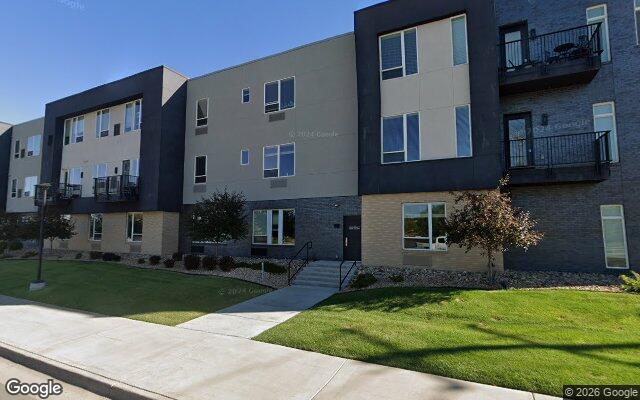
Full Inspection Record
Family reviews
No reviews yet — be the first to share your experience