Brookdale Arvada
21 CDPHE citations on record, last inspected Apr 2026, license 23046M.
Brookdale Arvada has 21 CDPHE citations on record; last inspected Apr 2026.
Memory-care basis not yet recorded from the state file.
Source: Colorado Department of Public Health and Environment
CDPHE recordLast inspection April 28, 2026
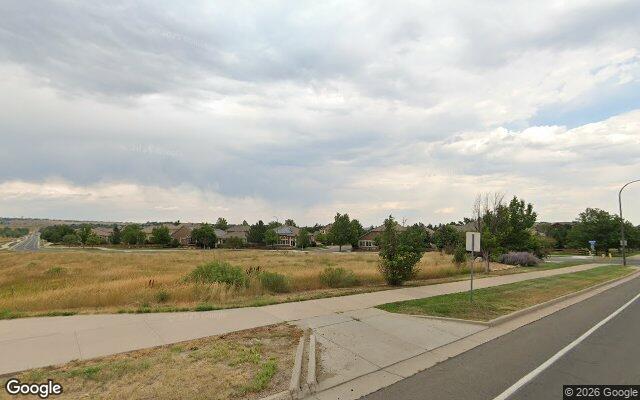
A large home, reviewed on public record.

© Google Street View
Compared to 29 Colorado facilities with a similar number of beds.
Assisted living memory care · 36-month window. Higher percentile = better performance on inspection record. Source: Colorado Department of Public Health and Environment.
on file.
among peers to rank.
Rankings based on 36-month CDPHE inspection data. Severity and frequency: fewer citations = higher percentile. Repeat rate: lower repeat citation share = higher percentile.
Citation history, plotted month by month.
21 deficiencies on record. Each bar is a month with a citation.
Finding distribution
21 total · 36 monthsCDPHE Level A–E
The rules that apply to this facility.
State requirements with the exact regulation citation, plain-language explanation, and a question to ask on tour. Rules this facility has been cited for appear first.
Plain language
CDPHE licenses assisted living residences. A secure environment for residents who need one is optional under Chapter 7, Part 25. CDPHE does not publish a facility-level list of homes that have that option, so this page does not call the home state-verified memory care.
Ask on tour
“Ask whether the home has a secure environment, and ask to see the part of the license that says so.”
Questions to ask before you visit.
A short pre-tour checklist tailored to Brookdale Arvada's record and state requirements.
CDPHE inspection records show 18 reports on file with 24 total deficiencies cited — can you walk us through the written corrective action plans for the most recent deficiencies, and explain how the community tracks completion of those plans?
Ask the operator on tour. Take notes and compare answers across facilities you visit.
One serious citation (severity 3–4) appears in the inspection history — what was the nature of that citation, what corrective steps did Brookdale Arvada implement, and can you provide documentation showing CDPHE accepted the remediation?
Ask the operator on tour. Take notes and compare answers across facilities you visit.
Eleven complaints were filed with CDPHE during the period on file — were any of those complaints substantiated, and if so, what changes did the community make in response?
Ask the operator on tour. Take notes and compare answers across facilities you visit.
From this home's file.
Counts and lines from the state file we hold.
- Does Brookdale Arvada provide memory care?
Memory-care basis not yet recorded from the state file.
- When was Brookdale Arvada last inspected?
Brookdale Arvada was last inspected on April 28, 2026. That visit is a complaint investigation.
- Has Brookdale Arvada been cited by CDPHE?
Yes. Brookdale Arvada has 21 deficiencies from CDPHE in the last three years. None are tagged immediate jeopardy.
- How many citations does Brookdale Arvada have?
Brookdale Arvada has 21 deficiencies across 9 inspections in the last three years. None are tagged immediate jeopardy.
- Who licenses Brookdale Arvada?
Colorado Department of Public Health and Environment licenses Brookdale Arvada. The license number is 23046M. State record: https://cdphe.colorado.gov/health-facilities/find-and-compare-facilities
Every inspection visit, verbatim.
9 inspections in the public record, most recent first. Plain-language summaries open first — click into any row for the full citation text.
2026-04-28Complaint InvestigationNo findings
Plain-language summary
This complaint investigation is in the Colorado Department of Public Health and Environment public file. No citation text was included for this visit.
2026-04-14Complaint InvestigationNo findings
Plain-language summary
This complaint investigation is in the Colorado Department of Public Health and Environment public file. No citation text was included for this visit.
2026-04-14Complaint InvestigationNo findings
Plain-language summary
A licensure complaint investigation was completed on April 15, 2026. No violation was confirmed.
2025-03-12Annual Compliance VisitNo findings
Plain-language summary
This compliance visit is in the Colorado Department of Public Health and Environment public file. No citation text was included for this visit.
2025-03-12Annual Compliance VisitNo findings
Plain-language summary
A revisit inspection was completed on March 13, 2025 to verify that the facility had corrected deficiencies identified during a previous survey on September 9, 2024. The facility was found to be in compliance with all previously cited deficiencies.
2024-09-04Complaint InvestigationLevel B · 1 finding
Plain-language summary
A combined licensure and complaint inspection found that the residence did not promptly provide staff CPR certification documentation when requested by the Department on September 4, 2024, despite three requests throughout the day; the certifications were finally provided the following morning. The residence failed to maintain readily accessible personnel records as required and did not ensure compliance with several regulatory requirements including criminal background checks, policies and procedures reviews, resident rights statements, and documentation of practitioner orders. The complaint was unsubstantiated.
Read full citation text (1)Hide full citation text
“Based on record review, interview and observation, the residence failed to provide, upon request, access to or copies of the following to the Department for the performance of its regulatory oversight responsibilities, affecting 56 current residents.Findings include:On 9/4/24 at 8:20 a.m., documentation of staffs' cardiopulmonary resuscitation (CPR) certifications were requested but not provided.On 9/4/24 at 1:43 p.m., staff CPR certification documentation was requested, and again it was not provided.On 9/4/24 at 4:11 p.m., staff CPR certification documentation was again requested, and again it was not provided.On 9/5/24 at 7:30 a.m., three staff CPR certifications were provided. This was one full day after the original request. On 9/5/24 at 4:45 p.m., the administrator stated he expected records to be provided to the Department upon request and without delay. The administrator stated he was not aware current CPR and First Aid certifications were not in the residence ' s personnel files.”
2024-09-04Complaint InvestigationLevel B · 14 findings
Plain-language summary
A relicensure survey with complaints conducted on September 9, 2024, found that the residence failed to update criminal history and adult protective services background checks for a staff member after incidents of alleged neglect and physical abuse involving a resident who fell from a wheelchair and was hospitalized; did not maintain current CPR and first aid certifications in personnel files; and did not have enough staff on July 31, 2024, when two caregivers with lifting restrictions left a resident without assistance for approximately three hours, during which the resident remained in soiled bedding and had two incontinence incidents.
Read full citation text (14)Hide full citation text
“Based on interview and record review, the residence failed to request an updated criminal history and adult protective service record check for a staff member who could pose a risk to the health, safety and welfare of the residents, involving one sample staff (#2), affecting 56 current residents. (Cross-reference S1342).Findings include:The personnel file for Staff #1 revealed she was hired in 2016.The August 2024 staff schedule revealed Staff #2 worked on 8/24/24.An internal neglect investigation conducted by the residence on 8/15/24 read in part, "A (family member) reported that she had observed (Resident #1) be left in bed soaked for approx (sic) three hours. She reported that two caregivers had entered her room, and that the caregivers reported to (Resident #1) that they were on restrictions and waiting for additional help. (The family member) reported that she did not feel that they did enough and that this left (Resident #1) in soiled bedding until they were able to retrieve caregivers to provide the care that (Resident #1) needed." The report read that Staff #2 had worked on 7/31/24.A staff member disciplinary form, dated 8/23/24 revealed that when she worked on 7/31/24 for failure to meet expectations by not identifying a resident needed assistance and had not communicated with other associates. "This could be considered a form of neglecting to provide services to a resident."An internal physical abuse investigation conducted by the residence on 8/24/24 read in part, "A caregiver (Staff #2) was assisting (Resident #1) to the dining room for breakfast. The resident can historically be assisted to the dining room by a caregiver by lifting her feet and being propelled. The morning of the incident, it was reported that (Resident #1's) feet had dropped, and she fell forward out of the wheelchair ... (Resident #1) expressing pain in her right shoulder. 911 was called and (Resident #1) was sent to the hospital for evaluation and treatment."Staff #2's personnel file revealed she was suspended on 8/24/24.Staff #2's personnel file contained no criminal history check or adult protective service check after the disciplinary action for alleged neglect on 8/23/24 and alleged physical abuse on 8/24/24, respectively.On 9/5/24 at 4:45 p.m., the administrator said based on the investigation he conducted that involved Staff #2, "I never felt there was a deviation of moral character." The administrator said background checks were completed as a part of the initial onboarding process. He added he did not request an updated criminal history and adult protective service record check for Staff #2 after she posed a risk to the health, safety and welfare of residents.”
“Based on record review and interview, the residence failed to have at least one staff member on shift at all times with a current certification in first aid from a nationally recognized organization, affecting 56 current residents.Finding include: A review of staff first aid certifications on 9/5/24 revealed that Staff #1 did not have first aid certification from a nationally recognized organization.The staff schedule from 8/20-9/4/24 revealed there were no other staff with certification from a nationally recognized organization for the first shift, 6:00 a.m. to 2:00 p.m. on 8/23, 8/24, 8/30, and the third shift, 10:00 p.m. to 6:00 a.m. on 8/31/24. On 9/5/24 at 1:40 p.m., the administrator confirmed the residence had no record that Staff #1 had current first aid certification from a nationally recognized organization.On 9/5/24 at 4:50 p.m., the administrator stated he was unaware of any first aid organizations that were not nationally recognized.”
“Based on record review and interview, the residence failed to have at least one staff member on shift at all times with a current certification in cardiopulmonary resuscitation (CPR) from a nationally recognized organization, affecting 56 current residents.Finding include: Record review and interviews were conducted in the residence on 9/4 and 9/5/24 between 7:00 a.m. and 5:00 p.m. A review of staff CPR certifications on 9/5/24 revealed that Staff #1 did not have a CPR certification from a nationally recognized organization.The staff schedule from 8/20-9/4/24 revealed there were no other staff with certification from a nationally recognized organization for the first shift, 6:00 a.m. to 2:00 p.m. on 8/23, 8/24, 8/30, and the third shift, 10:00 p.m. to 6:00 a.m. on 8/31/24. On 9/5/24 at 1:40 p.m., the administrator confirmed the residence had no record of CPR evidence from a nationally recognized organization.On 9/5/24 at 4:50 p.m., the administrator stated he was unaware of any CPR organizations that were not nationally recognized.”
“Based on record review and interview, the residence failed to have at least one staff member on shift at all times with a current certification in cardiopulmonary resuscitation (CPR) from a nationally recognized organization, affecting 56 current residents.Finding include: Record review and interviews were conducted in the residence on 9/4 and 9/5/24 between 7:00 a.m. and 5:00 p.m. A review of staff CPR certifications on 9/5/24 revealed that Staff #1 did not have a CPR certification from a nationally recognized organization.The staff schedule from 8/20-9/4/24 revealed there were no other staff with certification from a nationally recognized organization for the first shift, 6:00 a.m. to 2:00 p.m. on 8/23, 8/24, 8/30, and the third shift, 10:00 p.m. to 6:00 a.m. on 8/31/24. On 9/5/24 at 1:40 p.m., the administrator confirmed the residence had no record of CPR evidence from a nationally recognized organization.On 9/5/24 at 4:50 p.m., the administrator stated he was unaware of any CPR organizations that were not nationally recognized.”
“Based on observation and interview, the assisted living residence failed to place in a visible location a list of all staff who have current certification in first aid or CPR (cardiopulmonary resuscitation), affecting 56 current residents. Findings include: On 9/4/24 from 7:00 a.m. to 5:00 p.m. and on 9/5/24 from 7:30 a.m. to 4:00 p.m., the residence had no list of staff with current certification in first aid or CPR placed in a visible location in the residence at any time.On 9/4/24 at 4:24 p.m., Staff #7 and the administrator stated there was not a list of staff who were trained in CPR in a visible location or readily available to staff at all times. On 9/5/24 at 4:45 p.m., the administrator stated he was unaware of the requirement for the residence to ensure a list of staff with current CPR and first aid certifications was visible and accessible to staff.”
“Based on observation, record review, and interview, the residence failed to observe resident rights in the care, treatment and oversight of residents and their right to be free from neglect, affecting two of seven sample residents (#1) and Former Resident (#7). (Cross-reference S620, S722, S1360)Findings include:Resident #1 was admitted to the residence on 6/27/24.A care plan for Resident #1, dated 7/9/24, read that Resident #1 required incontinence checks every two hours, assistance to the bathroom every two hours and assistance with transfers. Resident #1 required a wheelchair for mobility. An internal neglect investigation conducted by the residence on 8/15/24 revealed that on 7/31/24, Staff #1 and #2 were working alone in the unsecure portion of the residence when Resident #1 requested assistance to use the bathroom. Neither Staff #1 nor #2 assisted Resident #1 until other staff arrived approximately three hours later.An initial law enforcement incident report, dated 8/16/24, read in part, "On 07/31/2024, (Resident #1) made statements that she needed to use the bathroom or be changed. Due to this, (Resident #1) required to be lifted. Due to (Staff #1 and #2's) light duty capacity they were unable to life (sic) (Resident #1) and stated they would find someone to assist. (The administrator) noted that they never found someone to assist them which ultimately led to (Resident #1) soiling herself ... As I spoke to (a family member), she indicated that on 07/31/2024, (Resident #1) woke up around (4:20 a.m.) to be changed. (The family member) then stated at around (6:00 a.m.), (Resident #1) requested to be changed and no one responded to her room until (7:19 a.m.). (The family member) stated that after no one responded to her room, (Resident #1's) partner came to the residence at (8:27 a.m.) and requested staff assist (Resident #1). Between the hours of (8:47 a.m.) and (9:00 a.m.), (Resident #1) was eventually changed, however she had already soiled herself."Multiple video recordings of Resident #1 in her room on 7/31/24, provided by a family member of Resident #1, revealed that on 7/31/24, Resident #1 pressed her pendant at approximately 6:30 a.m. for staff assistance to the bathroom. On 7/31/24 at approximately 7:15 a.m. and 7:30 a.m., respectively, Staff #1 and #2 were in Resident #1's room and told Resident #1 they were unable to assist her due to their lifting restrictions and no other staff were available to assist her. On 7/31/24 at approximately 9:00 a.m., Resident #1 was finally assisted by staff. Resident #1's bed sheet was visibly soiled. Resident #1 could be heard saying she needed to urinate. Resident #1 urinated twice in her incontinence product as a result of not being taken to the restroom. a. InterviewsOn 9/5/24 at 9:45 a.m., Staff #1 said she worked on 7/31/24 with Staff #2 and they were both on lifting restrictions. She added Resident #1 pressed her pendant for assistance after 6:00 a.m. Staff #1 stated when she went in to check on Resident #1 at approximately 7:30 a.m., she told Resident #1 she was unable to provide assistance because she was not able to lift due to her restrictions. On 9/5/24 at 11:54 a.m., Staff #2 said that on 7/31/24 only she and Staff #1 worked in the unsecured portion of the residence. Staff #2 said she was restricted to lifting up to five pounds. She added Staff #1 had also been on lifting restrictions and was unable to assist Resident #1. Staff #2 said Resident #1 had pressed her pendant for assistance at approximately 6:00 a.m. and was not assisted until approximately 9:30 a.m. She added the family member of Resident #1 made an allegation of neglect, and as a result Staff #2 was suspended. On 9/5/24 at approximately 3:15 p.m., the administrator said staff should have provided care and services to Resident #1 sooner than three hours. He added Staff #1 and #2's actions were not neglectful because their actions were not intentional and said there was a breakdown in theresidence's services and systems. Similar deficient practice was found for Former Resident (#7).”
“Based on record review and interview, the residence failed to include current cardiopulmonary resuscitation (CPR) certifications along with first aid certifications in personnel files, affecting 56 current residents. Findings include:1. Record Review On 9/5/24, personnel records from the staff sample revealed no current CPR and First Aid certifications in the residence ' s personnel files.2. Interview On 9/4/24 at approximately 2:30 p.m,. the administrator stated he was working with the corporate team along with calling staff to locate current CPR and first aid certifications. On 9/5/24 at approximately 4:45 p.m., the administrator stated he was not aware that the residence did not include current CPR and first aid certifications in each personnel file.”
“Based on observation, record review, and interview, the residence failed to comply with authorized practitioner orders associated with medication administration except for those medications which a resident self-administers, affecting four of six sample residents (#1, #2, #5, #6).Findings include:1. Resident #6 was admitted to the residence on 3/22/22 with diagnoses including gastrointestinal reflux disease and renal failure.a. OmeprazoleA written practitioner's order, dated 1/29/24, directed the residence to administer omeprazole 20 mg once daily. However, the July and August 2024 medication administration records (MARs) for Resident #6 read the residence failed to administer the medication on 7/29-7/31 and 8/30-9/4/24 because the medication was not in stock, for a total of nine missed doses.b. TamsulosinA written practitioner's order, dated 1/29/24, directed the residence to administer tamsulosin 0.4 mg once daily. However, the July and August 2024 MAR for Resident #6 read the residence failed to administer the medication on 7/28-7/31 and 8/7 and 8/8/24 because the medication was not in stock, for a total of seven missed doses.c. SevelamerA written practitioner's order, dated 1/29/24, directed the residence to administer sevelamer 800 mg three times daily. However, the July 2024 MAR read the residence failed to administer the medication on 7/19/24 because Resident #6 was out of the building.On 9/5/24 at 2:20 p.m., the health and wellness director II said the residence did not administer the above medications to Resident #6 because the residence did not have these medications in stock.2. During the onsite visits on 9/4 and 9/5/24, similar deficient practice was found for Residents #1, #2, and #5.3. On 9/5/24 at 4:45 p.m., the administrator said she expected the residence to administer medications for residents, as ordered, and not be out of stock.”
“Based on record review and interview, the residence failed to ensure each qualified medication administration person (QMAP) accurately documented each medication administration or monitoring event at the time the event was completed for each resident, affecting five of six sample residents (#1-#4, #6).Findings include:1. Resident #6 was admitted to the residence on 3/22/22.a. Vitamin D3A written practitioner's order, dated 1/29/24, directed the residence to administer vitamin D3 2,000 units once daily. However, the July 2024 medication administration record (MAR) for Resident #6 read the medication was not available.On 9/5/24 at 2:20 p.m., the health and wellness director II (HWDII) said the medication was available and administered, but the QMAP inaccurately documented the medication was not available.b. SevelamerA written practitioner's order, dated 1/29/24, directed the residence to administer sevelamer 800 mg three times daily. However, the July and August 2024 MARs for Resident #6 read the morning doses of the medication were not administered on 7/20-7/22 and 8/26/24. On 9/5/24 at 2:20 p.m., the HWD II said staff administered the medication to Resident #6 because there was a system in place for him to receive the medication right before he left for dialysis. She added that staff inaccurately documented that the medication was missed when it was administered. 2. During the onsite visits on 9/4 and 9/5/24, similar deficient practice was found for Resident #1-#4. 3. On 9/5/24 at approximately 4:45 p.m., the administrator said he expected QMAPs to accurately document medication administration in resident MARs.”
“Based on record review and interview, the residence failed to ensure each qualified medication administration person (QMAP) accurately documented each medication administration or monitoring event at the time the event was completed for each resident, affecting five of six sample residents (#1-#4, #6).Findings include:1. Resident #6 was admitted to the residence on 3/22/22.a. Vitamin D3A written practitioner's order, dated 1/29/24, directed the residence to administer vitamin D3 2,000 units once daily. However, the July 2024 medication administration record (MAR) for Resident #6 read the medication was not available.On 9/5/24 at 2:20 p.m., the health and wellness director II (HWDII) said the medication was available and administered, but the QMAP inaccurately documented the medication was not available.b. SevelamerA written practitioner's order, dated 1/29/24, directed the residence to administer sevelamer 800 mg three times daily. However, the July and August 2024 MARs for Resident #6 read the morning doses of the medication were not administered on 7/20-7/22 and 8/26/24. On 9/5/24 at 2:20 p.m., the HWD II said staff administered the medication to Resident #6 because there was a system in place for him to receive the medication right before he left for dialysis. She added that staff inaccurately documented that the medication was missed when it was administered. 2. During the onsite visits on 9/4 and 9/5/24, similar deficient practice was found for Resident #1-#4. 3. On 9/5/24 at approximately 4:45 p.m., the administrator said he expected QMAPs to accurately document medication administration in resident MARs.”
“Based on record review and interview, the residence failed to re-assess residents every six months for the need of a secure environment affecting two of four sample residents (#3, #5).Findings include:1. Resident #3 was admitted to the residence on 7/18/23 with a diagnosis of Alzheimer ' s disease. The record for Resident #3 contained evaluations for a secure environment, dated 7/18/23. The record contained no further evidence that the residence re-assessed the resident every six months for the need of a secure environment. 2. Resident #5 was admitted to the residence on 8/31/23 with a diagnosis of major depressive disorder. The record for Resident #5 contained no evidence of an assessment every six months to ensure the continued need for a secure environment.3. On 9/5/24 at 4:45 p.m., the administrator stated they were aware residents needed to be reassessed every six months for the continued need of a secure environment and they would expect it to be documented, current, and in resident records.”
“Based on record review and interview, the residence failed to ensure that no medication was administered by a qualified medication administration person (QMAP) on a pro re nata (PRN) or "as needed" basis, affecting one sample resident (#5).Findings include:1. Resident #5 was admitted to the residence on 8/31/2023 with a diagnosis of dementia. A written practitioner's order, dated 8/31/23, directed the residence to administer melatonin 3 mg every 24 hours as needed for sleep. The August 2024 medication administration record (MAR) for Resident #5 read on 8/2/24 that staff administered melatonin 3 mg to Resident #5 in the evening due to restlessness, "Per Nurse."2. Interviews On 9/5/24 at 11:40 a.m., Staff #6 stated she administered PRN medications when she was instructed to by a nurse over the phone. On 9/5/24 at 1:40 p.m., the health and wellness director (HWD) stated she was aware a QMAP administered PRN medication to Resident #5 on the evening of 8/2/24 due to the resident being restless. She added that Staff #6 was following the nurse's orders given over the phone. The HWD stated she was not aware that a nurse (not a QMAP) needs to administer PRN medications.”
“Based on interview and record review, the residence failed to have a sufficient number of staff to help residents needing or potentially needing assistance, affecting one of 31 days in July 2024 (7/31/24) in the unsecure portion of the residence. (Cross-reference S1342)Findings include:1. Sufficient Number of StaffOn 9/4/24 at 3:50 p.m., the business office coordinator said Staff #1 and #2 had lifting restrictions since 7/24/24. She added Staff #1 was only able to lift 30 pounds as of 7/24/24 and Staff #2 was initially restricted to lifting up to five pounds and then up to 10 pounds as of the day of the onsite visit on 9/4/24.On 9/5/24 at 9:45 a.m., Staff #1 said she worked on 7/31/24 with Staff #2 and they were both on lifting restrictions. She added Resident #1 pressed her pendant for assistance after 6:00 a.m. Staff #1 stated when she went in to check on Resident #1 at approximately 7:30 a.m., she told Resident #1 she was unable to provide assistance because she was not able to lift due to her restrictions. On 9/5/24 at 11:54 a.m., Staff #2 said that on 7/31/24 only she and Staff #1 worked in the unsecured portion of the residence. Staff #2 said she was restricted to lifting up to five pounds. She added Staff #1 had also been on lifting restrictions and was unable to assist Resident #1. Staff #2 said Resident #1 had pressed her pendant for assistance at approximately 6:00 a.m. and was not assisted until approximately 9:30 a.m.2. Resident #1 was admitted to the residence on 6/27/24.Multiple videos of Resident #1 in her room on 7/31/24, provided by a family member of Resident #1 revealed that on 7/31/24 Resident #1 pressed her pendant at approximately 6:30 a.m. for staff assistance to the bathroom. On 7/31/24 at approximately 7:15 a.m. and 7:30 a.m., respectively, Staff #1 and #2 were observed in Resident #1's room and told Resident #1 they were unable to assist her due to their restrictions and no other staff were available to assist. On 7/31/24 at approximately 9:00 a.m., Resident #1 was finally assisted by staff. Resident #1's bed sheet was visibly soiled. Resident #1 could be heard saying she needed to urinate and as a result of not being taken to the restroom she urinated twice in her incontinence product. An internal neglect investigation conducted by the residence on 8/15/24 revealed that on 7/31/24, Staff #1 and #2 were working alone in the unsecure portion of the residence when Resident #1 requested assistance to use the bathroom. Neither Staff #1 nor #2 were able to assist Resident #1 until help arrived approximately three hours later. On 9/5/24 at 3:14 p.m., the administrator said he was aware that Staff #1 and #2 had lifting restrictions and were scheduled to work together on 7/31/24. He added that the residence should have ensured that Staff #1 and #2 were not scheduled to work together alone. On 9/5/24 at approximately 4:45 p.m., the administrator said the residence staffed according to resident acuity and that the residence typically had one qualified medication administrator person and two care staff in the morning and evening shift to meet resident needs. He added, "miscommunication is probably the most significant thing we can work on."”
“Based on interview and record review, the residence failed to provide a resident the right to receive services in accordance with their care plan, affecting one of seven sample residents (#1). (Cross-reference S1324)Findings include:Resident #1 was admitted to the residence on 6/27/24.The care plan for Resident #1, dated 7/9/24, read that Resident #1 required incontinence checks every two hours, assistance to the bathroom every two hours, and assistance with transfers. An internal neglect investigation conducted by the residence on 8/15/24 read in part, "A (family member) reported that she had observed (Resident #1) be left in bed soaked for approx (sic) three hours. She reported that two caregivers had entered her room, and that the caregivers reported to (Resident #1) that they were on restrictions and waiting for additional help. (Family member) reported that she did not feel that they did enough and that this left (Resident #1) in soiled bedding until they were able to retrieve caregivers to provide the care that (Resident #1) needed." Multiple video recordings of Resident #1 in her room on 7/31/24, provided by a family member of Resident #1, revealed that on 7/31/24, Resident #1 pressed her pendant at approximately 6:30 a.m. for staff assistance to the bathroom. On 7/31/24 at approximately 7:15 a.m. and 7:30 a.m., respectively, Staff #1 and #2 were in Resident #1's room and told Resident #1 they were unable to assist her due to their lifting restrictions and no other staff were available to assist her. On 7/31/24 at approximately 9:00 a.m., Resident #1 was finally assisted by staff. Resident #1's bedsheet was visibly soiled. Resident #1 could be heard saying she needed to urinate and as a result of not being taken to the restroom she urinated twice in her incontinence product. On 9/5/24 at approximately 4:45 p.m., the administrator said he expected care staff to follow resident care plans. The administrator said care staff did not follow Resident #1's care plan on 7/31/24.”
2024-06-26Annual Compliance VisitNo findings
Plain-language summary
A revisit inspection was completed on June 26, 2024, to verify that the facility had corrected deficiencies identified during a previous inspection on February 22, 2024. The facility was found to be in compliance with all previously cited deficiencies.
2024-02-21Complaint InvestigationLevel A · 6 findings
Plain-language summary
A complaint investigation found that this residence failed to update one resident's comprehensive assessment and care plan after she suffered a fall with hip fracture injury on January 29, 2024, and returned from the hospital on February 16, 2024. The assessment at the time of the investigation on February 21, 2024, still had not been updated with information about the fall, circumstances, or prevention approaches as required. The residence also failed to implement individualized fall management interventions in care plans for three residents who fell, including the resident with the hip fracture and two others who sustained additional falls after their initial incidents.
Read full citation text (6)Hide full citation text
“Based on interview and record review, the residence failed to ensure each qualified medication administration person (QMAP) accurately documented each medication administration at the time the event was completed for each resident, affecting one of five sample residents (#6) and one former resident (#10). (Cross reference Q1568)Findings include:1. Residence policyThe residence's Medication and Medication Administration policy, dated 3/31/22 read in part: "follow the 7 rights of medication administration ... right documentation ... document medications administered on the medication administration record (MAR) ... (and include) initial (of) each medication administered."2. Resident #6 was admitted to the residence on 12/7/23. Triamcinolone acetonideA written practitioner's order, dated 12/6/23, directed the residence to administer triamcinolone acetonide 0.1% daily. However, the February 2024 electronic medication administration record (eMAR), revealed a code "9" on 2/17/24 in the morning which read "other/see progress notes." However, there was no corresponding progress note, for a total of one inaccurately documented dose.3. Former Resident #10 was admitted to the residence on 5/1/23.a. Vancomycin A written practitioner's order, dated 1/30/24, directed the residence to administer vancomycin 50 mg/mL two and one half mL every six hours for 14 days. However, the February 2024 eMAR, revealed blank spaces on 2/4 at 2:00 a.m. and 2/5/24 at 8:00 a.m., for a total of two inaccurately documented doses. b. MorphineA written practitioner's order, dated 2/2/24, directed the residence to administer morphine 20 mg/ML one half mL every six hours. However, the February 2024 eMAR, revealed a blank space on 2/4/24 at the 2:00 a.m. dose, for a total of one inaccurately documented dose.c. AcetaminophenA written practitioner's order, dated 1/2/24, directed the residence to administer acetaminophen 500 mg every six hours. However, the January 2024 eMAR, revealed a blank space on 1/28/24 at the 2:00 a.m. dose, for a total of one inaccurately documented dose.4. InterviewOn 2/22/24 at 1:22 p.m., the administrator stated she expected qualified medication administration persons (QMAPs) to accurately document on the eMAR. She stated a blank space meant that a QMAP did not document as required. The administrator further stated whenever a "code 9" was documented for "see progress notes," there should have been a corresponding progress note as to whether a medication was administered, refused or otherwise.”
“Based on record review and interview, the residence failed to implement a policy for an effective information management system that allowed effective continuity of care which included a method of integration for both paper-based and electronic records in the effective management for storing and retrieving care/service data and information, affecting nine of nine sample residents (#1-#9) and one former resident (#10). (Cross reference Q1530)Findings include:1. Referencesa. Chapter VII regulations governing assisted living residences, part 9.1, requires that the assisted living residence shall develop and at least annually review all policies and procedures. At a minimum, the assisted living residence shall have policies and procedures that address the following items:(M) Health information management.b. Chapter VII regulations governing assisted living residences, part 18.8, requires that resident records shall contain, but not be limited to, the following items: (A) Face Sheet; (B) Practitioner order; (C) Individualized resident care plan;(D) Progress notes which shall include information on resident status and wellbeing, as well as documentation regarding any out of the ordinary event or issue that affects a resident ' s physical, behavioral, cognitive and/or functional condition, along with the action taken by staff to address that resident ' s changing needs; (E) Medication Administration Record and (F) Documentation of on-going services provided by external service providers including, but not limited to, caregivers, essential caregivers, aides, podiatrists, physical therapists, hospice and home care services, and other practitioners, assistants, and care providers;c. Chapter II regulations governing assisted living residences, part 2.10.5, requires the licensee to provide, upon request, access to or copies of the following to the Department for the performance of its regulatory oversight responsibilities including: (A) Individual client records and (B) Reports and information required by the Department including but not limited to, staffing reports, census data, statistical information, and other records, as determined by the Department.2. Record ReviewOn 2/21/24 at 8:13 a.m., an accurate staff schedule or time cards, current resident roster, resident rights policy, grievance policy, and effective health information management policy were requested. On 2/21/24 at 9:15 a.m., an accurate staff schedule or time cards, current resident roster, resident rights policy, grievance policy, and effective health information management policy were requested a second time. The health and wellness director (HWD) was asked to provide the resident roster first. On 2/21/24 at 10:00 a.m., a resident roster was requested a third time. At 10:07 a.m., the current resident roster and grievance policy were provided. On 2/21/24 at approximately 10:28 a.m., the resident rights policy, accurate staff schedule or time cards and effective health information management policy were requested a third time with a reference to the 9.1 and 18.3 regulation requirements. Additionally, full resident records including the January and February 2024 electronic medication administration records (eMARs), orders, face sheets, care plans, progress notes from January 2024 to the day of the onsite investigation and external services provider documentation were requested for Resident #2-#4 and #6. Also all of the above information including December 2023 through February 2024 progress notes and eMARs were requested for Resident #1 and Former Resident #10. Further, full records excluding eMARs were requested for Residents #5, and #7-#9. On 2/21/24 at 11:23 a.m., eMARs for Resident #1, #6 and former Resident #10 were provided. However, no orders were provided and the eMAR cut off the medication names on the eMAR to where it was unreadable. On 2/21/24 at 11:40 a.m., eMARs that were not cut off and could be read, were requested for Residents #1-#4, #6 and Former Resident #10. On 2/21/24 at 12:22 p.m., face sheets were provided for Residents #1-#7 and Former Resident #10. Care plans and progress notes from 1/22-2/21/24 for Resident #1 and Former Resident #10 were provided instead of from 12/1/23 to 2/21/24 as requested. Progress notes from 12/1/23-2/21/24 were requested a second time. On 2/21/24 at 12:29 p.m. the resident rights policy, effective health information management policy, and accurate staff schedules were requested a fourth time. However, the health information management policy was never provided. Full resident records for Resident #8 and #9 were requested a second time to include face sheets, care plans and progress notes. January and February 2024 eMARs, orders, care plans, progress notes from January 2024 to the day of the onsite investigation and external services provider documentation were re-requested for Resident #2-#4 and #6. All of the above information other than care plans and December 2023 through February 2024 progress notes and eMARs, were requested a second time for Resident #1 and Former Resident #10. Further, care plans and progress notes from January to February 2024 were re-requested a second time for Residents #5 and #7-#9. On 2/21/24 at 12:50 p.m., face sheets for Resident #8 and #9 were provided. On 2/21/24 at 1:30 p.m., care plans for Residents #2-#9 were provided. External service provider documentation, January and February 2024 eMARs, progress notes, and an order for benadryl 25 mg were provided for Resident #6; however, there were no other orders provided that matched the eMARs. Progress notes for Resident #1 and Former Resident #10 dated from 12/1/23-2/21/24, orders, December 2023-January 2024 eMARs, external service provider documentation and progress notes were provided. On 2/21/24 at 2:18 p.m., January and February 2024 eMARs were provided for Residents #2-#4 and progress notes from January to February 2024 were provided for Residents #2-#5 and #7-#9. Orders were provided for Residents #2 and #3. However, Resident #2's carbidopa levodopa 25-100 mg and cefdinir 300 mg orders, and Resident #3's doxycycline 100 mg order was not provided. On 2/21/24 at approximately 2:43 p.m., an accurate staff schedule and the resident rights policy were provided. On 2/21/24 at 5:28 a.m., all orders for Resident #2 were re-requested a fourth time, since there was missing order for carbidopa levodopa 25-100 mg and cefdinir 300 mg. All orders for Resident #3 were re-requested a fourth time since her doxycycline 100 mg order was not provided. All orders were re-requested a fourth time for Resident #4 since none were provided. All orders were re-requested a fourth time for Resident #6 since only an order for benadryl 25mg was provided. The residence was asked to have all missing documents provided in the morning on 2/22/24.On 2/22/24 at 7:04 a.m., Resident #2's carbidopa levodopa 25-100 mg order was provided. However, the order for cefdinir 300 mg was never provided. Resident #3's doxycycline 100 mg order was never provided. All of Resident #4's practitioner orders were provided except for, escitalopram 10 mg, acetaminophen 325 pro re nata (PRN), and levofloxacin 750 mg which were never provided. All of Resident #6's practitioner orders were provided other than for preserVision tablets, which was never provided. 3. InterviewsOn 2/21/24 at 2:37 p.m., the health and wellness nurse (HWN) stated there were printer errors due to it being out of toner, an internet outage, and miscommunications which caused the delay in requested documentation. He stated there was one printer and believed there was difficulty communicating who was providing which piece of documentation between himself, the HWD and the administrator. The HWN stated the residence did not have an effective health information management policy and was told by the residence's district manager (DM), the Medication Administration Policy was the only policy they had that she believed would fit the requirements. The HWN further stated there was a delay in providing the resident roster was because he had informed the HWD it was on the printer and she did not grab it. He further stated he provided all the orders he had for Residents #1-#4, #6 and Former Resident #10. On 2/22/24 at 1:22 p.m., the administrator stated she was not aware of the requirement for an effective health information policy and stated the DM would know if they had it. The administrator stated the delay was due to a phone outage, the printer losing toner and the HWN, HWD and administrator all having to share one printer. She stated she felt documents were provided timely since they had spent all of 2/21/24 providing the documents requested and stated she was unsure which documents were more important to be provided first. The administrator stated that prior to 9:00 a.m., the HWD and HWN were the only ones who were able to provide documentation and stated the HWD was new, since she had only worked at the residence for a few months. The administrator further acknowledged she was aware of the requirement for documents to also be provided upon request. She acknowledged there were missing medication orders the HWD and HWN were unable to find.”
“Based on record review and interview, the residence failed to ensure a comprehensive assessment was updated at least annually or whenever the residents' conditions changed from baseline status, affecting one of two sample residents (#1) who experienced a change in condition. (Cross reference Q1180)Findings include:1. Reference and Residence Policya. Chapter VII regulations governing assisted living residences, part 12.7, requires that the comprehensive assessment shall include all the following items: (J) History and circumstances of recent falls and any known approaches to prevent future falls.b. The Residence's Service Plan Policy, which was the residence's change in baseline policy, dated March 2020, read the health and wellness director (HWD) and administrator would review and update the service plan for each resident following a change in condition. 2. Resident #1 was admitted to the residence on 5/1/23 with a diagnosis of Alzheimer's Disease. The residence's most recent assessment for Resident #1, which was also the residence's care plan, dated 12/30/23 read in part Resident #1 was at risk for falls. However, the assessment was not updated following Resident #1's fall with injury on 1/29/24 and included no circumstances of recent falls or approaches to prevent future falls.A progress note dated 1/29/24 at 7:50 p.m., written by the health and wellness director (HWD), read Resident #1 was found on the floor and was transferred to her reclining chair with the help of Staff #6, #8 and the HWD. Once Resident #1 returned to the chair she touched her stomach and grimaced. The HWD further assessed her and called the resident's external hospice nurse. An incident report dated 1/29/24 read Resident #1 sustained a fall with a hip fracture and was transported to the local hospital. A progress note dated 2/12/24 read that Resident #1 was in a rehabilitation facility.A progress note dated 2/16/24 read Resident #1 returned to the residence from the rehabilitation facility. On 2/21/24 at 7:15 a.m., Staff #1 stated Resident #1 had no history of falls prior to her fall on 1/29/24. On 2/21/24 at 8:35 a.m., Resident #1's family member stated Resident #1 had no prior history of falls and it was a change in condition for her. The family member stated the residence staff notified her after the fall and when she got there saw Resident #1 in pain, holding her hip and grimacing. The family member further stated the resident had sustained a hip fracture from her fall on 1/29/24 and had a partial hip replacement on 1/31/24. She stated she was in the hospital for about 10 days after. On 2/21/24 at 12:01 p.m., Staff #7 stated Staff #6 had found Resident #1 on the floor on 1/29/24; however, the HWD felt it was safe to lift her since when the resident was assessed on the floor she neither stated nor expressed any physical signs of pain. Staff #7 stated the fall was caused due to the resident tripping over a blanket in her room; however she had not fallen at the residence prior.On 2/22/24 at 9:37 a.m., Resident #1's external hospice nurse stated Resident #1's only fall was on 1/29/24 and she had sustained a hip fracture and stated it was a change in condition for her. On 2/22/24 at 1:22 p.m., the administrator stated Resident #1 had been readmitted to the residence on 2/16/24 after she was hospitalized with a hip fracture. The administrator stated Resident #1 had no prior falls at the residence that she was aware of and stated she would consider her falling, and being hospitalized with a hip fracture a change in condition. The administrator further stated the assessment was the same as the care plan, and the HWD and health and wellness nurse (HWN) were responsible for updating care plans. The administrator acknowledged Resident #1's comprehensive assessment had not been updated upon return from the hospital and stated since the resident had just come back on 2/16/24, the HWD and HWN had not yet gotten around to updating it.”
“Based on observations, interviews and record review, the residence failed to implement a fall management which included detailing in each resident's care plan the individualized approach necessary to address fall risks related to deficits in strength and balance, affecting three of three sample residents who fell (#1, #6 and #7). (Cross reference Q1146)Specifically, Resident #1 sustained a fall on 1/29/24 which resulted in a hip fracture. However, the residence failed to update Resident #1's care plan with individualized interventions following the fall and the resident's return from the hospital on 2/16/24. Further, the care plan had still not been updated the day of the onsite investigation on 2/21/24. Specifically, Resident #6 sustained two falls on 2/7 with no injury. However, the residence failed to update Resident #6's care plan with individualized interventions following the falls on 2/7/24, and the resident sustained an additional fall on 2/18/24 which resulted in a skin tear. Findings include:1. Residence policyThe residence's Fall Management policy, dated October 2023, read in part: "resident's have the potential to fall and therefore (the residence) has identified universal precautions applicable to residents. A fall risk evaluation is completed at the time of move in/admission per state regulations. A witnessed or reported unwitnessed fall, with or without injury, is reported in the (residence) incident reporting system. Residents who sustain a fall should have a post fall evaluation completed to consider possible interventions to reduce the potential of future falls and injury ... care plan is reviewed and updated as necessary."2. Resident #1 was admitted to the residence on 5/1/23 with a diagnosis of Alzheimer's Disease. a. ObservationsOn 2/22/24 at 10:02 a.m., Resident #1 had no mobility aids or fall interventions observed in her room.On 2/22/24 at 10:31 a.m., a built in fall monitoring system, showed it took residence staff three minutes to respond to Resident #1's fall. The HWD was observed assessing Resident #1 and she showed no expressions of physical pain. Staff #6 got vitals on Resident #1 and telephoned for assistance. Staff #6 left the room for a couple minutes. He came back and the HWD, Staff #6 and #8 lifted Resident #1 up into her reclining chair. Once the Resident was in her reclining chair she grimaced and pointed to her side. Staff #8 was observed waiting in the room with Resident #1. b. Record ReviewThe residence's most updated care plan dated 12/30/23, which is the same as the residence's assessment for Resident #1, read in part Resident #1 was a fall risk. However, the only interventions added in Resident #1's care plan was in a section labeled "universal interventions" which read to familiarize resident to the environment and routine of the residence, familiarize resident with the call system, place resident's personal items within reach, educate resident on clutter, familiarize resident with handrails in the bathroom, keep bed in locked position, resident wheelchairs shall be in locked position, floors to be clean and dry, ensure non-slip footwear, educate on supplemental lighting and follow safe handling practices. A progress note dated 1/29/24 at 7:50 p.m., written by the health and wellness director (HWD), read Resident #1 was found on the floor and the resident showed no indication of pain and was assessed by the HWD. Staff #6 took her vitals. Resident #1 was transferred to her reclining chair with the help of Staff #6, #8 and the HWD. Once Resident #1 returned to the chair she touched her stomach and grimaced. The HWD further assessed her and telephoned the resident's external hospice nurse. The resident's family member was also notified of her fall.An incident report dated 1/29/24 read Resident #1 sustained a fall with a hip fracture and was transported to the local hospital. A progress note dated 2/12/24 read that Resident #1 was in a rehabilitation facility.A progress note dated2/16/24 read Resident #1 returned to the residence from the rehabilitation facility. c. InterviewsOn 2/21/24 at 7:00 a.m., Staff #5 stated the only fall intervention she was aware of Resident #1 having, was a walker. On 2/21/24 at 7:15 a.m., Staff #1 stated Resident #1 had no history of falls prior to her fall on 1/29/24. Staff #1 stated she completed hourly rounding on Resident #1 and was unaware of any additional interventions. On 2/21/24 at 8:35 a.m., Resident #1's family member stated Resident #1 had no prior history of falls; however, stated Resident #1 had a broken hip and stated she felt residence staff should not have lifted her off the floor and should have notified emergency services immediately. The family member stated the residence staff notified her after the fall and when she got to the residence she saw Resident #1 in pain, holding her hip and grimacing. The family member further stated the resident had sustained a hip fracture and had a partial hip replacement on 1/31/24. She stated she was in the hospital for about 10 days after. The family member stated she was unaware of any fall interventions put in place upon Resident #1's return from the hospital.On 2/21/24 at 12:01 p.m., Staff #7 stated Staff #6 had found Resident #1 on the floor on 1/29/24; however, the HWD felt it was safe to lift her since when the resident was assessed on the floor she neither stated nor expressed any physical signs of pain. Staff #7 stated the fall was caused due to the resident tripping over a blanket in her room; however she had not fallen at the residence prior. Staff #7 stated Resident #1 had a walker; however was unaware of any additional fall interventions. On 2/22/24 at 9:37 a.m., Resident #1's external hospice nurse stated Resident #1's only fall was on 1/29/24 and she had sustained a hip fracture. The external hospice nurse stated she was unaware of Resident #1 having any fall interventions since she was normally very independent. On 2/22/24 at 10:36 a.m., the HWD stated the fall monitoring system only goes off when a resident falls and stated Staff #8 was with Resident #1 the entire time. The HWD stated the resident showed no signs of pain prior to being lifted into the chair and when emergency medical services arrived after Resident #1's family member wanted to contact them instead of leaving her to hospice treatment, she was found to have a broken hip.On 2/22/24 at 11:46 a.m., Staff #6 stated Resident #1 had no fall interventions in place he was aware of, and had never fallen at the residence prior to her fall on 1/29/24 where she broke her hip. Staff #6 stated the external hospice nurse and Resident #1's family member was notified right after the fall; however, it took hospice over an hour to arrive. Staff #6 stated Resident #1's family member arrived within 30 minutes or so, and stated she wanted to send her mother to the hospital. On 2/22/24 at 1:22 p.m., the administrator stated Resident #1 had been readmitted to the residence on 2/16/24 after she was hospitalized with a hip fracture. The administrator stated when a resident required hospice services it was their protocol to call an external hospice nurse and not emergency medical services, since it would result in a resident being discharged from hospice services. She stated the residence's care plan was the same as the assessment. The administrator further stated the HWD and health and wellness nurse (HWN) were responsible for updating care plans and stated they should be updated after a resident was hospitalized or whenever they required new care. The administrator further stated all residents had standard "universal fall precautions" in place; however, was not aware the care plan needed to be updated to include individualized fall interventions, and acknowledged that Resident #1's care plan was not updated upon return from the hospital.3. Resident #6 was admitted to the residence on 12/7/23 with a diagnosis of mild cognitive impairment. a. ObservationOn 2/22/24at 10:00 a.m., Resident #6 was observed in a wheelchair with supplemental oxygen on, and a walker and a fall mat in her room. b. Record ReviewThe residence's most updated care plan dated 1/16/24, which is the same as the residence's assessment for Resident #6, read in part Resident #6 was at risk for falls, utilized portable oxygen and utilized a walker as a mobility aid. However, the care plan did not include Resident #6's use of a wheelchair on days when she felt weaker, required 30 minute staff rounding, that she took off her oxygen and would experience increased confusion and would fall, or that she had a fall mat by her bed. The only interventions added in Resident #6's care plan was in a section labeled "universal interventions" which read to familiarize resident to the environment and routine of the residence, familiarize resident with the call system, place resident's personal items within reach, educate resident on clutter, familiarize resident with handrails in the bathroom, keep bed in locked position, resident wheelchairs shall be in locked position, floors to be clean and dry, ensure non-slip footwear, educate on supplemental lighting and follow safe handling practices.A progress note dated 2/7/24 at 6:00 a.m., read Resident #6 was found on the floor after a fall without her oxygen. No injuries were found. A progress note dated 2/7/24 at 9:00 p.m., read Resident #6 was found on the floor after a fall between her bed and dresser without her oxygen on. The resident had no injuries. A progress note written by Staff #6, dated 2/18/24, read Resident #6 had a fall and was wheezing. An external hospice note dated 2/19/24, read Resident #6's skin tear was cleaned.c. InterviewsOn 2/21/24 at 12:01 p.m., Staff #7 stated Resident #6 has had around four falls in the previous month. Staff #7 stated Resident #6 was a frequent faller and required checks every half hour. Staff #7 stated the resident had both a wheelchair and walker and fall mat. Staff #7 stated Resident #6 used the wheelchair on days when she experienced increased weakness, otherwise would use her walker. On 2/22/24 at 10:36 a.m., the HWD stated Resident #6 would fall due to taking off her oxygen which would cause increased confusion. She would dig through items in her closet with her oxygen off and trip over the items. The HWD further stated Resident #6 required a wheelchair for long distances or when she was weak and a walker for shorter distances. On 2/22/24 at 11:33 a.m., Resident #6's family member stated Resident #6 frequently would fall and the residence would notify her each time. The family member further stated Resident #6 had a walker, wheelchair and fall mat, and believed her falls were due to the resident taking her oxygen off and standing up. Resident #6's family member stated Resident #6's external hospice nurse treated a skin tear Resident #6 sustained from a fall around a week prior to the onsite investigation. On 2/22/24 at 11:42 a.m., Staff #6 stated Resident #6 required rounding every 30 minutes and he said it was a standard safety precaution he used since she fell frequently. Staff #6 stated he was unaware of 30 minute checks being documented as an intervention. Staff #6 further stated the fall on 2/18/24 occurred due to Resident #6 taking off her oxygen and she was wheezing as a result of lack of oxygen. Staff #6 stated he was unaware of any injuries; however, informed the HWN and external hospice nurse of the fall. On 2/22/24 at 11:51 a.m., the external hospice nurse for Resident #6 stated the resident fell twice on 2/7/24 and did not have any injuries; however, her most recent fall on 2/18/24 caused a skin tear on her lower left ankle. The external hospice nurse stated Resident #6 would get out of bed without her oxygen and would experience increased confusion and fall. The external hospice nurse stated Resident #6 had a walker since she was admitted to hospice; however, the wheelchair and walker were put in place by hospice due to her increased confusion, approximately three weeks prior to the onsite investigation. On 2/22/24 at 1:16 p.m., the HWN stated when he was notified of Resident #6's fall on 2/18/24, she was physically assessed and he noticed that the resident had a skin tear on her ankle. He further stated the external hospice nurse was made aware as well and he cleaned it with a wound cleanser.On 2/22/24 at 1:22 p.m., the administrator stated she was unaware Resident #6 had sustained a skin tear from her fall on 2/18 until the day of the onsite investigation from the HWN. She stated she would not have been expected to have been made aware since it was something they go over in weekly management meetings which they had not yet had. The administrator further stated the HWD and health and wellness nurse (HWN) were responsible for updating care plans and stated they should be updated after a resident was hospitalized or whenever they required new care. The administrator further stated all residents had standard "universal fall precautions" in place; however, was not aware the care plan needed to be updated to include individualized fall interventions. The administrator acknowledged Resident #6's care plan did not include individualized interventions, and understood why it would be important to include the resident's wheelchair, rounding, fall mat and behavior of taking off her oxygen and digging through her closet which leads to falls. 4. There was similar deficient practice for Resident #7.”
“Based on record review and interview, the residence failed to prepare or administer only medication that had been ordered by an authorized practitioner, affecting four of five sample residents (#2-#4, #6). (Cross reference Q2114)Findings include:1. Reference and Residence Policya. Chapter VII regulations governing assisted living residences, part 14.17, requires the assisted living residence shall ensure that each authorized practitioner's order for medication includes ... the signature of the practitioner.b. The residence's Medication Administration policy, dated 3/31/22, read in part: "medications and treatments should be administered within the parameters of the (practitioner's) orders."2. Resident #4 was admitted to the residence on 8/31/23 with a diagnosis of major depressive disorder.a. Escitalopram OxalateThe February 2024 electronic medication administration record (eMAR) read Resident #4 was administered escitalopram oxalate 10 mg one and one half tablets daily, on 2/1-2/9 and 2/11-2/14/24, for a total of thirteen doses. However, the residence was unable to provide a signed practitioner for the medication at the one and one half tablets dosage. b. AcetaminophenThe February 2024 eMAR read Resident #4 was administered acetaminophen 325 mg two tablets every six hours as needed on 2/12, 2/13 and 2/17/24, for a total of three doses. However, the residence was unable to provide a signed practitioner for the medication. c. LevofloxacinThe February 2024 eMAR read Resident #4 was administered levofloxacin 750 mg once every 48 hours on 2/12 and 2/14/24 for a total of two doses. A written practitioner's order dated 2/15/24 directed the residence to administer levofloxacin 750 mg once every 48 hours. However, the residence was unable to provide a signed practitioner order for the medication dated prior to 2/15, for the administration events on 2/12 and 2/14/24.3. Additionally, the residence failed to ensure that only medications ordered and signed by an authorized practitioner were administered to Resident #2, #3 and #6. 4. InterviewOn 2/22/24 at 1:22 p.m., the administrator stated herself and the health and wellness director (HWD) tried to provide the requested orders for Residents #2-#4, and #6; however, stated orders that had come from hospitalizations had not been available and there were missing orders. She further stated the HWD, health and wellness nurse, health and wellness coordinator and resident care coordinators #1-#5, were responsible for the ordering of medication from the pharmacy and maintaining orders. The administrator further stated she was aware of the requirement, and would have expected medications to only be administered with signed practitioner's orders.”
“Based on record review and interview, the residence failed to comply with authorized practitioner orders associated with medication administration, affecting five of five sample residents (#1-#4, #6) and one former resident (#10). (Cross reference Q1600)Findings include:1. Residence PolicyThe residence's Medication Administration policy, dated 3/31/22, read in part: "medication administration/assistance and treatment shall be provided in a safe and timely manner, and as prescribed by the resident's (practitioner)."2. Resident #1 was admitted to the residence on 5/1/23, with diagnoses including Alzheimer's Disease and hypothyroidism. a. Docusate SodiumA written practitioner's order, dated 9/21/23, directed the residence to administer docusate sodium 100 mg at bedtime. However, the December 2023, January and February 2024 electronic medications administration records (eMARs) read the medication was not administered in the morning on 12/1-12/16, 12/19-12/21, 12/25-12/27, 12/29-12/31/23, 1/1-1/5, 1/8, 1/10-1/18, 1/20, 1/22-1/29, 2/12, 2/14 and 2/15-2/20/24, due to the medication being out of stock, for a total of 57 missed doses.b. Galantamine HydrobromideA written practitioner's order, dated 12/12/23, directed the residence to administer galantamine hydrobromide 8 mg two times daily. However, the December 2023 and January 2024 eMARs read the medication was not administered in the morning on 12/22/23 and 1/21, in the evening on 12/21/23, 1/11, 1/12, 1/22, and for both doses on 12/13-12/20, 12/25, 12/26/23, 1/13-1/20 and 1/23-1/28/24 due to the medication being out of stock, for a total of 54 missed doses. c. Fluticasone PropionateA written practitioner's order, dated 9/21/23, directed the residence to administer fluticasone propionate 50 mcg daily. However, the December 2023 eMAR read the medication was not administered on 12/1-12/3, 12/5-12/11, 12/13, 12/15, 12/16, 12/19-12/22, 12/25, 12/26 due to the medication being out of stock, for a total of 19 missed doses.d. LevothyroxineA written practitioner's order, dated 5/19/23, directed the residence to administer levothyroxine 125 mcg every Monday, Tuesday, Wednesday, Thursday, Friday and Saturday. However, the February 2024 eMAR read the medication was not administered 2/13 and 2/14/24 due to the medication being out of stock, for a total of two missed doses.e. SertralineA written practitioner's order, dated 9/21/23, directed the residence to administer sertraline 50 mg daily. However, the February 2024 eMAR read the medication was not administered on 2/13/24 due to the medication being out of stock, for a total of one missed dose.2. Former Resident #10 was admitted to the residence on 5/1/23 with diagnoses including hypothyroidism and diabetes mellitus. a. Ferrous SulfateA written practitioner's order, dated 5/4/23, directed the residence to administer ferrous sulfate 325 mg once daily. However, the December 2023 and January 2024 eMARs read the medication was not administered on 12/28-12/30/23, 1/1 and 1/5/24 due to the medication being out of stock, for a total of five missed doses. b. Vancomycin 2.5 mLA written practitioner's order, dated 1/30/24, directed the residence to administer vancomycin 50 mg/mL two and one half mL every six hours for 14 days. However, the January and February 2024 eMARs read the medication was not administered in the evening on 1/31/23, in the morning and afternoon on 2/1, and in the morning on 2/2/24 due to the medication being out of stock, for a total of four missed doses.c. Vancomycin 125 mgA written practitioner's order, dated 12/22/24, directed the residence to administer vancomycin 125 mg three times daily. However, the December 2023 and January 2024 eMARs read the medication was not administered in the evening on 1/8 and 1/14/24 in the morning, 12/31 in the afternoon and 12/26/23 in the evening, due to the medication being out of stock, for a total of four missed doses.d. PantoprazoleA written practitioner's order, dated 5/4/23, directedthe residence to administer pantoprazole 40 mg twice daily. However, the December 2023 and January 2024 eMARs read the medication was not administered on 1/23/24 in the afternoon and 12/2/23 and 1/28/24 in the evening, due to the medication being out of stock, for a total of three missed doses. e. AcetaminophenA written practitioner's order, dated 1/2/24, directed the residence to administer acetaminophen 500 mg every six hours. However, the January 2024 eMAR read the medication was not administered on 1/6 in the evening and 1/30/24 in the morning due to the medication being out of stock, for a total of two missed doses. f. PregabalinA written practitioner's order, dated 5/9/23, directed the residence to administer pregabalin 75 mg twice daily. However, the December 2023 eMAR read the medication was not administered on 12/2 and 12/26/23 in the evening due to the medication being out of stock, for a total of two missed doses. g. ApixabanA written practitioner's order, dated 5/9/23, directed the residence to administer apixaban 5 mg in the morning and at bedtime. However, the December 2023 and January 2024 eMARs read the medication was not administered on 12/10/23 and 1/28/24 in the evening due to the medication being out of stock, for a total of two missed doses. 3. There was similar deficient practice for Residents #2-#4 and #6.4. InterviewsOn 2/22/24 at 10:36 a.m., the administrator stated the health and wellness director, health and wellness nurse, health and wellness coordinator and resident care coordinators #1-#5, were responsible for the ordering of medication from the pharmacy and transcribing medications onto the eMAR.On 2/22/24 at 1:22 p.m., the administrator stated she expected the residence to comply with practitioner's orders and ensure medications were in stock for Residents #1-#4, #6 and former Resident #10.”
9 older inspections from 2018 are not shown above.
Get the complete record, translated into plain language — emailed to you.
Other facilities in Arvada.
Other memory care facilities near Arvada with similar care offerings.
Full Inspection Record
Family reviews
No reviews yet — be the first to share your experience