Ocean Hills Assisted Living & Memory Care.
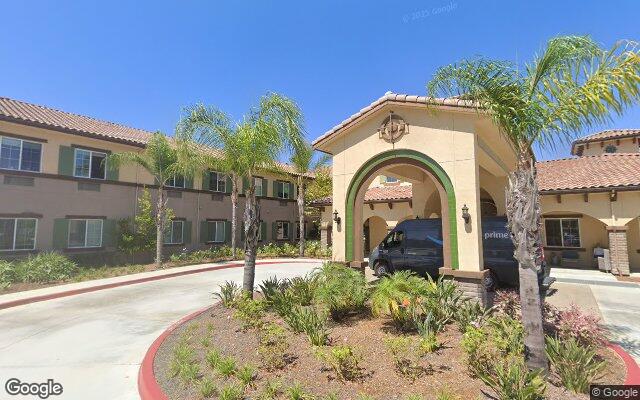
A large home, reviewed on public record.
Compared to 84 California facilities with a similar number of beds.
RCFE memory care · 36-month window. Higher percentile = better performance on inspection record. Source: California Dept. of Social Services · Community Care Licensing.
among peers to rank.
Rankings based on 36-month CDSS inspection data. Severity and frequency: fewer citations = higher percentile. Repeat rate: lower repeat citation share = higher percentile.
Citation history, plotted month by month.
2 deficiencies on record. Each bar is a month with a citation.
Finding distribution
2 total · 36 monthsScope × Severity (CMS A–L)
The rules that apply to this facility.
State requirements with the exact regulation citation, plain-language explanation, and a question to ask on tour. Rules this facility has been cited for appear first.
Plain language
Because a facility markets dementia or Alzheimer's care, state law mandates higher training standards: 12 hours of initial dementia training (6 hours before a staff member works independently with residents, 6 more within the first 4 weeks), 8 hours of annual dementia in-service every year thereafter, and an administrator must include 8 hours of dementia-specific continuing education in every 2-year recertification cycle. Training must cover individualized care plans, behavioral expressions, appropriate supervision, and the facility's dementia care philosophy.
Ask on tour
“Can you show me each direct-care staffer's most recent dementia training certificate, and tell me when their next refresher is due?”
Questions to ask before you visit.
A short pre-tour checklist tailored to Ocean Hills Assisted Living & Memory Care's record and state requirements.
The facility has 1 serious citation on file across all inspections — can you provide your corrective-action plan for the cited item, and show families any documentation of remediation steps taken?
Ask the operator on tour. Take notes and compare answers across facilities you visit.
5 complaints are on file with CDSS — were any substantiated, and what remediation did the facility take in response to substantiated findings?
Ask the operator on tour. Take notes and compare answers across facilities you visit.
The most recent inspection occurred on April 10, 2026 — can you provide families with a copy of the deficiency notice from that visit and walk through the corrective actions completed for each cited item?
Ask the operator on tour. Take notes and compare answers across facilities you visit.
Every inspection visit, verbatim.
12 inspections in the public record, most recent first. Plain-language summaries open first — click into any row for the full citation text.
2026-07-03Annual Compliance VisitNo findings
Read raw inspector notesClose inspector notes
Interviews with staff revealed that at the time the complaint came in there wasn’t a time that the response to the call bell has taken more than 20 minutes. Interviews also revealed that the staff are wonderful and helpful. Interviews also reported that they haven't had any issues with staff being rude, disrespectful or that they felt rushed when interacting with staff. It was alleged that the licensee did not meet resident care needs. Interviews revealed that on or around June 2020, ants were coming in from the residents' first-floor patio door and ants were coming in from the courtyard. Interviews revealed that it was probably because of all the construction around the facility. Interviews revealed that once staff were advised that there were ants in their room, the facility hired a professional to come out and spray shortly afterwards. Other interviews revealed there were "no problems, no ants" and no issues with pests. Interviews with residents revealed that they have seen pest management in the building. Interviews revealed the facility staff hired a company that came out and sprayed. They sprayed the private patio areas, the facility and the rooms. Interviews revealed that in 2021 the staff observed ant and laid down ant powder and ant traps. The facility hired a pest control company to address the ant problem. Interviews revealed that after they sprayed the facility, the ants did not come back. The investigation did not produce supporting evidence to prove the staff did not treat residents with dignity and staff did not assist resident with toileting needs. The complaint allegations are unsubstantiated. An exit interview was conducted with Erica Rebollar, Memory Care Director and a copy of this report along with Licensee/Appeal Rights (LIC 9058 03/22) was provided at the conclusion of the visit.
2026-04-10Other VisitNo findings
Plain-language summary
An unannounced annual inspection visit was conducted, during which the inspector observed residents and reviewed facility records. The inspection could not be completed in one day and will continue on another date. No violations were found during the portion of the inspection completed today.
Read full citation textHide full citation text
Read raw inspector notesClose inspector notes
Licensing Program Analyst (LPA) Rebecca Borunda conducted an unannounced Required 1-Year visit. The facility file was reviewed prior to the visit. LPA was greeted by, identified herself to, and explained the purpose of the visit with Executive Director Sheryl Johnston. During today's visit, LPA observed residents in care and reviewed facility records. Due to time constraints, the annual inspection could not be completed and a return visit on a subsequent day is needed. LPA was away from the facility for approximately one hour between 12:05pm and 1:05pm. No deficiencies were cited on today's date. An exit interview was conducted with Business Office Manager Kristin Mulligan, whose signature below confirms receipt of a copy of this report and the Licensee Appeal Rights (LIC9058 3/22).
2025-04-25Annual Compliance VisitNo findings
Plain-language summary
During an unannounced annual inspection on April 17 and 25, 2025, the facility was found to be clean, safe, and in good repair with proper food storage, medication management, and staff credentials. The inspector observed delayed egress in the memory care unit but found no deficiencies overall. Water and temperature conditions met requirements throughout the facility.
Read full citation textHide full citation text
Read raw inspector notesClose inspector notes
Licensing Program Analyst (LPA) Rebecca Borunda conducted an unannounced case management to complete the annual inspection from 4/17/2025. LPA was greeted by, identified herself to, and explained the purpose of the visit with Executive Director Sheryl Johnston. The facility is licensed for a maximum capacity of 123 non-ambulatory residents, 10 of which may be bedridden. The facility has a waiver for 20 hospice residents. During today’s visit, the facility had a census of 108 residents. The Administrator for the facility is Sheryl Johnston and their certificate was valid and current. During visits on 4/17/2025 and 4/25/2025, LPA toured the facility and inspected a random sampling of resident rooms, private and common bathrooms, facility kitchen, common areas, and outside space. No bodies of water were observed on the premises. LPA observed delayed egress in the facility's memory care. The facility was found to be clean, safe, and in good repair with no pathway obstructions. The facility’s water temperature was measured within requirements across a random sampling of resident rooms and common bathrooms. The facility’s internal temperature was measured at 74, 75, and 76 degrees Fahrenheit across the facility. LPA observed locked storage for all hazardous and/or toxic chemicals and were stored separately from food supplies. According to Sheryl Johnston, no firearms or weapons are stored on the premises. LPA also observed locked storage for resident medications and resident and staff files. Resident medications are stored in their original container and labelled. LPA observed a minimum of a 2-day supply of perishable food and a 7-day supply of non-perishable food present at the facility. Continued on LIC809-C page… 1 2 3 4 5 6 7 8 9 10 11 12 13 14 15 16 17 18 19 20 21 22 23 24 25 26 27 28 29 30 31 32 The facility refrigerator was kept at 40 degrees Fahrenheit, and the facility freezer was kept at 0 degrees Fahrenheit. LPA observed linens and hygiene products provided to the residents that are in good repair and sufficient to meet their needs. Staff present at the facility during the time of the inspection had a criminal background clearance, were associated to the facility, and had a first aid certificate. LPA reviewed multiple resident and staff records. Each resident record was complete and contained a signed admission agreement, initial medical assessment, updated annual reappraisal, documents regarding safeguarding personal property and personal rights. Each staff file was complete and contained a personnel record, first aid certificate, fingerprint clearance and association, and a health screening. No deficiencies were cited on today’s date. An exit interview was conducted with Executive Director Sheryl Johnston, whose signature below confirms receipt of a copy of this report and the Licensee Appeal Rights (LIC9058 3/22).
2025-04-17Other VisitNo findings
Plain-language summary
This was an unannounced annual inspection visit where inspectors observed residents and reviewed facility records. The inspection could not be fully completed in one day and will continue on another date. No violations were found during today's portion of the visit.
Read full citation textHide full citation text
Read raw inspector notesClose inspector notes
Licensing Program Analyst (LPA) Rebecca Borunda conducted an unannounced Required 1-Year visit. The facility file was reviewed prior to the visit. LPA was greeted by, identified herself to, and explained the purpose of the visit with Executive Director Sheryl Johnston. During today's visit, LPA observed residents in care and reviewed facility records. Due to time constraints, the annual inspection could not be completed and a return visit on a subsequent day is needed. No deficiencies were cited during today's visit. An exit interview was conducted with Executive Director Sheryl Johnston and Resident Care Director Dennis Prejusa, whose signature below confirms receipt of a copy of this report and the Licensee Appeal Rights (LIC9058 3/22).
2025-04-17Complaint InvestigationMixedType B · 2 findings
Plain-language summary
This complaint investigation found that a resident prescribed an antipsychotic medication for hallucinations and delusions did not receive the medication for approximately three weeks in July and early August 2021—the facility failed to reorder it, falsified medication records to show the resident had received doses, and instead gave doses from another resident's discontinued supply. During this period without proper medication management, the resident fell twice with head injuries and experienced a change in condition requiring hospitalization. The facility has since corrected the deficiencies cited in this investigation.
Read full citation text (2)Hide full citation text
“Based on interview, the licensee did not comply with the section cited above in that R1 did not receive medications as prescribed. This poses a potential health risk to 106 of 106 residents in care.”
“This requirement has not been met as evidenced by: Based on interview, the licensee did not comply with the section cited above in that R1’s MAR was falsified. This poses a potential health risk to 106 of 106 residents in care.”
Read raw inspector notesClose inspector notes
Interviews with staff (S1 – S4) and outside sources (OS1 – OS3) revealed that R1 was prescribed an anti-psychotic medication for R1’s diagnosis of MND and the medication came in a 30-day supply. Interviews with staff (S1-S4) and outside sources (OS1, OS2) revealed that facility management became aware that R1’s medication had not been reordered from the pharmacy when R1’s family notified facility management during a care conference on 8/16/2021. Interviews with staff (S2, S3) revealed that the facility conducted an internal investigation which revealed that R1’s anti-psychotic medication supply ran out on 7/19/2021. Interviews with outside sources (OS1, OS2) revealed that R1’s medication should have been refilled on 7/1/2021, but the medication was never ordered. Interviews with staff (S2, S3) revealed that R1’s family was responsible for supplying R1’s medications, however, those staff members did state that it was ultimately the facility’s responsibility to ensure that all residents, including R1, had a large enough supply of medications to maintain proper administration. Despite R1’s medication not being ordered, interviews with staff (S1 – S3) revealed that R1’s medication administration record (MAR) did not show any missed doses. The Department was unable to obtain R1’s MAR for verification due to the facility no longer having those archived records. Medication technicians were interviewed by facility management and the Department, and those interviews revealed discrepancies regarding how R1 received the medication. Interviews with staff (S1, S3) revealed that sometime between 7/19/2021 and 8/19/2021, R1’s anti-psychotic medication was stored in a paper envelope. Interviews with facility staff (S1, S3) further revealed that medication technicians assumed that R1’s medication was being repackaged or reordered. As part of the internal medication audit conducted by facility management, it was determined that another resident (R2) had a discontinued prescription for the same anti-psychotic medication that was prescribed to R1 and that R2’s medication supply was missing approximately 9 pills. Interviews with S2 also revealed that a staff member (S6) admitted to giving R1 anti-psychotic medications from R2’s discontinued medication supply. The Department has investigated the above-mentioned allegations and based on interviews, the preponderance of the evidence has been met, therefore, these allegations are deemed substantiated. The following deficiencies are cited per CA Code of Regulations Title 22 and noted on the attached LIC9099-D page. Executive Director provided POC documents during the visit and LPA Borunda was able to clear the deficiencies during the visit. An exit interview was conducted with Executive Director Sheryl Johnston , whose signature below confirms receipt of a copy of this report, the Letter of Deficiencies Cleared, and the Licensee Appeal Rights (LIC9058 3/22). 1 2 3 4 5 6 7 8 9 10 11 12 13 14 15 16 17 18 19 20 21 22 23 24 25 26 27 28 29 30 31 32 Review of R1’s medical re-assessment from 2020 revealed that R1 was diagnosed with a major neurocognitive disease (MND), had a history of falling and difficulty walking, was non-ambulatory, was unable to transfer in and out of bed independently, did not have any cognitive impairment, and was able to follow directions and communicate needs. On 6/29/2021, R1 was reassessed to need additional care, and required medication management, 1 person assistance for bathing, dressing, grooming, toileting, transfers, and ambulation and two-hour checks for toileting care. R1 was also deemed to be a fall risk during that reassessment. Interviews with staff and an outside source (S2, S4, OS3) supported that R1 was a fall risk. Review of incident reports submitted to the Department by the facility revealed that starting in mid-July 2021, R1 began falling while in their apartment. On 7/31/2021, staff responded to R1’s apartment and observed R1 to have an abrasion on the head. R1 complained of head and buttocks pain, resulting in R1 being transported to the hospital via emergency services and returned approximately 12 hours later. On 8/3/2021, staff found R1 on the floor of their apartment and observed R1 to have a mark on their head, however R1 denied knowledge of how they fell and did not complain of pain. Due to the potential head wound, staff called emergency services and R1 was transported to the hospital for medical attention. During both falls on 7/31/2021 and 8/3/2021, R1 notified staff of their fall via call pendant. On 8/13/2021, R1 was observed by facility staff to be non-responsive and to have a change in condition, resulting in R1 being transported to the hospital for assessment. Review of medical records dated 8/13/2021 revealed that R1 was diagnosed with general weakness. The discharge paperwork did not document a specific cause for R1’s weakness, however, medical professionals denied concern for a life-threatening cause. Those medical records also ruled out any fractures or head trauma. On 8/16/2021, a care conference was held with facility staff and R1’s responsible parties to discuss R1’s change in condition. During that care conference, R1’s responsible parties informed facility management that R1’s anti-psychotic medication had not been refilled on 7/1/2021. Review of documents submitted to the Department revealed that the anti-psychotic medication was prescribed to R1 to manage hallucinations and delusions. Interviews with staff and outside sources revealed that R1’s medication administration record (MAR) was falsified by facility staff to show that R1 had received the anti-psychotic medication as prescribed, which was directly contradicted by interviews with staff who estimated that R1 did not receive their medication from approximately 7/19/2021 to 8/8/2021. Continued on LIC9099-C page… 1 2 3 4 5 6 7 8 9 10 11 12 13 14 15 16 17 18 19 20 21 22 23 24 25 26 27 28 29 30 31 32 Interviews with staff (S2) and an outside source (OS3) revealed that while R1 not receiving their anti-psychotic medication could have contributed in R1’s increased falls, R1’s declining condition would have also contributed to R1’s falls. R1 was already deemed a fall risk from R1’s assessment records dated 6/29/2021 and an outside source (OS3) stated that R1 moved quickly. OS3 also recalled observing facility staff visually checking on R1 more often. S2 stated that R1 was already declining when R1 was admitted to the facility, which was supported by the increasing care needs documented in R1’s reassessment records on 1/11/2020 and 6/29/2021. During the care conference on 8/16/2021, facility management and R1’s responsible parties discussed R1’s increasing care needs and it was decided to have R1 assess for hospice care, which began on 8/19/2021. Interviews with facility staff and outside sources (S2, S3, OS1, OS2) revealed that R1’s anti-psychotic medication was refilled and R1 began receiving their medication as prescribed on 8/19/2021. Incident reports received by the Department from the facility documented additional falls after the care conference and R1’s admission to hospice in late August 2021. On 8/26/2021, R1 was found by facility staff on the floor of R1’s bedroom. R1 did not push their pendant, did not recall how or why they fell, and did not complain of any injuries or pain. On the same day, 8/26/2021, R1 was found by facility staff on the floor again, approximately 50 minutes after R1’s previous fall. R1 did not complain of any pain or injuries during that fall incident either. Hospice was notified of both falls on 8/26/2021. On 8/27/2021, R1 pushed their call pendant and was found by staff on the floor of their apartment. R1 stated that they were attempting to go up the stairs, which the incident report noted that R1’s apartment did not have any stairs. Interviews with staff (S4) and review of documents provided by outside sources revealed that R1 was experiencing increased visual hallucinations in August 2021. Interviews with facility staff and outside sources (S2, S3, OS1, OS2) stated that after R1’s multiple falls between July and August 2021, it was recommended for R1 to have a one-on-one caregiver for supervision 24 hours a day. Interviews with staff (S2-S4) revealed that R1 began receiving one-on-one caregiver for 12 hours a day from 8/27/2021 through 8/29/2021. Interviews with staff (S2-S3) revealed that there was a miscommunication between facility management and R1’s responsible parties regarding how the private caregiver would be funded, resulting in R1 not receiving one-on-one supervision on 8/30/2021 or 8/31/2021. On 9/1/2021, R1’s hospice agency requested a psychiatric evaluation to assess R1 for psychosis caused to major neurocognitive disease and sleepwalking. Continued on LIC9099-C page… 1 2 3 4 5 6 7 8 9 10 11 12 13 14 15 16 17 18 19 20 21 22 23 24 25 26 27 28 29 30 31 32 It was alleged that staff stole resident’s medication. Interviews with staff (S1 – S4) and outside sources (OS1 – OS4) revealed that R1 was prescribed an anti-psychotic medication for R1’s diagnosis of MND and the medication came in a 30-day supply. Interviews with staff (S1-S4) and outside sources (OS1, OS2) revealed that facility management became aware that R1’s medication had not been reordered from the pharmacy when R1’s family notified facility management during a care conference on 8/16/2021. Interviews with staff (S2, S3) revealed that the facility conducted an internal investigation which revealed that R1’s medication supply ran out on 7/19/2021 and the medication was not reordered. Interviews with staff and outside sources (S3, OS1, OS2) revealed that there were some concerns that R1’s medications were stolen for sale or illicit purposes due to the medication’s high cost, however, S3 stated that the medication was not a narcotic. Interviews with staff (S1-S4) did not reveal any e
2025-03-17Annual Compliance VisitNo findings
Plain-language summary
On March 5, 2025, a resident reported pain during the night shift and was offered pain medication, which the resident declined; staff called emergency services and the resident was taken to the hospital, where doctors found multiple health conditions including two injuries. The resident returned to the facility on March 10, 2025. During a follow-up inspection on March 27, 2026, inspectors observed residents and reviewed facility records, and found no deficiencies or immediate health and safety concerns.
Read full citation textHide full citation text
Read raw inspector notesClose inspector notes
Licensing Program Analyst (LPA) Rebecca Borunda conducted an unannounced case management visit to conduct follow up regarding an incident report. LPA was greeted by, identified herself to, and explained the purpose of the visit with Executive Director Sheryl Johnston. On 3/14/2025, the Department received an incident report from the facility that described that on 3/5/2025, Resident 1 (R1) complained of pain during the overnight shift. [Executive Director was provided with an LIC811 Confidential Names list to identify R1] Facility staff offered R1 PRN pain medication, which R1 did not want, resulting in staff calling emergency services. R1 was transported to the hospital where R1 received medical attention and was diagnosed with multiple health conditions, including two injuries. R1 returned to the facility on 3/10/2025. During today’s visit, LPA conducted a health and safety check, observed residents in care, and reviewed and obtained copies of facility records. No deficiencies were cited on today’s date and no immediate health or safety concerns were observed. An exit interview was conducted with Executive Director Sheryl Johnston, whose signature below confirms receipt of a copy of this report, the LIC811, and the Licensee Appeal Rights (LIC9058 3/22).
2024-12-13Complaint InvestigationUnsubstantiatedNo findings
Plain-language summary
A complaint investigation into this facility's care practices found no violations. Investigators reviewed resident assessments, staffing records, and interviews with residents and staff and determined that residents were appropriately assessed, their care needs were updated as required, and staffing levels were sufficient to meet residents' needs.
Read full citation textHide full citation text
Read raw inspector notesClose inspector notes
Review of Resident 1’s (R1's) documents revealed that R1 was had two assessments conducted in September 2020 and an additional care assessment in November 2020 due to increasing care needs. In September 2020, R1’s care needs included standby assistance for bathing, reminders for meals, and noted that R1 was a fall concern. During the November 2020 assessment, R1’s care needs increased to require full assistance from staff for all activities of daily living due to a fall. R1 was also placed on the facility’s waitlist for memory care, and communications between R1’s responsible party and physician dated October 2020 agreed that it was in R1’s best interest to be placed on the waitlist instead of relocating to a different facility. Additionally, R1’s responsible party had arranged for R1 to have a third party caregiver provide 1 on 1 supervision, which interviews with outside sources confirmed. R1 also began receiving hospice services sometime between November and December 2020. Review of fax communications revealed that R1’s physician and responsible party were kept informed of and were in agreement with R1’s increasing care needs. Interviews with outside sources revealed that there were some concerns regarding supervision, however, the concern was with the third party agency that was hired by R1’s responsible party and outside sources denied concerns with the facility staff's ability to meet R1's increasing care needs. Review of Resident 2’s (R2's) assessment records for October 2020 revealed that R2 required reminders for meals and dressing and required 1 person assistance for bathing. Review of R2’s physician report for December 2020 revealed that R2 had a diagnosis of major cognitive impairment, was confused and disoriented, had auditory and visual impairment and was occasionally incontinent. R2 was reassessed in January 2021 and review of R2’s physician report and needs and services plan from January 2021 revealed that R2 began receiving hospice services, required reminders for meals and toileting, required 1 person assistance for bathing and was at risk for falls. Review of fax communications between the facility and R2’s physician revealed that the facility maintained communication regarding R2’s changes in condition including falls. Review of Resident 3’s (R3's) physician’s report from August 2019 revealed that R3 had a diagnosis of mild cognitive impairment, was not confused or disoriented, was able to follow directions and communicate needs and was able to manage their medications independently. Review of fax communications revealed that beginning in September 2020, R3 was observed to have increasing confusion and agitation. Review of R3’s needs and service plans dated April 2021 revealed that while R3 did not have any increasing care needs, R3 required reassurance from staff to prevent agitation and distrust of staff. Review of assessment documents for R1, R2, and R3 did not reveal evidence that supported the allegation that residents were not appropriately assessed or that resident's appraisals were not updated to meet resident's care needs. Continued on LIC9099-C page... 1 2 3 4 5 6 7 8 9 10 11 12 13 14 15 16 17 18 19 20 21 22 23 24 25 26 27 28 29 30 31 32 Review of the staff schedule for November 2020 revealed that the facility scheduled between 4 and 5 care staff including medication technicians per shift and scheduled between 2 and 3 care staff including medication technicians scheduled for the overnight shift. Interviews with residents did not reveal evidence that staff were not able to meet resident care needs and residents stated that staff were very attentive and helpful. Evidence obtained during interviews with outside sources corroborated that staffing level was sufficient to meet resident care needs. Interviews with staff were inconsistent regarding the ability of staff to meet the care needs of residents. Staff interviews provided conflicting information, with some interviews stating that the staff level during shifts matched the November 2020 staff level and other interviews revealed that there were multiple instances where there were approximately 3 caregivers during a shift, with one caregiver per floor in assisted living and one caregiver in the facility’s memory section. Review of the admission agreement used by the facility in 2019 and 2020 revealed that the facility agreed to provide residents with meals three times a day and in-between meal snacks. The admission agreement stated that meals would be provided "restaurant-style" in the facility's dining room or via tray service due to temporary sickness or at an additional fee. Additionally, the facility offered catering services to a resident's apartment or to a common area with prior notice and at an additional fee. Interviews with staff and residents did not reveal any concerns regarding the food quality, variety of options, or the facility’s ability to accommodate special diets. Review of the admission agreement revealed that the facility did not promise to provide a certain quality or level of dining experience to residents beyond providing meals in a restaurant like setting. The Department has investigated the above-mentioned allegations and based on interviews and records review, the preponderance of the evidence has not been met, therefore, these allegations are deemed unsubstantiated. An exit interview was conducted with Executive Director Sheryl Johnston, whose signature below confirms receipt of a copy of this report and the Licensee Appeal Rights (LIC9058 3/22). 1 2 3 4 5 6 7 8 9 10 11 12 13 14 15 16 17 18 19 20 21 22 23 24 25 26 27 28 29 30 31 32 Review of a random sampling of residents’ assessment records, needs and services plans, and additional care assessment documents did not reveal residents who had wandering or exit seeking behavior that could not be managed by staff redirection. Review of incident reports submitted to the Department by the facility and review of licensing reports between September 2020 and December 2021 did not reveal any instances of resident elopements or wandering that resulted in injury. The Department has investigated the above-mentioned allegation and based on record review, this allegation is deemed unfounded, meaning that the allegation was false, could not have happened and/or is without a reasonable basis. An exit interview was conducted with Executive Director Sheryl Johnston, whose signature below confirms receipt of a copy of this report and the Licensee Appeal Rights (LIC9058 3/22).
2024-04-24Complaint InvestigationUnsubstantiatedNo findings
Plain-language summary
A complaint about a resident's care was investigated, including questions about physical assistance with transfers, incontinence care, medication management, meal delivery, and pest control. Inspectors reviewed medical records, interviewed staff and outside sources, and found that the resident received appropriate care—including assistance with transfers using proper techniques, regular checks for incontinence needs, coordination with the resident's physician on medication changes requested by family, pest control services, and reasonable meal accommodations during the pandemic. The facility was unable to substantiate any violations based on the evidence gathered.
Read full citation textHide full citation text
Read raw inspector notesClose inspector notes
Review of medical and assessment records dated 2019 revealed that Resident 1 (R1) had a diagnosis of mild cognitive impairment, was confused and disoriented, was able to follow directions and communicate with staff, and required 1 person assistance with bathing, grooming, dressing, and transfers, and required standby assistance for toileting care, and required wheelchair escorting to meals and activities. Interviews with staff and outside sources revealed that R1 was hospitalized and transferred to a higher level of care sometime in late 2019 to early 2020. After R1 returned to the facility, R1’s care needs had increased and R1 had a diagnosis of major cognitive impairment and required 2 person assistance and additional time for toileting, bathing, and transfers, as confirmed by interviews with staff and outside sources and review of medical and assessment records dated 2020. Review of R1’s medical records dated 2020 revealed that R1 was receiving physical therapy services for weakness in their lower extremities and difficulty with ambulation. Additionally, R1’s needs and service plan dated 2020 revealed that staff were instructed to provide bathing and incontinence care in bed during the evening and overnight if R1 felt too weak to be transferred out of bed for care. Interviews with staff and outside sources confirmed that R1 was provided with incontinence and bathing care while in bed after R1 returned from the higher level of care. Interviews with staff and outside sources revealed that R1 used incontinence briefs and was not able to consistently communicate their needs following hospitalization, and staff would check on R1 multiple times a day and respond to call lights for incontinence care. Interviews with staff and outside sources provided conflicting information regarding if R1’s incontinence needs were being met overnight but confirmed that staff would respond to call lights and check R1 for soiled briefs during the night. Interviews with staff and outside sources revealed that staff would assist R1 with transferring by lifting R1 with the use of a gait belt and while holding onto R1’s arms. Interviews with staff denied any bruising or injuries from transferring. Interviews with outside sources provided conflicting information regarding bruising on R1’s arms and stated that R1 may have sustained bruising due to a fall in the shower. Outside sources stated during interviews that there were instances where staff were not available to transfer R1 and outside sources would assist R1 with transferring. Interviews with outside sources and staff revealed that R1 received medication management from facility staff. Interviews with staff revealed that R1’s spouse was an active participant in R1’s care and would frequently speak with R1’s physician to change R1’s medication orders, resulting in medications being discontinued without facility staff notice. Continued on LIC9099-C page... 1 2 3 4 5 6 7 8 9 10 11 12 13 14 15 16 17 18 19 20 21 22 23 24 25 26 27 28 29 30 31 32 Interviews with staff confirmed that medications for R1 had been changed or discontinued by R1’s spouse without a written notice provided to the facility, and staff would explain to R1’s spouse that the facility needed an updated written order to administer medication differently. Review of communications between the facility and R1’s physician in 2020 confirmed multiple communications where medication orders were requested to be changed due to a request by R1’s family. Additionally, those communications and interviews with staff and outside sources revealed that R1’s spouse would occasionally refuse to allow staff to administer medications to R1 due to requested changes in how the medication was prescribed or if R1’s spouse believe the medication was not given at the exact time. Interviews did not reveal any specific descriptions of medications that were administered incorrectly or missed for R1. Review of pest control records in 2020 revealed that the facility had an ongoing contract with a pest control company who provided pest control services to the facility on a monthly basis. Review of those records revealed that due to the COVID-19 pandemic, services were only provided on the exterior of the building, but pest control staff would verify any concerns with facility staff prior to services being provided. The pest control company provided bait and extermination services for rodents and insects and provided the facility with best practices to prevent insects or rodents. Interviews with staff and outside sources revealed that when the facility first opened in 2019, there was an issue with insects, however, those interviews did not provide the Department with the severity of the insect issue or which portions of the facility were impacted. Interviews with staff revealed that due to the COVID-19 pandemic, meals were provided to residents in boxes at their room doors. Staff stated that due to the number of residents requiring meals and the facility still serving hot meals, some meals would get soggy or cold. Staff stated that caregivers assisted dining staff with delivering meals to get meals to residents more quickly, and attempted to serve meals that were supposed to be cold more often. Staff denied any issues with quality of ingredients or meal amounts during interviews, but stated that it was possible that residents felt limited in meal choice due to the delivery system. The Department was unable to interview R1 due to being unable to locate R1's whereabouts after R1 moved out of the facility. The Department has investigated the above-mentioned allegations and based on interviews and records review, the preponderance of the evidence has not been met, therefore, these allegations are deemed unsubstantiated. An exit interview was conducted with Executive Director Sheryl Johnston, whose signature below confirms receipt of a copy of this report and the Licensee Appeal Rights (LIC9058 3/22).
2024-02-27Other VisitNo findings
Plain-language summary
A licensing analyst conducted a routine annual inspection of this 123-resident memory care facility on an unannounced visit and found no deficiencies. The facility was compliant in all areas checked, including safe storage of medications and hazardous materials, adequate food and supplies, working safety equipment, and proper documentation and insurance.
Read full citation textHide full citation text
Read raw inspector notesClose inspector notes
Licensing Program Analyst (LPA) Juliana Barfield conducted an unannounced Required Annual Inspection. The facility file was reviewed prior to the visit. LPA was welcomed by, identified herself to, and discussed the purpose of the visit with Receptionist Lindsey Sherrod. LPA was later joined by Executive Director Sheryl Johnston, Assistant Director Jiovani Anderson Diaz, and Business Office Manager Jamie Colon. According to the facility’s license, the facility has a maximum capacity of one hundred twenty-three (123) residents, all of whom may be non-ambulatory. During today’s inspection, there were a total of one hundred and sixteen (116) residents in care. This facility does not feature a secured perimeter but has delayed egress doors in memory care unit. LPA, accompanied by Johnston and Anderson Diaz toured the interior and exterior of the facility, and inspected resident rooms. Pathways were free of obstruction and slip hazards. Client bedrooms contained the required furnishings. Extra linens and hygiene supplies were present, as well as Personal Protective Equipment. The facility had sufficient space and equipment to facilitate dining, laundry, visitation, meetings, and client activities. Hot water temperature at taps accessible to clients were all compliant. There was at least two (2) days supply of perishable food, and at least 7 days non-perishable food present. Cooking/dining equipment and utensils were present. There were no sharp objects, toxic chemicals/poisons, fireplaces, or open-faced heaters observed available to residents. Medications were labeled, as required, and stored in locked areas. (CONTINUED ON LIC809-C) 1 2 3 4 5 6 7 8 9 10 11 12 13 14 15 16 17 18 19 20 21 22 23 24 25 26 27 28 29 30 31 32 (CONTINUED FROM LIC809) No pools or bodies of water were observed on the premises. Per the licensee's staff, no firearms or ammunition are kept at the facility. Smoke alarms, carbon monoxide detectors, emergency lighting, and facility telephone were all working. Fire extinguisher(s) were serviced within the last 12 months. First aid kit(s) were complete and readily accessible. Required licensing postings were observed in visible areas of the facility. Confidential records were stored in locked areas. Johnston also presented proof of current/active business liability insurance. No deficiencies were observed or cited during today's annual inspection. An exit interview was conducted with Sheryl Johnston and Jiovani Anderson Diaz to whom a copy of this report and the Licensee/AppealRights(LIC9058 03/22) were provided during the visit.
2023-12-04Complaint InvestigationUnsubstantiatedNo findings
Plain-language summary
A complaint alleged that a resident exhibited inappropriate physical behavior toward another resident in October 2023; the facility relocated the first resident to a different room the same day the second resident reported discomfort. The state's investigation found no evidence that the first resident had a history of such behavior, and no additional incidents were documented after the room change.
Read full citation textHide full citation text
Read raw inspector notesClose inspector notes
Review of R1’s medical assessment and appraisal documents dated September 2023 did not reveal any history of inappropriate, aggressive, Sundowning, or wandering behaviors. Review of R2’s medical assessments dated May 2023 revealed that R2 had a diagnosis of major cognitive impairment, was confused, disoriented, and able to follow directions, but was unable to communicate needs. R2’s medical assessments denied any history of inappropriate, aggressive, Sundowning, or wandering behaviors. Interviews with staff and outside sources and review of admission records revealed that R1 was admitted to the facility on 10/14/2023 and occupied a shared double room with R2 within the memory care portion of the facility. Interviews with staff and outside sources and review of documents received by the Department from the facility on 10/20/2023 revealed that on 10/18/2023, R2 reported to facility staff that they were uncomfortable around R1 and that R1 had attempted to kiss and touch R2’s body. Facility staff relocated R1 to another room within the memory care the same day as R2’s statements. Review of documents received by the Department revealed that facility management followed reporting requirements and submitted an incident report and report of suspected elder abuse to the Department on 10/20/2023 as well as notified R1 and R2’s responsible parties. Interviews with staff stated that R1 would occasionally yell at or become upset with staff when they entered R1’s room to provide care, but that R1 was able to be redirected. Interviews with outside sources stated that R1’s personality could be described as “affectionate”, but those interviews did not indicate that R1 had a history of any aggressive, inappropriate, or sexual behaviors, or had a history of physically interacting with others in an affectionate manner. Review of progress notes and interviews with staff and outside sources denied any physical aggression or any additional altercations between R1 and any other residents, including R2. Interviews with outside sources revealed that R2 had complained to outside sources about R1’s behavior prior to R2’s report to the facility on 10/18/2023, but those previous complaints were not reported to facility staff. Interviews with staff and facility management did not reveal any knowledge of R1’s kissing and touching behavior prior to R2’s report on 10/18/2023. The Department has investigated the above-mentioned allegation and based on interviews and records review, the preponderance of the evidence has not been met, therefore, this allegation is deemed unsubstantiated. An exit interview was conducted with ED Sheryl Johnston, whose signature below confirms receipt of a copy of this report and the Licensee Appeal Rights (LIC9058 01/16).
2023-11-09Other VisitNo findings
Plain-language summary
This was an unannounced inspection following a suspected abuse report that the facility itself had submitted in October 2023 involving one resident. The inspector toured the facility, reviewed records, spoke with the resident and staff, and found no violations. The facility was provided with a copy of the inspection report.
Read full citation textHide full citation text
Read raw inspector notesClose inspector notes
Licensing Program Analyst (LPA) Dang Nguyen conducted an unannounced Case Management - Incident visit. LPA was welcomed by, identified himself to, and discussed the purpose of the visit with Executive Director Sheryl Johnston. Today's visit was in response to an SOC341 Report of Suspected Dependent Adult/Elder Abuse, which licensee self-submitted to the CCLD San Diego Regional Office (received on 10/04/2023), involving Resident #1 (R1). [See LIC 811 Confidential Names List for a description of person identifiers used in this report]. During today’s visit, LPA performed a facility tour / welfare check, collected copies of pertinent records, and interviewed R1 and relevant staff. No deficiencies were observed or cited during today's visit. An exit interview was conducted with Johnston, to whom a copy of this report, the LIC811 Confidential Names List, and the Licensee/Appeal Rights (LIC9058 03/22) were provided during the visit.
2023-10-24Annual Compliance VisitNo findings
Plain-language summary
A licensing inspector conducted a follow-up visit after the facility reported that a resident left the building without permission and was hospitalized for an injury on October 16, 2023. The inspector toured the facility, reviewed records, and observed care practices. No violations were found.
Read full citation textHide full citation text
Read raw inspector notesClose inspector notes
Licensing Program Analyst (LPA) Rebecca Ruiz conducted an unannounced case management visit to follow up on an incident report. LPA was greeted by, identified herself to, and explained the purpose of the visit to Business Office Manager Jamie Colon. The Department received an incident report from the facility on 10/20/2023 stating the Resident 1 (R1) had eloped from the facility and sustained an injury requiring hospitalization on 10/16/2023. During today's visit, LPA toured the facility, conducted a health and safety check, observed residents in care, and reviewed and obtained copies of facility records. No deficiencies were cited or observed on this date. An exit interview was conducted with Business Office Manager Jamie Colon, whose signature below confirms receipt of a copy of this report and the Licensee Appeal Rights (LIC9058 01/16).
11 older inspections from 2021 are not shown above.
Get the complete record, translated into plain language — emailed to you.
Other facilities in San Diego County.
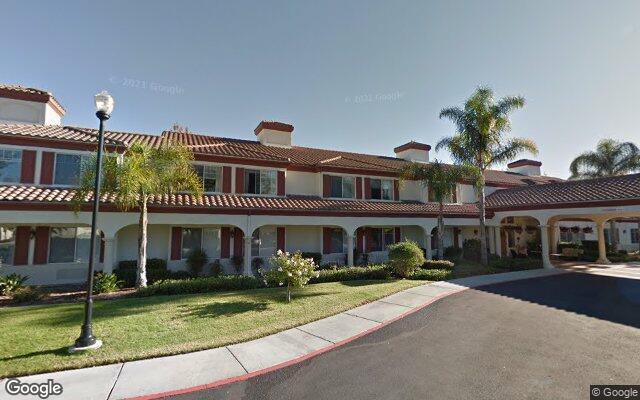
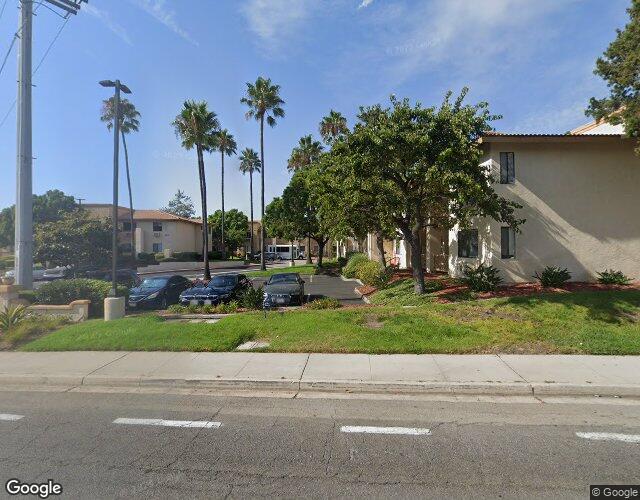
Other memory care facilities in San Diego County with similar care offerings.
Contract Decoder
Family reviews
No reviews yet — be the first to share your experience
Other memory care options nearby.
More options in neighboring cities
Licensed memory care in other cities within this county region — useful when your search radius crosses city limits.