Summerfield of Encinitas.
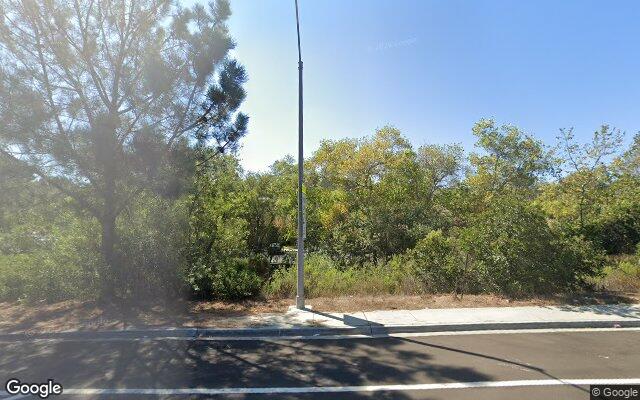
A large home, reviewed on public record.
Compared to 40 California facilities with a similar number of beds.
RCFE · 36-month window. Higher percentile = better performance on inspection record. Source: California Dept. of Social Services · Community Care Licensing.
among peers to rank.
Rankings based on 36-month CDSS inspection data. Severity and frequency: fewer citations = higher percentile. Repeat rate: lower repeat citation share = higher percentile.
Citation history, plotted month by month.
4 deficiencies on record. Each bar is a month with a citation.
Finding distribution
4 total · 36 monthsScope × Severity (CMS A–L)
The rules that apply to this facility.
State requirements with the exact regulation citation, plain-language explanation, and a question to ask on tour. Rules this facility has been cited for appear first.
Plain language
Elopements, fires, epidemic outbreaks, and poisonings must be reported immediately. Abuse with serious bodily injury requires a 2-hour phone report + 2-hour written report to CDSS, Adult Protective Services, and law enforcement. Abuse without serious bodily injury must be reported within 24 hours. A resident death requires a phone call by the next working day and a written report within 7 days. Injuries requiring medical treatment beyond first aid, and bankruptcy/foreclosure/utility shutoff notices, must also be reported. Incidents not reported on time are a separate violation — families may file a complaint directly with CDSS.
Ask on tour
“When was the last incident report filed with CDSS, and may I see your incident log summary for the past 12 months?”
Questions to ask before you visit.
A short pre-tour checklist tailored to Summerfield of Encinitas's record and state requirements.
This facility holds a 56-bed license but has no inspection reports on file with CDSS — can you explain why no inspections appear in the public record, and provide families with your most recent state licensing correspondence?
Ask the operator on tour. Take notes and compare answers across facilities you visit.
The facility is operated by Inc. Snh Cal Tenant LLC / Northstar Senior Living and advertises memory care services, but the CDSS license does not carry a formal memory-care designation — can you clarify whether residents with dementia are accepted, and if so, provide the written dementia-care program required by Title 22 §87705?
Ask the operator on tour. Take notes and compare answers across facilities you visit.
Zero complaints appear in the state transparency database for this facility — can you walk families through your internal complaint process and show documentation of how resident or family concerns are logged and resolved?
Ask the operator on tour. Take notes and compare answers across facilities you visit.
Every inspection visit, verbatim.
12 inspections in the public record, most recent first. Plain-language summaries open first — click into any row for the full citation text.
2026-05-05Annual Compliance VisitType B · 1 finding
“Based on LPA file review and interview, the licensee did not comply with the section cited above in meeting timelines for reporting requirements, which poses a potential health, safety, and personal rights risk to all persons in care.”
Read raw inspector notesClose inspector notes
Licensing Program Analyst (LPA) Arian Golbakhsh conducted an unannounced Case Management visit to follow up on an incident reported to Community Care Licensing (CCL). LPA was welcomed by, identified themselves to, and discussed the purpose of the visit to Executive Director Mercedes Margritz and Business Office Manager Emerald Jordan. Community Care Licensing received a SOC 341 report from an outside source on 4/29/26 in which it was reported that a resident (Identified as R1) had been admitted to the hospital for rectal bleeding. Per the report, R1 had reported the bleeding was caused by having consensual sex with another resident at the facility. During the encounter, R1 then indicated they wished to stop and the other resident did not stop until the second time R1 had asked. R1 is diagnosed with Dementia. During today's visit, LPA conducted file review and interviews, and provided consultation with Executive Director Margritz. Law enforcement had been contacted regarding the incident and per their investigation, R1's statement of event dates and details would rapidly change and they would name different residents at the facility or mix names of multiple residents. Additionally, per review of R1's records and interviews with staff, R1 has had ongoing rectal bleeding for a span of several weeks. R1's records indicate a history of a medical condition that causes rectal bleeding. On 4/15/26, R1's responsible party had brought up to facility staff that R1 shared to to them that R1 had a consensual sexual encounter with another resident which turned into anal penetration and resulted in rectal bleeding. [Continued on LIC 809-C] 1 2 3 4 5 6 7 8 9 10 11 12 13 14 15 16 17 18 19 20 21 22 23 24 25 26 27 28 29 30 31 32 [Continued from LIC 809] During another episode of rectal bleeding on 4/29/26, R1's responsible party then took R1 to the hospital to be evaluated. R1 returned the next day with new medication orders for pain management. Based on interviews and file review, the facility had been made aware of R1's sexual encounter on 4/15/26 and CCL had not received any notification of the incident within the required seven (7) days. A Type B deficiency for not meeting reporting requirements was issued, and details are included on the attached LIC 809-D page. Interviews with staff indicated the facility had implemented increased routine checks on R1 since their return from the hospital. LPA attempted to interview R1 during their visit, however R1 was being assisted with showering. One deficiency was cited during today's visit. An exit interview was conducted with Executive Director Margritz to whom a copy of this report and the Licensee/Appeal Rights (LIC 9058) were provided. Their signature below confirms receipt of these documents.
2026-02-12Other VisitType A · 1 finding
Plain-language summary
This was a routine annual inspection of a 56-bed memory care facility that found the building clean, safe, and well-maintained, with proper food storage, working safety equipment, and secured medications. Inspectors found cleaning chemicals stored in two unlocked cabinets in kitchenette areas and cited this as a violation; the facility immediately moved the chemicals to secure storage and locked the cabinets. A second, minor issue was noted: a required Resident Rights posting was only visible in the front lobby rather than in the residential areas where residents could easily see it.
Read full citation text (1)Hide full citation text
“Based on LPA observation and interview, the licensee did not comply with the section cited above in ensuring cleaning/disinfecting chemicals were kept locked and inaccessible to residents, which poses an immediate health, safety and personal rights risk to 40 out of 40 persons in care. POC Due Date: 02/26/2026 Plan of Correction 1 2 3 4 Licensee immediately removed the items from accessible areas and placed them in secured storage. Licensee will replace locks on the cabinets they wish the designate as chemical storage and conduct review or retraining of chemical/toxic items storage procedures with staff and submit proof to LPA by POC due date.”
Read raw inspector notesClose inspector notes
Licensing Program Analyst (LPA) Arian Golbakhsh conducted an unannounced, required Annual Inspection. The facility file and personnel report was reviewed prior to the visit. LPA was welcomed by, identified themselves to, and discussed the purpose of the visit to Business Office Manager Emerald Jordan and Executive Director Mercedes Margritz. The facility's license shows a maximum capacity of fifty-six (56) non-ambulatory residents. Additionally the facility is approved for a secured perimeter and holds a hospice waiver for twenty (20). There is a separately licensed Adult Day Program on the same property. During today’s inspection there were forty (40) residents in care. LPA and Executive Director Margritz toured the interior and exterior of the facility and inspected a sample of occupied and unoccupied resident rooms. The facility was clean, sanitary, and in good repair. Pathways were free of obstruction and slip hazards. Client bedrooms visited contained the required furnishings. Doors, windows, screens, toilets, and showers were in working order. Hot water temperature at taps accessible to clients were all compliant: one common bathroom sink was measured at 106.8F. Extra linens and hygiene supplies were present, as well as Personal Protective Equipment. The facility had sufficient space and equipment to facilitate dining, laundry, visitation, meetings, and client activities. The facility contained at least two (2) days of perishable food, and at least seven (7) days non-perishable food, all safely stored. Cooking, dining equipment, and utensils were present. As the kitchen is locked and requires code access, knives were inaccessible to residents. Kitchenettes accessible to residents throughout the facility did not contain knives or similar sharp objects. [Continued on LIC 809-C] 1 2 3 4 5 6 7 8 9 10 11 12 13 14 15 16 17 18 19 20 21 22 23 24 25 26 27 28 29 30 31 32 [Continued from LIC 809] While examining the kitchenette in the Pheasant Run area, LPA noted an unlocked cabinet containing cleaning/disinfecting chemicals and sprays. Executive Director Margritz immediately requested Maintenance Director Johnathon Vodicka to come and remove the chemicals to a secured area until locks can be placed on the cabinet. As LPA toured another of the kitchenette areas (English Garden area), LPA observed another unlocked cabinet containing chemical items. This cabinet had a latch, however it was left unlocked. Maintenance Director Vodicka arrived to remove the items, and Executive Director Margritz directed staff to ensure the other kitchenette cabinets were secured or to remove any contents. A Type A violation was cited for the accessible cleaning/chemical items. Medications were labeled, as required, and stored in locked areas. No pools or bodies of water exist on the premises. Per Executive Director Margritz, no firearms or ammunition are kept at the facility. Smoke and carbon monoxide detectors, emergency lighting, and facility telephone were all in working order. Fire alarm panel was last inspected March 2025. Fire extinguishers were serviced within the last 12 months, dated for October 2025. Last staff emergency drill conducted was on 2/5/26 for the topic of room fire. First aid kit was complete and readily accessible. Required licensing postings were observed in visible areas of the facility, however LPA noted there was not a copy of Resident Personal Rights posted inside the residential area of the facility, only a copy posted in the front lobby not accessible to residents. A Technical Violation (TV) was issued and consultation provided on having an accessible copy posted for residents to view. LPA interviewed one (1) staff and zero (0) clients, and interviews did not reveal any licensing or regulatory concerns. LPA reviewed facility records. The files reviewed by LPA contained required documents. Confidential records were stored in locked areas. One deficiency was cited during the inspection. An exit interview was conducted with Executive Director Margritz to whom a copy of this report, the LIC 9102 (TV) and the Licensee/Appeal Rights (LIC 9058) were provided. Their signature below confirms receipt of these documents.
2025-11-14Other VisitNo findings
Plain-language summary
This was an investigation of a complaint involving a resident who was found on the floor during the afternoon and was taken to the hospital. The investigator found no violation regarding supervision, since staff had checked on the resident at 11:30 a.m. and found him on the floor sometime between noon and 1:00 p.m., and no violation regarding toenail care, since the resident was on blood thinners that required a medical professional to trim his nails. Both allegations were deemed unsubstantiated.
Read full citation textHide full citation text
Read raw inspector notesClose inspector notes
... Continued from LIC 9099 breakfast and put R1 back to bed per R1’s request. Staff ( S2 )checked on R1 again at 10:00am and 11:30 am where R1 was still in bed. Around 12:00pm S2 checked on R1 again and R1 was then found lying on his buttocks with his back against the side of the bed. S2 called for assistance and S1 responded. R1 was asked if he had any pain in which he responded he did. 911 was called and R1 was taken to the hospital. R1 was not a known fall risk, there was no mitigation at the time to prevent any potential falls. Based on the information provided during the course of the investigation there is not enough corroborating evidence to show the allegation of Neglect/Lack of Supervision resulting in an injury to R1, as staff had seen R1 at 11:30 a.m. and found him on the floor between 12:00 pm., therefore, this allegation is deemed unsubstantiated. On the allegation: Staff does not ensure resident's toenails are maintained. S1 stated that when the family came to view the facility, they were given a packet and, in that packet, there was a podiatry authorization form regarding a Podiatrist. The form said W1, would perform podiatry services, and the private pay patients (which R1 was) would be charged $45.00.” S1 stated the family never returned that form, and since R1 takes blood thinners, his toenails have to be trimmed by a doctor not the facility. Based on the information provided during the course of the investigation there is not enough corroborating evidence to show the allegation of Staff does not ensure resident's toenails are maintained, as R1 was on blood thinners and which required his toenails to be cut carefully by a medical professional therefore, this allegation is deemed unsubstantiated. Although the allegations may have happened or are valid, there is not a preponderance of evidence to prove the alleged violations did or did not occur, therefore the allegations are UNSUBSTANTIATED. Exit interview conducted and a copy of this report provided.
2025-05-01Other VisitNo findings
Plain-language summary
A licensing analyst conducted an unannounced visit to investigate the facility's response to an infectious disease outbreak. The facility had implemented infection control measures including personal protective equipment, enhanced cleaning, notification to health authorities, and coordinated care with physicians and families, and no health or safety issues were identified during the investigation.
Read full citation textHide full citation text
Read raw inspector notesClose inspector notes
Licensing Program Analyst (LPA) Nacole Patterson conducted an unannounced Case Management Visit. LPA was greeted by and met with Chris Tharp, Executive Director, to discuss the purpose of the visit. Today's visit is in response to the self report of an infectious disease outbreak at the facility. LPA conducted a wellness check at the facility, collected records, and interviewed staff. The case management investigation showed that the facility enacted their specific infection protocol for the infectious disease, which included Personal Protective Equipment (PPE) placed outside of resident doors with signs, enhanced cleaning protocols, notification to the Department and Public Health, maintained communication with the physicians and families of the affected residents, and ensured accurate administration of the prescribed medications for the infections. No health or safety issues were identified. No deficiencies were cited or observed on this date. An exit interview was conducted with Chris Tharp, Executive Director, who was provided with a copy of this report and Appeal Rights (LIC9056 03/22). Their signature confirms receipt of these documents.
2025-05-01Complaint InvestigationNo findings
Plain-language summary
This was a complaint investigation into whether untrained staff gave medications to residents. The facility provided records showing the staff member in question had over 200 hours of medical training including medication administration, no medication errors occurred during the time in question, and two residents who refused medications had their wishes respected; the investigation found the complaint to be unfounded.
Read full citation textHide full citation text
Read raw inspector notesClose inspector notes
(Continued from LIC9099 p.1) Staff additionally informed that medication training for Med Techs can be from a different state, per the regulations. Records review revealed corroboration of staff statements regarding S1's medication training. The records showed that S1 was previously a certified Medication Aide, Pharmacy Technician, and Nurse Aide with over 200 hours of medical training, including medication administration. Review of Medication Administration Records (MAR) and communication logs showed that no medication errors occurred during the timeframe of incident, and that two (2) residents refused medications, reflecting that their personal right to refuse was honored. Records additionally showed that two (2) NOC shift staff trained in medication administration came in early the day of incident to assist, due to the call-outs. Outside source records confirmed staff statements that there is no requirement for all of the medication training to be completed in the state of California. Based on records and interviews, the allegation that untrained staff administered medications is unfounded, meaning it was false, could not have happened, and/or is without a reasonable basis. The allegation has therefore been dismissed. An exit interview was conducted with Executive Director Chris Tharp, to whom a copy of this report and the Licensee/Appeal Rights (LIC9058 03/22) were provided.
2025-02-04Other VisitNo findings
Plain-language summary
A licensing inspector conducted the facility's annual unannounced inspection and found no violations. The facility met all requirements for cleanliness, safety, staffing records, medication storage, food supplies, emergency equipment, and resident accommodations, with 41 residents currently in care at the 56-bed facility.
Read full citation textHide full citation text
Read raw inspector notesClose inspector notes
Licensing Program Analyst (LPA) Nacole Patterson conducted an unannounced Required Annual Inspection. The facility file was reviewed prior to the visit. LPA was welcomed by and discussed the purpose of the visit to Executive Director Chris Tharp. The facility's license shows a maximum capacity of 56 non-ambulatory residents, ages 60 and over. The facility is approved to have a secure perimeter and hospice waiver for twenty (20). During today’s inspection there were 41 residents in care. LPA and Executive Director Chris Tharp toured the interior and exterior of the facility and inspected each room. The facility was clean, sanitary, and in good repair. Pathways were free of obstruction and slip hazards. Client bedrooms contained the required furnishings. Doors, windows, screens, toilets, and showers were in working order. Extra linens and hygiene supplies were present, as well as Personal Protective Equipment. The facility had sufficient space and equipment to facilitate dining, laundry, visitation, meetings, and client activities. The facility contained at least 2 days of perishable food, and at least 7 days non-perishable food, all safely stored. Cooking, dining equipment, and utensils were present. No toxic chemicals or poisons were accessible to clients. Medications were labeled, as required, and stored in locked areas. No pools or bodies of water exist on the premises. Per Executive Director Chris Tharp, no firearms or ammunition are kept at the facility. Carbon monoxide detectors, emergency lighting, and facility telephone were all in working order. Fire extinguisher(s) were serviced within the last 12 months. First aid kit(s) were complete and readily accessible. Required licensing postings were observed in visible areas of the facility. LPA interviewed staff and clients, and reviewed facility records. The files reviewed by LPA contained required documents. Confidential records were stored in locked areas. No deficiencies were cited during the inspection. An exit interview was conducted with Executive Director Chris Tharp to whom a copy of this report and the Licensee/Appeal Rights (LIC9058 03/22) were provided.
2025-02-04Annual Compliance VisitNo findings
Plain-language summary
A state inspector visited the facility unannounced to follow up on a resident's reported fall that resulted in a fracture. The inspector conducted a wellness check and found no health or safety issues or violations during the visit. The facility's executive director received a copy of the inspection report.
Read full citation textHide full citation text
Read raw inspector notesClose inspector notes
Licensing Program Analyst (LPA) Nacole Patterson conducted an unannounced Case Management Visit. LPA was greeted by and met with Executive Director Chris Tharp to discuss the purpose of the visit. Today's visit is in response to the self reported fall of Resident 1, who suffered a fracture. LPA conducted a wellness check at the facility; no health or safety issues were identified. No deficiencies were cited or observed on this date. An exit interview was conducted with Executive Director Chris Tharp who was provided with a copy of this report and Appeal Rights (LIC9056 03/22). Their signature confirms receipt of these documents.
2025-02-04Complaint InvestigationMixedType B · 1 finding
Plain-language summary
A complaint investigation found that one staff member improperly shared a resident's personal information with a former employee without the resident's permission — the facility has developed a corrective plan to prevent this from happening again. A second allegation about a damaged entryway that posed a tripping hazard was not substantiated; the facility promptly took action in December 2024 when the damage was discovered, identifying a water leak as the cause, taking safety precautions with temporary flooring and caution signs, and arranging for repairs.
Read full citation text (1)Hide full citation text
“Based on records and interviews, Licensee did not ensure the personal information for Resident 1 (R1) remained confidential. This posed a potential personal rights risk to 1 of 41 persons in care.”
Read raw inspector notesClose inspector notes
(Continued from LIC9099 p.1) Staff interviews revealed that one staff member was previously reprimanded for providing resident information to Responsible Parties who were not associated to their loved ones. Staff interviews further revealed that management held a meeting with staff informing them not to provide facility information to staff who no longer work at the facility. The staff members suspected of breaking confidentiality denied providing resident information to outside parties. However, the investigation revealed one of the staff member's claims to be untrue, as outside source documents showed this staff member to be specifically named as the source of information by a former staff who no longer works at the facility. Confirmation was made with the resident's responsible party, who confirmed that they did not authorize the resident's personal information to be shared with the former staff. Based on relevant interviews and records review, the preponderance of evidence has been met that the alleged violation occurred and is therefore substantiated. Deficiencies are cited per California Code of Regulations, Title 22 (refer to the attached LIC 9099-D). A Plan of Correction was jointly developed with the Licensee. An exit interview was conducted with Executive Director Chris Tharp, to whom a copy of this report, and the Licensee/Appeal Rights (LIC9058 03/22) were provided. 1 2 3 4 5 6 7 8 9 10 11 12 13 14 15 16 17 18 19 20 21 22 23 24 25 26 27 28 29 30 31 32 (Continued from LIC9099 p.1) The staffing model was made based on the acuity level of residents, and the Medication Technicians (Med Techs) on each shift were an extra person to assist when needed. Management informed that the facility intentionally staffed above the recommended number, based on acuity. Management also informed that the facility had experienced staffing issues from common seasonal communicable diseases that resulted in staff call-outs, and ongoing efforts had been made to over-hire to ensure shifts were completely covered when staff called out. Additionally, management informed that the facility spent a significant amount of money in December 2024 for Agency/Registry staff and in overtime costs to meet the recommended staffing numbers. Outside source interviews were conducted regarding the allegation. One outside source expressed that the facility needed more staff, however, they did not advise of any health or safety issues observed as a result of low staffing, informing that it was more of an inconvenience for visitors to have to wait for things. Additional outside sources did not respond to requests for interview. During unannounced facility visits LPA observed caregivers, Med Techs, and activities staff assisting residents with Activities of Daily Living (ADLs), medications, and group activities. LPA observed visitors requesting help from staff, and staff either helping right away or communicating when they would be able to help. LPA did not observe any health or safety issues for residents, or basic care needs that remained unmet during facility visits. Review of facility records corroborated staff statements regarding staffing models and additional staff expenditures. Payroll invoices dated 12/01/2024 to 01/15/2025 showed that $23,792.04 was spent on overtime in December 2024 and $8,352.35 was spent between January 1-15th 2025. Between 12/07/2024 to 01/24/2025, $3,053.04 was spent on agency/registry staff. A Rounds Schedules document showed that residents were grouped into 3 or 6 "rounds" during AM, PM, and NOC shifts with the assigned Med Tech noted. Regarding the allegation, "Facility entryway was in disrepair", it was alleged that the entryway from the reception area to the resident area remained in disrepair, causing a tripping hazard, and was unaddressed by the facility. Staff interview revealed that in early December 2024 the flooring in question was seen to be expanding upward, causing a hazard. Staff interviews revealed that the facility took action when the issue was identified, removing a portion of the floor to assess the issue. Staff interviews further revealed that contractors were hired to identify the source of the issue, which was identified to be a water leak. (Continued on LIC9099-C p. 3) 1 2 3 4 5 6 7 8 9 10 11 12 13 14 15 16 17 18 19 20 21 22 23 24 25 26 27 28 29 30 31 32 (Continued from LIC9099-C p.2) The area was treated for potential mold and temporary planks were placed, with caution signs next to them. Additionally, management informed that approval was pending from the corporate office for the floor to be fixed by a contractor. During the investigation management notified LPA that the approval was granted and a timeline was in place for contractors to replace the floor. Outside sources corroborated staff statements. The contractor named by the facility to address the water leak confirmed the information, informing that an irrigation issue was found. The contractor noted that no mold was found during the assessment. Facility records corroborated staff statements regarding the entryway repair. An invoice dated 12/31/24 listed the contractor assigned to repair the flooring with an itemized list of tasks, including the removal and disposal of the old flooring, and replacing the floors. During an unannounced facility visit on 01/10/25 LPA observed a temporary board covering the floor with caution signs; LPA confirmed that no resident or visitor had tripped on the board or been injured. During an unannounced facility visit on 01/21/2025 LPA observed the temporary flooring to be replaced with a thinner board that was nearly flush with the floor. During an unannounced facility visit on 02/04/2025 LPA observed the flooring to be under active repair by the named contractor. The evidence shows that the Licensee took timely action to repair the flooring once it was discovered to be in disrepair. Based on interviews, direct LPA observations and records review, a preponderance of evidence does not exist to prove that the alleged violations occurred, therefore the allegations are UNSUBSTANTIATED. An exit interview was conducted with Executive Director Chris Tharp, to whom a copy of this report and the Licensee/Appeal Rights (LIC9058 03/22) were provided.
2025-01-21Complaint InvestigationMixedType B · 1 finding
Plain-language summary
This was a complaint investigation that found the facility did not ensure one resident received continuous oxygen as prescribed—oxygen tanks ran empty without staff checking them because responsibility for monitoring was unclear among three different parties (the facility, hospice agency, and an outside individual), and the facility failed to communicate clearly about who was responsible for what. The investigation also found no policy governing whether resident room doors should be locked or unlocked, creating potential confusion between families with different preferences, though inspectors observed that doors could be opened from the inside and staff had keys for emergencies. A third allegation about staff stealing pain medication was not concluded in the materials provided.
Read full citation text (1)Hide full citation text
“maintenance and use of medical supplies, equipment...This requirement was not met as evidenced by: Licensee did not ensure a complete hospice care plan was maintained for 1 out of 43 clients. This posed a potential health risk to persons in care.”
Read raw inspector notesClose inspector notes
(Continued from LIC9099 p.1) Staff interview revealed that depending on the prescription, oxygen tanks could run out in as little as 30 minutes, increasing the likelihood that the resident is left without oxygen until the tank is changed. Staff members informed that while R1's hospice agency managed the tank, OI had also been trained to switch out the tanks and had a key to turn the oxygen tanks on and off. This created a situation where three (3) entities were involved with R1's oxygen administration. Staff members informed during interview that they did not check R1's oxygen tank because only OI used them, and OI did not inform staff when the tanks went empty. Interview with facility management revealed that staff can be trained on how to switch out the tanks and turn the flow of oxygen on, but not change the level of oxygen flow. Outside source interviews confirmed staff statements that an Outside Individual (OI) had a key to the oxygen tanks and was trained on how to switch them out. Interview with OI revealed that there were instances when OI would arrive to the facility and observe R1's oxygen tank to be either empty or attached but not turned on. A second outside source confirmed observing the oxygen tank issues for R1 and overhearing conversations when the tank had been found to be empty without staff's knowledge. Records evidence shows that R1's continuous oxygen prescription was clear, as documented in R1's Hospice Care Plan and Medication Administration Record. Records also show that the facility, in partnership with the hospice agency, had responsibility for ensuring R1's oxygen needs remained met at all times. Records evidence, in conjunction with staff and outside source interviews, revealed that not all aspects of R1's oxygen administration were clearly identified and communicated to all parties involved. An additional complication was the Outside Individual who became a third party in the oxygen administration. This created circumstances where R1 was not receiving continuous oxygen due to the tank being empty and no one checking it. The facility was responsible for ensuring that all aspects of R1's hospice care needs were addressed in the care plan and trained to staff, per regulations. Interview with R1 was attempted, however, R1 was not verbal and was unable to communicate due to cognition. Based on relevant interviews and records review, the preponderance of evidence has been met that alleged violation occurred and is therefore substantiated. Deficiencies are cited per California Code of Regulations, Title 22 (refer to the attached LIC 9099-D). A Plan of Correction was jointly developed with the licensee. An exit interview was conducted with Executive Director Chris Tharp, to whom a copy of this report, the LIC811 Confidential Names List, and the Licensee/Appeal Rights (LIC9058 03/22) were provided. 1 2 3 4 5 6 7 8 9 10 11 12 13 14 15 16 17 18 19 20 21 22 23 24 25 26 27 28 29 30 31 32 (Continued from LIC9099 p.1) Staff informed that the responsible parties for some residents prefer their resident's doors to remain locked due to the residents who tend to wander and enter rooms that do not belong to them. Other responsible parties prefer their resident's doors to remain unlocked at all times. Staff interview revealed that the room in question contained two residents with separate responsible parties. Staff informed that in these cases, the responsible parties typically come to an agreement regarding whether the door should be locked or unlocked. Staff further informed that caregivers have keys to the doors in order to check on residents during regular rounds and emergencies. Additionally, staff interviews revealed that when residents move in a key to their door is offered to the resident or responsible party; families can also purchase a copy of the door key. Outside source interviews corroborated staff statements that doors in certain resident neighborhoods were locked due to wandering residents and that there was no consistent practice regarding locked/unlocked doors. Interviews revealed that the specific preferences between the responsible parties for the residents of the room in question were not exactly the same. This discrepancy could have caused confusion among staff and/or situations where the door was locked or unlocked outside of one of the responsible parties wishes. Review of the facility's admission agreement revealed that the contract is absent of policy regarding resident room doors remaining locked or unlocked, corroborating staff statements that there is no official policy regarding locked/unlocked doors at the facility. During three (3) unannounced facility visits, LPA directly observed the door in question. LPA observed the door to be open and unlocked during each visit. During one visit the door was closed for a period, and LPA observed a caregiver unlock the door for a routine check and preparation for the residents in the room to be brought out for lunch. During one visit LPA observed the door in question from inside of the room while the door was locked and closed. LPA observed that the door could still be opened from the inside of the room with the locked handle, ruling out the possibility that a resident may be locked into their room without the freedom to exit. Interviews were attempted with the residents in question, however, the residents were not verbal and were unable to communicate due to cognition. Regarding the allegation, "Staff did not ensure resident's medication was given as prescribed", it was alleged that staff were stealing pain medication patches from Resident 1 (R1)'s body to be used for nefarious purposes. LPA interviewed five (5) staff regarding the allegation, including Medication Technicians (Med Techs) who would have been responsible for administering the patches and a staff with clinical medical training. (Continued on LIC9099-C p.3) 1 2 3 4 5 6 7 8 9 10 11 12 13 14 15 16 17 18 19 20 21 22 23 24 25 26 27 28 29 30 31 32 (Continued from LIC9099-C p.2) During interviews staff unanimously denied that they had taken a pain patch from a resident's body before the required timeframe, or observed another staff do so. Staff interviews revealed that the patches in question were notorious for falling off a resident's body before the full medication regimen due to poor adhesive. Staff informed that the likelihood of a patch coming off of R1 was high due to the condition of their skin. Staff informed that the patches that had come off of R1 were searched for but not found, noting that the patches were very small and had likely gotten intermixed with R1's clothing or bedding and then washed. Staff informed that when a patch fell off they would replace it with a pro re nata (PRN) patch, per R1's prescription. Med Techs confirmed that no patch administration had been missed, they communicated with the hospice nurse regarding the patches coming off before the required 72 hours, and reorder requests were made to maintain the PRN supply. Staff informed that R1's responsible party declined to pursue other forms of pain management for R1 that would be more guaranteed than the patches. Staff advised that once the patches were noted to come off before the 72 hours was up, additional procedures were put in place in order to ensure the patches remained on R1's body. Staff informed that a patch with stronger adhesive was used, the patches were reinforced by additional medical tape, the patches were relocated to a location where R1 could not reach or scratch them off, a request was submitted for R1 to be given bed baths instead of showers to prevent the patches from getting wet, and staff increased the intervals with which they checked to make sure the patches were still there. Management informed that an internal investigation was conducted regarding the missing patches to rule out the possibility of a staff member intentionally removing the patches from R1's body. Management informed that the investigation did not result in any evidence of an intentional removal, and no trend was found regarding the timeframes of missing patches that would have proven that a staff member was stealing them. Finally, staff interviews revealed that after the new protocols were put in place regarding the patches, no additional patches had fallen off or gone missing. Five (5) outside sources were interviewed and did not corroborate the allegation. While outside sources expressed curiosity or concern with the number of patches that had gone missing from R1, no outside source observed a staff member remove a patch from R1 prior to the 72 hour timeframe. Three (3) of the outside sources interviewed were medical professionals familiar with the patches and R1's care plan. These outside sources denied having any concerns of a facility staff member intentionally removing a patch from R1 for nefarious reasons. The medical professionals corroborated staff statements that the patches come off easily with elderly patients and patients with dry skin. (Continued on LIC9099-C p.4) 1 2 3 4 5 6 7 8 9 10 11 12 13 14 15 16 17 18 19 20 21 22 23 24 25 26 27 28 29 30 31 32 (Continued from LIC9099-C p.3) Four (4) of five (5) outside sources and all staff interviewed confirmed that R1 had the mobility and dexterity to reach the pain patches and potentially scratch, rub off, or remove a patch themselves. The medical professionals also informed that it was not their recommendation for R1's pain to be controlled through the use of patches; the outside sources informed there were more effective ways to do so. LPA confirmed with an outside source that after the new procedures were put in place, no further patches had gone missing from R1's body. Review of facility records showed that regular checks were being conducted by the Med Techs to confirm patch placement. Both the Medication Administration Record (MAR) and Charting Notes du
2024-12-11Other VisitNo findings
Plain-language summary
This was an unannounced follow-up visit to update a complaint investigation report from October 2024. No violations were found during the visit.
Read full citation textHide full citation text
Read raw inspector notesClose inspector notes
Licensing Program Analyst (LPA) Nacole Patterson conducted an unannounced Case Management Visit. LPA was greeted by and met with Business Office Director Janelle Harris , to discuss the purpose of the visit. Today's visit was to amend a report for a complaint investigation visit dated 10/10/24. No deficiencies were cited or observed on this date. An exit interview was conducted with Business Office Director Janelle Harris, who was provided with a copy of this report and Appeal Rights (LIC9056 03/22). Their signature confirms receipt of these documents.
2024-07-16Annual Compliance VisitNo findings
Plain-language summary
The facility reported an incident where a staff member spoke to a resident in a raised tone, and inspectors conducted an unannounced visit to investigate. Staff were interviewed, records were reviewed, and a wellness check of the resident was completed with no health or safety issues identified. The facility director received a copy of the inspection report.
Read full citation textHide full citation text
Read raw inspector notesClose inspector notes
Licensing Program Analyst (LPA) Nacole Patterson conducted an unannounced Case Management Visit. LPA was greeted by and met with Resident Services Director Richard Mariona, to discuss the purpose of the visit. Today's visit is in response to the self reported incident of a staff member allegedly speaking to a resident in a raised tone. LPA interviewed staff and collected records. A wellness check was completed; no health or safety issues were identified. LPA left the facility between 1:10pm and 2:10pm and returned. An exit interview was conducted with Resident Services Director Richard Mariona, who was provided with a copy of this report and Appeal Rights (LIC9056 03/22). Their signature confirms receipt of these documents.
2024-01-23Other VisitNo findings
Plain-language summary
This was the facility's required annual inspection, and inspectors found the facility operating in compliance with state regulations. The 56-resident facility, which serves non-ambulatory seniors including 20 in hospice care, was observed to have clean resident rooms and bathrooms, properly secured medications, complete staff and resident records, working safety systems, and sufficient staffing to meet residents' needs; inspectors also observed residents being treated with dignity during a group activity. One technical violation was issued, though no deficiencies were cited.
Read full citation textHide full citation text
Read raw inspector notesClose inspector notes
Licensing Program Analysts (LPA) Amy Rodgers, made an unannounced visit to conduct the required One-Year Inspection to ensure substantial compliance with Title 22 regulations. LPA Rodgers was granted entry into the facility by Community Relations Director, Claudia Miner, after identifying herself and stating the purpose of the inspection. This facility serves fifty-six residents, 60 and above. all of which are non-ambulatory. Approved for hospice for twenty residents. This facility has delayed egress as well as locked perimeter. A tour of the facility was conducted which included a sample of resident units, the dining area, recreation rooms, and food storage areas. This a one story building with four wings. There are no water features on site. Each resident had clean and sufficient bed linens. All residents’ rooms were equipped with the required furnishings. Lighting was present in the bedrooms. Residents’ bathrooms were observed to be sanitary and operational. Common showers were equipped with grab bars. Hot water temperature in residents’ bathrooms were compliant. The facility is operating in accordance with their fire clearance. The smoke and carbon monoxide alarms were present in each building. Emergency lighting, and facility telephone were all working. First aid kit(s) were complete and readily accessible in the medical rooms. Required licensing postings were observed in visible areas of the facility. PPE supplies are on site. Passageways were free from obstructions. 1 2 3 4 5 6 7 8 9 10 11 12 13 14 15 16 17 18 19 20 21 22 23 24 25 26 27 28 29 30 31 32 [CONTINUED FROM 809-C] Facility has a two-day supply of perishable food and a seven-day supply of nonperishable food items. Emergency food supplies were kept in kitchen. Food supply is replenished frequently by outside vendors. Food was observed to be properly labeled. The food service area was observed to be neat and clean. Food menus and activities schedule were posted. Centrally stored medications were properly stored and locked in medication carts. Medication logs and medications reviewed were current and medications appear to be administered according to the label instructions. Staff records review verified that all staff records were complete and compliant. Resident records were reviewed and confirmed compliant. Administrator’s certification is current. LPA reviewed the theft and loss policy and procedures. LPA conducted a review of In-service training procedures. Transportation procedures are compliant. LPA interview indicates medical and dental needs for residents are being met. There is designated recreation room to accommodate activities such as daily exercises, musical performances, and arts/crafts.At the time of visit, LPA observed an large group activity, in which many residents in the memory care unit were participating. LPA observed that residents were being treated with dignity by staff, and there were sufficient staff on duty to meet resident’s needs. No deficiencies were issued at the time of visit; however, technical violations was issued at today’s visit. An exit interview was conducted with Business Officer Manger, Janelle Harris to whom copies of this report, the LIC 9102TV's, and Licensee/Appeal Rights (LIC9058 03/22) were provided at the conclusion of the visit.
14 older inspections from 2021 are not shown above.
Get the complete record, translated into plain language — emailed to you.
Other facilities in San Diego County.
Other memory care facilities in San Diego County with similar care offerings.
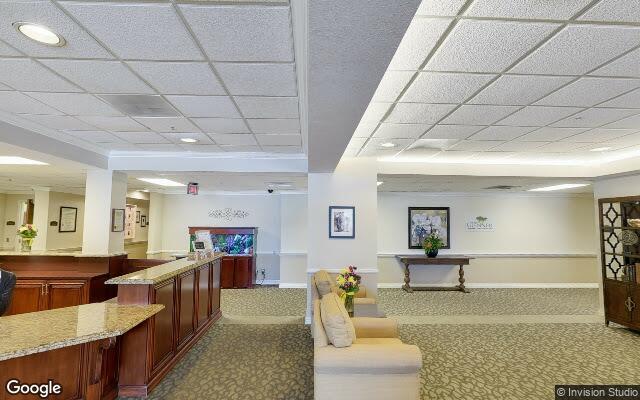
Full Inspection Record
Family reviews
No reviews yet — be the first to share your experience
Other memory care options nearby.
More options in neighboring cities
Licensed memory care in other cities within this county region — useful when your search radius crosses city limits.