Ivy Park at Otay Ranch.
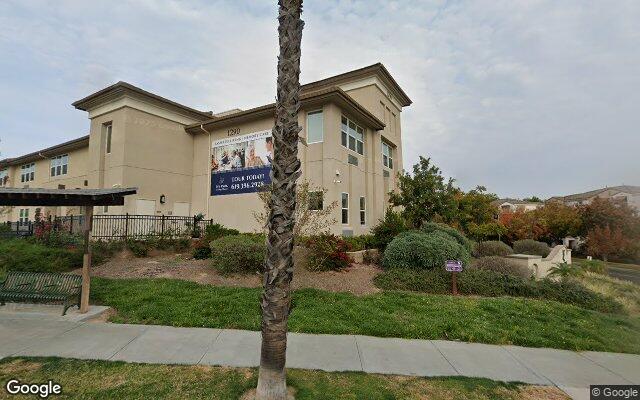
A large home, reviewed on public record.
Compared to 84 California facilities with a similar number of beds.
RCFE memory care · 36-month window. Higher percentile = better performance on inspection record. Source: California Dept. of Social Services · Community Care Licensing.
Rankings based on 36-month CDSS inspection data. Severity and frequency: fewer citations = higher percentile. Repeat rate: lower repeat citation share = higher percentile.
Citation history, plotted month by month.
18 deficiencies on record. Each bar is a month with a citation.
Finding distribution
17 total · 36 monthsScope × Severity (CMS A–L)
The rules that apply to this facility.
State requirements with the exact regulation citation, plain-language explanation, and a question to ask on tour. Rules this facility has been cited for appear first.
Plain language
Elopements, fires, epidemic outbreaks, and poisonings must be reported immediately. Abuse with serious bodily injury requires a 2-hour phone report + 2-hour written report to CDSS, Adult Protective Services, and law enforcement. Abuse without serious bodily injury must be reported within 24 hours. A resident death requires a phone call by the next working day and a written report within 7 days. Injuries requiring medical treatment beyond first aid, and bankruptcy/foreclosure/utility shutoff notices, must also be reported. Incidents not reported on time are a separate violation — families may file a complaint directly with CDSS.
Ask on tour
“When was the last incident report filed with CDSS, and may I see your incident log summary for the past 12 months?”
Questions to ask before you visit.
A short pre-tour checklist tailored to Ivy Park at Otay Ranch's record and state requirements.
The facility has 2 serious citations on file across all inspections — can you provide your corrective-action plan for each cited item, and show families any documentation of remediation steps taken?
Ask the operator on tour. Take notes and compare answers across facilities you visit.
20 complaints are on file with CDSS — were any substantiated, and what remediation did the facility take in response to substantiated findings?
Ask the operator on tour. Take notes and compare answers across facilities you visit.
The most recent inspection was conducted on February 24, 2026 — can you provide families with a copy of the deficiency notice from that visit and walk through the specific corrective actions implemented?
Ask the operator on tour. Take notes and compare answers across facilities you visit.
Every inspection visit, verbatim.
33 inspections in the public record, most recent first. Plain-language summaries open first — click into any row for the full citation text.
2026-08-25Other VisitNo findings
Read raw inspector notesClose inspector notes
Licensing Program Analyst (LPA) Jose De La Cruz made an unannounced visit to conduct a Required Annual Inspection. The facility file was reviewed prior to the visit. LPA was welcomed by, identified himself to, and discussed the purpose of the visit with Executive Director Diana Weinstein (ED). The facility's license shows a maximum capacity of one hundred thirty seven (137) non-ambulatory residents . LPA reviewed staff, residents and facility files. LPA toured the interior and exterior of the facility and inspected eight rooms in the memory care area, two on the first floor and five on the second floor. The facility was clean, sanitary, and in good repair. Pathways were free of obstruction and slip hazards. Client bedrooms contained the required furnishings. Doors, windows screens, toilets, and showers were in working order. Two maintenance issues were found during the visit, which were fixed promptly by staff. Emergency chair was found on the facility stairs. Extra linens and hygiene supplies were present in each residents room and with the laundry, as well as Personal Protective Equipment in different areas around the facility, including kitchen, medications room, and in some residents rooms. The facility had sufficient space and equipment to facilitate dining, laundry, visitation, meetings, and client activities. The facility contained at least 2 days of perishable food, and at least 7 days non-perishable food, all safely stored. Cooking, dining equipment, and utensils were present. No toxic chemicals or poisons were accessible to clients. LPA checked medications cabinet. Medications were labeled, as required, and stored in a locked mobile station. No pools, bodies of water exist on the premises. [CONTINUED ON LIC 809-C] 1 2 3 4 5 6 7 8 9 10 11 12 13 14 15 16 17 18 19 20 21 22 23 24 25 26 27 28 29 30 31 32 [CONTINUED FROM LIC809] Per ED, no firearms or ammunition are kept at the facility. Carbon monoxide detectors, emergency lights, and facility telephone were all in working order. Fire extinguishers were serviced within the last 12 months. First aid kit was complete and readily accessible. Required licensing postings were observed in visible areas of the facility. A calendar with daily activities was displayed on different areas of the facility. Menus were displayed on the dining room, elevators, and memory care area Water temperatures were measured around the facility with readings in Fahrenheit degrees between 105 and 119 degrees. LPA interviewed staff and clients. The interviews mentioned that the facility required more staff due to some wait times and staff missing work (see TV's) , however, the residents felt appreciative of the facility and their staff, and mentioned feeling cared for. LPA reviewed facility, staff and resident records. The files reviewed by LPA contained required documents. Confidential records were stored in locked areas. No deficiencies were cited per California Code of Regulations. An exit interview was conducted with Executive Director Diana Weinstein, to whom a copy of this report, and the Licensee/Appeal Rights (LIC9058 03/22) were provided during today’s visit.
2026-08-21Other VisitNo findings
Read raw inspector notesClose inspector notes
Licensing Program Analyst (LPA) Jose De La Cruz made an unannounced visit to conduct a Required Annual Inspection. The facility file was reviewed prior to the visit. LPA was welcomed by, identified himself to, and discussed the purpose of the visit with Executive Director Diana Weinstein. The facility's license shows a maximum capacity of one hundred and thirty seven non-ambulatory residents (137) ages 60 and over, and a hospice waiver for 20. LPA arrived at 2:00 PM. LPA toured the facility, interviewed staff and clients, and reviewed facility records. Due to time restrictions, the visit could not be completed today and will be resumed at a different date. No deficiencies were cited per California Code of Regulations during today's visit. An exit interview was conducted with Executive Director Diana Weinstein, to whom a copy of this report, and the Licensee/Appeal Rights (LIC9058 03/22) were provided during today’s visit.
2026-08-21Complaint InvestigationNo findings
Read raw inspector notesClose inspector notes
Licensing Program Analyst (LPA) Jose De La Cruz conducted an unannounced visit regarding an incident report received on 08/14/2026. LPA disclosed the purpose of the visit with Executive Director Diana Weinstein No deficiencies were cited in accordance with the California Code of Regulations. An exit interview was conducted with Executive Director Diana Weinstein, to whom a copy of this report, and the Licensee/Appeal Rights (LIC 9058 03/22) were provided. The signature below confirms the documents were received.
2026-08-05Other VisitNo findings
Read raw inspector notesClose inspector notes
Licensing Program Analyst (LPA) Jose De La Cruz made an unannounced visit to conduct a Required Annual Inspection. The facility file was reviewed prior to the visit. LPA was welcomed by, identified himself to, and discussed the purpose of the visit with Executive Director Diana Weinstein. The facility's license shows a maximum capacity of one hundred and thirty seven non-ambulatory residents (137) ages 60 and over, and a hospice waiver for 20. LPA arrived at 8:40 AM. LPA toured the facility, interviewed staff and clients, and reviewed facility records. Due to time restrictions, the visit could not be completed today and will be resumed at a different date. No deficiencies were cited per California Code of Regulations during today's visit. An exit interview was conducted with Executive Director Diana Weinstein, to whom a copy of this report, and the Licensee/Appeal Rights (LIC9058 03/22) were provided during today’s visit.
2026-07-20Complaint InvestigationNo findings
Read raw inspector notesClose inspector notes
Licensing Program Analyst (LPA) Jose De La Cruz conducted an unannounced visit to deliver an amended LIC9099(D) report originally delivered on 06/16/2026. LPA disclosed the purpose of the visit with Business Director Celgine Tabingo. No deficiencies were cited in accordance with the California Code of Regulations. An exit interview was conducted with Business Director Celgine Tabingo, to whom a copy of this report, and the Licensee/Appeal Rights (LIC 9058 03/22) were provided. The signature below confirms the documents were received.
2026-06-16Complaint InvestigationNo findings
Read raw inspector notesClose inspector notes
Licensing Program Analyst (LPA) Ramon Serrano conducted an unannounced Case Management Visit. LPA was greeted by and met with Executive Director Diana Weinstein to discuss the purpose of the visit. Today's visit is to deliver two amended reports from complaint visits originally conducted on September 11, 2025 and April 3, 2026. One complaint allegation was substantiated on the April 3, 2026 amended report and deficiencies were cited. The licensee is hereby notified that additional civil penalties are under review by the Department’s legal division per Health and Safety Code § 1569.49(f). An exit interview was conducted with Executive Director Diana Weinstein , who was provided with a copy of this report and Appeal Rights. Their signature confirms receipt of these documents.
2026-04-03Complaint InvestigationType B · 2 findings
Plain-language summary
A resident fell outside the facility's main entrance in March 2025, and staff did not promptly report the fall to managers or the resident's doctor as required by the facility's own fall protocol, nor did they document the required daily check-ins with the resident after the fall. When state investigators requested video footage of the fall in June 2025, the facility initially did not provide it, and the footage was later deleted. The facility was cited for failing to ensure residents are regularly monitored for changes in their condition.
Read full citation text (2)Hide full citation text
“Based on records and interviews, Licensee did not ensure that 1 of 113 residents (R1) was regularly observed for changes in physical, mental, emotional and social functioning following their fall. This posed a potential health risk to persons in care.”
“Based on records and interviews, Licensee did not cooperate with the licensing agency’s authority to receive a copy of a facility recording pertaining to an investigation involving 1 of 113 residents (R1). This posed a potential health and safety risk to persons in care.”
Read raw inspector notesClose inspector notes
Licensing Program Analyst (LPA) Dang Nguyen conducted an unannounced Case Management Visit to cite a deficiency identified during a separate complaint investigation. LPA was welcomed by, identified himself to, and discussed the purpose of the visit with Executive Director Diana Weinstein. CCR 87466 states, “The licensee shall ensure that residents are regularly observed for changes in physical, mental, emotional and social functioning…” Per Licensee’s “Fall Management Protocol” written policy, all falls, witnessed or unwitnessed, “will require completion of an Unusual Occurrence Report and an investigation of the circumstances leading to the fall,” and “any resident sustaining a fall will also be placed on Alert charting status.” The policy further states that an “internal Incident Report (Form 406a) is completed every time a resident falls,” and the “the [resident's] healthcare practitioner will be notified using Form 213a, Physician Fax Report of Fall.” Review of records and interviews of staff and outside sources showed: Resident #1 (R1) fell just outside the facility’s main entrance door on 03/22/2025. [See LIC811 Confidential Names List for a description of select person identifiers used in this report.] The responding facility staff, Staff #1 (S1) and Staff #2 (S2), did not timely inform any medication tech, nurse, or manager about this fall. No internal Incident Report (Form 406a) was completed for this fall around when it occurred. Also, Licensee did not timely submit an LIC624 Unusual Incident/Injury Report to CCLD for this fall (this latter element was already addressed/cited in a separate complaint report). R1’s primary care physician (i.e., the pertinent healthcare provider) was also not timely notified of R1’s fall via a Form 213a, or by any other means. [CONTINUED ON LIC 809-C, 1 of 2] 1 2 3 4 5 6 7 8 9 10 11 12 13 14 15 16 17 18 19 20 21 22 23 24 25 26 27 28 29 30 31 32 [CONTINUED FROM LIC 809] During his own 06/02/2025 site visit, LPA requested from Licensee copies of the facility staff’s charting and/or progress notes, which would evidence that “Alert charting” was performed on R1 post-fall. However, facility managers replied that no such notes existed which could prove that R1 was placed on “Alert charting status,” as was required by Licensee’s own written policy. As confirmed in administrator interview, Licensee defined “Alert charting” as the facility’s licensed nurse meeting with the resident face-to-face daily, for at least three (3) consecutive days after the fall, to assess the resident’s health and ask about their experienced symptoms, and to document these findings in electronic progress notes. “Alert charting” is therefore more than a cursory observation of the resident in passing, by lay staff.] Staff interviews showed: By 03/29/2025, Staff #4 (S4), the facility medication technician who called/arranged an ambulance for R1’s confusion and elevated blood pressure, was still unaware that R1 had fallen a week earlier. Likewise, the nurse manager then overseeing the facility’s clinical operations, Staff #5 (S5), and their deputy supervisor, Staff #7 (S7), both did not become aware that R1 had fallen a week earlier, until after R1 was already at the hospital. While there is no regulation specifically addressing internal communication, the failure of staff to internally communicate in this instance evidenced Licensee falling short of its own policy/procedural requirements regarding post-fall observation of R1. (In the final analysis, CCLD’s investigation showed that R1’s fall was not a proximate cause of R1’s confusion or elevated blood pressure. However, S4, S5, and S6 each affirmed to LPA that knowing about a prior fall provides useful context needed to inform subsequent observation checks and incidental medical care decisions, and that S1 and S2 should have reported the fall per protocol, when it occurred.) Additionally, during an earlier 06/23/2025 site visit, a California Department of Social Services (CDSS) Investigator (a peace officer acting in an official capacity on behalf of CCLD) formally requested from facility manager S5 a copy of the surveillance camera video footage segment depicting R1’s aforementioned fall on 03/22/2025. As of the date of this 06/23/2025 request, the pertinent footage was still intact and viewable, as witnessed by the Investigator. The Investigator made multiple follow-up phone calls to S5 for a copy of this footage for CCLD’s case file, but it was not provided to the Department. The Investigator subsequently spoke to the new facility administrator on 10/03/2025, who reported that as of that date, the pertinent footage no longer existed. [CONTINUED ON LIC 809-C, 2 of 2] 1 2 3 4 5 6 7 8 9 10 11 12 13 14 15 16 17 18 19 20 21 22 23 24 25 26 27 28 29 30 31 32 [CONTINUED FROM LIC 809-C, 1 of 2] Two (2) deficiencies were cited according to California Code of Regulations, Title 22 (refer to the attached LIC 809-D page). Plans of Correction were jointly developed with the Licensee. An exit interview was conducted with Executive Director Diana Weinstein, to whom a copy of this report, the LIC 809-D page, and the Licensee/Appeal Rights (LIC9058 03/22) were provided.
2026-02-24Other VisitNo findings
Plain-language summary
The facility reported a resident's death on February 18, 2026, and state licensing conducted an unannounced visit to review the circumstances. The inspector met with facility staff, reviewed records, and found no violations or problems during the visit.
Read full citation textHide full citation text
Read raw inspector notesClose inspector notes
Licensing Program Analyst (LPA) Ramon Serrano conducted an unannounced Case Management Visit. LPA was greeted by and met with Executive Director Diana Weinstein to discuss the purpose of the visit. Today's visit is in response to the self reported death report involving Resident 1 (R1- see LIC811 Confidential Names List) who passed away on 2/18/26. LPA interacted with staff and obtained facility records. No deficiencies were cited or observed on this date. An exit interview was conducted with Executive Director Diana Weinstein. who was provided with a copy of this report and Appeal Rights. Their signature confirms receipt of these documents.
2026-02-24Complaint InvestigationUnsubstantiatedNo findings
Plain-language summary
A complaint alleged that staff withheld medications from two residents, but inspection of medication records, physician orders, and facility documentation found no evidence to support this claim—both residents received their prescribed medications as ordered. One resident's concerns appeared related to ongoing pain and anxiety that made them doubt whether they had received medication shortly after taking it, while the other resident became confused about medication schedules and sometimes forgot they had already taken their doses. The allegation is unsubstantiated.
Read full citation textHide full citation text
Read raw inspector notesClose inspector notes
Hospice notes described R1 as medically fragile with ongoing pain, shortness of breath, increased anxiety, and agitation. Charting notes from January through April 2025 showed R1 regularly received morphine and Ativan as ordered, while staff documented that R1 often expressed severe pain shortly after receiving their PRN medication. R1 frequently stated that they believed staff were withholding their medication, even when charting showed the medication had just been administered. Staff consistently documented attempts to redirect R1, explain hospice medication orders, and reassure them about their care. Review of R1’s MARs showed that R1 was out of the facility for extended periods: from January 31, 2025 through March 22, 2025; again from March 23, 2025 through April 3, 2025; and again from April 6, 2025 through April 30, 2025. MARs and charting showed that on the limited days R1 was present in the facility, they received their medications as ordered. Facility records described several incidents where R1 became distressed, attempted to use their wheelchair as a walker, refused redirection, grabbed staff clothing, and verbally escalated to the point that 911 was contacted. R1 also called 911 independently, attempting to reach hospice and request changes to their medication orders. Incident reports and hospice notes both indicated that R1 frequently reported feeling unheard or unsupported, though documentation showed medications were given as prescribed. For R2, LPA reviewed MARs dated August through September 2025, physician orders, and charting notes from January through September 2025. R2 had COPD and acute kidney failure and was prescribed one medication daily at noon. MARs showed that the noon medication was withheld from August 1 through September 10, 2025 following orders from a physician or registered nurse. Staff had initialed and documented each date accordingly. Charting notes indicated that R2 sometimes became upset, thinking their medication was late when it was not, and also showed confusion about how many times per day they should receive medication. Staff documented multiple instances where R2 forgot that they had already taken their medication. No evidence was found indicating staff failed to administer medication as ordered. Record review, interviews, MARs, and hospice documentation did not support the allegation that staff failed to administer medications to R1 or R2. The documentation consistently showed that both residents received medication in accordance with physician and hospice directives. R1’s concerns appeared related to ongoing pain, anxiety, and behavioral symptoms, while R2’s concerns were related to confusion about medication schedules. 1 2 3 4 5 6 7 8 9 10 11 12 13 14 15 16 17 18 19 20 21 22 23 24 25 26 27 28 29 30 31 32 The allegation that staff did not administer medications as prescribed is unsubstantiated. This means there is not enough evidence to prove the allegation occurred. An exit interview was conducted with Diana Weinstein A copy of this report along with licensee rights (LIC 9058, 3/22) was provided to Diana Weinstein whose signature below verifies receipt of these rights.
2025-11-14Other VisitNo findings
Plain-language summary
This was a follow-up investigation into a complaint that a resident fell on September 11, 2024 and was not properly supervised. The facility had multiple fall-prevention measures in place, including frequent checks, assistance with mobility, a fall mat, and a lowered bed, and the investigator determined there was no evidence the staff could have prevented the fall or that the resident was neglected.
Read full citation textHide full citation text
Read raw inspector notesClose inspector notes
...Continued from LIC9099 Based on the statements provided by staff present during R1’s fall on 9/11/2024, there would have been little they could do to prevent R1 from falling. R1 had been on fall precautions since April of 2024, and R1 is assisted to and from bed by staff and taken into the community during the day for more supervision. R1 receives frequent checks while in her room during the evening hours. R1 was also provided a fall mat alongside their bed, and their bed was lowered to its lowest position. Based on the above information. The allegation of Neglect/Lack of Care and Supervision of R1 suffering a fall and sustaining serious bodily injury will be Unsubstantiated . Exit interview conducted and a copy of this report provided.
2025-11-07Complaint InvestigationUnsubstantiatedNo findings
2025-09-17Annual Compliance VisitNo findings
Plain-language summary
This was a follow-up visit to an original complaint investigation from September 11, 2025, in which inspectors found no violations. The facility passed this follow-up inspection with no new deficiencies identified.
Read full citation textHide full citation text
Read raw inspector notesClose inspector notes
Licensing Program Analyst (LPA) Ramon Serrano conducted an unannounced Case Management Visit. LPA was greeted by and met with Resident Care Coordinator Luz Rivera, to discuss the purpose of the visit. LPA delivered an amended complaint report. The original complaint report findings were delivered on September 11, 2025. No deficiencies were cited or observed on this date. An exit interview was conducted with Luz Rivera who was provided with a copy of this report and Appeal Rights. Their signature confirms receipt of these documents.
2025-09-11Complaint InvestigationSubstantiatedType A · 1 finding
Plain-language summary
A complaint investigation found that a resident who requires supervision and a safety bracelet was able to leave the facility unsupervised on September 2, 2025, exiting through a stairwell door onto the sidewalk and walking about three blocks away before a neighbor called the facility to report seeing them. Staff had unknowingly disabled an alarm while clearing the exit, and the resident was outside for an unknown amount of time before being picked up and returned safely. The facility has since arranged for a private caregiver to supervise this resident's walks outside the facility.
Read full citation text (1)Hide full citation text
“Based on LPA interviews and records review the licensee did not provide R1 supervision. 1 in 1 of 126 persons in care [R1] which posed a potential health and safety risk to persons in care. ·”
Read raw inspector notesClose inspector notes
R1's Individualized Service Plan dated August 15, 2025 states that R1 is ambulatory and is unable to leave the facility unsupervised. Service plan further states that R1 is required to wear their safety bracelet if they are in the assisted living section of the community. LPA interviewed R1 who stated that less then a week ago they exited the facility without any supervision. R1 stated that they wanted to take a walk so they walked down the stairwell and exited the facility onto the sidewalk. R1 stated that they did not injure themselves during their walk but they did feel dehydrated. R1 stated that they now have a private caregiver who takes them for walks outside of the facility LPA interviewed Staff 1 (S1) who stated that on the date of the incident a woman called the facility advising staff that a person was found walking down the sidewalk who appeared lost and confused. The woman was able to confirm with R1 their identity. S1 then drove to pick up R1 who was with law enforcement. S1 asked R1 "what happened." R1 replied that they went for a walk and got lost. S1 stated that R1 was located approximately three blocks from the facility. S1 was unable to confirm how long R1 was outside of the facility unsupervised. LPA interviewed Staff 2 (S2) who stated that R1 eloped from the facility on the second day that R1 was admitted. S2 stated that R1 resides on the second floor in the assisted living section of the facility. S2 stated that R1 exited the facility from a stairwell on the second floor that exits onto the sidewalk. S2 stated that R1 was out of the community for approximately two hours. S2 stated that R1 was picked up by S1 and brought back to the facility. S2 stated that R1 now has a private caregiver that was provided by R1's responsible party. On September 3, 2025 CCL received an incident report (IR) regarding R1. IR stated that on September 2, 2025 the facility received a telephone call from a neighbor advising them that R1 was seen walking by the nearby homes. R1 was immediately picked up by facility staff. R1 returned to the facility without any visible injuries. After R1 showed facility staff the exit they took, staff concluded that they "cleared the alarm" without realizing that a resident had exited the facility. 1 2 3 4 5 6 7 8 9 10 11 12 13 14 15 16 17 18 19 20 21 22 23 24 25 26 27 28 29 30 31 32 The Department has investigated the complaint alleging staff did not prevent R1 from eloping from facility. Based on evidence obtained R1 eloped from the facility on September 2, 2025. Accordingly, the above allegation is substantiated. This finding means that the preponderance of the evidence standard has been met and the allegation is valid. The deficiency is cited in accordance with California Code of Regulations, Title 22, Division 6, Chapter 8 and noted on the attached LIC 9099-D. An exit interview was conducted, a plan of correction was developed by Trobell Orana and a copy of this report and Licensee/Appeal Rights (LIC 9058) were provided to Trobell Orana whose signature on this form confirms receipt of the documents.
2025-08-25Other VisitNo findings
Plain-language summary
A resident reported that a staff member threw them against a chair and caused rib fractures, but the investigation found no evidence to support this claim. Medical records showed the rib fractures were old, not new, and inconsistent with the resident's account of when the injury occurred; the hospital doctor believed the injuries more likely happened at a different facility where the resident was temporarily staying. Staff interviews and law enforcement investigation found no corroborating evidence of physical abuse at this facility, and the allegation was determined to be unfounded.
Read full citation textHide full citation text
Read raw inspector notesClose inspector notes
R1 remained in the hospital for treatment until February 10, 2025 when they were discharged to a Skilled Nursing Facility (SNF). On March 22,2025, R1 returned to the facility, but due to pain, they were taken back to the hospital the next day. Upon arrival, R1 was diagnosed with subacute fractures to their 10th and 11th rib. On June 19, 2025 the Department interviewed R1 who confirmed that they lived at the facility. R1 said they were in independent living and clarified, “it wasn’t for me.” R1 stated “One kid got rough with me.” R1 explained the kid was a male staff member. R1 could not recall the date this occurred and stated it occurred before R1 came to the hospital. R1 stated the incident occurred in the evening time when R1 was receiving their “pills.” R1 stated the male staff member threw R1 against a chair. On May 1, 2025 the Department interviewed Outside Source #1 (OS 1 ), a close family member of R1 who was very familiar with their care . OS1 explained that R1 had the tendency to exaggerate.” OS1 further clarified that on January 31, 2025 R1 fell in their room and fractured their pelvis, not their ribs. OS1 clarified they believed that the new fractures happened sometime after the fall, when R1 was out of the facility and under the care of the SNF. R1 specifically told OS1 that one of the staff members there had “roughed them up.” The Department interviewed several facility staff (S1, S2, S3) that were assigned to care for R1 when they were present on March 22, 2025, and March 23, 2025. No interviews corroborated that staff forcefully repositioned R1 at the facility, and all staff interviewed denied physically abusing R1 at the facility. The Department reviewed hospital records dated 1/31/2025 which indicated that R1’s diagnosis and scans were unrelated to any rib fractures. Records from March 23, 2025 indicate that the main complaint was “pain control,” and that R1 reported they were repositioned roughly at the facility. On 7/23/2025, the Department interviewed the hospital Doctor (OS2) who provided care to R1. OS2 corroborated that R1’s fractures were not present during their January Hospital Stay. They also corroborated that R1 reported that, one day prior to their March Emergency Department (ED) visit, someone at their facility moved them “forcefully.” However, OS2 further explained to the Department that R1’s X-rays showed the rib fractures to be “subacute,” and “chronic,” which meant that they were not new fractures. OS2 further clarified that R1’s report that they were injured one day prior is medically inconsistent with their X-rays, which indicated that R1 had the fractures for some time. 1 2 3 4 5 6 7 8 9 10 11 12 13 14 15 16 17 18 19 20 21 22 23 24 25 26 27 28 29 30 31 32 It should be noted that Local Law Enforcement (LEO) also investigated the facility abuse allegation. LEO report documented that medical staff believed the injuries most likely occurred when R1 was a patient at the SNF, not at the facility. Due to the inability of the doctor and hospital staff to determine if the injuries were caused due to foul play or negligence, the incident was recorded as a “Miscellaneous Incident.” During the course of the investigation, no corroborating evidence was obtained to support the allegation that neglect/lack of care and supervision resulted in R1 sustaining multiple rib fractures at the facility. Therefore the above allegation is determined to be unfounded, meaning that the allegation was false, could not have happened and/or is without a reasonable basis. An exit interview was conducted with Executive Director Diana Weinstein A copy of this report along with licensee rights (LIC 9058, 3/22) was provided Executive Director Diana Weinstein whose signature below verifies receipt of these rights.
2025-08-25Annual Compliance VisitNo findings
Plain-language summary
This was the facility's required annual inspection on an unannounced visit. The inspector found the facility clean and well-maintained, with adequate food and supplies, working safety equipment, proper medication storage, and required staffing documentation in order—no violations were cited.
Read full citation textHide full citation text
Read raw inspector notesClose inspector notes
Licensing Program Analyst (LPA) Ramon Serrano conducted an unannounced Required Annual Inspection. The facility file was reviewed prior to the visit. LPA was allowed entry and discussed the purpose of the visit with Executive Director Diana Weinstein . According to the facility’s license, the facility has a maximum capacity of one hundred thirty seven (137) residents. All of whom may be non-ambulatory. Hospice waiver approved for twenty (20) residents. Forty four (44) residents may be bedridden. LPA, accompanied by Executive Director toured the interior and exterior of the facility, and inspected five rooms in both the assisted living and the memory care unit. The facility was clean, sanitary, and in good repair. Pathways were free of obstruction and slip hazards. Resident bedrooms contained the required furnishings. Doors, windows, toilets, and showers were in working order. Extra linens and hygiene supplies were present, as well as Personal Protective Equipment. Hot water temperature was measured in the facility at 116 degrees F. The ambient temperature inside the facility was measured at 75 degrees F. The facility had sufficient space and equipment to facilitate dining, laundry, visitation, meetings, and resident activities. There was at least 2 days of perishable food, and at least 7 days non-perishable food present, all safely stored. Cooking/dining equipment and utensils were present. There were no toxic chemicals/poisons accessible to clients. Medications were labeled, as required, and stored in locked areas. Their are no bodies of water on the premises. Per Executive Director, no firearms or ammunition are kept at the facility. Carbon monoxide detectors, emergency lighting, and facility telephone were all working. Fire extinguisher(s) were present. First aid kit(s) were complete and readily accessible. Required licensing postings were observed in visible areas of the facility. [CONTINUED ON LIC 809-C] 1 2 3 4 5 6 7 8 9 10 11 12 13 14 15 16 17 18 19 20 21 22 23 24 25 26 27 28 29 30 31 32 LPA reviewed multiple staff and resident records/files. LPA file review did not raise any licensing concerns. The files which LPA reviewed contained required documents. Confidential records were stored in locked areas. No deficiencies were observed or cited during today's annual inspection. An exit interview was conducted with Executive Director Diana Weinstein whom a copy of this report and the Licensee/Appeal Rights (LIC9058 03/22) were provided during the visit.
2025-06-13Complaint InvestigationSubstantiatedCitation on file
Plain-language summary
A complaint investigation found that the facility continued billing a resident for room and board after the resident died on April 25, 2025, and did not refund the overcharged fees as required by law—the facility owed a refund for charges from April 26 through May 9, 2025, and also failed to reimburse the resident's family for pest control products ($114.88) they had purchased after discovering mice in the resident's room. The facility agreed during the investigation to issue both refunds to the resident's estate. The facility was cited for this violation and required to develop a plan of correction.
Read full citation text (1)Hide full citation text
Substantiated — the state found a violation and issued a citation. Full citation details are on file with the state.
Read raw inspector notesClose inspector notes
[CONTINUED FROM LIC 9099] Interviews and records showed: R1 was independent in care and medications, paying Licensee only for room and board. On 03/29/2025, R1 was transported to the emergency room, where they were admitted and hospitalized. On 04/09/2025, R1’s responsible person (RP) vacated R1's apartment of belongings, relinquishing control of the room to Licensee. Licensee continued to bill R1 for room and board through 05/09/2025, which was initially consistent with the 30-day move-out notice provision in R1’s residency agreement, so long as R1 was alive. However, R1 died at the hospital on 04/25/2025, as confirmed by their official death certificate from the county. On 04/30/2025, R1’s RP notified Licensee that R1 had since died, and Licensee replied to confirmed receipt. R1’s admissions agreement states, “Death of Resident: This Agreement shall terminate automatically upon your death.” Furthermore, California Health and Safety Code Section 1569.652 specifies in part, “(a) A residential care facility for the elderly shall not require advance notice for terminating an admission agreement upon the death of a resident. No fees shall accrue once all personal property belonging to the deceased resident is removed from the living unit.” R1’s admissions agreement also states that in cases where a resident has died, “Within fifteen (15) days after your personal property is removed from your apartment, your estate, or other person or entity responsible for payment of fees under this Agreement, will receive a refund of any fees paid in advance covering the period after your personal property has been removed.” This 15-day refund deadline is also consistent with California Health and Safety Code. As of the commencement of CCLD’s investigation on 06/02/2025, Licensee still had not credited/refunded C1’s account/estate for room and board fees from 04/26/2025 through 05/09/2025, as were owed. Additionally, records and interviews showed: Earlier on 11/10/2024, R1 spent $114.88 on pest control products for their facility apartment, in response to seeing mice in their room. Upon discovering this expenditure, R1’s RP spoke with a facility manager, who agreed to speak with the facility administrator regarding a credit/refund of this money. This manager claimed they did speak to the administrator about this. However, the RP told CCLD they did not receive a follow-up response from Licensee, one way or the other. [CCLD’s subsequent investigation substantiated the earlier presence of mice in R1’s facility apartment, based on witness testimony and photographic evidence.] During today’s visit, Licensee agreed to additionally credit/refund this incidental amount to R1’s account/estate. [CONTINUED FROM LIC 9099-C, 2 of 2] 1 2 3 4 5 6 7 8 9 10 11 12 13 14 15 16 17 18 19 20 21 22 23 24 25 26 27 28 29 30 31 32 [CONTINUED FROM LIC 9099-C, 1 of 2] Based on records and interviews, a preponderance of evidence exists to show Licensee earlier did not issue refund as required to R1. The allegation was therefore Substantiated, and one (1) deficiency was cited per California Code of Regulations, Title 22 (refer to the attached LIC 9099-D page). A Plan of Correction were jointly developed with the Licensee. An exit interview was conducted with Zuluaga, to whom a copy of this report, the LIC 9099-D page, the LIC811 Confidential Names List, and the Licensee/Appeal Rights (LIC9058 03/22) were provided.
2025-06-02Other VisitType B · 3 findings
Plain-language summary
A resident fell outside the facility on March 22, 2025, was hospitalized on March 29, 2025, and died in late April 2025; the facility failed to submit required written reports about the fall, hospitalization, or death to the state or the resident's representative. Inspectors found mice and rat droppings in the resident's bedroom, and discovered the facility did not provide the resident's representative with a copy of the admissions agreement as required. The facility has developed a plan to correct these violations.
Read full citation text (3)Hide full citation text
“Based on records and interviews, Licensee did not ensure the facility was clean and sanitary at all times. This posed a potential health and safety risk to persons in care.”
“Based on records and interviews, Licensee did not submit a written report to the licensing agency and to the person responsible for 1 of 113 residents (R1) who had an incident which threatened their welfare, safety, or health. This posed a potential personal rights risk to persons in care.”
“Based on records and interviews, Licensee did not provide copy of the signed and dated current admission agreement to the representative of 1 of 113 residents (R1) immediately upon singing the admission agreement and upon request. This posed a potential personal rights violation to persons in care.”
Read raw inspector notesClose inspector notes
[CONTINUED FROM LIC 9099] Interviews aligned to show: On 03/22/2025, R1 fell on the facility premises, right outside the lobby front door, to which facility staff responded timely. On 03/29/2025, facility staff arranged for R1 to be transported to the hospital for a change in condition, where R1 was admitted. R1 remained at the hospital, where they subsequently died in late April 2025. Licensee did not submit written incident reports to CCLD or R1’s responsible person describing R1’s fall, hospitalization, or death; these were required to be submitted to both parties within seven (7) days of occurrence. Interviews of a corroborating outside source showed this person found two (2) mice hiding inside a cardboard box inside R1’s bedroom, which they removed and brought outside. CCLD also obtained photographic evidence of rat multiple droppings on R1’s personal effects. Available records and interviews showed: R1’s and their representative/responsible person (RP) both previously signed an Admissions Agreement which Licensee prepared for R1. However, a facility representative did not co-sign on behalf of Licensee. [Licensee’s missing signature will be addressed in a separate Case Management visit report.] R1’s RP then requested a copy of the contract from Licensee, but Licensee did not follow through on this request. Based on records and interviews, a preponderance of evidence exists to show Licensee did not meet reporting requirements, that Licensee did not keep resident’s room free of rodents, and that Licensee did not provide copy of admissions agreement to resident’s representative. These allegations were Substantiated, and three (3) deficiencies were cited per California Code of Regulations, Title 22 (refer to the attached LIC 9099-D page). Plans of Correction were jointly developed with the Licensee. An exit interview was conducted with Anguiano, to whom a copy of this report, the LIC 9099-D pages, the LIC811 Confidential Names List, and the Licensee/Appeal Rights (LIC9058 03/22) were provided.
2025-06-02Annual Compliance VisitType B · 3 findings
“Based on records and interviews, Licensee did not submit a written report to the licensing agency and to the person responsible for 1 of 113 residents (R1) who had an incident which threatened their welfare, safety, or health. This posed a potential personal rights risk to persons in care.”
“Based on records and interviews, Licensee did not ensure the facility was clean and sanitary at all times. This posed a potential health and safety risk to persons in care.”
“Based on records and interviews, Licensee did not provide copy of the signed and dated current admission agreement to the representative of 1 of 113 residents (R1) immediately upon singing the admission agreement and upon request. This posed a potential personal rights violation to persons in care.”
Read raw inspector notesClose inspector notes
[CONTINUED FROM LIC 9099] Interviews aligned to show: On 03/22/2025, R1 fell on the facility premises, right outside the lobby front door, to which facility staff responded timely. On 03/29/2025, facility staff arranged for R1 to be transported to the hospital for a change in condition, where R1 was admitted. R1 remained at the hospital, where they subsequently died in late April 2025. Licensee did not submit written incident reports to CCLD or R1’s responsible person describing R1’s fall, hospitalization, or death; these were required to be submitted to both parties within seven (7) days of occurrence. Interviews of a corroborating outside source showed this person found two (2) mice hiding inside a cardboard box inside R1’s bedroom, which they removed and brought outside. CCLD also obtained photographic evidence of rat multiple droppings on R1’s personal effects. Available records and interviews showed: R1’s and their representative/responsible person (RP) both previously signed an Admissions Agreement which Licensee prepared for R1. However, a facility representative did not co-sign on behalf of Licensee. [Licensee’s missing signature will be addressed in a separate Case Management visit report.] R1’s RP then requested a copy of the contract from Licensee, but Licensee did not follow through on this request. Based on records and interviews, a preponderance of evidence exists to show Licensee did not meet reporting requirements, that Licensee did not keep resident’s room free of rodents, and that Licensee did not provide copy of admissions agreement to resident’s representative. These allegations were Substantiated, and three (3) deficiencies were cited per California Code of Regulations, Title 22 (refer to the attached LIC 9099-D page). Plans of Correction were jointly developed with the Licensee. An exit interview was conducted with Anguiano, to whom a copy of this report, the LIC 9099-D pages, the LIC811 Confidential Names List, and the Licensee/Appeal Rights (LIC9058 03/22) were provided.
2025-06-02Complaint InvestigationType B · 1 finding
Plain-language summary
An investigator visited the facility to follow up on a complaint and found that the facility failed to have a staff member co-sign the admissions agreement with a resident within seven days of move-in, as required. The facility has agreed to correct this issue. No other violations were found during this visit.
Read full citation text (1)Hide full citation text
“Based on records and interviews, Licensee or their designated representative did not sign the admissions agreement for 1 of 113 residents (R1) within seven (7) days after the resident’s admission. This posed a potential personal rights violation to persons in care.”
Read raw inspector notesClose inspector notes
Licensing Program Analyst (LPA) Dang Nguyen conducted an unannounced Case Management Visit to cite a deficiency identified during a separate complaint investigation. LPA was welcomed by, identified himself to, and discussed the purpose of the visit with Executive Director Calais Anguiano. Former Resident #1 (R1) and their representative/responsible person (RP) signed the Admissions Agreement contract which Licensee prepared and presented to them. [See LIC811 Confidential Names List for a description of R1.] However, a facility representative did not co-sign this contract on behalf of Licensee, even after seven (7) days after move-in. One (1) deficiency was cited per California Code of Regulations, Title 22 (refer to the attached LIC 809-D page). A Plan of Correction was jointly developed with the Licensee. An exit interview was conducted with Anguiano, to whom a copy of this report, the LIC 809-D, and the Licensee/Appeal Rights (LIC9058 03/22) were provided.
2025-05-14Other VisitType A · 2 findings
“Based on interview and record review, two residents (R1 and R2) wandered from the facility without required supervision. This posed an immediate health, safety, and personal rights risk to 2 of 109 residents in care.”
“Based on interviews and record review, the licensee failed to report R2's elopement to law enforcement and the licensing agency. 1 in 1 of 109 persons in care [R2] This posed a potential health and safety risk to R2.”
Read raw inspector notesClose inspector notes
LPA attempted to interview R1 on May 14, 2025. R1 was unable to answer qualifying questions. R1 was unable to state the date or time. LPA then asked R1 basic questions regarding leaving the facility unattended. R1 stated that they have left the facility in the past but not recently. LPA interviewed R2 who stated that they have lived at the facility too long. R2 stated that they were recently thinking about walking across the street and catching a bus. R2 stated that in the past when they tried to leave the facility unsupervised a staff member yelled at them to get their walker. R2 stated that last month they left the facility and walked to the intersection by themselves. LPA interviewed S1 who stated that the memory care unit was conducting an "elopement drill" right before the incident occurred with R1. S1 stated that the caregiver assigned to R1's section claimed that they "cleared their section." S1 stated that the egress door alarm sounded a short time after and the staff conducted a head count of residents. S1 stated that as they were driving away from the facility they saw R1 outside on the sidewalk area. S1 stated that they placed R1 in their car and drove them back to the facility. S1 stated R1 had no injuries and they estimate that R1 was out of the facility for approximately 10 minutes before R1 was located. LPA interviewed S2 who stated that while driving to work on April 26, 2025 they saw R2 walking towards the street intersection of Olympic Parkway and East Palomar Street. S2 stated that they were worried and immediately called their supervisor to advise them where R2 was located. S2 stated that they do not believe R2 had any injuries as a result of the elopement. S2 stated that R2 lived in the assisted living section of the facility and has eloped from the facility more then three times. LPA interviewed Outside Source 1(OS1) who stated that the facility staff called them immediately after the incident and advised OS1 that R1 "got out of the facility through the back." OS1 stated that the Director contacted OS1 the following day and was apologetic for what occurred. OS1 stated that they do not believe it was a major incident since their were no injuries and R1 simply slipped out. OS1 stated that R1 has never eloped before and they have full confidence in the facility staff. 1 2 3 4 5 6 7 8 9 10 11 12 13 14 15 16 17 18 19 20 21 22 23 24 25 26 27 28 29 30 31 32 LPA interviewed Executive Director (ED) who stated that on the date of the incident memory care staff were conducting an "elopement drill" and R1 exited the unit. ED stated that the alarm sounded and a head count and room checks were conducted. ED stated that care staff did not accurately count the residents and failed to alert that R1 was missing. ED stated when staff checked the memory care exit door area R1 had walked to far along to be seen. ED stated that the care staff that did not accurately count the residents was place on suspension and was later terminated. ED stated that R2 goes out for walks since their physician's report states they can leave the facility unassisted. ED stated that R2 did walk to the intersection by the facility and R2's family just requests that they do not get lost. Records review revealed an incident report for R1 was submitted to CCL on March 13, 2025. Incident report stated that on March 6, 2025 the memory care egress door alarm sounded off at 410pm. Facility staff did not locate a resident in the surrounding area and conducted a head count. Facility staff located R1 at 417pm outside of the community, walking on the sidewalk. No injuries were noted. Records review revealed R1 had a diagnosis of Alzheimer's. R1 was unable to leave the facility unassisted and R1 was a high elopement risk due to resident expressing they wanted to leave the facility. Records review revealed R2 had a diagnosis of Encephalopathy and a traumatic brain injury with loss of consciousness. R2's physician's report indicated that R2 was non-ambulatory and R2 was able to leave the facility unassisted at their families discretion. R2's care plan stated that R2 had a cognitive impairment, was unable to leave the community unsupervised and they are required to wear a safety bracelet if in assisted living. The Department has investigated the complaint alleging staff did not prevent residents from eloping from facility and staff did not report incidents to appropriate parties. Based on evidence obtained R1 and R2 eloped from the facility and R2's elopement was not reported to the licensing agency. Accordingly, the above allegations are substantiated. This finding means that the preponderance of the evidence standard has been met and the allegations are valid. The deficiencies are cited in accordance with California Code of Regulations, Title 22, Division 6, Chapter 8 and noted on the attached LIC 9099-D. An exit interview was conducted, plans of correction were jointly developed, and a copy of this report and Licensee/Appeal Rights (LIC 9058) were provided to Calais Anguiano, Executive Director. Signature on this form confirms receipt of the documents.
2025-05-14Complaint InvestigationSubstantiatedType B · 2 findings
Plain-language summary
A complaint investigation found that two residents left the facility without supervision: one resident from the memory care unit walked out during an elopement drill in May 2025 and was found on the sidewalk about 10 minutes later with no injuries, and another resident from the assisted living section walked to a nearby street intersection on at least one occasion, with this incident not reported to the licensing agency. The facility failed to accurately count residents during the incident, did not alert staff that one resident was missing, and did not report one of the elopements as required. The staff member responsible for the inaccurate count was suspended and later fired.
Read full citation text (2)Hide full citation text
“Based on LPA interviews and records review the licensee did not provide R1 and R2 supervision. 2 in 2 of 109 persons in care [R1-R2] which posed a potential health and safety risk to persons in care. ·”
“Based on interviews and record review, the licensee failed to report R2's elopement to law enforcement and the licensing agency. 1 in 1 of 109 persons in care [R2] This posed a potential health and safety risk to R2.”
Read raw inspector notesClose inspector notes
LPA attempted to interview R1 on May 14, 2025. R1 was unable to answer qualifying questions. R1 was unable to state the date or time. LPA then asked R1 basic questions regarding leaving the facility unattended. R1 stated that they have left the facility in the past but not recently. LPA interviewed R2 who stated that they have lived at the facility too long. R2 stated that they were recently thinking about walking across the street and catching a bus. R2 stated that in the past when they tried to leave the facility unsupervised a staff member yelled at them to get their walker. R2 stated that last month they left the facility and walked to the intersection by themselves. LPA interviewed S1 who stated that the memory care unit was conducting an "elopement drill" right before the incident occurred with R1. S1 stated that the caregiver assigned to R1's section claimed that they "cleared their section." S1 stated that the egress door alarm sounded a short time after and the staff conducted a head count of residents. S1 stated that as they were driving away from the facility they saw R1 outside on the sidewalk area. S1 stated that they placed R1 in their car and drove them back to the facility. S1 stated R1 had no injuries and they estimate that R1 was out of the facility for approximately 10 minutes before R1 was located. LPA interviewed S2 who stated that while driving to work on April 26, 2025 they saw R2 walking towards the street intersection of Olympic Parkway and East Palomar Street. S2 stated that they were worried and immediately called their supervisor to advise them where R2 was located. S2 stated that they do not believe R2 had any injuries as a result of the elopement. S2 stated that R2 lived in the assisted living section of the facility and has eloped from the facility more then three times. LPA interviewed Outside Source 1(OS1) who stated that the facility staff called them immediately after the incident and advised OS1 that R1 "got out of the facility through the back." OS1 stated that the Director contacted OS1 the following day and was apologetic for what occurred. OS1 stated that they do not believe it was a major incident since their were no injuries and R1 simply slipped out. OS1 stated that R1 has never eloped before and they have full confidence in the facility staff. 1 2 3 4 5 6 7 8 9 10 11 12 13 14 15 16 17 18 19 20 21 22 23 24 25 26 27 28 29 30 31 32 LPA interviewed Executive Director (ED) who stated that on the date of the incident memory care staff were conducting an "elopement drill" and R1 exited the unit. ED stated that the alarm sounded and a head count and room checks were conducted. ED stated that care staff did not accurately count the residents and failed to alert that R1 was missing. ED stated when staff checked the memory care exit door area R1 had walked to far along to be seen. ED stated that the care staff that did not accurately count the residents was place on suspension and was later terminated. ED stated that R2 goes out for walks since their physician's report states they can leave the facility unassisted. ED stated that R2 did walk to the intersection by the facility and R2's family just requests that they do not get lost. Records review revealed an incident report for R1 was submitted to CCL on March 13, 2025. Incident report stated that on March 6, 2025 the memory care egress door alarm sounded off at 410pm. Facility staff did not locate a resident in the surrounding area and conducted a head count. Facility staff located R1 at 417pm outside of the community, walking on the sidewalk. No injuries were noted. Records review revealed R1 had a diagnosis of Alzheimer's. R1 was unable to leave the facility unassisted and R1 was a high elopement risk due to resident expressing they wanted to leave the facility. Records review revealed R2 had a diagnosis of Encephalopathy and a traumatic brain injury with loss of consciousness. R2's physician's report indicated that R2 was non-ambulatory and R2 was able to leave the facility unassisted at their families discretion. R2's care plan stated that R2 had a cognitive impairment, was unable to leave the community unsupervised and they are required to wear a safety bracelet if in assisted living. The Department has investigated the complaint alleging staff did not prevent residents from eloping from facility and staff did not report incidents to appropriate parties. Based on evidence obtained R1 and R2 eloped from the facility and R2's elopement was not reported to the licensing agency. Accordingly, the above allegations are substantiated. This finding means that the preponderance of the evidence standard has been met and the allegations are valid. The deficiencies are cited in accordance with California Code of Regulations, Title 22, Division 6, Chapter 8 and noted on the attached LIC 9099-D. An exit interview was conducted, plans of correction were jointly developed, and a copy of this report and Licensee/Appeal Rights (LIC 9058) were provided to Calais Anguiano, Executive Director. Signature on this form confirms receipt of the documents.
2025-02-20Complaint InvestigationNo findings
Plain-language summary
A complaint was investigated, but the Department found it was unfounded — the resident and staff member mentioned in the complaint have never been at this facility, and the facility name and address in the original complaint did not match this licensed facility. No violations were found.
Read full citation textHide full citation text
Read raw inspector notesClose inspector notes
LPA interviewed ED who stated that R1 has never resided at the facility and S1 has never been employed at the facility. LPA review of initial complaint correspondence revealed the facility name and address attached to the complaint allegation did not correspond with the above mentioned senior care facility. Based on the Department’s investigation of the above-mentioned allegation and the evidence obtained from interviews and records review, we have found that the complaint was unfounded. An unfounded determination means that the allegation was false, could not have happened and/or is without a reasonable basis. The allegation was not pertinent to this licensed facility. The report was discussed, and an exit interview was conducted with Calais Anguiano. A copy of this report along with Licensee/Appeal Rights (LIC9058 3/22) was provided to Calais Anguiano at the conclusion of the visit. The signature below confirms the receipt of these documents.
2024-09-25Complaint InvestigationUnsubstantiatedNo findings
Plain-language summary
A complaint alleged that a resident without dementia was placed in the memory care unit and that staff threatened to charge extra fees if residents used call pendants. The investigation found the resident does have a dementia diagnosis documented by their physician and requires memory care services; call pendants are simply not used in the memory care bedrooms at this facility, so there was no evidence staff instructed residents not to use them. The allegations were not substantiated.
Read full citation textHide full citation text
Read raw inspector notesClose inspector notes
R1 was recently upgraded to a private suite which means R1 has two rooms, that the facility bills separately. OS stated that R1 gets billed for two rooms but it's not being done fraudulently. It was reported that R1 does not have a dementia diagnosis and was moved to the memory care unit in error. Records review of R1's Physician's report revealed R1 has a dementia diagnosis. Physician's report also indicated that R1 gets confused and disoriented. R1 wanders and requires assistance with medication management. LPA interviewed outside source (OS) who stated that R1 "absolutely" should be in the memory care unit. OS stated that R1 has a dementia diagnosis and R1's doctor recently conducted R1's yearly check-up which found R1 to have more memory loss. OS stated that R1 has memory discrepancies 50-60 seconds after something is told to R1. It was alleged that staff instructed residents not to use their pendants, or they will be charged extra for using them. LPA interviewed Memory Care Director (MCD) who stated that although their are call buttons in the bathrooms in memory care, their are no call pendants in the bedrooms. MCD stated that they keep "eyes' on the memory care residents throughout the day by keeping them out of their rooms. MCD stated that for the few residents that remain in their rooms staff members check up on them often. LPA interviewed outside source (OS) who stated that R1 did utilize their call pendant in the assisted living (AL) side of the facility, but OS found that call pendants are not a tool used in the memory care section of the facility. LPA interviewed outside source 2 (OS2) who stated that her father has lived at the facility for 4.5 years. OS2 stated that she is very pleased with the facility and the memory care unit. OS2 stated that the memory care staff are highly attentive to her father's needs. OS2 stated that she highly recommends the facility since they have great communication between the facility and the resident's family. LPA observation found that the call pendant device is not used in the bedrooms of the memory care unit. No evidence was found to substantiate the claim that residents were instructed not to use call pendants which are non-existent in the memory care unit. Based upon the foregoing, the above listed allegations are unsubstantiated. This finding means that the preponderance of the evidence standard has not been met and the allegations are not valid. An exit interview was conducted with John Brown. A copy of this report along with licensee rights (LIC 9058, 3/22) was provided to John Brown whose signature below verifies receipt of these rights.
2024-08-26Other VisitNo findings
Plain-language summary
This was a required annual inspection of the facility, which passed without any deficiencies. The inspector visited in person, checked the building's condition and safety systems, reviewed resident and staff records, and found that rooms were clean, equipment was working properly, food and medications were stored safely, and required licenses and safety postings were displayed. No concerns were identified during the inspection.
Read full citation textHide full citation text
Read raw inspector notesClose inspector notes
Licensing Program Analyst (LPA) Ramon Serrano conducted an unannounced Required Annual Inspection. The facility file was reviewed prior to the visit. LPA was allowed entry and discussed the purpose of the visit with Executive Director Calais Anguiano. According to the facility’s license, the facility has a maximum capacity of one hundred thirty seven (137) residents. All of whom may be non-ambulatory. Hospice waiver approved for twenty (20) residents. Forty four (44) residents may be bedridden. LPA, accompanied by Executive Director toured the interior and exterior of the facility, and inspected five rooms in both the assisted living and the memory care unit. The facility was clean, sanitary, and in good repair. Pathways were free of obstruction and slip hazards. Resident bedrooms contained the required furnishings. Doors, windows, toilets, and showers were in working order. Extra linens and hygiene supplies were present, as well as Personal Protective Equipment. Hot water temperature was measured in the facility at 117 degrees F. The ambient temperature inside the facility was measured at 76 degrees F. The facility had sufficient space and equipment to facilitate dining, laundry, visitation, meetings, and resident activities. There was at least 2 days of perishable food, and at least 7 days non-perishable food present, all safely stored. Cooking/dining equipment and utensils were present. There were no toxic chemicals/poisons accessible to clients. Medications were labeled, as required, and stored in locked areas. Their are no bodies of water on the premises. Per Executive Director, no firearms or ammunition are kept at the facility. Carbon monoxide detectors, emergency lighting, and facility telephone were all working. Fire extinguisher(s) were present. First aid kit(s) were complete and readily accessible. Required licensing postings were observed in visible areas of the facility. [CONTINUED ON LIC 809-C] 1 2 3 4 5 6 7 8 9 10 11 12 13 14 15 16 17 18 19 20 21 22 23 24 25 26 27 28 29 30 31 32 LPA reviewed multiple staff and resident records/files. LPA interviews did not raise any licensing concerns. The files which LPA reviewed contained required documents. Confidential records were stored in locked areas. No deficiencies were observed or cited during today's annual inspection. An exit interview was conducted with Calais Anguaino whom a copy of this report and the Licensee/Appeal Rights (LIC9058 03/22) were provided during the visit.
2024-07-29Complaint InvestigationMixedType B · 1 finding
Plain-language summary
This was a complaint investigation that found mixed results. One allegation about a resident being left in soiled conditions or unbathed was not substantiated — facility records showed the resident was regularly monitored, bathed, and assisted with toileting according to their care plan. However, investigators found that call response times were a problem, with over 13% of resident calls taking more than 20 minutes to answer and some taking over an hour, though the facility stated staffing and response times have since improved.
Read full citation text (1)Hide full citation text
“Based on interviews and records review, the licensee did not ensure that residents received personal assistance and care as needed on a timely basis to meet the residents’ needs. This posed a potential health risk to residents in care.”
Read raw inspector notesClose inspector notes
Agency care notes indicated that R2 was awake, alert and verbally responsive. No reports of pain or cough noted. Recommendations included; keep nails trimmed and apply sarna lotion prn. Outside agency did not observe or document R2 being left in feces or unbathed. Facility internal care notes dated May 2021 through April 2022 indicate R2 was regularly monitored and assessed by facility staff. Care notes indicate R2 was monitored for both R2's mental and physical well being. R2's responsible party was also advised of any change of condition. R2's service plan dated Jan 1, 2022 indicated that R2 needed assistance with incontinence supplies, hygiene, and changing linens. R2 would be toileted day and night. Service plan further indicated that R2 would receive assistance with toileting according to R2's schedule, need, and requests. Based upon the foregoing, the above listed allegation is unsubstantiated. This finding means that the preponderance of the evidence standard has not been met and the allegation is not valid. An exit interview was conducted with Calais Anguiano. A copy of this report along with licensee rights (LIC 9058, 3/22) was provided to Calais Anguiano whose signature below verifies receipt of these rights. 1 2 3 4 5 6 7 8 9 10 11 12 13 14 15 16 17 18 19 20 21 22 23 24 25 26 27 28 29 30 31 32 The other two staff members acknowledged that staffing was a problem and they are often required to work very hard but that resident's needs were being met. Review of internal logs was conducted. The call alert logs from the facility reflected an ongoing concern with long wait times for care. In one week analyzed over 13% of resident calls were answered after 20 minutes or more. Some resident calls took over an hour to answer. LPA interviewed Executive Director (ED) who stated that she began working at the facility on July 2023. ED stated that as of today the facility is sufficiently staffed and the resident pendant calls are answered on a timely basis. ED further stated that the response call time has also improved from the previous year. Based upon the foregoing, the above listed allegation is substantiated. This finding means that the preponderance of the evidence standard has been met and the allegation is valid. Deficiency is cited in accordance with California Code of Regulations, Title 22, Division 6, Chapter 8 and is noted on the attached LIC 9099-D. An exit interview was conducted with Calais Anguiano and a copy of this report and Licensee/Appeal Rights (LIC9058, 3/22) were provided to Calais Anguiano whose signature below confirms receipt of documents.
2024-05-21Complaint InvestigationUnsubstantiatedNo findings
Plain-language summary
A complaint investigation found that a resident with dementia had two unwitnessed falls at the facility, sustaining a facial laceration during the second fall on May 4, 2023. Staff responded to both falls and summoned medical attention; after the first fall, the facility increased wellness checks from every two hours to every hour and increased supervision. The investigation found no evidence of staff negligence, and the complaint was unsubstantiated.
Read full citation textHide full citation text
Read raw inspector notesClose inspector notes
R1 was an 88 year resident considered non- ambulatory due physical and mental state, required supervision when ambulating with a walker, required assistance with escorts, and was diagnosed with Dementia, hypertension, and general weakness among other comorbidities. Interviews with internal sources revealed R1 resided at the facility from 4/27/23 to 5/5/23. The facility staff had conducted visual checks on R1 every two hours, or less. After the initial fall was reported, interviews consistently revealed R1 was placed on alert charting, which increased the frequency of each check to every hour and staff spent more time with R1 during each check. It was believed R1’s bed was high off the ground, not appropriate and a possibly contributed to the falls. Interviews consistently disclosed staff had notified R1’s family R1’s bed may not be appropriate, but family declined to provide a lower bed. During the second fall on 5/4/23, staff reported family and staff had interacted with R1 prior to the fall. Staff had checked on R1 approximately twenty minutes prior to the fall, and staff had witnessed R1’s family exiting the room after. Interviews with external sources revealed R1’s family believed the facility was understaffed, because R1’s spouse, who resided with R1, was once found with a soiled undergarment. It was confirmed R1 no longer resided at the facility, and R1’s had a lower hospital bed which made it easier for R1 to ger in and out. Although a review of records revealed R1 was considered non-ambulatory, was a fall risk, and required assistance with being supervised when ambulating with a walker, there was not enough evidence to support staff negligence resulted in R1 sustaining injuries. Both incidents were unwitnessed, staff responded and summoned medical attention, therefore, the allegation was Unsubstantiated. It was alleged the licensee did not address resident's change in condition. Review of incident reports along with interviews confirmed R1 had two unwitnessed falls. The first fall occurred on 5/3/23, R1 was found by staff, was transported for medical attention, and returned with not injuries noted. The second fall occurred on 5/4/23, R1 was found with a facial laceration and was transported for medical attention. Interviews consistently revealed staff had conducted wellness checks on average every two hours. After the initial fall, management relayed R1 would be placed on alert requiring hourly wellness checks. Staff confirmed alert charting, hourly wellness checks, and observation was increased for R1. Although a higher bed was identified as a possible contributor to R1’s falls, and a care conference may have been scheduled to discuss appropriate level of care, there was not enough evidence to prove staff did not address R1’s change of condition. 1 2 3 4 5 6 7 8 9 10 11 12 13 14 15 16 17 18 19 20 21 22 23 24 25 26 27 28 29 30 31 32 An exit interview was conducted with Business Office Director , to whom a copy of this report, LIC 811 Confidential names list and Licensee/Appeals Rights (LIC 9058,) were provided
2024-05-15Other VisitNo findings
Plain-language summary
A licensing analyst conducted an unannounced visit following a self-reported incident of possible abuse involving a resident. The facility was toured, resident records were reviewed, and no health or safety concerns were found during the visit. No violations were cited.
Read full citation textHide full citation text
Read raw inspector notesClose inspector notes
Licensing Program Analyst (LPA) Juliana Barfield conducted an unannounced case-management visit. LPA met with Business Office Manager Silvia Garcia, and discussed the purpose of the visit. This visit was initiated due to a self-reported incident involving possible abuse of Resident #1 (R1). During today's visit, LPA toured the facility with Maintenance Director Justin Brown, observed residents in care, and obtained copies from Silvia Garcia of staff and R1's records . No immediate health and/or safety concerns were observed during the visit. No deficiencies were cited during today's visit. An exit interview was conducted with Silvia Garcia, and a copy of this report along with Licensee/Appeal Rights (LIC9058 01/16) were provided to them at the conclusion of the visit.
2024-04-18Other VisitNo findings
Plain-language summary
An unannounced case management visit was conducted in response to a self-reported incident in which a resident fell and hit their head and was hospitalized. Staff interviews and facility records were reviewed, and no deficiencies were found.
Read full citation textHide full citation text
Read raw inspector notesClose inspector notes
Licensing Program Analyst (LPA) Ramon Serrano conducted an unannounced Case Management Visit. LPA was greeted by and met with Business Office Director Silvia Garcia, to discuss the purpose of the visit. Today's visit is in response to the self reported incident of Resident 1 (R1 - see LIC811 Confidential Names List) who suffered a fall and hit their head. LPA interviewed staff and obtained facility records. R1 remained hospitalized at the time of the visit. No deficiencies were cited or observed on this date. An exit interview was conducted with Silvia Garcia, who was provided with a copy of this report and Appeal Rights (LIC9056 03/22). Their signature confirms receipt of these documents.
2024-02-14Other VisitType A · 1 finding
Plain-language summary
This was an unannounced investigation visit following two theft reports the facility self-submitted: a resident had $300 stolen from their wallet in late 2023, and $250 stolen in early 2024. The facility's investigation found that a staff member took the first $300 and the employee was terminated; for the second theft, the resident was near end of life and received multiple outside visitors in their room during the time period in question, so the source could not be determined. The facility was cited for one violation related to protecting residents from theft and was required to submit a plan of correction.
Read full citation text (1)Hide full citation text
“Based on records and interviews, licensee’s staff (S1) did not ensure that 1 of 114 residents (R1) was protected from theft of loss, which posed an immediate personal rights risk to persons in care.”
Read raw inspector notesClose inspector notes
Licensing Program Analyst (LPA) Dang Nguyen conducted an unannounced Case Management - Incident visit. LPA was welcomed by, identified himself to, and discussed the purpose of the visit with Health Services Director Brittany Blaul. Today's visit was in response to two (2) SOC341 Reports of Suspected Dependent Adult/Elder Abuse, which licensee self-submitted to the CCLD San Diego Regional Office (received on 12/07/2023 and 02/01/2024, respectively). Per the first SOC341: it was alleged that Resident #1 (R1) had around $300 in cash stolen from their wallet sometime between 11/21/2023 and 12/06/2023. [See LIC811 Confidential Names List for a description of select person identifiers used in this report.] Per the second SOC341: R1 had another $250 in cash stolen from their wallet sometime between 01/29/2024 and 01/31/2024. During today’s visit, LPA performed a brief facility tour and collected copies of and reviewed pertinent care and personnel records, visitor logs, theft logs, and investigative notes. LPA also interviewed relevant staff. R1, who was a hospice care patient, passed away on 02/09/2024 and was unable to be directly interviewed by CCLD. Regarding the first theft incident (i.e., $300) against R1, records and staff interviews showed: Licensee learned of the cash loss from R1’s responsible person (RP). Licensee timely reported the loss to CCLD, the Long-Term Care Ombudsman Program (LTCOP), and local police (CVPD). Per manager interview, Licensee’s internal investigation involved interviewing R1, who at that time, was of sound mind and a reliable historian. R1 told Licensee that they clearly saw Staff #1 (S1) take $300 in cash from their wallet. A review of personnel records showed that Licensee ended S1’s employment on 12/15/2023 for an unrelated reason, per the written termination notice. However, manager interview revealed that R1’s testimony about the first theft incident was a contributing factor towards R1’s termination of employment. The facility’s LIC9060 Theft and Loss Record corroborated that one of the “Action[s] Taken / Follow Up” for the first theft incident against R1 included “term of employee.” [CONTINUED ON LIC 809-C] 1 2 3 4 5 6 7 8 9 10 11 12 13 14 15 16 17 18 19 20 21 22 23 24 25 26 27 28 29 30 31 32 [CONTINUED FROM LIC 809] Regarding the second theft incident (i.e., $250) against R1, records and staff interviews showed: Licensee learned of the cash loss from R1’s RP. Licensee timely reported the loss to CCLD, LTCOP, and CVPD. Per manager interview: Licensee’s internal investigation involved interviewing R1, outside sources, and facility frontline staff who were assigned to R1 during the date range of the loss (which was after S1 was no longer working at the facility). Interviews of frontline staff did not reveal any breakthrough in the second case. R1 by the date of the second investigation was less alert, as they were nearing end of life. Manager interview, corroborated by hospice visit notes and the facility’s visitor log, showed: During the date range of the second loss, R1 was visited inside their bedroom by multiple outside personnel, to include hospice agency staff and durable medical equipment (DME) company staff. Hospice notes showed R1 was asleep during at least two of these visits. A preponderance of evidence exists to show that on at one occasion, Licensee’s staff (S1) did not ensure that a resident in care (R1) was protected from theft or loss. One (1) deficiency was cited per California Code of Regulations, Title 22 (see attached LIC 809-D). A Plan of Correction was jointly developed with the licensee. LPA also issued one (1) Technical Violations (TV) per California Health and Safety Code, regarding delayed-egress door signs (see LIC 9102-TV page). An exit interview was conducted with Blaul, to whom a copy of this report, the LIC809-D page, the LIC9102-TV page, the LIC811 Confidential Names List, and the Licensee/Appeal Rights (LIC9058 03/22) were provided during the visit.
2024-02-12Complaint InvestigationUnsubstantiatedNo findings
Plain-language summary
A complaint was investigated after a resident fell in the bathroom and was hospitalized in February 2024. The facility documented that the resident was monitored daily, was taking medications as prescribed, and hospital evaluations attributed bruising to medical equipment rather than facility care; the resident's physician had recently changed medications, which the care team and family were working to adjust. The complaint was found to be unsubstantiated.
Read full citation textHide full citation text
Read raw inspector notesClose inspector notes
Records review indicate R1 was monitored by facility staff daily and on February 6, 2024 facility staff notated that R1 ate well and took all of R1's medications with no issues to report. On the same day, R1 was found on R1's bathroom floor and was transported to the hospital. Interview with Memory Care Director(MCD) revealed they are in close contact with R1's responsible party due to the recent changes R1's Primary Care Physician had made. MCD stated that most of R1's medication's were changed, as a result, R1 has been much more confused and agitated. MCD stated that R1 has also been falling more. MCD stated that R1 returned from the hospital both times with no new orders. R1 was given a walker due to R1 being "more unstable." MCD stated that R1's responsible party is working directly with R1's physician to the "fix" R1's medications. LPA interviewed R1's responsible party (RP) RP stated that the hospital staff advised RP of bruising that was found on R1's body. RP stated that R1 was transferred to a different hospital after the initial hospital R1 was sent to. RP stated that R1 was given a suction catheter and a full catheter at both hospitals. RP stated that R1 was seen pulling at the catheter tubes. RP advised hospital doctor of the various catheters that R1 was given for over three days and questioned if that could have been the cause of the bruising. RP stated that the hospital doctor stated that "it made sense" and agreed that the catheters could have been the cause of the bruising that was found on R1. Interview with Executive Director (ED) revealed R1 often gets confused and needs to be redirected and as a result constant staff attention is paid to R1. ED stated that facility staff follow R1's care plan which states that R1 needs constant observation. ED stated that although the staff to resident ratio is not 1:1, the facility staff are still able to monitor R1 closely. ED further stated that often times R1's behaviors or refusals are the cause of R1's incidents and facility staff are constantly trying to figure out ways to better assist R1. Based upon the foregoing, the above listed allegation is unsubstantiated. This finding means that the preponderance of the evidence standard has not been met and the allegation is not valid. An exit interview was conducted with Calais Anguiano. A copy of this report along with licensee rights (LIC 9058, 3/22) was provided to Calais Anguiano whose signature below verifies receipt of these rights.
2024-02-02Complaint InvestigationSubstantiatedType B · 1 finding
Plain-language summary
A complaint investigation found that the facility does not have enough staff to respond to resident requests for help. During a one-week period, staff took 20 minutes or longer to answer 13.3% of call alerts, and in one case, a resident waited 45 minutes for help before an outside person called 911 and emergency responders arrived to provide basic care. The facility's staffing levels have declined, leaving residents waiting longer to receive the help they need.
Read full citation text (1)Hide full citation text
“Based on interviews and review of records the licensee did not have personnel sufficient in numbers…to provide the services necessary to meet the needs 104 of the 104 persons in care which posed a potential risk to the health and safety of persons in care.”
Read raw inspector notesClose inspector notes
A review of documents revealed that in a single 7-day period it took 20 minutes or longer to answer 136 of the 1024 call alerts throughout the facility. For the week analyzed, 13.3% of the alerts took 20 minutes or longer to answer. Interviews revealed that facility staffing had declined specifically the number of care staff working at any given time. As a result, residents wait longer to receive care. This situation was ongoing and potentially affected all resident that required care. On one identified occasion Resident 1 (R1) (A list of confidential names was provided to the facility) pushed their call alert button. When no staff arrived to assist R1, an outside source became aware and attempted to contact staff members on behalf of R1. When no staff member could be reached by telephone, the outside source dialed 911. Documents revealed that facility staff did not respond to call alert for 45 minutes. The local emergency agency responded and found R1 required basic care that facility care staff then provided. The care was only provided after the emergency staff responded to the facility. Based on the evidence obtained during the complaint investigation, the allegation that the facility is not adequately staffed to meet resident’s needs is SUBSTANTIATED, meaning that there is a preponderance of the evidence proving that the alleged violation occurred. An exit interview was conducted with Silvia Garcia, Business Office Manager; a copy of this report and Licensee's Rights (LIC9058) were provided.
2024-01-23Complaint InvestigationUnsubstantiatedNo findings
Plain-language summary
A complaint about medication handling and ordering was investigated, and inspectors found no violation after reviewing staff training records, medication logs for three residents, and interviewing facility leadership. Staff had completed required medication training and certifications, medication refills were being tracked and processed appropriately, and the facility had recently hired a new health services director who implemented improved oversight procedures. The facility's medication management audit scored 96%, the highest score in its history.
Read full citation textHide full citation text
Read raw inspector notesClose inspector notes
ordering meds and ordering replacement doses for dropped or damaged pills. S1 was also observed conducting med pass and administering meds on 11/7/23-11/13/2023 and the training records were signed and dated. Staff 2 (S2) training file was reviewed. S2 completed the following medication training; 8 hours of initial medication training, live 4 hour med-tech on boarding training and 16 hours of hands on shadow training, signed and dated on 9/25/2023. The following tasks were completed and observed by a supervisor on 9/25/2023; hand washing, pouring per the 6 rights, crushing medications, eye drops, ear drops, inhalers, nebulizer etc. Staff 3 (S3) training file was reviewed. S3 completed the following; 12 hours of Relias medication courses dated 8/2/2022-8/17/2022, 10 hours of medication training on 8/22/2022 and completion of the California RCFE medication training on 11/16/2022. LPA reviewed the medication records of three random residents. Resident 1 (R1) records revealed R1 receives their medications through a non-contracted medical group. Facility records included over seven faxed medication requests to R1's pharmacy dated 11/29/2023 through 12/5/2023. R1 was also included on the "medication refill log" indicating R1's medication name, pharmacy, staff that ordered the medication and date. Resident 2 (R2) medication records revealed R2 receives their medication through the contracted pharmacy. Medication orders dated 1/15/24 reveal R2's medications are refilled on monthly cycle. Resident 3 (R3) medication records revealed R3 receives their medication through the contracted pharmacy. Medication orders dated 1/15/24 reveal R3's medications are refilled on monthly cycle. Interview with S1 revealed they have worked at the facility since October 2023 as a Med-Tech. Prior to working at the facility S1 worked as a Pharmacy technician for seven years. S1 feels properly trained in the area of medication, including; med-pass, emergency services, wound care, hospice, reporting incidents, etc. S1 stated that S1 assists other staff members with refills of medication since S1 is knowledgeable in that area. 1 2 3 4 5 6 7 8 9 10 11 12 13 14 15 16 17 18 19 20 21 22 23 24 25 26 27 28 29 30 31 32 Interview with S2 revealed S2 has worked at the facility since September 2023 as a Lead Med-Tech. S2 stated that S2 feels properly trained. S2 has a Bachelors degree in Biology and Public Health. S2 stated that S2 has alot of experience and knowledge in the area of medication and regularly assists other staff members with refills of medication. S2 stated that the hire of the Health Services Director has made a dramatic improvement. Interview with Health Services Director (HSD) revealed they have worked at the facility for four months. HSD stated that the biggest issue in the facility was the Resident Care Coordinator (RCC) who was terminated 3 weeks ago. HSD stated that in the past four months HSD has made improvements in oversight in the med room, implementing policy, making sure policies are being followed and overall "culture change" in the facility. HSD further stated that the Regional Specialist conducted an audit in both med rooms and the entire clinical department on November 2023 and the facility scored 96% which is the highest the facility has ever scored. Interview with Executive Director (ED) revealed they have worked at the facility since June 2023. ED stated that she encountered many problematic issues due to the poor performance of the RCC. ED stated that it was brought to her attention that medication refills were not being processed in a timely manner as well as other facility issues. ED stated that after hiring the HSD she has seen alot of improvement. The HSD has created new audit tools and new communication logs for refills. Based upon the foregoing, the above listed allegations are unsubstantiated. This finding means that the preponderance of the evidence standard has not been met and the allegations are not valid. An exit interview was conducted with Calais Anguiano. A copy of this report along with licensee rights (LIC 9058, 3/22) was provided to Calais Anguiano whose signature below verifies receipt of these rights.
2023-11-21Other VisitNo findings
Plain-language summary
The facility reported suspected abuse of a resident to the state, and an inspector visited to investigate the allegation. The inspector interviewed the resident and staff, reviewed records, toured the facility, and confirmed the resident was safe—no violations were found.
Read full citation textHide full citation text
Read raw inspector notesClose inspector notes
Licensing Program Analyst (LPA) Dang Nguyen conducted an unannounced Case Management - Incident visit. LPA was welcomed by, identified himself to, and discussed the purpose of the visit with Executive Director Calais Anguiano. Today's visit was in response to an SOC341 Report of Suspected Dependent Adult/Elder Abuse, which licensee self-submitted to the CCLD San Diego Regional Office (received on 10/26/2023), involving Resident #1 (R1) and Staff #1 (S1). [See LIC 811 Confidential Names List for a description of person identifiers used in this report]. During today’s visit, LPA performed a brief facility tour and welfare check, verifying R1 was safe. LPA reviewed pertinent facility and law enforcement records. LPA also interview R1 and relevant staff. No deficiencies were observed or cited during today's visit. An exit interview was conducted with Anguiano, to whom a copy of this report, the LIC811 Confidential Names List, and the Licensee/Appeal Rights (LIC9058 03/22) were provided during the visit.
8 older inspections from 2021 are not shown above.
Get the complete record, translated into plain language — emailed to you.
Other facilities in San Diego County.
Other memory care facilities in San Diego County with similar care offerings.

Full Inspection Record
Family reviews
No reviews yet — be the first to share your experience
Other memory care options nearby.
More options in neighboring cities
Licensed memory care in other cities within this county region — useful when your search radius crosses city limits.