Tata&nana Place LLC.

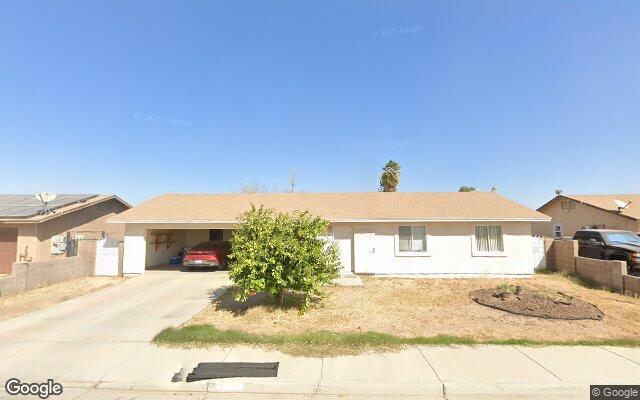
A small home, reviewed on public record.
© Google Street View
Compared to 1,661 Arizona facilities with a similar number of beds.
Care · 36-month window. Higher percentile = better performance on inspection record. Source: Arizona Dept. of Health Services · Bureau of Residential Facilities Licensing.
among peers to rank.
Rankings based on 36-month ADHS inspection data. Severity and frequency: fewer citations = higher percentile. Repeat rate: lower repeat citation share = higher percentile.
Citation history, plotted month by month.
2 deficiencies on record. Each bar is a month with a citation.
Finding distribution
2 total · 36 monthsScope × Severity (CMS A–L)
Every inspection visit, verbatim.
4 inspections in the public record, most recent first. Plain-language summaries open first — click into any row for the full citation text.
2026-06-23Complaint InvestigationNo findings
2026-04-02Complaint InvestigationNo findings
2025-10-27Complaint InvestigationR9-10-113.A.2 · 2 findings
“Based on documentation review, record review, and interview, the manager failed to ensure a personnel record for each employee included documentation of annually providing training and education related to recognizing the signs and symptoms of tuberculosis (TB) to individuals employed by or providing volunteer services for the health care institution, for two of two personnel sampled. The deficient practice posed a potential TB exposure risk to residents. Findings include: 1. A review of the Centers for Disease Control and Prevention (CDC) website revealed a web page titled, "Guidelines for Preventing the Transmission of Mycobacterium tuberculosis in Health-Care Settings, 2005." The web page stated, "All health-care workers (HCWs) should receive training on the prevention, transmission, and symptoms of TB disease that is appropriate to their work responsibilities and setting. Initial training should be provided to all new employees, with annual refresher training thereafter." 2. A review of E1's and E2's personnel records revealed no documentation of training and education related to recognizing the signs and symptoms of TB. 3. In an exit interview, the findings were reviewed with E1, and no additional information was provided.”
“Based on documentation review, record review, observation, and interview, the manager failed to ensure an individual authorized to administer opioids identified the resident's need for an opioid before administering the opioid and the effect of the opioid administered. The deficient practice posed a risk to the physical health and safety of a resident. Findings include: 1. Review of the facility's policy and procedures revealed a policy titled, “POLICY: Medications, Opioids, Narcotics, Controlled Substances, and Preventing Drug Diversion,” which stated, “ 6. When an opioid is administered, the manager or caregiver who is assisting the will: A. Identify the resident’s pain prior to administration (Using pain level to identify 1-10 scale or face expression, upper limb movements, for non-vocal patient assessment will be: body movements, muscle tensions, change in behavior. These will help identify the pain level in a resident. B. Monitor the effect of the medication. C. Identify the results/ effectiveness 30-60 minutes after administration, and D. Document both (a),(b),(c), in the resident’s medical records.” 2. Review of R3’s current service plan, dated July 2025 revealed R5 was not receiving end of life care or had an active malignancy. The service plan also revealed that R3 was receiving medication administration. 3. Review of R3’s signed medication orders revealed, “Methadone 5 mg tab, take 1 tab by mouth 2 times a day.” 4. Review of R3’s medication administration record revealed Methadone 5 mg was administered twice a day from October 1, 2025 to present day. 5. In a medication review, the Compliance Officers observed the blister packs of Methadone 5 mg were empty. 6. Review of R3’s controlled substance count sheet documented the count of the Methadone. 7. Documentation was not available showing R3's need for an opioid before administering the opioid and the effect of the opioid administered. 8. In an interview, E1 reported documenting the pain level of a scheduled opioid was not needed. 9. In an exit interview, the findings were reviewed with E1, and no additional information was provided.”
2024-08-19Annual Compliance VisitNo findings
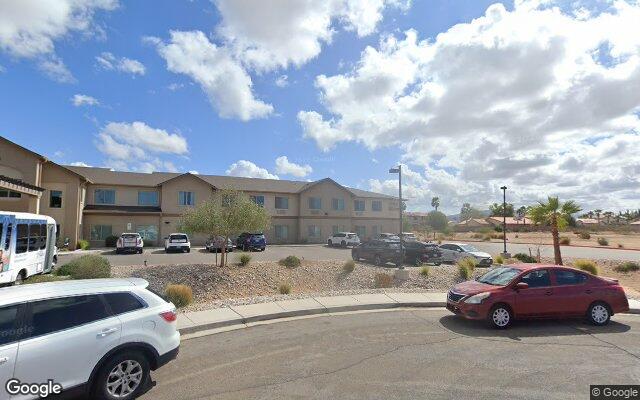
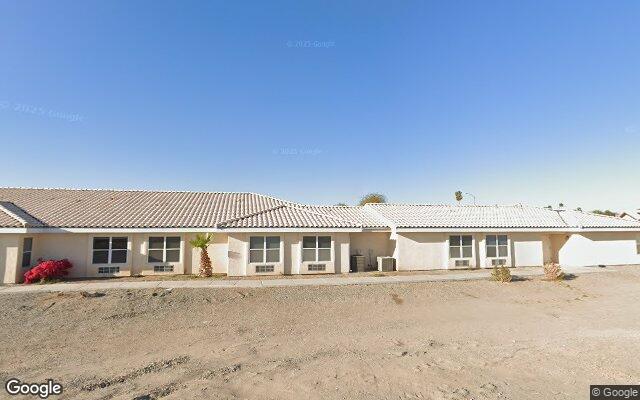
Other facilities in Yuma.
Other memory care facilities near Yuma with similar care offerings.

Full Inspection Record
Family reviews
No reviews yet — be the first to share your experience