Hummingbird Senior Resort Living.

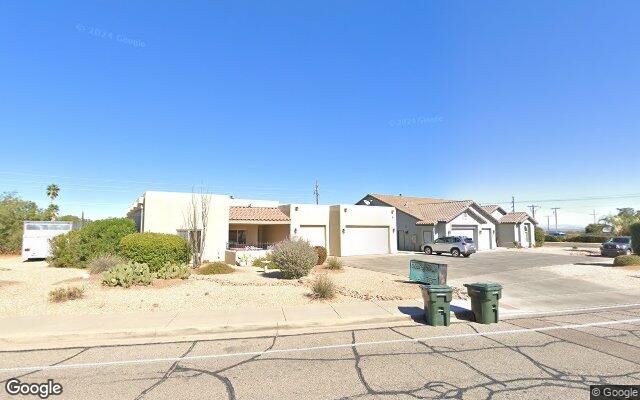
A large home, reviewed on public record.
© Google Street View
Compared to 116 Arizona facilities with a similar number of beds.
Care · 36-month window. Higher percentile = better performance on inspection record. Source: Arizona Dept. of Health Services · Bureau of Residential Facilities Licensing.
among peers to rank.
on file.
Rankings based on 36-month ADHS inspection data. Severity and frequency: fewer citations = higher percentile. Repeat rate: lower repeat citation share = higher percentile.
Citation history, plotted month by month.
53 deficiencies on record. Each bar is a month with a citation.
Finding distribution
53 total · 36 monthsScope × Severity (CMS A–L)
Every inspection visit, verbatim.
6 inspections in the public record, most recent first. Plain-language summaries open first — click into any row for the full citation text.
2025-06-09Complaint InvestigationA.A.C. · 19 findings
“Based on documentation review and interview, the facility failed to maintain a copy of the documentation provided to an emergency provider and documentation of the actions required by subsection B of this section for a period of two years after the date of an emergency. Findings include: 1. A review of R1's medical record revealed R1 had been sent to a hospital on May 8, 2025. However, a copy of the documentation provided to an emergency provider and documentation of the actions required by subsection B of this section was not available for review. 2. A review of R5's medical record revealed R5 had been sent to a hospital on May 24, 2025. However, a copy of the documentation provided to an emergency provider and documentation of the actions required by subsection B of this section was not available for review. 3. In an interview, E1 acknowledged copies of the packet of information given to an emergency responder each time they were called for a resident were not available for review. This is a repeat deficiency from the on-site complaint inspection conducted on November 26, 2024.”
“Based on documentation review, record review, and interview, the health care institution's chief administrative officer failed to ensure the health care institution documented, and implemented tuberculosis (TB) infection control activities required in R9-10-113.A.2.a-f. Findings include: 1. A review of E3's personnel record and R1’s, R2's, R3's, and R5’s medical records revealed documentation of baseline screening and evidence of freedom from infectious TB was not available for review. 2. A review of E5's personnel record revealed negative Mantoux skin tests. However, documentation of baseline screening to include risk assessment and symptom screening was not available for review. 3. A review of E4’s and E6’s personnel records revealed annual training and education related to recognizing the signs and symptoms of TB, to include initial training per R9-10-113.A.1, was not available for review. 4. In an interview, E1 and E2 acknowledged the health care institution had not documented, and implemented tuberculosis infection control activities required in R9-10-113.A.2.a-f. Technical assistance was provided for this rule during the on-site compliance and complaint inspection conducted on April 22, 2024.”
“Based on record review, documentation review, and interview, the governing authority failed to ensure compliance with A.R.S. § 36-411, for four of nine personnel records reviewed. The deficient practice posed a risk if a personnel member was a danger to a vulnerable population. A.R.S. § 36-411 states: "A. Except as provided in subsection F of this section, as a condition of licensure or continued licensure of a residential care institution, a nursing care institution or a home health agency and as a condition of employment in a residential care institution, a nursing care institution or a home health agency, employees and owners of residential care institutions, nursing care institutions or home health agencies, contracted persons of residential care institutions, nursing care institutions or home health agencies or volunteers of residential care institutions, nursing care institutions or home health agencies who provide medical services, nursing services, behavioral health services, health-related services, home health services or direct supportive services and who have not been subject to the fingerprinting requirements of a health professional's regulatory board pursuant to title 32 shall have a valid fingerprint clearance card that is issued pursuant to title 41, chapter 12, article 3.1 or shall apply for a fingerprint clearance card within twenty working days after employment or beginning volunteer work or contracted work. B. A health professional who has complied with the fingerprinting requirements of the health professional's regulatory board as a condition of licensure or certification pursuant to title 32 is not required to submit an additional set of fingerprints to the department of public safety pursuant to this section. C. Each residential care institution, nursing care institution and home health agency shall make documented, good faith efforts to: 1. Contact previous employers to obtain information or recommendations that may be relevant to a person's fitness to work in a residential care institution, nursing care institution or home health agency. 2. Verify the current status of a person's fingerprint clearance card. 3. Beginning January 1, 2025, verify that a potential employee is not on the adult protective services registry pursuant to section 46-459. If a potential employee is found to be on the adult protective services registry, the residential care institution, nursing care institution or home health agency may not hire the potential employee. 4. On or before March 31, 2025, verify that each employee is not on the adult protective services registry pursuant to section 46-459. If an employee is found to be on the adult protective services registry, the residential care institution, nursing care institution or home health agency shall take action to terminate the employment of that employee. 5. Beginning March 31, 2025, annually reverify that each employee is not on the adult protective services registry pursuant to section 46-459. D. An employee, an owner, a contracted person or a volunteer or a facility on behalf of the employee, the owner, the contracted person or the volunteer shall submit a completed application that is provided by the department of public safety within twenty days after the date the person begins work or volunteer service. E. Except as provided in subsection F of this section, a residential care institution, nursing care institution or home health agency shall not allow an employee to continue employment or a volunteer or contracted person to continue to provide medical services, nursing services, behavioral health services, health-related services, home health services or direct supportive services if the person has been denied a fingerprint clearance card pursuant to title 41, chapter 12, article 3.1, has been denied approval pursuant to this section before May 7, 2001 or has had a fingerprint clearance card suspended or revoked. F. An employee, volunteer or contractor of a residential care institution, nursing care institution or home health agency who is eligible pursuant to section 41-1758.07, subsection C to petition the board of fingerprinting for a good cause exception and who provides documentation of having applied for a good cause exception pursuant to section 41-619.55 but who has not yet received a decision is exempt from the fingerprinting requirements of this section if the person provides medical services, nursing services, behavioral health services, health-related services, home health services or direct supportive services to residents or patients while under the direct visual supervision of an owner or employee who has a valid fingerprint clearance card. G. If a person's employment record contains a six-month or longer time frame during which the person was not employed by any employer, a completed application with a new set of fingerprints shall be submitted to the department of public safety. H. For the purposes of this section: 1. "Direct supportive services": (a) Means services other than home health services that provide direct individual care and that are not provided in a common area of a health care institution, including: (i) Assistance with ambulating, bathing, toileting, grooming, eating and getting in and out of a bed or chair. (ii) Assistance with self-administration of medication. (iii) Janitorial, maintenance, housekeeping or other services provided in a resident's room. (iv) Transportation services, including van services. (b) Does not include services provided by persons contracted directly by a resident or the resident's family in a health care institution. 2. "Direct visual supervision" means continuous visual oversight of the supervised person that does not require the supervisor to be in a superior organizational role to the person being supervised. 3. "Home health services" has the same meaning prescribed in section 36-151." Findings include: 1. A review of E1’s personnel record revealed E1 had been hired as a manager in September of 2024. 2. A review of E1's personnel record revealed documented attempts to contact E1's prior employers was not available for review. 3. A review of E3's personnel record revealed E3 had been hired as a caregiver in April of 2025. 4. A review of E3's personnel record revealed a work history listing prior employers and dates of employment was not available for review. 5. A review of E3's personnel record revealed documentation of attempts to contact prior employers was not available for review. 6. A review of E3's personnel record revealed verification of the current status of E3's fingerprint clearance card was not available for review. 7. A review of E4’s personnel record revealed E4 had been hired as a caregiver in March of 2024. 8. A review of E4's personnel record revealed documented attempts to contact E4's prior employers included contact with a single employer. 9. A review of E5’s personnel record revealed E5 had been hired as a caregiver in August of 2024. 10. A review of E5's personnel record revealed documented attempts to contact E5's prior employers was not available for review. 11. In an interview, E1 acknowledged the personnel records provided for E1, E3, E4, and E5 did not include documentation of compliance with all sections of ARS § 36-411.”
“Based on record review and interview the manager failed to ensure a caregiver's or assistant caregiver's skills and knowledge were documented and verified before the caregiver or assistant caregiver provided physical health services or behavioral health services, for one of three sampled caregivers. The deficient practice posed a risk if the employees were unable to meet a resident's needs. Findings include: 1. A review of E3's personnel record revealed E3 was hired as a caregiver in April 2025. However, the personnel record did not contain documentation to indicate E3's skills and knowledge were verified. 2. In an interview, E1 acknowledged E3's personnel records did not contain documentation at the time of the inspection to indicate E3's skills and knowledge were verified before E3 provided physical health services to residents.”
“Based on record review and interview, the manager failed to ensure, before providing assisted living services to a resident, a caregiver received orientation specific to the duties to be performed for one of three caregivers sampled. Findings include: 1. A review of E3’s personnel record revealed E3 was hired as a caregiver in April 2025. However, E3's personnel record did not include documentation of orientation. 2. In an interview, E1 acknowledged E3’s personnel record did not contain documentation of completed orientation.”
“Based on record review and interview, the manager failed to ensure, for four of four sampled residents who were requesting or were expected to receive supervisory care services, personal care services, or directed care services, the resident submitted documentation dated within 90 calendar days before each resident was accepted by the assisted living facility which included whether the resident required continuous medical services, continuous or intermitted nursing services or restraints and which was dated and signed by a registered nurse or medical practitioner. Findings include: 1. A review of R1's, R2's, and R5's medical record revealed a form titled, "Assisted Living Resident Assessment," which was dated and signed by a registered nurse or medical practitioner. This form stated each resident did not require restraints or nursing services. However, the form did not include documentation whether each resident required continuous medical services. 2. A review of R3's medical record revealed the Assisted Living Resident Assessment was not available for review. 3. In an interview, E1 acknowledged the medical records provided for R1, R2, R3, and R5 had not included documentation of compliance with R9-10-807(B)(1)(a-b).”
“Based on record review and interview, the manager failed to ensure there was a documented residency agreement before or at the time of an individual's acceptance by the facility, for one of five sampled residents Findings include: 1. A review of R5's medical record revealed a residency agreement was not available for review. 2. In an interview, E1 acknowledged a residency agreement for R5 had not been provided for review.”
“Based on record review and interview, the manager failed to ensure a resident had a written service plan which included the level of service the resident is expected to receive, for two of five residents sampled. Findings include: 1. A review of R1's and R2's medical records revealed each resident had a service plan. However, the service plans failed to identify the level of service each resident was expected to receive. 2. In an interview E1 acknowledged R1's and R2’s service plans did not include the level of service each resident was expected to receive.”
“Based on record review and interview, the manager failed to ensure, for one of five sampled residents, a service plan included the amount, type, and frequency of assisted living services being provided to the resident, including medication administration or assistance in the self-administration of medication. Findings include: 1. A review of R1's medical record revealed a service plan dated February 28, 2025. However, the service plan did not include medication or assistance in the self-administration of medication. 2. A review of R1's medical record revealed a Medication Administration Record (MAR), dated March 2025. The MAR indicated medication had been administered to R1 during March 2025. 3. A review of R1's medical record revealed a MAR dated April 2025. The MAR indicated R1 self-administered all medications. 4. In an interview, E1 acknowledged the service plan for R1 had not included the amount, type, and frequency of assisted living services being provided to E1, including medication administration or assistance in the self administration of medications”
“Based on record review, and interview, the manager failed to ensure a resident's written service plan included the psychosocial interactions or behaviors for which the resident required assistance; the psychotropic medications ordered for the resident; the planned strategies and actions for changing the resident's psychosocial interactions or behaviors; and the goals for changes in the resident's psychosocial interactions or behaviors, for one of one resident reviewed who required behavioral care. The deficient practice posed a risk as the service plan did not reinforce and clarify services to be provided to a resident. R9-10-101(29) defines "Behavioral care" a. means limited behavioral health services, provided to a patient whose primary admitting diagnosis is related to the patient's need for physical health services, that include: i. Assistance with the patient's psychosocial interactions to manage the patient's behavior that can be performed by an individual without a professional license or certificate including: (1) Direction provided by a behavioral health professional, and (2) Medication ordered by a medical practitioner or behavioral health professional; or ii. Behavioral health services provided by a behavioral health professional on an intermittent basis to address the patient's significant psychological or behavioral response to an identifiable stressor or stressors; and b. Does not include court-ordered behavioral health services. Findings include: 1. A review of R5's medical record revealed an incident report dated May 24, 2025. The incident report stated, "...saying [R5] needs to go to the hospital needs help and wants to die....[R5] was choking [themselves] with the ac cord." 2. A review of R5’s medical record revealed a form titled, "Assisted Living Resident Assessment," signed and dated January 16, 2024 by a medical practitioner, which stated R5 required behavioral health services. 3. A review of R5’s medical record revealed a list of medication orders dated October 1, 2024, which included the following psychotropic medications: - "Escitalopram, 10 MG Tablet, give 1.5 tablets by mouth daily for depression"; - "Mirtazapine 30 MG tabs, take one tablet by mouth at bedtime for depression"; and - "Quetiapine Fumarate 25 mg tabs, twice a day - administer 1 tablet by mouth at 8 am and 5 pm." 4. A review of R5's medical record revealed discharge information from a hospital, dated January 11, 2024. The discharge summary included the following history: - On 01/10/2024, R5 was found on the floor following an altercation with another patient - On 01/09/2024, R5 was tearful, stated, "I want to kill myself," stated R5 did not have a plan, "No. Just want to be gone, gone," and was placed with a 1:1 sitter - On 01/09/2024, an inpatient psychiatry note indicated R5 was admitted to the hospital in November 2023 after eviction from a previous facility. This note stated, "[R5] still feels depressed with continued feeling of wanting to die. [R5] confirms again [R5] does not have any intent or plan. when asked if [R5] recalls why [R5] needed to come to the VA, [R5] shakes [their] head no." and also stated, "[R5] has expressed feeling of depression with intermittent suicidal ideation without intent or plan over the course of his hospitalization. [R5] has a well documented pattern of expressing SI and not attempting to harm [themselves.] On 01/08/23, [R5] again expressed death wish to nursing staff and on formal assessment ... Primary concern is for adjustment disorder with increased depressed mood overlaying [R5's] likely neurocognitive disorder....patient would most benefit from modified communication styles when teams are interacting with [R5]. [R5] is able to effectively communicate when asked yes or no questions or given 1-step commands. Patient did not have any behavioral disturbances while on medical floor, and prior episodes from care home and on unit in the past may be reflective of poor frustration tolerance. would recommend attempting behavioral modifications first." - On 01/08/2024, a note stating, "called to see patient on unit today after [R5] told NP that [R5] wanted to die. I had seen this patient on 11/24/23 for the same issue. - On 1/07/2024, a history noted R5 was in the hospital because R5 had been evicted from another assisted living facility after pushing another resident and breaking their hip. 5. During the on-site inspection, the Compliance Officer requested to review documentation of the behavioral health services being provided to R5, however, these records were not available for review. 6. A review of R5’s medical record revealed a service plan, dated January 26, 2024 for directed care services. However, the service plan did not include a description of R5's pattern of expressing suicidal ideation, or previous aggression with other residents, the service plan did not list the psychotropic medications ordered for the resident, did not include planned strategies and actions for changing R5's psychosocial interactions or behaviors, and did not include goals for changes in R5's psychosocial interactions or behaviors. 7. In an interview, E1 acknowledged R5’s service plan did not include documentation of all requirements for behavioral care found in R9-10-808(A)(3)(e)(1-4).”
“Based on record review and interview, for one of one resident reviewed who required behavioral care, the manager failed to ensure a resident had a written service plan which included review by a medical practitioner or behavioral health professional. Findings include: 1. A review of R5's medical record revealed R5 required behavioral care. R5's medical record included a service plan dated January 26, 2024. However, the service plan did not include review by a medical practitioner or behavioral health professional. 2. In an interview, E1 acknowledged R5's medical record had not included review by a medical practitioner or behavioral health professional.”
“Based on record review and interview, the manager failed to ensure, for two of two sampled residents who received directed care services, a resident had a written service plan which was reviewed and updated at least once every three months. Findings include: 1. A review of R3's medical record revealed a service plan, dated February 12, 2025, for directed care services. However, an updated service plan, dated on or before May 12, 2025, was not available for review. 2. A review of R5's medical record revealed a service plan, dated January 25, 2025, for directed care services. However, an updated service plan, dated on or before April 25, 2025, was not available for review. 3. In an interview, E1 acknowledged documentation of service plan updates, dated at least once every three months, had not been provided for R3 and R5.”
“Based on record review and interview, the manager failed to ensure a resident had a written service plan that, when initially developed and when updated, was signed and dated by the resident or resident’s representative, the manager, and the nurse or medical practitioner who reviewed the service plan, for three of five residents sampled. The deficient practice posed a risk if the service plan was not developed to articulate decisions and agreements. Findings include: 1. A review of R1’s, R2's, and R5’s medical records revealed each resident had a service plan. However, for each resident, the service plans provided for review did not include any signatures. 2. In an interview, E1 acknowledged the service plans provided for R1, R2, and R5 were not signed and dated by the resident or resident’s representative, the manager, and the nurse or medical practitioner who reviewed the service plan. This is a repeat deficiency from the on-site complaint inspections conducted on November 26, 2024 and December 20, 2024.”
“Based on record review and interview, the manager failed to ensure the caregiver documented the services provided in the resident's medical record, for four of four residents reviewed who required services. The deficient practice posed a risk as services could not be verified as provided against a service plan. Findings include: 1. A review of R1's, R2's, R3's and R5's medical records revealed each resident had a service plan with detailed the services which would be provided to each resident, such as supervision, vitals monitoring, and assistance with activities of daily living. 2. A review of R1's, R2's, R3's, and R5's medical records revealed completed documentation of services provided to each resident was not available for review. 3. In an interview, E1 acknowledged the facility failed to accurately document the services provided in a residents medical record. This is a repeat deficiency from the compliance and complaint inspection conducted on April 16 2024, and the complaint investigation conducted on November 26, 2024.”
“Based on record review and interview, for one of one sampled resident who required behavioral care, the manager failed to ensure a behavioral health professional or medical practitioner reviewed the assisted living facility's scope of services and signed and dated a determination stating the resident's need for behavioral care could be med by the assisted living facility within the assisted living facility's scope of services initially and at least once every six months throughout the duration of the resident's need for behavioral care. Findings include: 1. A review of R5's medical record revealed an incident report dated May 24, 2025. The incident report stated, "...saying [R5] needs to go to the hospital needs help and wants to die....[R5] was choking [themselves] with the ac cord." 2. A review of R5’s medical record revealed a form titled, "Assisted Living Resident Assessment," signed and dated January 16, 2024 by a medical practitioner, which stated R5 required behavioral health services. 3. A review of R5’s medical record revealed a list of medication orders dated October 1, 2024, which included the following psychotropic medications: - "Escitalopram, 10 MG Tablet, give 1.5 tablets by mouth daily for depression"; - "Mirtazapine 30 MG tabs, take one tablet by mouth at bedtime for depression"; and - "Quetiapine Fumarate 25 mg tabs, twice a day - administer 1 tablet by mouth at 8 am and 5 pm." 4. A review of R5's medical record revealed discharge information from a hospital, dated January 11, 2024. The discharge summary included the following history: - On 01/10/2024, R5 was found on the floor following an altercation with another patient - On 01/09/2024, R5 was tearful, stated, "I want to kill myself," stated R5 did not have a plan, "No. Just want to be gone, gone," and was placed with a 1:1 sitter - On 01/09/2024, an inpatient psychiatry note indicated R5 was admitted to the hospital in November 2023 after eviction from a previous facility. This note stated, "[R5] still feels depressed with continued feeling of wanting to die. [R5] confirms again [R5] does not have any intent or plan. when asked if [R5] recalls why [R5] needed to come to the VA, [R5] shakes [their] head no." and also stated, "[R5] has expressed feeling of depression with intermittent suicidal ideation without intent or plan over the course of his hospitalization. [R5] has a well documented pattern of expressing SI and not attempting to harm [themselves.] On 01/08/23, [R5] again expressed death wish to nursing staff and on formal assessment ... Primary concern is for adjustment disorder with increased depressed mood overlaying [R5's] likely neurocognitive disorder....patient would most benefit from modified communication styles when teams are interacting with [R5]. [R5] is able to effectively communicate when asked yes or no questions or given 1-step commands. Patient did not have any behavioral disturbances while on medical floor, and prior episodes from care home and on unit in the past may be reflective of poor frustration tolerance. would recommend attempting behavioral modifications first." - On 01/08/2024, a note stating, "called to see patient on unit today after [R5] told NP that [R5] wanted to die. I had seen this patient on 11/24/23 for the same issue. - On 1/07/2024, a history noted R5 was in the hospital because R5 had been evicted from another assisted living facility after pushing another resident and breaking their hip. 5. A review of R5's medical record revealed a determination, signed by a behavioral health professional or medical practitioner, and dated before acceptance and every six months throughout the duration of R5's residency at the facility, was not available for review. 6. In an interview, E1 acknowledged R5's medical record had not included documentation of compliance with behavioral care rules.”
“Based on records review, documentation review, and interview, the manager failed to ensure a medication was administered to a resident in compliance with a medication order, for one of four residents sampled who received medication administration. The deficient practice posed a risk if the resident experienced a change in condition due to improper administration of medication. Findings include: 1. A review of R3's medical record revealed a service plan, dated February 12, 2025, for directed care services including medication administration. 2. A review of R3's medical record revealed a signed list of medications, dated October 1, 2024, which included, "Olanzapine, 5 mg tablet, give 1 tablet by mouth daily at bedtime - 8 PM. Indicated for mental health." 3. A review of R3's medical record revealed an electronic Medication Administration Record (eMAR) dated May 9 through June 9, 2025. The eMAR documented the medications administered to R3 each day. However, the eMAR documented R3 had not received Olanzapine between May 9, 2025 and May 25, 2025. The eMAR had been marked with an exception on each day due to, "Awaiting Pharmacy Delivery." 4. In an interview, E1 acknowledged Olanzapine had not been administered to R3 as ordered. This is a repeat deficiency from the on-site compliant inspection conducted on November 26, 2024.”
“Based on observation, record review, and interview, the manager failed to ensure that medication stored by the facility was stored in a separate locked room, closet, cabinet, or self-contained unit used only for medication storage. The deficient practice posed a risk to residents who were unable to self-administer medications. Findings include: 1. During an environmental tour of the facility, the Compliance Officer observed acetaminophen and aspirin in R2's room on a shelf above the kitchenette sink. 2. A review of R2’s medical record revealed a service plan dated April 3, 2025, which included medication administration. 3. In an interview, E1 acknowledged medication required to be stored by the facility was not stored in a separate locked room, closet, cabinet or self-contained unit used only for medication storage. This is a repeat deficiency from the on-site compliance and complaint inspection conducted on April 16, 2024.”
“Based on documentation review and interview, the manager failed to ensure a caregiver or an assistant caregiver documented the immediate notification of a resident's emergency contact and primary care provider when a resident had an accident, emergency or injury and needed medical services. The deficient practice posed a potential risk of re-injury if a resident did not receive adequate follow-up care. Findings include: 1. A review of R1’s medical record revealed an incident report. The incident report had been completed on May 19, 2025 and the incident date was May 8, 2025. The incident report indicated R1 had fallen and hit their head. However, the incident report did not document the immediate notification of R1's primary care provider or emergency contact. 2. A review of R5's medical record revealed an incident report for an incident on May 24, 2025. The incident report indicated R5 was attempting to harm themselves and was sent to the hospital. However, the incident report did not document the immediate notification of R1's emergency contact. 3. In an interview, E1 acknowledged documentation of the immediate notification of each resident's emergency contact and primary care provider at the time of each incident had not been provided for review.”
“Based on record review and interview, when a resident had an accident, emergency, or injury that resulted in the resident needing medical services, the manager failed to ensure a caregiver or an assistant caregiver documented the names of individuals who observed the accident, emergency, or injury, the actions taken by the caregiver or assistant caregiver, or the individuals notified by the caregiver or assistant caregiver. Findings include: 1. A review of R1's medical record revealed an incident report dated May 8, 2025. The incident report included the date and time of the emergency, and included a description of the emergency. However, the incident report did not include the names of individuals who observed the accident, emergency, or injury, the actions taken by the caregiver or assistant caregiver, or the individuals notified by the caregiver or assistant caregiver. 2. In an interview, E1 acknowledged the provided incident report for R1 had not included all required information.”
2025-02-26Complaint InvestigationA.A.C. · 11 findings
“36-420.04. Emergency responders; patient information; hospitals; discharge planning; patient screenings; discharge document D. An assisted living center or assisted living home shall maintain a copy of the document provided to the emergency responder and documentation of the actions required by subsection B of this section for a period of two years after the date of the emergency.”
“A. Except as required in subsection (B), a manager shall ensure that a resident has a written service plan that: 1. Is completed no later than 14 calendar days after the resident's date of acceptance;”
“A. Except as required in subsection (B), a manager shall ensure that a resident has a written service plan that: 3. Includes the following: a. A description of the resident's medical or health problems, including physical, behavioral, cognitive, or functional conditions or impairments; b. The level of service the resident is expected to receive; c. The amount, type, and frequency of assisted living services being provided to the resident, including medication administration or assistance in the self-administration of medication; d. For a resident who requires intermittent nursing services or medication administration, review by a nurse or medical practitioner; e. For a resident who requires behavioral care: i. Any of the following that is necessary to provide assistance with the resident's psychosocial interactions to manage the resident's behavior: (1) The psychosocial interactions or behaviors for which the resident requires assistance, (2) Psychotropic medications ordered for the resident, (3) Planned strategies and actions for changing the resident's psychosocial interactions or behaviors, and (4) Goals for changes in the resident's psychosocial interactions or behaviors; and ii. Review by a medical practitioner or behavioral health professional; and f. For a resident who will be storing medication in the resident's bedroom or residential unit, how the medication will be stored and controlled;”
“A. Except as required in subsection (B), a manager shall ensure that a resident has a written service plan that: 4. Is reviewed and updated based on changes in the requirements in subsections (A)(3)(a) through (f): b. As follows: i. At least once every 12 months for a resident receiving supervisory care services, ii. At least once every six months for a resident receiving personal care services, and iii. At least once every three months for a resident receiving directed care services; and”
“A. Except as required in subsection (B), a manager shall ensure that a resident has a written service plan that: 5. When initially developed and when updated, is signed and dated by: a. The resident or resident's representative; b. The manager; c. If a review is required in subsection (A)(3)(d), the nurse or medical practitioner who reviewed the service plan; and d. If a review is required in subsection (A)(3)(e)(ii), the medical practitioner or behavioral health professional who reviewed the service plan.”
“C. A manager shall ensure that: 1. A caregiver or an assistant caregiver: g. Documents the services provided in the resident's medical record; and”
“F. In addition to the requirements in R9-10-808(A)(3), a manager shall ensure that the service plan for a resident receiving personal care services includes: 1. Skin maintenance to prevent and treat bruises, injuries, pressure sores, and infections; 2. Offering sufficient fluids to maintain hydration; 3. Incontinence care that ensures that a resident maintains the highest practicable level of independence when toileting; and 4. If applicable, the determination in subsection (B)(2)(b)(iii).”
“C. In addition to the requirements in R9-10-808(A)(3), a manager shall ensure that the service plan for a resident receiving directed care services includes: 1. The requirements in R9-10-814(F)(1) through (3); 2. If applicable, the determination in R9-10-814(B)(2)(b)(iii); 3. Cognitive stimulation and activities to maximize functioning; 4. Strategies to ensure a resident's personal safety; 5. Encouragement to eat meals and snacks; 6. Documentation: a. Of the resident's weight, or b. From a medical practitioner stating that weighing the resident is contraindicated; and 7. Coordination of communications with the resident's representative, family members, and, if applicable, other individuals identified in the resident's service plan.”
“B. If an assisted living facility provides medication administration, a manager shall ensure that: 3. A medication administered to a resident: b. Is administered in compliance with a medication order, and”
“A. A manager shall ensure that: 6. A resident is provided a diet that meets the resident's nutritional needs as specified in the resident's service plan;”
“D. When a resident has an accident, emergency, or injury that results in the resident needing medical services, a manager shall ensure that a caregiver or an assistant caregiver: 1. Immediately notifies the resident's emergency contact and primary care provider; and”
2024-12-20Complaint InvestigationA.A.C. · 5 findings
“Based on record review and interview, the manager failed to ensure a caregiver documented the services provided in the resident's medical record, for five of five residents sampled. The deficient practice posed a risk if services were not provided to meet a residents needs. Findings include: 1. A review of R1's, R2's, R3's, R4's and R5's medical record revealed current service plans for each resident which detailed the services to be provided to each. 2. A review of R1's, R2's, R3's, R4's and R5's medical records revealed documents titled, "Service Delivery Record," used for documenting activities of daily living (ADL) in the month of December 2025. These sheets included spaces for a caregiver to indicate having provided services listed in each residents service plan, to the resident during each calendar day. However, R1's, R2's, R3's, R4's and R5's ADL included multiple omissions or gaps where services had not been documented to have been provided. 3. In an interview, E1 acknowledged the services provided to R1, R2, R3, R4, and R5 had not been accurately documented in each resident's medical record. This is a repeat citation from a complaint investigation conducted on November 26, 2024.”
“Based on documentation review, observation, and interview, the manager failed to ensure the means of exiting the facility for a resident who does not have a key, special knowledge for egress, or the ability to expend increased physical effort, controlled or alerted employees of the egress of a resident from the facility. The deficient practice posed a risk if the facility was unaware of the general or specific whereabouts of a resident. Findings include: 1. A review of the license issued by the Department revealed the facility was authorized to provide directed care services. 2. During a tour of the facility's secure memory care unit, the Compliance Officer observed a door leading out to a courtyard which allowed residents to be a least 30 feet away from the facility. The door was not equipped with a locking mechanism, and could be opened by pushing on the push bar mechanism. The door was equipped with a device intended to alert employees to the egress of a resident to the outside area, however the device did not sound an alert when the Compliance Officer pressed the push bar and opened the door with little effort. 3. During an interview, E1 acknowledged there was a means of exiting the facility which allowed residents to be at least 30 feet away from the facility, which did not control or alert employees of the egress of a resident.”
“Based on record review and interview, the manager failed to ensure a medication administered to a resident was administered in compliance with a medication order for two of five residents sampled. The deficient practice posed a risk if the resident experienced a change in condition due to improper administration of medication. Findings include: 1. A review of R1's medical record revealed a current service plan which indicated R1 received medication administration. R1's medical record contained a medication order, dated October 17, 2024, for "Pantoprazole Sodium 20 MG TBEC - Daily - Take 1 tablet by mouth one-half hour before breakfast," and "Ropinirole HCL 0.25 MG Tabs - evening - take one tablet by mouth daily, 1 to 3 hours before bedtime - 5PM." In addition, R1's medical record contained a medication administration record (MAR) for December 2024. The record reflected Pantoprazole Sodium 20 MG was not administered to R1 from December 1 through December 11, 2025. Similarly, the record reflected Ropinirole HCL 0.25 MG was not administered to R1 from December 1 through December 10, 2025. Further review of R1's medical record revealed a progress note, dated July 16, 2024, which stated, "Spoke with PCP about refills for PANTOPRAZOLE & ROPINIROLE- both medications have been discontinued. PCP requested that the resident be seen in office to update med list- CG left voicemail for POA regarding making an appt." 2. A request was made to review any discontinue orders pertaining to Pantoprazole Sodium and/or Ropinirole HCL prescribed to R1. However, evidence of documentation of any discontinue orders were unavailable for review. 3. A review of R4's medical record revealed a current service plan which indicated R4 received medication administration. R4's medical record contained a medication order, dated November 19, 2024, for "ELIQUIS 2.5 MG TABLET - Twice a day - TAKE 1 TABLET BY MOUTH TWICE DAILY FOR 30 DAY(S) - 8AM, 8PM." In addition, R4's medical record contained a MAR for December 2024. The record reflected Eliquis 2.5 mg Tablet was not administered to R4 on December 14, 2024, at 8 p.m., or on December 15 through 19, 2024 at either 8 a.m. or 8 p.m. Lastly, the MAR reflected Eliquis 2.5 mg was not administered on December 20, 2024, at 8 a.m. 4. In an interview E1 acknowledged R1 and R4 were not being administered medication as ordered.”
“Based on observation and interview, the manager failed to ensure that medication was stored in a separate locked room, closet, cabinet, or self-contained unit used only for medication storage. Findings include: 1. During a tour of the facility, the Compliance Officer observed a residential unit with the entry door open. The Compliance Officer entered the residential unit and observed R6 sleeping in their bed. The Compliance Officer observed a closet next to the entry door. The closet door was open and the Compliance Officer observed several medications on the shelf inside the closet, which were unsecured. The medications included the following: - Lidocaine Pain Relief 4% Patch; - Haloperidol 2 mg/ml; - Prochlorperazine Maleate 10 mg; - Acetaminophen 650 mg suppository; and - CP Hyoscayam 0.12 mg. 2. In an interview, E1 advised R6 received medication administration and should not have the medications stored in their room. E1 acknowledged that medications were not stored in in a self-contained unit used only for medication.”
“Based on document review and interview, the manager failed to ensure when a resident had an incident resulting in the resident needing medical services, a caregiver documented the action taken to prevent the incident from occurring in the future, for one of four reports reviewed where a resident was involved in an incident resulting in the resident needing medical services. Findings include: 1. Review of facility documentation revealed four internal incident reports between October 1, 2024 and December 19, 2024, involving residents who suffered injury requiring medical services. All four reports documented the date, time and description of the incident, the injury, the names of any witnesses and the actions taken by the caregiver. However, a review of the report dated December 9, 2024 revealed evidence of documentation of any action taken to prevent the accident or injury from occurring the future was not available for review. 2. In an interview, E1 acknowledged the report dated December 19, 2024 did not include documentation showing the action taken to prevent the incident from occurring in the future.”
2024-11-26Complaint InvestigationA.A.C. · 11 findings
“Based on documentation review, record review, and interview, the assisted living center failed to maintain a copy of the documentation provided to an emergency responder, for one of one sampled residents for whom an emergency responder had been contacted. Findings include: 1. A review of facility incident reports revealed an incident report for R1, dated October 6, 2024 at 9:15 PM. The incident report stated, "CG went into room to check resident and found resident on the floor. CG called for assistance from CG float to assist resident. Resident was assisted up after being checked and asked if [they] hit [their] head. Resident stated no [they] just fell on [their] bottom trying to change. Resident was assisted in changing [their] clothes by both caregivers and during this time resident lost consciousness and was caught by CG. CG called resident's name and checked [their] face with no response. Resident was put in [their] side due to incident looking like resident was having a seizure. CG called 911, On call manager, and POA. Resident regained consciousness and caregiver checked for signs of possible stroke. Resident was a little confused but mostly alert. Resident's family came and requested EMT's take resident to be checked on just in case." The incident report documented R1's emergency contact was notified at 9:27 AM (12 hours prior to the incident), however, documentation of the immediate notification of R1's primary care provider was not available for review. 2. A review of R1's medical record revealed a copy of any documentation given to the emergency responder was not available for review. 3. In an interview, E1 acknowledged documentation of what was given to the emergency responder for R1 was not provided for review.”
“Based on record review and interview, the manager failed to ensure a resident had a written service plan completed no later than 14 calendar days after the resident's date of acceptance, for two of five residents sampled. The deficient practice posed a risk as there was no service plan to direct services to be provided to a resident. Findings include: 1. A review of R4's and R5's medical record revealed a service plan was not available for review. Based on each resident's admission date, a complete service plan was required. 2. In an interview, E1 acknowledged completed service plans for R4 and R5 had not been provided for review.”
“Based on record review and interview, the manger failed to ensure, for three of three residents sampled who had a service plan, each resident had a written service plan which included a description of the resident's medical or health problems, including physical, behavioral, cognitive, or functional conditions or impairments, the level of service the resident is expected to receive, to include supervisory, personal, or direct care services, the amount, type, and frequency of assisted living services being provided to the resident, including medication administration or assistance in the self-administration of medication, and for residents who required intermittent nursing services or medication administration, review by a nurse or medical practitioner. The deficient practice posed a risk as the service plan did not reinforce and clarify services to be provided to a resident. Findings include: 1. A review of R1's, R2's, and R3's medical record revealed written service plans. However, the service plans did not include the level of service each resident was expected to receive, whether each resident would receive, "medication administration" or, "assistance in the self-administration of medication," a description of each resident's medical or health problems, including physical, behavioral, cognitive, or functional conditions or impairments, or review by a nurse. 2. In an interview, E1 acknowledged the provided service plans, for R1, R2, and R3, had not included all required components.”
“Based on record review and interview, the manager failed to ensure a resident had a written service plan, reviewed and updated at least once every 12 months for a resident receiving supervisory care services, at least once every six months for a resident receiving personal care services, and at least once every three months for a resident receiving directed care services. Findings include: 1. In an interview, E1 reported one section of the facility was for directed care residents and was a secure memory care unit, and the rest of the facility was for supervisory and personal care residents and was referred to as assisted living. E1 reported the third floor had only independent tenants who did not receive services or have service plans. 2. A review of R1's medical record revealed a written service plan for "AL" services which did not specify a level of care. However, the service plan did not state what date it had been created or updated, or what changes had been made. The Compliance Officer requested to review the prior service plan for R1, however, a previous service plan was not available for review. 2. A review of R2's medical record revealed a written service plan for "MC" services which did not specify a level of care. A review of the service plan revealed some services were effective on January 26, 2024, and some services were effective on June 30, 2024, a gap of more than three months, however, the service plan did not state what date it had been created or updated, or what changes had been made. 3. A review of R3's medical record revealed a written service plan for "AL" services which did not specify a level of care. However, the service plan did not state what date it had been created or updated, or what changes had been made. 4. A review of R4's and R5's medical records revealed a written service plan was not available for review. 5. In an interview, E1 reported not being fully confident navigating the facility's electronic health record software, and acknowledged the service plans provided had not included the dates and signatures of each periodic update.”
“Based on record review and interview, the manager failed to ensure a resident had a written service plan signed and dated by the resident or resident's representative, the manager, or the nurse who reviewed the service plan, when initially developed and when updated, for three of three residents sampled who had available service plans. The deficient practice posed a risk if the service plan was not developed to articulate decisions and agreements. Findings include: 1. A review of R1's medical record revealed a written service plan. However, the service plan was not signed and dated by the resident or the resident's representative, the manager, or the nurse who reviewed the service plan. Based on R1's date of admission, the service plan was required. 2. A review of R2's medical record revealed a written service plan. However, the service plan was not signed and dated by the resident or the resident's representative, the manager, or the nurse who reviewed the service plan. Based on R2's date of admission, the service plan was required. 3. A review of R3's medical record revealed a written service plan. However, the service plan was not signed and dated by the resident or the resident's representative, the manager, or the nurse who reviewed the service plan. Based on R3's date of admission, the service plan was required. 4. In an interview, E1 acknowledged the service plans provided for R1, R2 and R3 did not include all required signatures.”
“Based on record review and interview, the manager failed to ensure a caregiver documented the services provided in the resident's medical record, for five of five residents sampled. The deficient practice posed a risk as services could not be verified as provided against a service plan. Findings include: 1. A review of R1's, R2's, and R3's medical records revealed service plans for each resident which detailed the services to be provided to each, including tracking blood pressure and oxygen saturation daily. 2. A review of R1's, R2's, and R3's medical records revealed documents titled, "Service Delivery Record" (ADL). These documents included one space per day for each service and included a number in each space stating how many times the service had been provided. However, all reviewed ADLs included multiple omissions or gaps where services had not been documented to have been provided, where a service required multiple times per day had only been marked to have been provided one time or two times, or where a service had been marked as "Canceled" without documentation of the reason for the exception. Additionally the ADL's did not indicate who had provided the service, or during which shift a service had been provided. 3. A review of R1's and R2's medical records revealed documents titled, "Blood Pressure, Pulse, Pulse Oximeter," (Vital Record). These documents included spaces for each day to record each resident's blood pressure, pulse, and oxygen saturation. However, all reviewed vital records included multiple omissions or gaps where this information had not been documented. Additionally, R2's vital record included many duplicate entries, where R2's blood pressure had been documented to have been identical in the morning and the afternoon each day. 4. A review of R4's medical record revealed a service plan was not available for review. 5. A review of R4's medical record revealed an ADL dated November 2024. The ADL included one service, "Hydration: Reminders." However, this service included multiple gaps or omissions where this service had not been documented to have been provided. 6. During the on-site inspection, the Compliance Officer requested to review R5's service plan and ADL documentation, however, this documentation was not provided for review. 7. In an interview, E1 acknowledged the services provided to R1, R2, R3, R4, and R5 had not been accurately documented in the records provided for review.”
“Based on record review, documentation review, and interview, the manager failed to ensure service plans for residents receiving personal care services included skin maintenance to prevent and treat bruises, injuries, pressure sores, and infections, offering sufficient fluids to maintain hydration, and incontinence care that ensures that a resident maintains the highest practicable level of independence, for one of two sampled residents who received personal care services and had service plans available for review. Findings include: 1. A review of R3's medical record revealed a service plan which did not state a level of care. However, the services listed in the service plan included personal care services and R3 did not reside in the memory care unit. The service plan did not include the following: - Skin maintenance to prevent and treat bruises, injuries, pressure sores, and infections; - Offering sufficient fluids to maintain hydration; and - Incontinence care to ensure R3 maintained the highest practicable level of independence. 2. In an interview, E1 acknowledged the sampled service plan for R3 did not all include a description of the type, amount, and frequency of services R3 required regarding skin maintenance to prevent and treat bruises, injuries, pressure sores, and infections, offering sufficient fluids to maintain hydration, and incontinence care that ensures that a resident maintains the highest practicable level of independence.”
“Based on record review and interview, the manager failed to ensure the service plan for a resident receiving directed care services included the requirements in R9-10-815(C)(1-7), for one of one directed care residents sampled. Findings include: 1. A review of R2's medical record revealed an undated service plan. The service plan did not specify a level of care, but did state R2 was in, "MC." (memory care) However, the service plan did not include the following: - The requirements in R9-10-814(F)(1) through (3); - Cognitive stimulation and activities to maximize functioning; - Strategies to ensure a resident's personal safety; and - Documentation of the resident's weight. 2. In an interview, E1 acknowledged the service plan provided for R2's did not include all of the requirements in R9-10-815(C)(1-7).”
“Based on record review, observation, and interview, the manager failed to ensure a medication administered to a resident was administered in compliance with a medication order, for one of five sampled residents. The deficient practice posed a risk if the resident experienced a change in condition due to improper administration of medication. Findings include: 1. A review of R2's medical record revealed a list of medication orders, dated January 18, 2024, which included the following: - "Metoprolol Tab, CA,Give: 50 MG PO Daily, for Blood Pressure **Hold for systolic BP < 100, Pulse < 60"; - "Mirtazepine 7.5 MG Tab, Give 15 MG PO HS"; and - "Trazodone TAB, Give 50MG PO QHS." 2. A review of R2's medical record revealed an order, dated October 21, 2024, which stated, "Increase Metoprolol to 125 mg daily. Please check pulse daily." 3. A review of R2's medical record revealed a Medication Administration Record (MAR) dated October, 2024. The MAR indicated Metoprolol 50 MG had been administered on each day in October 2024, including after the ordered change to 125 milligrams on October 21, 2024. However, the MAR did not include R2's pulse on any day in October 2024. Additionally, the MAR indicated R2 had not received Mirtazapine between October 20 and October 30, and had not received Trazodone between October 14 and October 31. 4. A review of R2's medical record revealed a document titled, "Blood Pressure, Pulse, Pulse Oximetry." This document had a space to record R2's pulse, however, R2's pulse had not been documented during the month of October, 2024. 5. In an interview, E1 acknowledged mediations had not been administered to R2 in compliance with a medication order.”
“Based on record review and interview, the manager failed to ensure a resident was provided a diet that met the resident's nutritional needs as specified in the resident's service plan, for five of five sampled residents. Findings include: 1. A review of R1's, R2's and R3's service plans revealed a diet was not specified, to include a regular diet as applicable. 2. During the on-site inspection, the Compliance Officer requested to review R4's and R5's service plans, however, service plans were not provided for review. 3. In an interview, E1 acknowledged the available service plans did not specify the diet which would be provided to each resident to meet their nutritional needs.”
“Based on documentation review and interview, the manager failed to ensure when a resident had an incident resulting in the resident needing medical services, a caregiver immediately notified the resident's emergency contact and primary care provider, for two of two residents reviewed who had an accident, emergency, or injury resulting in the resident needing medical services. The deficient practice posed a risk if the resident did not receive adequate follow-up care. Findings include: 1. A review of facility incident reports revealed an incident report for R1, dated October 6, 2024 at 9:15 PM. The incident report stated, "CG went into room to check resident and found resident on the floor. CG called for assistance from CG float to assist resident. Resident was assisted up after being checked and asked if [they] hit [their] head. Resident stated no [they] just fell on [their] bottom trying to change. Resident was assisted in changing [their] clothes by both caregivers and during this time resident lost consciousness and was caught by CG. CG called resident's name and checked [their] face with no response. Resident was put in [their] side due to incident looking like resident was having a seizure. CG called 911, On call manager, and POA. Resident regained consciousness and caregiver checked for signs of possible stroke. Resident was a little confused but mostly alert. Resident's family came and requested EMT's take resident to be checked on just in case." The incident report documented R1's emergency contact was notified at 9:27 AM (12 hours prior to the incident), however, documentation of the immediate notification of R1's primary care provider was not available for review. 2. A review of R2's medical record revealed a document titled, "Blood Pressure, Pulse, Pulse Oximetry," which documented R2's blood pressure, pulse, and oxygen saturation. This log included the following dates and times when R2's systolic blood pressure was over 180/120, indicating R2 was having a hypertensive crisis, an emergency requiring immediate medical services: - November 20, 2024 at 9:05 AM, 216/190; - November 21, 2024 at 7:58 AM, 200/160; - November 21, 2024 at 5:22 PM, 200/160; and - November 23, 2024 at 8:33 AM, 197/130. 3. A review of R2's medical record revealed documentation of incident reports or medical services provided to R2 on the aforementioned dates and times were not available for review. 4. In an interview, E1 acknowledged documentation of the immediate notification of R1's and R2's emergency contacts and primary care providers, when each resident had an emergency, were not available for review.”
2024-08-19Complaint InvestigationNo findings
2024-04-16Complaint InvestigationA.A.C. · 7 findings
“Based on record review and interview, the manager failed to ensure documentation required by this Article was provided to the Department within two hours after a Department request. The deficient practice posed a risk as the Department was unable to determine substantial compliance as the licensee did not provide the Department with the requested documentation required by this Article. Findings include: 1. On April 16, 2024, the Compliance Officer requested the following documents during the on-site inspection: - Requested R1, R2, R3's resident medical records (complete records with all required documents); service plans, ADLs, Flu/Pneumonia, TB, 90-day determination for residency, residency agreement, most recent medical order, and MAR; and - Requested E1, E2, E3, E4, and E5's personnel records (complete records with all required documents): application, reference checks, orientation, the individual's starting date of employment, the individual's qualifications, including skills and knowledge applicable to the individual's job duties, the individual's completed orientation, and in- service education required by policies and procedures, cardiopulmonary resuscitation training, first aid training, certificate or license (if required), TB, fingerprint clearance card, CEUs, fall prevention training, and job description. 2. In an interview, E6 acknowledged this information was not provided to the Compliance Officer within two hours after a Department request.”
“Based on documentation review, and interview, the manager failed to ensure before providing assisted living services to a resident, a manager or caregiver provided current documentation of first aid training and cardiopulmonary resuscitation (CPR) training certification specific to adults for one of three caregivers sampled. The deficient practice posed a risk if an employee was unable to meet a resident's needs during an emergency. Findings include: 1. A review of E3's personnel record revealed E3 worked as a caregiver and had a hire date of January 2024. The personnel record revealed a "BASIC LIFE SUPPORT BLS Provider (CPR and AED) Program" with the American Heart Association logo affixed. However, current documentation of first aid training certification was unavailable for review at the time of the inspection. No other documentation was provided while the Compliance Officer was on-site. 2. In an interview, E6 acknowledged E3's CPR card was for CPR only and not first aid.”
“Based on record review and interview, the manager failed to ensure a resident's written service plan was signed and dated by the resident or resident's representative, for three of three sampled residents. Findings include: 1. A review of R1's medical record revealed a service plan dated March 20, 2024, for directed care services. However, the service plan was not signed and dated by R1's representative. 2. A review of R2's medical record revealed a service plan dated February 23, 2024, for directed care services. However, the service plan was not signed and dated by R2's representative. 3. A review of R3's medical record revealed a service plan dated January 13, 2024, for personal care services. However, the service plan was not signed and dated by R3 or R3's representative. 4. In an interview, E6 acknowledged the service plans for R1, R2, and R3 had not been signed and dated by the resident or their representative when the plan was developed or updated.”
“Based on record review and interview, the manager failed to ensure a resident had a written service plan signed and dated by the resident or resident's representative and the manager when initially developed and when updated, for three of three residents sampled. Findings include: 1. A review of R1's medical record revealed a service plan dated March 20, 2024, for directed care services and was receiving medication mangement. The service plan was not signed and dated by R1's representative, the manager, or the nurse as required. 2. A review of R2's medical record revealed a service plan dated February 23, 2024, for directed care services and was receiving medication mangement. The service plan was not signed and dated by R2's representative, the manager, or the nurse as required. 3. A review of R3's medical record revealed a service plan dated January 13, 2024, for personal care services and was receiving medication management. The service plan was not signed and dated by R3 or R3's representative, the manager, or the nurse as required. 4. In an interview, E6 acknowledged the service plans for R1, R2, and R3 had not been signed and dated by the resident or their representative, the manager or the nurse as required when the plan was developed or updated.”
“Based on record review and interview, the manager failed to ensure the service plan for a resident receiving directed care services included encouragement to eat meals and snacks for two of three directed care residents sampled. Findings include: 1. A review of R1's medical record revealed documentation of a service plan indicating R1 was receiving directed care services. This document was dated March 20, 2024. The service plan did not contain the following: - Encouragement to eat meals and snacks. 2. A review of R2's medical record revealed documentation of a service plan indicating R2 was receiving directed care services. This document was dated February 23, 2024. The service plans did not contain the following: - Encouragement to eat meals and snacks. 3. In an interview, E1 acknowledged the service plans did not contain all of the requirements for directed care residents. Technical assistance was provided during the on-site abbreviated initial follow-up inspection conducted on June 11, 2023.”
“Based on observation and interview, the manager failed to ensure oxygen containers were secured in an upright position. Findings include: 1. During a tour of the facility with E6, the Compliance Officer observed in room R2's room in a closet, five oxygen containers unsecured. Two were standing and three of them were on their side and not in the upright position. 2. In an interview, E6 acknowledged the five oxygen containers were not secured in an upright position.”
“Based on observation and interview, the manager failed to ensure the swimming pool was locked when the swimming pool was not in use. Findings Include: 1. During a tour of the facility the Compliance Officer observed when exiting the facility to the swimming pool area there were two gates. The first gate led into a covered sitting area, and the second gate led to the pool area. The first gate was unlocked with no lock and the second gate had a lock that needed a key, however, the lock was hanging open and unlocked. The Compliance Officer observed the swimming pool was not in use. 2. In an interview, E6 acknowledged the gate had been left unlocked while the swimming pool was not in use.”
Other facilities in Sierra Vista.
Other memory care facilities near Sierra Vista with similar care offerings.


Facility Watch · Premium
Family reviews
No reviews yet — be the first to share your experience