Kierland Care Assisted Living, LLC.
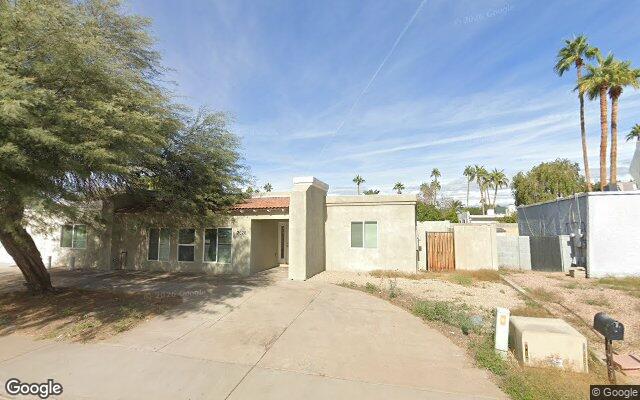
A medium home, reviewed on public record.
© Google Street View
Compared to 1,649 Arizona facilities with a similar number of beds.
Care · 36-month window. Higher percentile = better performance on inspection record. Source: Arizona Dept. of Health Services · Bureau of Residential Facilities Licensing.
among peers to rank.
Rankings based on 36-month ADHS inspection data. Severity and frequency: fewer citations = higher percentile. Repeat rate: lower repeat citation share = higher percentile.
Citation history, plotted month by month.
23 deficiencies on record. Each bar is a month with a citation.
Finding distribution
23 total · 36 monthsScope × Severity (CMS A–L)
Every inspection visit, verbatim.
4 inspections in the public record, most recent first. Plain-language summaries open first — click into any row for the full citation text.
2026-04-01Complaint InvestigationNo findings
2026-02-20Complaint InvestigationR9-10-803.A.10 · 11 findings
“Based on record review, documentation review, and interview, the manager failed to ensure the health, safety, or welfare of a resident was not placed at risk of harm. The deficient practice posed a risk to the physical health and safety of a resident. Findings include: 1. Review of R1’s current service plan, dated December 13, 2025, revealed R1 received medication administration. 2. Review of R1’s medical records revealed a medication order dated December 7, 2025. The order stated, “Fentanyl Patch 50 mcg. Apply patch transdermal [sic] every 72 hours. Remove old patch when applying new patch.” 3. A review of R1’s medical records revealed a medication administration record (MAR) dated February 2026. The MAR revealed “Fentanyl 50 mcg 1 patch every 72 hrs.” The MAR revealed 1 Fentanyl patch was administered at 11:00 AM on the following dates: February 2, 2026; February 5, 2026; February 8, 2026; February 11, 2026; and February 14, 2026. 4. A review of R1’s medical records revealed a Narcotic Administration Count (NAC) dated February 2026. The NAC revealed one Fentanyl patch was administered to R1 at 11:00 AM on the following dates: February 2, 2026; February 5, 2026; February 8, 2026; February 11, 2026; and February 14, 2026. 5. A review of R1’s medical record revealed an incident report dated January 26, 2026. The incident was described as follows: “[R1] refused to take the patch off because [R1] was out and want [sic] to keep the old one.” The actions taken by the home to prevent reoccurrence section of the form included, “Don’t give [R1] no more than 1 patch at a time.” 6. A review of R1’s medical record revealed an incident report dated February 14, 2026. The incident was stated, "[R1] was still breathing but not responsive. BP was 102/75, HR 92, oxy 88, temp 102. In the morning we gave [R1] [R1’s] meds and we only change [sic] [R1’s] fentanyl patch and [R1] refused to take the old patch off because [R1] was in pain. At 12:30pm (lunch) we went to give [R1’s] meds and food but [R1] was not waking up. So we didn’t give syringe and call [sic] 911.” 7. A review of the facility’s policies and procedures revealed a policy titled, “General Guidelines in Medication Administration or Assistance in Self-Administration of Medication” which stated, “Treatments: All treatments will be administered according to written Primary Care Provider Orders.” 8. In an interview, E1 reported R1 was in pain and always wanted to keep one patch on at all times. When they put a new patch on, R1 refused to remove the old patch. E1 reported that the day R1 was taken to the hospital, R1 had two fentanyl patches plus one lidocaine patch attached to R1's body. E1 reported that when they called 911, they also gave R1 a shot of Lorazepam. 9. In the exit interview, the findings were reviewed with E1, and no additional information was provided.”
“Based on observation, record review, documentation review, and interview, the manager failed to ensure that a caregiver provides documentation of completion of a caregiver training program approved by the Department or the Board of Examiners for Nursing Care Institution Administrators and Assisted Living Facility Managers (NCIA).The deficient practice posed a risk as the Department was provided false or misleading information. Findings include: 1. The Compliance Officers observed E3 working at the time of the inspection. 2. A review of E3’s personnel record revealed a caregiver certificate from the NCIA board. However, the Compliance Officers were unable to verify the caregiver training certificate. 3. A review of E3’s personnel record revealed E3 was hired as a caregiver. 4. A review of the TMU website https://azcg.tmutest.com/search did not reveal that E3 was trained as a caregiver. However, a search done using the registration number found on the certificate revealed that the certificate was issued to another individual. 5. A review of the NCIA board website https://aznciab.portalus.thentiacloud.net/webs/portal/register/#/ did not reveal that E3 was trained as a manager. 6. In an interview, E1 reported E2 verified E3’s certificate. E1 also reported that E3 did not have another name that E1 was not aware of. 7. In an electronic interview, O1 reported O1 was unable to verify E3’s caregiver’s certificate. O1 reported that E3’s caregiver certificate was verified under another name that did not belong to E3. 8. In an exit interview, the findings were reviewed with E1, and no additional information was provided.”
“Based on documentation review, observation, record review, and interview, the manager failed to ensure that an assistant caregiver interacted with residents under the supervision of a manager or caregiver. The deficient practice posed a risk as the individual was not qualified to provide the required services. Findings include: 1. The facility was licensed at the Directed Care Level. 2. Review of A.R.S. § 36-401.A.49. revealed "Supervision" means direct overseeing and inspection of the act of accomplishing a function or activity. 3. The Compliance Officers observed E3 working at the time of the inspection. 4. The Compliance Officers observed E3 go outside and redirect R2 from wandering. 5. A review of E3’s personnel record revealed E3 was hired as a caregiver. 6. A review of E3’s personnel record revealed a caregiver certificate. However upon review on the TMU website https://azcg.tmutest.com/search and the NCIA board’s website https://aznciab.portalus.thentiacloud.net/webs/portal/register/#/ both revealed that E3’s caregiver certificate belongs to someone else with a different name other than E3’s name. 7. In an electronic interview, O1 reported O1 was unable to verify E3’s caregiver’s certificate. O1 reported E3’s caregiver certificate was under another name that did not belong to E3. 8. In an exit interview, the findings were reviewed with E1, and no additional information was provided.”
“Based on record review and interview, the manager failed to ensure a medical record was established and maintained for each resident according to A.R.S Title 12, Chapter 13, Article 7.1. Findings include: 1. A.R.S Title 12, Chapter 13, Article 7.1. states, “A. Unless otherwise required by statute or by federal law, a health care provider shall retain the original or copies of a patient's medical records as follows: 1. If the patient is an adult, for at least six years after the last date the adult patient received medical or health care services from that provider." 2. During the on-site inspection, the Compliance Officer provided a 2-hour records request at 11:20 am to review R3’s complete medical record. However, R3's medical record was not provided for review during the on-site inspection. 3. In an interview, E1 reported that R3's complete medical record was being stored at E1’s home and was not available for review. 4. In the exit interview, the findings were reviewed with E1, and no additional information was provided.”
“Based on observation and interview, the manager failed to ensure resident medical records were protected from loss, damage or unauthorized use. The deficient practice posed a risk of protected, sensitive resident health information being disclosed without the resident's consent or knowledge. Findings include: 1. During an environmental inspection, the Compliance Officers observed resident records stored on a desk in a common area near the dining room, accessible to anyone who may enter the room. 2. In an interview, E1 reported that nobody ever said anything before about E1 keeping resident records on the desk. 3. In the exit interview, the findings were reviewed with E1, and no additional information was provided.”
“Based on observation, record review, and interview, the manager failed to ensure a resident’s medical record contained a medication order from a medical practitioner for each medication that was administered to the resident. The deficient practice posed a health and safety risk if a resident received medication and the Department was unable to verify an order for the medication. Findings include: 1. During the environmental tour, the Compliance Officers observed one tube of Calmoseptine ointment stored in the closet of R1’s room. The medication label was partially missing. The partial label revealed the medication was for a patient, O2. 2. Review of R1’s current service plan, dated December 13, 2025, revealed R1 received medication administration. 3. A review of R1’s medical record revealed that R1’s record did not contain a medication order for the Calmoseptine ointment found in R1’s room. 4. In an interview, E1 reported the Calmoseptine ointment found in R1’s closet was administered to R1. 5. In an exit interview, the findings were reviewed with E1, and no additional information was provided.”
“Based on record review and interview, the manager failed to ensure that if a verbal order for a resident's medication was received from a medical practitioner by the assisted living facility, a written order verifying the verbal order was obtained from the medical practitioner within 14 calendar days after receiving the verbal order, for one of two residents sampled. The deficient practice posed a health and safety risk if a resident received medication and the Department was unable to verify an order for the medication. Findings include: 1. Review of R1’s current service plan, dated December 13, 2025, revealed R1 received medication administration. 2. A review of R1's medical record revealed a medication administration record (MAR) dated February 2026. The MAR documented the following medications were administered to R1: · “Senna Oral Tab 8.6 mg for bowel care 2 Tab/Peg-Tube/BID/HS”; · “Fentanyl 50 mcg 1 patch every 72 hrs”; · “Oxycodone HCL 5 mg/5 ml 15ML/PO/QID”; · “Ropinirole Tab 0.25 mg”; · “Ibuprofen 200 mg 2 Tab/PO/BID”; and · “Lorazepam 2 mg .25 ml .25ml syringe every 2 hrs as PRN”. 3. A review of R1's medical record revealed the following verbal medication orders: · July 16, 2025: “Oxycodone HCL 5mg/5ml 15ML/PO/QID and 15ml PO PRN (middle of the night).” · October 2, 2025: “Oxycodone 100mg/15ml 0.75ml (15mg) by mouth under the tongue every 2 hours PRN pain.” · October 9, 2025: “Senna 8.6-50mg 2 tabs via G tube 2x daily.” · October 28, 2025: “Ropinirole 0.25mg 1 tab PO QHS.” · November 18, 2025: "Ibuprofen 200mg 2 tabs PO Q 8 hrs PRN pain.” · December 7, 2025: “Fentanyl patch 50mcg. Apply patch transdermal every 72 hours. Remove old patch when applying new patch.” · February 13, 2026: § "Lorazepam 2mg/ml give 0.5mg (0.25ml) by mouth every 2 hours as needed for anxiety.” § "Give one Oxycodone 0.5ml (10mg) now, resume every 4 hours PRN.” However, no written orders verifying the verbal orders were obtained from a medical practitioner within 14 calendar days after receiving the verbal orders. 4. In an interview, E1 reported that the verbal medication orders for R1 were signed by a registered nurse (RN). 5. In an exit interview, the findings were reviewed with E1, and no additional information was provided.”
“Based on record review, documentation review, and interview, the manager failed to ensure a medication was administered in compliance with a medication order, for one of two residents sampled. The deficient practice posed a risk if the resident experienced a change in condition due to improper administration of medication. Findings include: 1. Review of R1’s current service plan, dated December 13, 2025, revealed R1 received medication administration. 2. Review of R1’s medical records revealed a medication order dated December 7, 2025. The order stated, “Fentanyl Patch 50 mcg. Apply patch transdermal every 72 hours. Remove old patch when applying new patch.” 3. A review of R1’s medical records revealed a medication administration record (MAR) dated February 2026. The MAR revealed “Fentanyl 50 mcg 1 patch every 72 hrs.” The MAR revealed 1 Fentanyl patch was administered at 11:00 AM on the following dates: February 2, 2026; February 5, 2026; February 8, 2026; February 11, 2026; and February 14, 2026. 4. A review of R1’s medical records revealed a Narcotic Administration Count (NAC) dated February 2026. The NAC revealed one Fentanyl patch was administered to R1 at 11:00 AM on the following dates: February 2, 2026; February 5, 2026; February 8, 2026; February 11, 2026; and February 14, 2026. 5. A review of R1’s medical record revealed an incident report dated January 26, 2026. The incident was described as follows: “[R1] refuse [sic] to take the patch off because [R1] was out and want [sic] to keep the old one.” The actions taken by the home to prevent reoccurrence included, “Don’t give [R1] no more than 1 patch at a time.” 6. A review of R1’s medical record revealed an incident report dated February 14, 2026. The incident was described as follows: "[R1] was still breathing but not responsive. [R1's] BP was 102/75, HR 92, oxy 88, temp 102. In the morning we gave [R1] [R1’s] meds and we only change R1’s fentanyl patch and [R1] refuse [sic] to take the old patch off because [R1] was in pain. At 12:30pm (lunch) we went to give [R1’s] meds and food but [R1] was not waking up. So we didn’t give syringe and call 911 [sic].” 7. A review of the facility’s policies and procedures revealed a policy titled, “General Guidelines in Medication Administration or Assistance in Self-Administration of Medication,” which stated the following: · “Treatments: All treatments will be administered according to written Primary Care Provider Orders.” 8. In an interview, E1 reported R1 was in pain and always wanted to keep one patch on at all times. When they put a new patch on, R1 refused to remove the old patch. E1 reported that the day R1 was taken to the hospital, R1 had two fentanyl patches plus one lidocaine patch attached to his body. 9. In the exit interview, the findings were reviewed with E1, and no additional information was provided.”
“Based on observation, record review, documentation review, and interview, the manager failed to ensure medication was stored in a separate locked room, closet, cabinet, or self-contained unit used only for medication storage. The deficient practice posed a risk to residents’ health and safety. Findings include: 1. During an environmental tour, the Compliance Officers observed four Lidocaine topical patches being stored in a drawer in R1’s room. The Compliance Officers also observed one tube of Calmoseptine ointment being stored in a drawer in R1’s closet. 2. During the environmental tour, the Compliance Officers observed a blue storage cabinet in R1’s room that contained several bottles of skin cleanser, several tubes of ointments, a prescription earwax removal drops, as well as other creams and first aid items. The cabinet had a lock; however, the key was stored on the side of the cabinet, accessible to R1. 3. During the environmental tour, the Compliance Officers observed an unlocked minifridge located in the caregiver’s room. The minifridge had a numerical combination lock attached to the front. However, the lock was not scrambled, and the Compliance Officers were able to access its contents. The minifridge contained a separate black lock box inside, which also had a numerical combination lock attached. However, the lock on the black box was not scrambled, allowing the Compliance Officers access to its contents. The minifridge and black lock box contained numerous boxes of residents’ medications. 4. During the environmental tour, the Compliance Officers observed medications being stored in a locked cabinet that also contained resident medical records, facility records documentation, and other miscellaneous items. The medications included: At least six plastic containers with numerous bottles of resident medications, including nasal sprays, ointments, and tablets; One bottle of extra-strength acetaminophen; One box of Enoxaparin Sodium Injection, USP; One box of Fluticasone Propionate; and Several boxes of Albuterol Sulfate. 5. Review of R1’s current service plan, dated December 13, 2025, revealed R1 received medication administration. 6. A review of the facility’s policies and procedures revealed a policy titled “Medication Policy and Procedure,” which stated the following: · “Storage and Control of Medications: A locked secured area is used for storage of medication, solutions and prescription. This area is locked when not in use and is to be inaccessible to residents. Only the manager and trained caregivers shall have access to the facility’s medication storage area.” · “Controlled Substances: Medications that are considered as controlled substances shall be stored in a locked secured area with the other regular medications.” 7. In an interview, E1 reported R1 likes to have access to the medications in R1's cabinet when he needs them and refuses to allow the facility to keep the key. E1 reported the ointment found in R1’s closet, and the lidocaine patches were kept in R1’s room to make it easier for the caregivers to administer those medications. 8. In the exit interview, the findings were reviewed with E1, and no additional information was provided.”
“Based on observation and interview, the manager failed to ensure the premises and equipment used at the facility were free from a condition or situation that may cause a resident or other individual to suffer physical injury. The deficient practice posed a risk to the physical health and safety of the residents. Findings include: 1. During an environmental tour of the facility, the Compliance Officers observed a large uncapped plastic bottle containing used syringes in an unlocked cabinet in the kitchen. The used syringes were accessible if the bottle was turned upside down. 2. During the environmental inspection, the Compliance Officers observed a loose water faucet on a sink in a common bathroom used by residents. The faucet moved easily from side to side and was not securely attached to the sink. 3. During the environmental inspection, the Compliance Officers observed a large water fountain in the center of a common area in the backyard. The fountain was set into a stone pit with multiple uneven edges exposed, and created a fall hazard for the residents using the area. 4. During the environmental tour, the Compliance Officers observed several ambulatory residents, including one resident, who appeared to be cognitively declined, who opened the back egress door and wandered into the backyard in close proximity of the fountain. 5. During an environmental tour of the facility, the Compliance Officers observed the following items in a caregiver’s room: · One can of Glade air freshener spray; · One can of Wizard air freshener spray; · One bottle of Acetone nail polish remover; and · One bottle of Equate nail polish remover. However, there was no locking door that prevented residents from entering the room and accessing the toxic materials. 6. In an interview, E1 reported the plastic bottle was used as a Sharps container because a Sharps container costs too much money. E1 also reported the fountain had always been there since they began renting the home. Additionally, E1 reported the residents don’t enter the caregiver’s room. 7. In the exit interview, the findings were reviewed with E1, and no additional information was provided. 8. Technical assistance was provided on this rule, specifically regarding the fountain, during the compliance inspection on September 1, 2022.”
“Based on observation and interview, the manager failed to ensure hot water temperatures were maintained between 95° F and 120° F in areas of an assisted living facility used by residents. The deficient practice posed a risk to the physical health and safety of the residents. Findings include: 1. During an environmental tour of the facility, the Compliance Officers observed the hot water temperature reach 126° F as recorded by a Taylor digital probe thermometer in a resident’s private bathroom. 2. In an interview, E1 reported that E1 was not aware the water was that hot. 3. In the exit interview, the findings were reviewed with E1, and no additional information was provided.”
2024-06-03Complaint InvestigationA.A.C. · 6 findings
“Based on record review and interview, the manager failed to ensure the assisted living home maintained a standardized form for each resident that included the information prescribed in subsection A of this section for two of two residents reviewed. Findings include: 1. Review of R1's medical record revealed a document titled "Resident Face Sheet". This document contained some of the information required in subsection A of ARS 36-420.04, however it was missing the following: -Whether the resident receives medication services and a list of all the resident's prescription and over-the-counter medications, their dosages and how frequently they are administered; -The name, address and telephone number of the resident's current pharmacy; -A list of any known allergies to any medications, additives, preservatives or materials like latex or adhesive; -A copy of the resident's health insurance portability and accountability act release authorizing a receiving hospital to communicate with the assisted living center or assisted living home to plan for the resident's discharge; -A copy of the resident's advance directives, if any, on file at the assisted living center or assisted living home. 2. Review of R2's medical record revealed a document titled "Resident Face Sheet". This document contained some of the information required in subsection A of ARS 36-420.04, however it was missing the following: -Whether the resident receives medication services and a list of all the resident's prescription and over-the-counter medications, their dosages and how frequently they are administered; -The name, address and telephone number of the resident's current pharmacy; -A list of any known allergies to any medications, additives, preservatives or materials like latex or adhesive; -The name and contact information for the resident's primary care physician -A copy of the resident's health insurance portability and accountability act release authorizing a receiving hospital to communicate with the assisted living center or assisted living home to plan for the resident's discharge; -A copy of the resident's advance directives, if any, on file at the assisted living center or assisted living home. 3. In an interview, E2 reported that the "Resident Face Sheet" document was the documentation meant to comply with ARS 36-420.04, and that other documentation to comply with ARS 36-420.04 was not available. E2 acknowledged that the required documentation had not been completed for each resident.”
“Based on observation, documentation review, and interview, the manager failed to ensure documentation was maintained of the caregivers and assistant caregivers working each day, including the hours worked by each. The deficient practice posed a risk as there was no documentation to identify the staff that was present each day to ensure the health and safety of residents. Findings include: 1. When the Compliance Officer arrived, E1 and E4 were the only personnel working at the facility. 2. Review of the posted personnel schedule dated June 2024 revealed E1 and E2 were scheduled to work the 7am - 7pm shift June 3rd. E4 was not listed on the schedule. 3. During an interview, E2 reported that E4 does not work regularly, only when needed, so was not scheduled. E2 acknowledged documentation was not maintained of the caregivers working each day, including the hours worked.”
“Based on observation, record review, and interview, the manager failed to ensure a personnel record was available for one of four employees reviewed. The deficient practice posed a risk as required information could not be verified for E4. Findings include: 1. When the Compliance Officer arrived, E4 was present at the facility and observed working in the kitchen. 2. Review of the personnel records revealed no record for E4. 3. During an interview, E2 reported E4 did not have a record because E4 was only called in to work when needed, and was not at the facility "regularly". E2 acknowledged a personnel record was not available for E4.”
“Based on record review and interview, the manager failed to ensure a caregiver documented the services provided in the resident's medical record, for one of two residents reviewed. The deficient practice posed a risk as services could not be verified as provided against a service plan. Findings include: 1. Review of R2's medical record revealed a current written service plan dated September 2, 2023. This service plan stated the following services were needed: -Shampoo/conditioner twice a week; -Sponge bath on non-shower days; -Bed bath "2X weekly"; -Dressing: Full assist; -Grooming: Dependent, comb hair, daily; -Brush teeth, daily -Skin care, PRN lotion, monitor skin integrity, Peri-care as needed with every brief change -Catheter, empty PRN -Colostomy, empty PRN 2. A review of R2's medical record revealed a document titled "Activity of Daily Living" dated January 2024. However, none of the services from R2's service plan were documented as provided January 3rd-18th. 3. During an interview, E2 acknowledged R2's medical record did not include documentation of the above listed services and reported the services were provided as indicated in the service plan.”
“Based on record review and interview, the manager failed to ensure a resident's medical record contained the date of termination of residency, for one of two terminated residents reviewed. Findings include: 1. A review of R2's medical record revealed R2's date of termination of residency was not available for review. 2. In an interview, E2 reported R2 was no longer a resident at this facility. 3. In an interview, E2 acknowledged that R2's termination date was not included in the medical record.”
“Based on observation and interview, the manager failed to ensure foods requiring refrigeration were maintained at 41\'b0 F or below. The deficient practice posed a health risk to the residents. Findings include: 1. During the facility tour with E4, the Compliance Officer observed the following in a kitchen cabinet: -an opened bottle of yellow mustard; -an opened bottle of relish; - an opened bottle of "Creamy Caesar"; -an opened bottle of ketchup; and -an opened jar of "Classic alfredo pasta sauce" These containers stated "Refrigerate after opening". 2. The Compliance Officer observed a refrigerator in the kitchen that contained food items. However, the thermometer in the refrigerator measured the temperature of the refrigerator at 55\'b0F. 3. In an interview, E2 acknowledged that foods requiring refrigeration were not maintained at 41\'b0 F or below.”
2023-09-28Annual Compliance VisitA.A.C. · 6 findings
“Based on observation, documentation review, record review, and interview, the manager failed to ensure a personnel record for each employee included documentation of the individual's qualifications, including skills and knowledge applicable to the individual's job duties, for four of five caregivers sampled. Findings include: 1. The Compliance Officer observed E4 and E5 on site and providing physical health services to residents during the course of the compliance inspection. 2. A review of facility documentation revealed a staff schedule dated September 2023. The staffing schedule indicated E2, E3, E4, and E5 were scheduled to work as caregivers every day in September 2023. 3. A review of facility policies and procedures revealed a policy titled "Employees and Volunteers Qualifications, Job Descriptions, and Requirements" which stated, "The hiring person or manager will ensure, check and document that each caregiver and assistant caregiver providing physical health services have the required skills and knowledge before providing any services." 4. A review of E2's personnel record revealed a caregiver certificate. However, documentation of E2's qualifications, including skills and knowledge applicable to E2's job duties as a caregiver, were not available for review. 5. A review of E3's personnel record revealed a caregiver certificate. However, documentation of E3's qualifications, including skills and knowledge applicable to E3's job duties as a caregiver, were not available for review. 6. A review of E4's personnel record revealed E4 was hired as a caregiver. However, documentation of E4's qualifications, including skills and knowledge applicable to E4's job duties as a caregiver, were not available for review. 7. A review of E5's personnel record revealed E5 was hired as a caregiver. However, documentation of E5's qualifications, including skills and knowledge applicable to E5's job duties as a caregiver, were not available for review. 8. In an interview, E2 reported E1 and E2 had verified all scheduled caregivers' skills and knowledge prior to the caregivers providing physical health services. However, E2 acknowledged E2's, E3's, E4's, and E5's personnel records did not contain documentation of qualifications, including skills and knowledge.”
“Based on documentation review, record review, and interview, the manager failed to ensure a personnel record for each employee included documentation of the individual's education and experience applicable to the individual's job duties, for two of five personnel records sampled. The deficient practice posed a risk if the employees were unable to meet a resident's needs. Findings include: 1. A review of facility policies and procedures revealed a policy titled "Employees and Volunteers Qualifications, Job Descriptions and Requirements." The policy stated, "A Caregiver: Has a minimum of three months healthcare related experience. To receive manager delegation of authority to act as manager when the manager is not present at the facility, a caregiver must be at least 21 years or older and has to have at least three years of experience and prove skills and knowledge to act on manager's behalf." 2. A review of facility documentation revealed a staff schedule dated September 2023. The schedule indicated E2 and E3 were scheduled to work as caregivers every day in September 2023. 3. A review of E2's personnel record revealed a caregiver certificate. E2's personnel record also revealed E2 was a manager's designee for when the manager was not present at the facility. However, no documentation of education or experience applicable to E2's job duties was available for review. 4. A review of E3's personnel record revealed a caregiver certificate. E3's personnel record also revealed E3 was a manager's designee for when the manager was not present at the facility. However, no documentation of education or experience applicable to E3's job duties was available for review. 5. In an interview, E2 acknowledged documentation of education and experience applicable to E2's and E3's job duties was not available for review. E2 reported E2 and E3 were the facility's owners and had forgotten to fill out an employment application, or otherwise document education and experience. This is a repeat citation from the previous compliance inspection conducted on September 1, 2022.”
“Based on documentation review, record review and interview, the manager failed to ensure a personnel record for each employee or volunteer included documentation of compliance with the requirements in Arizona Revised Statutes (A.R.S.) \'a7 36-411(C), for four of five personnel records sampled. Findings include: 1. Arizona Revised Statutes (A.R.S.) \'a7 36-411(C) states "C. Owners shall make documented, good faith efforts to: 1. Contact previous employers to obtain information or recommendations that may be relevant to a person's fitness to work in a residential care institution, nursing care institution or home health agency..." 2. A review of facility policies and procedures revealed a policy titled "STAFFING AND RECORD KEEPING" which stated, "The facility manager shall insure [sic] that a personnel record for each employee and volunteer includes documentation of compliance with the requirements in A.R.S.\'a7 36-411 (A) and (C) (DPS fingerprinting clearance requirements)." 3. A review of facility documentation revealed a staff schedule dated September 2023. The schedule indicated E2, E3, E4, and E5 were scheduled to work every day in September 2023. 4. A review of E2's, E3's, E4's, and E5's personnel records revealed no documented, good faith efforts to contact previous employers to obtain information or recommendations relevant to E2's, E3's, E4's or E5's fitness to work in a residential care institution. 5. In an interview, E2 reported E2 made good faith efforts to contact previous employers to obtain information or recommendations that may be relevant to E2's, E3's, E4's, and E5's fitness to work in a residential care institution. However, E2 acknowledged no documentation of these efforts was available for review. This is a repeat citation from the previous compliance inspection conducted on September 29, 2023.”
“Based on record review and interview, the manager failed to ensure a resident's written service plan was signed and dated by the resident or resident's representative, and the manager, for three of three residents sampled. Findings include: 1. A review of R1's medical record revealed a service plan for personal care services updated on July 7, 2023. However, the service plan was not signed and dated by R1 or R1's representative, or the facility manager. 2. A review of R2's medical record revealed a service plan for personal care services updated on September 2, 2023. However, the service plan was not signed and dated by R2 or R2's representative, or the facility manager. 3. A review of R3's medical record revealed a service plan for personal care services updated on April 10, 2023. However, the service plan was not signed and dated by R3 or R3's representative, or the facility manager. 4. In an interview, E2 acknowledged R1's, R2's, and R3's written service plans were not signed and dated by the residents or residents' representatives, or the facility manager.”
“Based on record review and interview, the manager failed to ensure a resident's medical record contained documentation of notification of the resident of the availability of vaccinations for influenza and pneumonia, according to Arizona Revised Statutes (A.R.S.) \'a7 36-406(1)(d), for two of three residents sampled. Findings include: 1. A.R.S. \'a7 36-406(1)(d) states: "1. The department shall...(d) Require as a condition of licensure that nursing care institutions and assisted living facilities make vaccinations for influenza and pneumonia available to residents on site on a yearly basis. The department shall prescribe the manner by which the institutions and facilities shall document compliance with this subdivision, including documenting residents who refuse to be immunized." 2. A review of R1's medical record revealed documentation of notification of R1 of the availability of vaccination for flu and pneumonia was offered on March 10, 2022. However, no documentation to indicate R1 was notified of the availability of influenza and pneumonia vaccinations after March 10, 2022 was available for review. 3. A review of R2's medical record revealed a document titled "Pneumonia and Influenza Shots" which stated, "The department requires that a resident's record contain documentation of vaccination administration that includes the date the vaccine was offered or administered...The department does not require documentation of vaccination administration if: 1. The resident or the representative refuse the vaccination and signs and dates documentation that the resident has received information in [sic] the risk and benefits." The document contained a section for residents or representatives to sign to accept or refuse the vaccinations, however the document in R2's medical record was blank. R2's medical record contained no documentation to indicate R2 was notified of the availability of influenza and pneumonia vaccinations. 3. In an interview, E1 reported E1 believed R1 and R2 were notified of the availability of the vaccinations for influenza and pneumonia in 2023. However, E1 acknowledged documentation of this notification was not available in R1's or R2's medical record. Technical assistance was provided on this rule during the compliance inspection conducted on September 1, 2022.”
“Based on record review and interview, the manager failed to ensure the facility did not accept or retain a resident who was confined to a bed or chair because of an inability to ambulate even with assistance, unless the resident's primary care provider or other medical practitioner examined the resident within 30 calendar days before acceptance, reviewed the assisted living facility's scope of services, and signed and dated a determination stating the resident's needs can be met by the assisted living facility, for one of two sampled residents who were confined to a bed or chair because of an inability to ambulate even with assistance. Findings include: 1. A review of R2's medical record revealed a service plan dated September 2, 2023. The service plan revealed R2 received personal care services and stated "Medical Diagnosis: Paraplegic...Ambulation: Non-Ambulatory...Mobility: Complete Bed Rest...use of HOYER...Self Propels w/c, if out of bed." 2. Further review of R2's medical record revealed a document titled "Certificate for Non-Ambulatory Resident to Reside in the Group Home." The document stated, "PRIMARY CARE PHYSICIAN, This is to certify the following: 1. That I am the primary care physician of (blank) who is wheelchair/bed confined and cannot ambulate, has approved his/her continued stay in Kierland Care Assited Living LLC 2. That Mr./Ms. (blank) was last seen by undersigned physician last (blank) 3. That I have reviewed the Scope of Service being rendered by said facility 4. That it is therefore determined by the undersigned that said Resident's needs can be met/are being met by the facility within their Scope of Services." The document contained a line for R2's primary care physician to sign, however the line was blank and the document was signed only by R2. 3. In an interview, E2 acknowledged documentation to indicate whether R2's primary care provider or other medical practitioner examined the resident within 30 calendar days before acceptance, reviewed the assisted living facility's scope of services, and signed and dated a determination stating the resident's needs could be met by the assisted living facility was not available for review.”
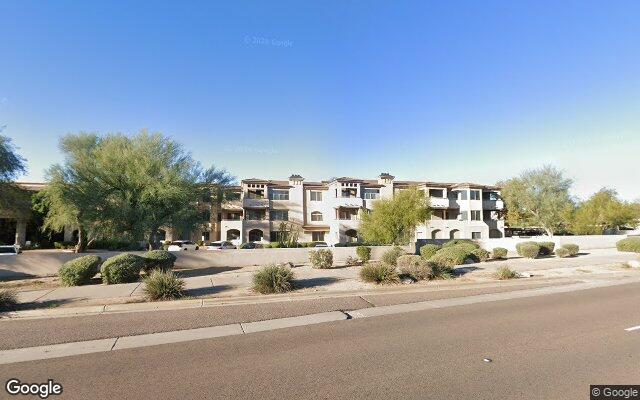
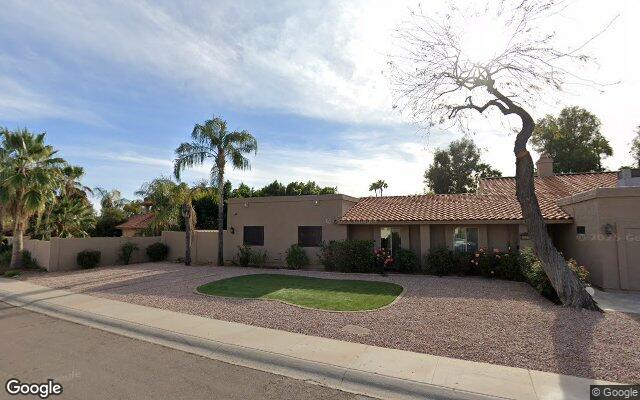
Other facilities in Scottsdale.
Other memory care facilities near Scottsdale with similar care offerings.
Contract Decoder
Family reviews
No reviews yet — be the first to share your experience