Richmond Hills Assisted Living Facility LLC.
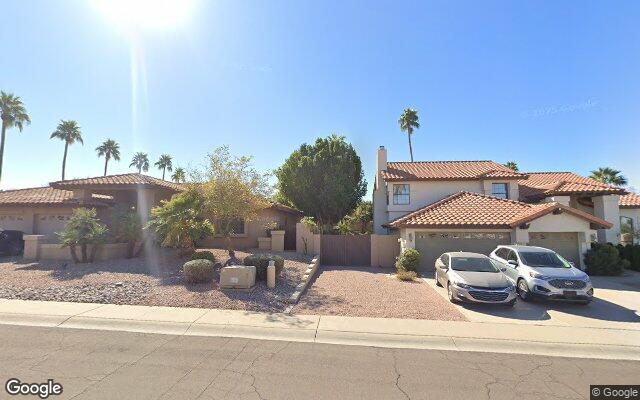
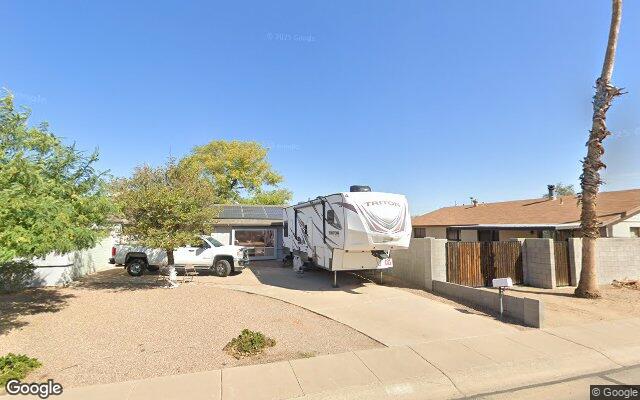
A medium home, reviewed on public record.
© Google Street View
Compared to 1,661 Arizona facilities with a similar number of beds.
Care · 36-month window. Higher percentile = better performance on inspection record. Source: Arizona Dept. of Health Services · Bureau of Residential Facilities Licensing.
among peers to rank.
Rankings based on 36-month ADHS inspection data. Severity and frequency: fewer citations = higher percentile. Repeat rate: lower repeat citation share = higher percentile.
Citation history, plotted month by month.
5 deficiencies on record. Each bar is a month with a citation.
Finding distribution
5 total · 36 monthsScope × Severity (CMS A–L)
Every inspection visit, verbatim.
2 inspections in the public record, most recent first. Plain-language summaries open first — click into any row for the full citation text.
2026-08-05Annual Compliance VisitNo findings
2023-11-02Complaint InvestigationA.A.C. · 5 findings
“Based on record review and interview, the manager failed to ensure before or at the time of acceptance of an individual, the individual submitted documentation dated within 90 calendar days before the individual was accepted by the facility, to include whether the individual required continuous medical services, continuous or intermittent nursing services, or restraints; dated and signed by a physician, registered nurse practitioner, registered nurse, or physician assistant, for one of two sampled residents. The deficient practice posed a risk if the facility was unable to meet a resident's needs. Findings include: 1. A review of R1's medical record revealed no documentation to indicate whether R1 required continuous medical services, continuous or intermittent nursing services, or restraints dated and signed by a physician, registered nurse practitioner, registered nurse, or physician assistant. 2. In an interview, E1 acknowledged R1's medical record did not include documentation to indicate whether R1 required continuous medical services, continuous or intermittent nursing services, or restraints.”
“Based on record review and interview, the manager failed to ensure a caregiver documented the services provided to a resident in the resident's medical record, for two of two sampled residents. Findings include: 1. A review of R1's medical record revealed a service plan dated June 13, 2023, for personal care services. R1's service plan reflected R1 required assistance with showering, hair washing, peri care daily, combing hair daily, and incontinence check every two hours. 2. A review of R2's medical record revealed a service plan dated September 13, 2023, for directed care services. R2's service plan reflected R2 required assistance with showering, hair washing, peri care daily, grooming daily, and incontinence checks every two hours. 3. A review of R1's and R2's medical records revealed no documentation of services provided to R1 and R2 available for review. 4. In an interview, E1 confirmed R1 and R2 required assistance with activities of daily living, and acknowledged documentation of services provided to R1 and R2 was not available for review.”
“Based on record review and interview, the manager failed to ensure the facility did not accept or retain a resident who was confined to a bed or chair because of an inability to ambulate even with assistance, unless the the facility obtained a written determination from a medical practitioner every six months stating the resident's needs were met by the facility and the resident's needs were within the facility's scope of services, for one of two residents sampled who were unable to ambulate even with assistance. The deficient practice posed a risk if the facility was unable to meet the needs of the resident. Findings include: 1. A review of R2's medical record revealed a service plan reflecting R2 was non-ambulatory. R2's medical record contained a document titled, "Authorization for continued residency," dated November 18, 2021. However, there was no current documentation indicating R2's medical practitioner examined R2 and reviewed the facility's scope of services at least once every six months, and signed and dated a determination stating R2's needs could be met by the facility. 2. In an interview, E1 reported R2 was unable to ambulate even with assistance. E1 acknowledged R2's "Authorization for continued residency" form was not completed at least once every six months.”
“Based on observation and interview, the manager failed to ensure medication was stored in a locked area. The deficient practice posed a risk to the health and safety of residents with access to the medication. Findings Include: 1. During the environmental inspection of the facility, the Compliance Officer observed a bottle of "Lorazepam" inside an unlocked lockbox in the facility's refrigerator. The lockbox contained a turn-key lock, however it was not locked at the time of the observation. 2. In an interview, E1 acknowledged the "Lorazepam" observed in the refrigerator was not stored in a locked location at the time of the inspection.”
“Based on observation and interview, the manager failed to ensure poisonous or toxic materials were stored in a locked area inaccessible to residents. Findings include: 1. During the environmental inspection of the facility, the Compliance Officer observed the following poisonous or toxic materials stored in unlocked areas accessible to residents: -On the kitchen counter, one half-gallon can of paint and primer; -In an unlocked kitchen cabinet, one bottle of "Lysol" and one bottle of dishwasher liquid; and -In an unlocked shed in the facility's back yard, twelve one-gallon cans of paint and primer. 2. In an interview, E1 acknowledged poisonous or toxic materials were not stored in locked areas inaccessible to residents.”
Other facilities in Phoenix.
Other memory care facilities near Phoenix with similar care offerings.
Contract Decoder
Family reviews
No reviews yet — be the first to share your experience