Paseo Highlands Assisted Living.
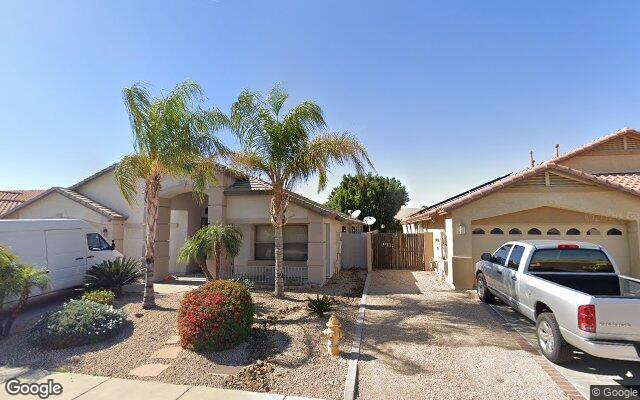
A medium home, reviewed on public record.
© Google Street View
Compared to 1,661 Arizona facilities with a similar number of beds.
Care · 36-month window. Higher percentile = better performance on inspection record. Source: Arizona Dept. of Health Services · Bureau of Residential Facilities Licensing.
among peers to rank.
Rankings based on 36-month ADHS inspection data. Severity and frequency: fewer citations = higher percentile. Repeat rate: lower repeat citation share = higher percentile.
Citation history, plotted month by month.
21 deficiencies on record. Each bar is a month with a citation.
Finding distribution
21 total · 36 monthsScope × Severity (CMS A–L)
Every inspection visit, verbatim.
3 inspections in the public record, most recent first. Plain-language summaries open first — click into any row for the full citation text.
2026-05-11Annual Compliance VisitA.A.C. · 4 findings
“Based on record review and interview, the assisted living home failed to maintain a standardized form for each resident that included the information prescribed in subsection A of this section. Findings include: 1 . A review of R1's and R2's medical records revealed that documentation of a maintained standardized form for the emergency responder was not available for review at the time of inspection. 2 . In an exit interview, the findings were discussed with E1 and E4, and no additional information was provided.”
“Based on documentation review and interview, the manager failed to ensure that the policies and procedures for medication administration were reviewed and approved by a medical practitioner, registered nurse, or pharmacist. Findings include: 1. A review of the facility's policies and procedures revealed a medication policy that included a signature line for a registered nurse or physician. However, the policy was not signed or dated by a registered nurse or physician. 2. In an exit interview, the findings were reviewed with E1 and E4, and no additional information was provided.”
“Based on record review and interview, the manager failed to ensure medication administered to a resident was documented in the resident's medical record, for five of five residents sampled. The deficient practice posed a risk as medication could not be verified as administered against a medication order and the Department was provided false or misleading information. Findings include: 1 . The Compliance Officers arrived at the facility at approximately 9:00 AM. 2 . In an interview, E4 reported the residents received medication administration. 3 . A review of R1's medical record revealed a signed medication order list for the following: -Levothyroxine 50 milligrams (MG), 1 tablet once daily at 8:00 PM; -Losartan Potassium 50 MG, 1 tablet once daily at 8:00 PM; -Memantine HCL 5 MG, 1 tablet once daily at 8:00 PM; -Montelukast Sodium 10 MG, 1 tablet once daily at 8:00 PM; -Mirtazapine 30 MG, 1 tablet once daily at 8:00 PM; -Quetiapine 25 MG, 1 tablet once daily at 8:00 PM; and -Levetiracetam 500 MG, 1 tablet twice daily at 7:00 AM and 7:00 PM. However, a review of R1's medical record revealed that documentation of a Medication Administration Record (MAR) sheet for May 2026. On the May MARs sheet, the PM medications were already documented as administered for May 11, 2026, at the time of inspection. 4 . A review of R2's medical record revealed a signed medication order list for the following: -Eliquis 2.5 MG, 1 tablet twice daily at 7:00 AM and 7:00 PM; -Flecainide 50 MG, 1 tablet twice daily at 7:00 AM and 7:00 PM; and -Donepezil 10 MG, 1 tablet daily at 7:00 PM. However, a review of R2's medical record revealed that documentation of a MAR sheet for May 2026. On the May MARs sheet, the PM medications were already documented as administered for May 11, 2026, at the time of inspection. 5 . In an exit interview, the findings were discussed with E1 and E4, and no additional information was provided.”
“Based on observation and interview, the manager failed to ensure that poisonous or toxic materials stored by the assisted living facility were maintained in labeled containers in a locked area separate from food preparation and storage, dining areas, and medications, and were inaccessible to residents. The deficient practice posed a risk to the physical health and safety of a resident. Findings include: 1. During the environmental inspection, the Compliance Officers observed a magnetic key on a glove dispenser next to the kitchen sink accessible to residents. The Compliance Officers were able to use the key on the counter to open a kitchen cabinet that contained the following poisonous or toxic materials: A bottle of Clorox Multi-Purpose Cleaner A bottle of Mean Green Cleaner and Degreaser A can of Lysol Disinfectant Spray 2. In an exit interview, the findings were discussed with E1 and E4, and no additional information was provided.”
2025-05-01Annual Compliance VisitR9-10-815.F.2 · 4 findings
“Based on observation and interview the manager failed to ensure that there was a means of exiting the facility for a resident who did not have a key, special knowledge for egress, or the ability to expend increased physical effort that meets one of the following: Provides access to an outside area that controlled or alerted employees of the egress of a resident from the facility. Findings include: 1. During the environmental inspection of the facility, the Compliance Officers observed a resident's room with a door leading to the backyard. However, the door had no control or alert. 2. During an environmental inspection of the facility, the Compliance Officers observed a resident's room with a door leading to the backyard. The door had a control. However, the control was not engaged and had no alert. 3. In an interview, E2 acknowledged that the doors in the residents' rooms provided access to an outside area that did not have controls or alert employees of the egress of a resident from the facility. This is a repeat deficiency from the compliance inspection conducted on October 23, 2023.”
“Based on observation and interview, the manager failed to ensure that poisonous or toxic materials stored by the assisted living facility were maintained in labeled containers in a locked area separate from food preparation and storage, dining areas, and medications, and were inaccessible to residents. Findings include: 1. During the environmental inspection with E1, the Compliance Officers observed a bottle of Superstar Glass cleaner on the kitchen island, near food items. 2. In an interview, E1 acknowledged that poisonous or toxic materials were on the kitchen island, near food items, and accessible to residents.”
“Based on observation and interview, the manager failed to ensure that combustible or flammable liquids and hazardous materials stored by the assisted living facility were stored in the original labeled containers or safety containers in a locked area inaccessible to residents. Findings include: 1. During the environmental inspection with E1, the Compliance Officers observed flammable materials that were in an unlocked cabinet in the kitchen, which was accessible to residents. The following materials were found in the unlocked cabinet: WD 40 3 in One lighter fluid 2. In an interview, E1 acknowledged that there were flammable materials in an unlocked cabinet accessible to residents.”
“Based on observation and interview, the manager failed to ensure that pets allowed in the assisted living facility were licensed, consistent with local ordinances, and vaccinated against rabies for 1 of 2 dogs. Findings include: 1. During an environmental inspection of the facility, the Compliance Officers observed two dogs at the facility. 2. A review of facility documentation revealed documentation of registration and rabies for one dog. However, documentation of registration and rabies for the other dog was not available for review at the time of inspection. 3. In an interview, E2 acknowledged that the manager failed to ensure that pets allowed in the assisted living facility were licensed, consistent with local ordinances, and vaccinated against rabies. This is a repeat deficiency from the compliance inspection conducted on March 31, 2022.”
2023-10-23Annual Compliance VisitA.A.C. · 13 findings
“Based on documentation review, record review, and interview, the governing authority failed to notify the Department according to A.R.S. \'a7 36-425(I), when there is a change in the manager. Findings include: 1. In observation, E1's manager's license was posted at the facility. 2. In record review, E1's personnel record indicated E1 was hired on February 15, 2023. However, last year's compliance inspection documented E1 was hired as a caregiver on March 17, 2018. 3. A review of Department documentation revealed O1 was the facility manager. The Department was not notified of the change in the manager. 4. During an interview, E1 reported [E1] became the manager "last year," and sent an email notifying the Department of the change in manager. The compliance officer requested to review the email notification to the Department of a change in the manager; however, no further documentation was provided for review.”
“Based on documentation review, record review, and interview, the manager failed to submit a documented report to the governing authority per the frequency established in the facility's quality management program, that included an identification of each concern about the delivery of services related to resident care, and any change made or action taken as a result of the identification of a concern about the delivery of services related to resident care. The deficient practice posed a risk if the quality management program procedures were not implemented to effectively evaluate and manage services provided. Findings include: 1. In documentation review, the facility maintained a document titled, "Quality Management Program Monthly Summary Report." The report indicated no incidents occurred from January through December, 2022, and from January through September, 2023. 2. In record review, R1's medical record included documentation of incidents that occurred on March 7, 2022, on April 22, 2023, and on July 13, 2023. These incidents were not included on the monthly summary report. 3. In documentation review, a facility policy titled, "Quality Management Program ..." documented, "... 11. At least once every quarter, the Manager will review report electronically or in writing to the governing authority/licensee all the concerns about the delivery of services related to residents care and any change made or action taken as a result of the identification of a concern about the delivery of services related to resident care. The manager will submit to the governing authority a documented /written report at least once every 12 months. 12. The Manager is responsible to maintain and store the reports caused to the governing authority/licensee for at least 12 months from the reporting date..." 4. During an interview, E2 acknowledged the facility's Monthly Summary Report did not include documentation of the facility's incidents. E1 and E2 reviewed the facility's quality management program policy and acknowledged reports were not documented, as required.”
“Based on observation, documentation review, and interview, the manager failed to ensure documentation was maintained of the caregivers and assistant caregivers working each day, including the hours worked by each. The deficient practice posed a risk to residents if the facility did not maintain staffing schedules, with accurate documentation of facility staffing coverage for residents Findings include: 1. In observation, upon arrival at the facility, E3 and E4 were observed to be the only caregivers working at the facility with nine residents on site. 2. During an interview, E3 and E4 reported E3 worked at the facility for approximately five years. E3 typically worked shifts during the week and E4 worked shifts Saturday through Monday. E1 and E2 also worked shifts at the facility. 3. In documentation review, the staffing schedule dated October 2023, included documentation of two shifts; 7am-7pm and 7pm - 7am. The schedule documented E1 and E2 worked 7am - 7pm every Sunday through Saturday, and E5 worked 7pm - 7am every Sunday through Saturday. The schedule did not include documentation E3 and E4 worked at the facility. 4. In documentation review, a facility policy, titled, "Staffing and Record Keeping," documented, "... 8. A work schedule of all staff members who provides assisted living services to residents... is developed and maintained at the facility for at least 12 months from the date of the work schedule. The work schedule must contain facility name, dates, and a key of abbreviation (for names of working staff/volunteers, hours scheduled, hours worked, etc.) 5. During an interview, E1 and E2 acknowledged the staffing schedule did not include the caregivers working each day, including the hours worked by each.”
“Based on record review and interview, for two of four residents reviewed, the manager failed to ensure a resident had a written service plan to include the level of service the resident was expected to receive. The deficient practice posed a risk as the service plan did not reinforce and clarify services to be provided to a resident. Findings include: A.R.S. \'a7 36-401.A.50. defines "Supervisory care services" to mean general supervision, including daily awareness of resident functioning and continuing needs, the ability to intervene in a crisis and assistance in the self-administration of prescribed medications. A.R.S. \'a7 36-401.A.41. defines "Personal care services" to mean assistance with activities of daily living that can be performed by persons without professional skills or professional training and includes the coordination or provision of intermittent nursing services and the administration of medications and treatments by a nurse who is licensed pursuant to title 32, chapter 15 or as otherwise provided by law. A.R.S. \'a7 36-401.A.16. defines "Directed care services" means programs and services, including supervisory and personal care services, that are provided to persons who are incapable of recognizing danger, summoning assistance, expressing need or making basic care decisions. 1. In observation, R2 was observed in bed during the inspection. 2. In record review, R2's medical record included a service plan dated September 2, 2022 (received personal care services), and an updated "Service Plan," statement dated March 7, 2023, (Level of Care: Personal) which documented "... Comments: No Significant change found.(Previous Service Plan Attached as reference). Please see MAR and Doctor's Order for Medication List." The document as signed by Doctor, Facility representative and R2's representative). R2's service plan documented R2 was oriented, confused, forgetful. R2's record indicated R2 had a Power of Attorney (POA), and the record included a copy of the POA document. 3. During an interview, E1 reported R2 was able to make needs known, however, acknowledged R2 was unable to direct self care, and make basic care decisions, and had a POA, who signed all documentation for R2. E1 acknowledged R2's service plan did not include the level of service R2 was expected to receive; directed care services. 4. In observation, R3 was unable to converse with the compliance officer coherently. R3 reported [R3] didn't actually live at the facility, was unaware of the day, year, and was unable to identify the caregivers who assisted in R3's care, and pointed to another resident when asked who assisted in [R3's] care. 5. In record review, R3's medical record included a service plan dated August 6, 2023, (received personal care services) and an updated "Service Plan," statement every six months through August 6, 2023, which documented "No Significant change found (Previous Service Plan Attached as reference). Please see MAR and Doctor's Order for Medication List (document signed by Doctor, Facility representative and R3's representative).R3's record indicated R3 had a POA, and the record included a copy of the POA document. 6. During an interview, E1 reported R3 was able to make needs known; however, was unable to direct self care, and make basic care decisions and had a POA. R3's service plan did not include the level of service R3 was expected to receive; directed care services.”
“Based on record review, and interview, for three of four residents reviewed, whose service plan documented personnel care services, the manager failed to ensure a written service plan was reviewed and updated at least once every six months. The deficient practice posed a health and safety risk to residents if the service plans were not updated to include services to be provided for the resident to address the resident's current condition. Findings include: 1. In record review, R1's medical record included a service plan dated July 1, 2022 (received Personal Care Services), and (not signed by representative). The service plan included documentation R1 had Dementia, Macular Degeneration, Anxiety... Self administered medication, and "All medication administered as ordered," was confused (the box for alert and oriented not checked; however, documented as receiving Personal Care services), was incontinent and continent, ambulated and did not require fall risk precautions. 2. R1's record included a "Service Plan," dated January 1, 2023, and July 1, 2023, which documented: "Comments: No Significant change found. (Previous Service Plan Attached as reference). Please see MAR and Doctor's Order for Medication List." The "Service Plan," included the signature of the Doctor, the Facility Representative/Manager, and R1's representative. 3. In record review, R1's medical record included documentation R1 had a fall at the facility on March 7, 2022, April 27, 2023, and July 131, 2023. 4. During an interview, E1 and E2 acknowledged R1's service plan was not updated to include R1's history of falls, fall risk precautions and safety measures to prevent falls, whether R1 was continent or incontinent, and that R1 received medication administration services, and did not self-administer medications. 5. In record review, R2's medical record included a service plan dated September 2, 2022 (received Personal Care Services), had medical diagnosis of CHF, Chronic Kidney Disease, Hypertension, Coronary Disease, medication administration, was oriented and confused, ambulated, fall risk precautions, was continent. 6. R2's record included a "Service Plan," dated March 1, 2023, and September 2, 2023, which documented: "Comments: No Significant change found. (Previous Service Plan Attached as reference). Please see MAR and Doctor's Order for Medication List." The "Service Plan," included the signature of the Doctor, the Facility Representative/Manager, and R2's representative. 7. During an interview, E1 and E2 reported R2 was at risk for falls, was confined to a bed or chair and unable to ambulate even with assistance, was incontinent, and required full assistance with activities of daily living. E1 and E2 acknowledged R2's service plan was not updated, as required. 8. In record review, R3's medical record included a service plan dated August 6, 2021 (received Personal Care Services). The service plan included documentation R3 had Early onset Alzheimer's, medication administration services, was alert, oriented (no confusion documented), and was independent with bathing/hygiene. 9. R3's record included a "Service Plan," dated February 6, 2022, August 15, 2022, March 1, 2023, and August 6, 2023, which documented: "Comments: No Significant change found. (Previous Service Plan Attached as reference). Please see MAR and Doctor's Order for Medication List." The "Service Plan," included the signature of the Doctor, the Facility Representative/Manager, and R3's representative. 10. During an interview, E1 and E2 reported R3 was alert and confused, was not independent with bathing/hygiene and grooming and required assistance with activities of daily living. E1 and E2 acknowledged R3's service plan was not updated.”
“Based on observation, record review, documentation review, and interview, for two of four resident records reviewed, the manager failed to ensure documentation of medication administration was completed, and included the name and signature of the individual administering medication. The deficient practice posed a health and safety risk to a resident if a medication administered to a resident was not documented, and the medication record did not accurately reflect the individual who administered medications. Findings include: 1. In record review, the medical records for R1 and R2 indicated the residents received medication administration services. Each record included a MAR dated October 2023, and indicated the residents received medications daily, as ordered: - R1's MAR dated September, 2023, documented R1 received Quetiapine three times daily at 7am, 11am, and 7pm, Trazadone daily at 7pm, and Mirtazapine daily at 7pm, and the same medications from October 1 - 23, 2023. The MAR indicated E2 administered all medications for R1 in September and October, 2023. - R2's MAR dated October, 2023, documented R2 received Duloxetine daily at 7am, Quetiapine daily at 7pm, Aspirin daily at 7am, Furosemide daily at 7am, Spironolactone daily at 7am, Carvedilol twice daily at 7am and 7pm, Oxycodone three times daily at 7am, 1pm, and 7pm, Quetiapine daily at 11am, Trazadone daily at 7pm and Lorazepam daily at 7pm. The MAR indicated E2 administered all medications for R2 October 1 - 23, 2023. 2. In documentation review, a facility policy titled, "Medications, " documented, "Part II - Medication administration, records and monitoring... The trained caregiver will intial in the MAR for the date and time the medicine was given to the resident and the medications taken... 12. Medication administration records will be filled by the authorized personnel that are doing medication administration... only after observing the resident taking the medication. Time and date will be recorded as well as the initials of the person that administered the medication..." 3. During an interview, E4 reported [E4] administered medication to residents at 7pm on Saturday through Monday, when E4 worked the second shift, and E1 and E2 administered resident medications at other medication times. E1 and E2 acknowledged the residents' MARs did not include the signature of the person who administered the medications.”
“Based on record review and interview, for one of four residents reviewed, the manager failed to ensure the service plan for a resident receiving personal care services included skin maintenance to prevent and treat bruises, injuries, pressure sores, and infections. Findings include: 1. In observation, R2 was observed in bed during the inspection, and had a red healing wound on the forehead. 2. In record review, R2's medical record included documentation R2 was confined to a bed or chair and unable to walk even with assistance. R2's service plan included documentation "Skin condition: Intact." R2's service plan did not include skin maintenance services provided for R2. 3. During an interview, E1 reported R2 had a history of a rash on the buttocks. R2 had a fall on October 6, 2023, which caused the wound on the forehead. E1 and E2 reported skin maintenance services were provided for R2 to prevent skin breakdown, and treat the head wound; however, acknowledged skin maintenance services were not documented on R2's service plan.”
“Based on observation and interview, for the facility licensed to provide directed care services, the manager failed to ensure there was a means of exiting the facility that provided access to an outside area which controlled or alerted employees of the egress of a resident from the facility. The deficient practice posed a health and safety risk to residents as an unlocked and open door provided access to the outside and street area, without alerting employees. Findings include: 1. During an environmental inspection with E1, the compliance officer observed an unlocked door exited from the laundry room to the garage. Entry to the garage revealed a door in the garage was wide open, and allowed exit to the facility's side yard area. Neither door was observed to control or alert employees of the egress of a resident. 2. During an interview, E1 acknowledged the doors to the garage and the side yard were unlocked and allowed exit from the facility, which posed a risk to a resident if the exits did not control or alert employees of the egress of a resident from the facility.”
“Based on observation, documentation review, and interview, the manager failed to ensure policies and procedures were implemented for discarding medication. The deficient practice posed a health and safety risk if medications, including narcotics, were not disposed of, as required. Findings include: 1. In observation, two medication containers were stored in the kitchen refrigerator. The containers included the following: - Lorazepam medication expired "04/2023." - Lorazepam medication expired "09/2023." - Morphine medication dispensed "07/13/2023," for R10 - Metolazone medication, expired 08/16/2021," for R2 - Morphine medication, expired "04/18/2023," for R5 - Three Basaglar Insulin Pens, expired "02/2023" for R6 - One Novolog Insulin pen, expired "08/2023" for R6 - Bisacodyl Suppositories, exp "10/29/21," for R7 - Two bottles of Lorazepam Intensol oral concentrate - no resident identified - One bottle Oxycodone Hydrochloride oral solution for R8 - Acetaminophen Suppositories, expired "06/05/20," for R9 2. In documentation review, a facility policy, titled "Medications," documented, "...Part IV - Disposal (discarding of medication, recall. 1. The facility manager or manager designee will check on a monthly basis all medication in the facility to identify and locate any discontinued medications (by physician's or medical practitioner's order), expired medication, including deceased resident's medication. 2. Such medication will be disposed of by the facility manager or manager designee the last day of the month, as follows: a. offered back to the resident's representative. b. returned to pharmacy, or c. disposed of by mixing the pills.... 3. The medication disposal will be recorded in the Medication Disposal Form..." 3. During an interview, E1 and E2 acknowledged the facility stored expired medications, and medications for residents no longer at the facility. E1 reported R5, R6, R7, R8, R9, and R10 were no longer at the facility and had passed away. E1 and E2 acknowledged the medications were not disposed of according to the facility's policy and procedures.”
“Based on observation, record review, documentation review, and interview, for one resident reviewed and receiving controlled substances, the manager failed to ensure policies and procedures were implemented for inventorying controlled substances. The deficient practice posed a risk if controlled substances were not inventoried and accounted for. Findings include: 1. In observation, R2 had Oxycodone medication (a schedule II controlled substance and opioid), on site and stored by the facility. 2. In record review, R2's medical record included a medication order for Oxycodone 5 mg, take 1 tab TID by mouth. R2's Medication Administration Record (MAR) dated October, 2023, included documentation R2 received the opioid medication three times daily, as ordered. A document titled, ".. Controlled Drug Sign Out Log," included documentation of an inventory of the Oxycodone medication; through October 20, 2023. The Log included documentation R2 received the medication October 21, through October 23, 2023; however, did not include documentation of an inventory of the medication. 3. In documentation review, a facility policy titled, "Medications," documented, "... Part V - Storing, Inventory and disposing controlled substances... Narcotics and controlled substances will be controlled, and stored by the facility as specified at Part III... Daily narcotic administration will be recorded on each resident MAR... As needed narcotic administration will be recorded in the Narcotic Administration Record separate for each resident to ensure proper inventorying...". 4. During an interview, E2 reported R2 received Oxycodone medication daily, and the medication was available in the original medication container, and in the resident's mediset. E1 reported an inventory was maintained on the "Controlled Drug Sign Out Log," and acknowledged the medication was not inventoried since October 20, 2023.”
“Based on documentation review and interview, the manager failed to ensure an employee disaster drill was conducted on each shift at least once every three months and documented. The deficient practice posed a health and safety risk to residents and employees, if the employees were unable to implement the disaster plan. Findings include: 1. In documentation review, the facility's staffing schedules for August, September, and October, 2023, documented the facility had two shifts; 7:00am - 7:00pm, and 7:00pm - 7:00am. 2. In documentation review, the facility had documentation a disaster drill was conducted on September 15, 2023 at 7:15am, on June 15, 2023, at 7:15am, on December 15, 2022, and on September 17, 2022. The facility did not have documentation of disaster drills conducted on each shift at least once every three months. 3. During an interview, E1 and E2 reported the facility had two shifts. E2 reported the drills were conducted only once; however, included staff from all shifts. E1 and E2 acknowledged the facility did not conducted a disaster drill on each shift at least once every three months.”
“Based on documentation review, record review, and interview, the manager failed to establish and document policies and procedures for administering an opioid to protect the health and safety of a patient in compliance with R9-10-120.F. The deficient practice posed a risk as policies and procedures reinforce and clarify standards expected of employees. The Department was unable to determine substantial compliance as the documentation was not in the policies and procedures during the inspection, and the documentation was not provided within two hours after a Department request. Findings include: 1. In documentation review, a review of the facility's policy and procedures manual revealed no documentation of policies and procedures covering opioid administration. 2. In record review, R2's medical record revealed a medication order for Hydrocodone medication, and the medical record included documentation R2 received the medication daily, as ordered. 3. During an interview, E1 and E2 reported the facility did not have documented policies and procedures for administering opioid medication per R9-10-120.F.”
“Based on observation, record review, and interview, for one resident reviewed, and receiving opioid medication, without an active malignancy or an end of life condition, the manager failed to ensure an individual, authorized to administer opioids, documented in the resident's medical record an identification of the resident's need for the opioid before the opioid was administered, and the monitoring of the effect of the opioid administered. The deficient practice posed a risk to a resident if the resident's level of pain was not documented, as required. Findings include: 1. In observation, R2 had Oxycodone medication (a schedule II controlled substance and opioid), on site and stored by the facility. 2. In record review, R2's medical record included a medication order for Oxycodone 5 mg, take 1 tab TID by mouth. R2's Medication Administration Record (MAR) for October, 2023, included documentation R2 received the opioid medication three times daily, as ordered. However, the record did not include documentation of an identification of the resident's need for the opioid before the opioid was administered, and the monitoring of the effect of the opioid administered. R2's medical record did not include documentation of an active malignancy or end of life condition. 3. During an interview, E1 reported R1 received the medication for pain, and did not have an end of life condition or an active malignancy. E1 acknowledged the caregiver did not document in the resident's medical record an identification of the resident's need for the opioid before the opioid was administered, and the monitoring of the effect of the opioid administered.”
Other facilities in Phoenix.
Other memory care facilities near Phoenix with similar care offerings.
Tour Prep
Family reviews
No reviews yet — be the first to share your experience